Author: Mr A
Location: About 10 minutes outside Hope Vale, an Aboriginal community north of Cooktown
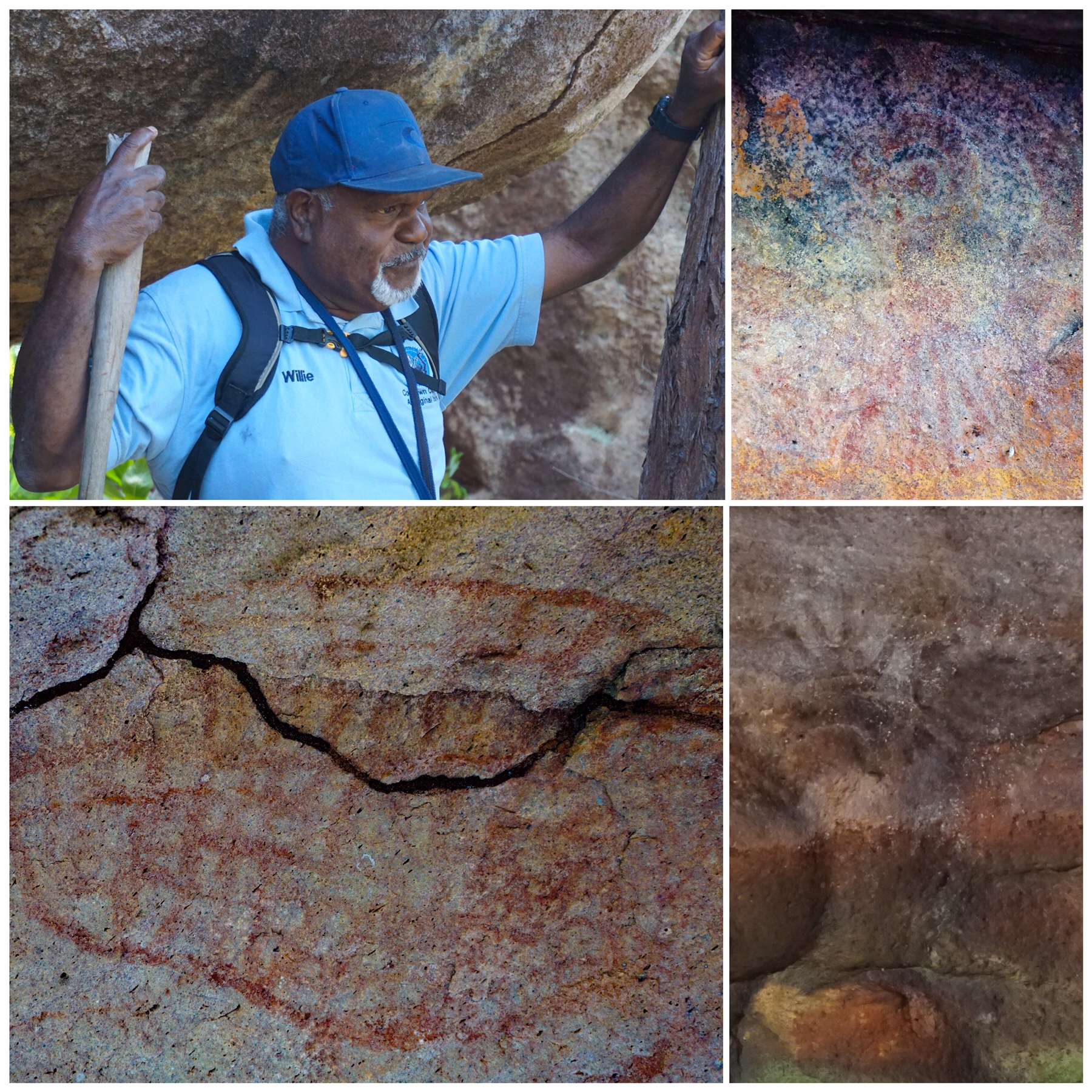
So today was our trip with a local aboriginal guide (Willie), so we headed off in the car and were somewhat relieved to find him, after the vague mud map he had drawn of where to go! Three other couples were also joining us, a nice small group.
He was an interesting character, with a very insightful way of commenting on the lives of Aboriginals, their struggles and character. Willie kicked off by saying in Cooktown there is no “white and black” anymore, people are integrated and living together with minimal conflict. He spoke of reconciliation as having happened here, of his grandfather in the 1890s accepting a white child from a mixed marriage into their family. Willie also acknowledged the abuse of alcohol and drugs that had been part of his own life as a teen, and was present today as a huge challenge for the community here. He had even trained as a mental health nurse to try and find ways to support his community. What a complex problem with no easy fixes.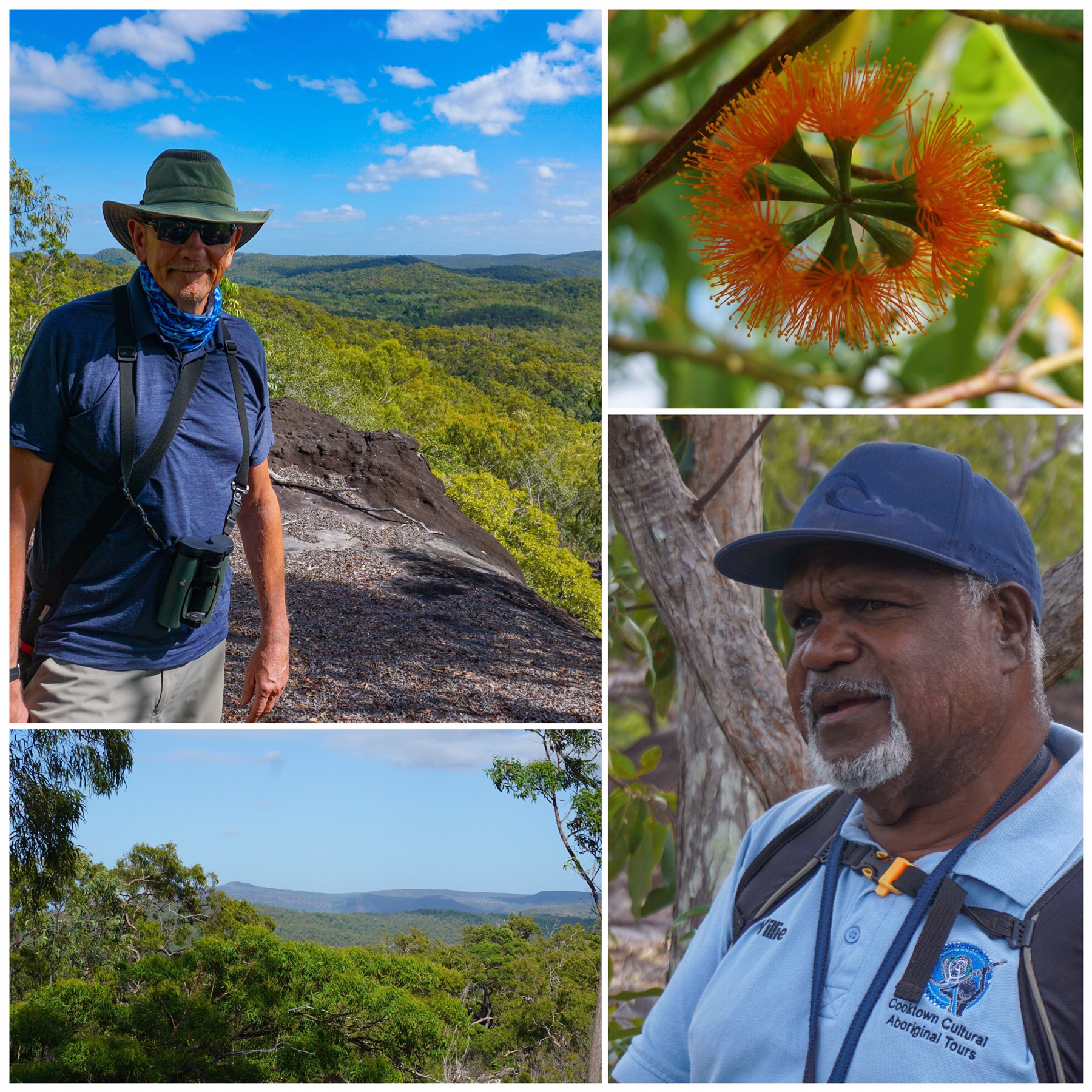 Willie started to take us on a tour of his “backyard”, where his grandfather’s bones are buried and where he was birthed. He explained what they ate and drank, plucking plants and fruit for us to smell and feel, and talked about the seasonal migrations from the bush to the beach, at pains to point out they were not nomads but followed a set path of migration along the songlines.
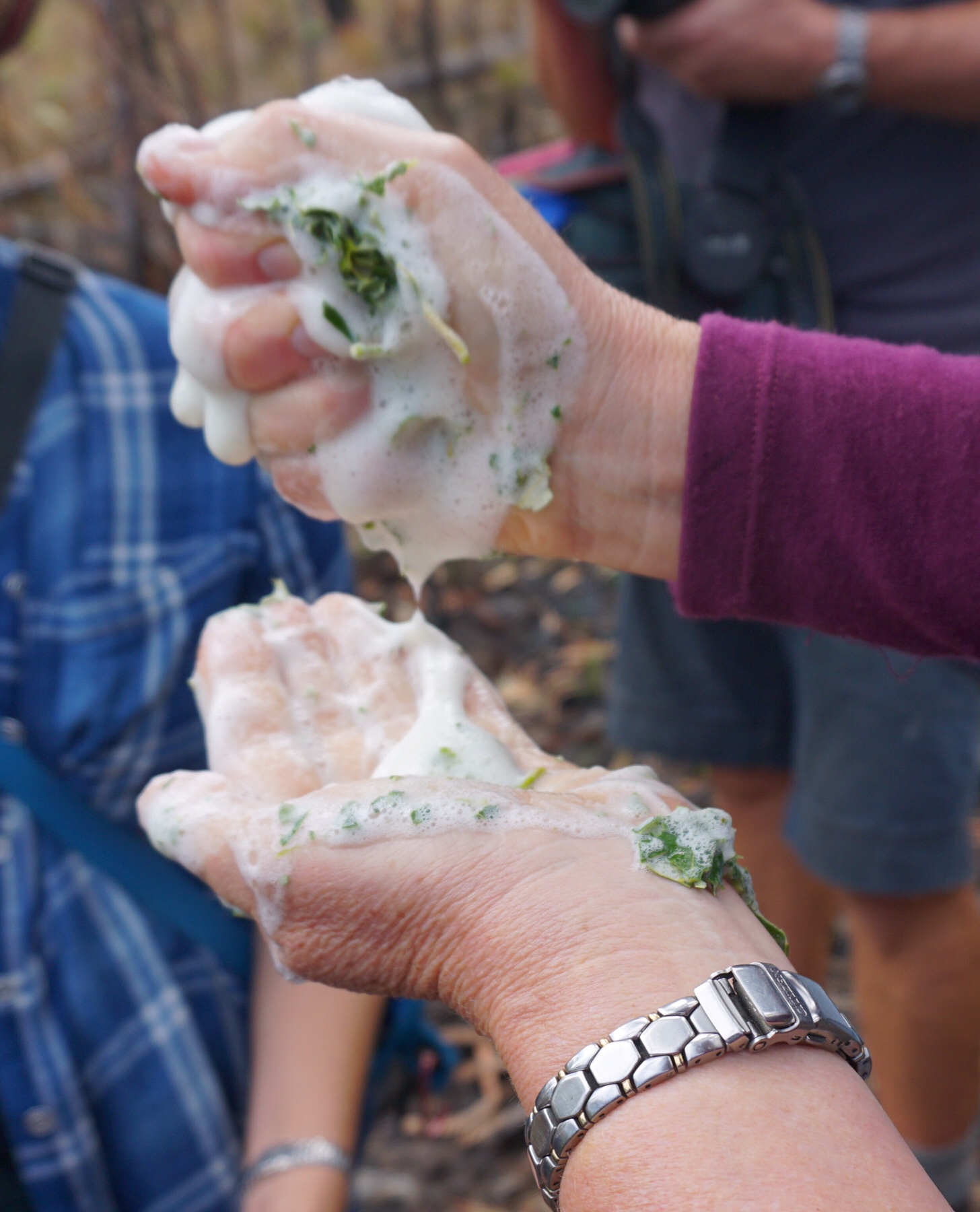
His powers of observation were incredible, spotting tiny lizards and tempting them out for a drink from a curled up leaf he was holding.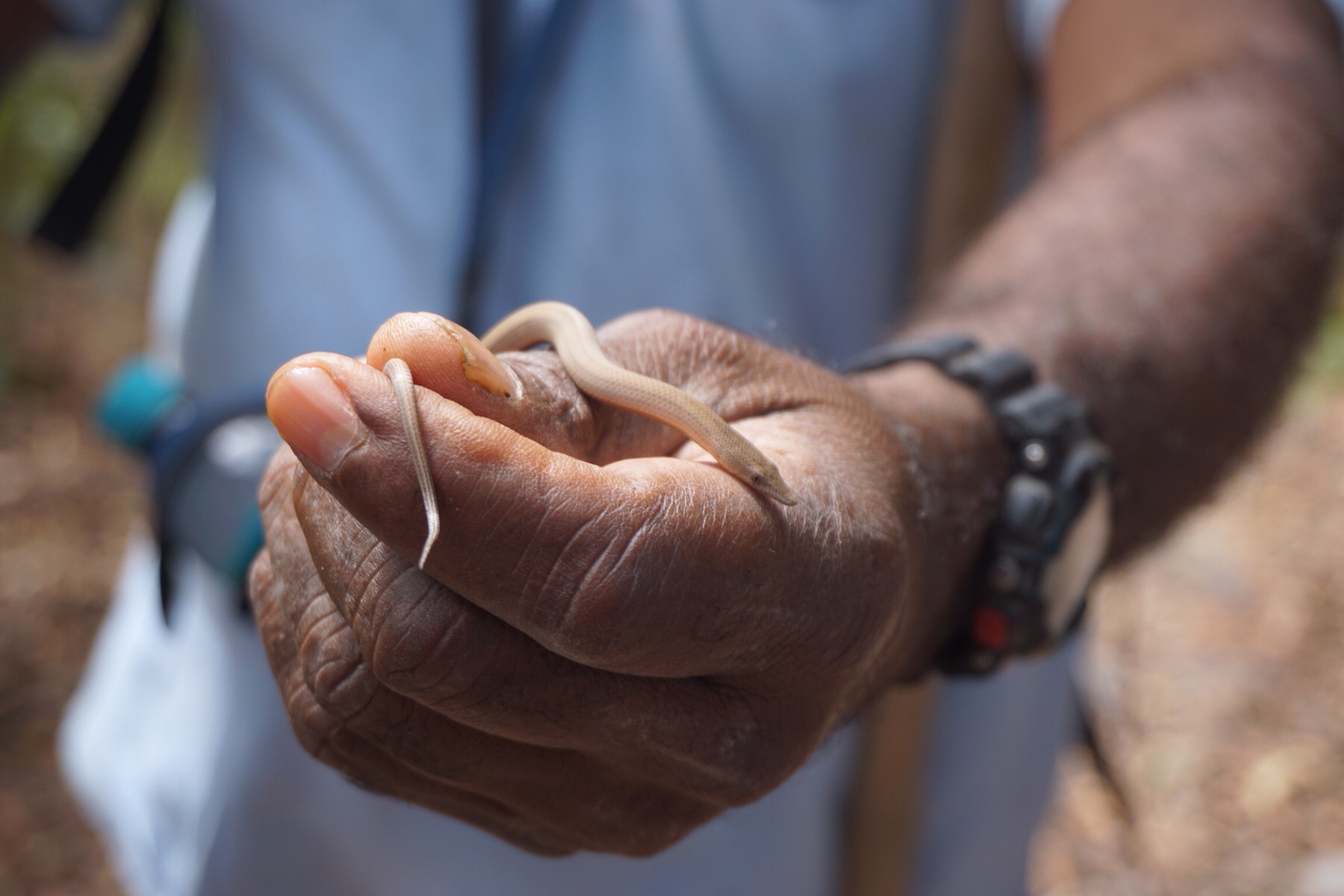 The knowledge of flora and fauna these people have accumulated over 40,000 years and passed on through stories, music and art is just incredible. He had Catherine mix up some seeds in her hand that are used to put a protective coating over a wound, while he had another lady rubbing together some leaves from the soap bush creating a cleaning compound that was antiseptic.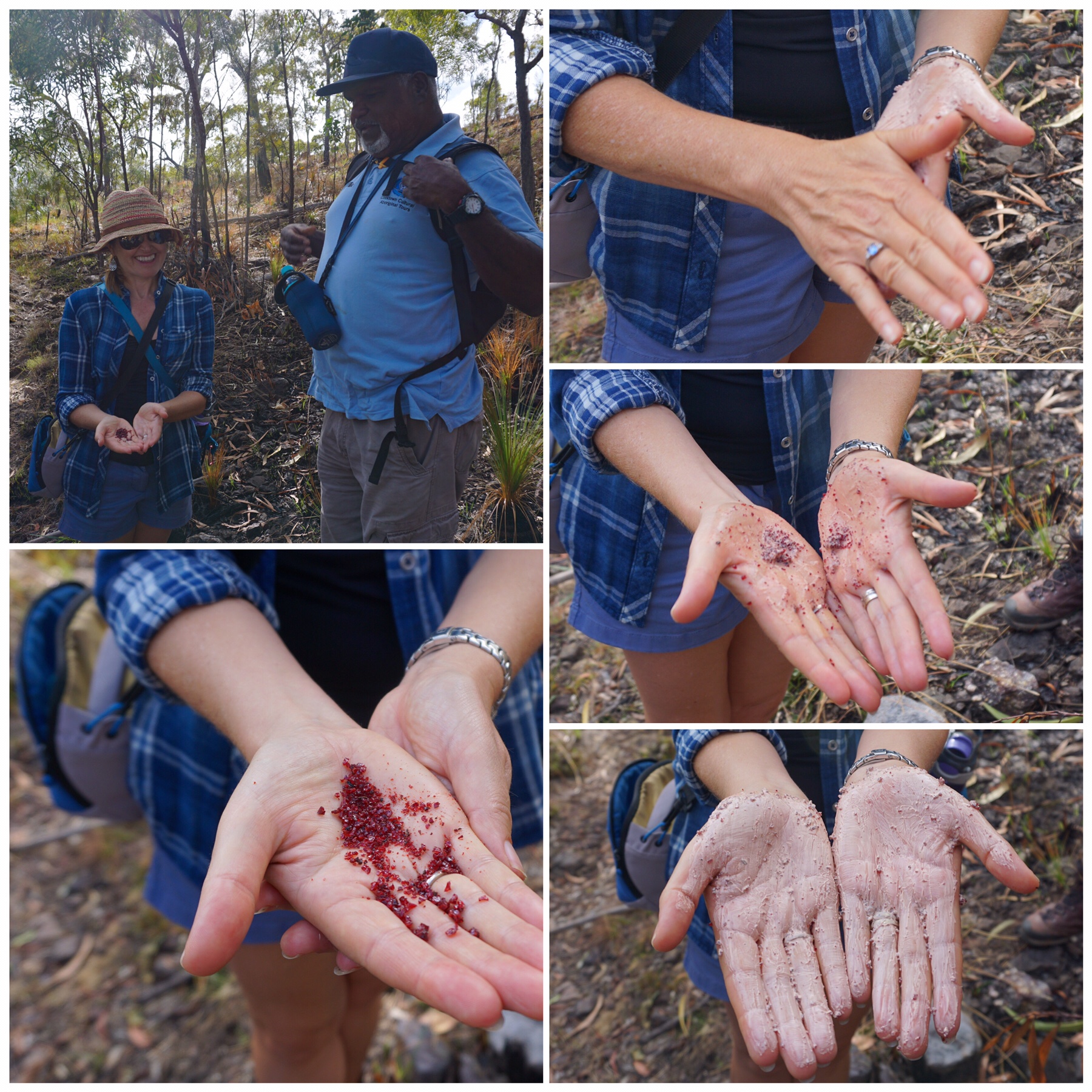
 We were led to a birthing cave and Willie explained the symbolism of some of the drawings, how they were painted and why. A big question the community is discussing is wether the drawings should be renewed, as they fade after a couple of thousand years. A couple of thousand! Incredible..these timeframes are mind boggling.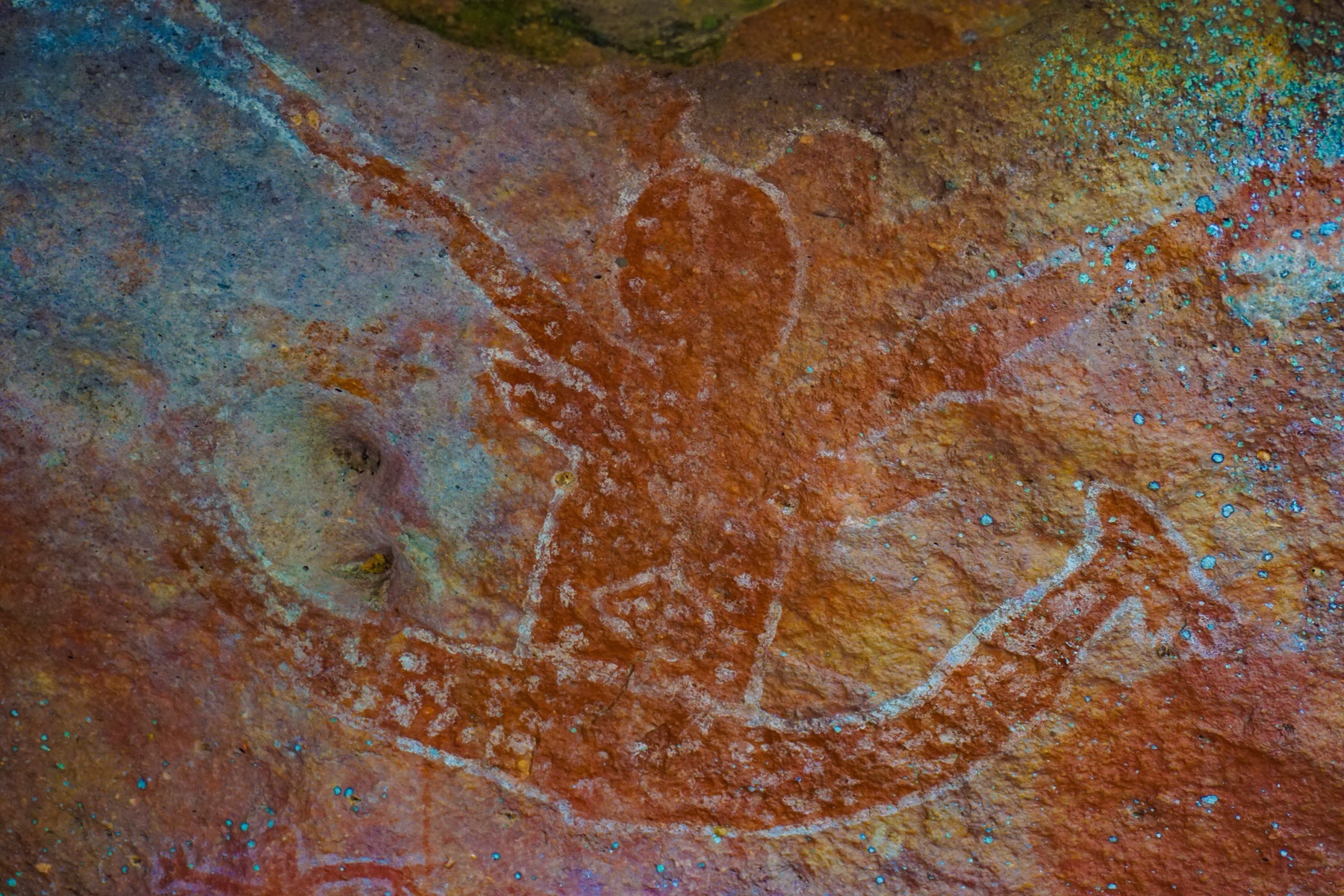
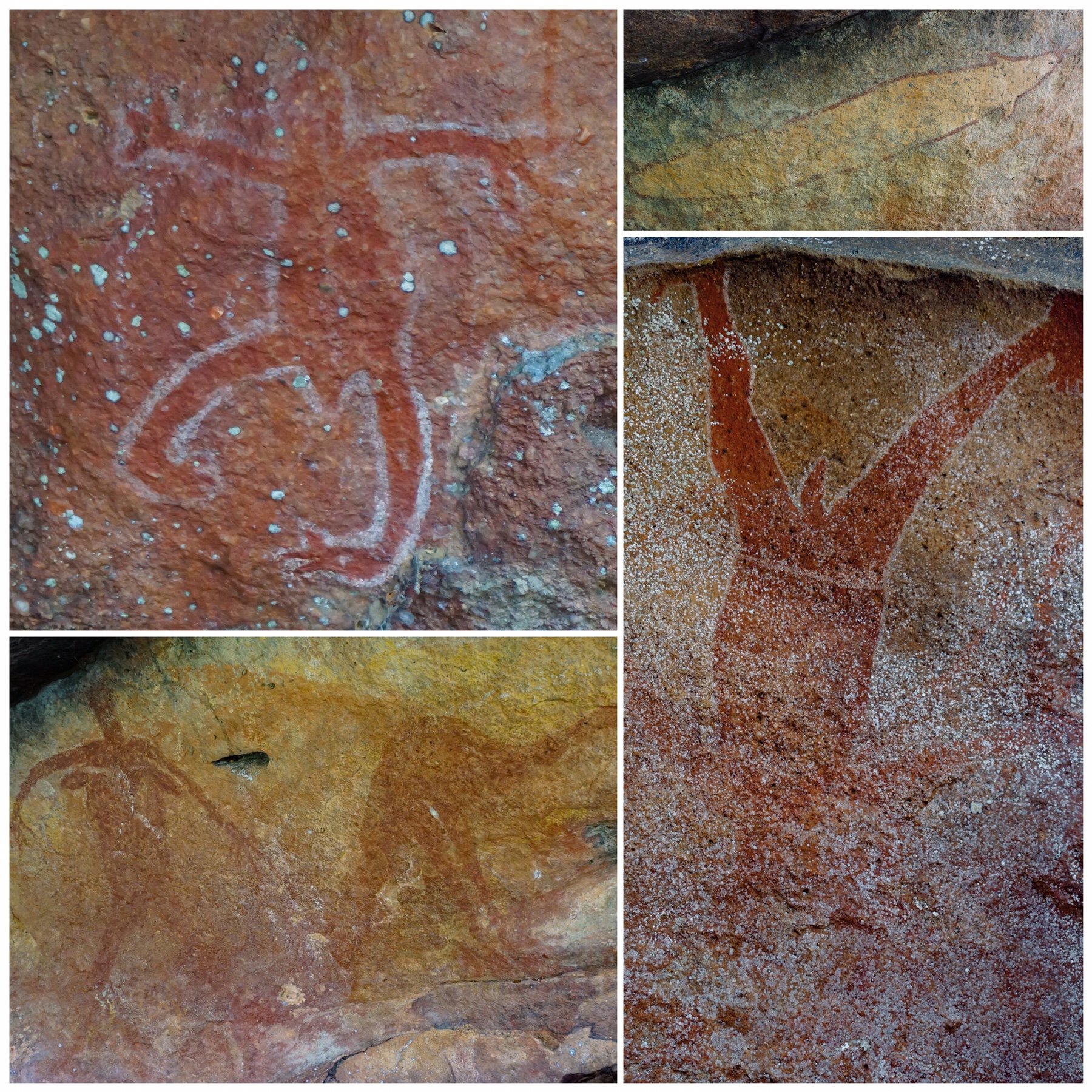
 Catherine and I tried to take in as much as we could, but it was like walking into a library and having a teacher open a couple of books at random and read a few lines. We knew it was but a fleeting glance into a world we will never fully understand, but certainly appreciate and respect now even more what a trove of wisdom is there.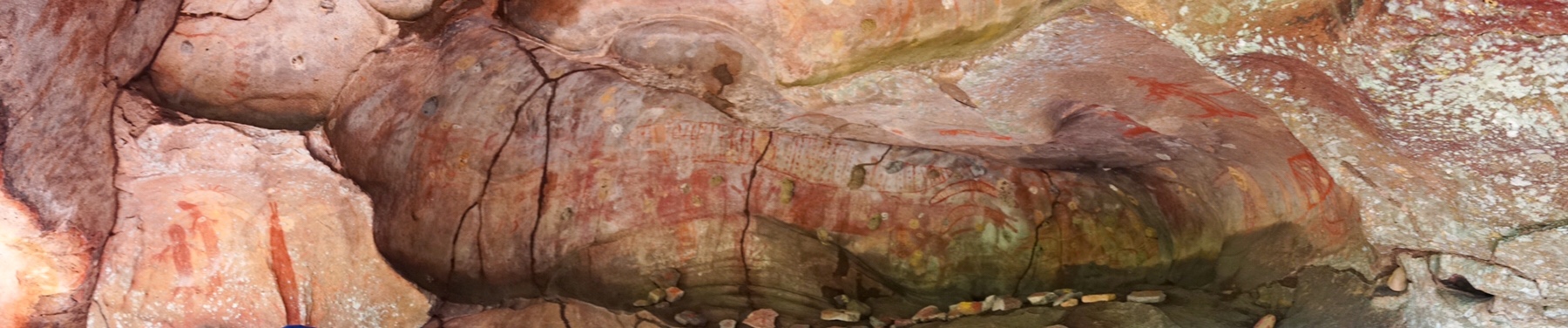
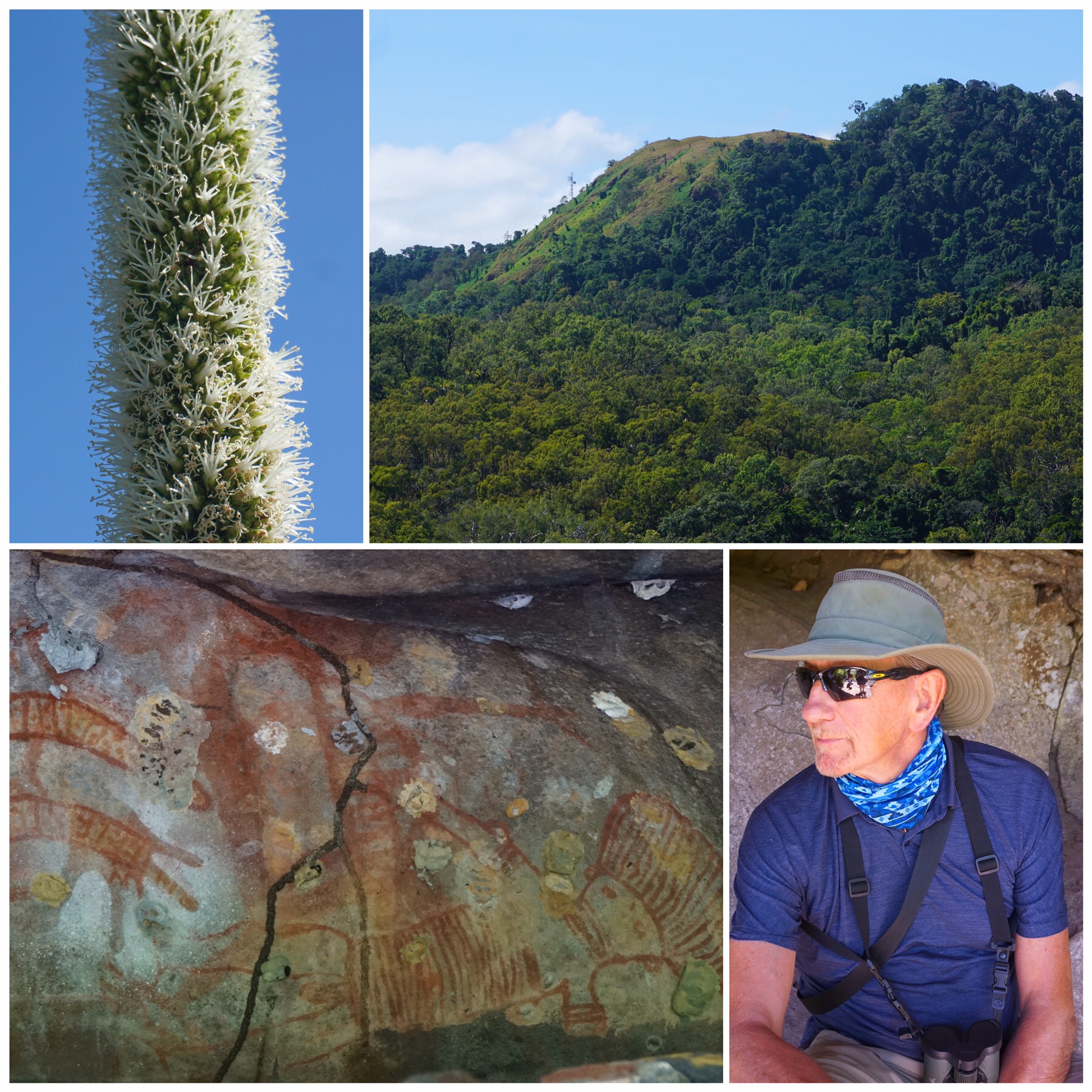 If you come this way, support these efforts to help us all better understand and respect aboriginal culture. Willie Gordon can be found at Cooktown Cultural Aboriginal Tours – the information centre knows where to find him or indeed others like him.
Sundowners with Eric and Gail of Zone #92 around the campfire concluded our day.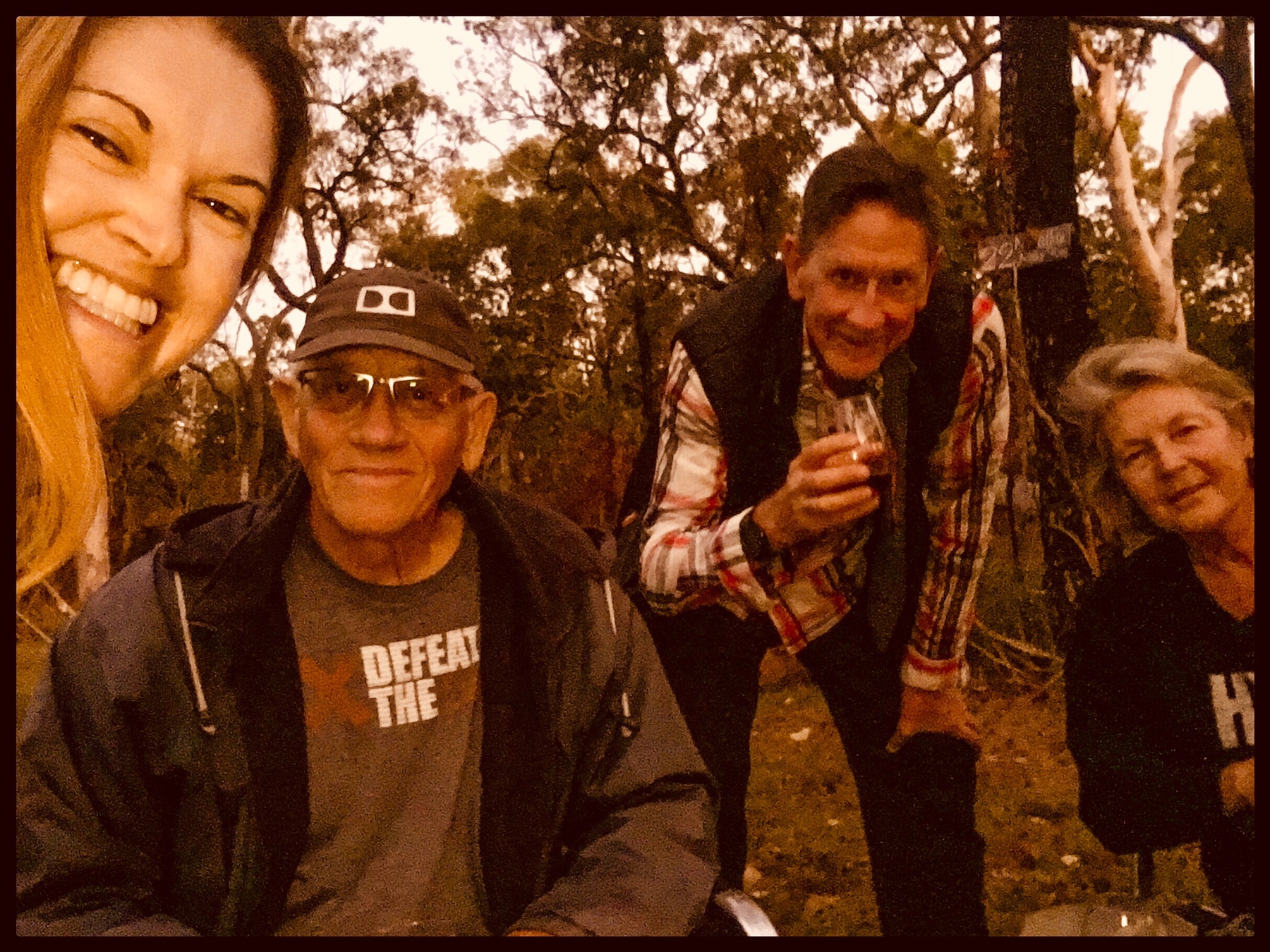
 Once we hit the road, we headed north through amazing scenery, the roads winding upwards between rolling hills, with several lookouts along the way.
 It was around 2pm that we rolled into Cooktown, the final frontier settlement before heading up Cape York. This is the top of the road on the east coast for us on this trip.
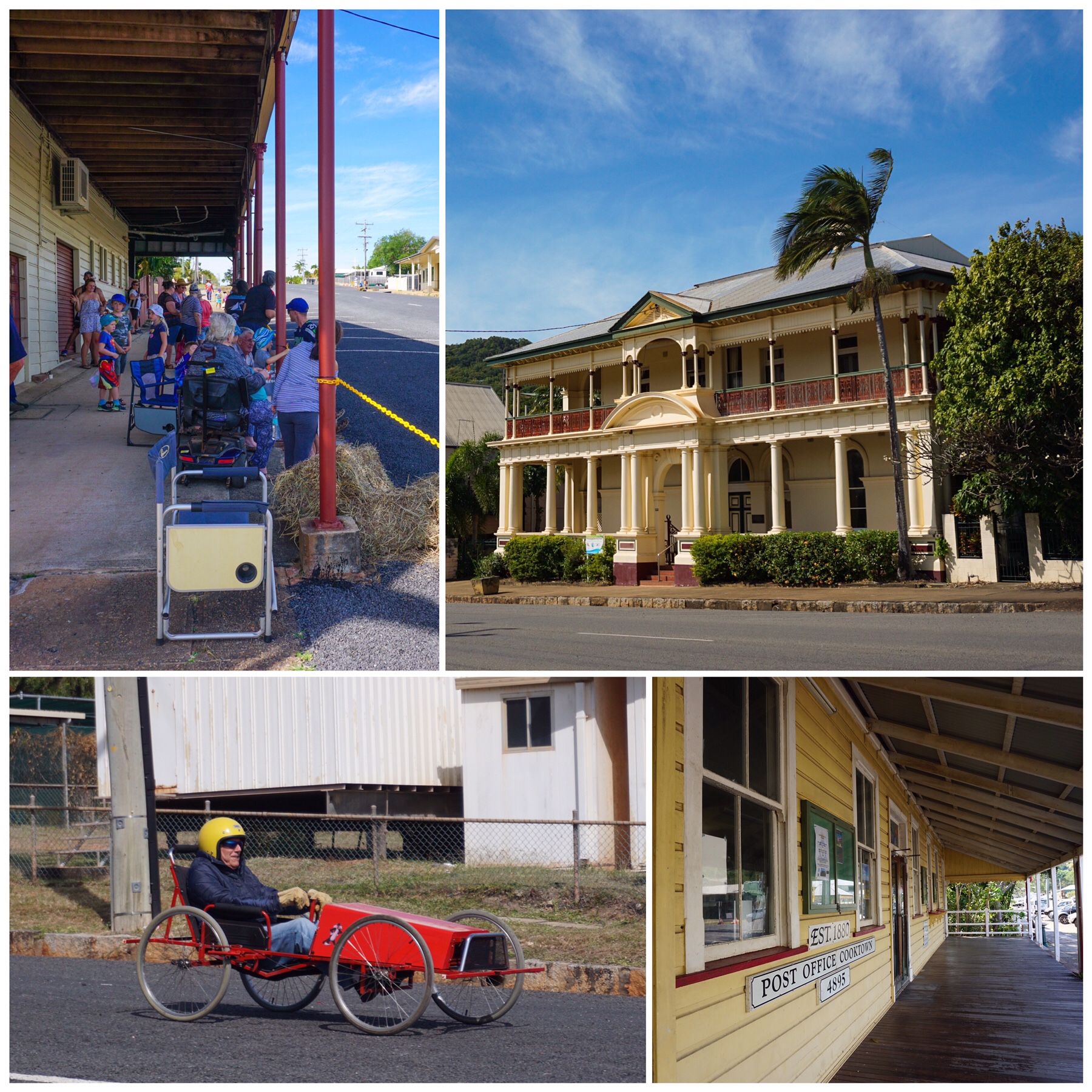 Unlike in other areas of Australia, there is a real feeling of acceptance, with black (Aboriginal) kids running around with white kids, and the same with adults. We later chatted to a local Aboriginal guy who told us that Cooktown is probably the first place in Australia where there has been real reconciliation and acceptance amongst both parties. It certainly feels a lot closer than we have seen elsewhere.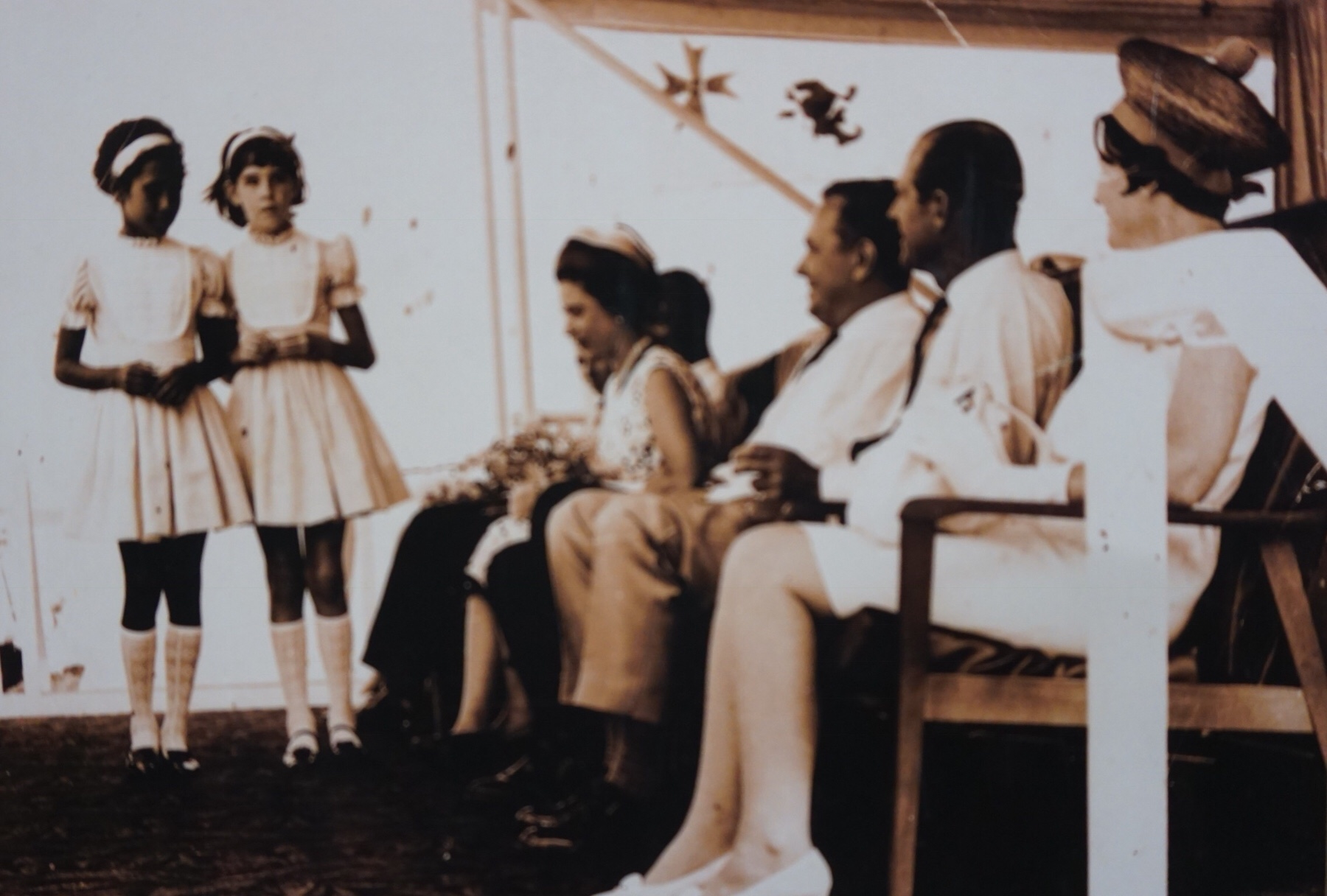
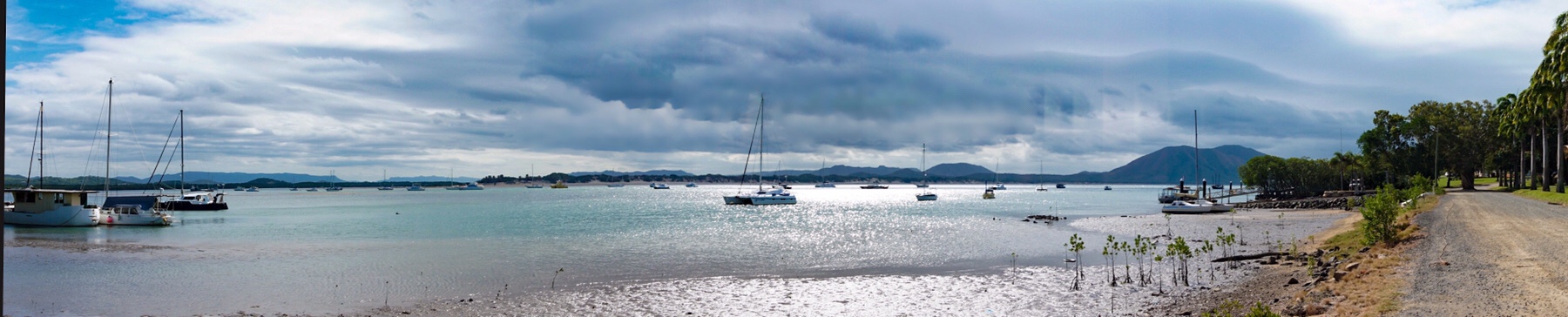 We walked along the Main Street just soaking up the atmosphere, before returning to the rig to drive another 20 minutes up to our campsite.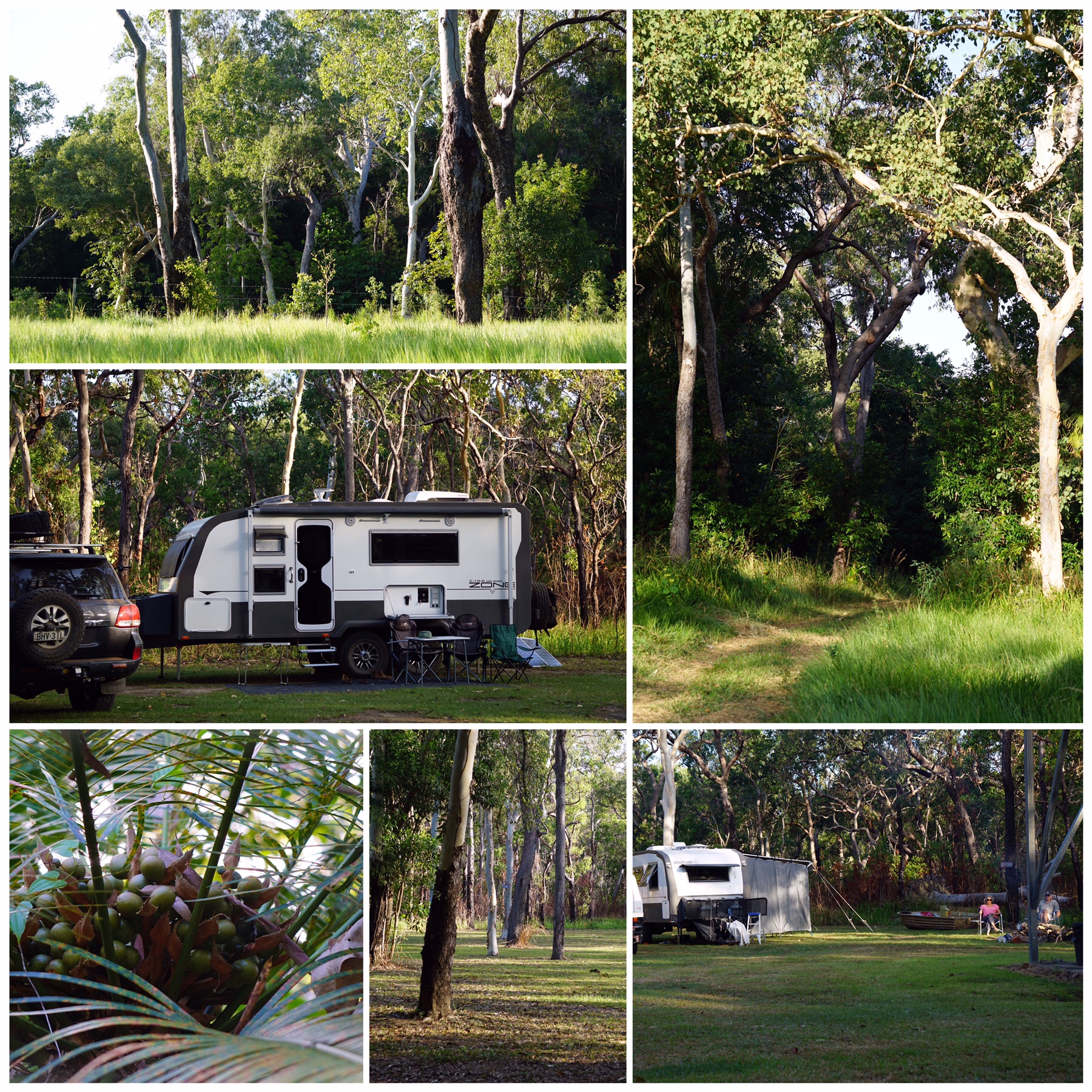
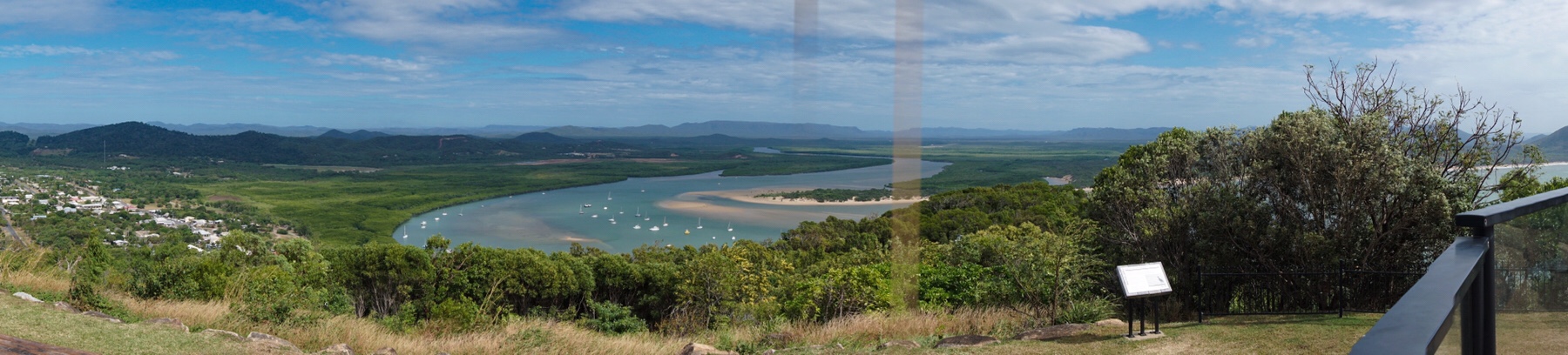
 Memories of our fabulous Daintree River cruise encouraged us to book a similar sounding trip for Wednesday afternoon on the Endeavour River. Fingers crossed it delivers.
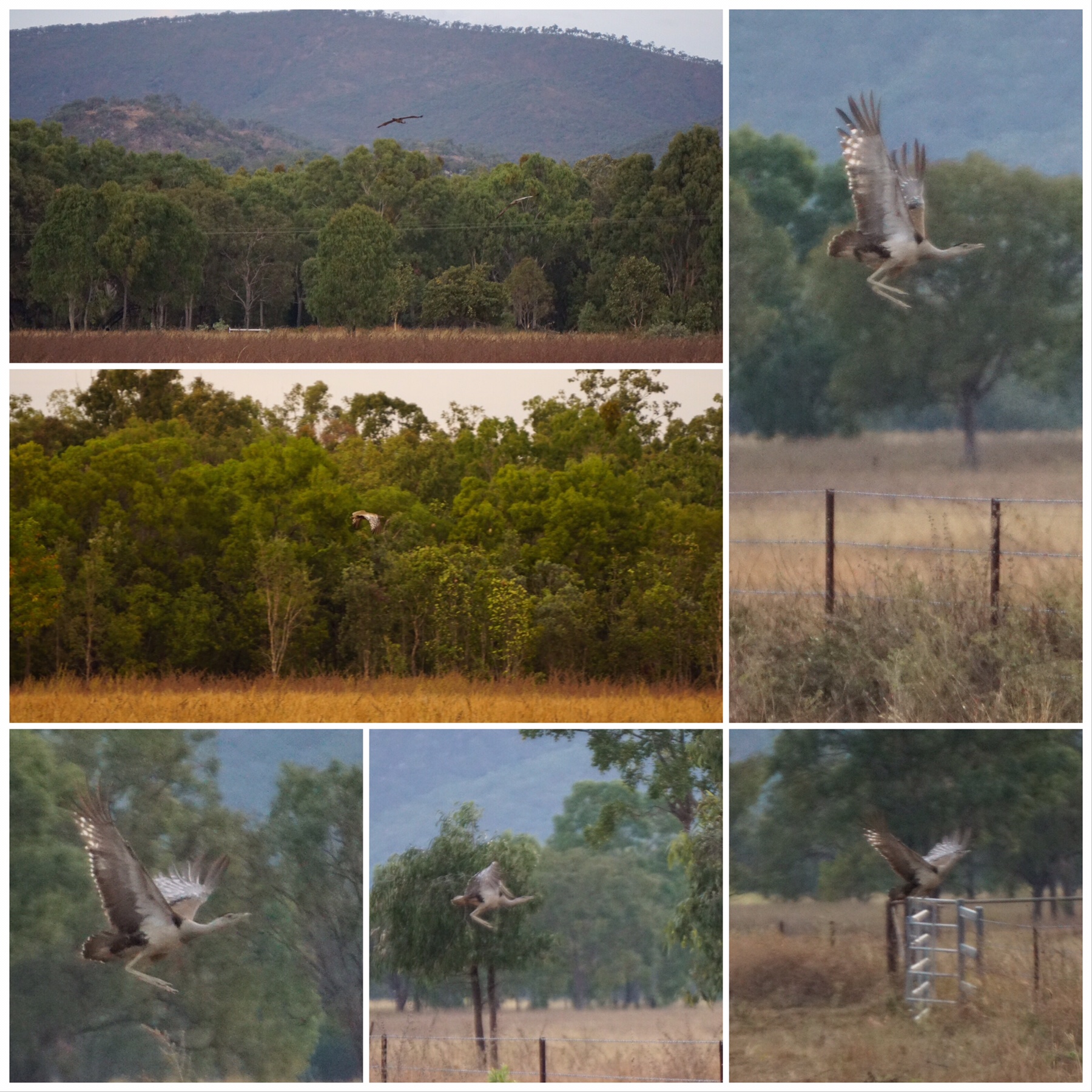
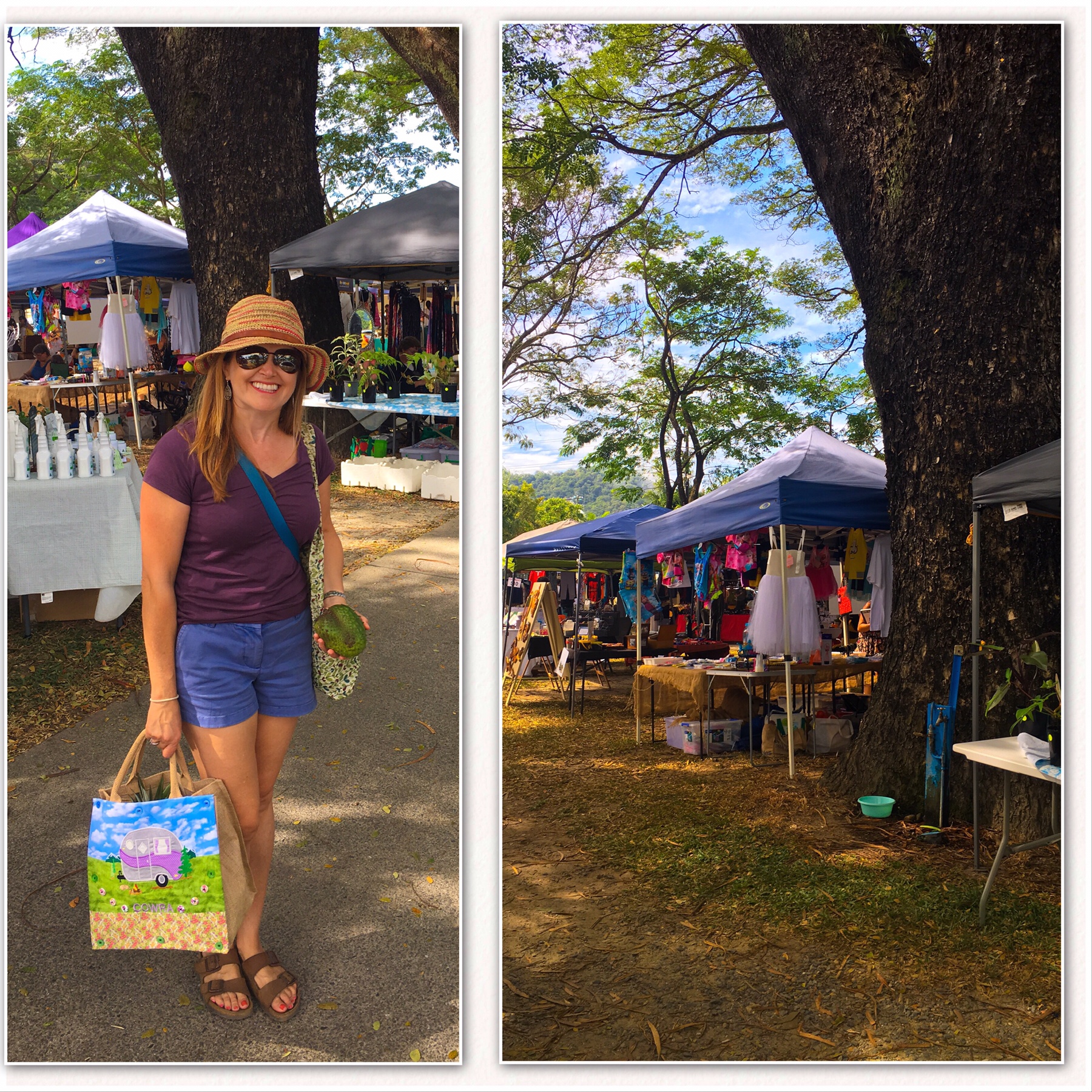 We finished up with a whole range of other fresh locally grown fruit and veg, so with our fridge crammed to capacity, we then turned off the coast road we had followed for so long and headed inland, up onto the north end of the Atherton Tablelands. We watched the scenery change dramatically as we climbed up the range, the Cruiser doing its usual impeccable job of dragging the 3 tons of loaded up Zone up the steep climb. Our destination was a place called Bustard Downs, a working cattle farm with some camp spots we would stay the night on. As we drove down onto the property we were immediately struck by the amount of birds around.
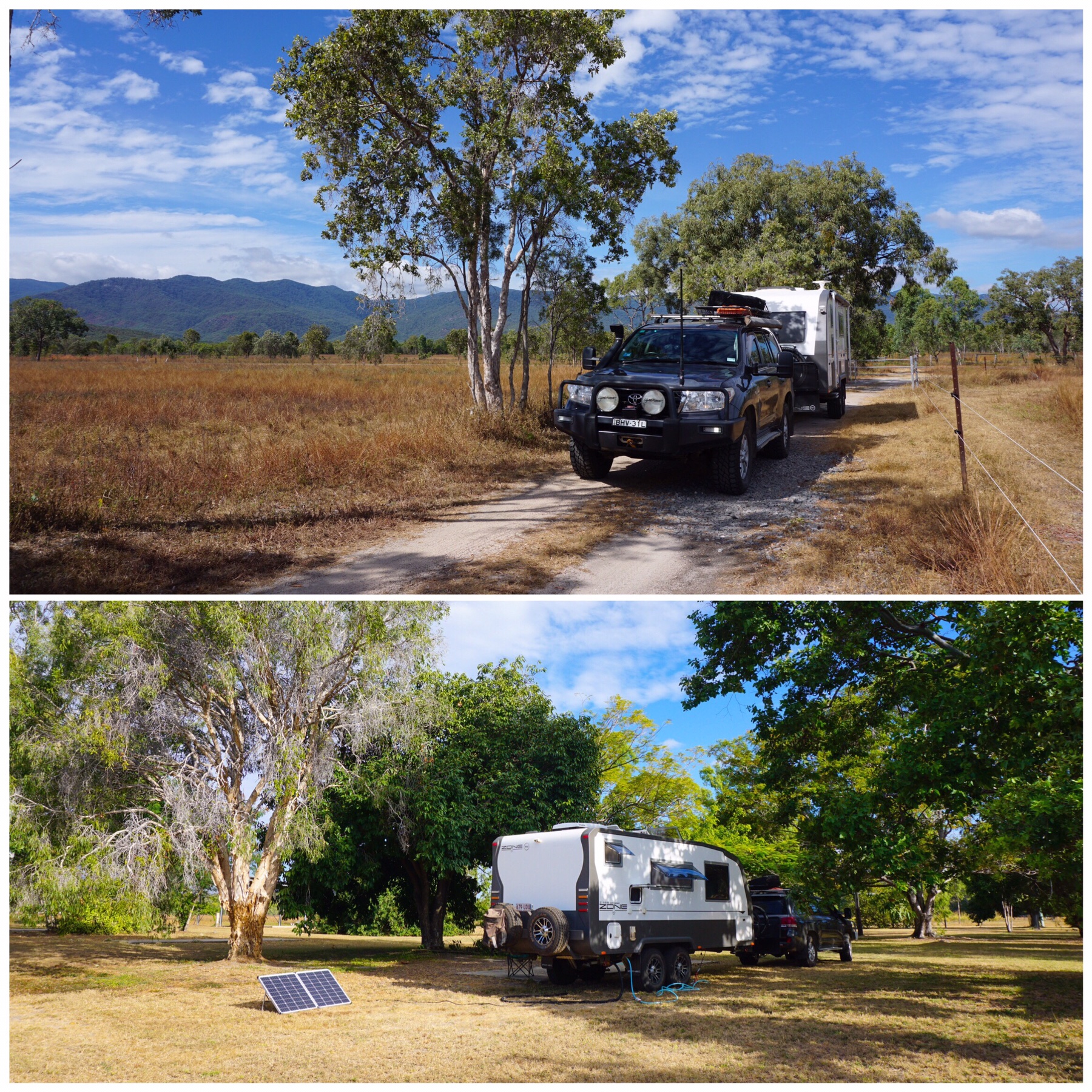 When we met the owner she said around 150 different types have been logged by local birders, so we set off to explore.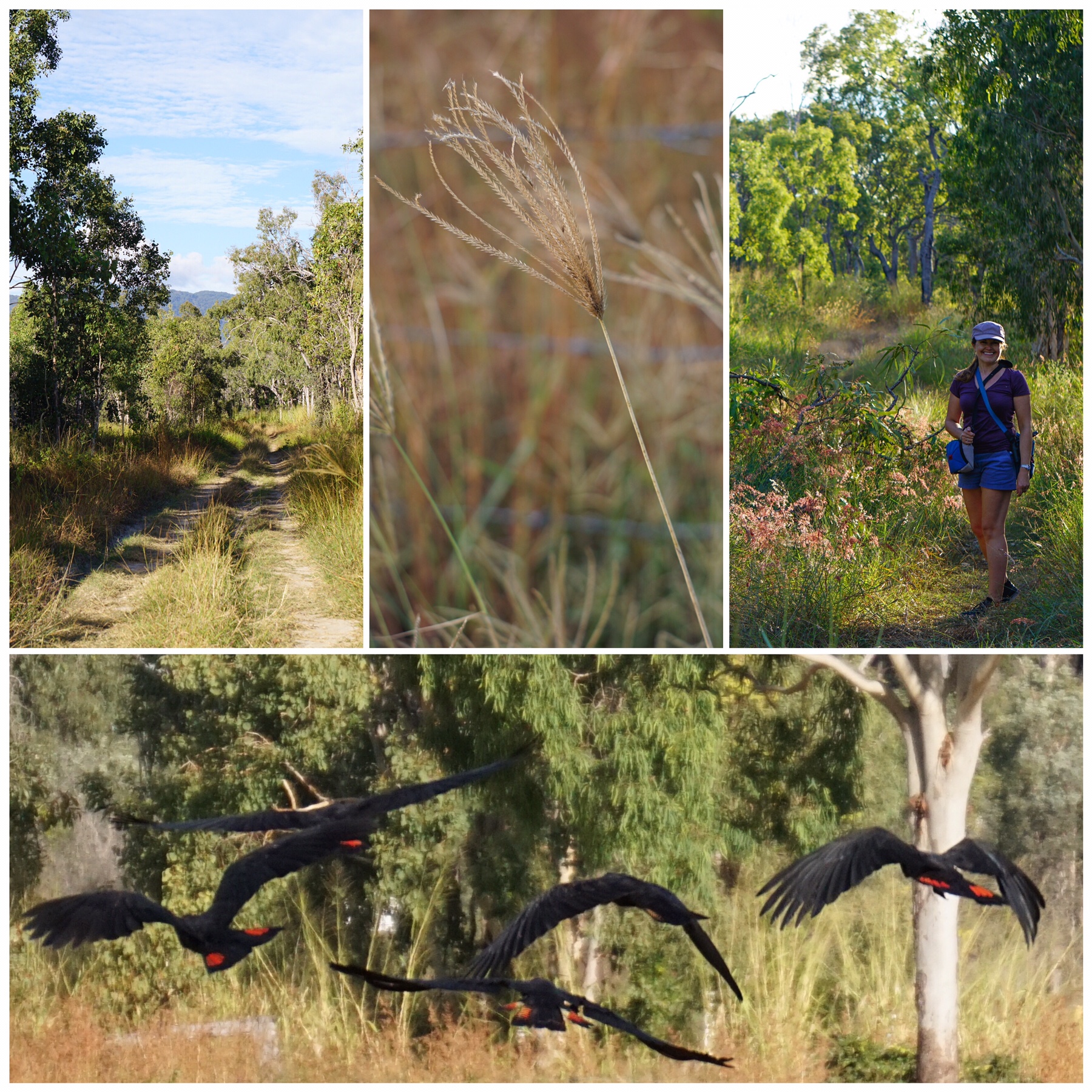
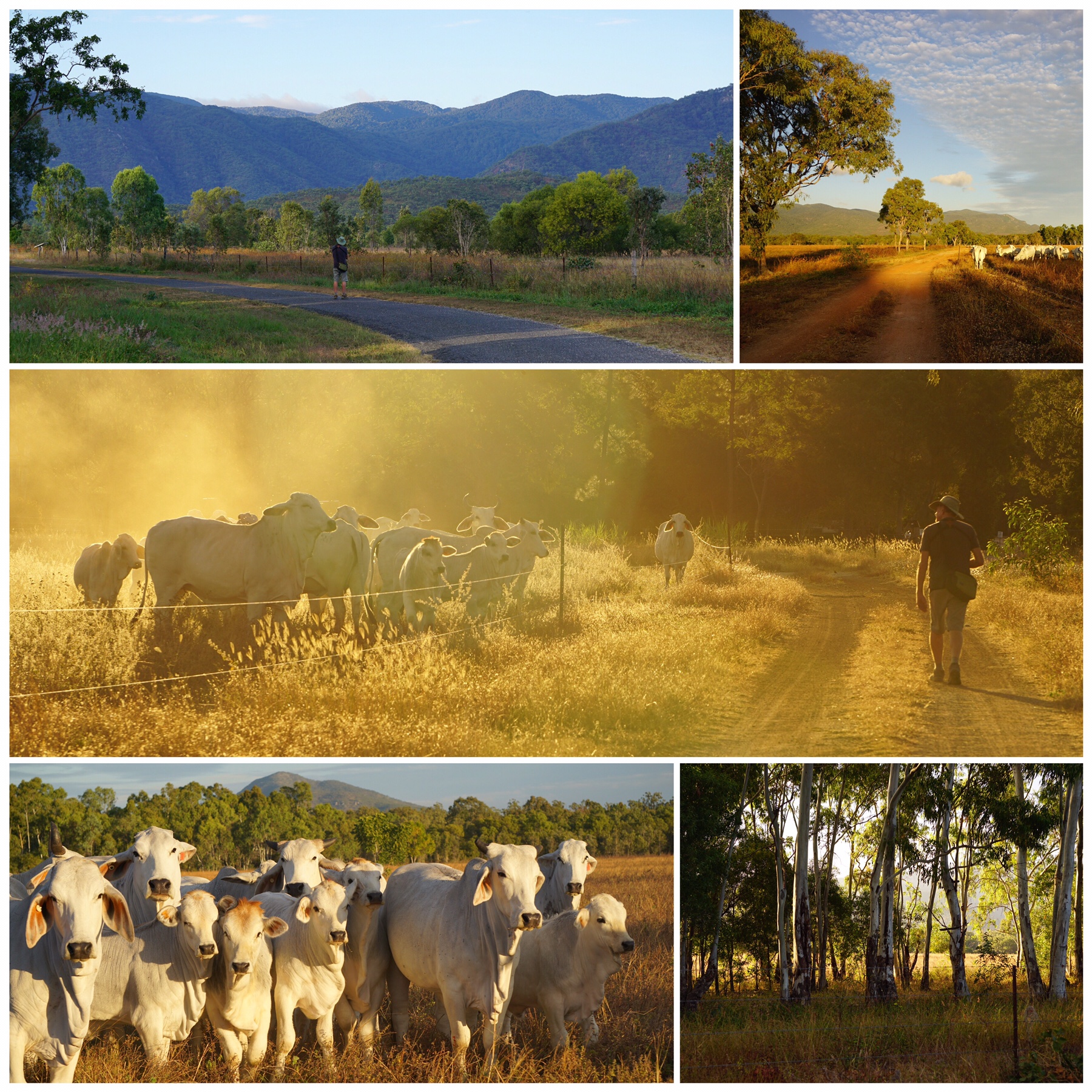 Even the cattle were beautiful!
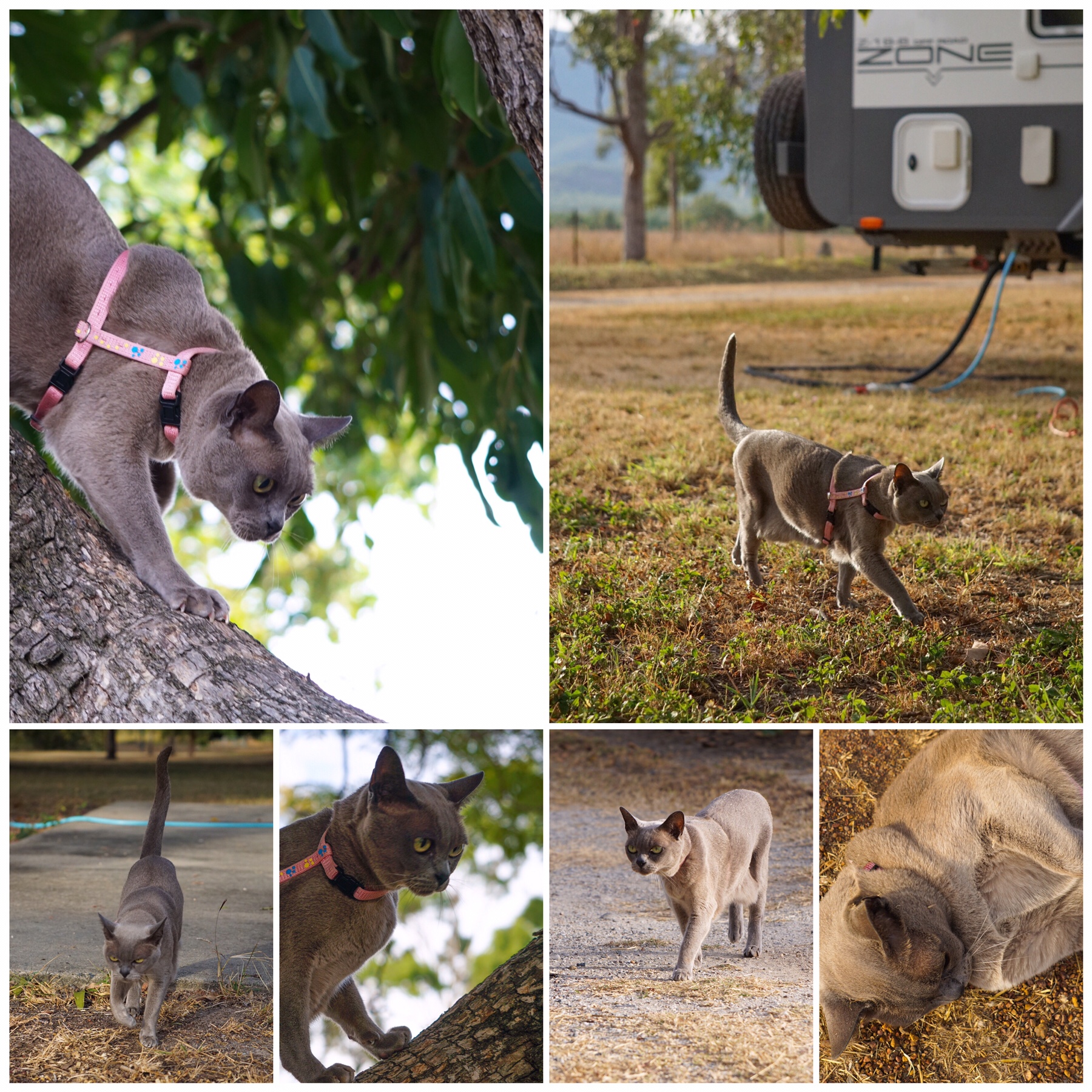 Only one other caravan was there on the whole of the property, well until 6.30 pm when it was pitch black, and we are in full dinner prep mode for a nasi goreng feast, with me wearing a clear plastic glove on one hand as I was cutting up the turmeric (it stains your skin yellow)..and there was knock on the door. I opened to find a lady at the door, another van had pulled up right next to us. They had been delayed on the road after hitting a kangaroo and she was asking me where the camp office was.
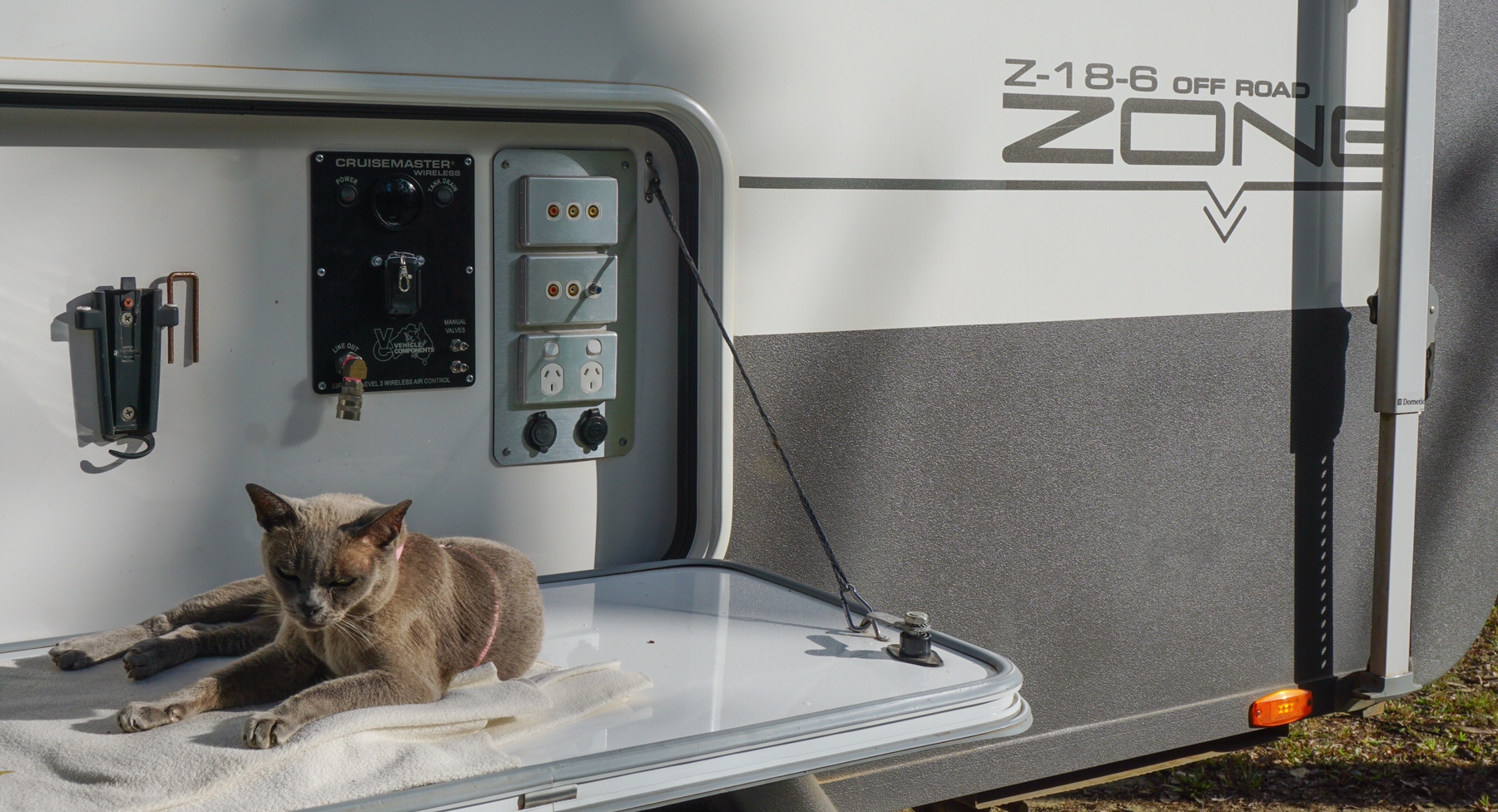
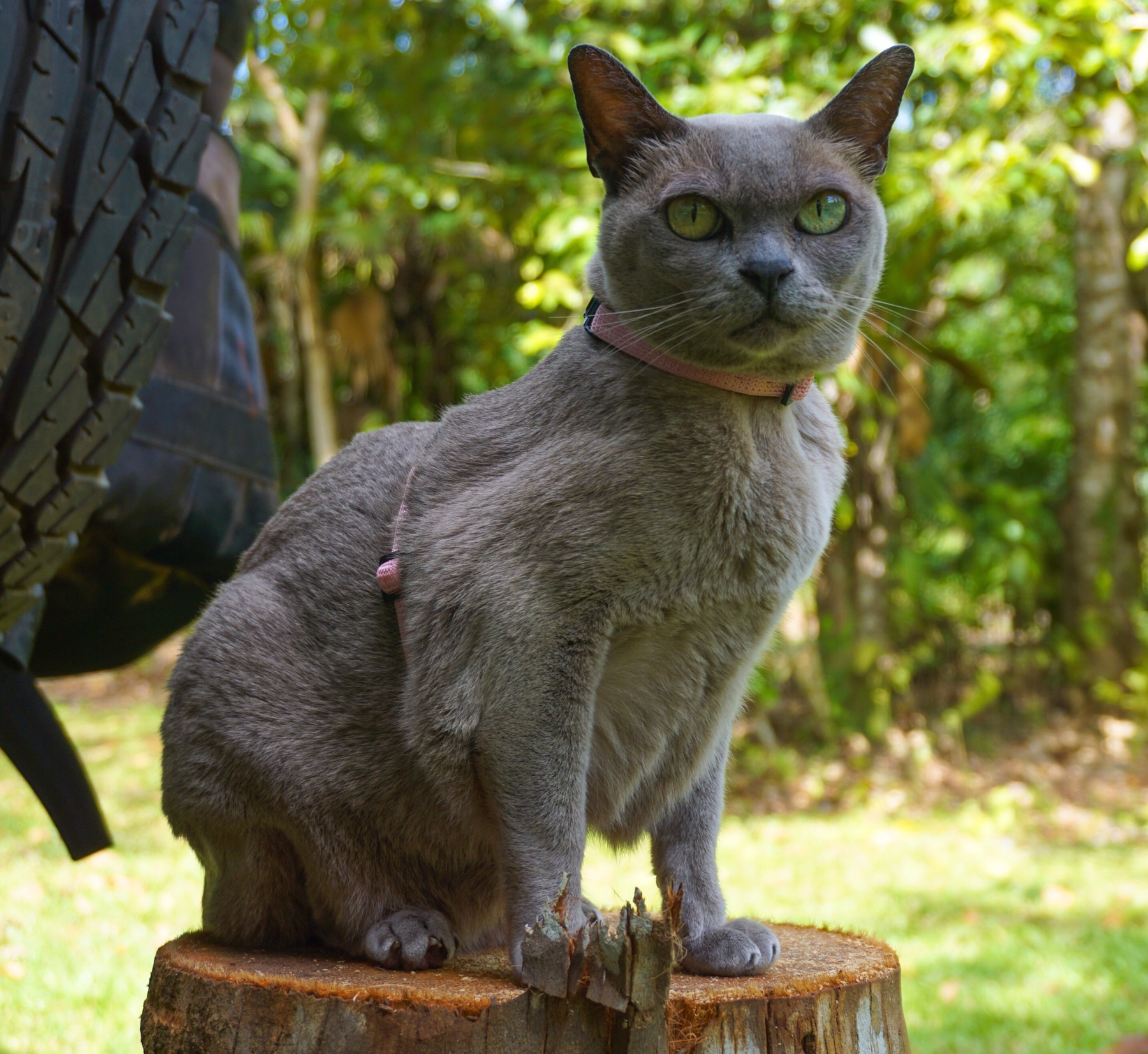 My staff have continued to escort me up the east coast of Australia, and I must admit some of the locations have not been too bad. I have not experienced species discrimination lately (yes, would you believe some camping areas allow those noisy, smelly canines but will not allow felines!), which is always a positive.
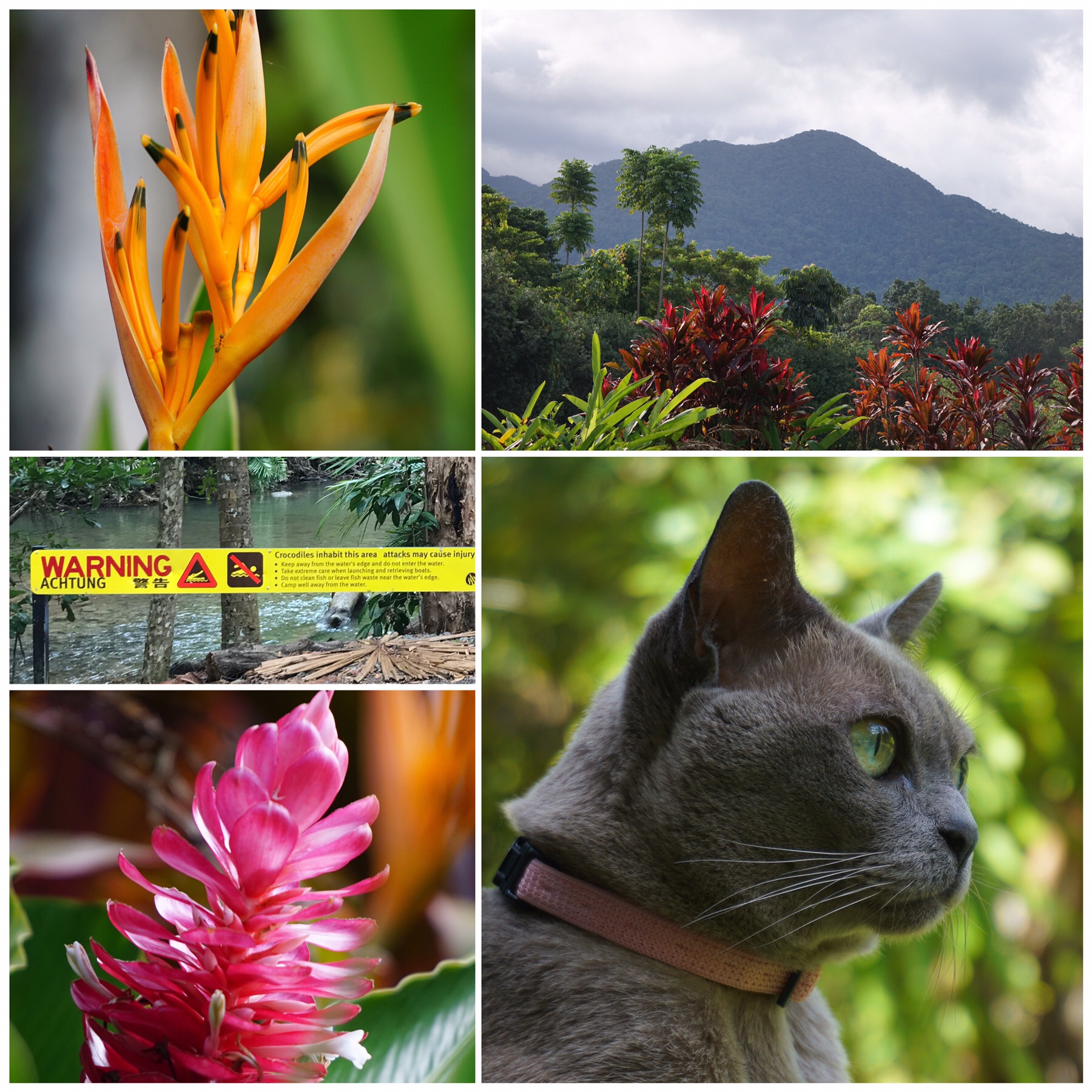 In addition to those big lizards, there has also been the occasional snake…they tend to make them rather large up here though – I still prefer to stalk a ribbon in the comfort of my safe-Zone.
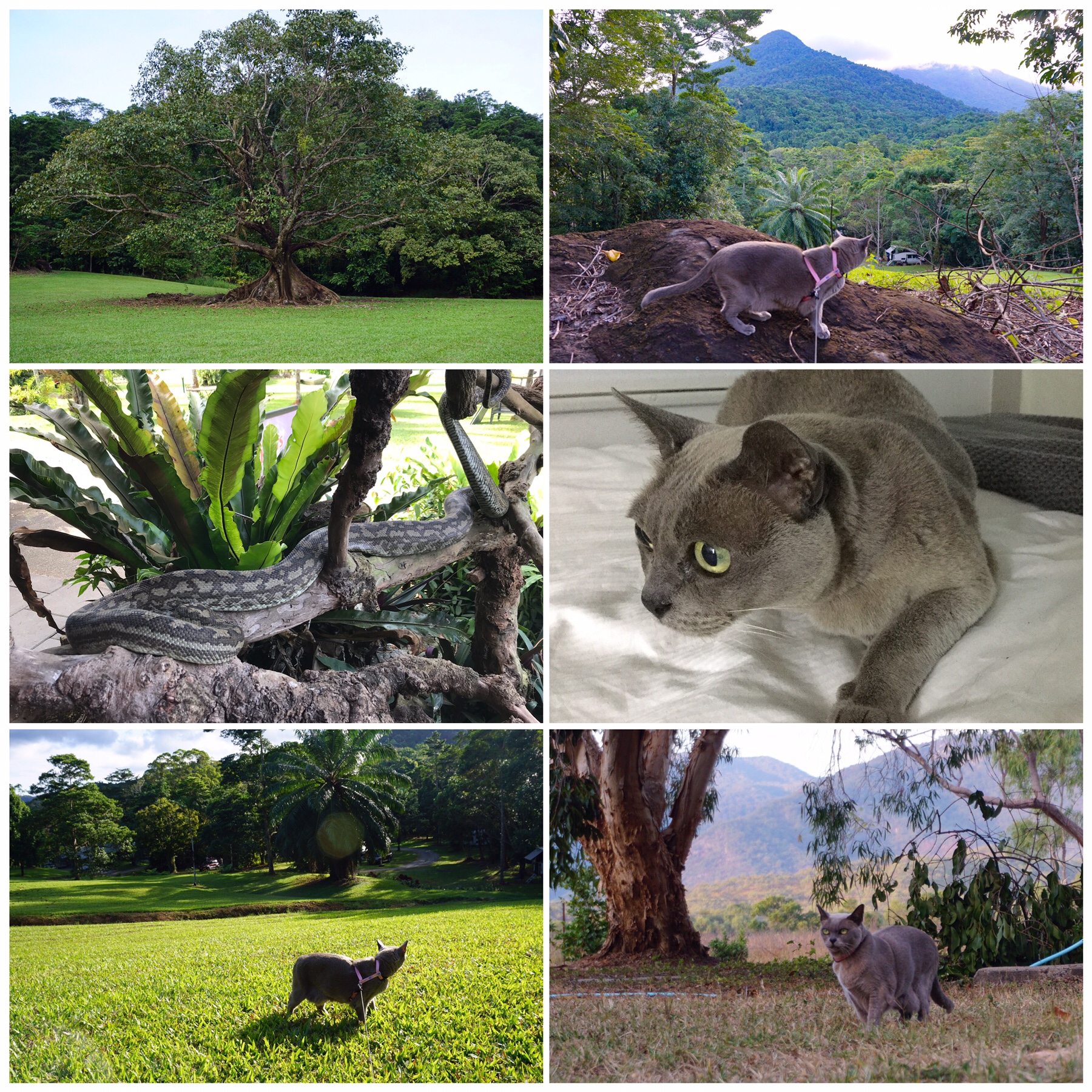 Right, time for another nap, so over and out for now.
 We took this as a good omen that we might see one of the rare and endangered Cassowary birds – at between 1.5 and 2 metres tall and up to 80kg, they would be hard to miss!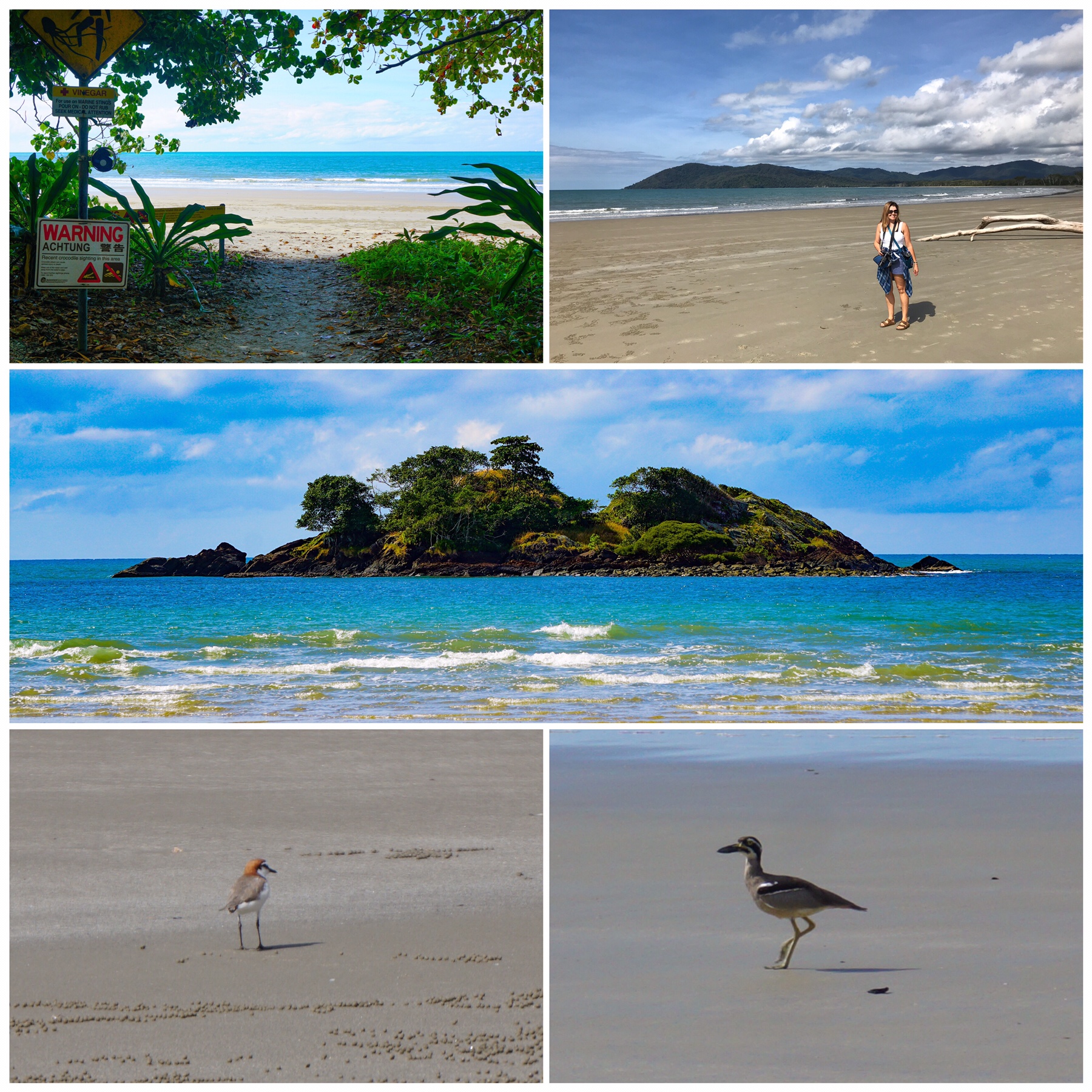
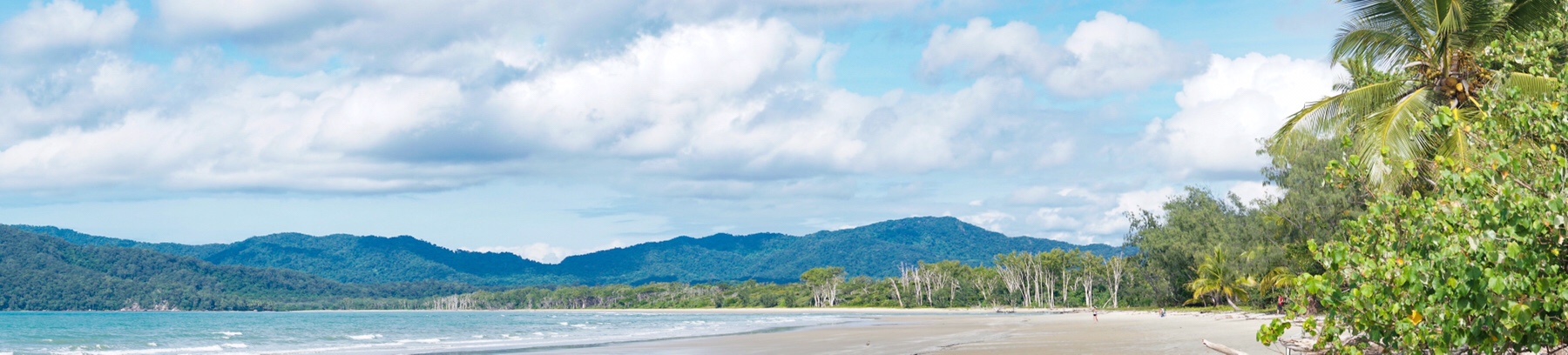
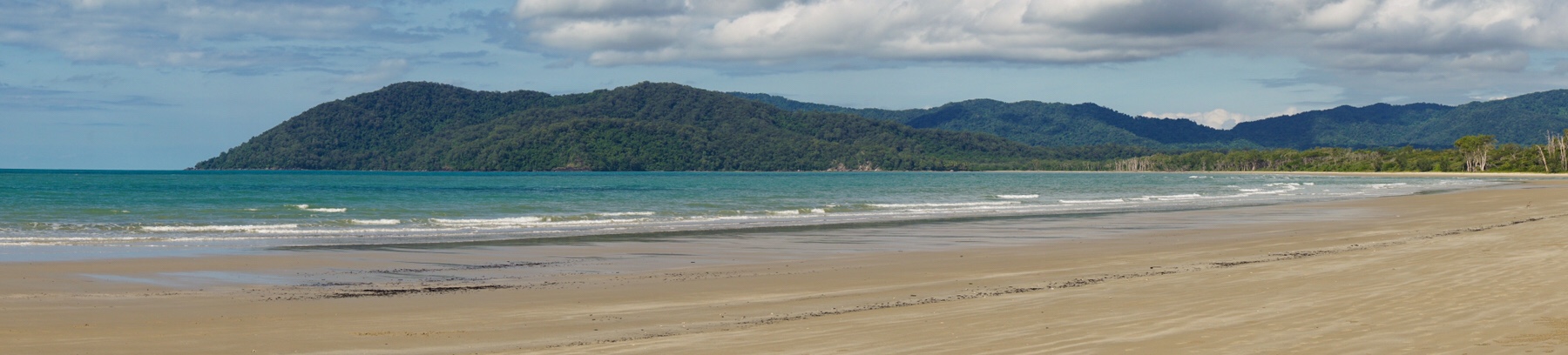 From here we continued north, calling next in at Dubuji Boardwalk and Myall Beach. The short walk was very informative, and as always full of incredible sculptural rainforest trees and vines.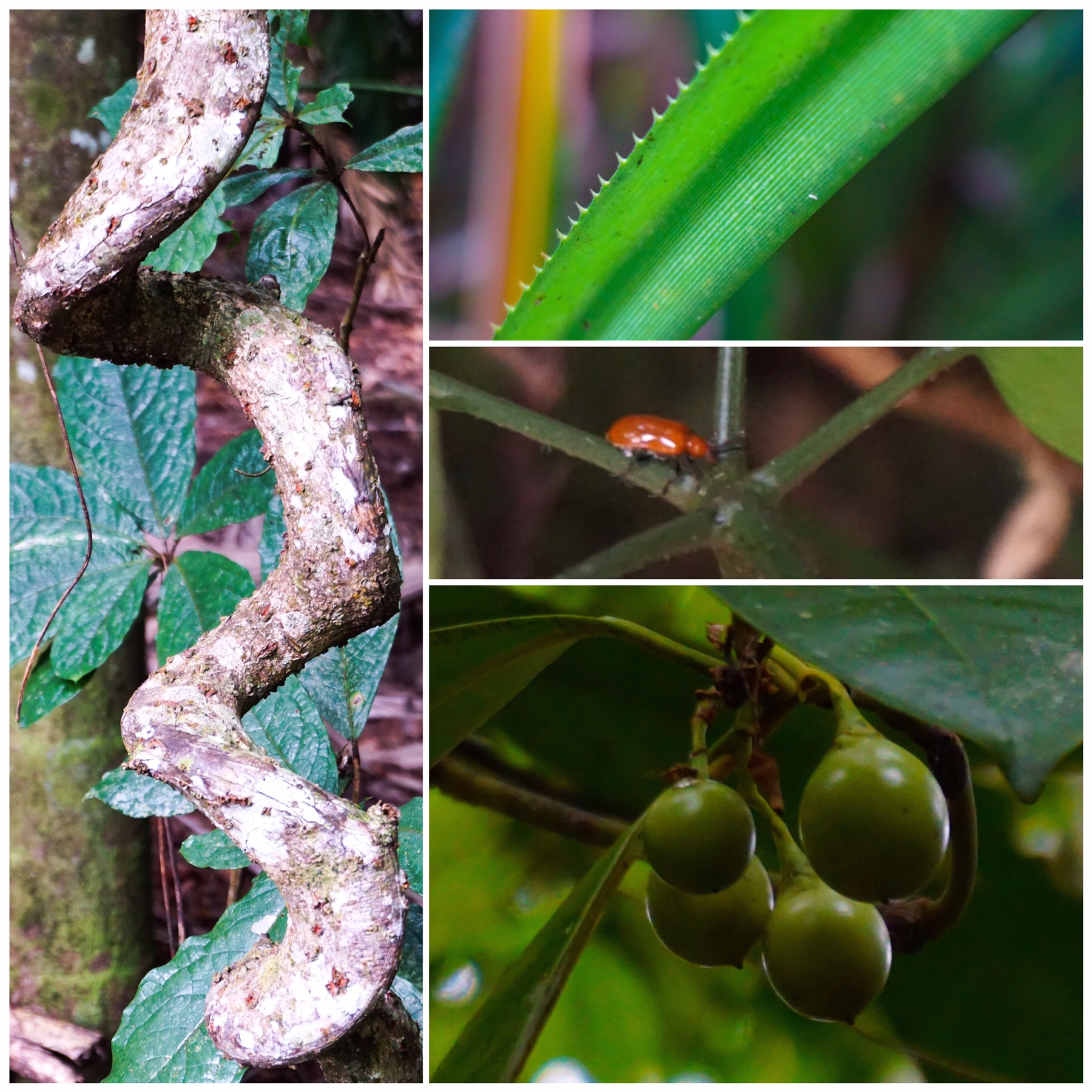
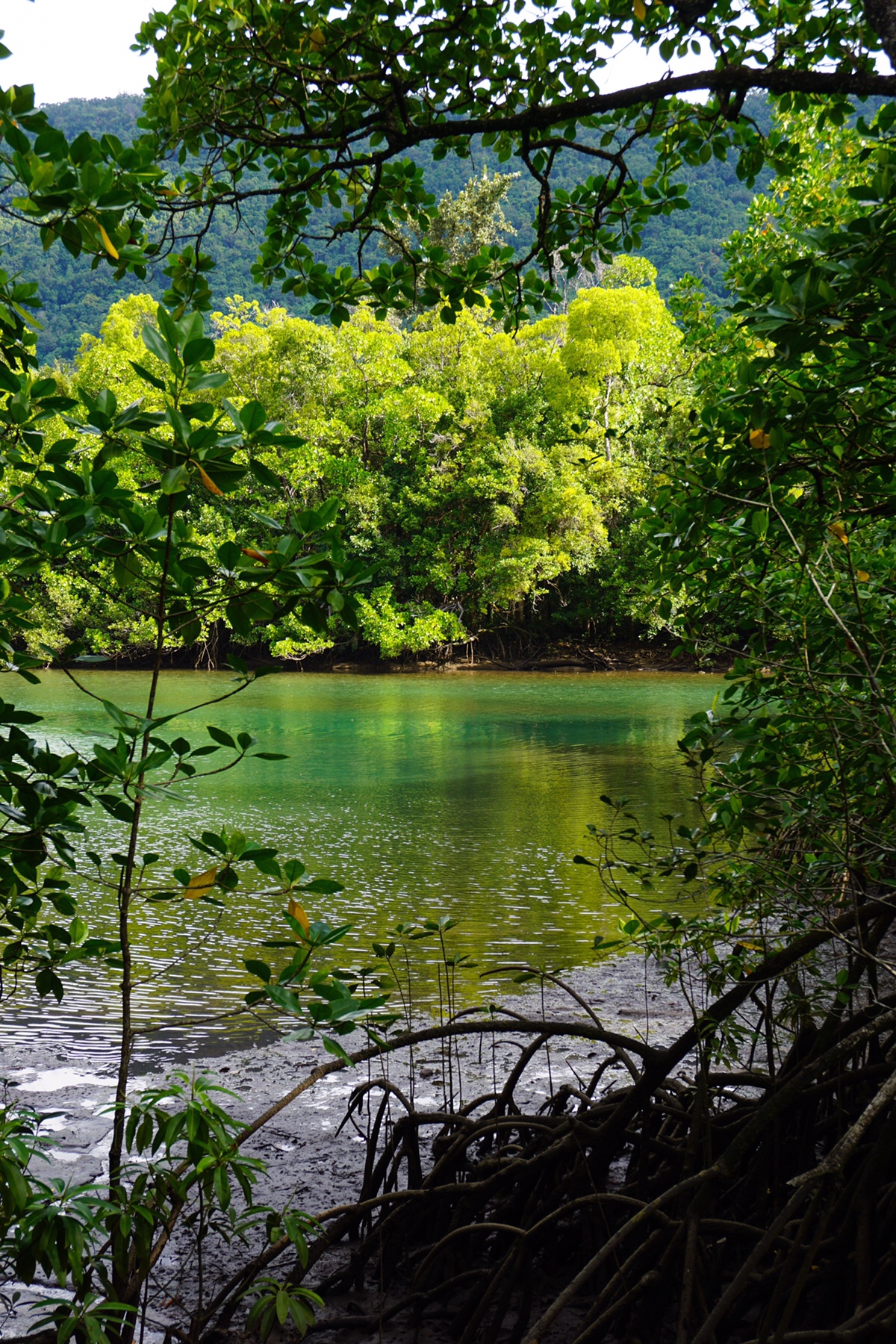 We drove up as far as the 4WD commencement of the Bloomfield Track which leads up to Cooktown, before turning and calling in to more short walks at Cape Tribulation and then Noah Beach.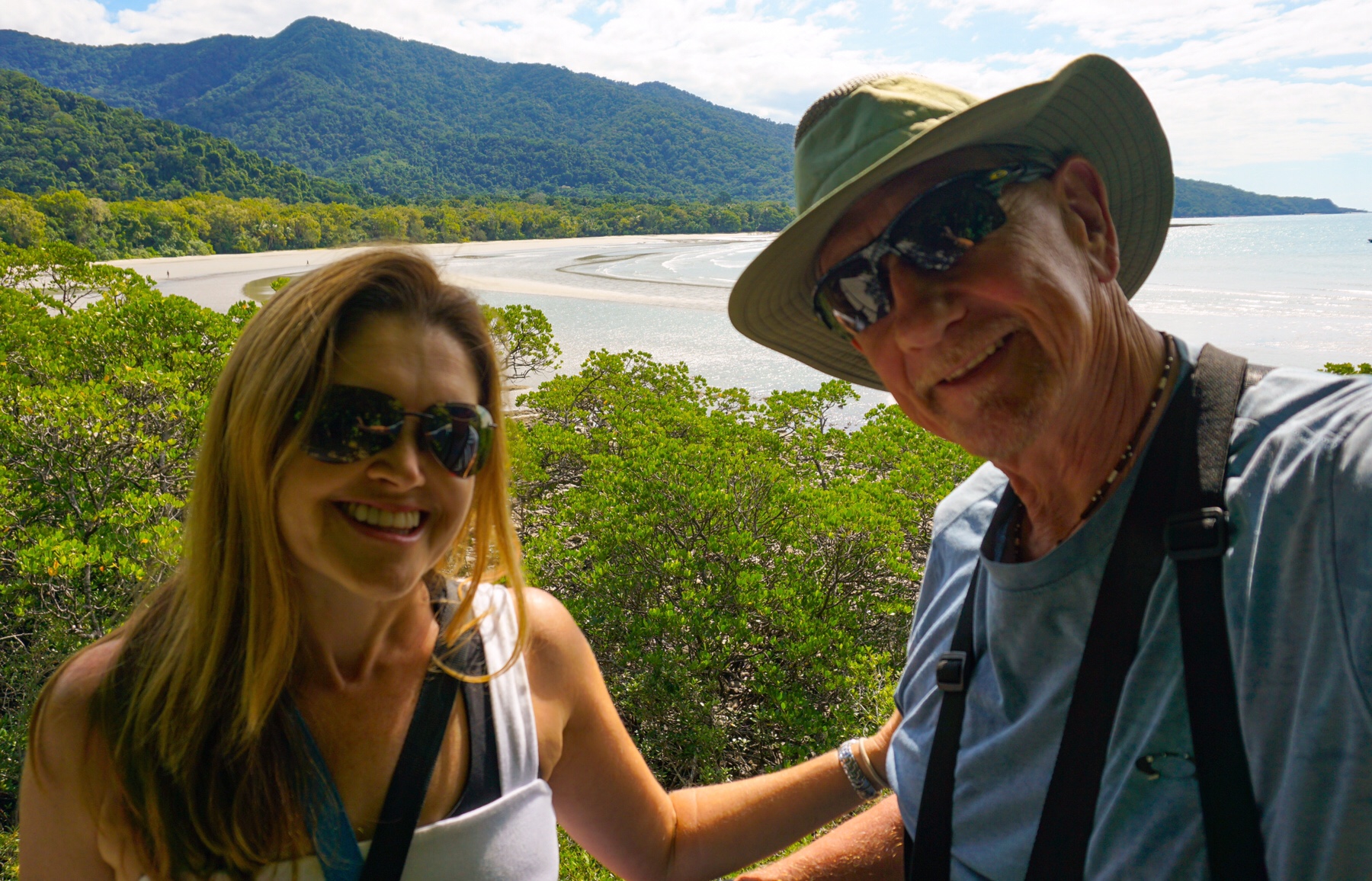
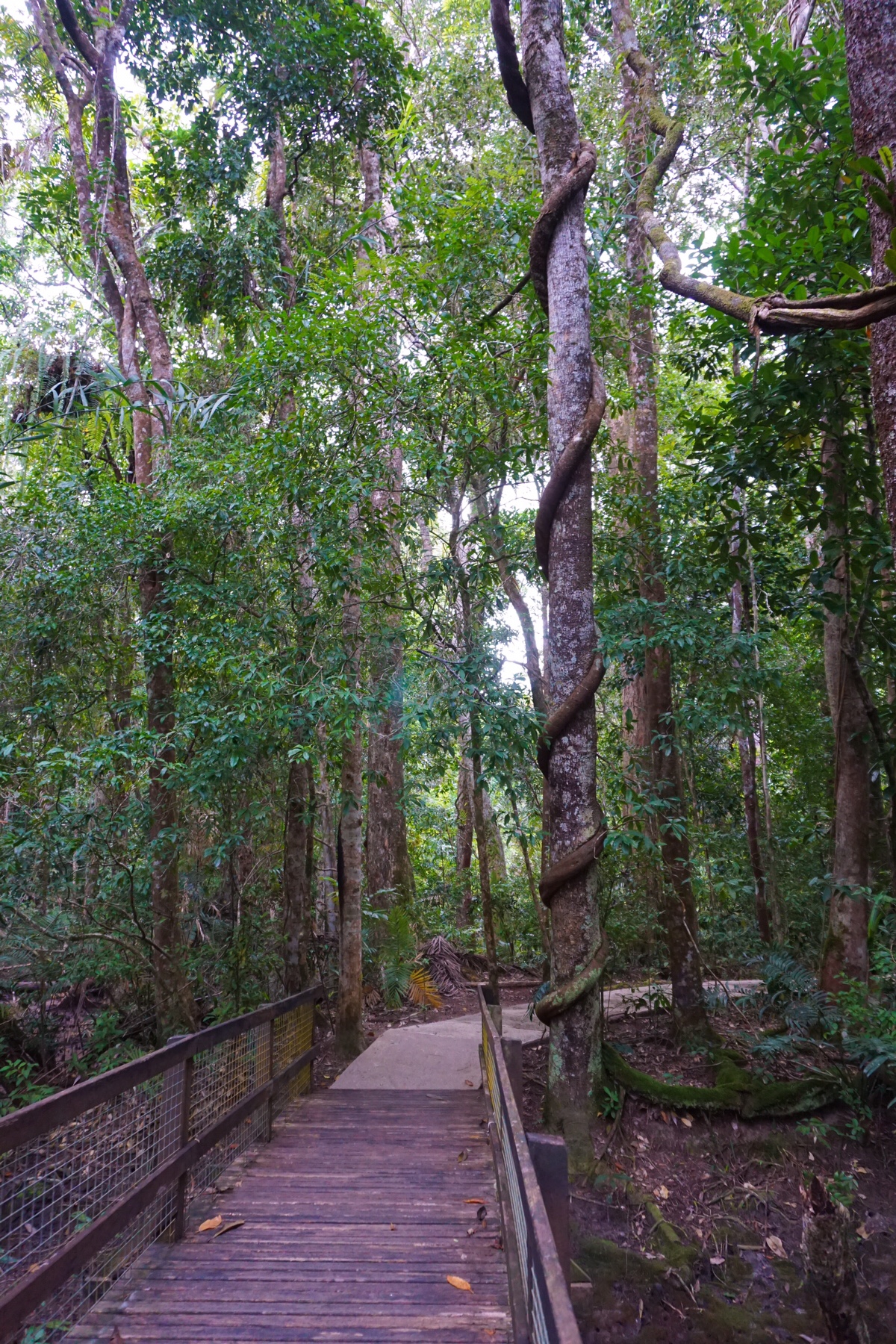
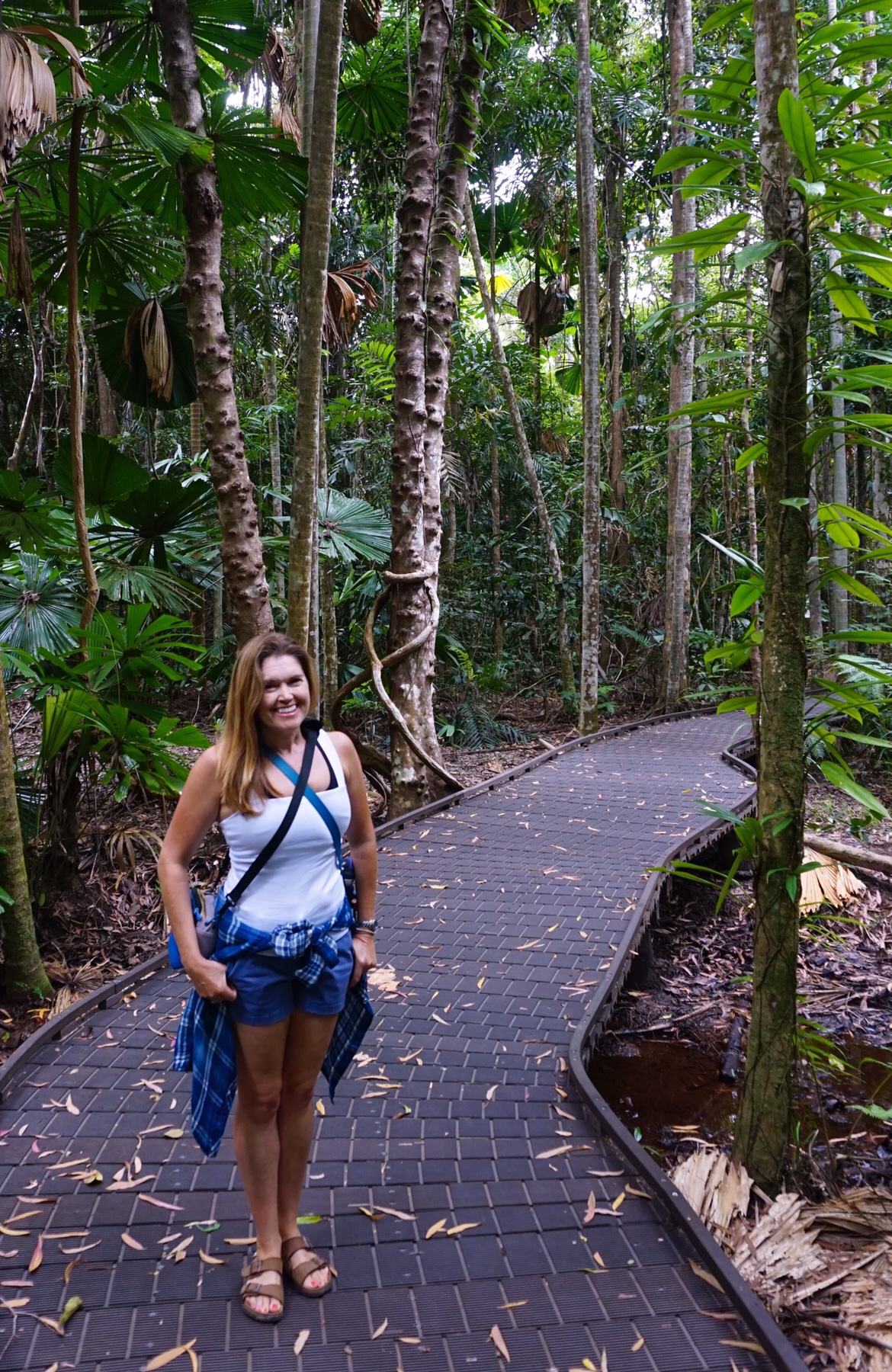
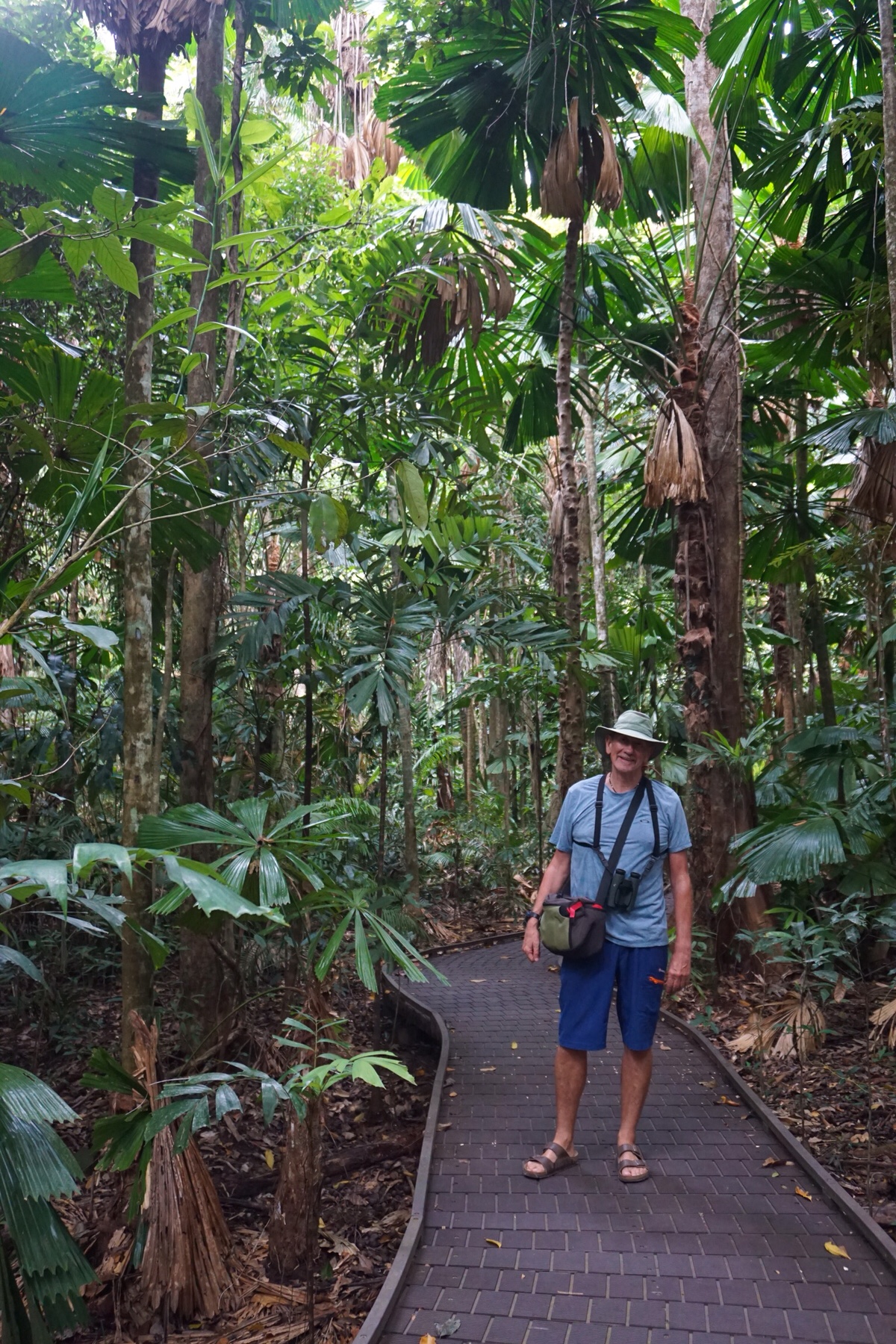 There’s so much to learn about the rainforest, and incredible that this has been around since the time of dinosaurs, many of the plants changing very little in that time.
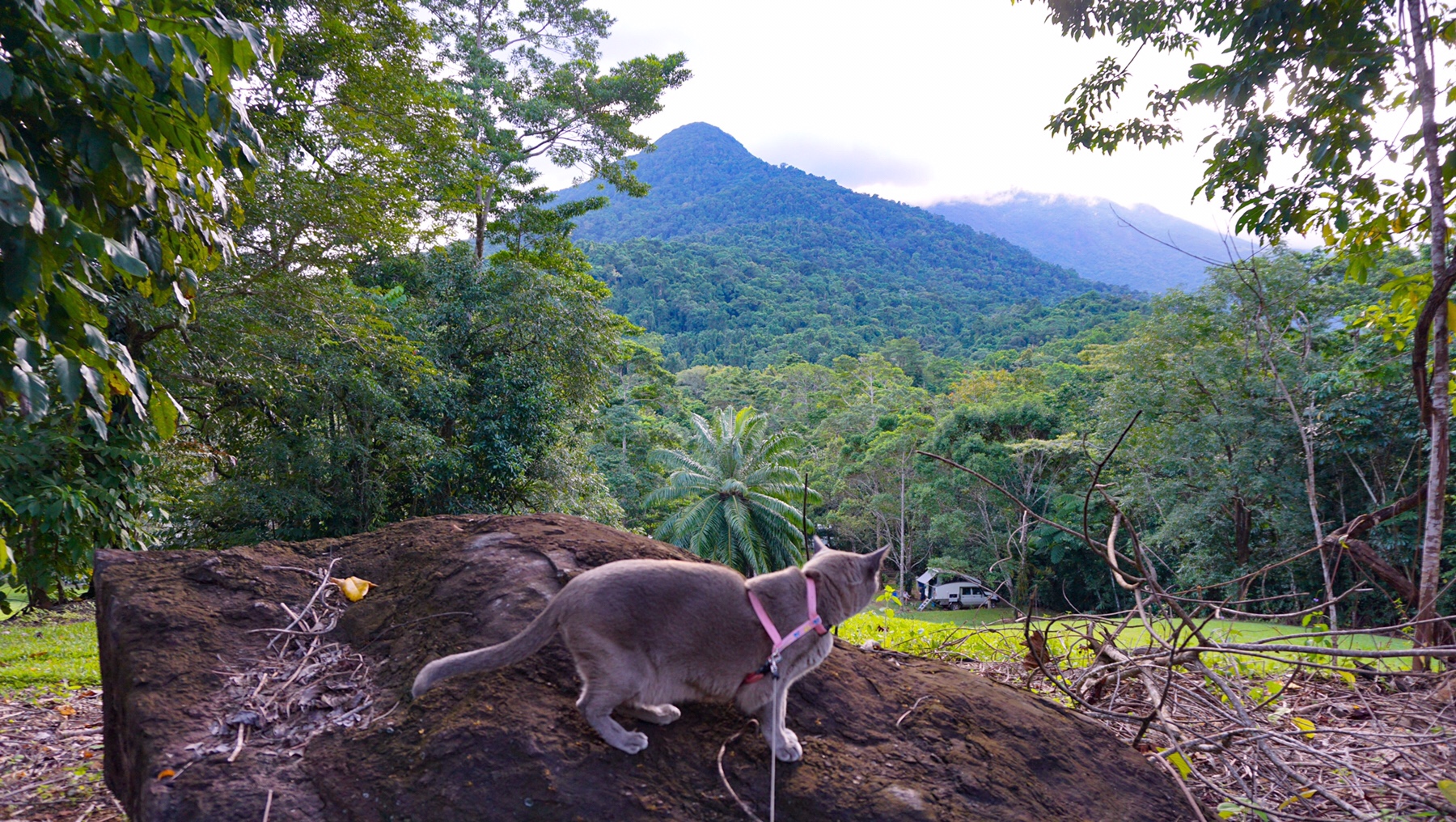 Oh and the Cassowaries? Nowhere to be seen…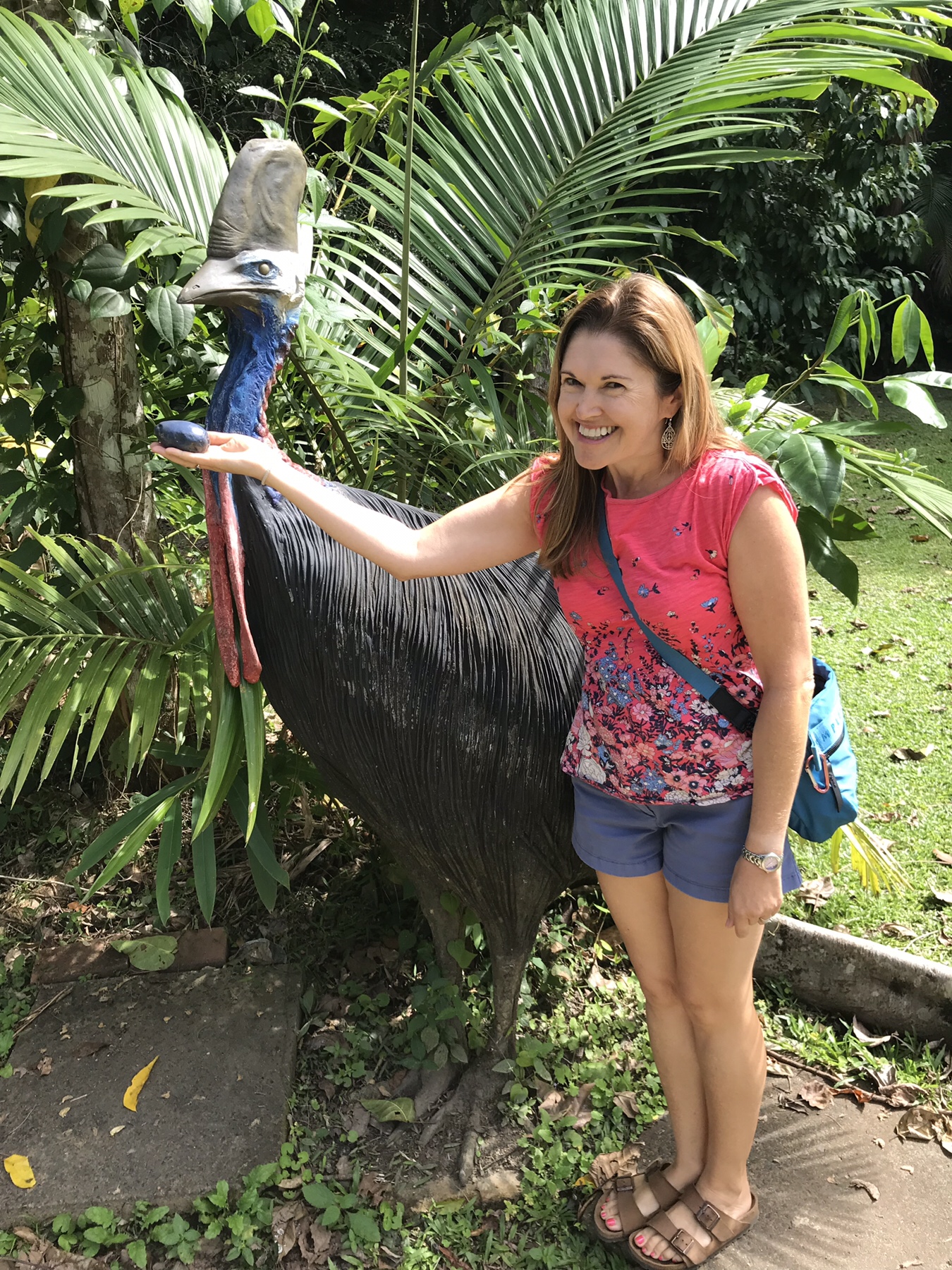
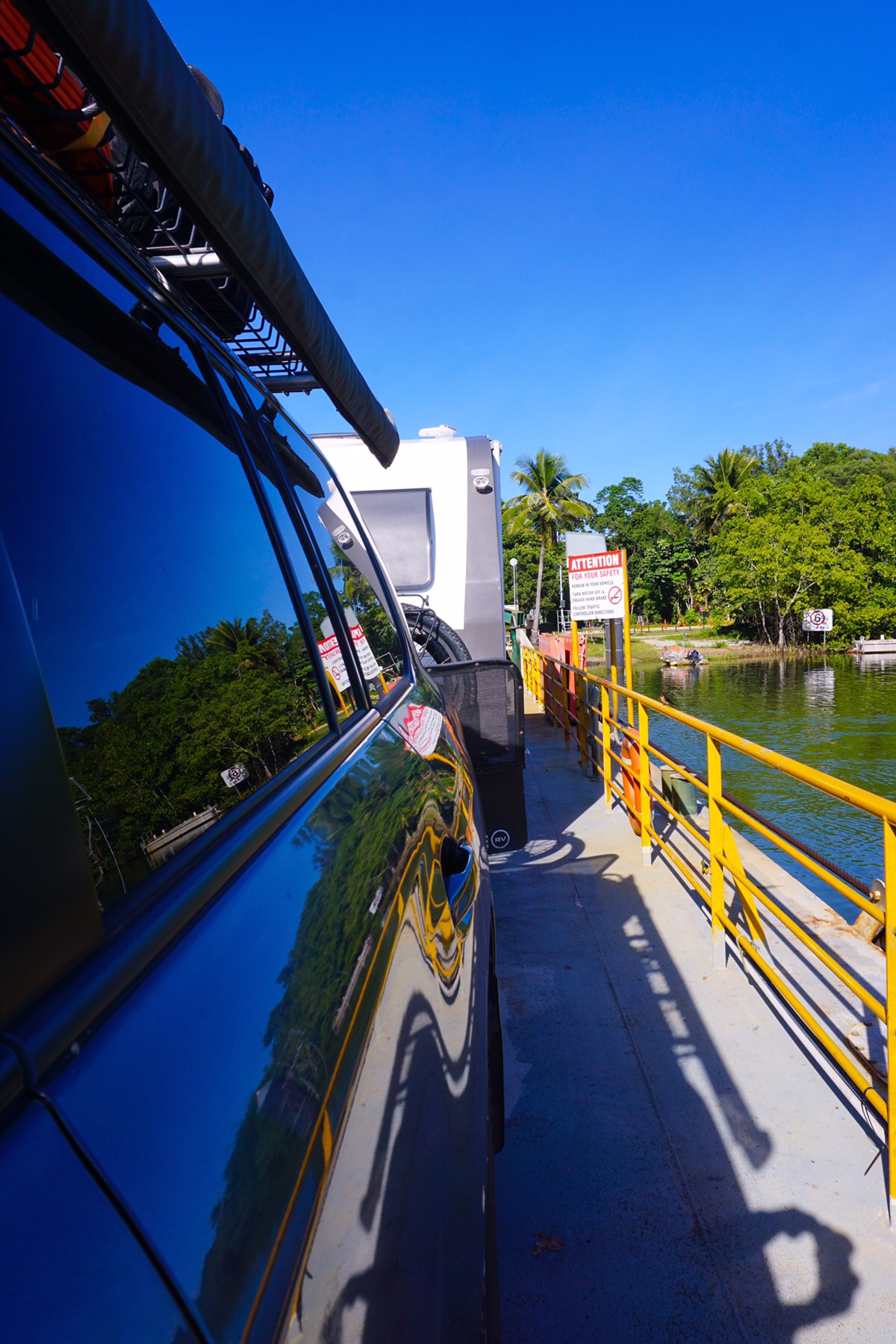 This was Tassie’s first trip across water, she was looking a little puzzled out of the window, not too impressed with seeing water in all directions.
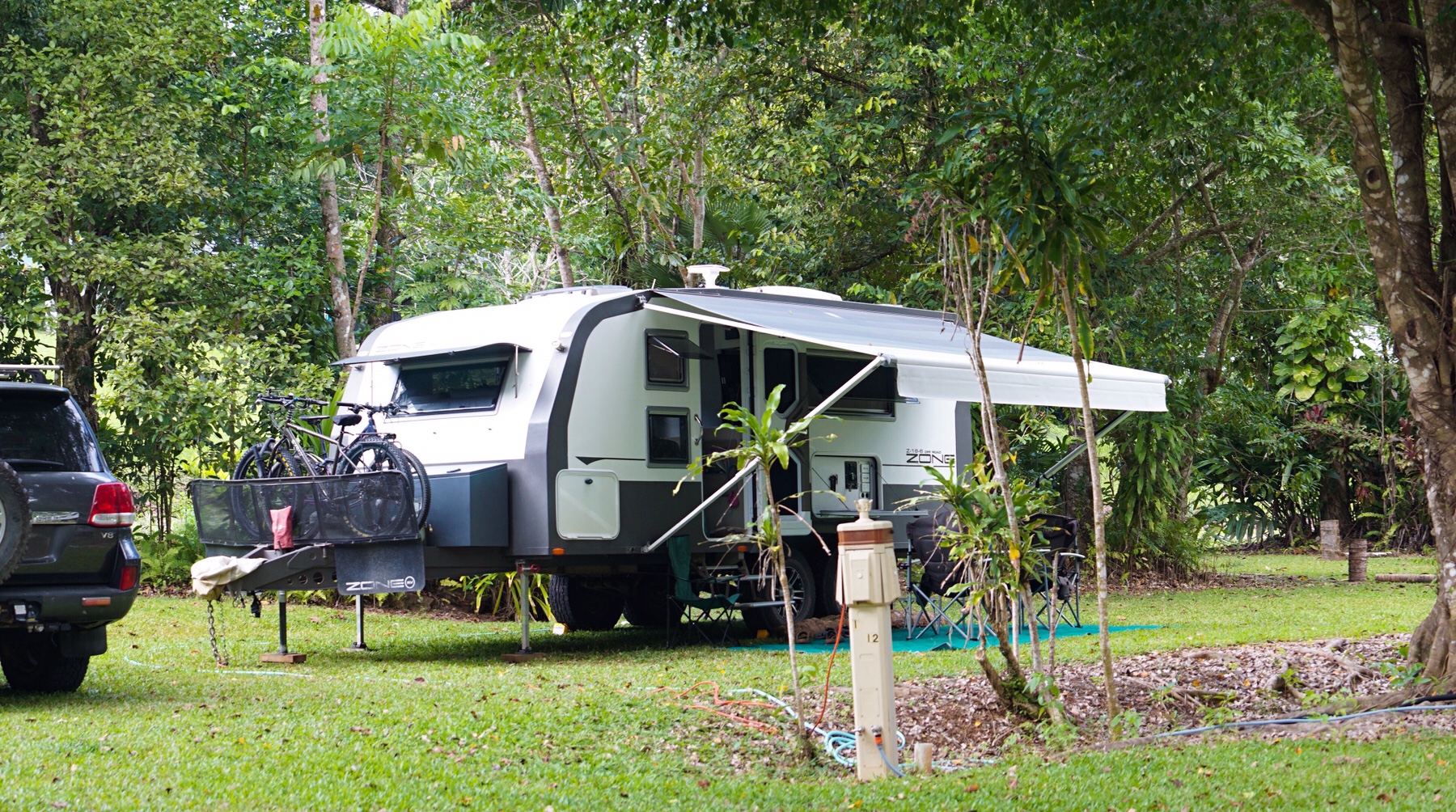
 The caravan park we had selected (oddly called the Rainforest Village, given it was a petrol station and a lovely open space for camping) was the furthest pet friendly one travelling north along the Cape Tribulation road.
 The bitumen ends in another 20km or so, then its a rough four-wheel drive only track surrounded by National Park all the way to Cooktown.
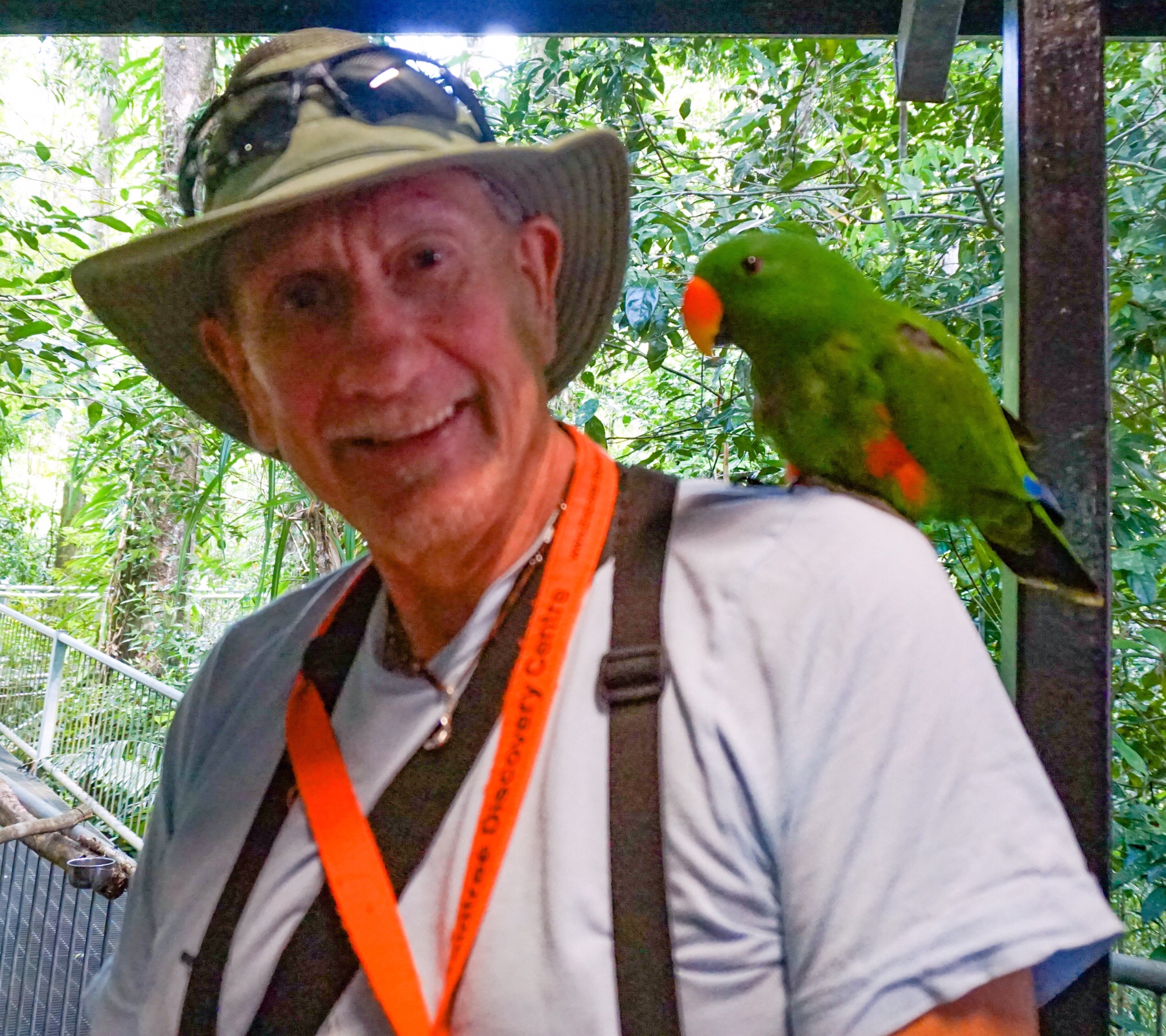 We spent several hours here, it could have easily been longer, there is so much to see and read about.
 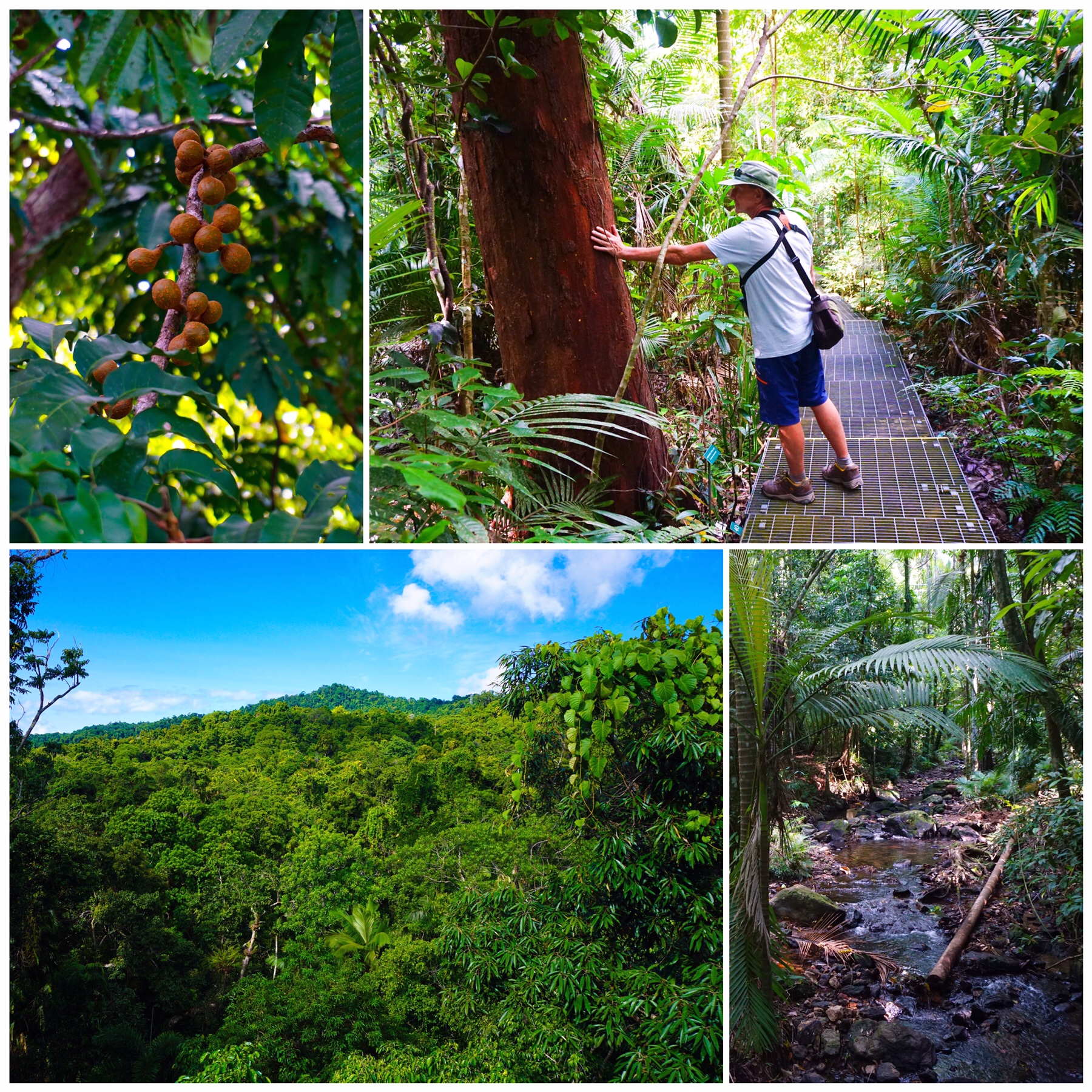 For instance, the Daintree Rainforest contains 12 of the 19 oldest plants on the planet and many other species found nowhere else on earth. The fauna coverage is also huge as well, the Daintree has 20% of Australia’s bird species, 35% of its marsupials, frogs and reptiles and 65% of our bat and butterflies species!
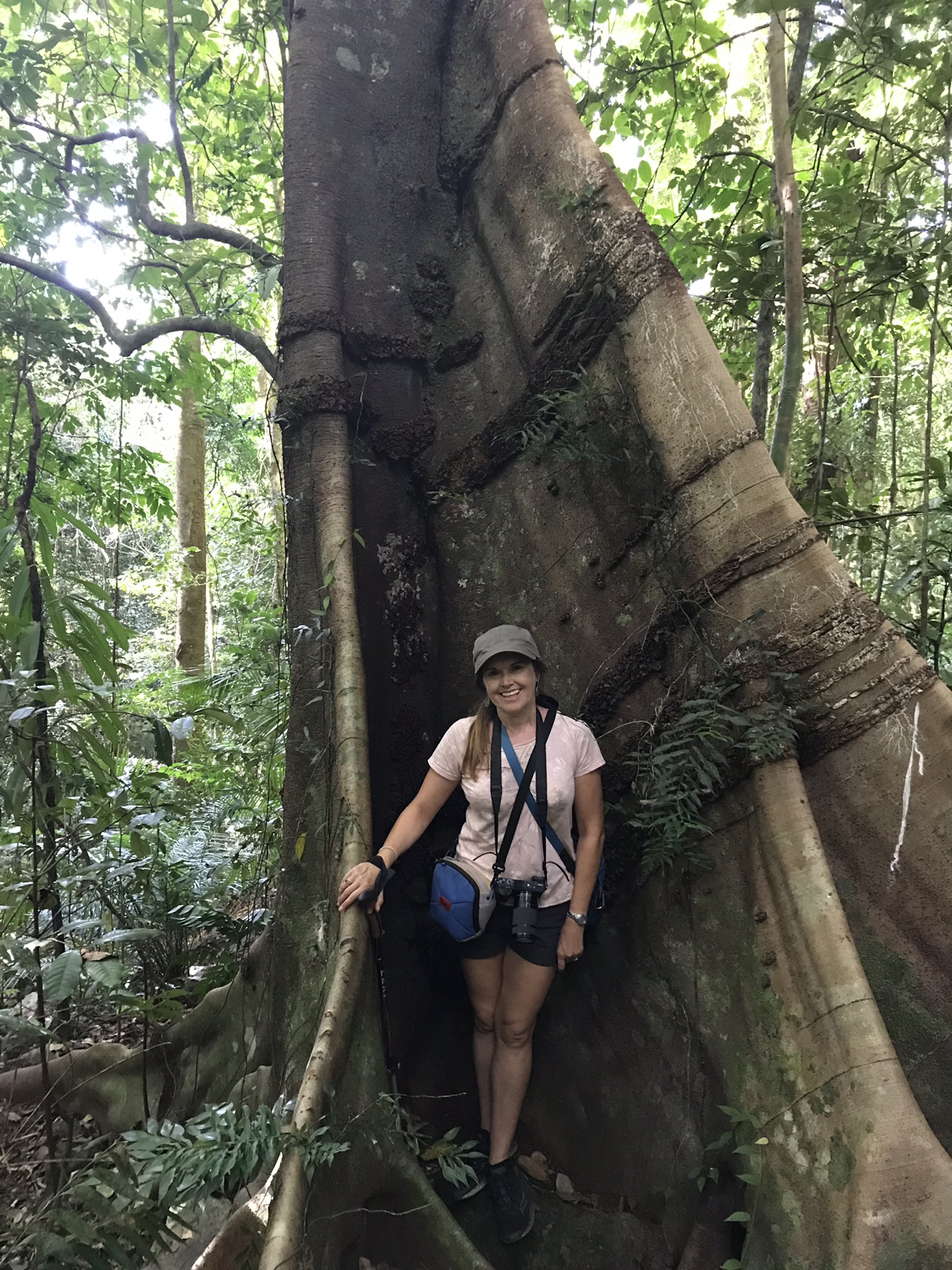
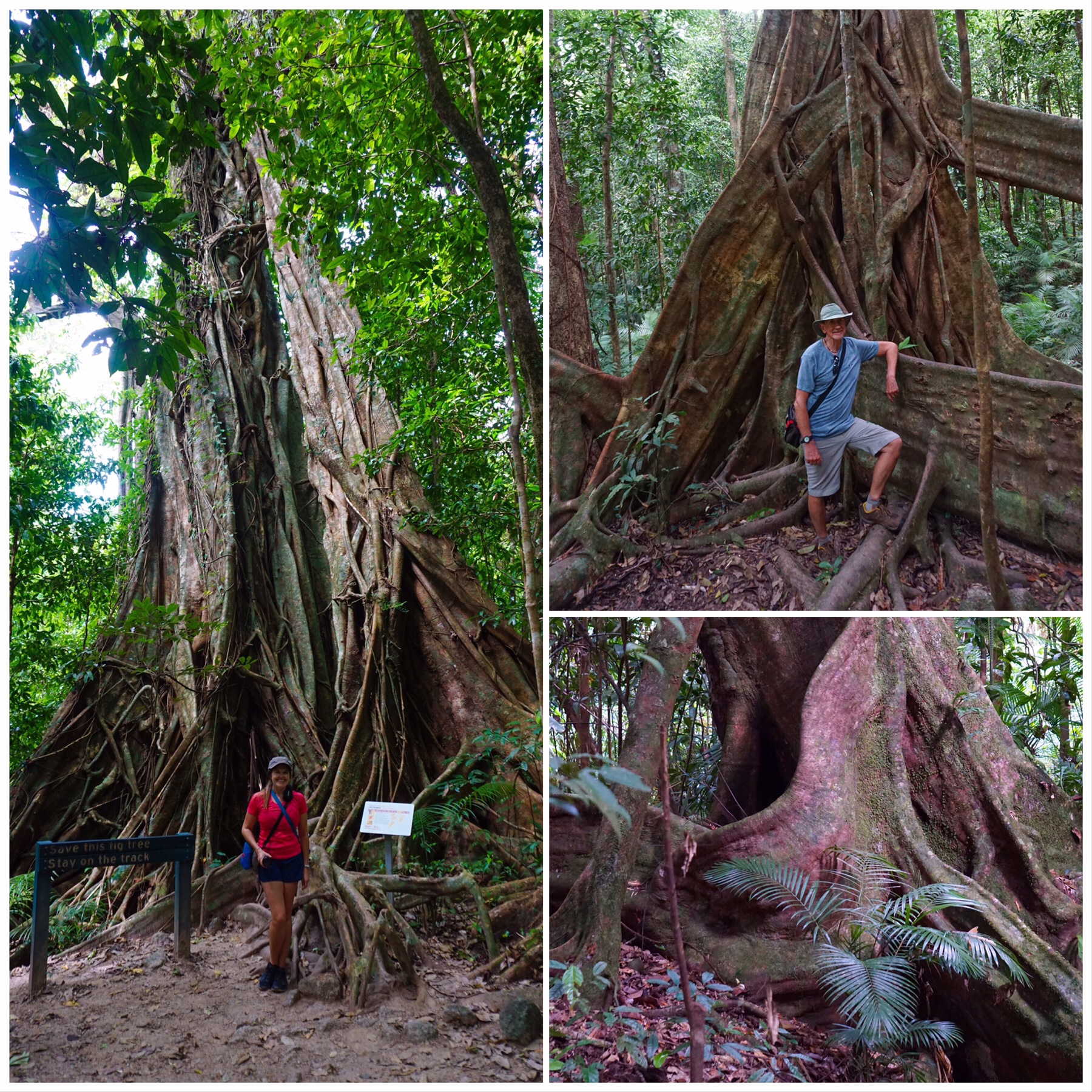
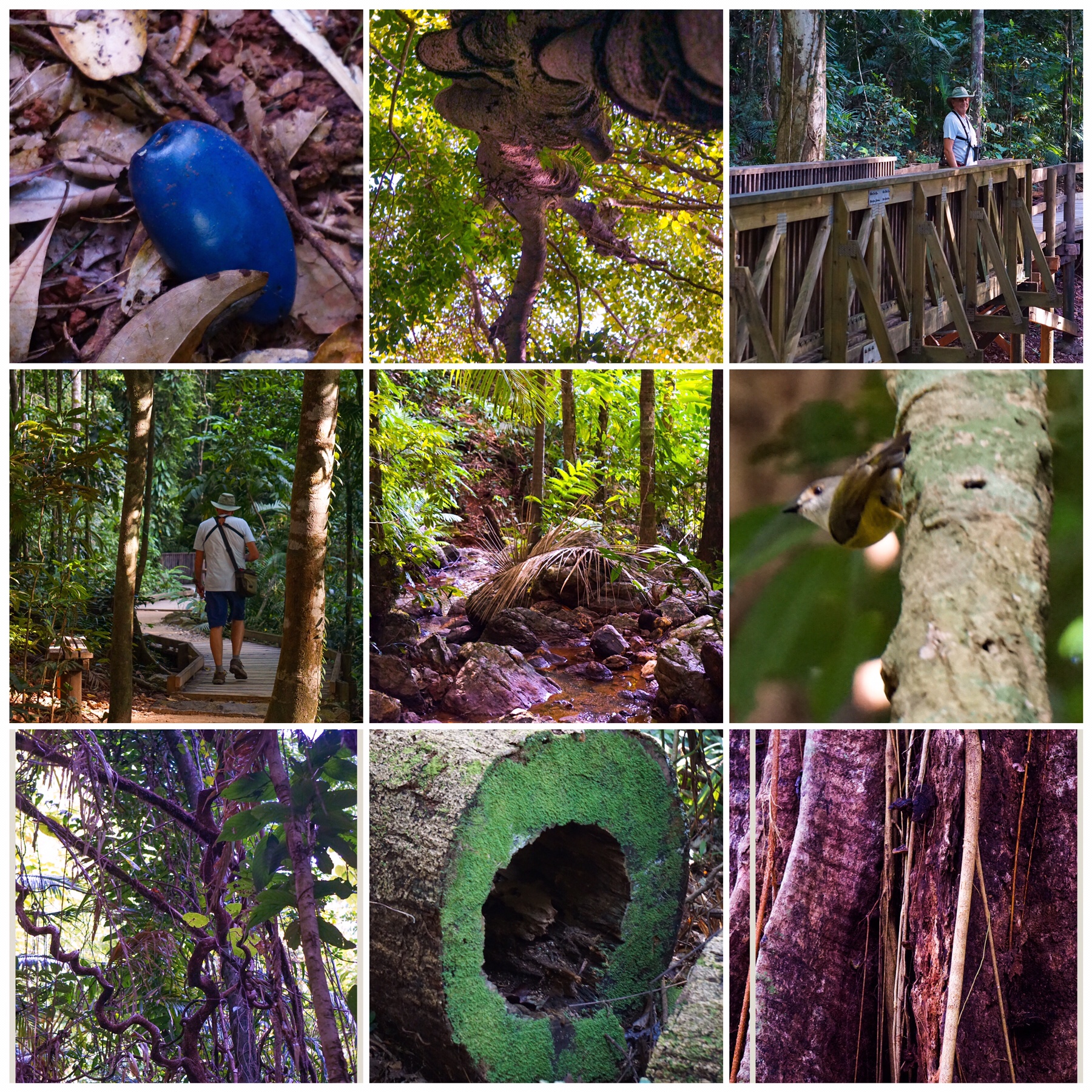 We could have stayed longer – much longer – but we decided to head off for a walk, hoping really for a cassowary sighting. Alas, it was not to be. However, we did get to experience again the majesty of being immersed in this unique ecosystem. Some of the trees we spotted were huge, especially next to the lovely little package of Mrs A. Some of these are over 500 years old apparently. Brightly coloured cassowary plums littered the floor, and crystal clear streams regularly meandered across our path.
 Spotting birds up in the canopy isn’t easy, particularly when you have my poor eyesight, but thankfully eagle eye Mrs A was there to draw my attention, and my trusty bins soon picked them out.
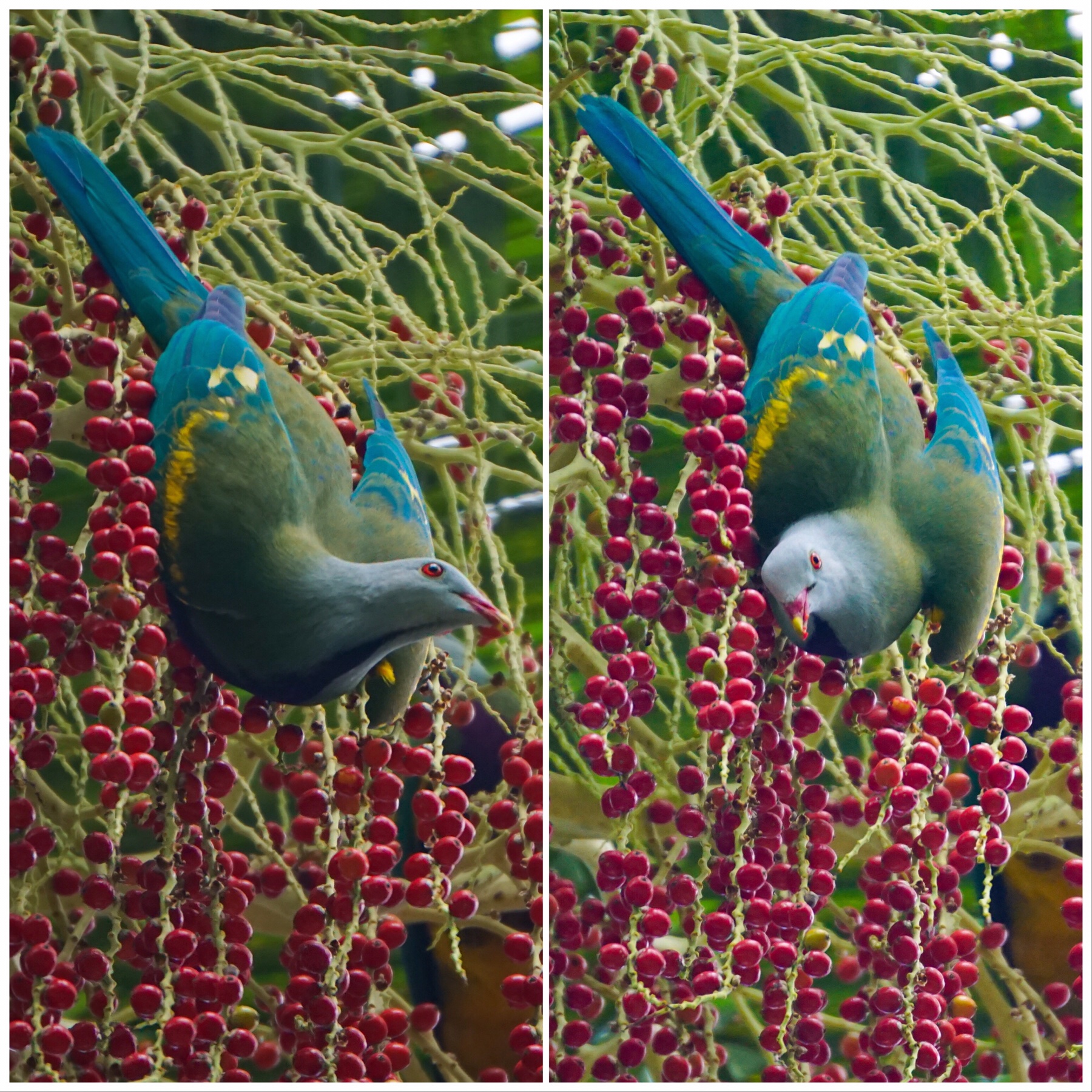
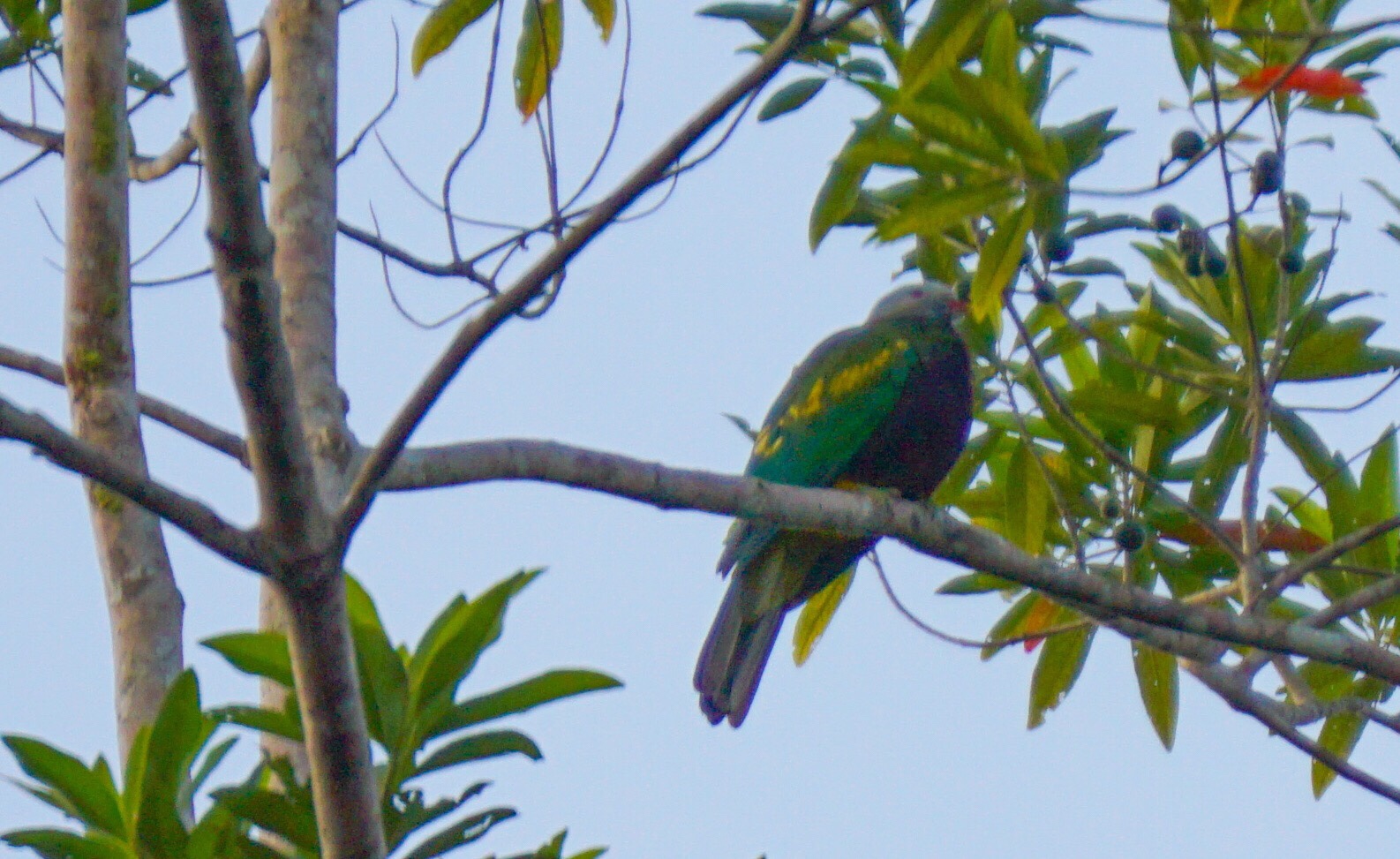
 Back at the Zone we then spotted two Wompoo Fruit-Doves up in the tree next to us. Their calls are very distinctive, which is a good job as despite being so colourful, they are hard to spot once they are stationary up in the canopy.
 As I hope you will have decided by now reading this blog, if you haven’t been to this area before you simply must. It’s hard to describe in words just how special it is, Mrs A does a much better job with her images I think. It’s sensory overload from the sights, to the sounds and then those smells unlike anything else.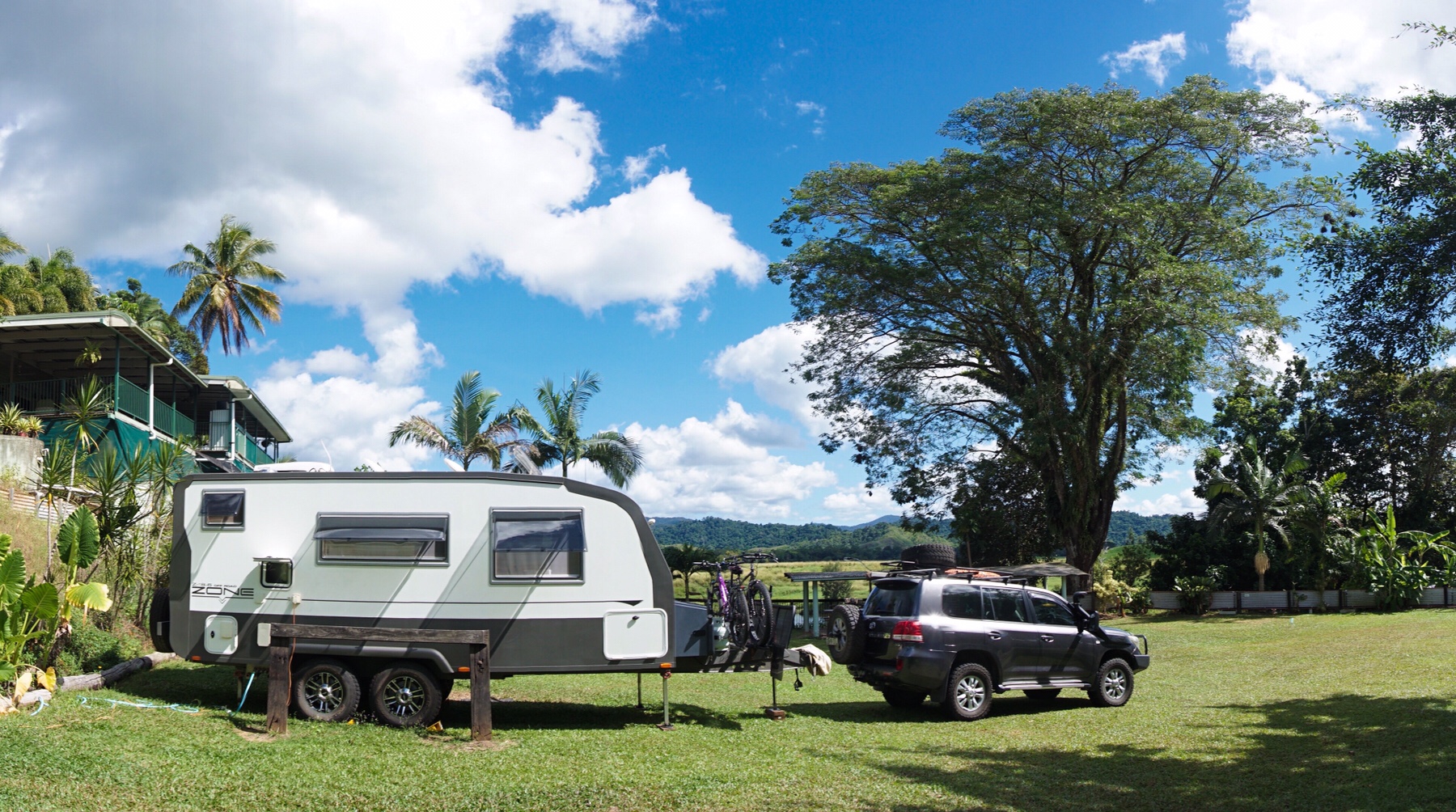
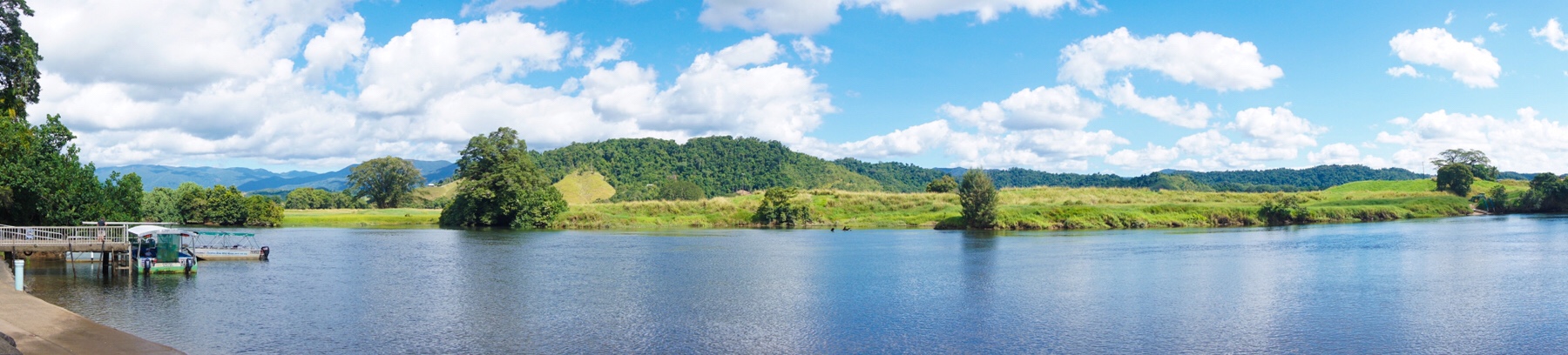 It is such a sweet area, with tin roofed pub/cafe/Australia Post, an information centre, general store and campground. Right beside the campground (which has a viewing platform across the river) is a boat ramp and wharf, which from the 1800s up to 1933 (when the road from Mossman was opened) served as the main route in and out of the settlement. It was from this wharf that residents exported butter (it is a dairy farming area) and brought in everything else they needed to live relatively comfortably. Today it is where small craft take visitors out on crocodile spotting tours, or bird and wildlife spotting tours if you choose to go with a local expert as we did.
 Next we travelled back along the road to Daintree Eco Lodge and Spa. I had booked in for a two hour session as my birthday gift from Mr A. Needless to say it was luxurious, a massage with essential oils, body scrub, hot mud and washed down with warm water from the local waterfall, followed by a more intensive massage and deep conditioning hair treatment. I emerged smelling like a geranium joss stick, tingling all over with slightly greasy looking hair!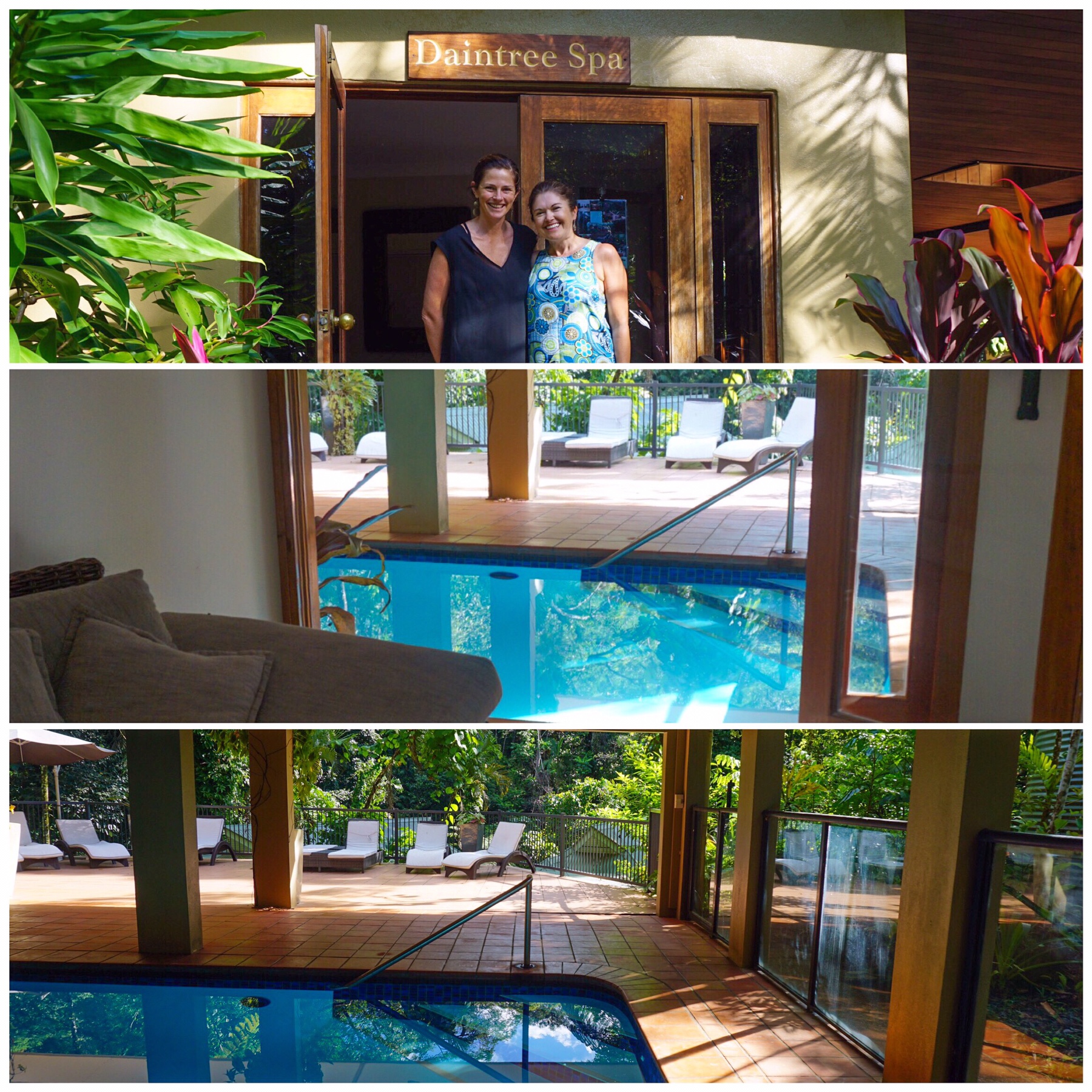
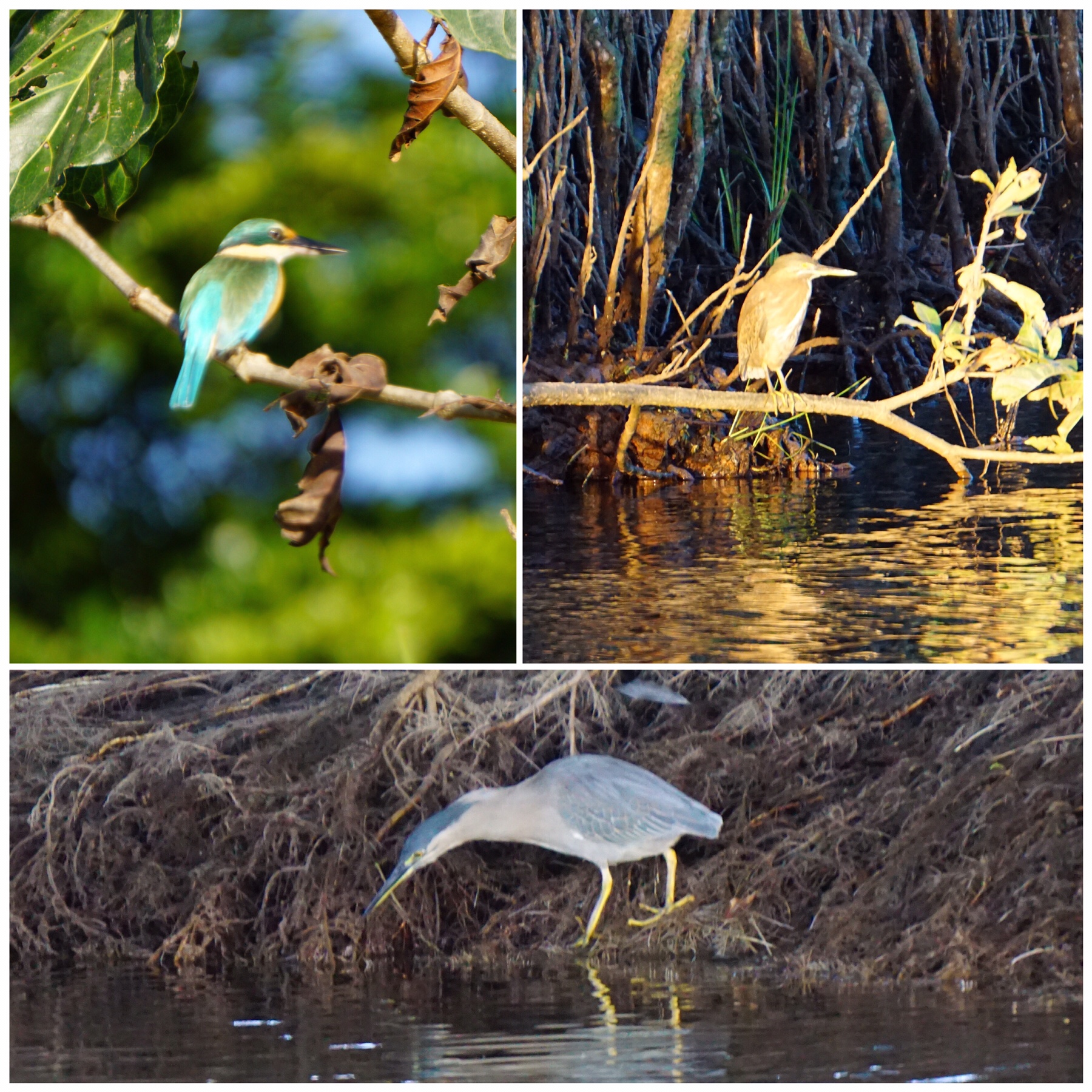 What a cruise. Not just the birdlife (to name a few we saw Striated Herons, Wompoo Fruit Doves, Great Egrets, a beautiful Sacred Kingfisher, Rainbow Bee-eaters, Sunbirds, Spotted Catbird…) but the stories of other wildlife (the snakes, the bats, the crocs) and the flora (Ylang-Ylang tree flowers – the main ingredient in Chanel No 5, the numerous fruits and seeds from the mangroves, the reason for the changing colours of the native hibiscus – yellow on day one, which drops off once pollinated, turning to orange and later a deep pink on further days until pollination is successful).
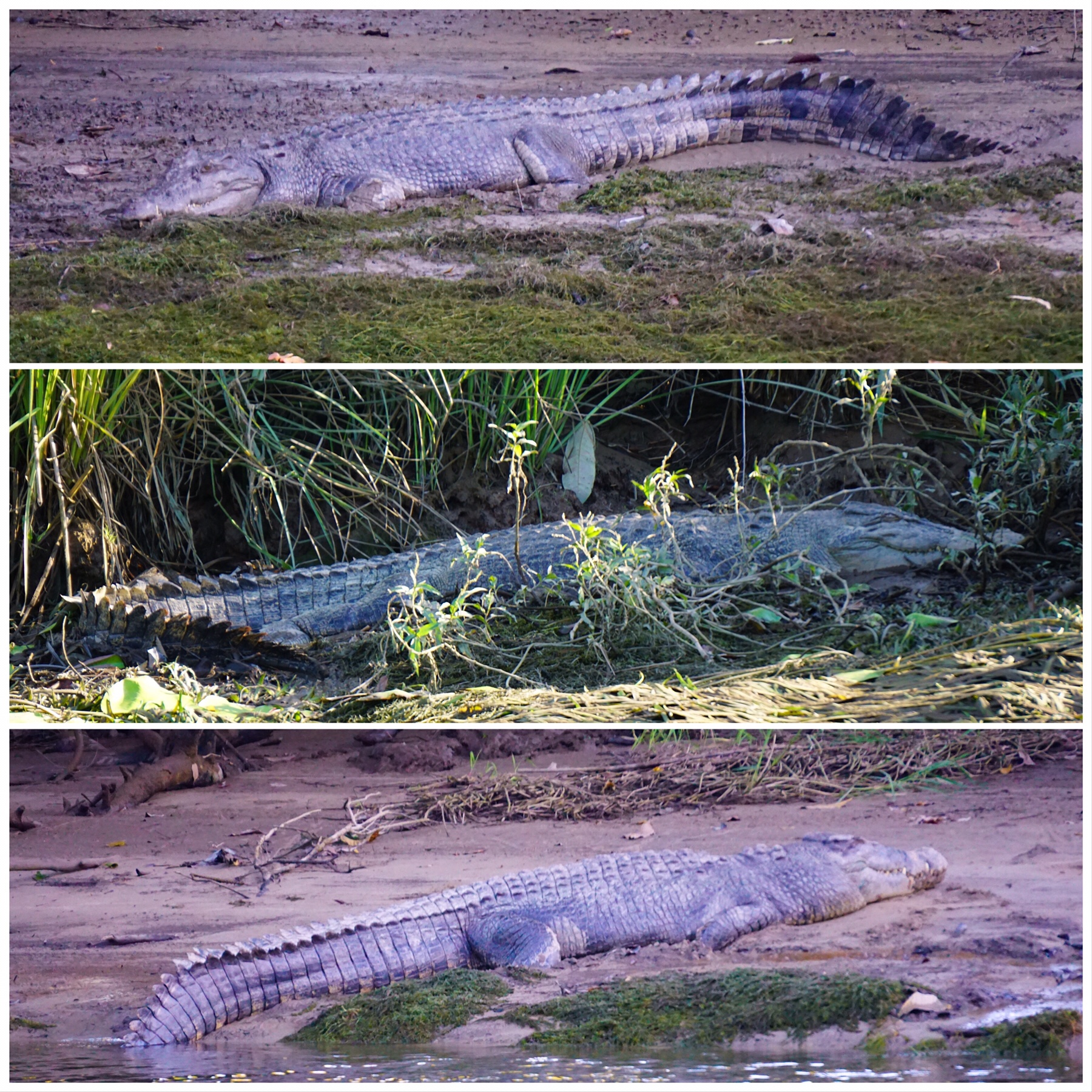 Apparently several years ago, Crocodie Hunter, Steve Irwin, flew up the Daintree River in a helicopter checking out the crocodile numbers and investigating all the waterholes on the way up. They found crocodiles as far up as 40km from the estuary in a waterhole at the top of a high waterfall – somewhere that traditionally people (including us) would have thought was safe from crocodiles. It made us re-visit all the beautiful waterholes we have swum in across the Kimberly, Lichfield and Kakadu in a new light!
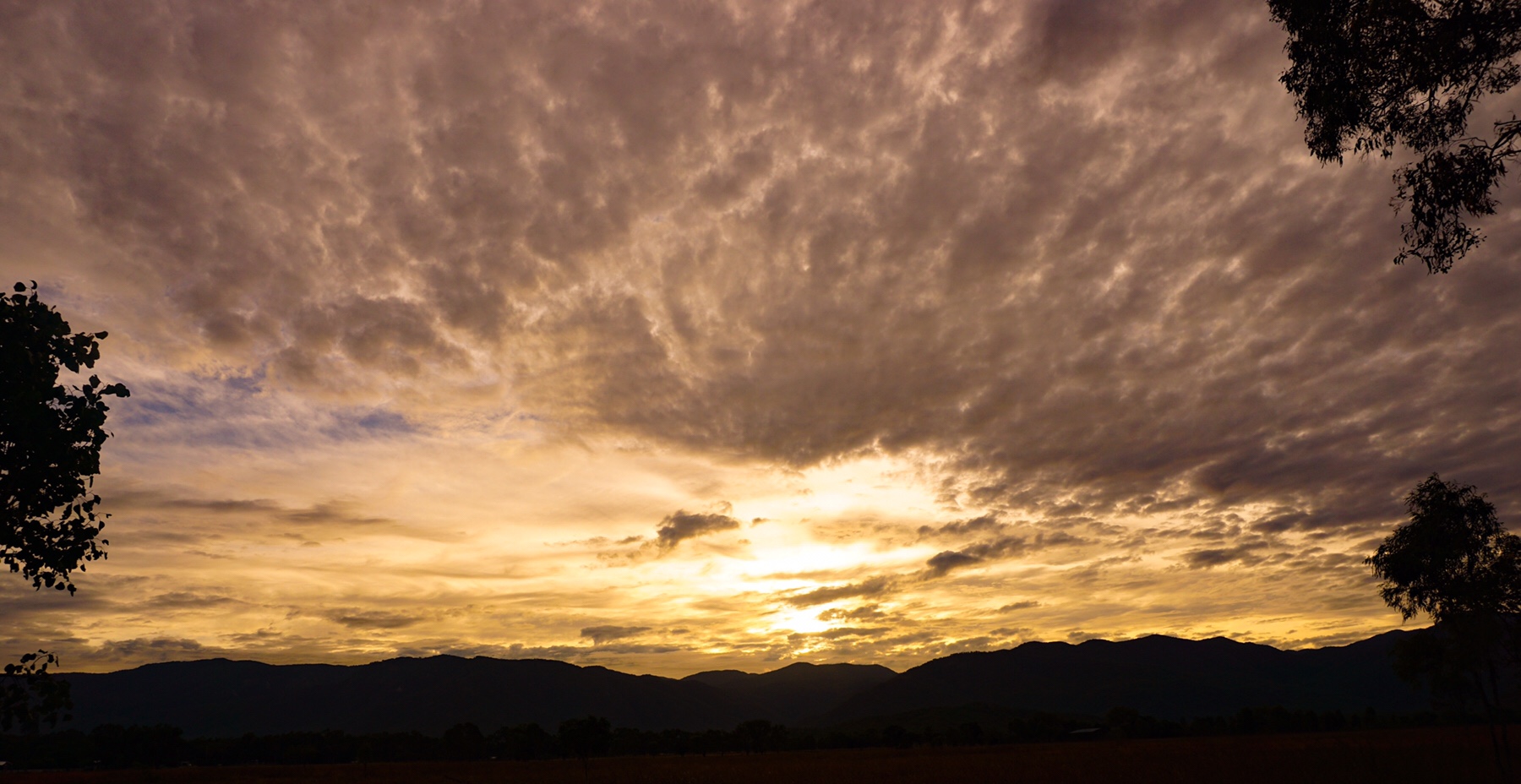
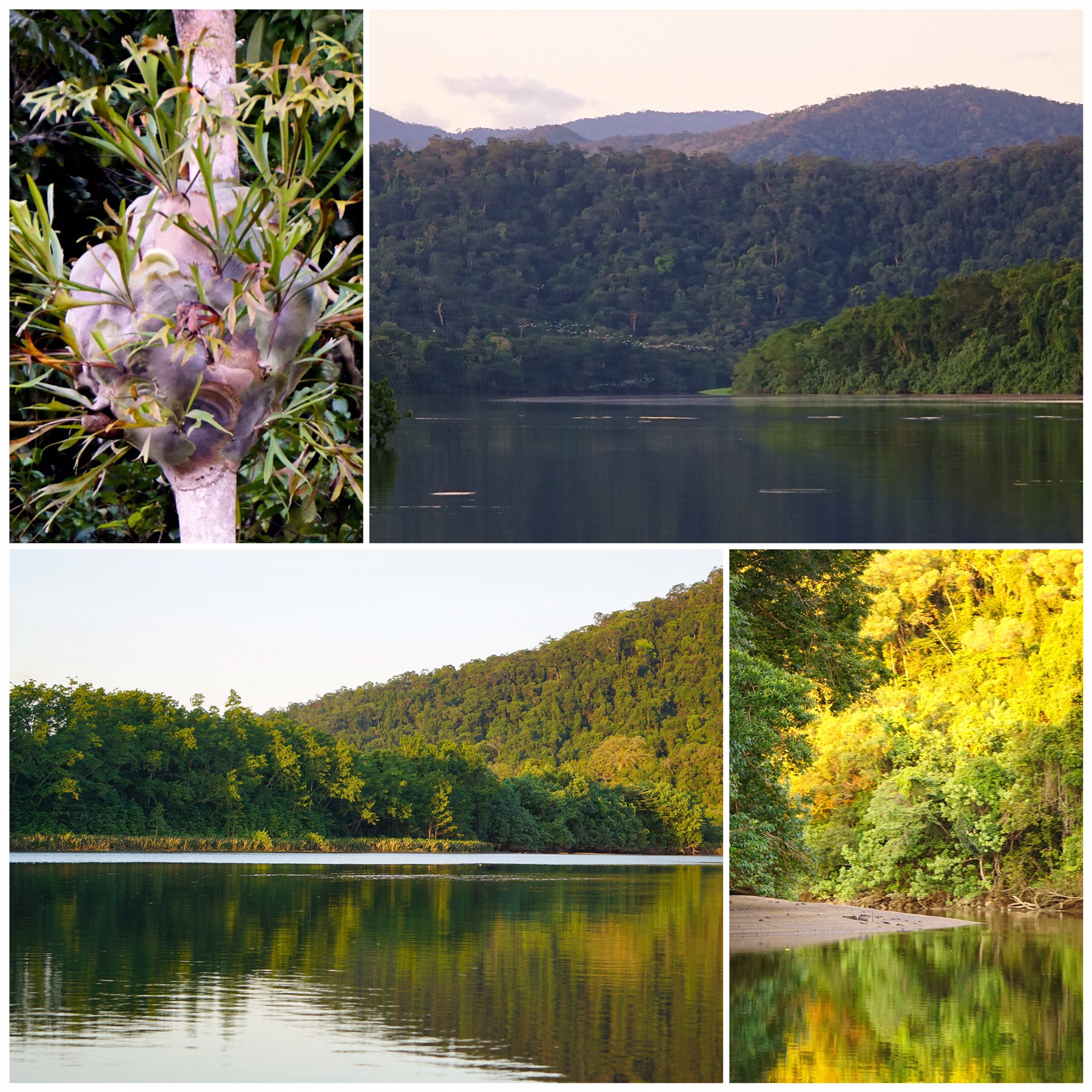 Sunset was a whole new deal. Our skipper asked whether we would mind heading back a little late so we could watch the incredible phenomenon of the flocks and flocks of Eastern Great Egrets flying along the river to their roosting spots. Absolutely incredible. The breeze had totally dropped and as we sat there waiting the sky changed dramatically, from salmons and peaches to a deep Pinot red. Even the locals raved about the sky later on and the following morning!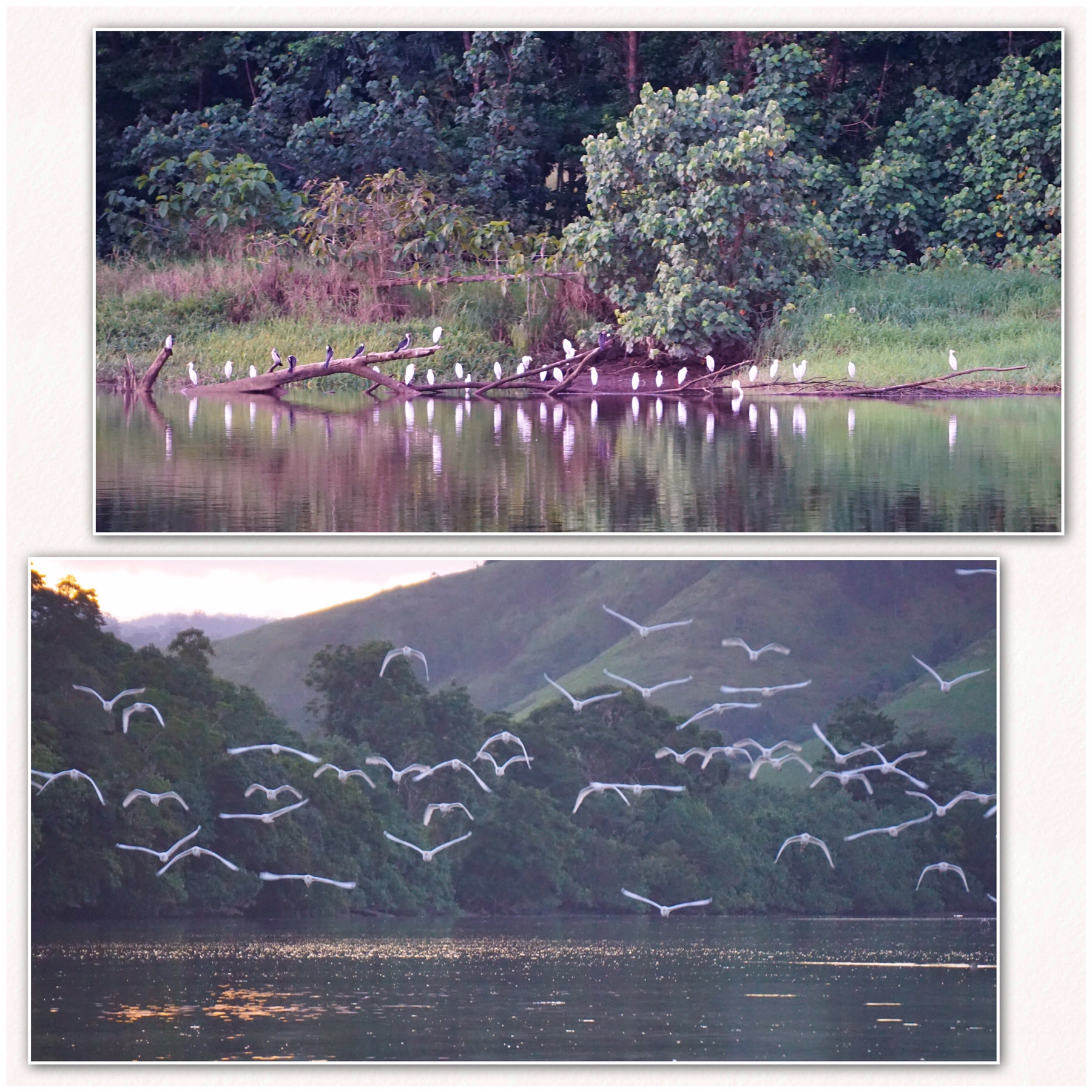
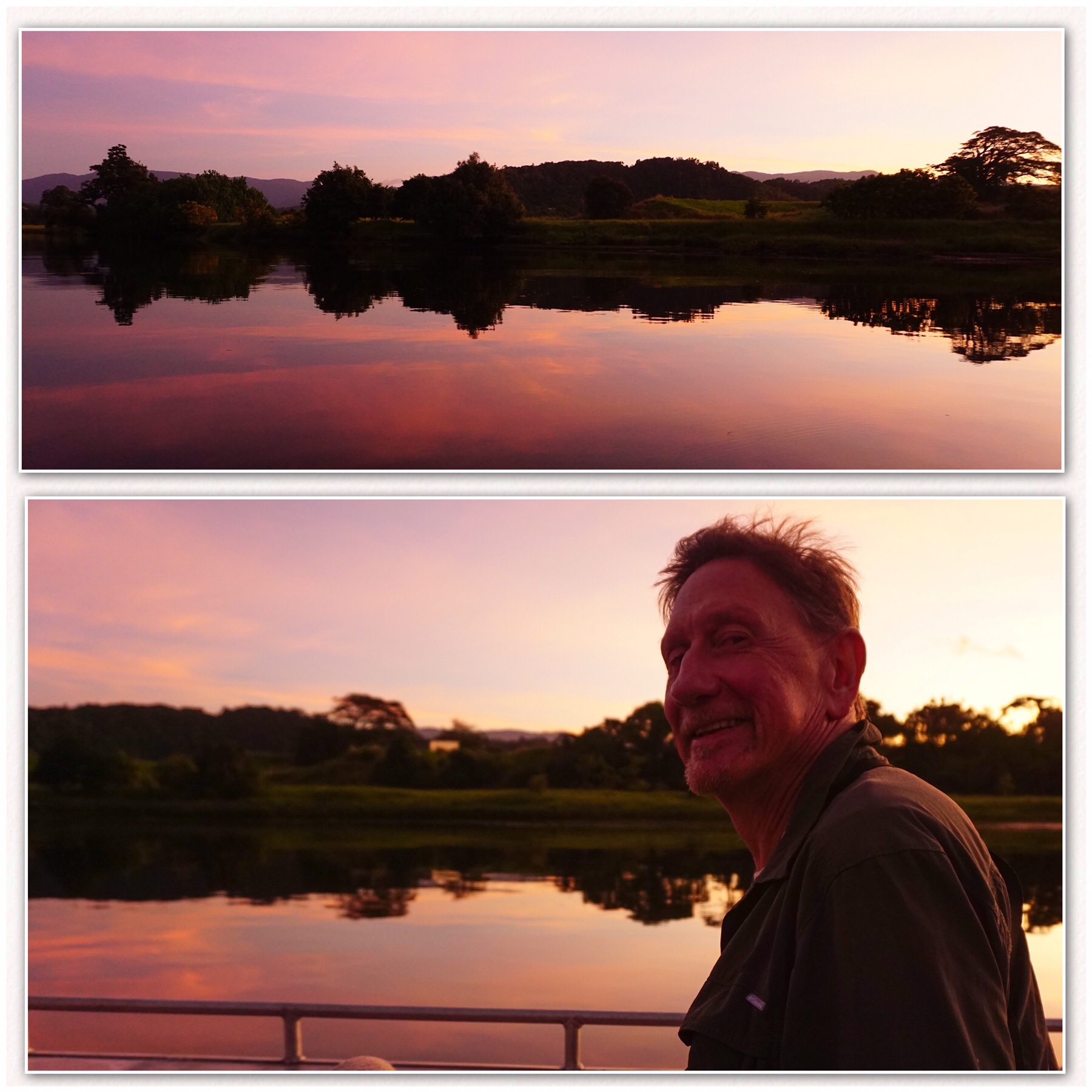
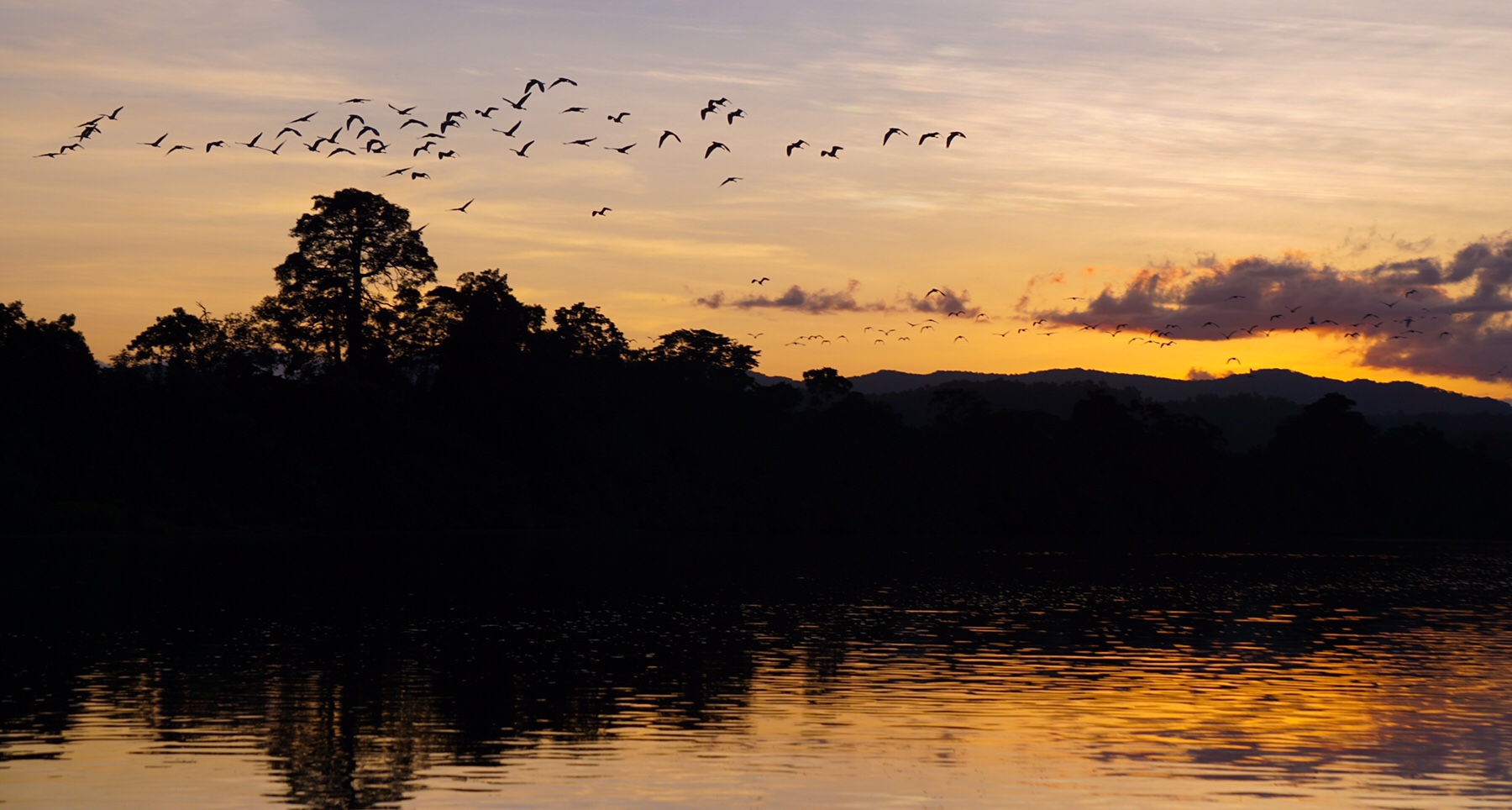
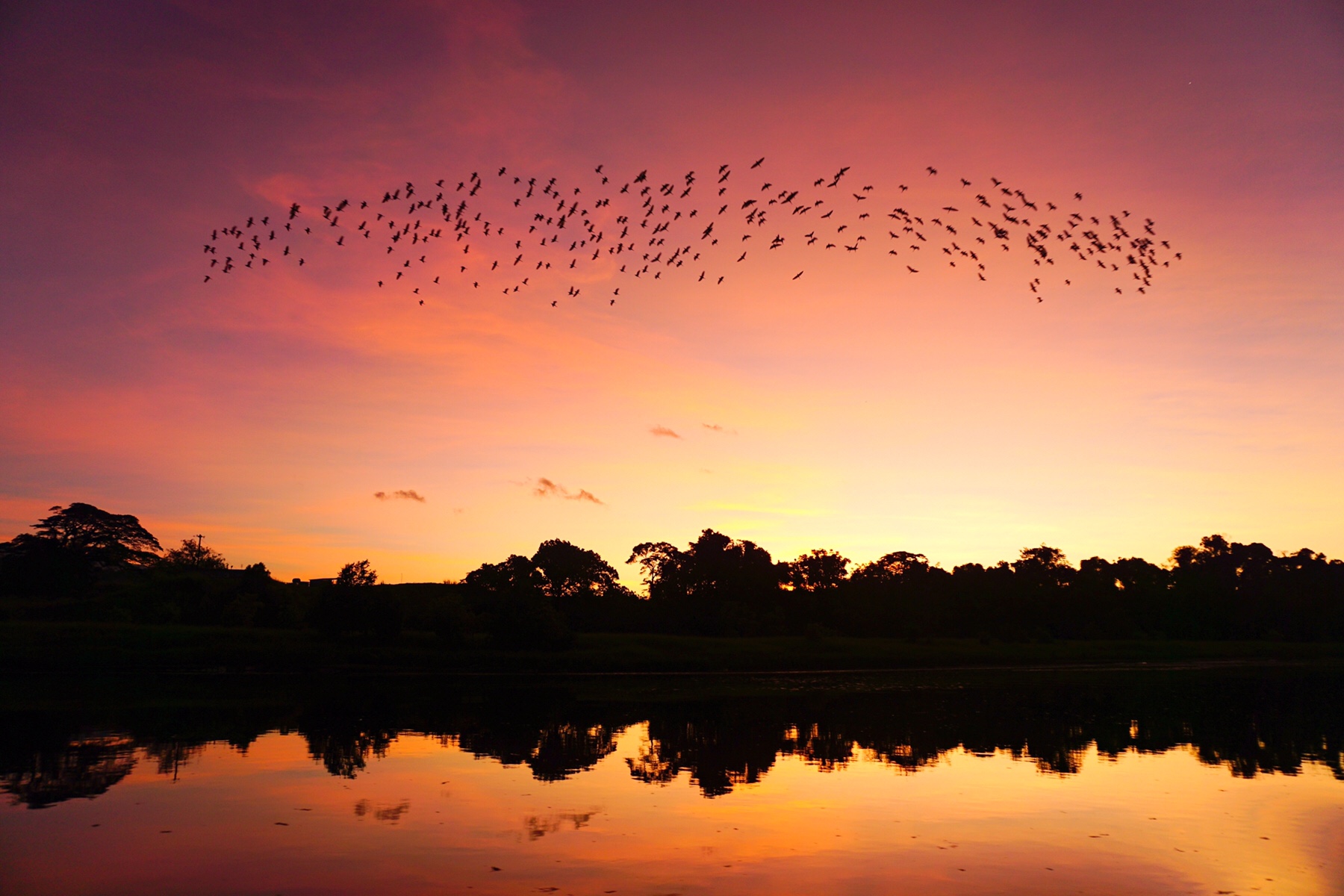 The birds were also magical, and kept on coming…the photos do not do it justice, you really need to hear the flap of their wings and the frantic cries of the stragglers asking their mates to wait up.
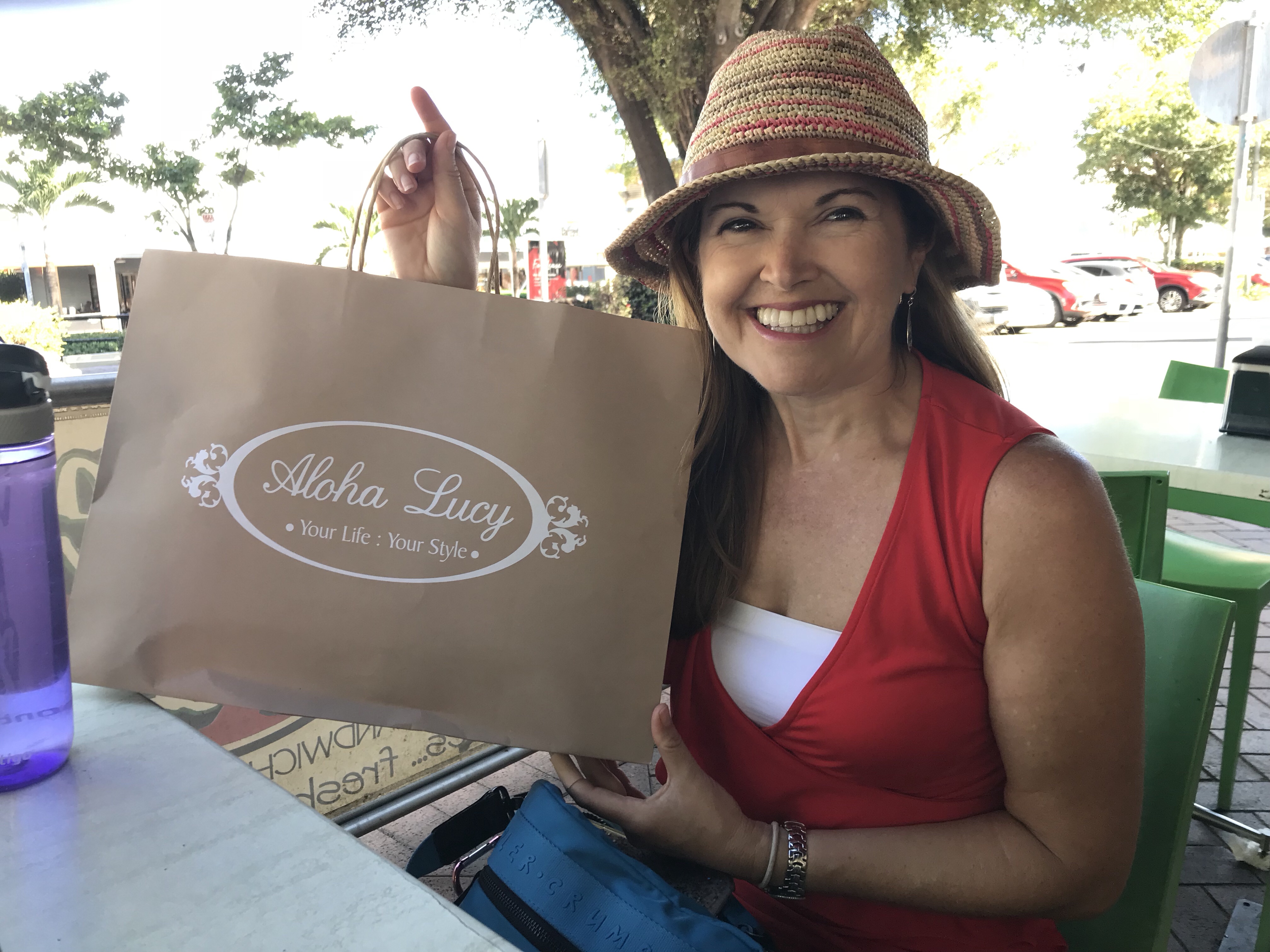 I won’t steal her thunder other than saying it’s a cracker. More minor successes followed, storage space is limited for clothes even in the Zone, so both our wardrobes are showing signs of wear. I’ve decided to continue with the worn and faded look. After years of spending far too much money on clothes I’ve now mostly given to Vinnies, I can’t bring myself to over indulge anymore.
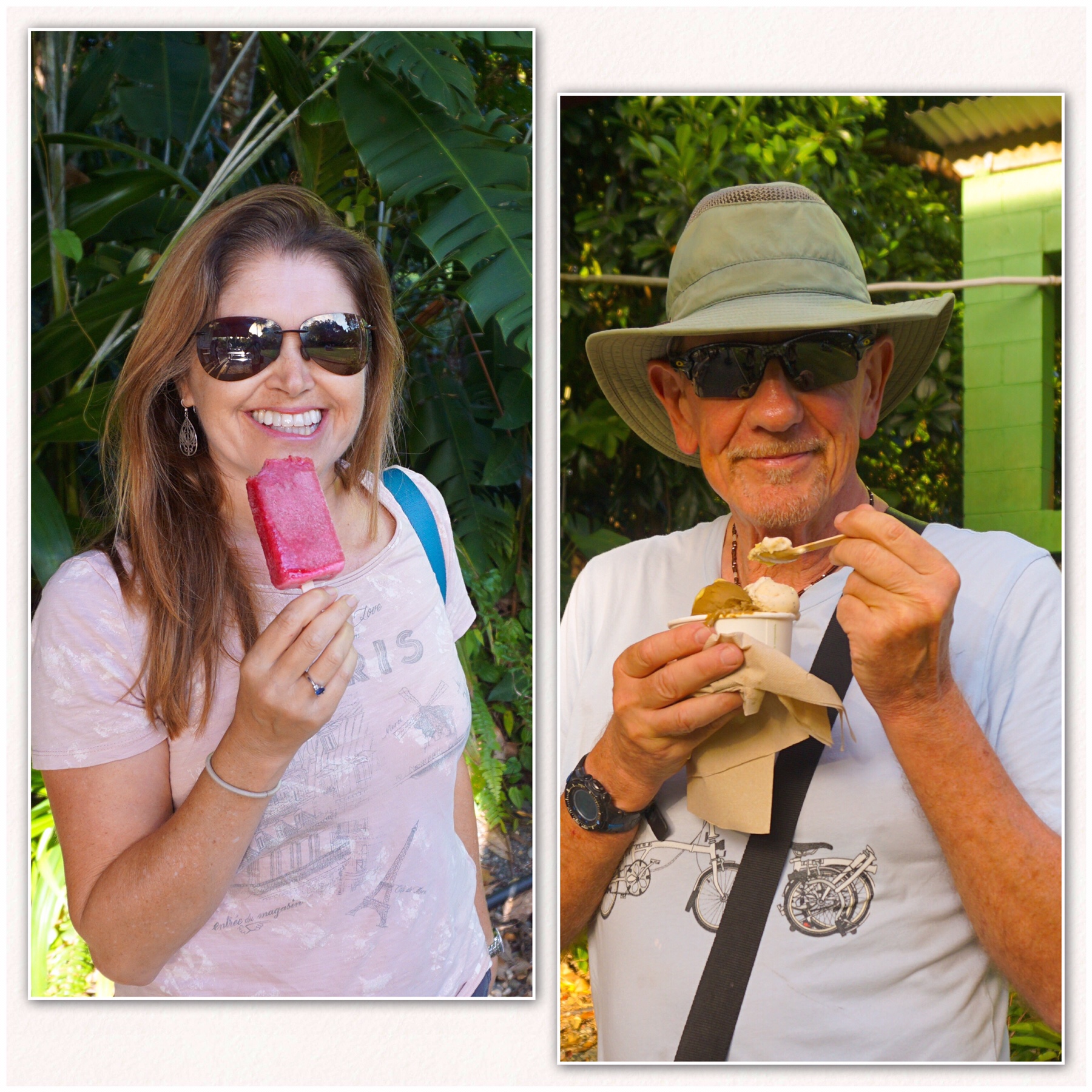
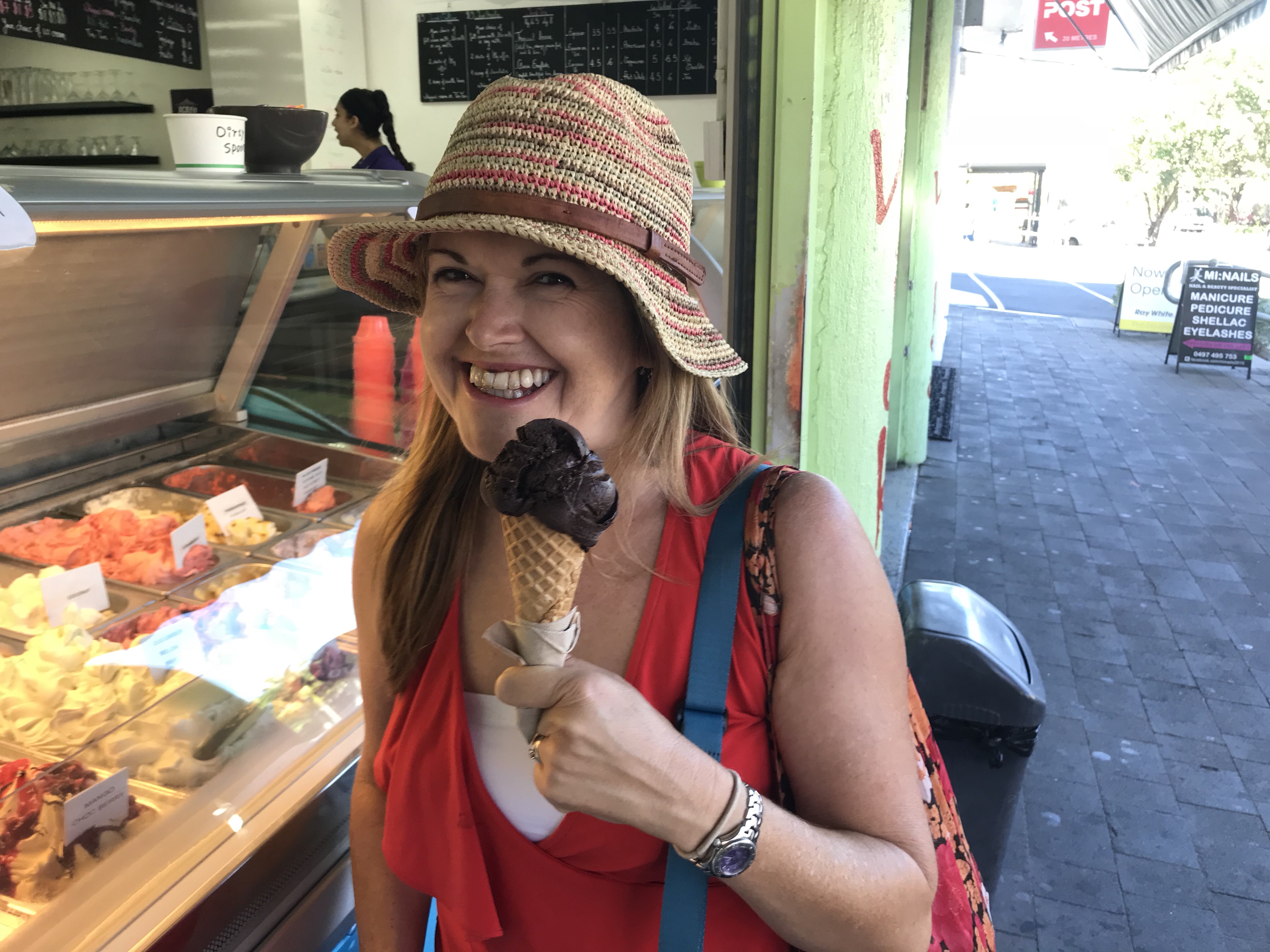
 Mrs A picked up a few more things, then indulged in a chocolate sorbet – yes that is just chocolate, not rotten teeth!
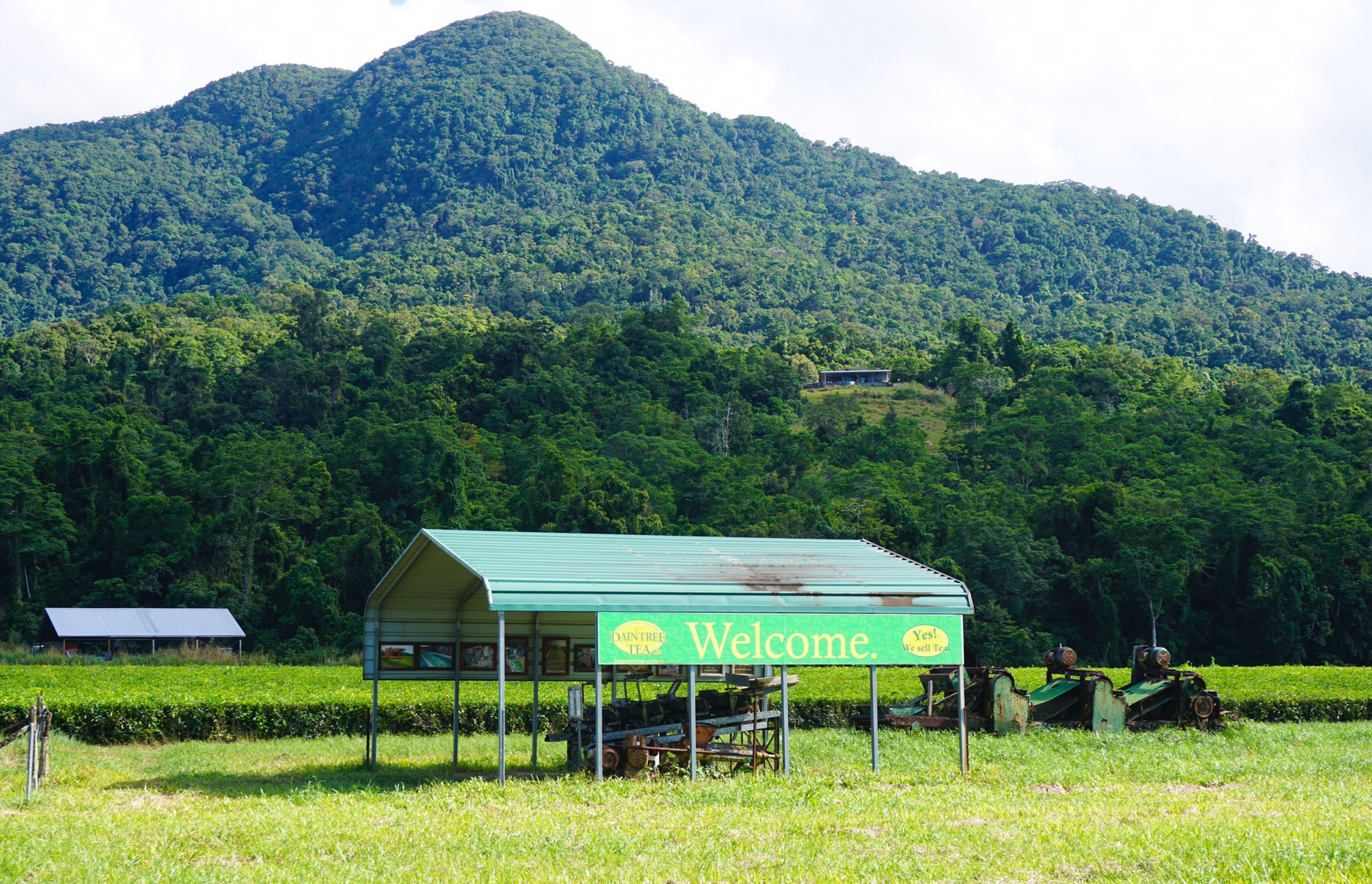
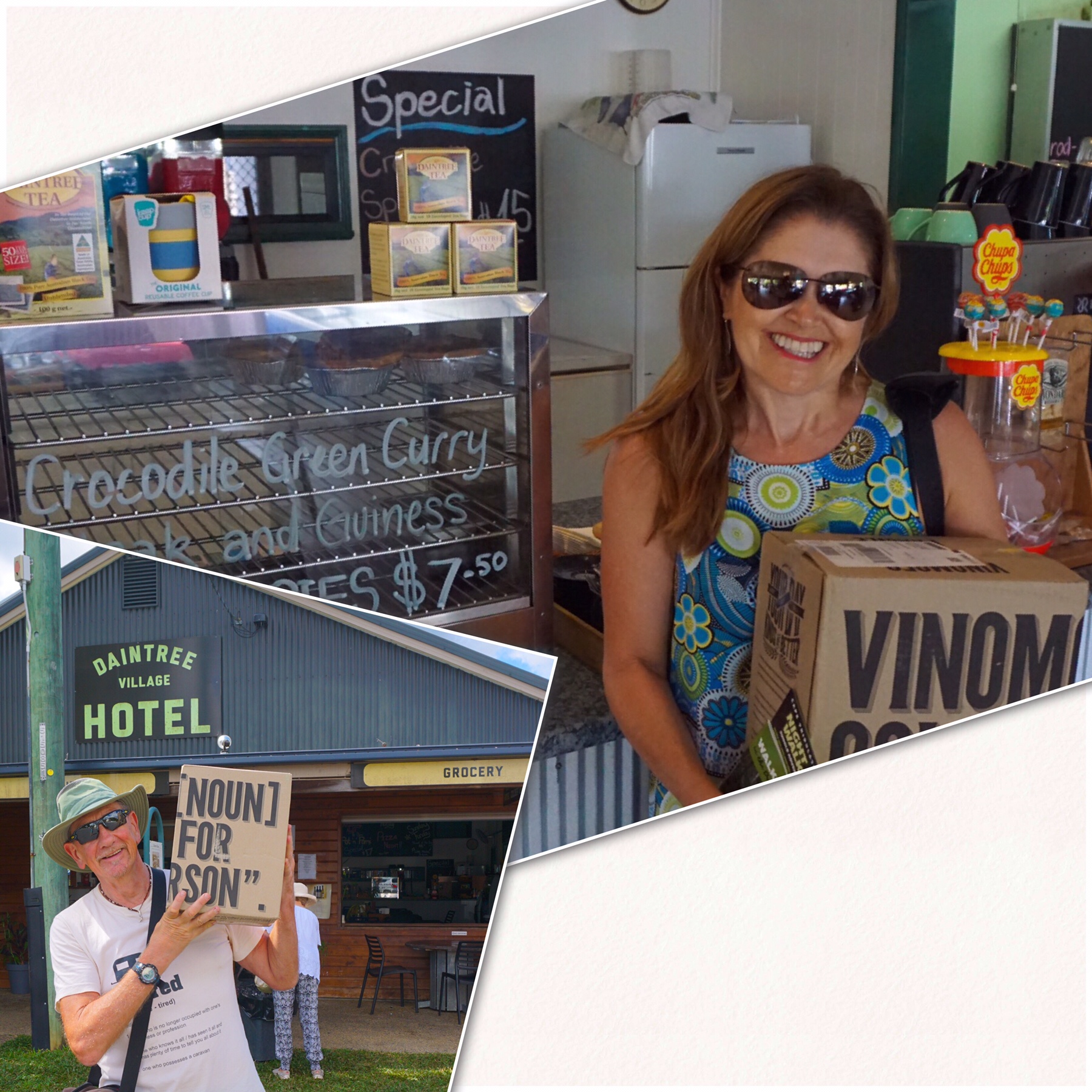
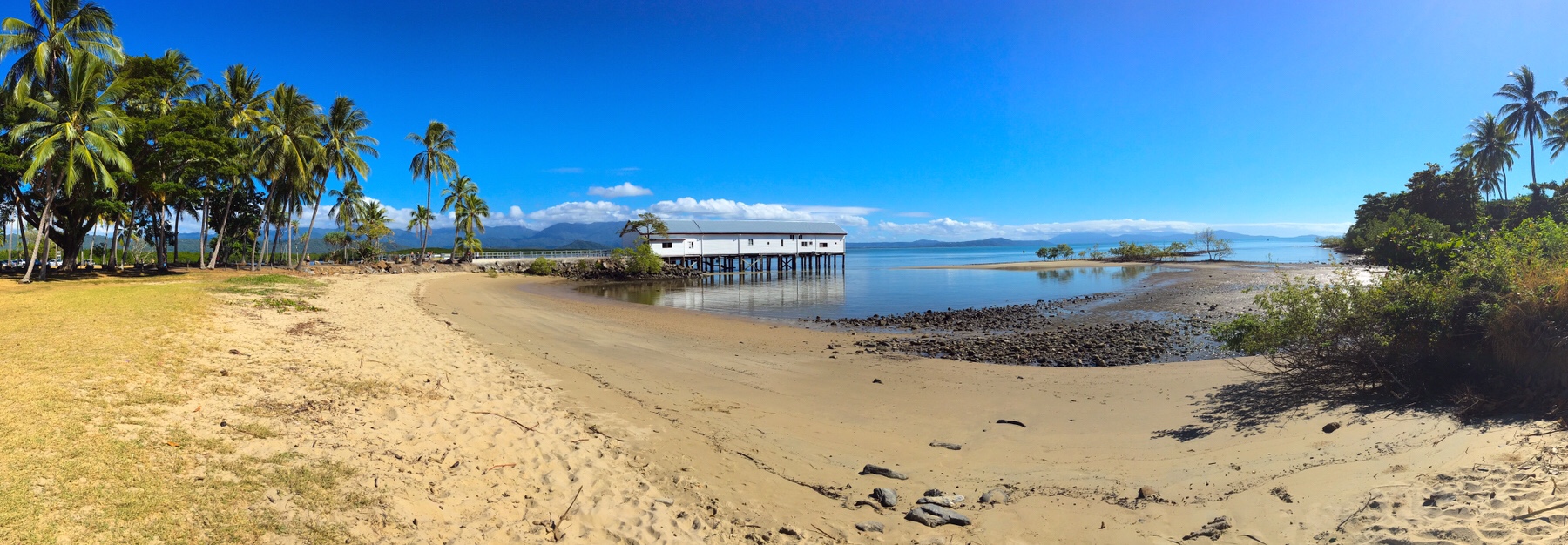
 We found some locally grown tea and locally made chocolate, and I even caved and bought myself some new shorts – all in all a successful little foray into civilisation before moving north tomorrow.
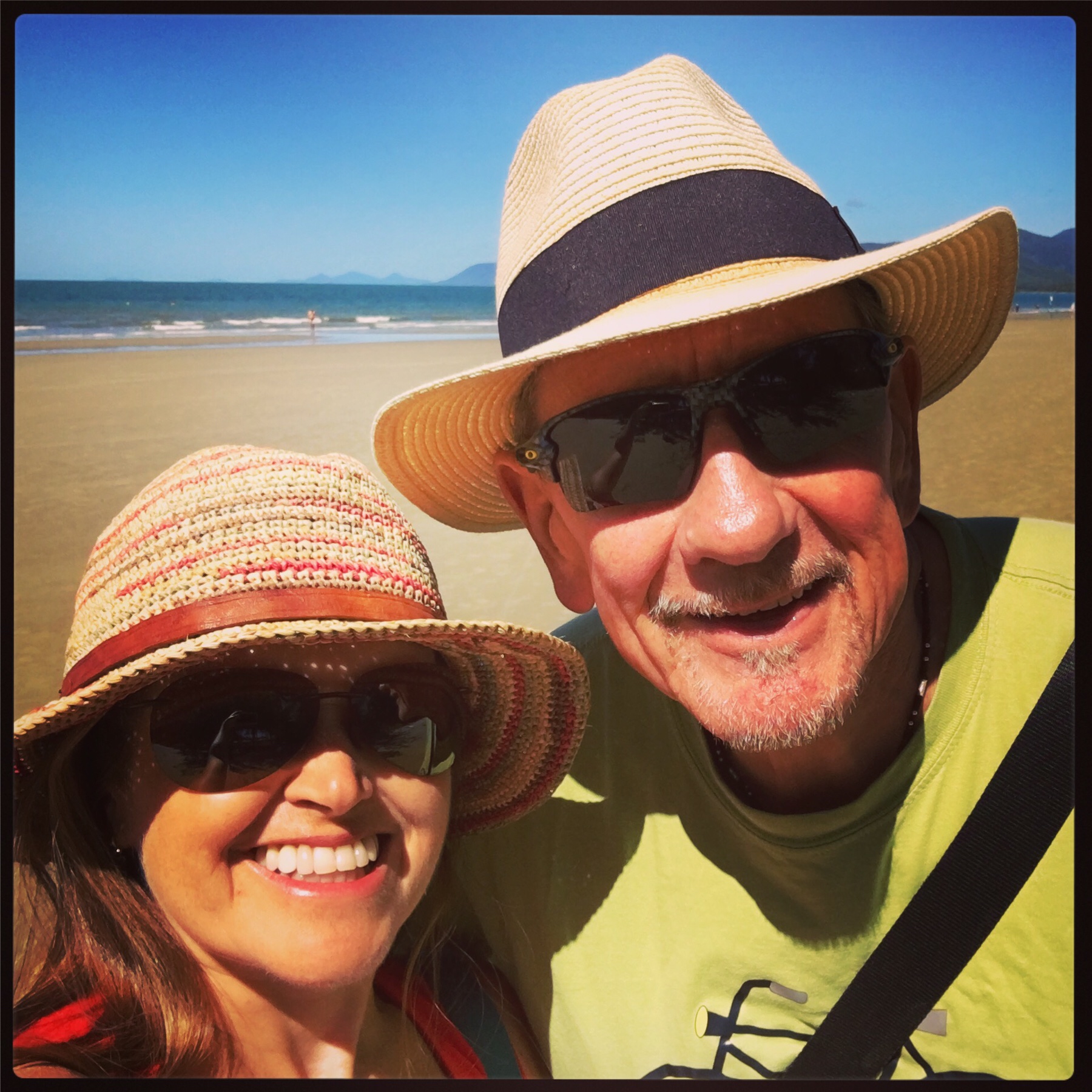 We returned to encourage a sleepy cat to go for a walk and to get started on packing up in preparation for moving on. After questionable first impressions, we are going to miss sleepy old Newell Beach.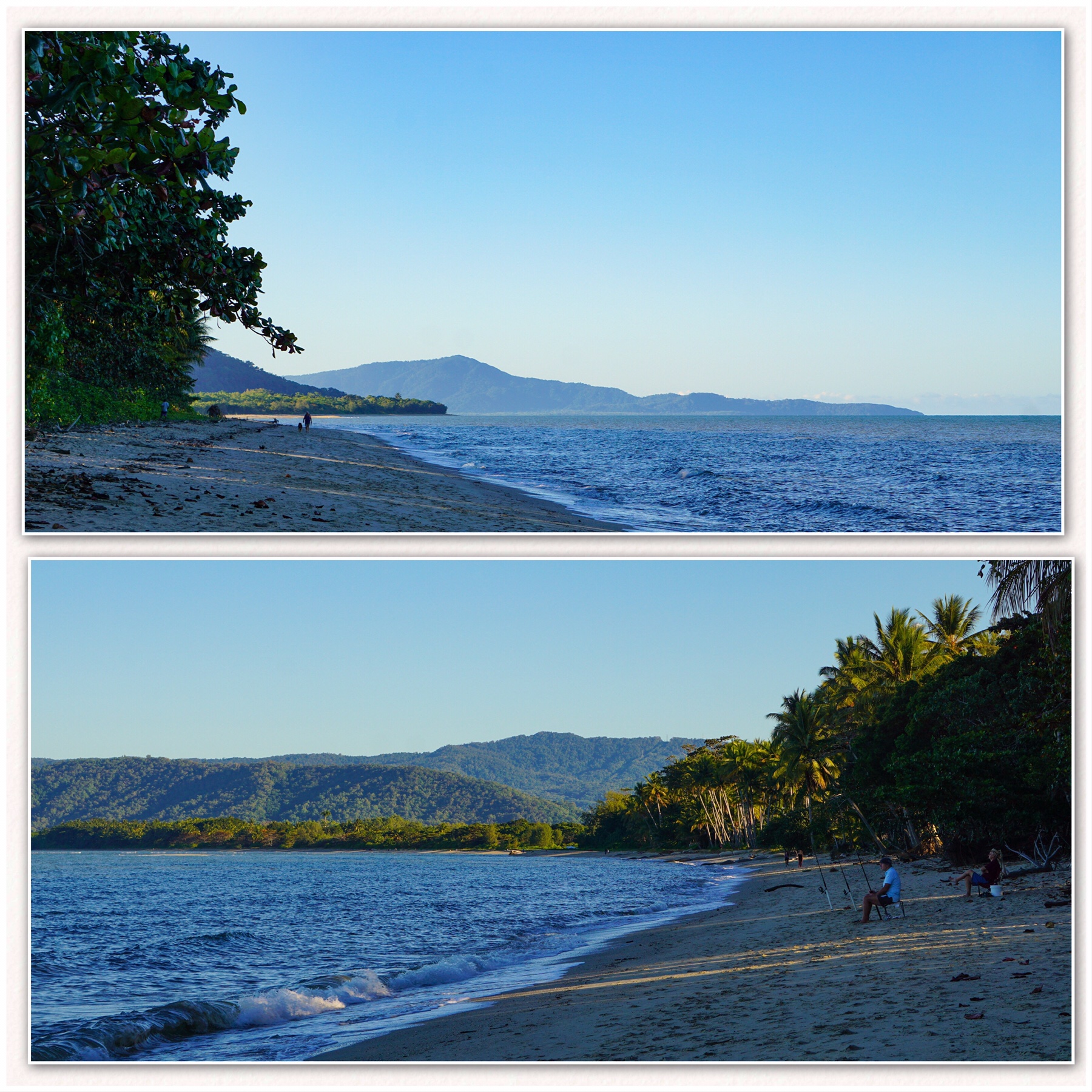
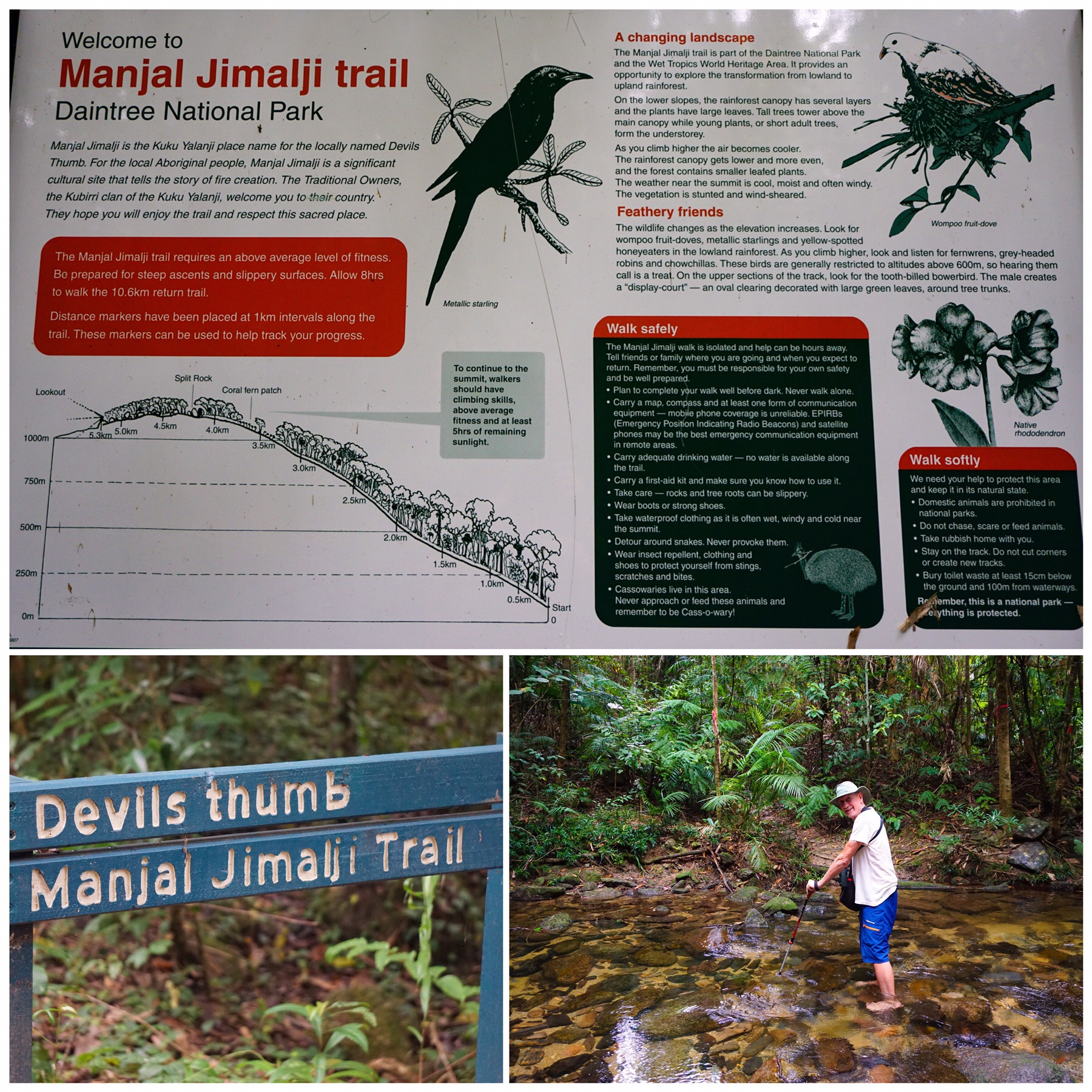 The walk was a tip from the waiter at our restaurant last night. He did try to diplomatically point out it was quite a tough walk, casting his eye at me when he said that. Little did he know the young beast that lurks under this ageing frame.
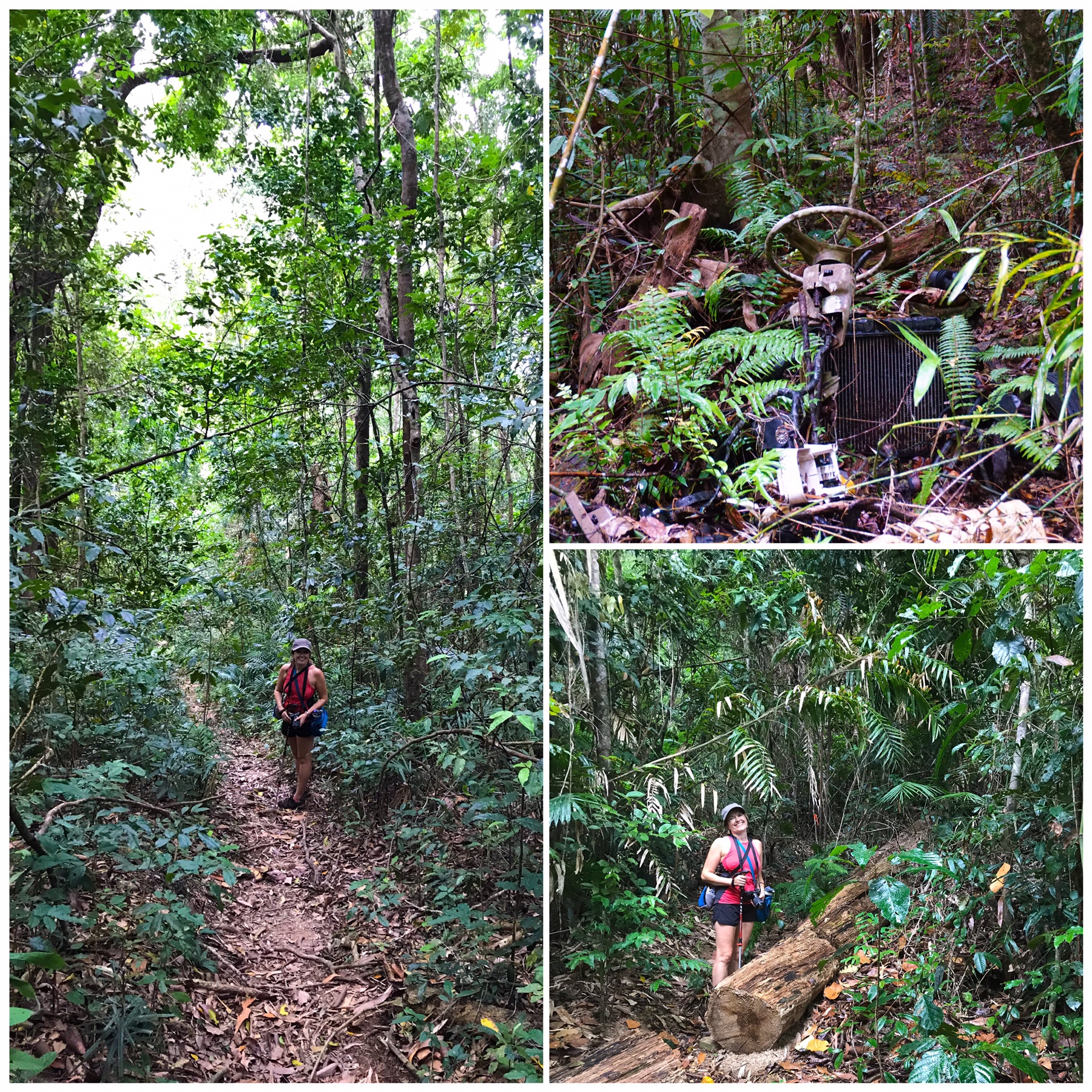 After nearly 3km of bush bashing up this path, we beat a tactical retreat. Three kilometres doesn’t sound like a lot, and its not, unless every step is fought uphill and against the scrub. So it was a slip and slide back down the path, with a “ouch” punctuating every few minutes from one of us.
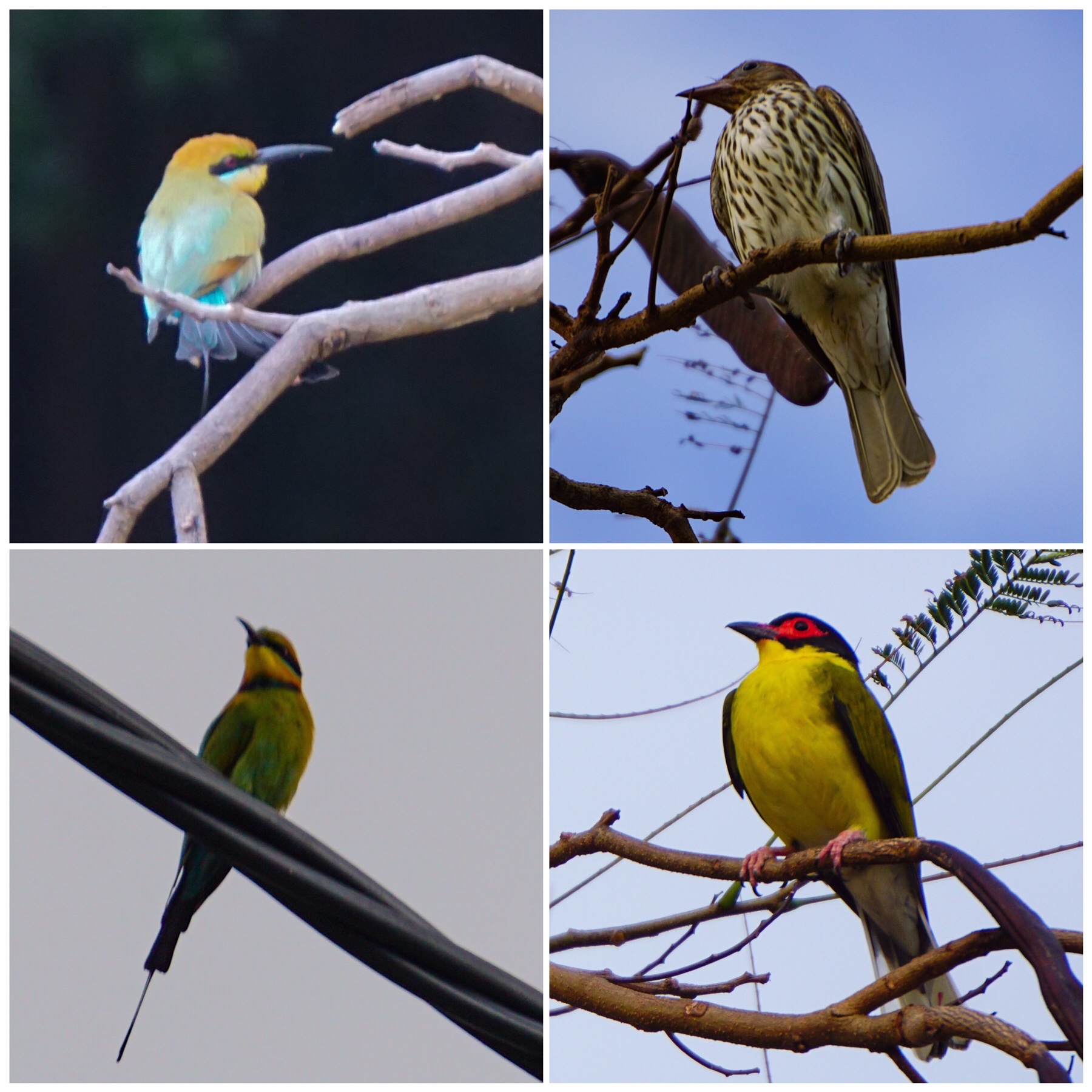
 Back at Newell Beach, birds were everywhere – Australasian Figbirds (yellow one with red eye band), Rainbow Bee Eaters, and honeyeaters:
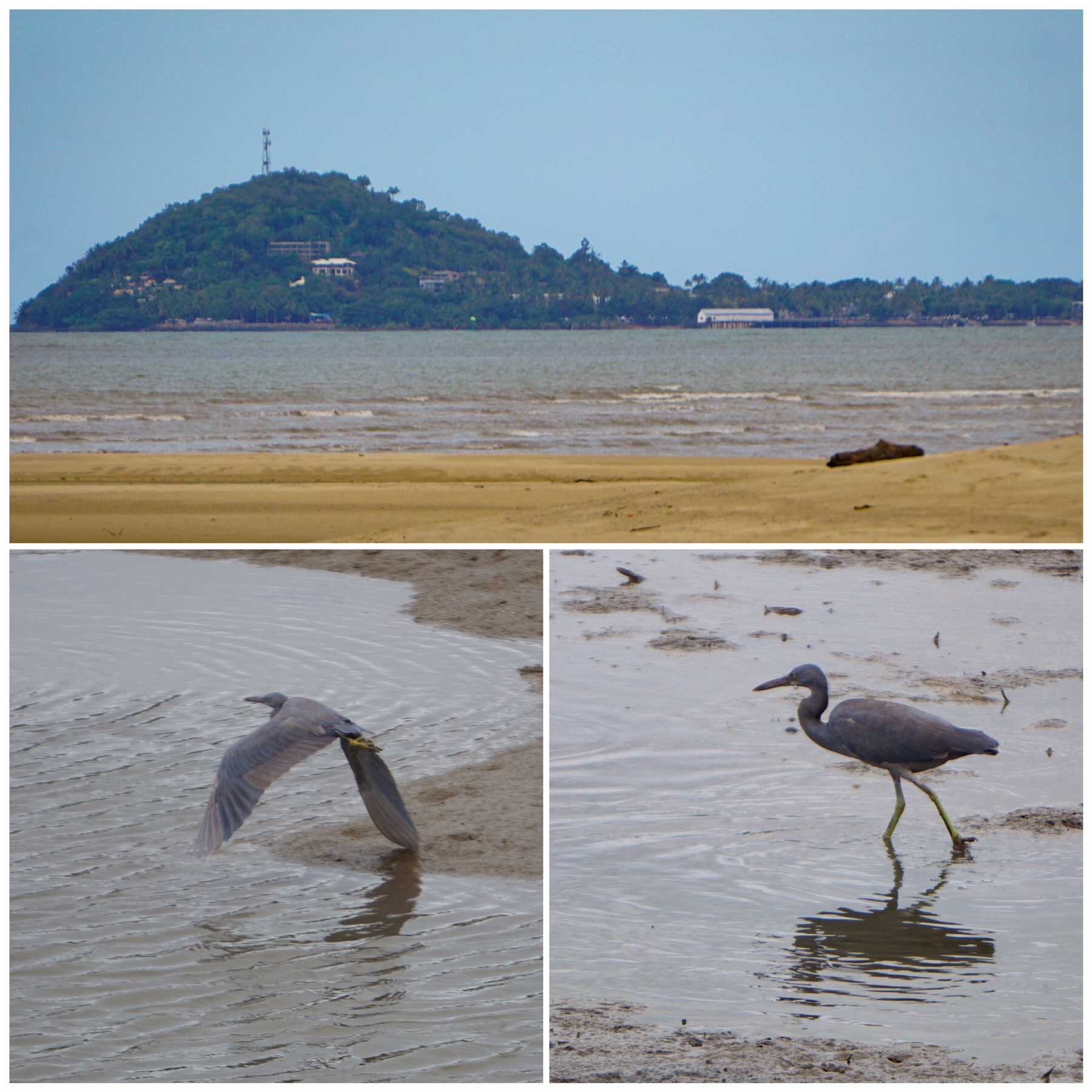
 And down at the boat ramp a view towards Port Douglas looking tantalisingly close, but further by road.
 After returning to the Zone we decided to bite the bullet and have a go at fixing our Dometic window, as the fly screen was failing to retract and flapping about. Now we had been given some tips by the ever useful resource of the Zoners Facebook group, but still, this was new territory for us. Screws were undone, and the window taken off, (quite a feat given I barely know one end of a screw driver from the other)! Thank goodness for my ever practical wife.
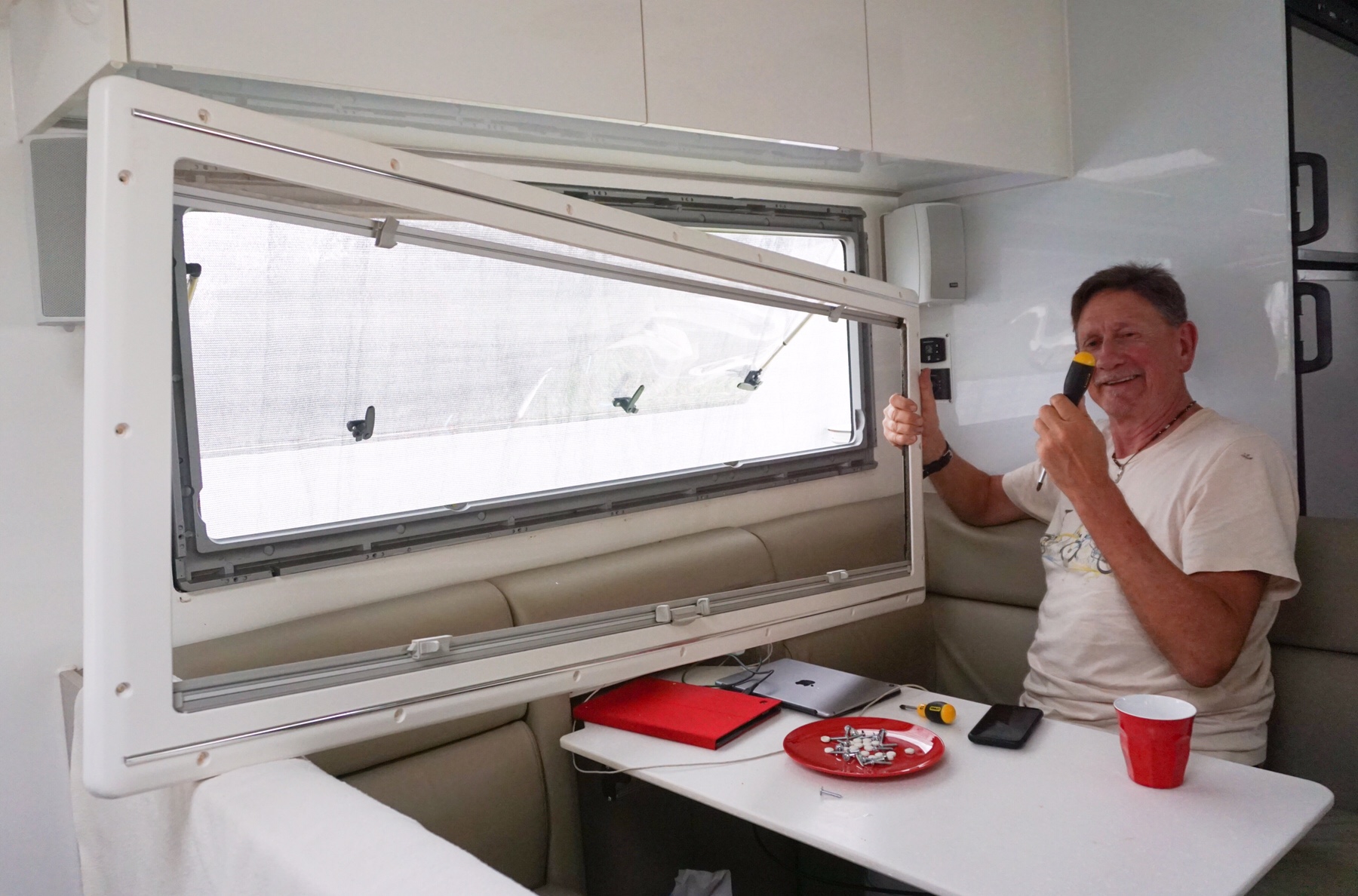 It was pretty obvious what had happened, one of the retaining lugs had fallen off the bottom. So that was pushed back on and after a few attempts we had it re-assembled, with a very timely phone call from Peter Thomson, a fellow Zoner with deep expertise from his past life with Bushtracker Caravans. Peter recommended we glue it to prevent future issues, so we took it off again and did so. The proof will be after 24hrs when the glue has dried, does it work? Your lives will be a chasm until then right?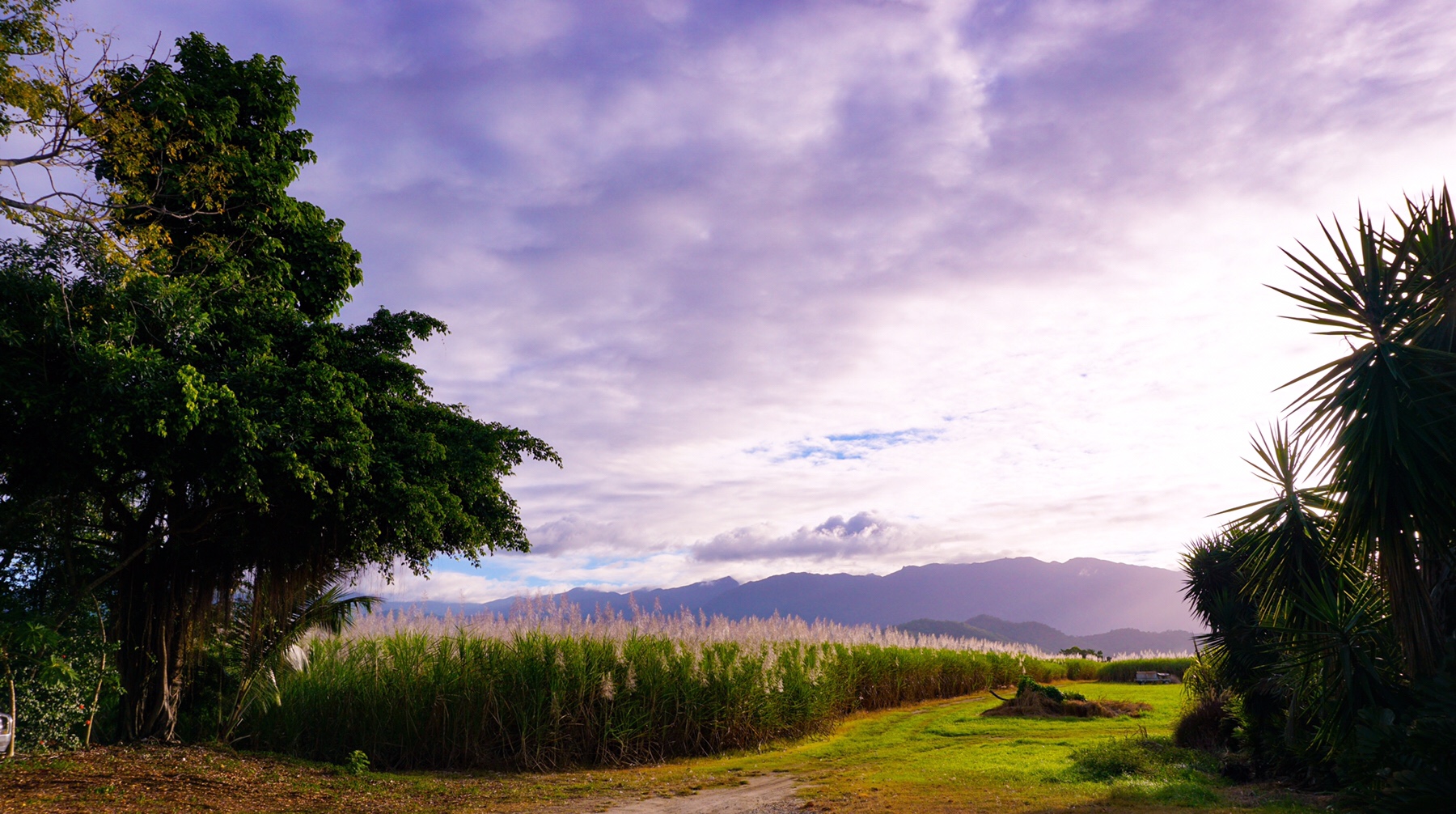
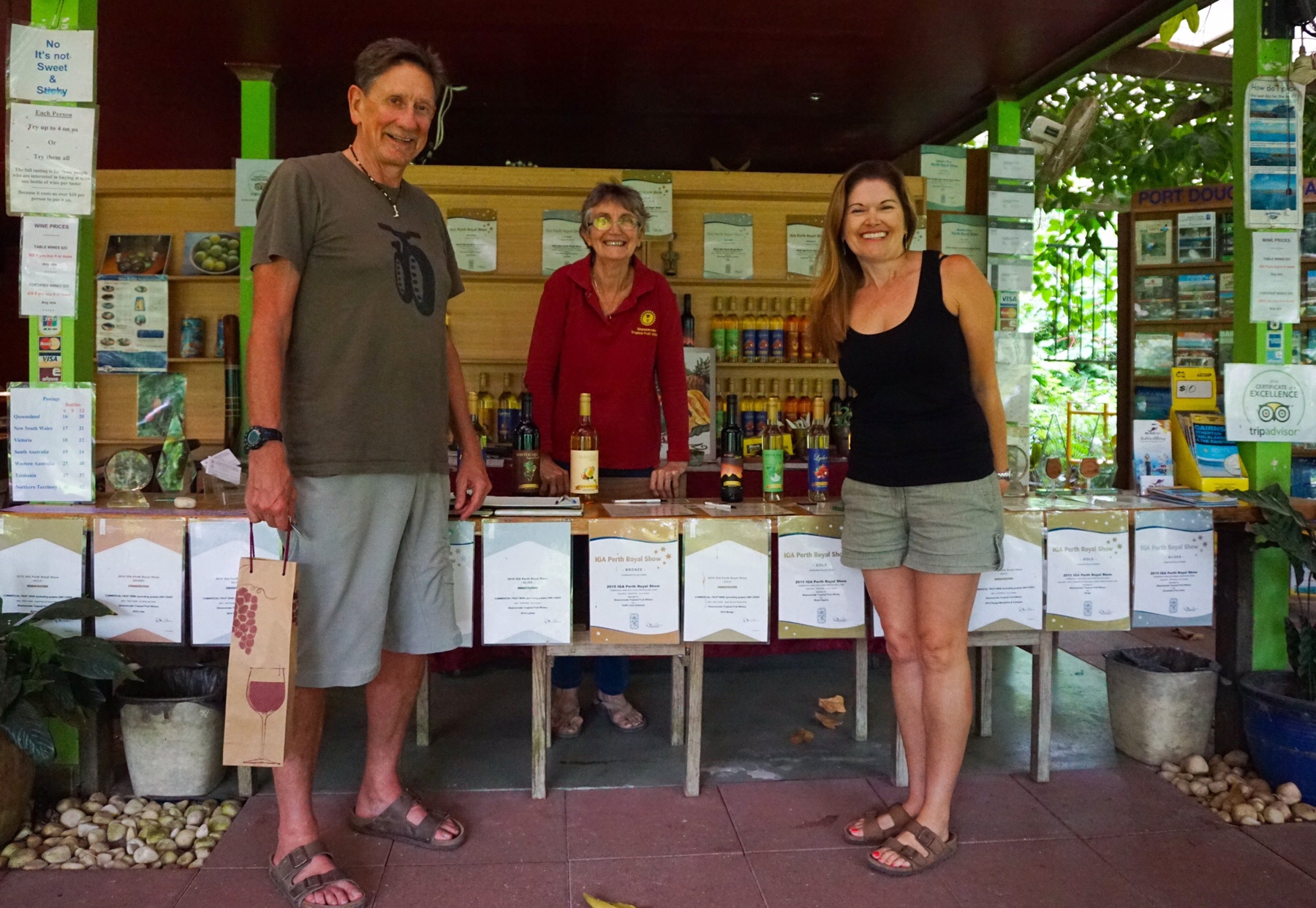 We moved swiftly on to the fortified wines which were a little more palatable. We walked away with a bottle of Kaffir Lime, which would be lovely with a splash of soda water as a light aperitif, and a Chocolate port for those moments which require a little more decadence. We have a delivery of delicious Margaret River Amelia Park wines being delivered to Palm Cove ready for our return to Cairns, which will much better suit our palates.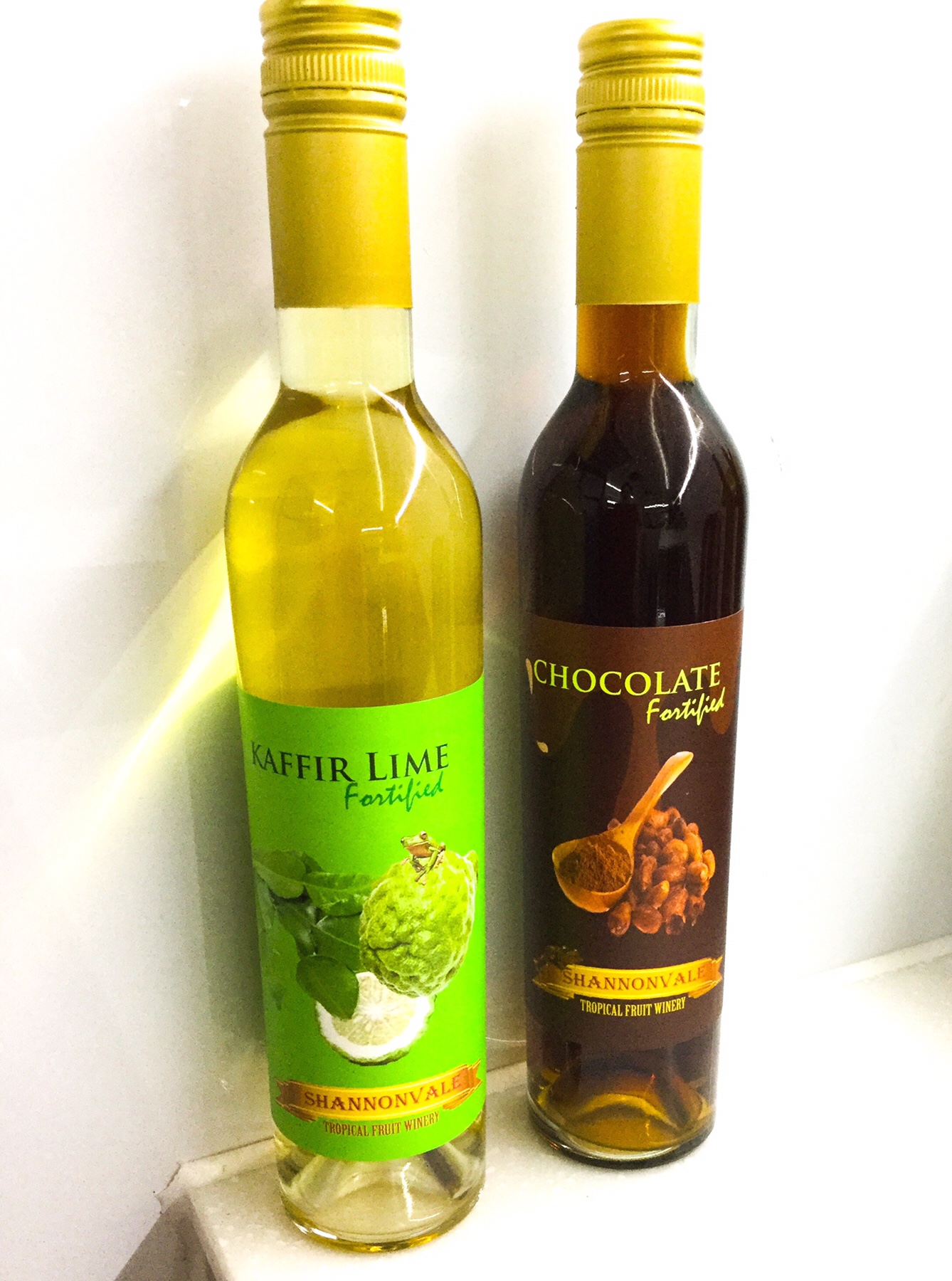
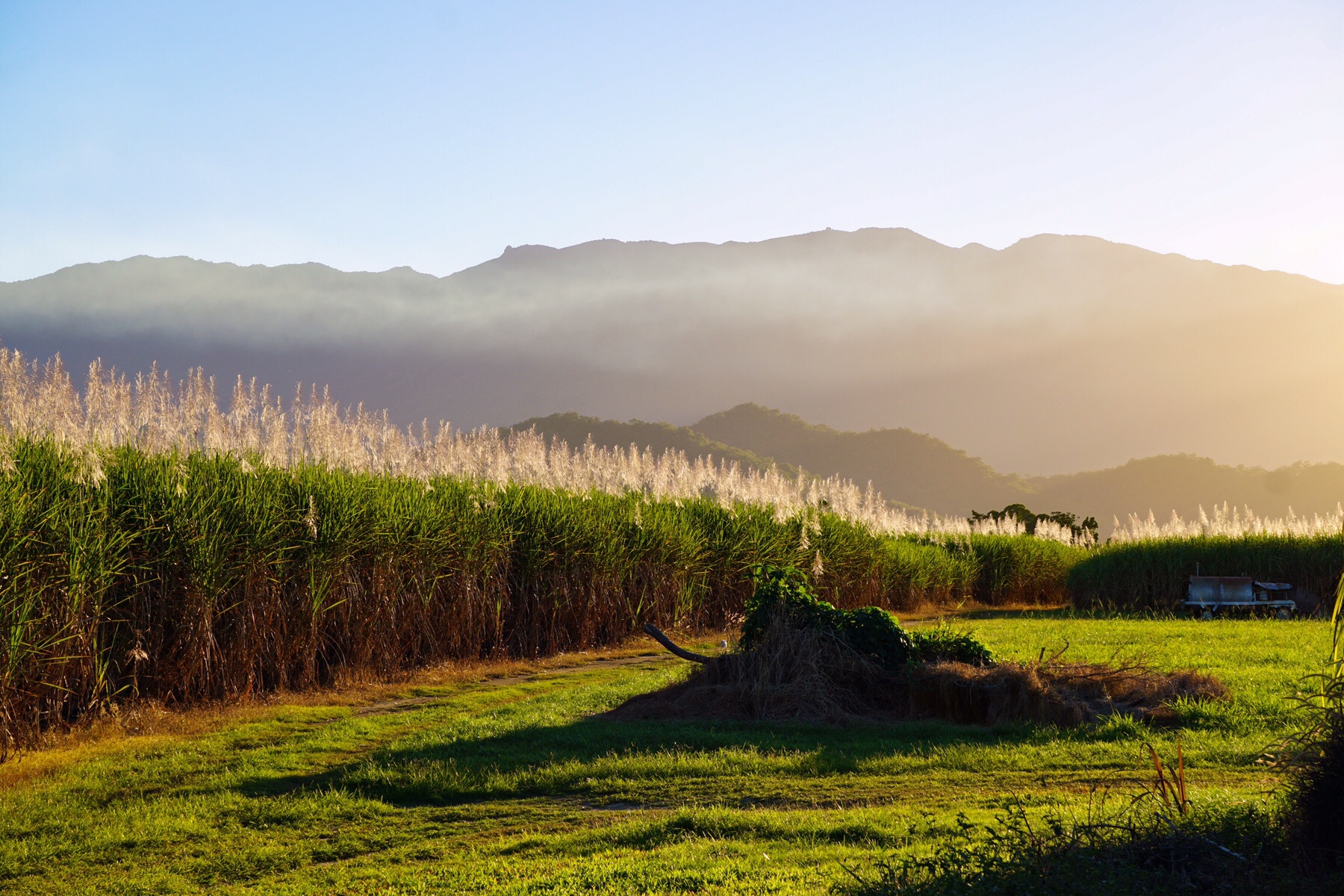
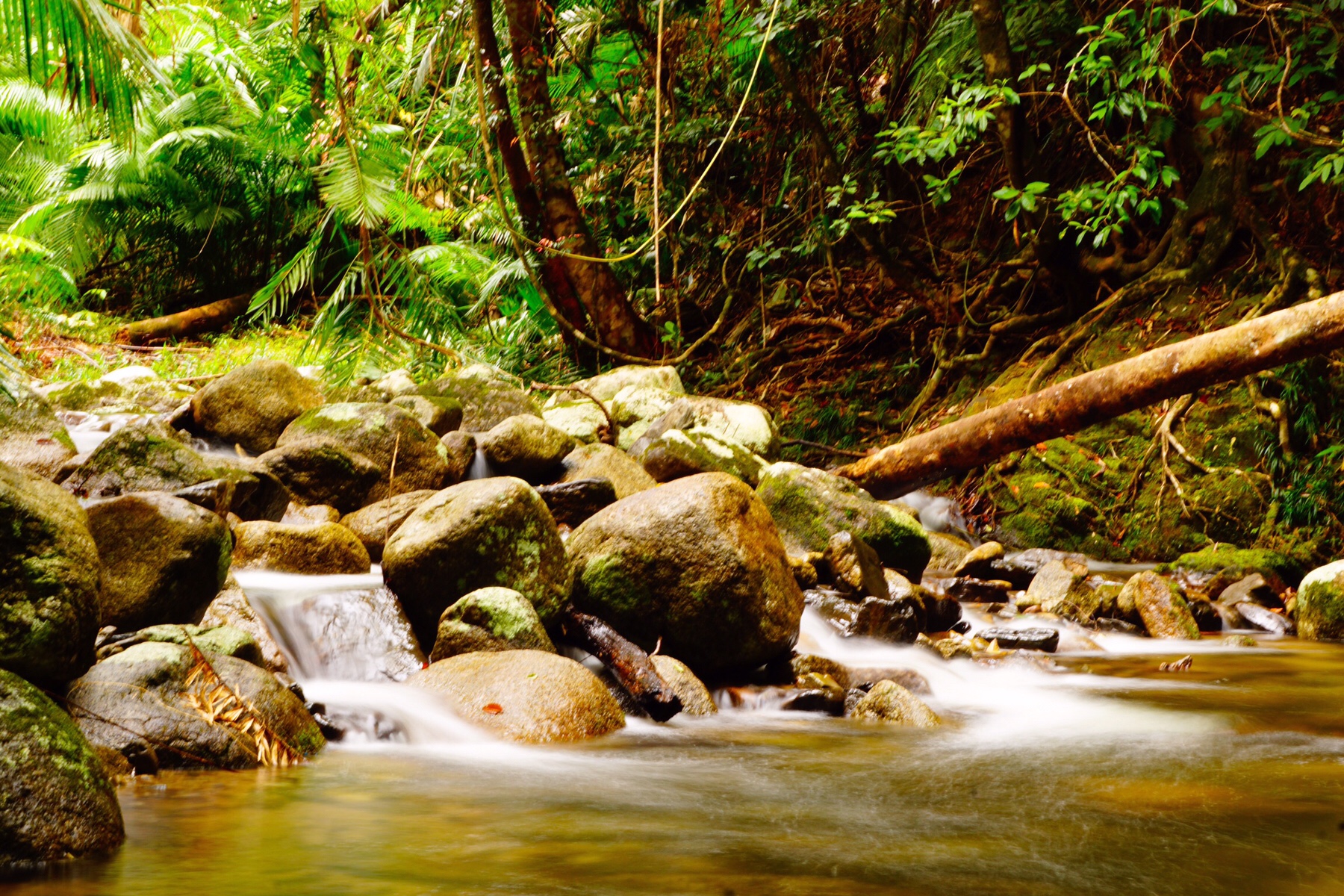
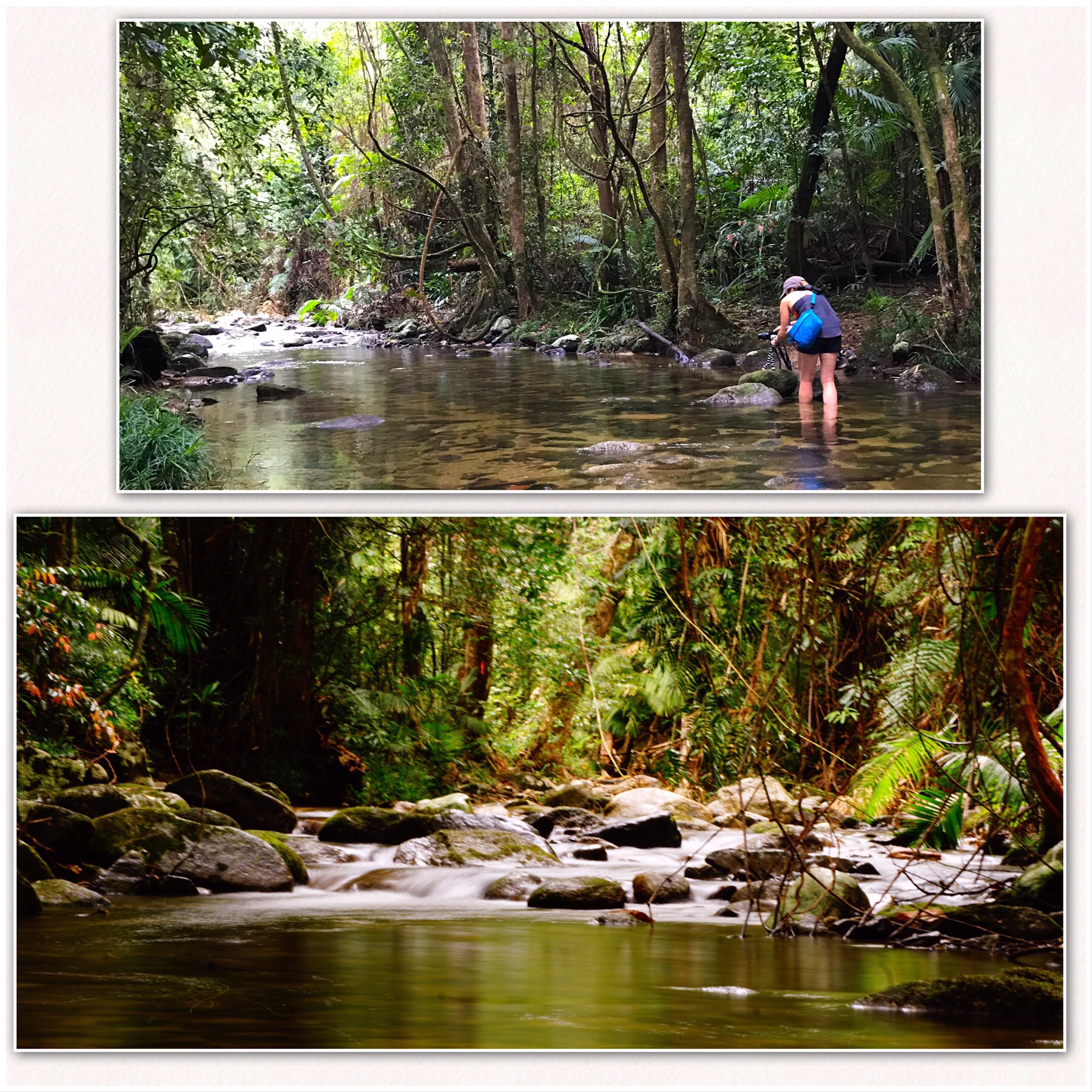
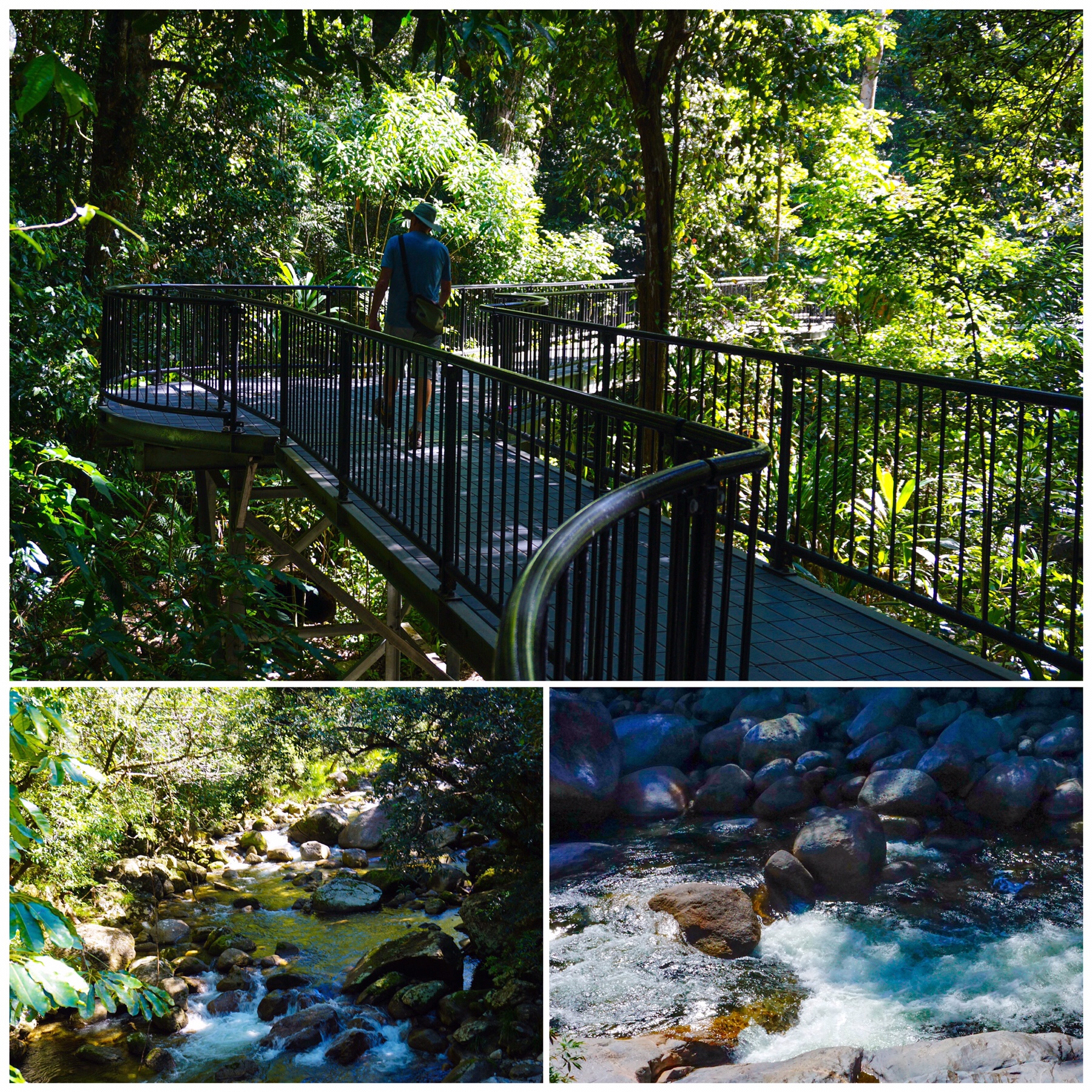 Once away from the swimming areas it is relatively peaceful, moss covered rocks with a crystal clear creek tumbling down all around, surrounded by old growth rainforest of the Daintree National park.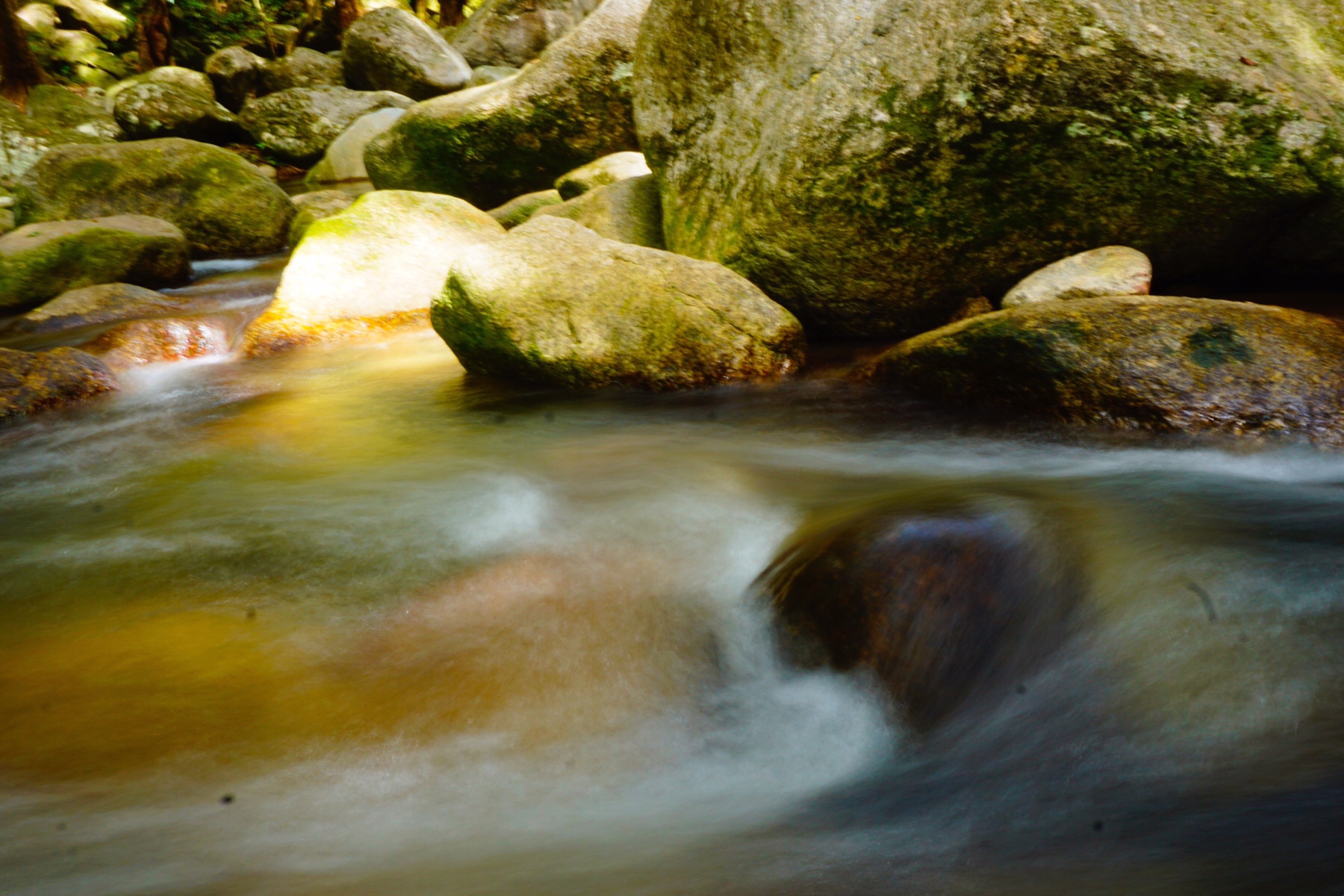
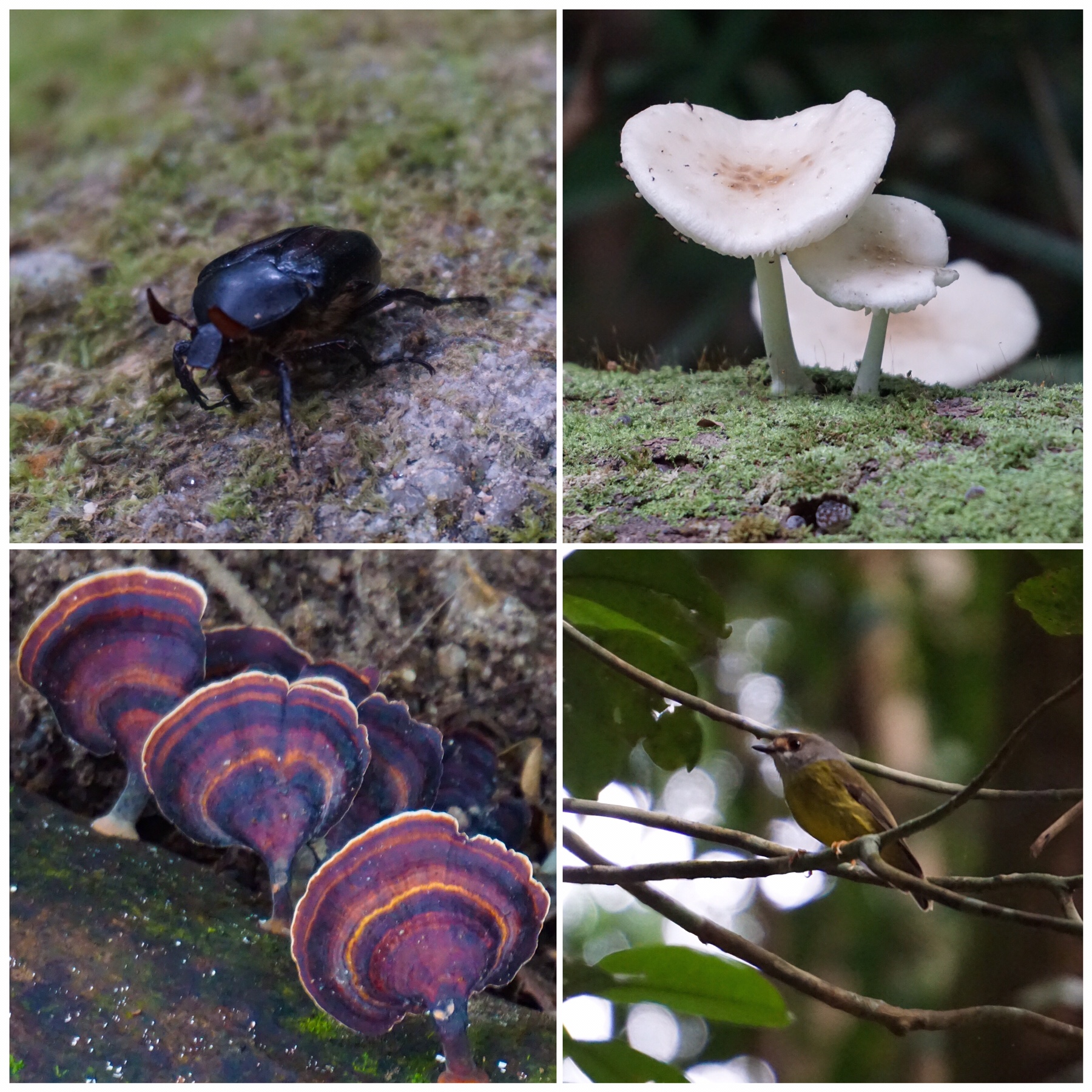
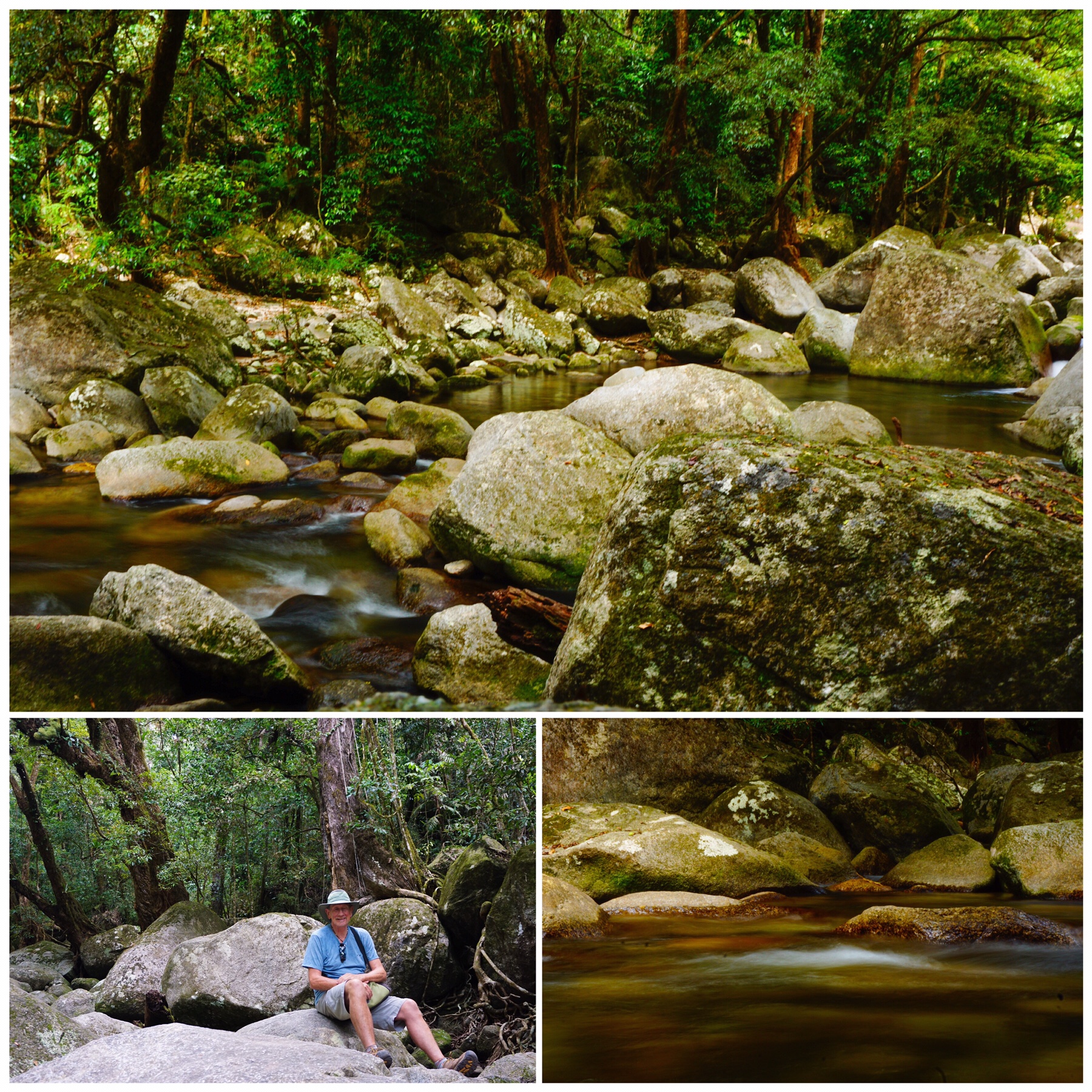 Birds flitted around, perching sideways on the vines that hang down from the canopy above and swooping across our path to catch the insects we disturbed as we strolled along. Being rainforest there was a lot of rotting wood, and with that an amazing array of colourful fungi – I drove Mark crazy with my gasps when I saw the next amazing colour scheme I had to capture.
 Giant fig vines which had long overtaken their host tree were a key feature, looking like incredible sculptures with their expansive roots and vines, often more than a century old.
 It is definitely a photographer’s paradise, with often two or three people already set up in front of lovely waterfalls with their cameras on tripods, stealing the best positions for their digital artworks.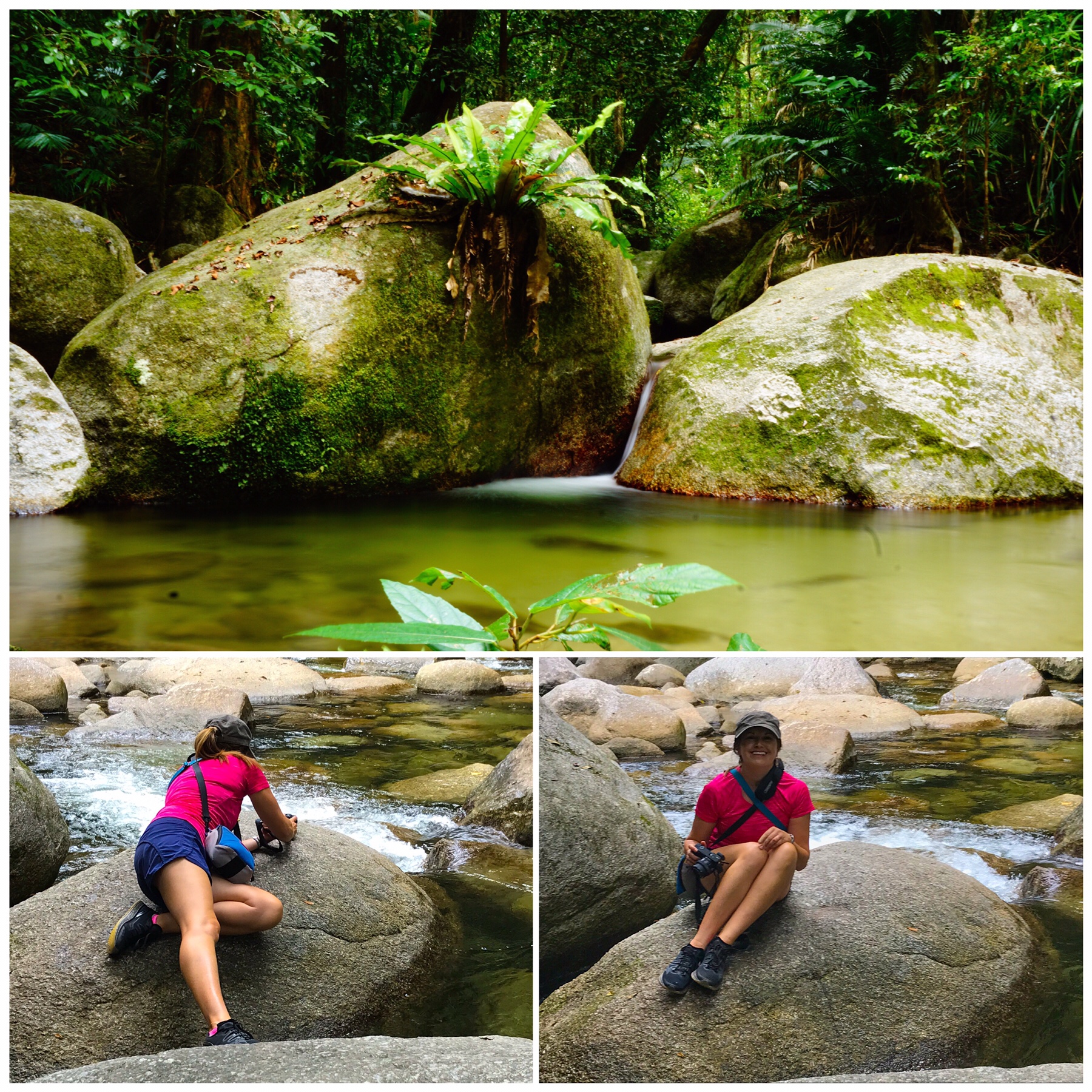
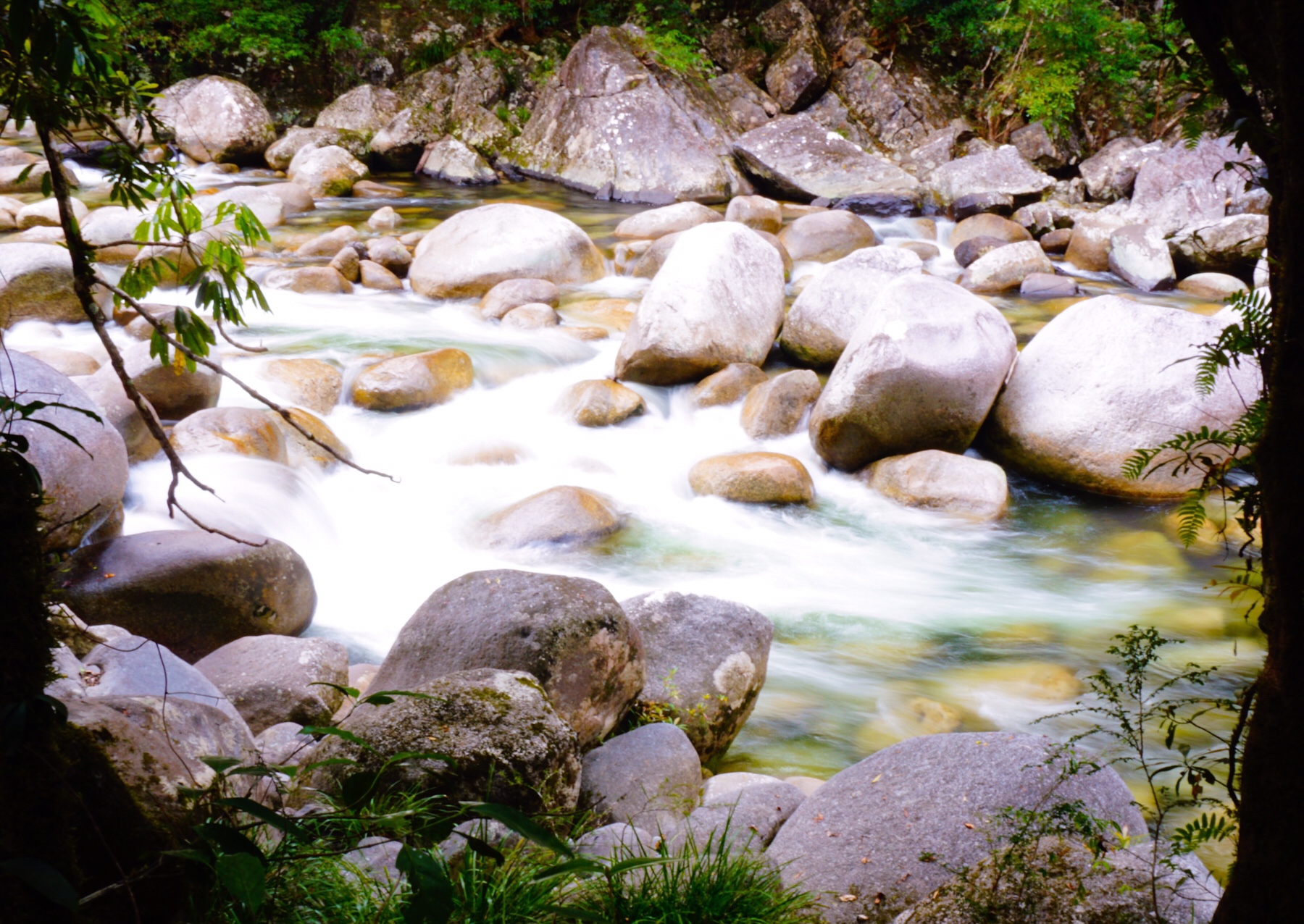 We returned happy, having had our taste of nature and got showered and ready for dinner.
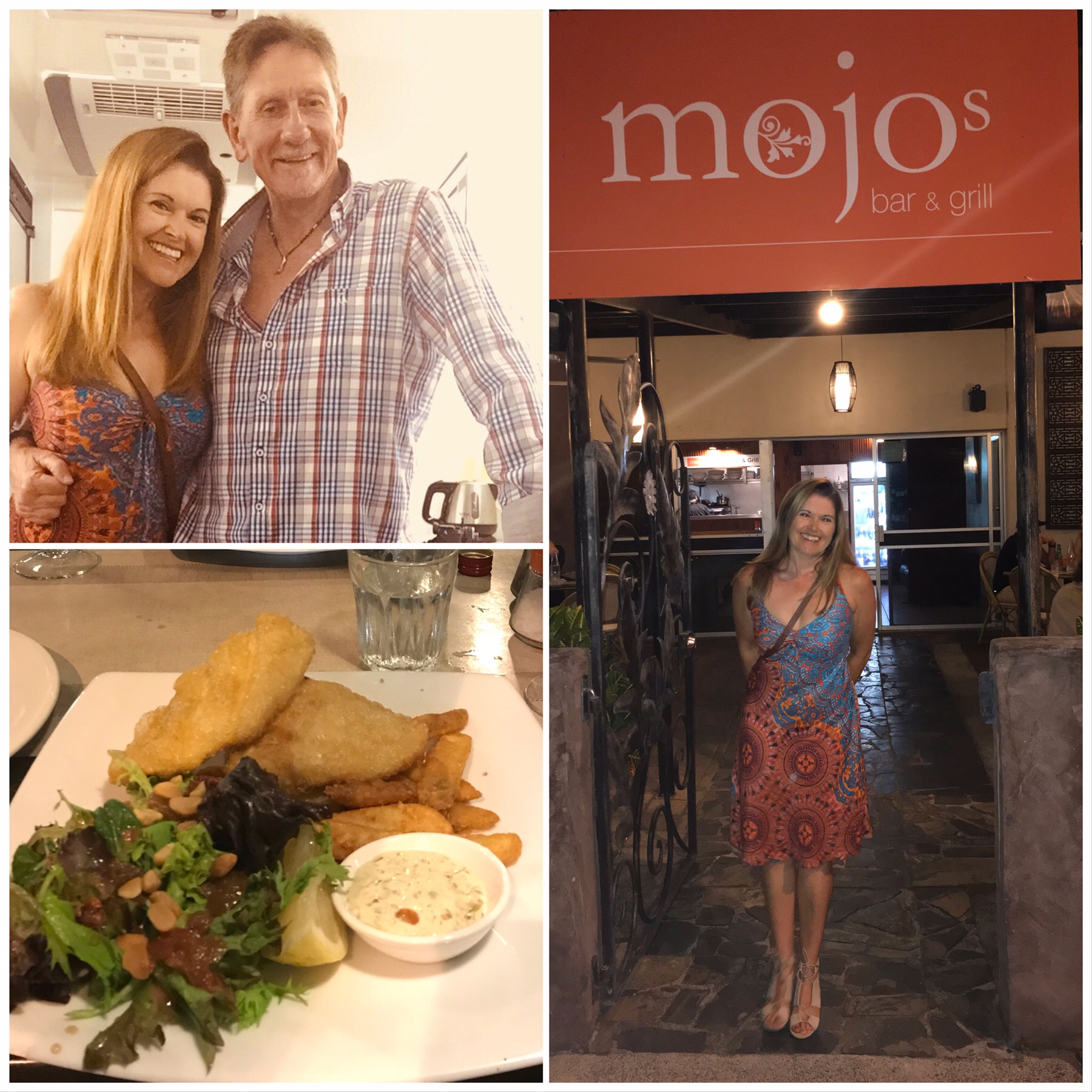 Fortunately we were pleasantly surprised – not only an interesting menu (for example an entree of prawn & crab salad, burnt corn, pickled coconut, chilli, shallot, green pawpaw and a ginger citrus vinaigrette, and mains of Spanish Mackeral with a rainforest salad – mesclun, Quandong, rainforest lime, roasted macadamia, lemon myrtle & vanilla vinaigrette) but also a great wine list. Top marks Mojo!