Author: Mrs A
Location: from Daly River to Mataranka, Northern Territory
Thursday: Along with the masses we departed Daly River by 8.30am and continued our journey north. This time we were heading to Bitter Springs in Elsey National Park, just 2km away from the small township of Mataranka.
Before long we were pulling into the van park and booking a site for two nights, looking forward to the rest that comes with not moving on every morning. As we left the office to find ourselves a spot we looked behind us and saw a queue of eight caravans. Having just been told they have six sites left (no booking allowed for less than 3 nights) we could see there were going to be some disappointed parties.
It was so good to get properly set up on a decent patch of dirt. Yes, it is still dry and dusty, but there has been some effort at landscaping and sprinklers are on all day long to dampen down the particles (definitely no grass to water).
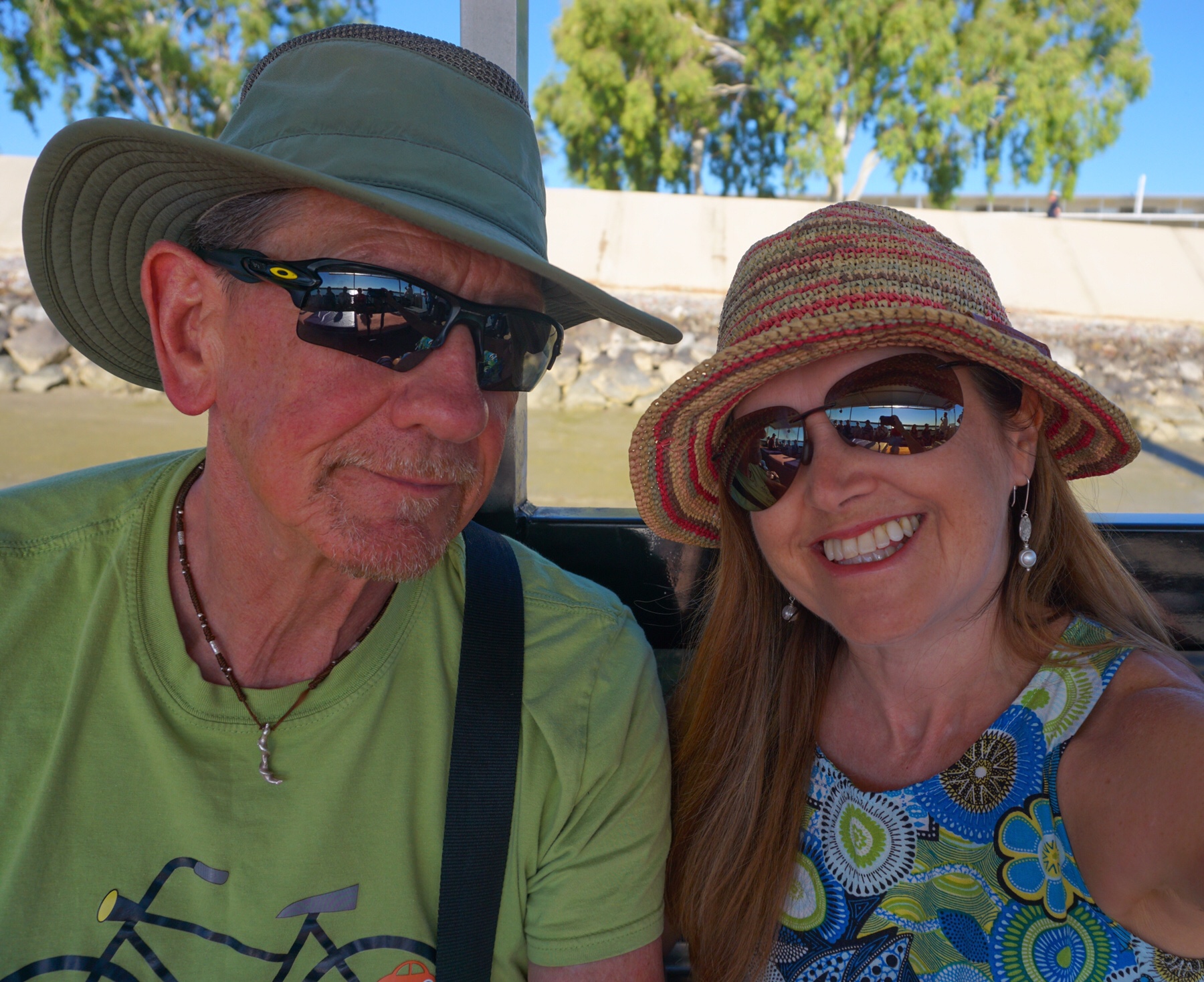
This area is known for its hot springs, but as we soon learn, there are none, just a beautifully warm and crystal clear river which wells up from deep underground, emerging a very civilised 33 degrees centigrade. We hired a couple of floating noodles and headed up to see what the fuss was about.
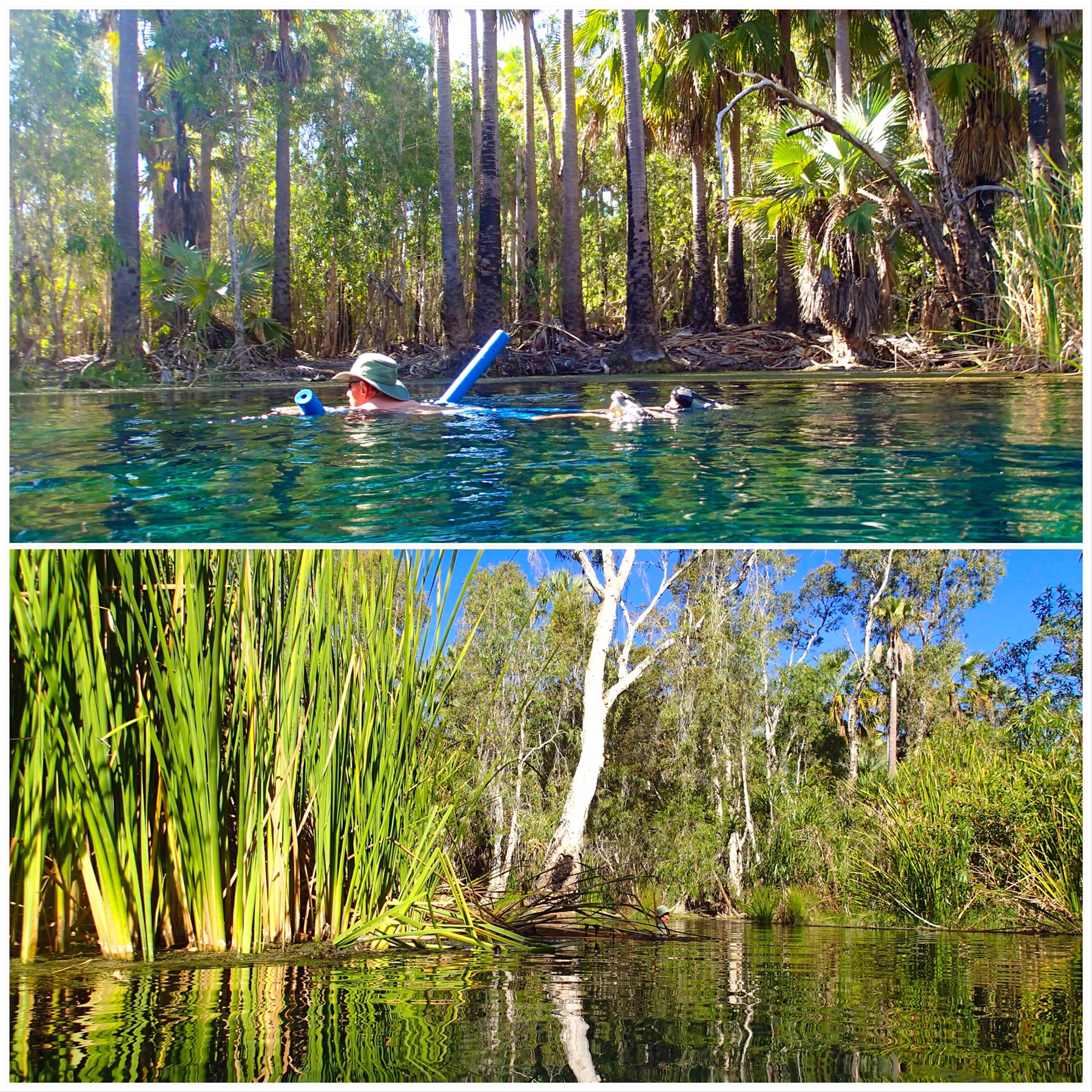
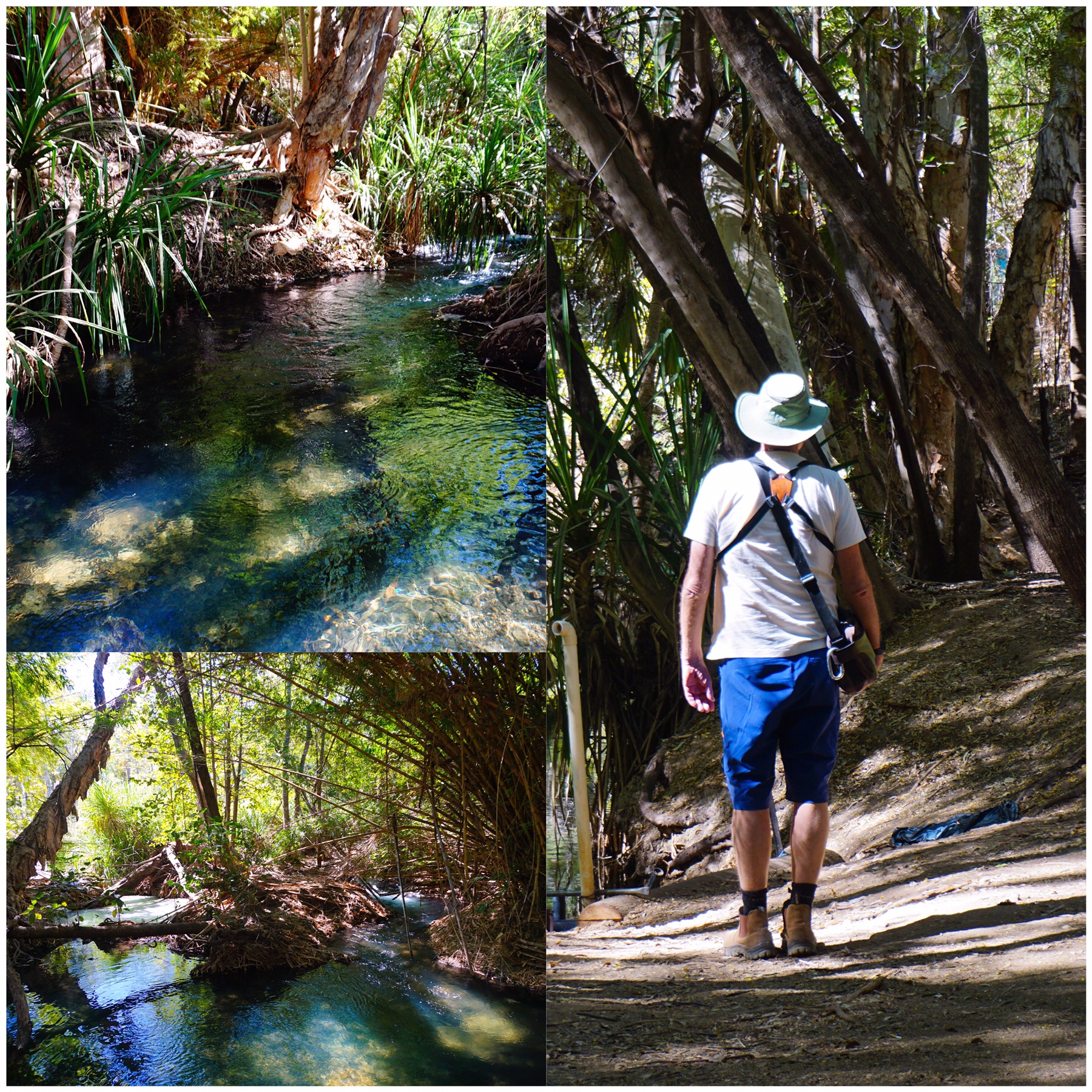
Arriving at Bitter Springs we found a beautiful crystal clear river, surrounded by water lilies, pandanus palms and melaleuca trees. Flitting around, despite the 30 or so people floating in the water, were kingfishers, paperbark fly catchers and white faced herons.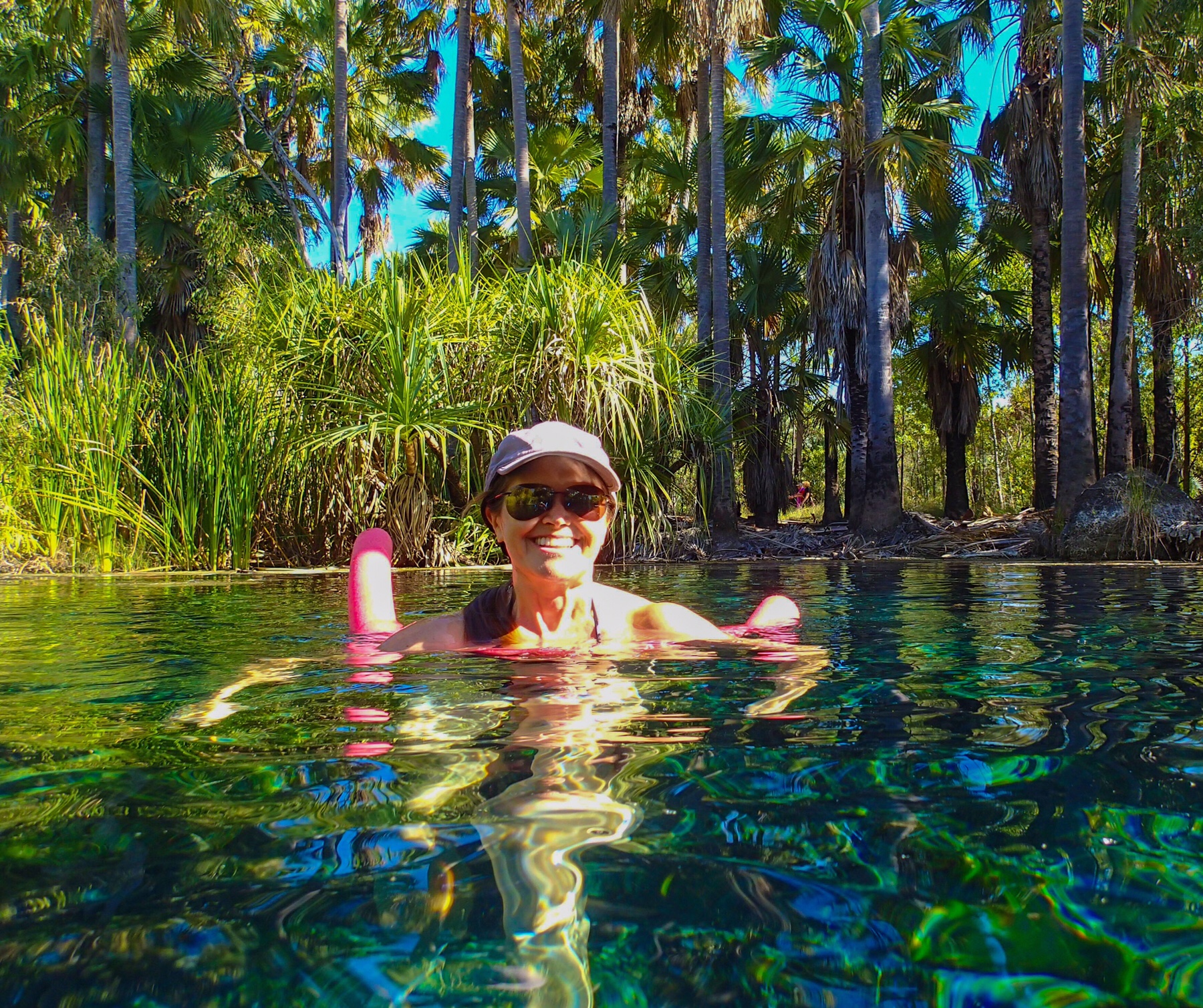
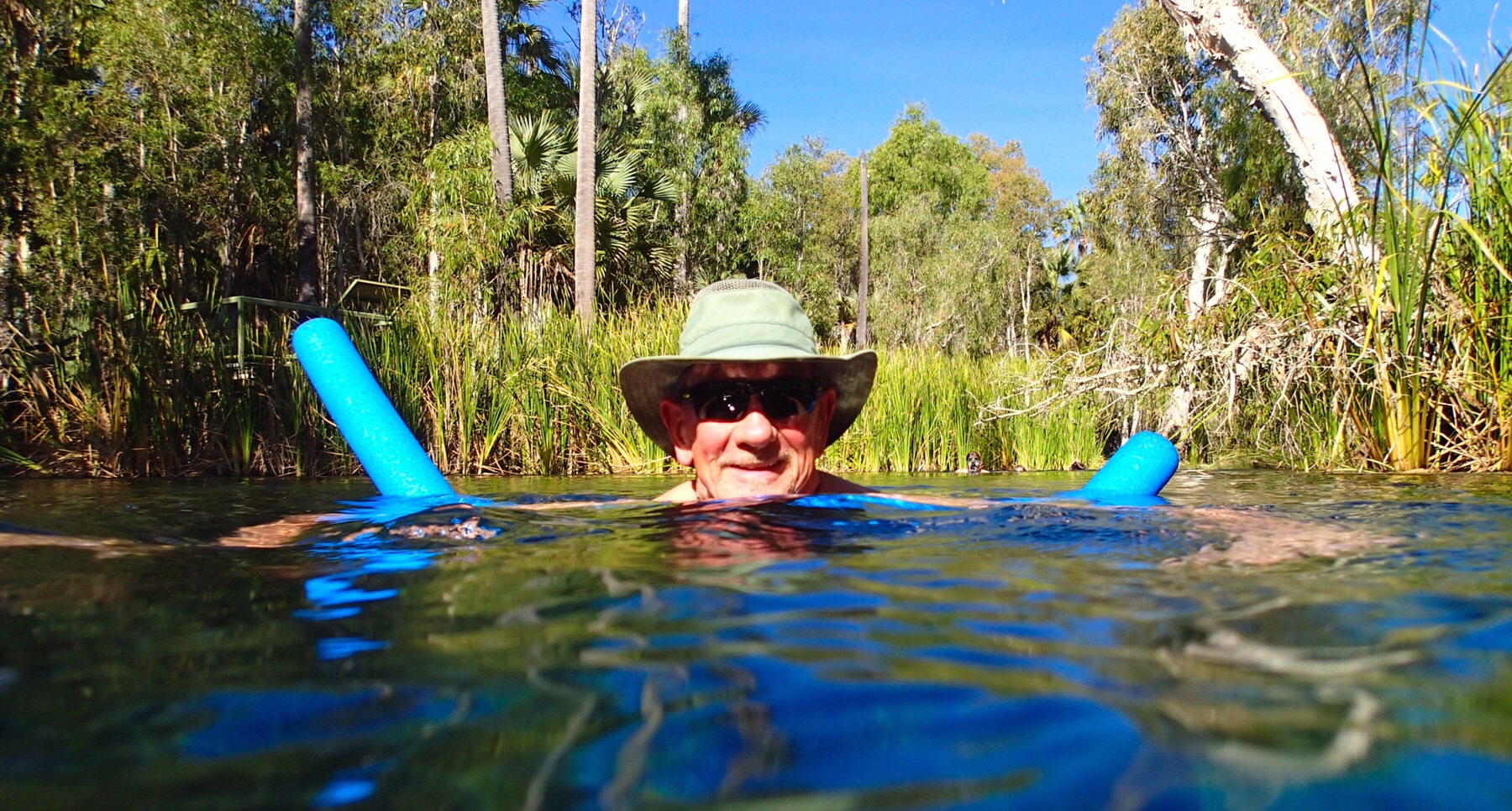 After all the heat and dust of the past few days, this was just what the doctor ordered. We swam up the warm river about 20 metres and were soon away from the crowds and had a lagoon all to ourselves. Just bliss. This has to be a stop over if you’re heading this way.
Friday morning we decided to check out Mataranka’s hot springs, which are the more famous location. It was nowhere near as nice as Bitter Springs, much less natural with everyone confined to the same small area.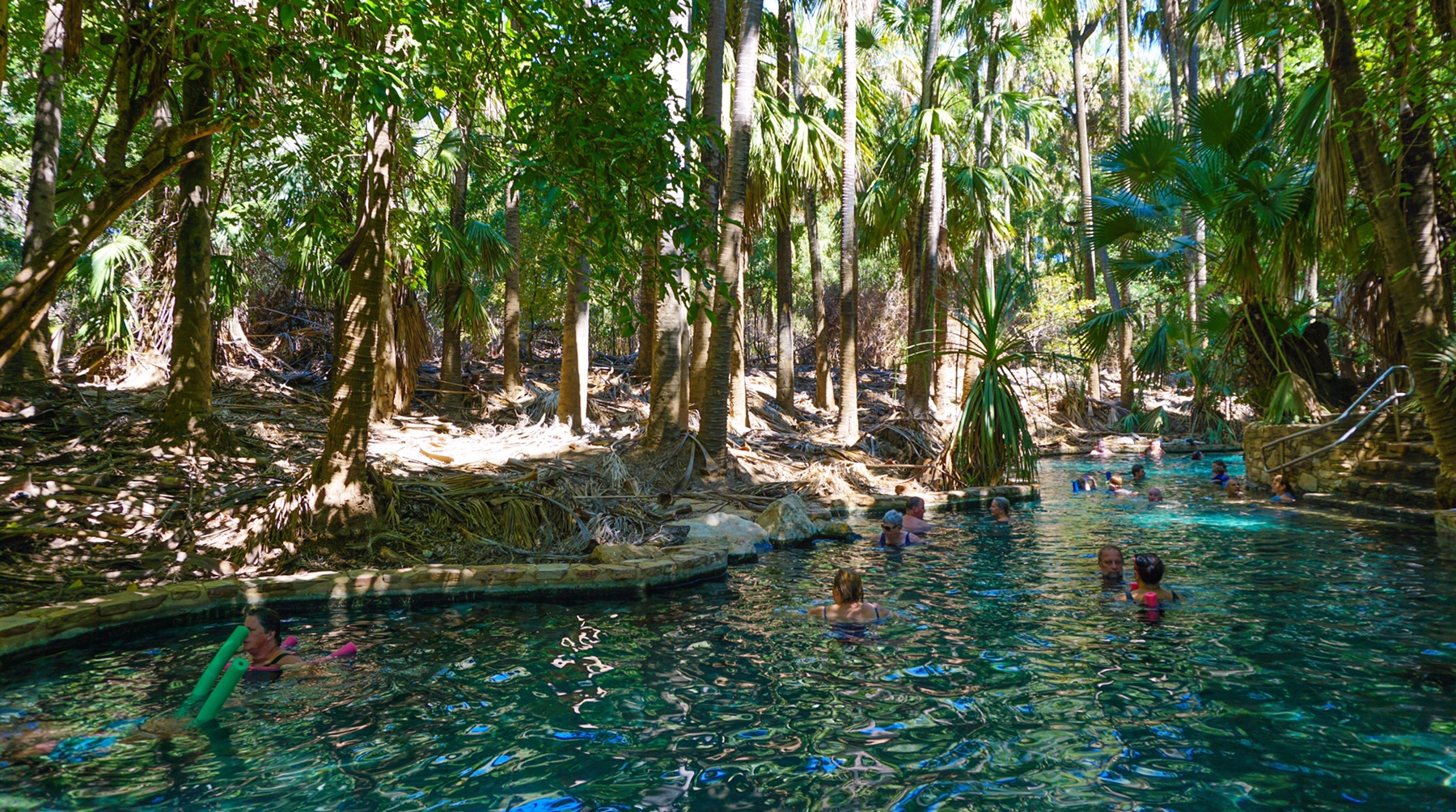 We did a short walk along the river before returning to Bitter Springs for a dip in the serenity.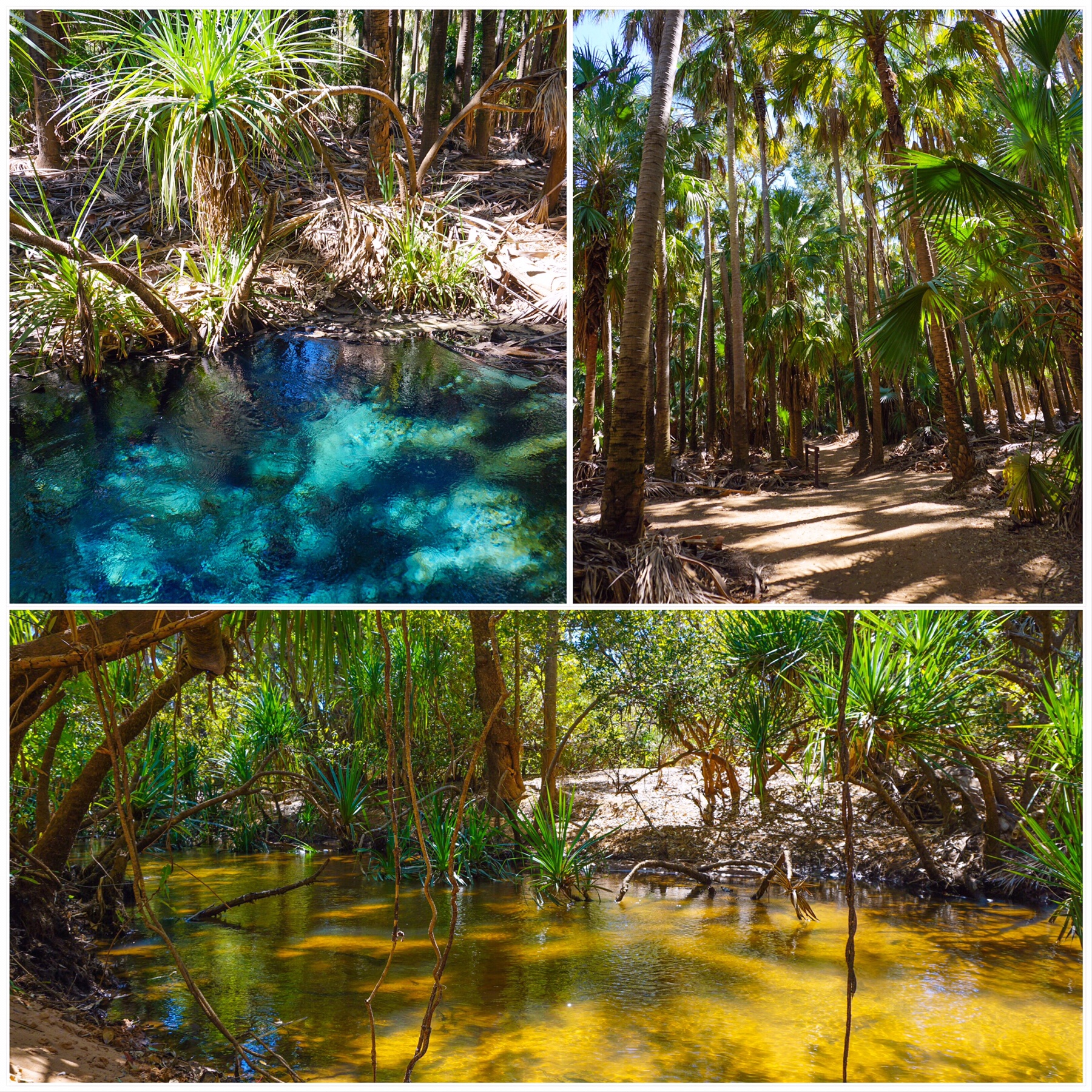
 Top tips for visiting Bitter Springs (Stay at Bitter Springs Caravan and Camping):
- If you can stay three or more nights, book ahead
- If you don’t need power, then book a riverside site – many birds, and more like bush camping with optional toilets and showers within a short distance
- Don’t bother with Mataranka hot springs, save yourself the drive and just enjoy Bitter Springs
- Bring along a noodle – the water is moving fairly quickly in parts, and it’s much easier to just float
- Or if you don’t have a noodle then hire one from the campground – $5 deposit of which $4 is refundable on return – for as many days as you need it
- Don’t just stay swimming in front of the steps into the water – swim up to the left to escape the crowds and find a little privacy
We concluded our stay with a catch up for Friday night drinks with some fellow Zoners, Scott and Jo, who had arrived for a few nights. As always we learned lots from these more seasoned caravanners and enjoyed a tour around their ‘Time Zone’.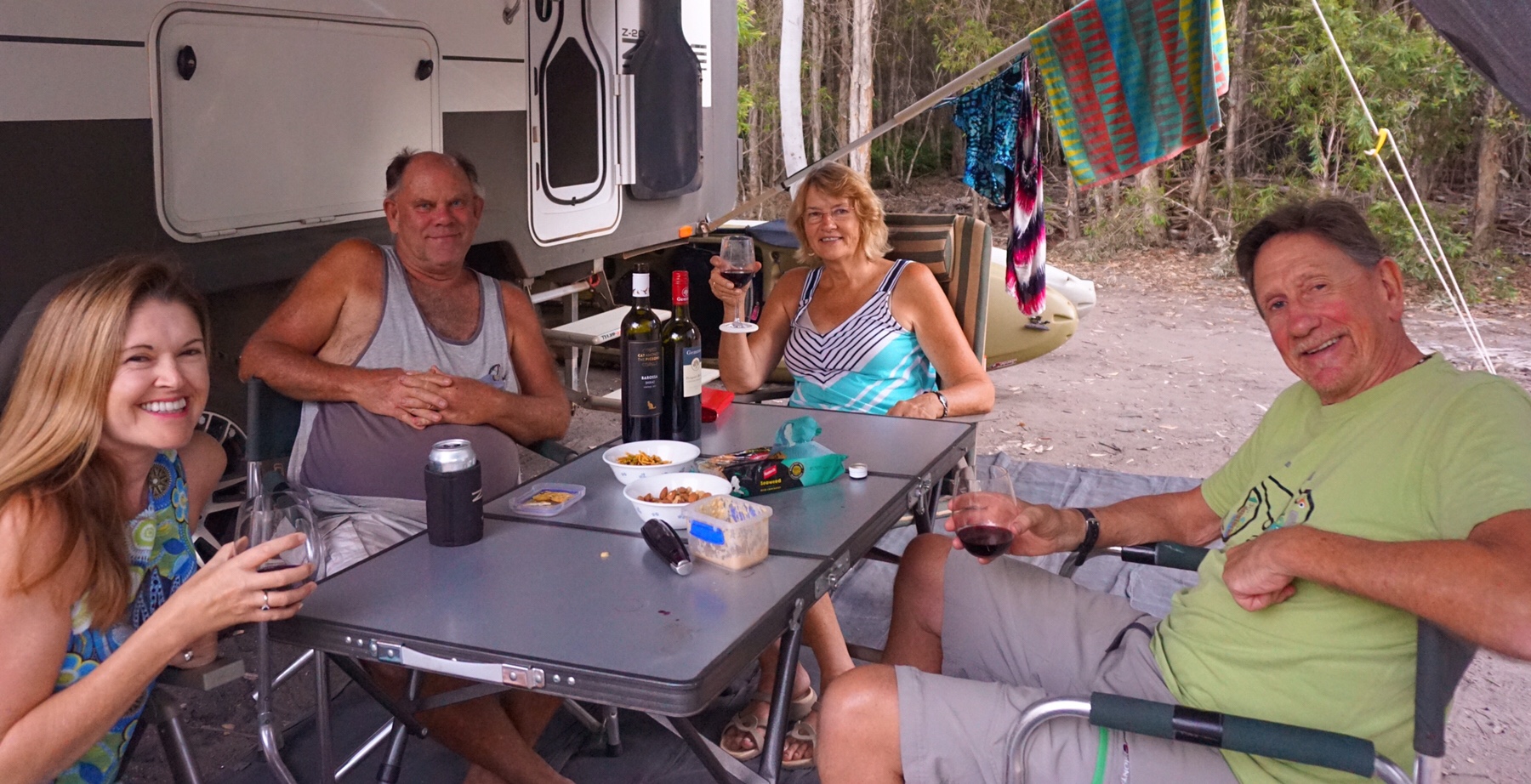
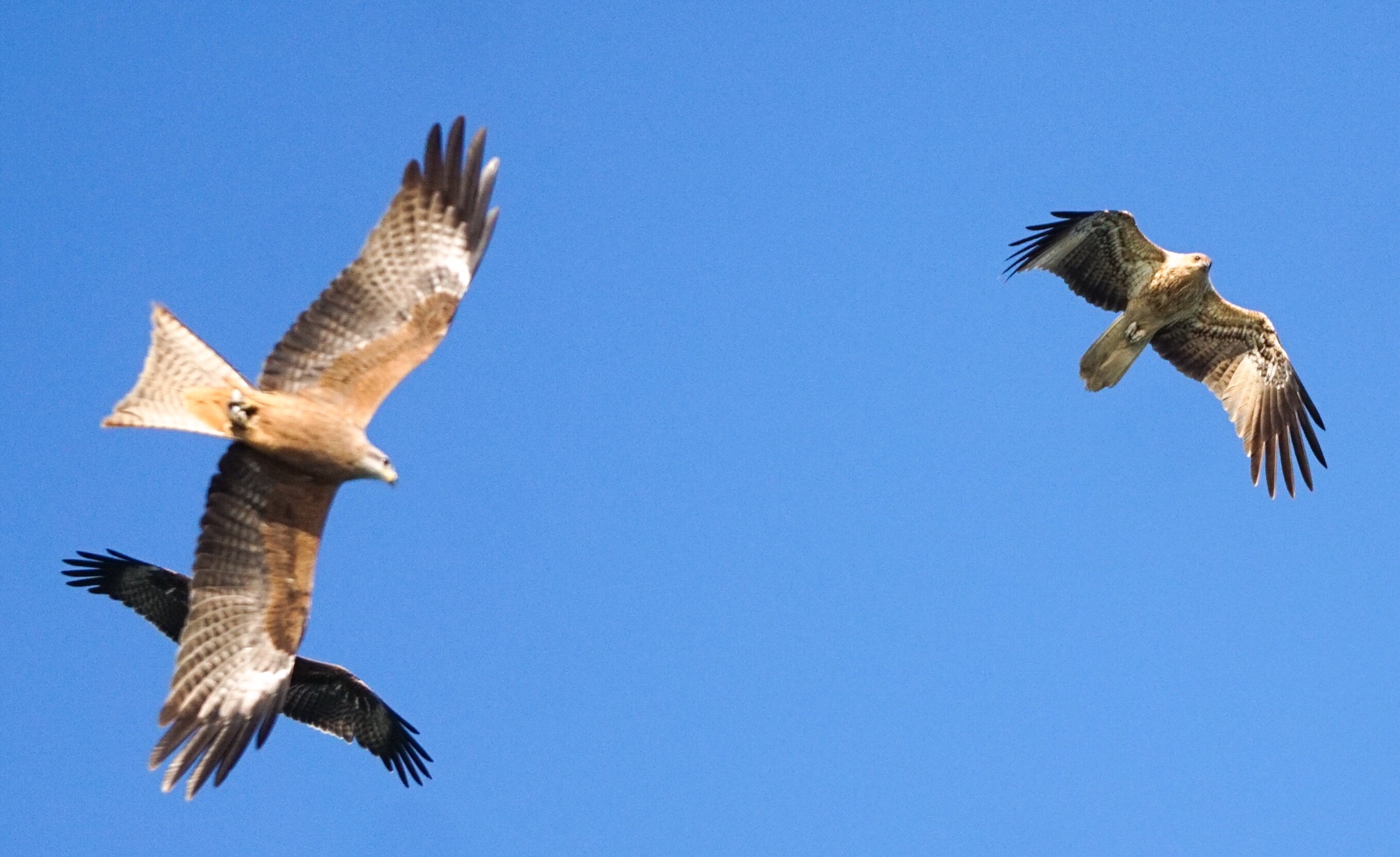
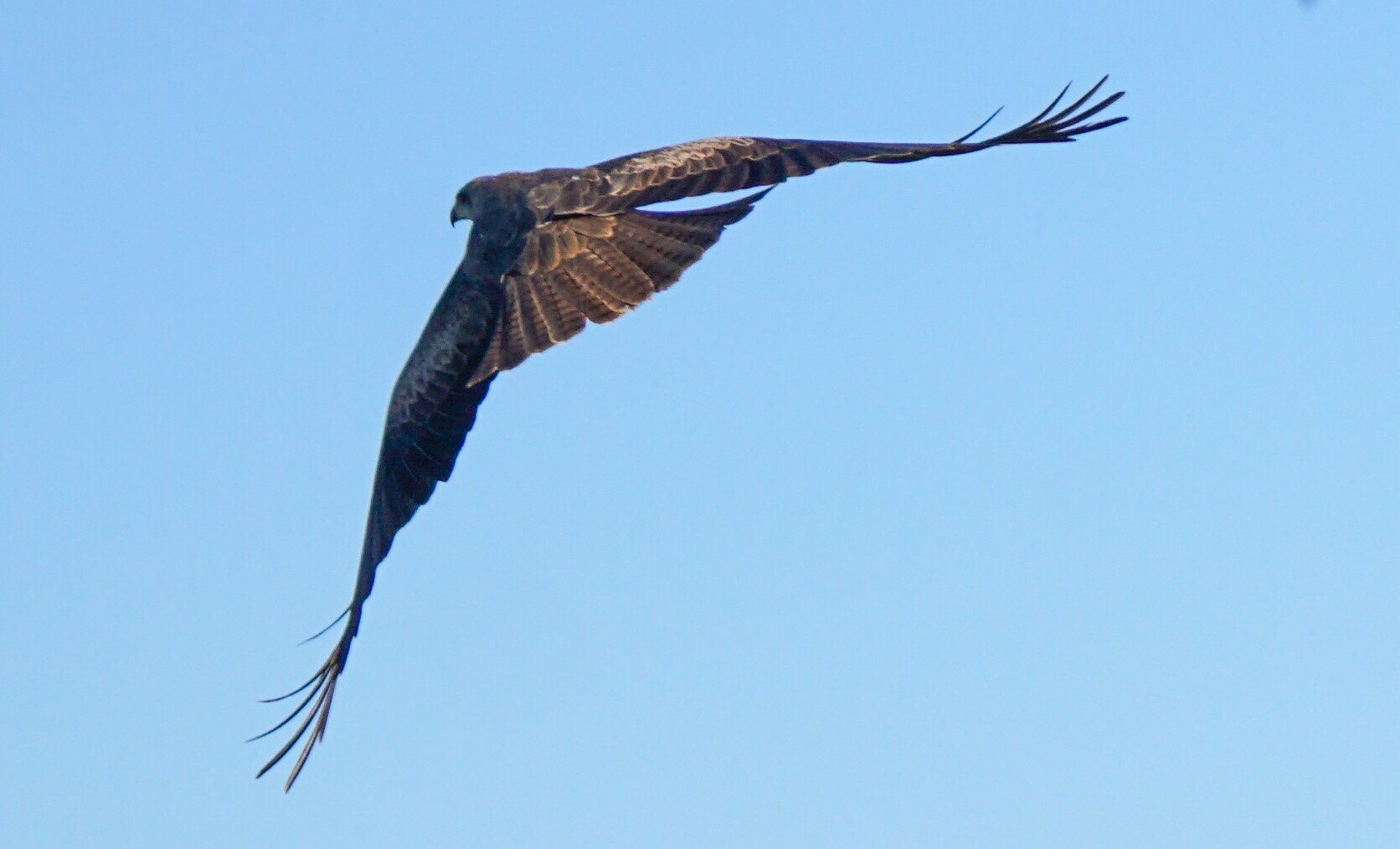
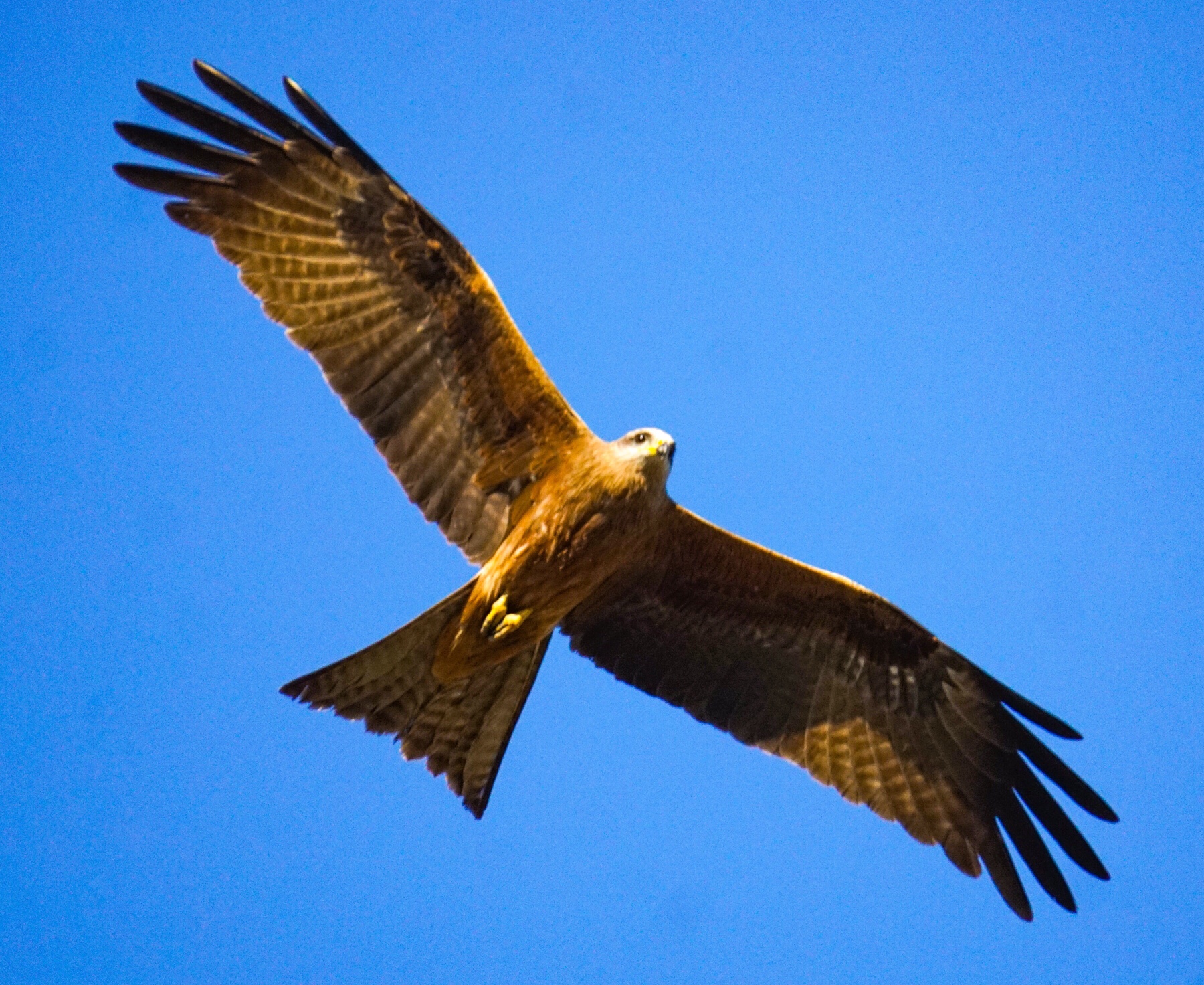
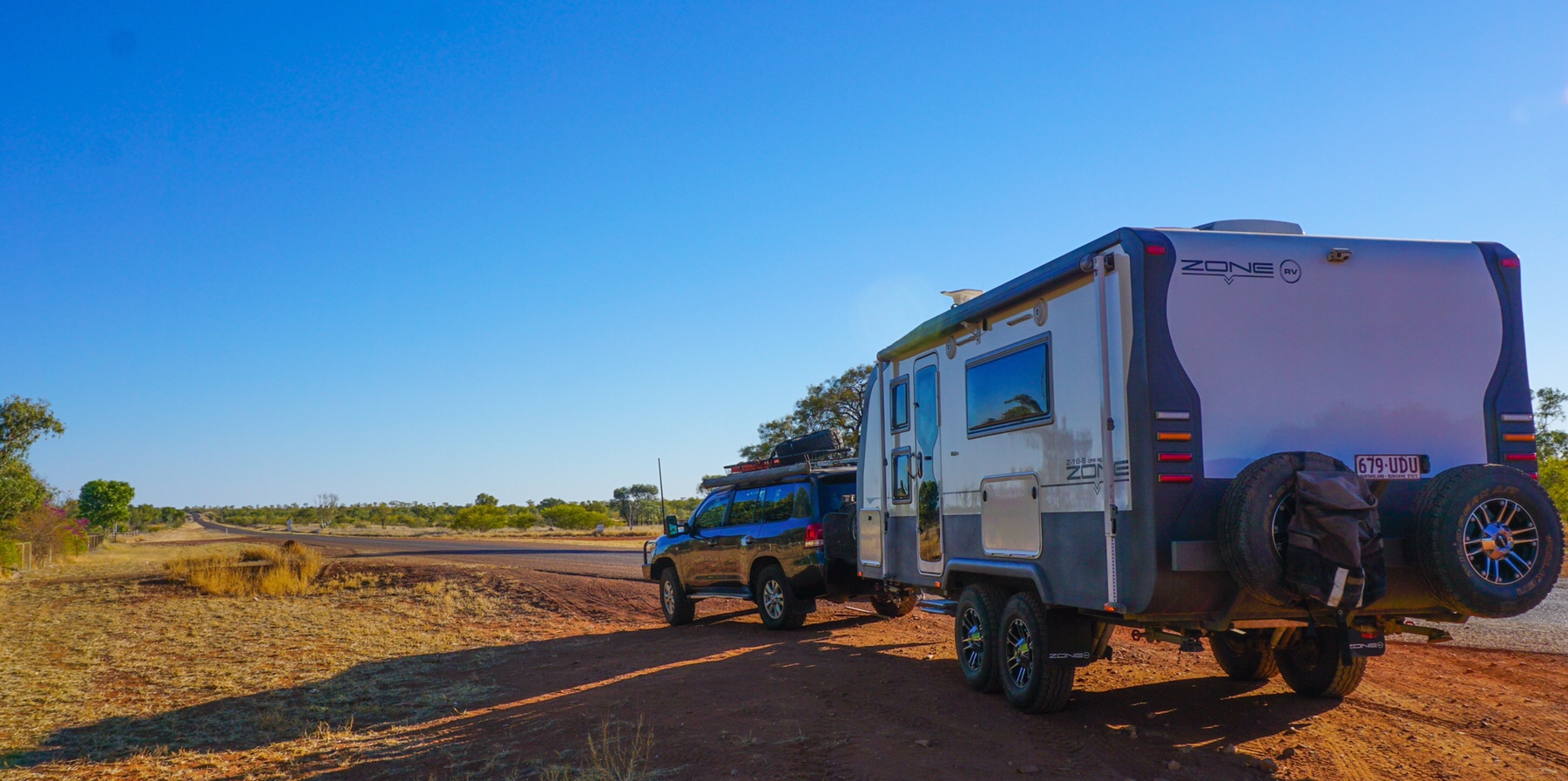 The flat dry landscape continued, broken only by the occasional herd of cattle ambling alongside the highway and flocks of black kites feeding on the night’s roadkill.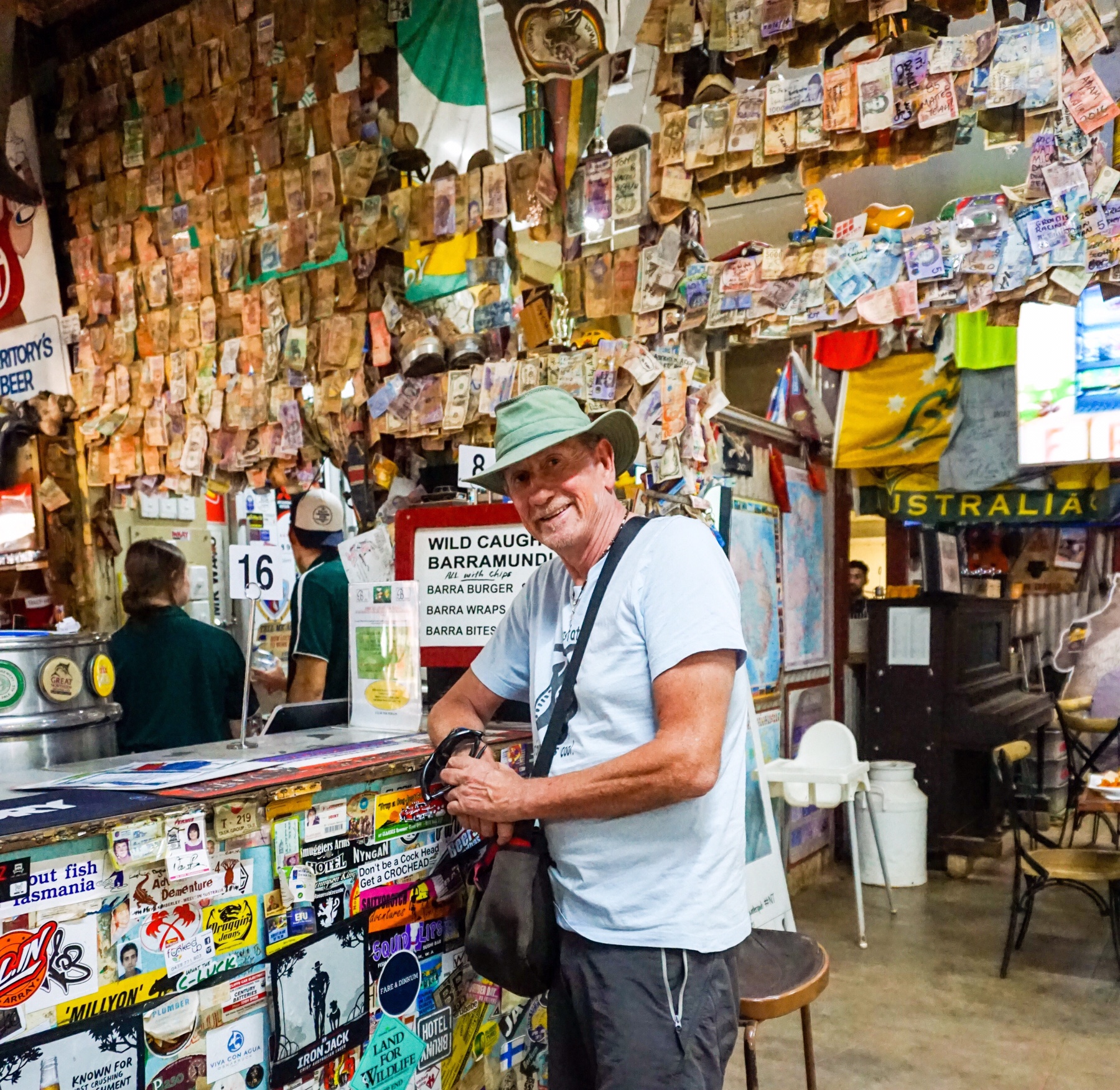
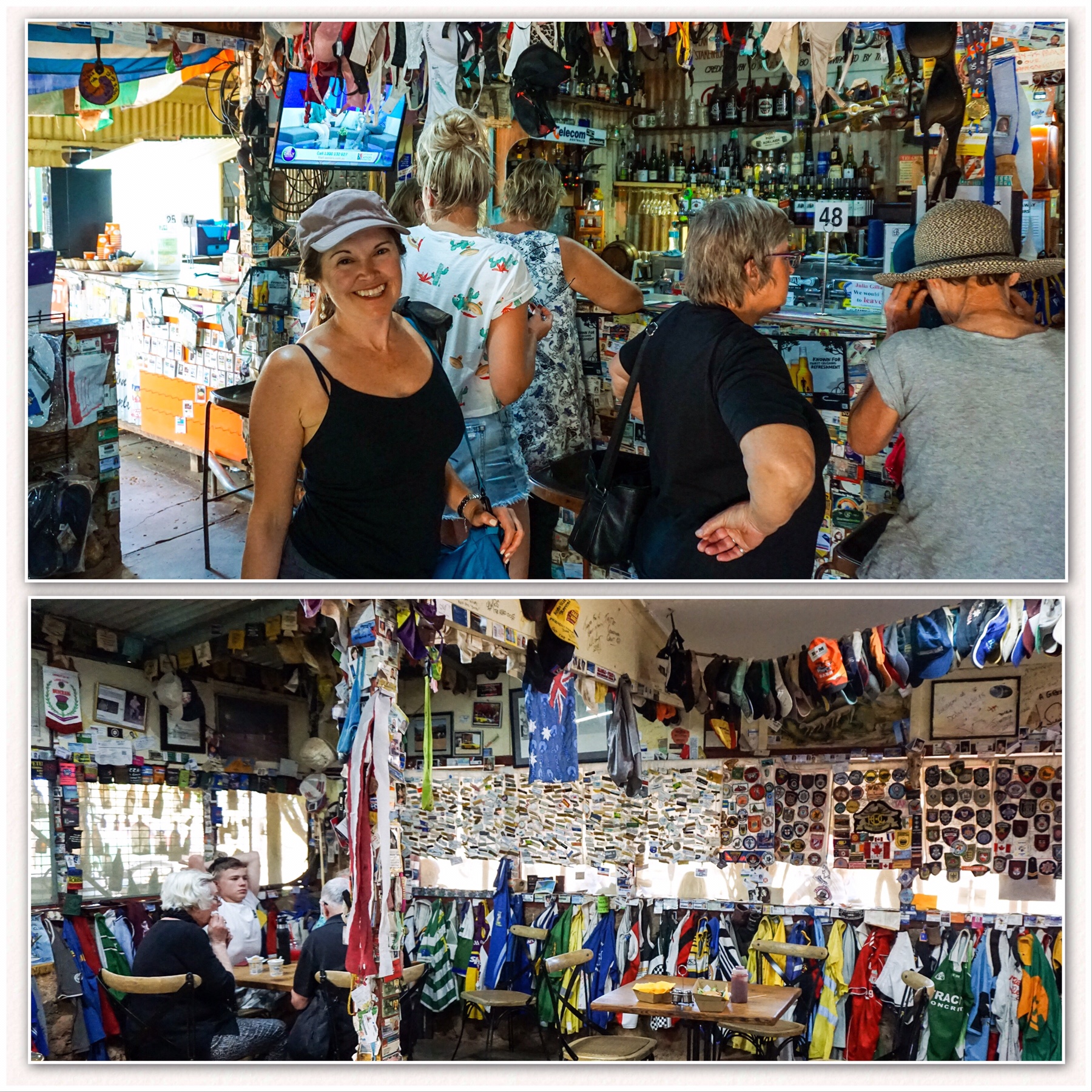 It has a lot of character, even if it is not a very authentic Australian outback bar. The staff are all backpackers, with wide reaching accents from Ireland to Slovakia and it has a good reputation for its food.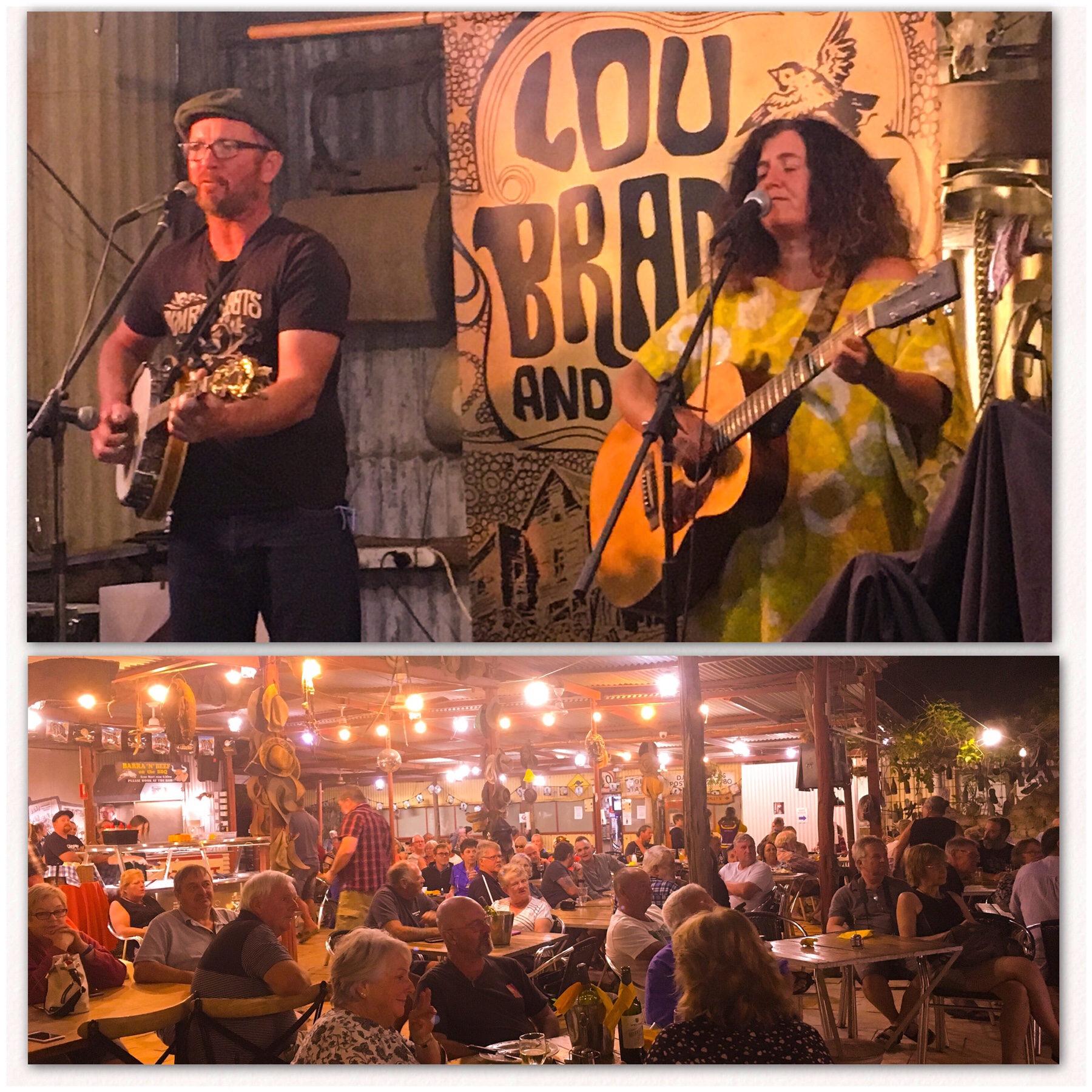
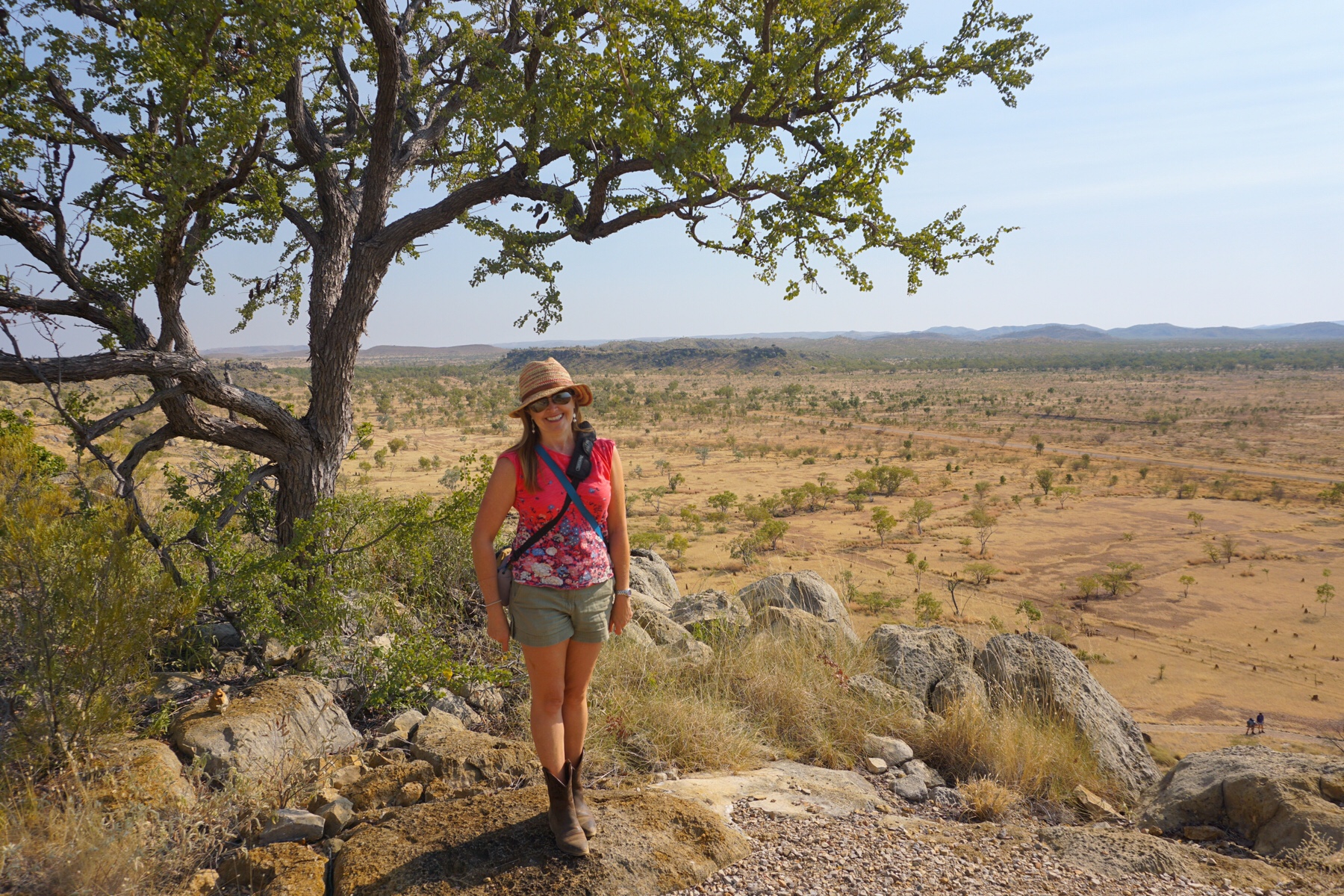
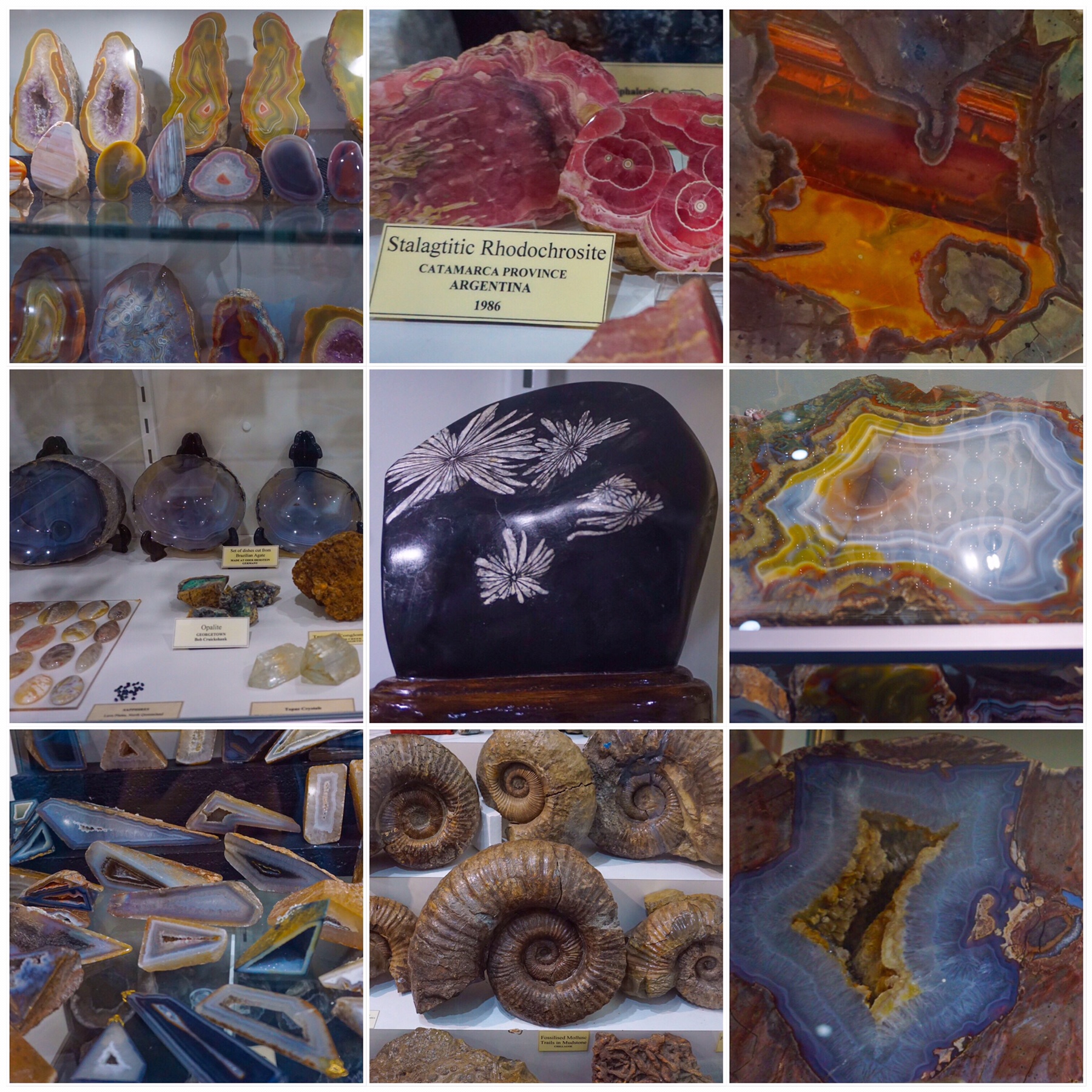
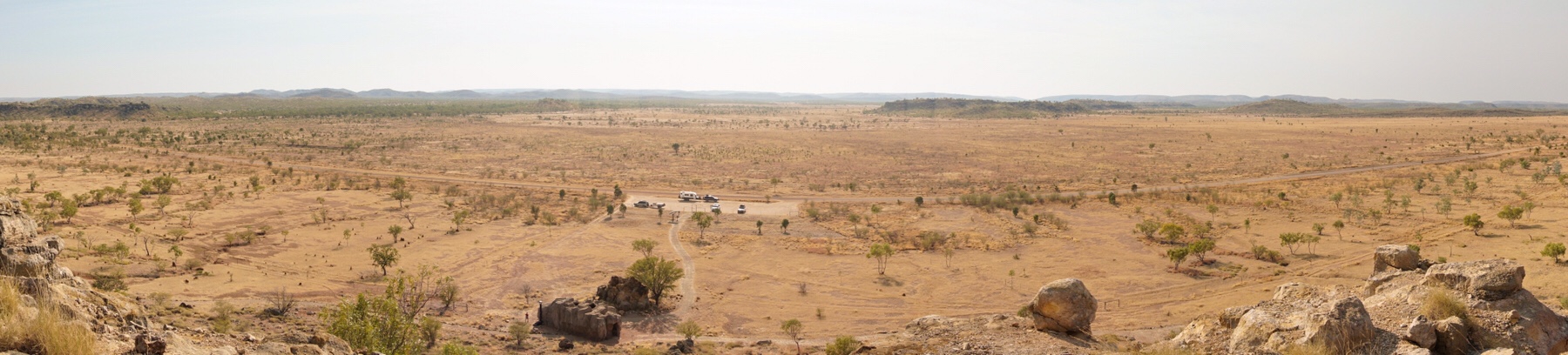 Just one small part of the 40km square area is open to visitors, but it offers a fabulous window to some of Australia’s evolution. Harking back to times when this dry dusty area was instead rich rainforest peppered with spring-fed lakes and pools – now limestone beds packed full of fossilised bones.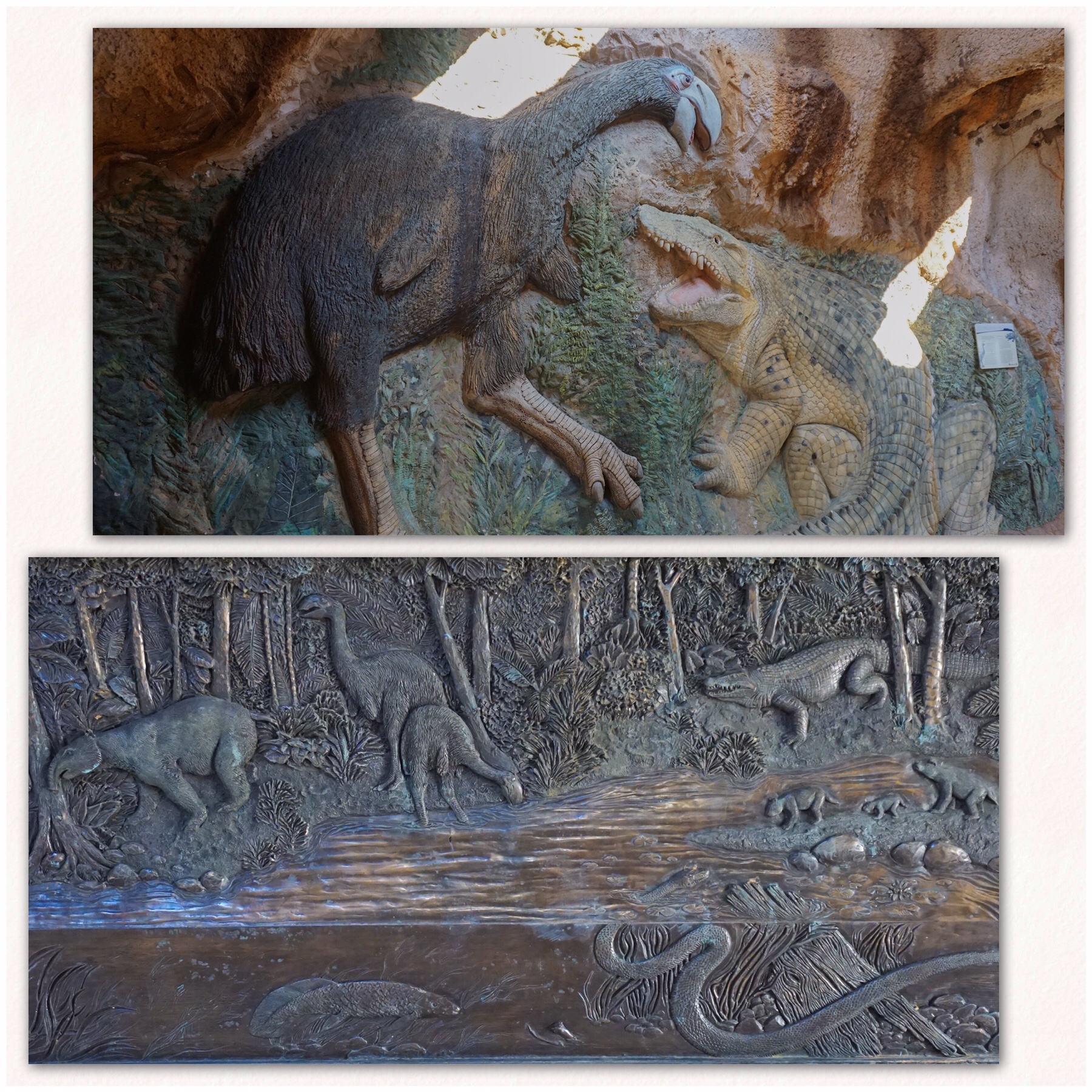
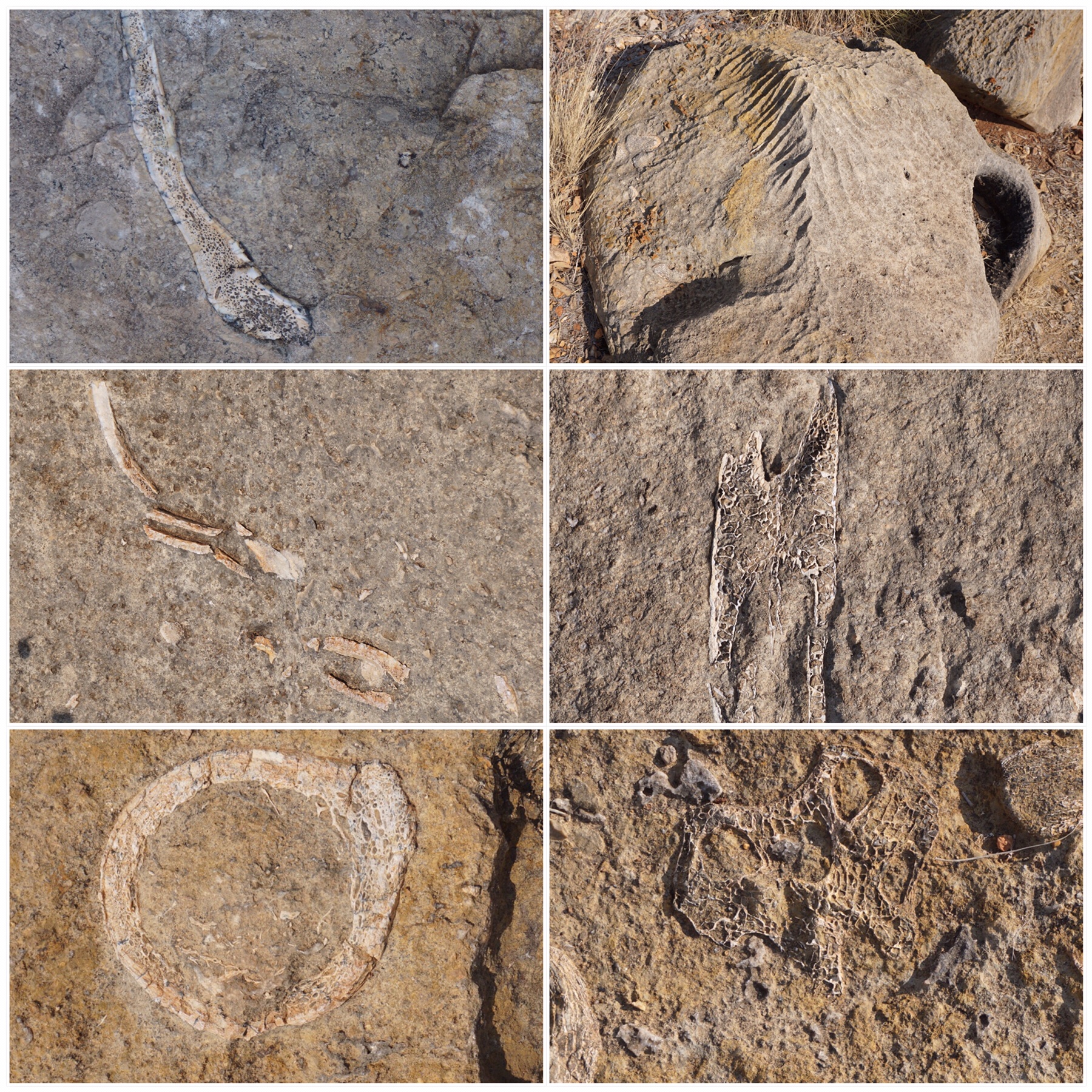 The national park seems to be in cahoots with Adels Grove, with a lot of encouragement for visitors to do a paid trip with a tour guide. We tried to get on a tour but none were running, so we did a self-guided visit. There was very limited information provided on boards, and may fossils with no details beside them. You had to use a lot of imagination to understand what you’re looking at, and a lot of Googling later on when we finally got enough phone signal to connect to internet.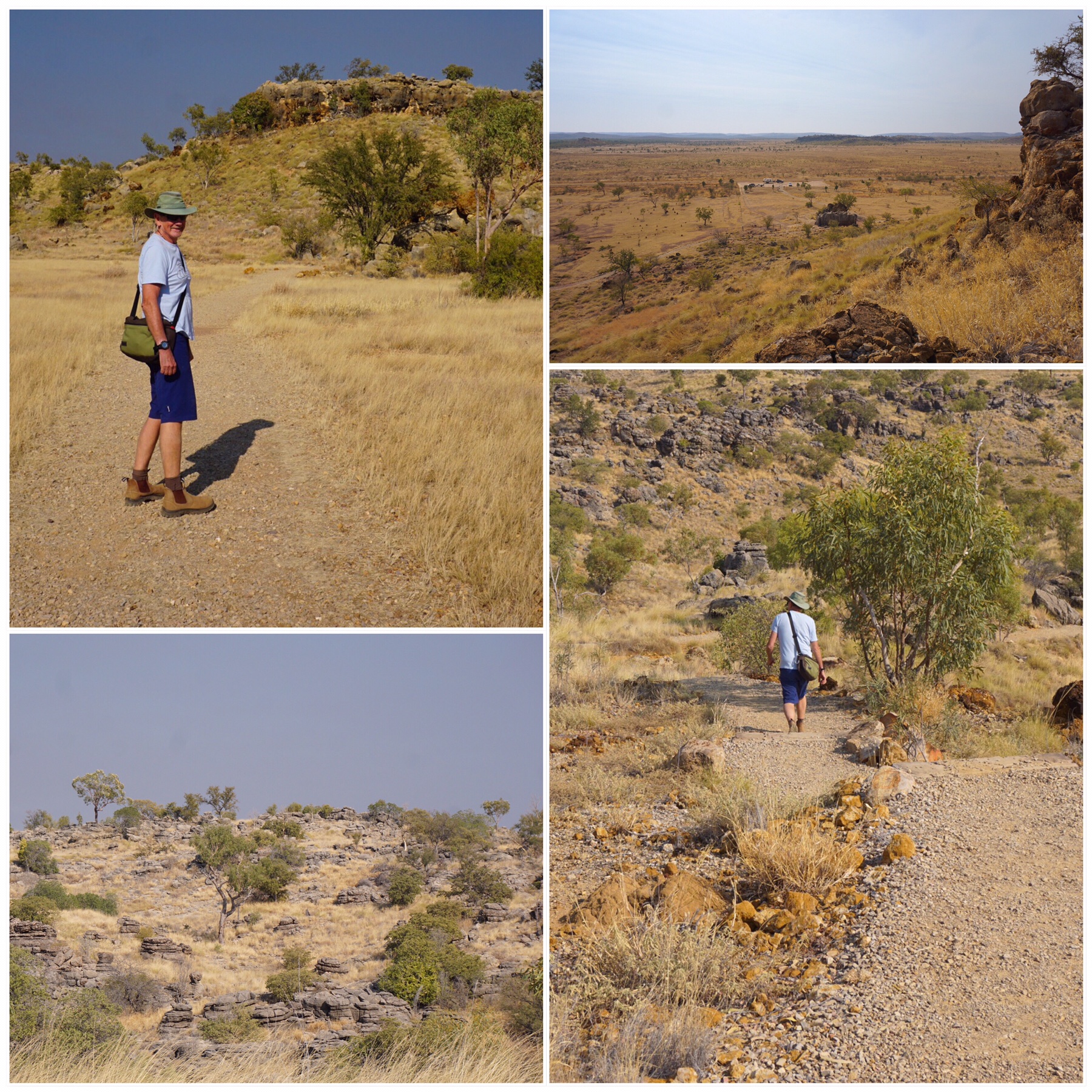
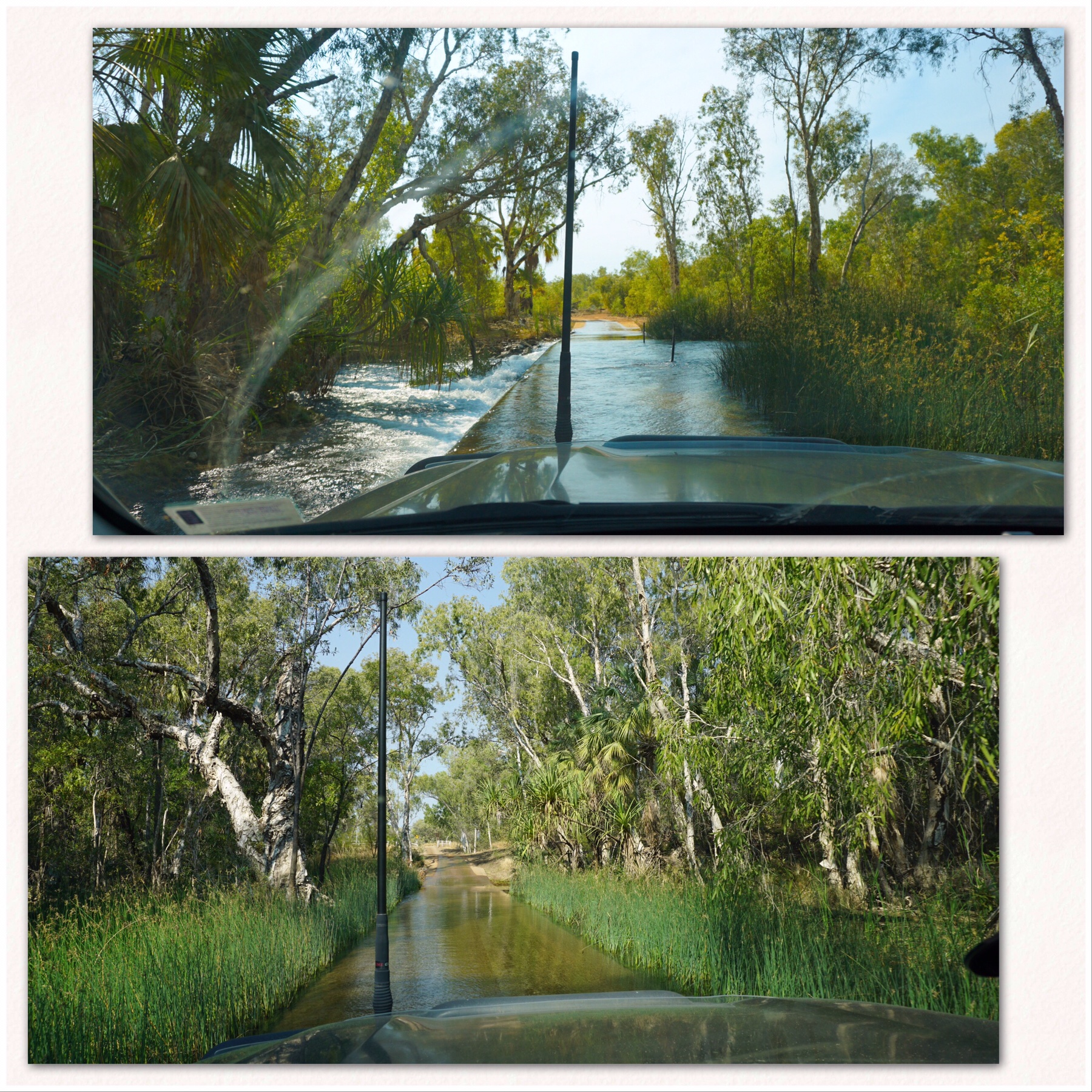 It was a slow old journey which led eventually to tarmac, and then another 200km to our destination for the night, Camooweal. There we did a massive clean, inside and out, to try and rid ourselves of some of the red dust we had accumulated over the past few days.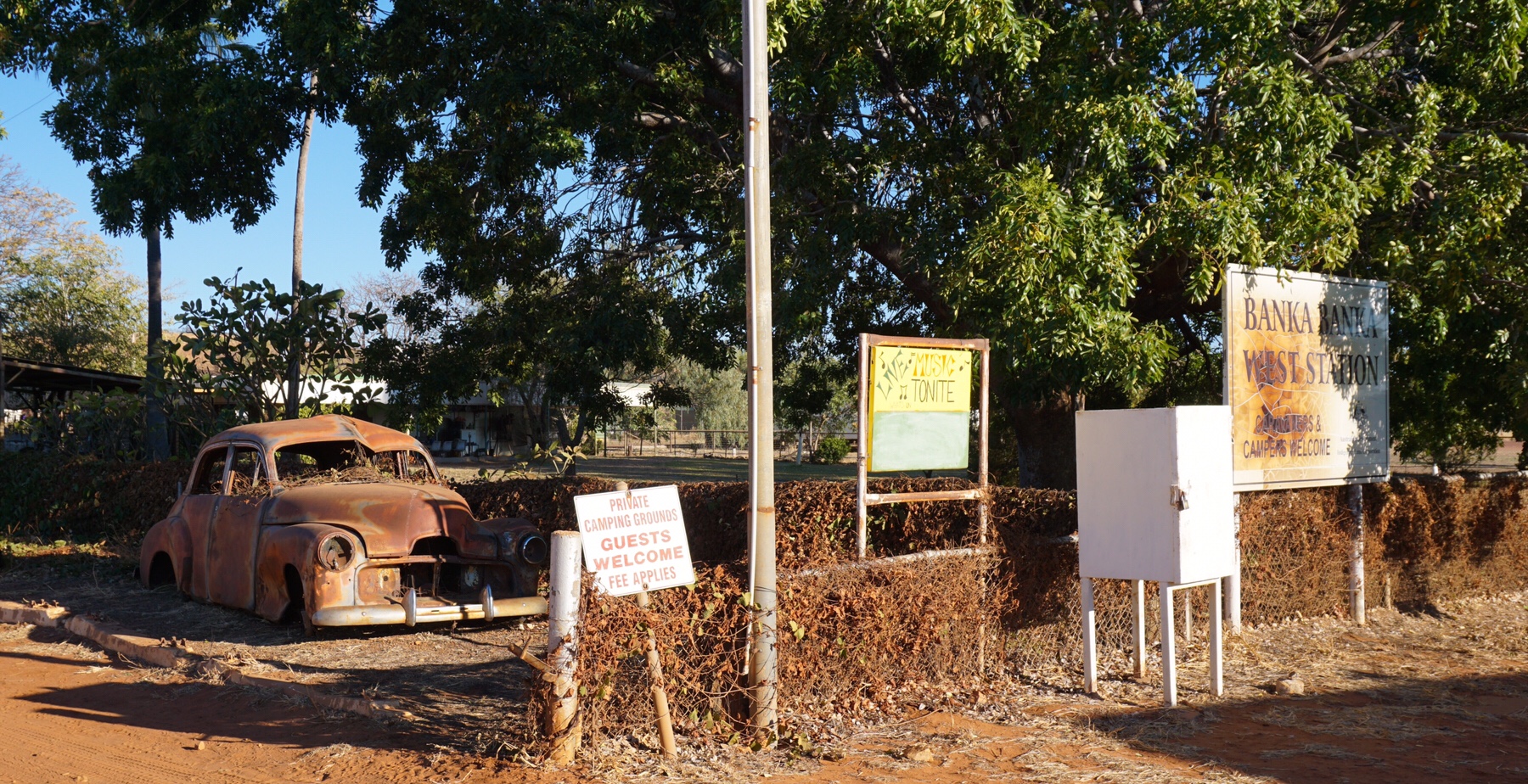
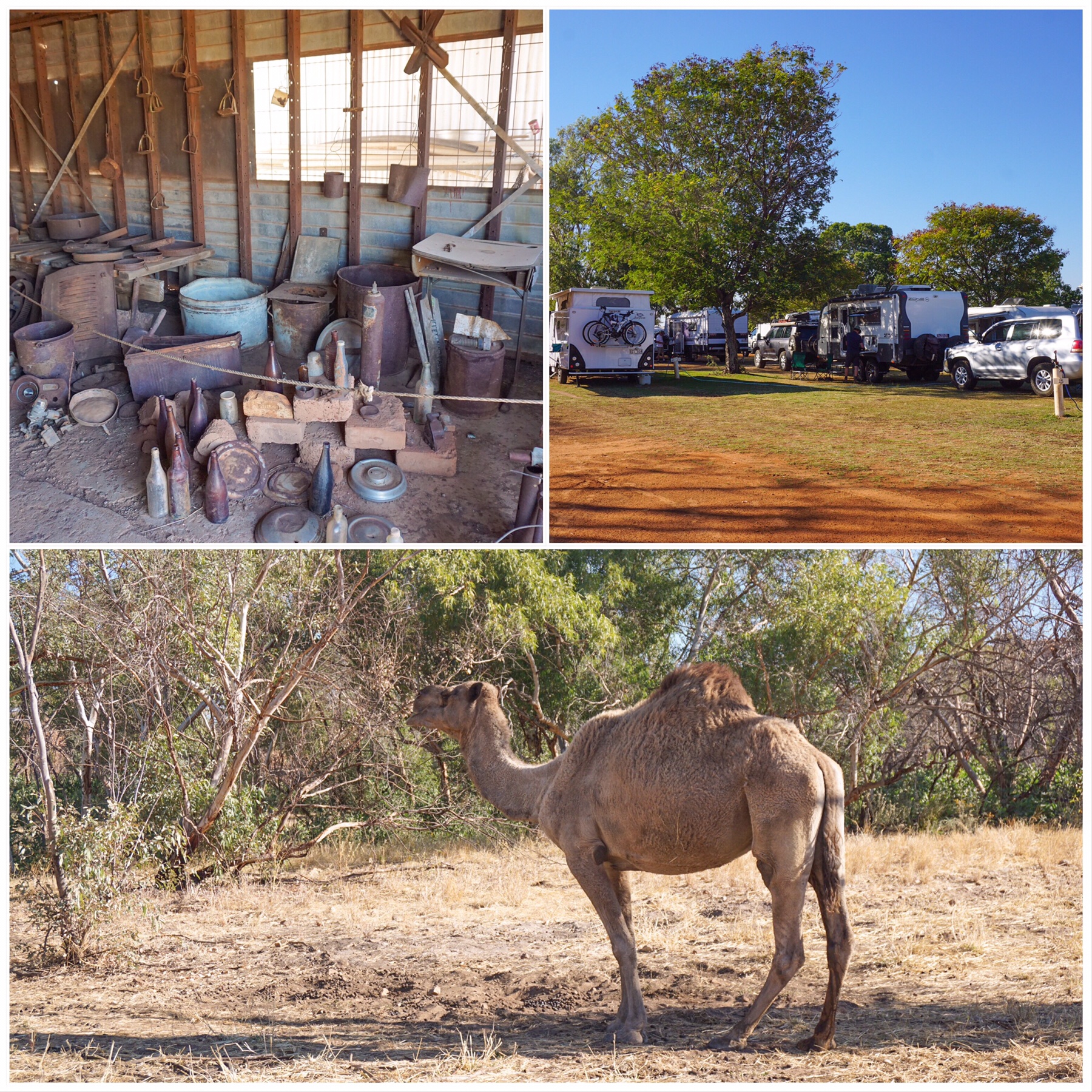 It is amazing how many caravans are on the road – it is not even school holidays any more, and everywhere is heaving. Stations like this are literally raking the money in. We park in rows in a paddock, each van having access to water, a shower and toilet block, and a country music singer around the campfire at night. All this for $20 a van – that’ll be around $1,500 dollars per night earned…not bad for a patch of dirt.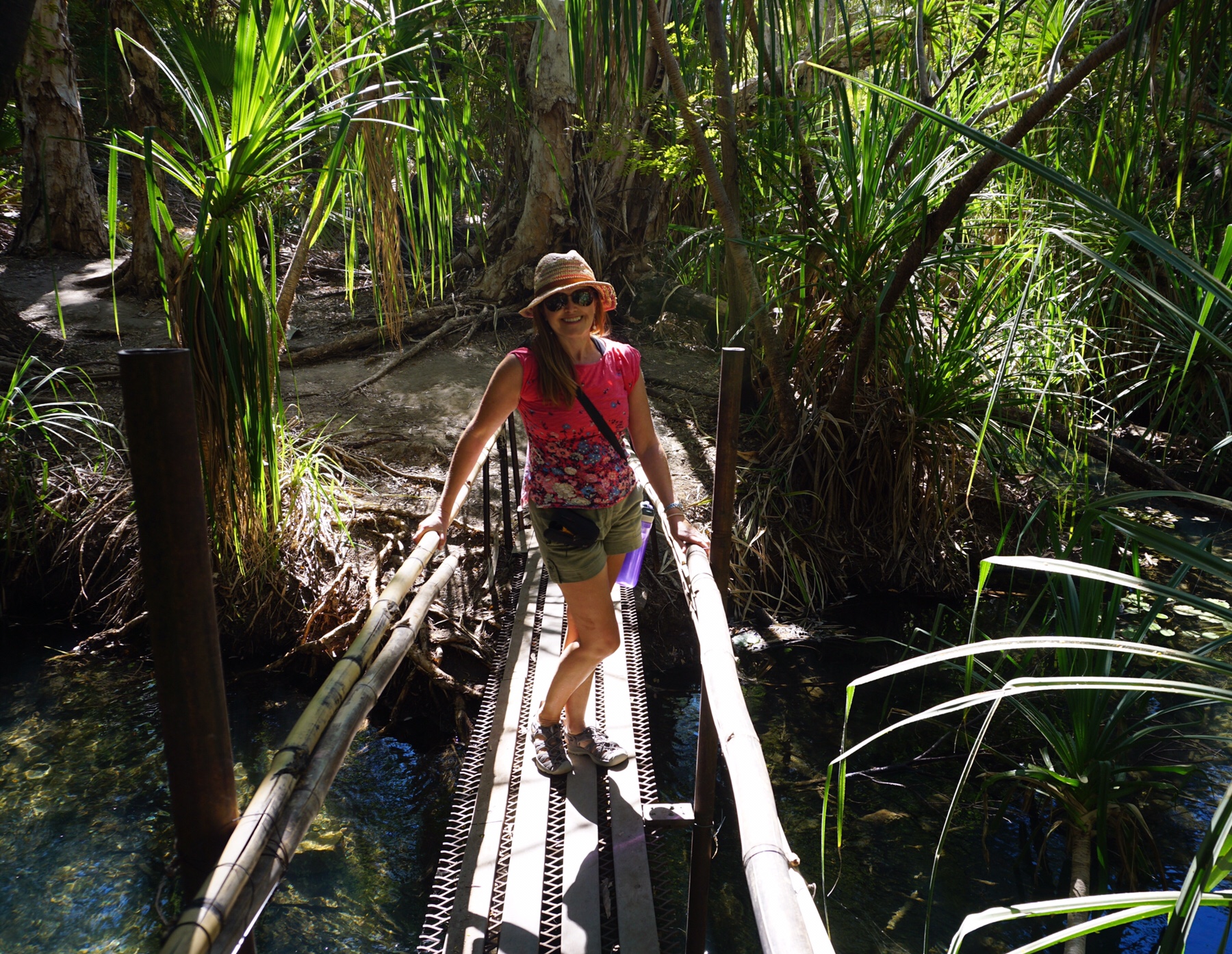
 After the area was mined for zinc, silver and lead, the property was purchased by a French botanist who worked for the government. He spent his life planting an incredible botanical garden, irrigating his prize plants from the river, and recording the flora and fauna around the property in meticulous notes, only to have the whole lot burn down from a fire that escaped from a local mine. He no doubt cried “Merde” and promptly laid down in a deep depression and passed away.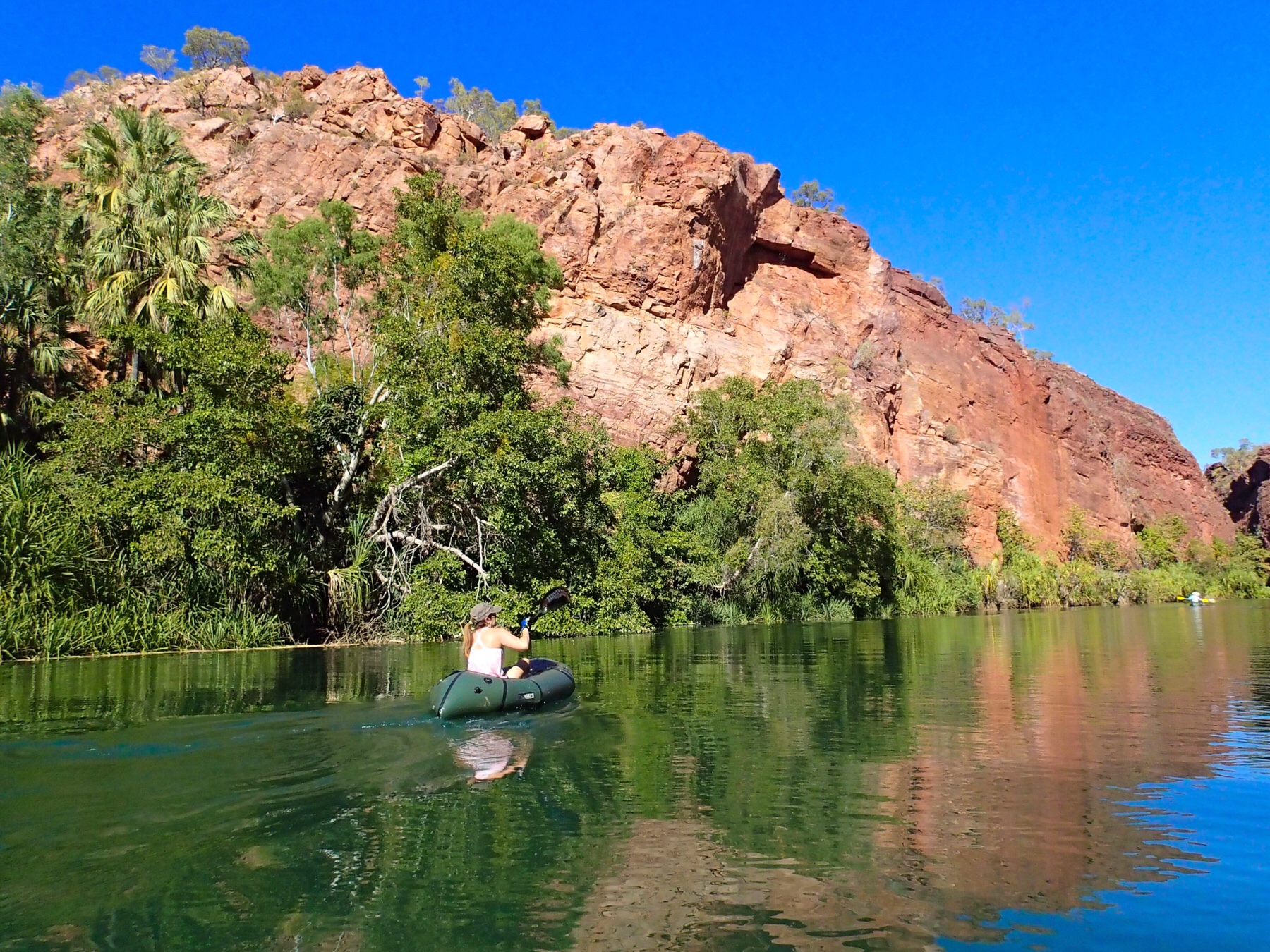
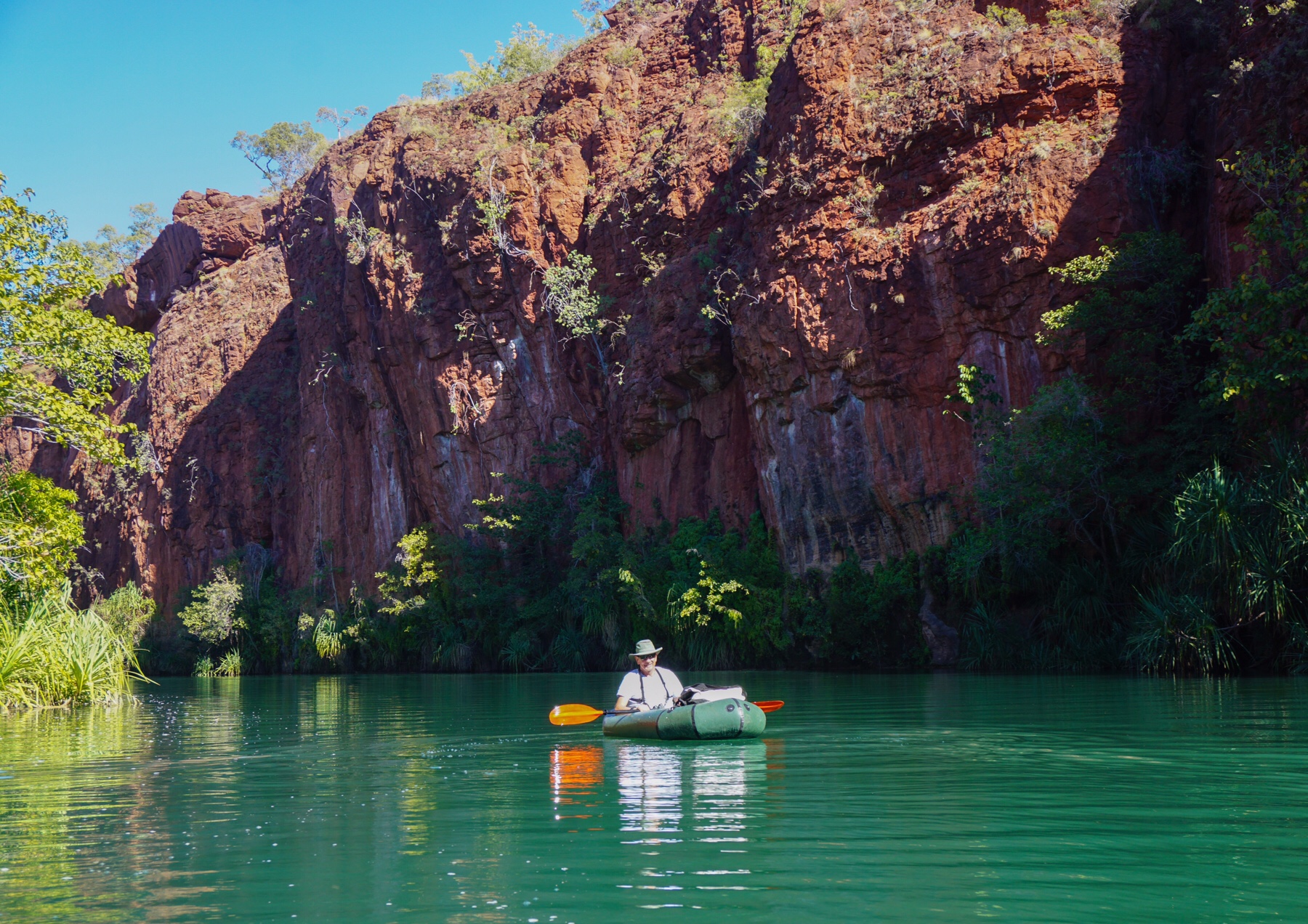 I would definitely recommend not listening to the advice they give you to “come out here early”. By lunchtime we were on our own, and what a fantastic place this is. One of the most beautiful locations we have ever paddled in with absolutely prolific birdlife echoing across the gorge. Apparently there are freshwater crocodiles in here – we didn’t spot any but did hear at least one suspect splash as we travelled silently along.
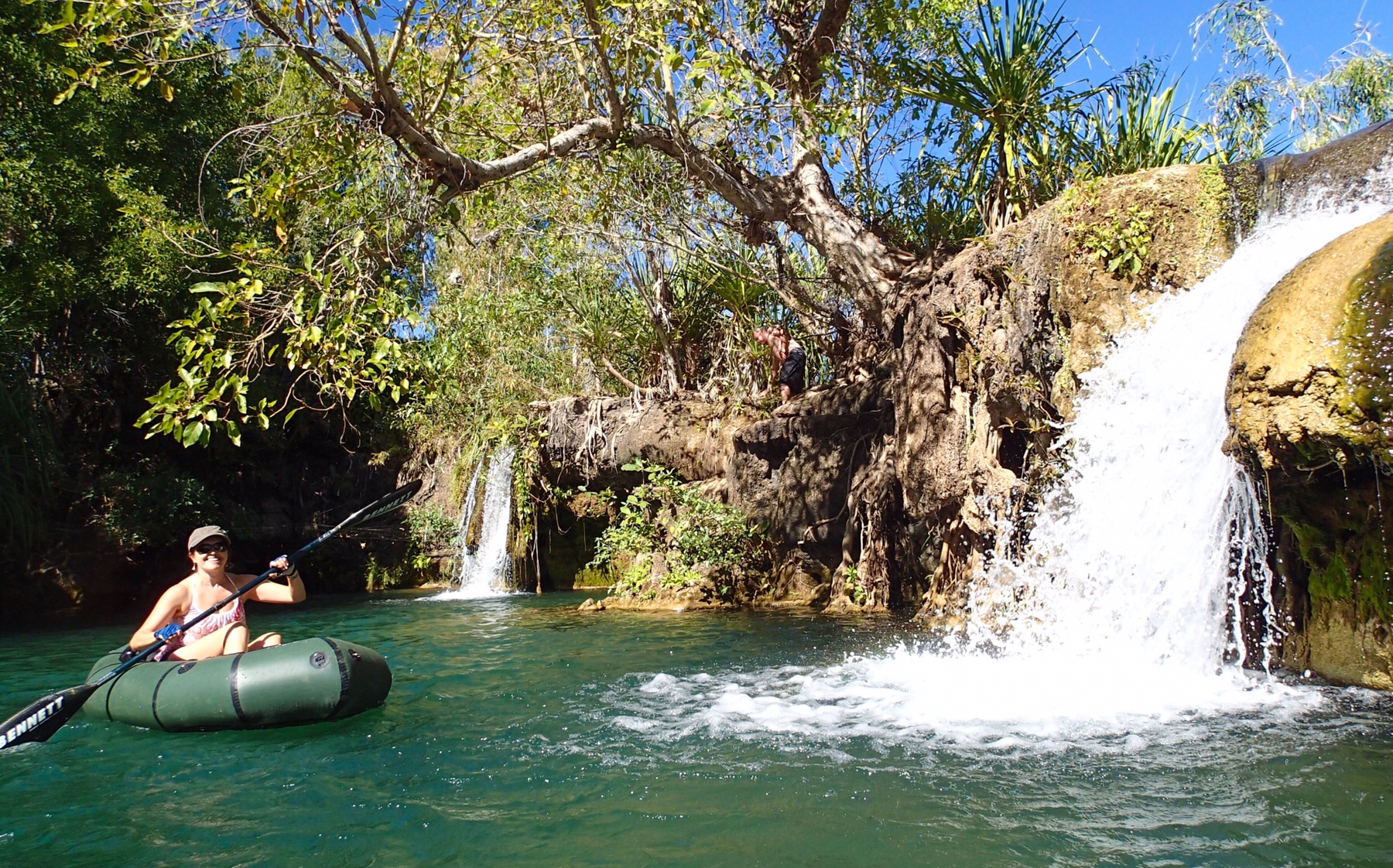 There’s one short portage, no problem for us in lightweight boats, then the second part of the paddle was even more spectacular. The archer fish were out in shoals, spitting water up at me (did I look like a fly?). Fly catchers darted around above the water doing a much better job of catching their prey.
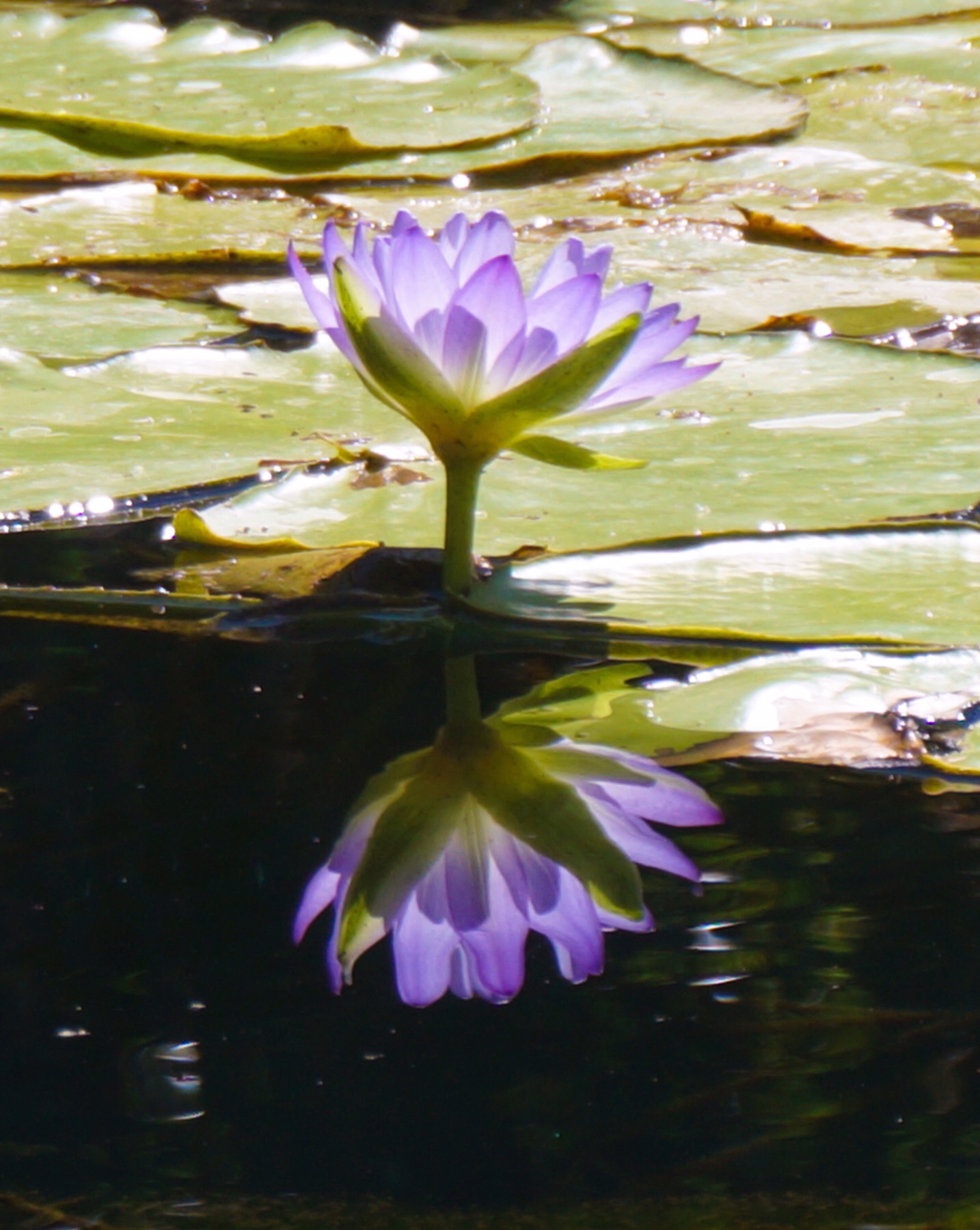
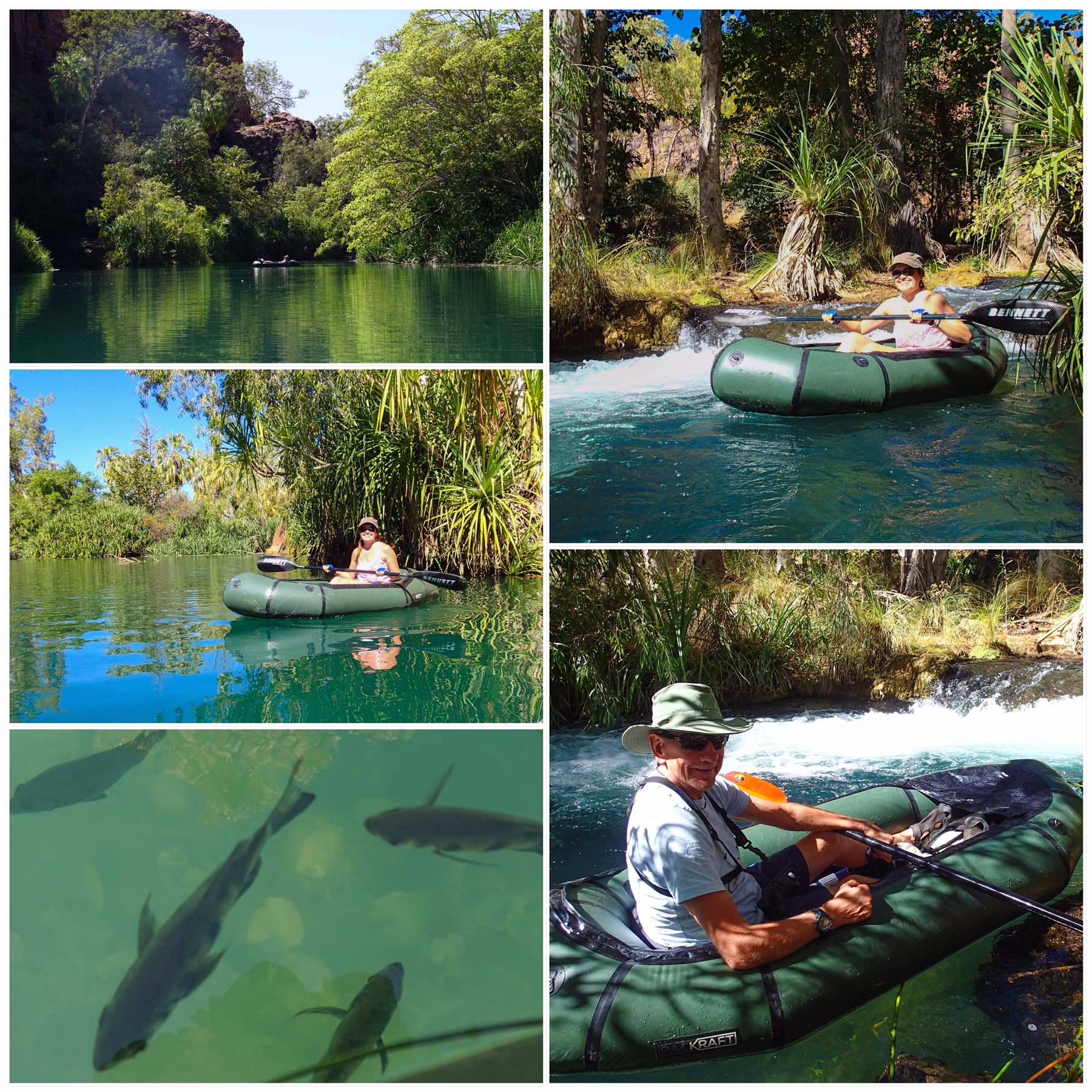 On the way back to the car we stopped at the information boards and read about the significant aboriginal history of the area. The gorge and surrounding area has been lived in for 35,000 years, according to the latest radiocarbon dating of artefacts found here. Not for the 200 years as you would think just reading the information back at Adels Grove. Just think on that for a moment. A continuous, sustainable, culture in this area stretching back 32,000 years before the Pyramids were being built. Nowhere else in the world has anything like that.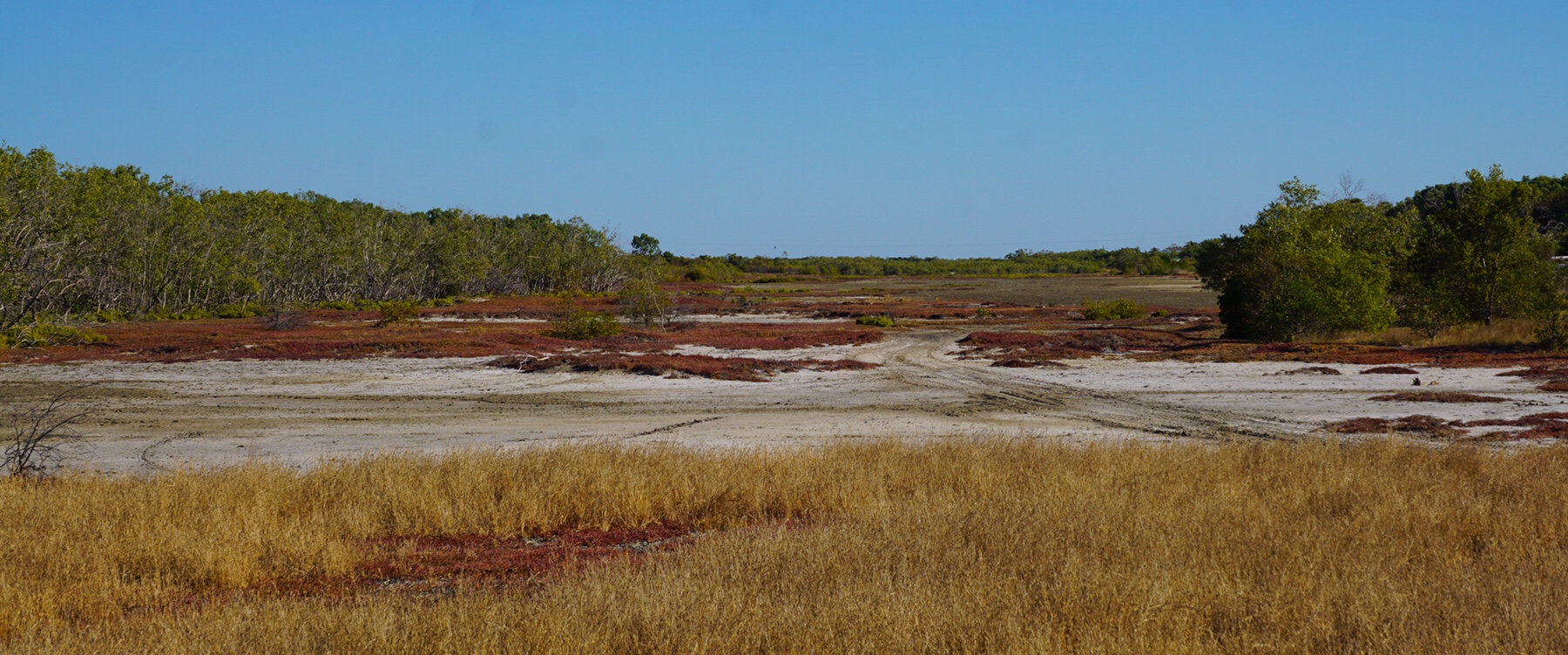
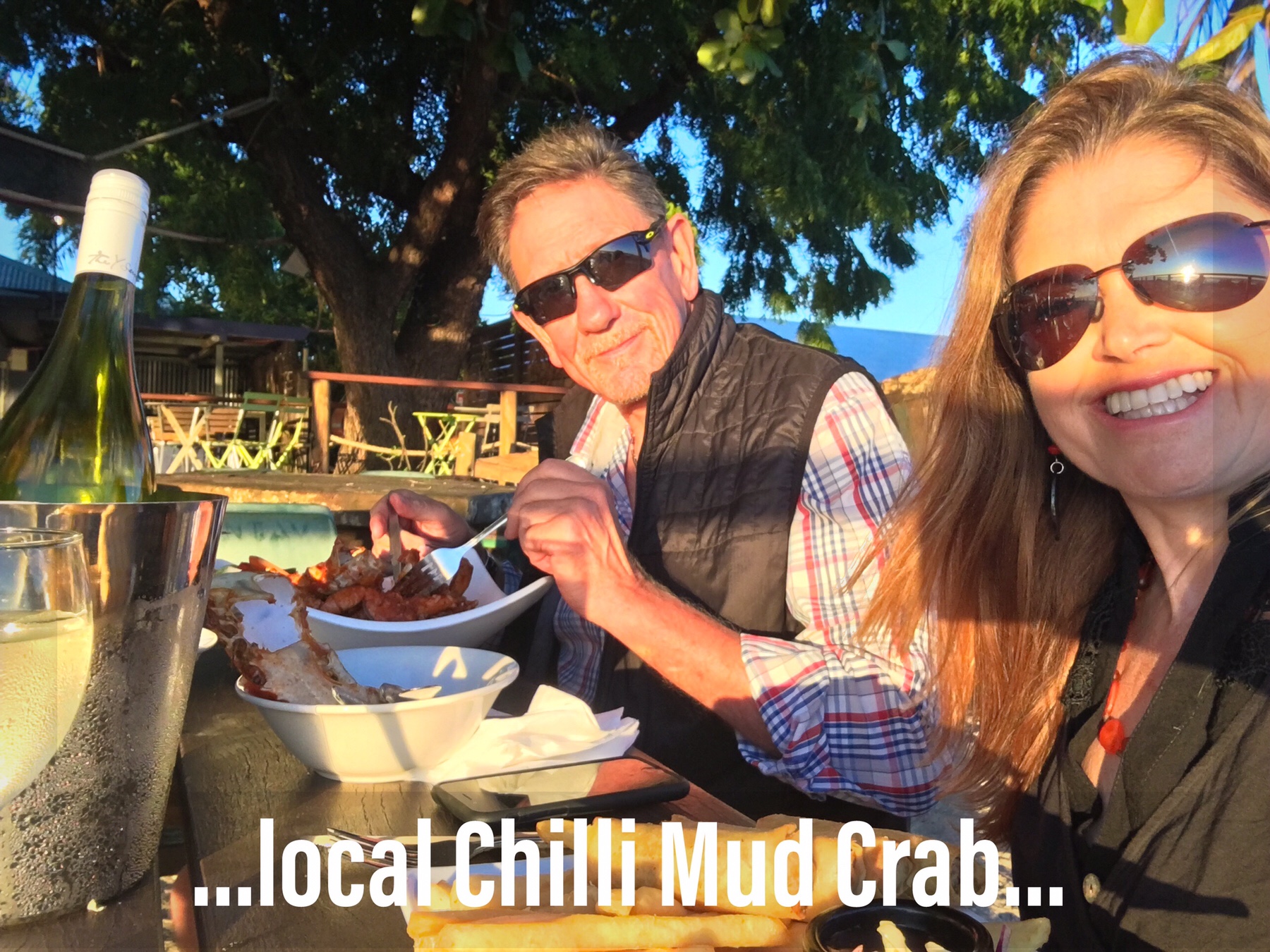
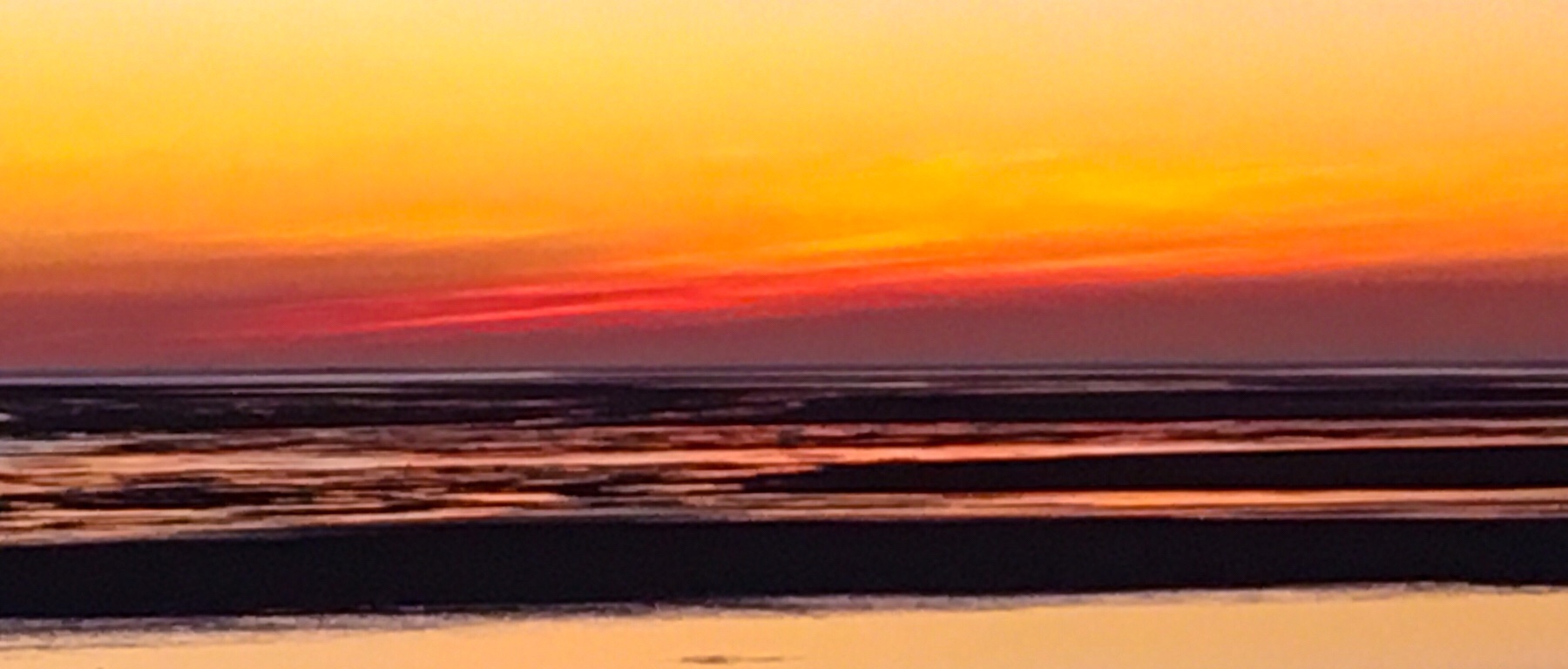
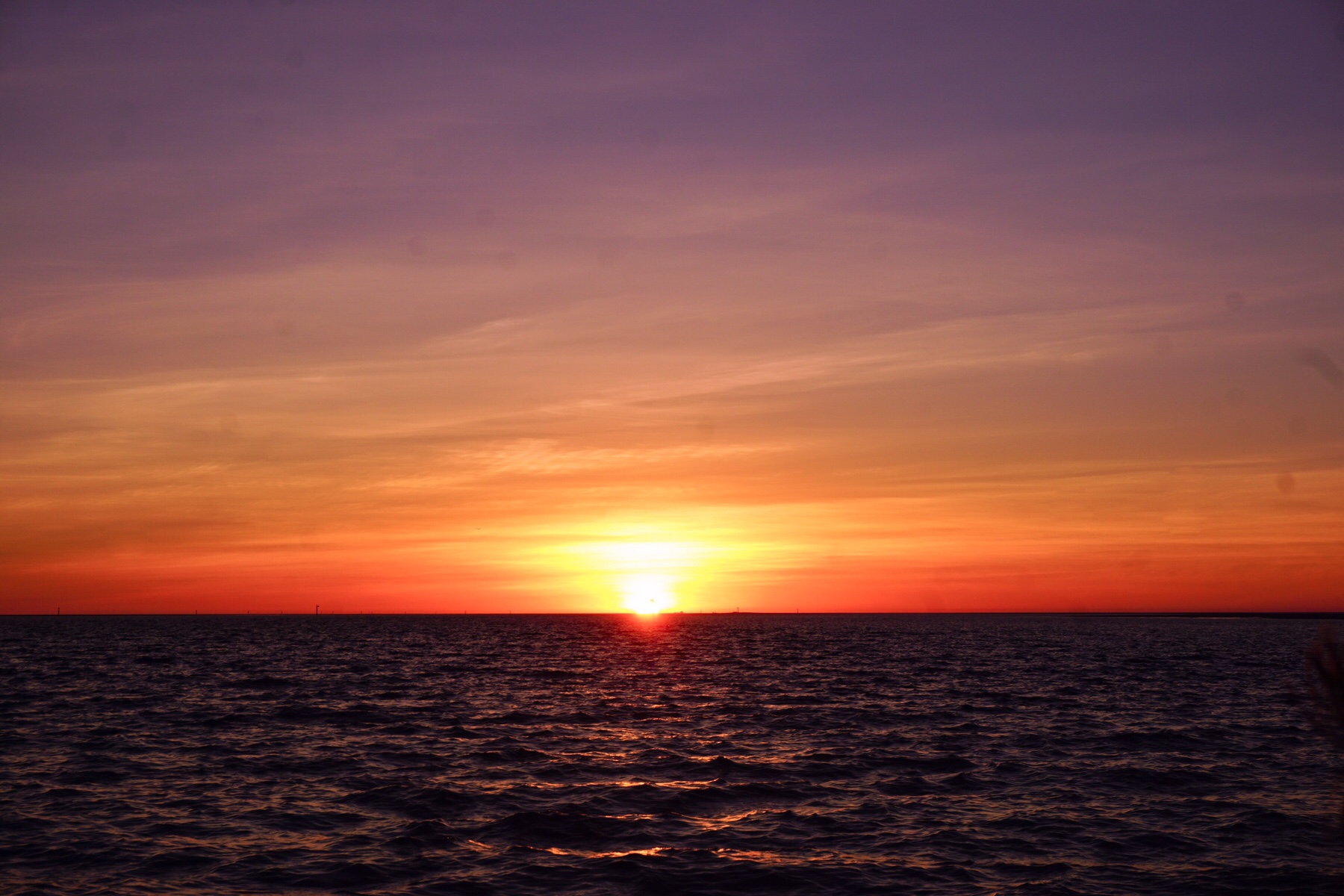
 After showers, we headed out to the Sunset Tavern, nestled along the coast at Karumba Point with a perfect westerly view across the Gulf towards the setting sun. We ordered dinner, a bottle of drinkable white wine and sat back to enjoy the show.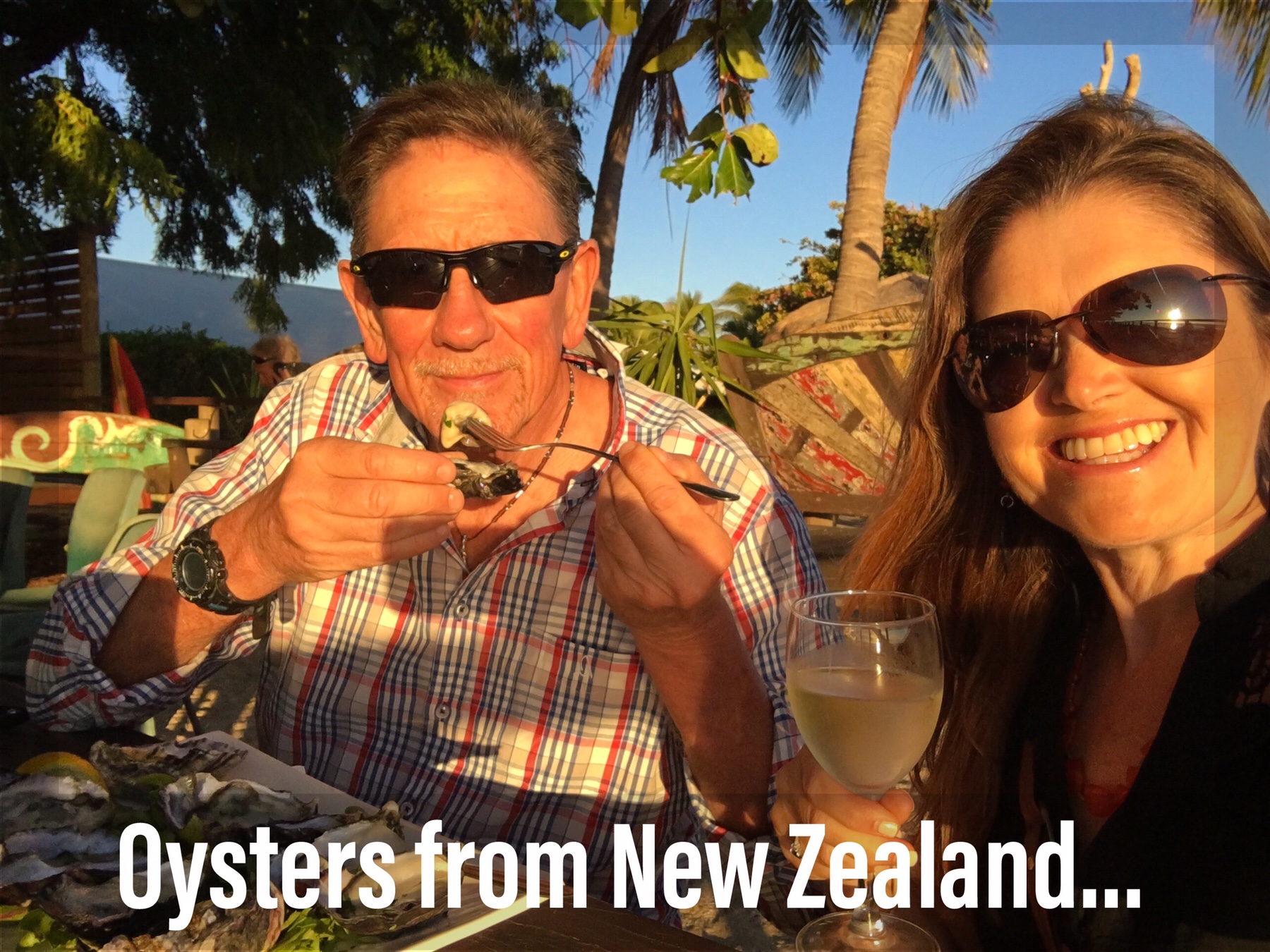
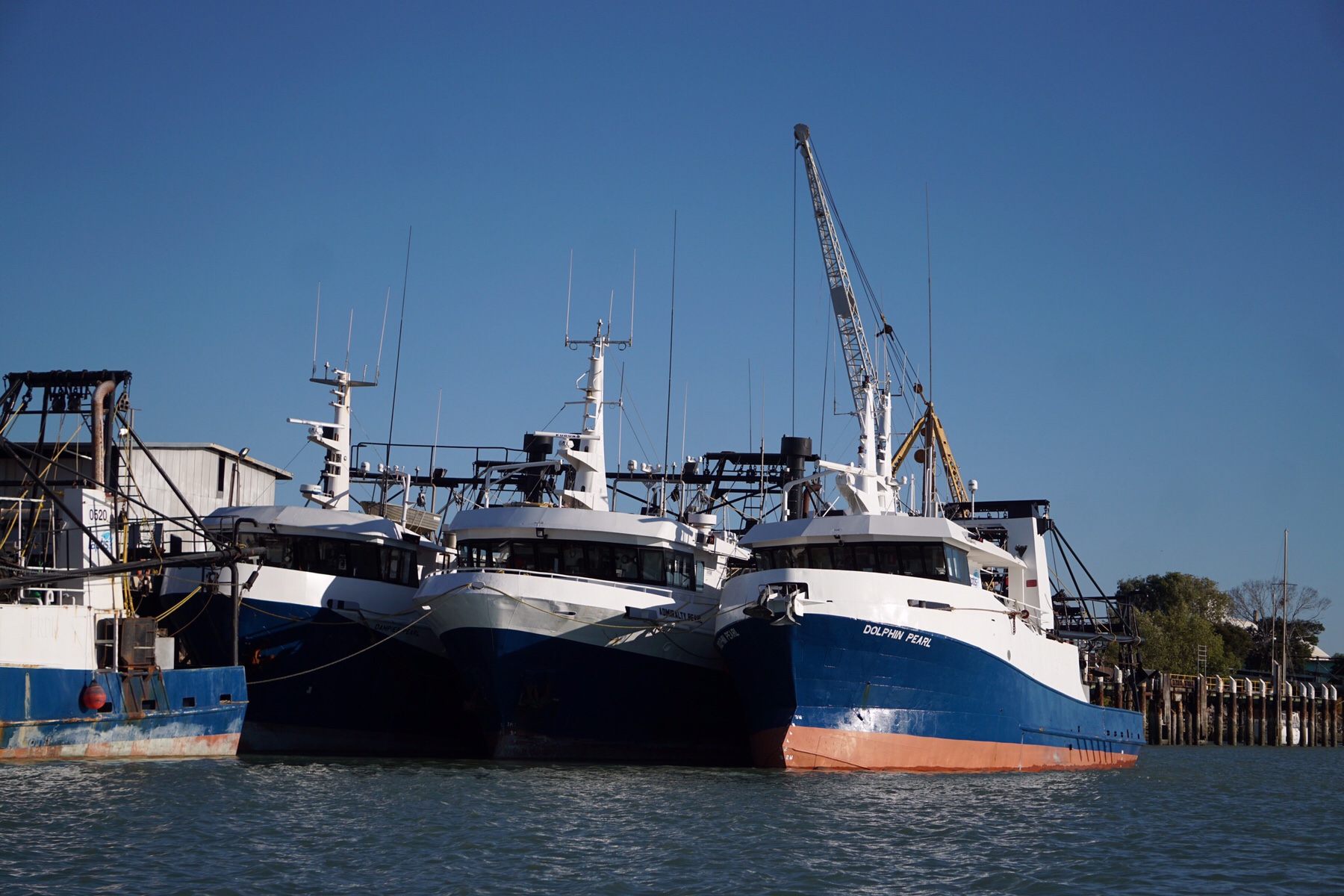 After a 4 year hiatus, it has just restarted to the relief of the town, courtesy of a Chinese company (of course!). The gravity fed pipeline that transport the slurry stretches from the mine 302km to the south, right to the loading dock. Pretty neat and cheap way to transport it for 9 cents a ton!
 We managed to find a tour boat going out in the afternoon with two spaces (it’s busy season up here!) and headed out. The family running the trip gave us a good running commentary on the river and the town, of course starting as most trips do with “European exploration”, not a word about the previous 50,000 or so years of human occupation in the area. It isn’t easy to find information. I’ve just spent 20 mins with Google and have at least established that the area was home to five distinct Aboriginal groups, all of whom had a seperate language, all of which are now officially classed as extinct.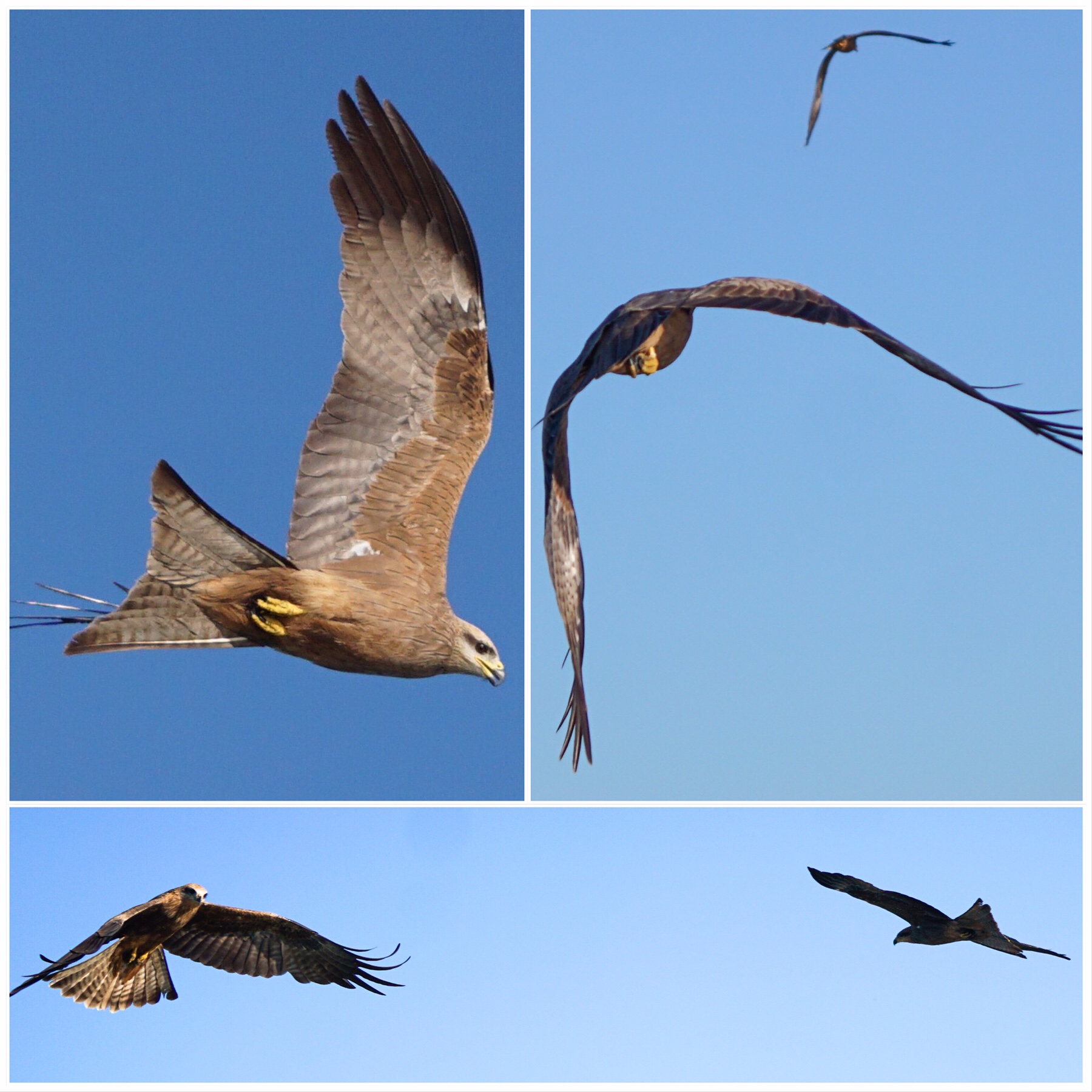
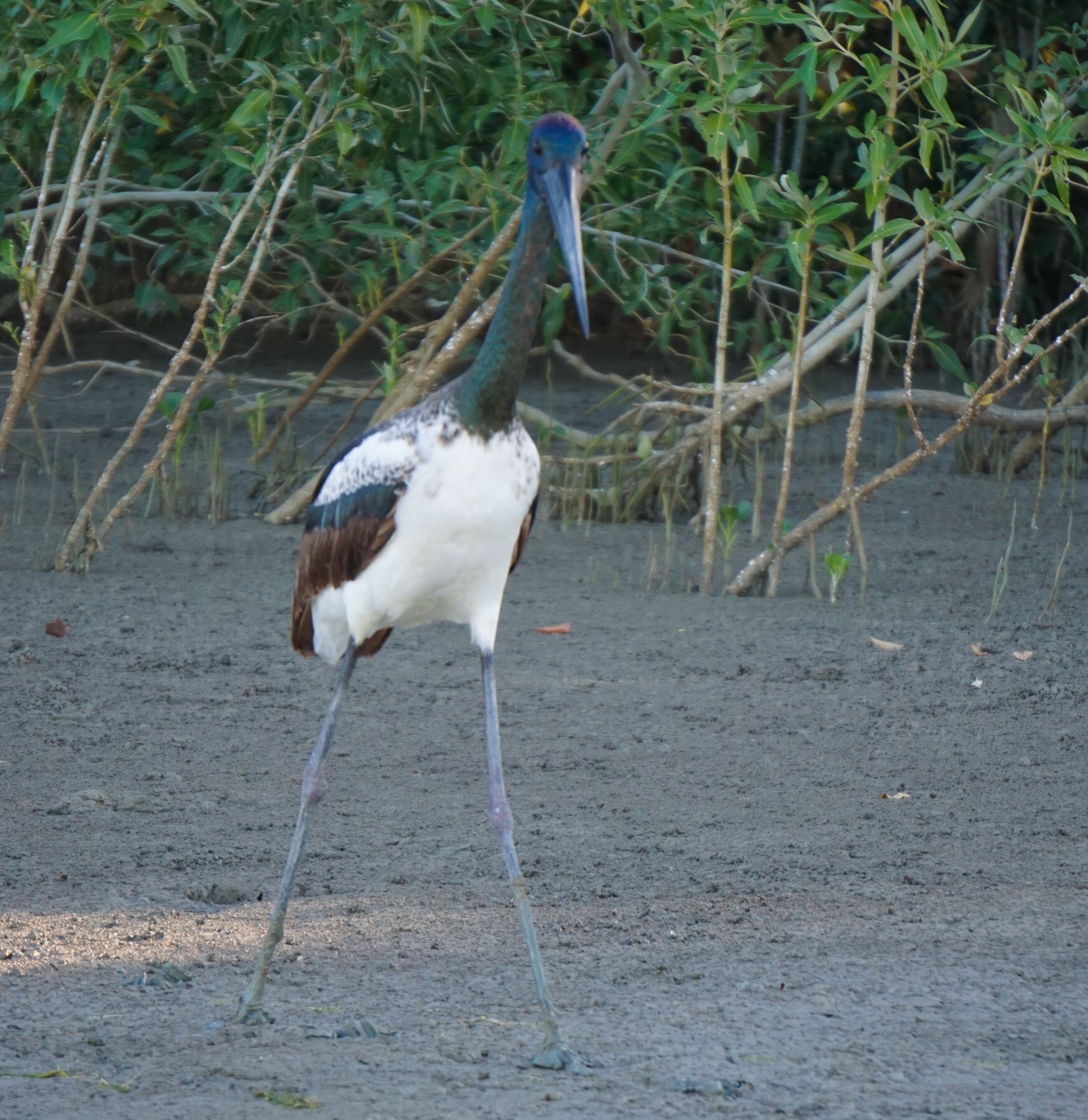
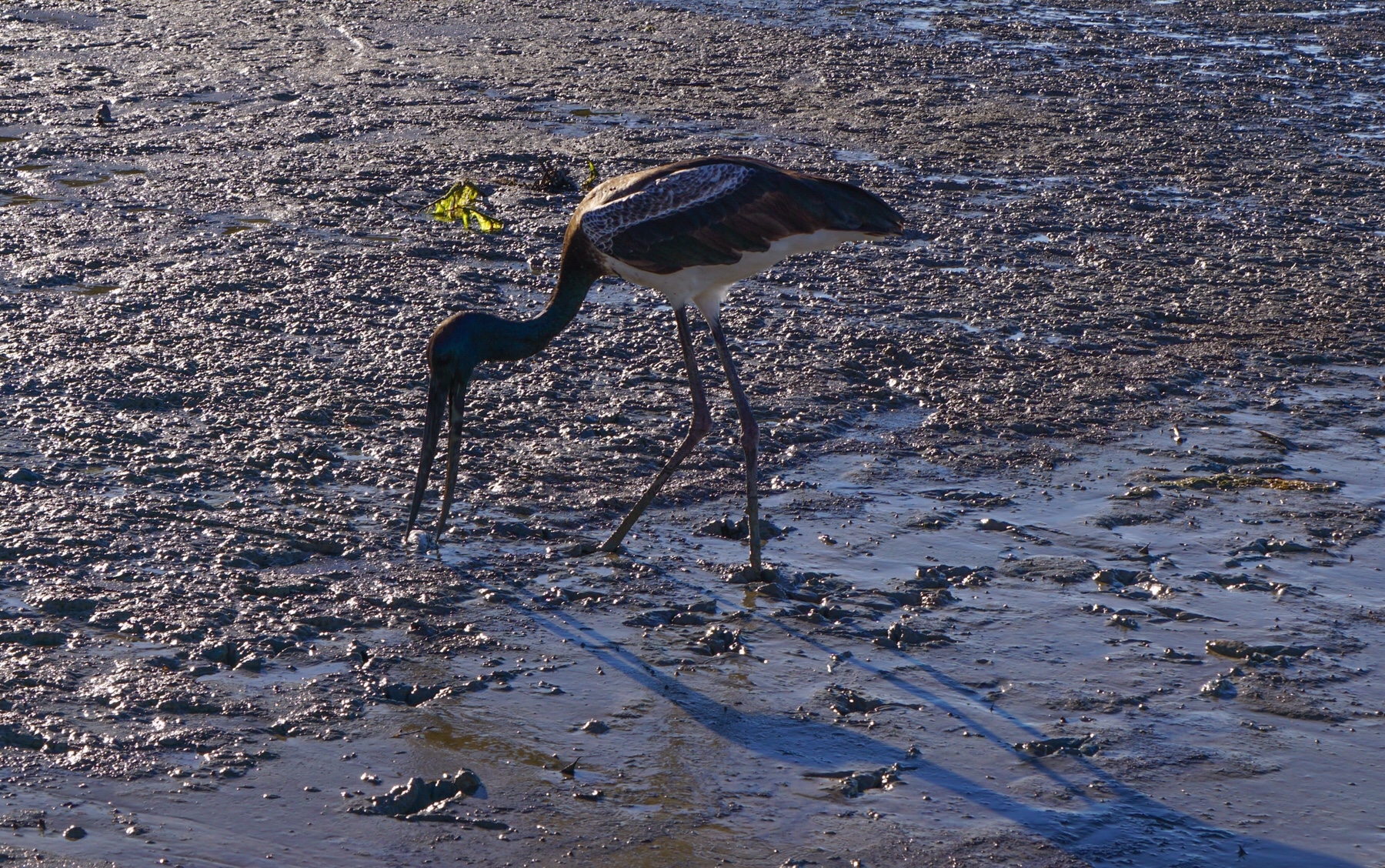
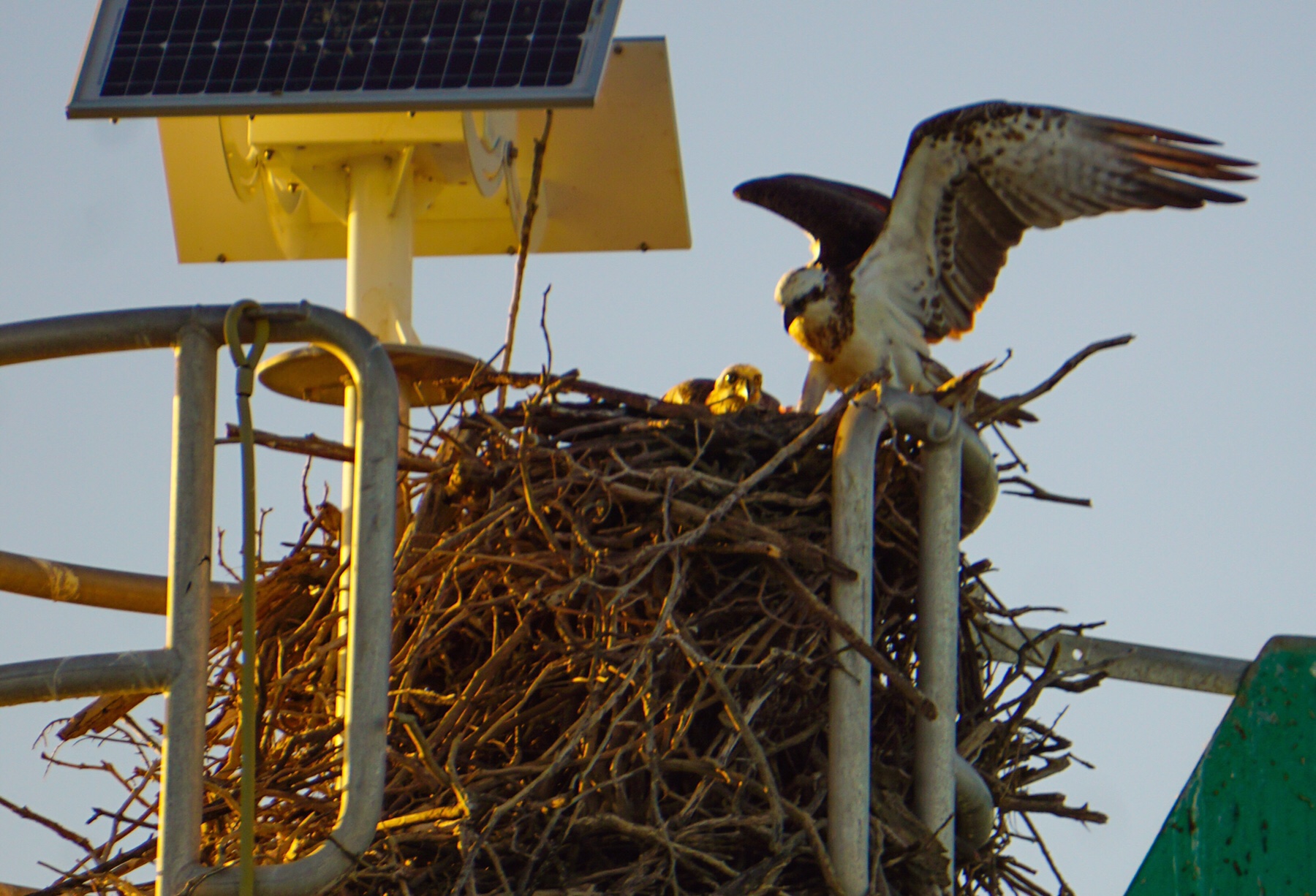
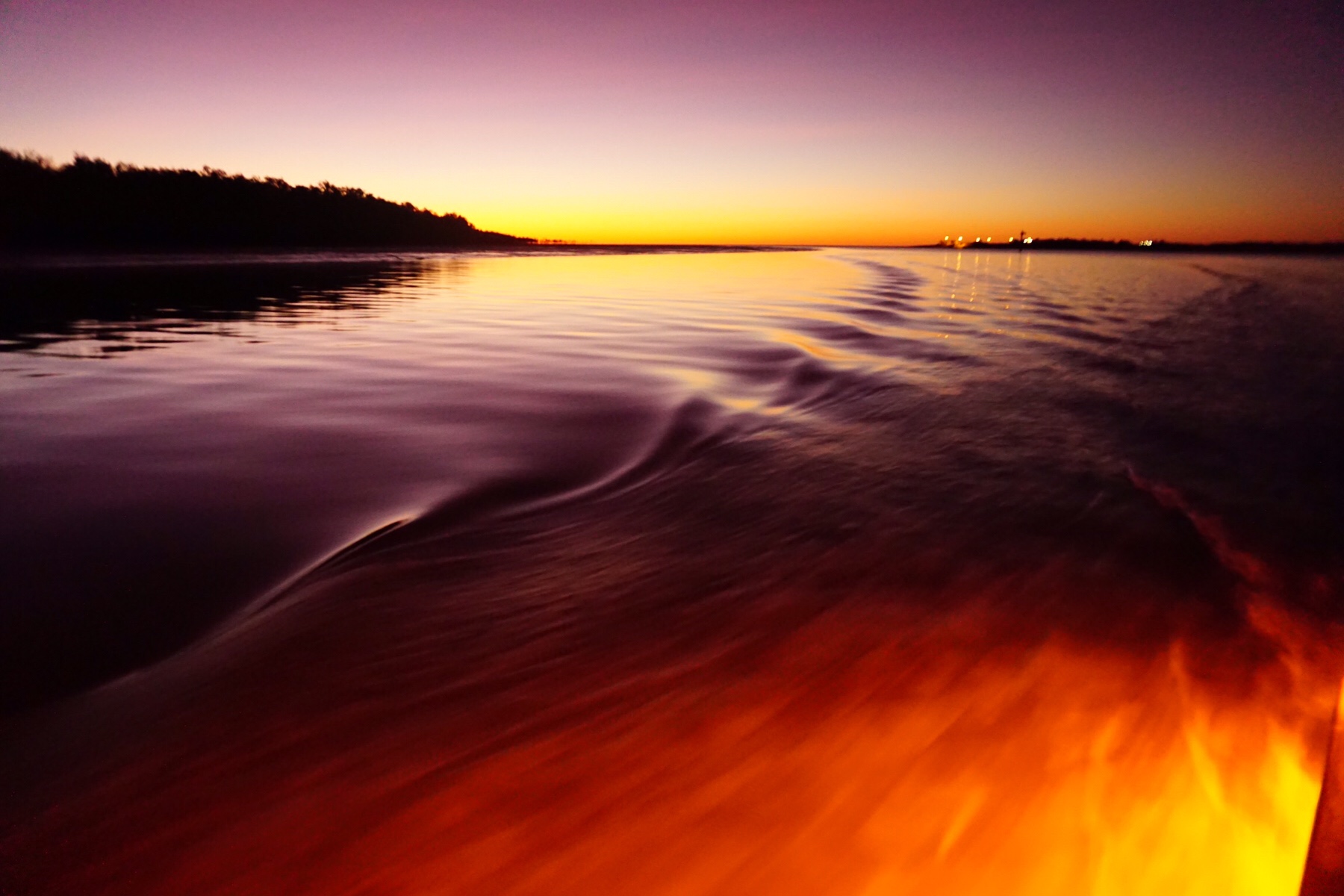
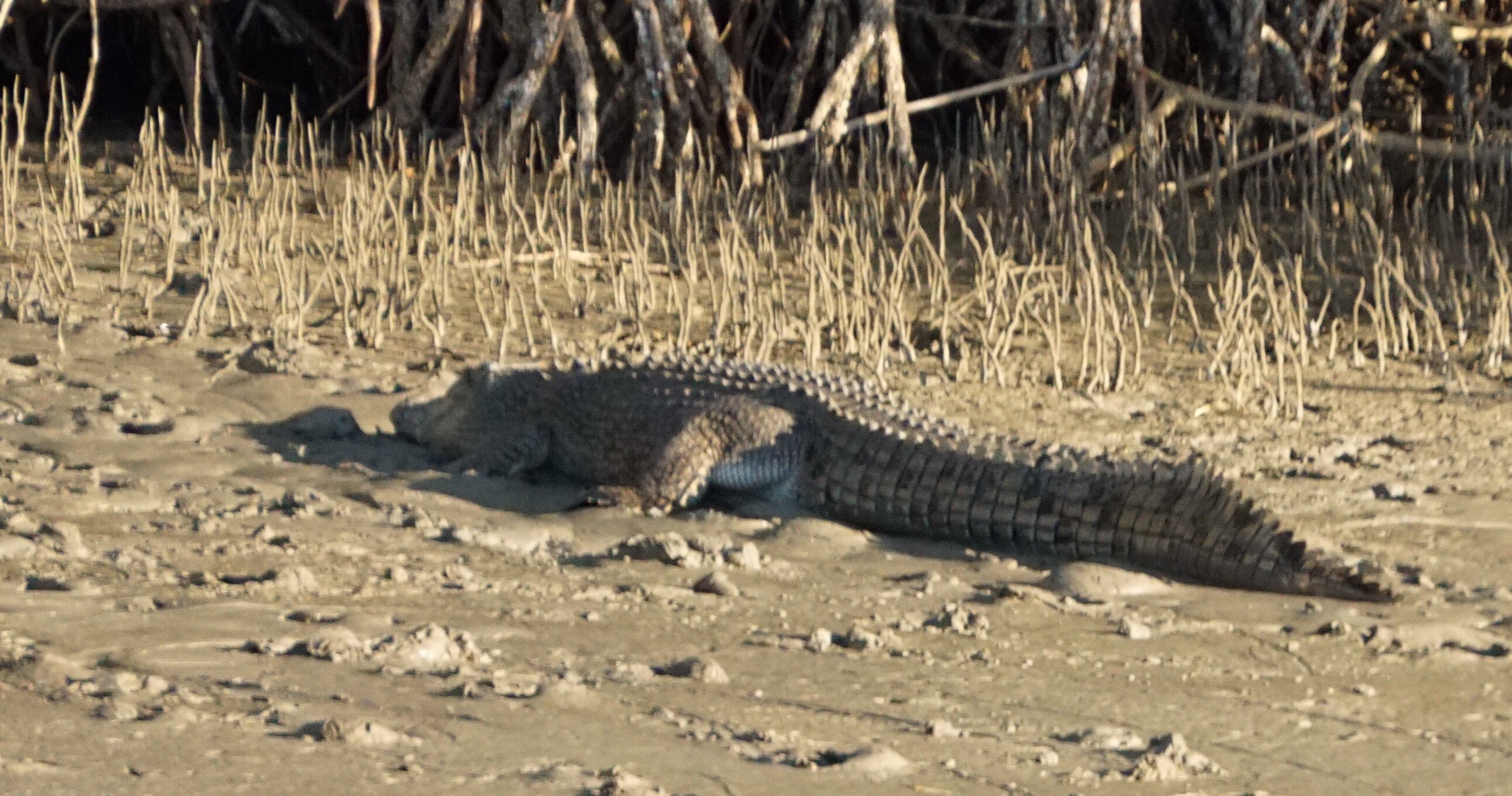 Drinks were passed around as we watched the sun dip into the Gulf. At this moment the nearest capital city to us is Port Moresby in Papua New Guinea, not Darwin.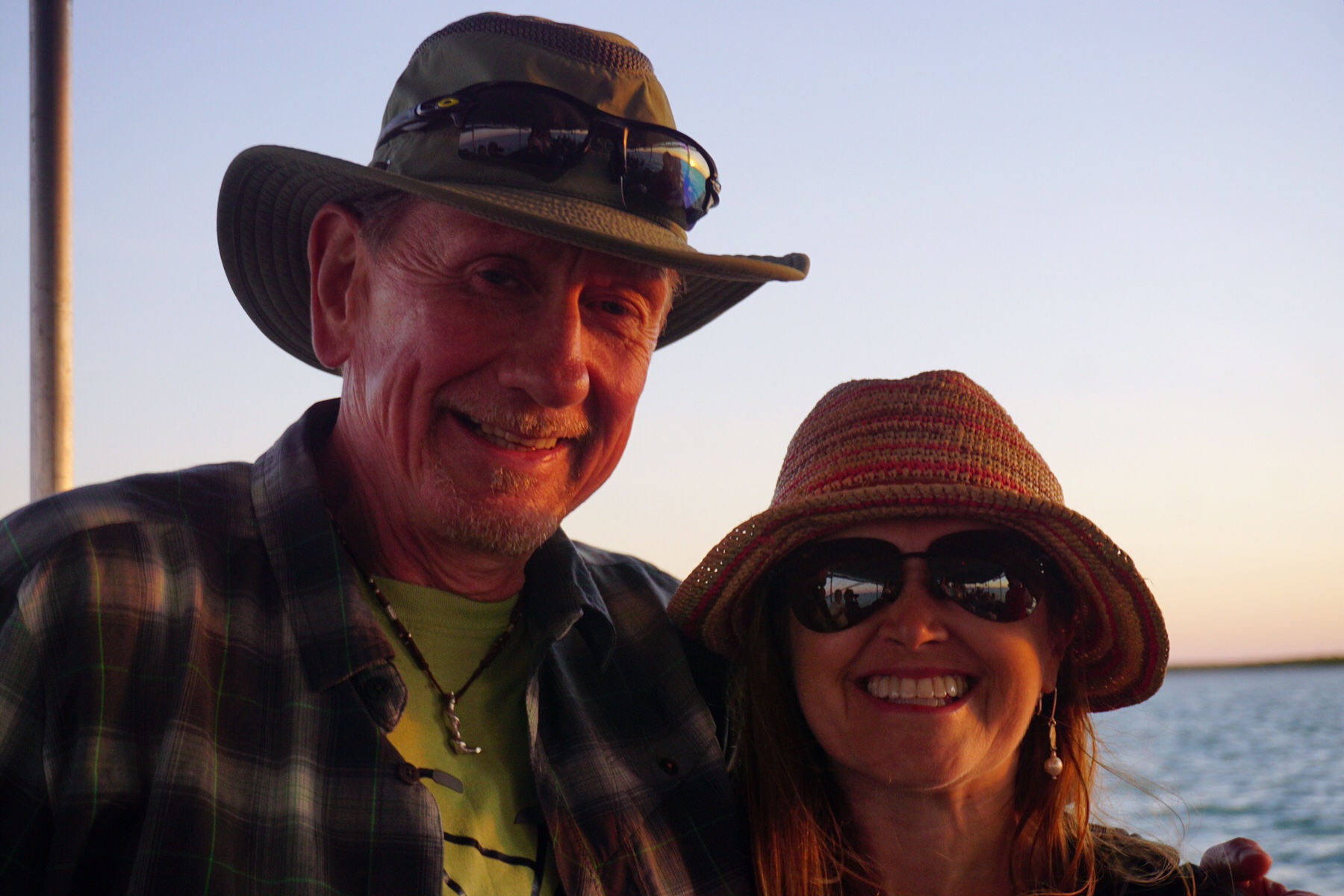
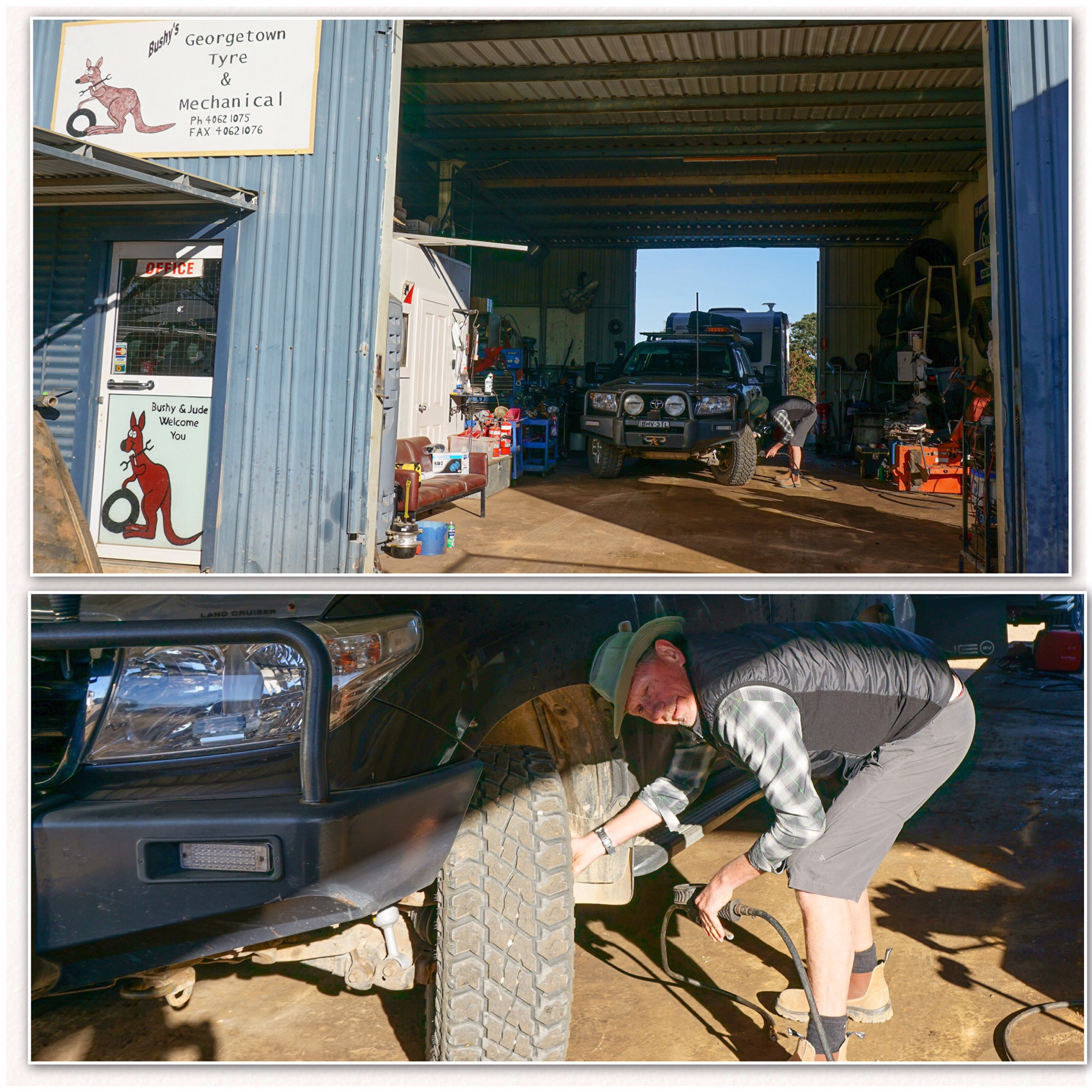 Before long we had backed the caravan into the workshop and Mr A was inflating tyres as Bushy did his work, welding the new brackets to the front right hand side of the van. He did a thorough check of all the other brackets, and added some extra weld where he felt needed the strength.
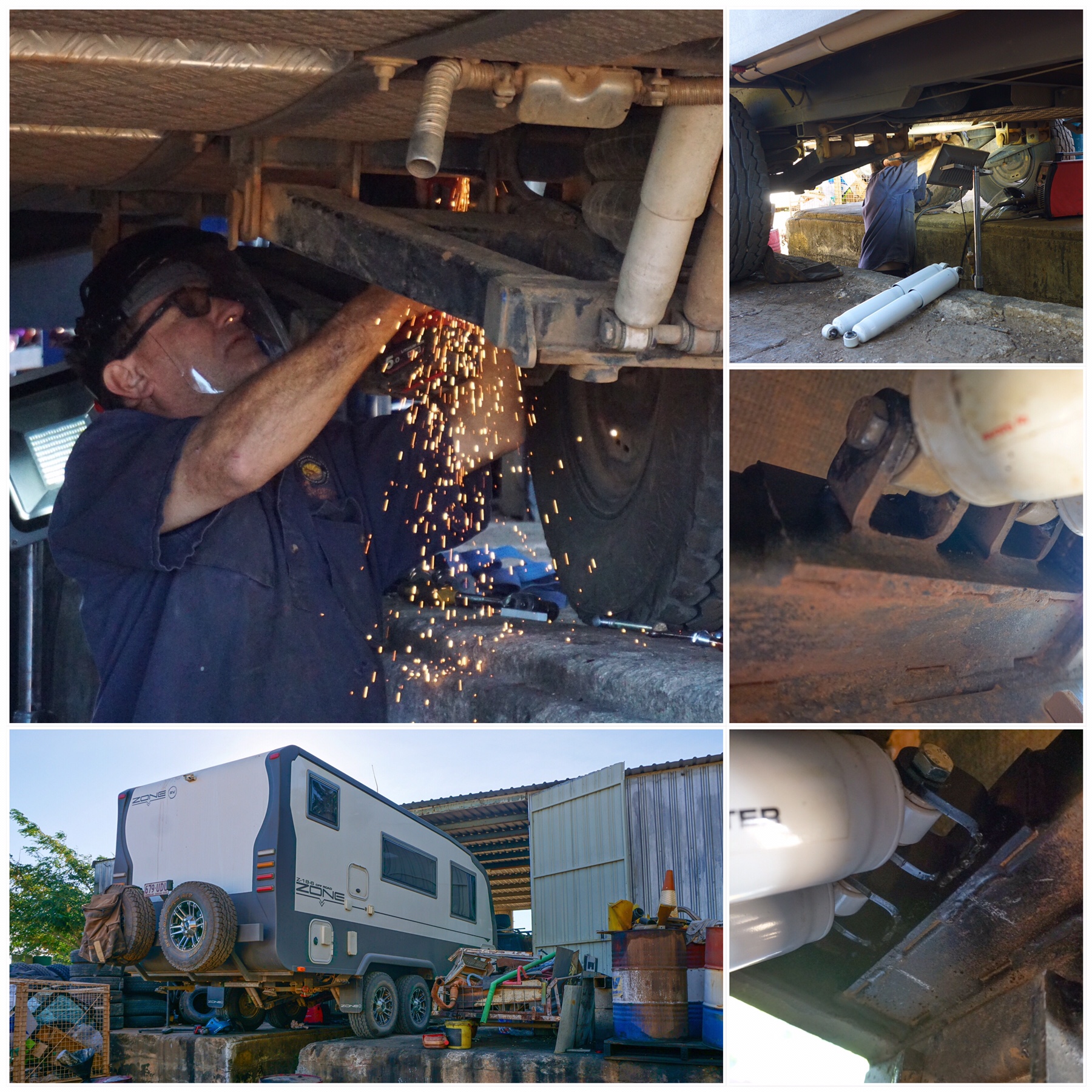 By the time we pulled out at about 10.30am we felt happy that all was securely in place and Bushy reassured us it should stay that way for the foreseeable future.
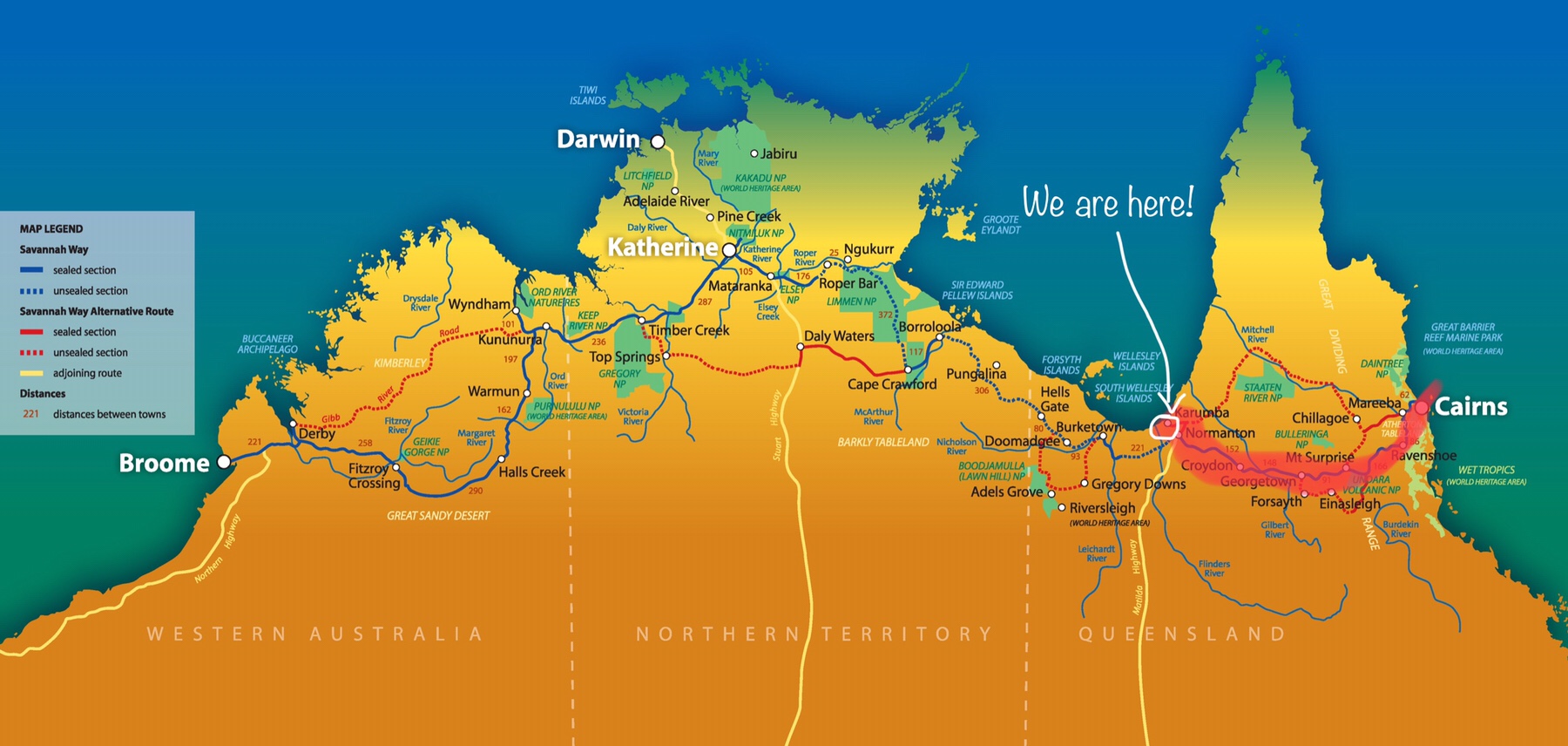 The air feels lest dusty up here, and it is so good to see the ocean again.
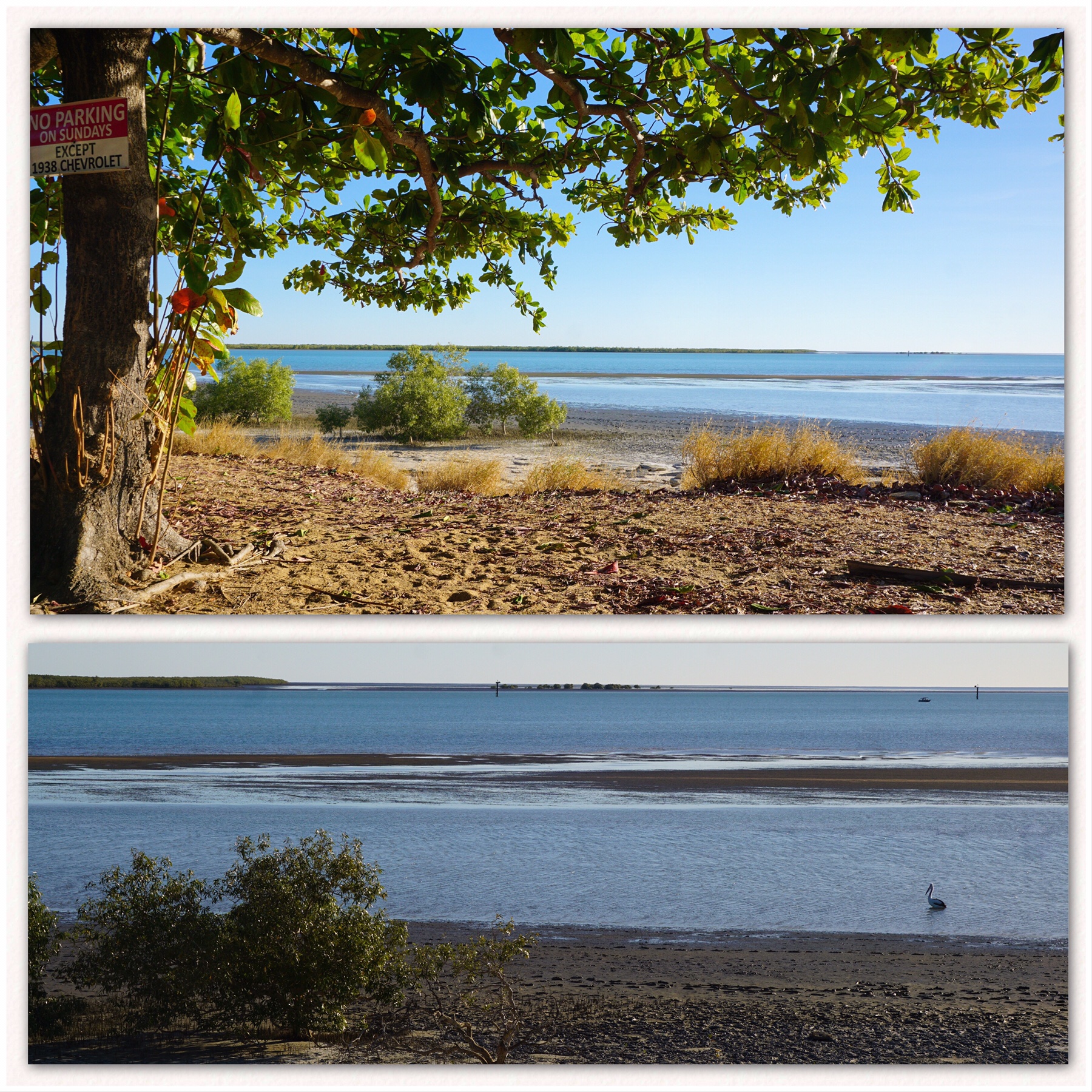 There’s a lovely looking Tavern right on the water front, with a surprisingly interesting menu. It has a large beer garden overlooking the water and sunset, and we have earmarked a couple of seats for tomorrow afternoon.
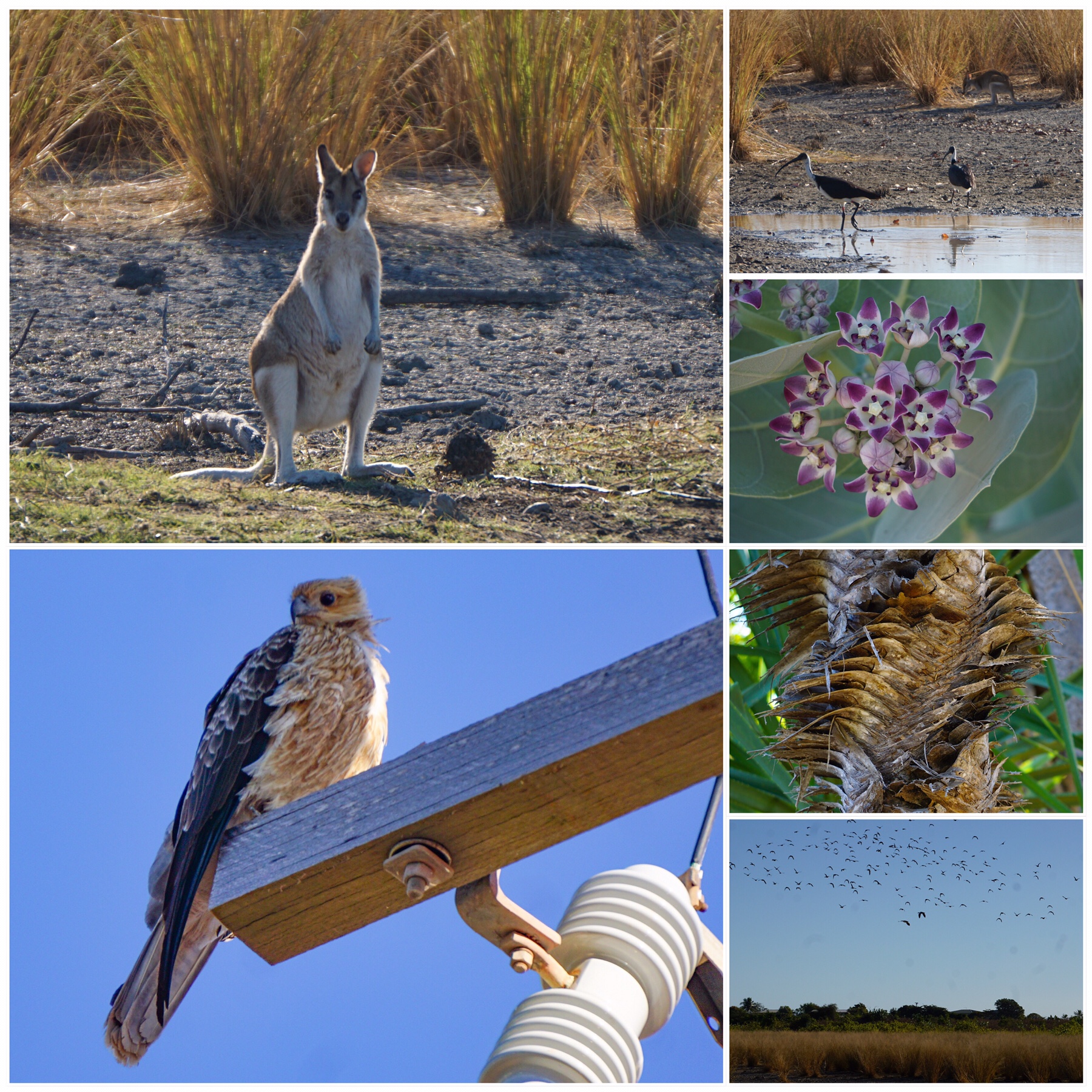
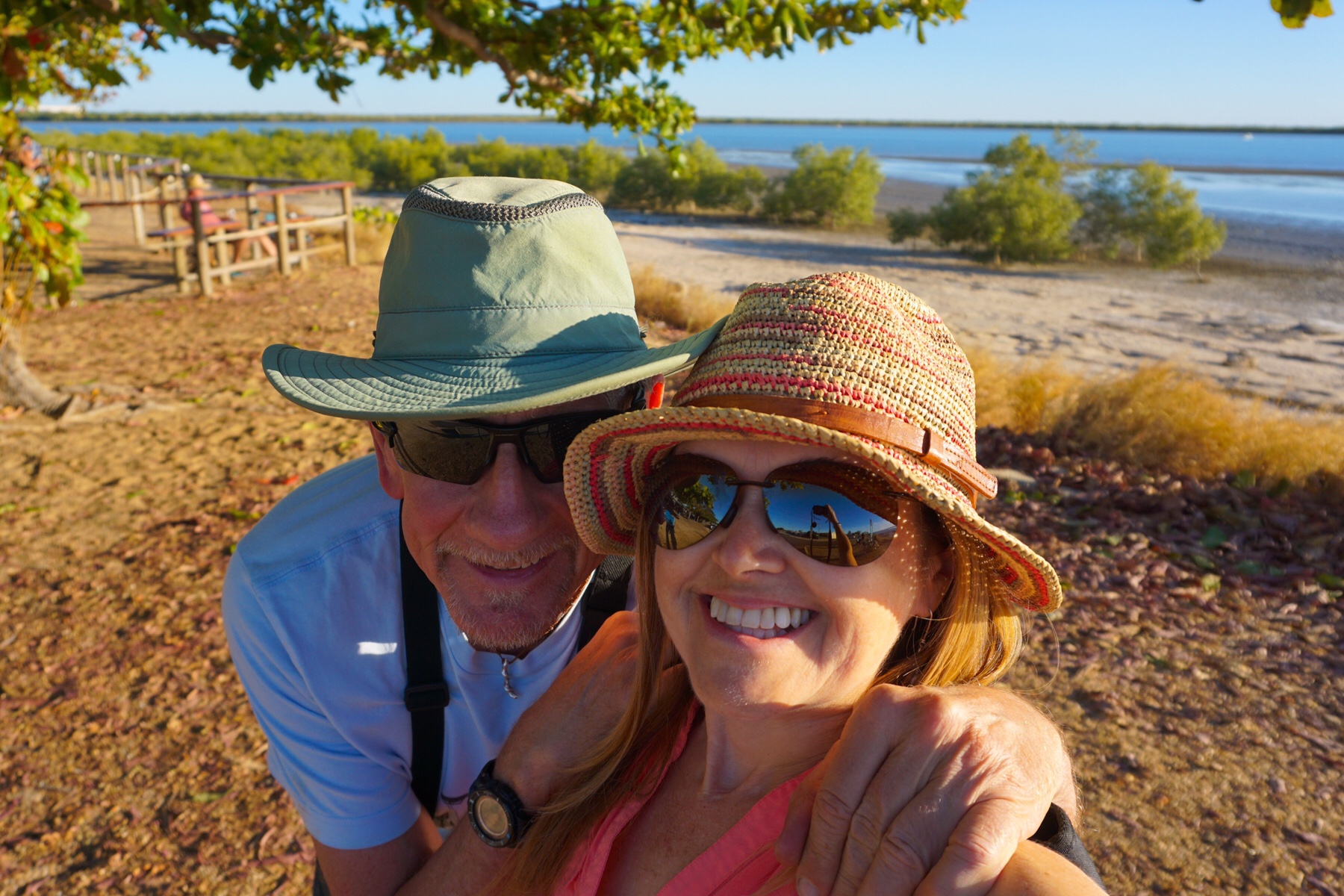 We returned to camp to watch the sunset over the wetlands, before making dinner with our fresh veg. We watched the whistling kids flying in for the fish scraps being shared by those lucky enough to catch something today. The birds swooped down and caught snacks tossed in the air – quite a sight.
 Mr A had more funeral arrangements to make and accomodation to book in the UK…I dread to see what our mobile phone bill will be this month after all these calls! This is a beautiful change of scenery for us though, and we think we’ll enjoy our stay here.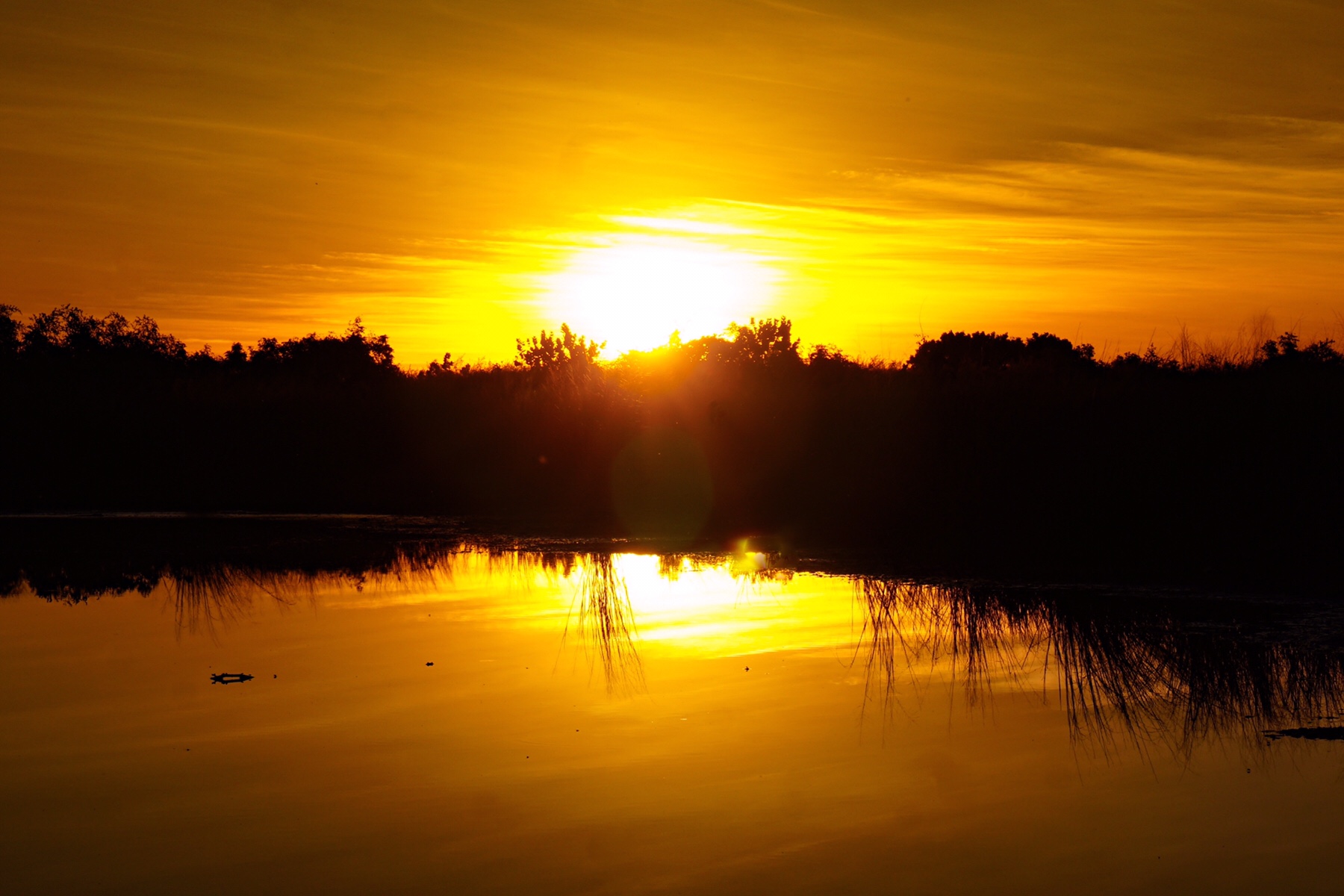
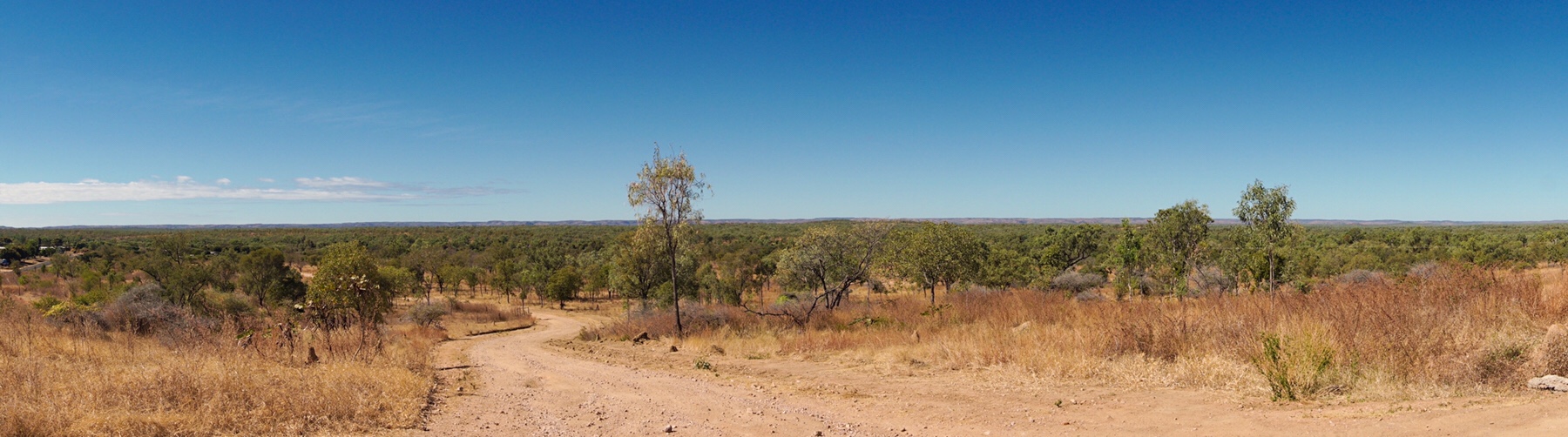
 On from there we cycled to the only tourist activity we could see in the town itself, a 6km walk/ride along the outskirts of town.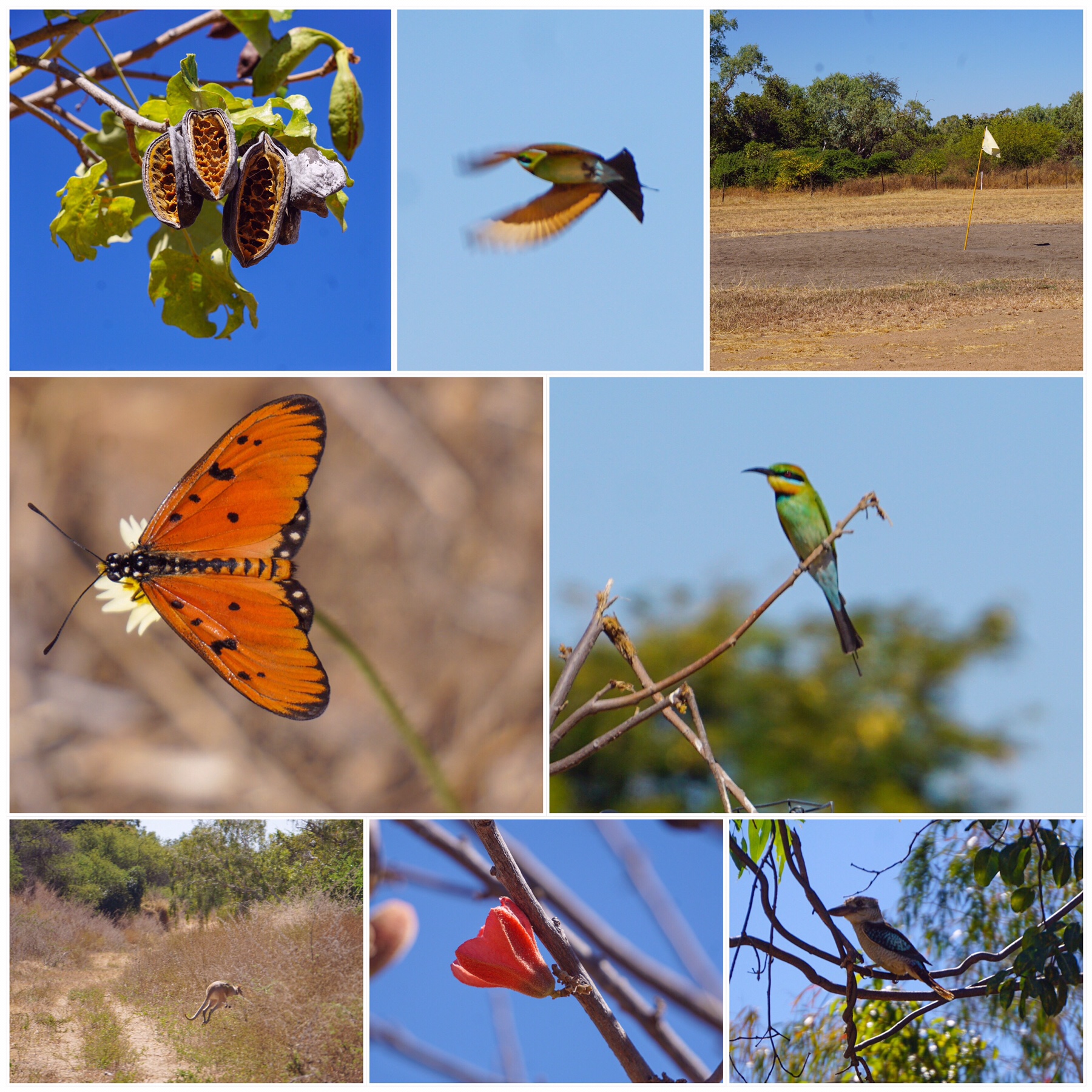
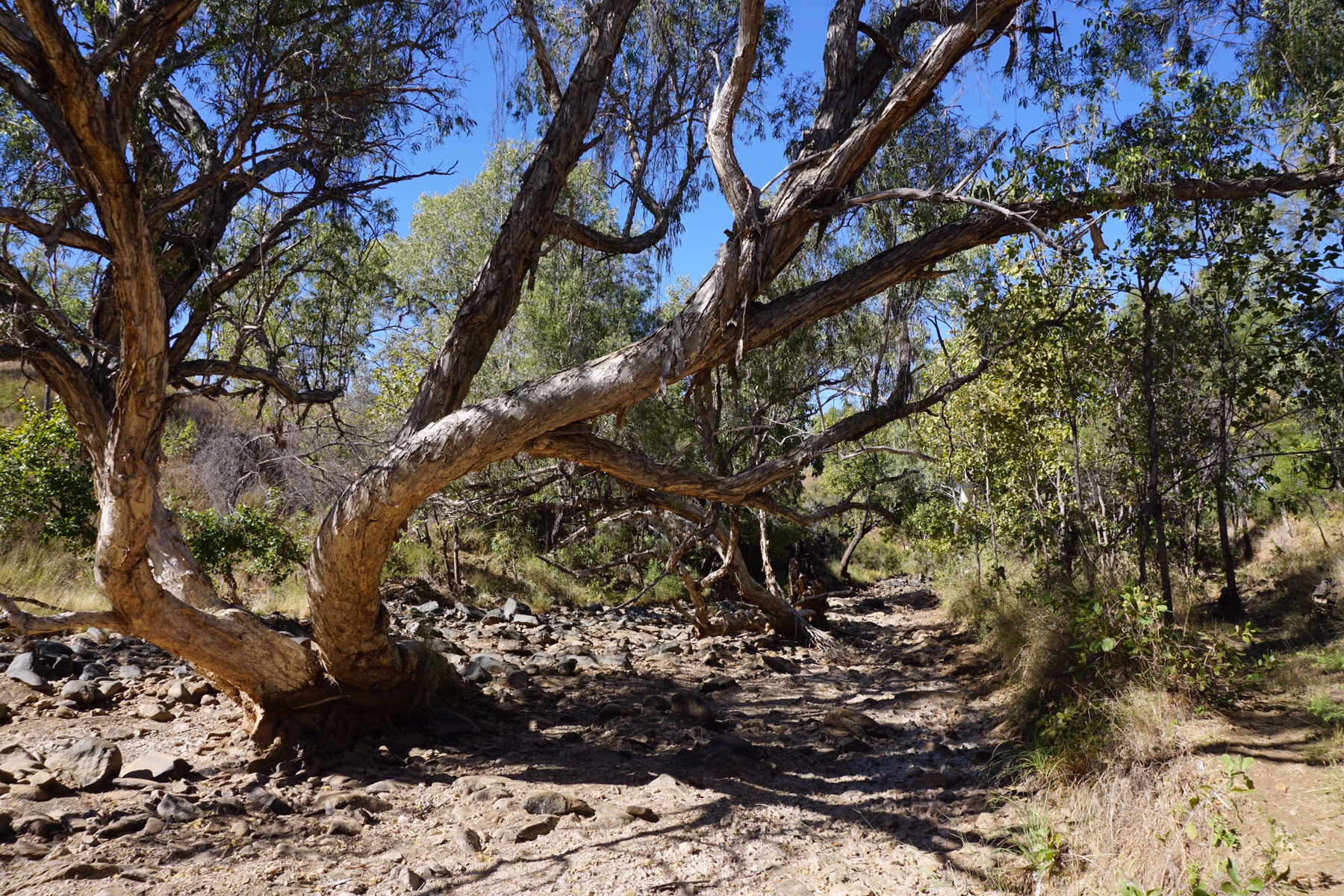
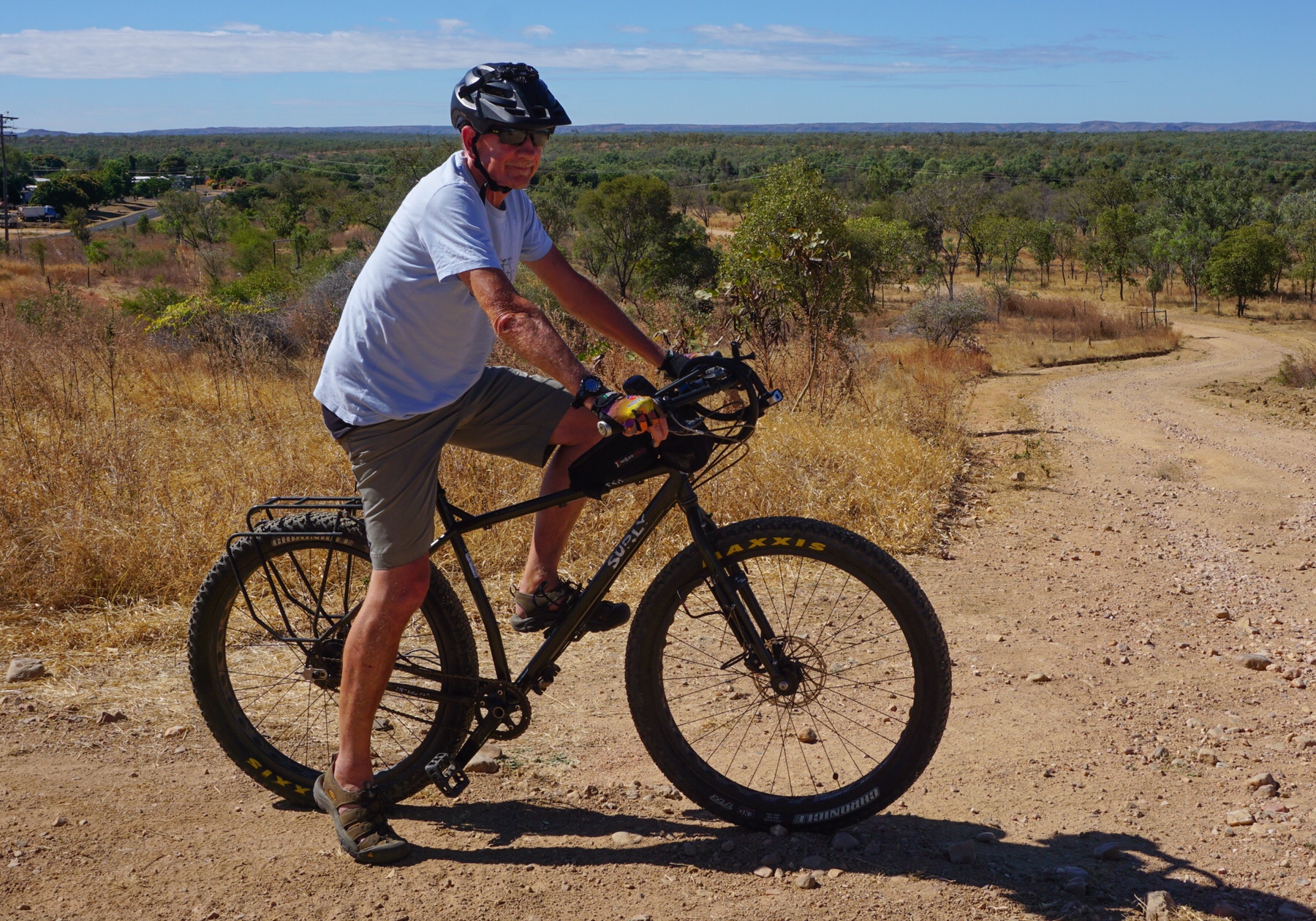 We mostly followed the dry river bed, and all was going well, until that dreaded exclamation from Mrs A “Oh no….puncture”.
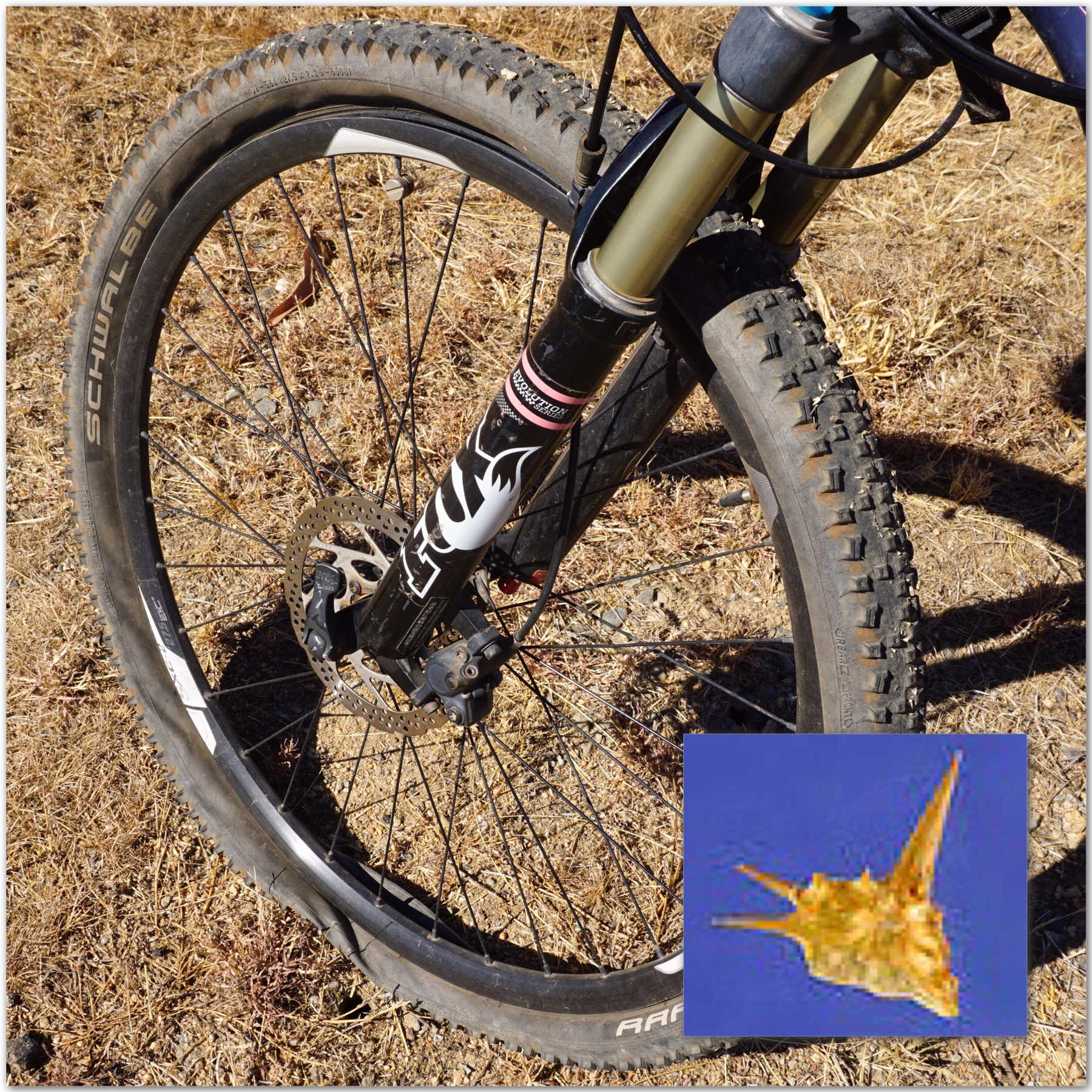 I nipped back to camp on my bike, and returned with the car. Mrs A was soon loaded up with her bike and returned to camp, where we spent the next 3 hours picking bindi spikes out of both of our tyres! I’ve never ridden in this type of country before, so was pretty shocked how it has destroyed even my thick tyres. At least my tubeless set up kept me inflated, well until I started picking out the thorns! We are now going to have the petite (but usually very reliable) MTB that Catherine rides converted to a tubeless set up as well. Definitely worth it. So no more riding until we get to Darwin in a couple of weeks.
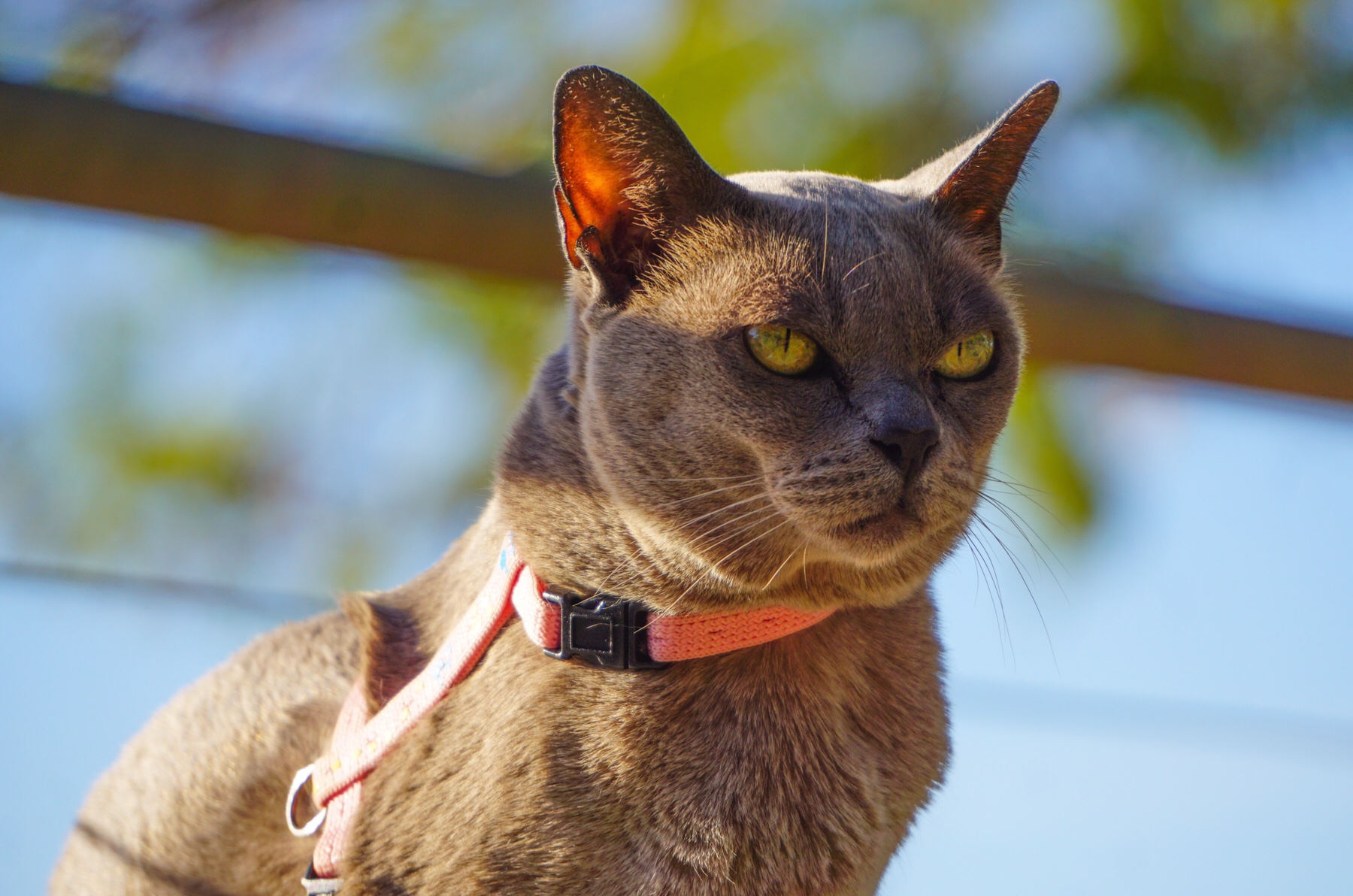 At least we have good phone signal here in tiny little Georgetown. It’s been an experience, and makes you realise from talking to the locals, what are some of the challenges of living in a remote area. No doctors, dentists, supermarkets (one of the petrol stations stocks some basic supplies). Or any other trappings we take for granted in the city – restaurants, hairdressers, clothes shops etc. And even this place isn’t remote by some Australian standards, ie. it has tarmac road access!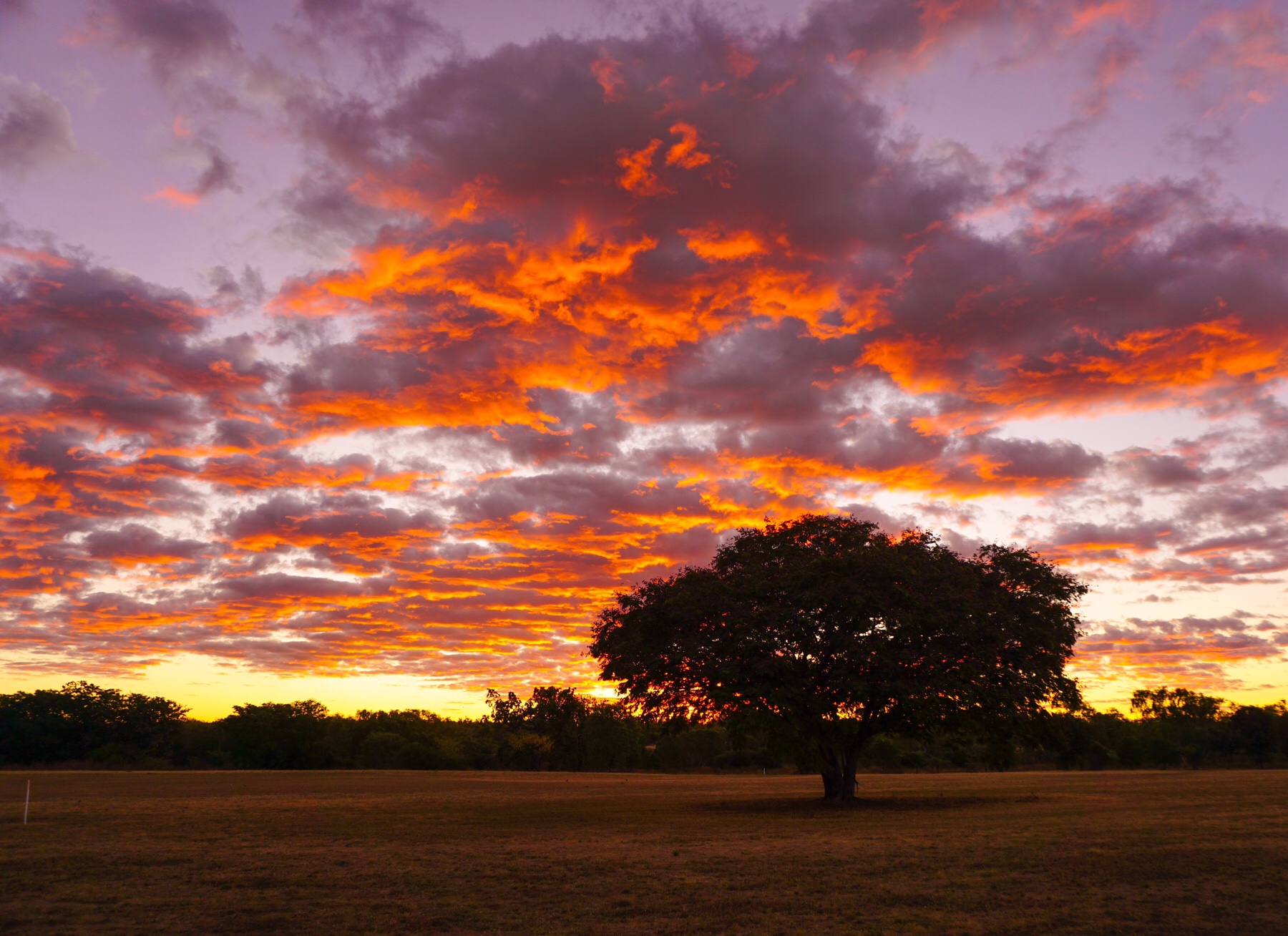
 I have to say I have become a fan of Flight Centre today. I booked through them and they have provided superlative service, so easy to get hold of a real person and talk to them. As compared to going through Qantas, where I spent 45mins on hold trying to even speak to their call centre to resolve an issue. And Flight centre were cheaper for the same tickets. Excellent.
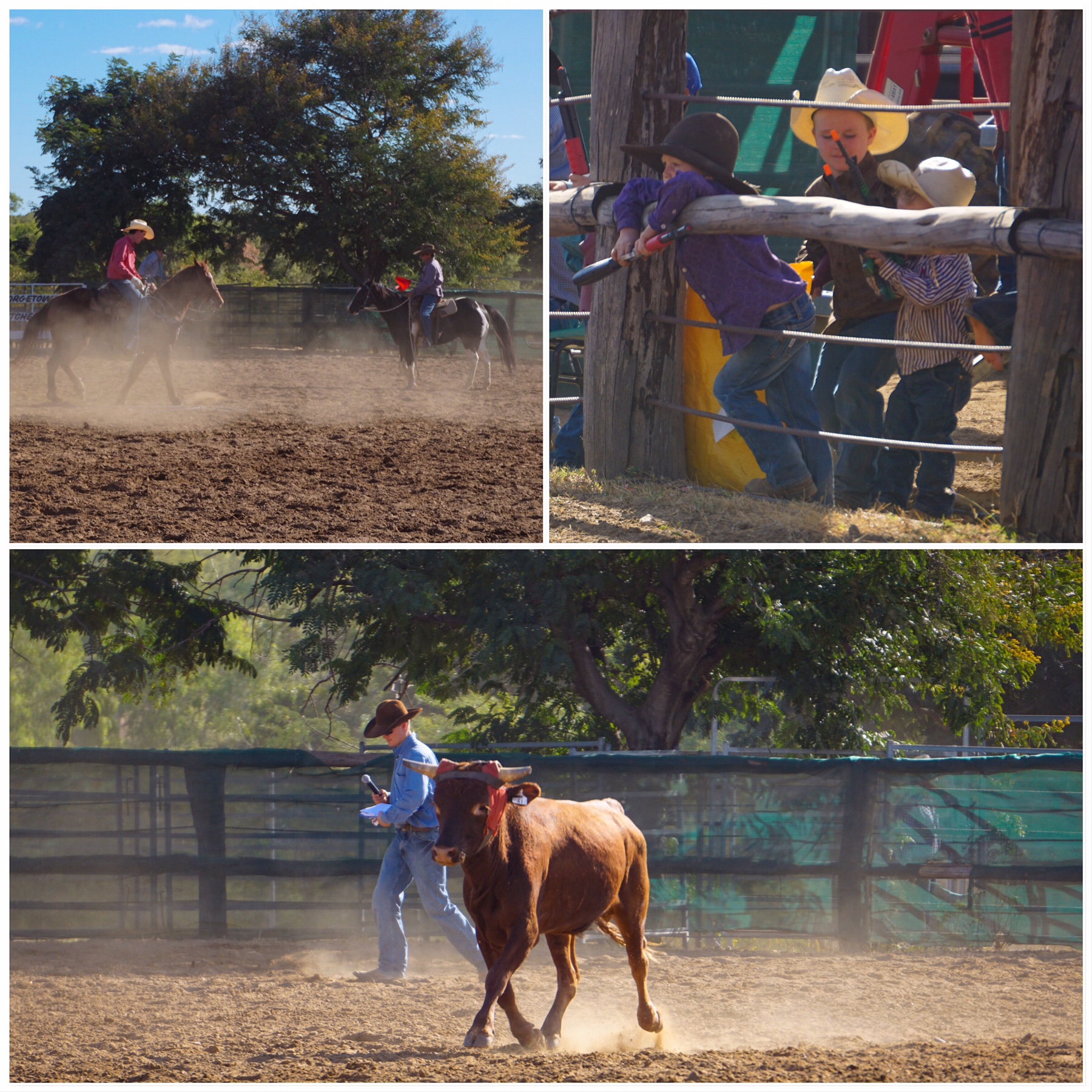 We stuck around for a couple of rounds of lassoing bullocks and bull riding, before heading back to camp.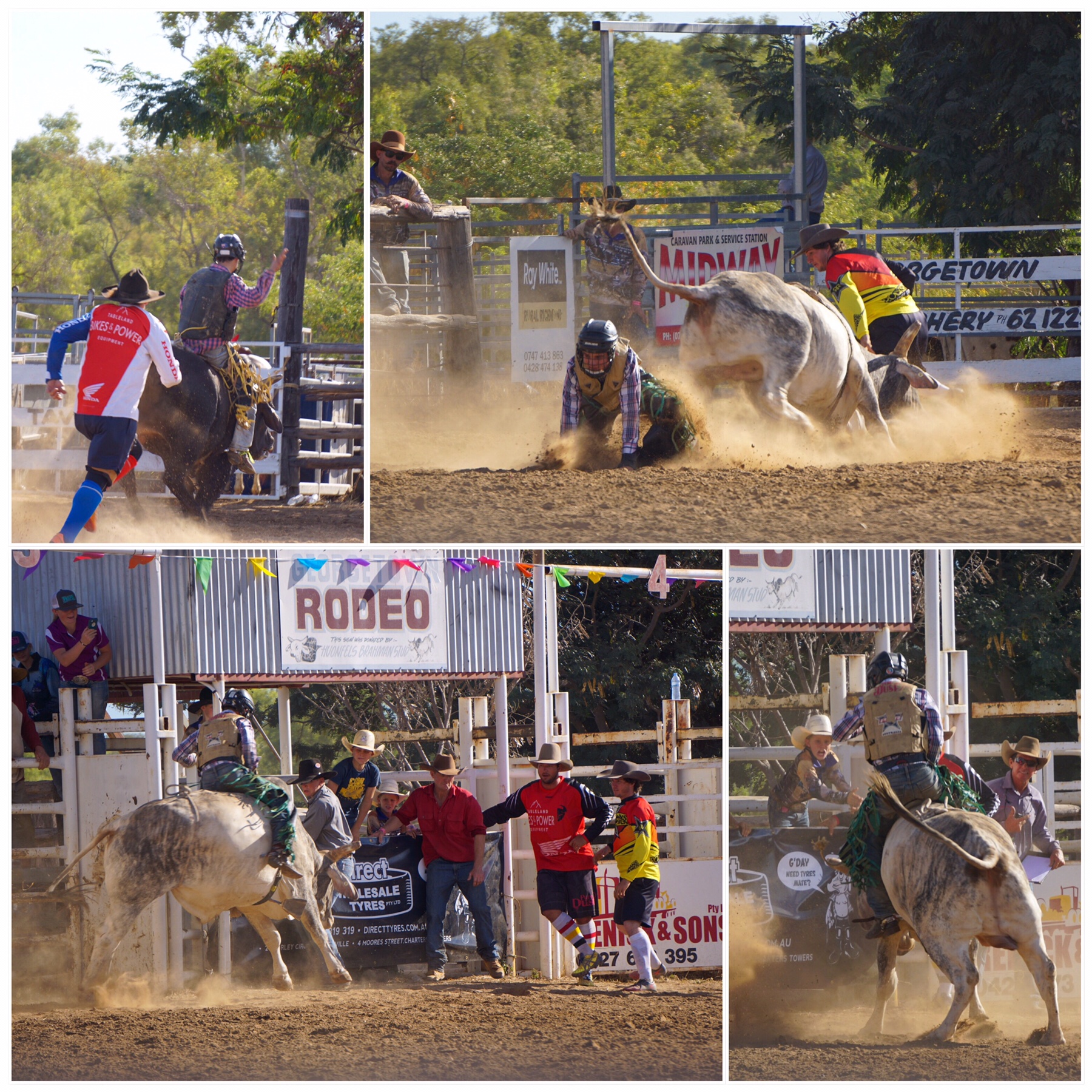
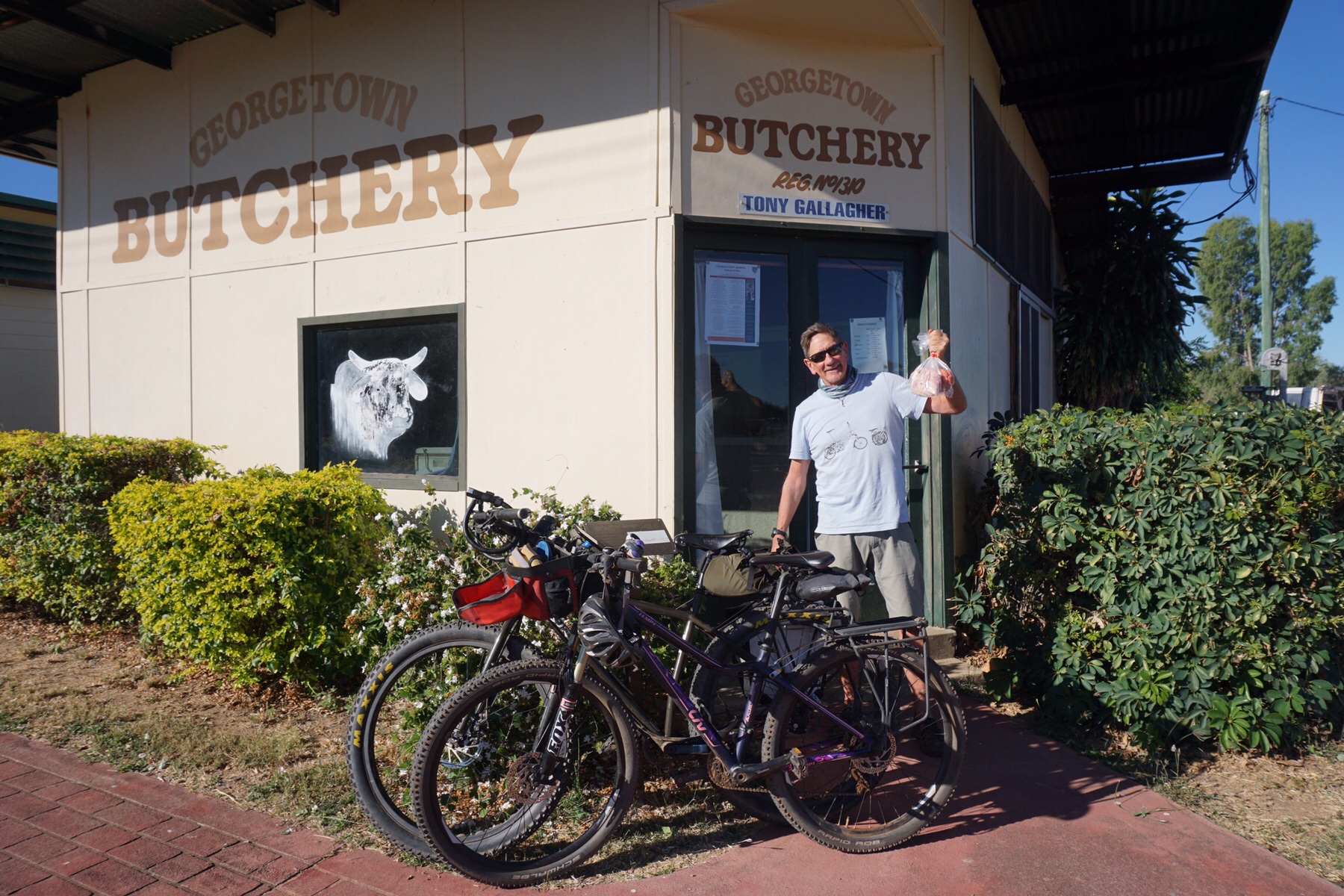
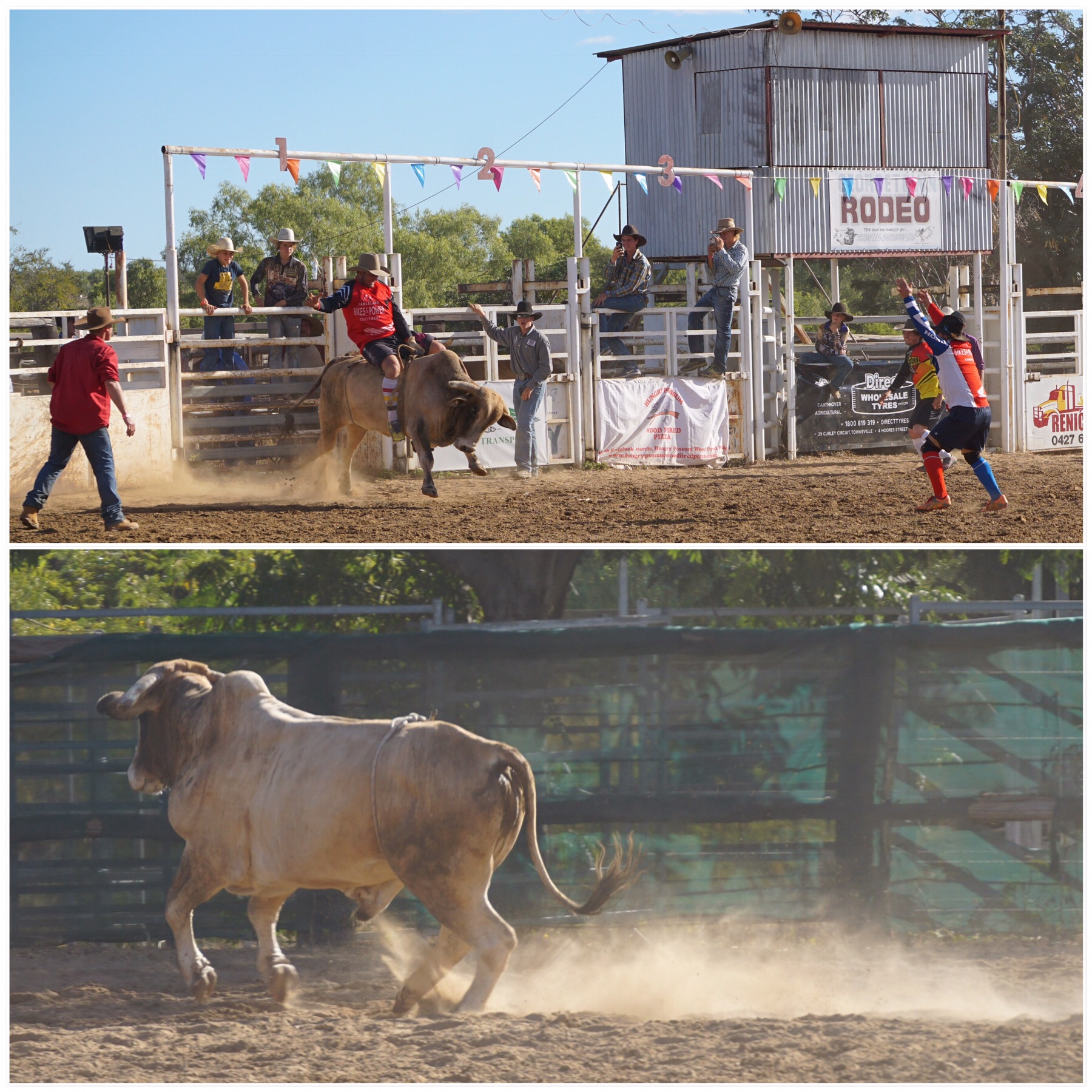 While at the butchers yesterday we had been recommended to head back to the rodeo grounds this evening for dinner. What occasion could be bigger than the town’s Rodeo? So off we went…
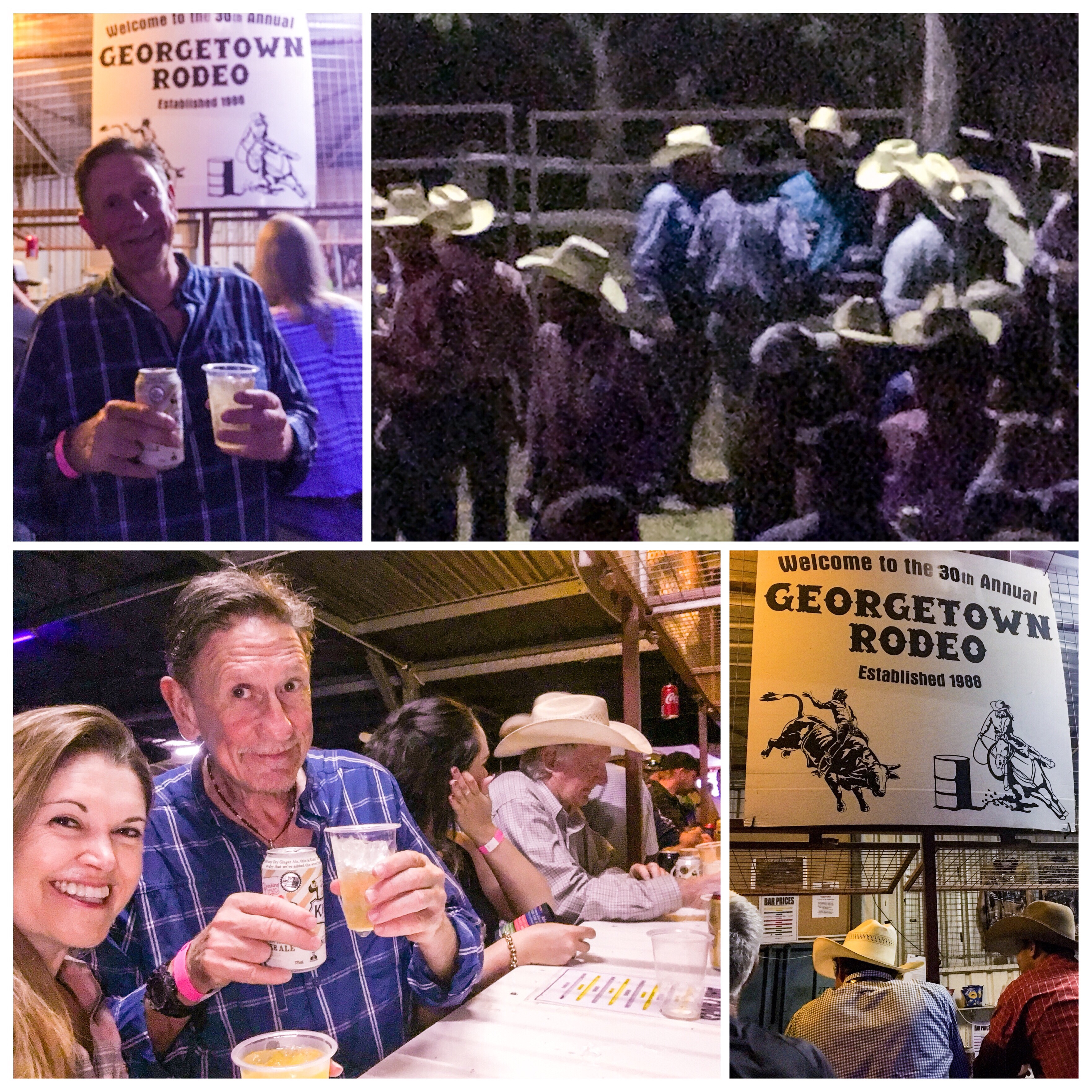 We had a selection of dishes from a buffet and a couple of spirits from the bar. It felt a bit like being at a country wedding where we didn’t know anyone. We sat up high in the bleachers and people watched… so many stetsons! Yeah hah!
 As the day drew to a close we chatted to our neighbours, a lovely family from Broome. They very kindly gave us a strap to help tie up our suspension to counteract the impact of lack of shocks. Mick (the tour guide from yesterday’s gorge trip) came down and used his mechanic’s experience to ensure we were sufficiently strapped to the right spots to enable us to limp out tomorrow.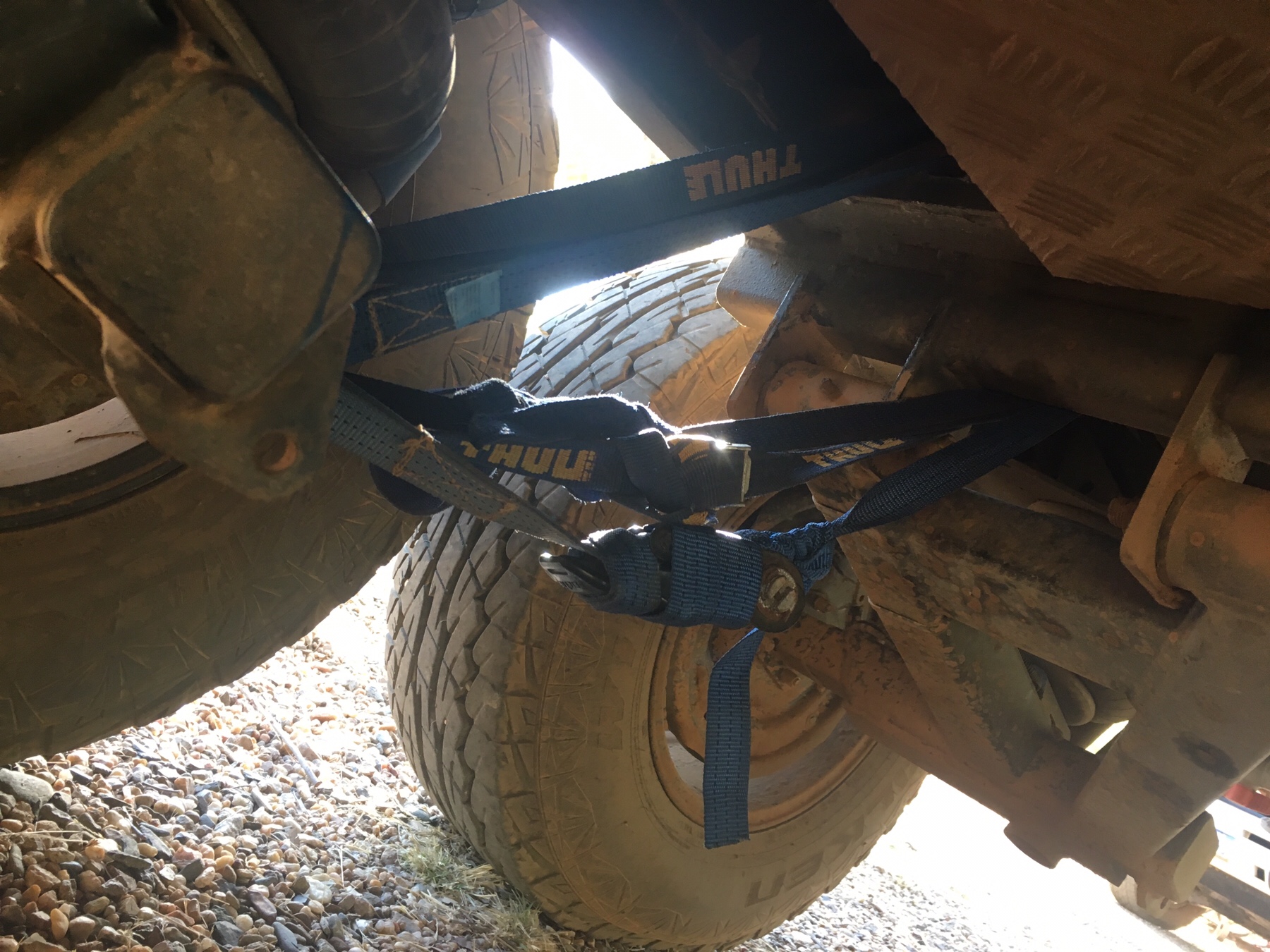
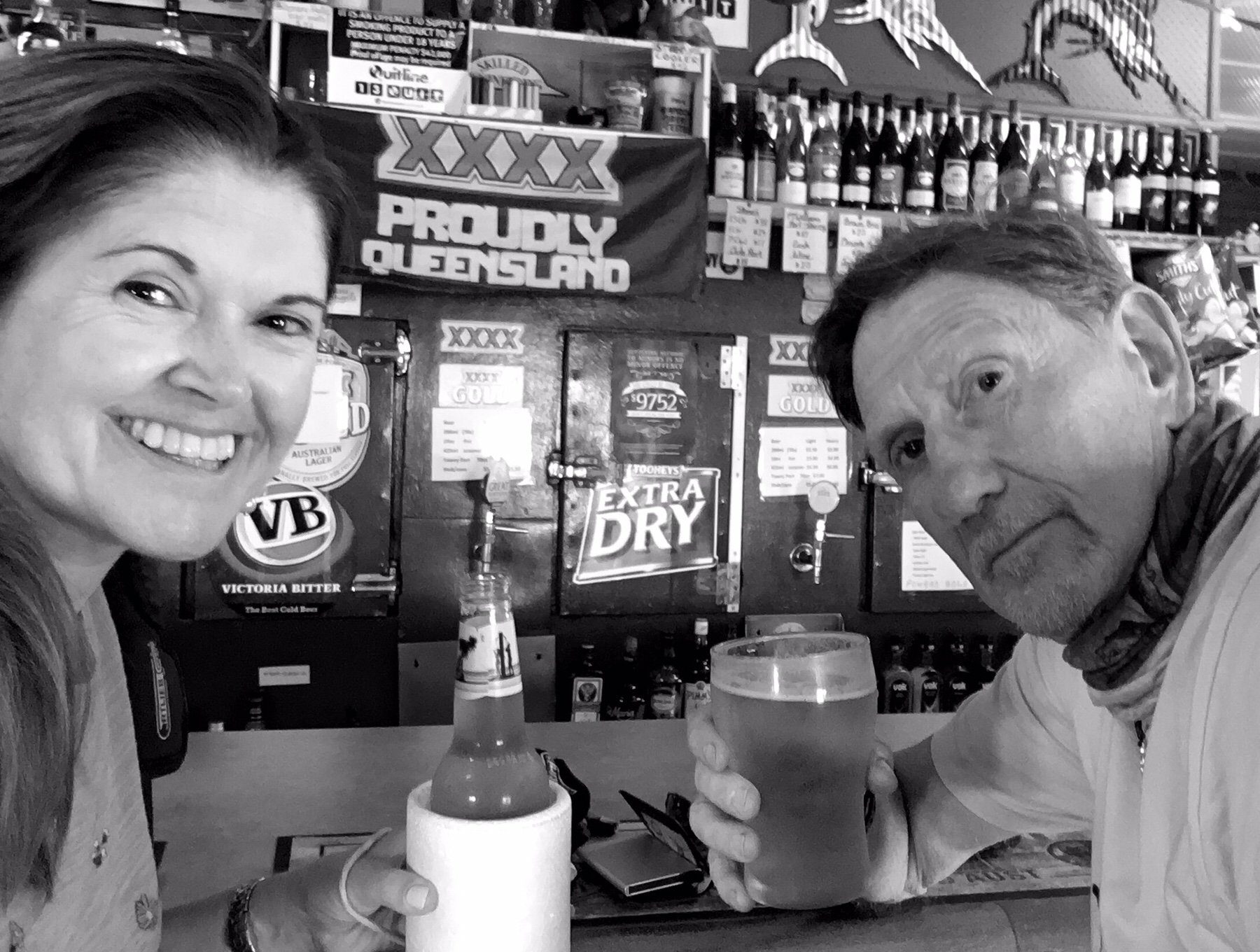
 From there we called into the local pub The ‘Wenaru’ Hotel…as in “‘When are you’ going to finish building it?” Apparently.
 The 30 degree day cooled to a 13 degree night and we slept well.