Author: Mrs A
Location: Northern Spain – Haro, Laguardia, Torla-Ordesa, and Ainsa
It was September 2025. The European summer school holidays had drawn to a close – the perfect moment to slip away and explore somewhere new. It also happened to be Mr A’s birthday, which felt like all the justification we needed for an adventure. Spain it was.
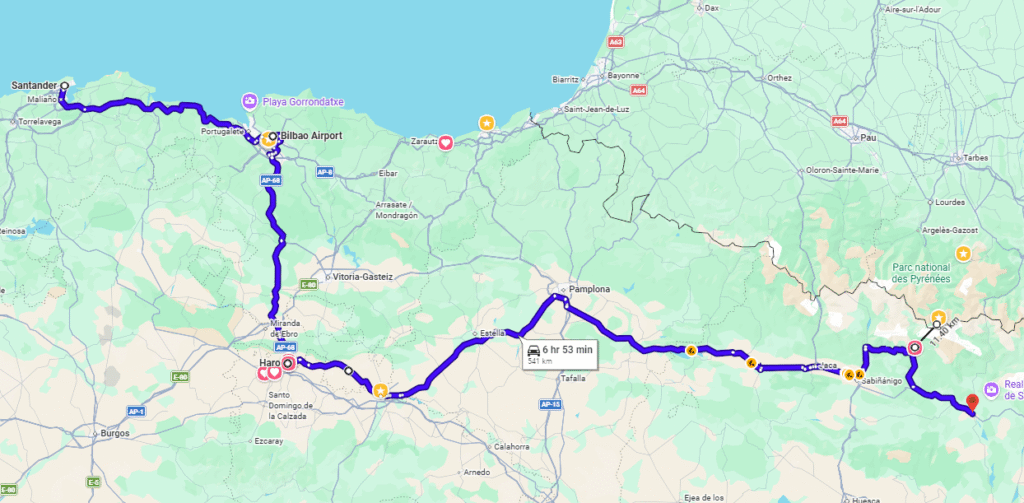
Mr A opted for the scenic route, taking the ferry from Plymouth to Santander with our Land Rover Defender packed to the brim with clothes, hiking boots and photography gear. I, knowing my limits when it comes to 24-hour cruises, chose the lighter option: a short flight from Bristol to Bilbao with only hand luggage, to be collected at the other end.
His crossing was, thankfully, surprisingly calm. The onboard experience, however, lived up to the long-held ferry tradition – functional rather than luxurious – and he was more than ready to disembark by the time he reached Santander, and after picking me up from Bilbao, our apartment just outside Haro.
9-11 September – Haro
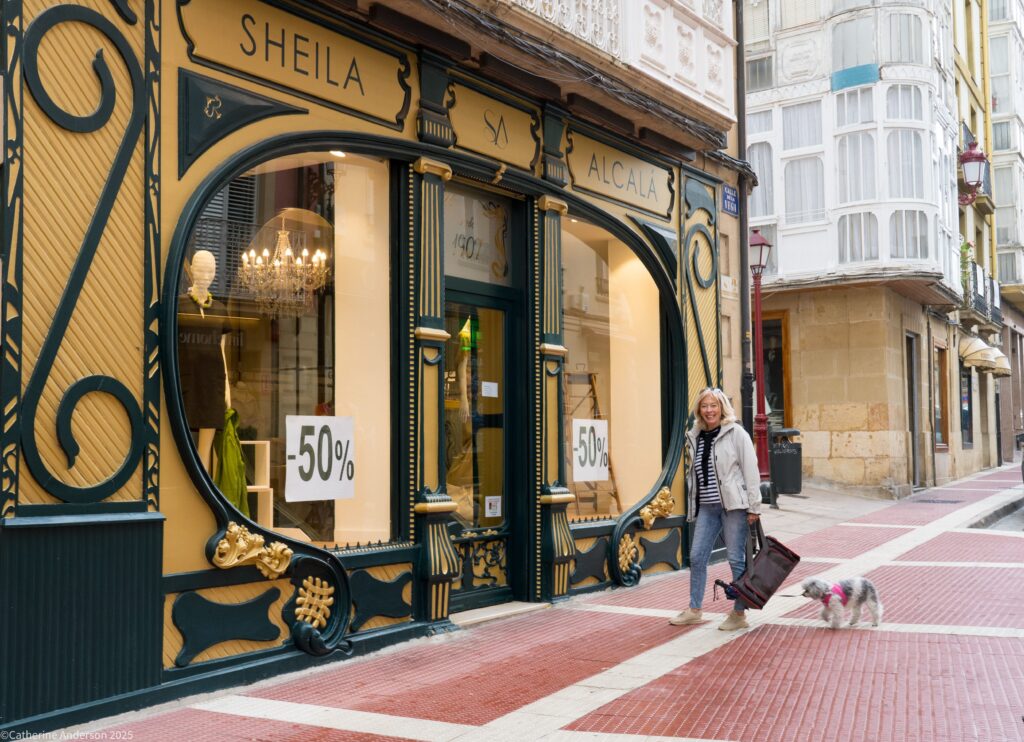
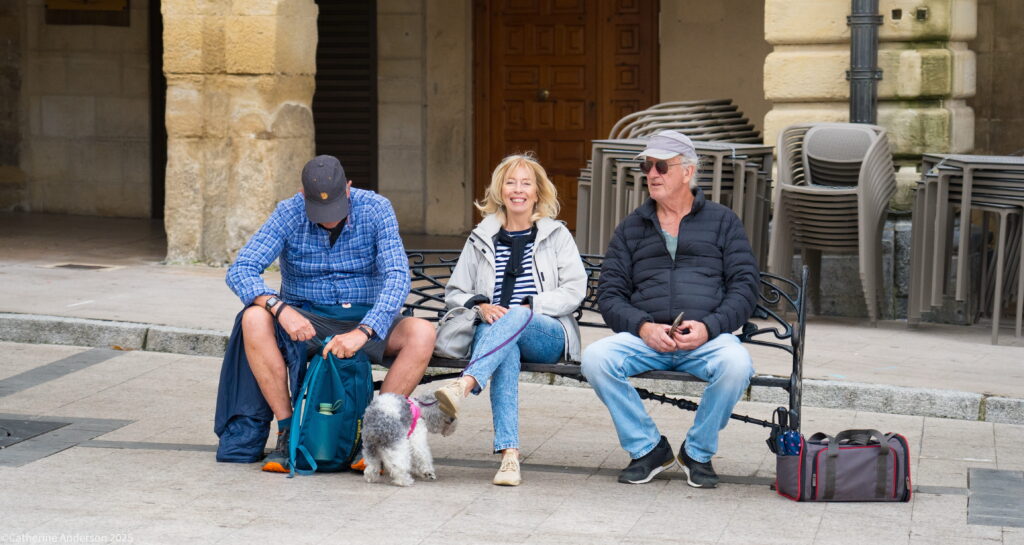
Haro sits in the north-west of the Rioja wine region and proudly holds the distinction of being the first town in Spain to have electric street lighting – a little nugget of trivia for you. Within an hour of arriving, we were reunited with our friends Di and Colin, who had travelled down from the south of France, and were taxi-bound into town for drinks and dinner.
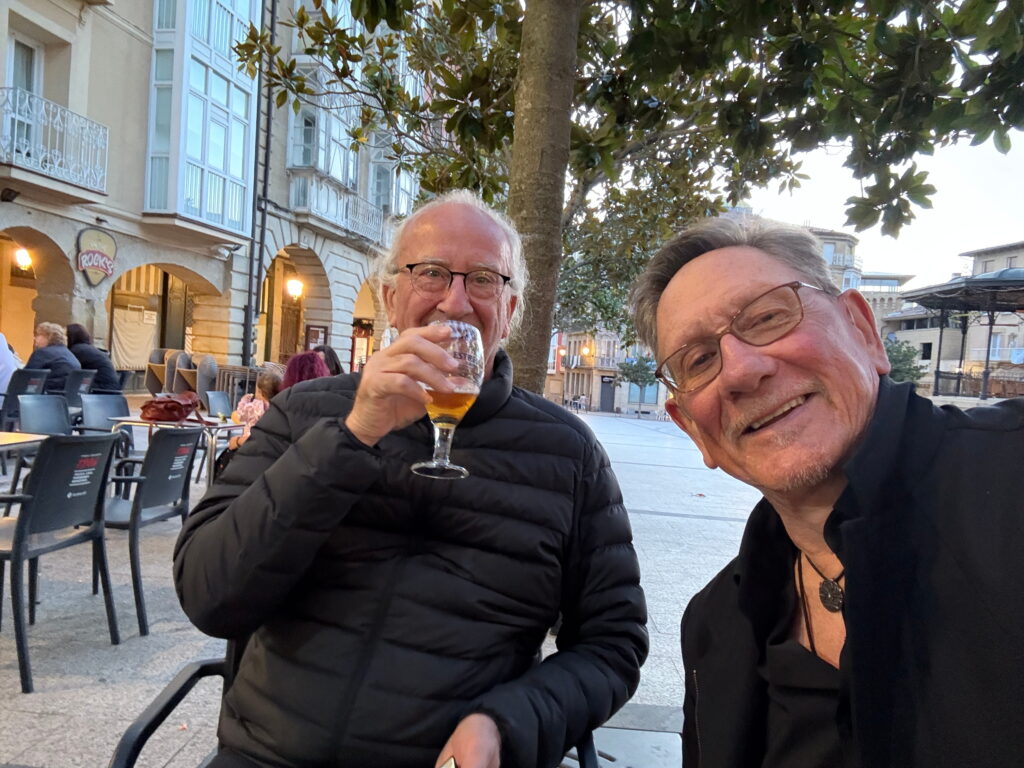
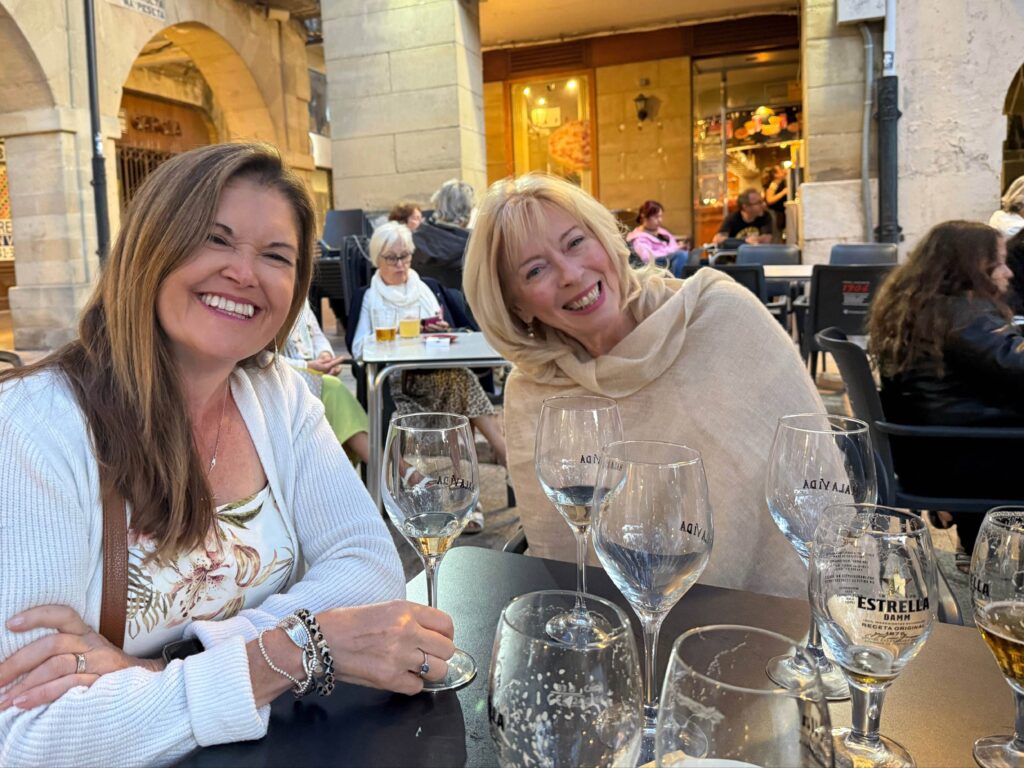
We spent two nights in Haro and ate exceptionally well. The first evening was at Los Caños – lively, bustling, and full of local flavour. The following night brought a first for us: a Michelin-starred experience at Nublo (which translates as “cloud”).
And what an experience it was.
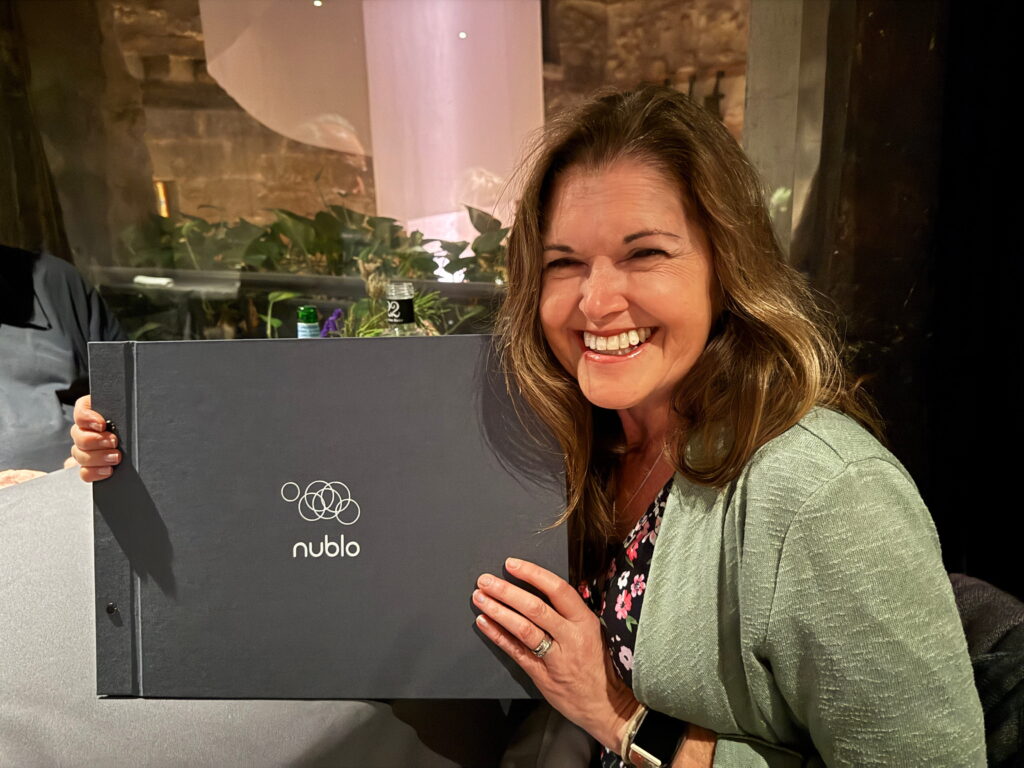
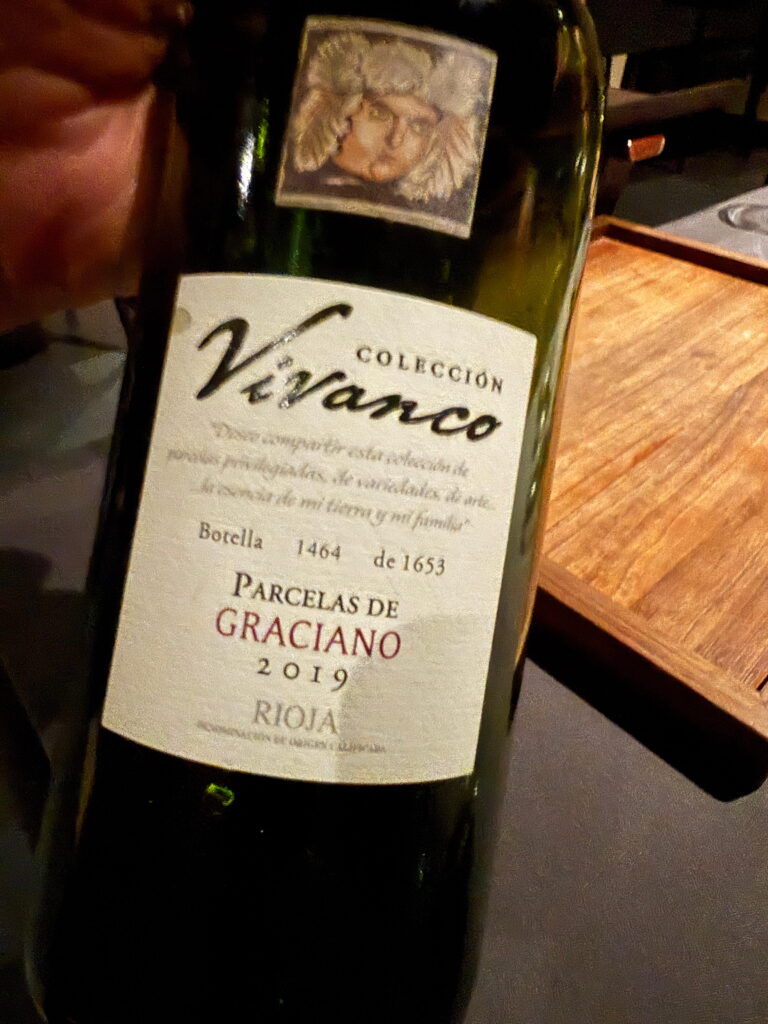
Over three unhurried hours we were served eight wines, each thoughtfully paired with one of eleven exquisitely crafted courses. Every dish arrived like a miniature work of art, presented on unique platters that felt more gallery than tableware. As a dairy-free diner, I am used to compromise – but here there was none. Each course had been adapted seamlessly and beautifully.
The wines were almost theatrical in their presentation, each accompanied by the story of its local winemaker. (All were regional, save for the French champagne.) By the end of the evening, nearing midnight, it felt as though we had attended a performance – part theatre, part tasting, part art installation – rather than simply gone out for dinner.
What a way to begin the journey and celebrate a birthday and reunion with friends.
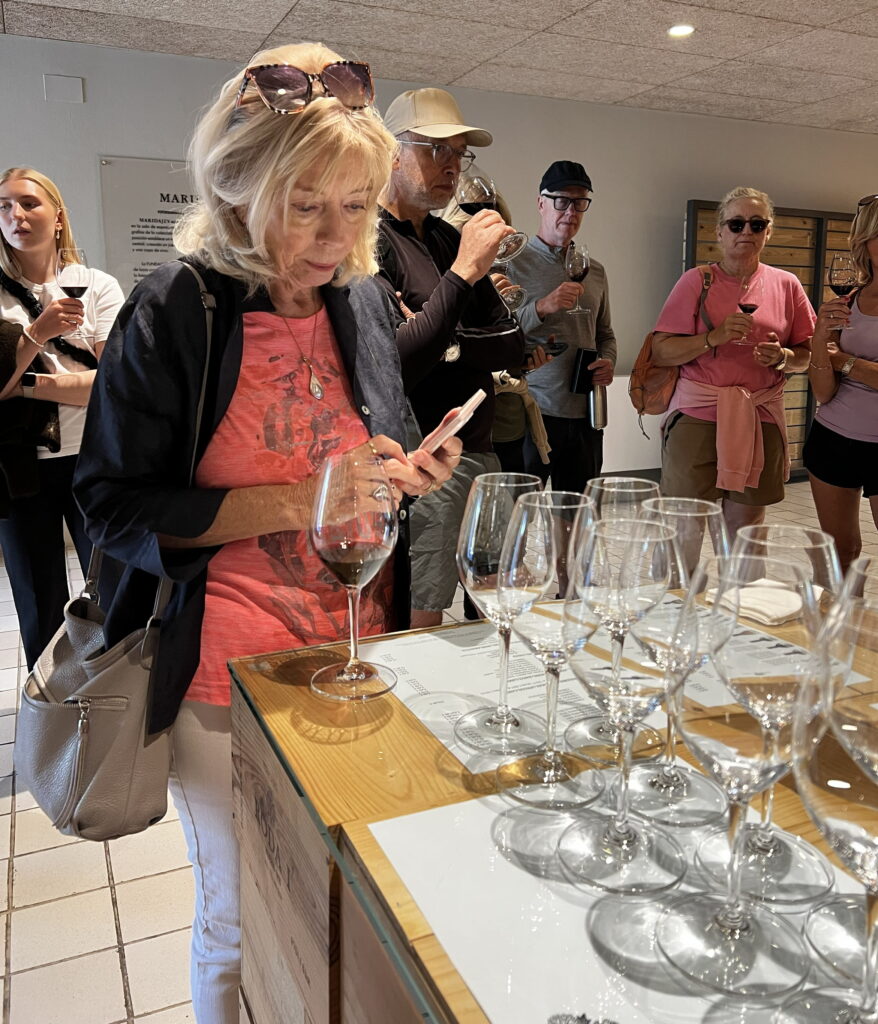
Of course, no visit to Rioja would feel complete without a vineyard tour and tasting. I had booked Mr A, Di and Colin onto a visit to Bodegas Roda, one of the region’s most highly regarded wineries.
It had been a few months since our last cellar-door experience – something we indulged in frequently during our travels around Australia and New Zealand – so we were more than ready. Bodegas Roda proved to be an interesting contrast to some of those more traditional estates. Founded in the late 1980s by a collective of wine enthusiasts rather than generational winemakers, it was designed with sustainability at its core. Renewable energy, meticulous temperature control, and innovative ageing techniques all play a role in how their wines are produced and stored.
And the results speak for themselves.
We sampled a selection of their premier reds and whites, each distinctive and elegant, alongside local olive oil – a bottle of which is now being happily enjoyed back home in Somerset.
11-12 September – Laguardia
Our time in and around Haro felt authentic and refreshingly untouristed. That changed somewhat when we moved on to the very pretty, walled village of Laguardia for our next night.
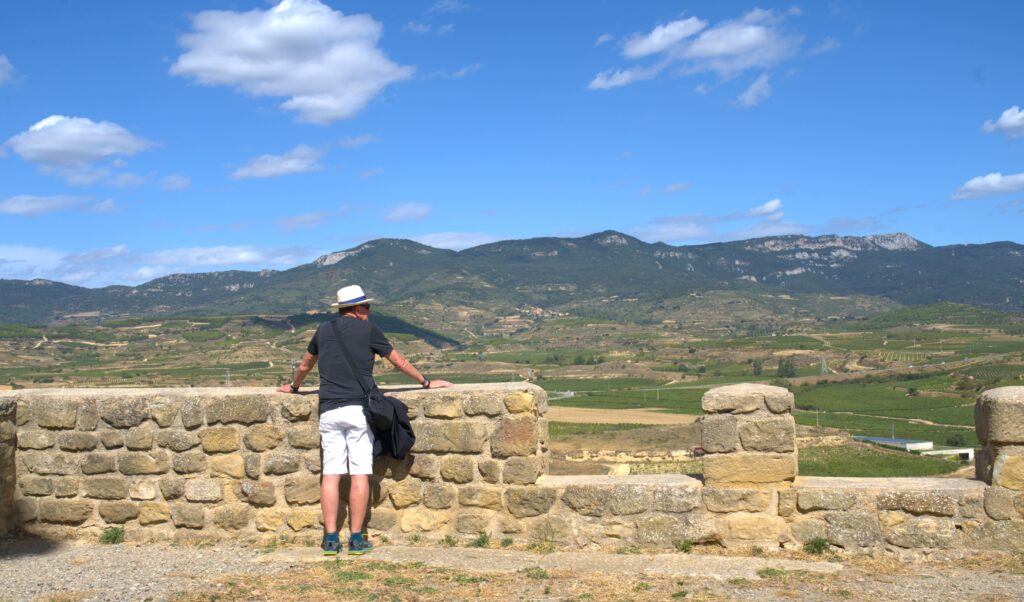
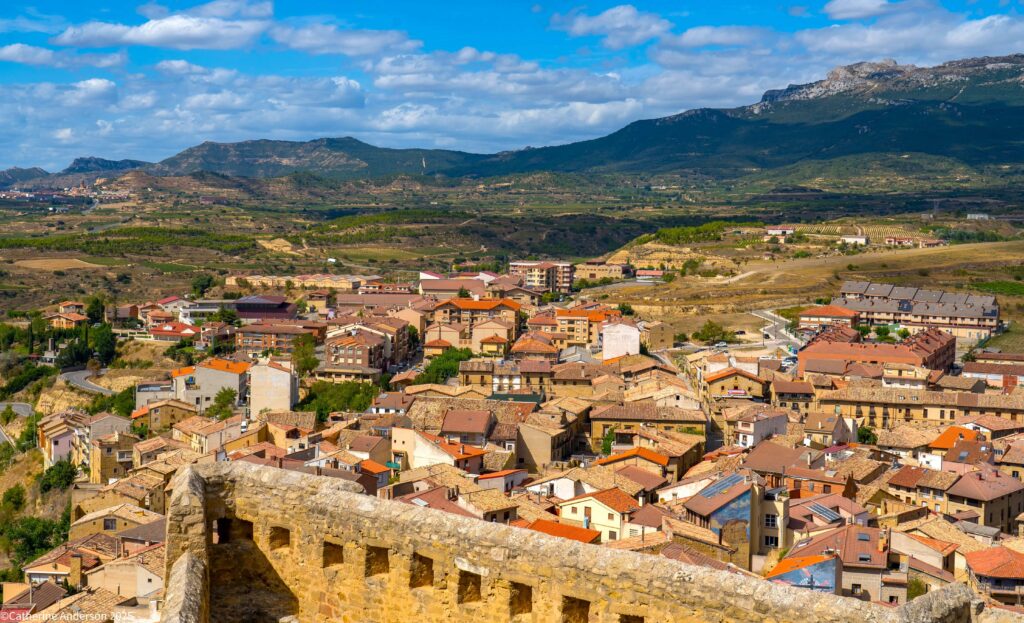
On arrival in Laguardia, the narrow cobbled streets were packed with tour groups, guides recounting the town’s history in every language but English – no chance of discreetly hovering nearby to listen in!
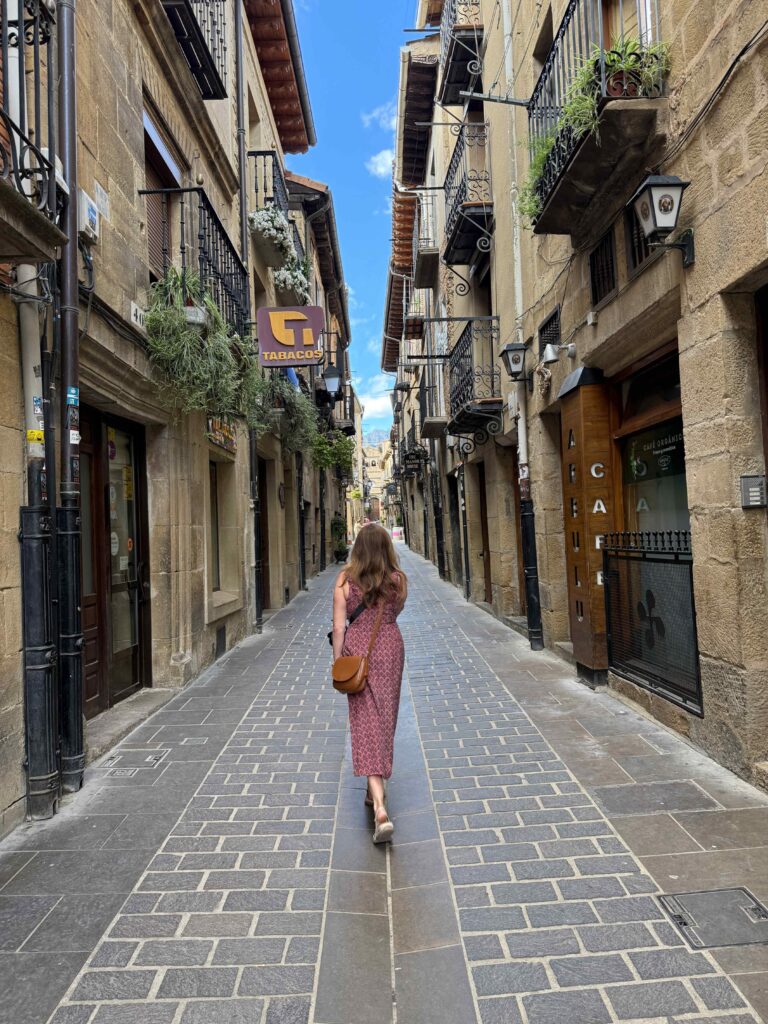
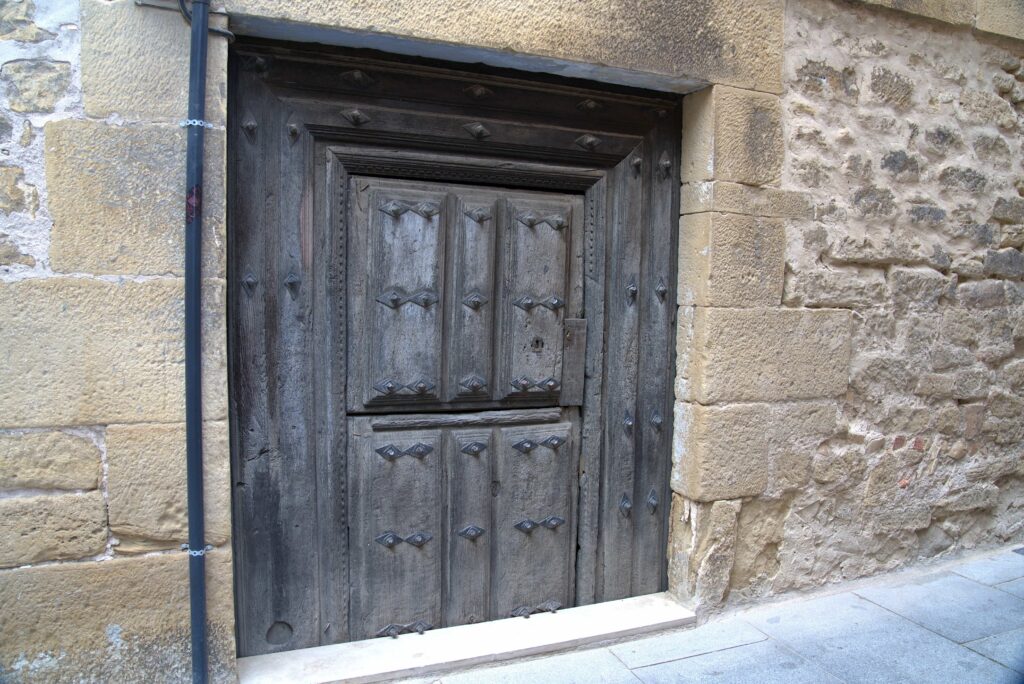
Once we drifted away from the crowds, however, we discovered a quieter charm. Tiny interwoven streets, stone-built houses with delightfully wonky windows and doorways, and an atmosphere that made it easy to imagine life centuries ago. Laguardia was founded in the 10th century as a fortress for the Kingdom of Navarre, and that sense of layered history still lingers in the walls.
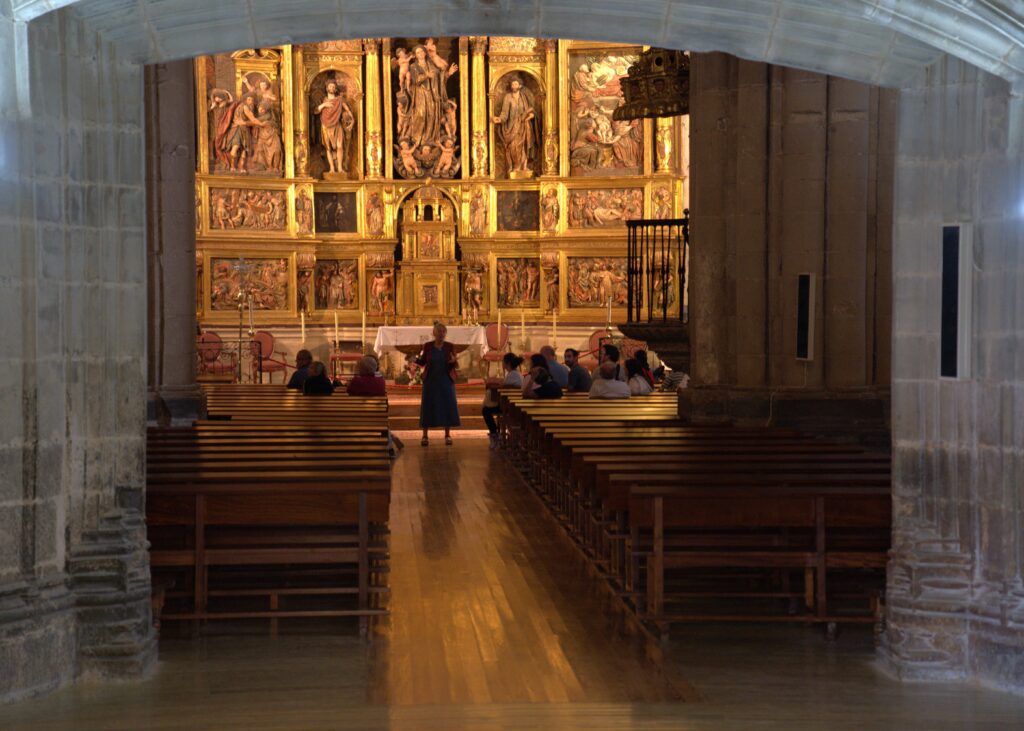
This was our final evening with Di and Colin. We shared a simple meal in town, followed by a starlit wander through the streets before saying our goodbyes – including to their elderly little poodle, Genie, who was carried everywhere like precious hand luggage. Then it was time to part ways and continue our journeys separately.
12-14 September – Torla-Ordesa
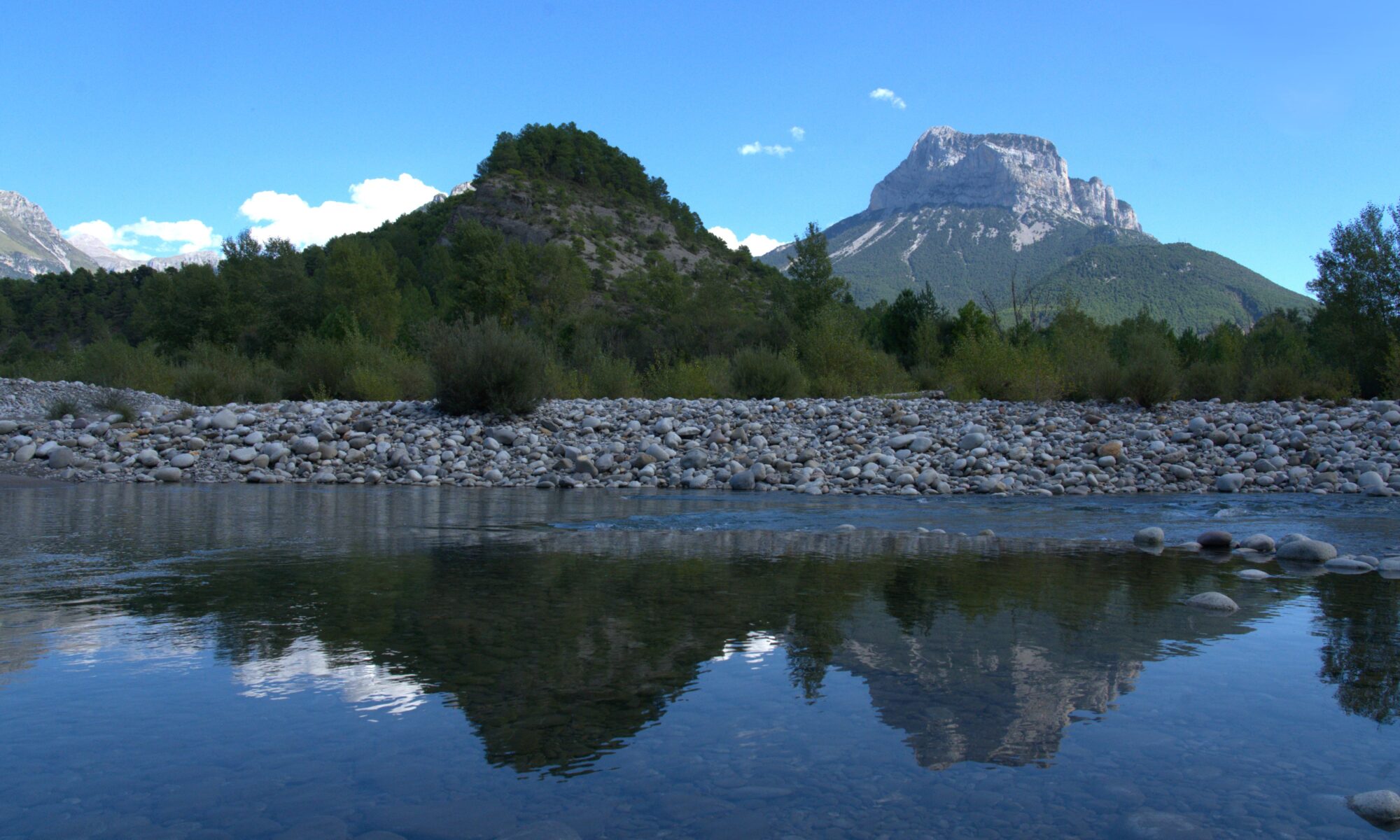
Our next destination was Torla-Ordesa, the gateway to the breathtaking Ordesa Valley in the Pyrenees Mountains. The drive alone felt like part of the adventure: narrow roads winding steadily upwards, the Río Ara tumbling and crashing over rocks far below us.
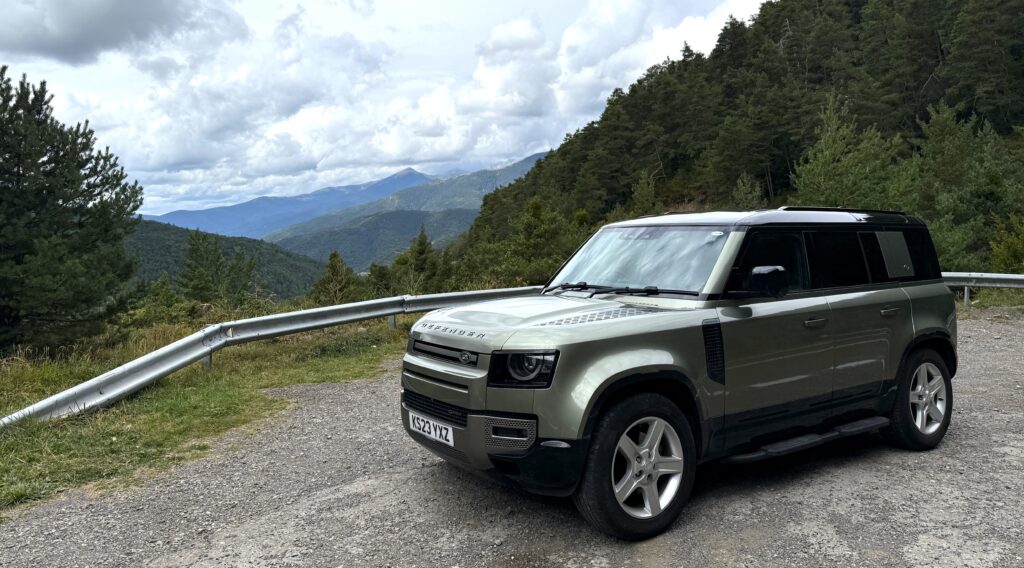
Torla-Ordesa is another picture-perfect mountain village with a fascinating geographical quirk. It borders France – yet there is no road connecting the two. Back in 2016, during a motorhoming adventure, Mr A and I had hiked in the spectacular Cirque de Gavarnie on the French side of the Pyrenees, accompanied by an abundance of cheerful marmots. As the crow flies, Gavarnie is a mere 11 kilometres from Torla. By road? A rather more committed 233 kilometres. Oh, to be a crow.
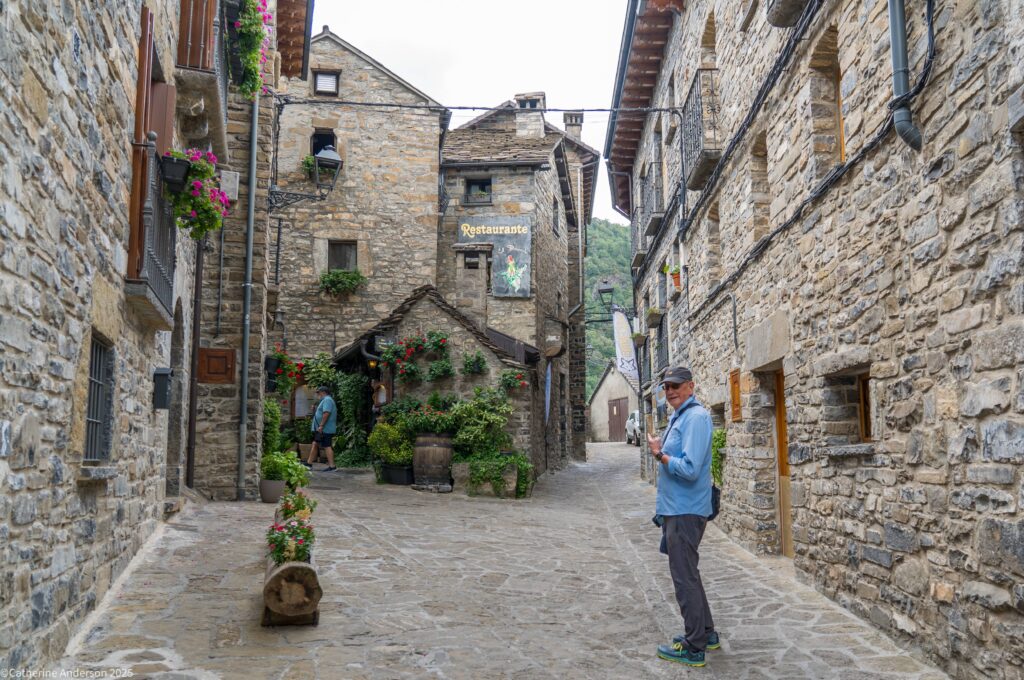
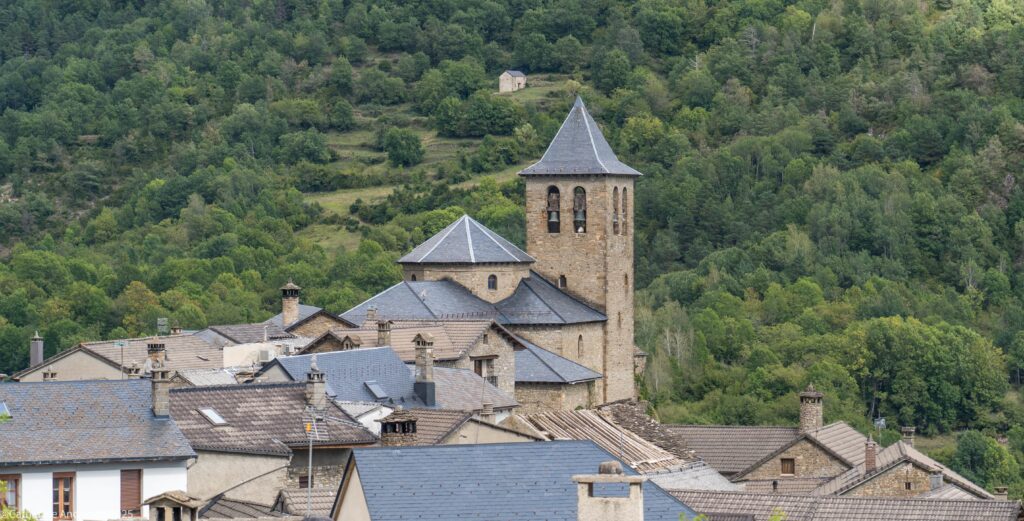
Sadly, no marmots made an appearance during our two-night stay this time. We did, however, complete a fabulous walk up the valley – just over 20 kilometres there and back – passing plunging waterfalls and vast, dramatic views carved by glaciers over millennia.
It was undeniably beautiful. It was also undeniably busy.
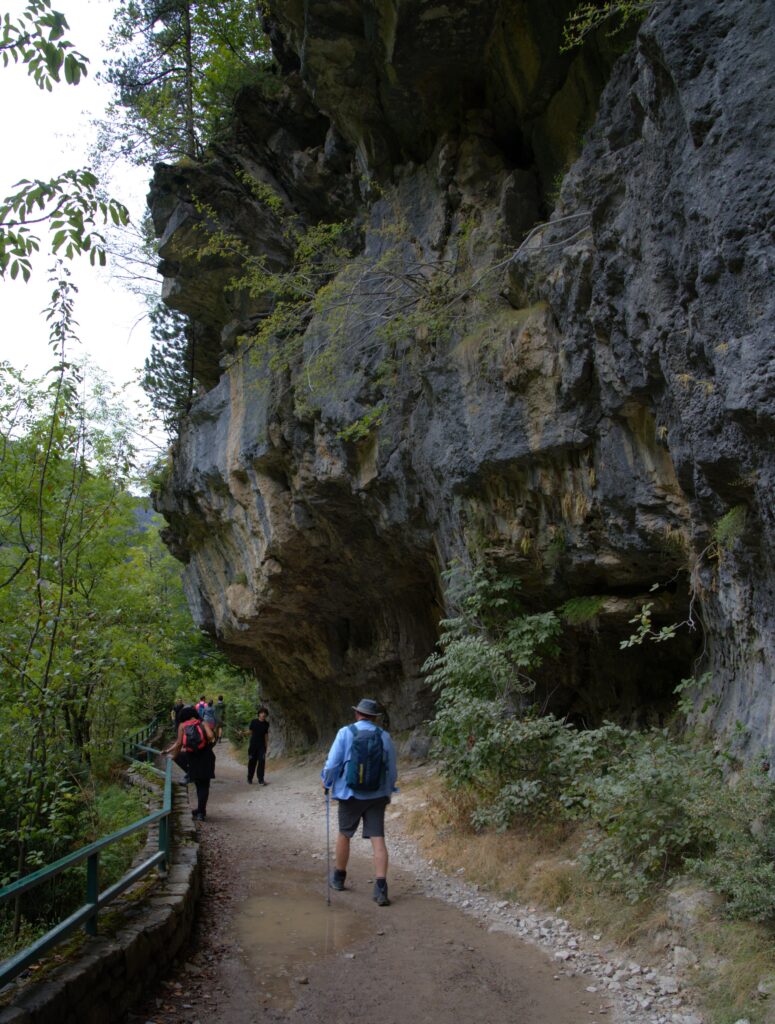
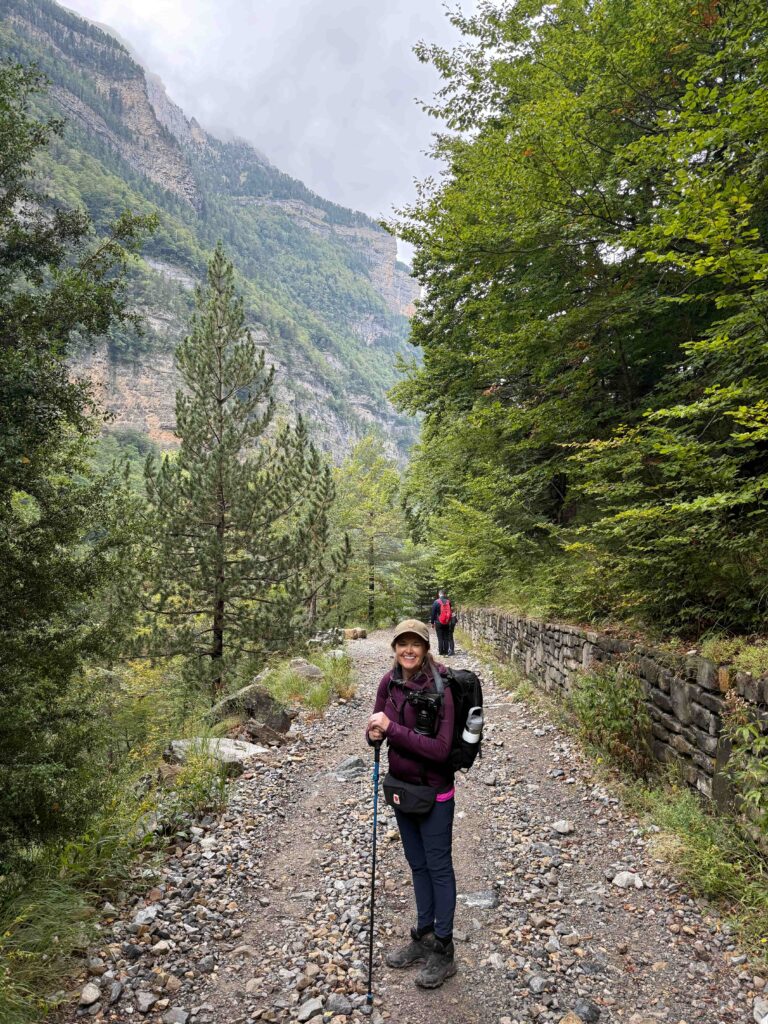
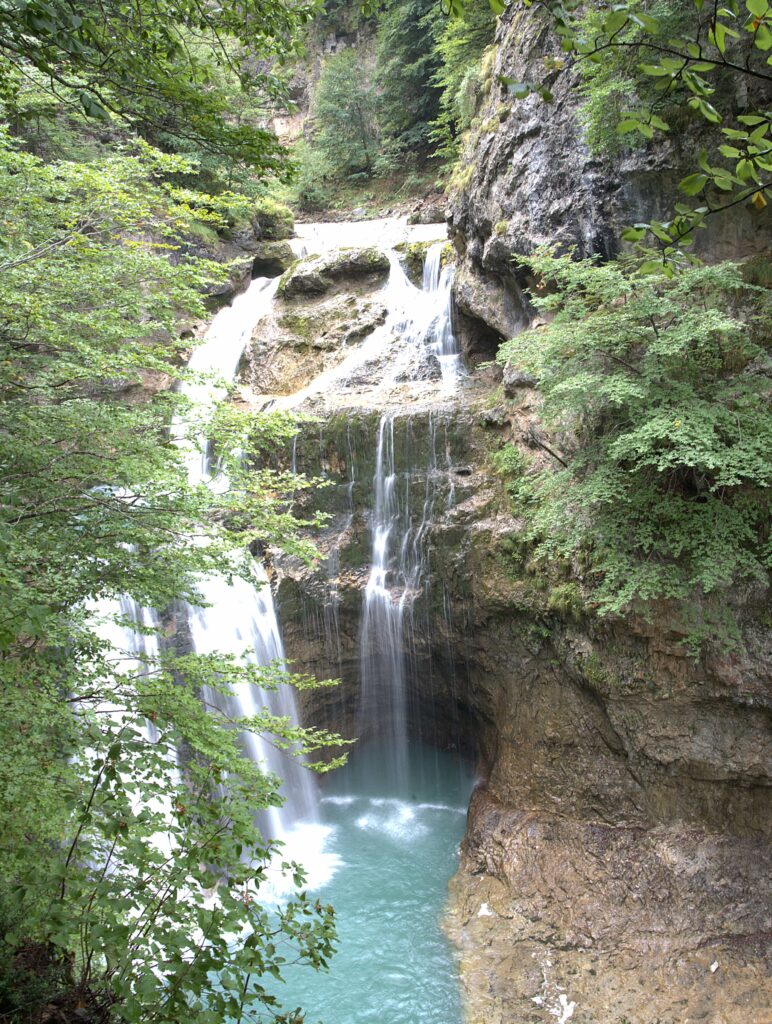
Many of the routes in Ordesa are designed as multi-day hikes, and day walkers and backpackers alike are funnelled along the same main trail. There were very few moments of solitude, and private pauses – particularly those requiring a discreet crouch behind a tree – needed to be executed with impressive efficiency.
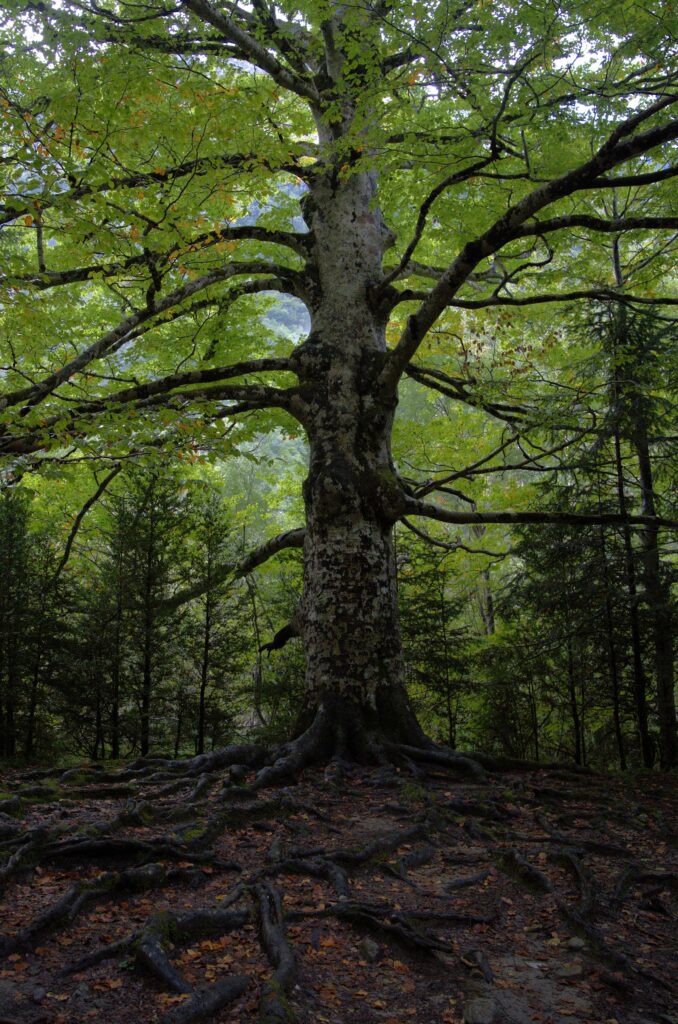
Even so, we loved our time there. The scale of the landscape dwarfs any irritation, and there is something energising about being part of a shared pilgrimage into such grandeur.
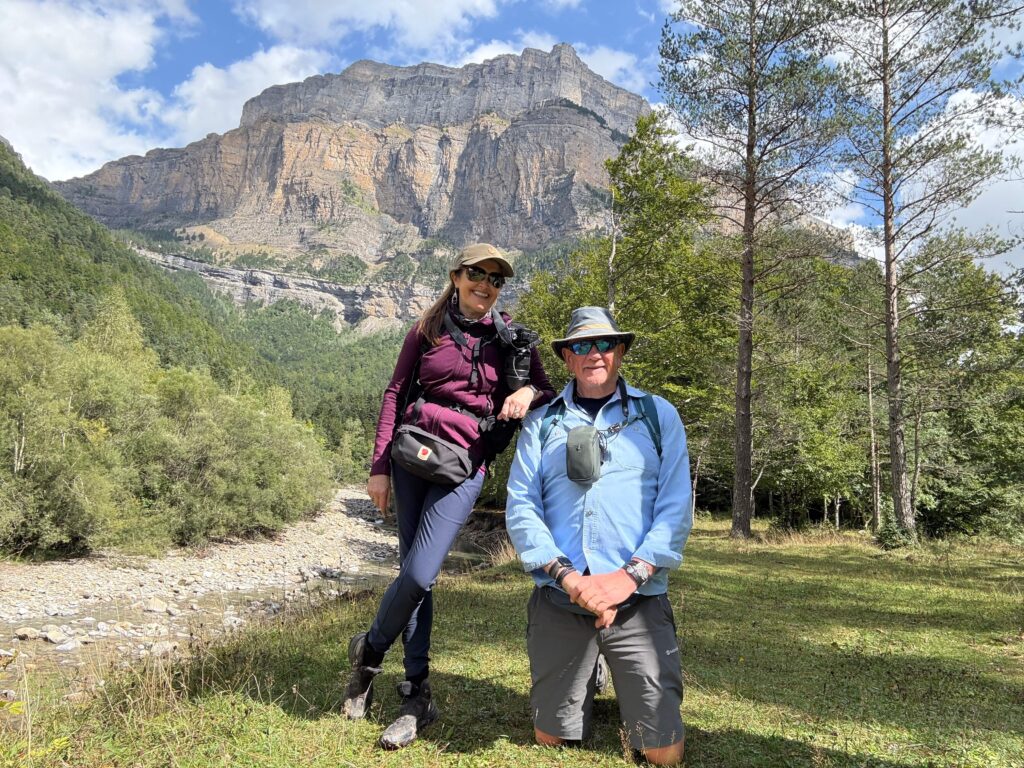
From there we descended towards our next stop: Aínsa.
En route to Aínsa, we took a short detour to Boltaña, having read about the ruins of Castillo de Boltaña perched high above the village. The promise of sweeping views – and perhaps a glimpse of circling raptors – was too tempting to resist.
We pulled off the road and began the steady climb, winding up through narrow village streets before the path steepened towards the hilltop. It was already hot and humid; the early morning mist had burned away, leaving the air heavy and still. The ascent was no small effort, but step by step the rooftops fell away beneath us.
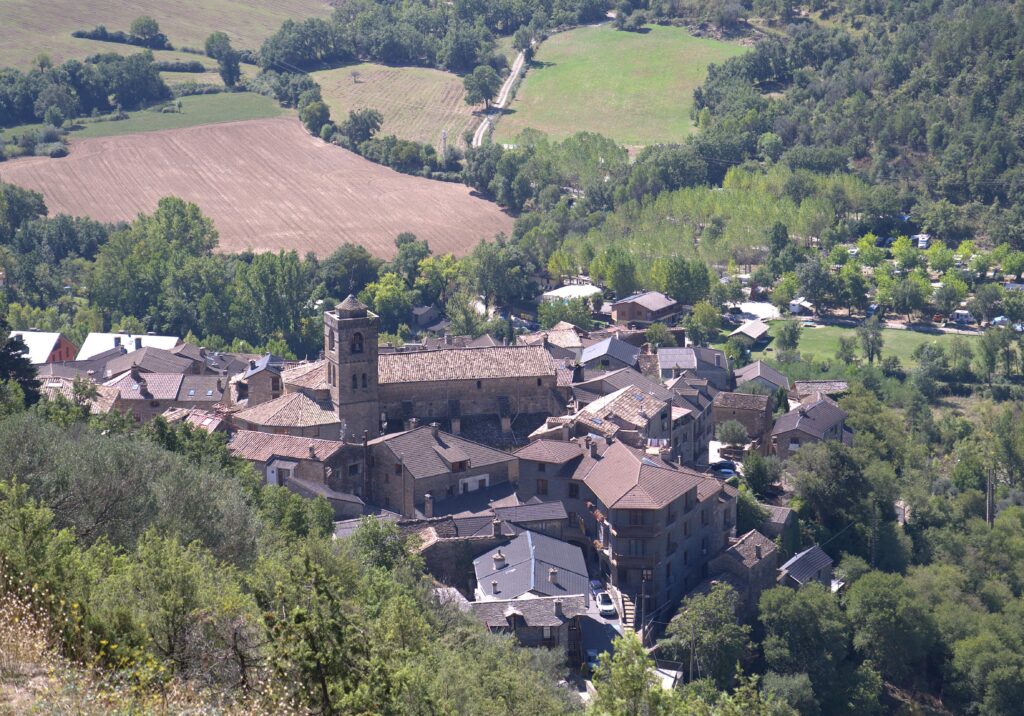
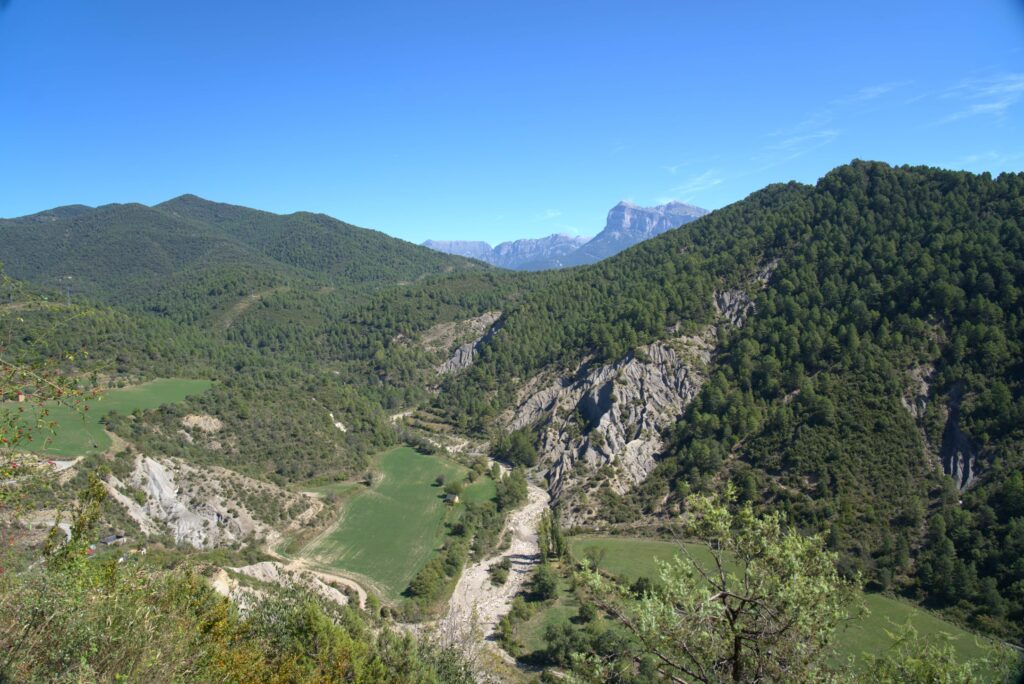
At the summit, the reward was immediate: glorious views across terracotta tiles, rolling hills and the broad Sobrarbe landscape stretching into the distance. Little remains of the castle itself – time has reduced most of it to atmospheric ruins – but the sense of history is unmistakable.
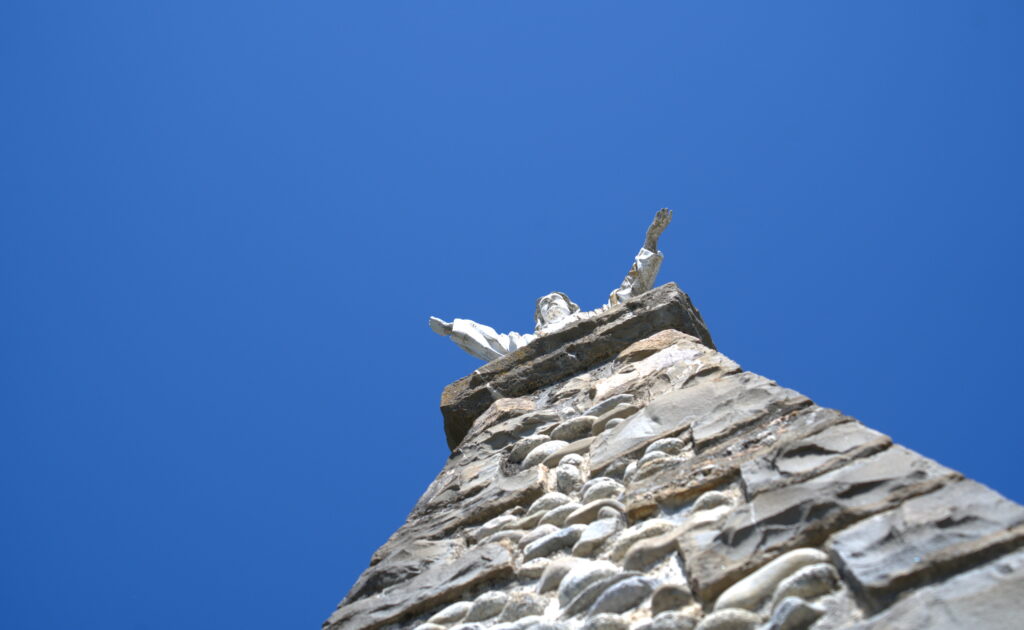
Beside the remnants stands the beautifully preserved Ermita de Santa Lucía, a small hermitage framed by gnarled, ancient olive trees. A statue of Christ, arms outstretched atop a stone pillar, seemed to greet us as we arrived — a quiet, contemplative presence against the vast sky.
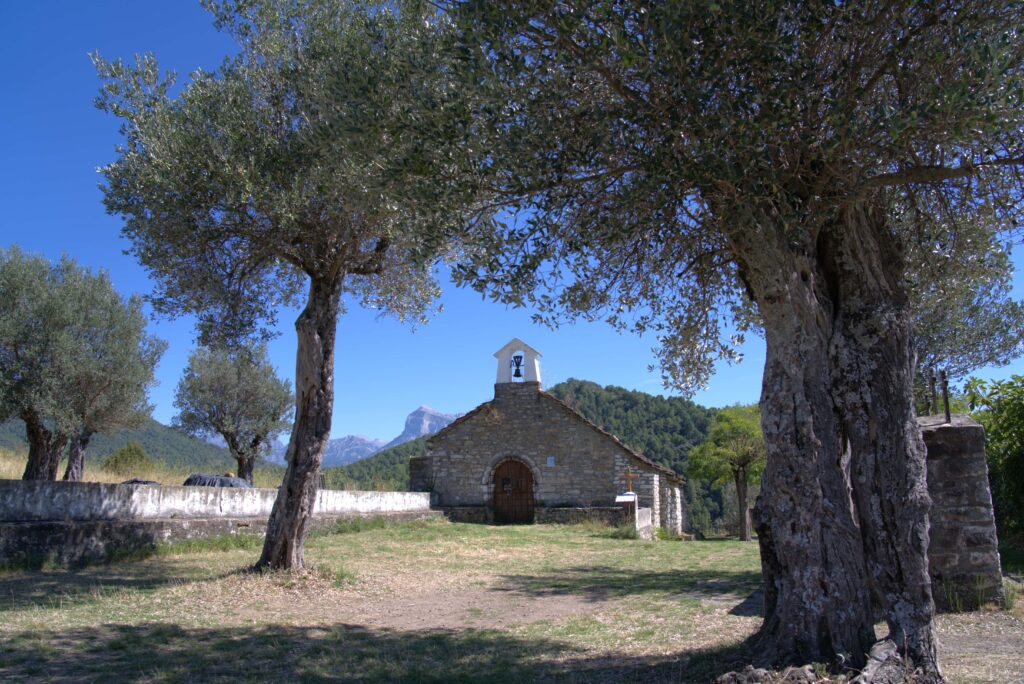
After lingering to take it all in (and scanning the thermals for any soaring birds of prey), we made our way back down and rewarded ourselves with a cold drink at a sleepy café in the village square before continuing our journey towards Aínsa.
14-16 September – Aínsa
Aínsa sits at the confluence of the Río Ara and the Río Cinca, where the Ara’s wild mountain rush softens into a broader, calmer body of water. After the drama of the high Pyrenees, it felt like a gentle exhale.
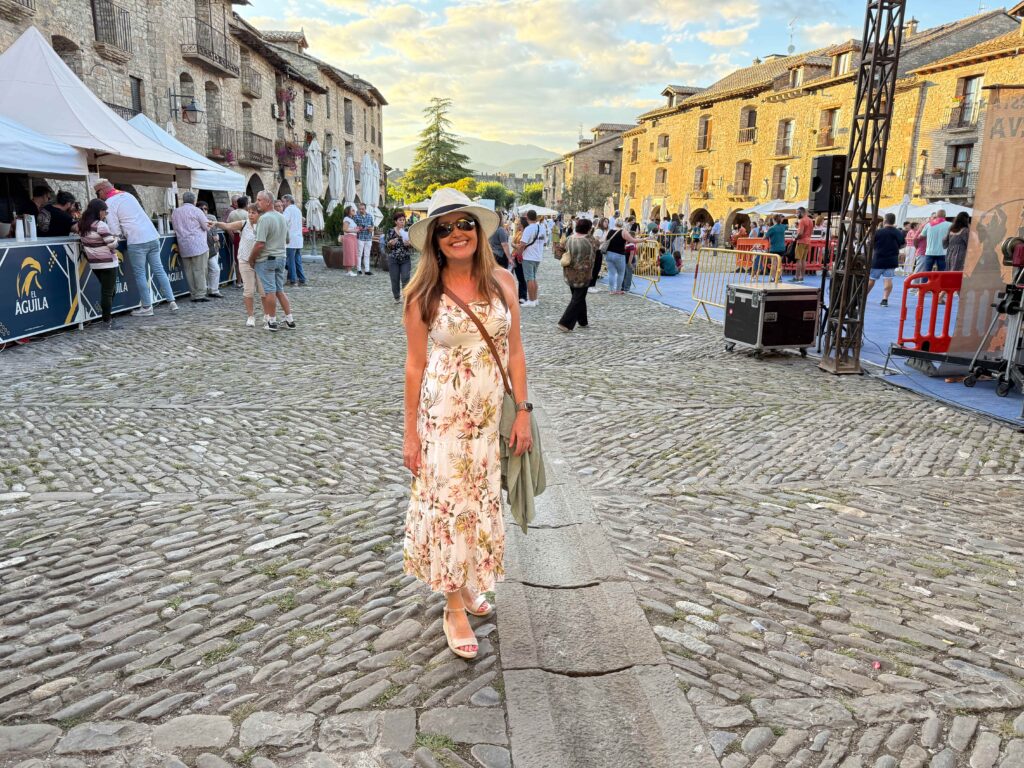
Aínsa is another magnificently preserved medieval town, its origins dating back to the year 724. Perched high on a hill, it centres around a lively main square framed by stone arcades, restaurants and bars – a place that hums with conversation long into the evening.
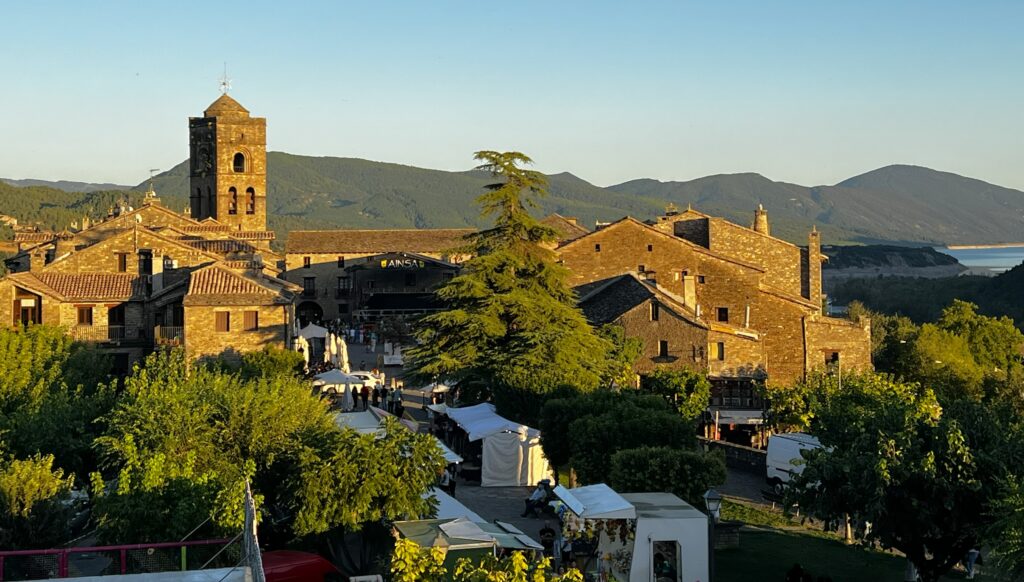
The landscape surrounding Aínsa is wonderfully varied: wide floodplains and rolling hills give way to steep, dramatic cliffs. It was this terrain – and the thermals it creates – that had drawn us here. We had heard it was not uncommon to see Black and Red Kites, Booted Eagles, Short-toed Snake Eagles, Egyptian Vultures and Griffon Vultures all circling overhead at once.
My telephoto lens was ready.
With temperatures climbing into the early 30s Celsius, this was not the moment for long, sticky hikes. Instead, we sought out a shady spot on a pebbly beach beside the river and settled in to watch the skies.
It wasn’t long before we saw our first Griffon Vultures, circling high above. Their wingspan is extraordinary – typically between two and three metres – and they glide effortlessly on the rising thermals along the cliff faces. There is something mesmerising about their slow, deliberate spirals, scanning the land below.
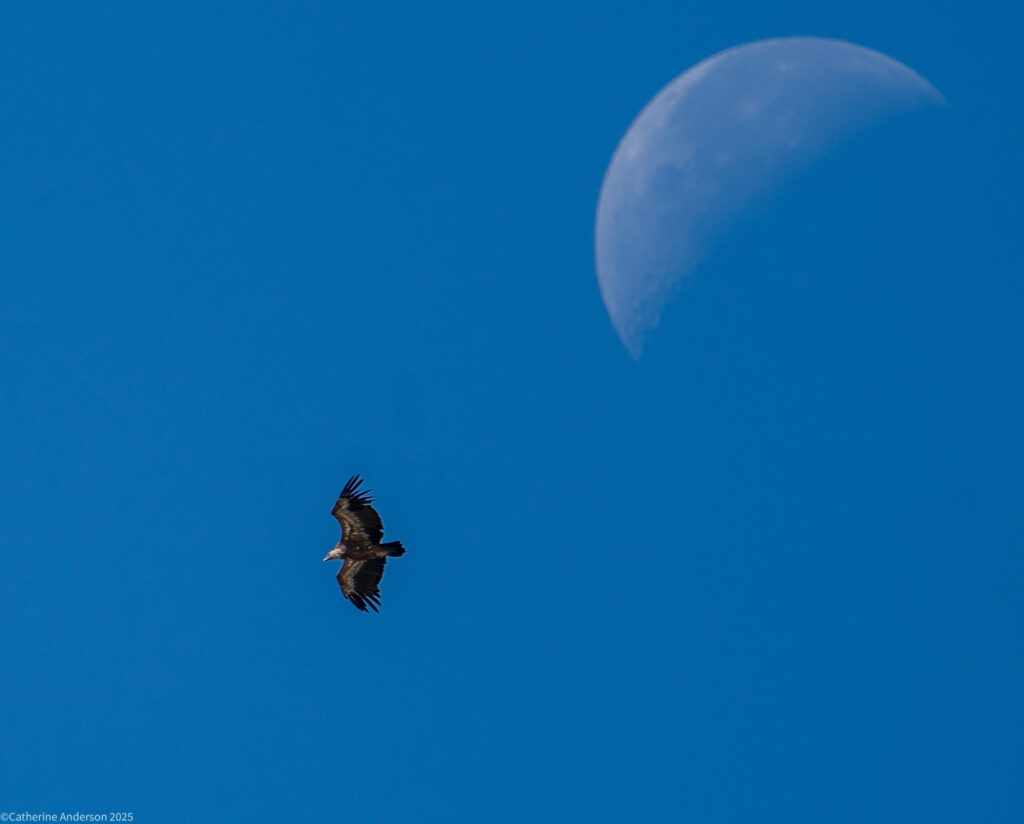
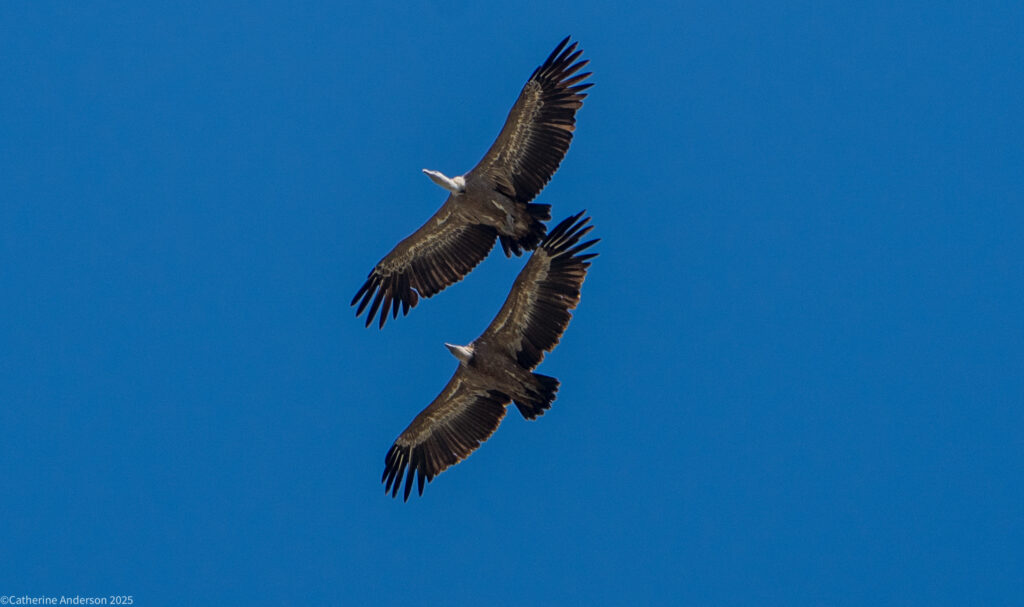
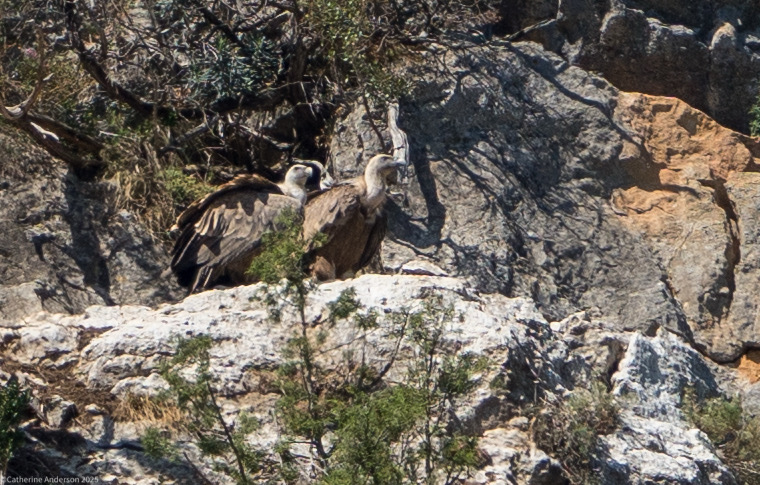
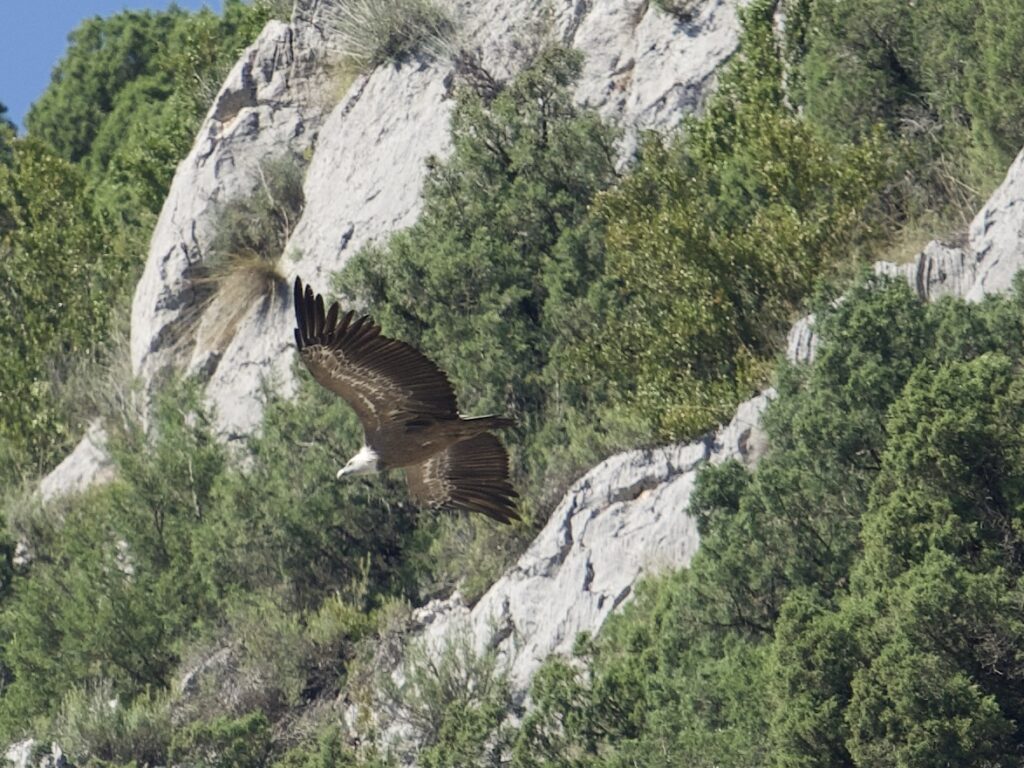
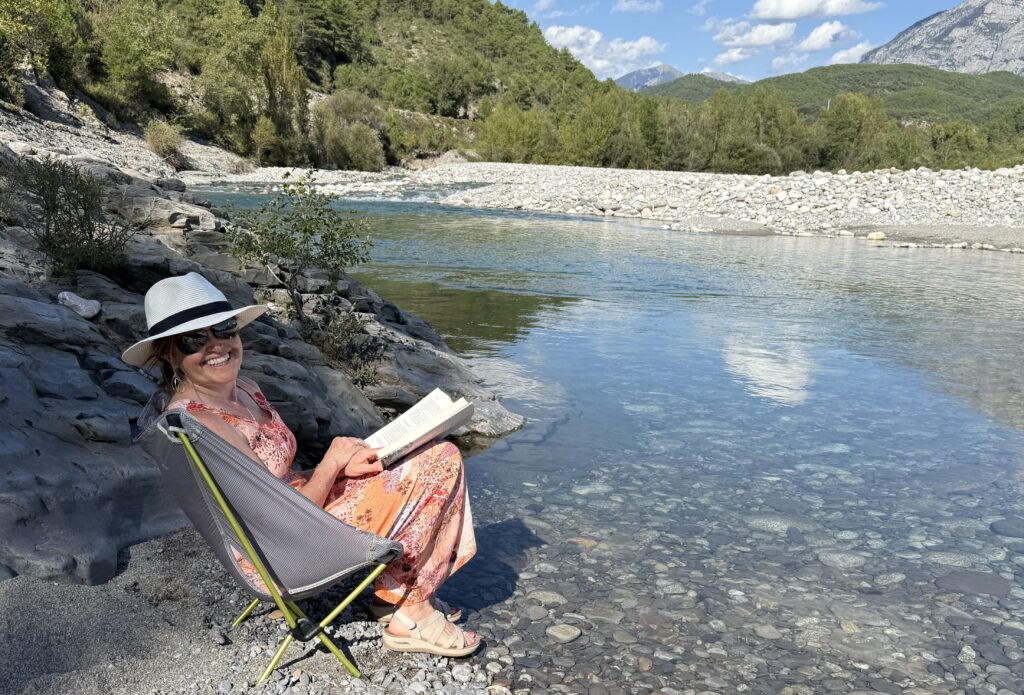
We spent a blissful couple of hours watching them before wandering further along the river in search of a place to cool off. No, don’t be silly – no swimming involved (we had seen the icy peaks where that water begins!). But sitting at the river’s edge with our feet submerged in the clear, cold flow was refreshment enough.
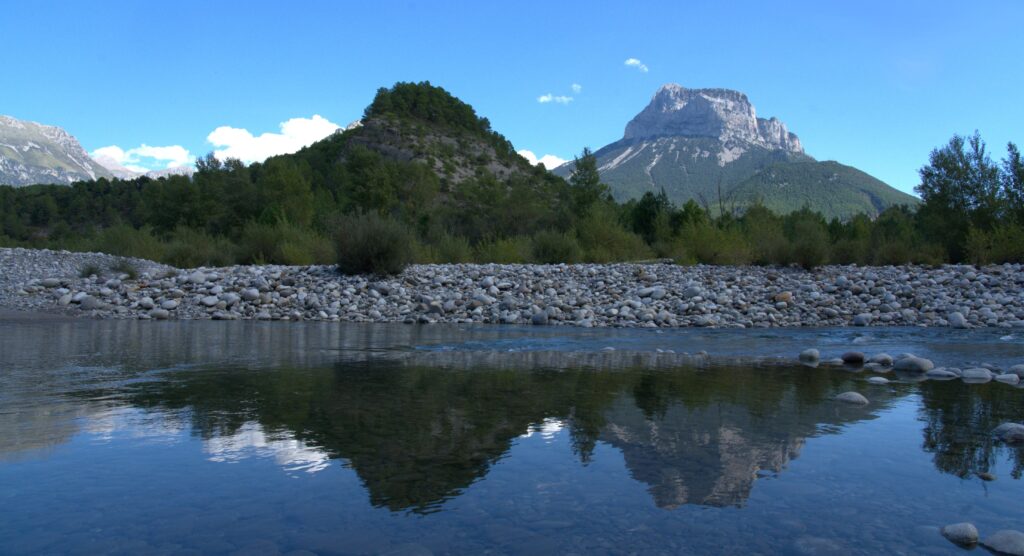
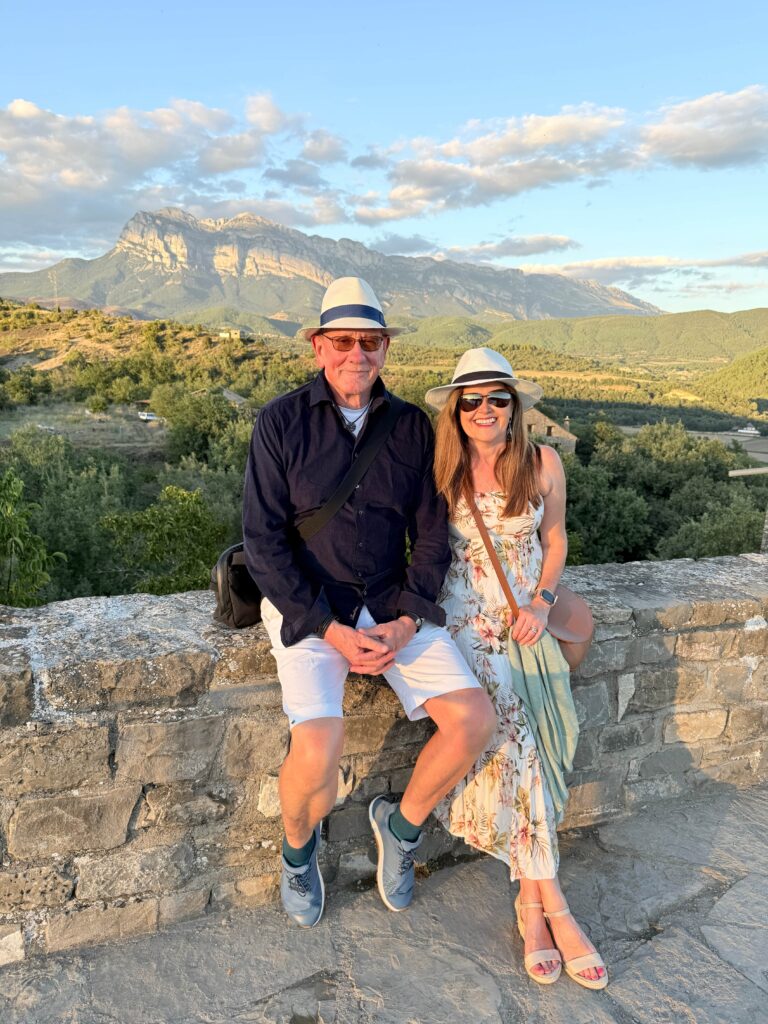
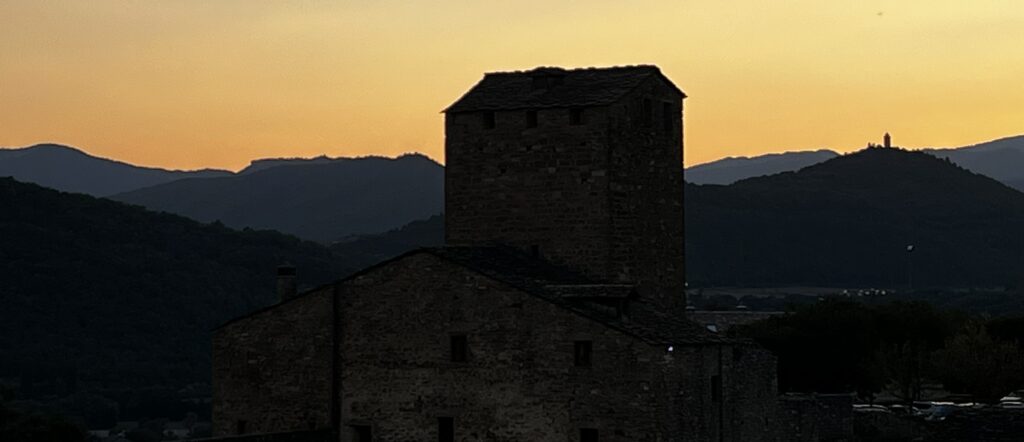
Sunset in Aínsa is not to be missed. We perched on the ancient stone walls as the sinking sun bathed the surrounding cliffs and hills in gold, the light softening every edge. Afterwards, we wandered back into town in search of local food and wine — the perfect close to another richly textured day.
***

I loved following your journey—wine, hiking, sunsets, and stunning scenery. You captured it all so perfectly.
Ah thank you – part two is in progress too 🙂 It’s lovely to be able to relive it – even though I am a bit late writing it up! Thank you for reading!
Great to see you both looking well and relaxed! Enjoyed the update.
Thank you Alan! Part two hopefully next week – it has been lovely to revisit it all! xx
I couldn’t be any more jealous! Happy belated birthday, Mark! Love seeing your continued adventures.