Author: Mrs A
Location: Morillo de Tou, Alquezar, Getario, Spai
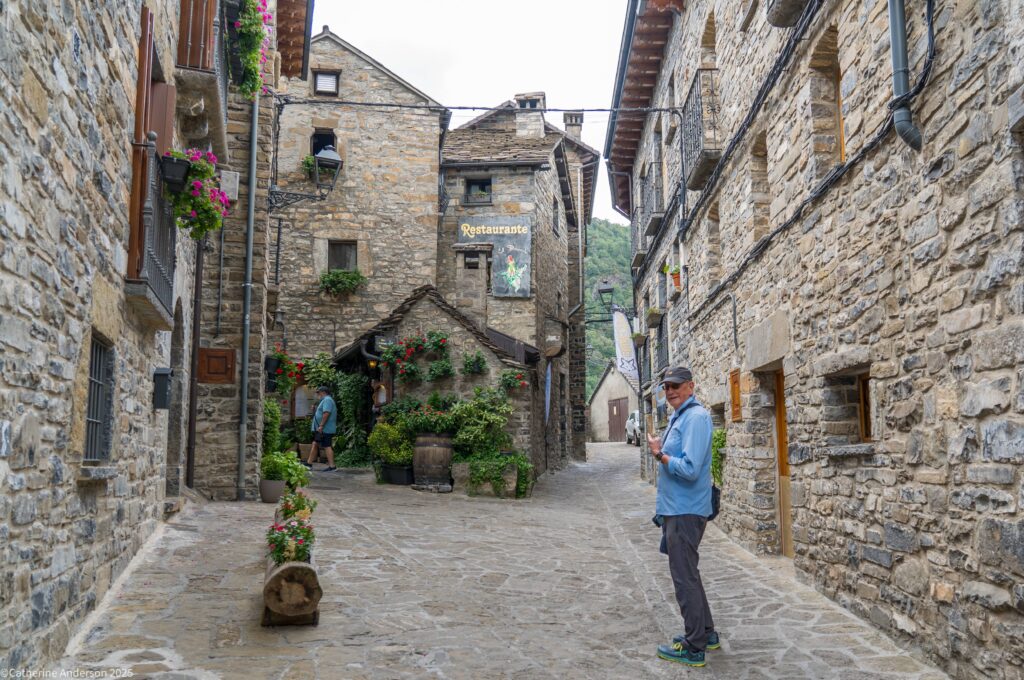
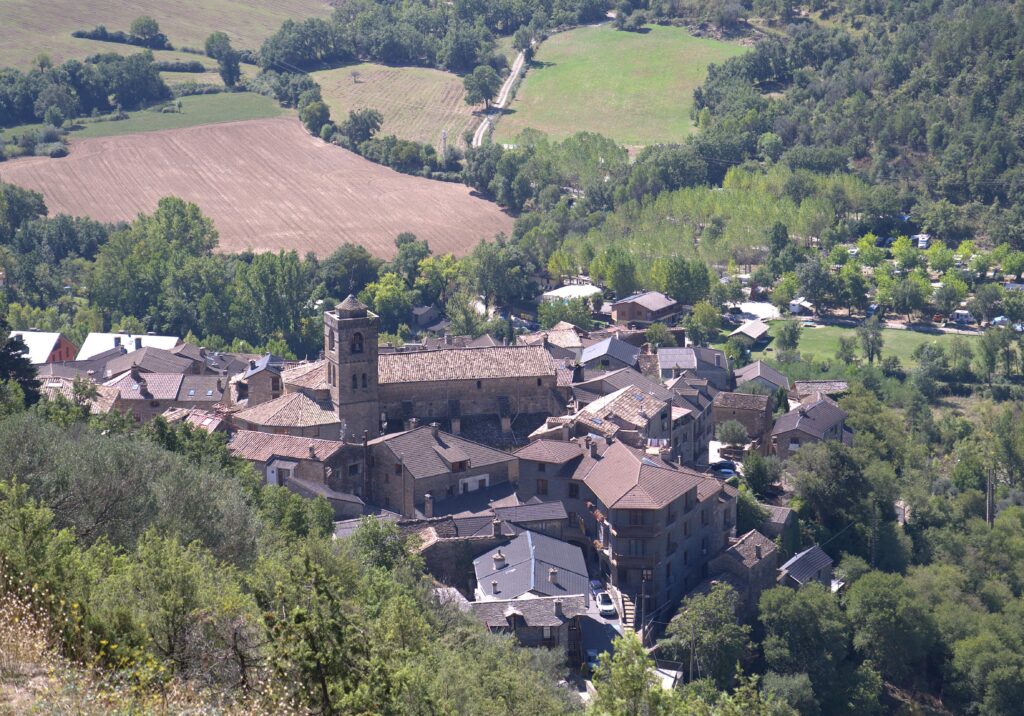
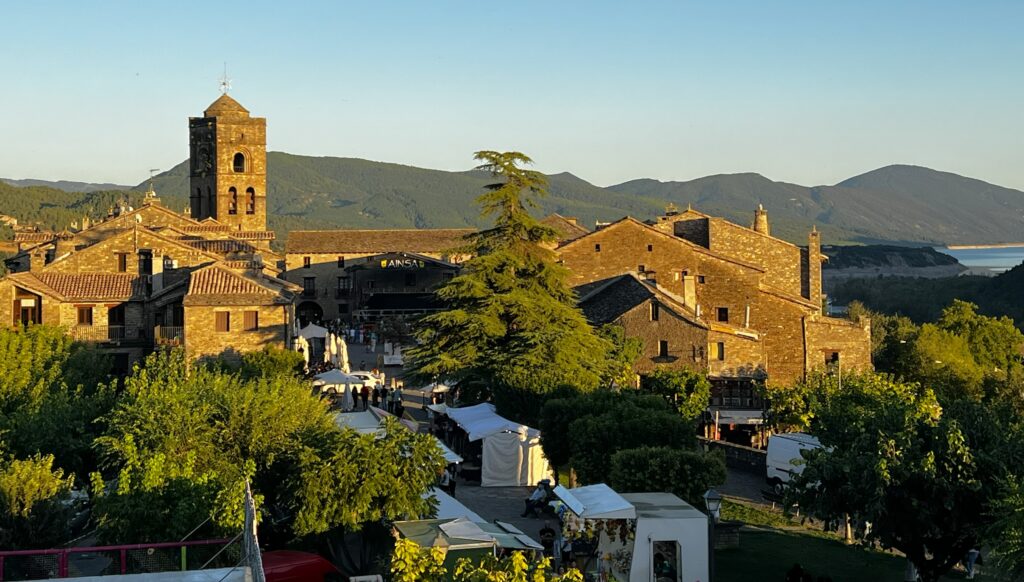
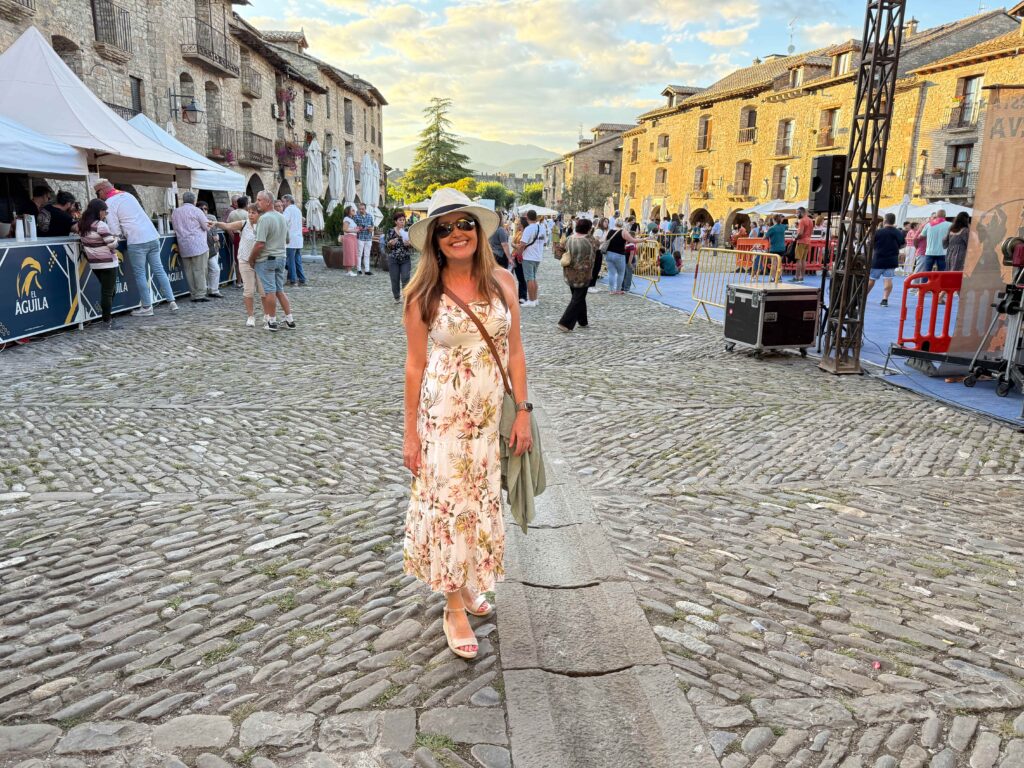
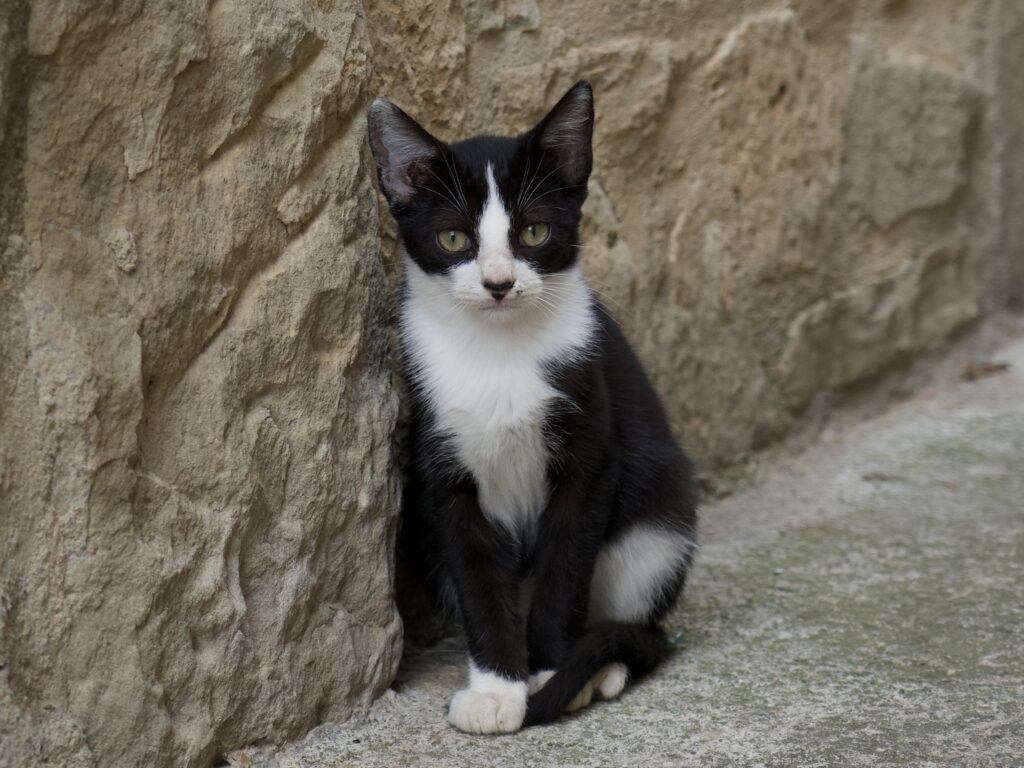
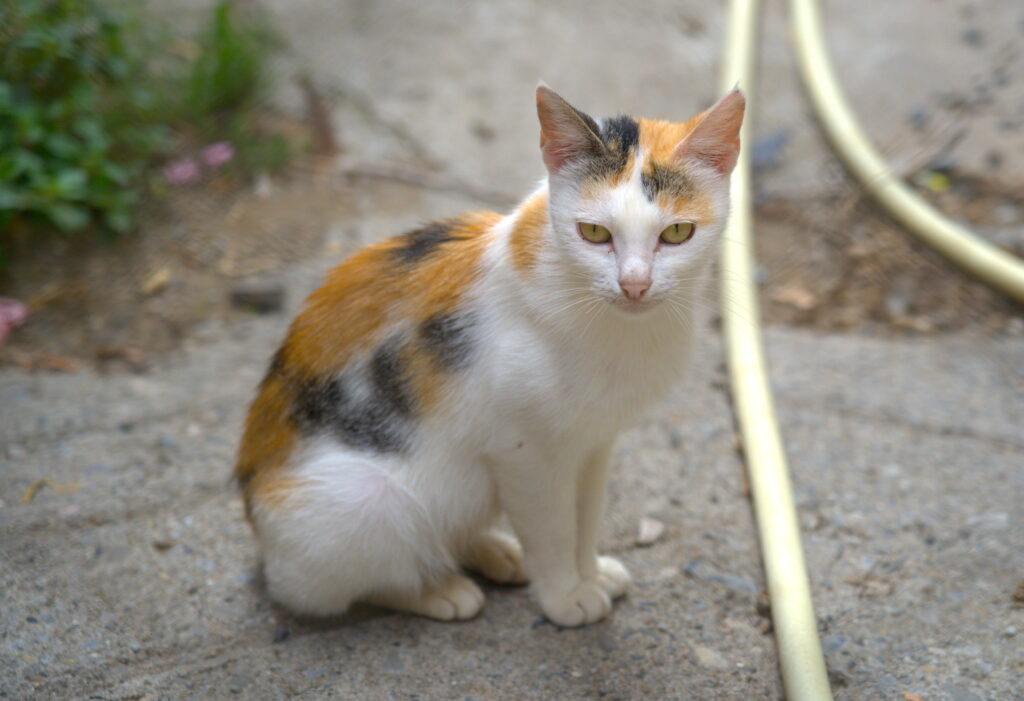
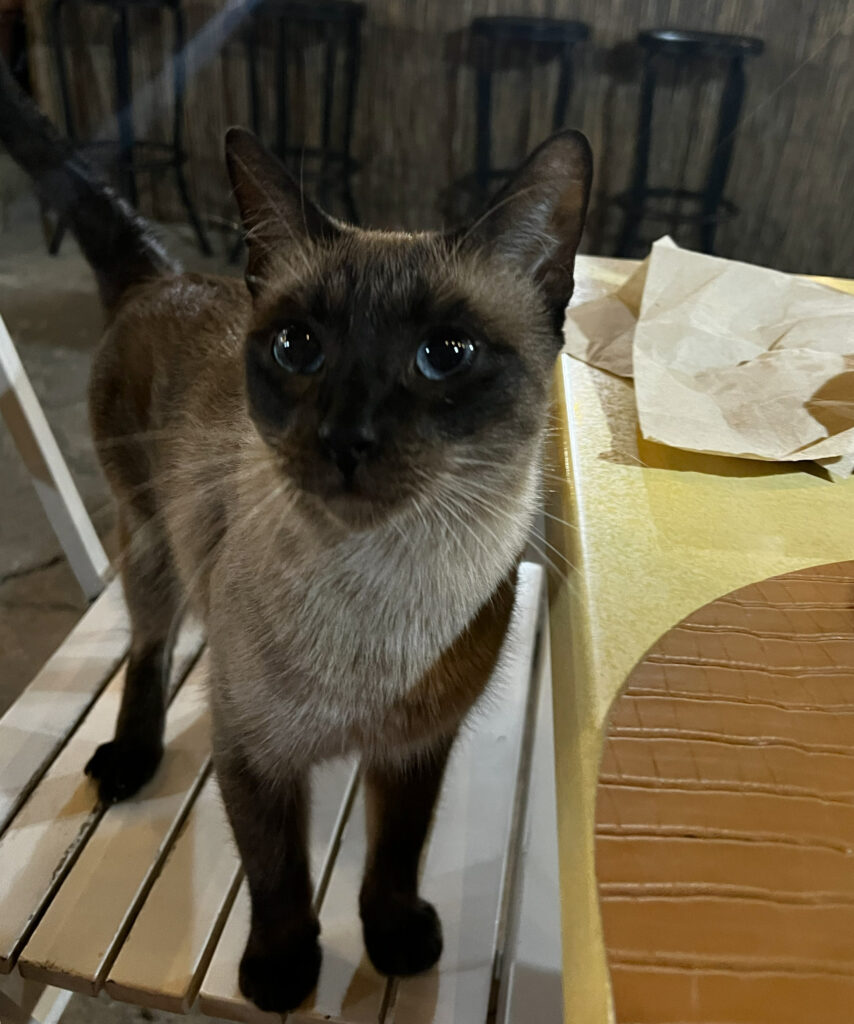
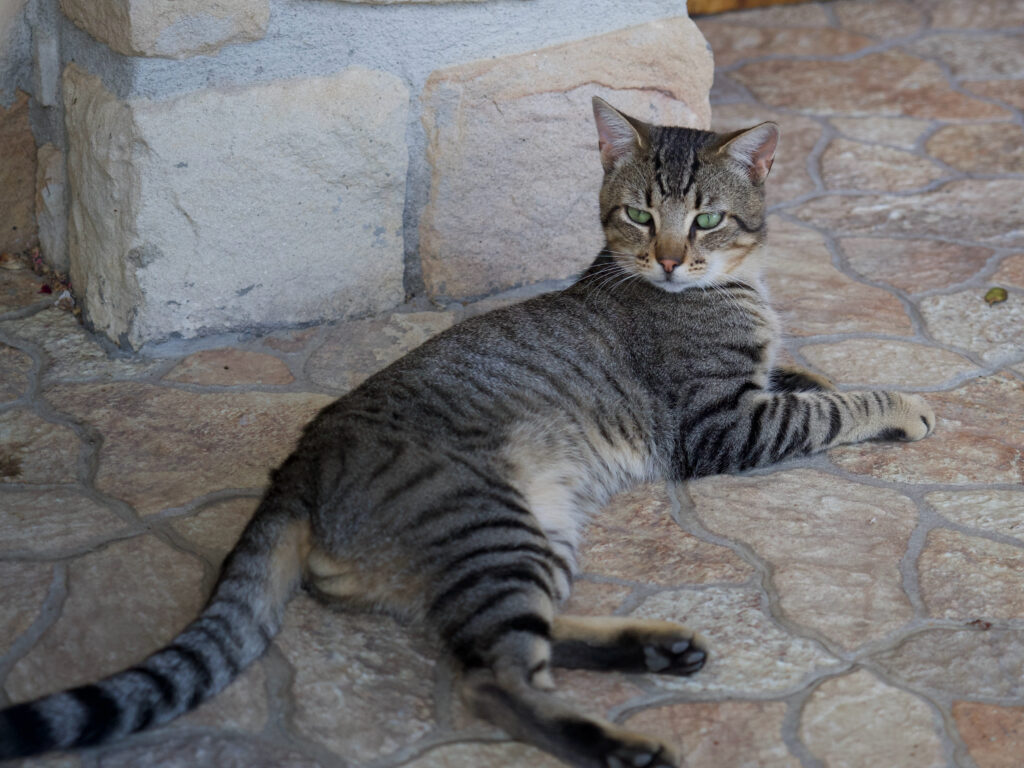
Leaving Aínsa, we travelled a short distance to the tiny, picturesque village of Morillo de Tou. It felt almost like a film set – stone houses, flower boxes, and a quiet square warmed by the morning sun. We watched in delight as a lady wandered through the plaza accompanied by her collie dog, two cats and no fewer than seven kittens padding along behind her like a fluffy procession.
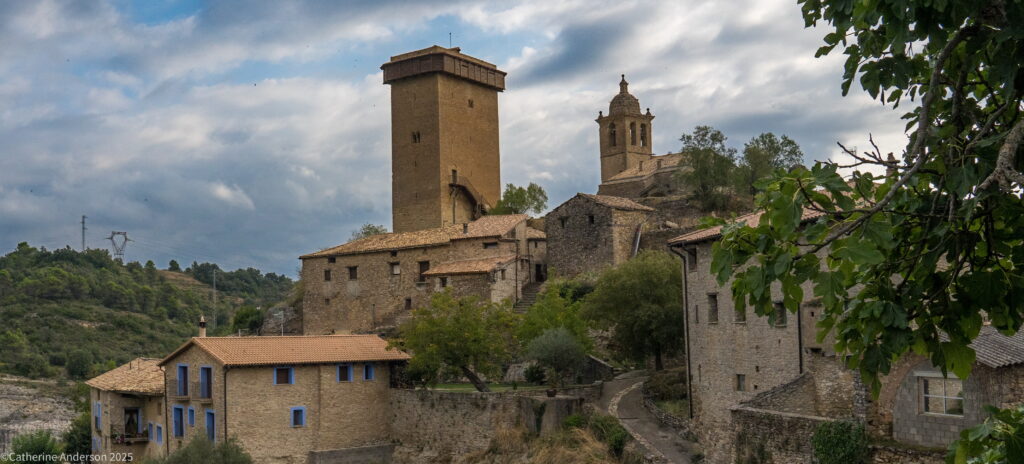
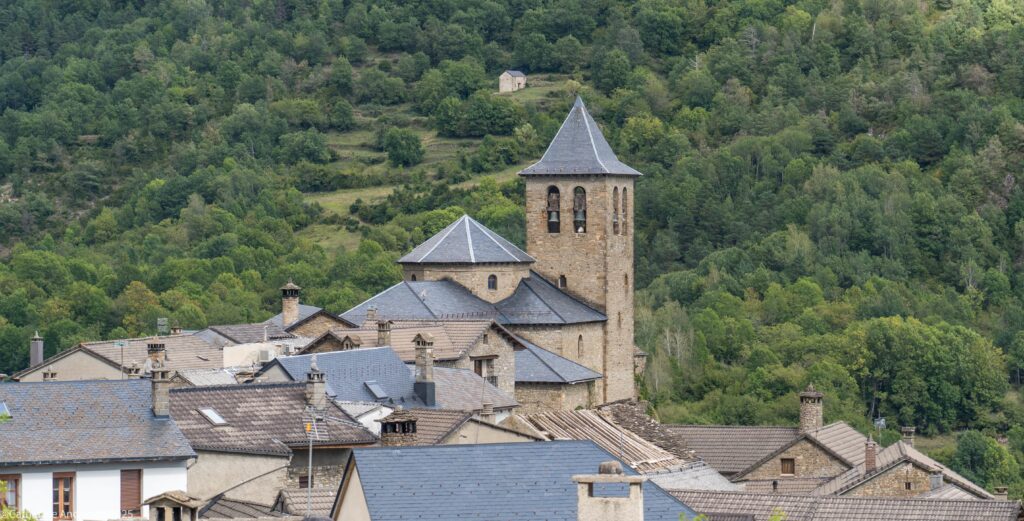
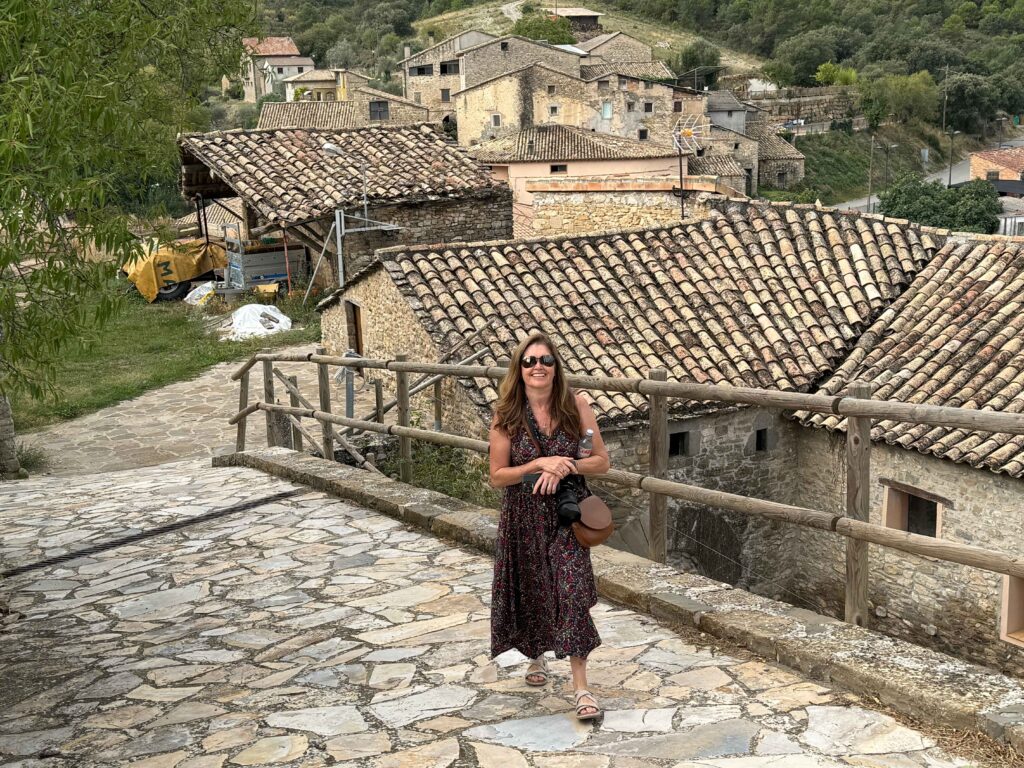
We strolled up to the main church hoping to climb the tower for yet more sweeping views. Sadly it was closed on this occasion, but we happily explored the cobbled lanes instead.
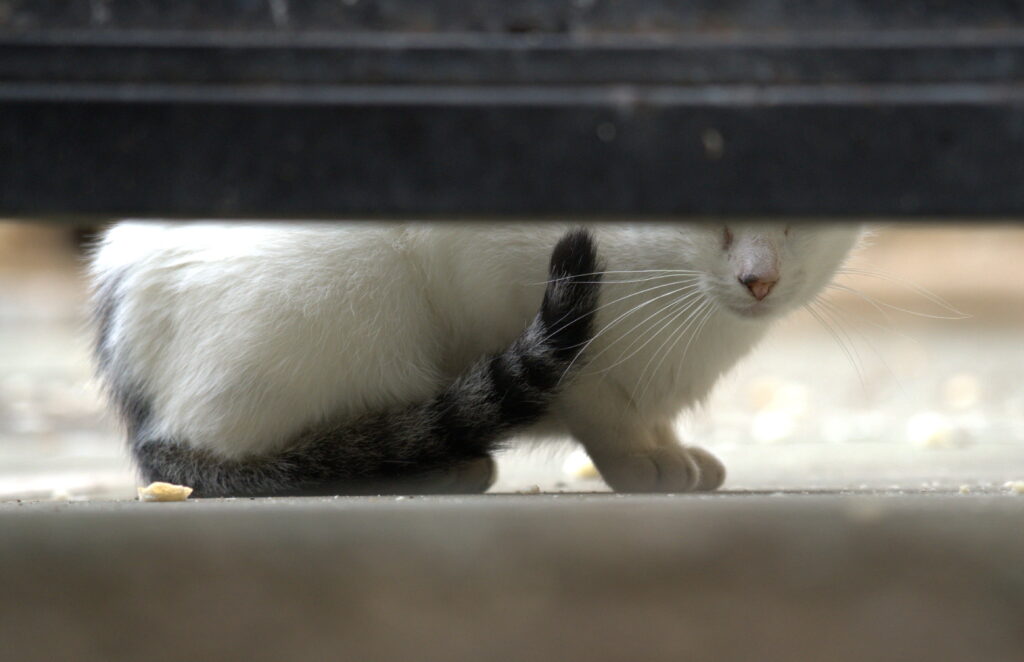
The kittens reappeared to inspect us — curious but cautious — lingering just out of reach while studying us intently. It was one of those small, unscripted travel moments that stays with you long after the grand vistas fade.
16-18 September – Alquézar
An hour later we were back in the car, heading towards Alquézar.
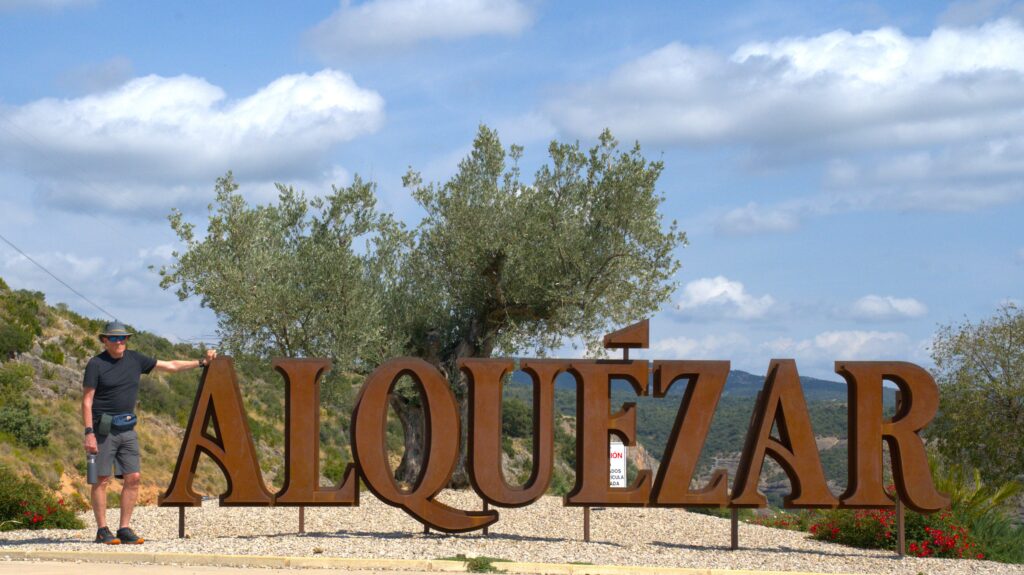
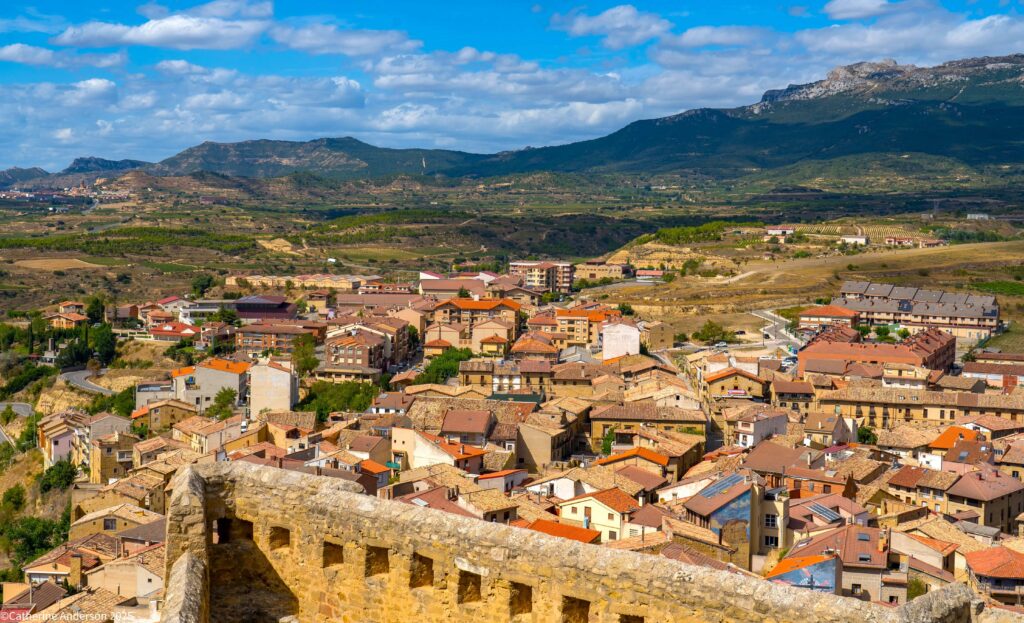
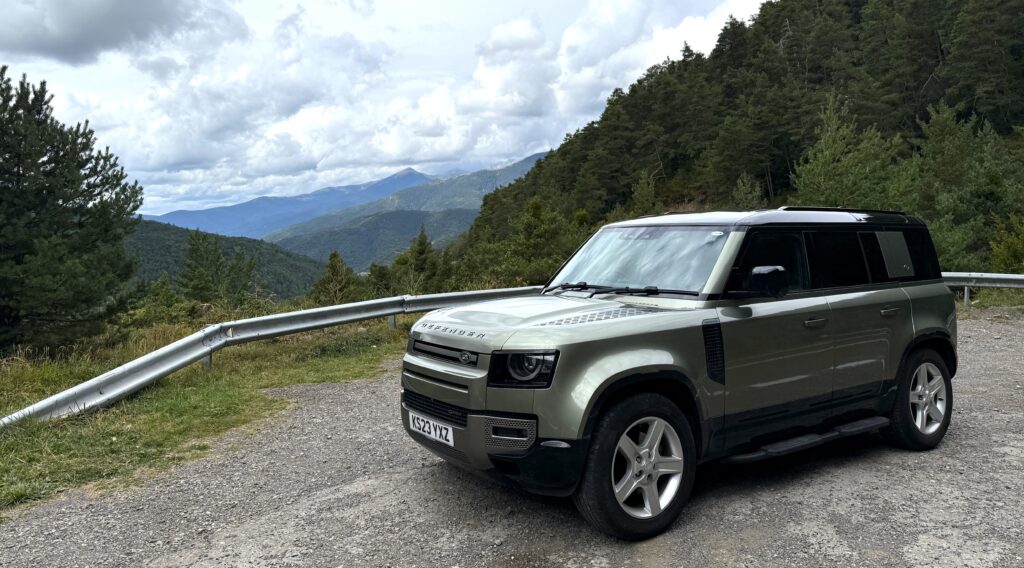
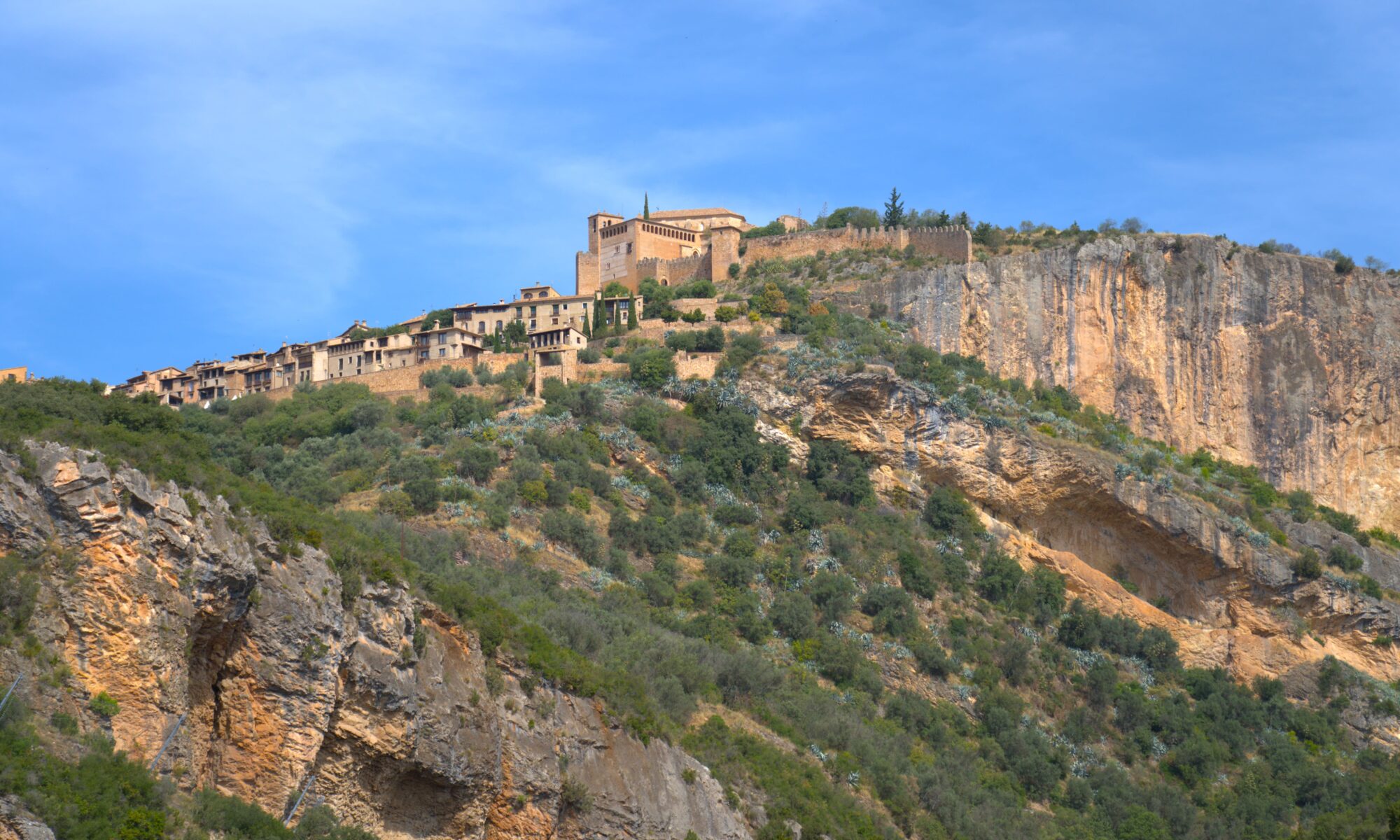
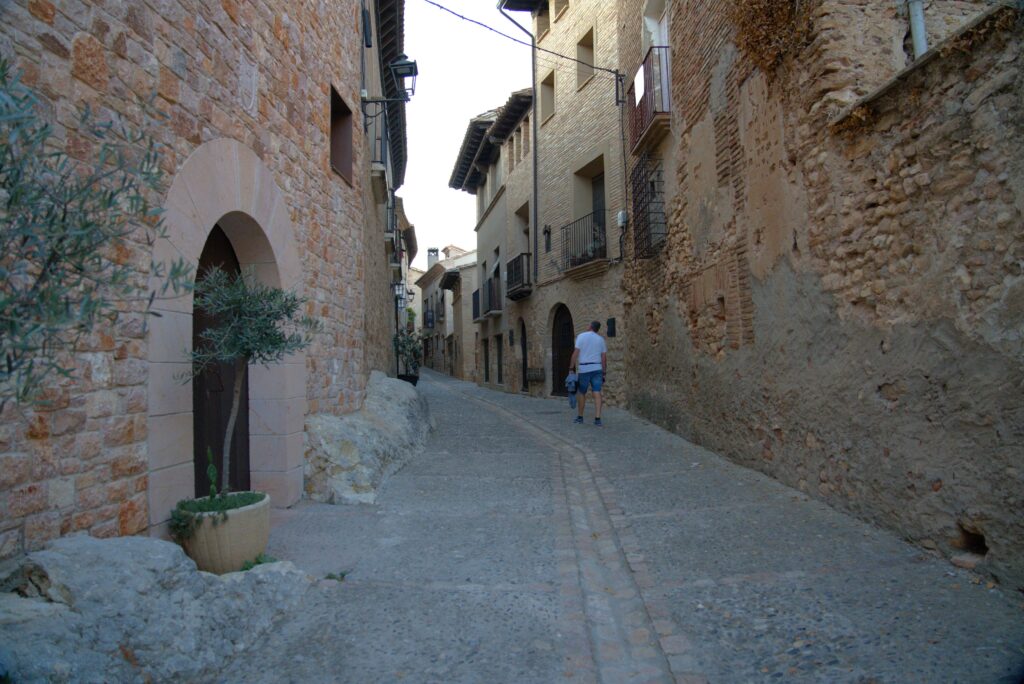
Our hotel was right in the heart of the walled village, which made for a rather hairy arrival. The Land Rover suddenly felt enormous as we navigated impossibly narrow streets, inching between ancient stone walls. Thankfully, Mr A’s many years of reversing caravans and motorhomes paid off; with impressive precision he coaxed it into a space that looked several sizes too small. We made sure to extract everything we needed before closing the doors – reopening them would have required architectural alterations!
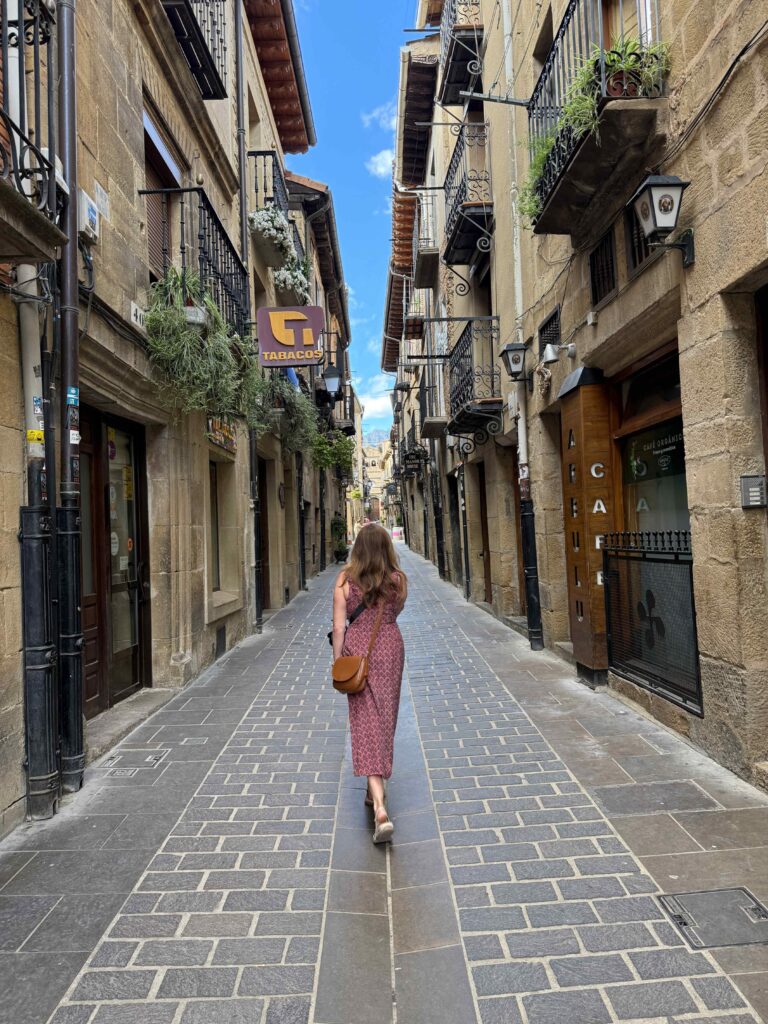
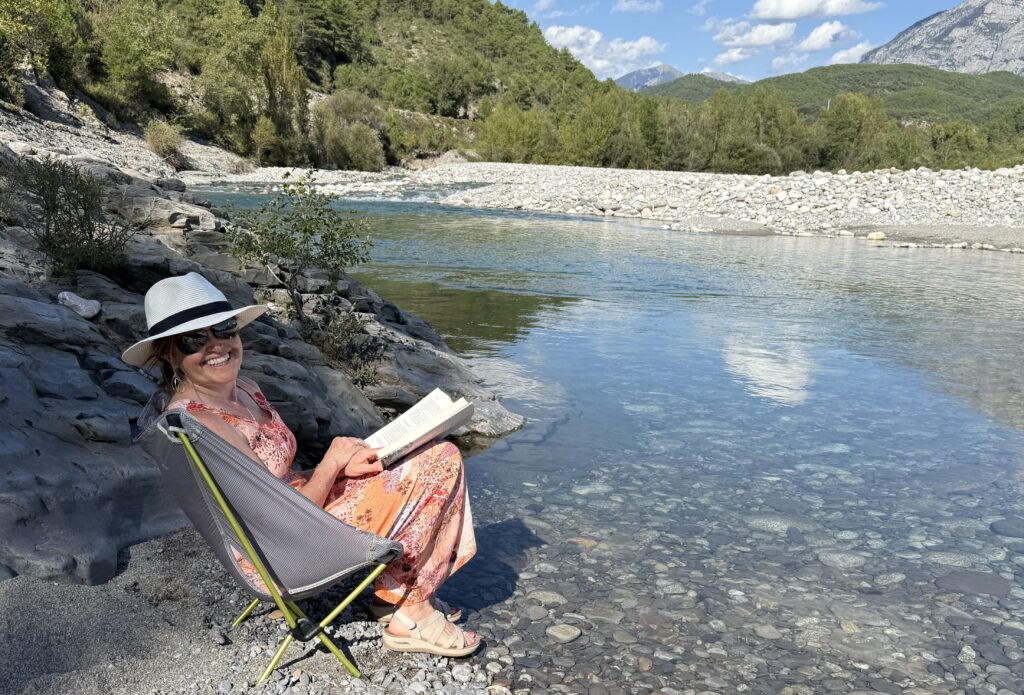
Our room was glorious – a balcony overlooking the village below, with the cobbled streets just outside inviting exploration. After an hour reading in the warm afternoon light, we headed out to wander.
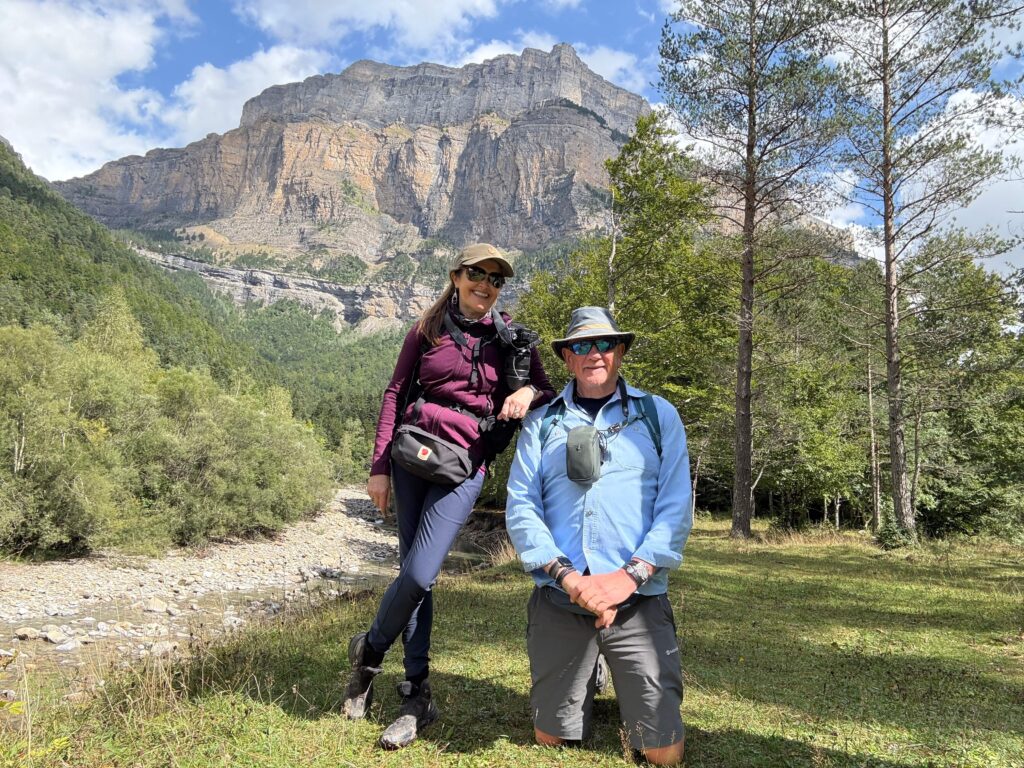
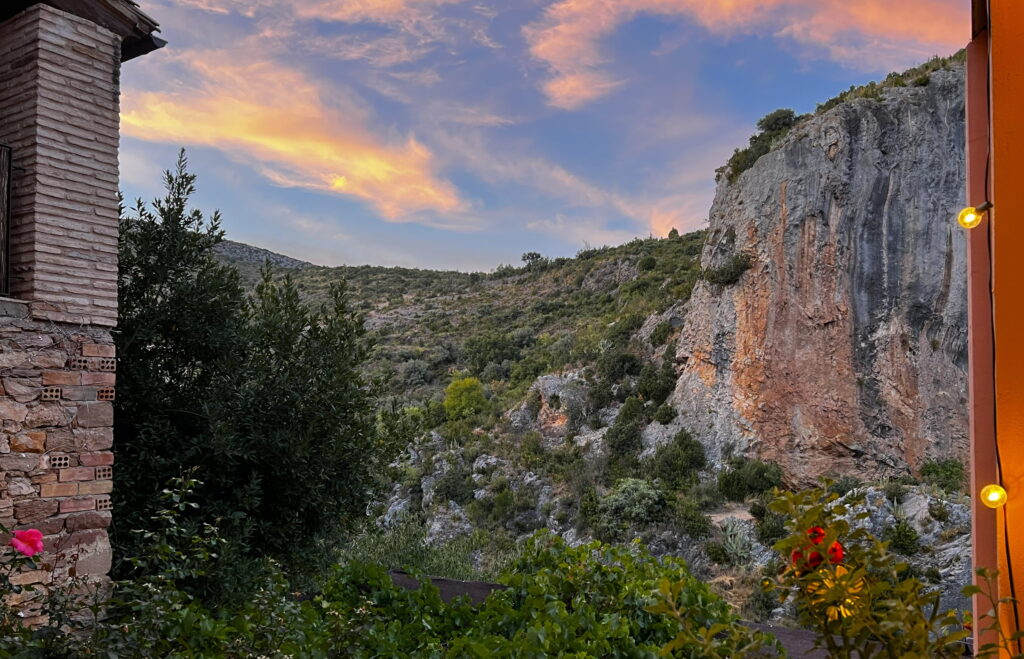
That evening we returned to a low-key bar-restaurant we had spotted with an outdoor terrace perched above the Rio Vero gorge. As we dined, we watched the sandstone walls shift from golden yellow to soft salmon pink before slowly dissolving into dusk. It was utterly mesmerising.
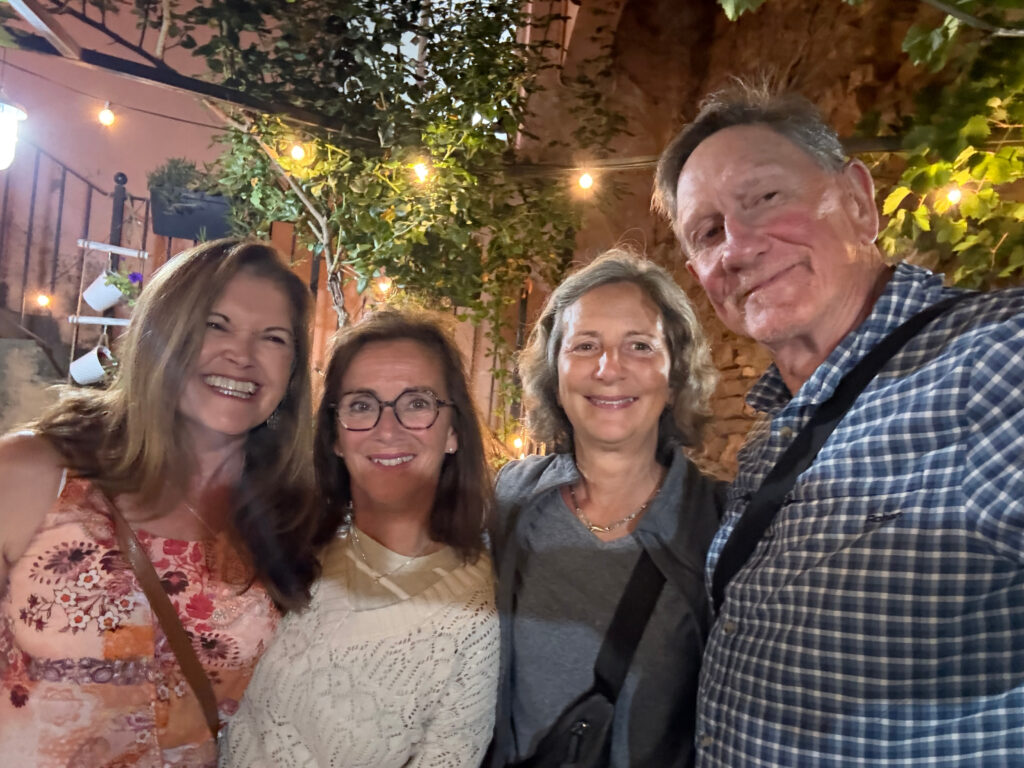
We struck up a cheerful conversation with two women visiting from Quebec. They laughed about how the French in France sometimes “pretend not to understand” their Canadian French. Their English was more than good enough for shared humour, and before long we were toasting with shots – eventually the last guests standing, save for the patient staff.
The following morning, thankfully hangover-free, we were ready to explore the gorge itself. Entry is ticketed and one-way, so we bought our passes and began the steep descent into the dramatic landscape below, eager to see what awaited us around the next bend.
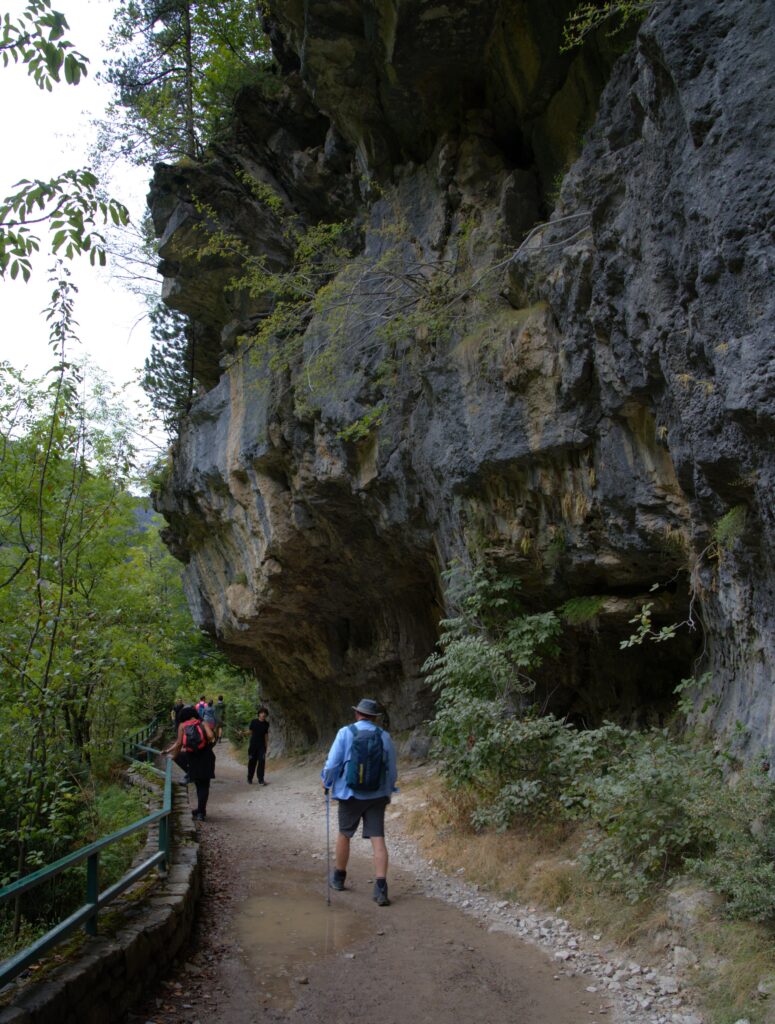
From the medieval streets in the village of Alquézar, the famous Pasarelas del Vero drops dramatically into the Vero River canyon below via many rocky steps. “Pasarelas” loosely translates as walkways – though “catwalks” feels more accurate at times – narrow metal platforms bolted directly into the cliff face above the rushing water.
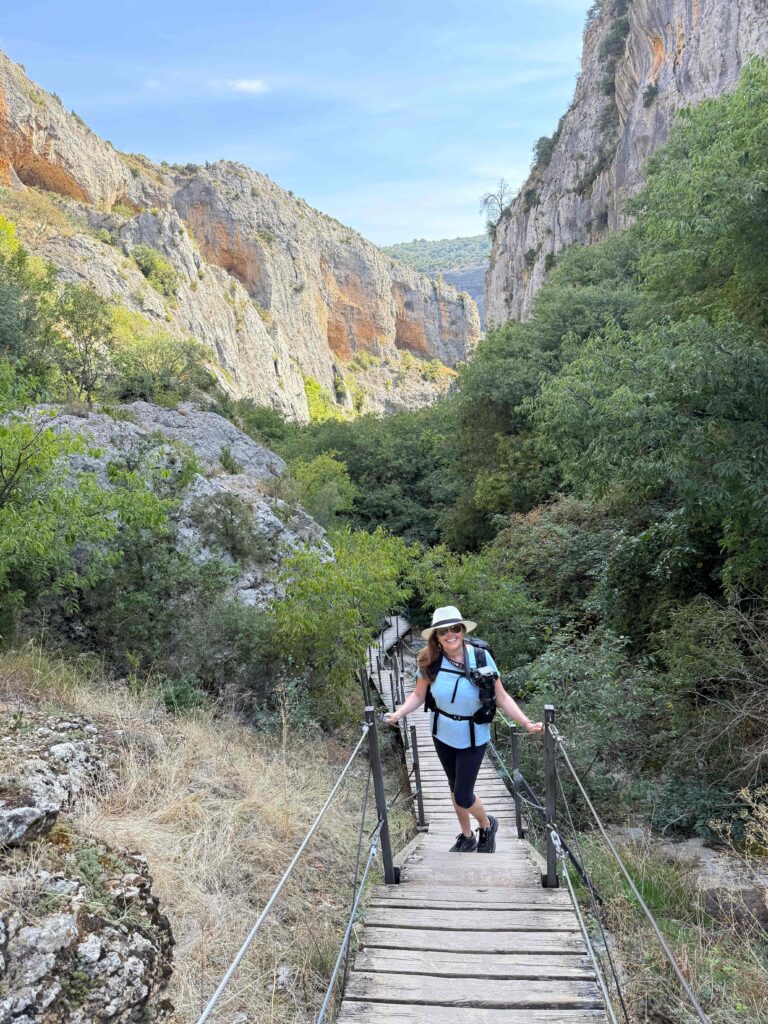
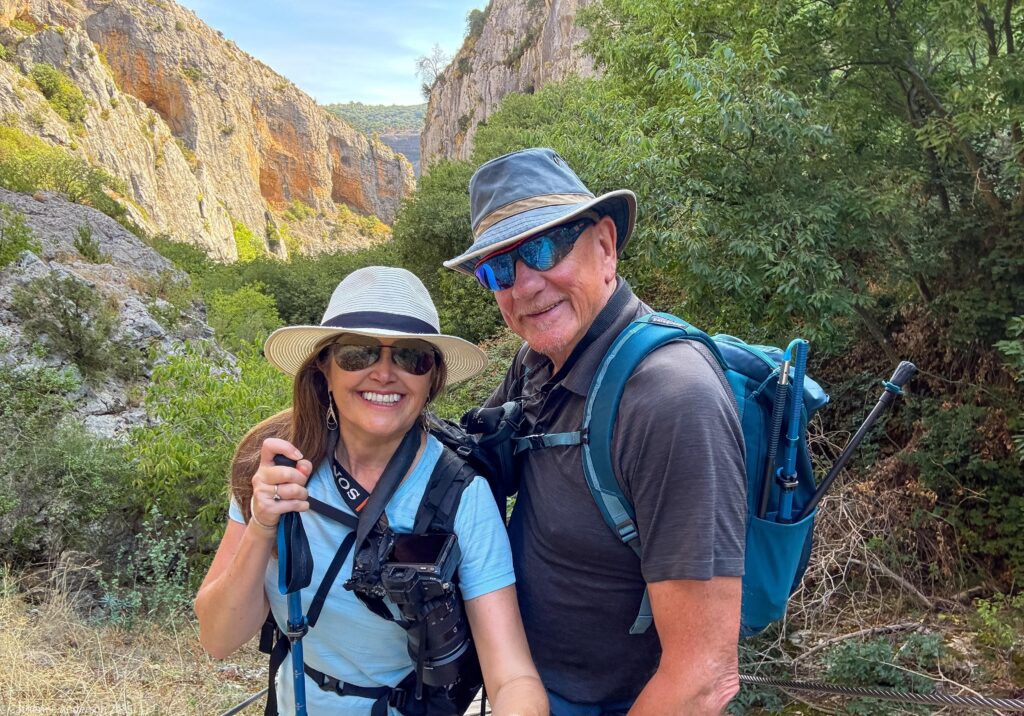
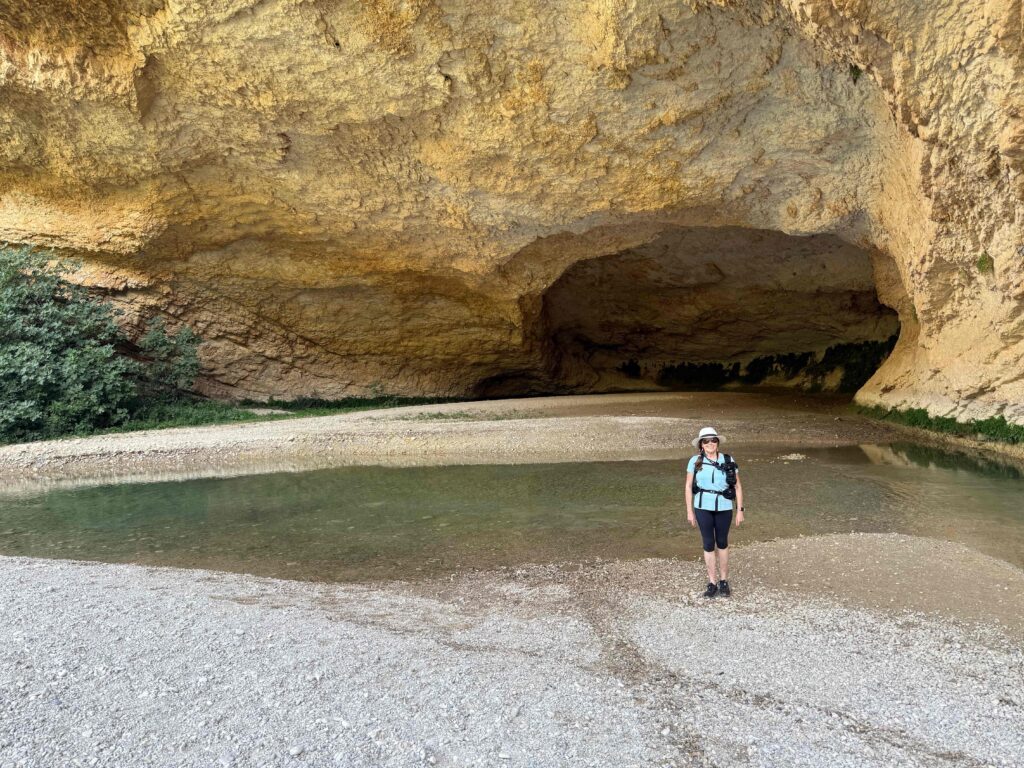
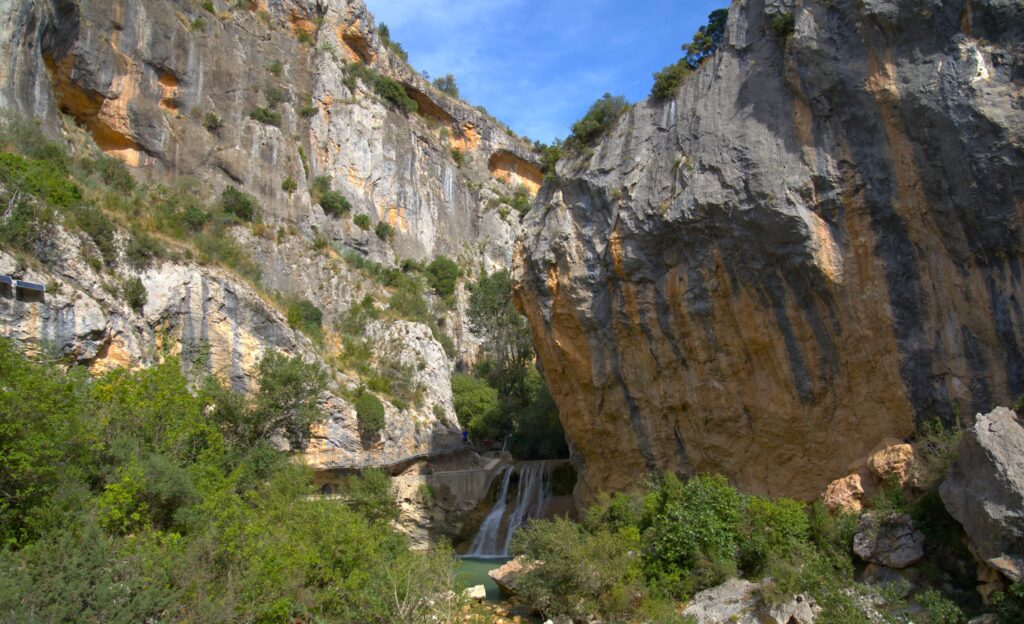
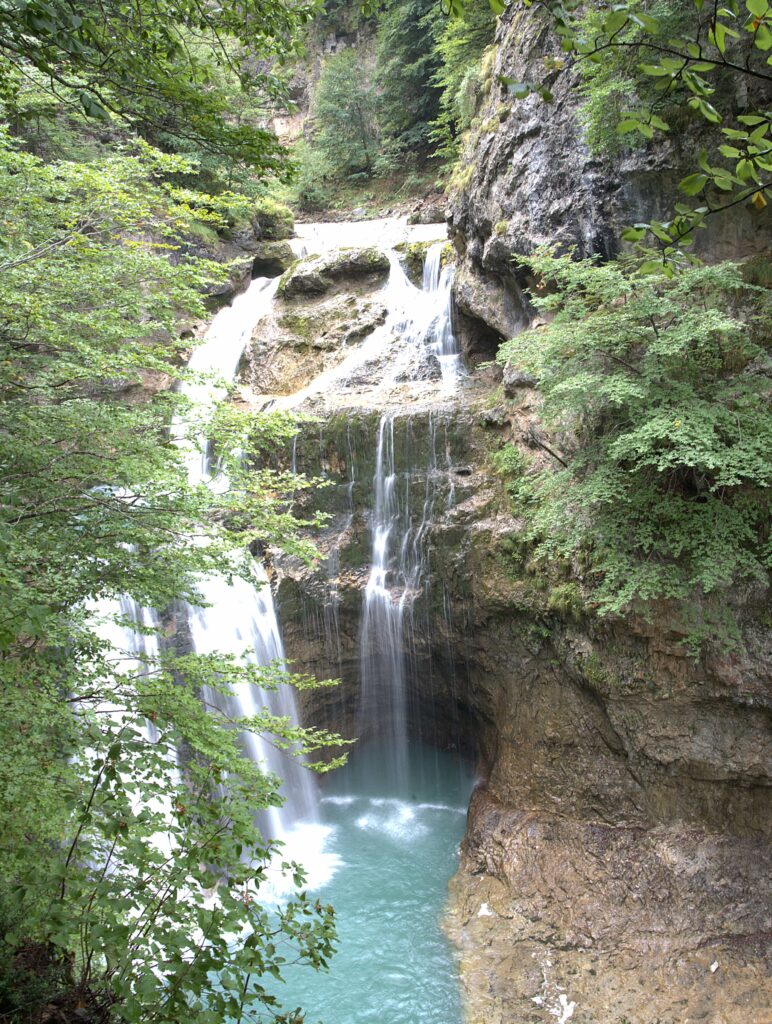
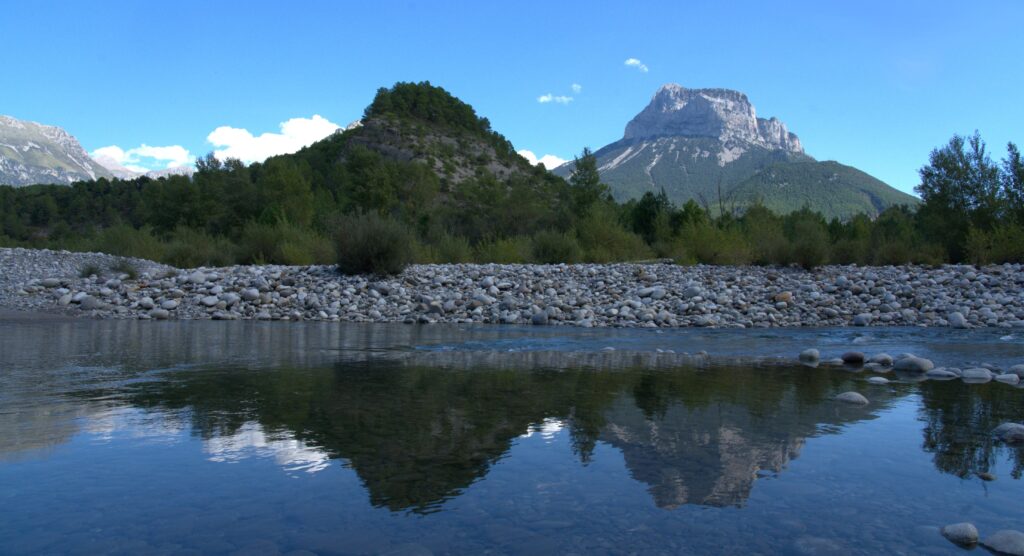
The trail follows the Vero River as it tumbles through waterfalls and pools, carving its way through towering limestone walls. Along the route you pass the old hydro-electric plant, built in the early 1900s to bring electricity to the village — a remarkable feat of engineering in such a dramatic landscape.
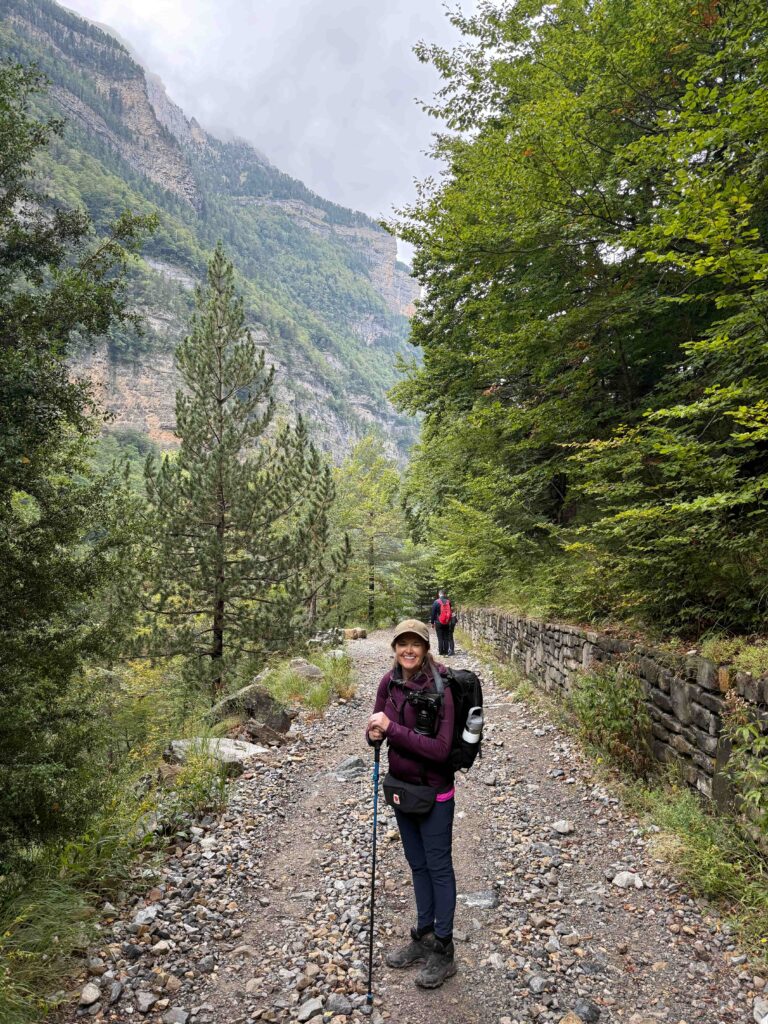
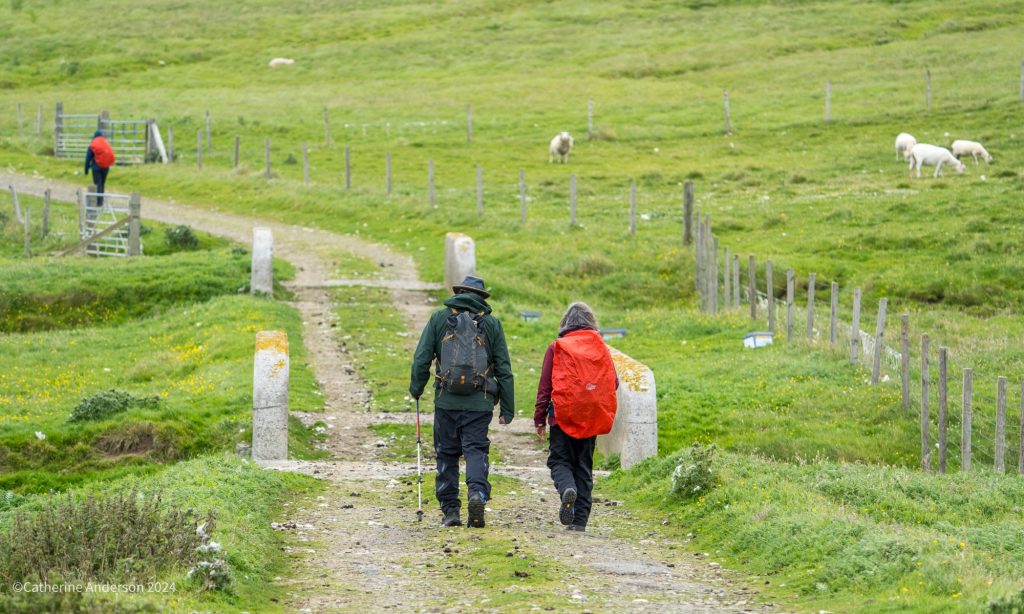
In places there is a rocky hiking path. In others, there is nothing but a thin metal walkway clinging to the rock, suspended some 10–20 metres above the water. The canyon walls close in tightly, and the sound of the river echoes upwards.
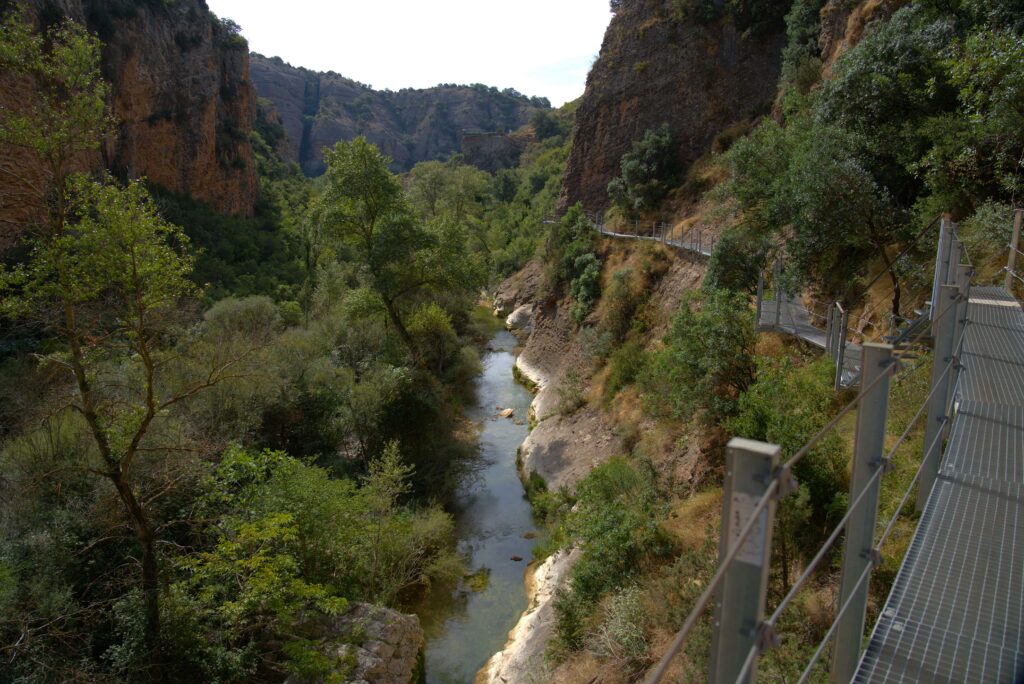
When the exposure became a little too “character-building,” Mr A sensibly peeled off along an inland alternative to avoid aggravating his vertigo. I continued carefully along the cliff edge, edging my way towards a magnificent lookout point that opened up to sweeping views of the gorge towards the village.
The climb back up was more breathless than I would have liked – my airway clearly narrowing again – and I took it slowly before reuniting with him on a welcome shady bench.
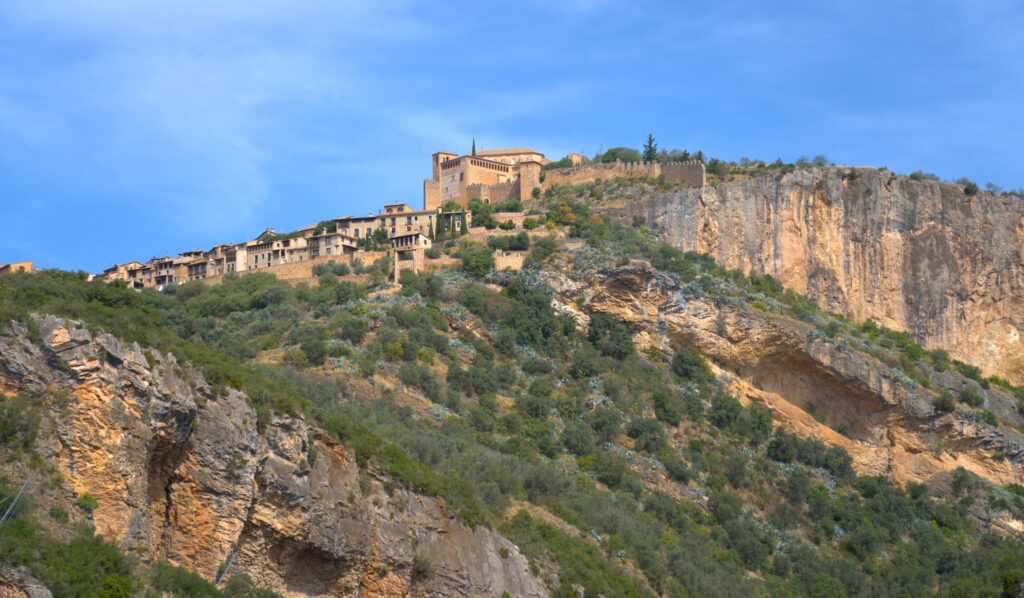
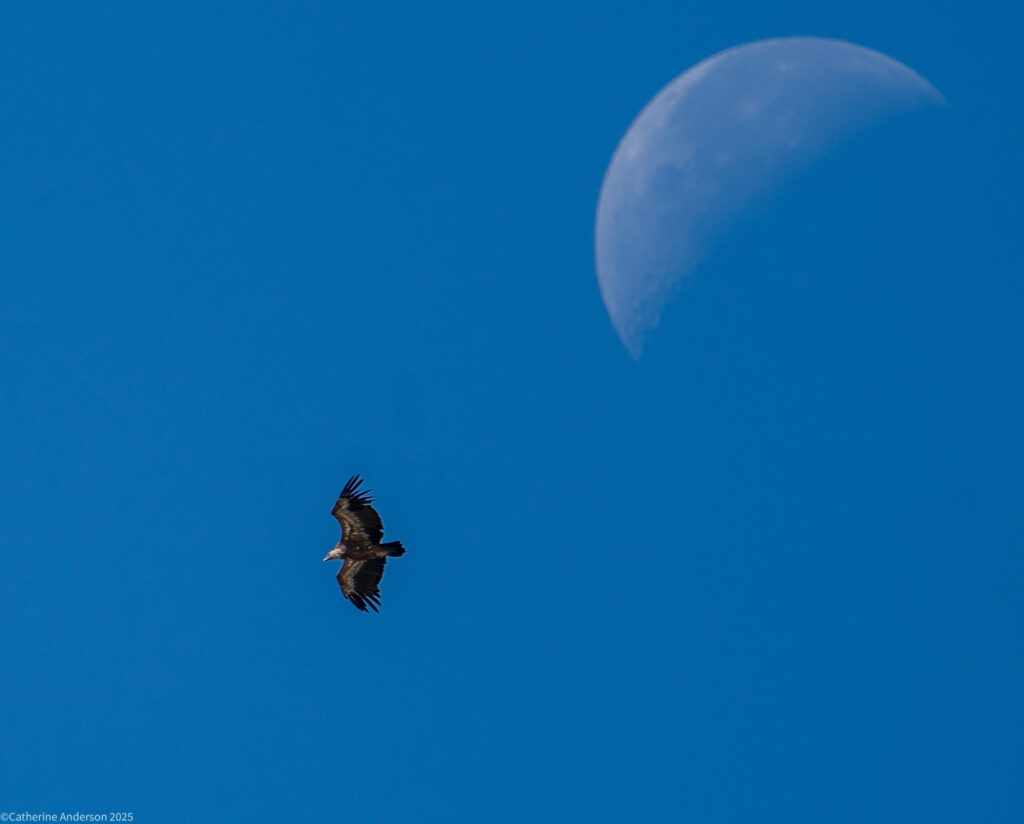
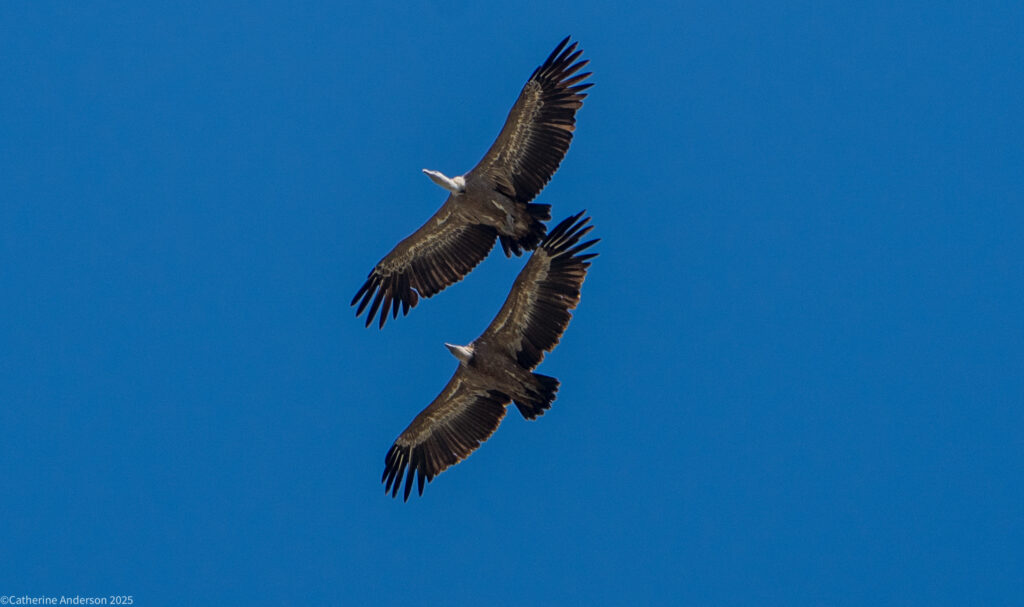
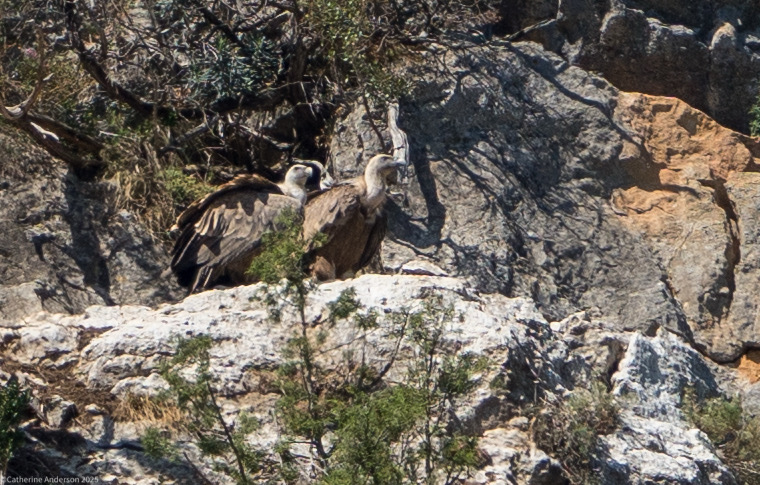
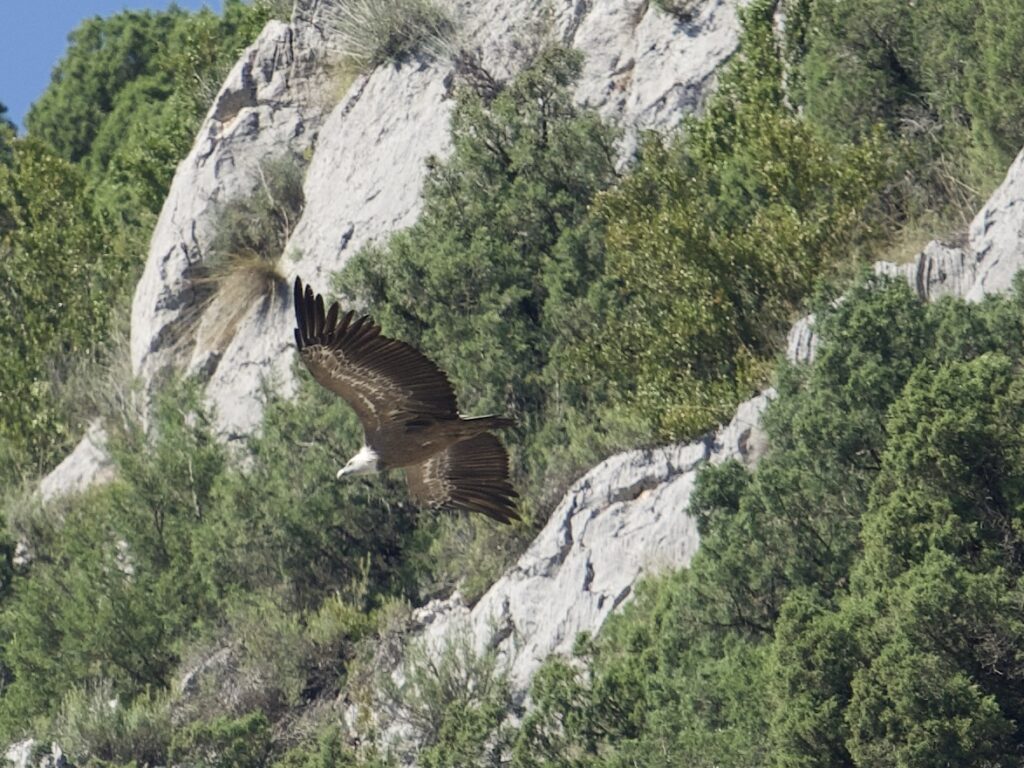
High above us, vultures circled lazily on the thermals. We chose to believe they were simply enjoying the updrafts rather than assessing us as potential easy pickings.
It was a spectacular hike – dramatic, exposed, exhilarating – and certainly not one we’ll forget in a hurry. The final walk took us through almond and olive groves and lush orchards, back to the Church of San Miguel.
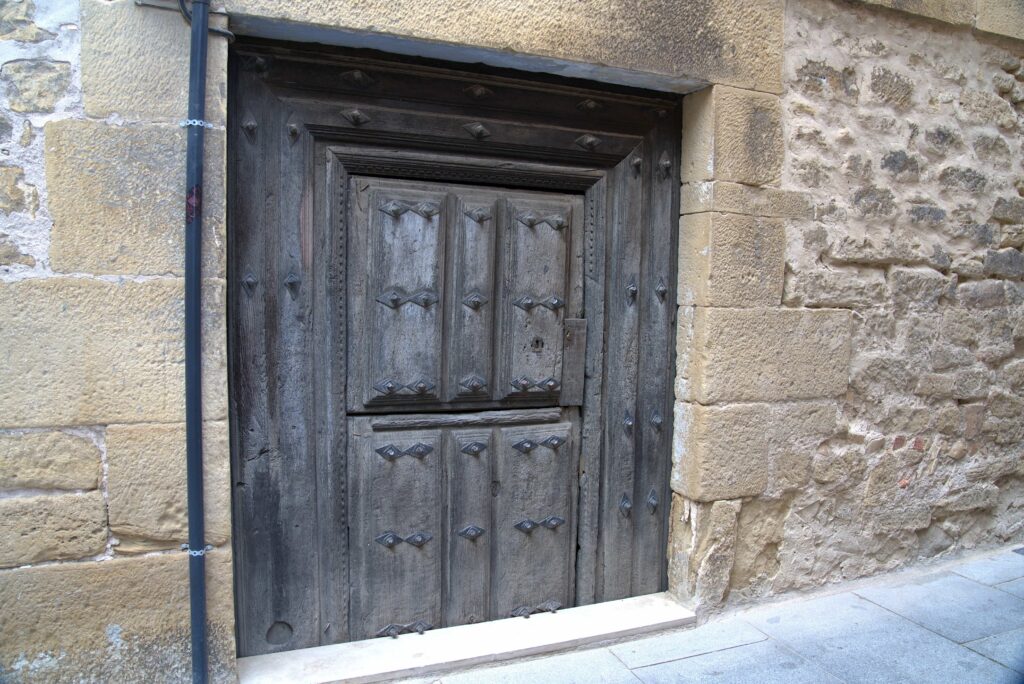
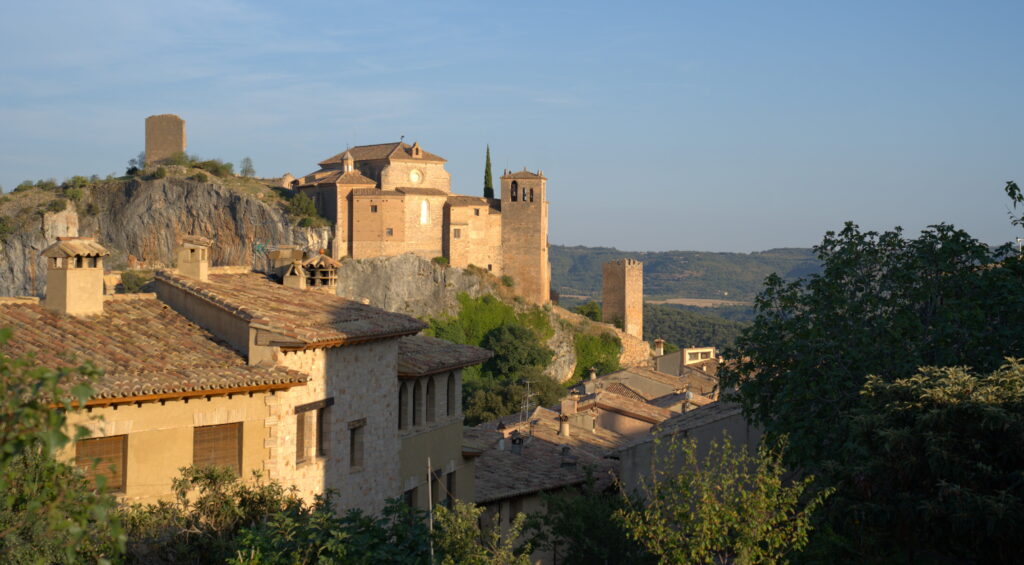
After freshening up we took another stroll around the village, soaking up the history and relishing the cooler temperatures in the shade. Many of the buildings seem to have simply emerged from the limestone rock, with it incorporated into walls and doorways.
18-21 September – Getaria, Basque Country
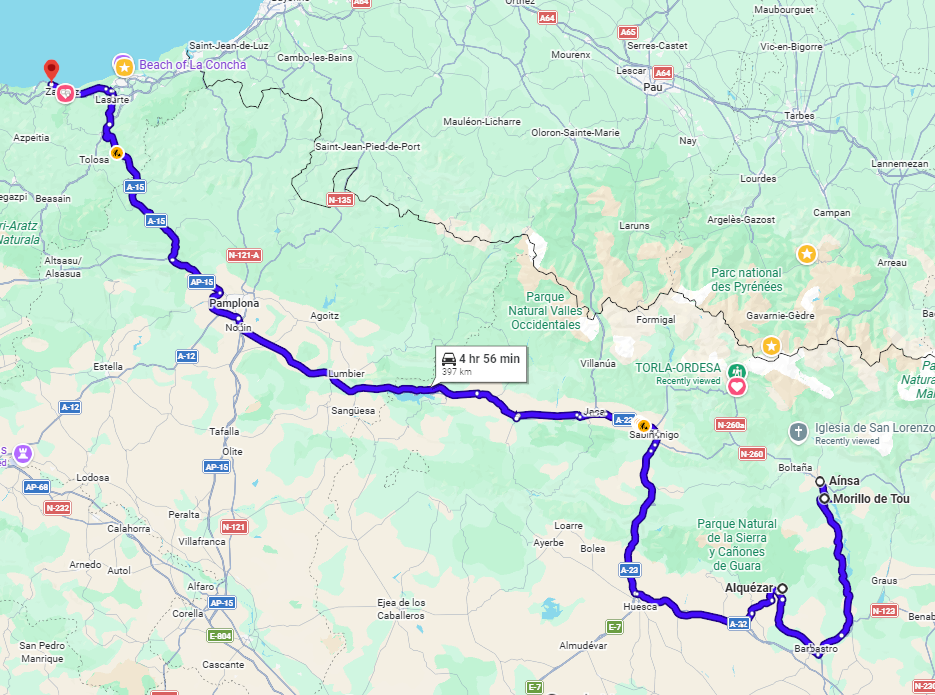
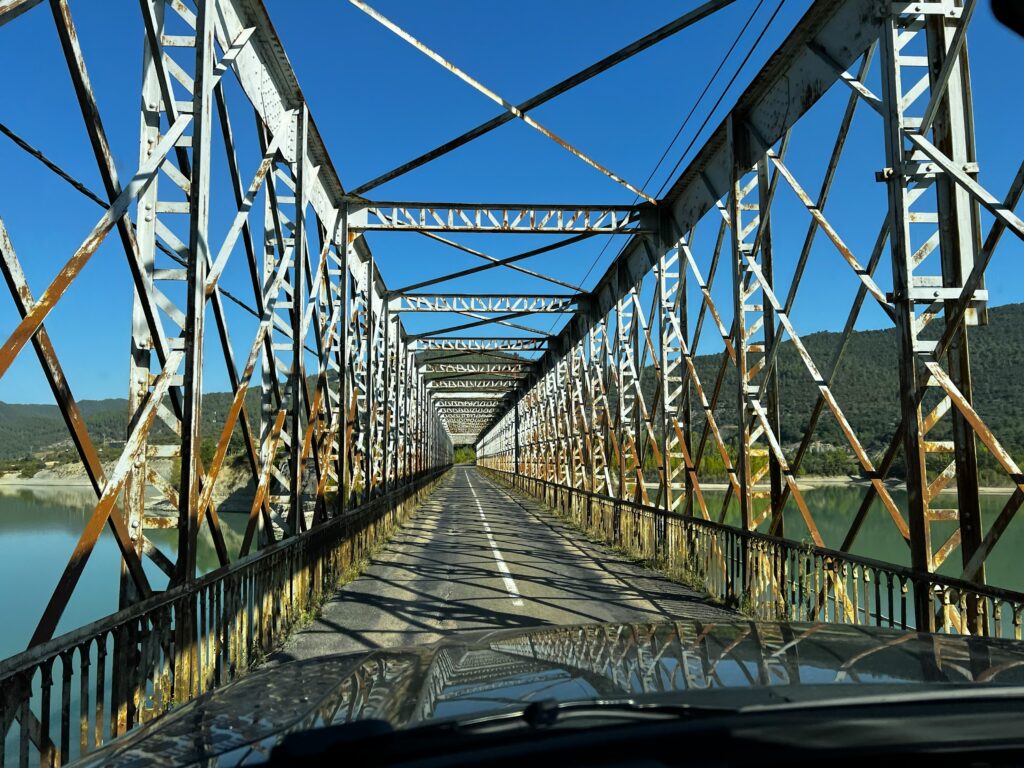
Leaving Alquézar required a few careful manoeuvres to extract the car from the tiny medieval streets, but Mr A rose to the challenge with characteristic calm – assisted, of course, by some enthusiastic co-piloting. Before long we were heading north-west across country towards the coast and Basque Country.
Known locally as Euskadi, the Basque Country is a fascinating autonomous community with a language that predates most other European languages. Linguists have studied Euskara for decades, intrigued by its mysterious origins and lack of clear links to neighbouring language families.
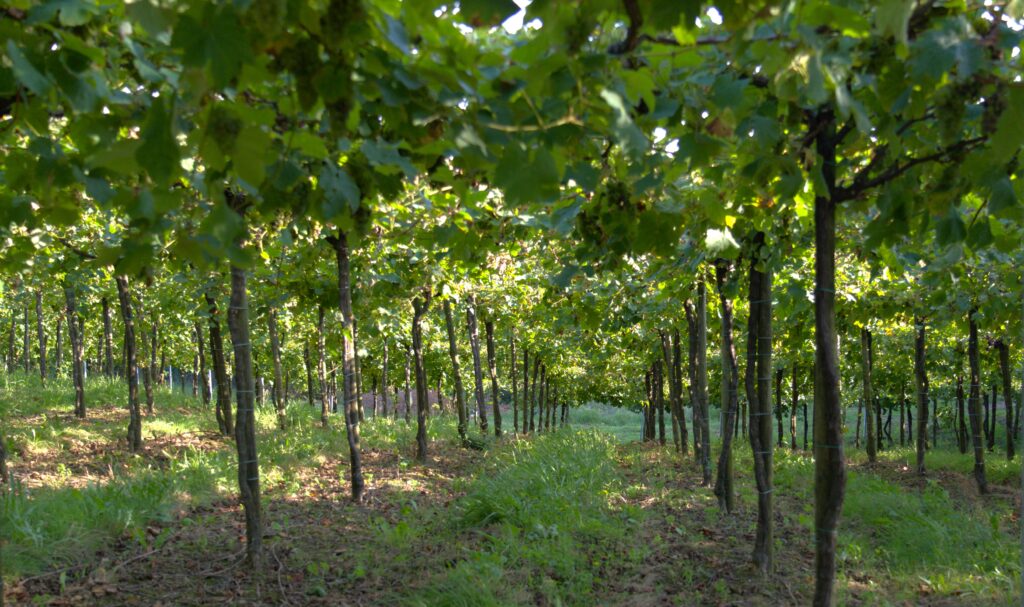
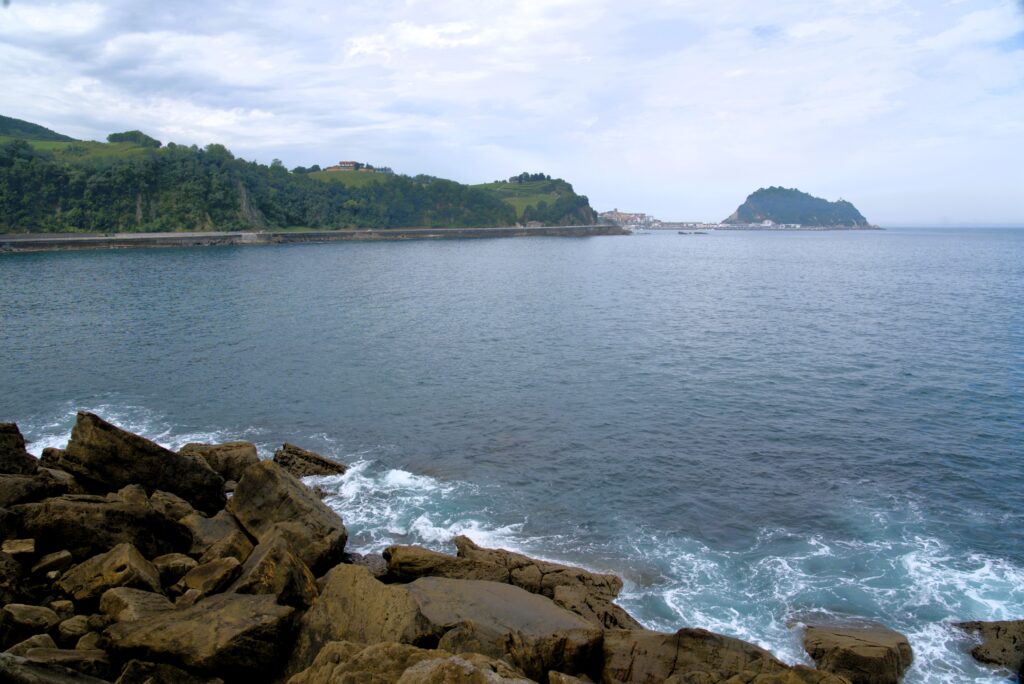
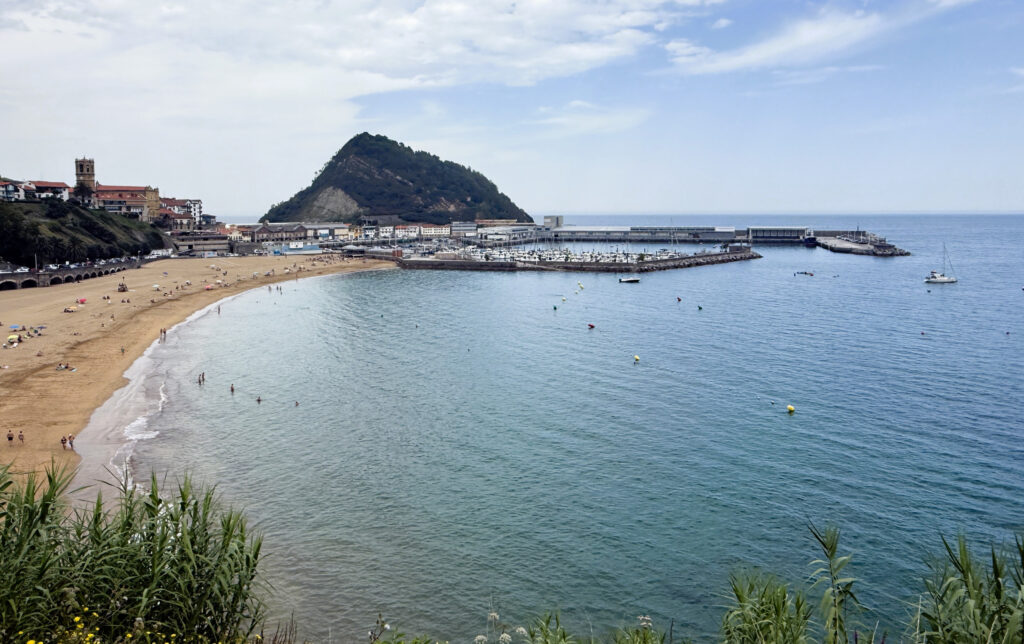
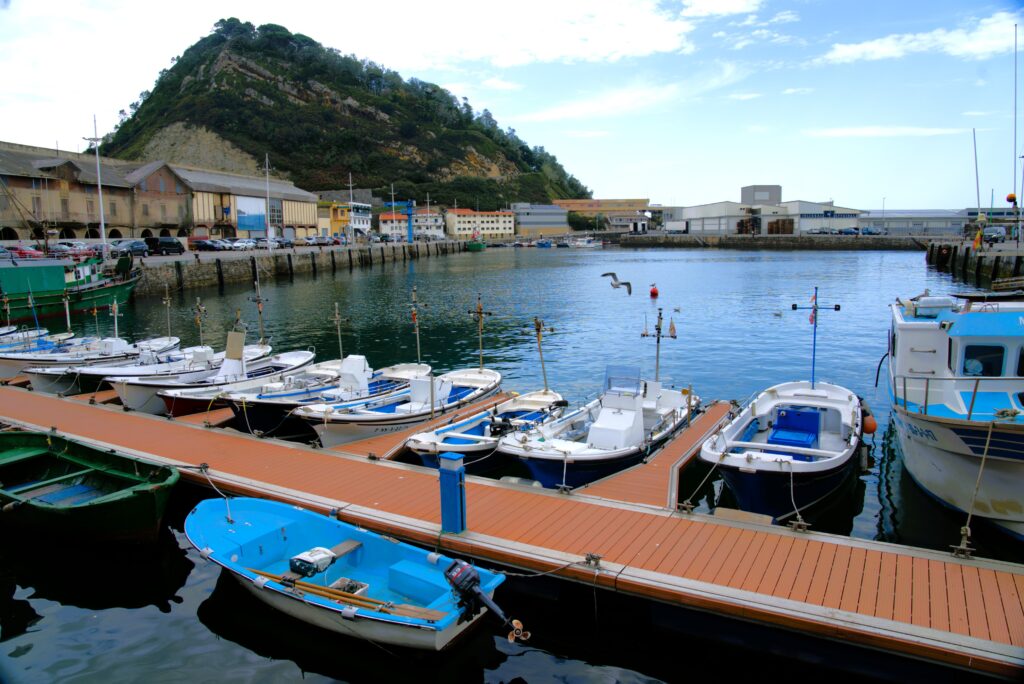
Our destination was the charming fishing town of Getaria, where we were staying on a farm surrounded by vineyards rolling down towards the sea.
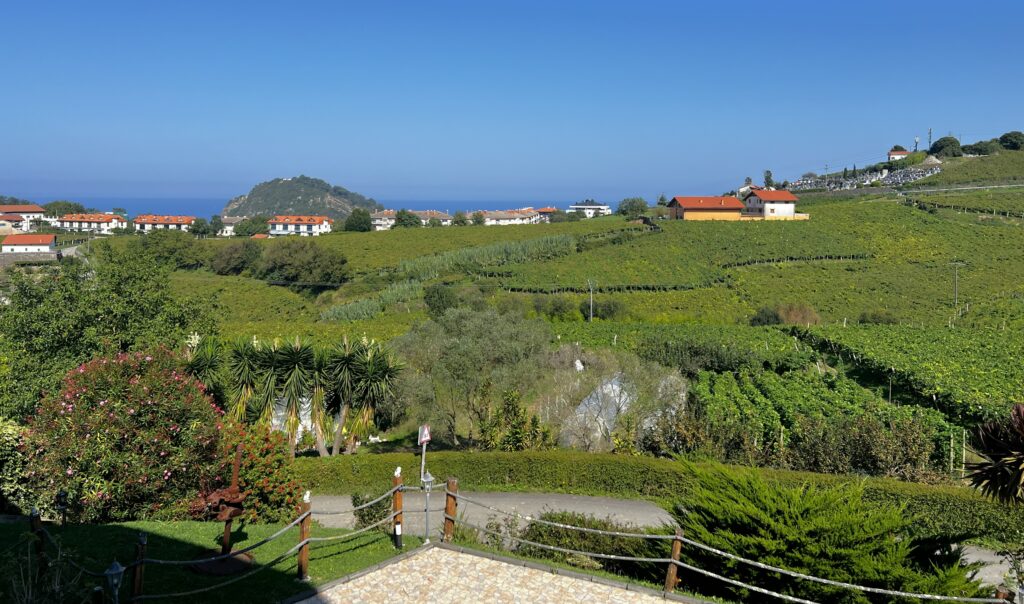
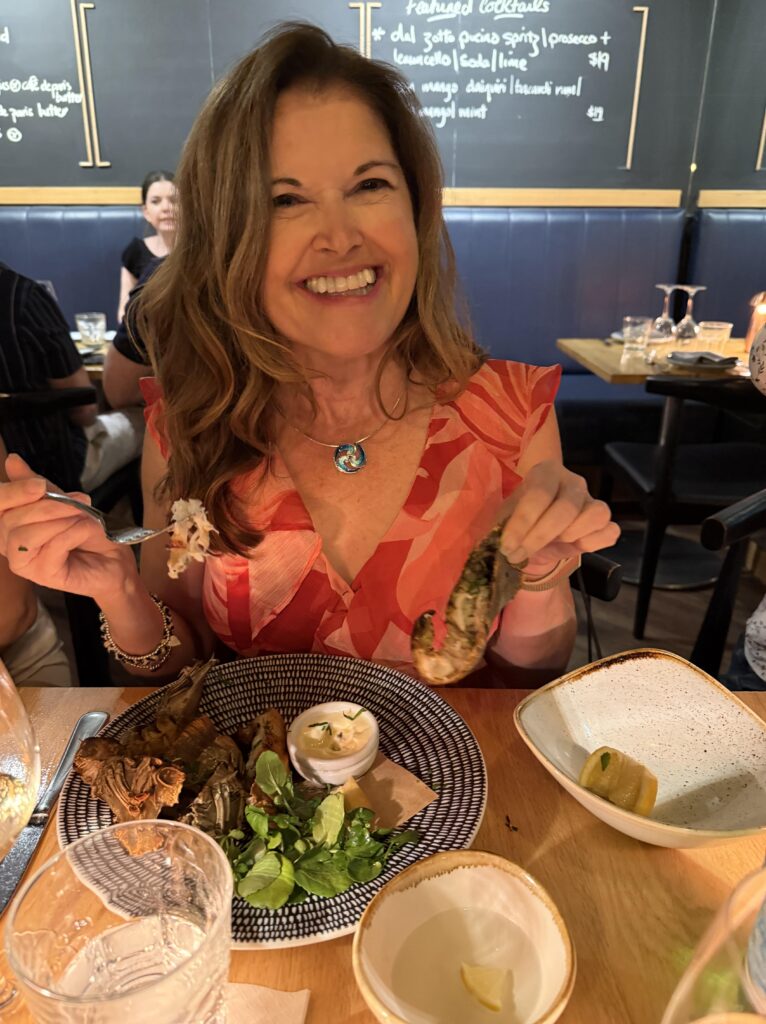
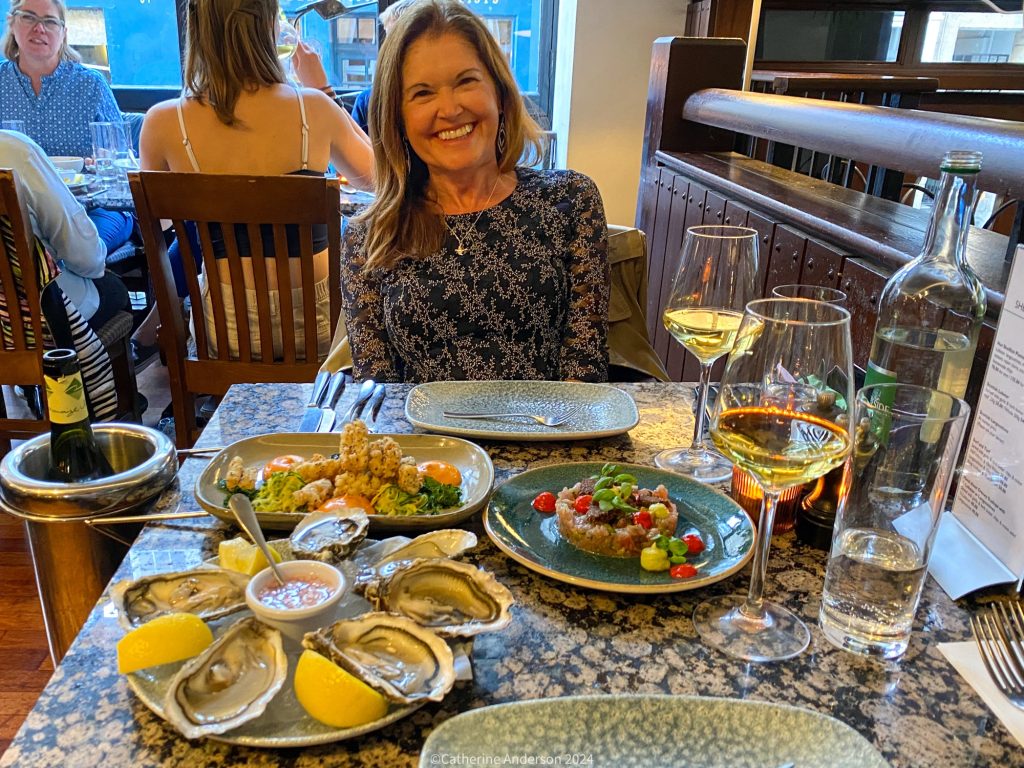
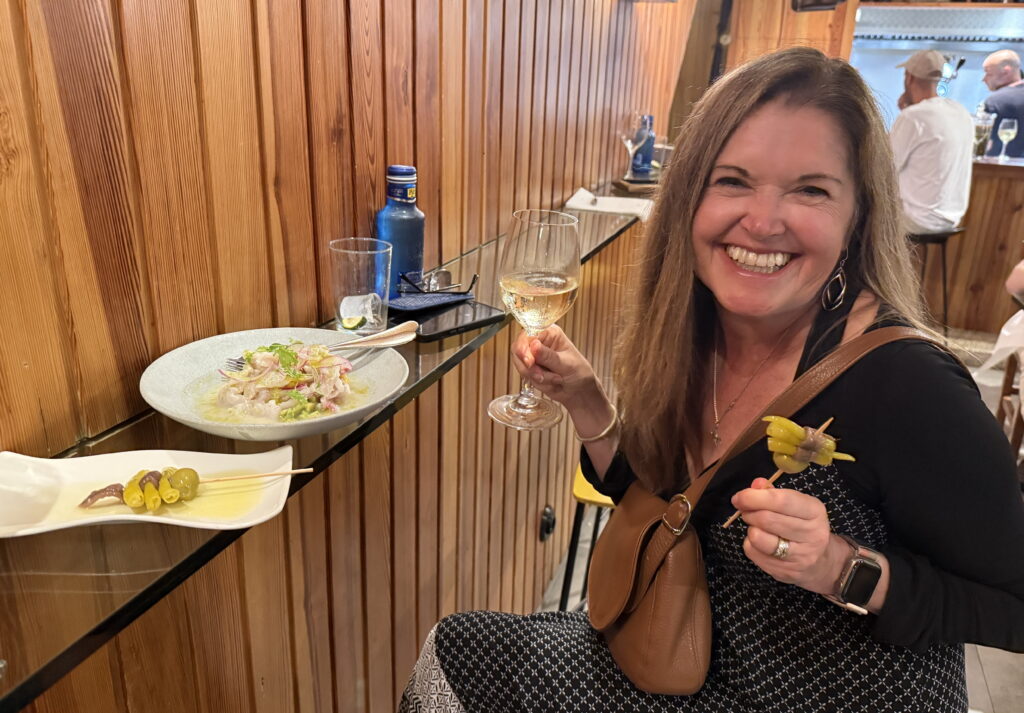
Getaria is renowned for several things including exceptional seafood, the local dry white wine (Txakoli de Getaria) and excellent tapas – so we were delighted to stumble upon a tiny tapas bar on our very first evening, serving delicious seafood dishes fresh from the nearby waters. With a glass of superb local wine in hand, we settled happily into the Basque rhythm of life.
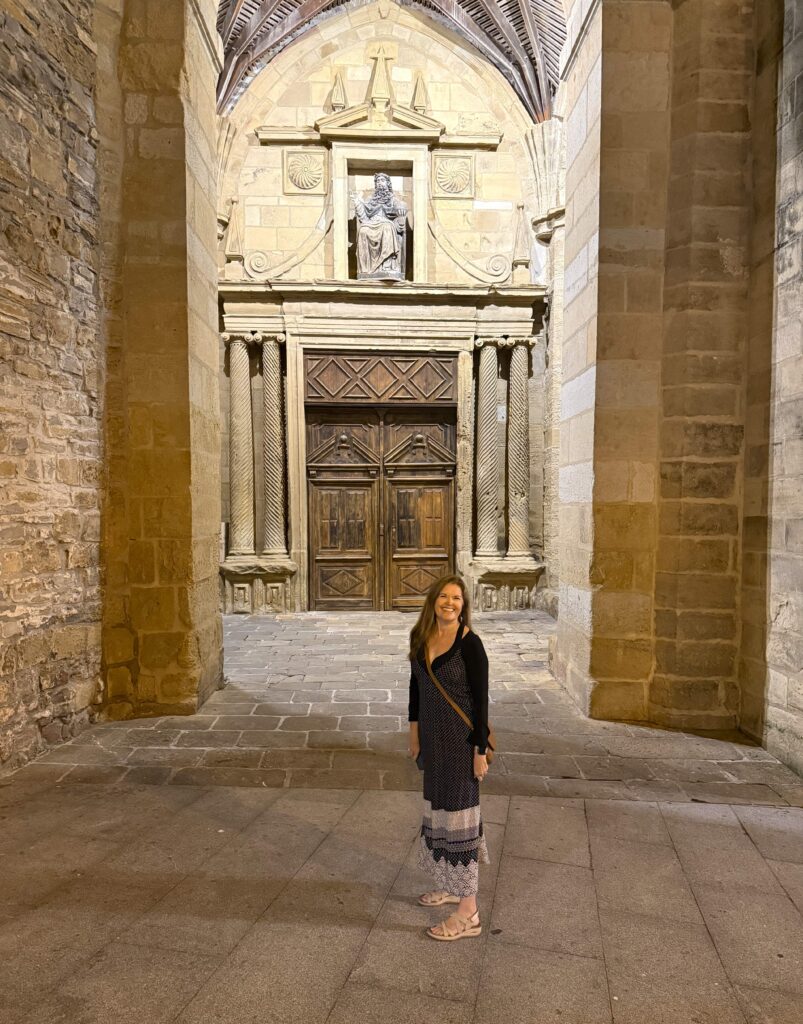
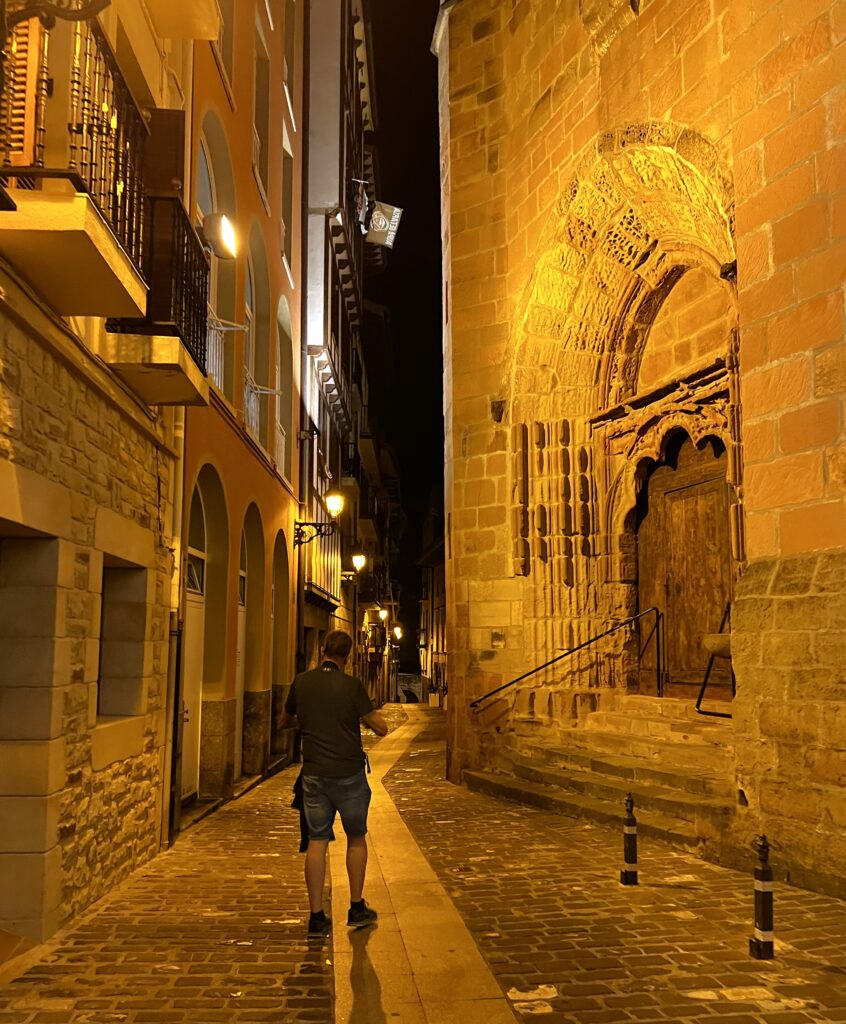
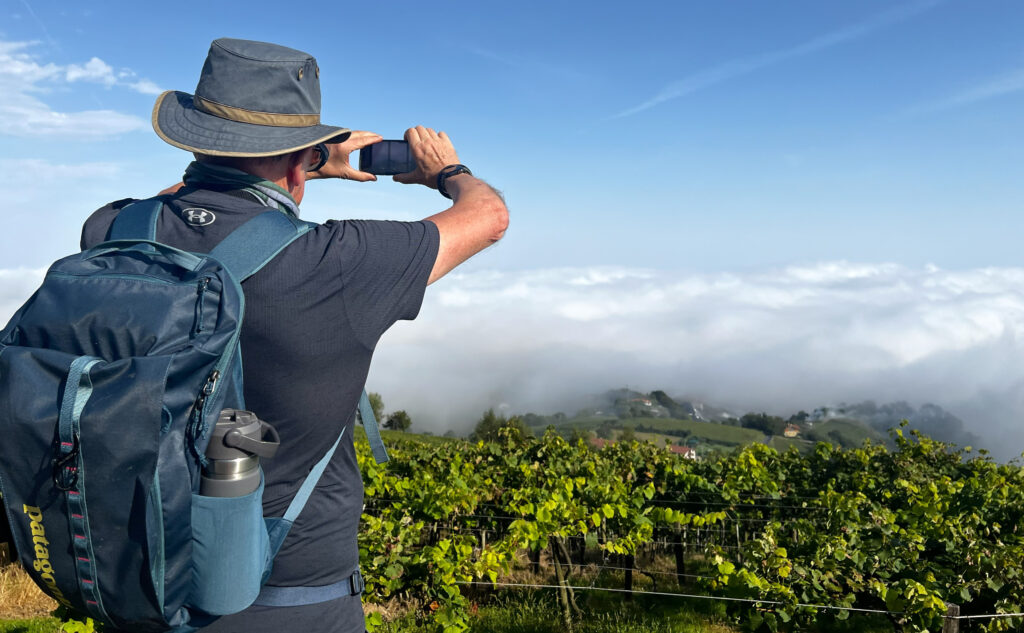
The following morning we set off hiking through misty vineyards, climbing steadily towards the ridge above the town. September is harvest season, and the countryside was alive with activity: migrant workers arriving by bus, tractors rattling along narrow lanes towing trailers piled high with freshly picked grapes. The air felt purposeful and industrious.
As we gained height, we emerged through the fog into bright sunshine and were rewarded with magical views across a sea of cloud below us. Gradually, as the mist drifted and thinned, glimpses of water appeared – flashes of silver hinting at the Bay of Biscay beyond.
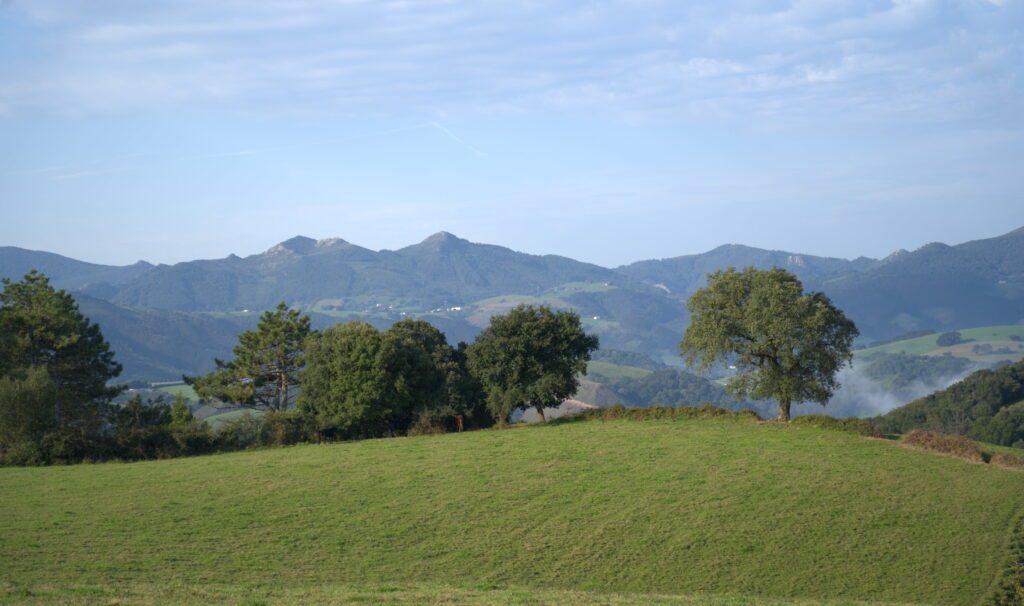
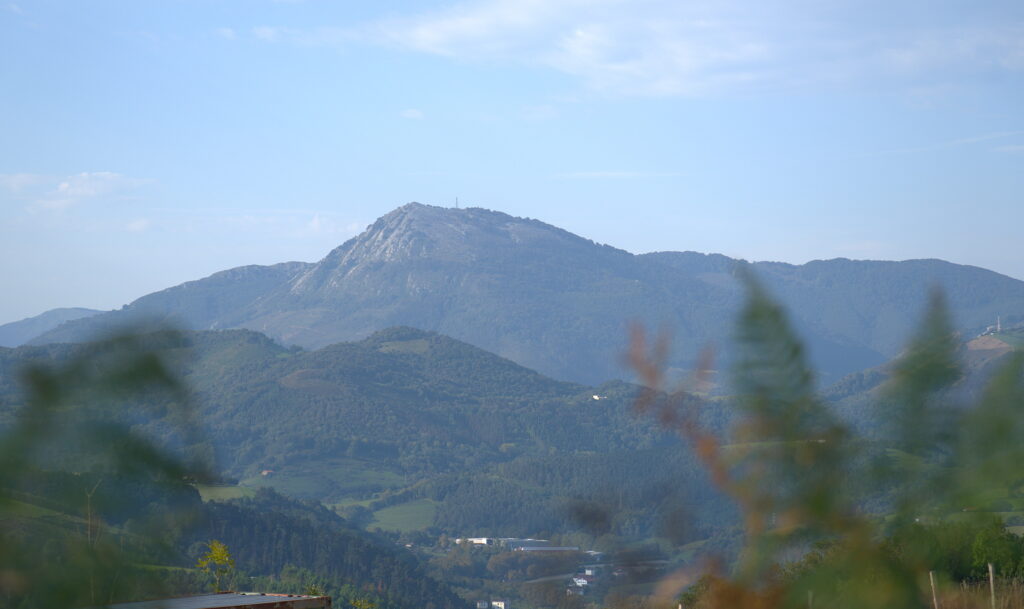
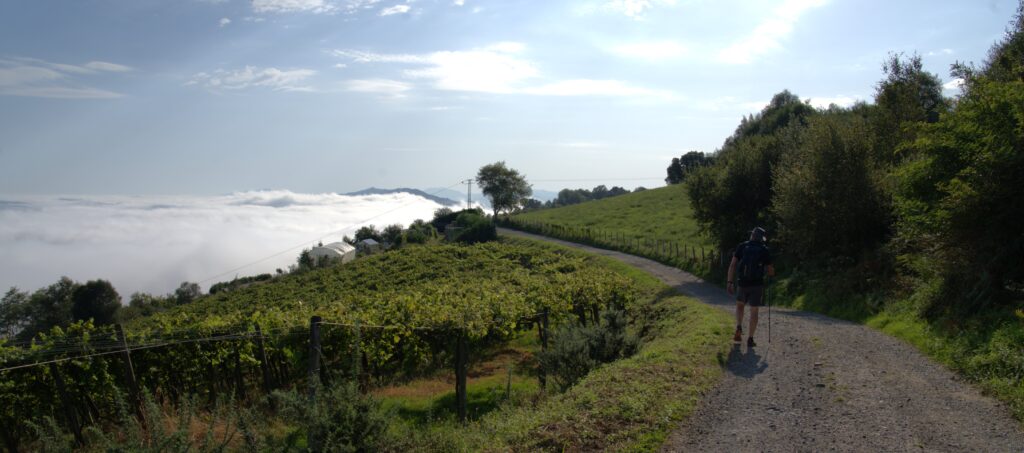
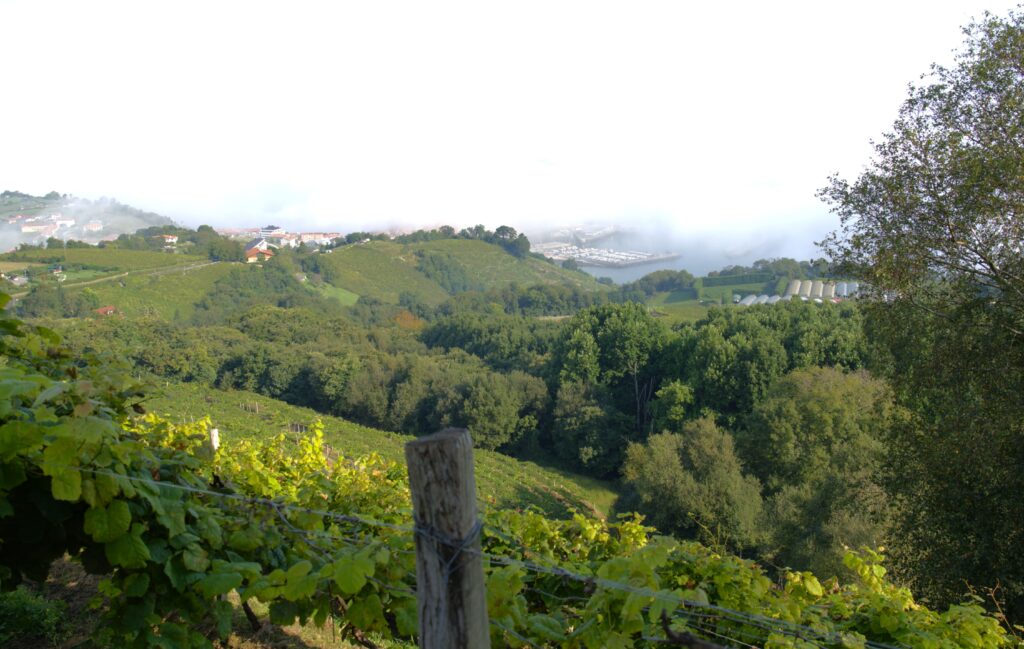
We descended towards Zarautz, the next town along the coast, where we enjoyed a gentle stroll along the long sandy beach before finding a café serving fresh seafood salads.
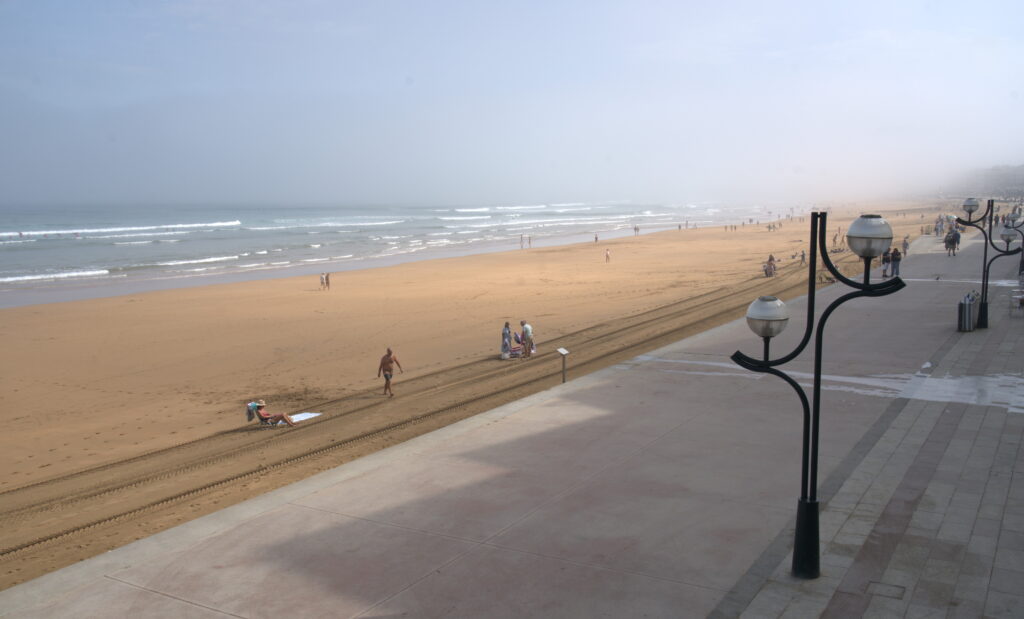
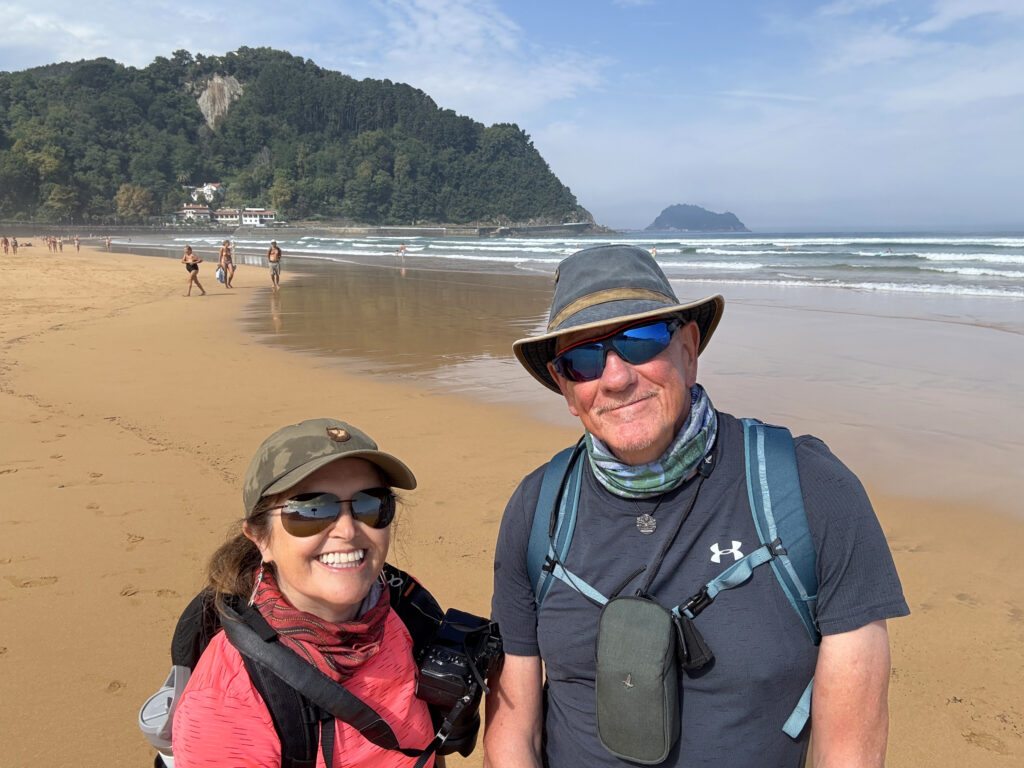
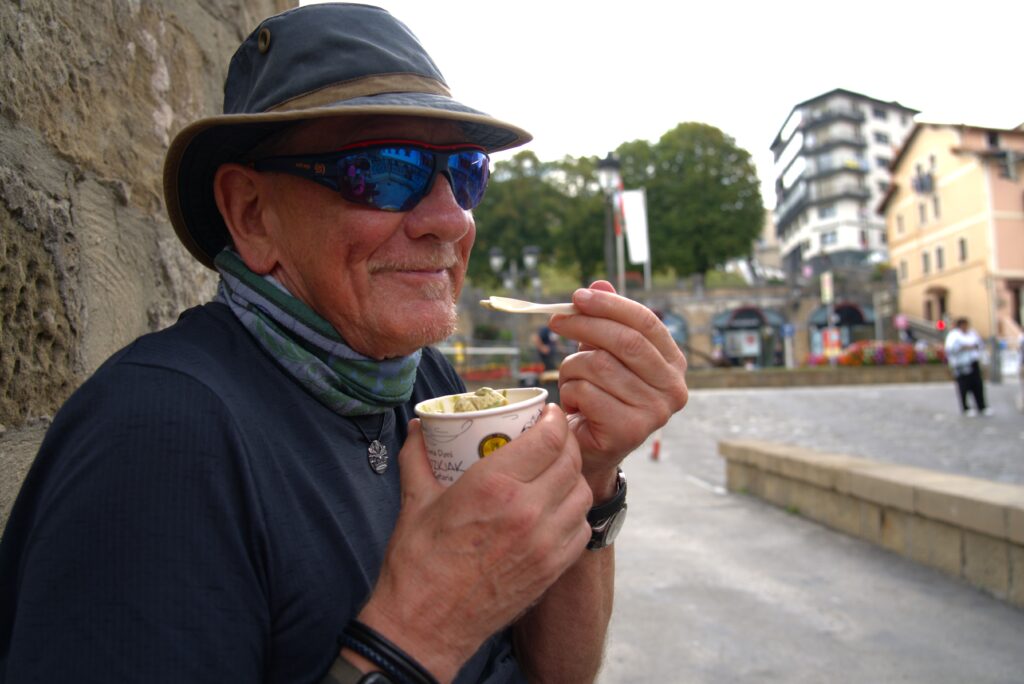
Refreshed, we followed the coastal path back to Getaria, finishing the afternoon in the best possible way – with a well-earned ice cream (17km under our belts by the time we reached our room!).
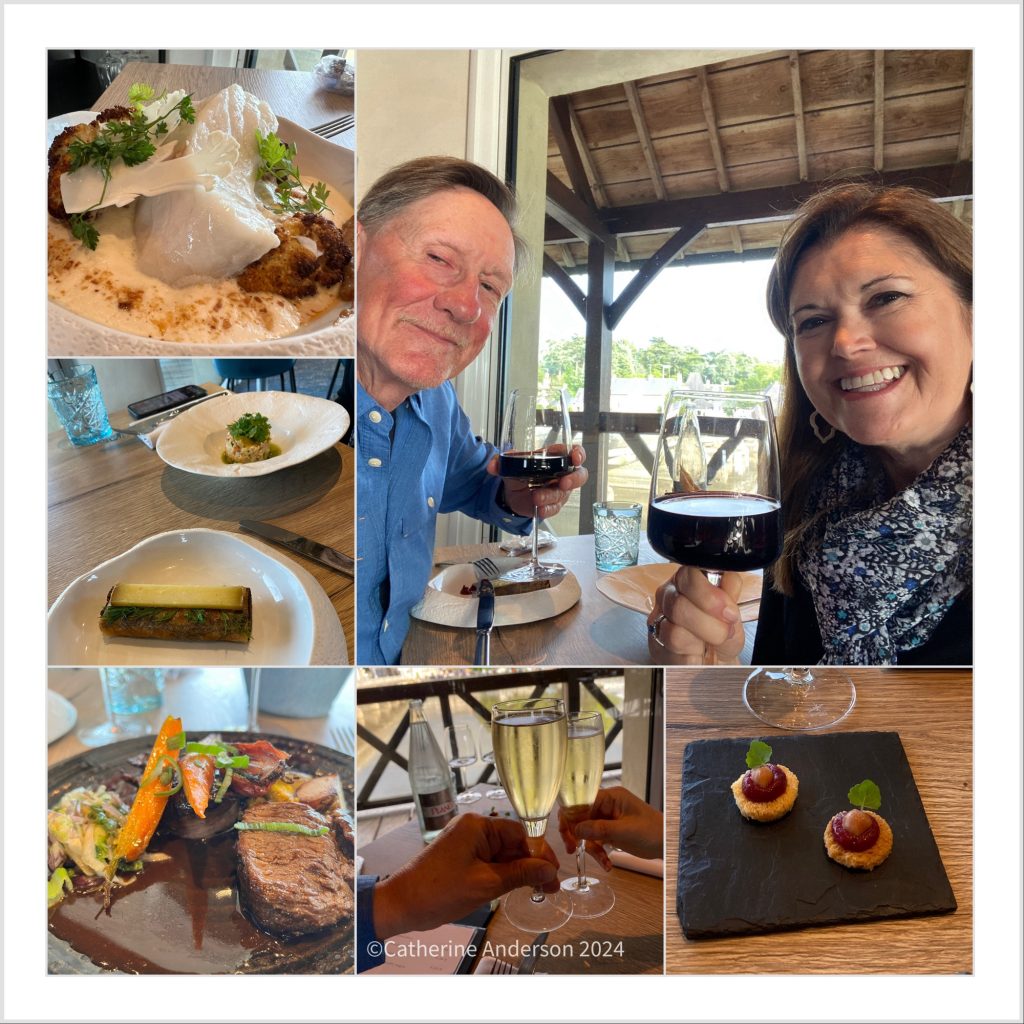
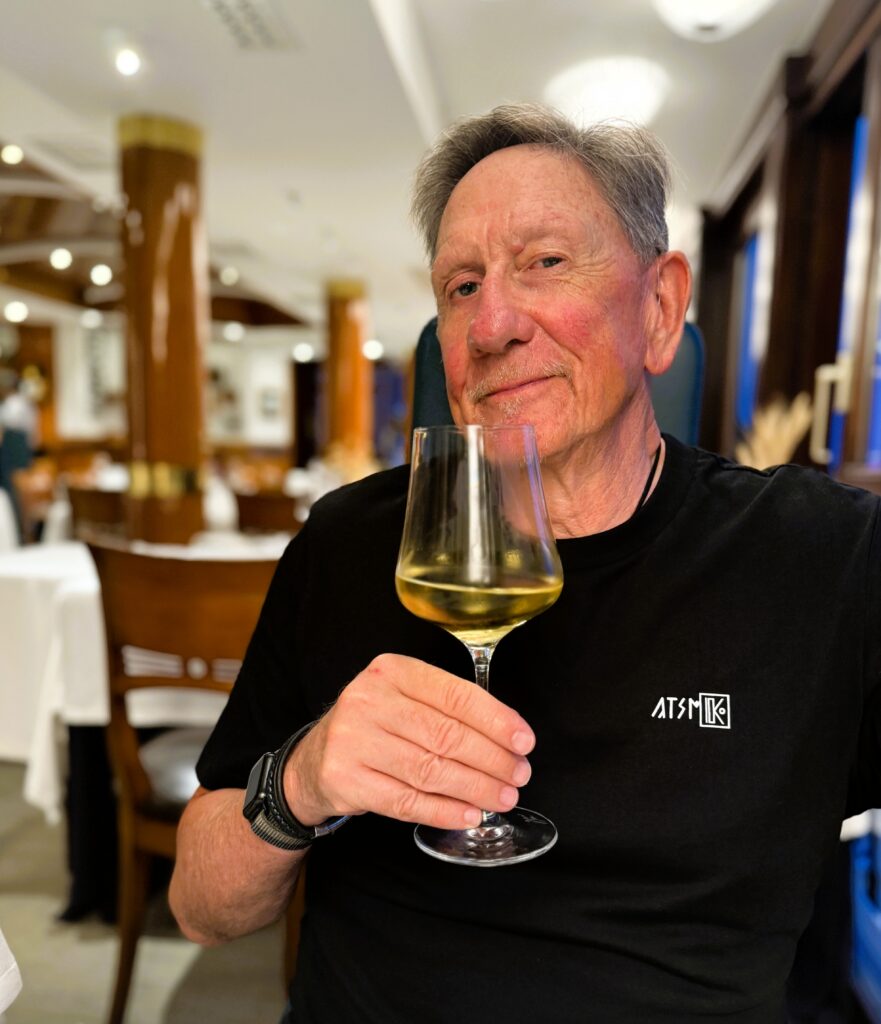
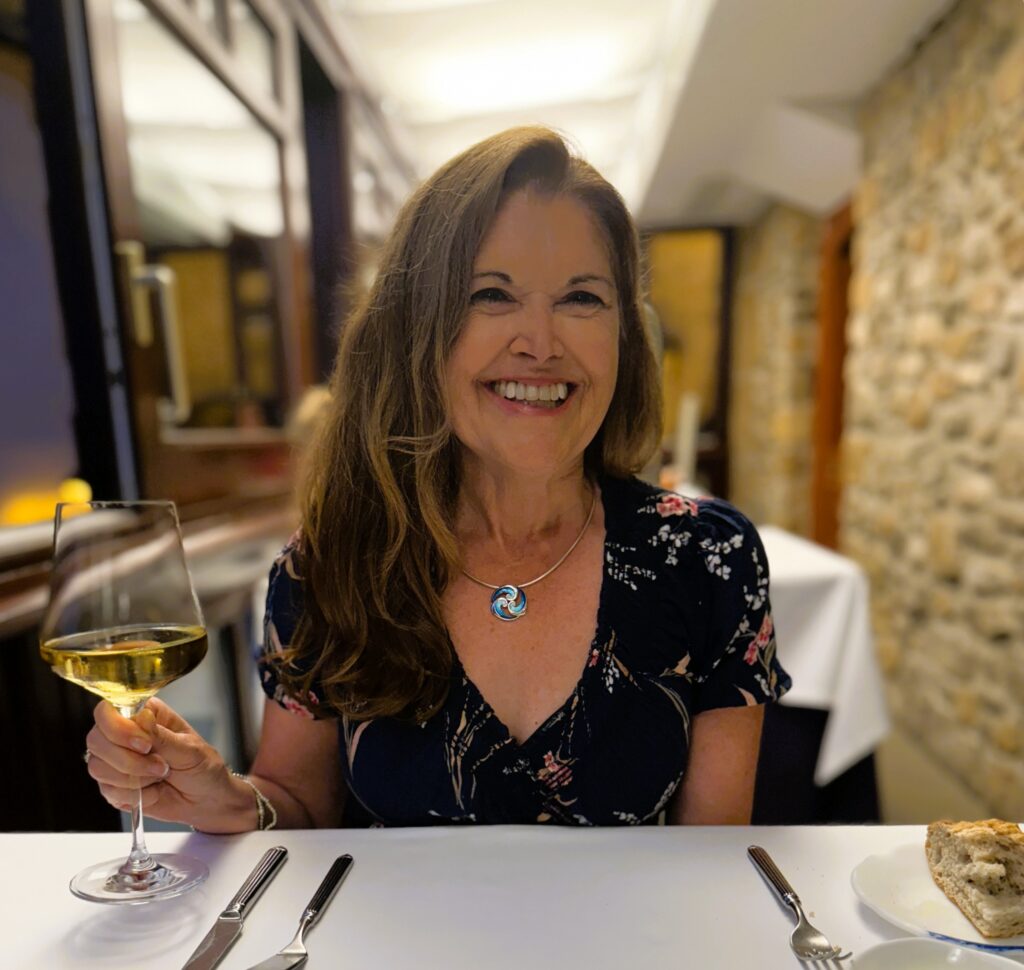
Getaria is also home to some truly wonderful restaurants, and we had booked a special dinner at Kaia Kaipe. The service was impeccable – I was even discreetly offered a cushion when it became clear the low seating might prove a little challenging for a petite guest!
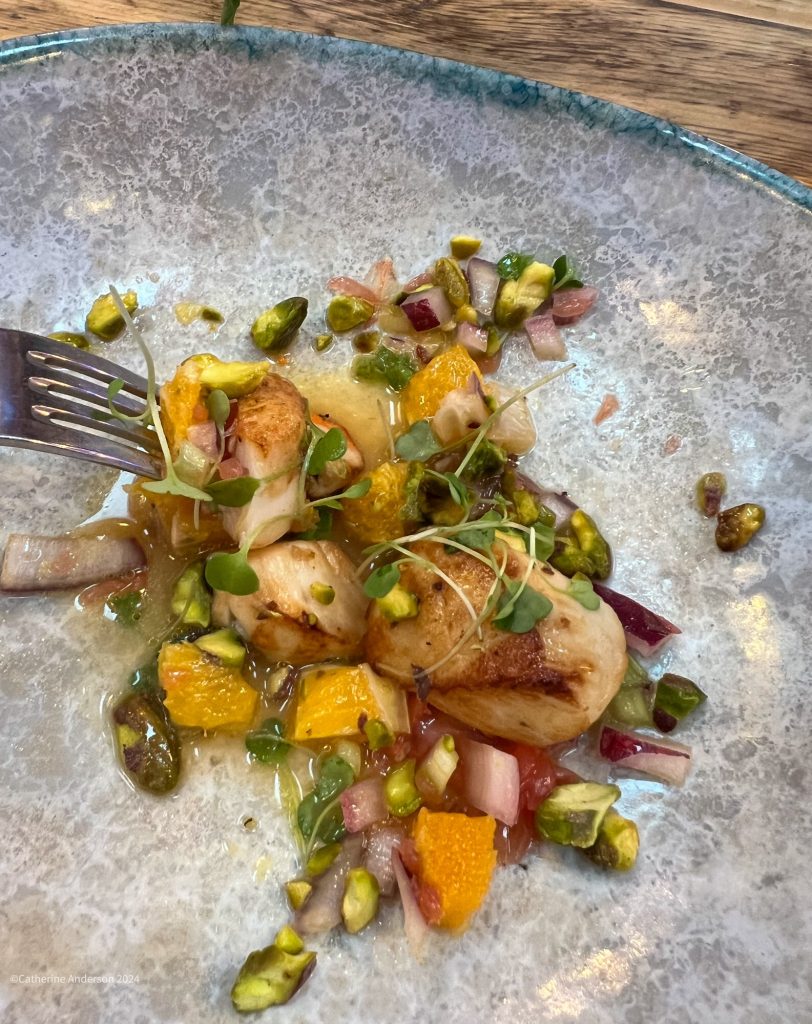
The food was exquisite, beautifully presented and thoughtfully paired with local wines chosen to complement both the dishes and our preferences. It was one of those rare evenings where language simply didn’t matter; despite the staff speaking little English, we shared plenty of laughter and eventually said goodbye with warm hugs, feeling more like family than visitors.
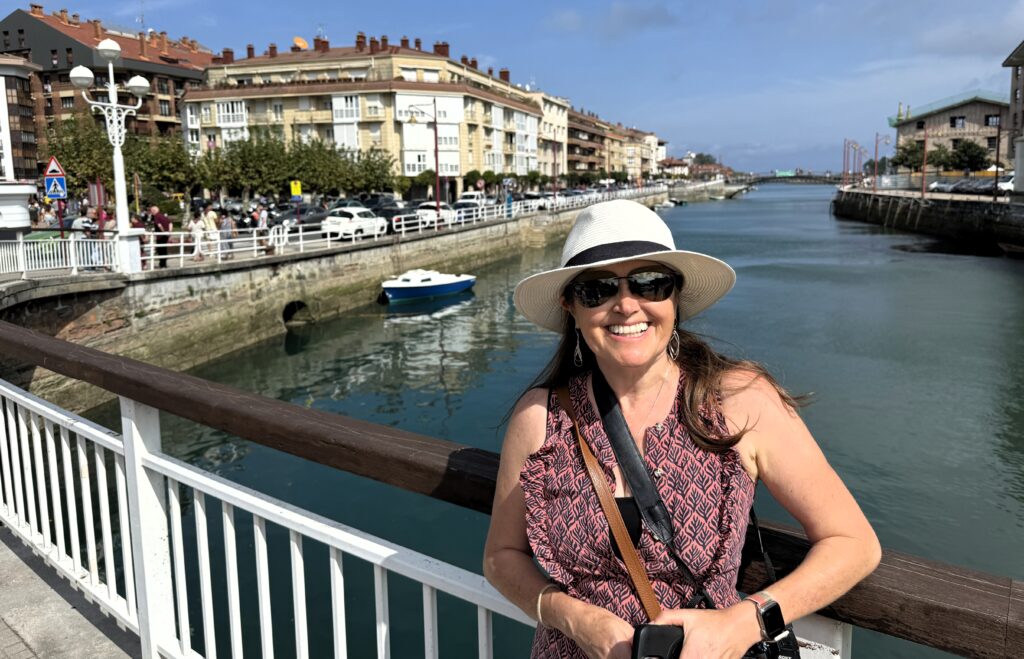
The following day we drove south along the coast to Zumaia, entirely unaware that we were arriving on a very special day – Olarro Eguna (Octopus Day!). Everywhere we looked there were octopus symbols on clothing, lively boat races on the river, and stalls serving octopus in every imaginable form: soup, skewers, paella and more. Local tradition says the town was once saved from famine thanks to an abundance of octopus, and in 2004 the idea emerged to celebrate this curious piece of history with an annual festival.
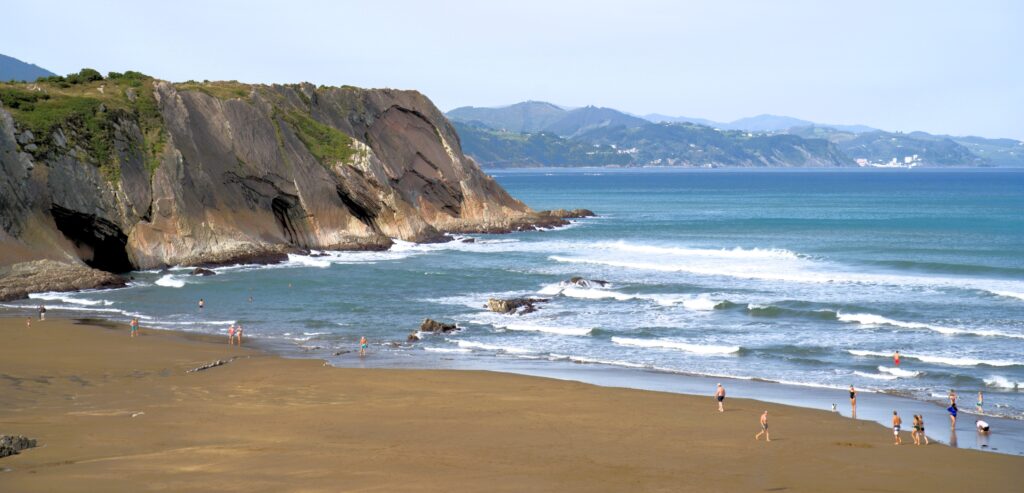
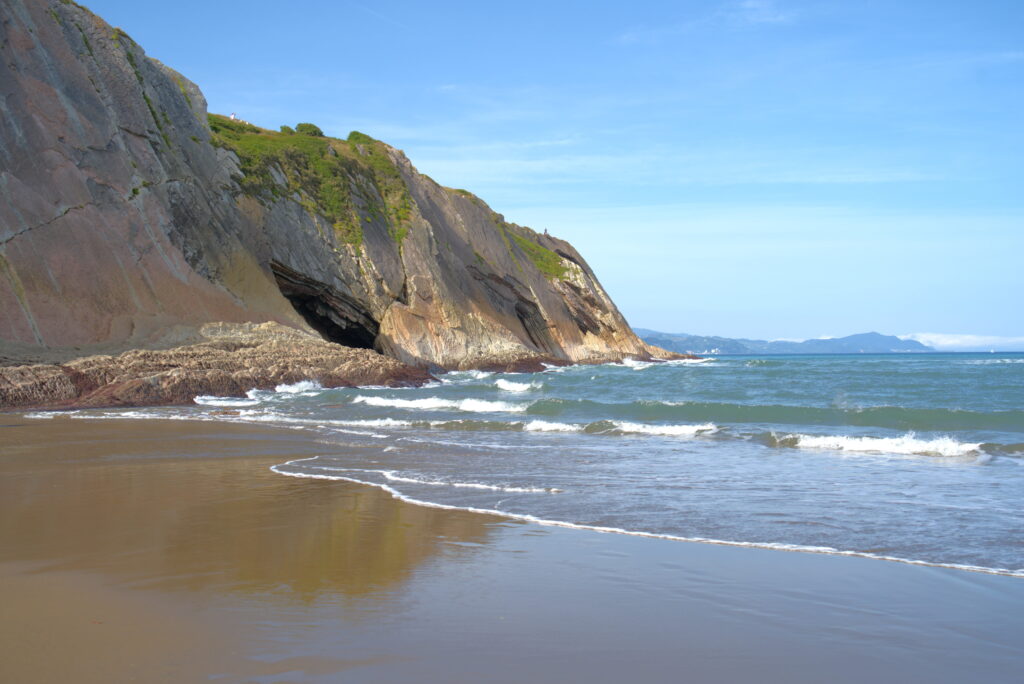
Having watched My Octopus Teacher on Netflix, octopus was not on our menu, but we found a lovely spot for lunch before wandering over to Itzurun Beach, a striking stretch of coastline famed for its extraordinary geological formations.
The dramatic cliffs here display a geological phenomenon known as Flysch – layers of sedimentary rock originally laid down horizontally on the seabed, later tilted and sculpted by tectonic forces and erosion into the remarkable striped formations seen today. The location also gained international recognition as the filming site for Dragonstone Landing in Game of Thrones.
It was a fitting finale to our time in Spain – a journey filled with extraordinary landscapes, memorable encounters and more than a little adventure along the way.
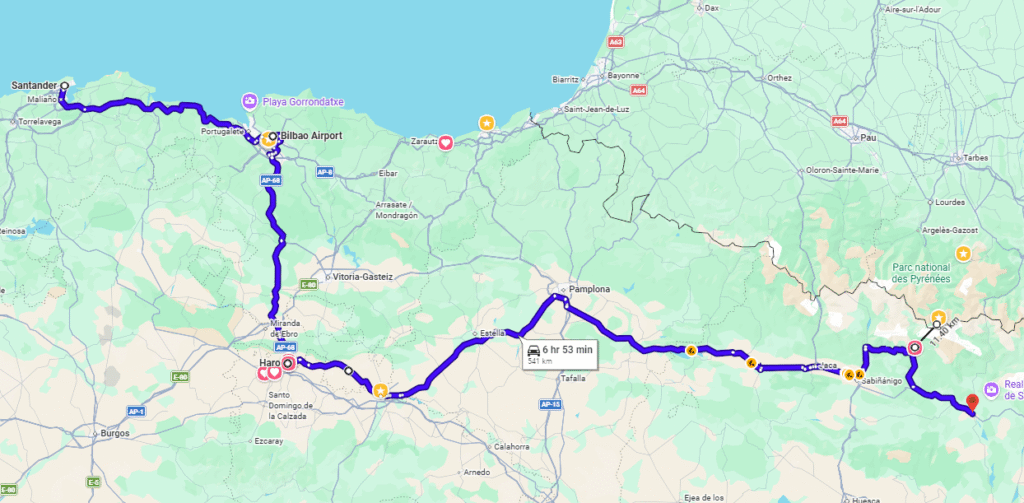
The following day, I bade farewell to Mr A and caught the bus to Bilbao Airport, flying back to Bristol and home. A day later, Mr A boarded the ferry in Santander for his 24-hour sailing back.
It has been a marvellous tour of a truly stunning part of Spain – rich in history, culture, food and natural beauty. We are already looking forward to discovering more on a future trip.