Author: Mr A
Location: Palm Cove and Cairns, then Gunnawarra, Queensland
Saturday: Our last few days in Cairns have been all about getting prepared to leave behind the relative civilisation of the east coast and prepare to drive across the top of Australia. Today was no exception, with a power shop at what will be our last big supermarket for a few weeks, and maybe up to a month, depending which way we head.
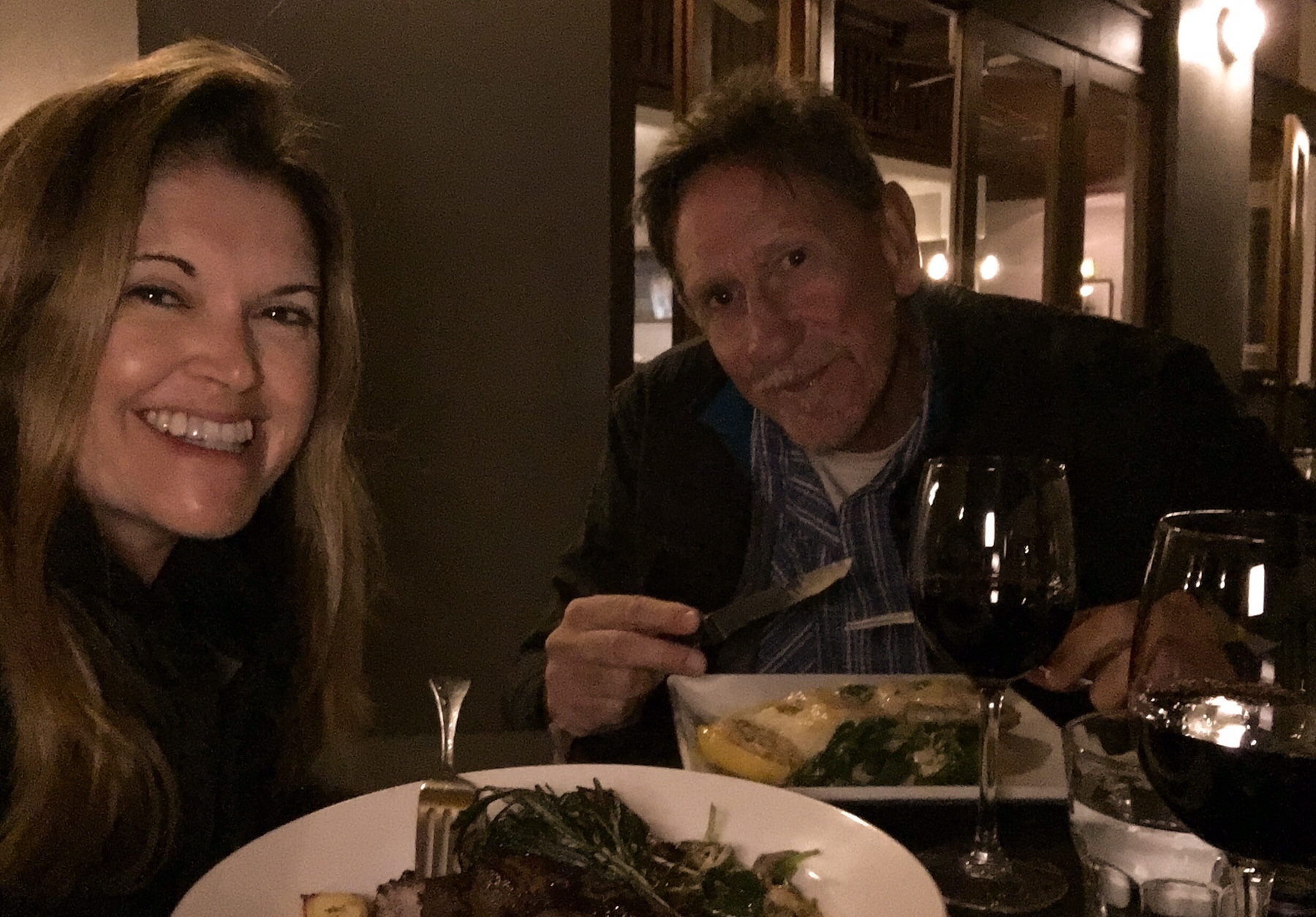
We also managed to squeeze in what will undoubtably be our last fine dining experience for some time. Our fellow Zone owners Wendy and Frank had driven over to see us, and swap tall tales of our respective trips. We went back to the same place in Palm Cove (Choc Dee Thai) we ate at a couple of nights ago, but it was so good compared to the “modern Australian” predictable menus of the rest of the restaurant strip there.
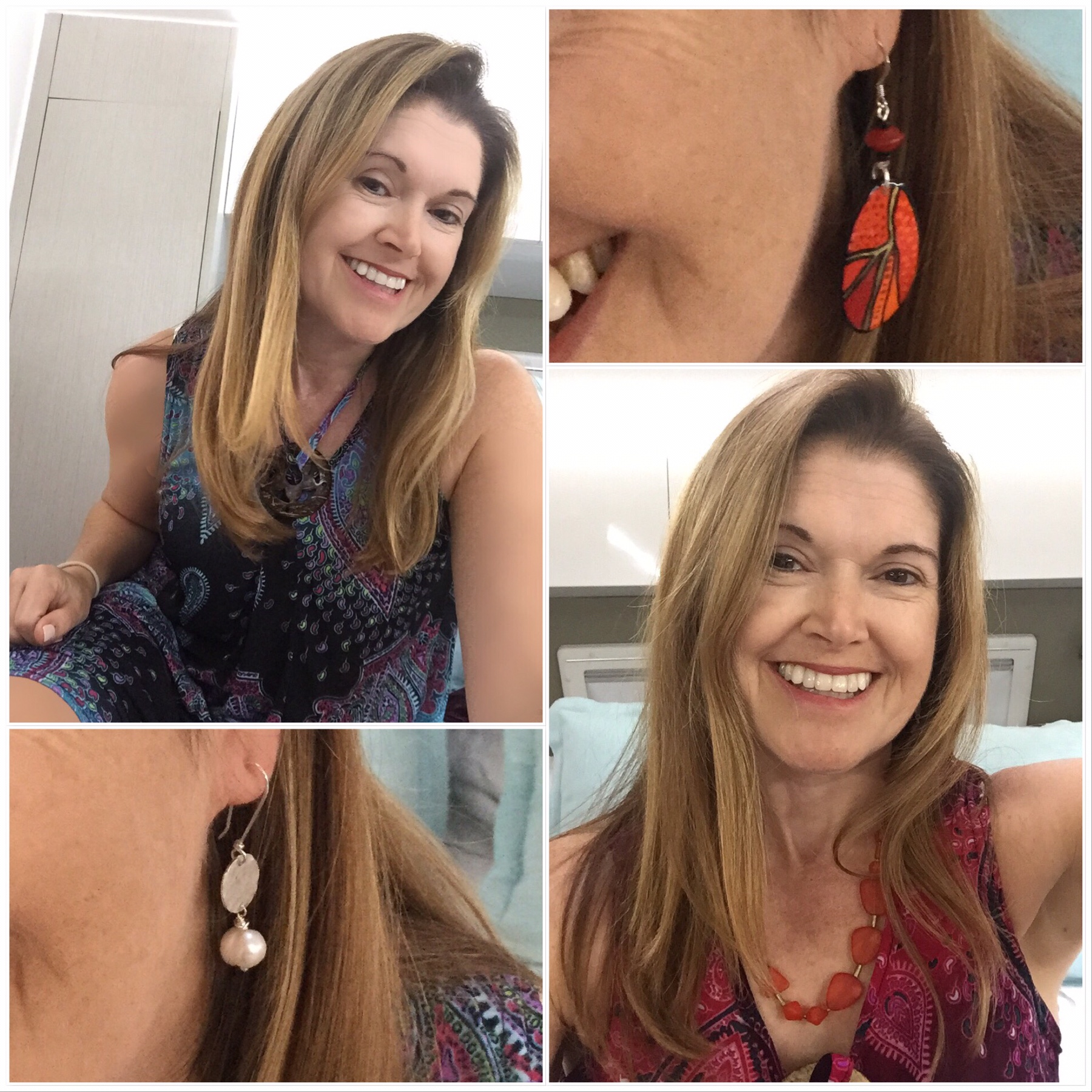
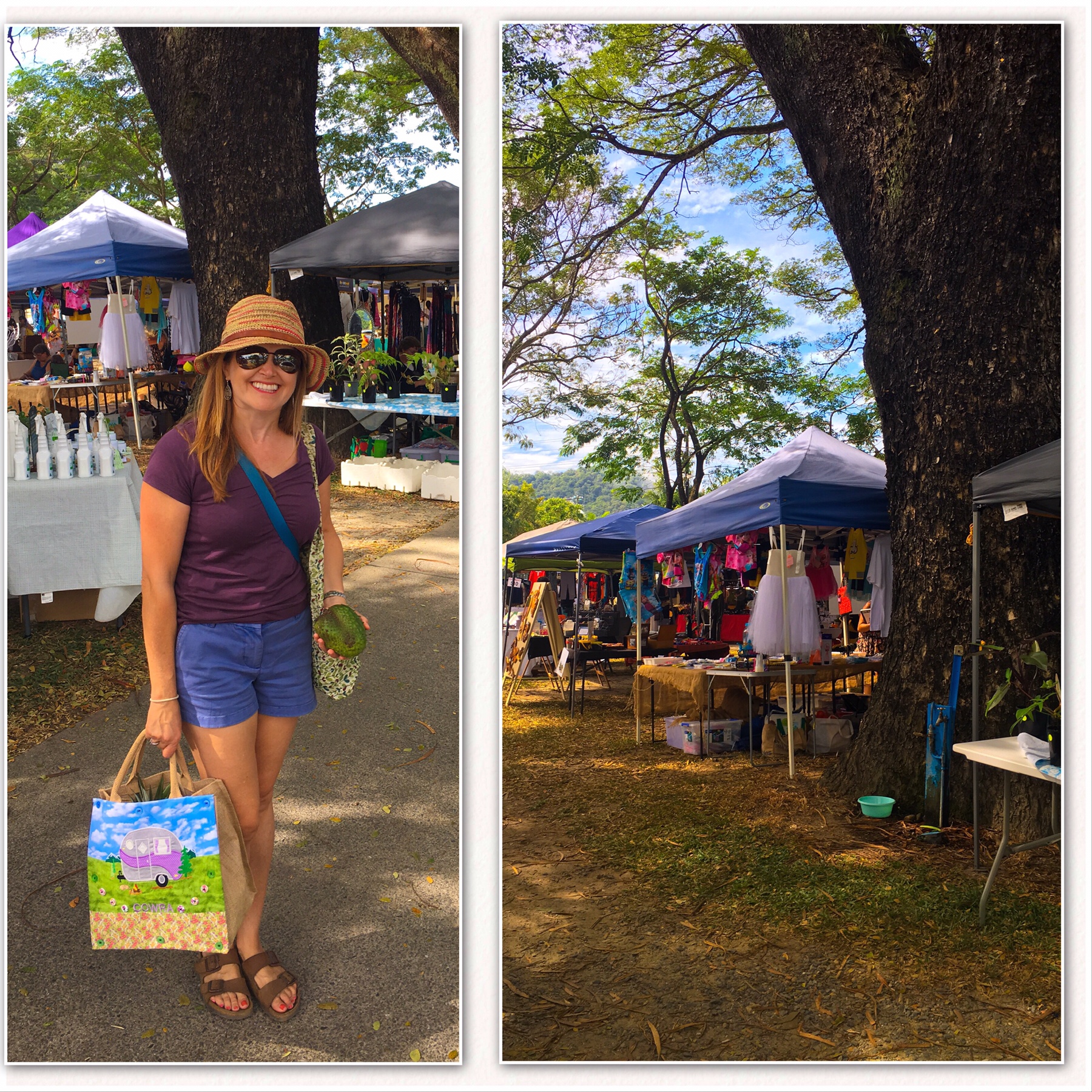
Sunday: It was pack up and leave time, but not before we crammed in one last market, all of 100 metres walk away.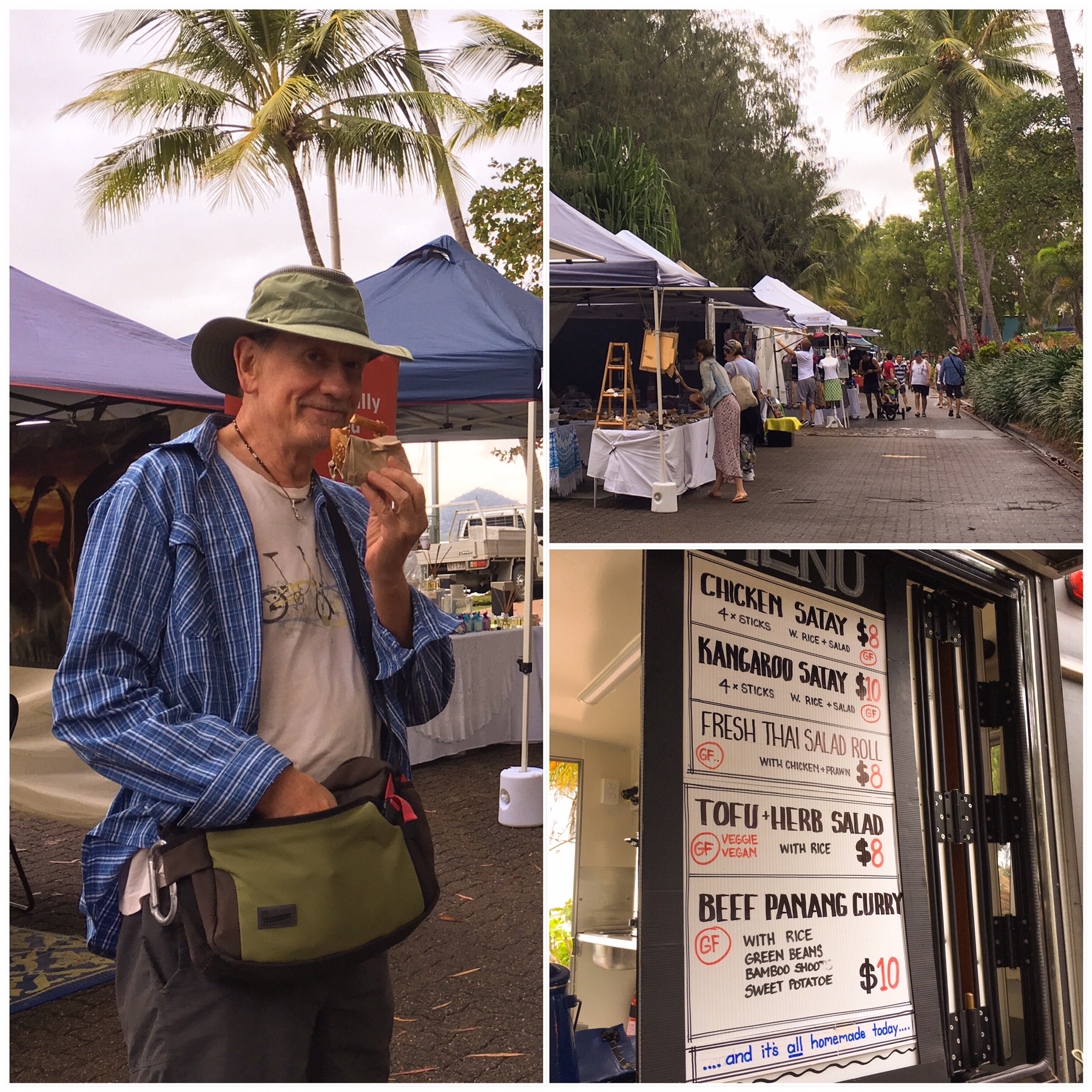 Mrs A managed to score some lovely earrings and a necklace made by three local jewellers, and two dresses beautifully modelled here.
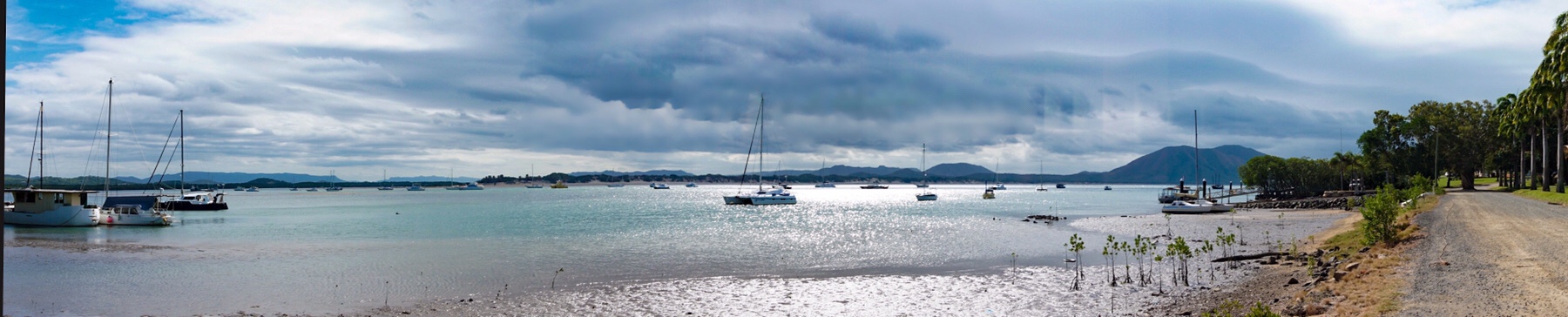
 It was with a good degree of excitement that we hitched up and said goodbye to the Coral Sea as the next ocean we are likely to see is the Timor Sea, up in the Gulf.
We plan to follow what’s called the “Savannah Way”, a well driven route by grey nomads and other travellers heading across to the west coast. At 3,500km (2,175 miles) the Savannah Way is a decently long road, even by Australian standards. From Cairns the road takes no prisoners from the get go, heading up a windy, steep route to the Atherton Tablelands. Then it’s a haul across to Normanton, a small town up near the Gulf, then across to Katherine in the Northern Territory and then finally to Broome.
Broome didn’t really wow us last year, so we think we will turn south for Alice Springs before then, and head out to the West MacDonnell Range, then head back over to the east coast, emerging around Brisbane at the end of August.
Well that’s the plan anyway. As they say, no plan survives first contact with the enemy, and in the Australian outback there are plenty of those. They can take many forms; a stray rock that comes through the windscreen or pierces the side of your tyre, corrugations that shake bits off you and your things, and a pretty harsh climate that in winter will see huge variations in daily temperatures. We are expecting to modify the plan as the trip unfolds.
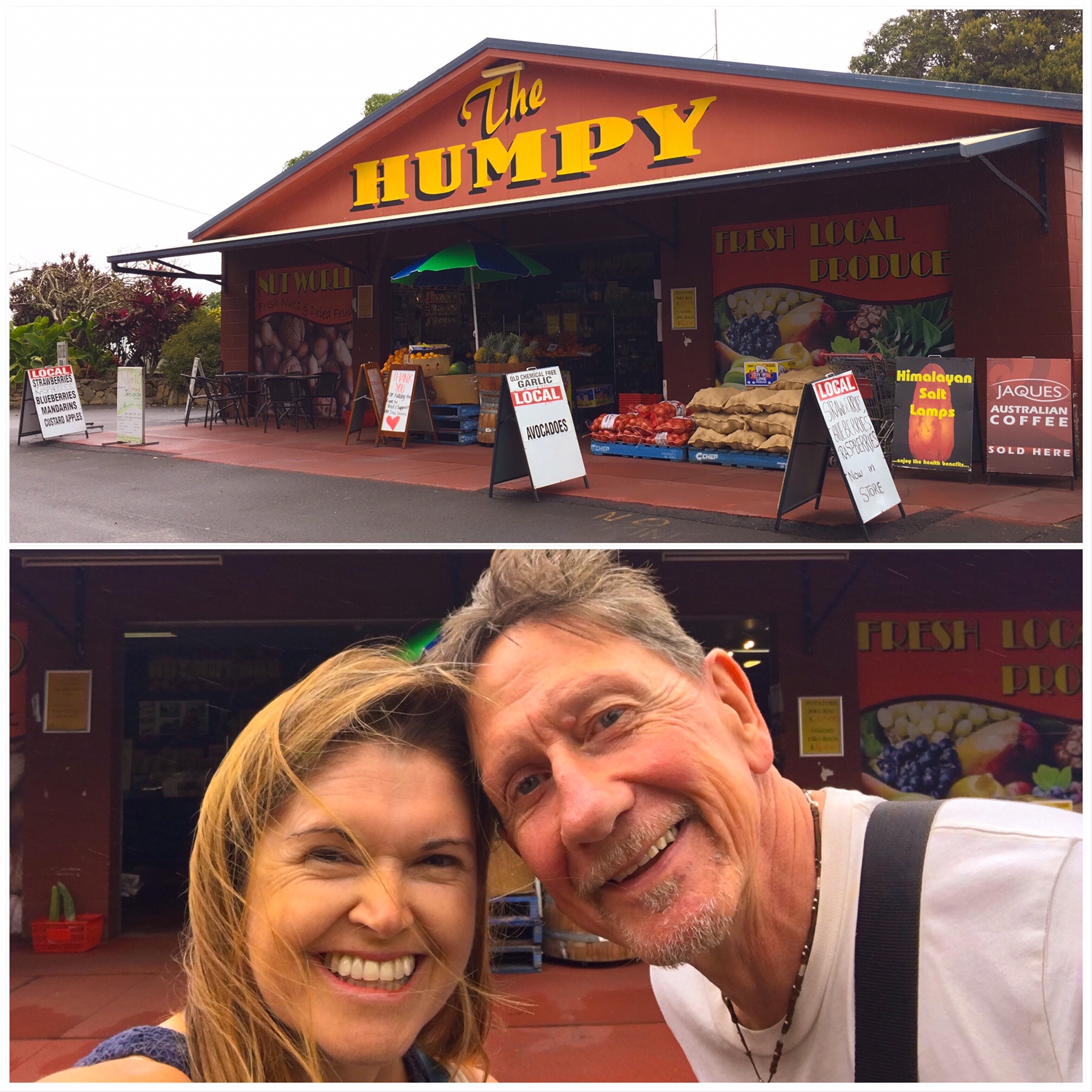 We called back in to our favourite store on the tablelands, the Humpy, for some last minute fruit, vegetables and other local treats, before deciding to press on to a place called Pinnarendi Station. This is another working farm that is making some money from the passing caravans by offering sites with power, water and even meals. Good on them. It’s great to see so many people having a go at something new, seeing an opportunity and investing in some basic facilities for travellers.
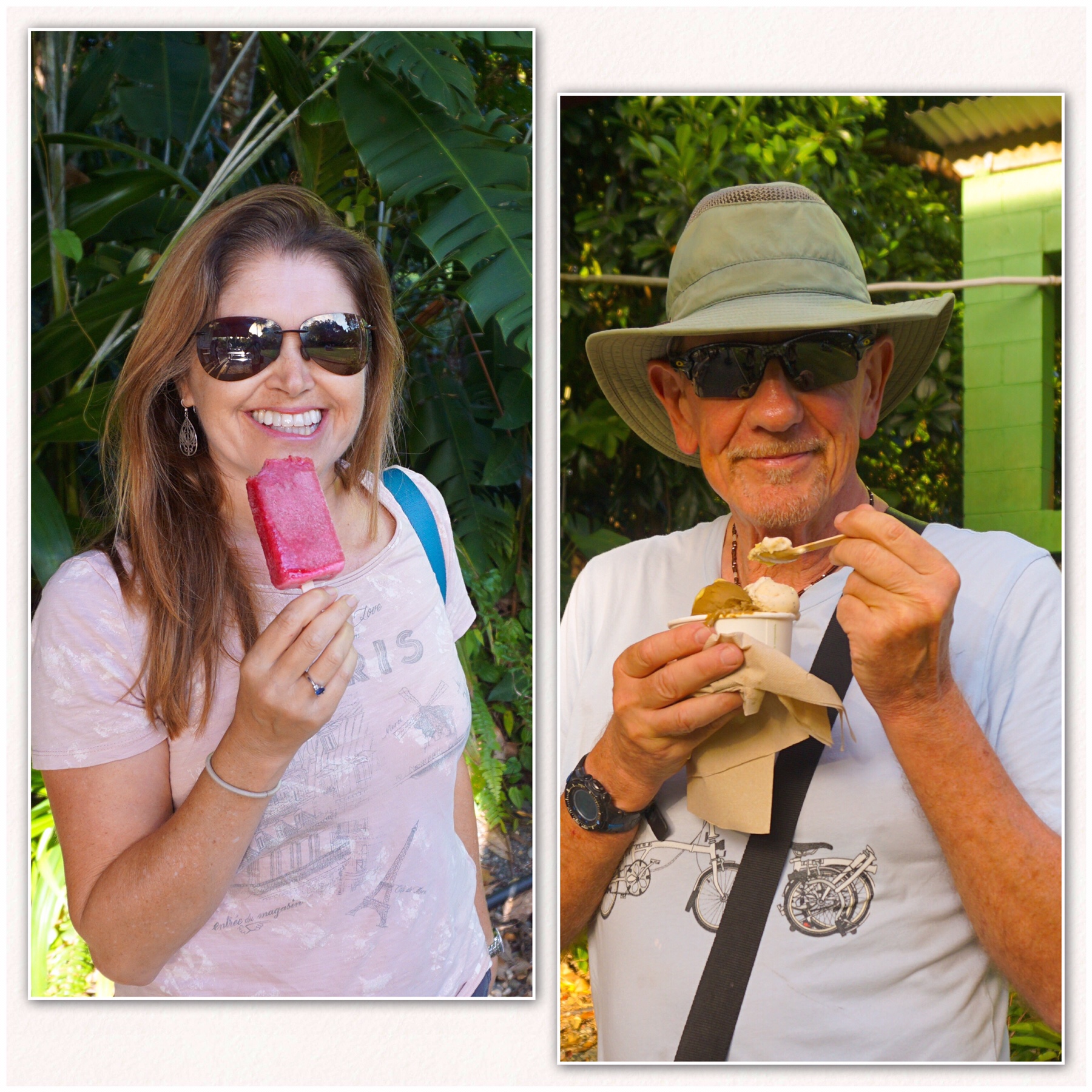
There are also locally made jams and other products on offer here – I bought myself some home made peanut butter ice cream for dessert.
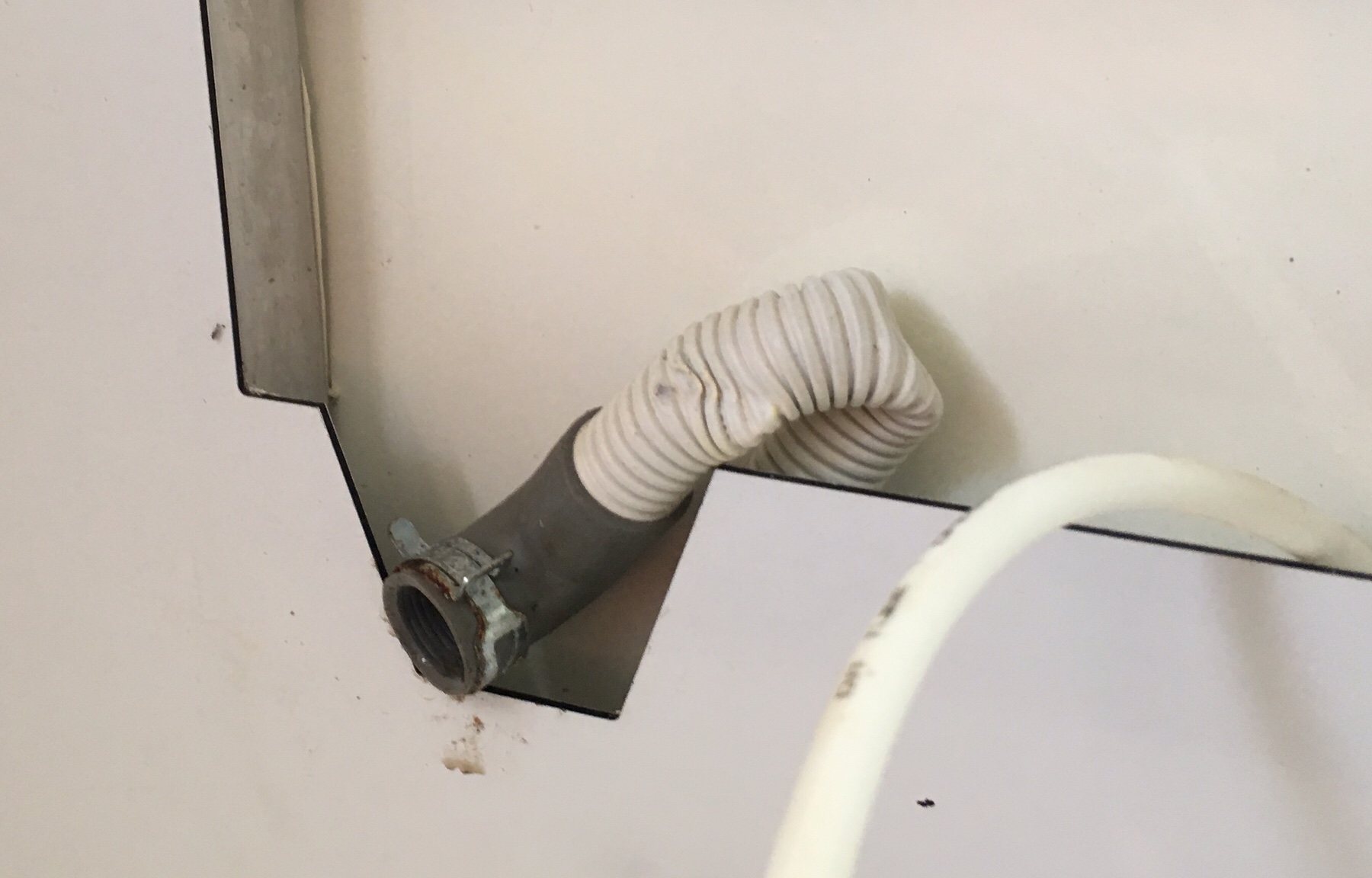
 Our washing machine has not worked since the end of May, so we have been pretty tied to campground washers – of variable quality. Our first task was to get a sack of washing done, including our sheets and towels. Sadly, one of the machines did not spin, and our washing came out absolutely sopping wet (it took some pieces three days to dry!). So frustrating, and not helped by the continuing showery weather.
 It wasn’t long after that our friends Bob and Ann Gadd arrived to join us for lunch. We last saw them down in Adelaide where they live during the warmer months – this time of year they are found in their apartment in Port Douglas, escaping the cool South Australian winter. We ambled along the street, catching up on news and found a cafe for lunch. Lots of laughs were had, stories told, and maps looked at to help us plan for our next few weeks.
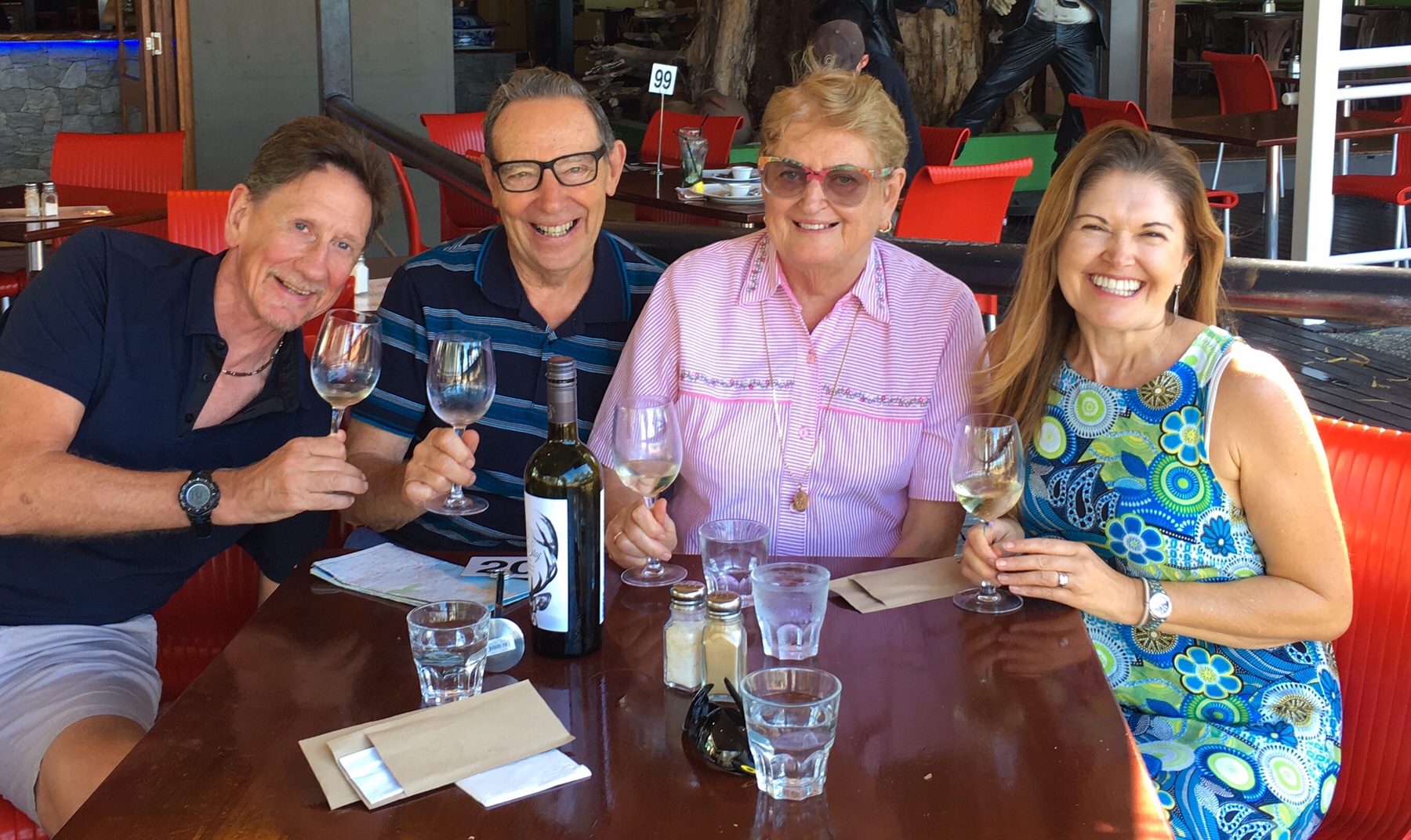 After saying farewell to them, we returned to the Zone to find more Zoners were in town!
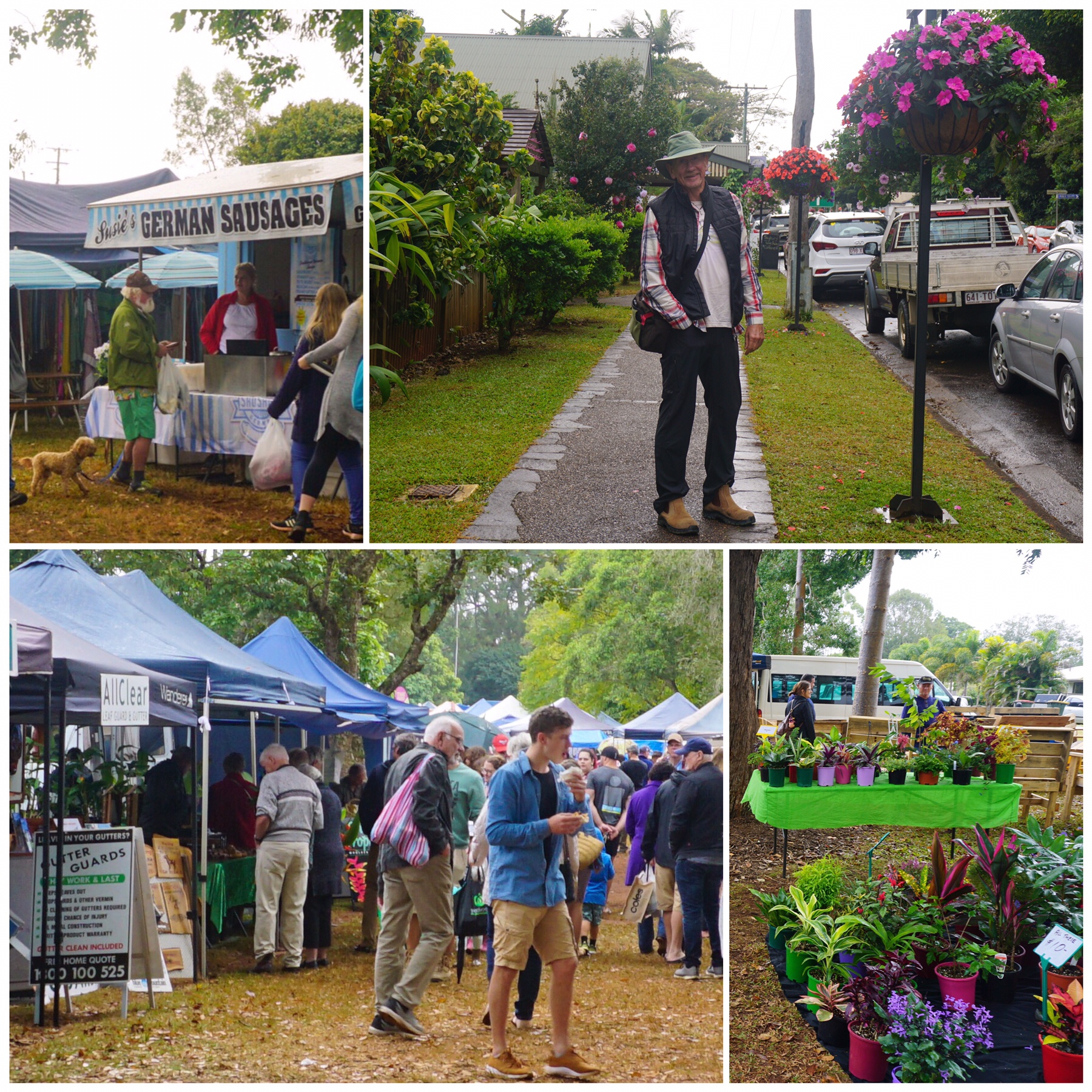 The market was great too. Alongside the stalls of fresh-from-the-farm vegetables and herbs were bakers, jewellers, artists (including musicians, painters, woodworkers, ceramic workers and potters), massage therapists, plants of all varieties, flowers and even fertilised eggs, chicks and chickens for sale. It all felt very authentically country.
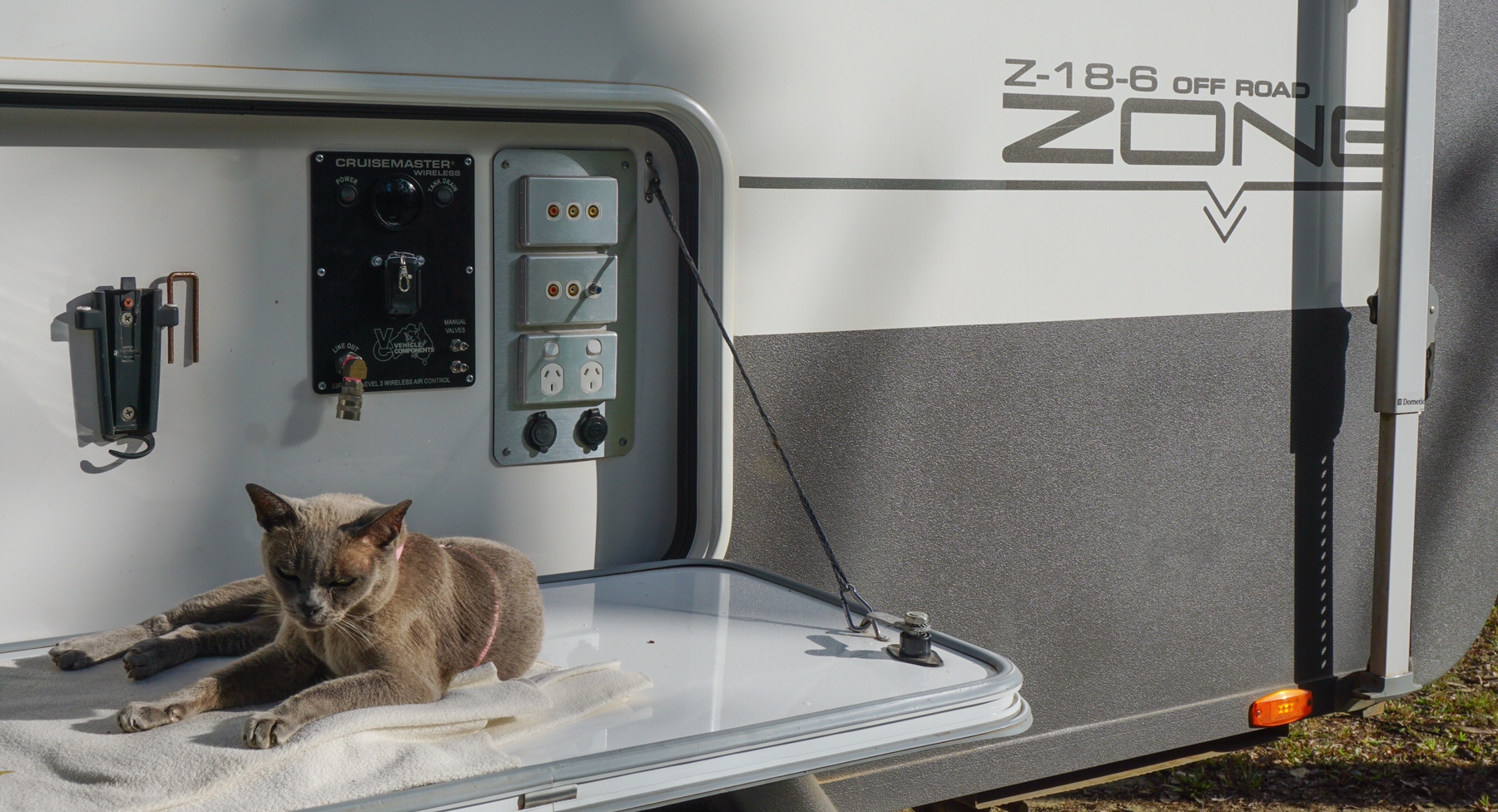
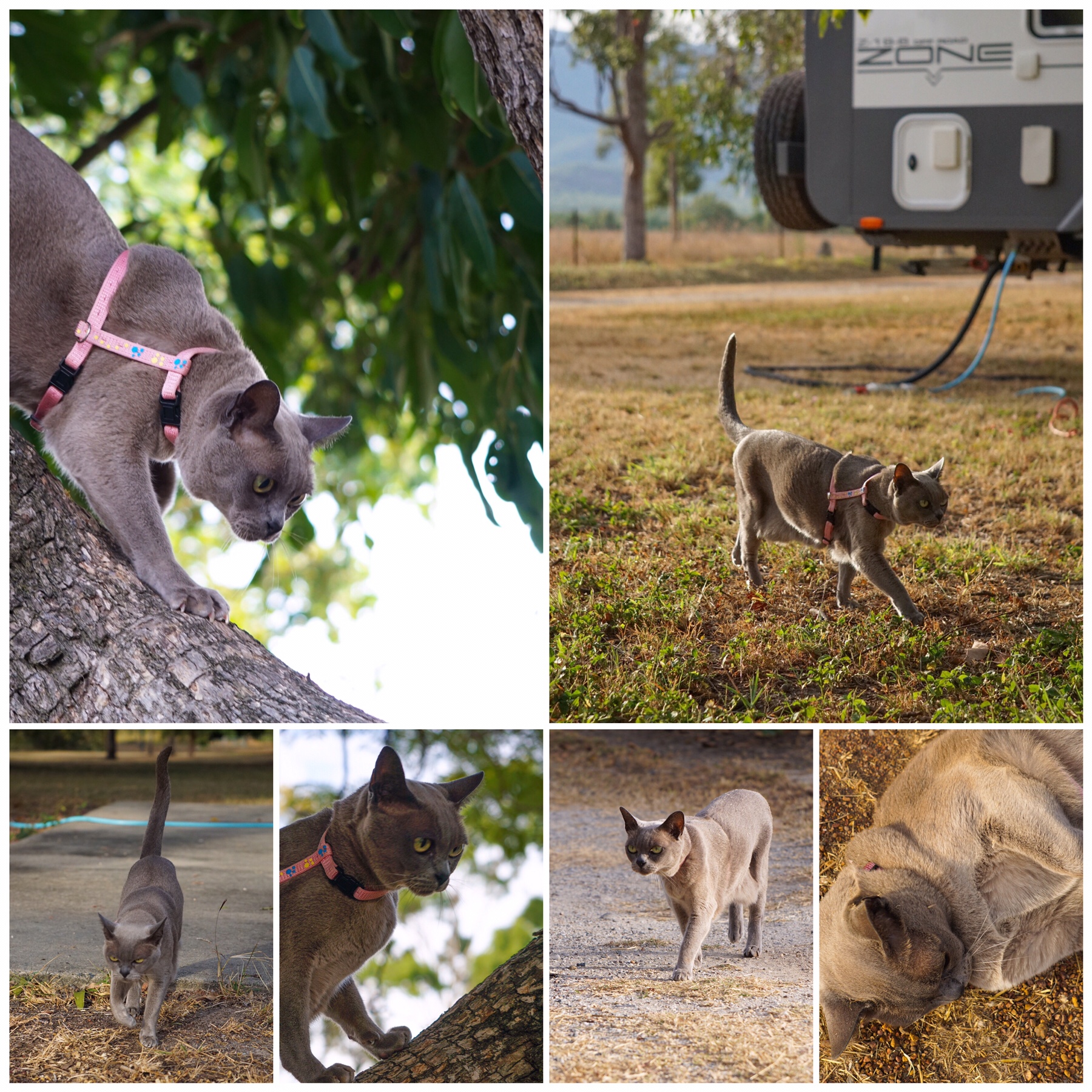
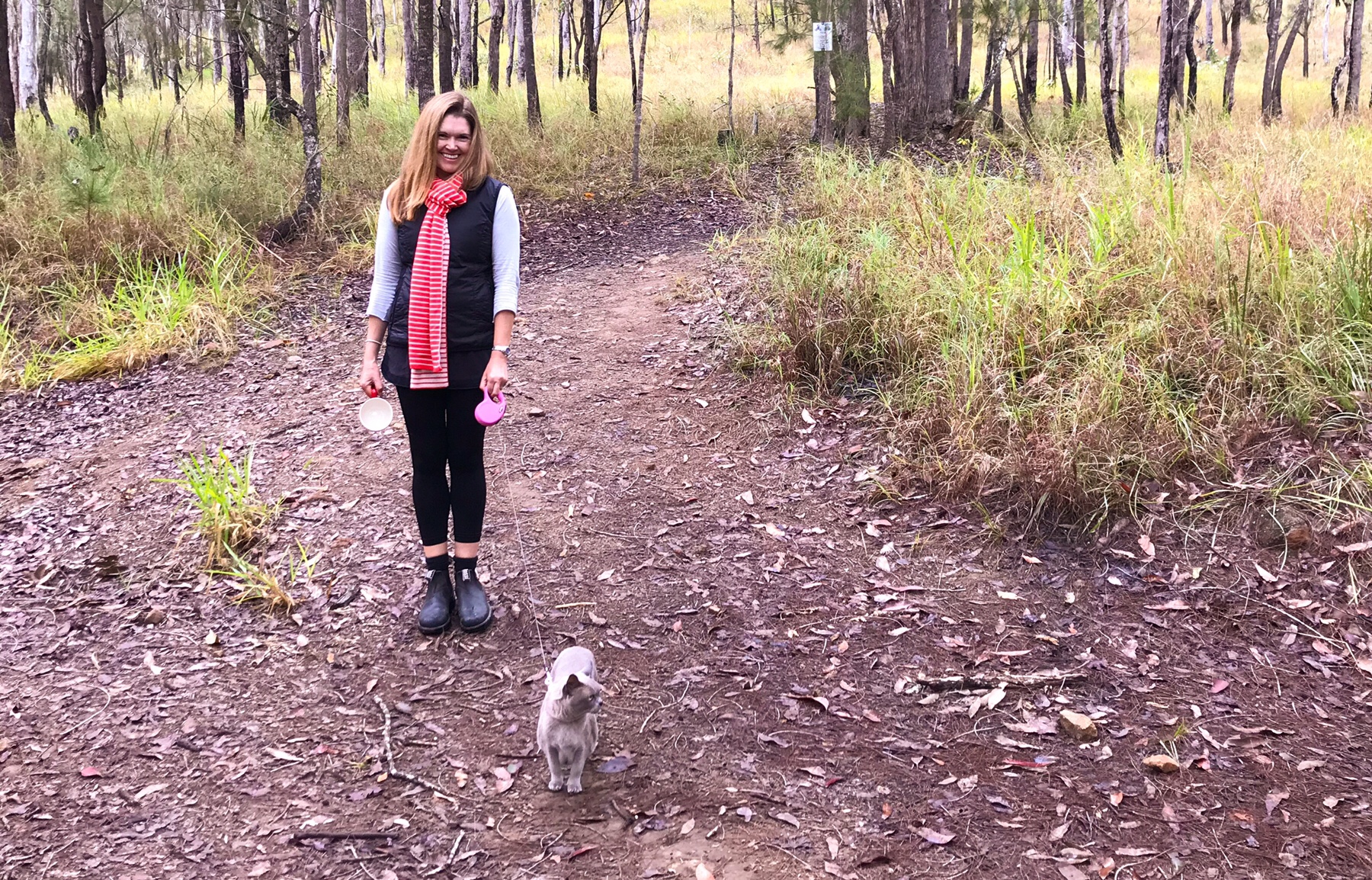 Again, we didn’t get too far before Tassie decided it was time to return to the Zone. She always amazes me with her courage – as a 14 year old predominantly indoor/garden cat, she had not really travelled much before last September, but now she’s been right across Australia. She always knows where the safe Zone is, and keeps her wits about her, even when being dive bombed by birds…they don’t seem to understand she’s a lover not a catcher!
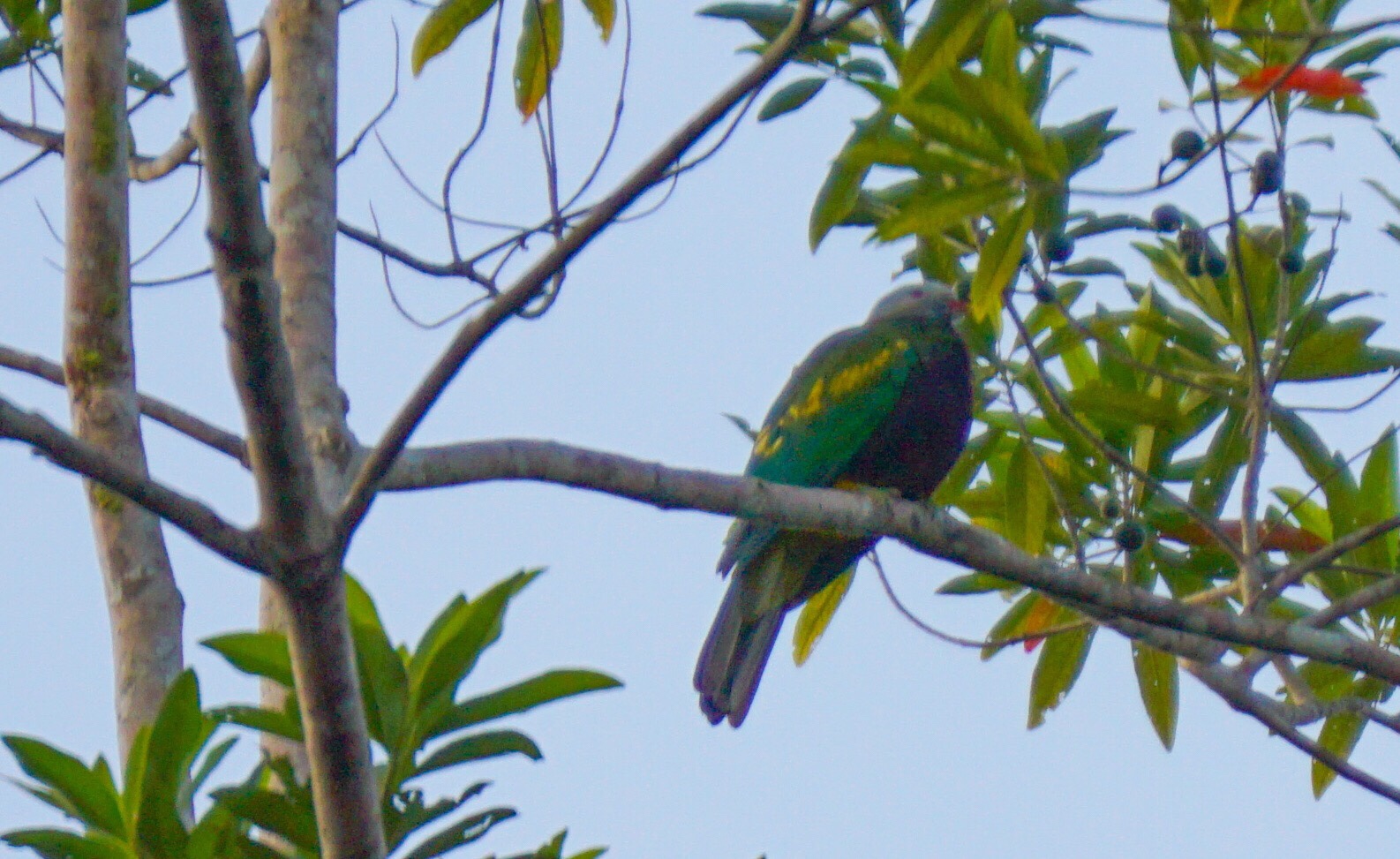
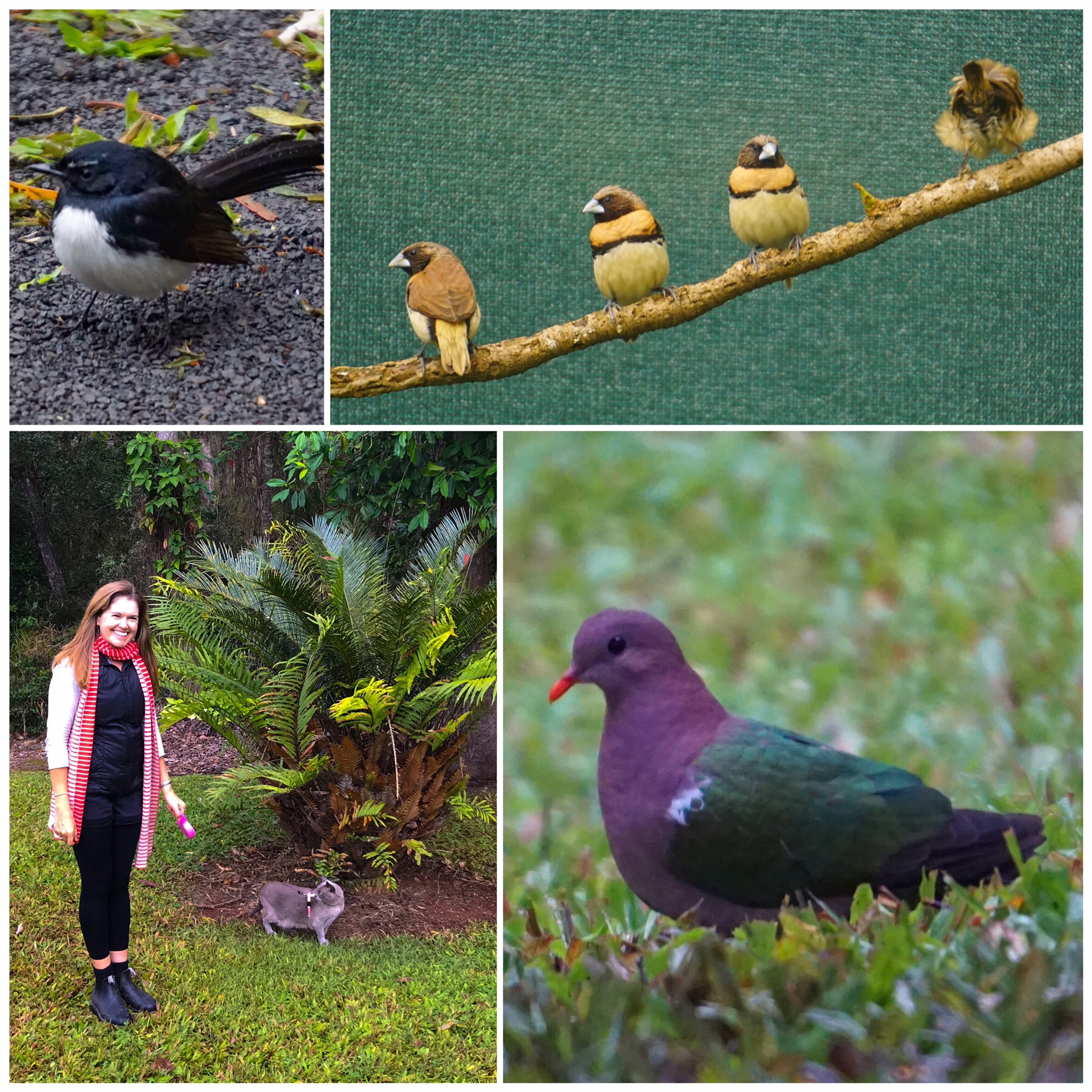 There are plenty of birds here. We have spotted pale yellow robins, firetails, finches galore, and lovely purple and green fruit doves feeding on the mandarins on and below the tree beside where we are camped. The little black and white Willy Wagtail is the feisty one, always flying at Tassie and frightening her back indoors. I guess he’s met some hungrier cats in his lifetime.
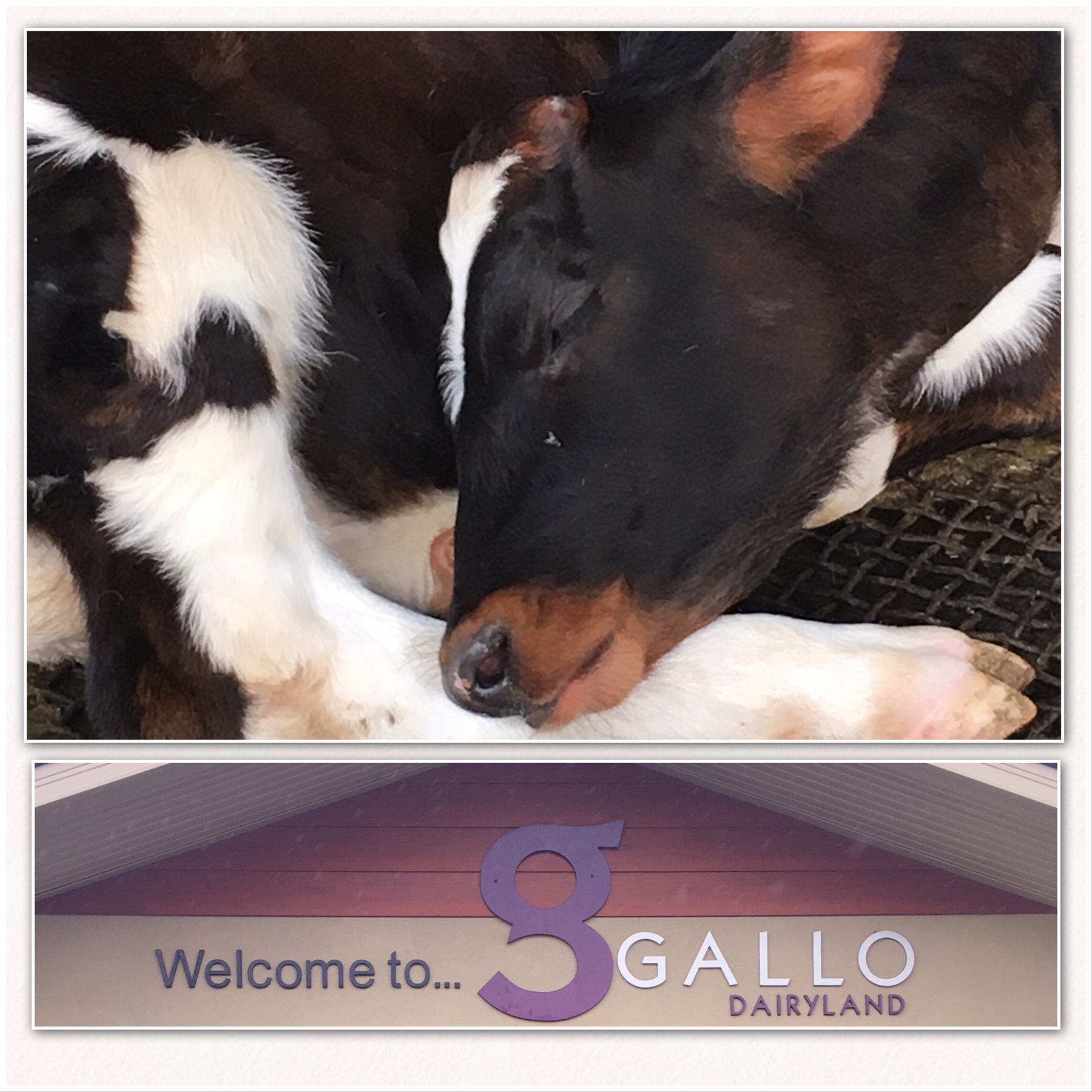
 Soon the cheese was calling, and off we went to the farm where Mr A tried some cheese and purchased a delicious (according to him) blue.
 From here we drove a short way to another little national park – home to the Curtain Fig. This tree is a survivor in a small patch of remaining rainforest which was saved from the saw in the 1800s by the rocky surface, not ideal for grazing.
 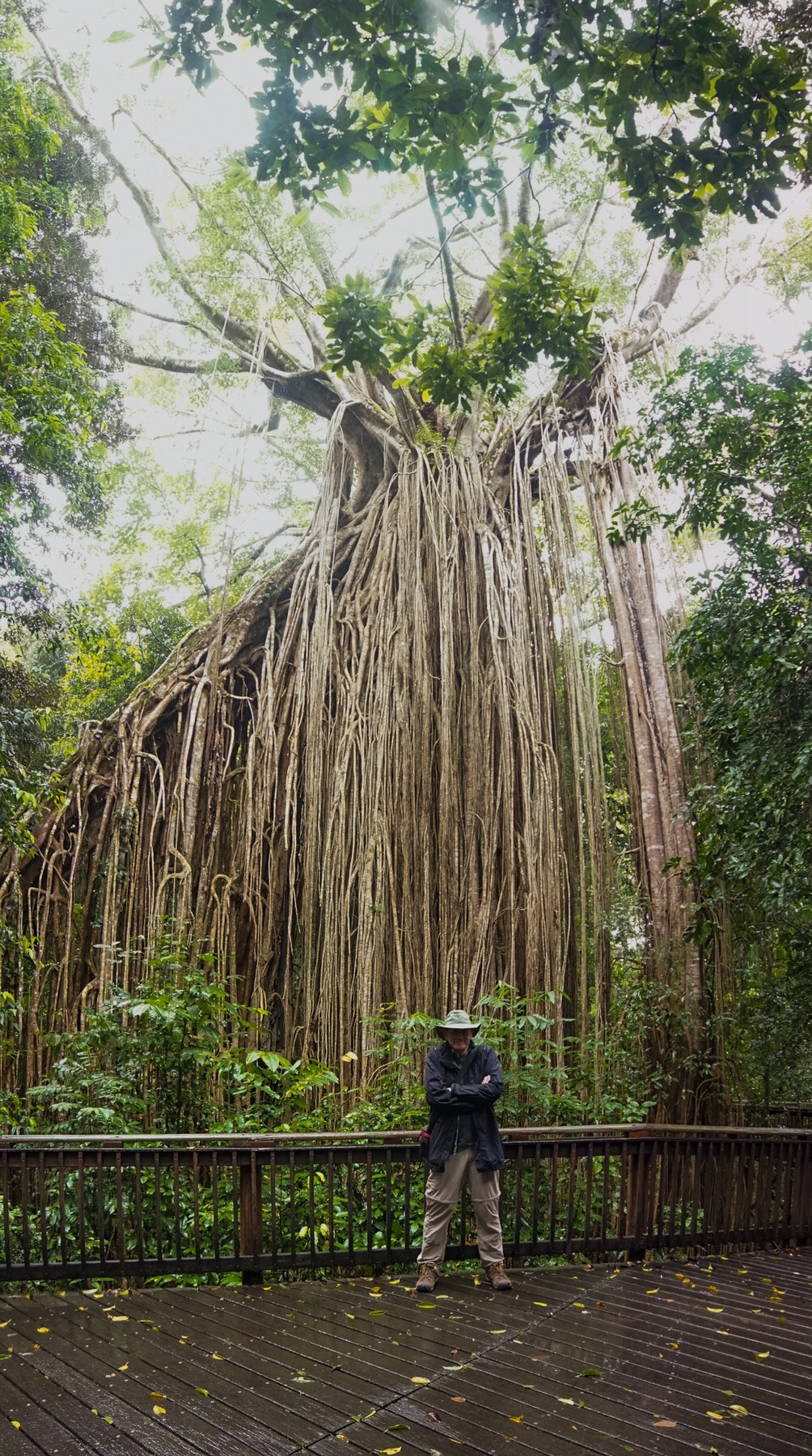 It is protected by a raised boardwalk, and pretty magnificent.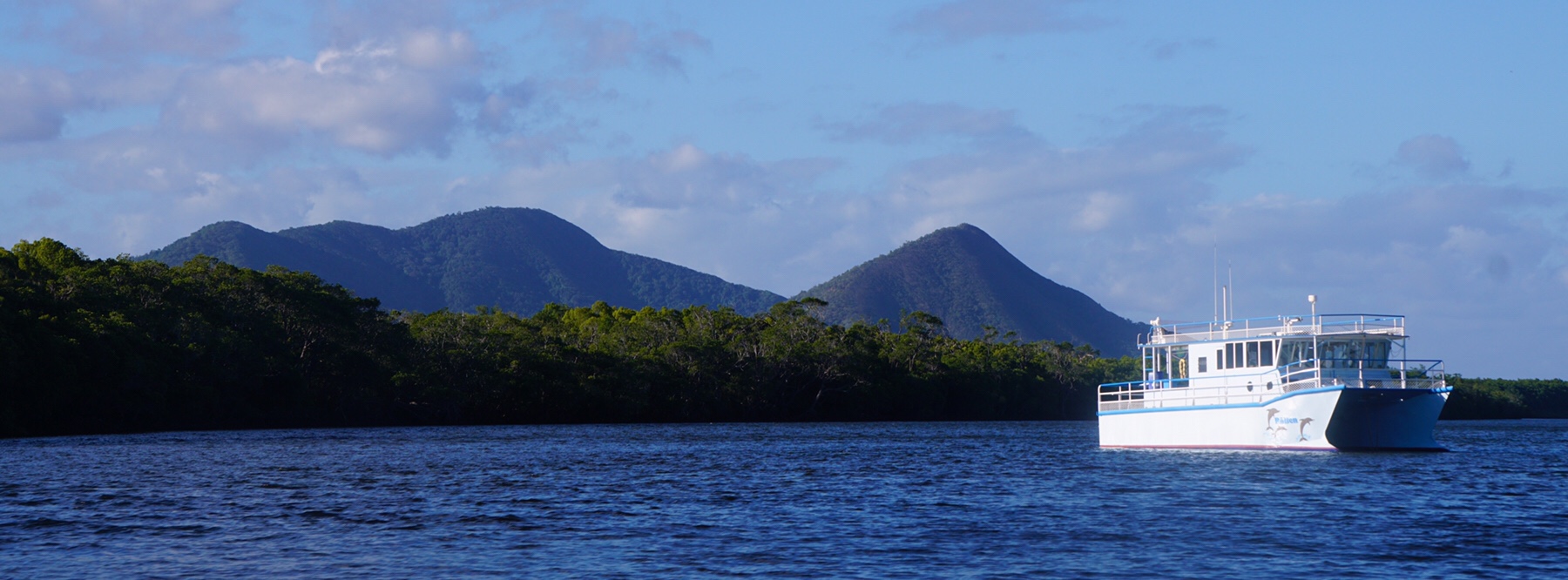
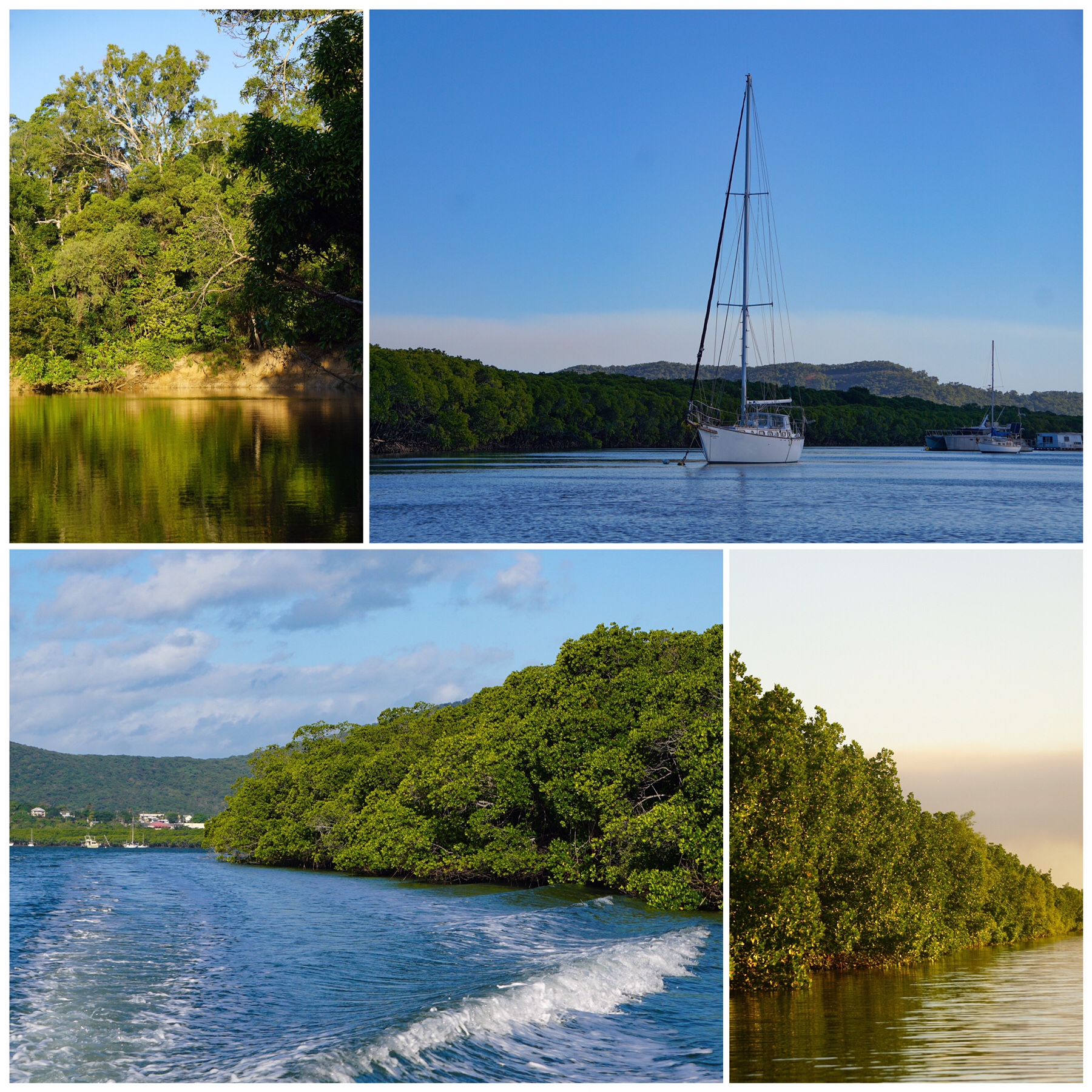 Skipper Mark let the motor rip, and sped us up to the quieter parts of the river, about 10km upstream. I spotted a Forest Kingfisher (my first one!), a blur of blue and white as we whizzed past, and hoped there might be more when we slow down.
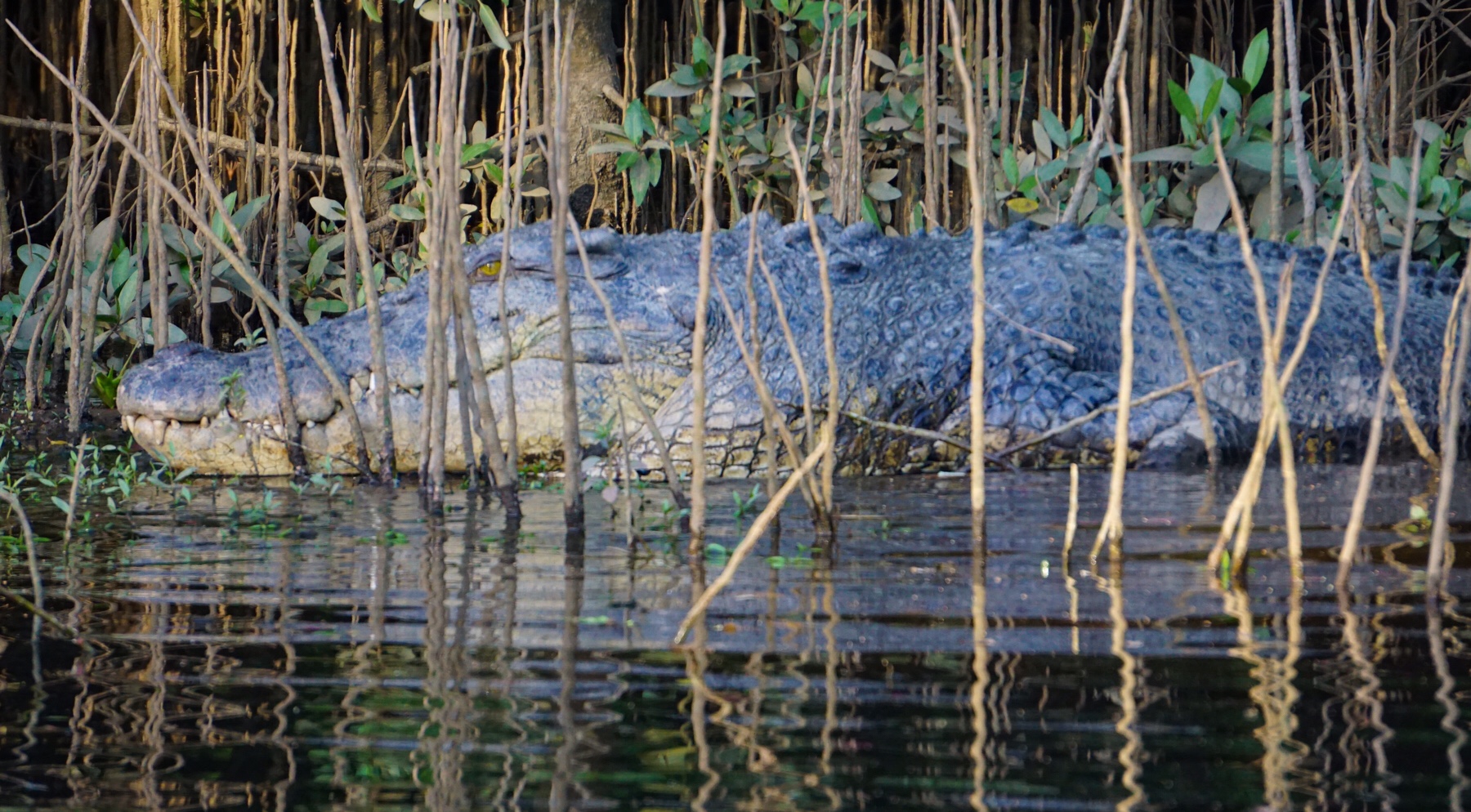 Our skipper lowered an electric boat motor into the water, and we moved slowly past for a better look, before leaving him alone in search for more wildlife.
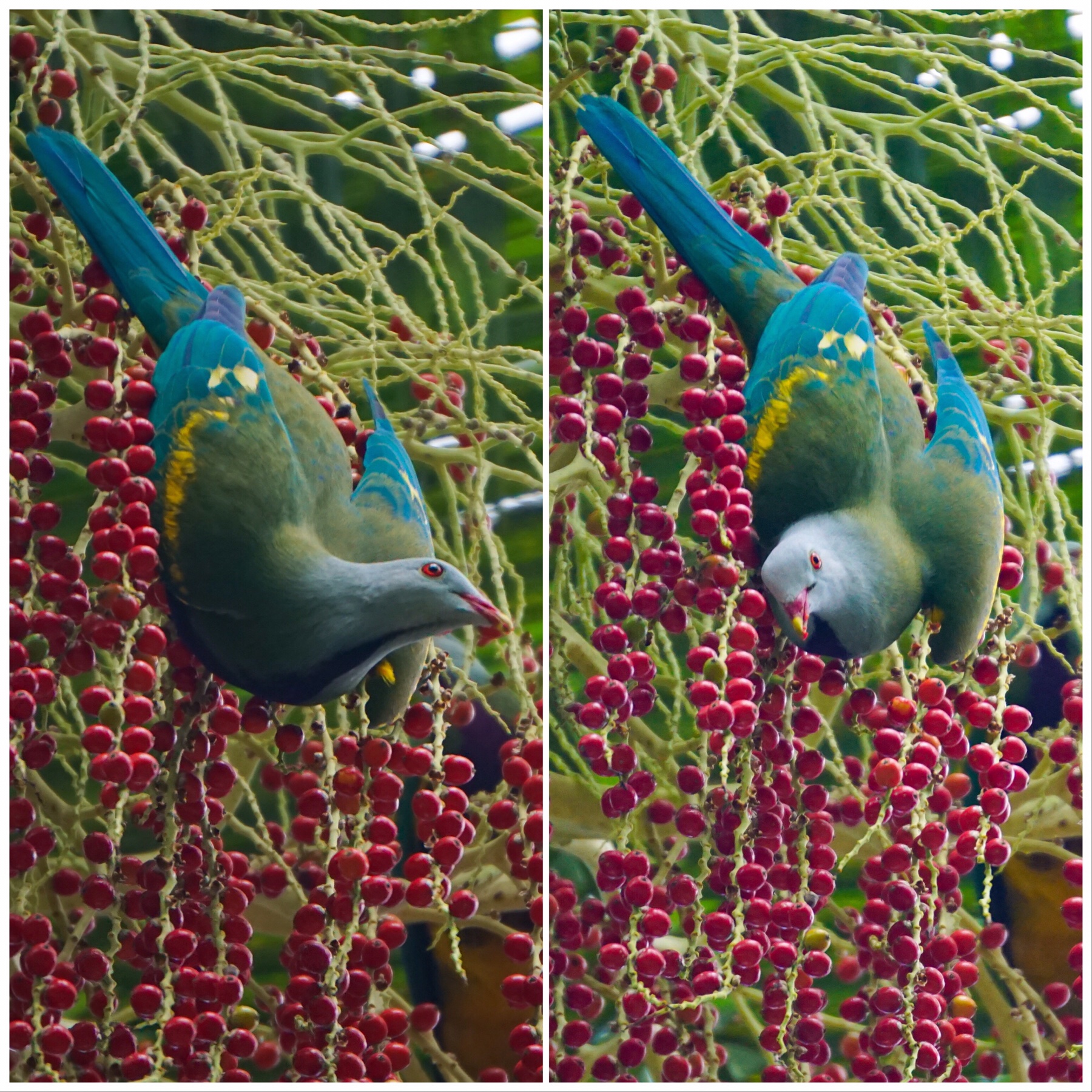
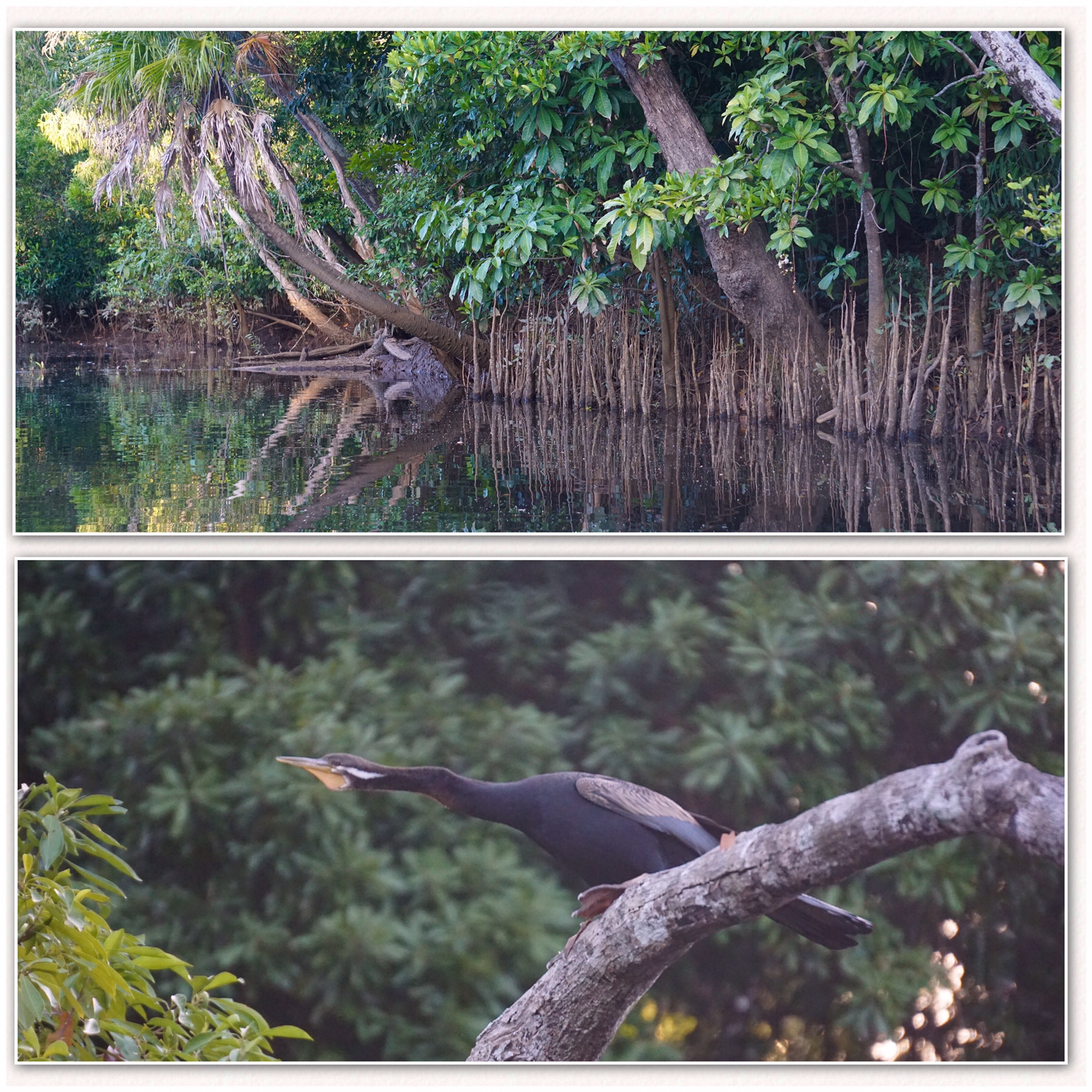 We spotted a Spangled Drongo and a Wompoo Fruit-Dove flying past. Our skipper called it a Wompoo pigeon, arguing a fruit dove is much smaller. That’s not what my best selling bird book says, but hey-ho…
 In dire need of defrosting, we decided to head to a nearby restaurant for dinner and a warming glass of wine…much better.
 A fine conclusion to our visit to Cooktown, but not sure we’ll be recommending the bird watching tour!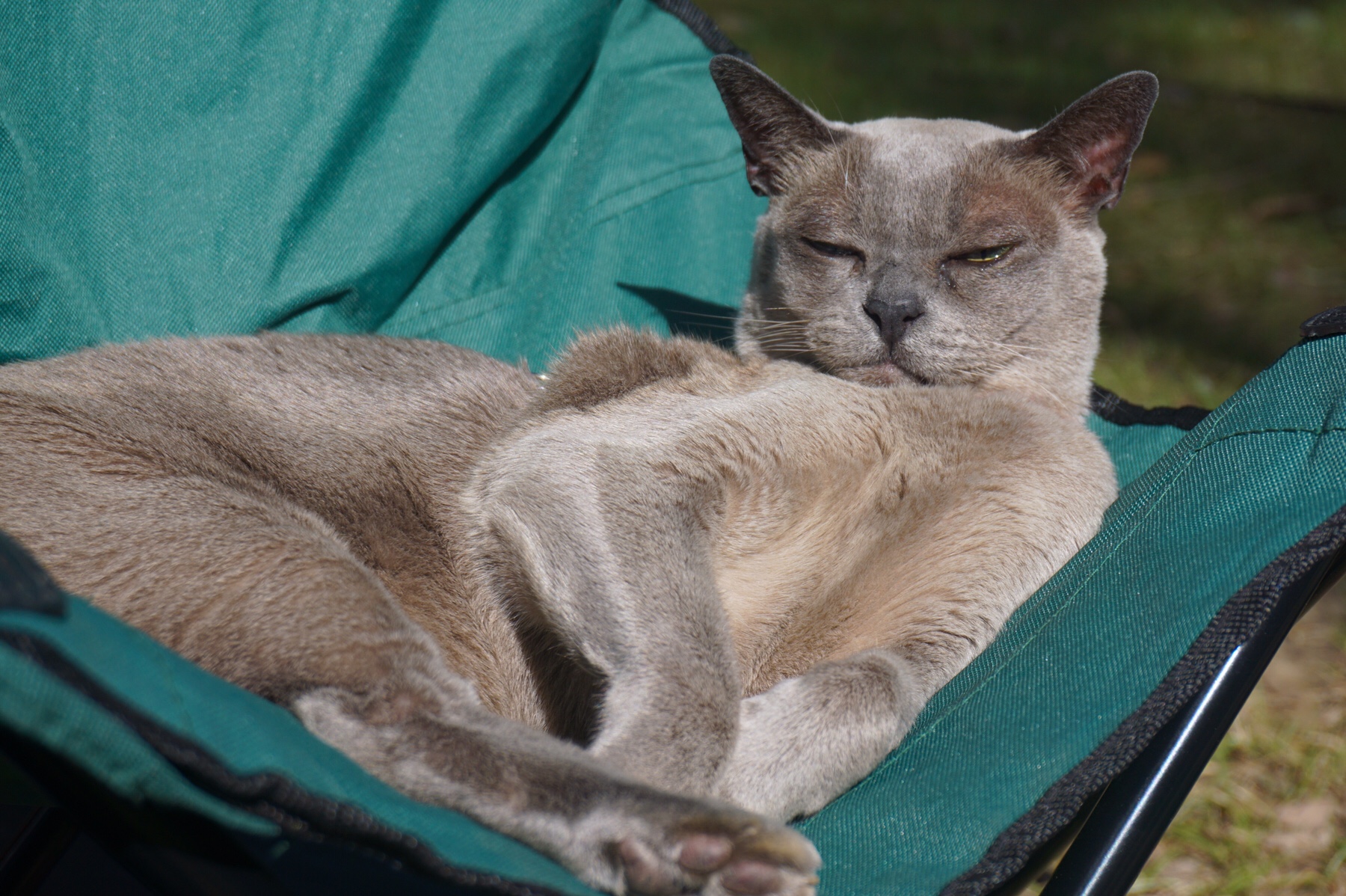
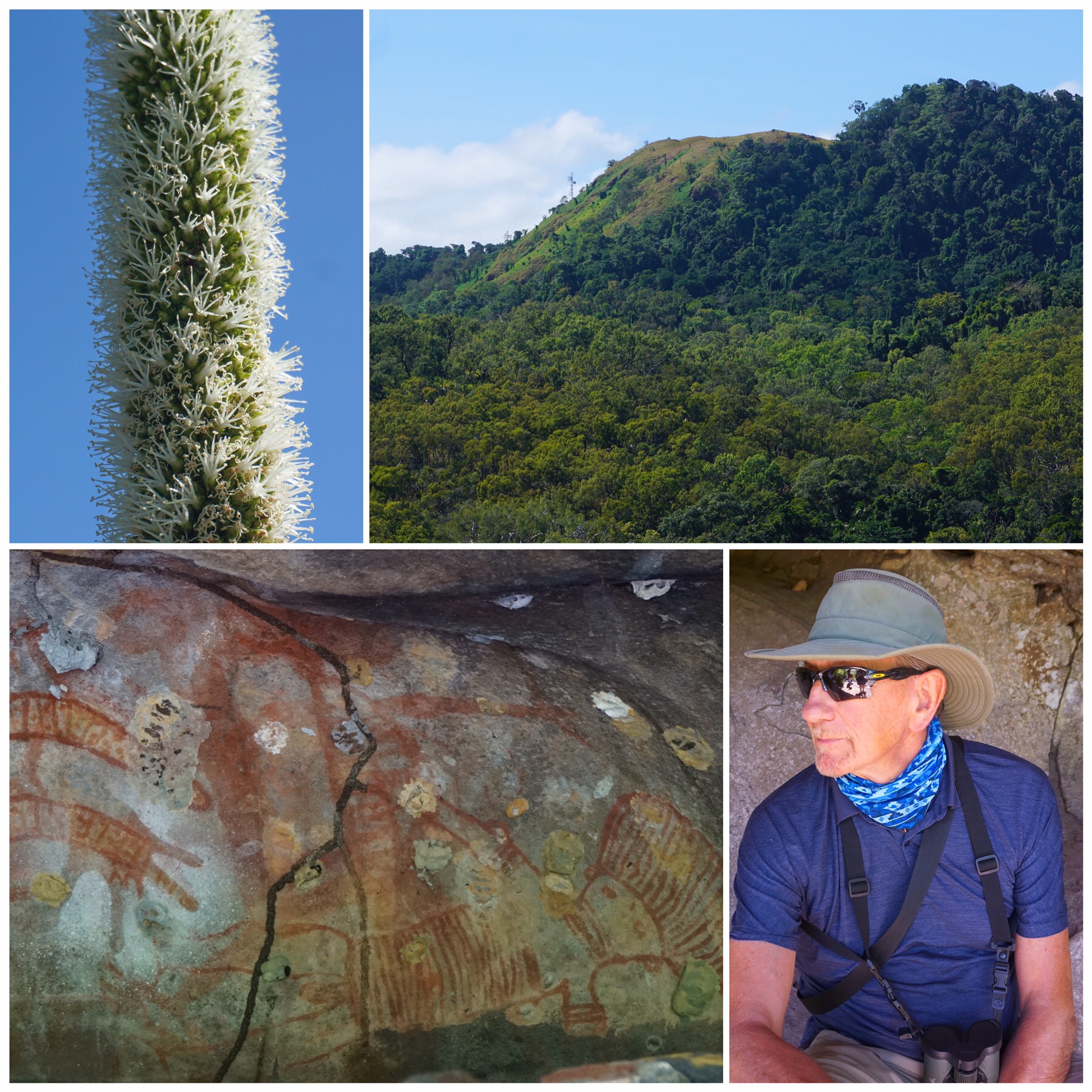
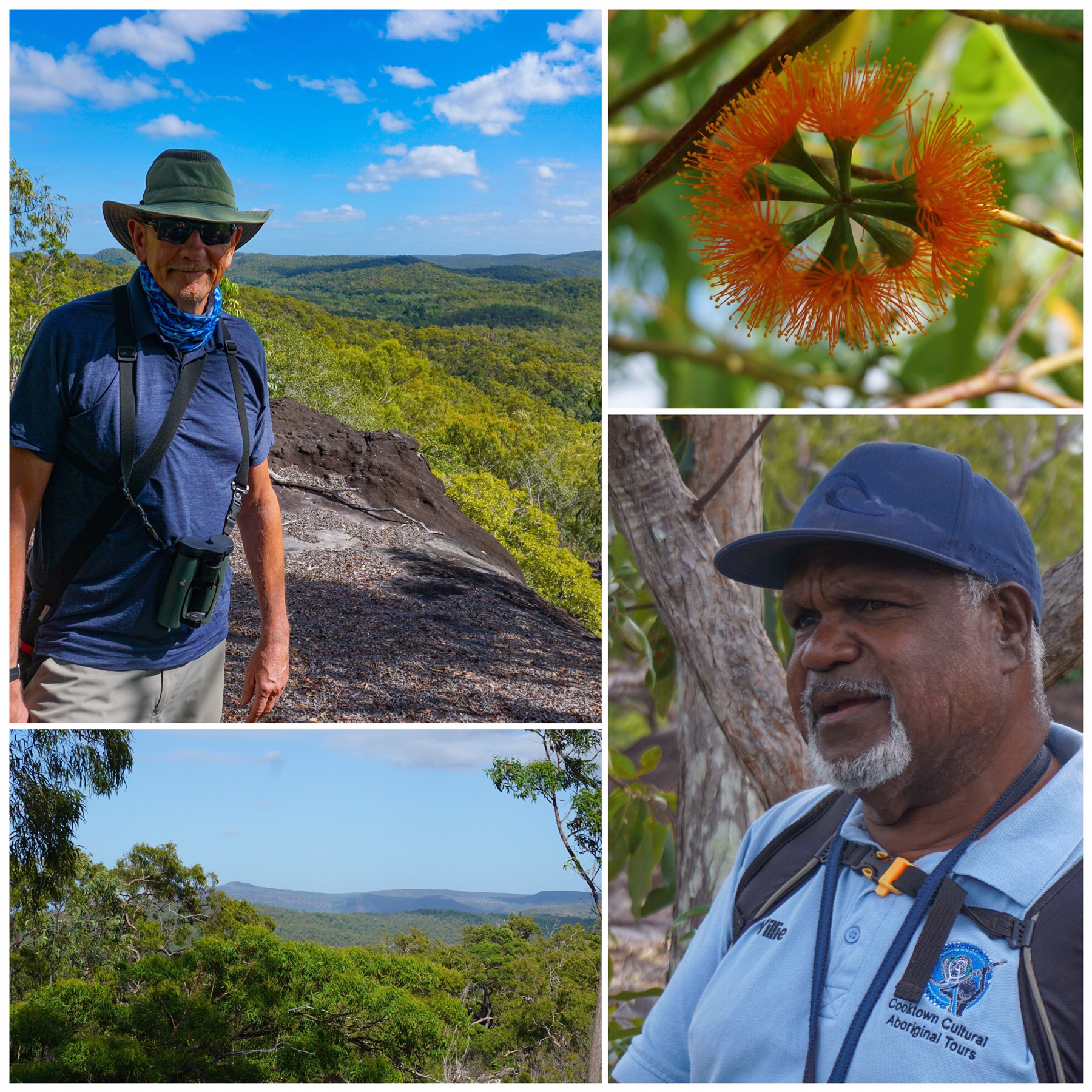 Willie started to take us on a tour of his “backyard”, where his grandfather’s bones are buried and where he was birthed. He explained what they ate and drank, plucking plants and fruit for us to smell and feel, and talked about the seasonal migrations from the bush to the beach, at pains to point out they were not nomads but followed a set path of migration along the songlines.
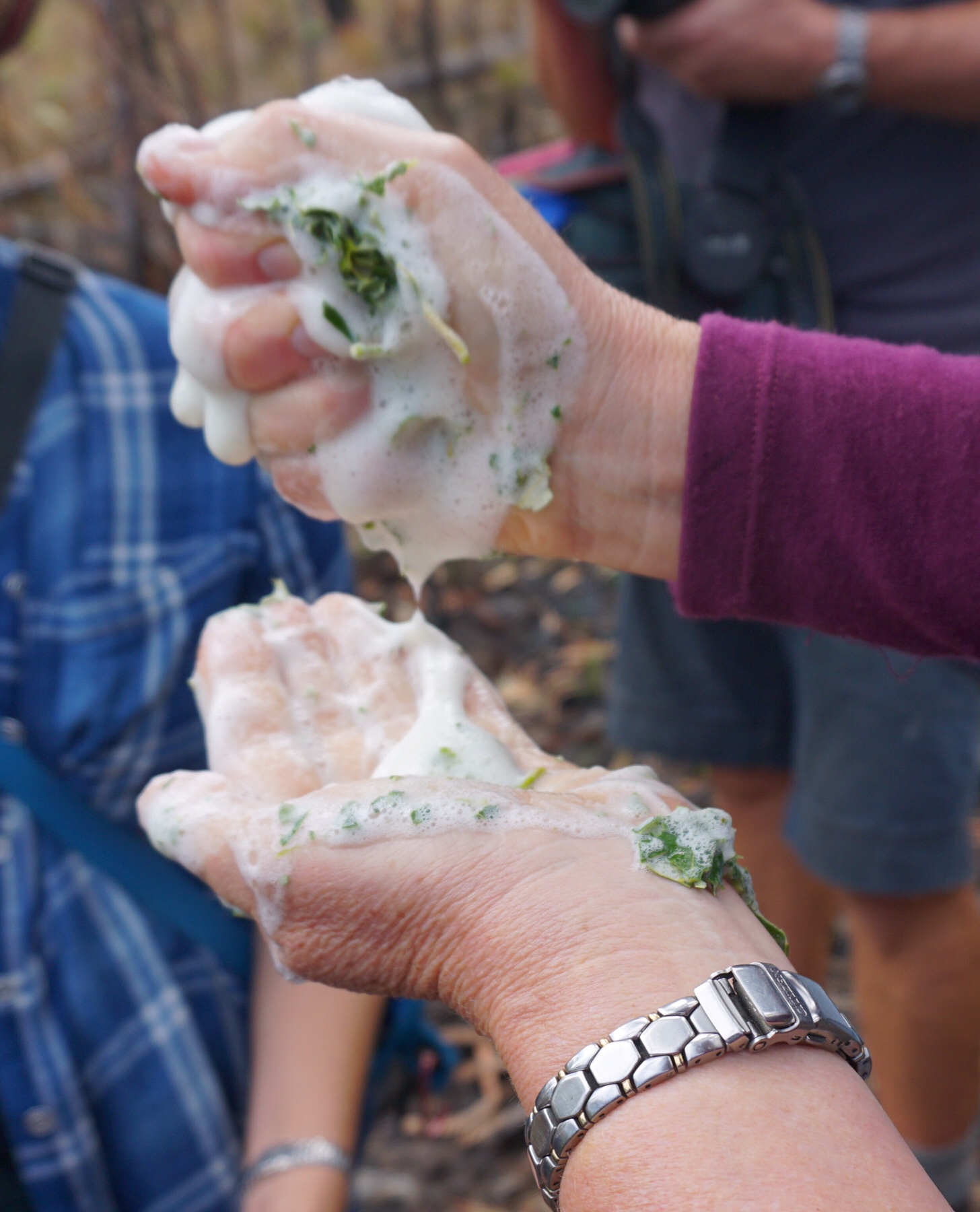
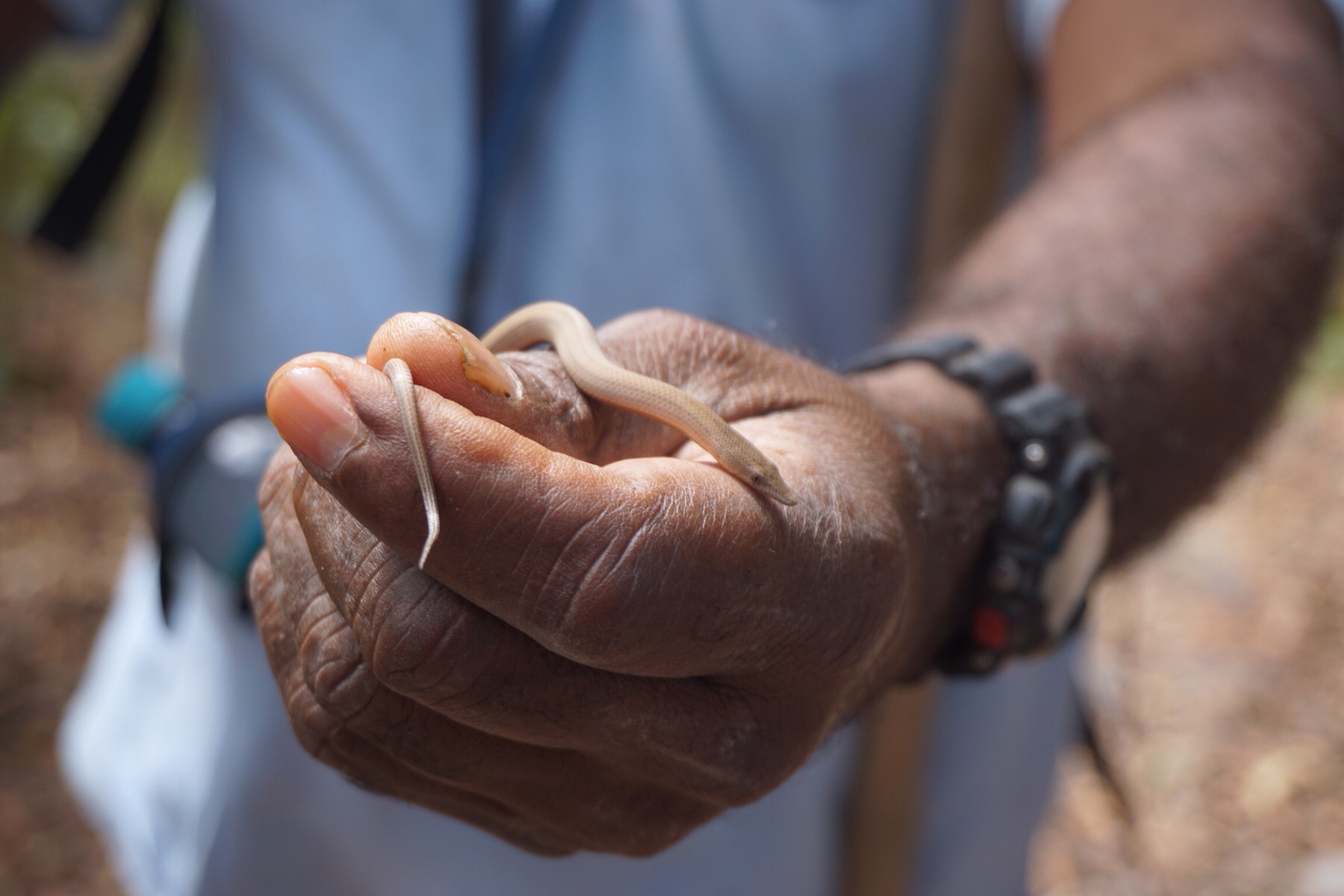 The knowledge of flora and fauna these people have accumulated over 40,000 years and passed on through stories, music and art is just incredible. He had Catherine mix up some seeds in her hand that are used to put a protective coating over a wound, while he had another lady rubbing together some leaves from the soap bush creating a cleaning compound that was antiseptic.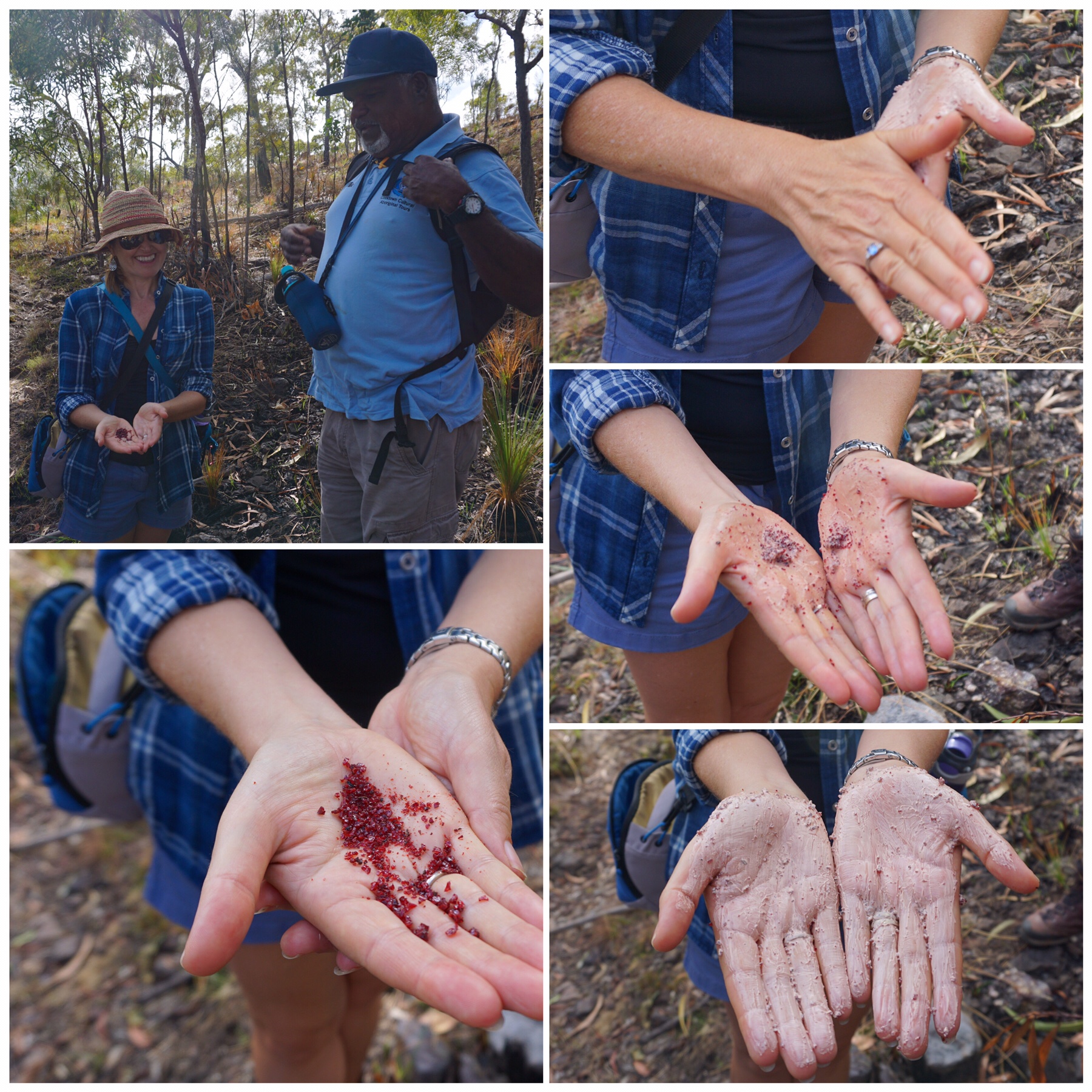
 We were led to a birthing cave and Willie explained the symbolism of some of the drawings, how they were painted and why. A big question the community is discussing is wether the drawings should be renewed, as they fade after a couple of thousand years. A couple of thousand! Incredible..these timeframes are mind boggling.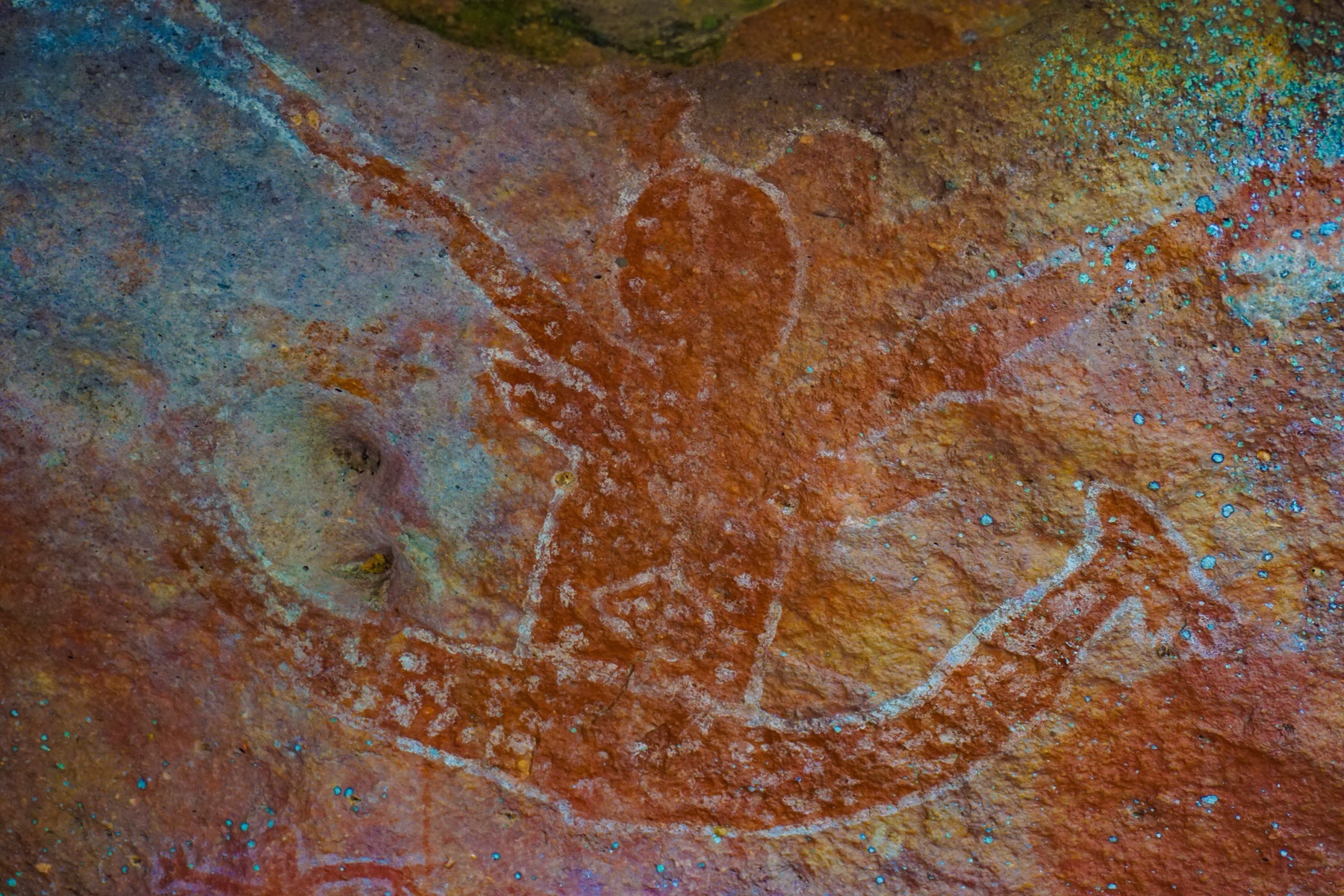
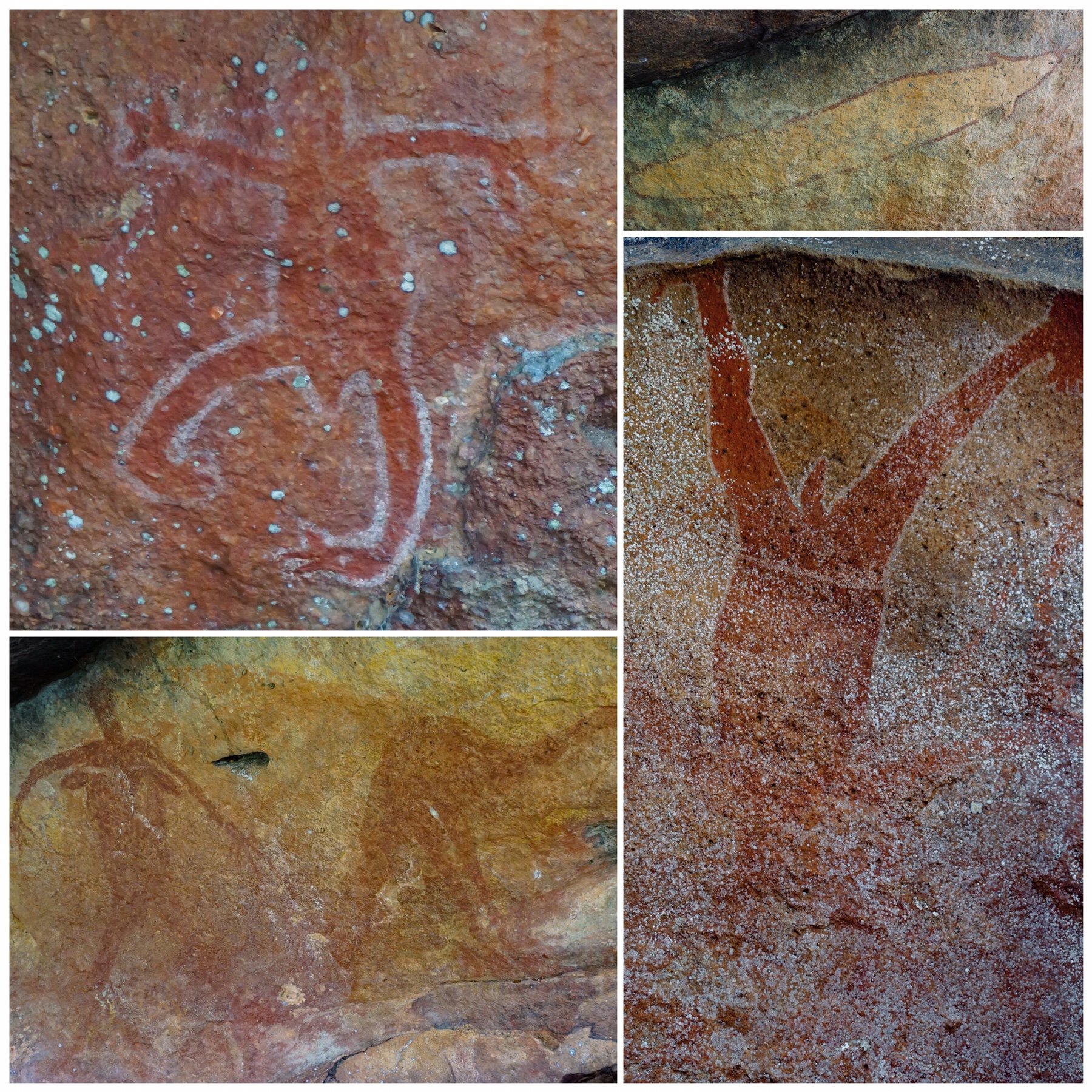
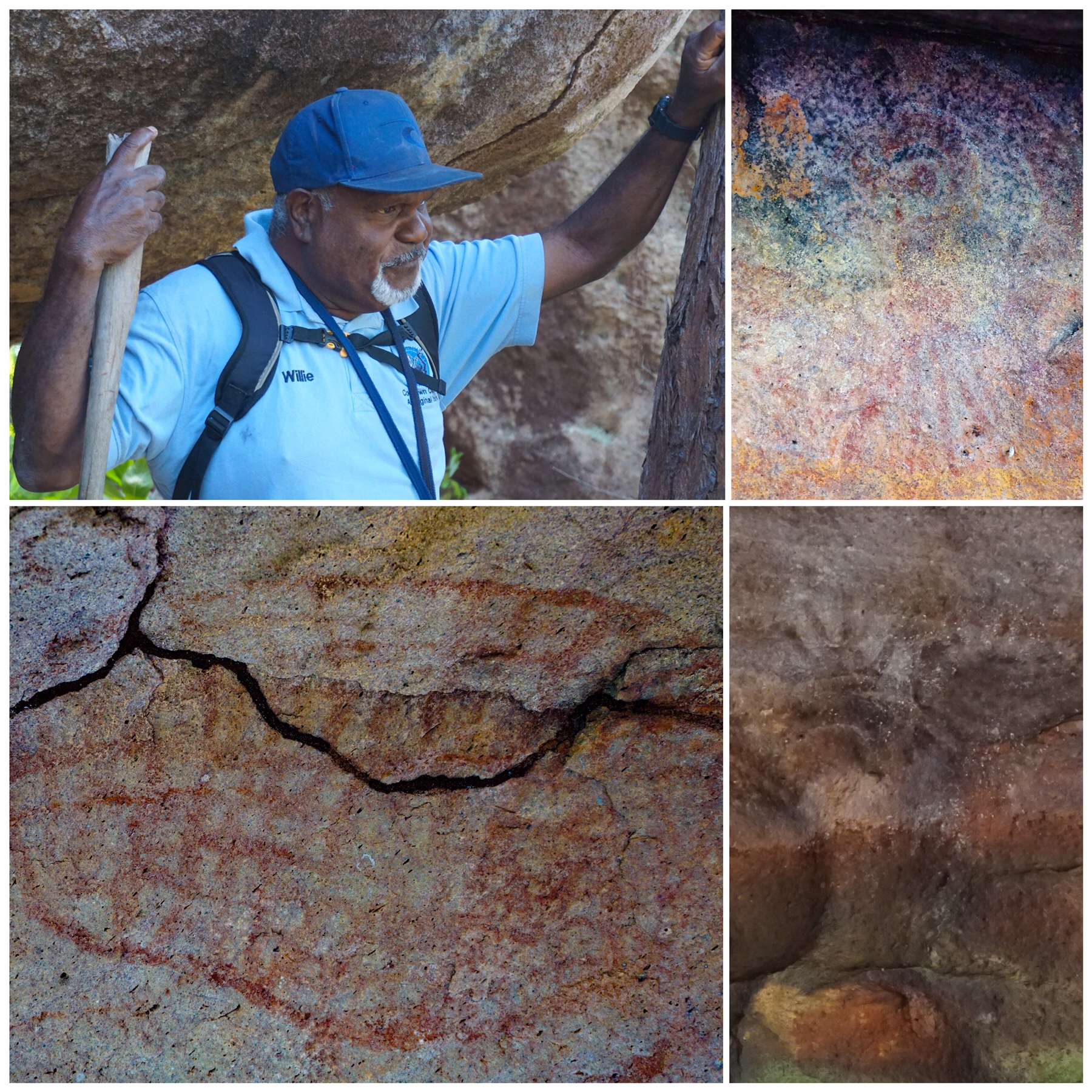 Catherine and I tried to take in as much as we could, but it was like walking into a library and having a teacher open a couple of books at random and read a few lines. We knew it was but a fleeting glance into a world we will never fully understand, but certainly appreciate and respect now even more what a trove of wisdom is there.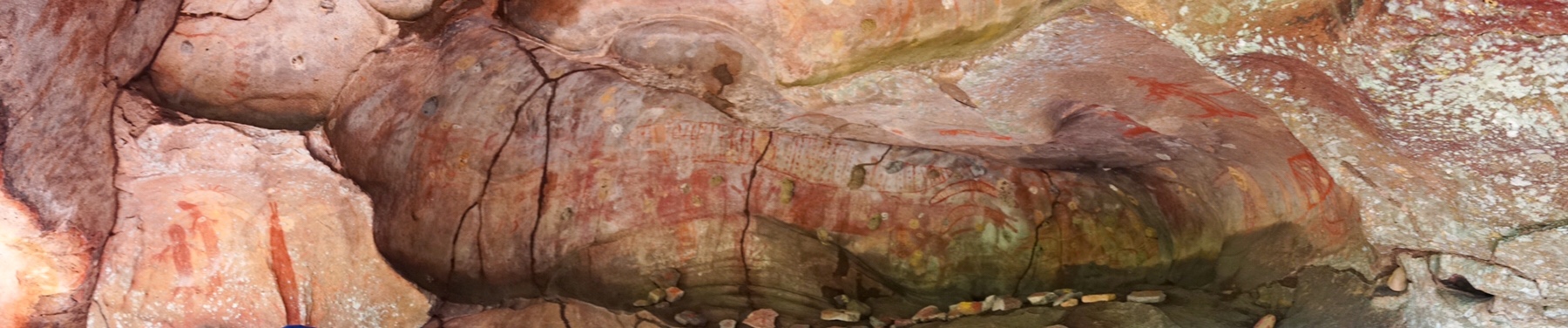
 If you come this way, support these efforts to help us all better understand and respect aboriginal culture. Willie Gordon can be found at Cooktown Cultural Aboriginal Tours – the information centre knows where to find him or indeed others like him.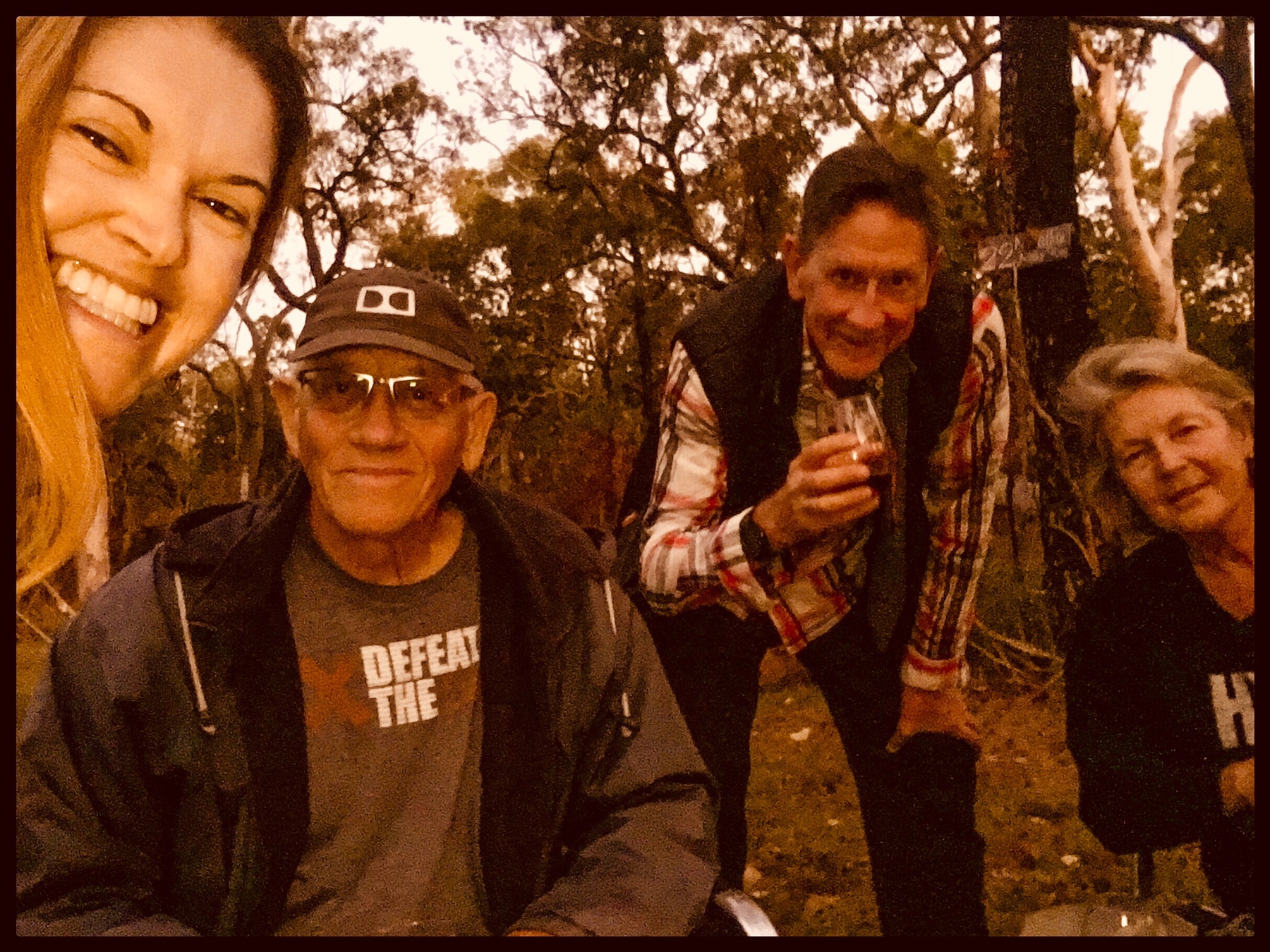
 Once we hit the road, we headed north through amazing scenery, the roads winding upwards between rolling hills, with several lookouts along the way.
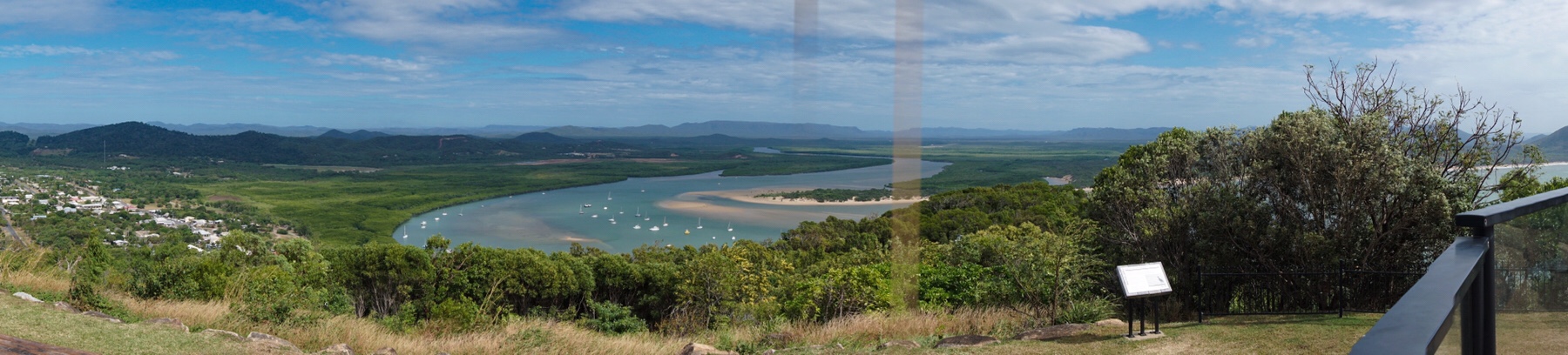
 It was around 2pm that we rolled into Cooktown, the final frontier settlement before heading up Cape York. This is the top of the road on the east coast for us on this trip.
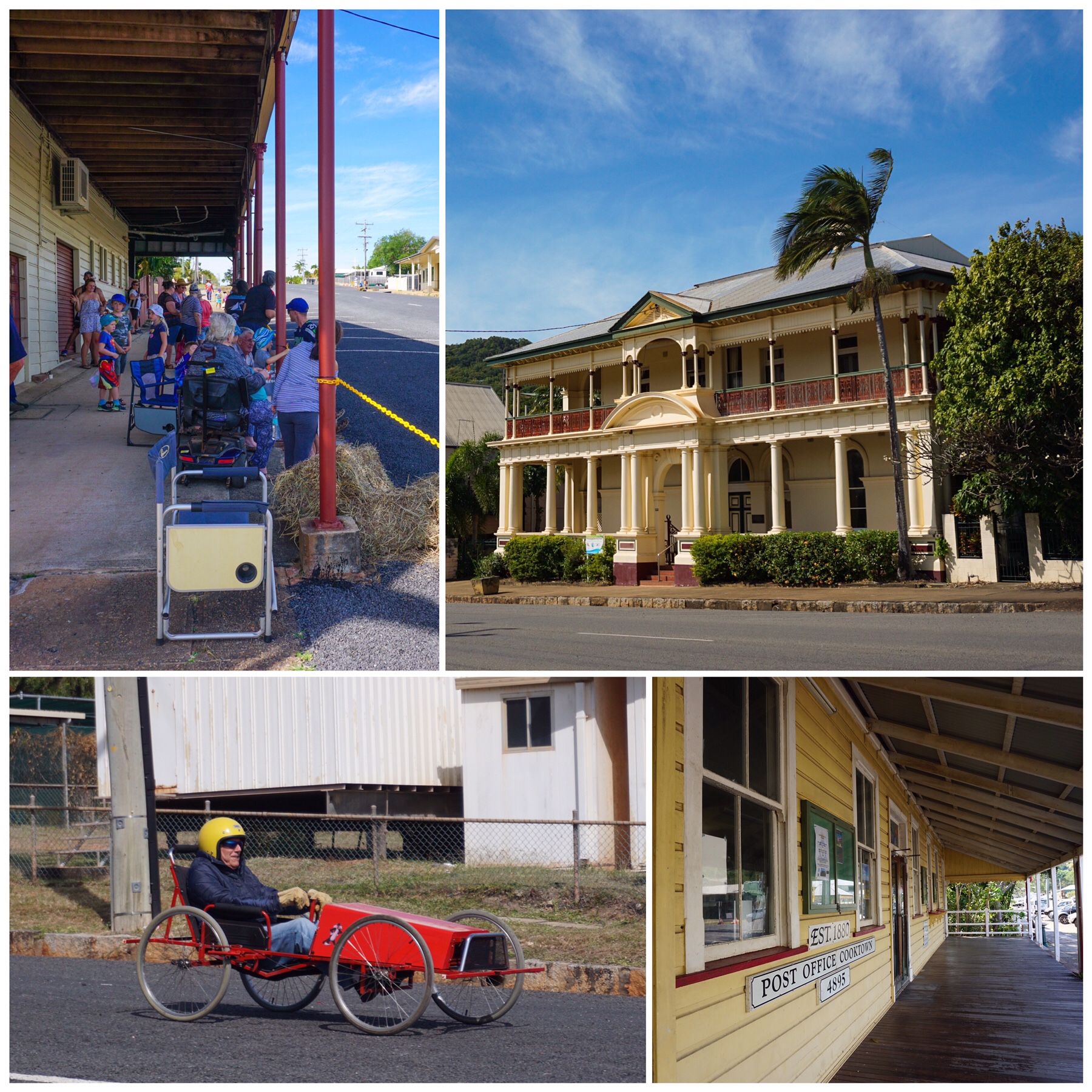 Unlike in other areas of Australia, there is a real feeling of acceptance, with black (Aboriginal) kids running around with white kids, and the same with adults. We later chatted to a local Aboriginal guy who told us that Cooktown is probably the first place in Australia where there has been real reconciliation and acceptance amongst both parties. It certainly feels a lot closer than we have seen elsewhere.
 We walked along the Main Street just soaking up the atmosphere, before returning to the rig to drive another 20 minutes up to our campsite.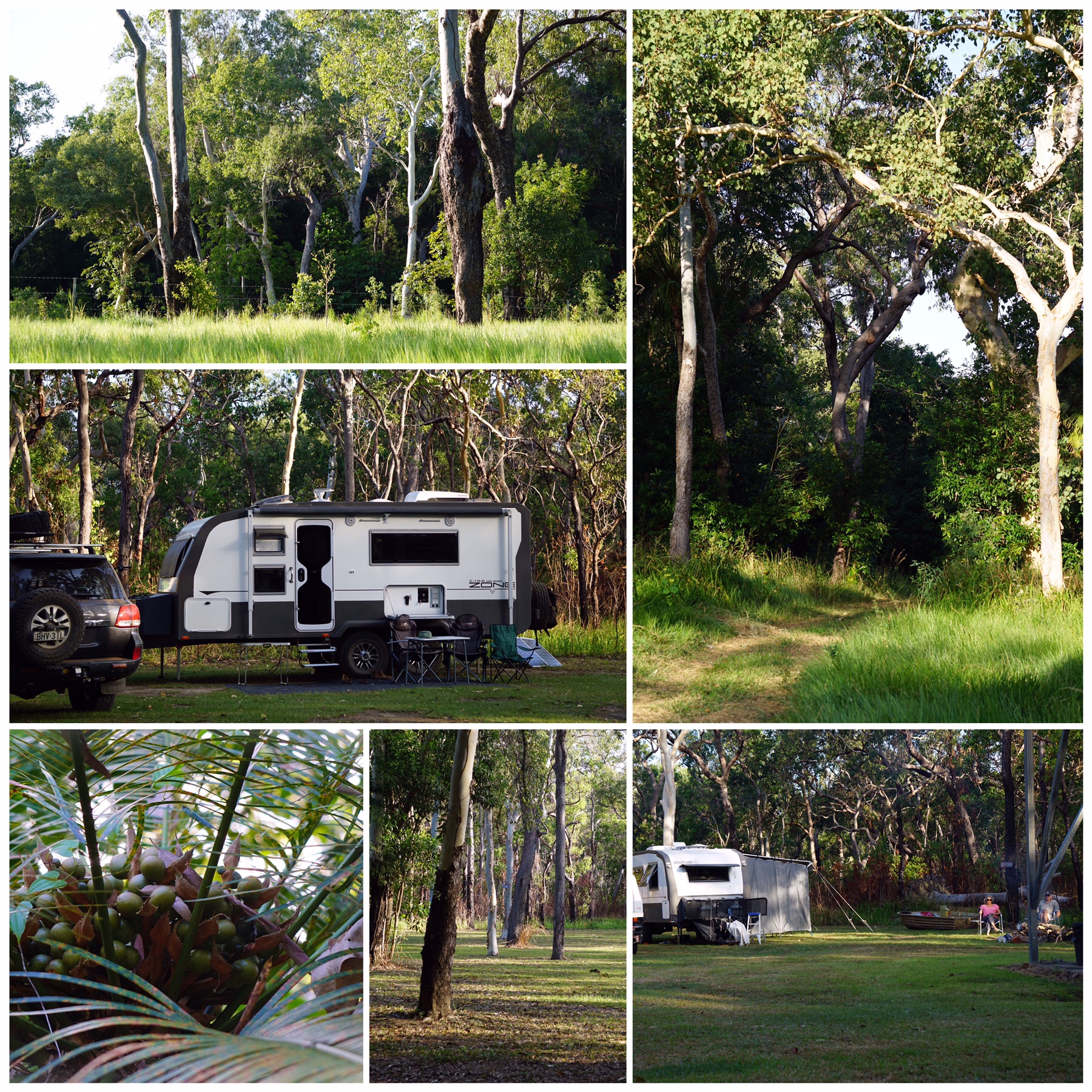
 Memories of our fabulous Daintree River cruise encouraged us to book a similar sounding trip for Wednesday afternoon on the Endeavour River. Fingers crossed it delivers.
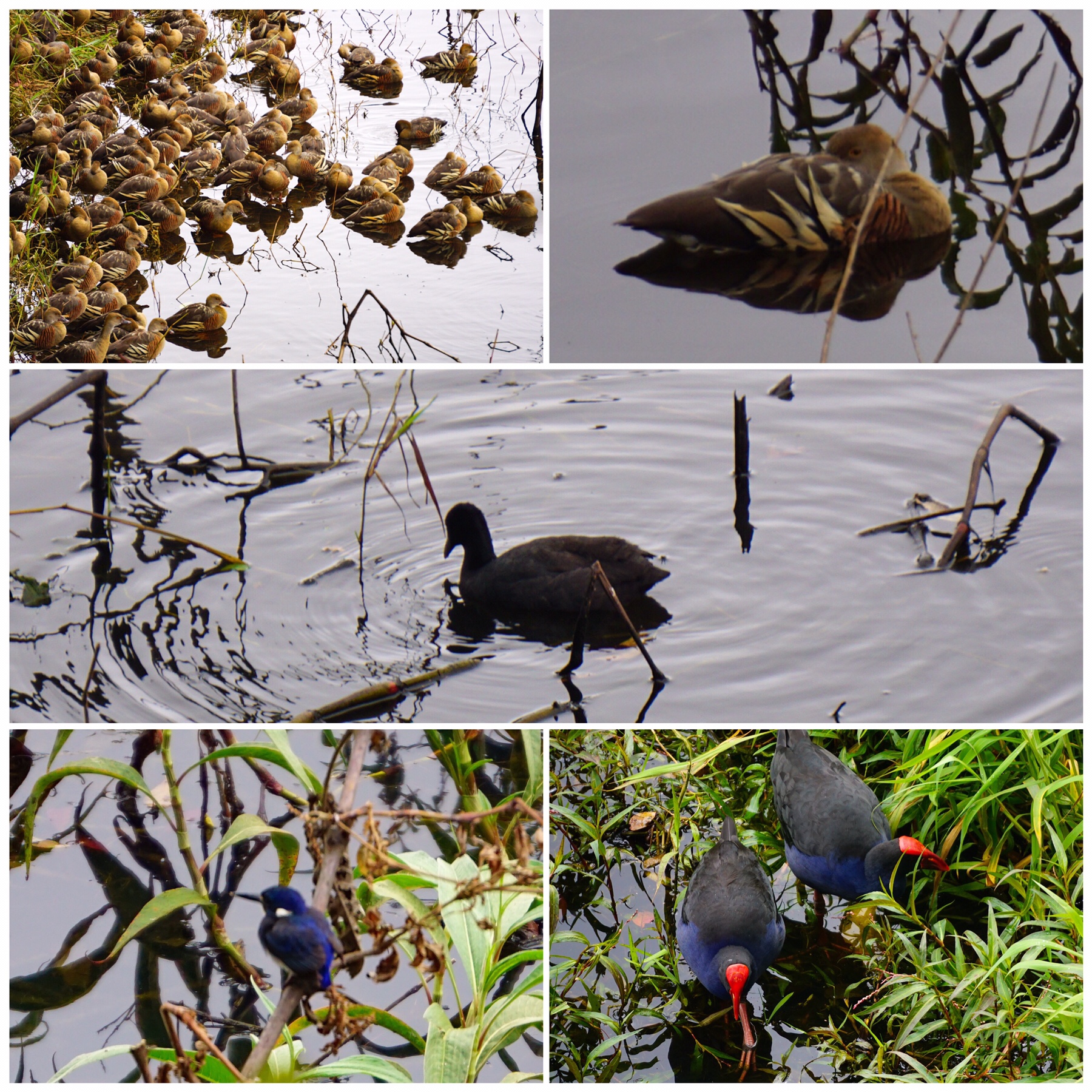
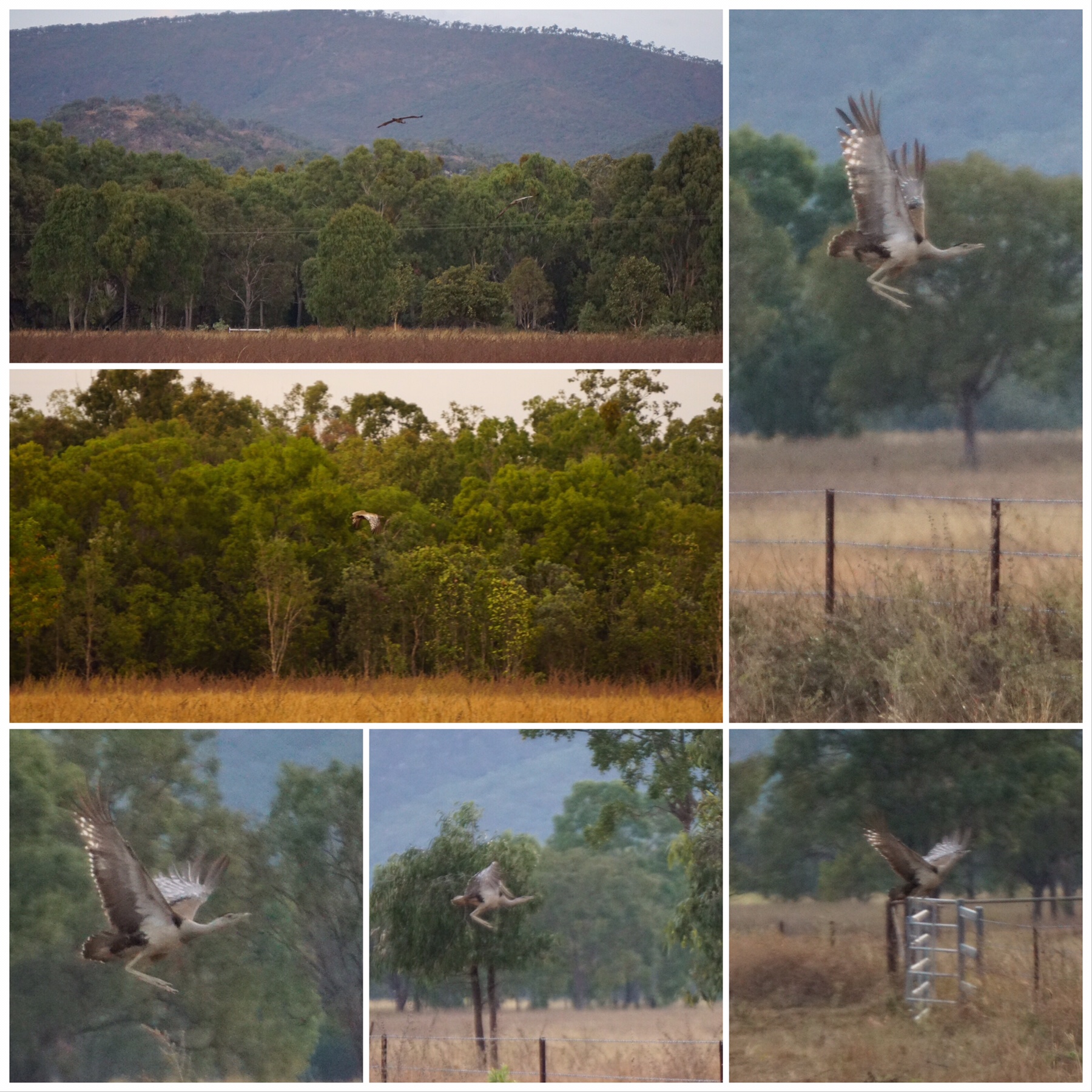
 We finished up with a whole range of other fresh locally grown fruit and veg, so with our fridge crammed to capacity, we then turned off the coast road we had followed for so long and headed inland, up onto the north end of the Atherton Tablelands. We watched the scenery change dramatically as we climbed up the range, the Cruiser doing its usual impeccable job of dragging the 3 tons of loaded up Zone up the steep climb. Our destination was a place called Bustard Downs, a working cattle farm with some camp spots we would stay the night on. As we drove down onto the property we were immediately struck by the amount of birds around.
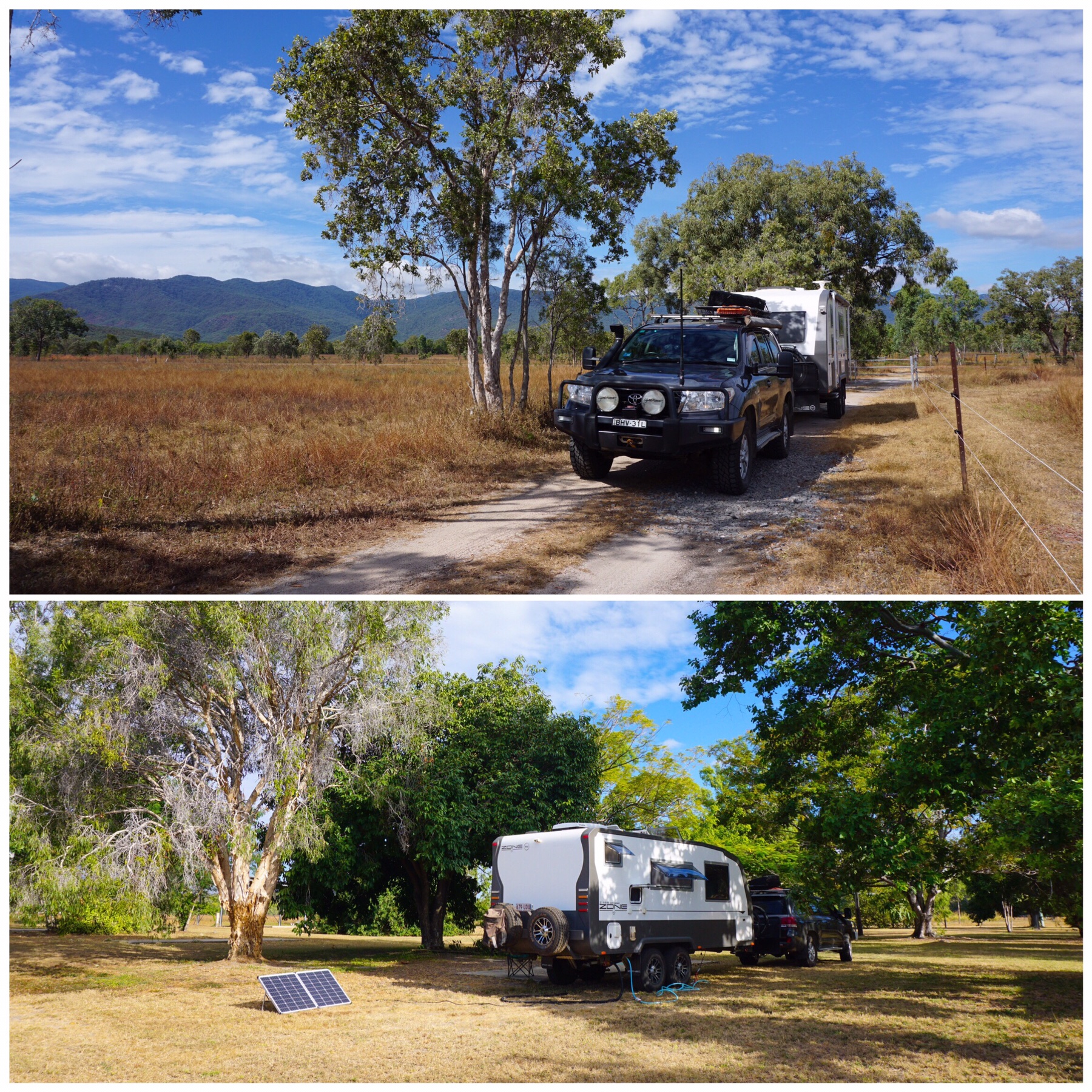 When we met the owner she said around 150 different types have been logged by local birders, so we set off to explore.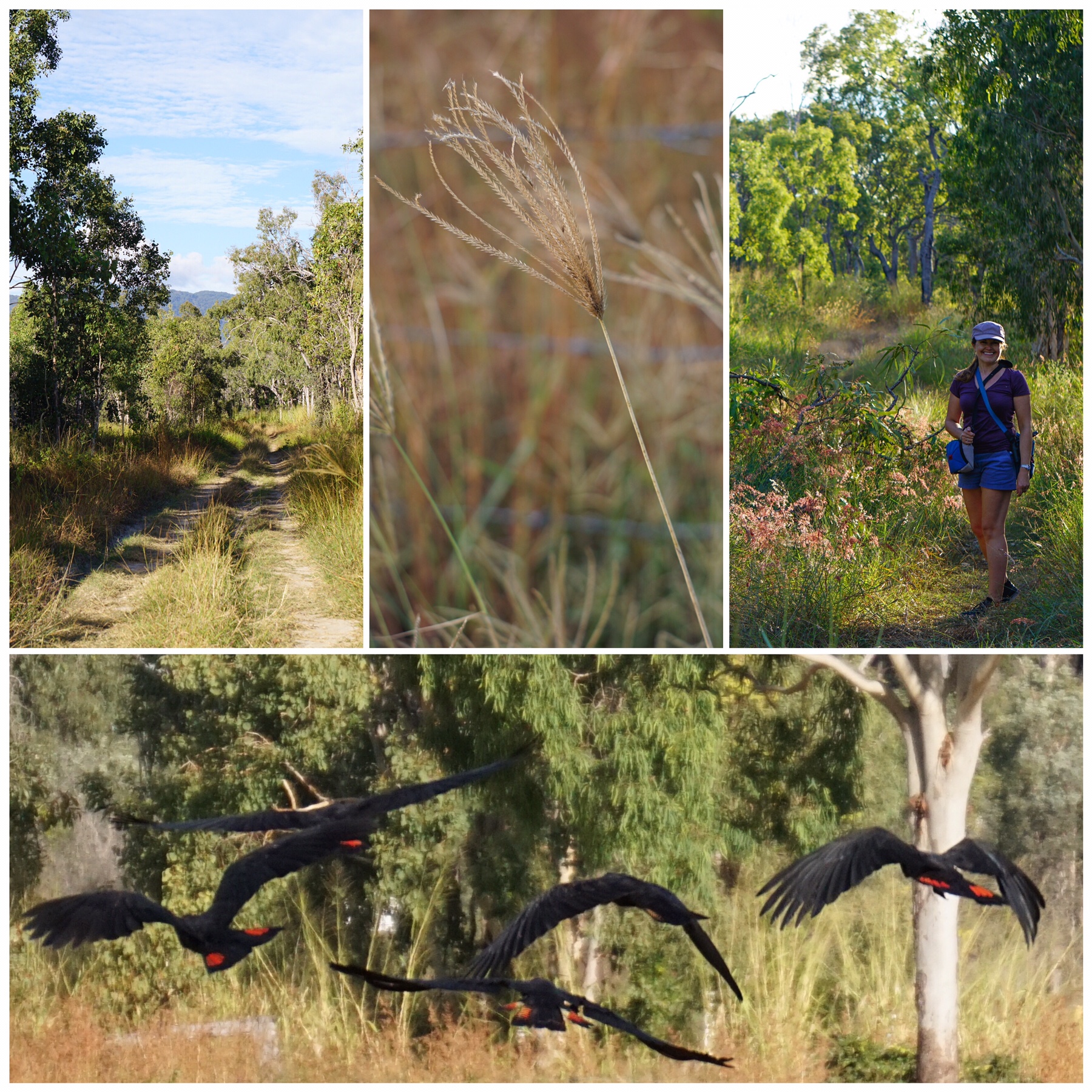
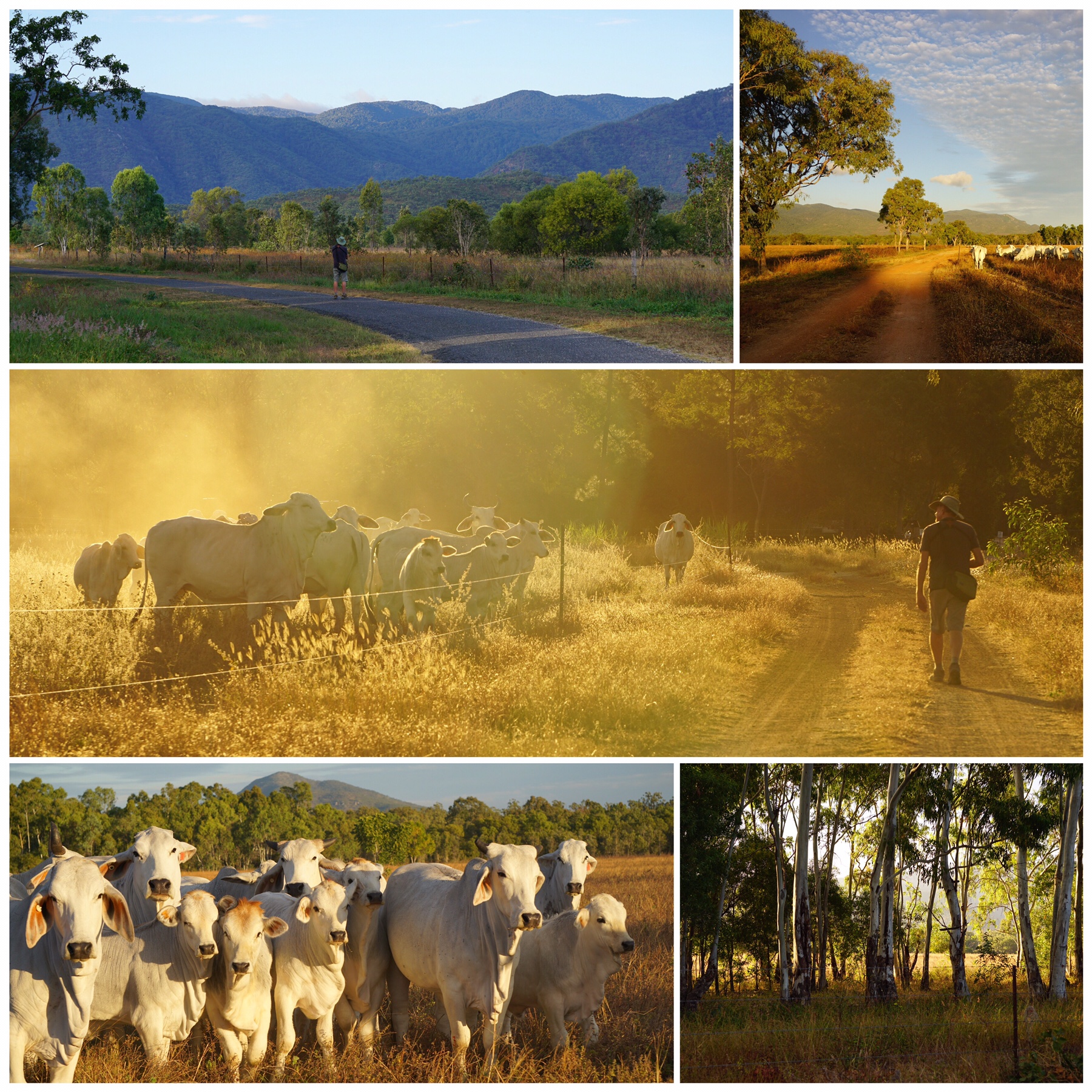 Even the cattle were beautiful!
 Only one other caravan was there on the whole of the property, well until 6.30 pm when it was pitch black, and we are in full dinner prep mode for a nasi goreng feast, with me wearing a clear plastic glove on one hand as I was cutting up the turmeric (it stains your skin yellow)..and there was knock on the door. I opened to find a lady at the door, another van had pulled up right next to us. They had been delayed on the road after hitting a kangaroo and she was asking me where the camp office was.
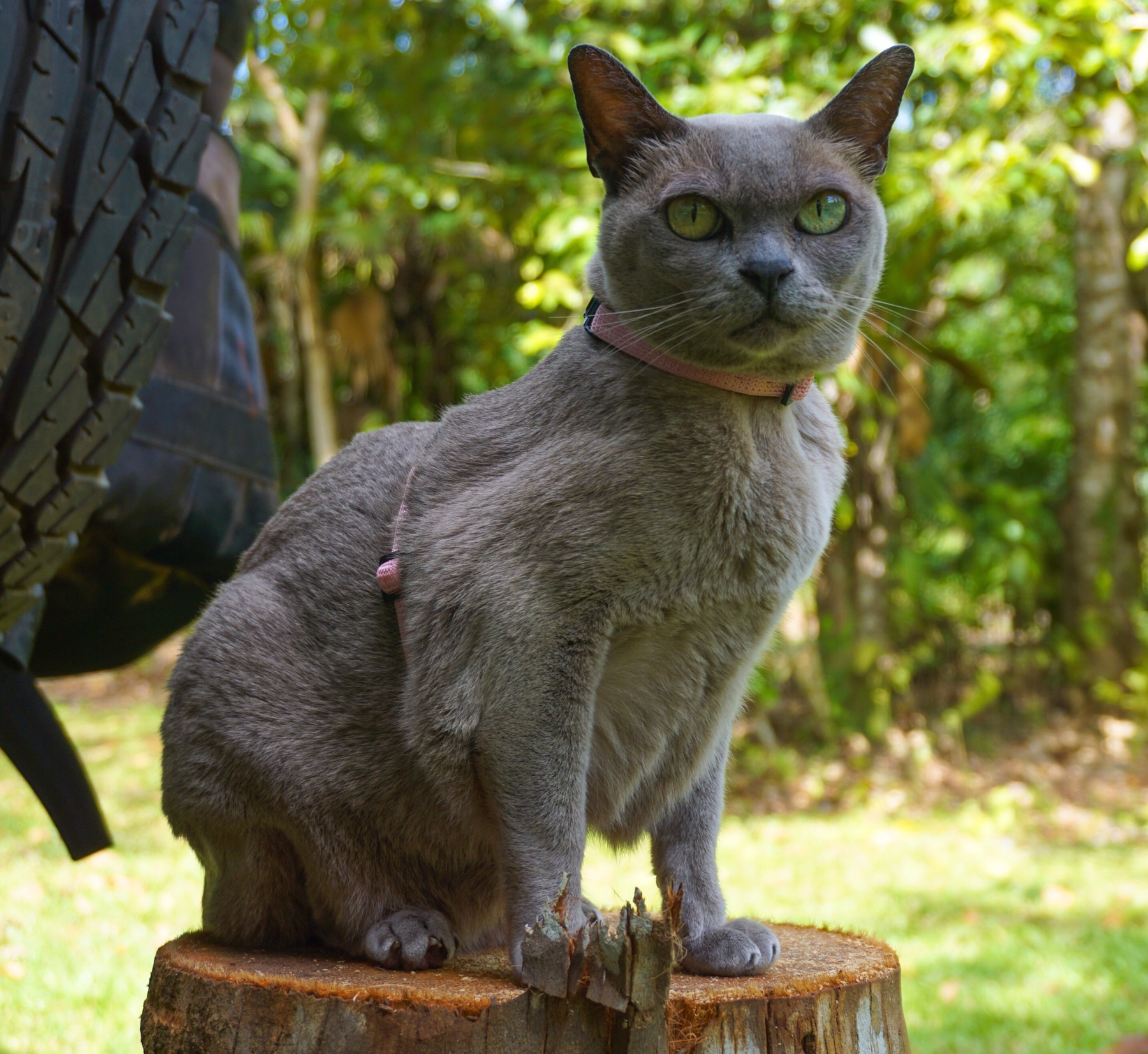 My staff have continued to escort me up the east coast of Australia, and I must admit some of the locations have not been too bad. I have not experienced species discrimination lately (yes, would you believe some camping areas allow those noisy, smelly canines but will not allow felines!), which is always a positive.
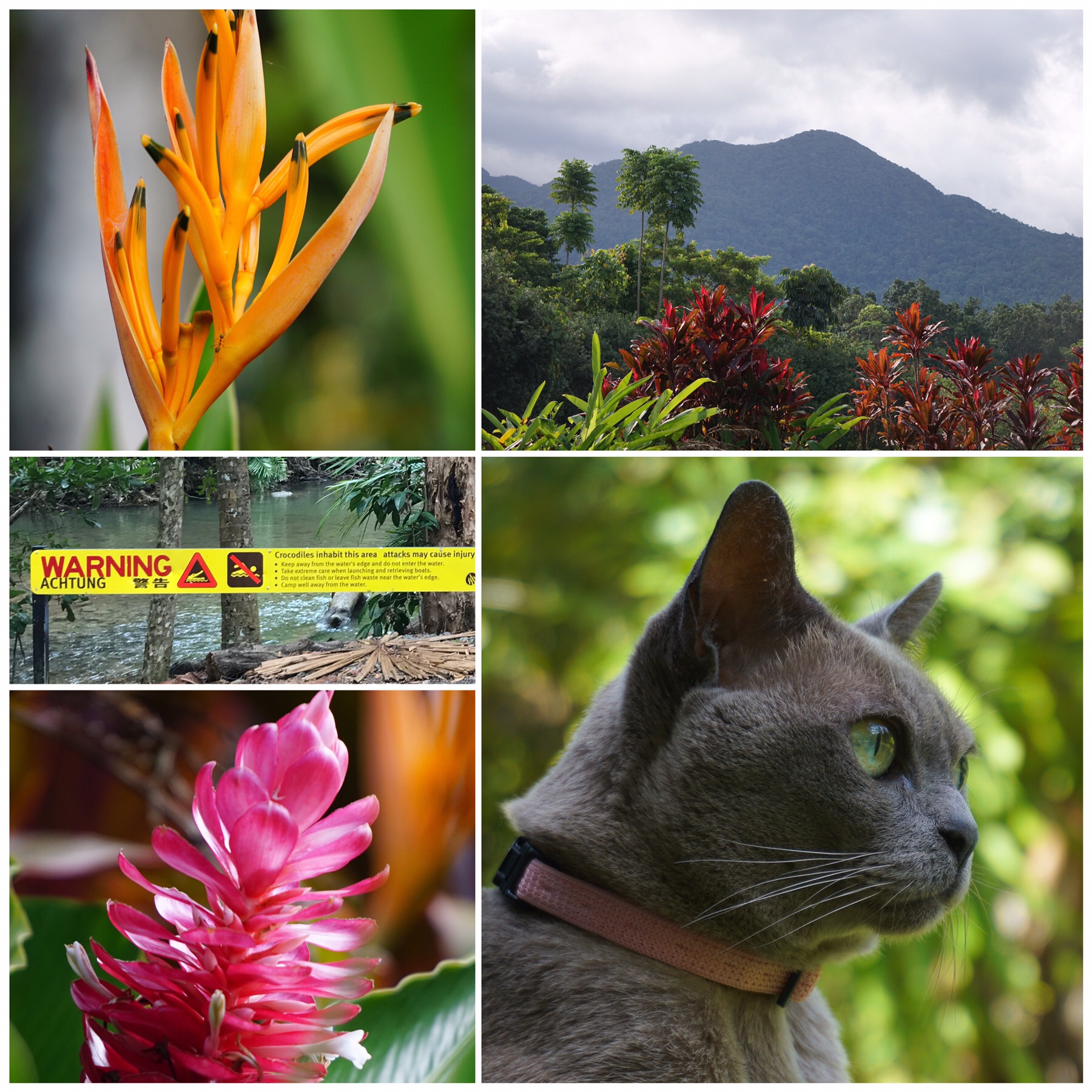 In addition to those big lizards, there has also been the occasional snake…they tend to make them rather large up here though – I still prefer to stalk a ribbon in the comfort of my safe-Zone.
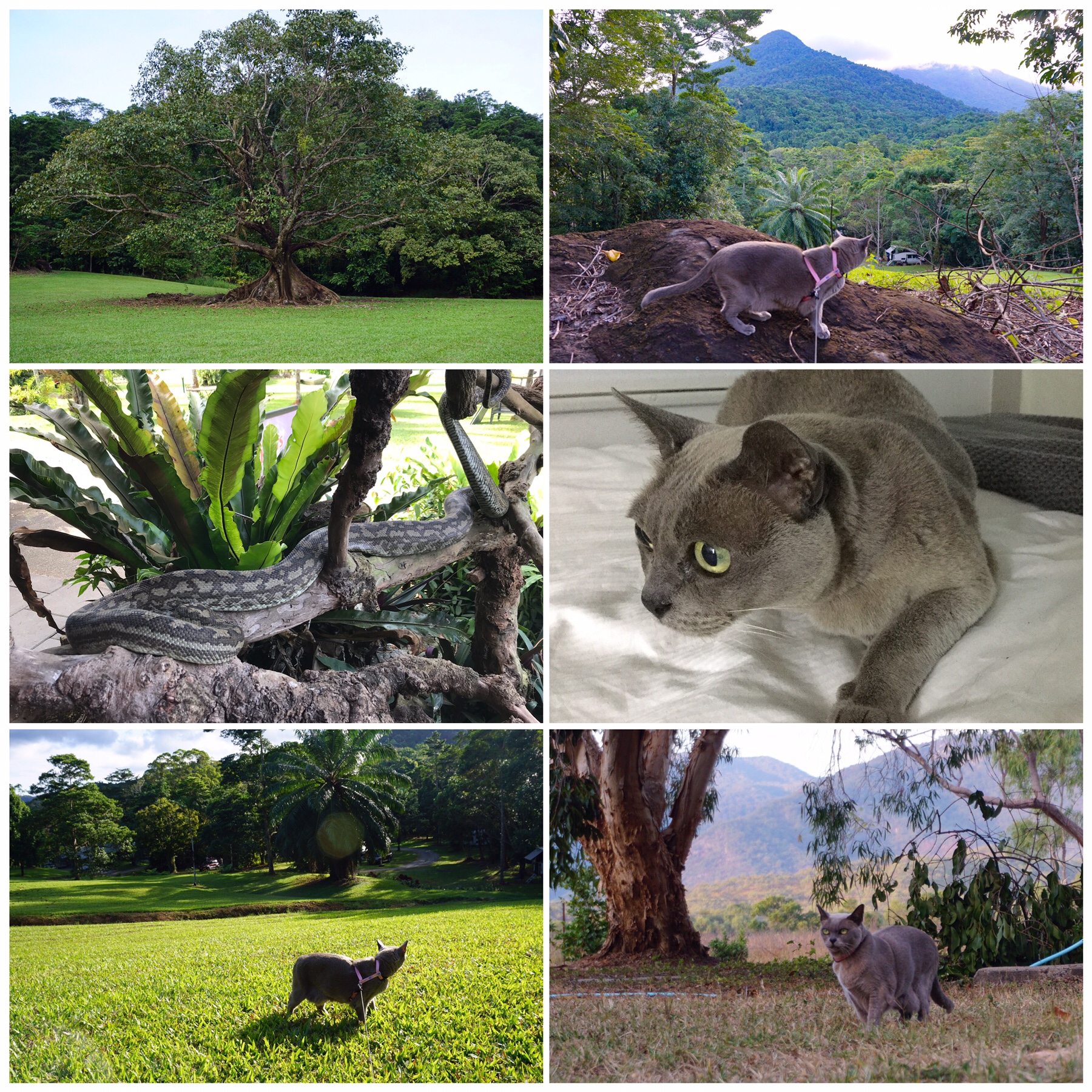 Right, time for another nap, so over and out for now.
 We took this as a good omen that we might see one of the rare and endangered Cassowary birds – at between 1.5 and 2 metres tall and up to 80kg, they would be hard to miss!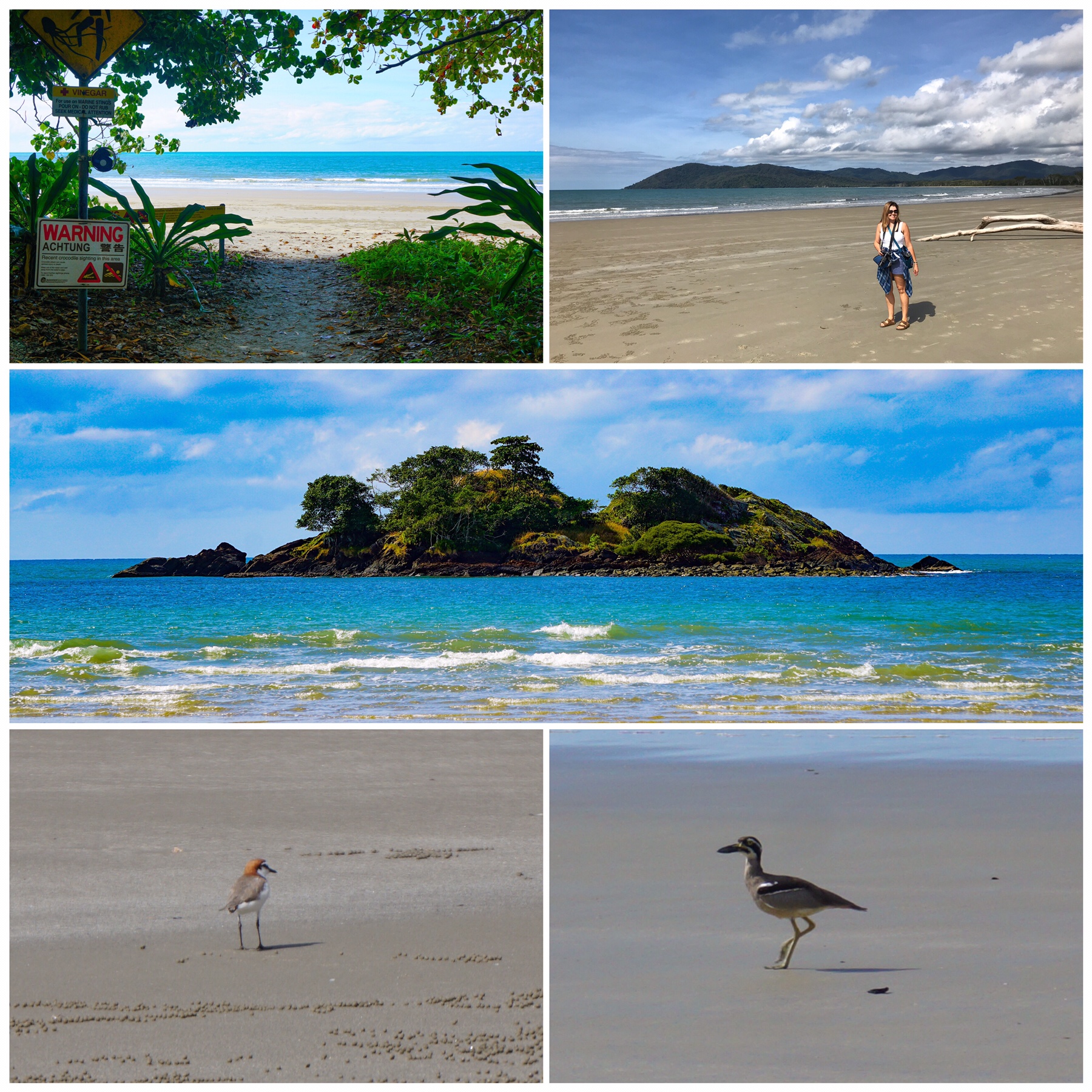
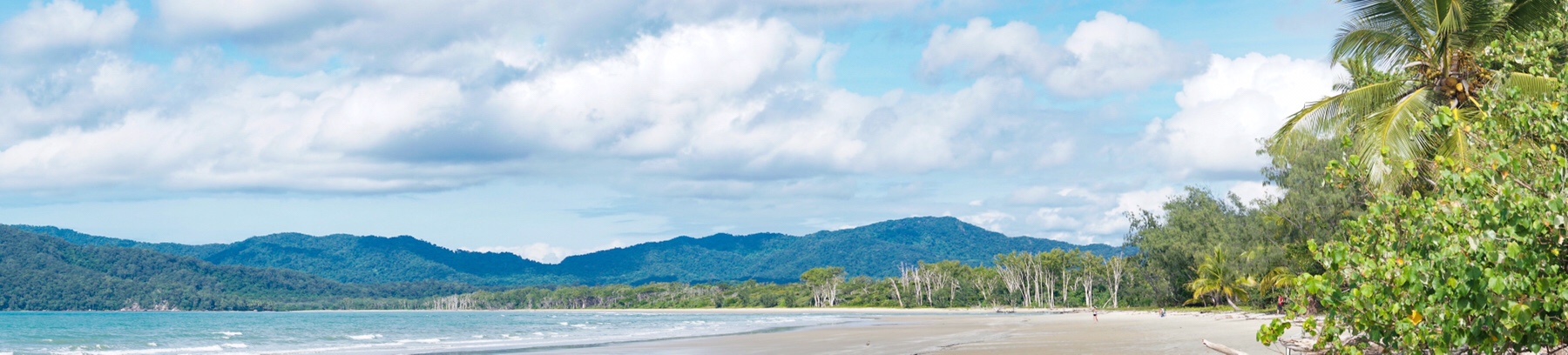
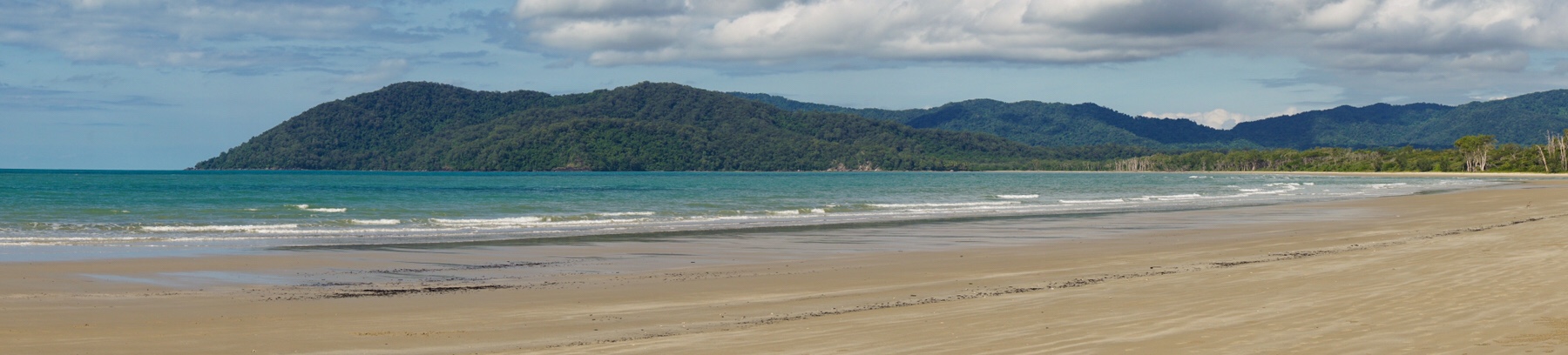 From here we continued north, calling next in at Dubuji Boardwalk and Myall Beach. The short walk was very informative, and as always full of incredible sculptural rainforest trees and vines.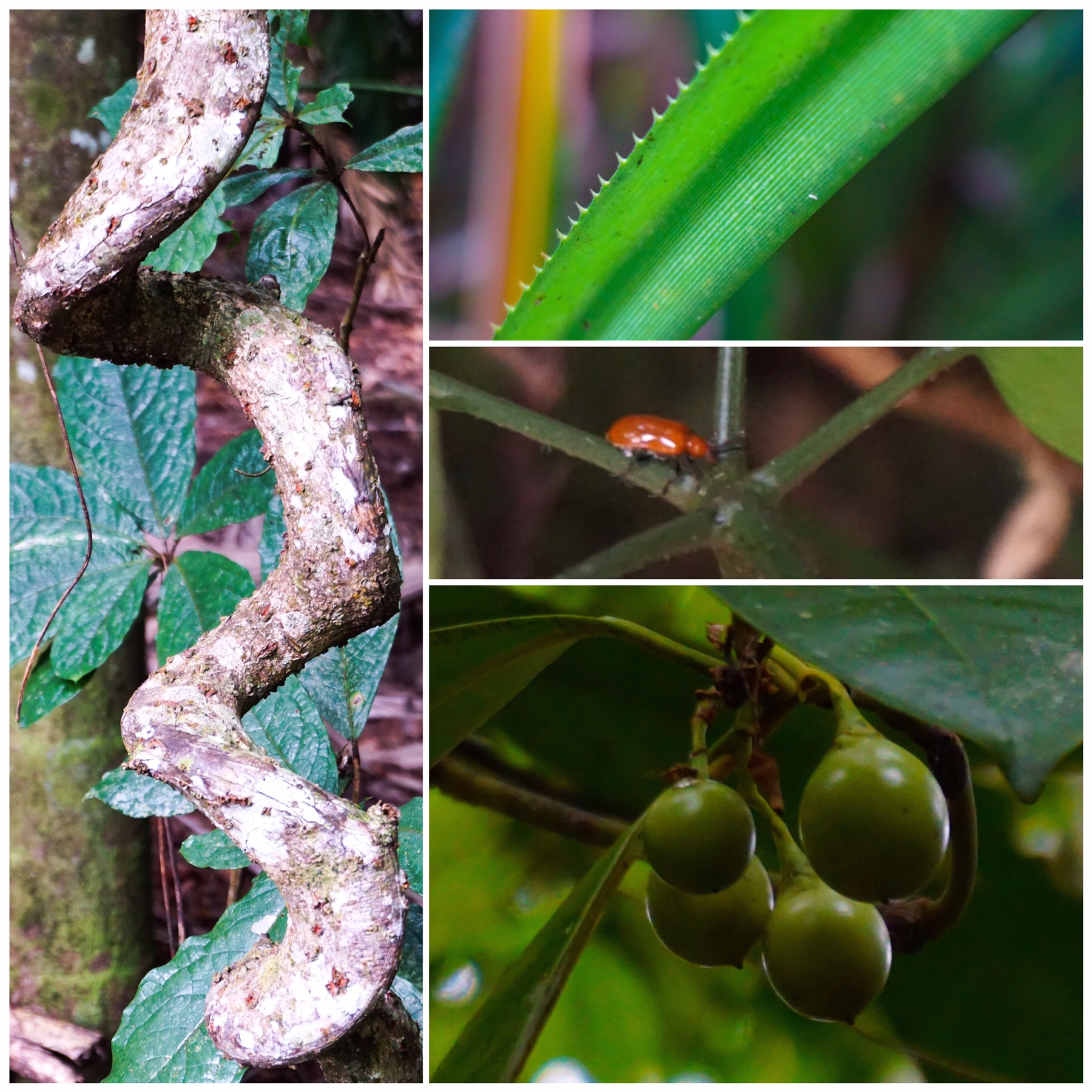
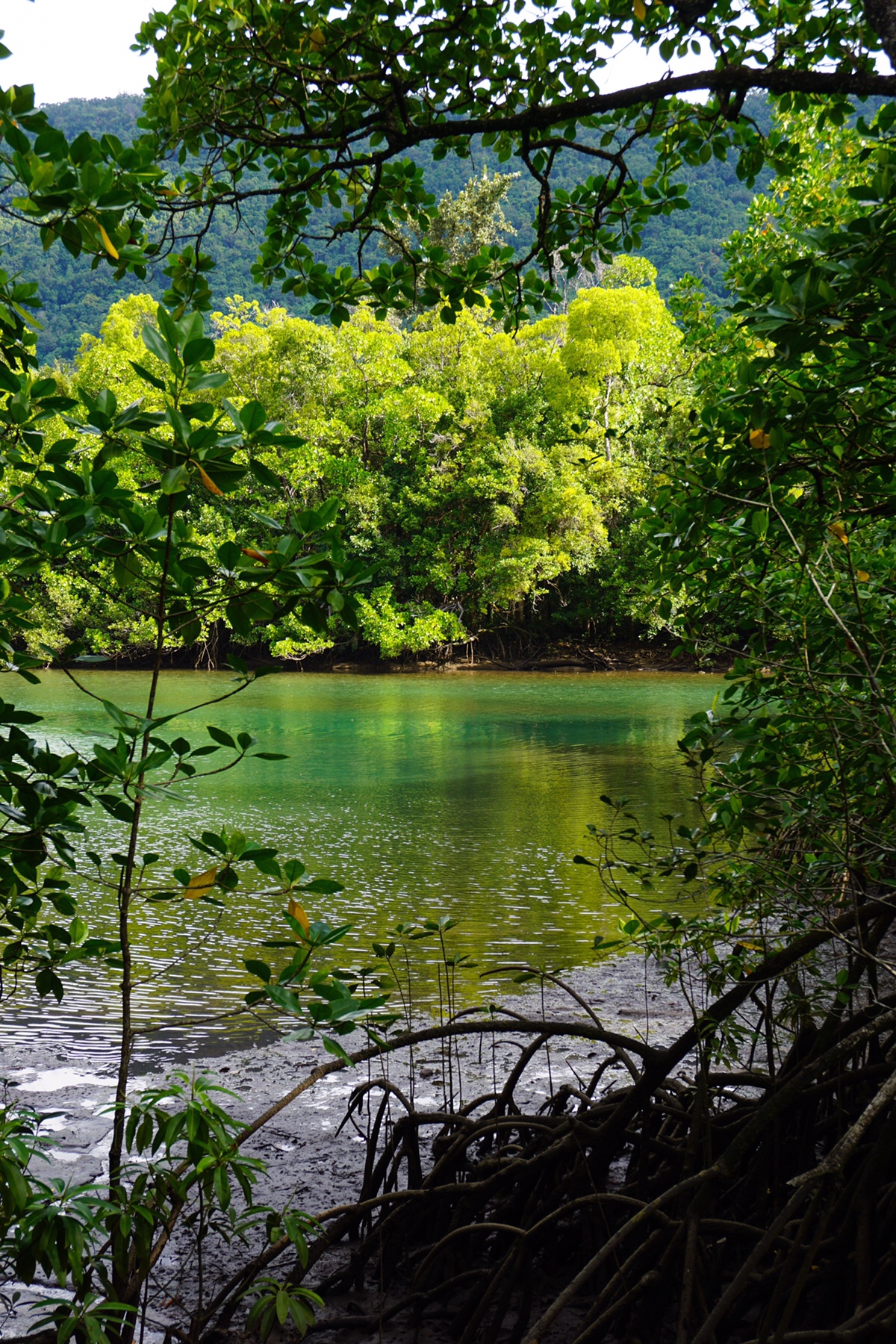 We drove up as far as the 4WD commencement of the Bloomfield Track which leads up to Cooktown, before turning and calling in to more short walks at Cape Tribulation and then Noah Beach.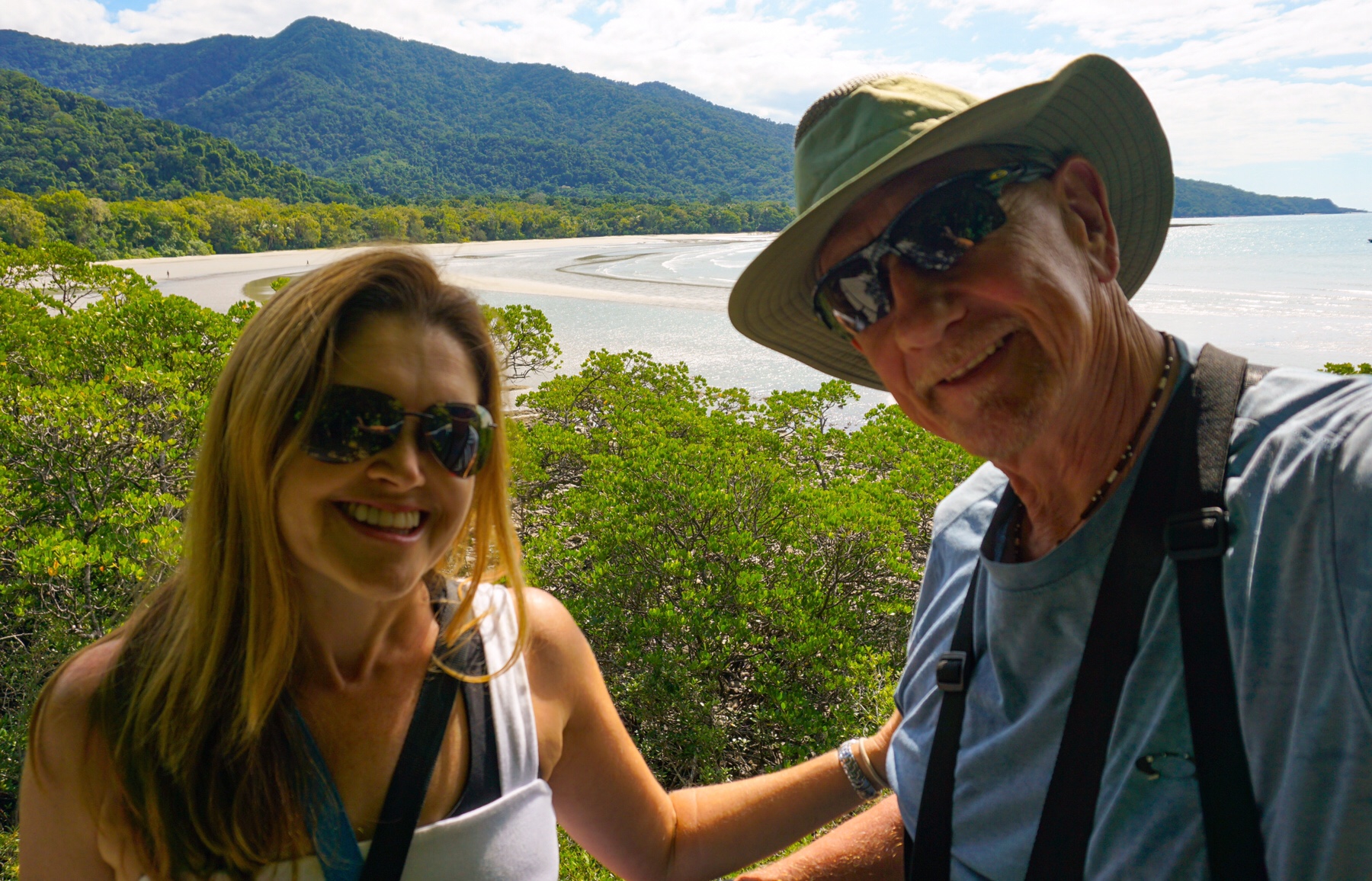
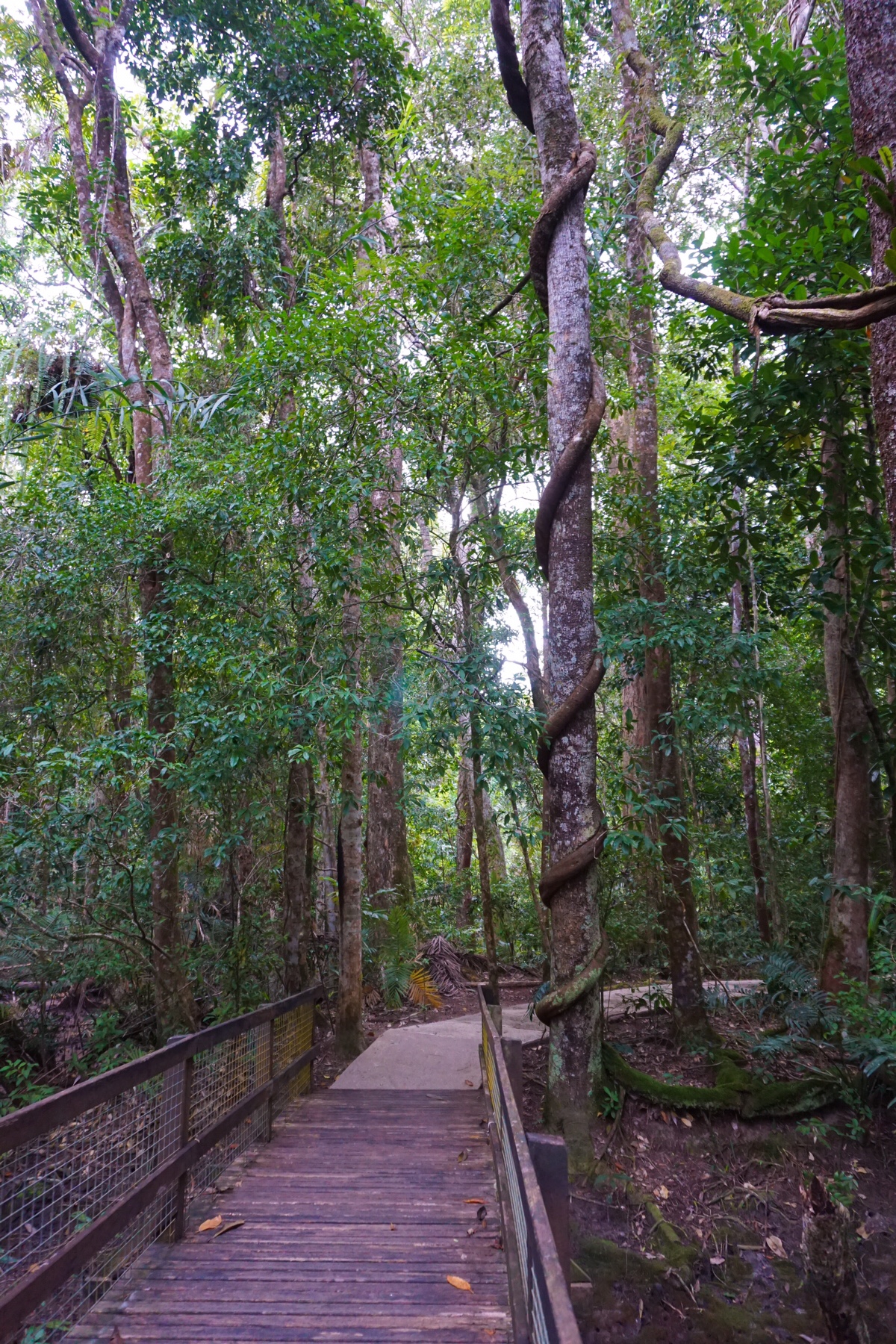
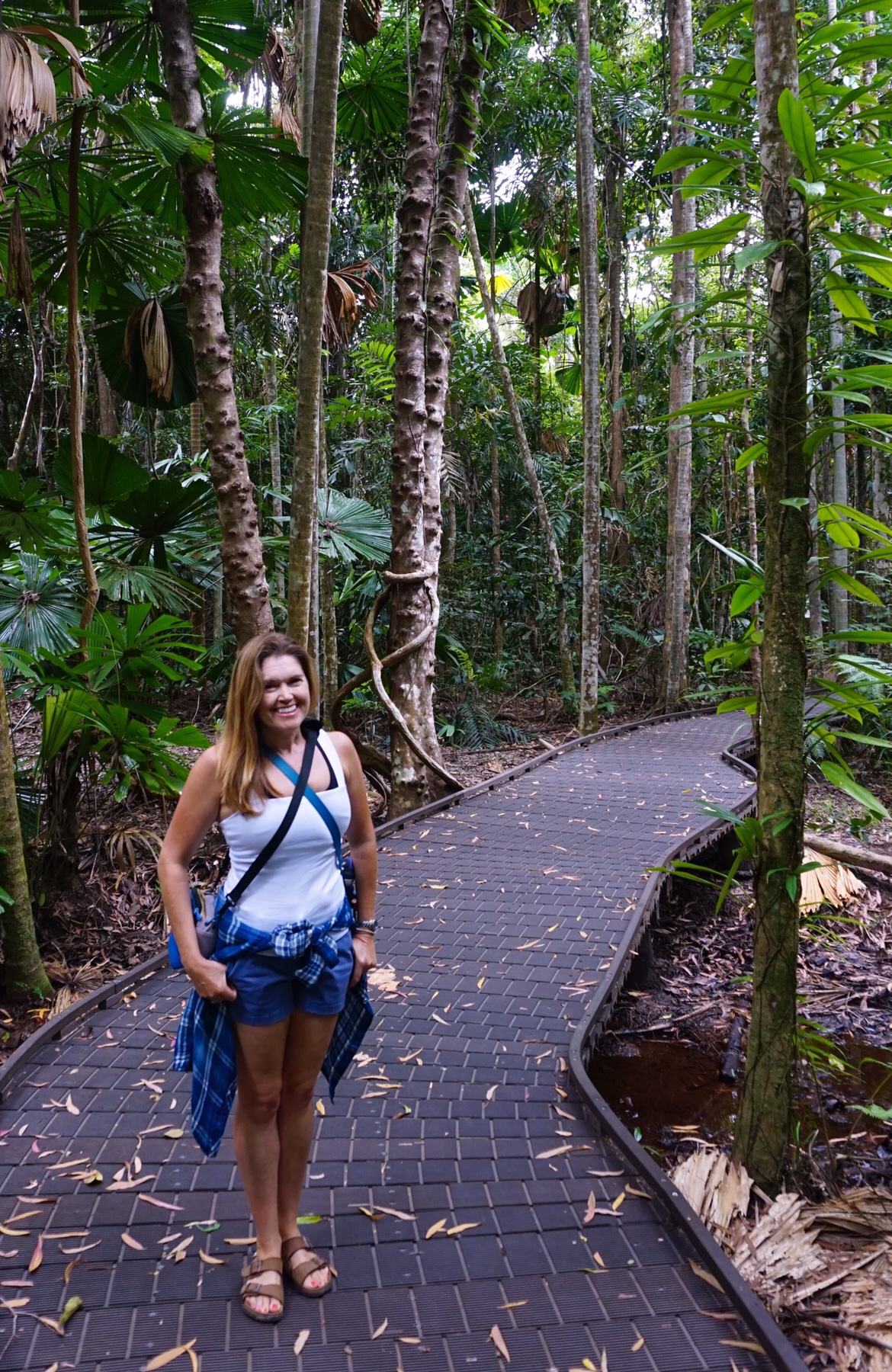
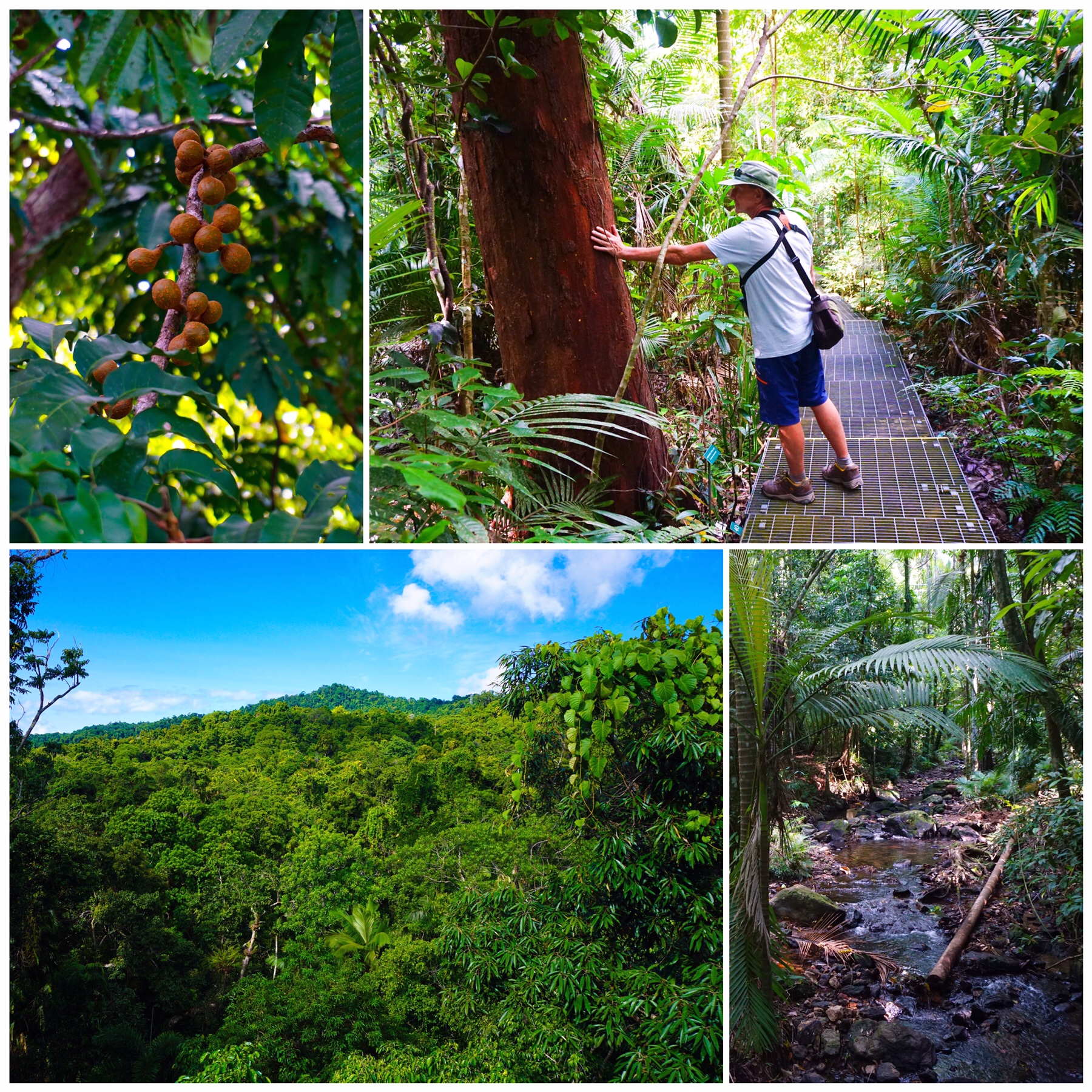
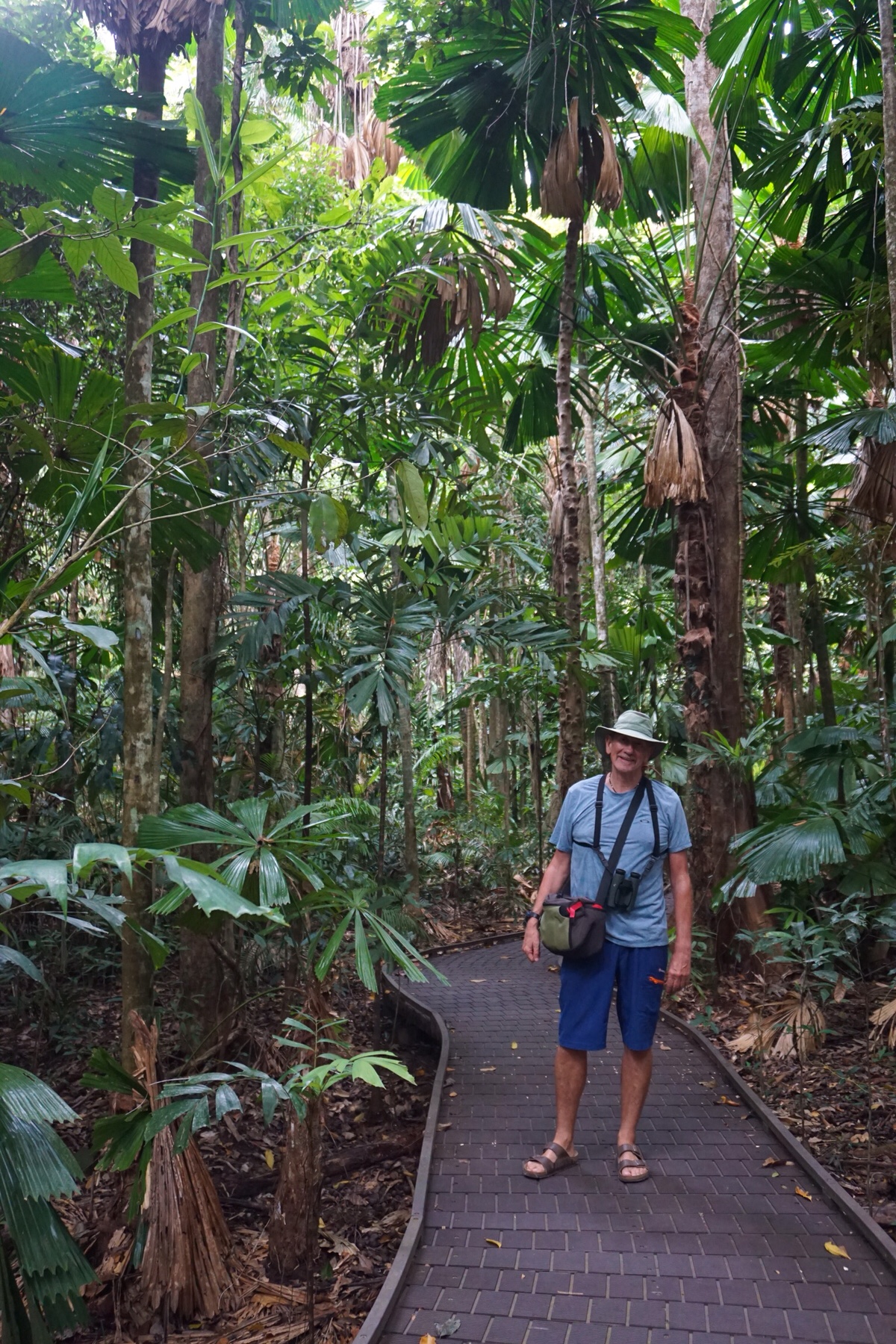 There’s so much to learn about the rainforest, and incredible that this has been around since the time of dinosaurs, many of the plants changing very little in that time.
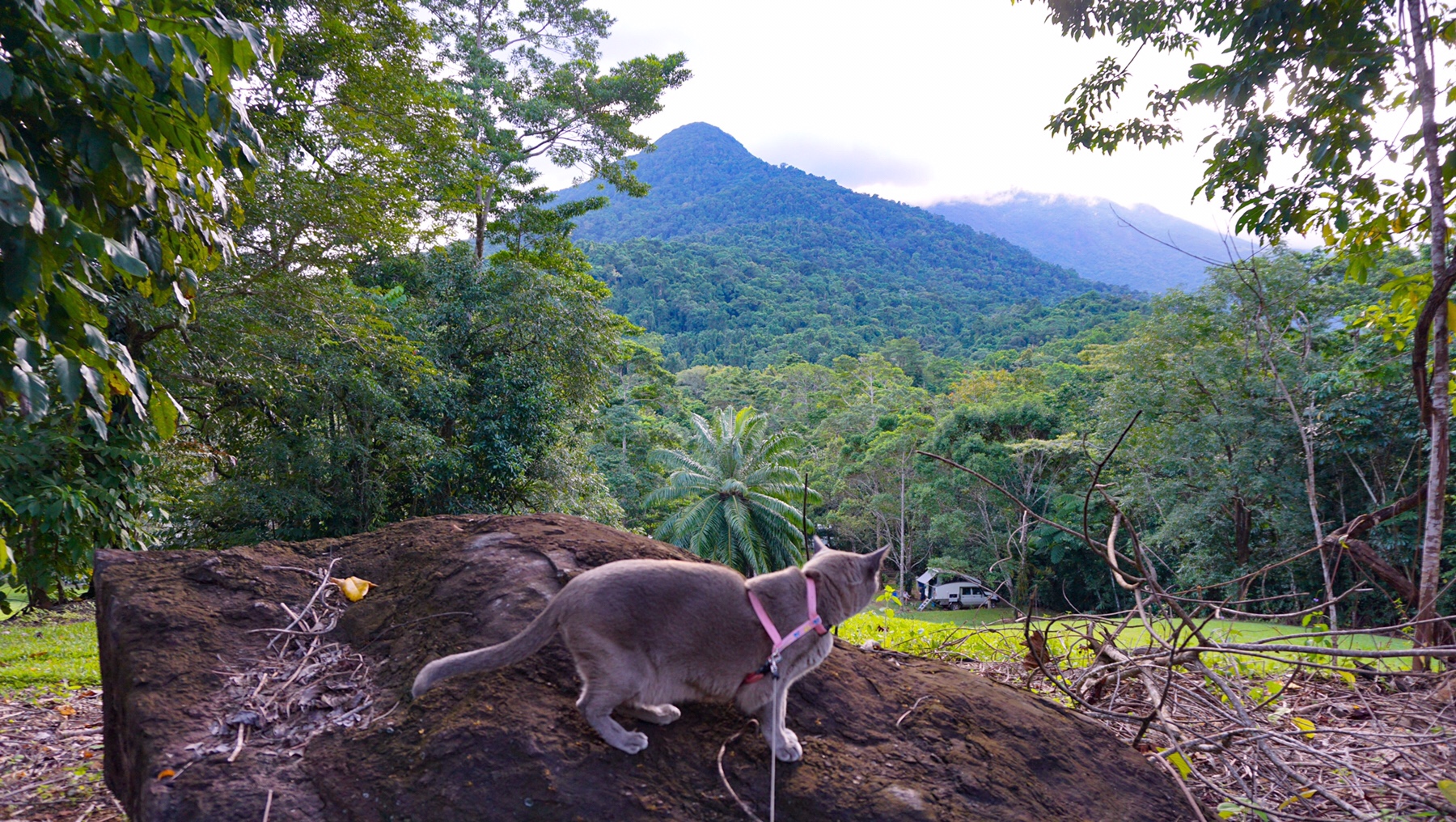 Oh and the Cassowaries? Nowhere to be seen…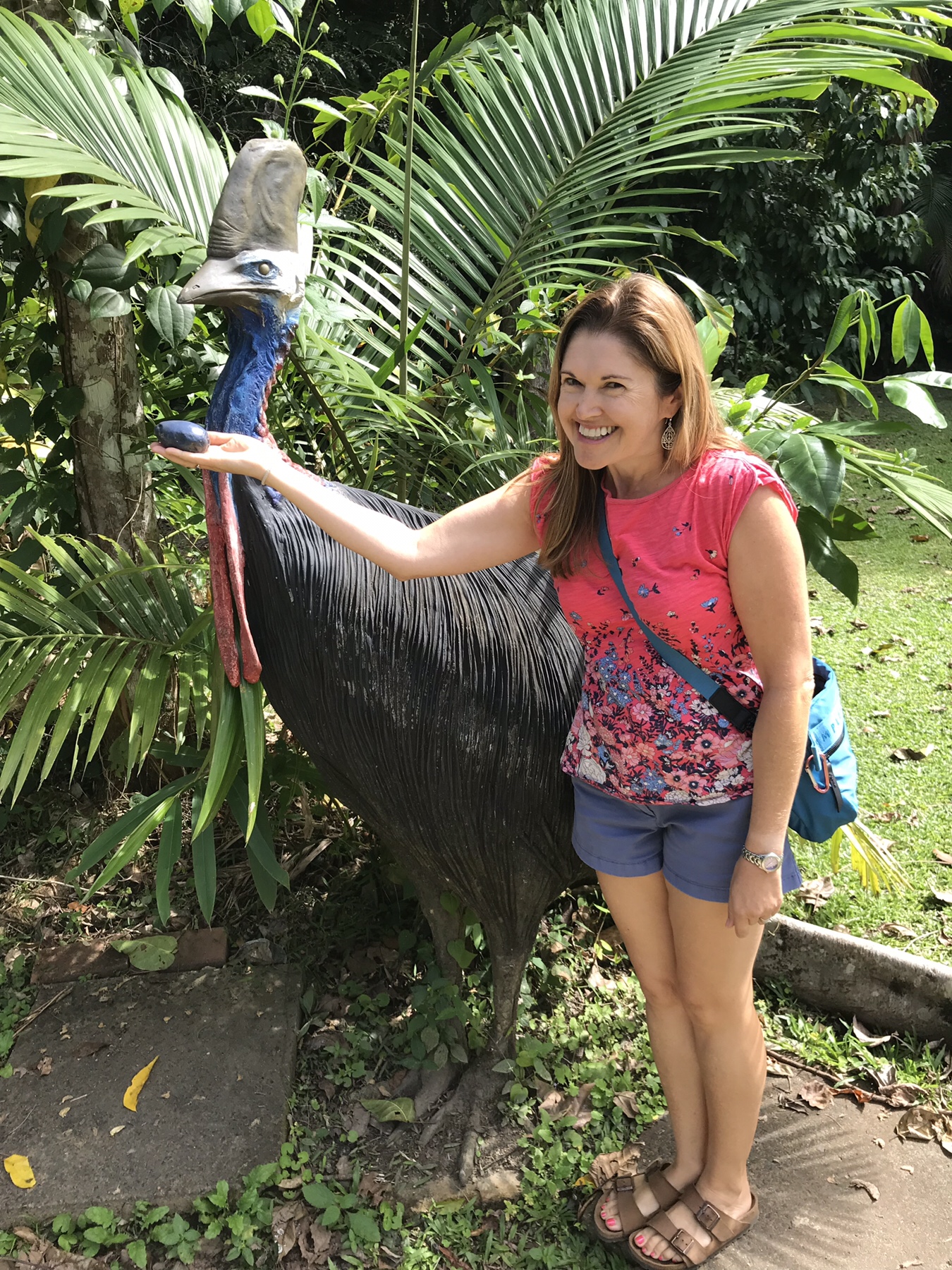
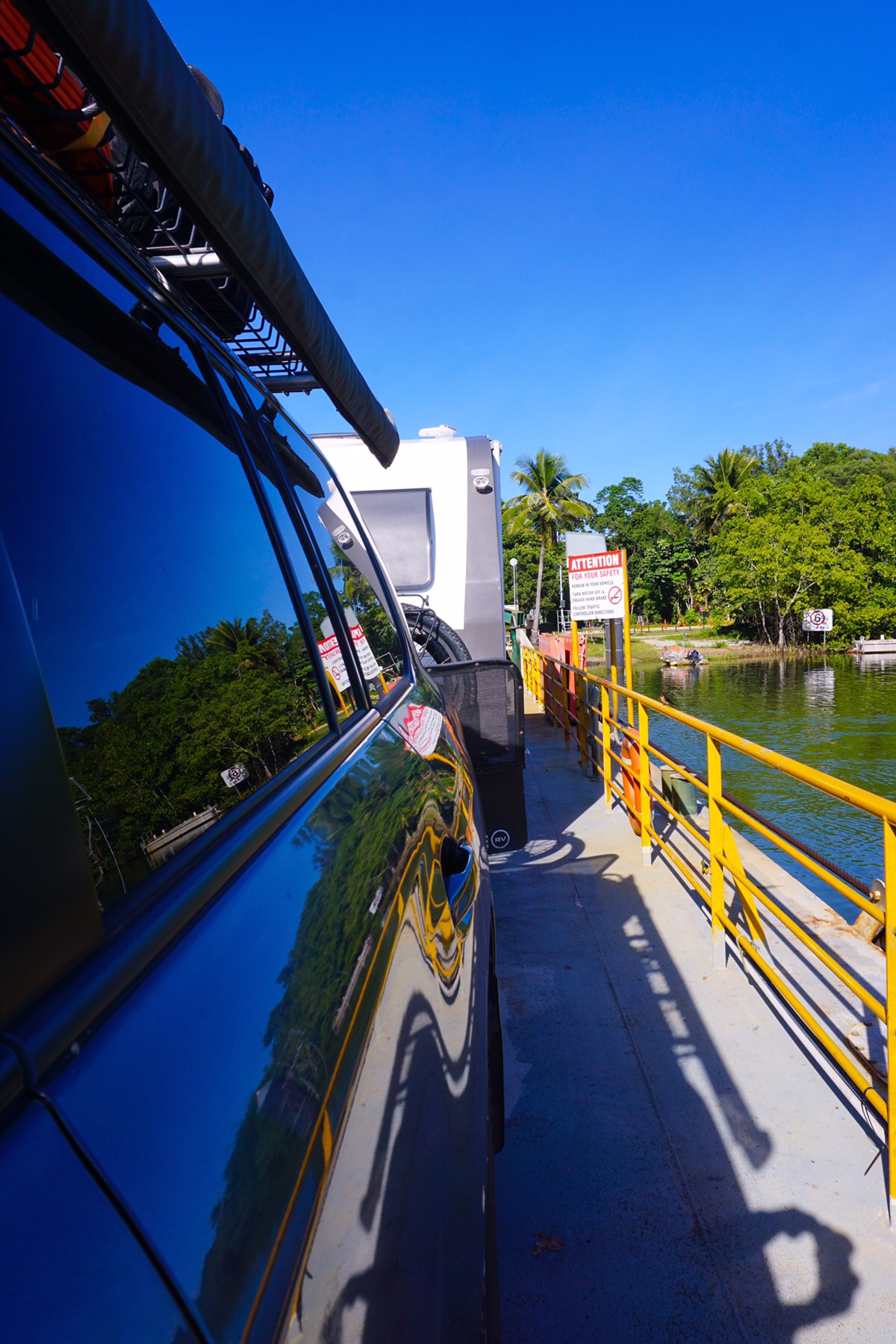 This was Tassie’s first trip across water, she was looking a little puzzled out of the window, not too impressed with seeing water in all directions.
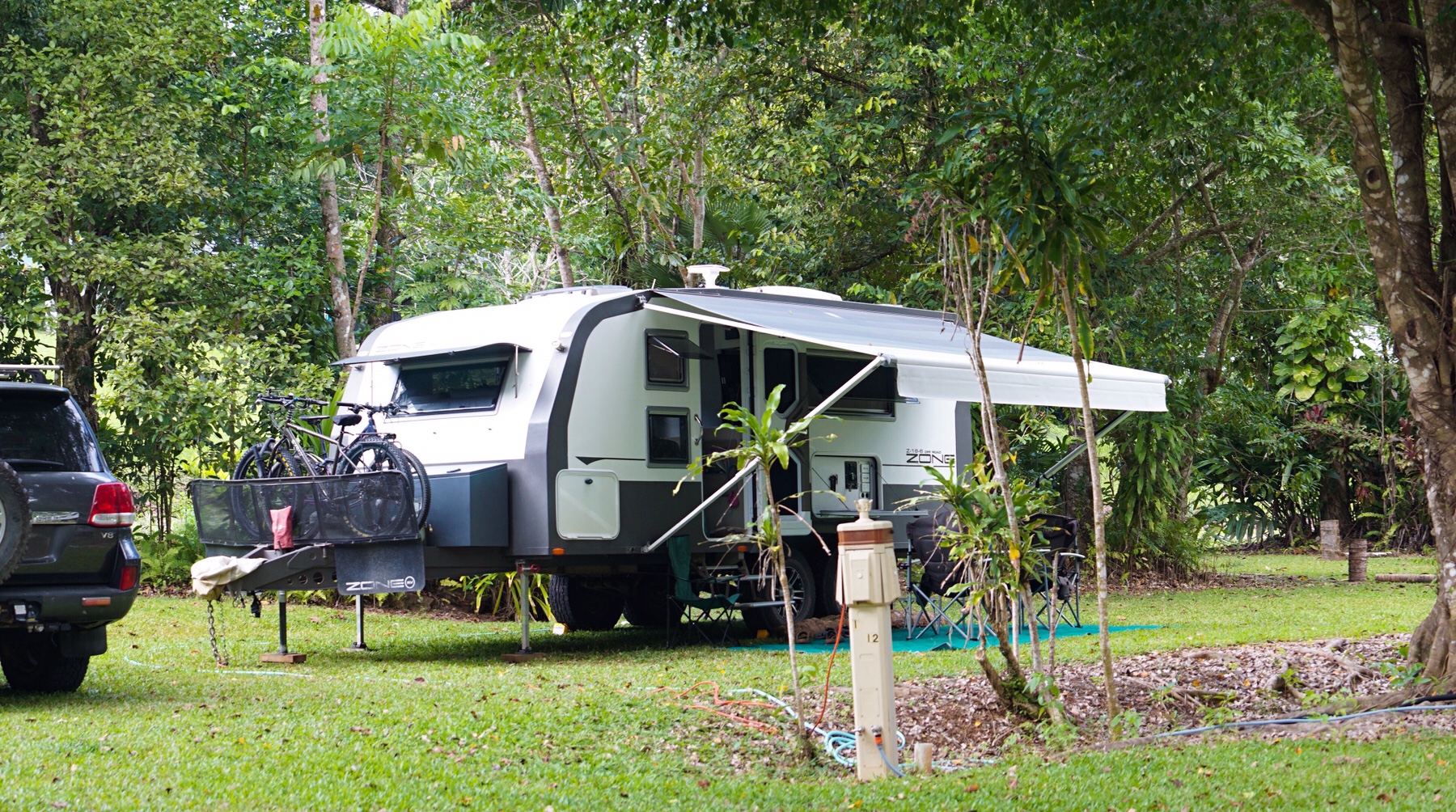
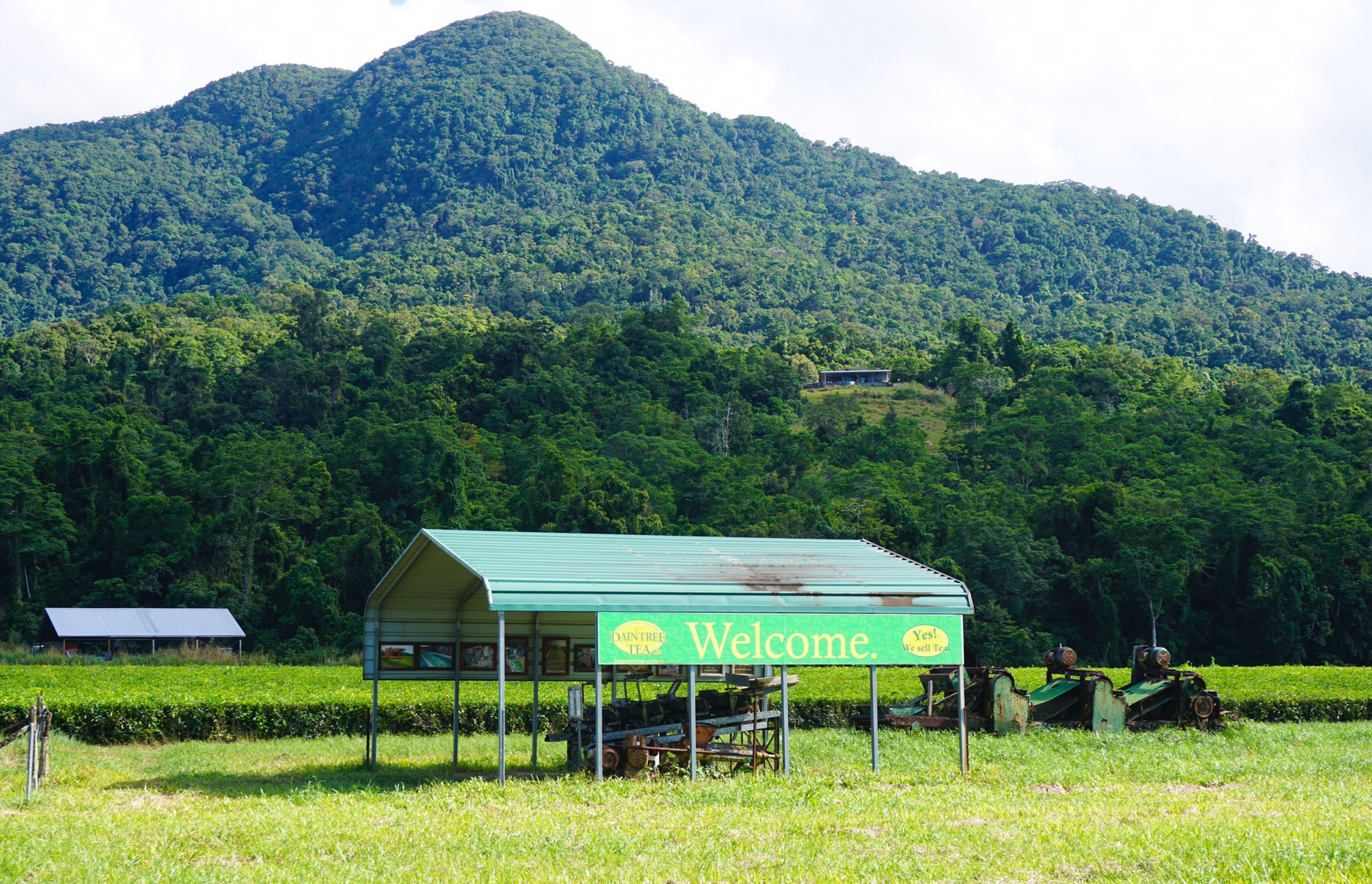 The caravan park we had selected (oddly called the Rainforest Village, given it was a petrol station and a lovely open space for camping) was the furthest pet friendly one travelling north along the Cape Tribulation road.
 The bitumen ends in another 20km or so, then its a rough four-wheel drive only track surrounded by National Park all the way to Cooktown.
 We spent several hours here, it could have easily been longer, there is so much to see and read about.
  For instance, the Daintree Rainforest contains 12 of the 19 oldest plants on the planet and many other species found nowhere else on earth. The fauna coverage is also huge as well, the Daintree has 20% of Australia’s bird species, 35% of its marsupials, frogs and reptiles and 65% of our bat and butterflies species!
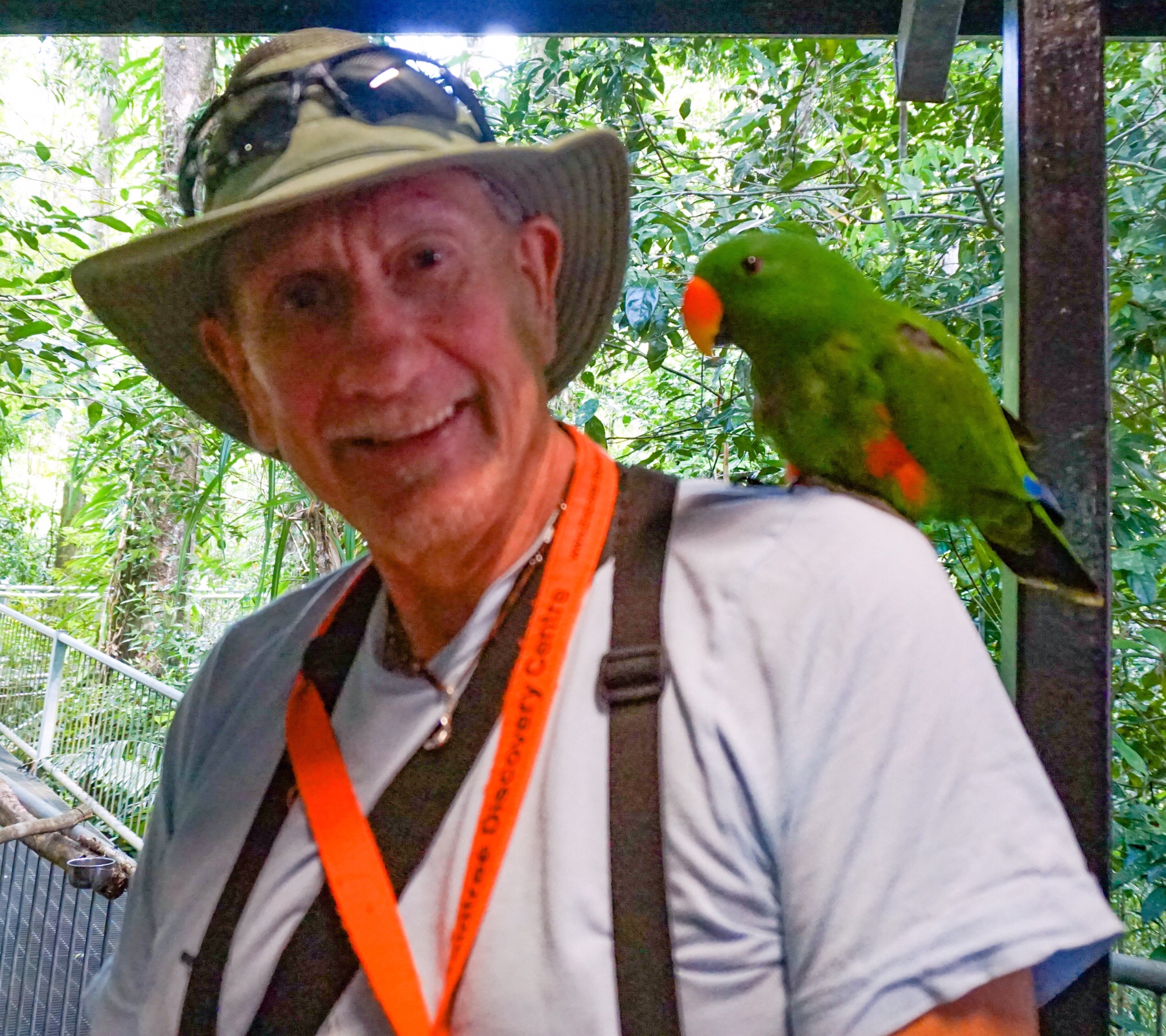
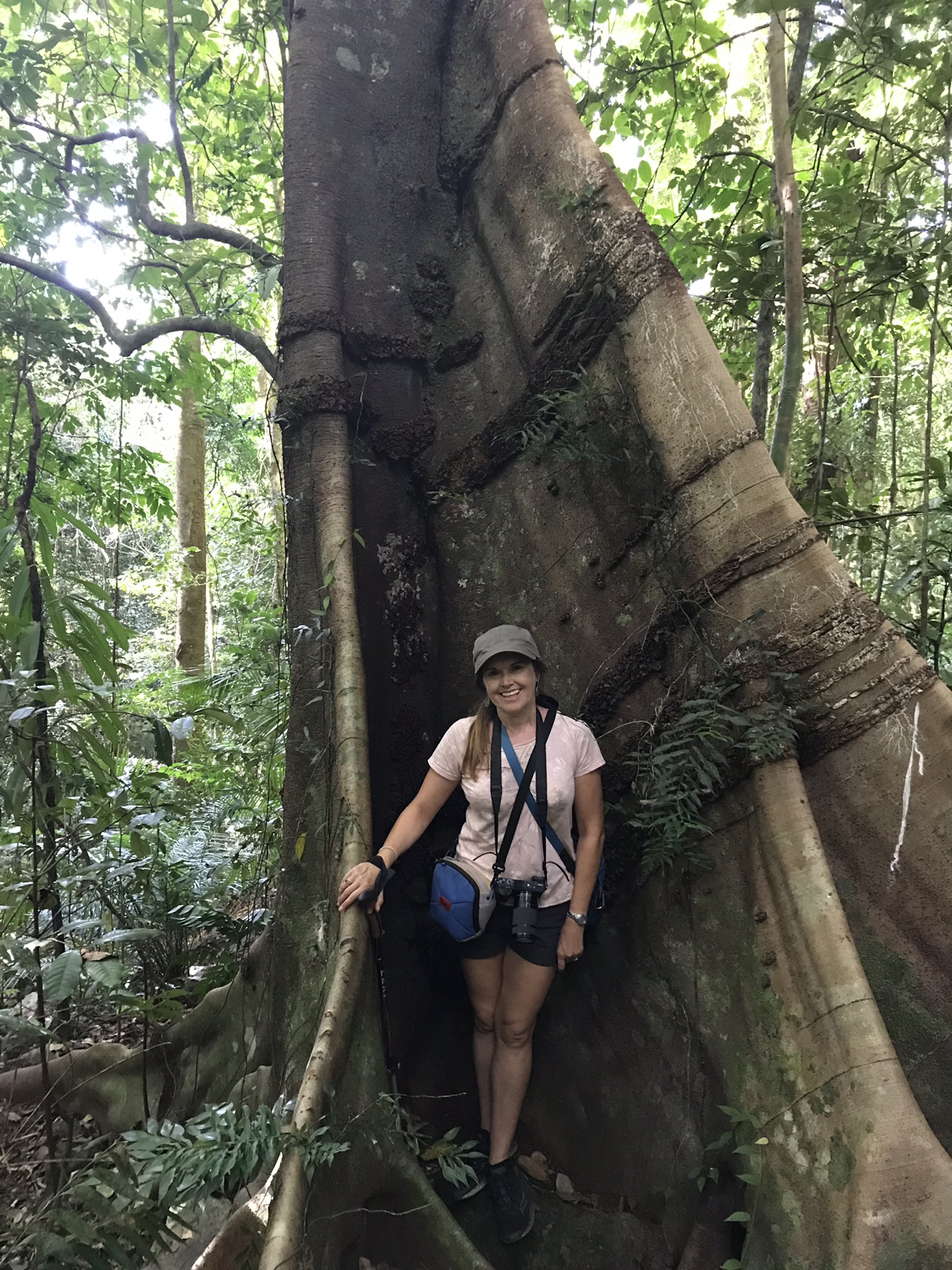
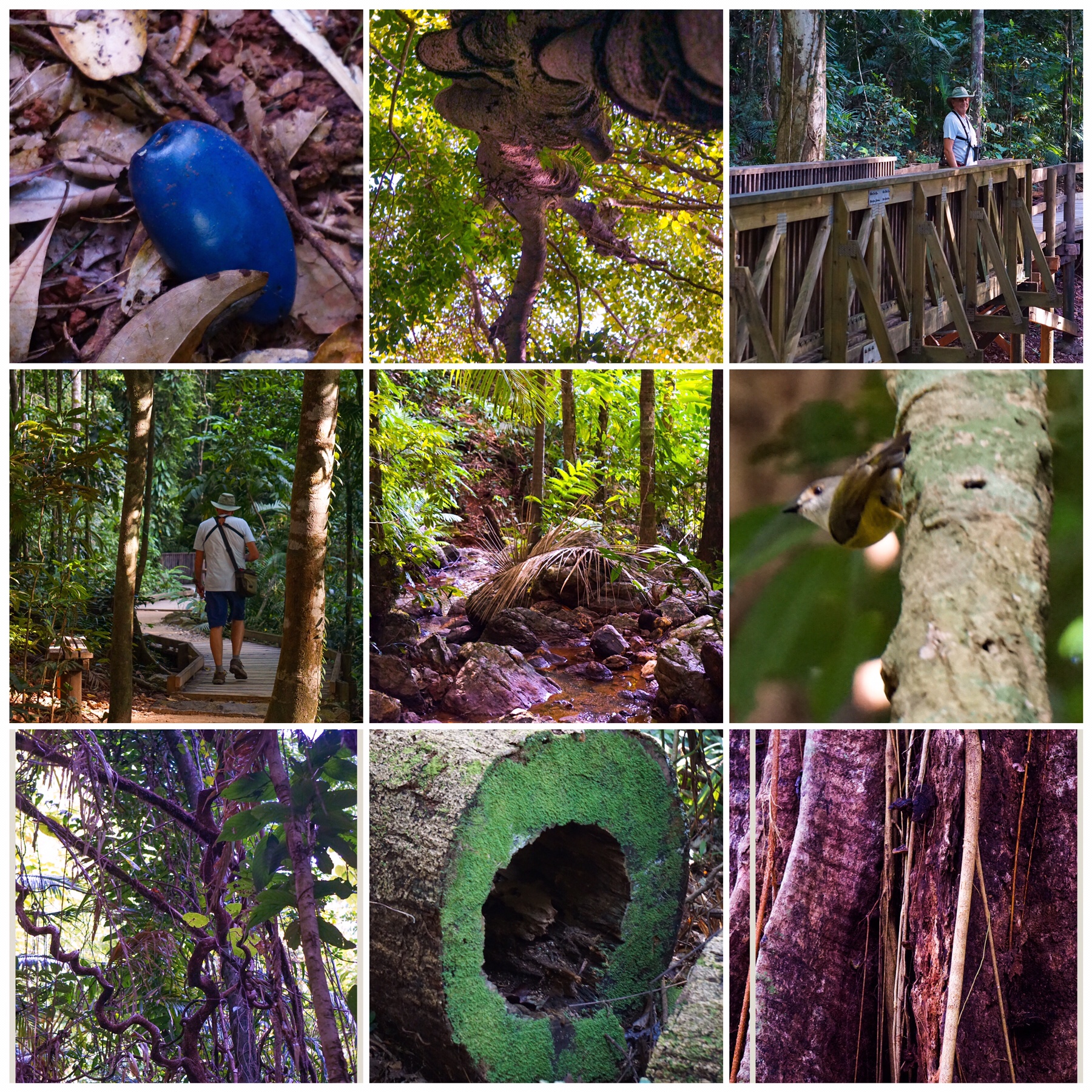 We could have stayed longer – much longer – but we decided to head off for a walk, hoping really for a cassowary sighting. Alas, it was not to be. However, we did get to experience again the majesty of being immersed in this unique ecosystem. Some of the trees we spotted were huge, especially next to the lovely little package of Mrs A. Some of these are over 500 years old apparently. Brightly coloured cassowary plums littered the floor, and crystal clear streams regularly meandered across our path.
 Spotting birds up in the canopy isn’t easy, particularly when you have my poor eyesight, but thankfully eagle eye Mrs A was there to draw my attention, and my trusty bins soon picked them out.
 Back at the Zone we then spotted two Wompoo Fruit-Doves up in the tree next to us. Their calls are very distinctive, which is a good job as despite being so colourful, they are hard to spot once they are stationary up in the canopy.
 As I hope you will have decided by now reading this blog, if you haven’t been to this area before you simply must. It’s hard to describe in words just how special it is, Mrs A does a much better job with her images I think. It’s sensory overload from the sights, to the sounds and then those smells unlike anything else.