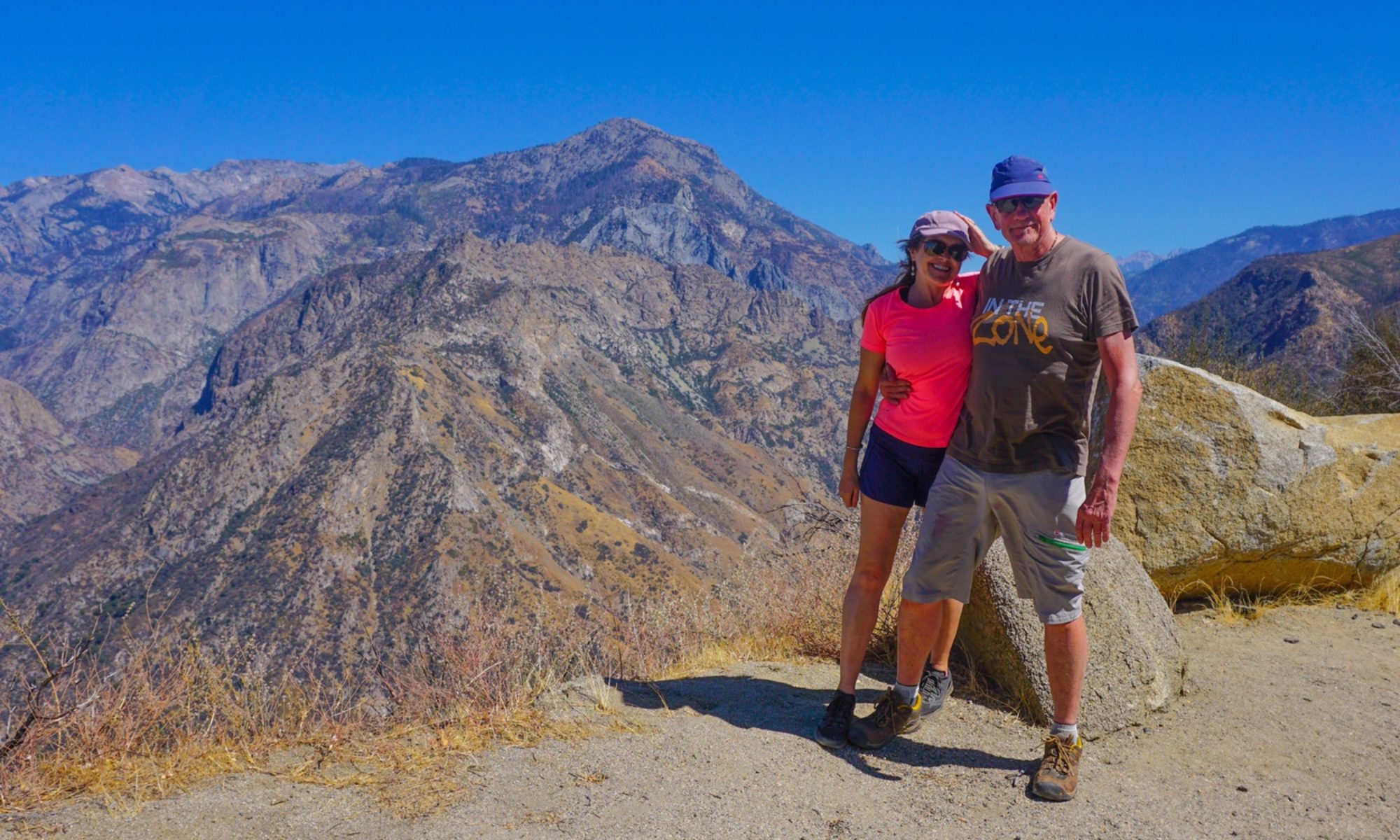
Author: Mr A
Saturday
Dr Google told us it was going to be a 2hr 33 min trip of 94km, as most of the road she knew was unmade. Too long we thought…be there in 90 mins. Well if you attempt this road from Gregory Downs across to Adels Grove, DO NOT FOLLOW DR GOOGLE! We blithely took the left turn she indicated, and bumped our way down 20km of corrugations…to a locked gate. This was the road to the zinc mine, and became private before coming out by Adels Grove. Back we went.
We arrived 1 minute after the good Doctor’s initial prediction, after having to stop to de-air when the bad corrugations kicked in. Adels Grove is a little oasis sitting in the middle of an enormous dry plain of spinifex.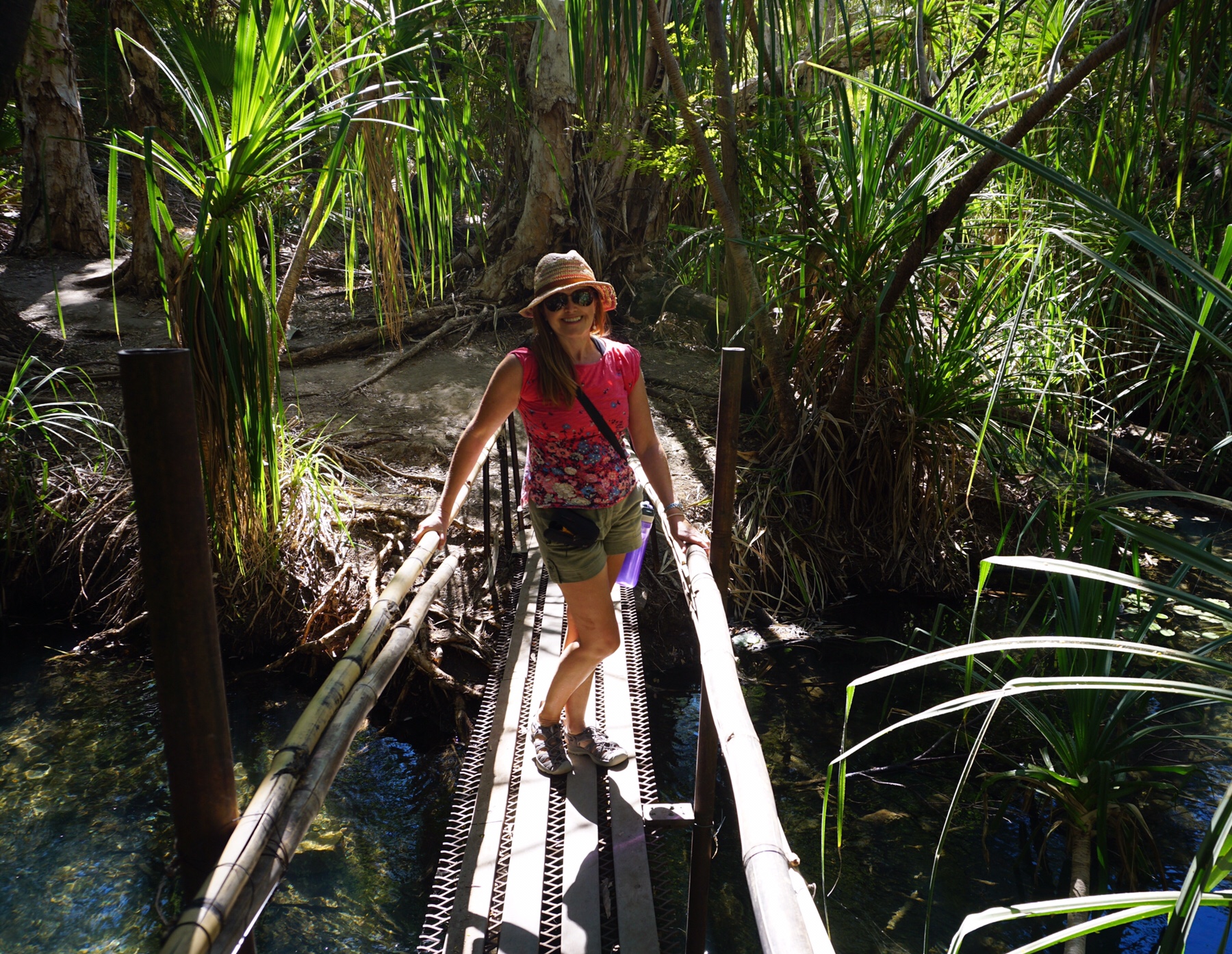
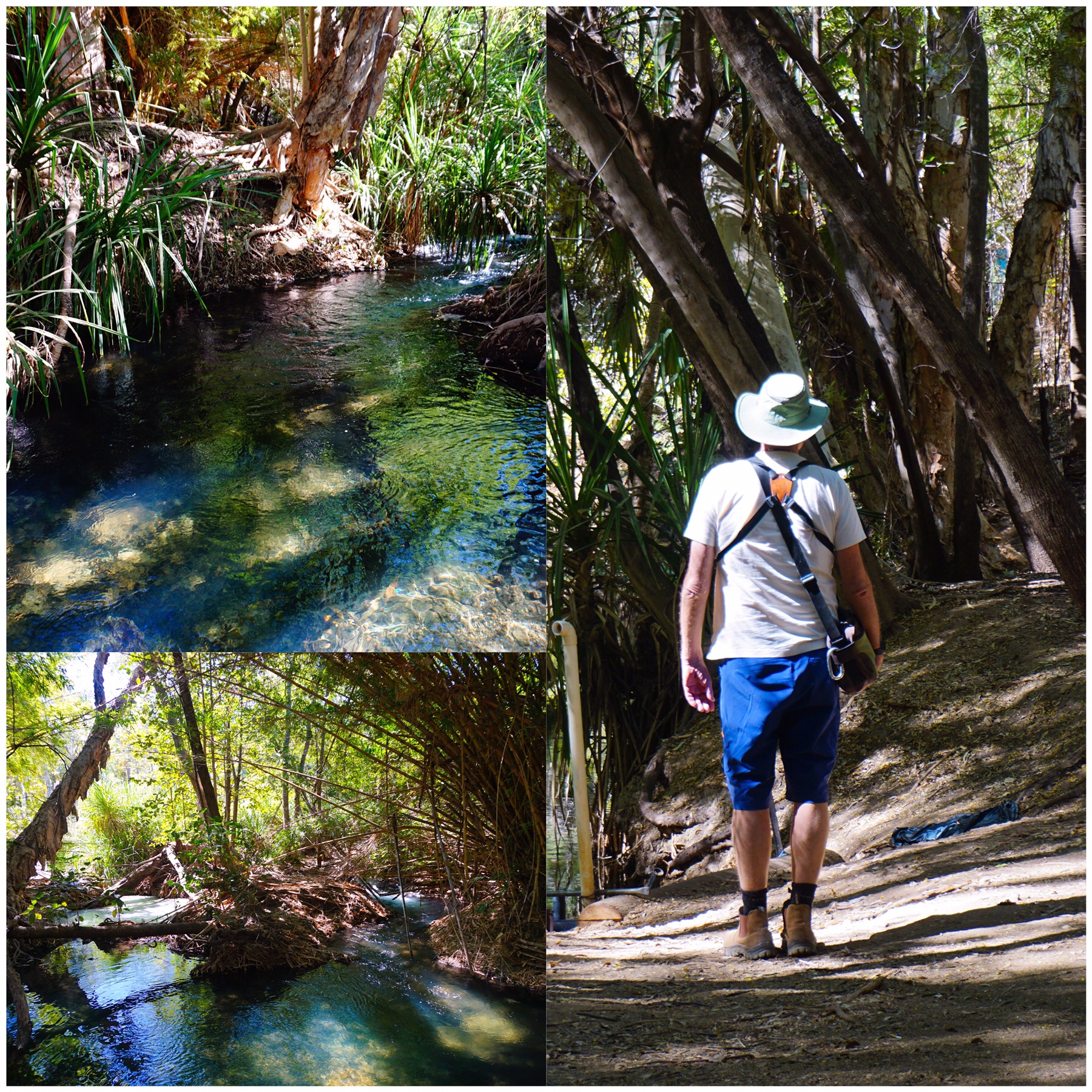 After the area was mined for zinc, silver and lead, the property was purchased by a French botanist who worked for the government. He spent his life planting an incredible botanical garden, irrigating his prize plants from the river, and recording the flora and fauna around the property in meticulous notes, only to have the whole lot burn down from a fire that escaped from a local mine. He no doubt cried “Merde” and promptly laid down in a deep depression and passed away.
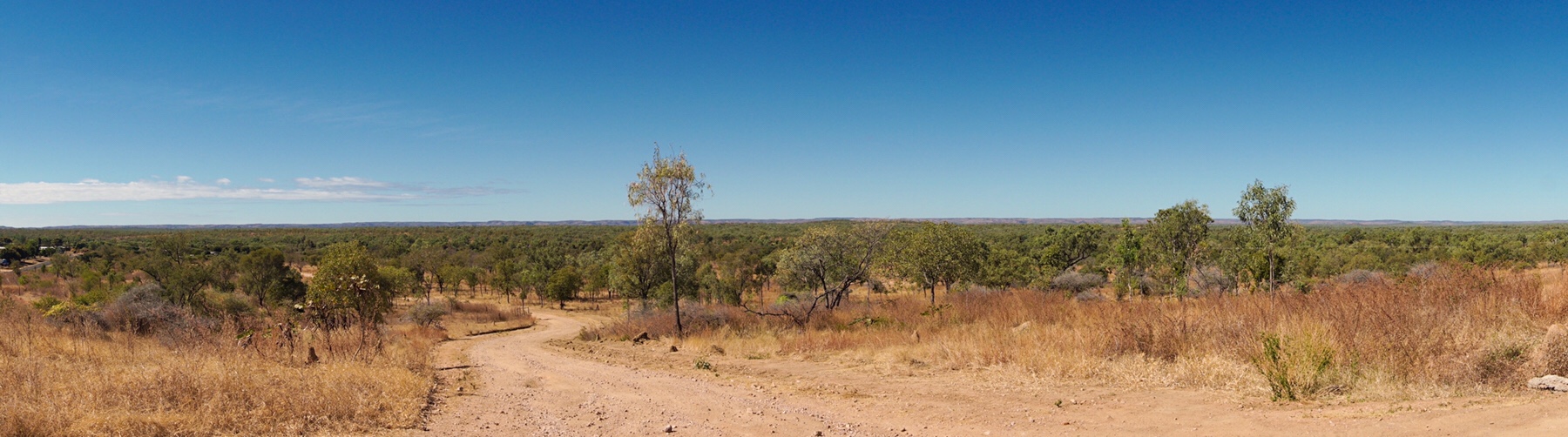
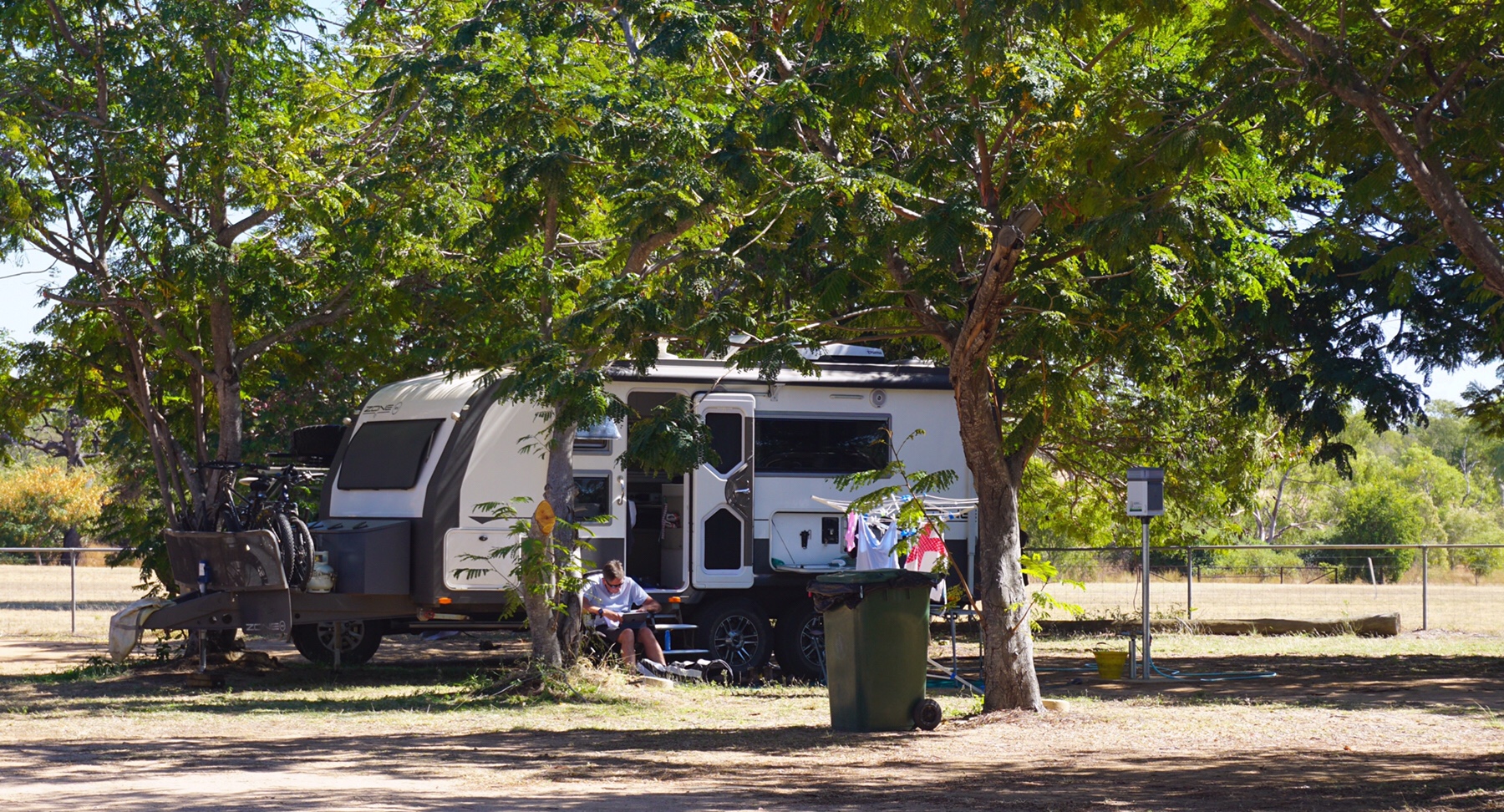
We had a bit of a wander round, its a pretty big camp area, no power but with predictable blue skies every day solar is the go. River water is pumped up to some shared taps, but we came with full tanks (300 litres) so won’t be needing to boil that, and there is plenty of shade. Just 100 metres away from where we are set up, the vegetation changes completely from the parched, dustiness of the camping area, to the lush bamboo that grows along the clear, cool water of the creek. It made a lovely change to see this oasis after the dust and dryness of the previous week.
Sunday
We headed to explore Boodjamulla National Park, just 10km down the road. This is what everyone comes to Adels Grove for, and if you are travelling with your fur buddy like us, then you have to stay outside the national park.
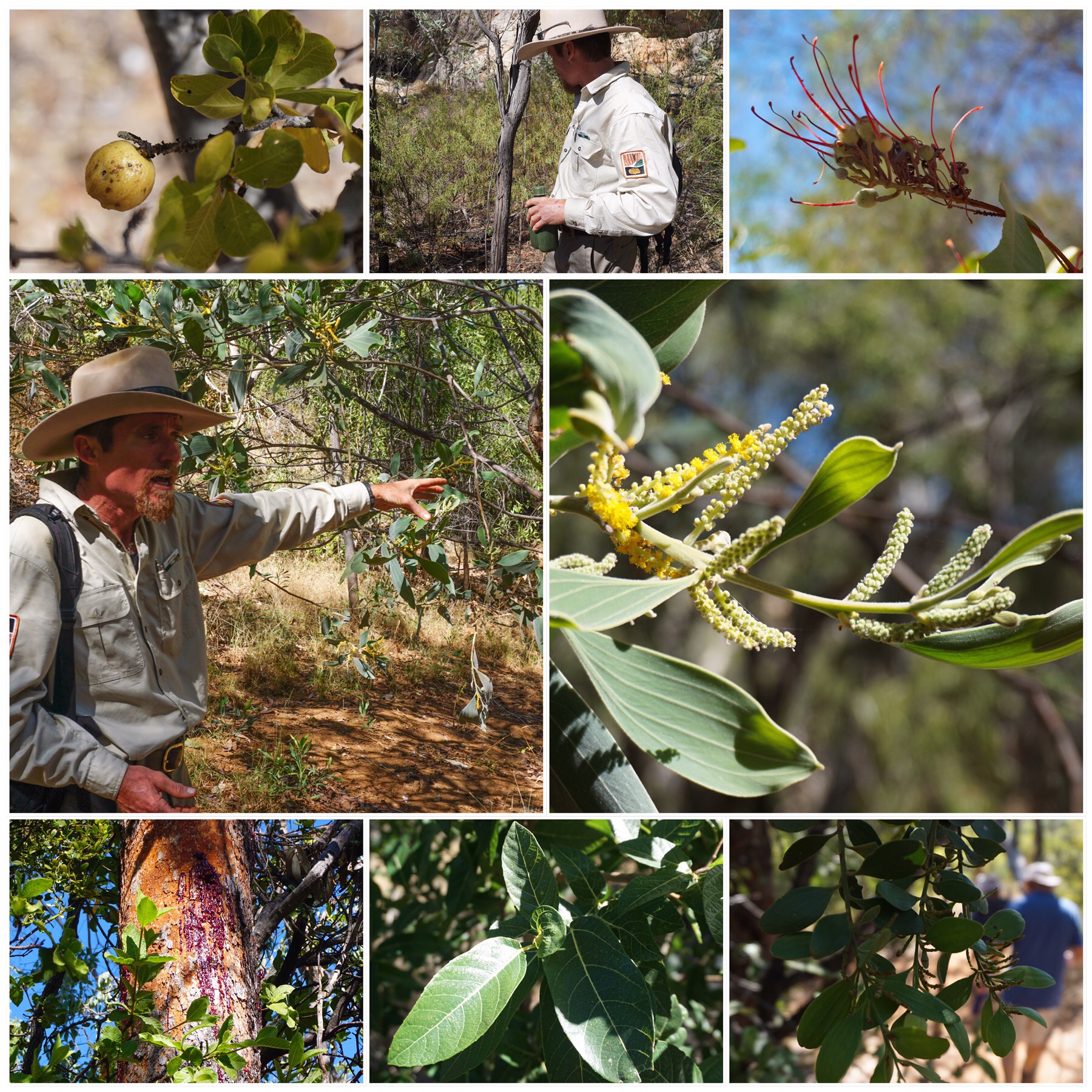
Our first suprise was the jam packed car park, we hadn’t expected quite this many people in this out of the way spot. As more people head out for their “wilderness experience” we must expect this I guess. We had been looking forward to getting our packrafts out here, as there is a gorge you can paddle. It was pretty busy out on the water for the first half an hour, then most of the hire boats had tuned around and we started to really appreciate the beauty of the place.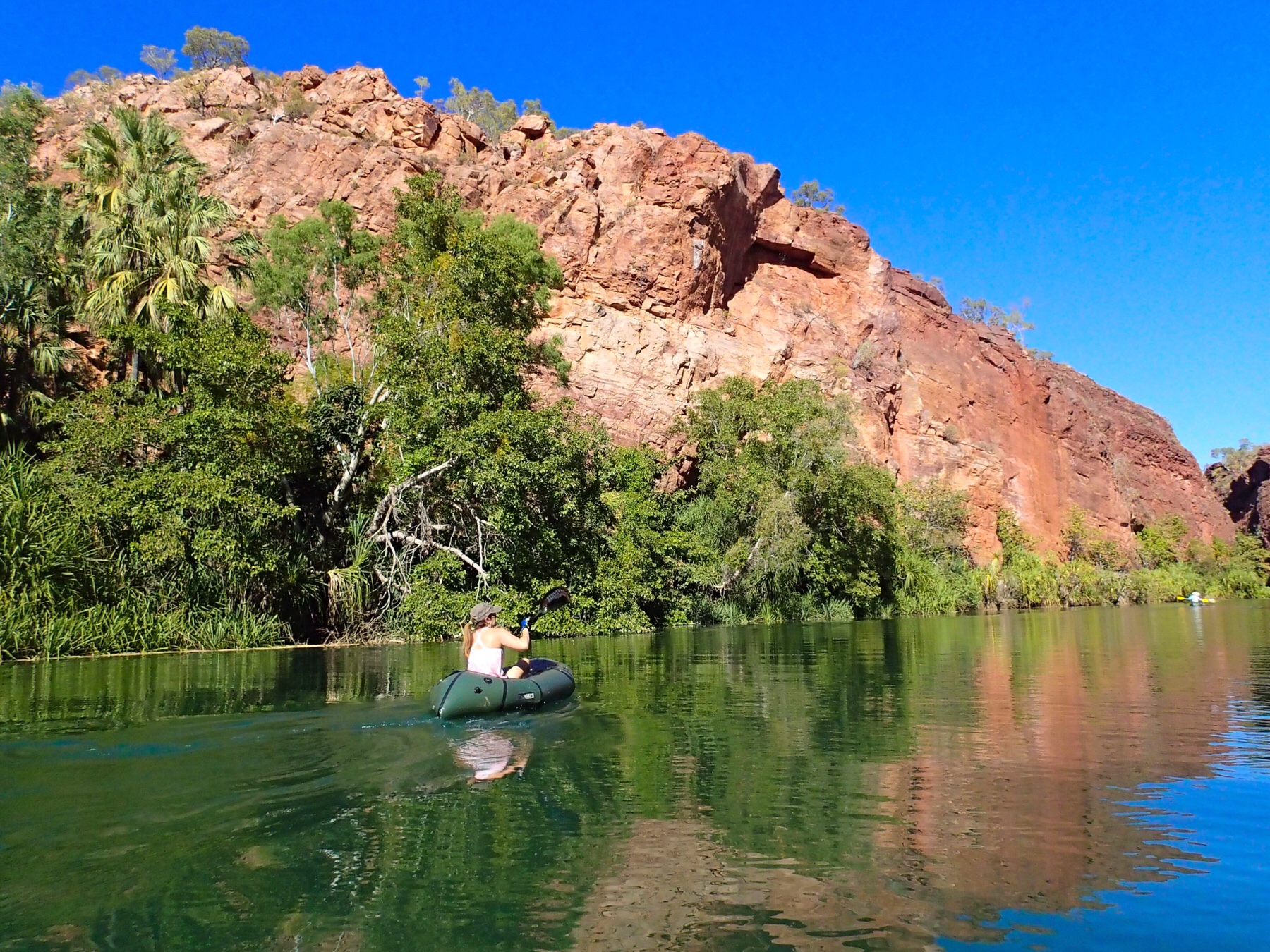
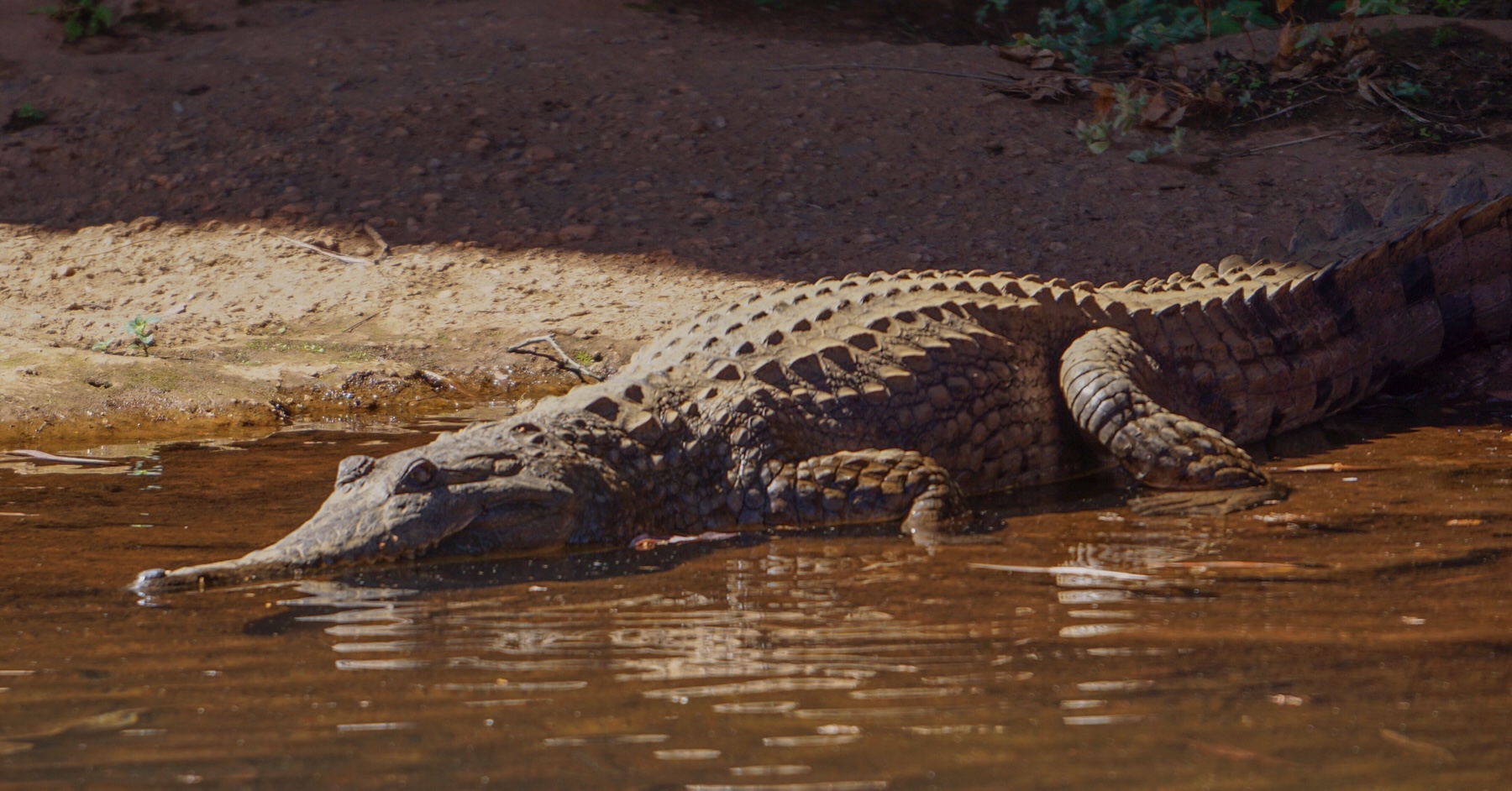
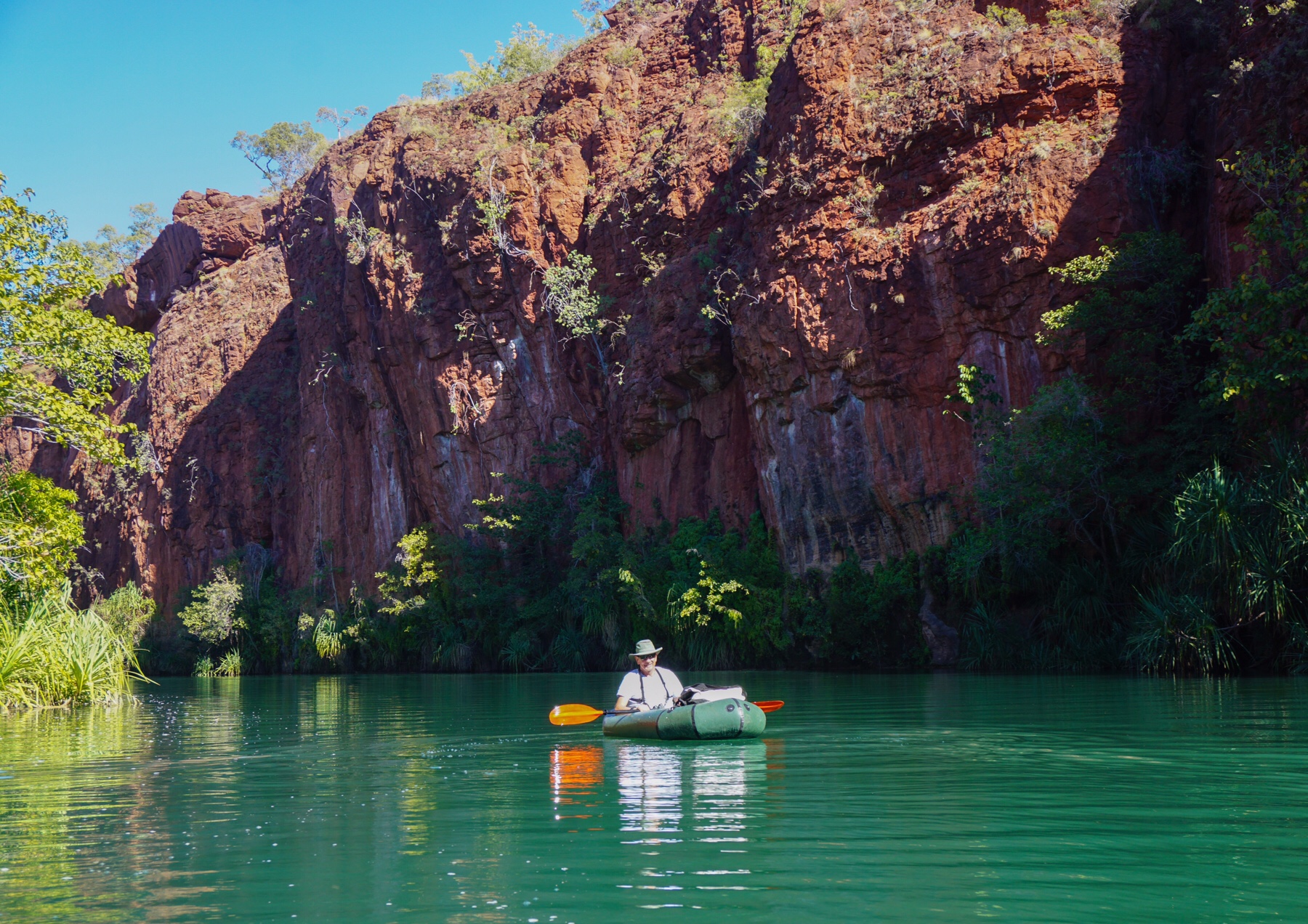 I would definitely recommend not listening to the advice they give you to “come out here early”. By lunchtime we were on our own, and what a fantastic place this is. One of the most beautiful locations we have ever paddled in with absolutely prolific birdlife echoing across the gorge. Apparently there are freshwater crocodiles in here – we didn’t spot any but did hear at least one suspect splash as we travelled silently along.
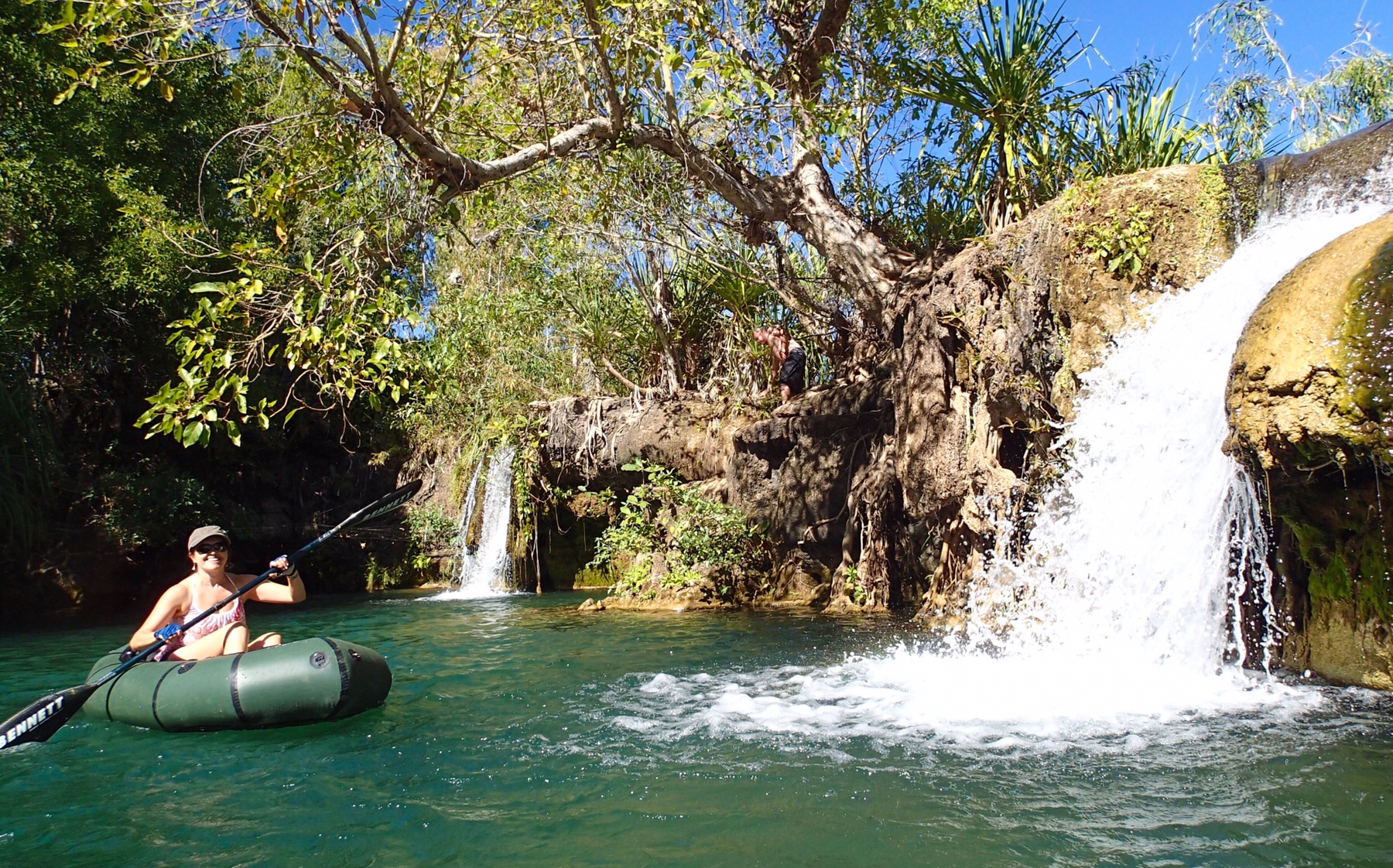 There’s one short portage, no problem for us in lightweight boats, then the second part of the paddle was even more spectacular. The archer fish were out in shoals, spitting water up at me (did I look like a fly?). Fly catchers darted around above the water doing a much better job of catching their prey.
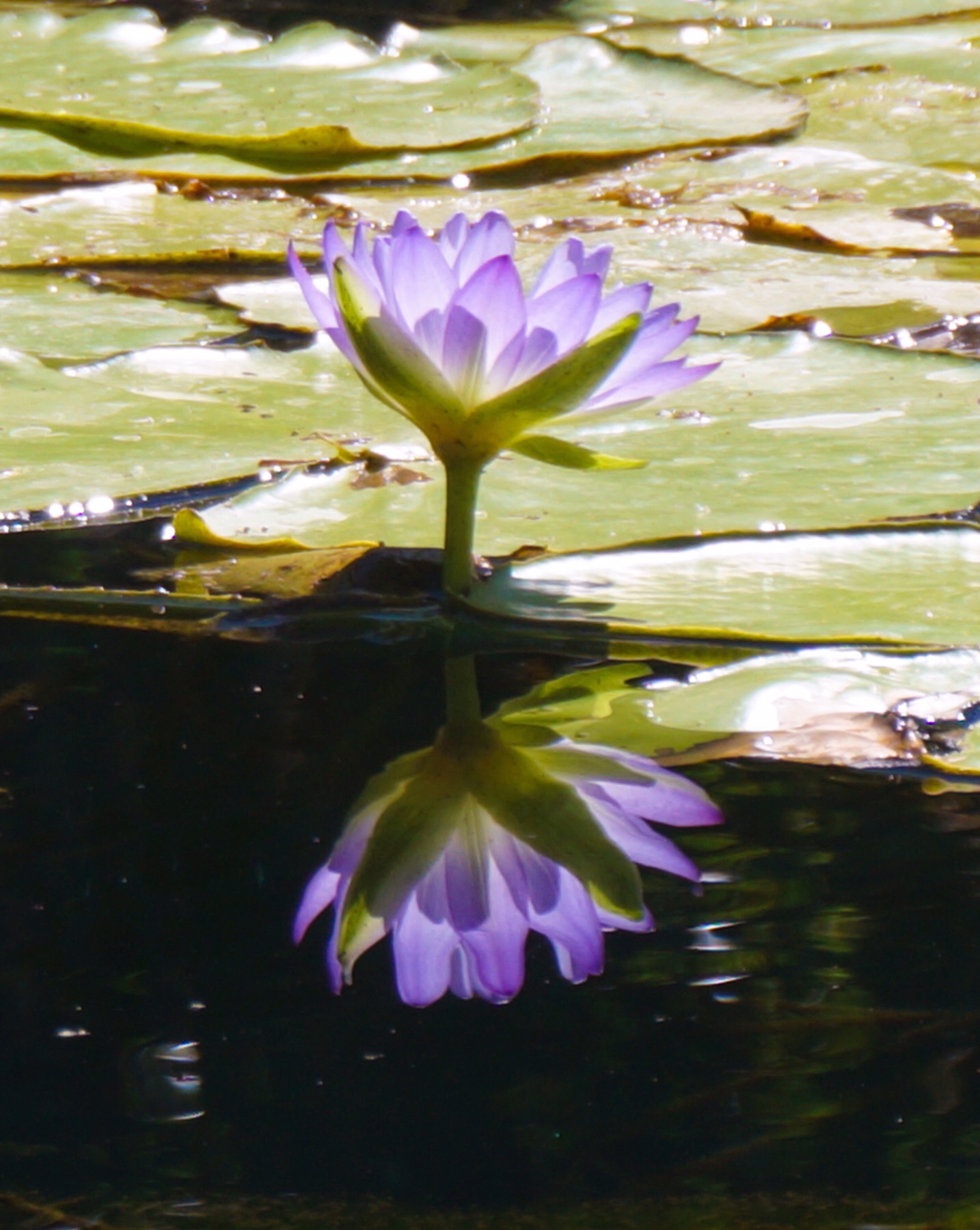
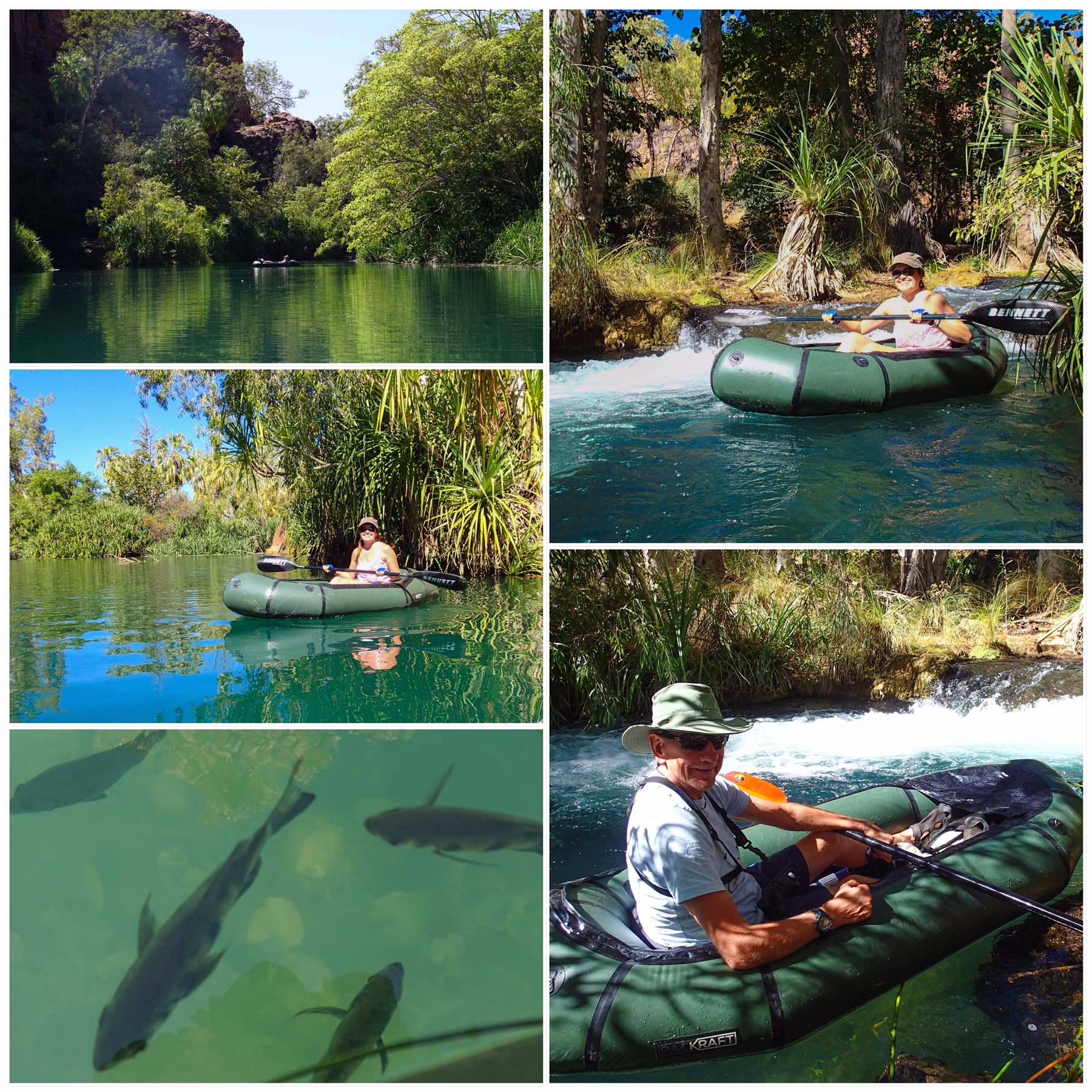 On the way back to the car we stopped at the information boards and read about the significant aboriginal history of the area. The gorge and surrounding area has been lived in for 35,000 years, according to the latest radiocarbon dating of artefacts found here. Not for the 200 years as you would think just reading the information back at Adels Grove. Just think on that for a moment. A continuous, sustainable, culture in this area stretching back 32,000 years before the Pyramids were being built. Nowhere else in the world has anything like that.
I’m just reading a fascinating book about the history of archeology in Australia (Deep Time Dreaming by Billy Griffiths), which helps explain why we still really know so little about our country’s “deep history”, as he calls it. But more discoveries are being made here (like the oldest known shaped tool in the world at 65,000 years old), that are forcing a rethink of the first migrations of our species across the globe. Finally Australia’s history is being put into a proper context.
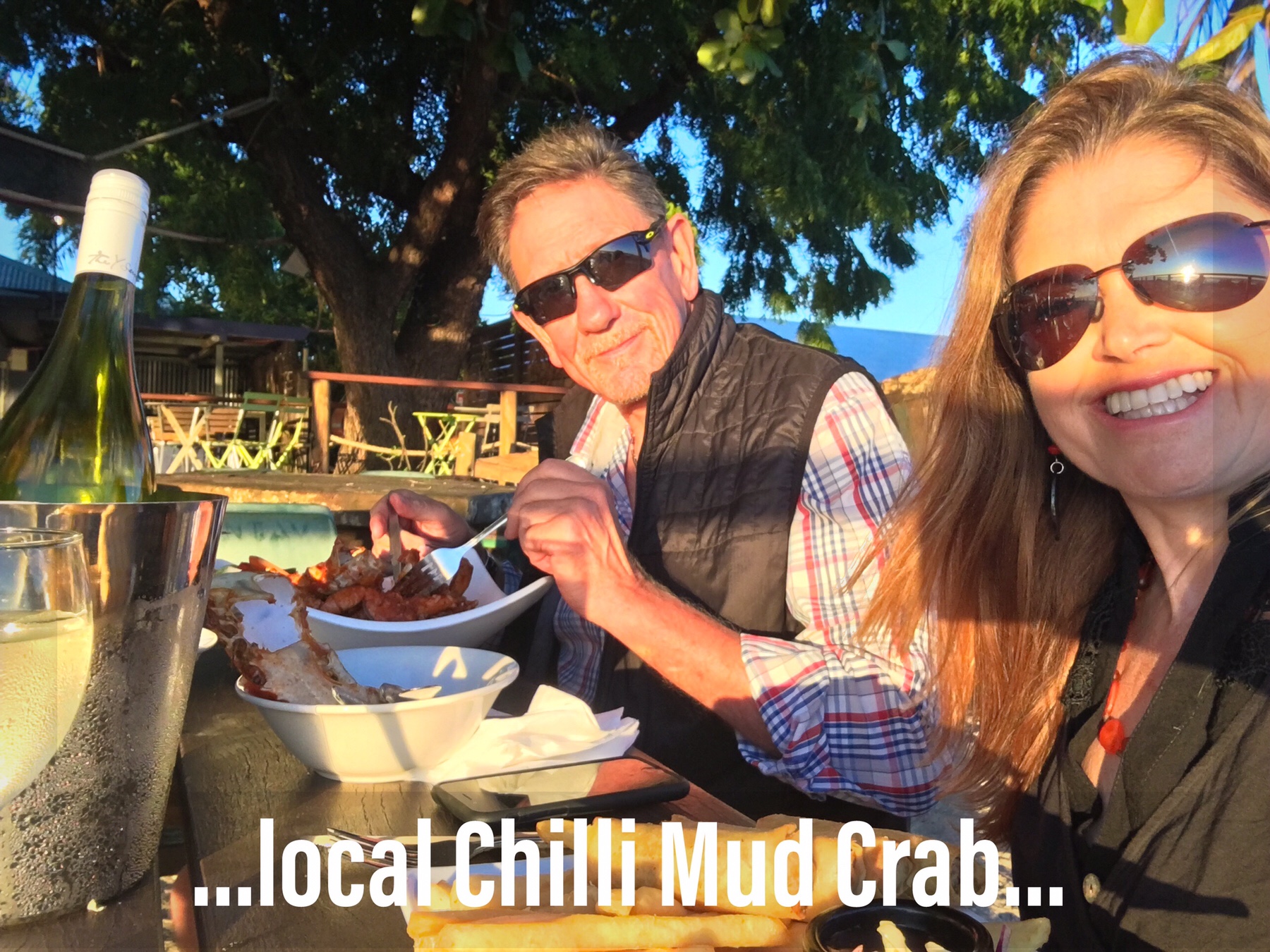
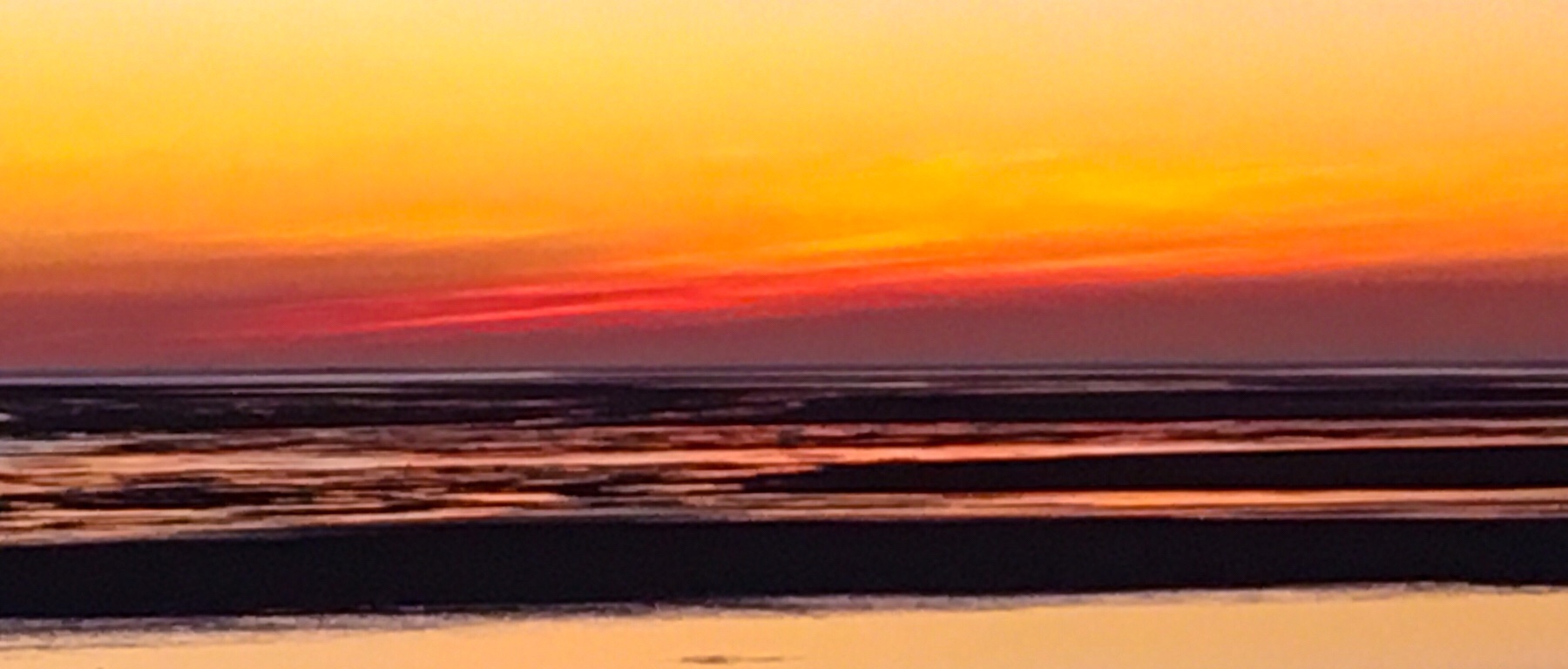
 After showers, we headed out to the Sunset Tavern, nestled along the coast at Karumba Point with a perfect westerly view across the Gulf towards the setting sun. We ordered dinner, a bottle of drinkable white wine and sat back to enjoy the show.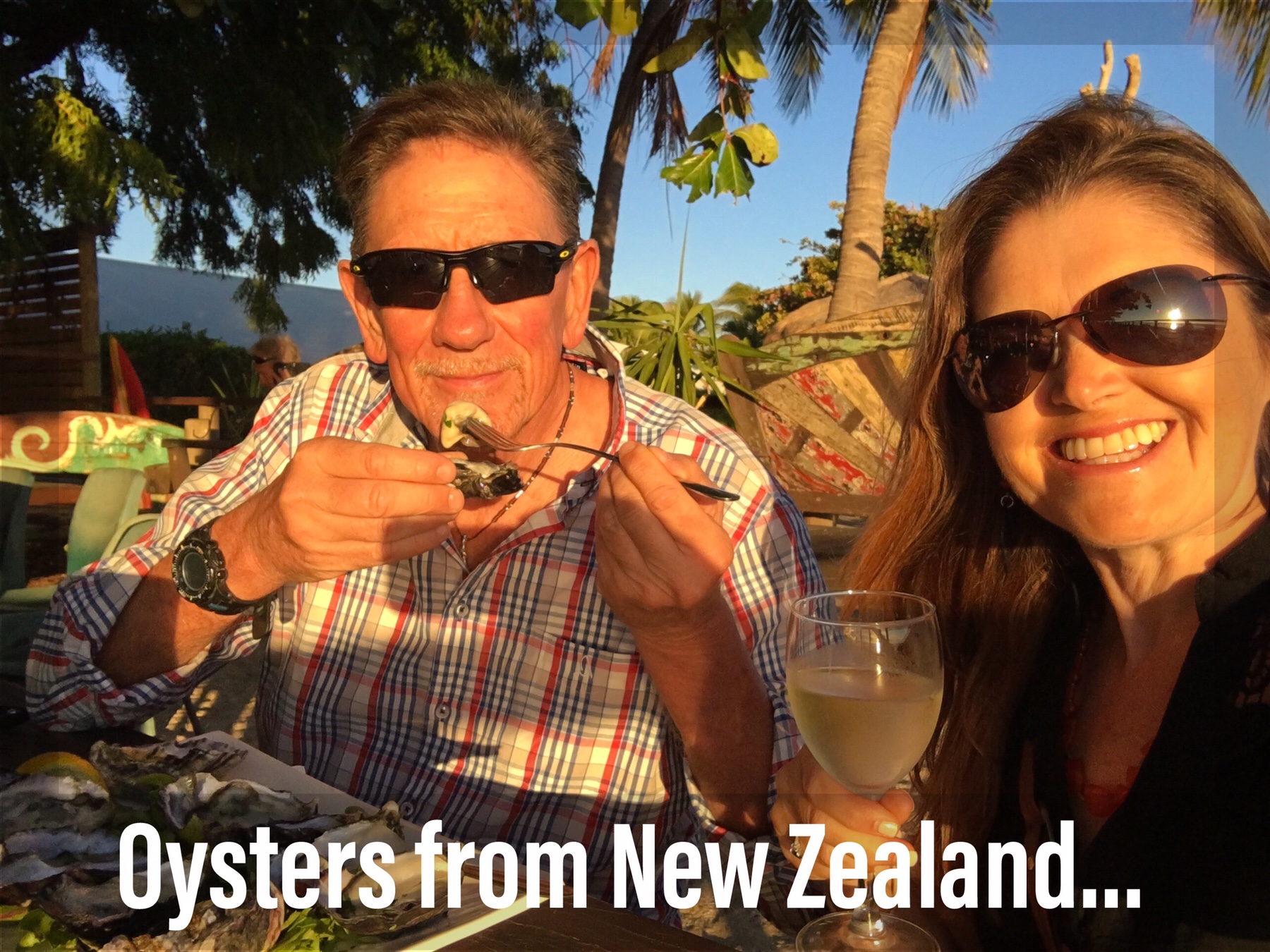
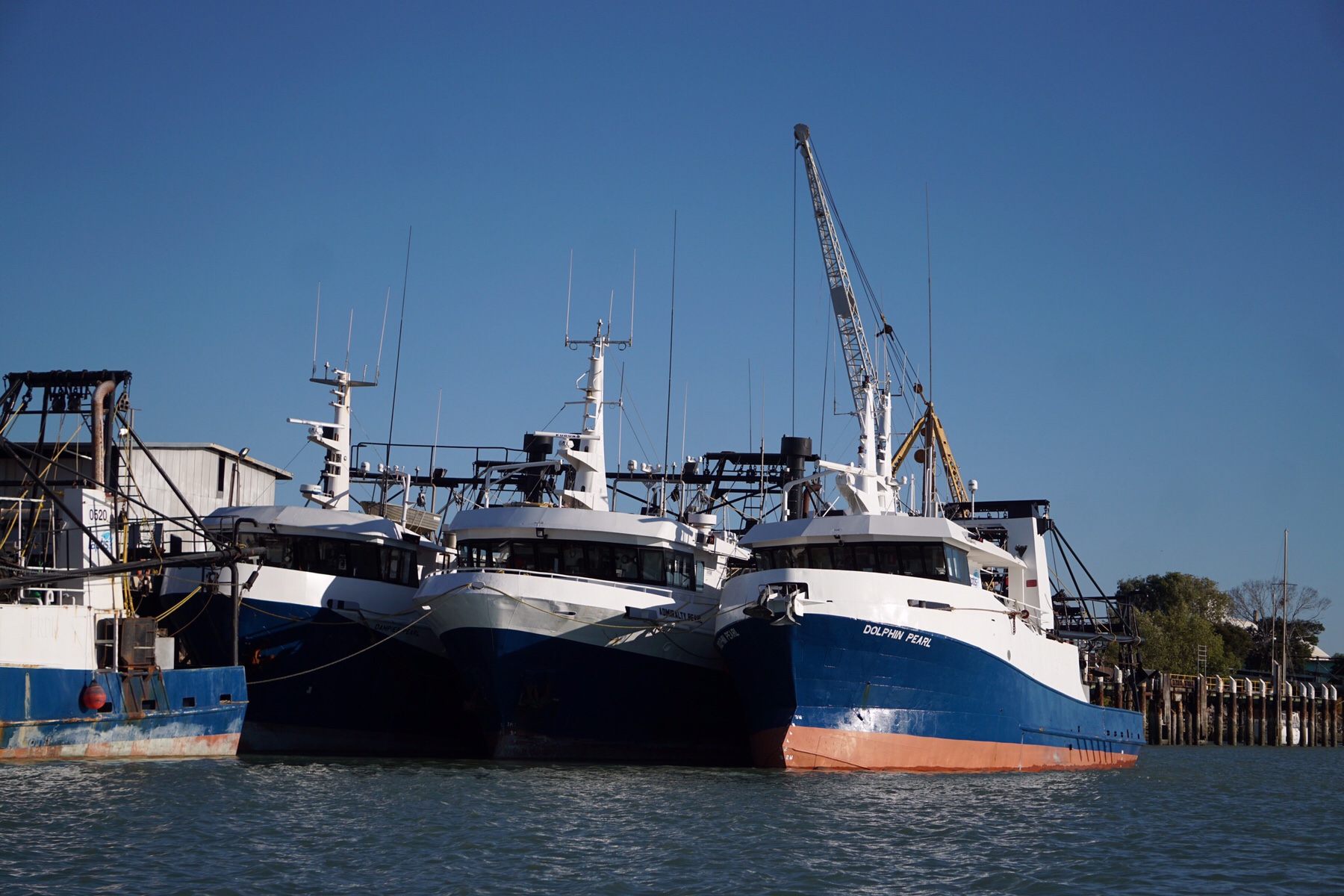 After a 4 year hiatus, it has just restarted to the relief of the town, courtesy of a Chinese company (of course!). The gravity fed pipeline that transport the slurry stretches from the mine 302km to the south, right to the loading dock. Pretty neat and cheap way to transport it for 9 cents a ton!
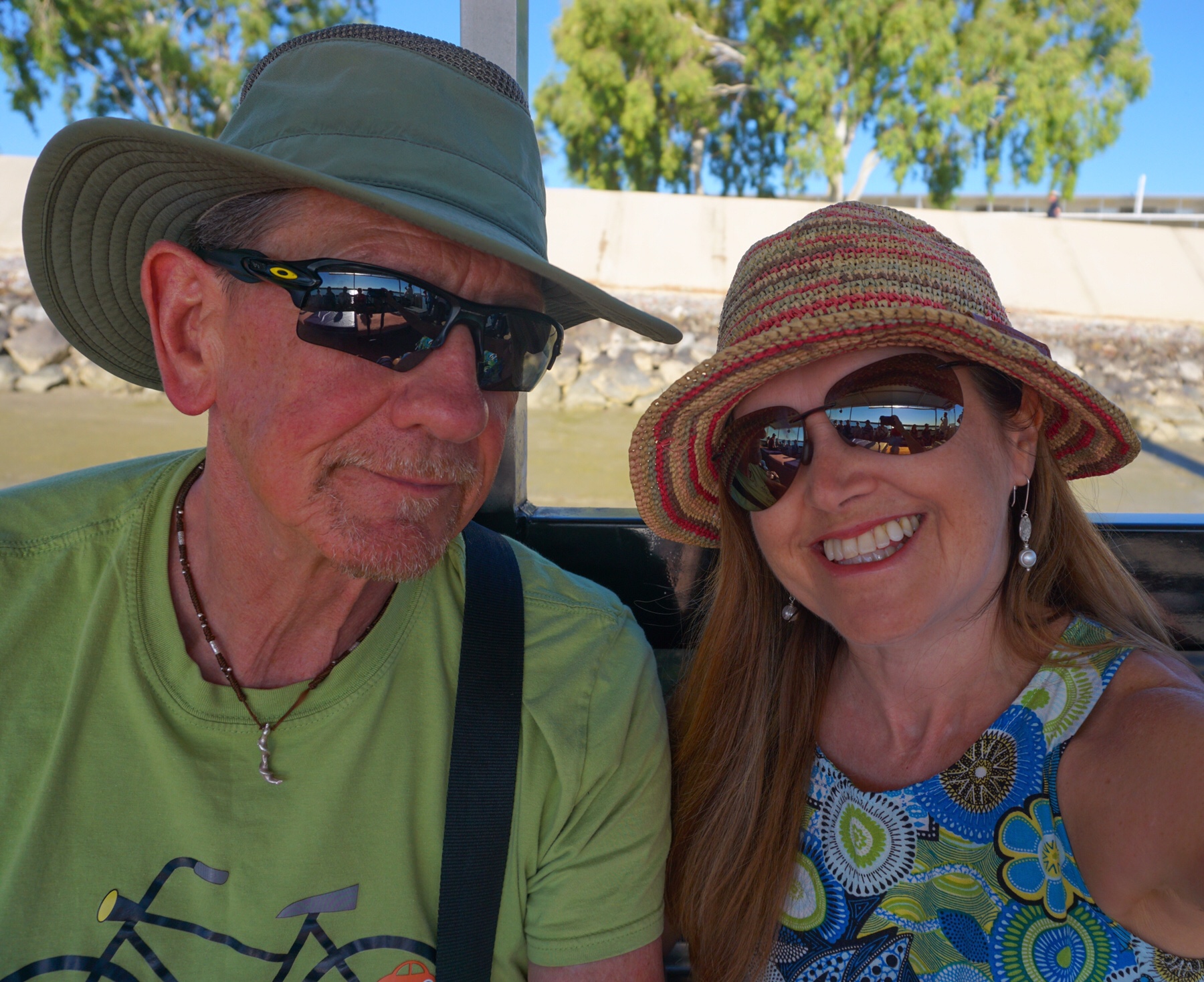 We managed to find a tour boat going out in the afternoon with two spaces (it’s busy season up here!) and headed out. The family running the trip gave us a good running commentary on the river and the town, of course starting as most trips do with “European exploration”, not a word about the previous 50,000 or so years of human occupation in the area. It isn’t easy to find information. I’ve just spent 20 mins with Google and have at least established that the area was home to five distinct Aboriginal groups, all of whom had a seperate language, all of which are now officially classed as extinct.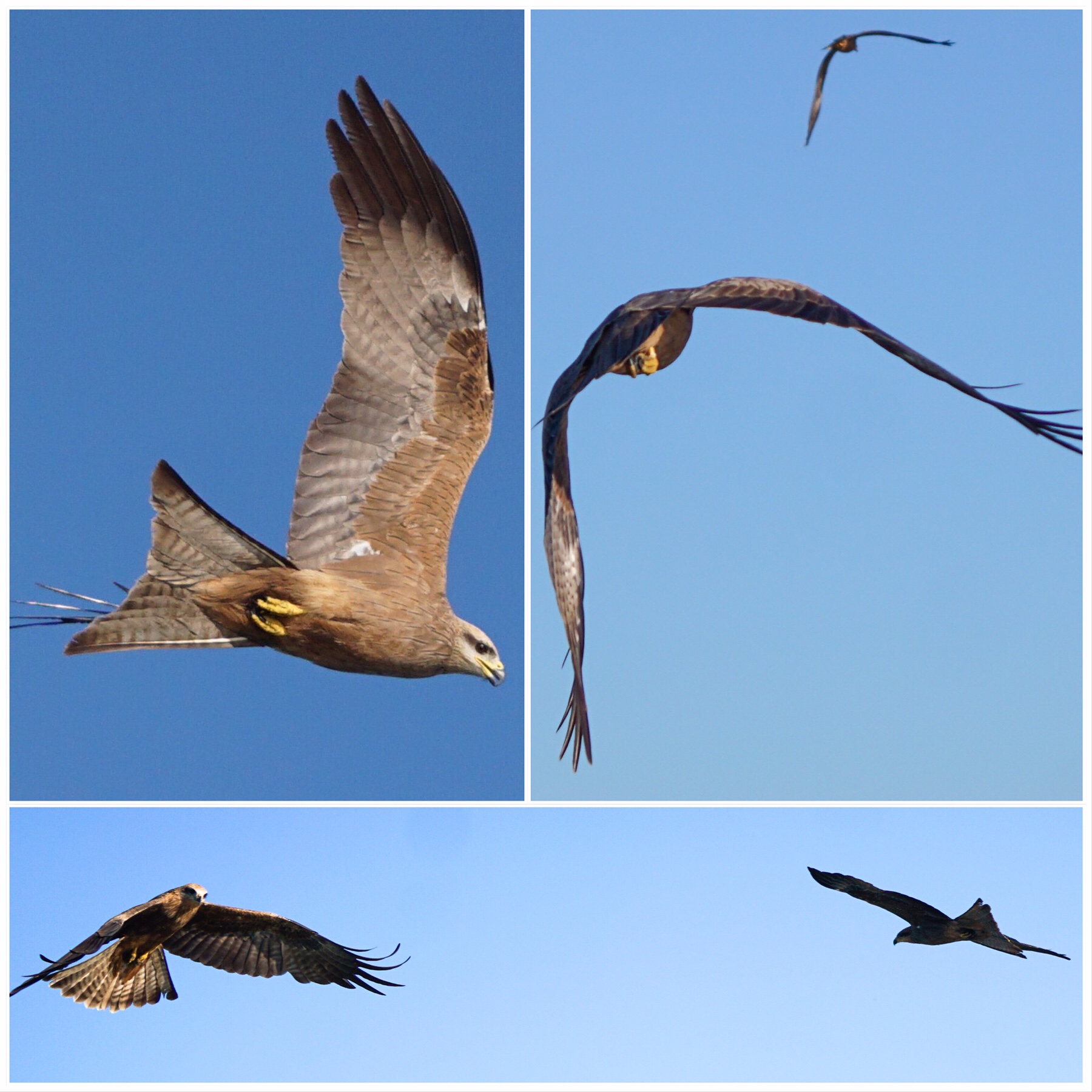
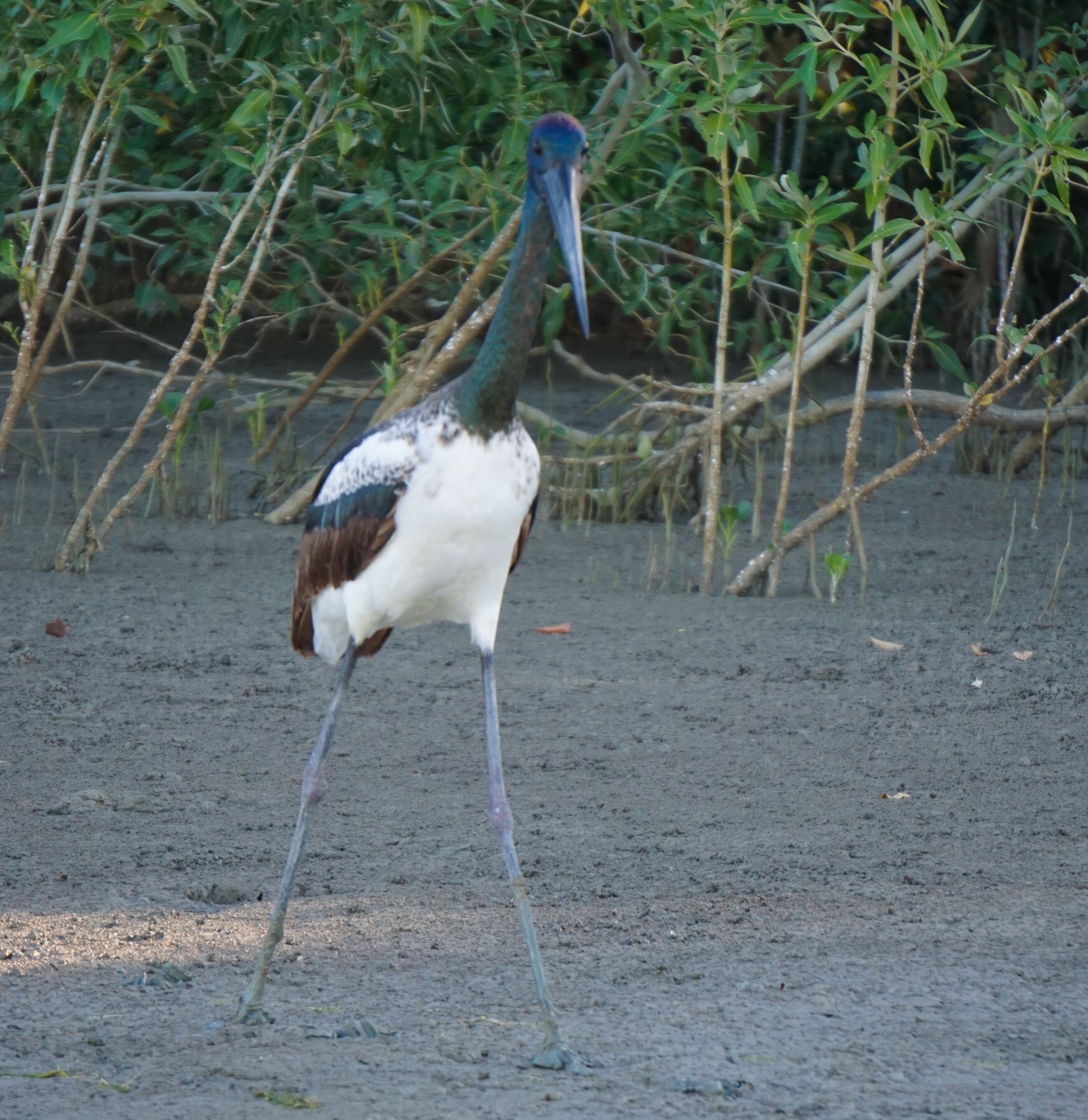
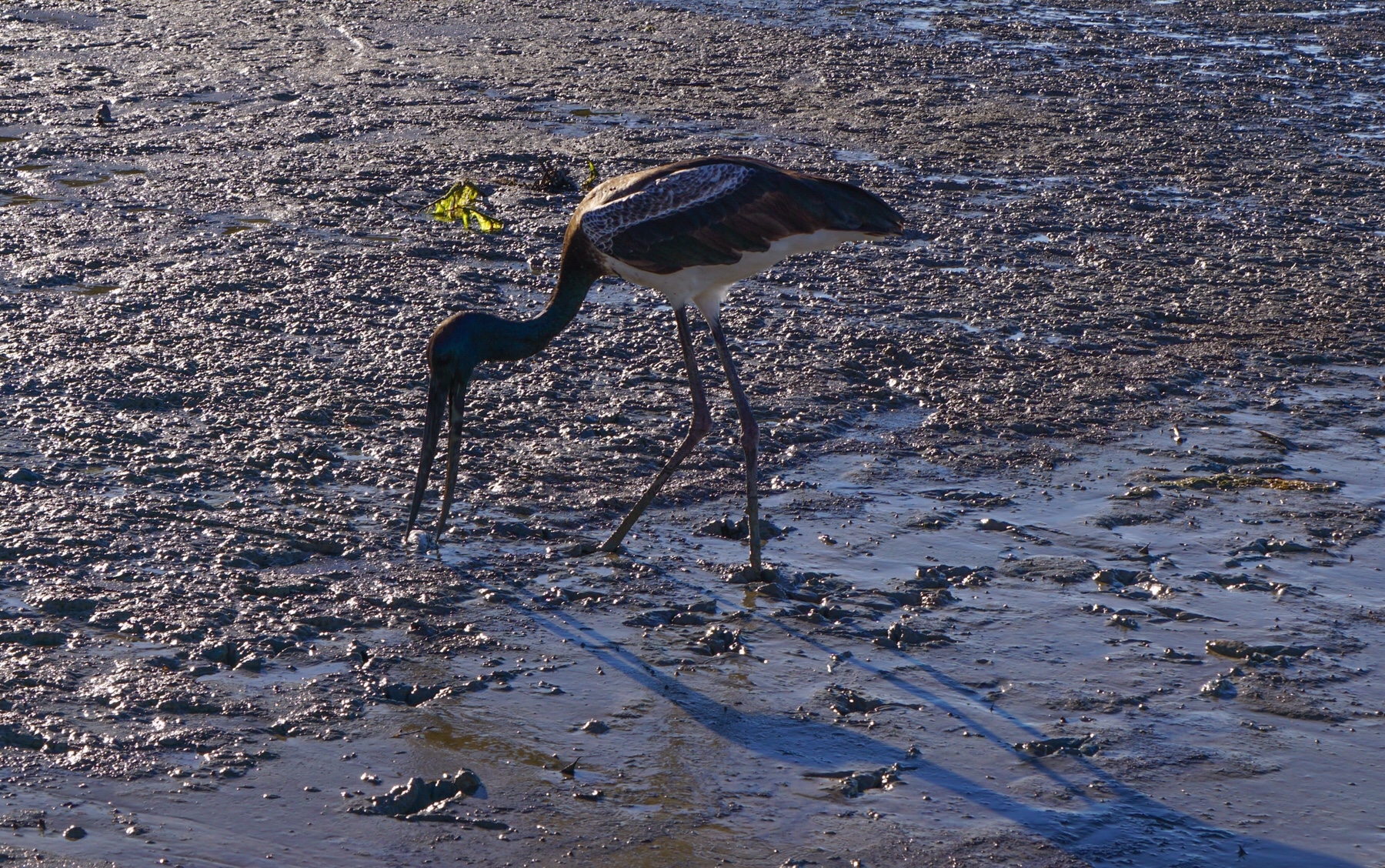
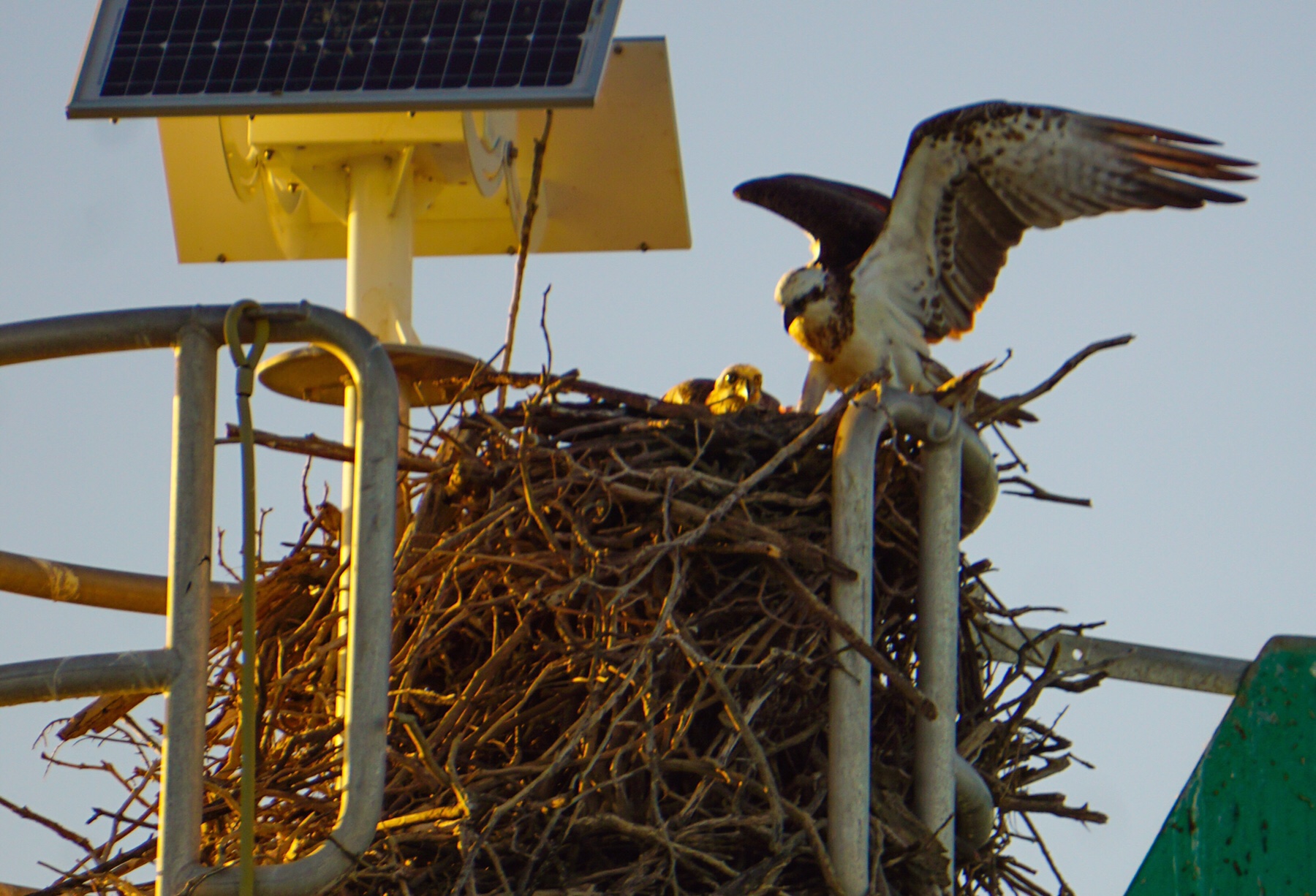
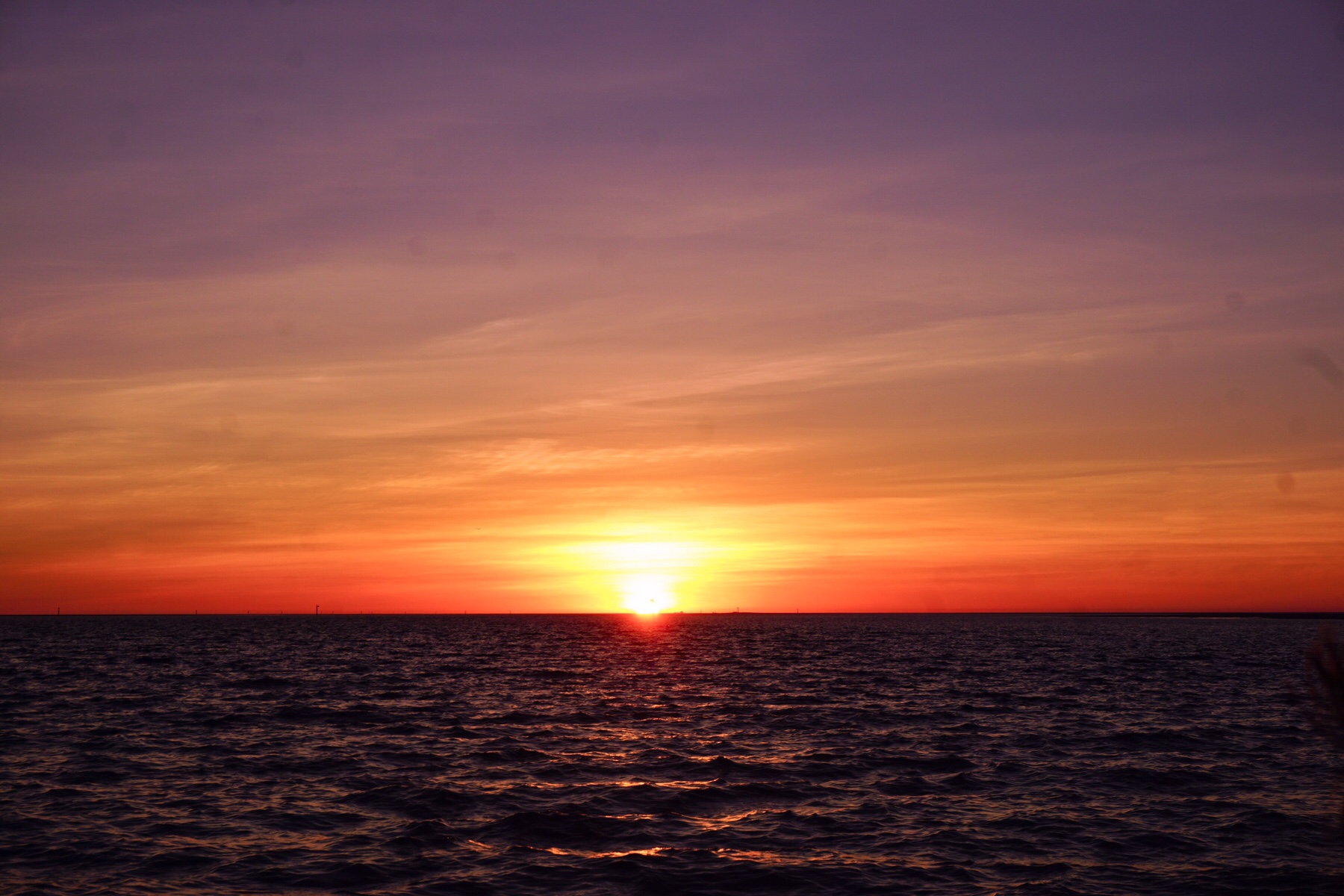
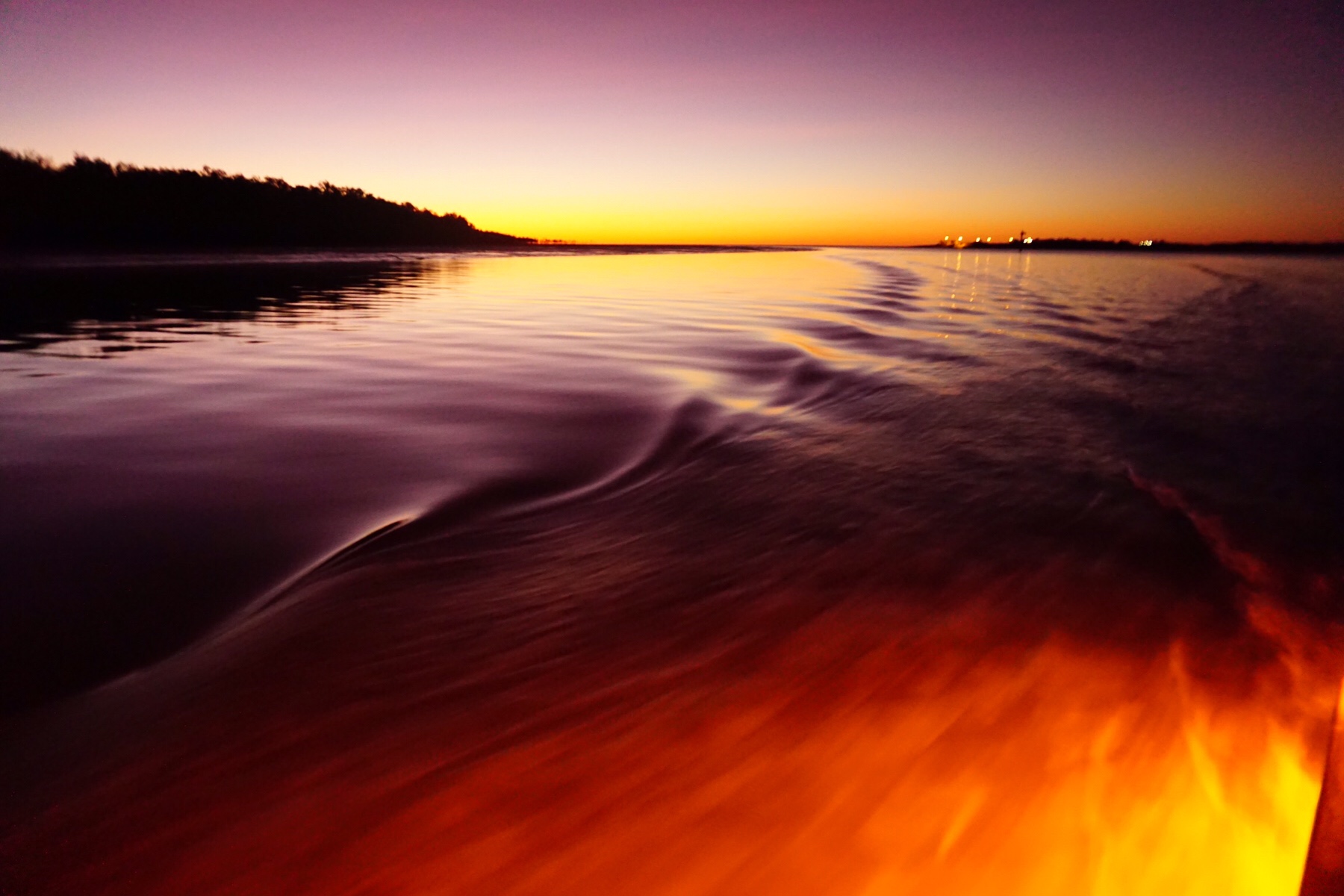
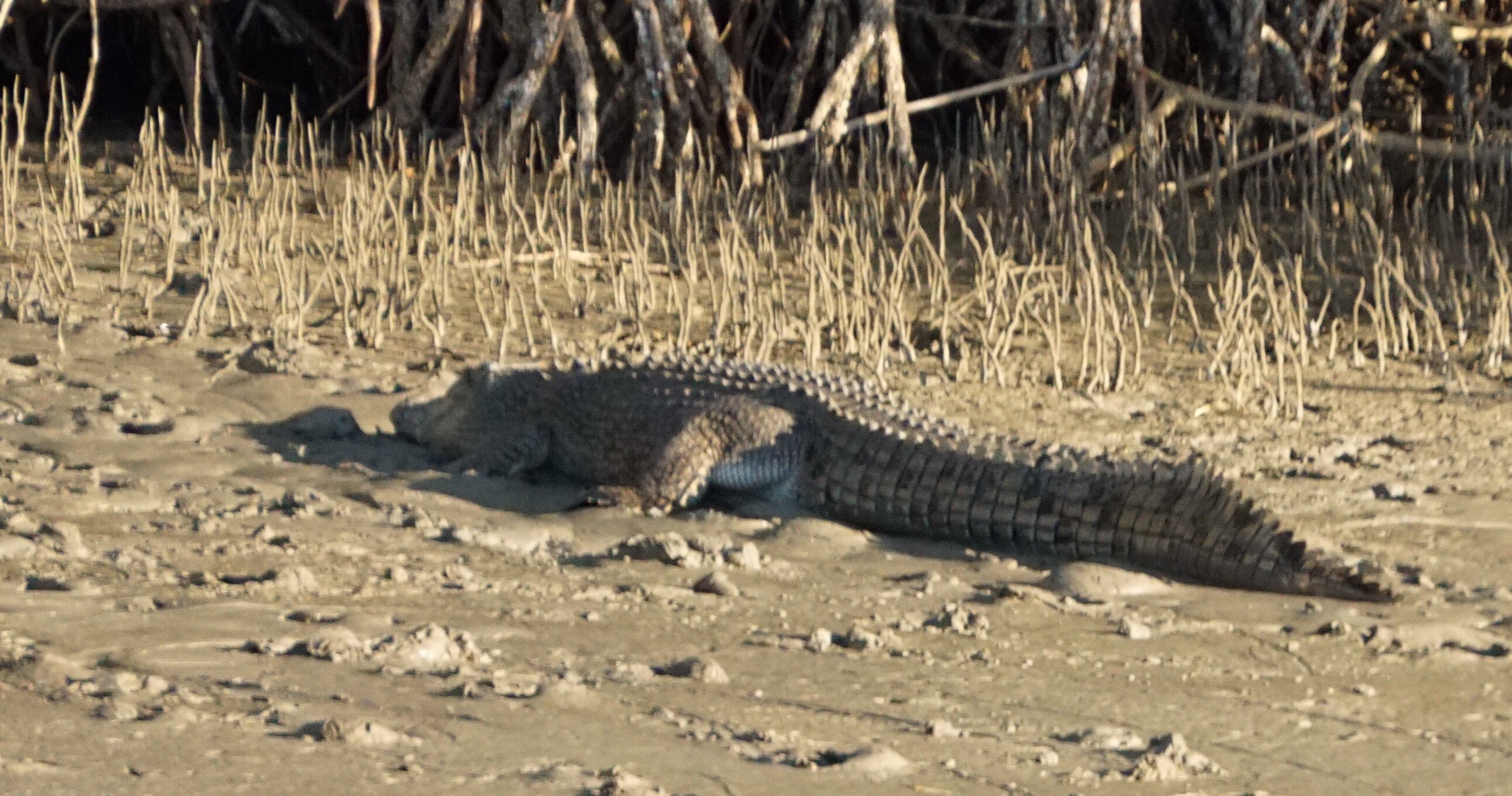 Drinks were passed around as we watched the sun dip into the Gulf. At this moment the nearest capital city to us is Port Moresby in Papua New Guinea, not Darwin.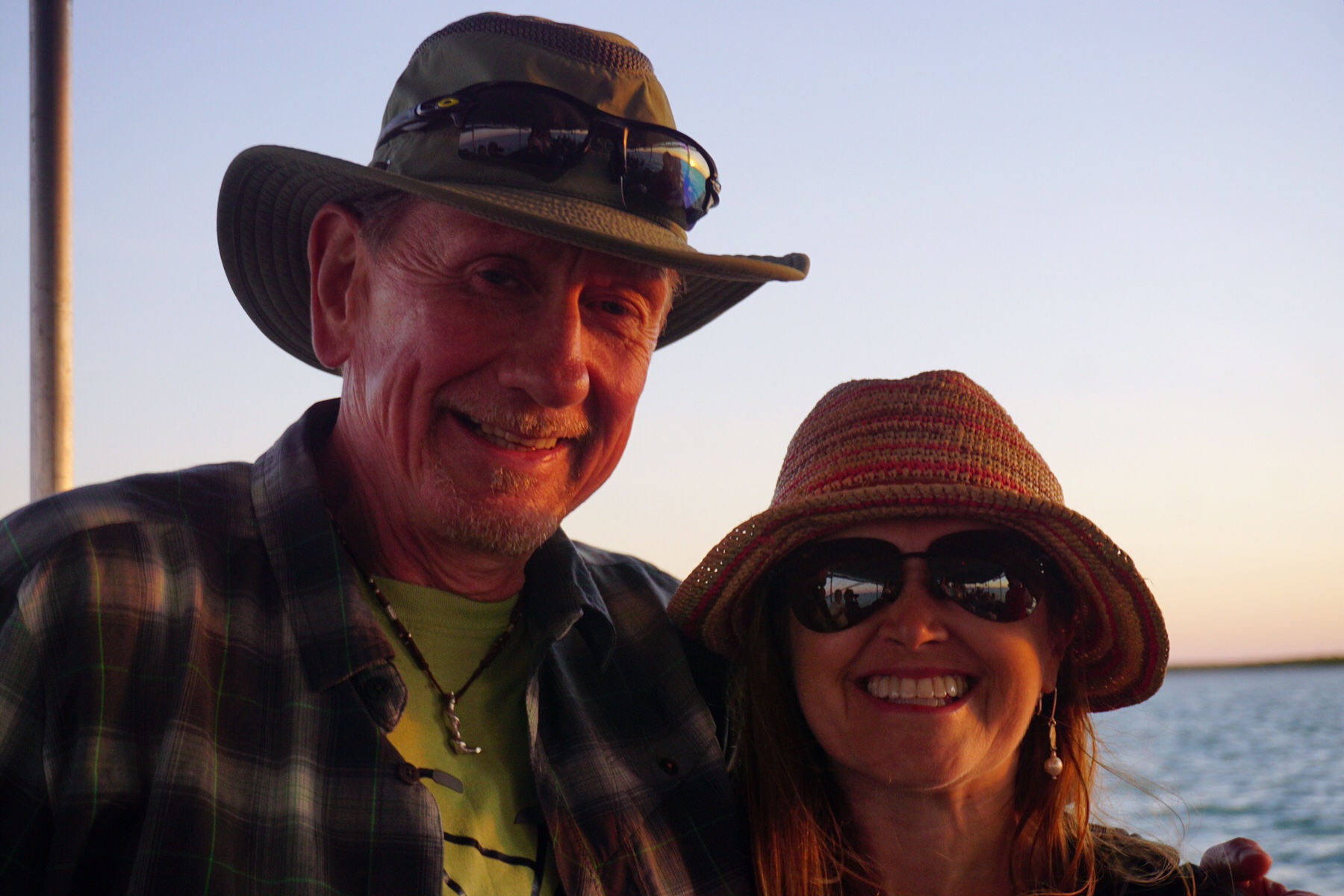
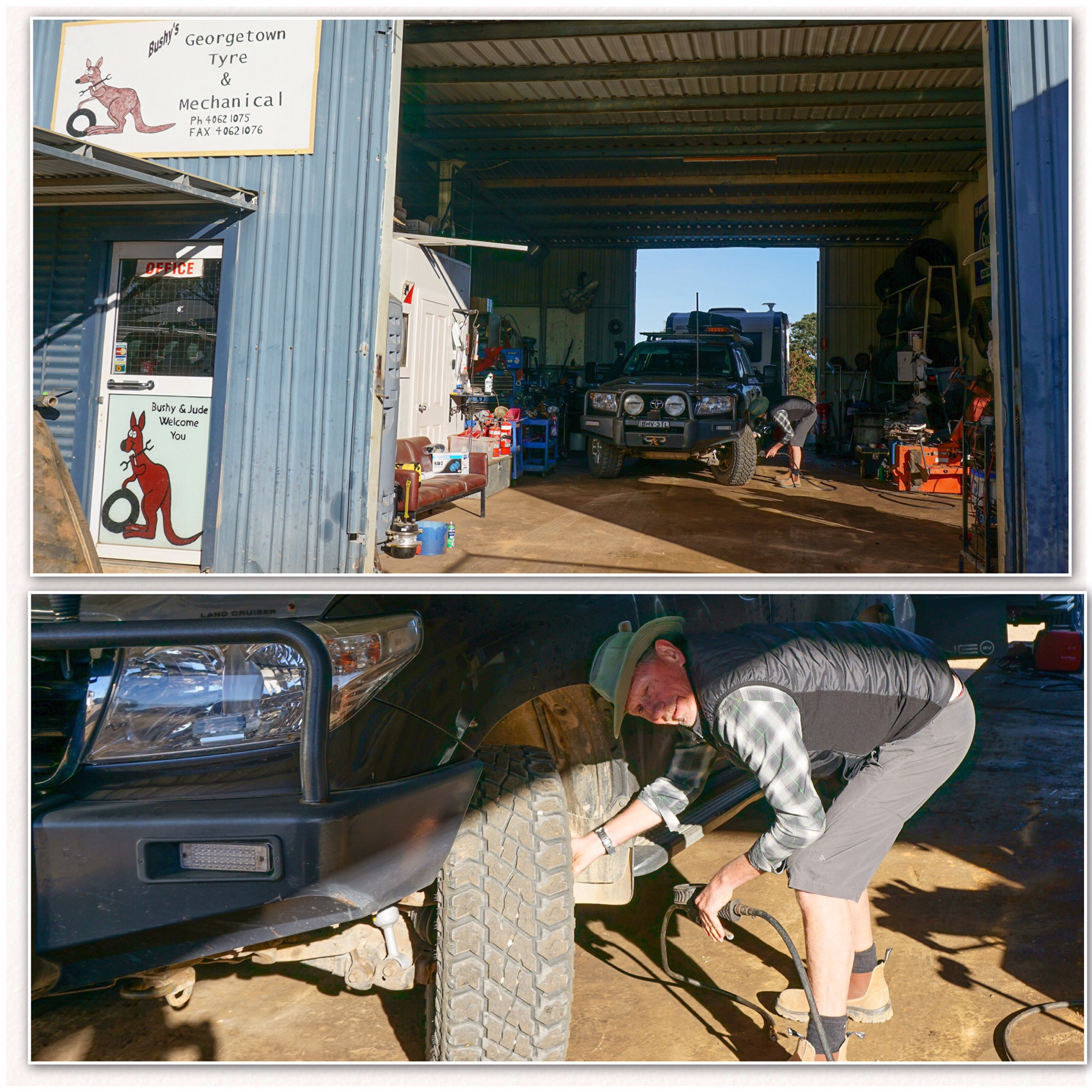 Before long we had backed the caravan into the workshop and Mr A was inflating tyres as Bushy did his work, welding the new brackets to the front right hand side of the van. He did a thorough check of all the other brackets, and added some extra weld where he felt needed the strength.
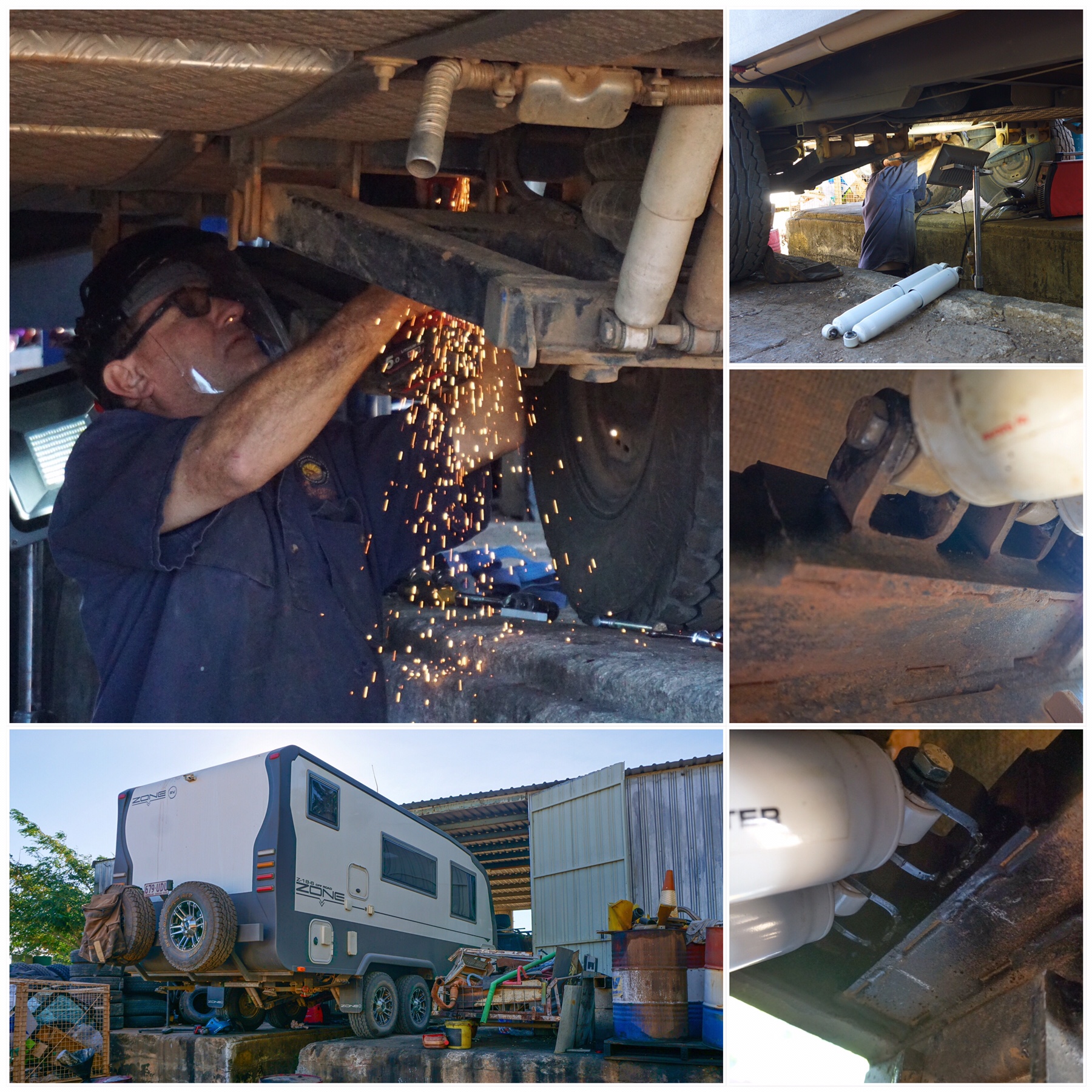 By the time we pulled out at about 10.30am we felt happy that all was securely in place and Bushy reassured us it should stay that way for the foreseeable future.
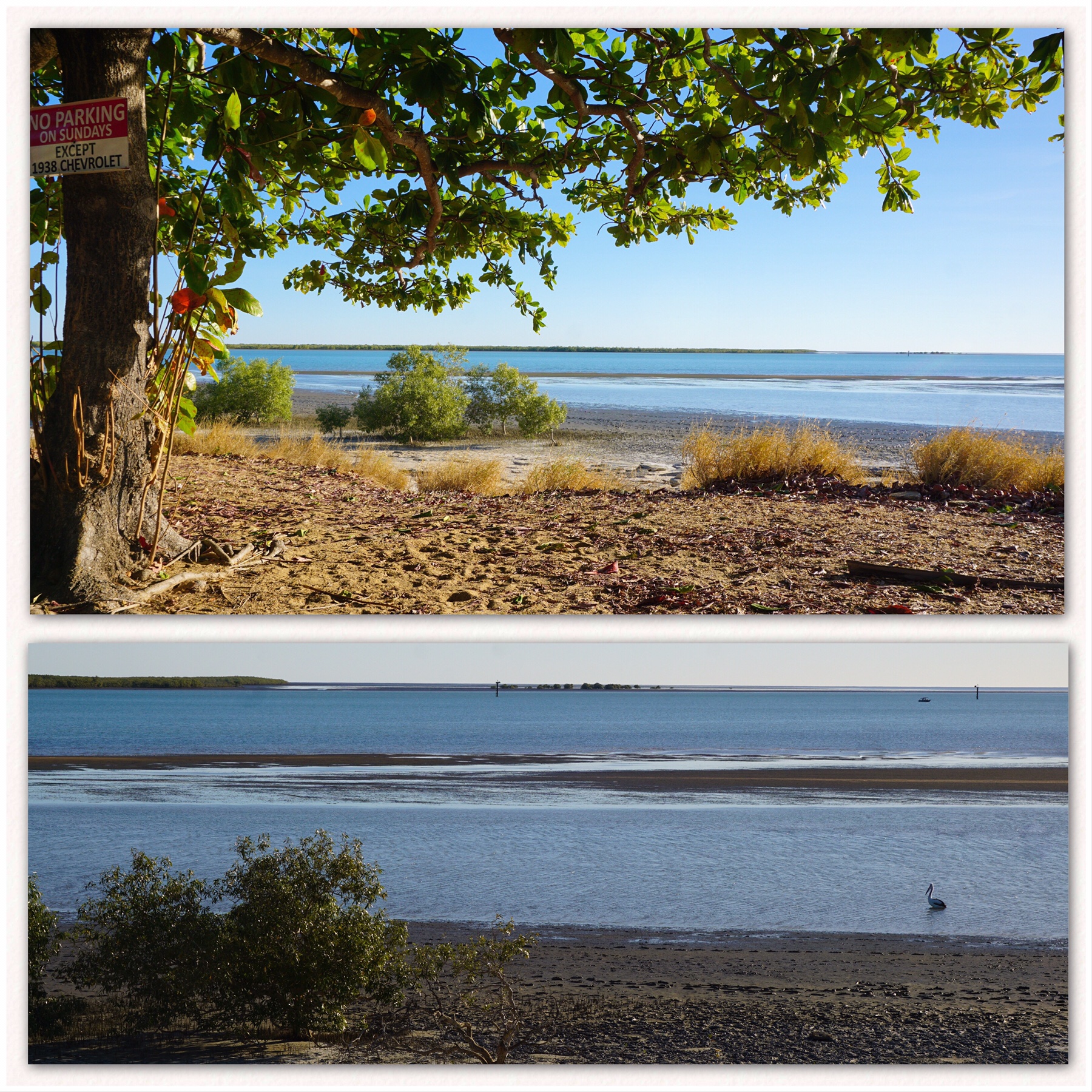
 The air feels lest dusty up here, and it is so good to see the ocean again.
 There’s a lovely looking Tavern right on the water front, with a surprisingly interesting menu. It has a large beer garden overlooking the water and sunset, and we have earmarked a couple of seats for tomorrow afternoon.
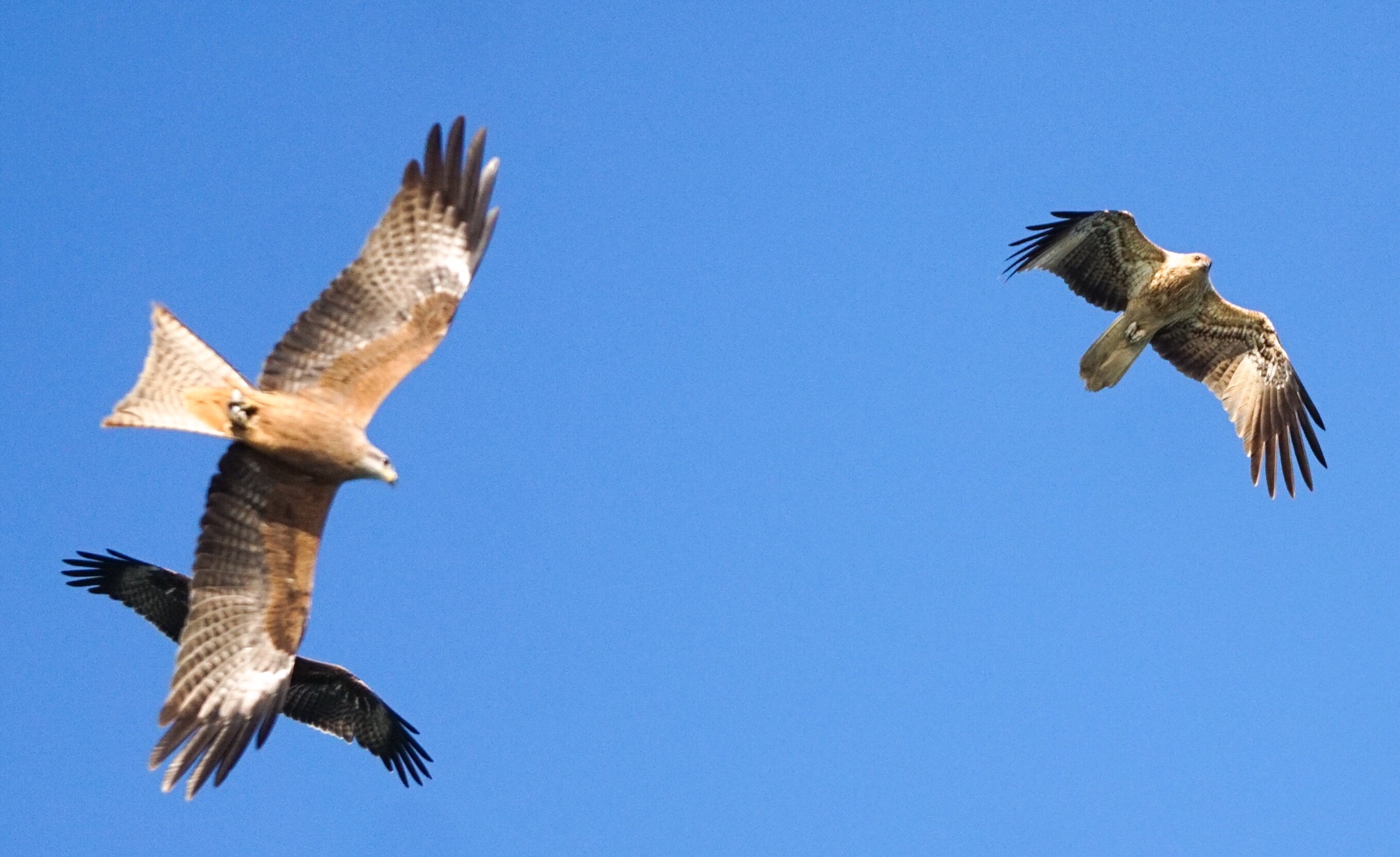
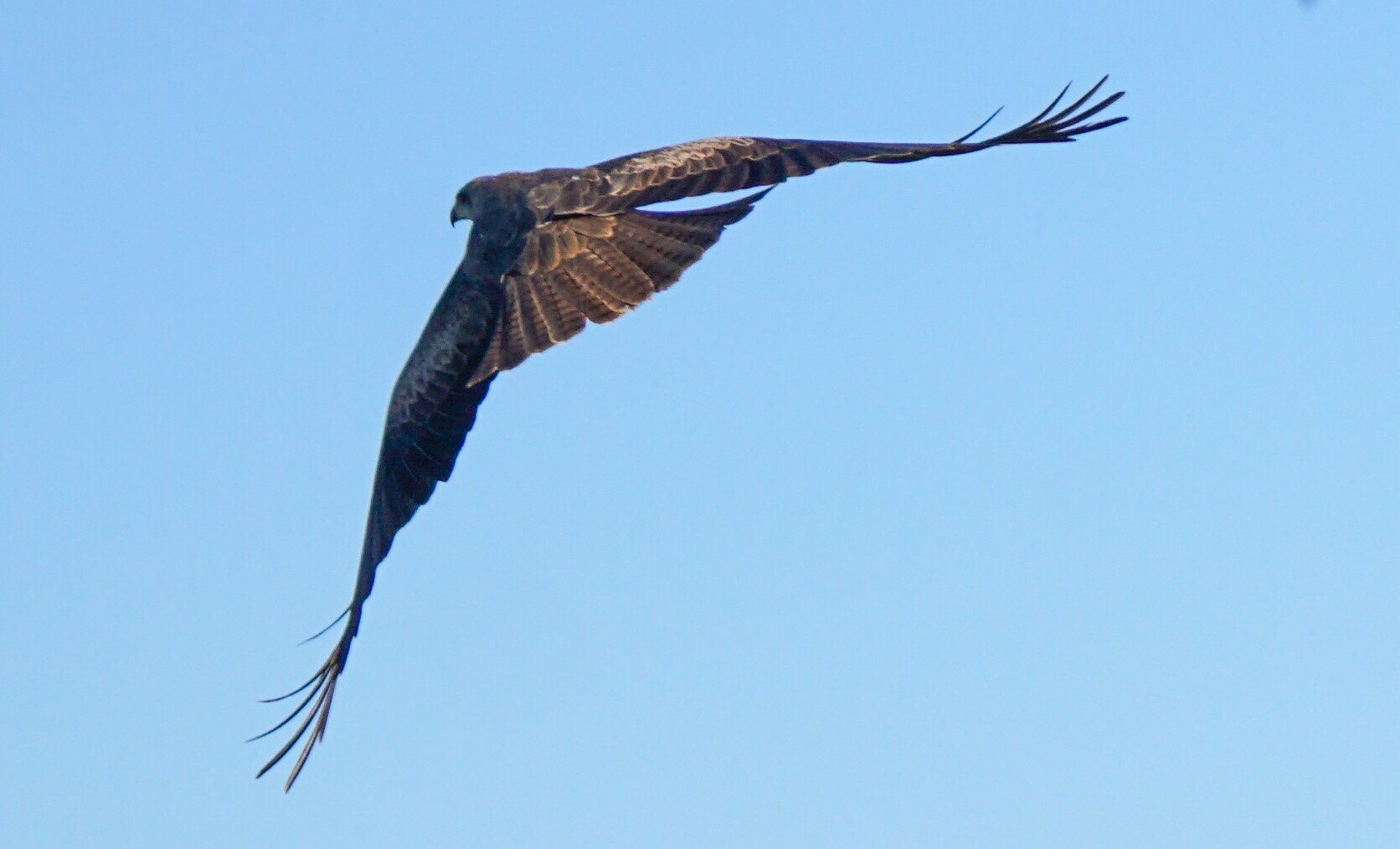
 We returned to camp to watch the sunset over the wetlands, before making dinner with our fresh veg. We watched the whistling kids flying in for the fish scraps being shared by those lucky enough to catch something today. The birds swooped down and caught snacks tossed in the air – quite a sight.
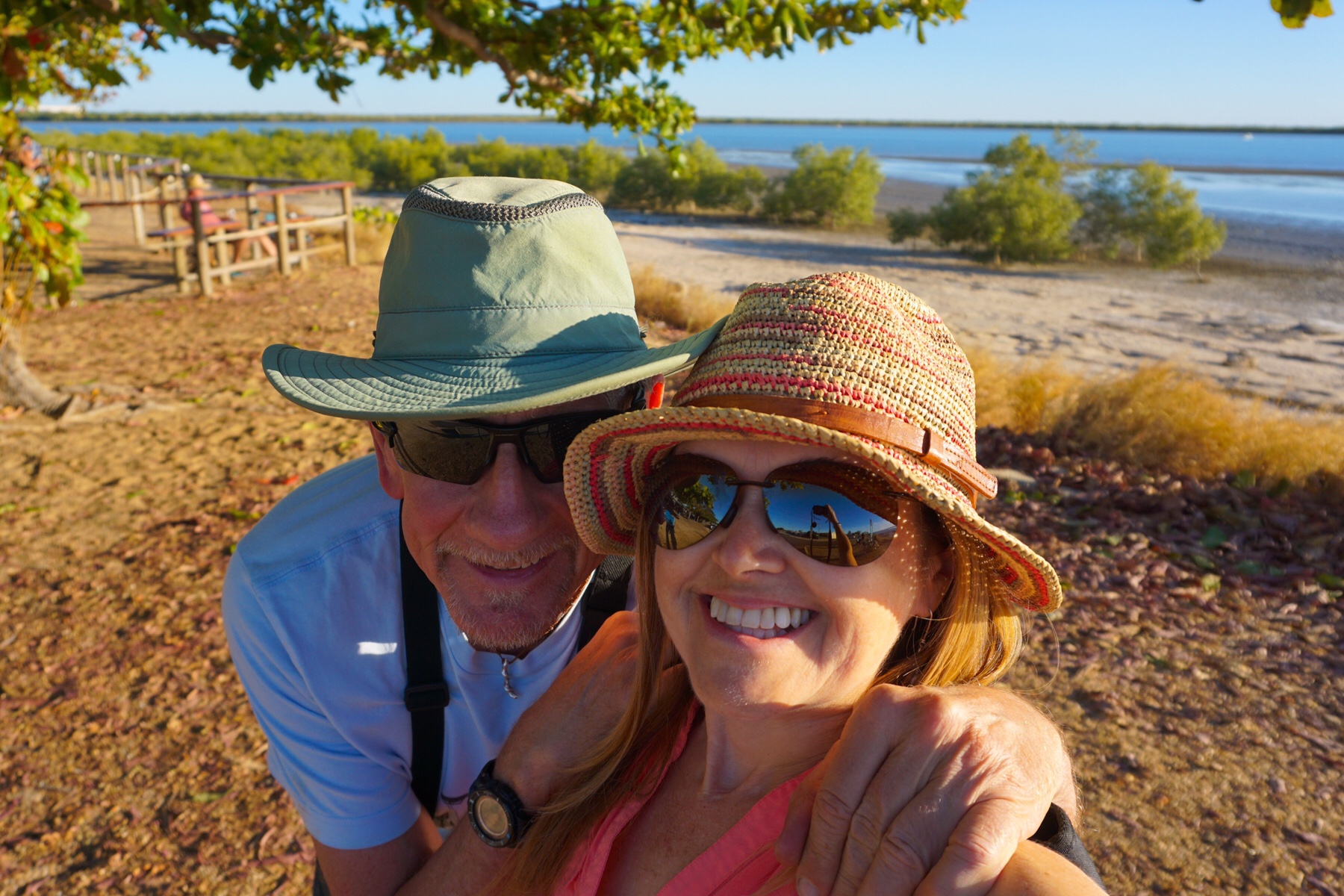
 Mr A had more funeral arrangements to make and accomodation to book in the UK…I dread to see what our mobile phone bill will be this month after all these calls! This is a beautiful change of scenery for us though, and we think we’ll enjoy our stay here.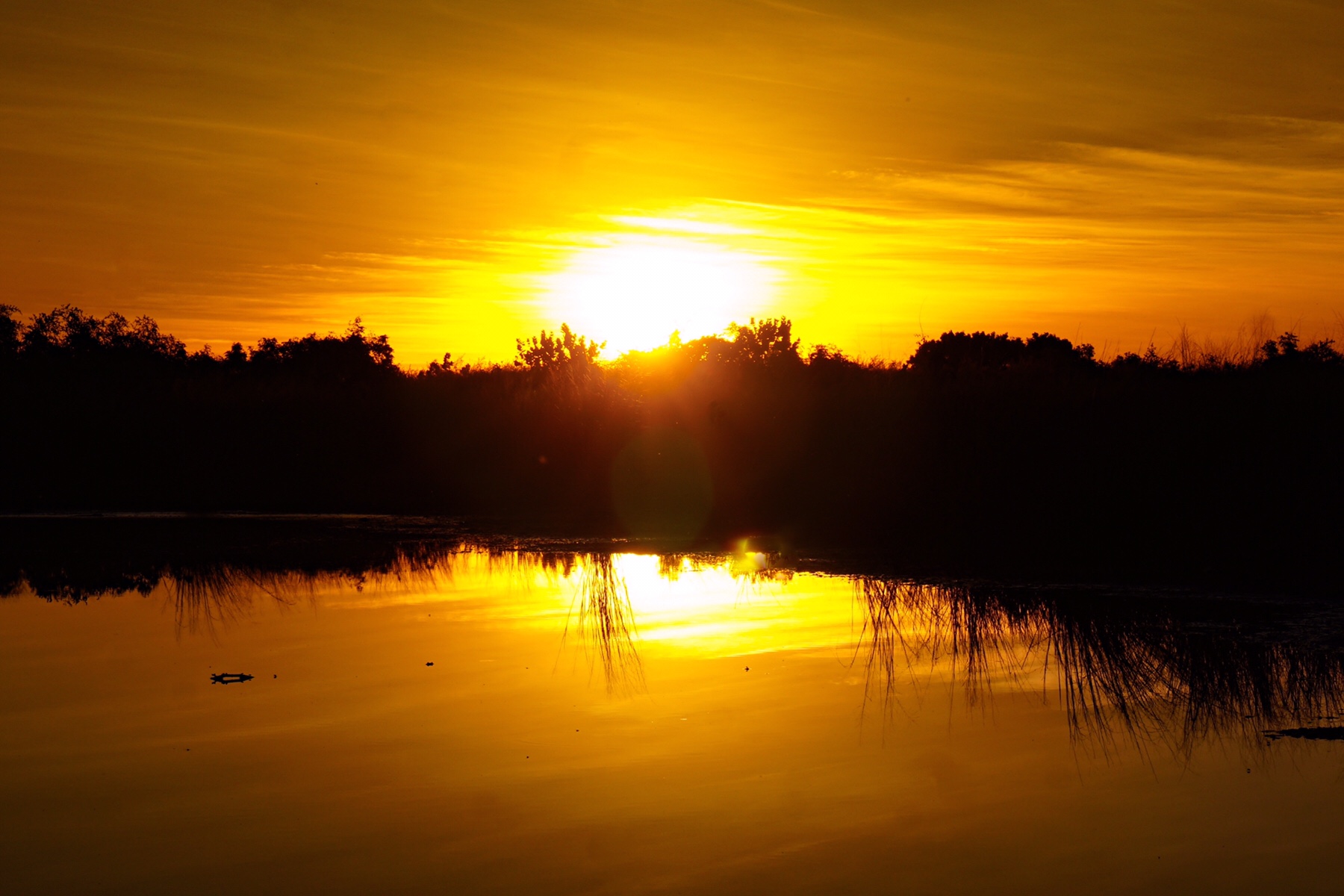
 On from there we cycled to the only tourist activity we could see in the town itself, a 6km walk/ride along the outskirts of town.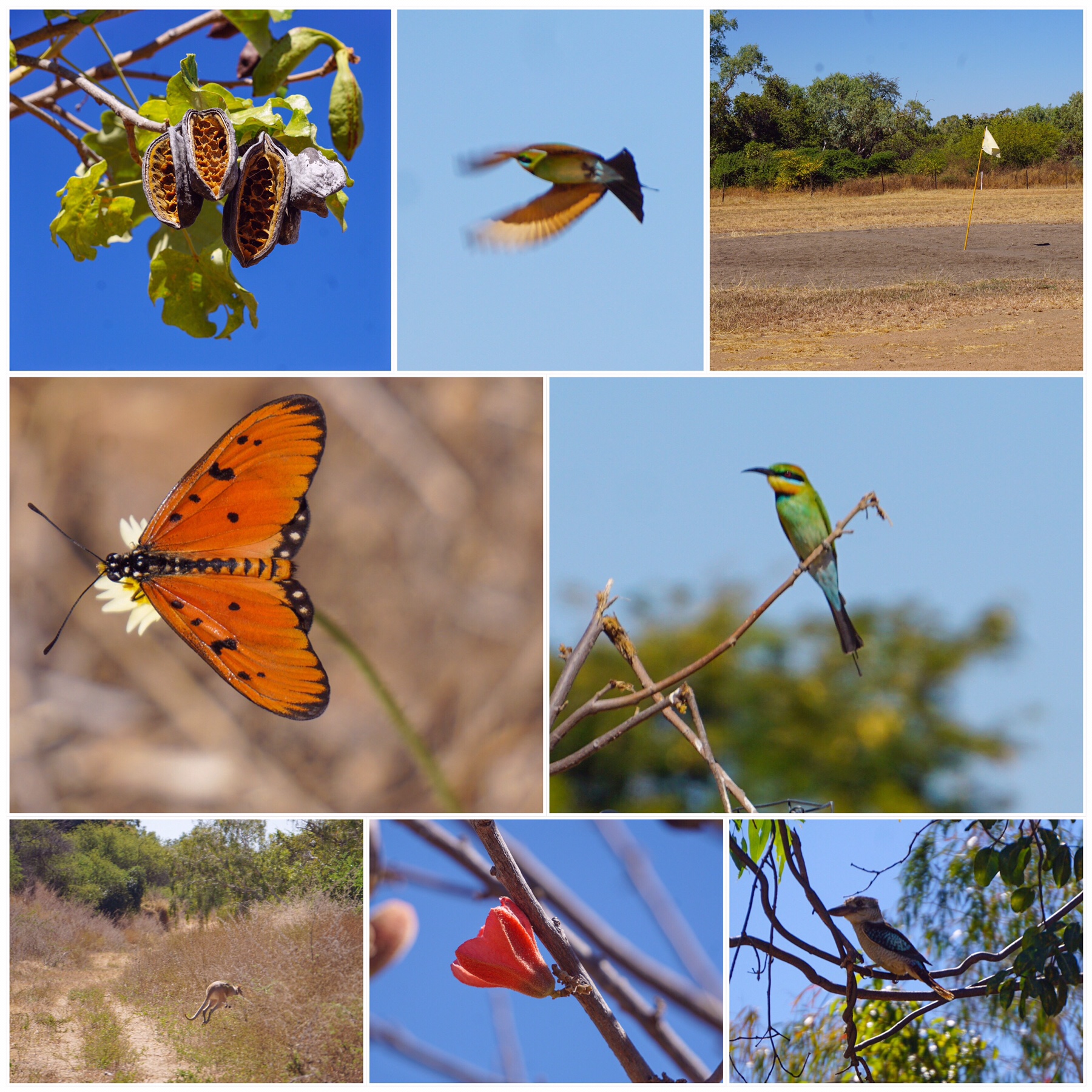
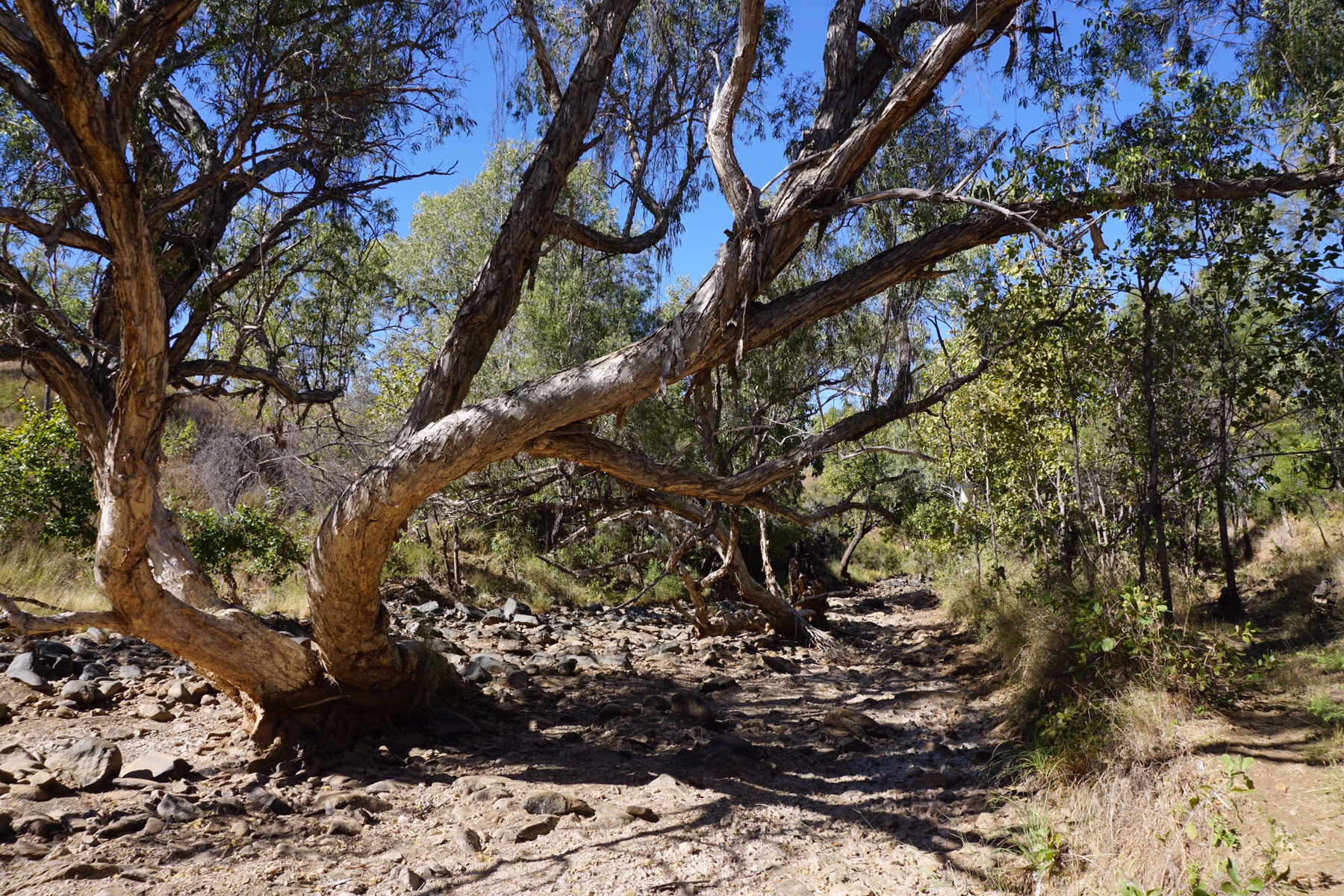
 We mostly followed the dry river bed, and all was going well, until that dreaded exclamation from Mrs A “Oh no….puncture”.
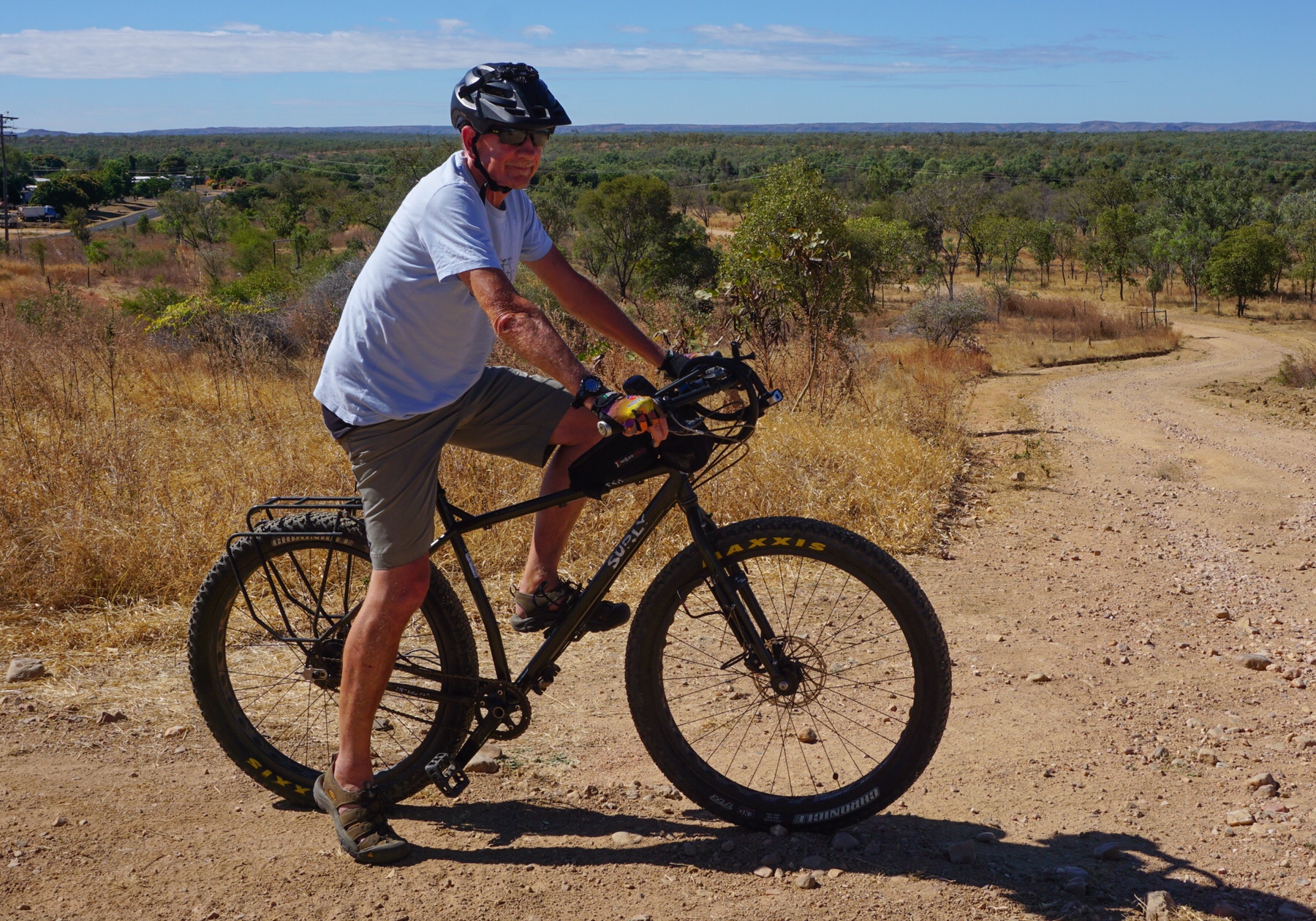
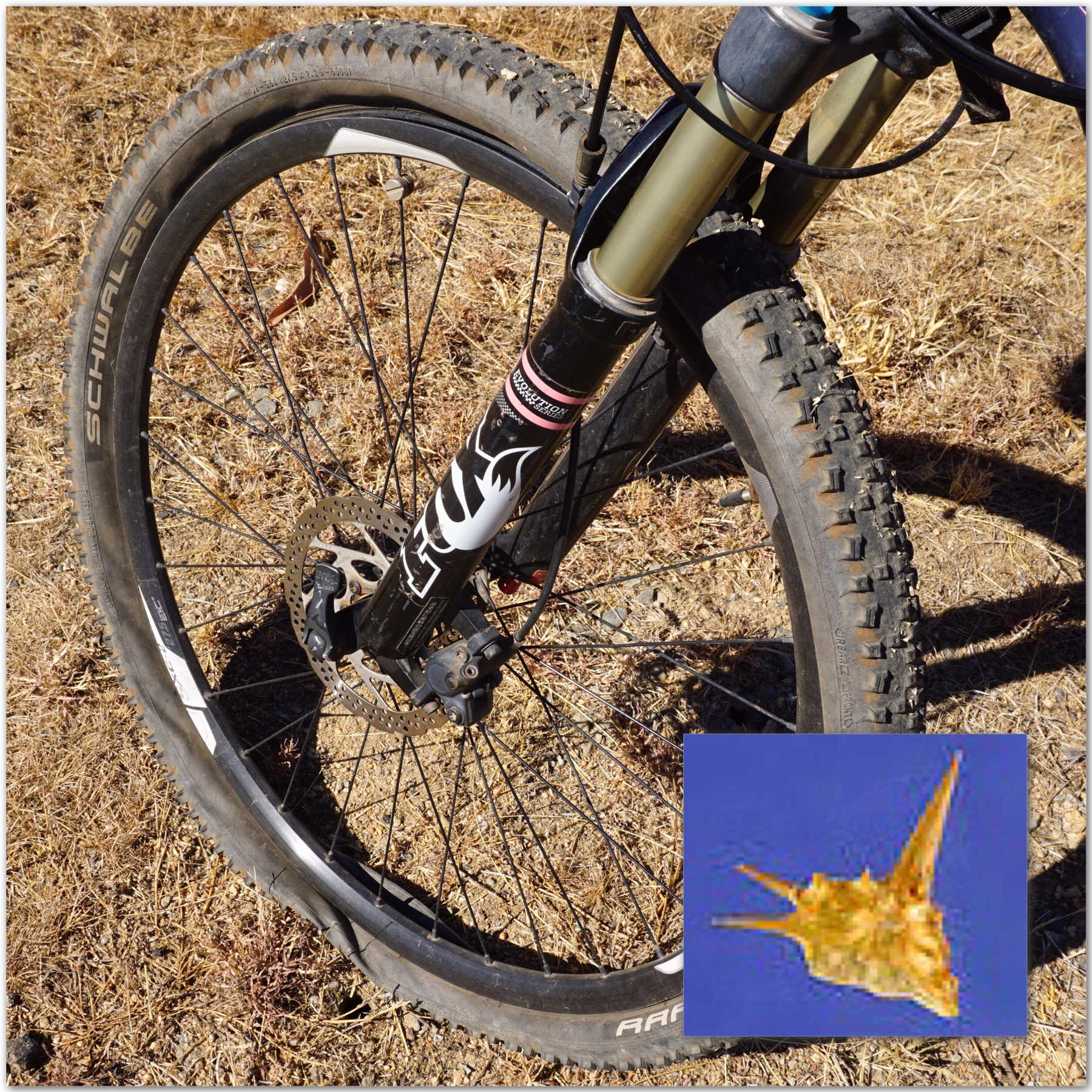 I nipped back to camp on my bike, and returned with the car. Mrs A was soon loaded up with her bike and returned to camp, where we spent the next 3 hours picking bindi spikes out of both of our tyres! I’ve never ridden in this type of country before, so was pretty shocked how it has destroyed even my thick tyres. At least my tubeless set up kept me inflated, well until I started picking out the thorns! We are now going to have the petite (but usually very reliable) MTB that Catherine rides converted to a tubeless set up as well. Definitely worth it. So no more riding until we get to Darwin in a couple of weeks.
 At least we have good phone signal here in tiny little Georgetown. It’s been an experience, and makes you realise from talking to the locals, what are some of the challenges of living in a remote area. No doctors, dentists, supermarkets (one of the petrol stations stocks some basic supplies). Or any other trappings we take for granted in the city – restaurants, hairdressers, clothes shops etc. And even this place isn’t remote by some Australian standards, ie. it has tarmac road access!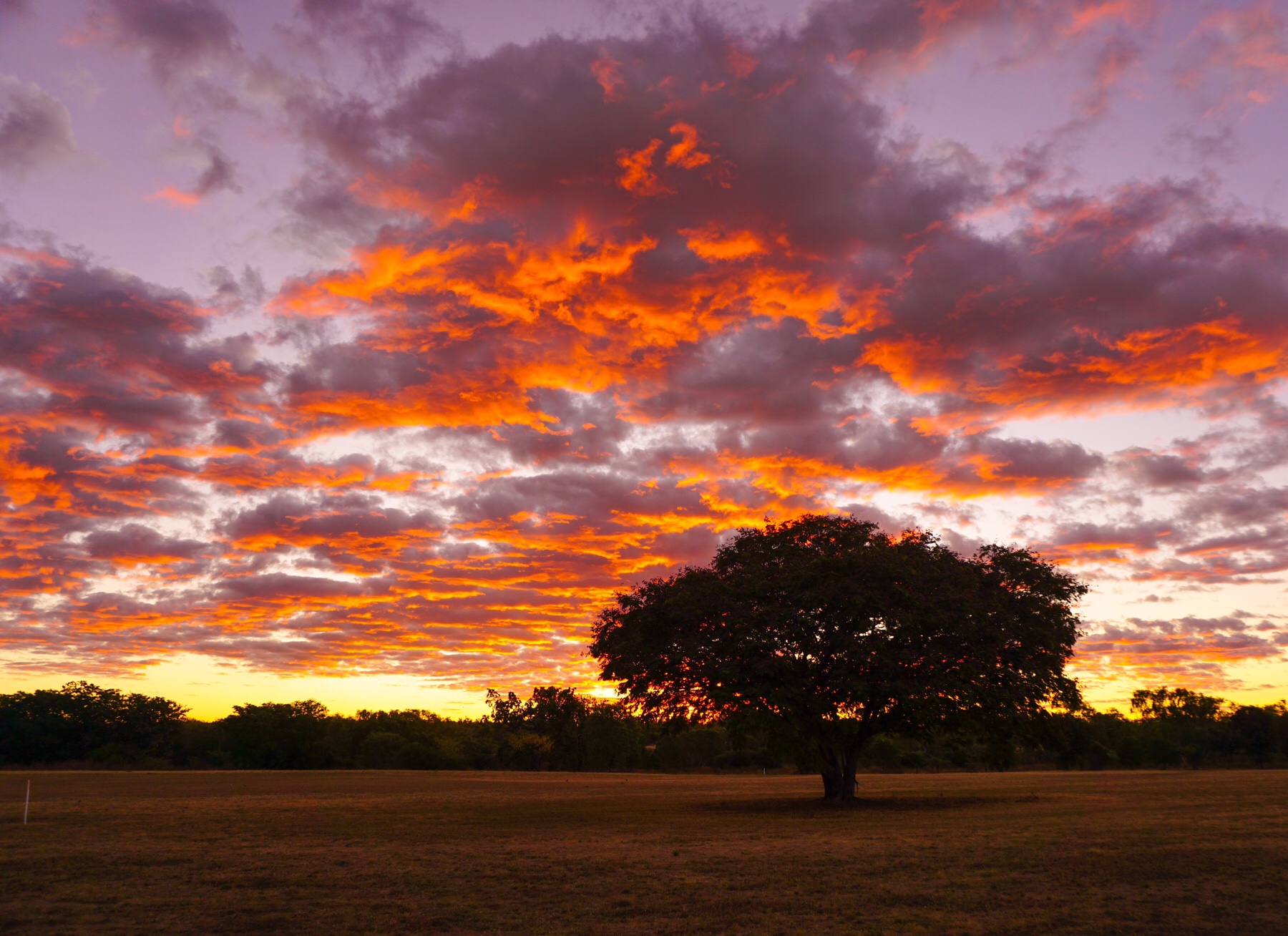
 I have to say I have become a fan of Flight Centre today. I booked through them and they have provided superlative service, so easy to get hold of a real person and talk to them. As compared to going through Qantas, where I spent 45mins on hold trying to even speak to their call centre to resolve an issue. And Flight centre were cheaper for the same tickets. Excellent.
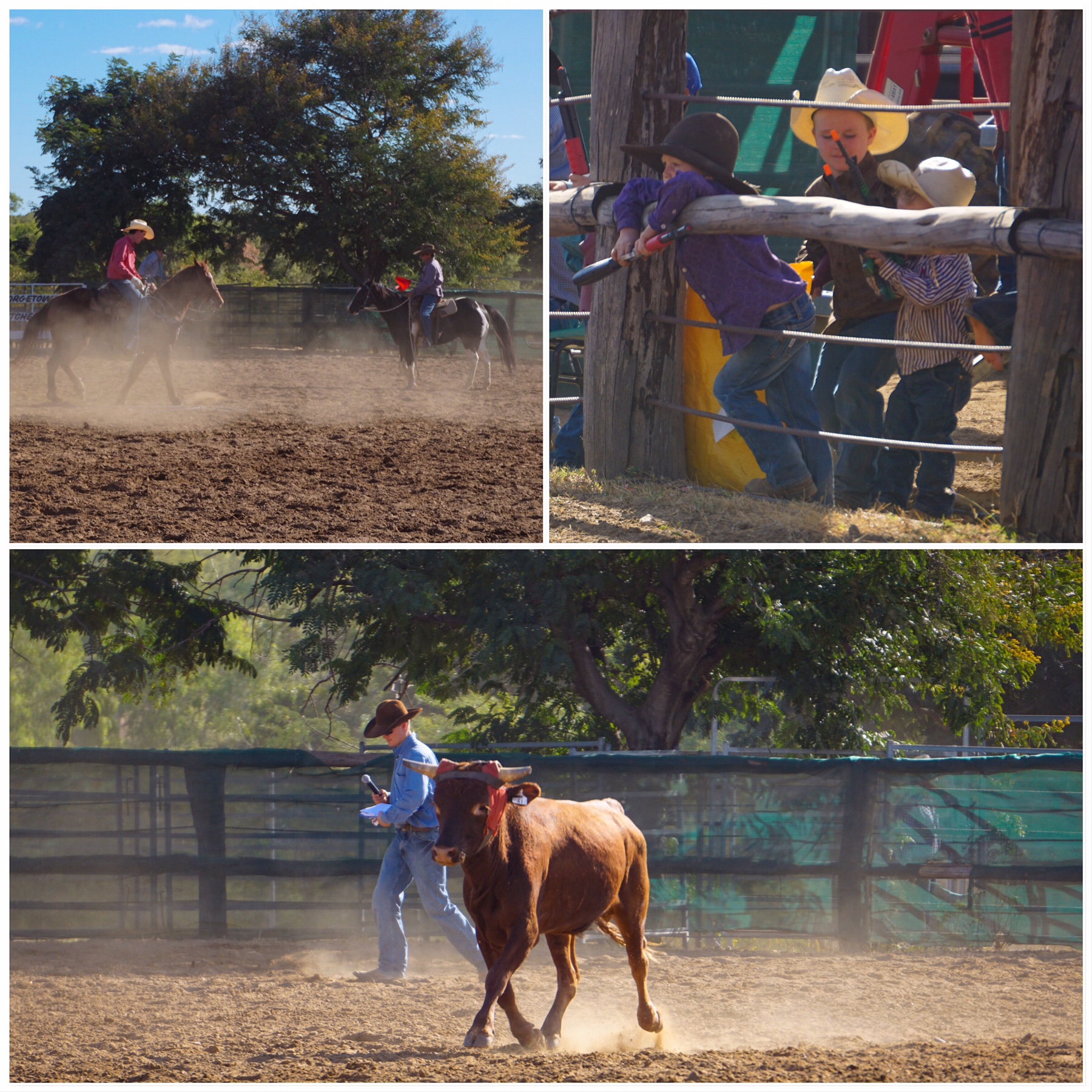 We stuck around for a couple of rounds of lassoing bullocks and bull riding, before heading back to camp.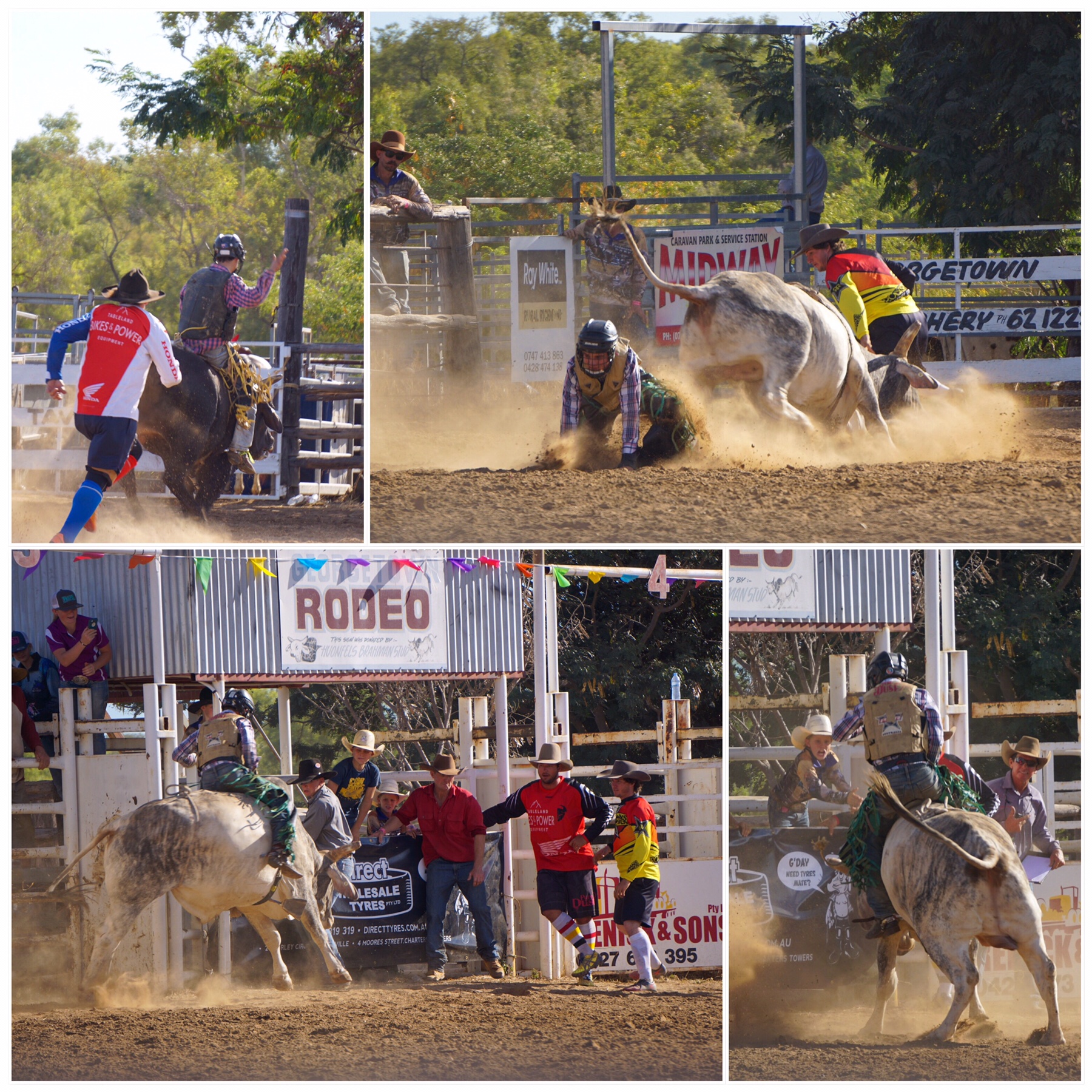
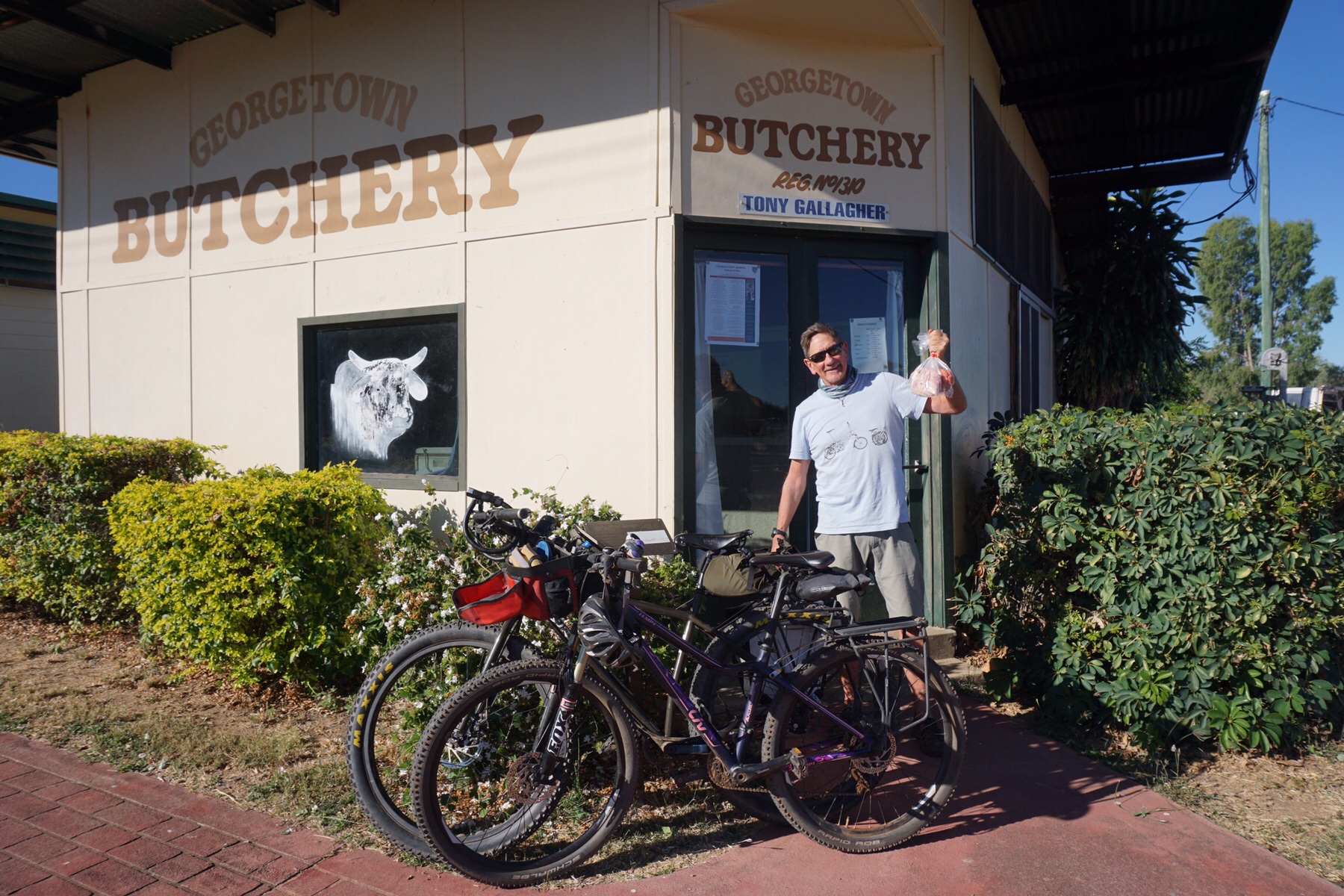
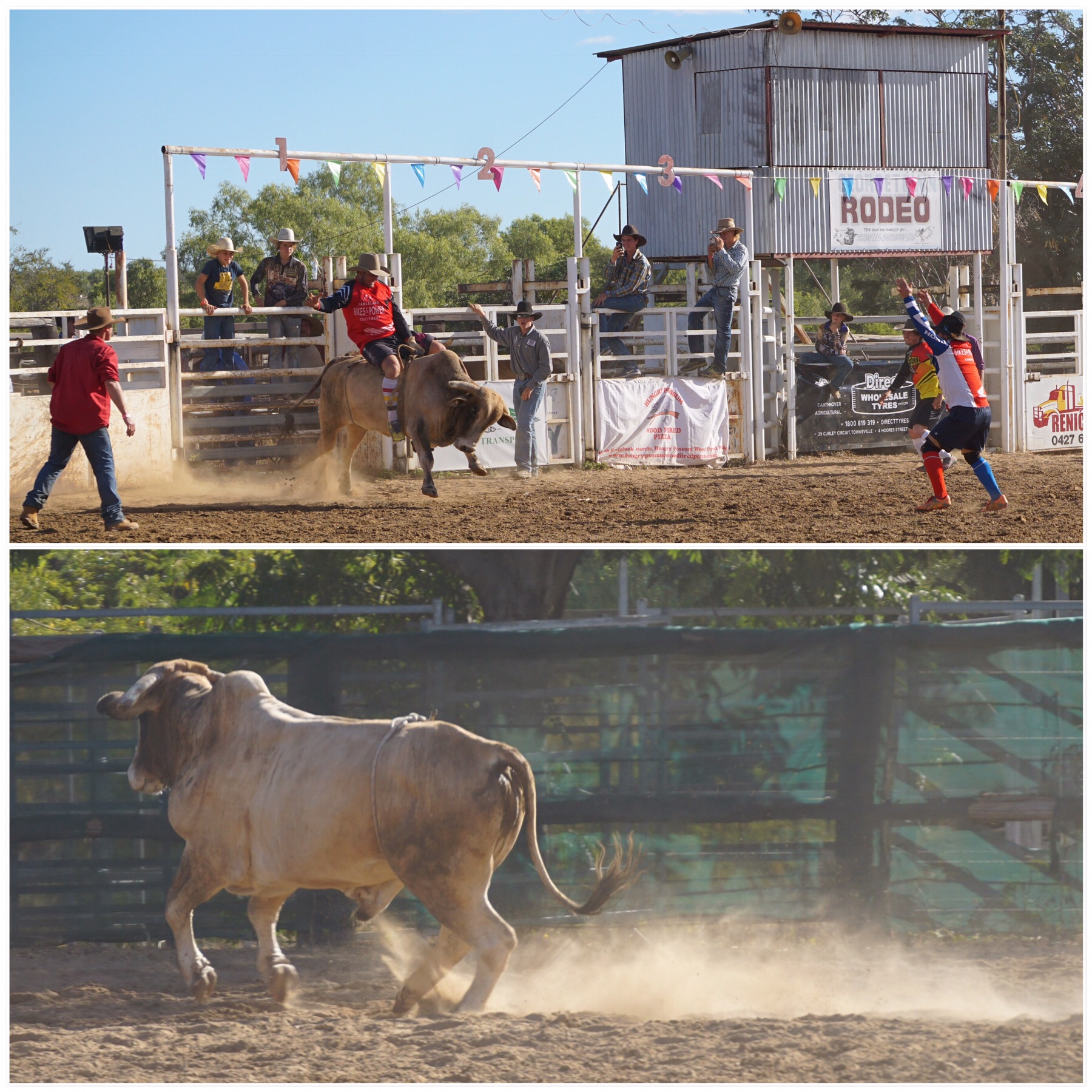 While at the butchers yesterday we had been recommended to head back to the rodeo grounds this evening for dinner. What occasion could be bigger than the town’s Rodeo? So off we went…
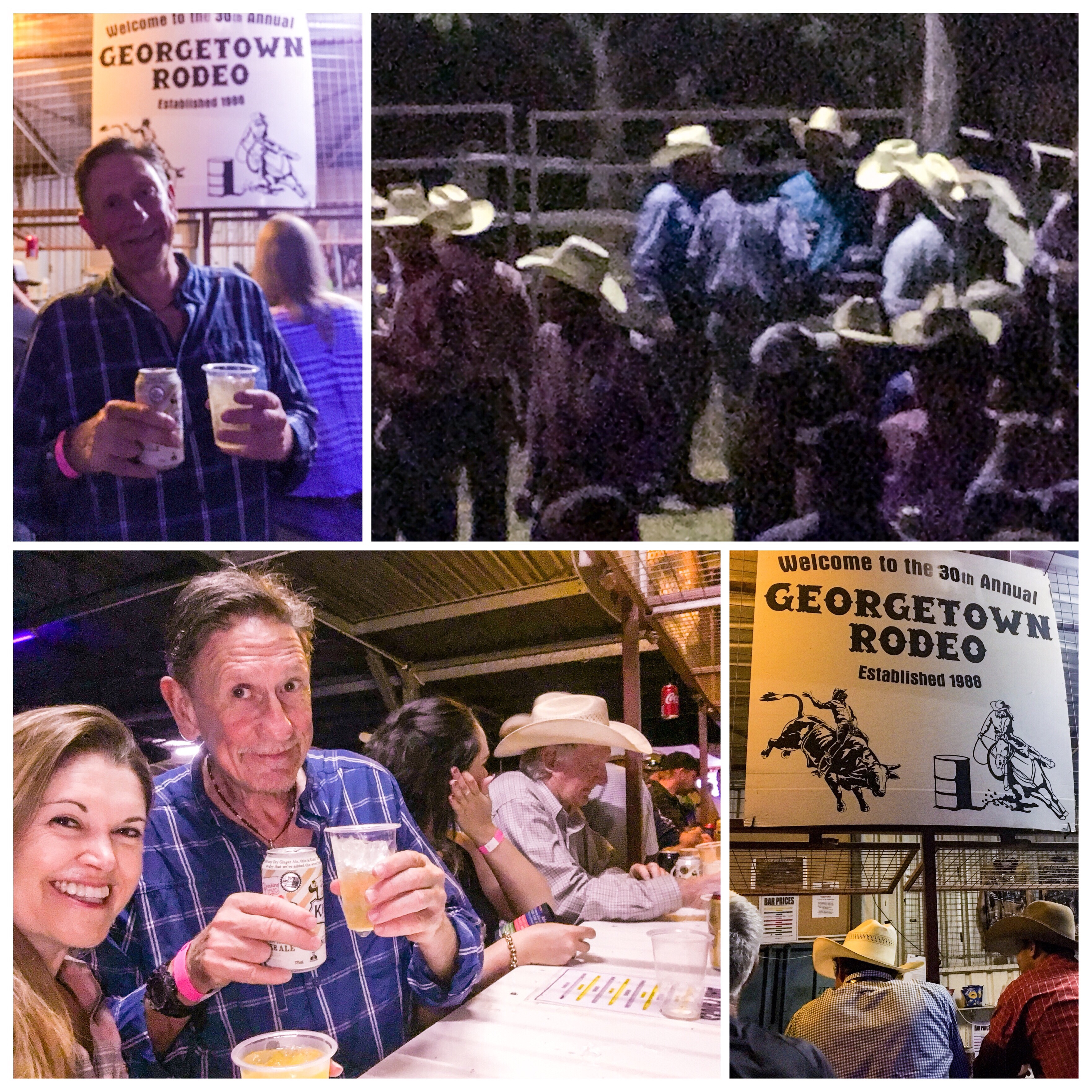 We had a selection of dishes from a buffet and a couple of spirits from the bar. It felt a bit like being at a country wedding where we didn’t know anyone. We sat up high in the bleachers and people watched… so many stetsons! Yeah hah!
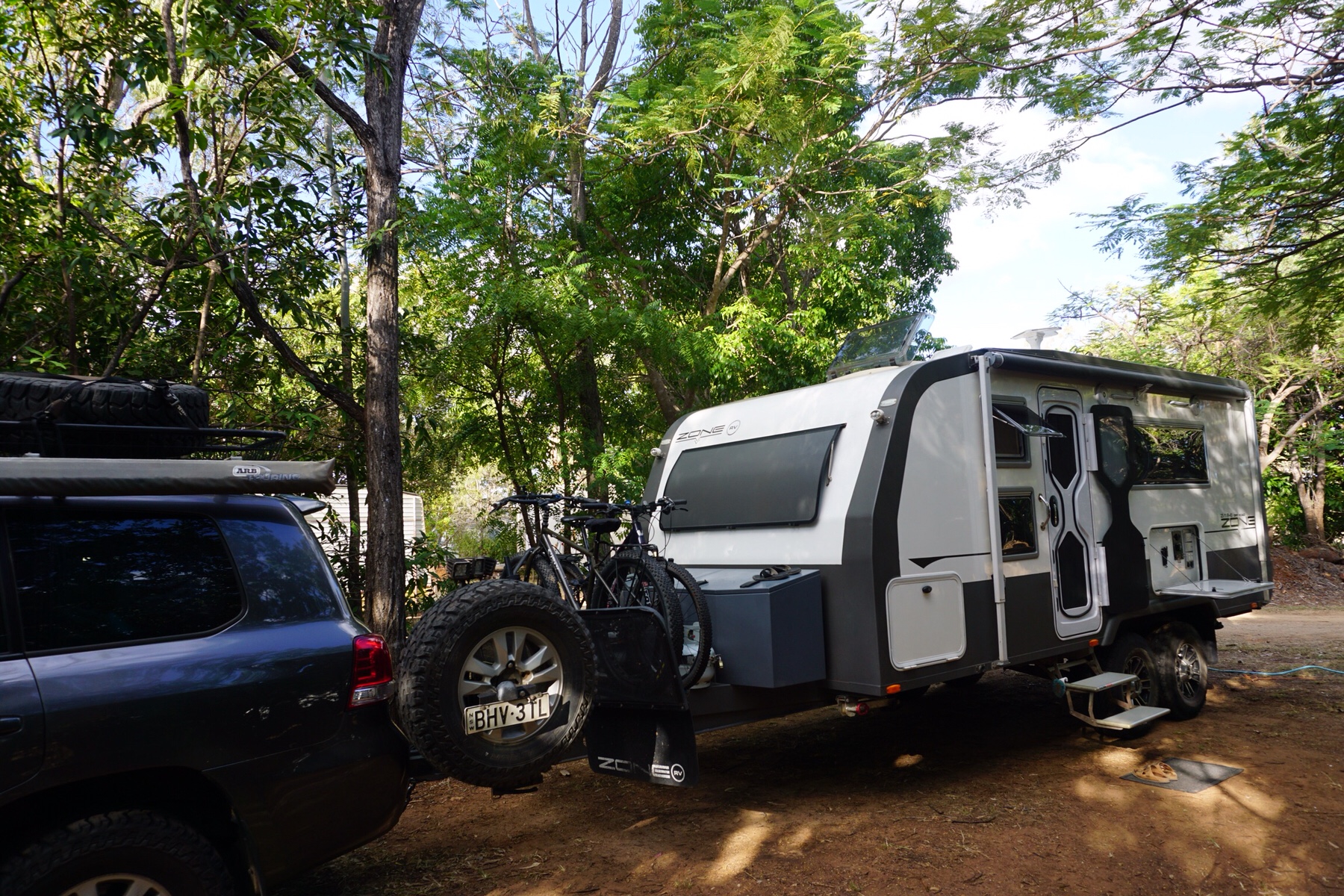
 As the day drew to a close we chatted to our neighbours, a lovely family from Broome. They very kindly gave us a strap to help tie up our suspension to counteract the impact of lack of shocks. Mick (the tour guide from yesterday’s gorge trip) came down and used his mechanic’s experience to ensure we were sufficiently strapped to the right spots to enable us to limp out tomorrow.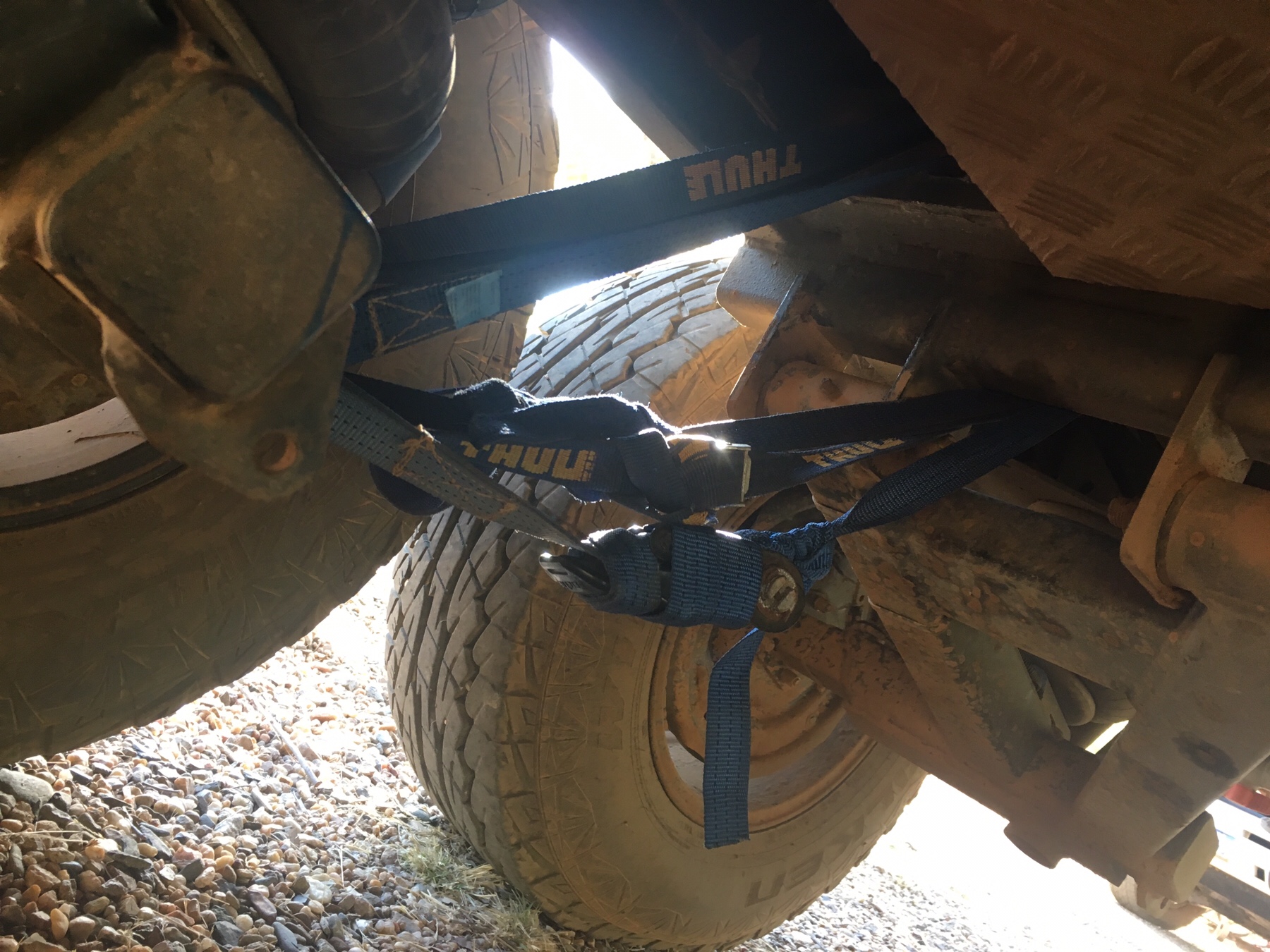
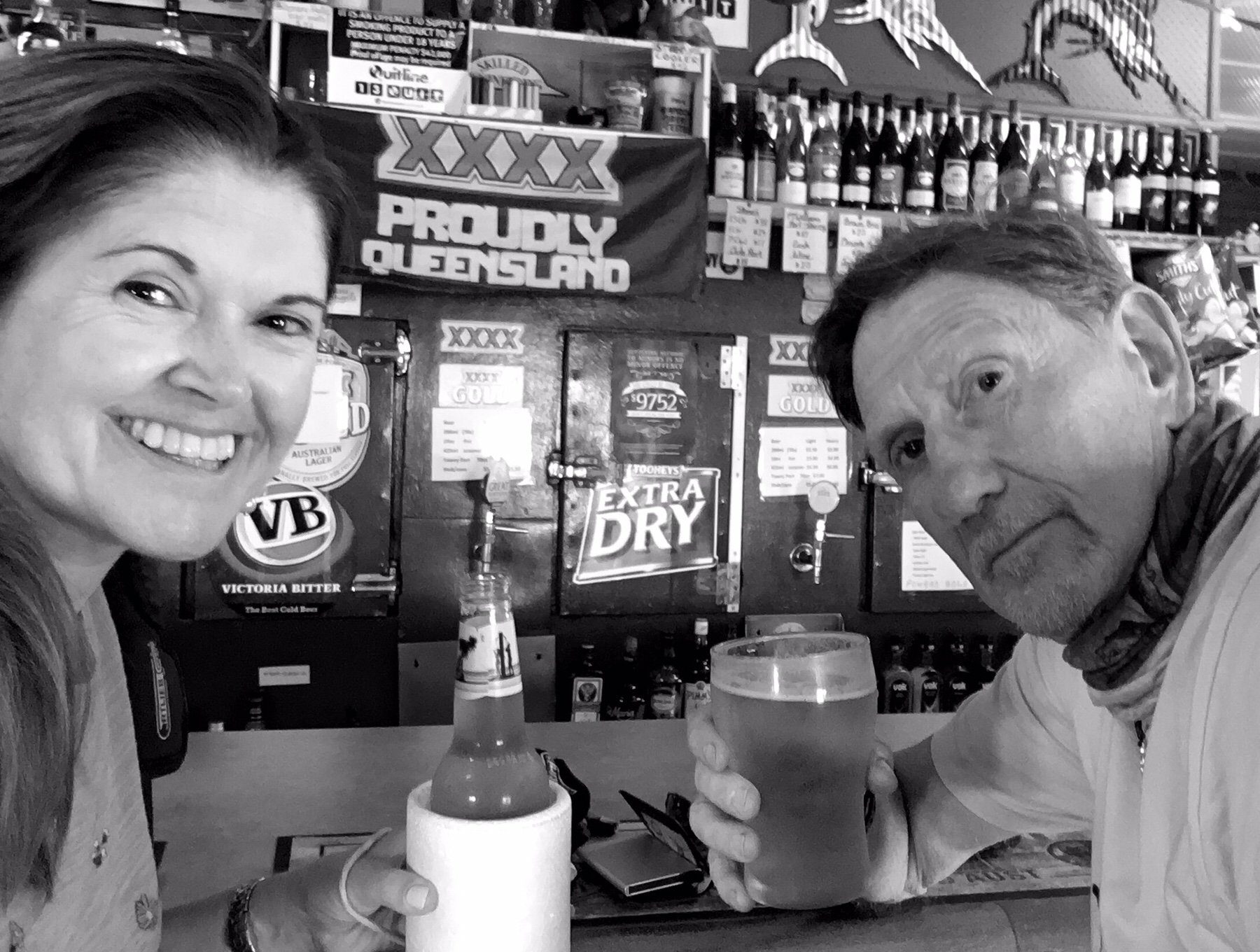
 From there we called into the local pub The ‘Wenaru’ Hotel…as in “‘When are you’ going to finish building it?” Apparently.
 The 30 degree day cooled to a 13 degree night and we slept well.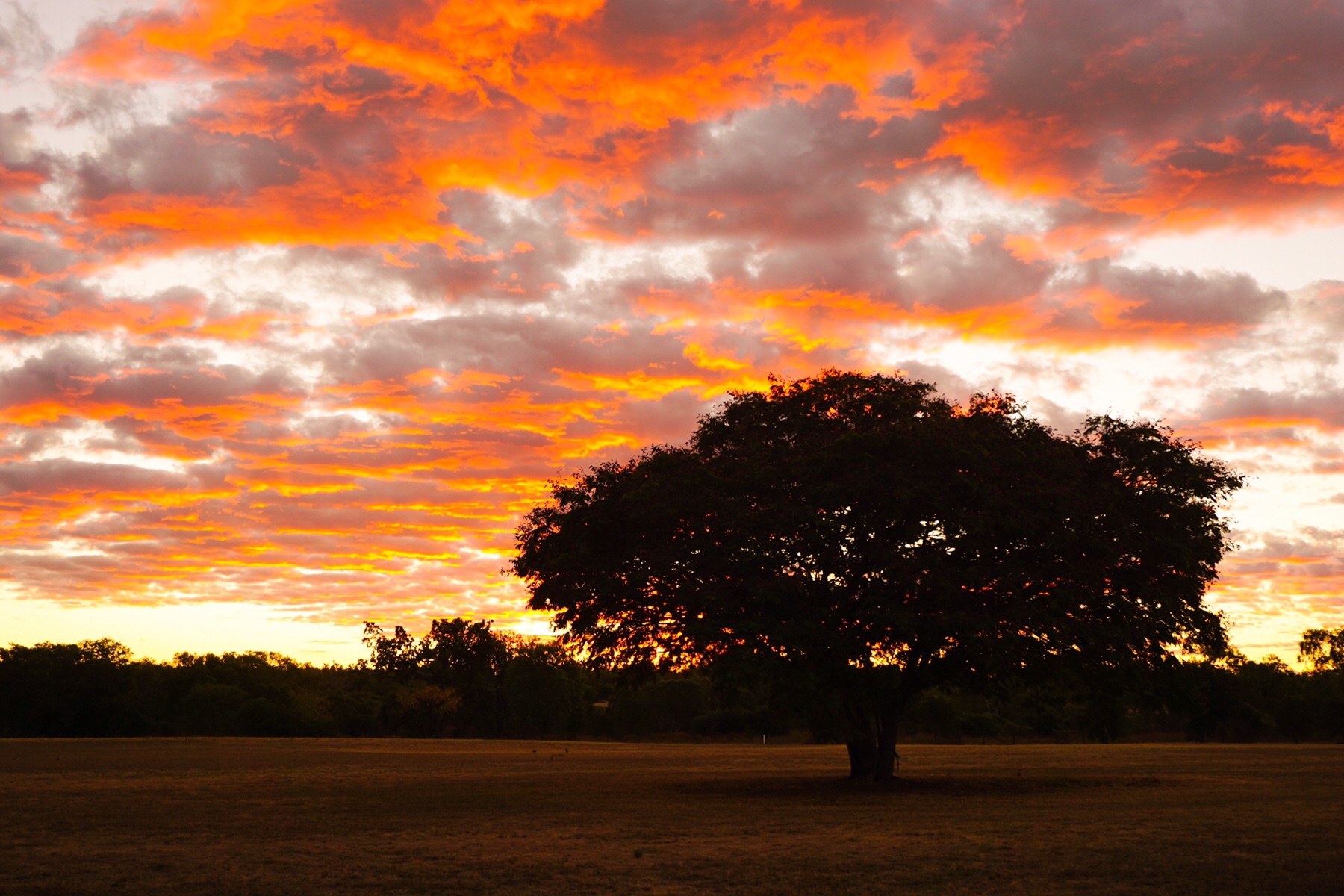
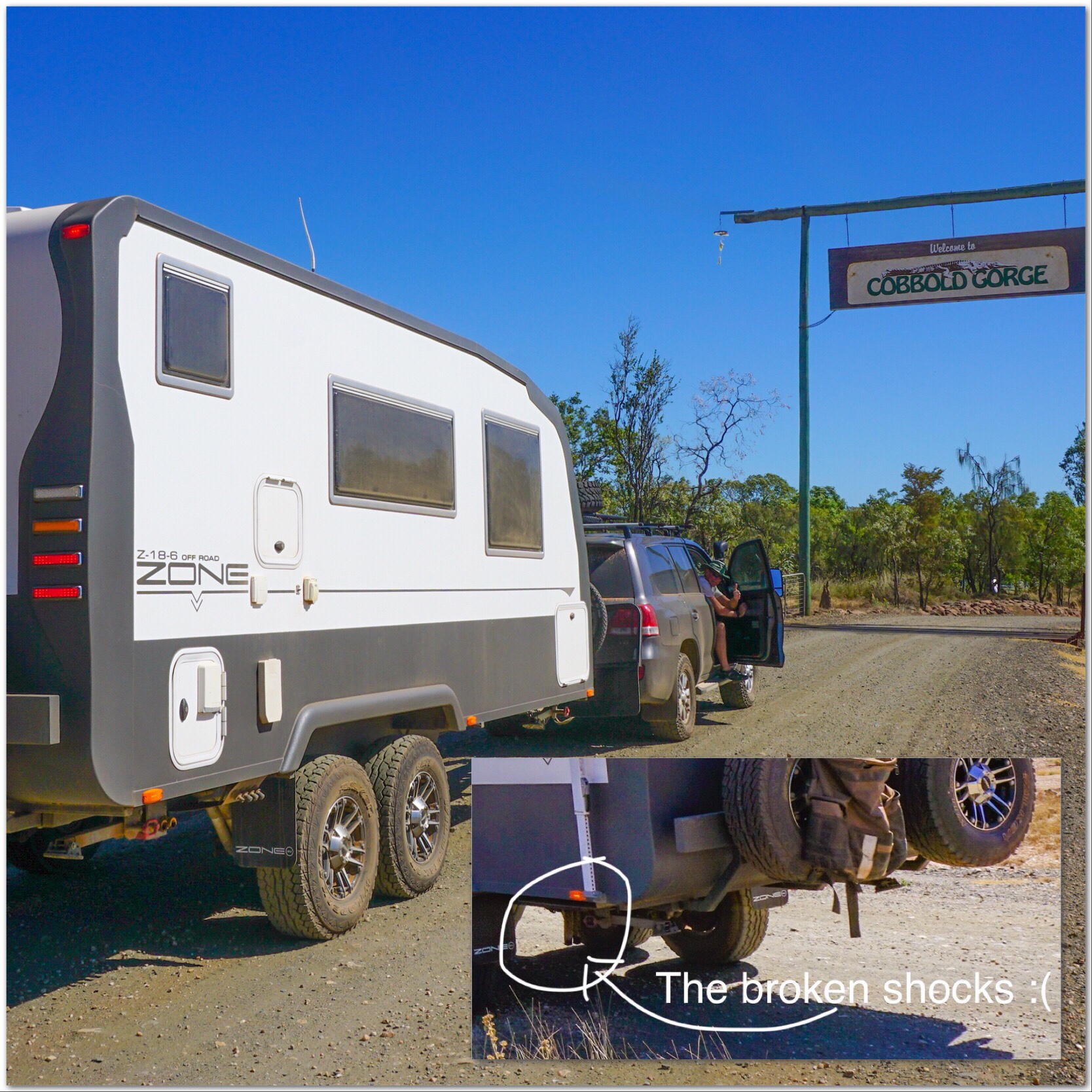 I then spent a very stressful afternoon trying to figure out with Zone and their suspension supplier (both who were super helpful) what had gone wrong and how we would get it fixed in this remote location.
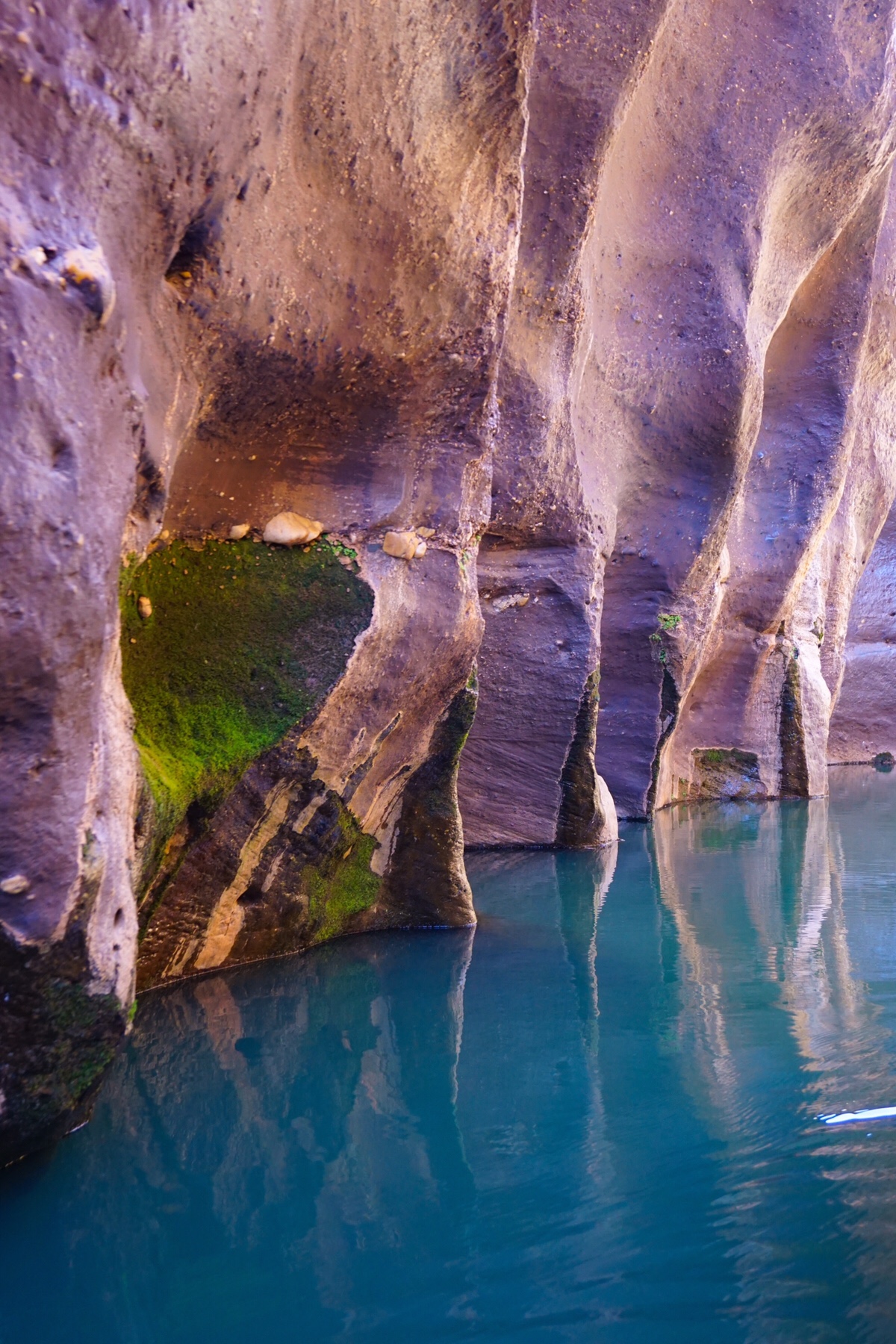
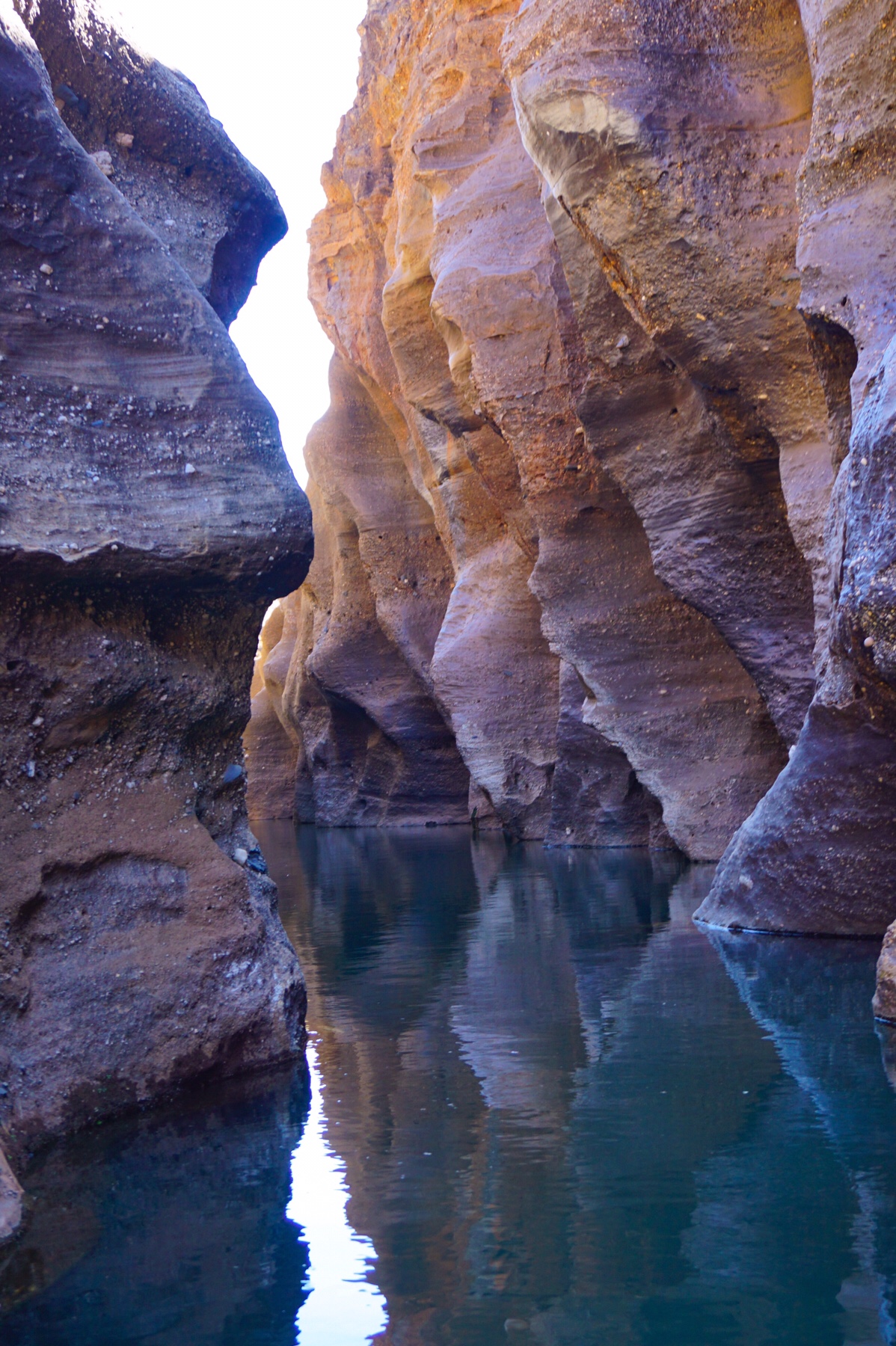
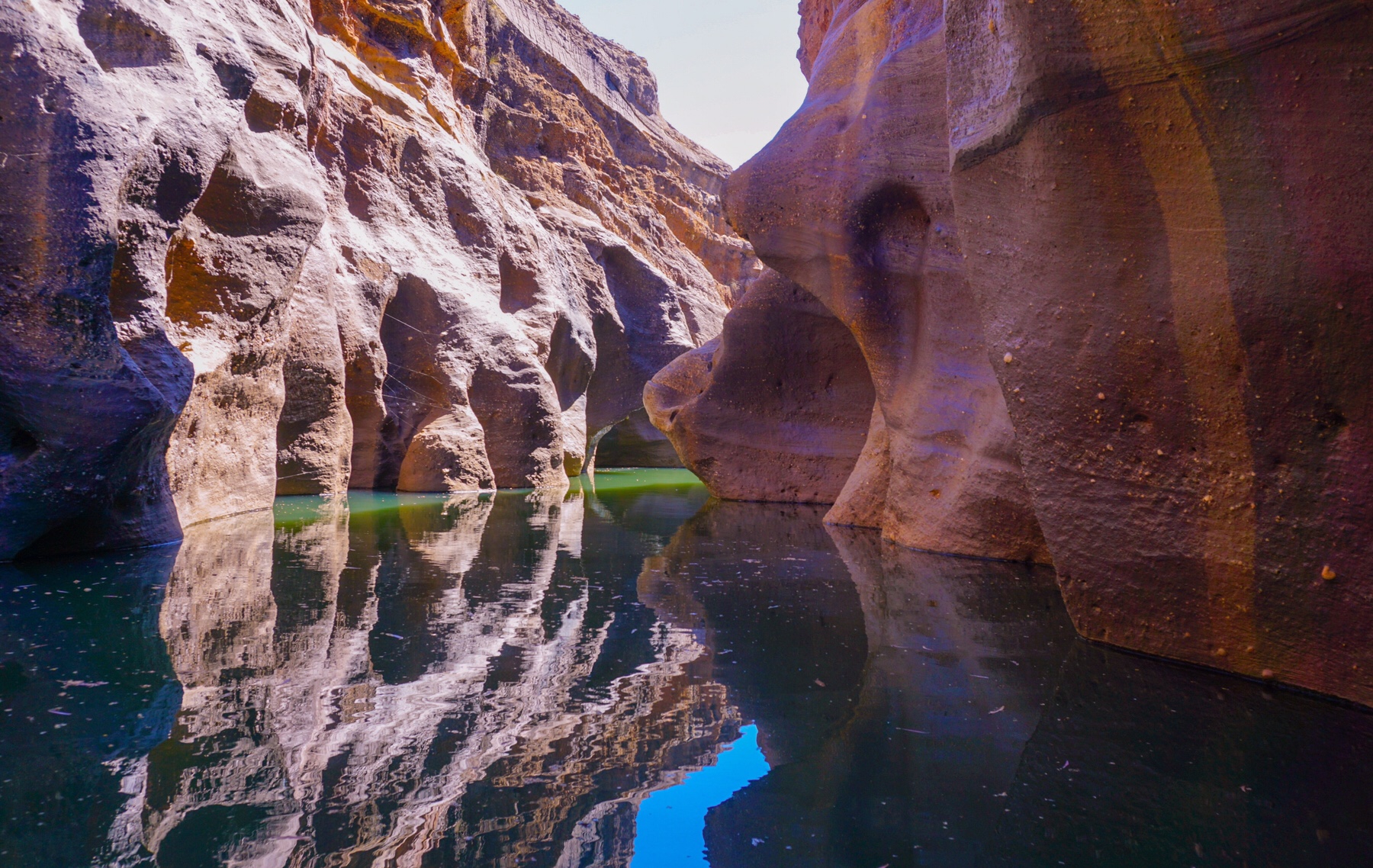
 We climbed up high on the walls of the gorge and admired the views from above, imaginations going wild with the shapes of the rocks. Can you spot the crocodile?
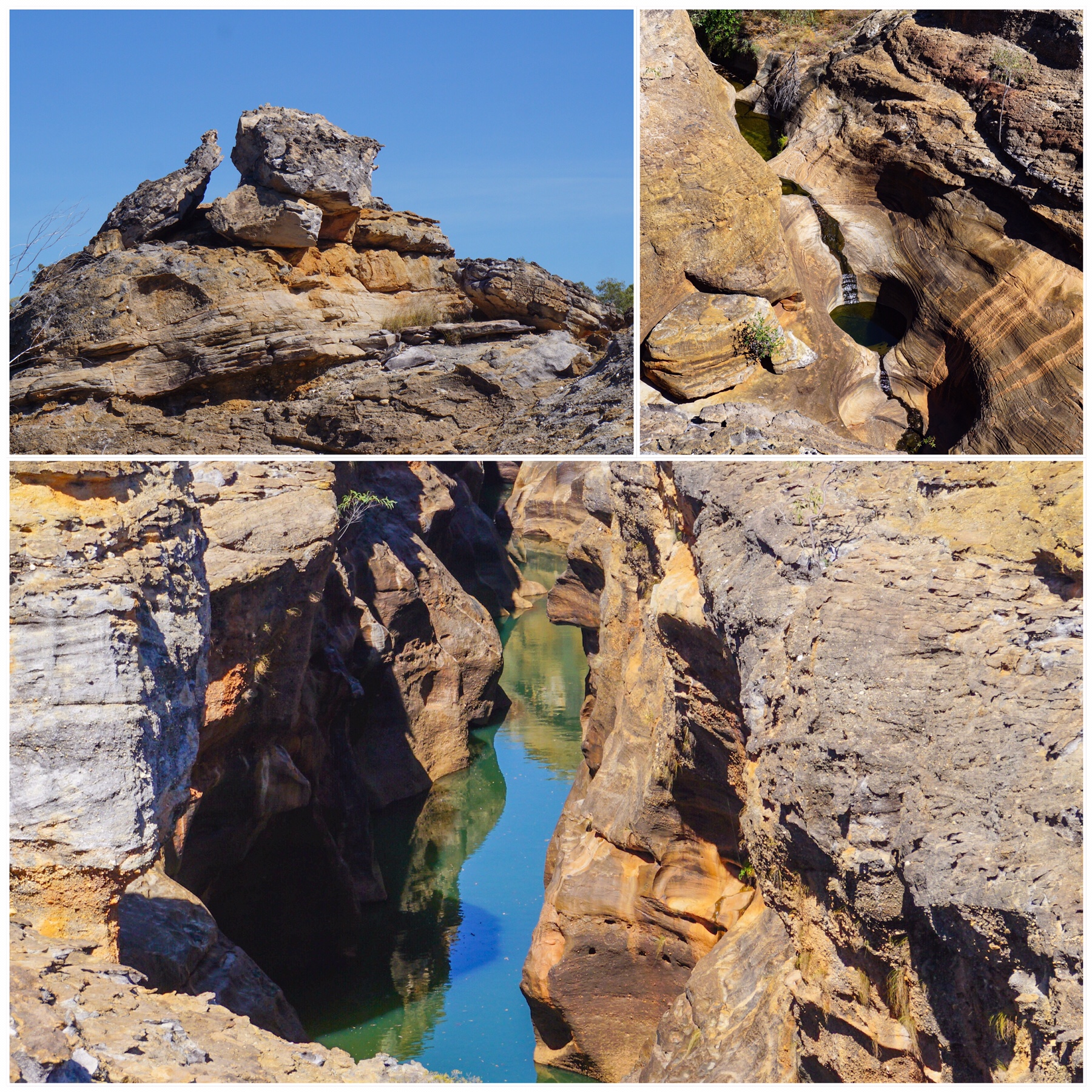 We then climbed into the boats and set off along the gorge. Mick explained about the geology that had formed this narrow gorge, with the layers of sandstone washed down through the inland sea being cracked open, and we were in one of those cracks. If you are a geologist please excuse me, but that was my drift.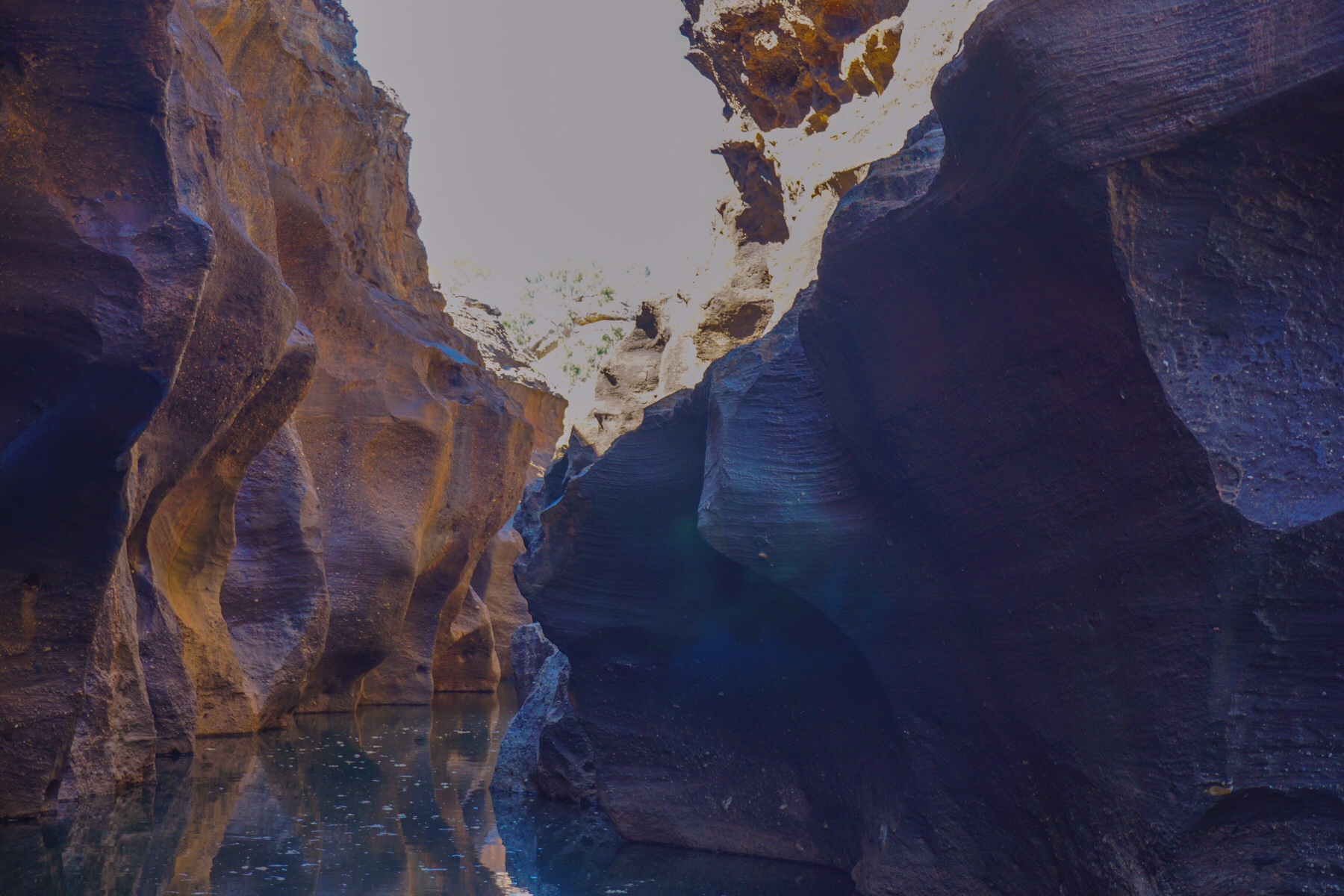
 Tourism here has brought many economic and social benefits for the local communities that were really struggling through drought and depressed cattle prices. It’s great to see entrepreneurs doing this out here. Small shops, pubs, caravan parks, and servos (petrol stations) all benefiting. Mick even said “people are taking more care of their yards now”. A returning sense of pride…awesome.
 Undara is Aboriginal for ‘long way’, and is the name given to Undara Volcanic National Park when it was established in 1993. It’s interesting they chose to give it an Aboriginal name, since there is no evidence of any Aboriginal habitation, visitation or use in the direct vicinity. Still, I’m pleased there some nod of acknowledgement to the traditional custodians of this land, who suffered great losses at the hands of the original settlers.
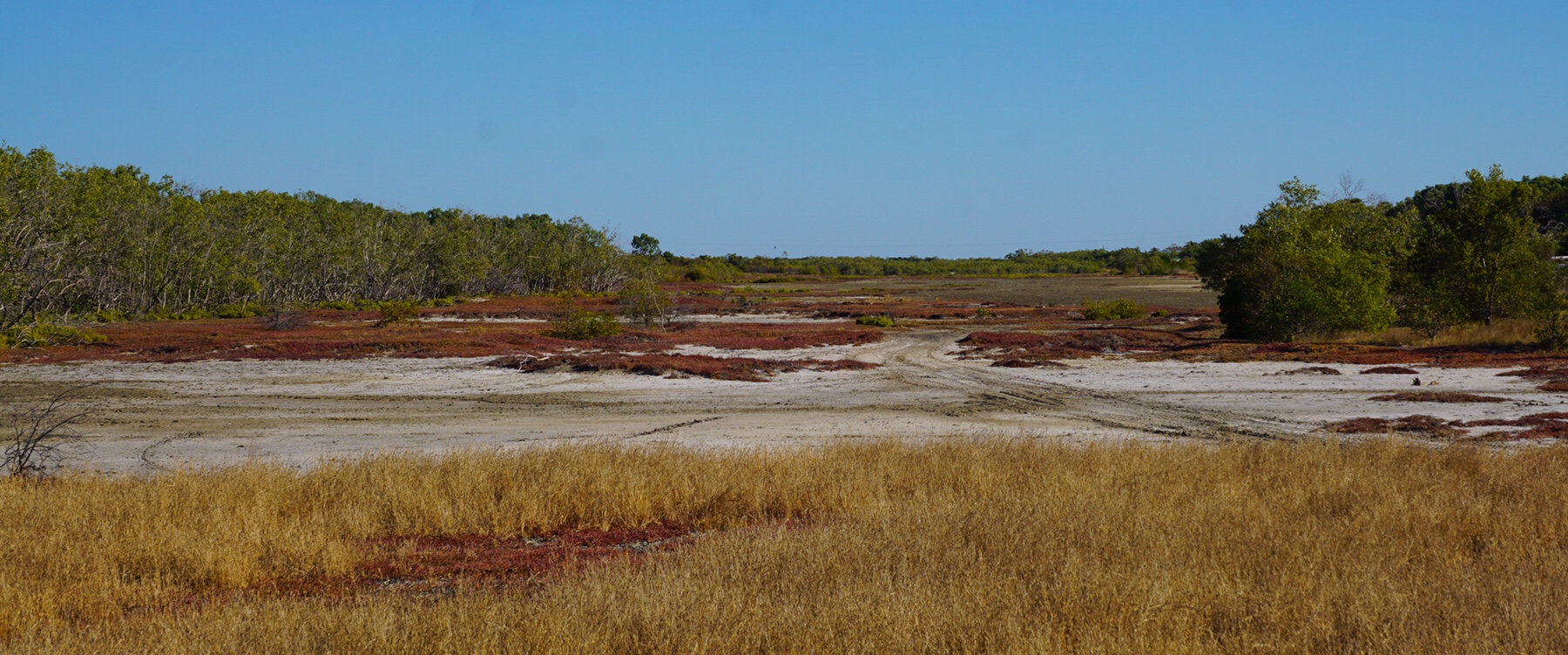
 The sun soon came out and the dry landscape lit up with the coppery tones of the iron filled granite contrasting with the jet black basalt. It’s all quite different to the rich and green landscape of the past few weeks and we are really noticing the impact of the rain shadow cast by the Great Dividing Range along the coast.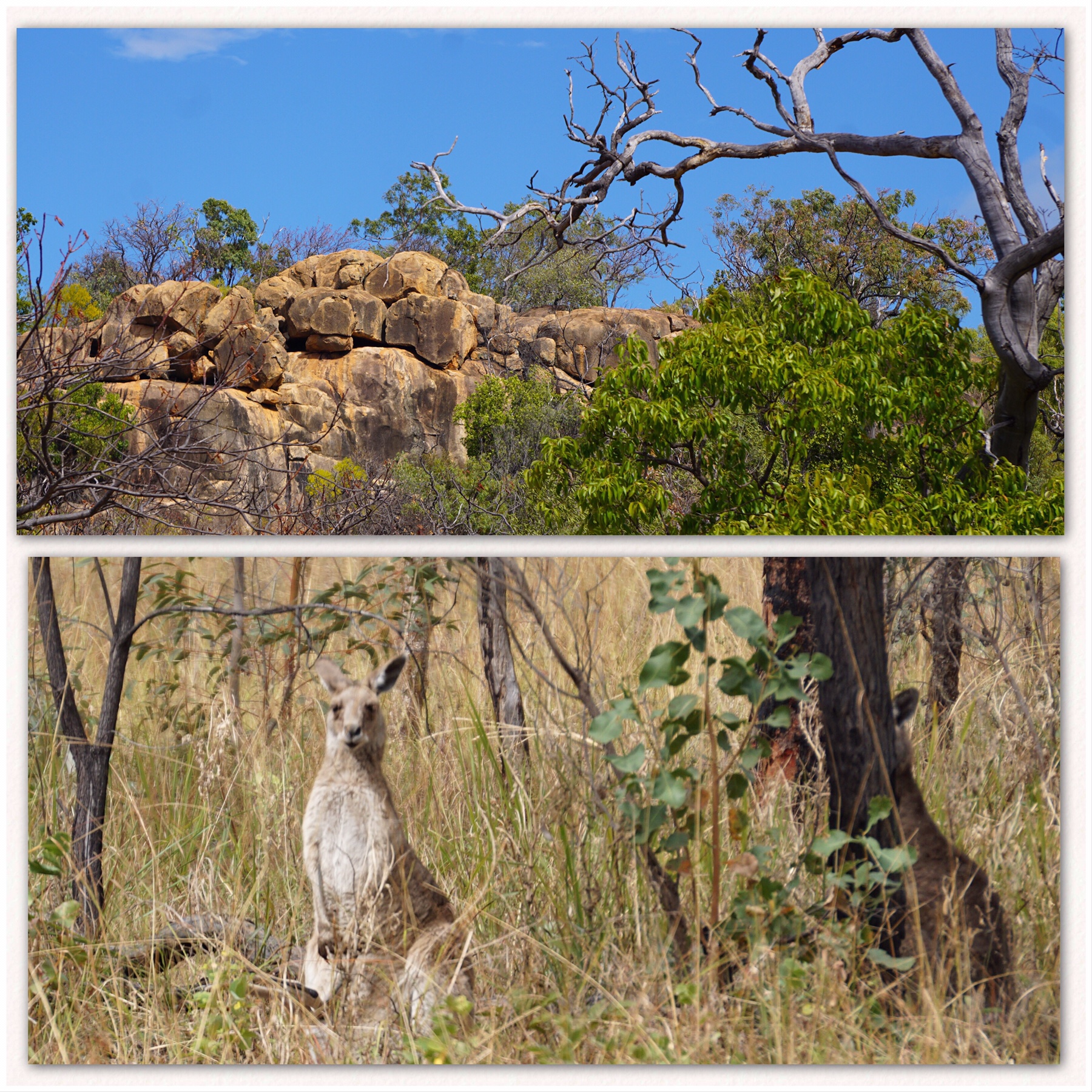
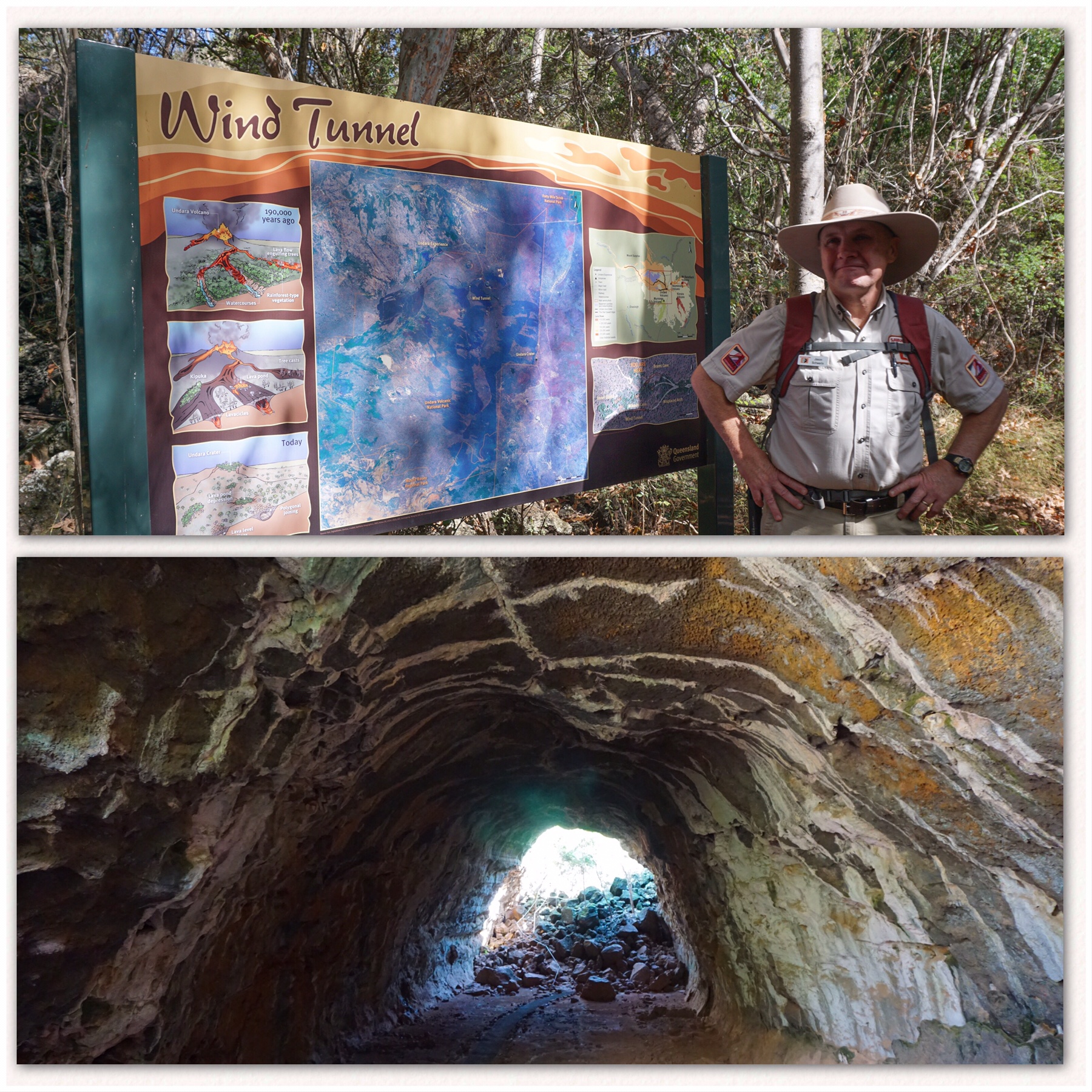 Before long, we were entering the first tube, clambering down piles of rubble left from a roof collapse. We were all too aware of the many tons of basalt over our heads, held together by little other than the compressive strength of the arch. Should the keystone break, then our travels would have ended right here.
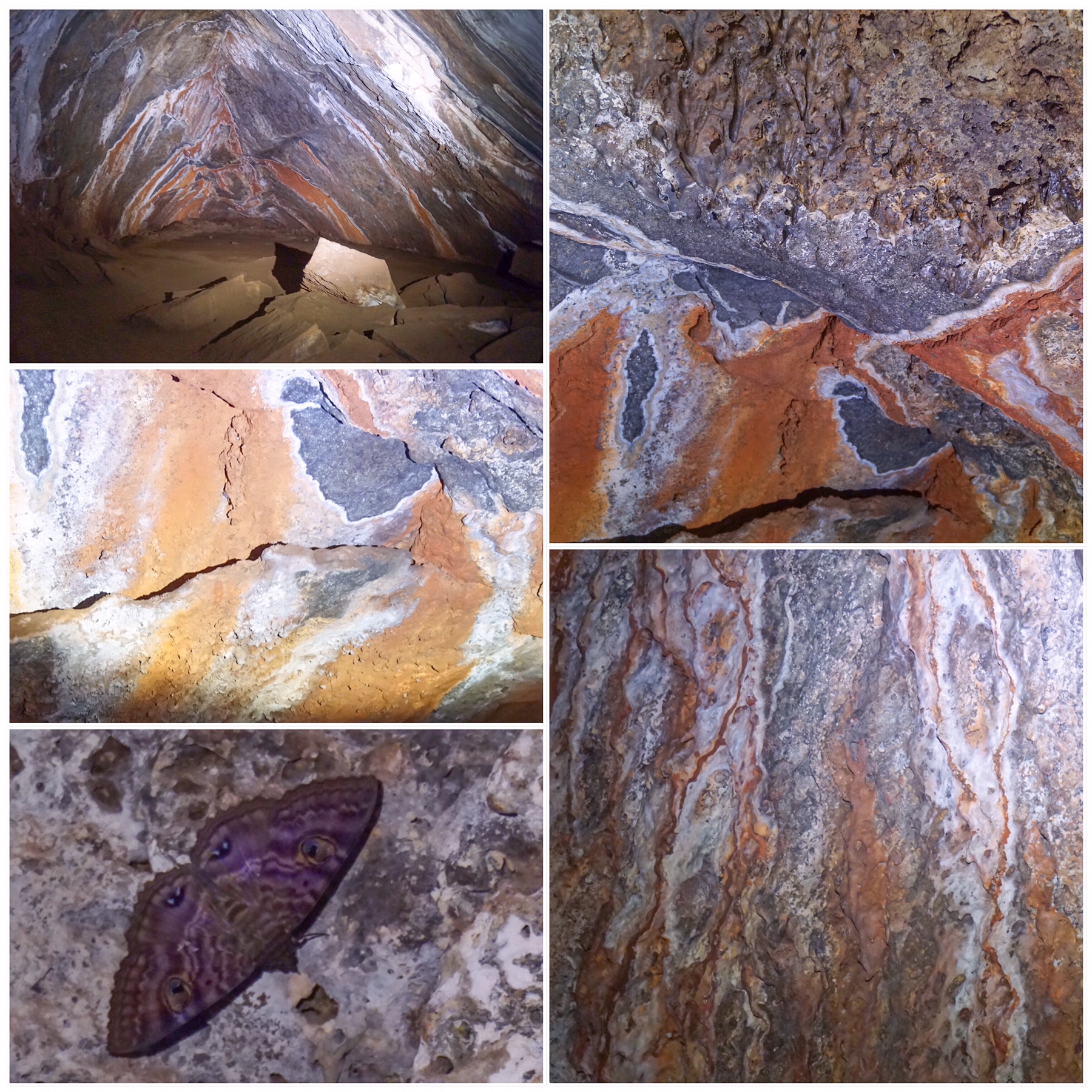 Fortunately for us, today was not that day, and we lived to explore another tunnel, this one around 1.3km in length, winding its way along an old watercourse. Bats, moths, cockroaches and cane toads are among the known (and seen) residents of these tunnels, and the colours are fabulous.
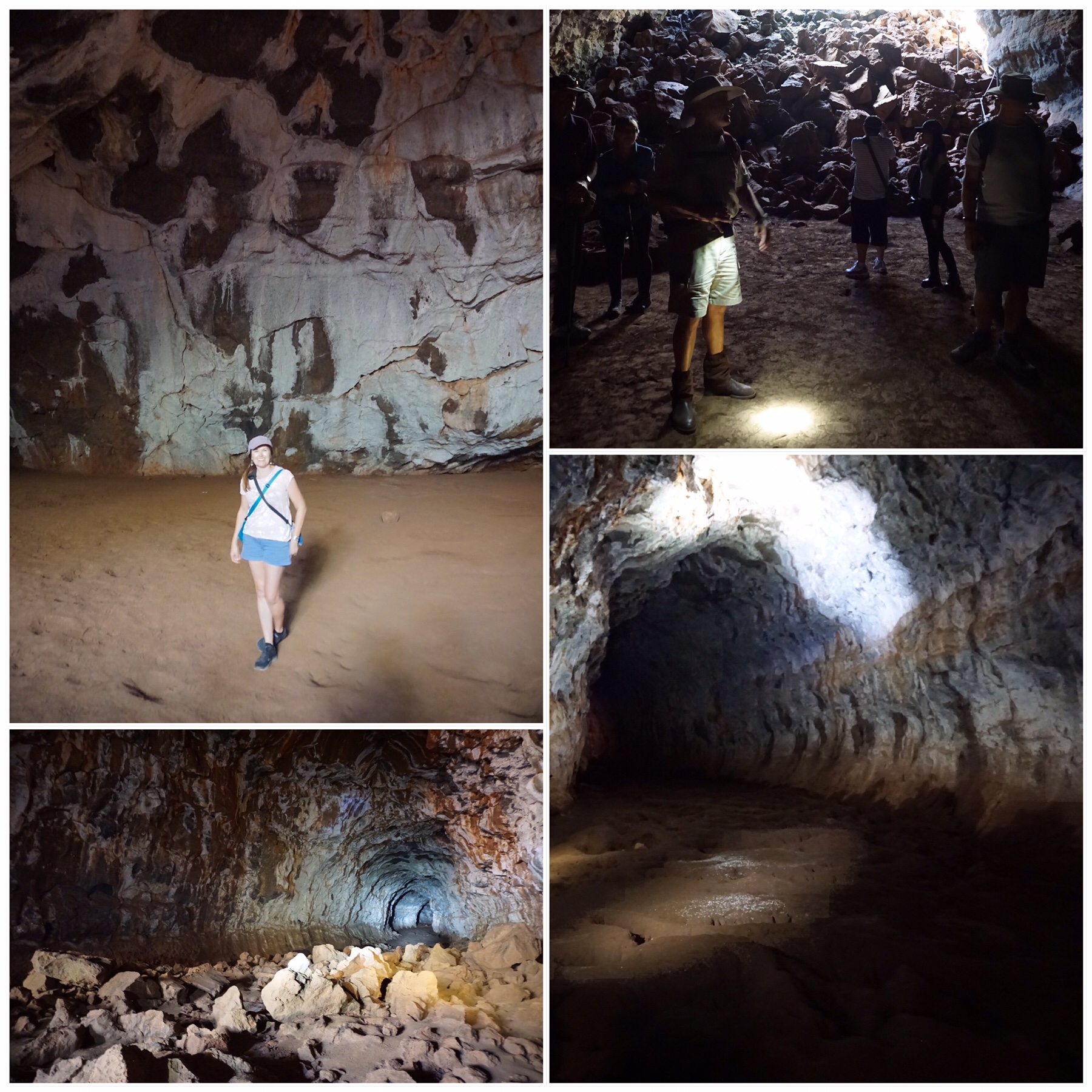 Memories of my Uni Geography degree came back in troves, with images from text books flashing through my head, not revisited for more than 25 years! We both really enjoyed the visit – yes, it was pricey at nearly $60 a head for two hours, but we felt well educated at the end of it and further immersed in some of the geological history of Australia.
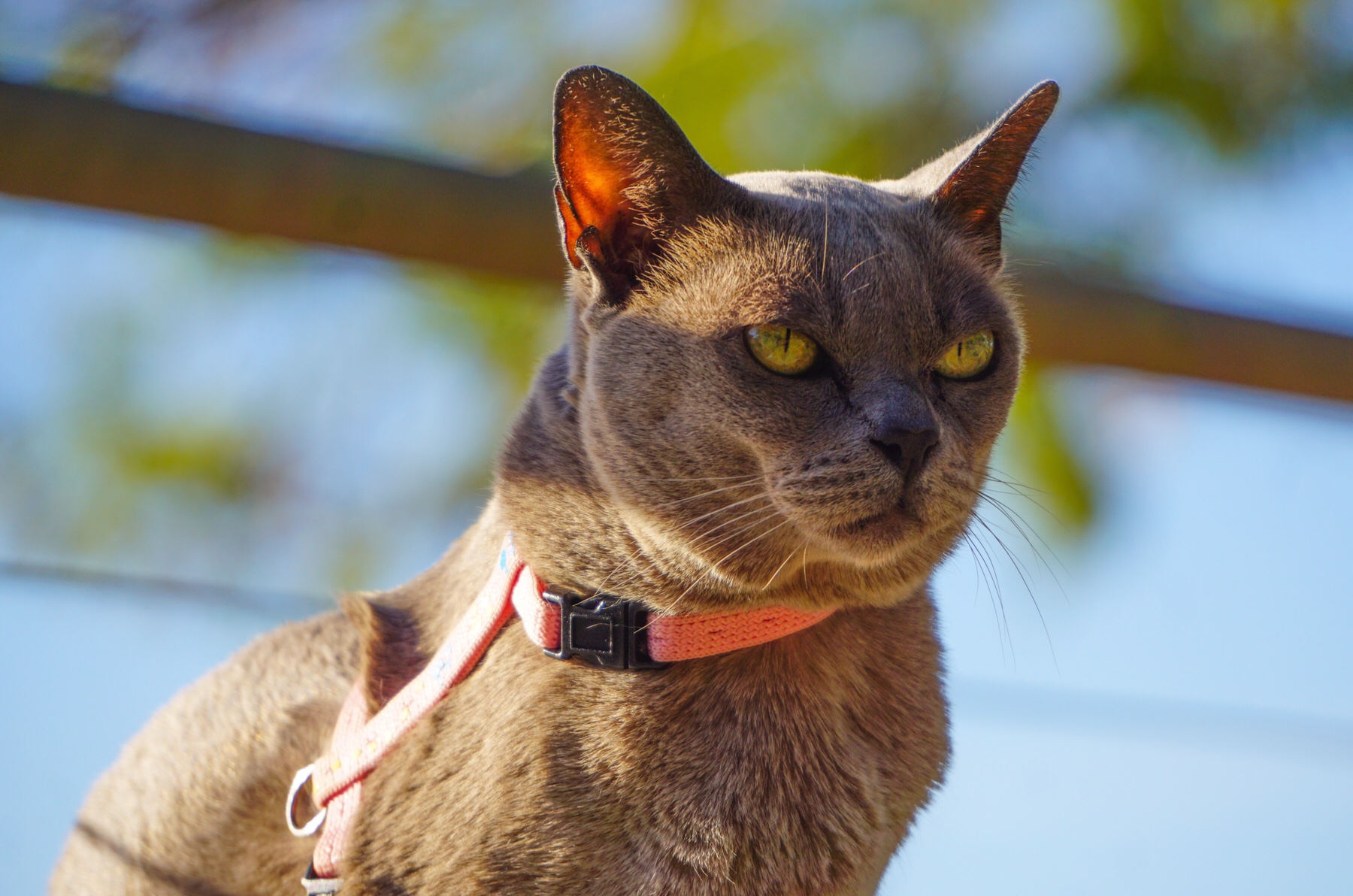
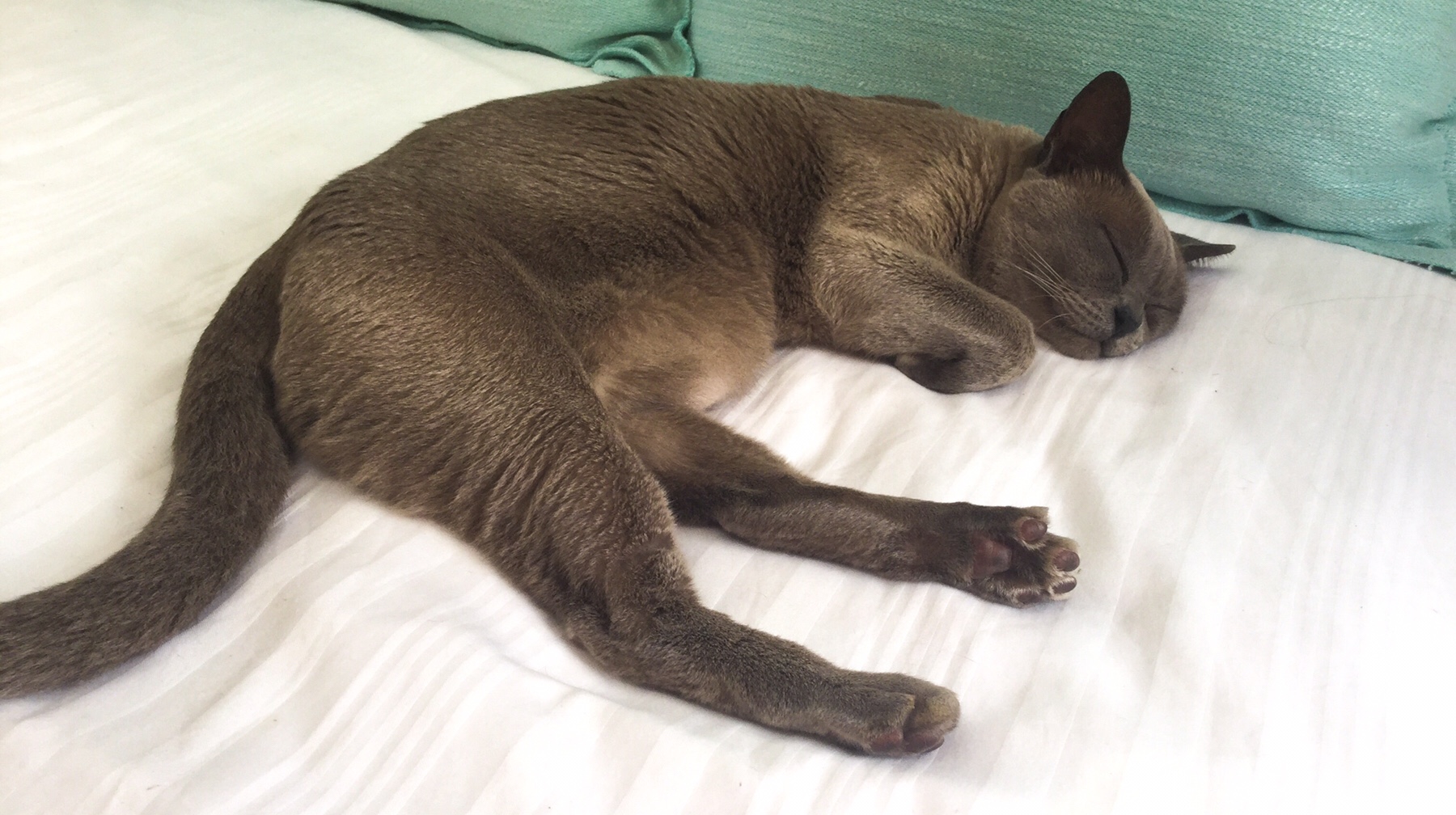
 We decided to go for a stroll and what did we see? None other than a couple of handsome male cats on leads exploring. See folks – it’s not just us!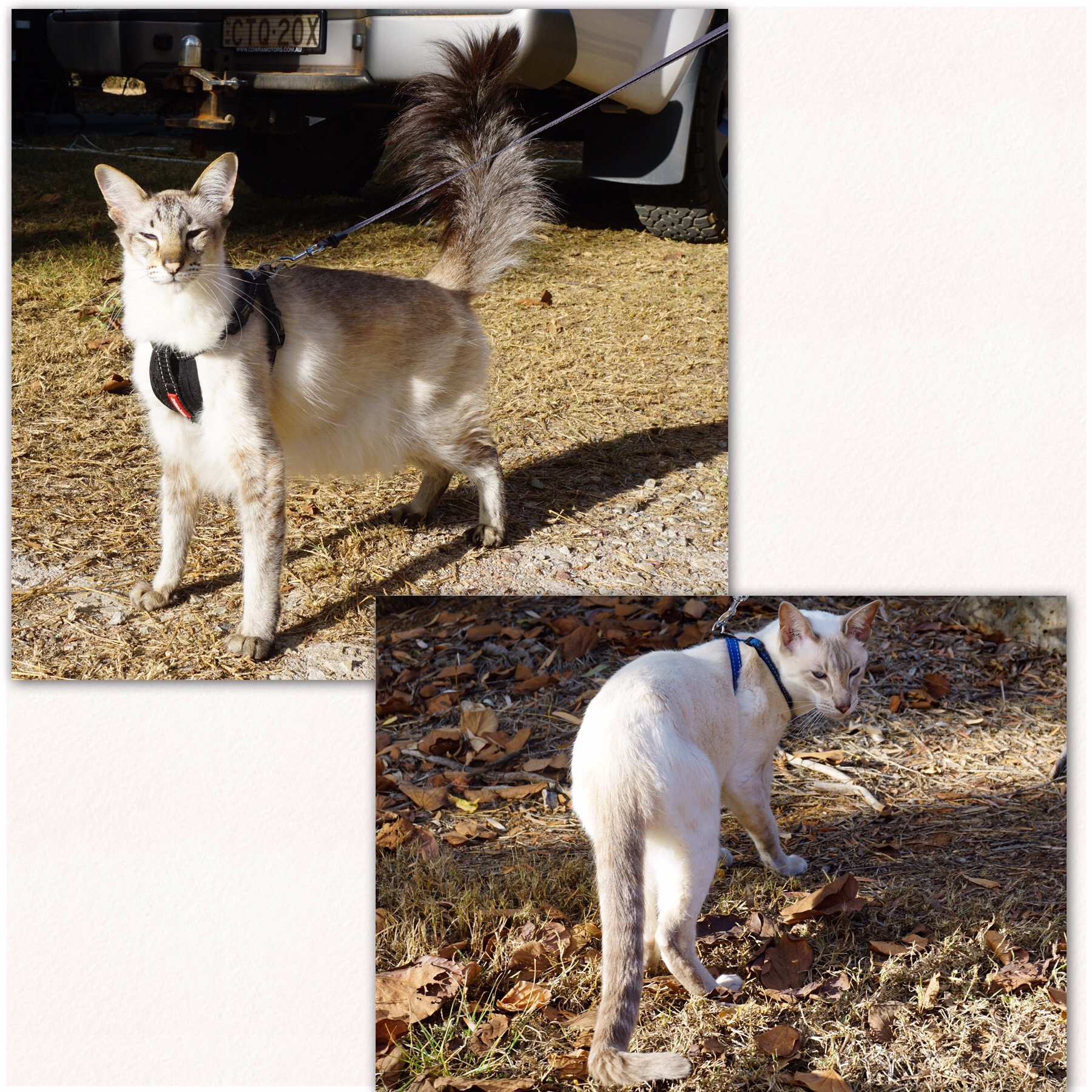
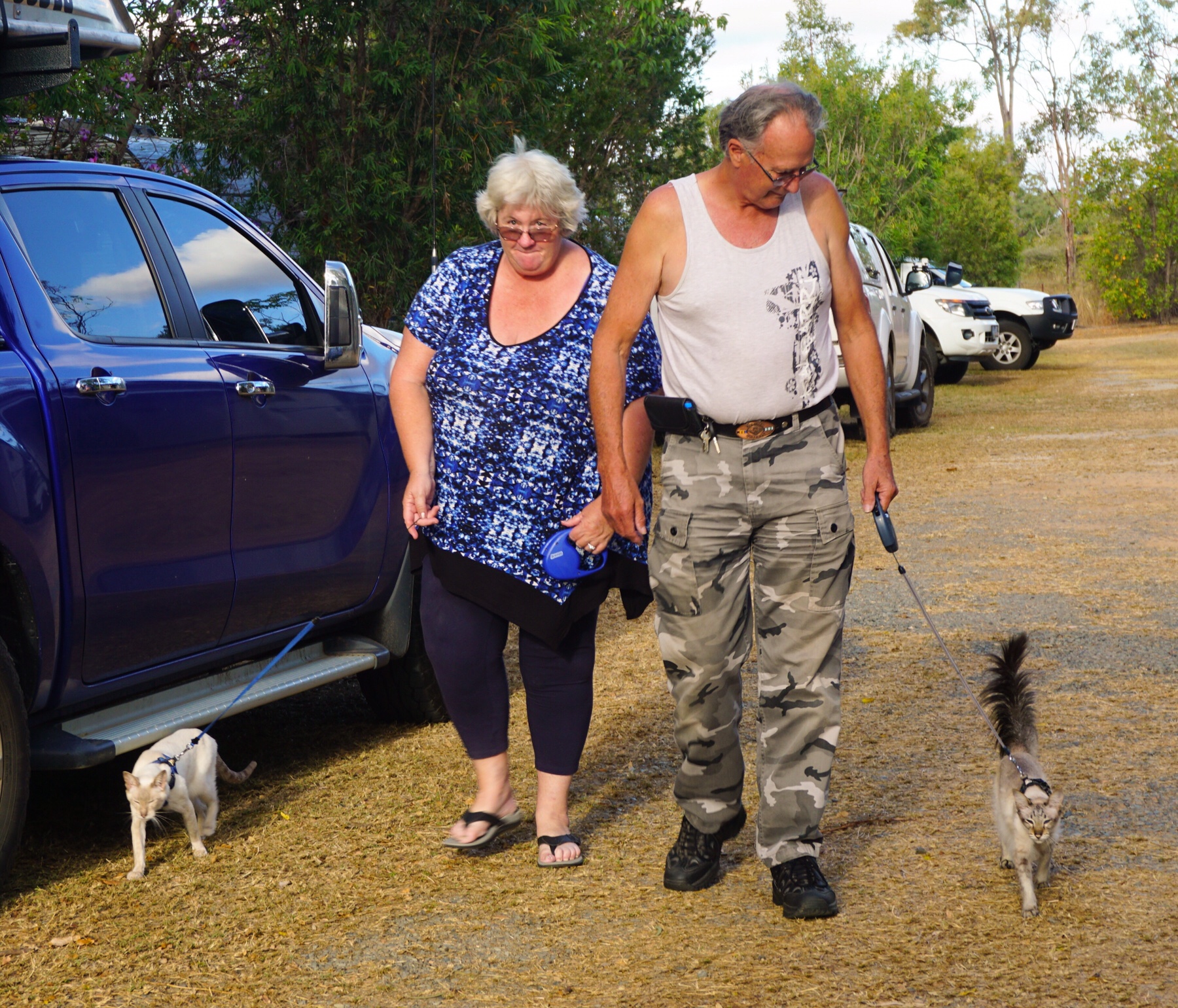 We continued our walk as the sun lowered in the sky, spotting birds and just enjoying the feeling of sun on our skin. As nostalgic as the rain and drizzle has made us feel, we really do appreciate the warmer weather!
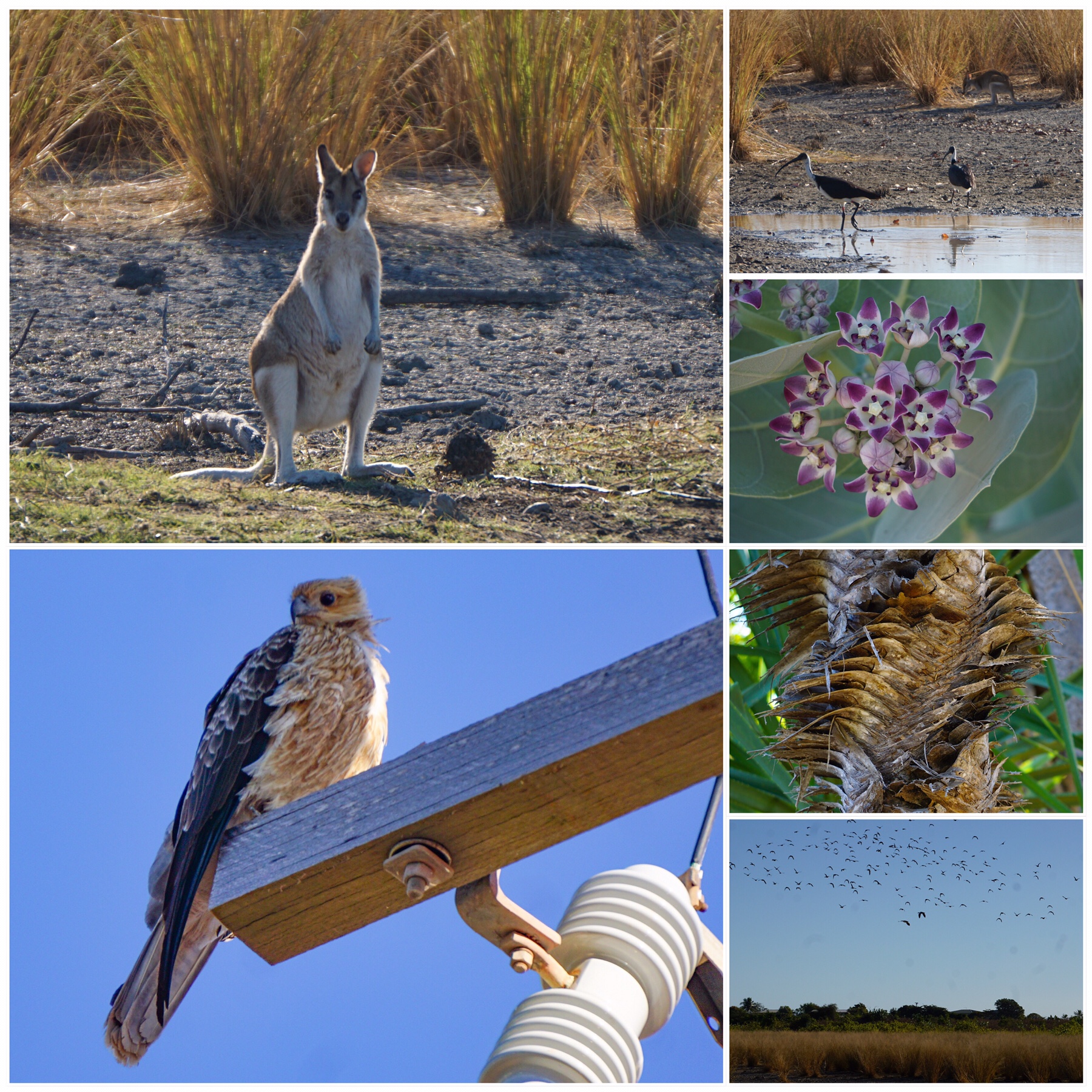
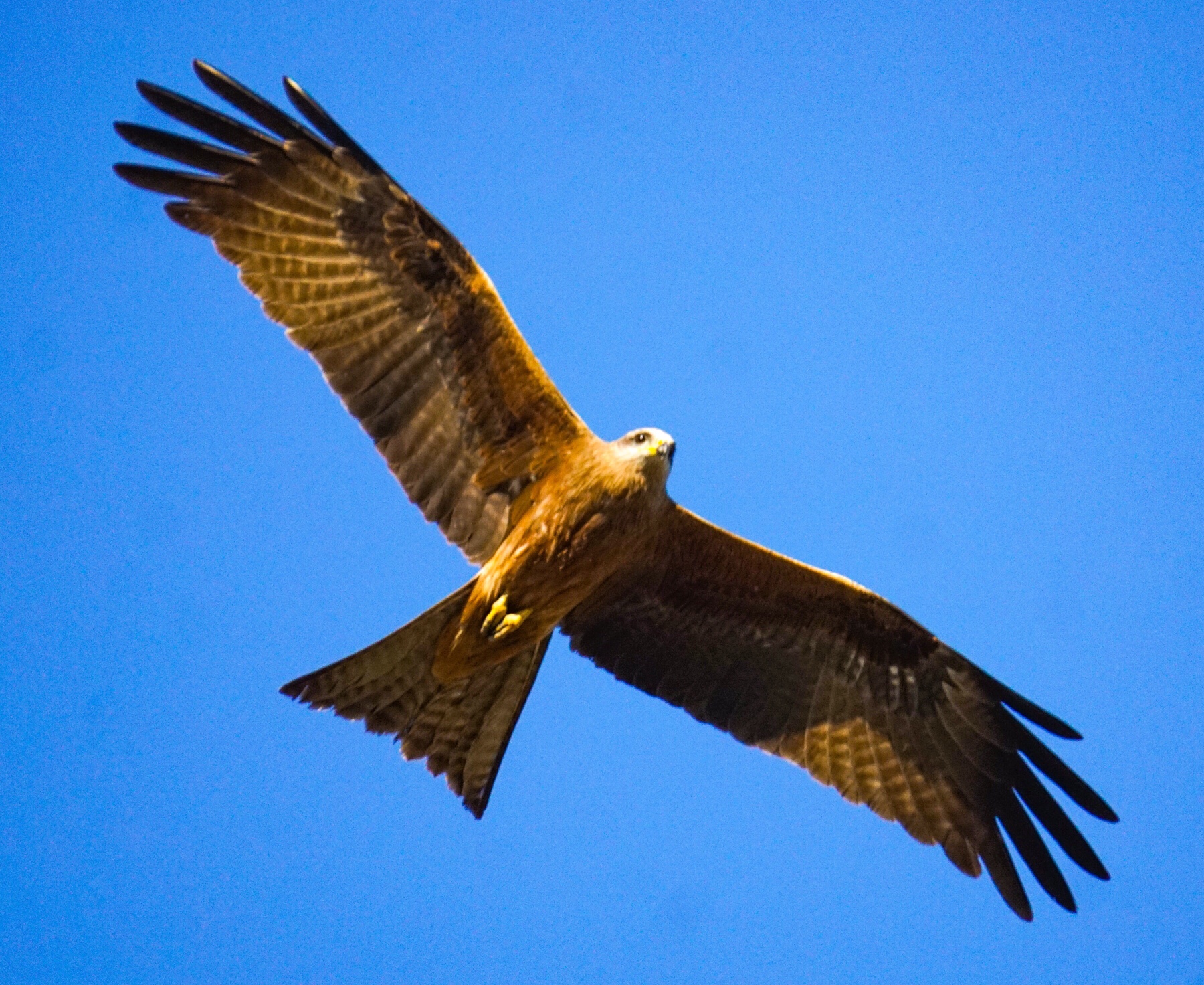
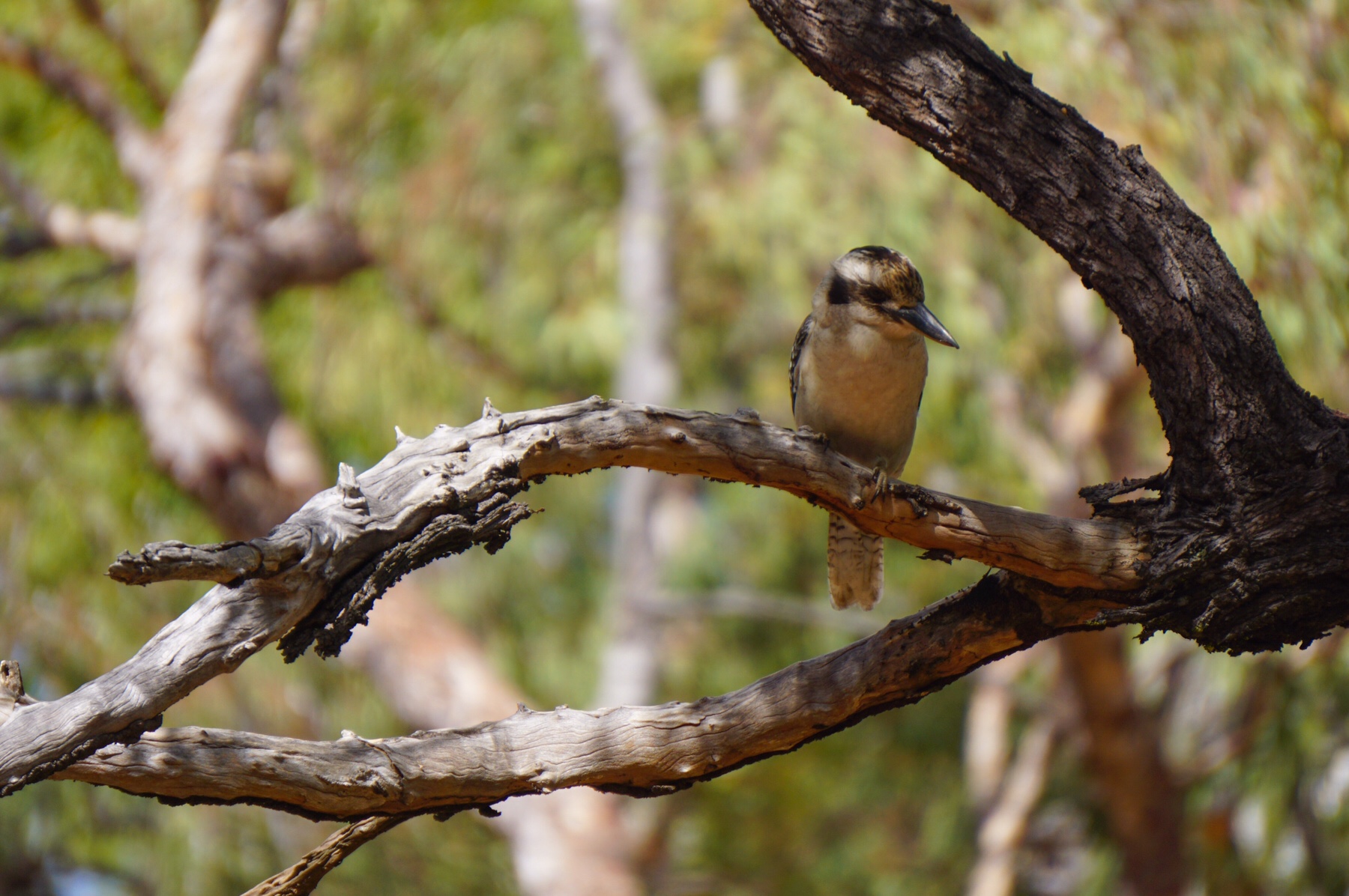
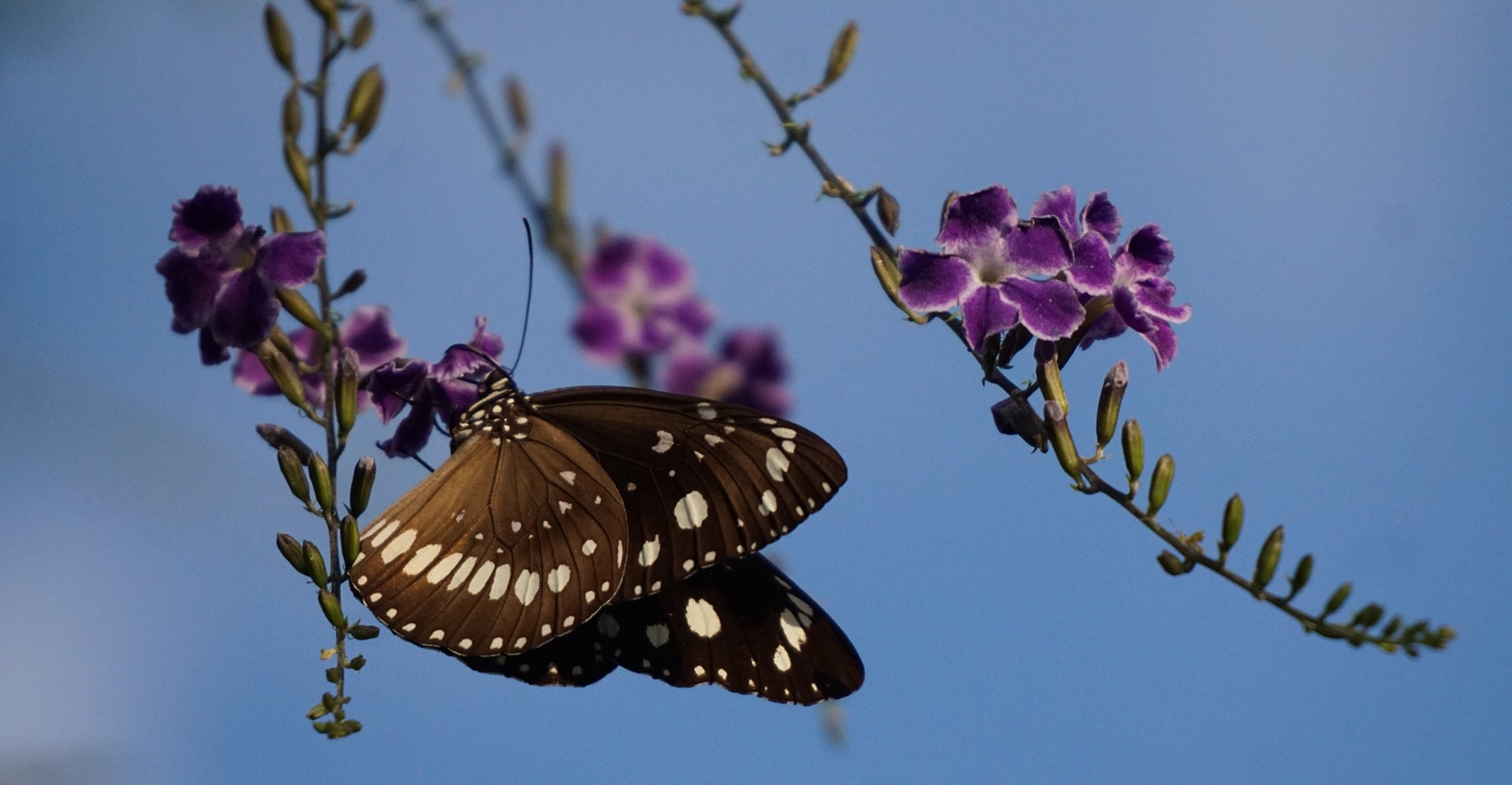 Common Crow Butterflies, red winged parrots, whistling kites – there’s plenty of wildlife to be seen here, and topped our day off nicely.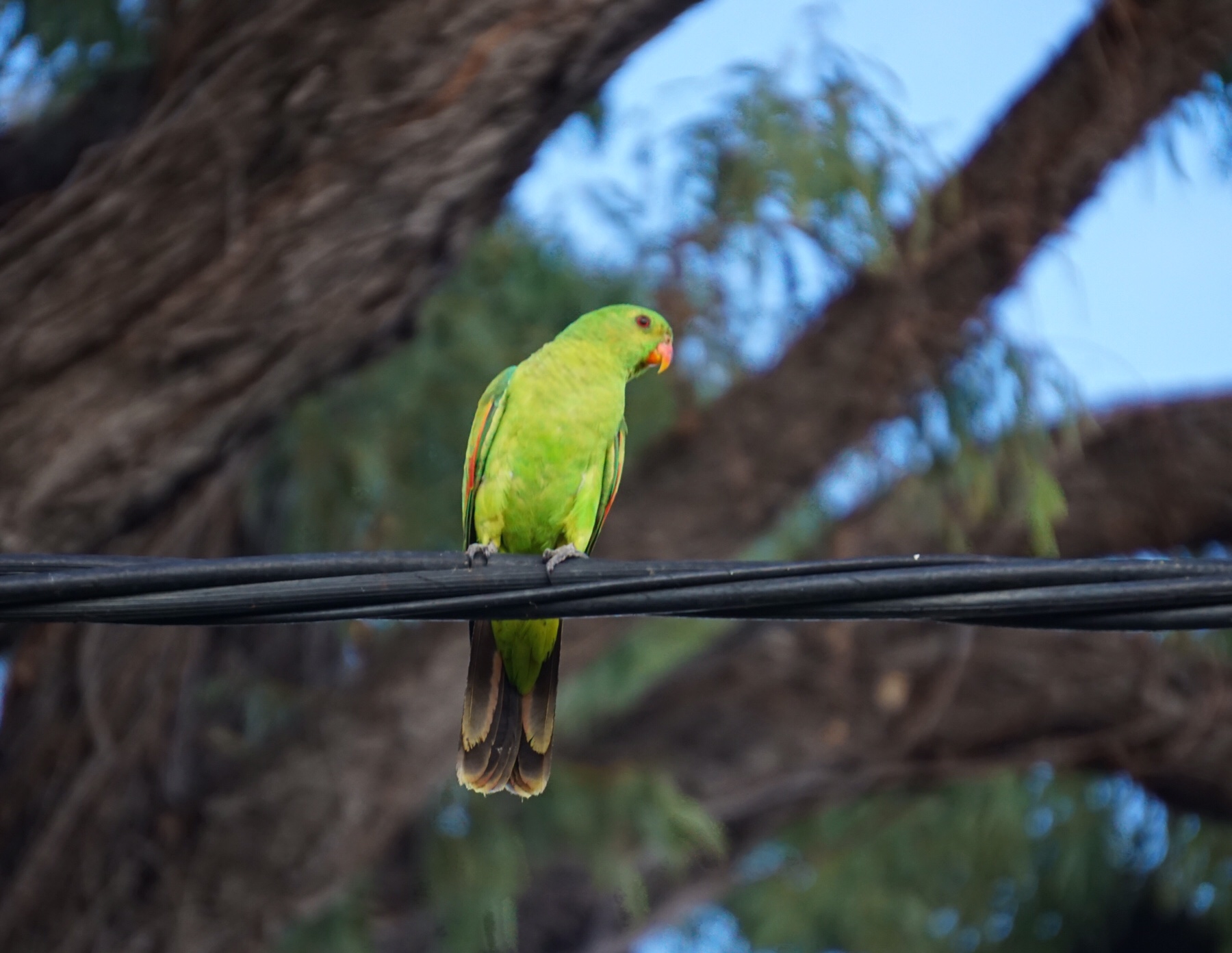
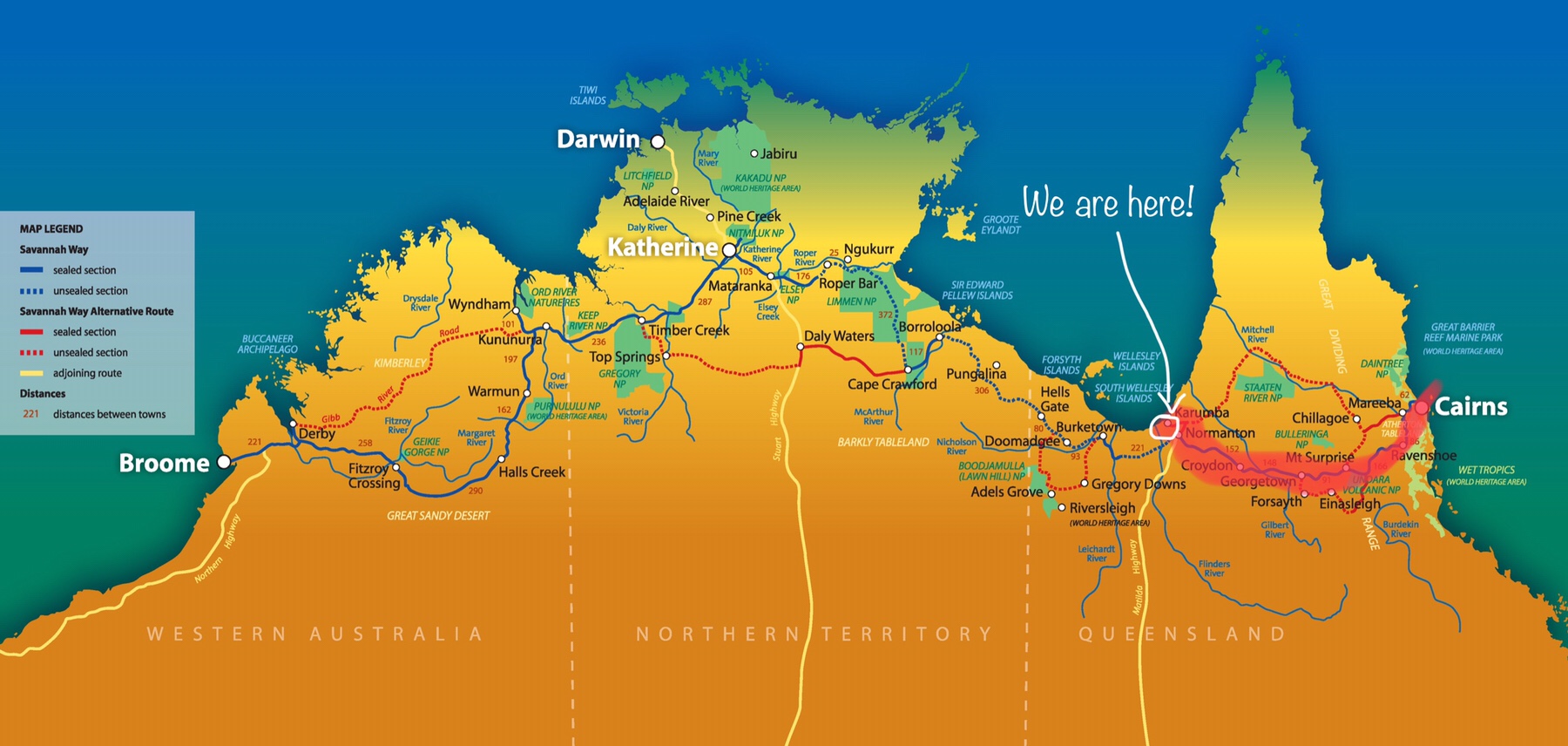
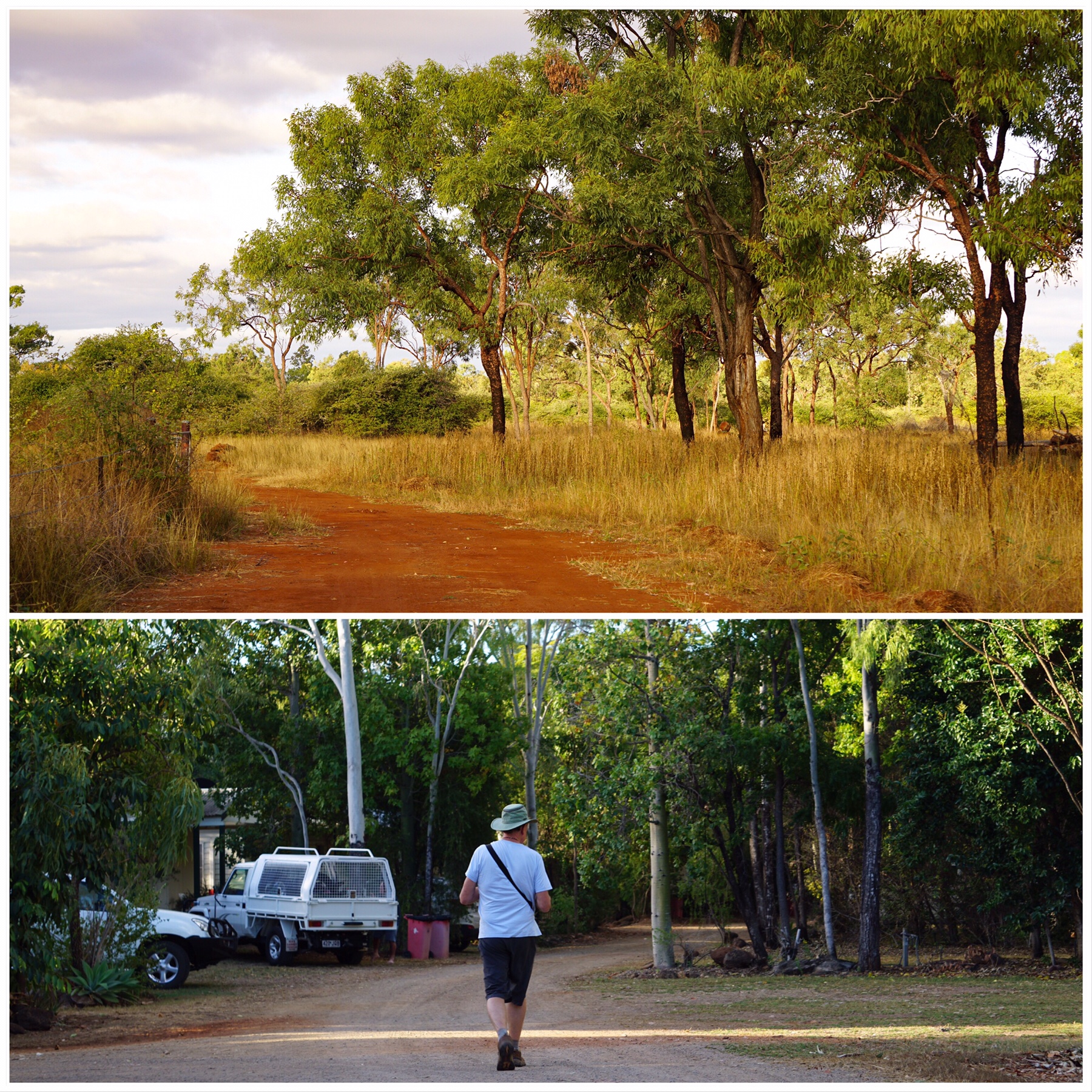 Where are we on our Savannah Way journey? Just a short way along, but a world of difference from Cairns. Off to a new destination tomorrow and a whole lot more red dust!
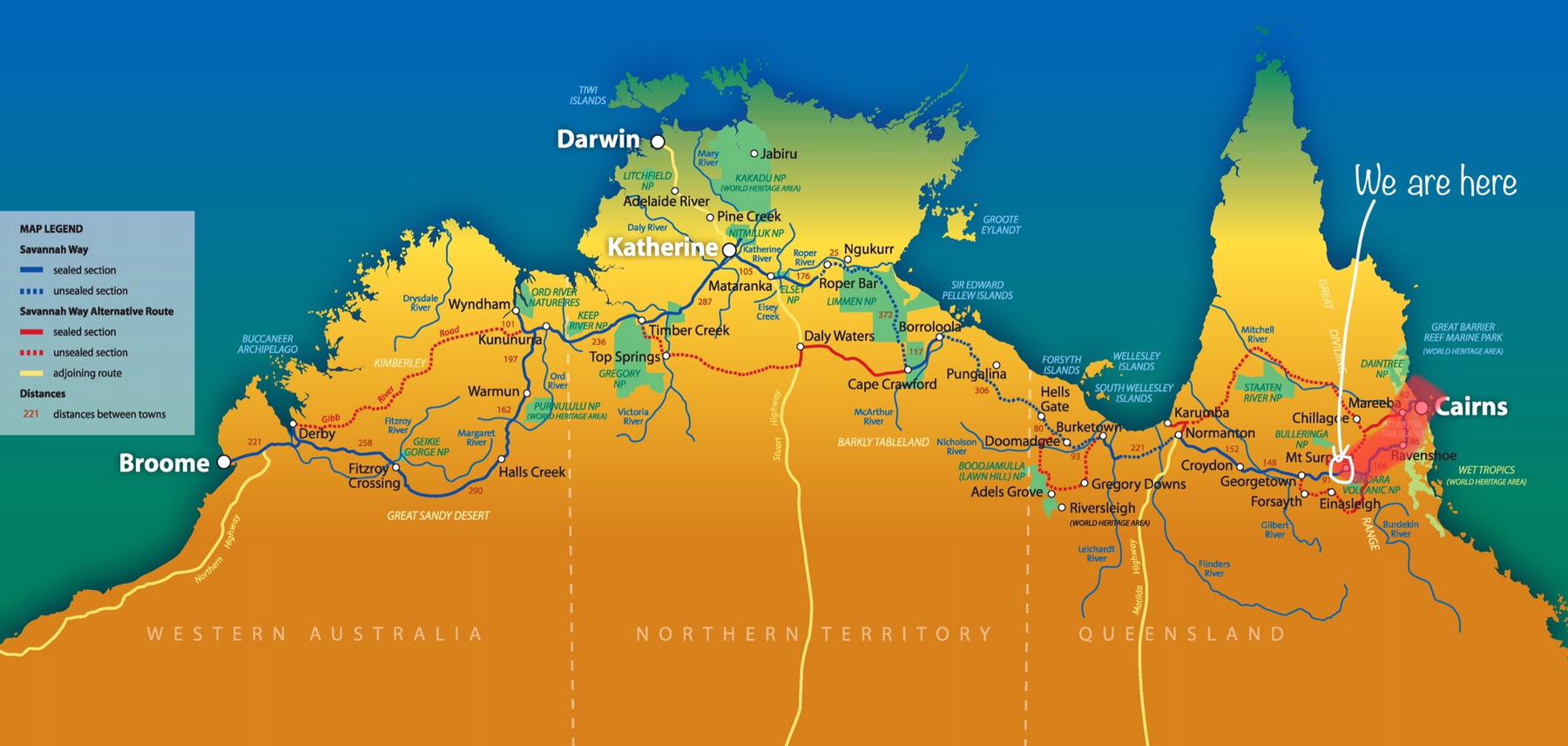 The Savannah Way
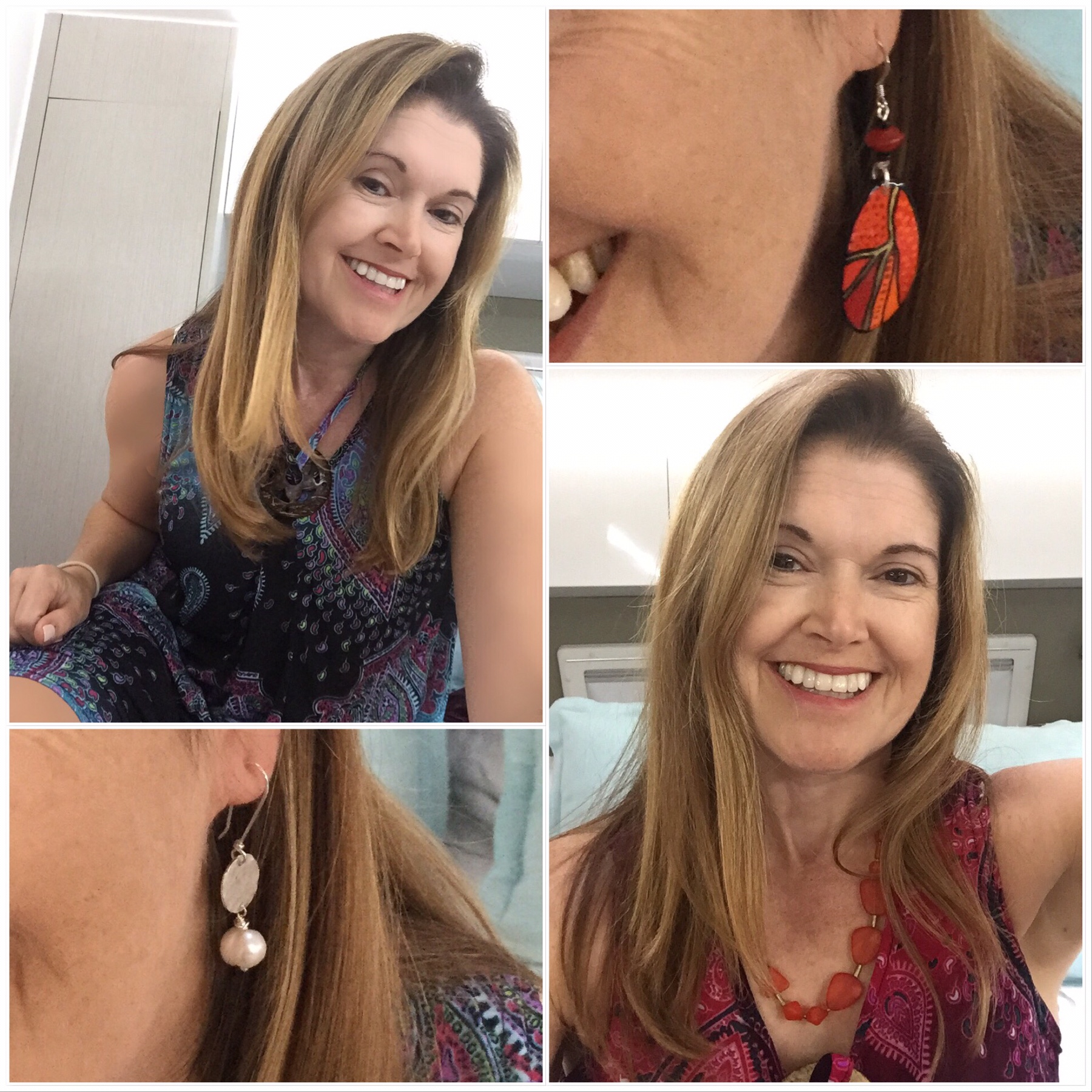
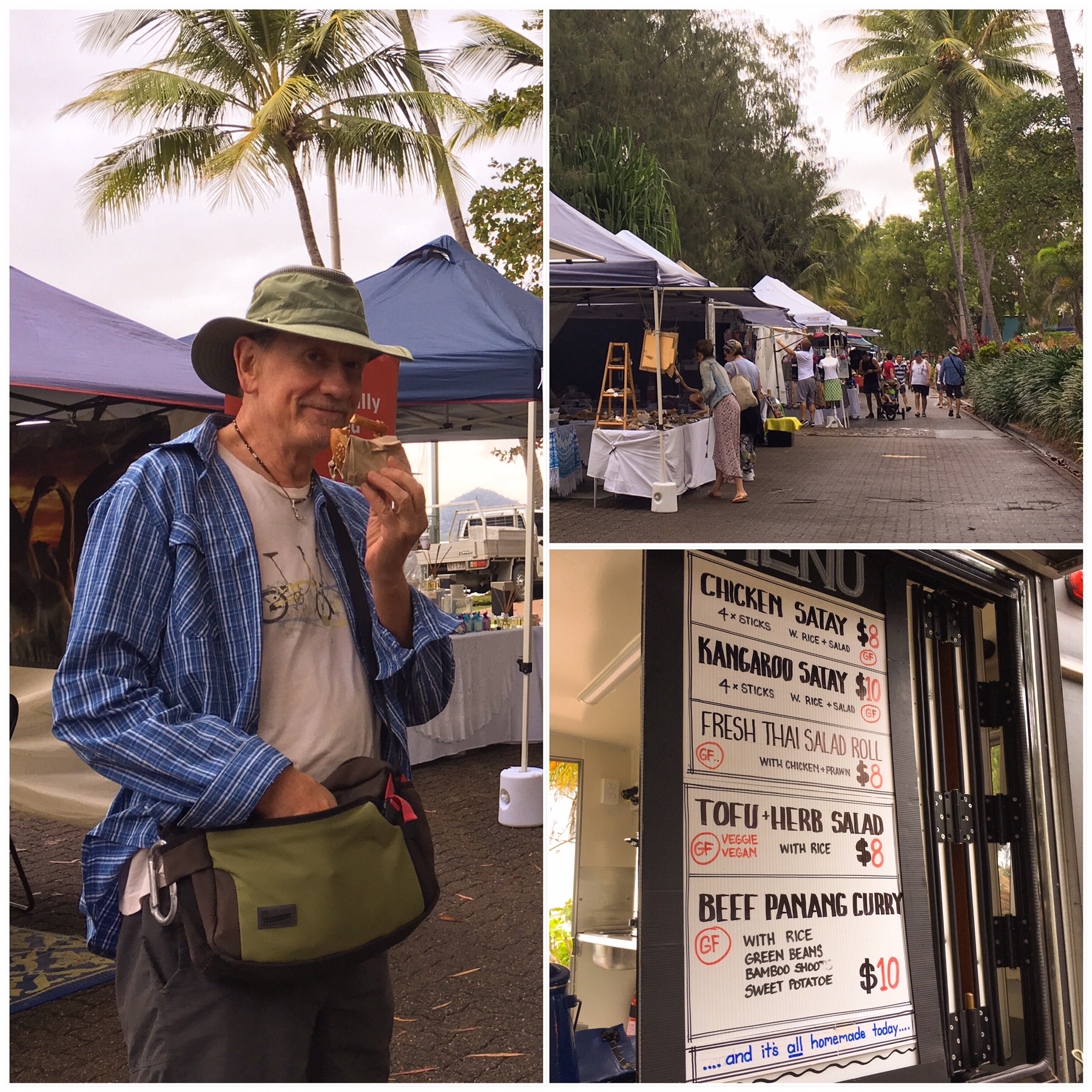 Mrs A managed to score some lovely earrings and a necklace made by three local jewellers, and two dresses beautifully modelled here.
 It was with a good degree of excitement that we hitched up and said goodbye to the Coral Sea as the next ocean we are likely to see is the Timor Sea, up in the Gulf.
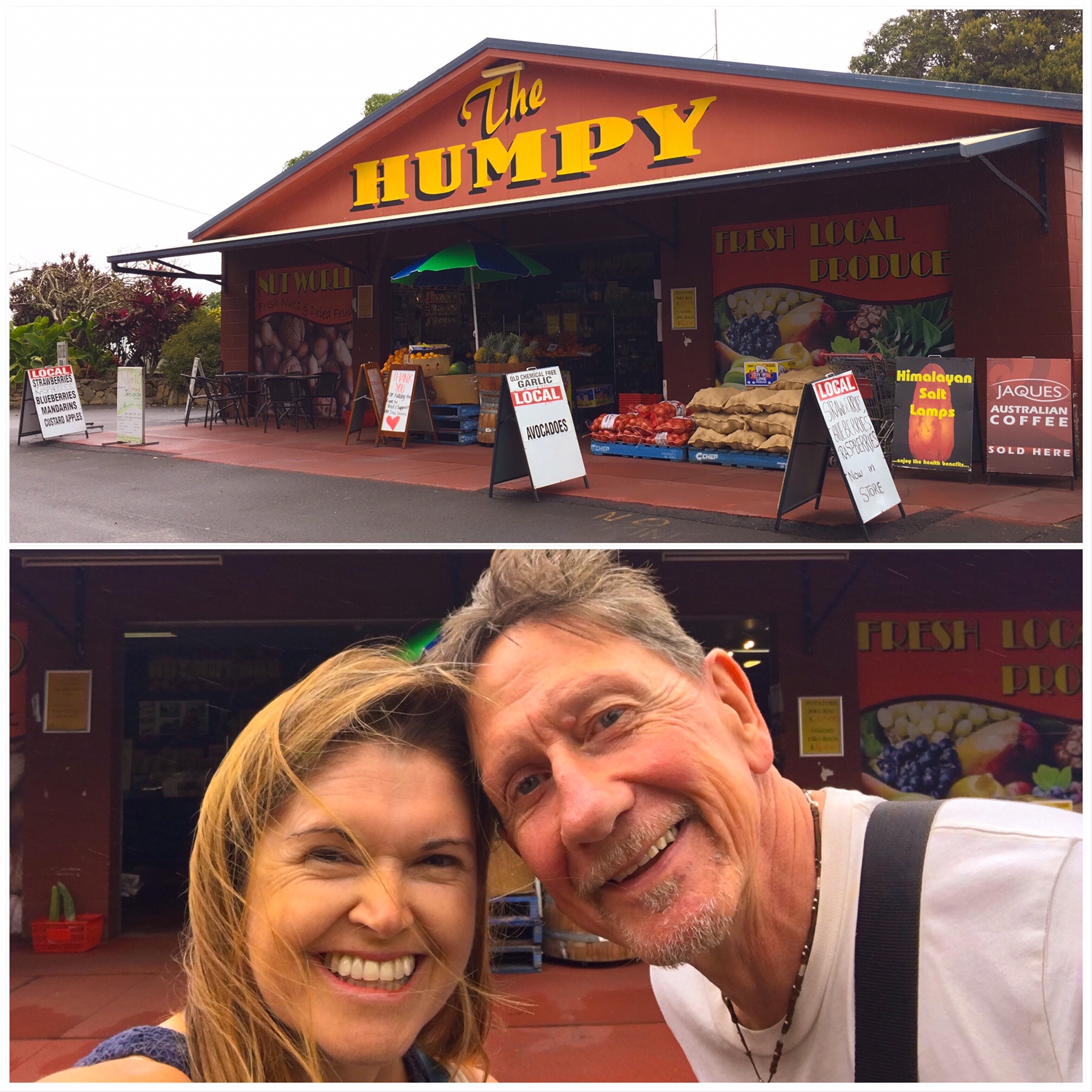 We called back in to our favourite store on the tablelands, the Humpy, for some last minute fruit, vegetables and other local treats, before deciding to press on to a place called Pinnarendi Station. This is another working farm that is making some money from the passing caravans by offering sites with power, water and even meals. Good on them. It’s great to see so many people having a go at something new, seeing an opportunity and investing in some basic facilities for travellers.