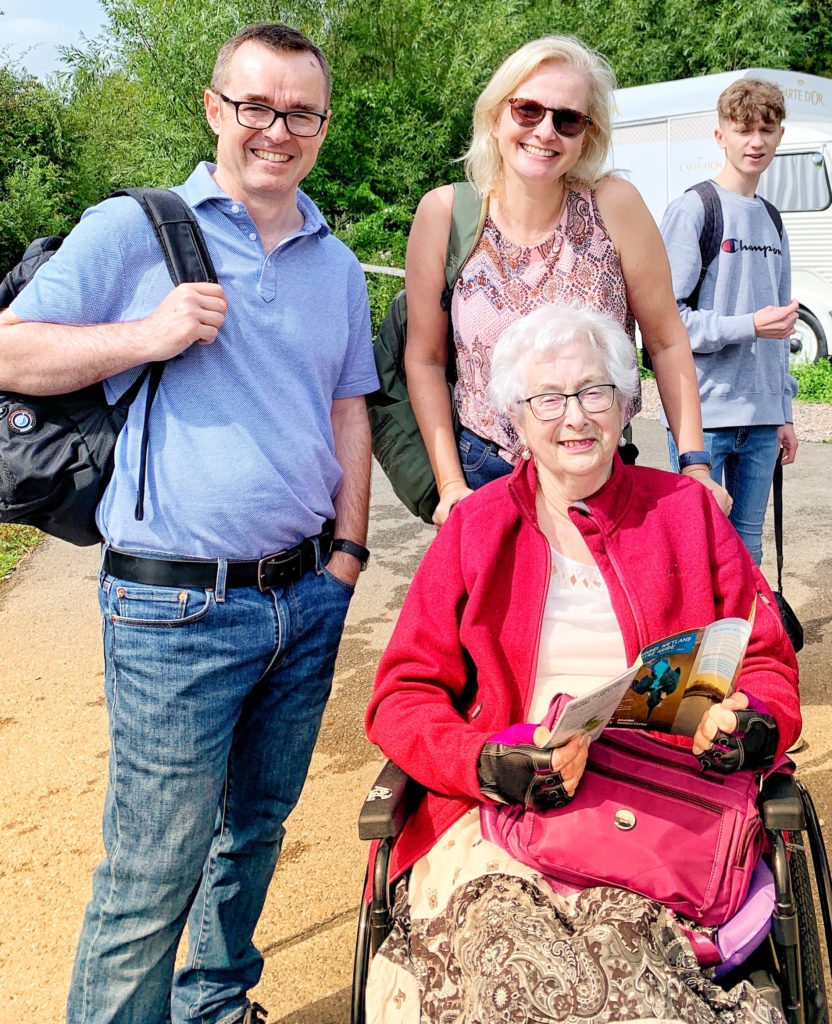
Catherine loves painting and photography as well as the great outdoors. Cycling, kayaking, pack-rafting and hiking are favourite activities as well as scuba diving when the location permits. A self confessed geek, she’s the reason details are included in our stories!
Having dipped our toe into 7,000 year old history it was time to return to the mere 900 year old historical towns that are more accessible in these parts. Our first stop was Concarneau, a fishing town on the coast. Tuna and sardines are the main business here, and it is France’s third most important fishing port, along with tourism, of course. To some extent it reminded me of my hometown of Hastings in the UK, the smell of fish, salty air and seaweed coupled with the sweetness of ice creams.
We arrived as the Friday morning market was closing up. We were sad to have missed it – it looked to have been huge and pretty good. We managed to buy a couple of things from stall holders before they finished completely and then crossed the bridge into town.
A beautiful glistening harbour The walled city reflecting in the waters
Concarneau is very pretty, particularly when the sun is shining, and the old town almost entirely dedicated to tourism. It has been a while since we have seen rows of souvenirs for sale, gift boxed tuna and sardines, butter biscuits and toffee from Brittany, blue and white painted pottery (probably mass produced in China). In between these shops there were a few nice stores selling more authentic produce, and strangely an amazing smelling spice and tea store. We also found the crowds of people who have been missing from our past few weeks…well, they felt like crowds to us, but apparently French schools go back on Monday so visitor numbers are actually down on the past few weeks!
And here are the people!
It wasn’t too hard to escape the crowds, however, stepping a few metres off the main street and up onto the walls. These have been well preserved, and offer fabulous views around the working harbour. Outside of the old city, it feels like an authentic working town. There’s a long distance coastal walk that starts here too, for those with more time.
Looking back at the townThe coast guard heading off on a mission
We had a walk around town, made a few purchases as gifts for friends back in the UK (look out for your white and blue china, folks – ha ha!) before heading off .
The old gates have been preservedI wonder how many people have sat on this wall over the centuries
We selected another France Passion site for the night, this time just half an hour inland from Concarneau on a peaceful farm. We were greeted by three teenagers in their halting English, keen to show us where to park and give us a tasting of their grandparents’ cider home brew.
Of course we purchased a couple of bottles, it would be rude not to!
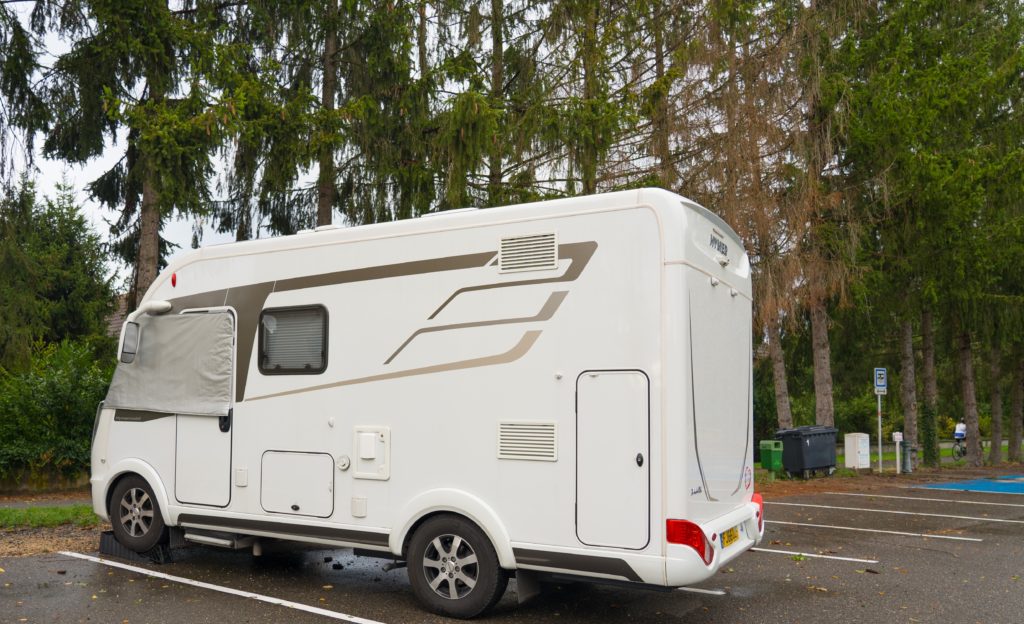
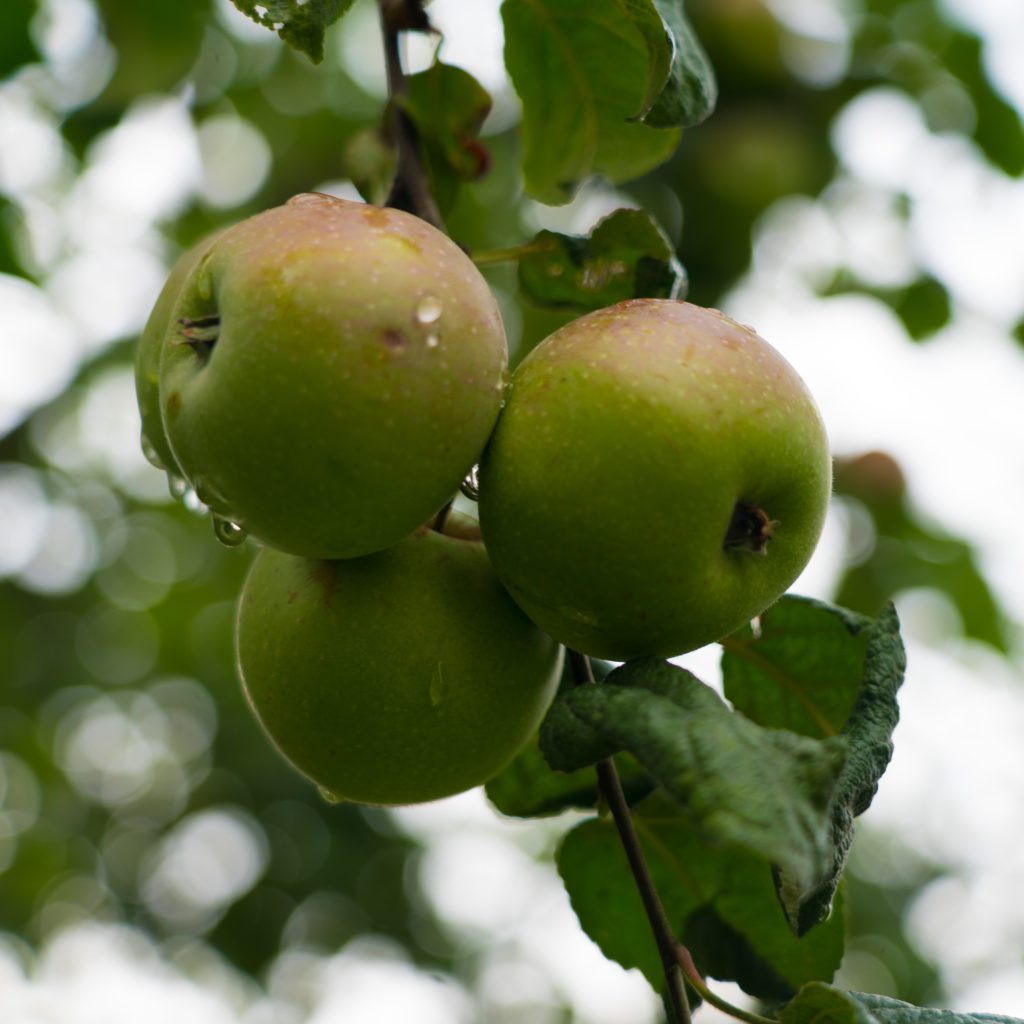
Truffy’s home for the night – a 400 year old farm selling cider and apple juice
Location: Coulon, Parc regional du Marais Poitevin, and Borgneuf-en-Retz, France
We farewelled the eastern Loire Valley and continued on our way west, heading towards Brittany. We visited the Loire region extensively three years ago, and the memories of the beautiful chateaus and cycleways are still fresh in our memories – we don’t feel the need to renew them quite yet with so many places we have not seen.
After a brief overnight stop to tackle our washing, on Tuesday we arrived in the small town of Coulon, in the Marais Poitevin regional park. The regional park has quite a unique look and feel to it.
An intricate web of streams link up to more major arteries and canals
Looking at Google Maps you can see a web of waterways criss-crossing the countryside. The regional park stretches across 112,000 hectares all the way down to the coast, but we were here to explore the section around Coulon which comprises of two main areas – the dry marsh (which is used for agriculture) and the wet marsh (known as the ‘Green Venice’) which floods during winter. The park is important for migratory birds and rare wildlife such as the European otter and is France’s second largest wetland.
Five hundred years’ of work has gone into creating and managing this area, with the efforts of monks from five abbeys across the region responsible for the initial creating of the waterways in order to create viable land for farming and agriculture.
After setting up in the municipal campground, we jumped on our bikes for an explore. Coulon clearly does see itself as a Green Venice, with barques (a style of punting) and rowboats lining the waterways, but the tourist numbers on this Tuesday afternoon were not quite filling the capacity.
Plenty of boats for hire in Coulon and only a few rented out…this is the last week of the French summer school holidays so things are getting quieter
There is a good network of cycleways around the area, with well marked trails on boardwalks over the marshes and cycle paths off road and along quiet lanes into local villages. We did a short 20km circuit before returning for the night.
View of the canal from the village of La Garette
The following morning we decided it would be the ideal opportunity to inflate our pack rafts and head out for an explore by water. We launched from just in front of our campsite onto La Sevre Niortaise, the main waterway going through Coulon. But instead of heading into the throng of rowboats and tourists we turned right, and went into the quieter waters upstream, hoping to find some unsuspecting wildlife.
And we’re off….excited to be back on the water after a breakHeading off down one of the smaller streams
We found an opening in the river bank and set off down it, hoping we would find our way out of the maze at some point, but excited to see what was beyond.
Paddling quietly, hoping to see some furry otter actionTurn another corner and another watery pathway leads through the treesPerfectly still reflections
And what a scene awaited us. The waterways are lined with poplars and ash trees, the still waters creating incredible reflections. Moreover, it was only about ten minutes into our paddle that we saw our first otter, swimming along the water’s edge and climbing out to retreat to safety. Our strategy had paid off!
After this magical experience of seeing a rare otter in the wild, we chalked it up as luck, until Mr A cried out again ‘look, is that a cat running along through that field?’. The answer was ‘no’! It was actually another otter bounding along through the grass. Are these things rare or what?
Ash and poplar trees line the waterways, cut back to short stumps to prevent them toppling over during winter stormsBack to the village of La Garotte where we explore back gardens leading to the waterwaysThere are more waterways than roads in these partsBack in Coulon before heading off for a late lunch
We saw our third and final otter not long after, swimming across the channel in front of us, head held high. It seems we were very fortunate. We excitedly told a local boat guide what we had seen, and he said he very rarely has seen one, let alone three. I guess otters are not used to the stealth like approach of us on a pack raft compared to the chattering of tourists on rowboats or barques.
Over a late lunch we debated whether to stay another night or move on, and settled on the latter. More adventures await us! We hit the road and continued on our journey west, aiming for Brittany, the region of France closest to the south west of England. After our 8km paddle we had worked up a thirst, and thought a wine tasting and stay on a vineyard as part of our France Passion membership might be in order.
It was around 5pm that we pulled up at Martine and Gérard Padiou’s western Loire Valley vineyard ‘Domaine des Priés’. We entered the cellar, as is typical in France, situated below the main house.
Martine welcomed us and offered a degustation from the wide range of wines grown and produced on their property, including the grape typical of the Loire Valley region, grolleau. The name grolleau is derived from the French word for crow, and is said to describe the deep black hue of the grapes.
A wide selection of wines available for tastingWe bought a bottle of the Grolleau Gris which was dry and fruity, not acidic…it will be nice with a seafood entree one evening!
We purchased a couple of bottles of wine, both very reasonable (the Grolleau Gris at €3.80 and the Abouriou Grolleau at €3.40) and headed off to the vineyard for the night.
Catherine and Martine, working our way through the French language!
There we found ourselves a level parking spot between the rows of grapes and settled down for the night to listen to owls hooting and hunting among the vines.
Cosy in the vines for the nightGrapes are looking plump and almost ready for harvestA fine conclusion to a fabulous day
Location: Morvan Regional Natural Park, Ousoux-en-Morvan, Bourgogne, France
Thursday: When we saw a green patch on the map not far from us we couldn’t resist heading there to visit to hopefully do some hiking. We succeeded in our mission… In fact over the last two days we have walked more than 32 kilometres (or 20 miles in old measurements)….and our legs are feeling it too! These have not been flat kilometres either – we are staying on top of a hill, which means around half a kilometre of ascent and descent each day too!
Morvan Regional Natural Park (RNP) is a designated rural area with a strong identity derived from a rich natural and cultural heritage. The goal of an RNP is to encourage sustainability in development while preserving the natural and cultural environment. It’s a large area, so we picked a random campsite with good reviews and drove on over. It turned out that the village we picked, Ouroux-en-Morvan, is the official centre of the Eurozone (the 19 countries adopting the Euro as legal tender)…not that we saw much evidence of that.
We arrived around lunchtime, and were not long set up when we headed out for a hike. Given my broken toe, we have avoided hiking for the past month and a half , but the pain has now dulled to feeling just like a bruise… we’re not used to hiking!
Appreciating the change in scenery, looking very dry in late summerTrees lush with seeds, nuts and fruitA butterfly enjoys the last of the summer flowersThese legs were made for walking….
The scenery is very rural, rolling hills, fields of cattle, corn and hay, forestry evident everywhere. The walking paths are mostly old farm tracks, been around for so many centuries they are even marked on Google Maps.
Setting off down one of many criss-crossing lanesBeautiful woodland pathwaysA gorgeous fox hunting field mice and lizards in a field, we watched him for about 20 minutes as he got closer and closer to us
We hiked over to the Chapel of Banquets, a small church built in the mid 1800s on the grounds of a Château. It had commanding views over the countryside and was a great spot to rest and have a cup of tea.
The Chapelle de Banquet – so named because of the feasts local villagers used to enjoy on this hill with a viewIt looks like there have been pagan visitors recently…Mr A sitting in the shade pouring us a herbal tea…Enjoying the view…already feeling the walk after only 6km
The circuit walk then proceeded to follow trails through beautiful woodland, across streams and passing via tiny sleepy villages.
Beech trees filtering the sunlightLoving the sceneryGuard geese make a welcome change from yapping farm dogs
We concluded our walk at our campground after 15km (9 miles), where we ordered two plates of fish and chips, enjoyed with a bottle of wine purchased at a cave in our nearby village of Ousoux-en-Morvan. Yes…we combined hiking with wine tasting, not something we do every day!
Friday: After that successful walk, we decided to repeat our efforts the following day. This time the circuit took us down to a reservoir and back up – a 17km hike. The day was even warmer, topping out at 31°C, so the final kilometres uphill were pretty exhausting.
Every little village has a well with one of these pumpsBeautiful colours of the countrysideWe are eyed with suspicion by the bovine locals everywhere we goBonjour!Countryside viewsReservoir Panniciere-ChaumordAn elfClimbing up and and up on our return hikeDwarfed by giant pine plantations…Relishing the shadeWe enjoyed a cup of tea here while watching a pair of swamp harriers hunting in the field below
After showers and lots of rehydrating we still managed to go out to dinner in our local village. In the main, Ouroux-en-Morvan looks fairly run down and abandoned, weeds in the gutter and a general feeling of neglect. It was pretty quiet on our visit despite being peak holiday season in Europe, with plenty of room on our campsite for spontaneous visitors. We can imagine it would be fairly bleak during the winter months. That said, our dinner at Le Lion d’Or was delicious, and their excellent reviews well deserved.
Pastis as an aperitif for Mr AHouse red for Mrs A
We had four courses for €25 (AU$41/£23) plus a carafe of house red (which was really good). Despite dairy being an issue for me, I was able to eat something from every course (other than the local cheeses – this is cow country), including a marvellous poached pear and home made blueberry sorbet. A fabulous end to our visit in the region.
The village lit up as the sun setsHeading homeGoodbye Morvan
Location: Hirtzbach, Alsace, and Pommard, Côte-d’Or, France
Monday morning was cool, grey and drizzling as we departed from Zurich and continued our journey west…or ‘drizzerable’ as Mr A described it. There was again no sign of the magnificent alpine scenery Switzerland is so famous for.
Before long we were back into France and aiming for a little village in Alsace where we were to roughly plan our next couple weeks as we work our way over to Dieppe to catch a ferry across to the UK. First though, we called in at a supermarket for some shopping. I’m ashamed to say it was the absolute highlight of our day!
This was the best supermarket we have seen this whole trip! Not only did they stock all the Asian food ingredients I had on my list (very rare for France!), but Mr A was delighted by the extensive deli offering fresh quiche, pâté, a wide selection of meats and cheeses. We took our time!
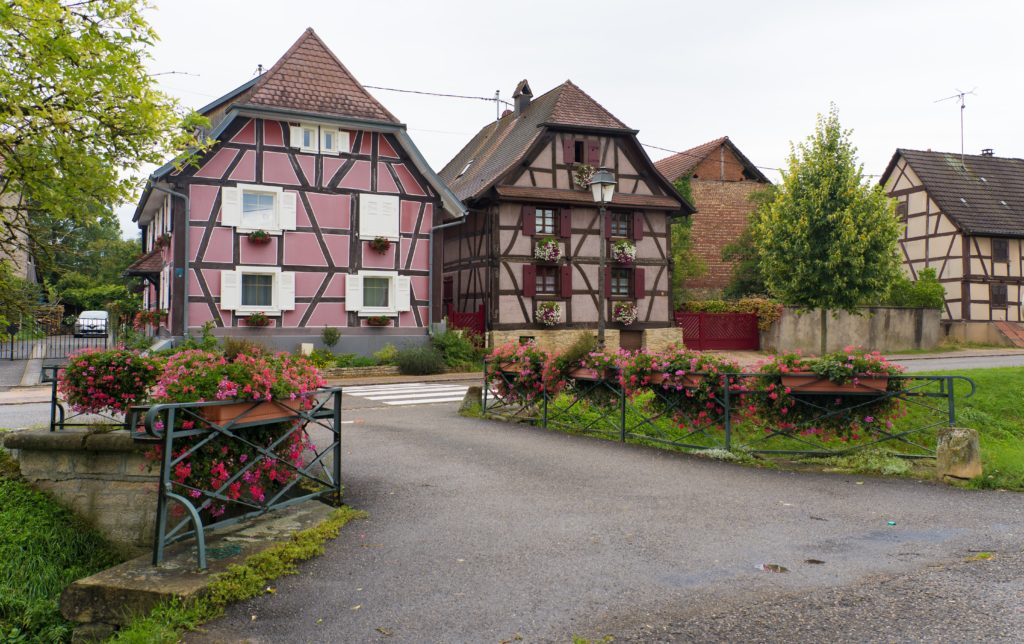
And so on to Hirtzbach. When selecting this location we did so because it is on a rail-trail cycle route, and the village sounded picturesque and pretty, winning prizes for its flowers, historical buildings and fruit growing. Sadly in the wet weather it didn’t look as lovely as it could have done and we didnt get the bikes out.
Our site for the night…in its favour, it was absolutely free of charge
We did have a stroll around the village though.
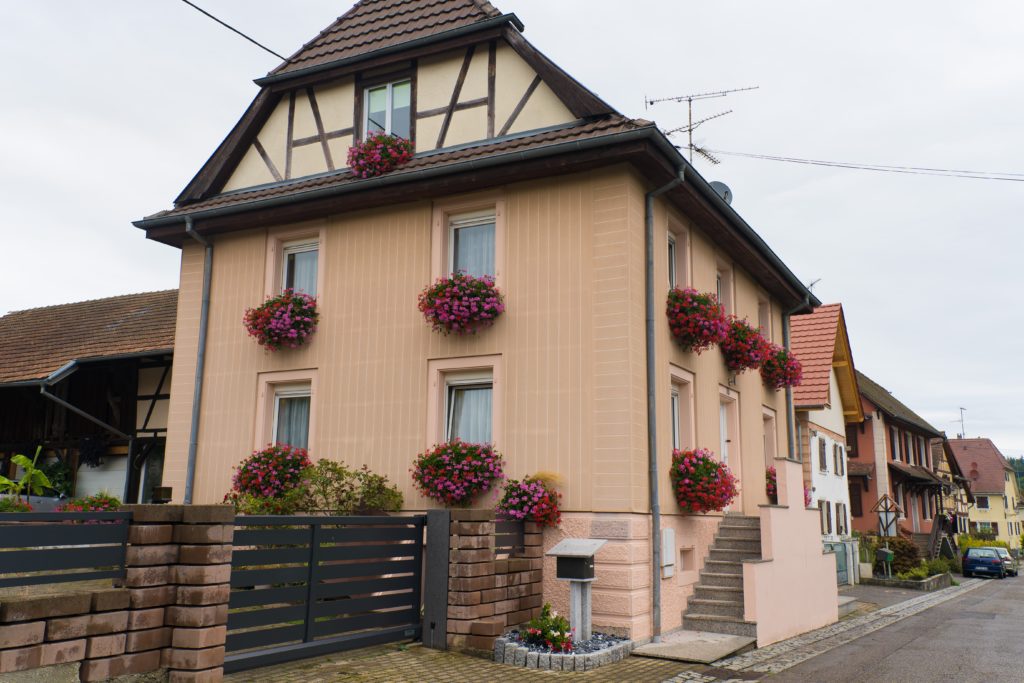
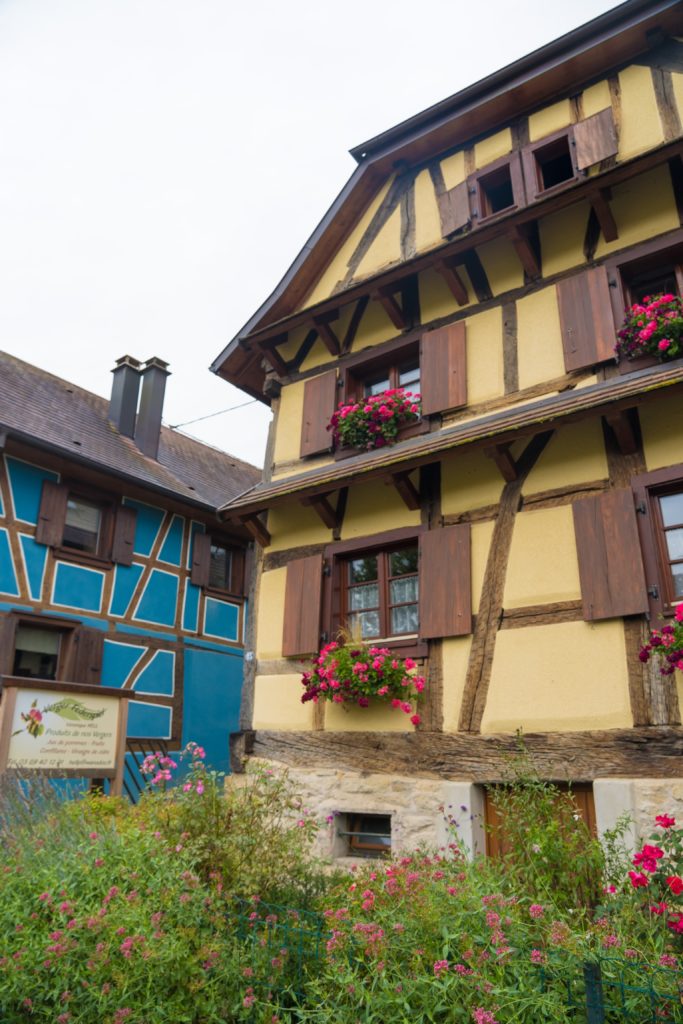
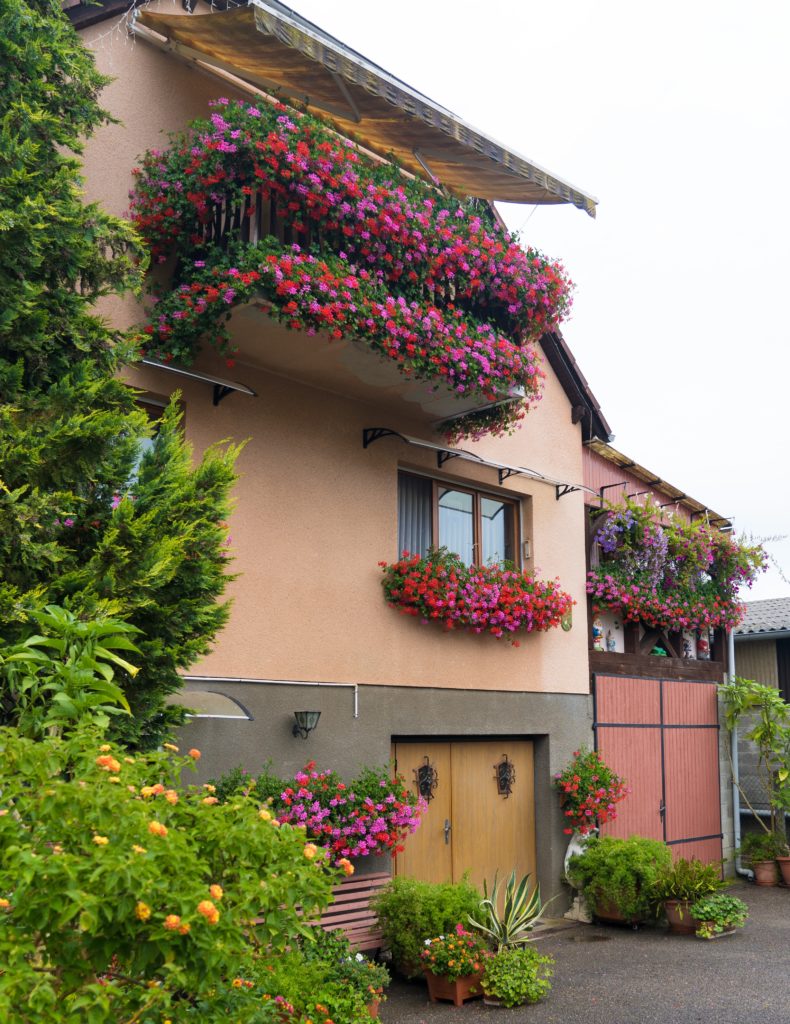
Many houses had dates carved into the wood, 1570, 1580 and so on…Definitely a unique look to these homesPlenty of flowers as expected, and nice bright colours A village of gardeners it seemsFruit trees on every corner – ripening apples, limes, lemons, tubs of tomatoes and other herbs and vegetables
Along with many colourful houses dating back to the mid-late 1500s, there was a park in which sat one of the last remaining ice-houses in Alsace.
Used prior to the invention of the refrigerator, ice houses used to store ice for preserving food
We decided some wine tasting might be in order as we make our way through France, and so made our way across to the Burgundy region come Tuesday morning.
Our night in Hirtzbach was not as peaceful as we would have liked, with the village church bells peeling every hour, and every fifteen minute increment – including all through the night. It was a little bit like sleep torture as you drifted off after the quarter-to bells, only to find yourself waking enough to count the chimes on the hour “Oh, only four o’clock…I can still sleep a bit longer…”. Ugh! If we were residents we would definitely be requesting they stop between 10pm and 7am!
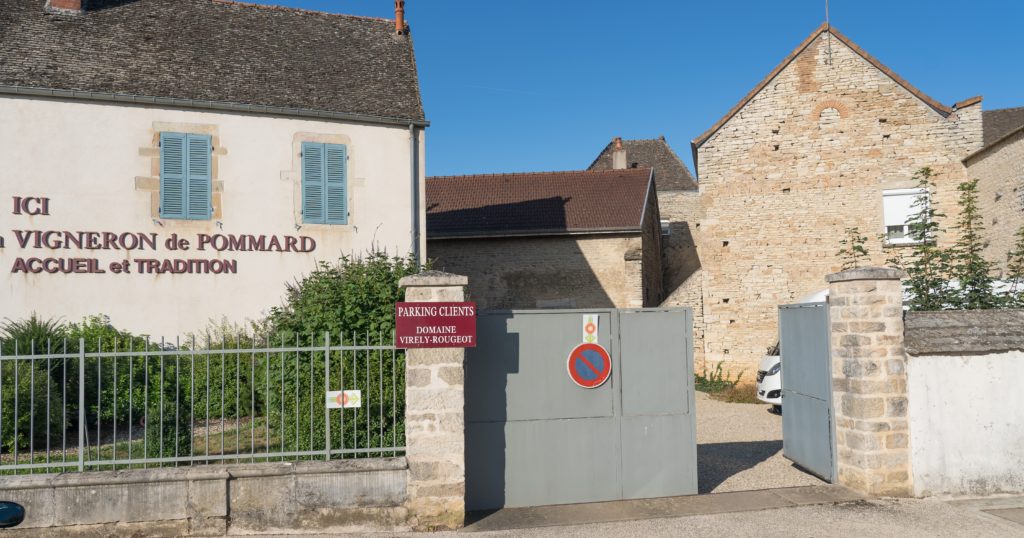
We chose to visit the village of Pommard, not far from Beaune, the ‘capital’ of Burgundy wine country. There we had another free night on the private driveway of a vineyard and tasting room in the middle of the village. This is part of the France Passion scheme we belong to.
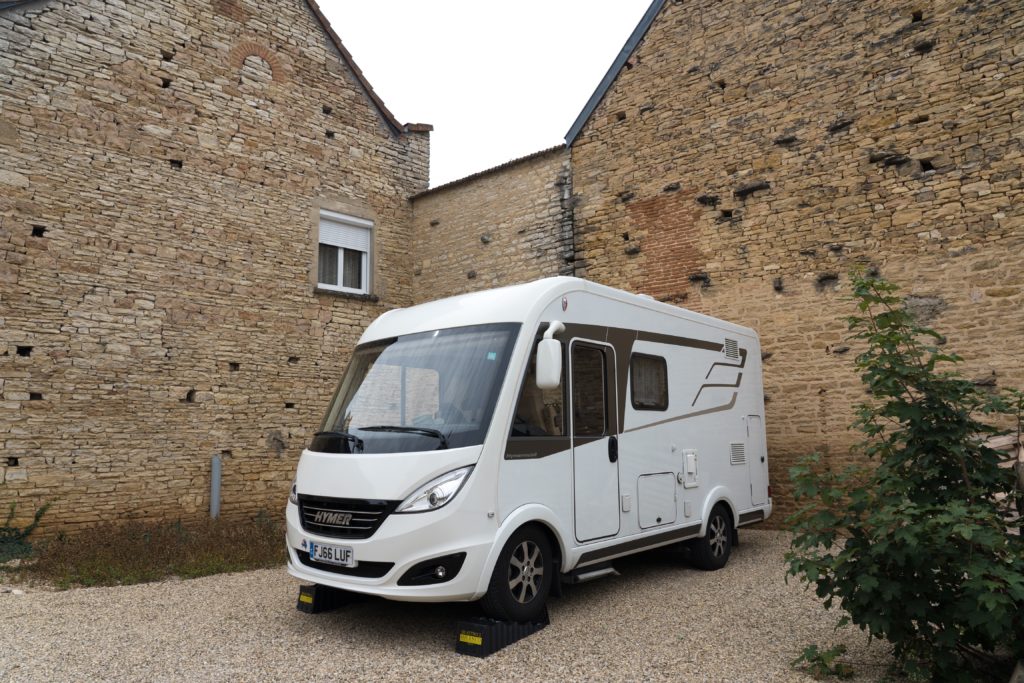
Truffy’s cosy courtyard surrounded by 16th century farmhouse(Photo from the following morning, sunshine!) – spot Truffy hiding!
We first joined France Passion when we hired a motorhome and travelled through France three years ago, and were so impressed with the scheme, we decided to do it again this year. Once signed up (about AU$50/£27) there are no further costs. The scheme is made up of a range of farms, vineyards, olive groves, castles, mansions and other businesses with some space for self contained motorhomes and a desire to share their wares or services with visitors. For us, its a great opportunity to get off the beaten track and see some areas we would probably neither find nor hear about on our own.
What we especially liked about this location was that there was space for only two motorhomes, making it very private. We were first to arrive, and not long after we had set up a Dutch couple turned up too, and together we went into the tasting room to sample some wine.
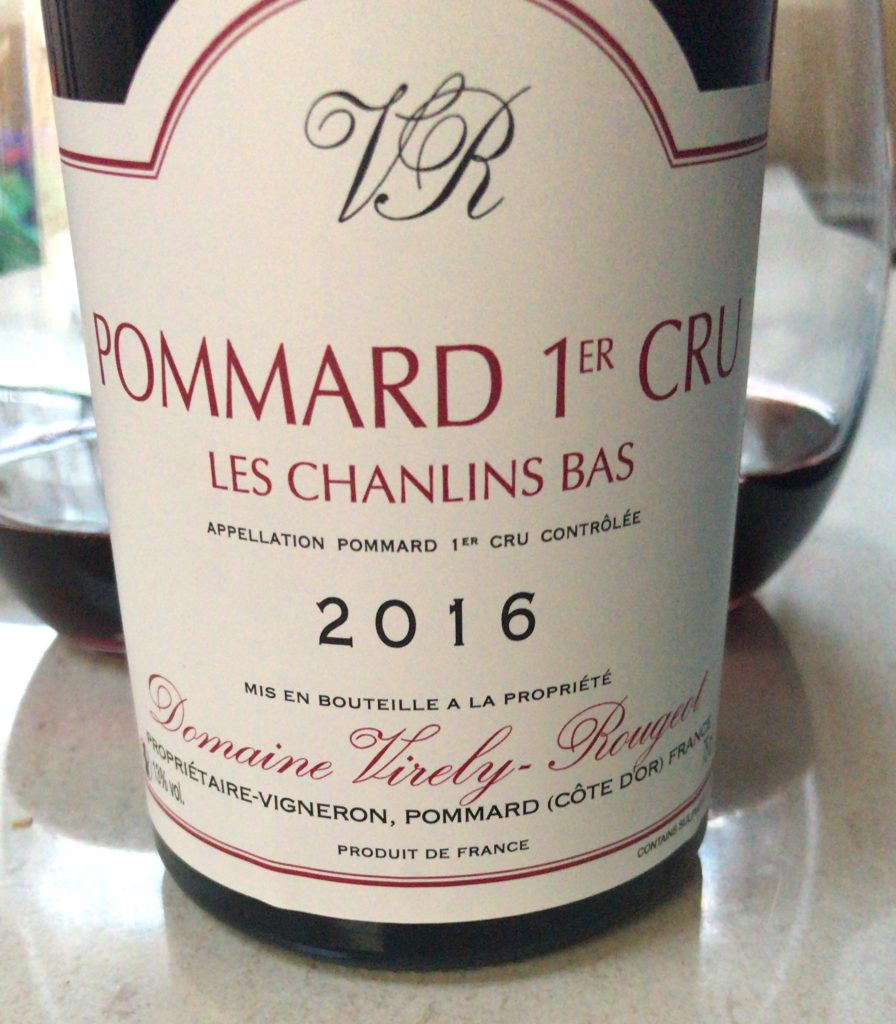
‘Our’ vineyard was run by Patrick Virely-Rougeot with wines produced in the Burgundy tradition on just 9 hectares of vineyard. The quality was excellent though, sharing with us samples of Burgundy (Pinot Noir), Pommard, Pommard premier cru and Meursault. We purchased one bottle of premier cru to take back to the UK and share with friends.
We decided to explore the village, with many tempting signs pointing towards tasting rooms leading to firmly locked and closed doors. We were nearly back at Truffy when I spotted the sign I had been looking for: ‘Cave ouvert – degustation’.
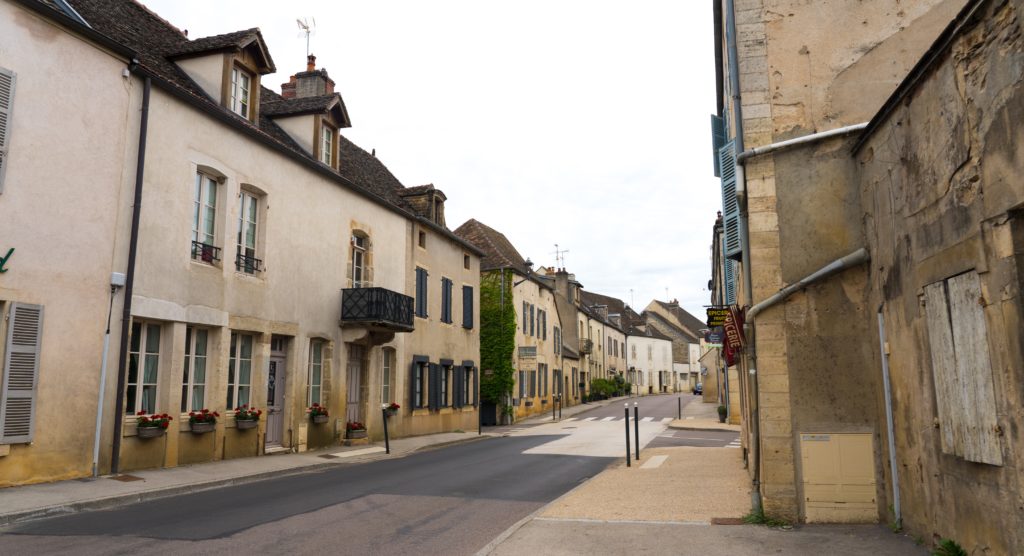
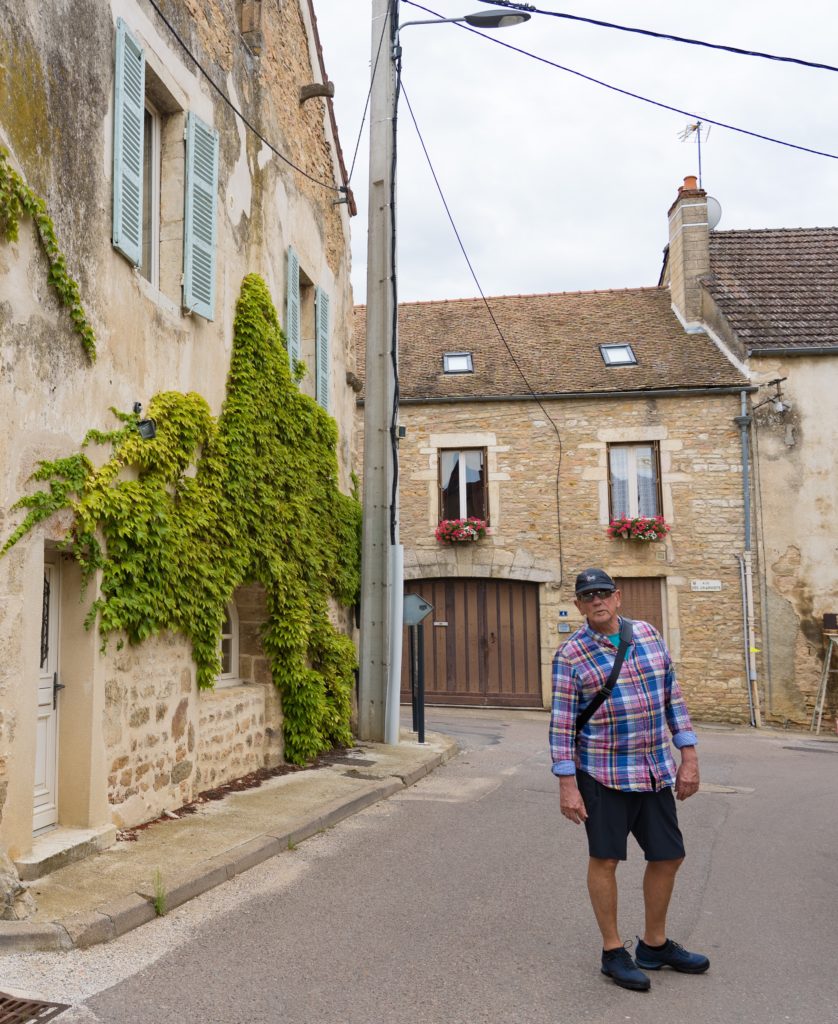
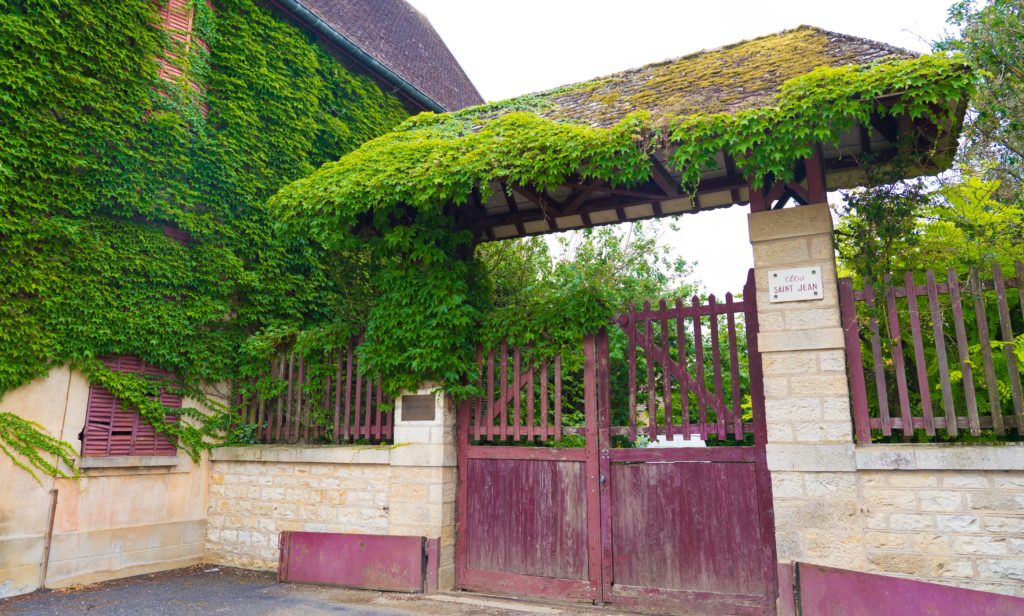
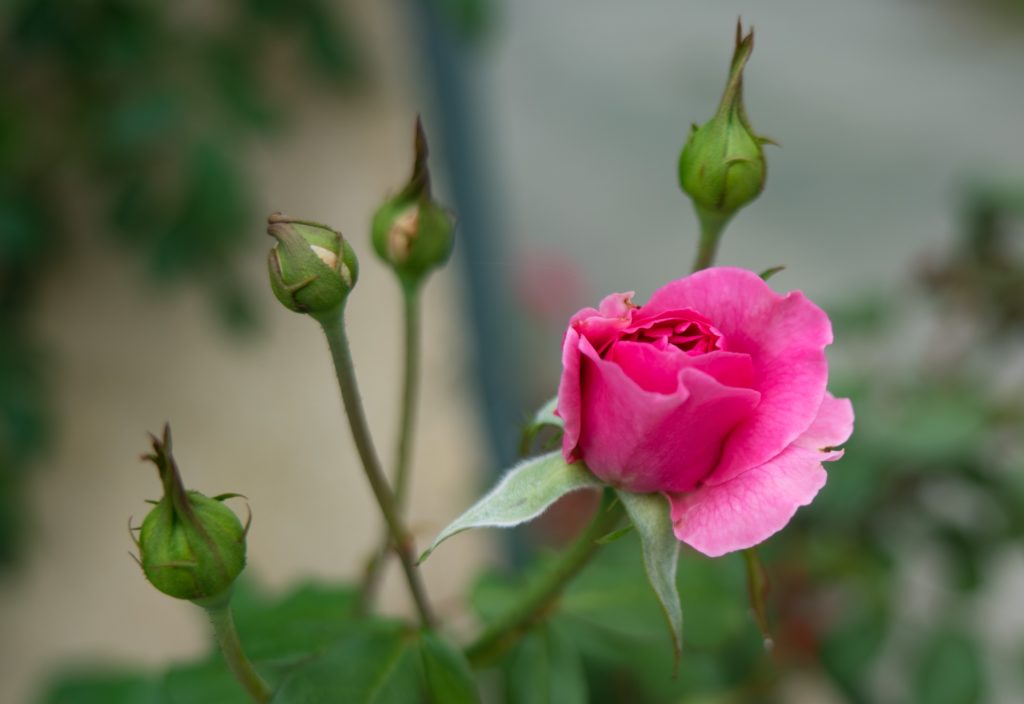
Very ‘rustic’ looking streets, a little scruffy and run down…and yet making it feel more authentic and not too touristyWhy is nobody open?Burgundy gates contrast with thick ivy…Beautiful roses
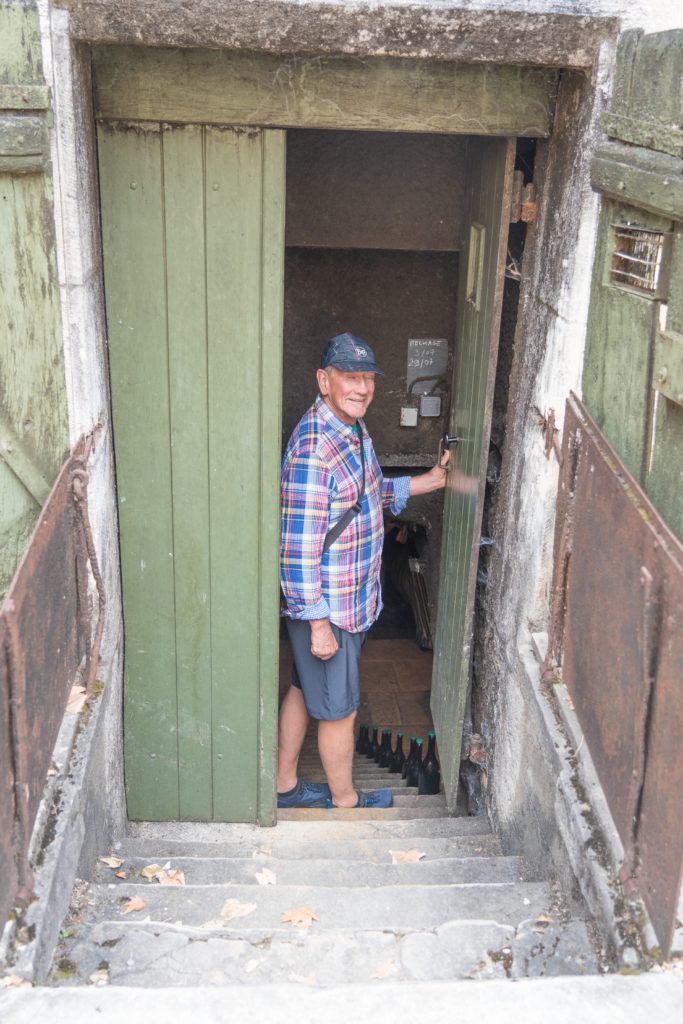
We wandered into the courtyard and spotted some cellar doors opening to a dark stairwell leading under the 17th century house. Out popped the head of the sommelier, who grinned and said he’d be back with some glasses, indicating for us to head down the stairs.
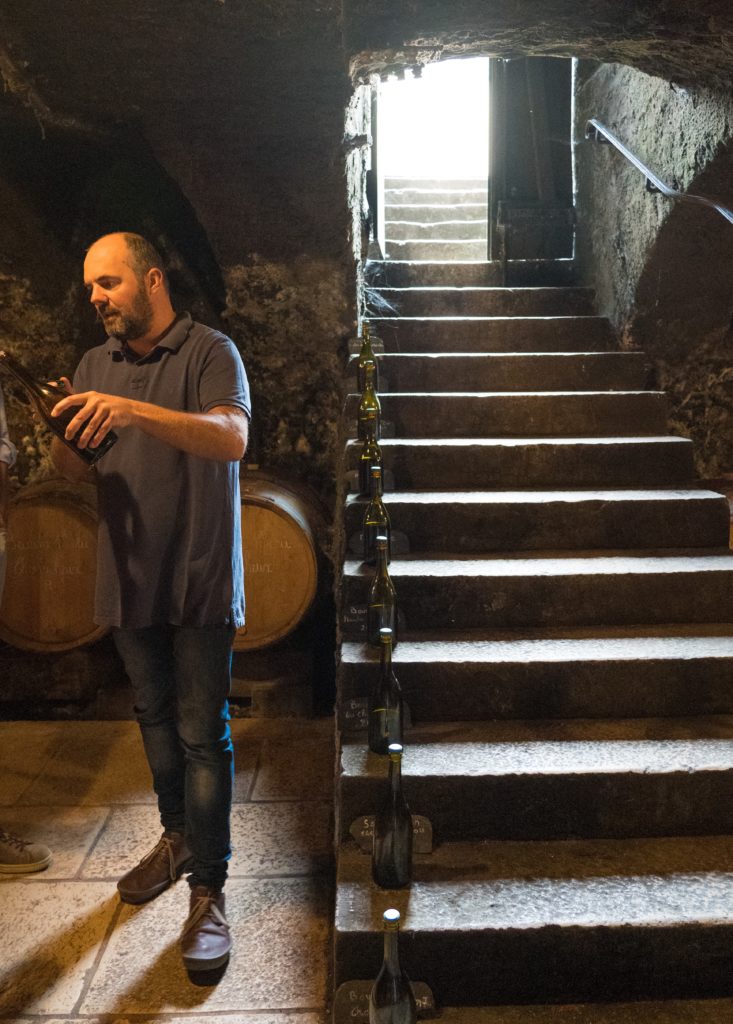
Heading down into the cellar (cave)Wines for tasting lined up on the stairs, our sommelier easily moving from French to English in his presentation
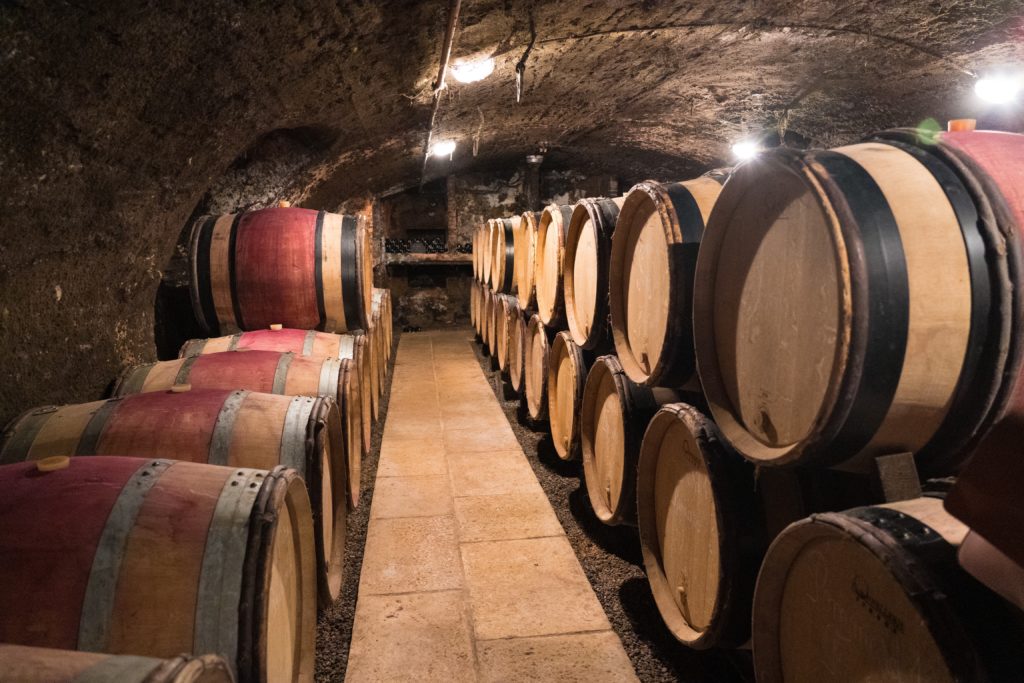
The cellars were full of old musty barrels, and about 8 other people – a range of Dutch (speaking English) and French visitors, already ahead of us on the tasting front.
Looking down into the cellarA great location for some tasting
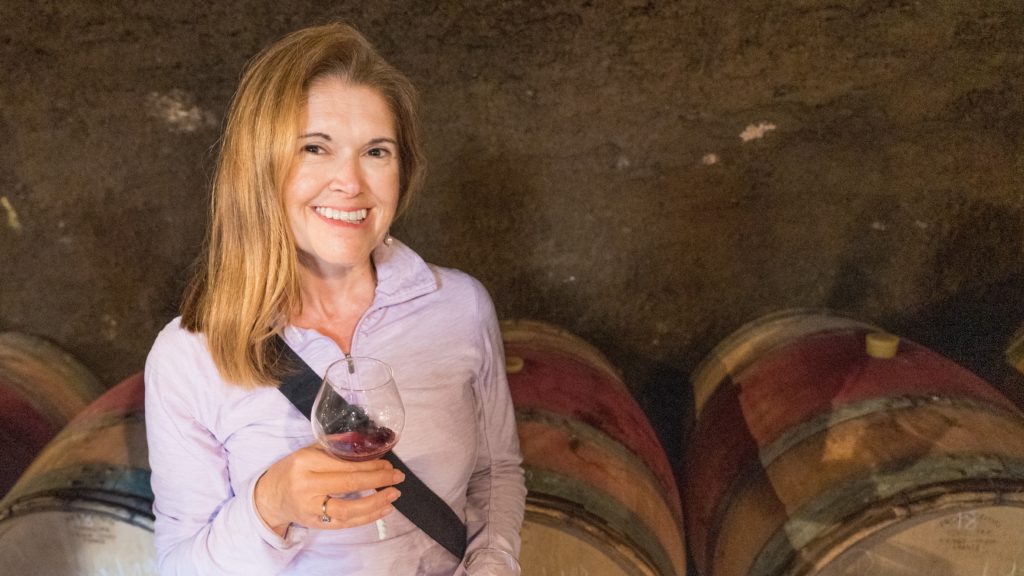
We tried samples of seven wines, starting with white and moving on to red, but I have to say none impressed us any more than the delicious wine where we are staying. We didn’t end up buying any there.
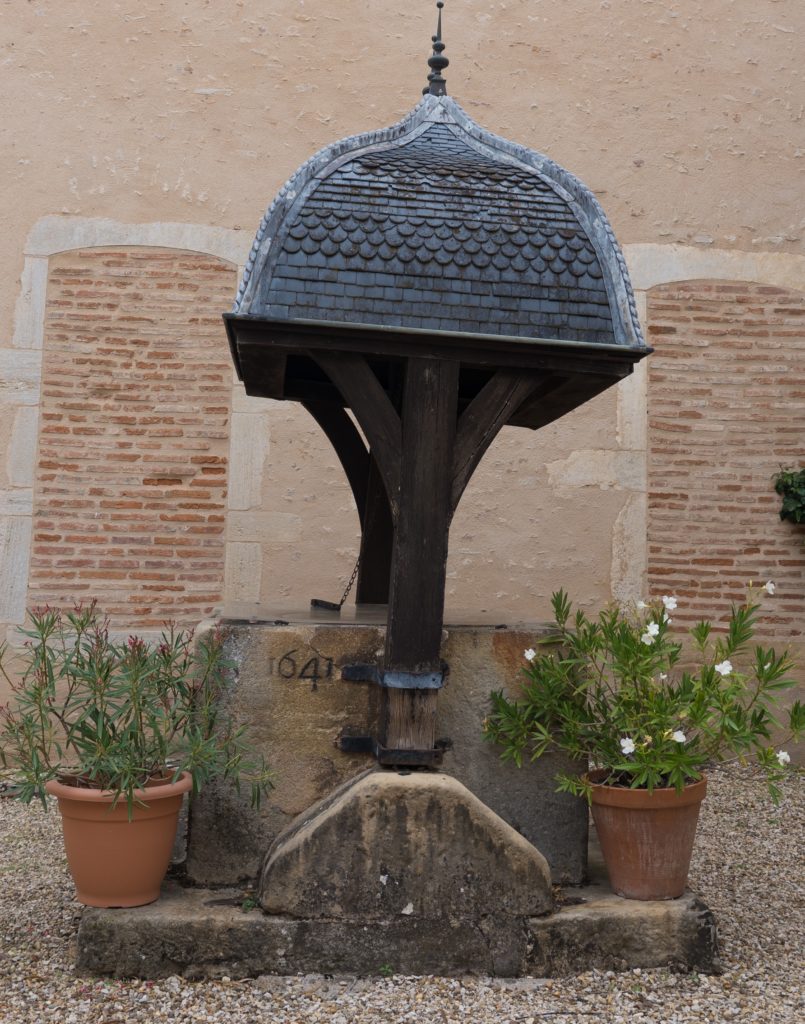
The well in the courtyard of our wine tasting – completed in 1641
Our final stop for the afternoon was the ‘famous’ winery of Pommard, Chateau Pommard. We popped our head into the very swish reception, all glass and chrome (in stark contrast to the musty rustic cellars) to be told we couldn’t do a tasting until tomorrow morning, and it would be €35 a head (that’s AU$114/ £64 for the two of us!)…we laughed and said we’d be back…with no intention of course. We’d rather spend that money on wine thank you very much!
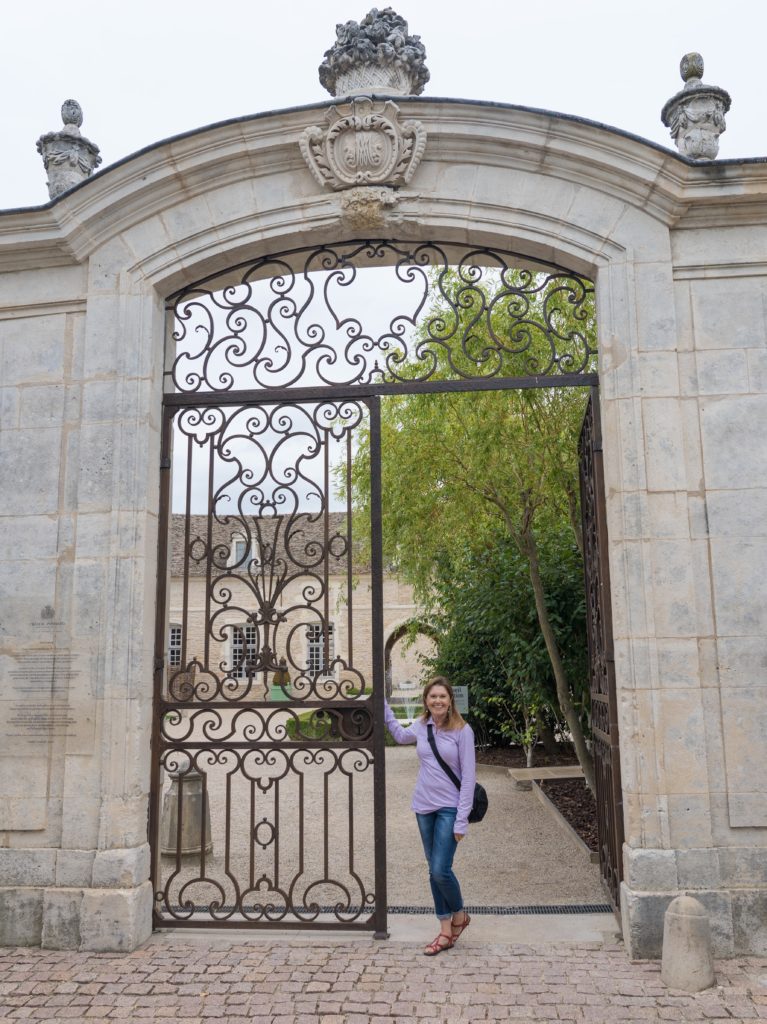
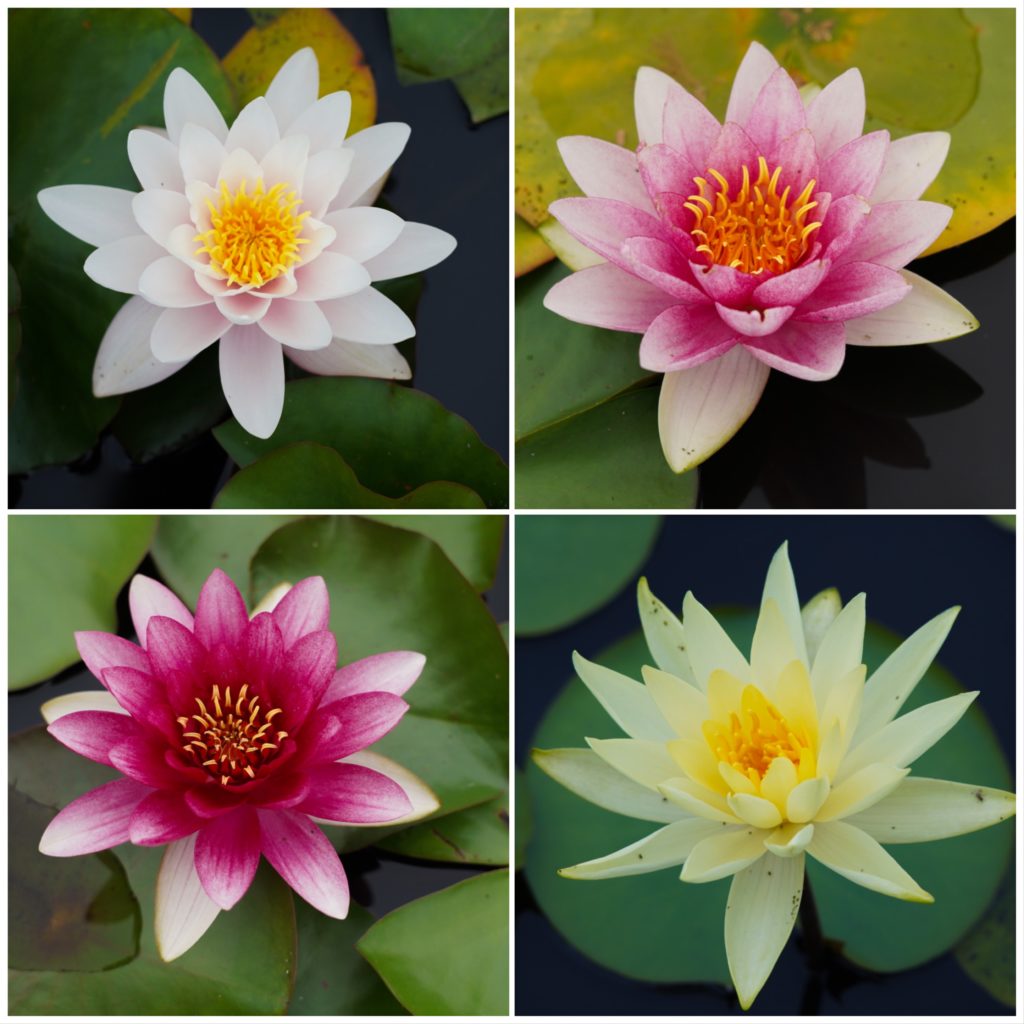
The grand entranceway to Chateau PommardBeautiful lilies in the pond at Chateau Pommard
We finished off our evening cooking up a Thai prawn Panang curry, accompanied by one of our Italian reds, making space in Truffy’s wine cellar for some more French tipples in our future!
Location: Zürich, Switzerland, London, Brighton and Arundel, UK
Thursday: After farewelling Mark, I made my way across Zürich by public transport to the airport, a bus to a nearby train station then two trains which deposited me in good time at Kloten Airport for my flight to the UK. Everything was clean and and efficient, but once at the airport, rather expensive! I Feeling peckish I looked at the menu at one of the bars, only to find a pulled pork sandwich for the Swiss Franc equivalent of AU$42 (about £20!)…I passed and found a slightly more affordable snack at Pret a Manger.
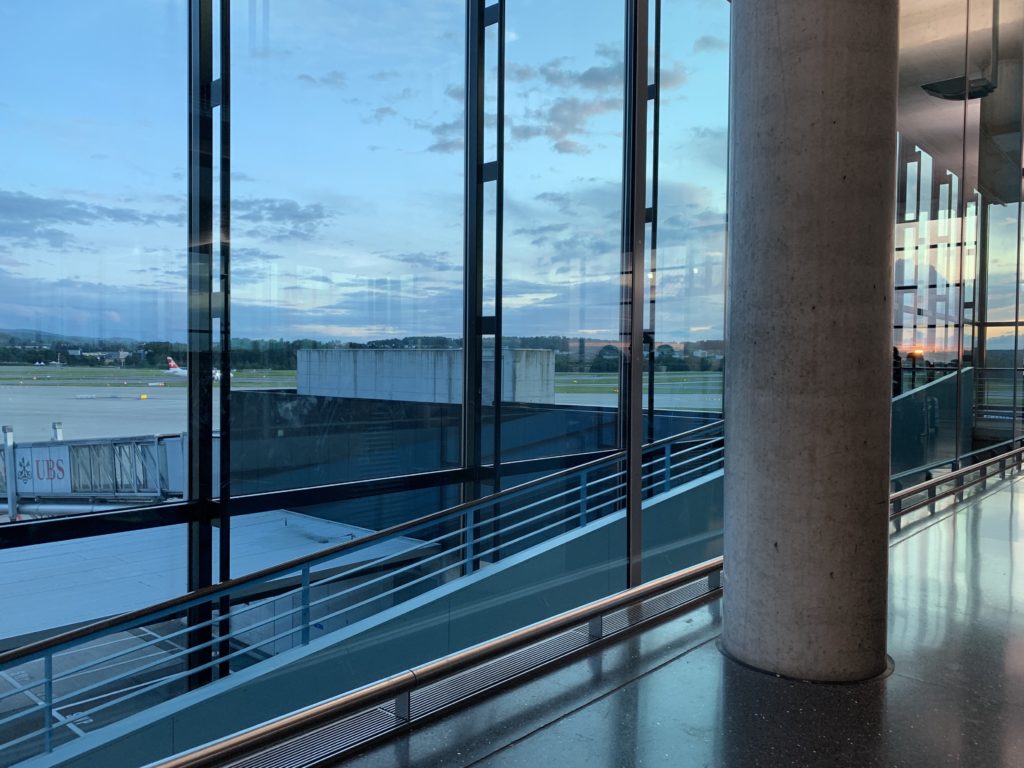
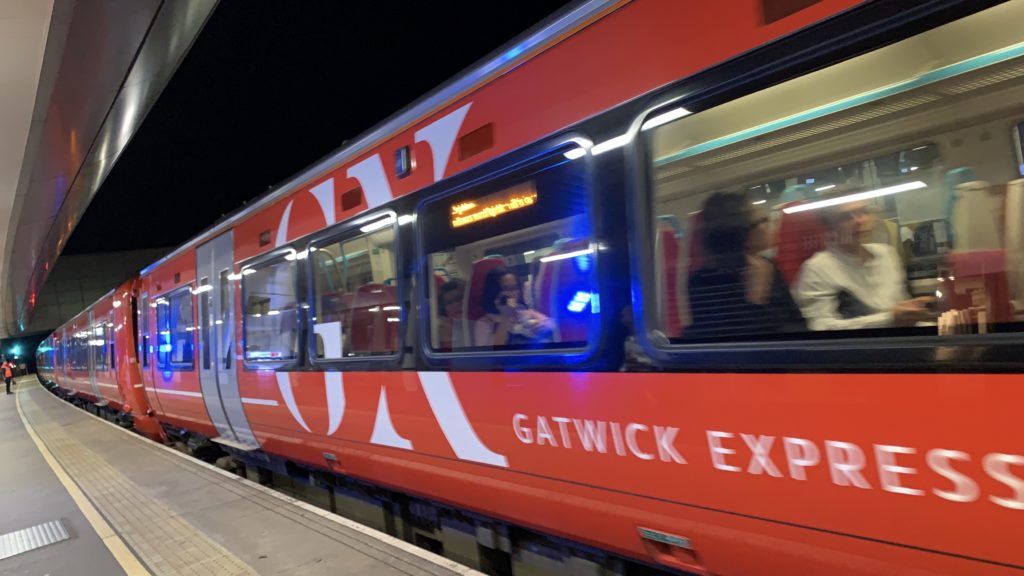
The sun sets in Zürich I just miss the fast train to Brighton by a second…
I finally made it to my sister’s house in Brighton around midnight and collapsed into bed.
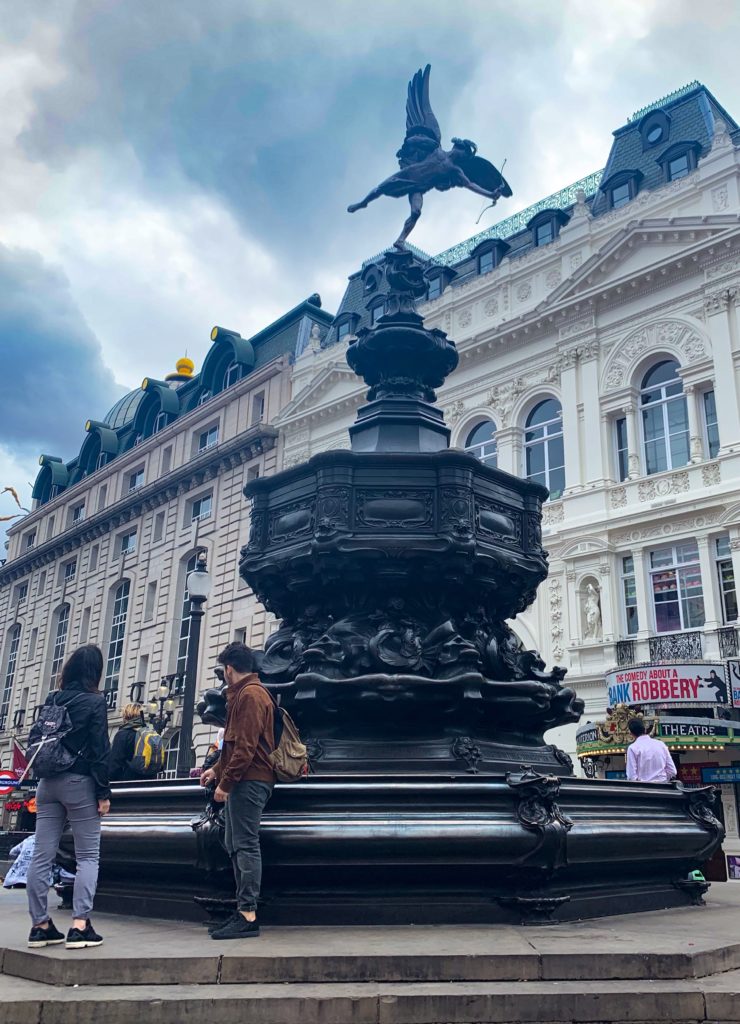
Friday morning I was on a train again by 9.45am, heading up to London. My first port of call was Piccadilly Circus.
The famous fountain in the middle of Piccadilly Circus, signposted (and commonly referred to) as ‘Eros’ is actually the Shaftesbury Memorial Fountain, surmounted by a winged statue of Anteros (the brother and playmate of Eros, according to Greek mythology)
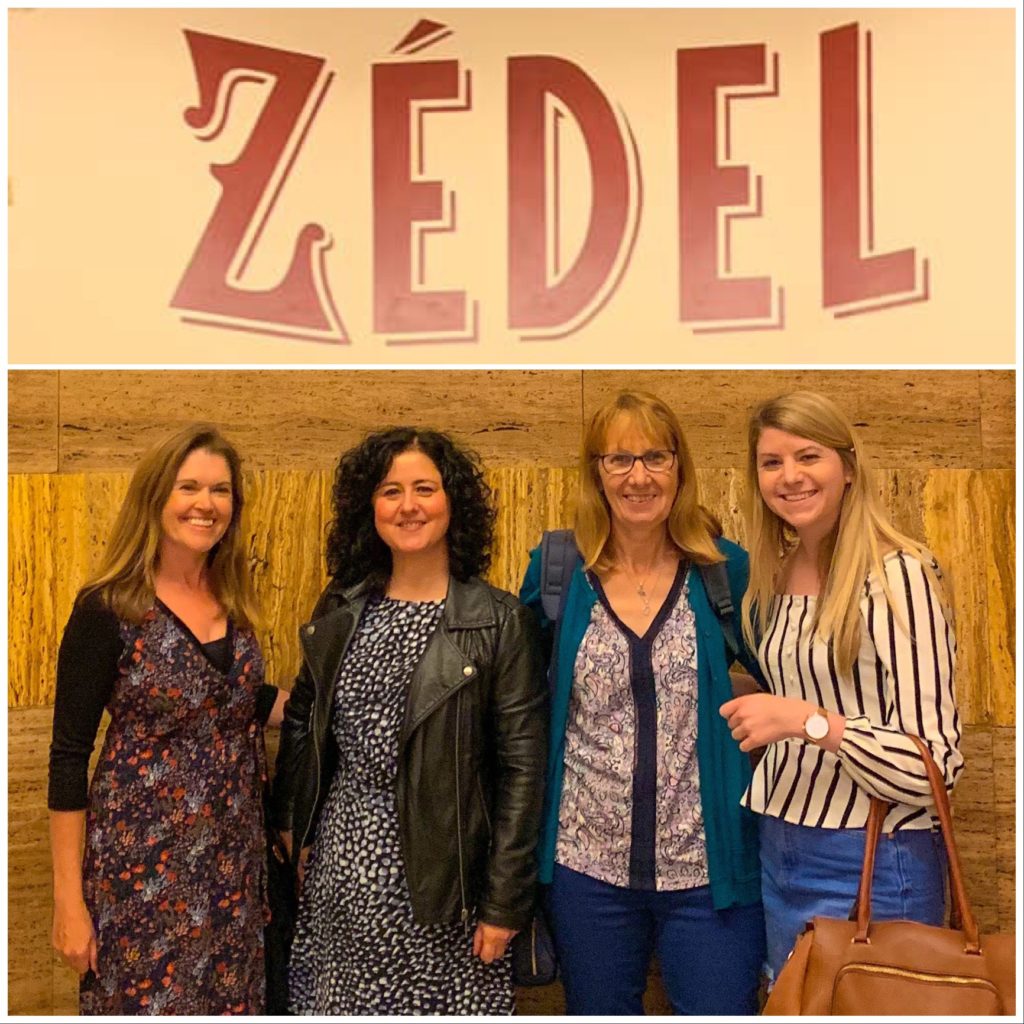
There I met up with three lovely ladies with iSGS I’ve met via the Facebook support group I run. We had a great chat over a light lunch at Bistro Zedel.
L-R: Catherine, Karen, Pat and Gemma
After lunch I made my way to Charing Cross Hospital on the other side of London near Hammersmith, where I had a series of awake steroid injections into my airway. It’s an excellent team there, all very caring, and it makes what could be a horrible experience quite bearable! That said, I travelled back to Brighton, exhausted after the procedure for a quiet night with Helen and brother-in-law Stuart.
Saturday: Just by chance, my cousin Elizabeth had been in touch with me and my siblings in the previous month to suggest a family reunion in the nearby West Sussex town of Arundel. I hadn’t seen her, her brother Giles nor their parents, Jill and Roger for more than 20 years! We couldn’t pass up the opportunity, and so I squeezed into the back of Helen and Stu’s car along with my niece and nephew, and off we went.
Jason, Elizabeth and JillCousin Giles chats with brother in law John and uncle Roger
We met up at the Arundel Wetland Centre, 65 acres of managed wetlands which are home to numerous birds, both native and from around the world, frogs, water voles as well as rare plants and flowers. We were a large group, with our extended family including children bringing us up to 19 visitors ranging from 3 years of age to late 70s. The venue did well to cater for us all, with plenty of information and a Lego trail for the children as well as more details and bird watching hides for the older ones.
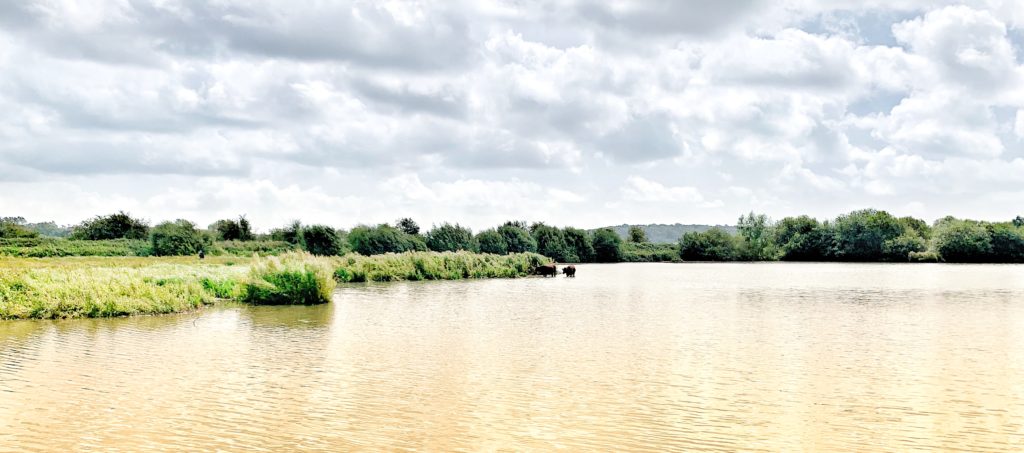
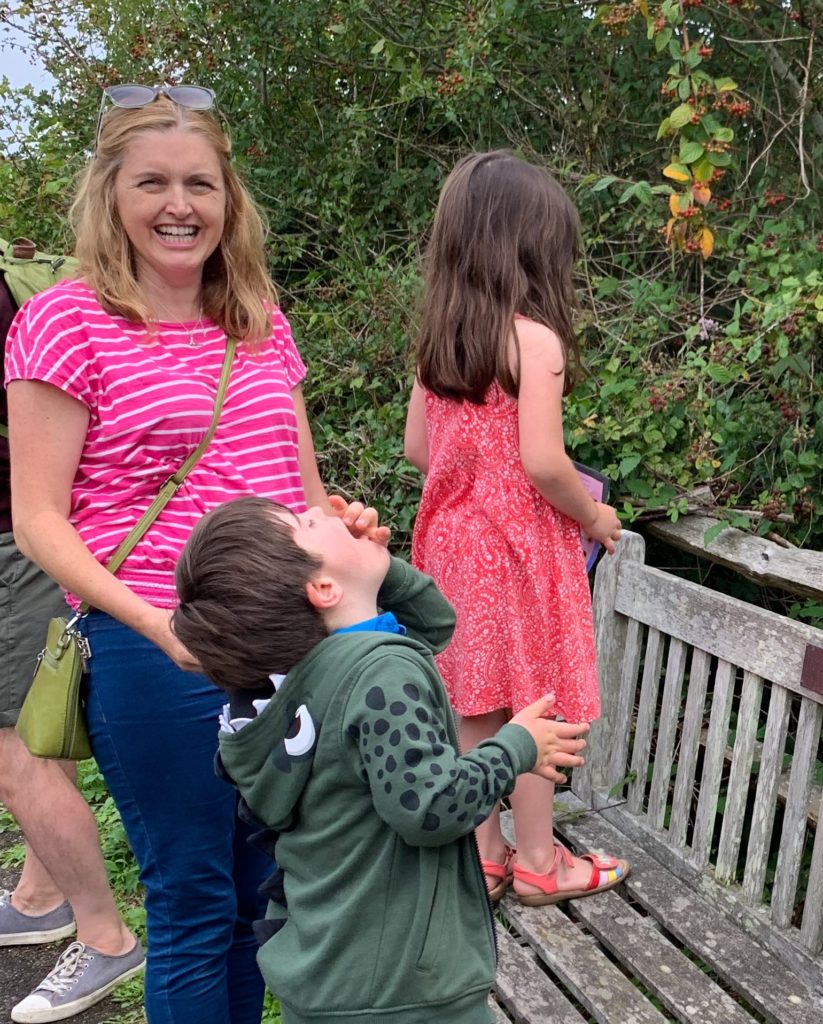
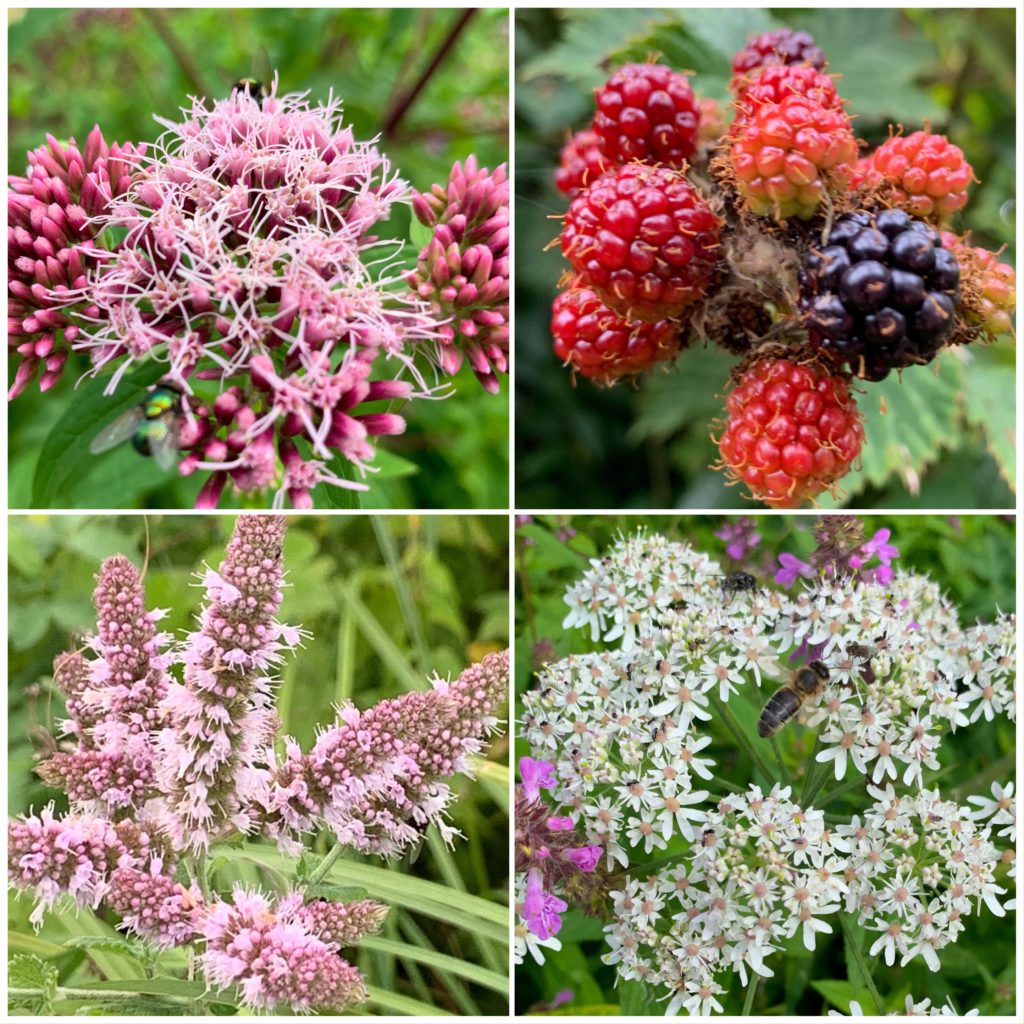
Is that a cow out there in the water?Yes indeed…one of four….Elliot has had enough of looking for birds, he’s off to find some Lego bricks instead!A little impromptu blackberry picking on the way aroundBeautiful wild herbs, flowers and fruits around the wetlands
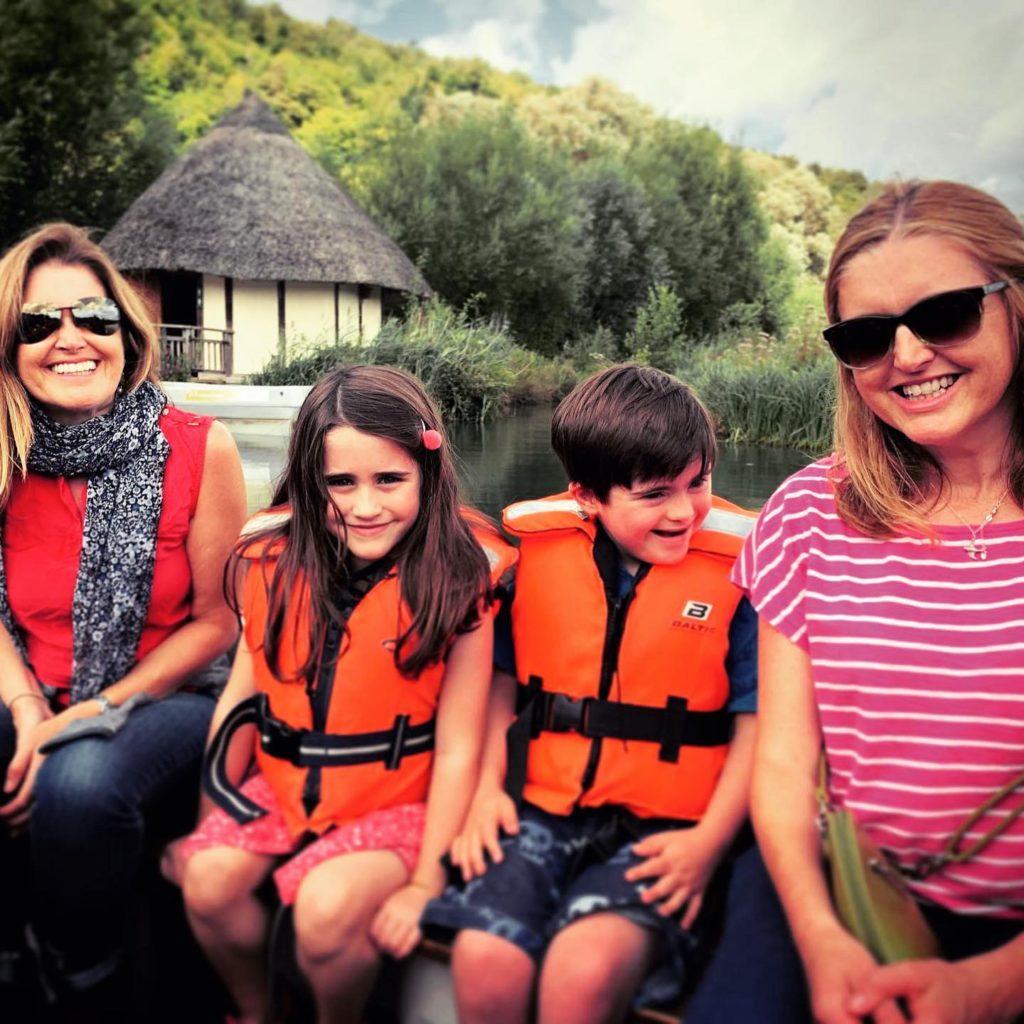
We brought along picnics and enjoyed an informative guided electric boat ride around the waterways, learning about the work they do there, the flora and fauna present.
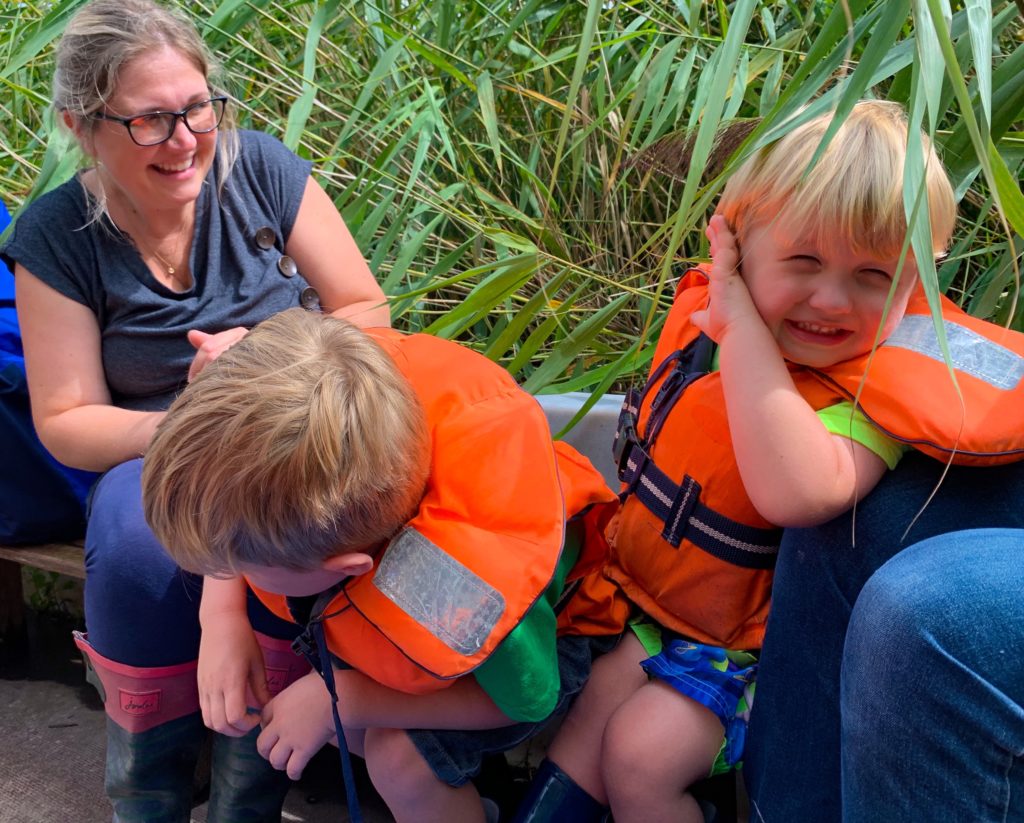
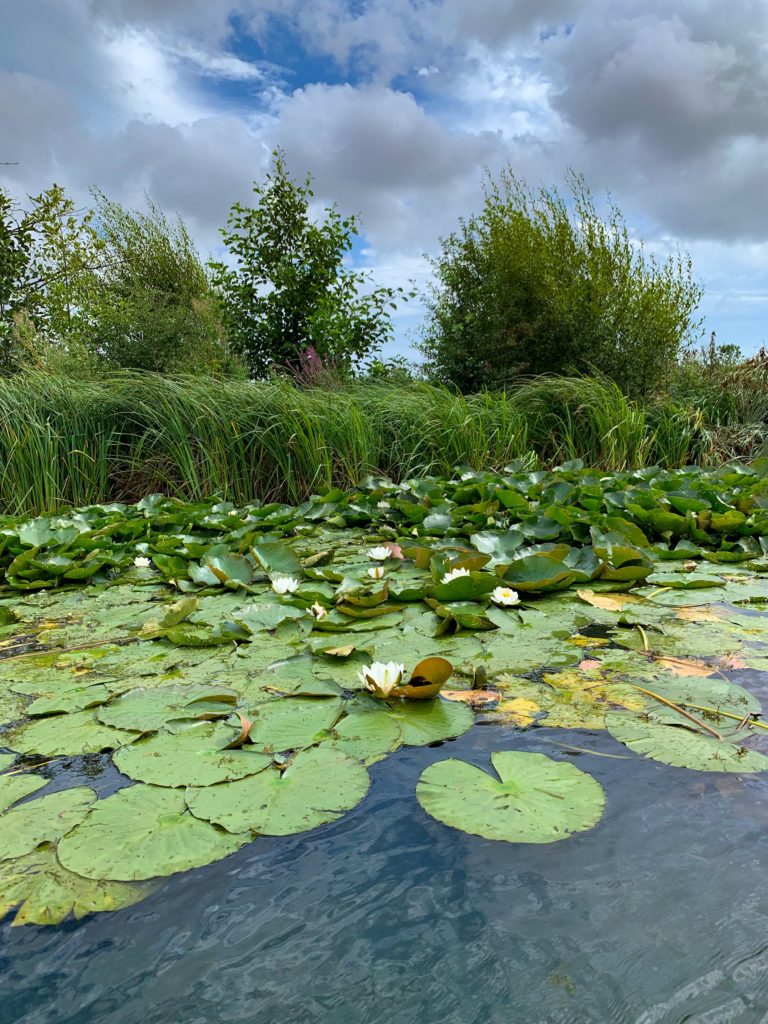
Much laughter as the reeds attack William and Edward on the boat tripElliot enjoying the trip sat beside HelenOff on a boating adventure – Catherine with Isabel, Elliot and HelenIsabel having a good chuckle next to her auntie CatherineBeautiful waterlilies on our trip around
We all had a great reunion, managed to chat at least a little to everyone before finishing the afternoon with ice creams and heading off home. A fabulous day out, and such a treat for me – if I had not have been back for my hospital visit I would not have even been there.
The three witches…I mean sisters – Elle, Catherine and Helen….
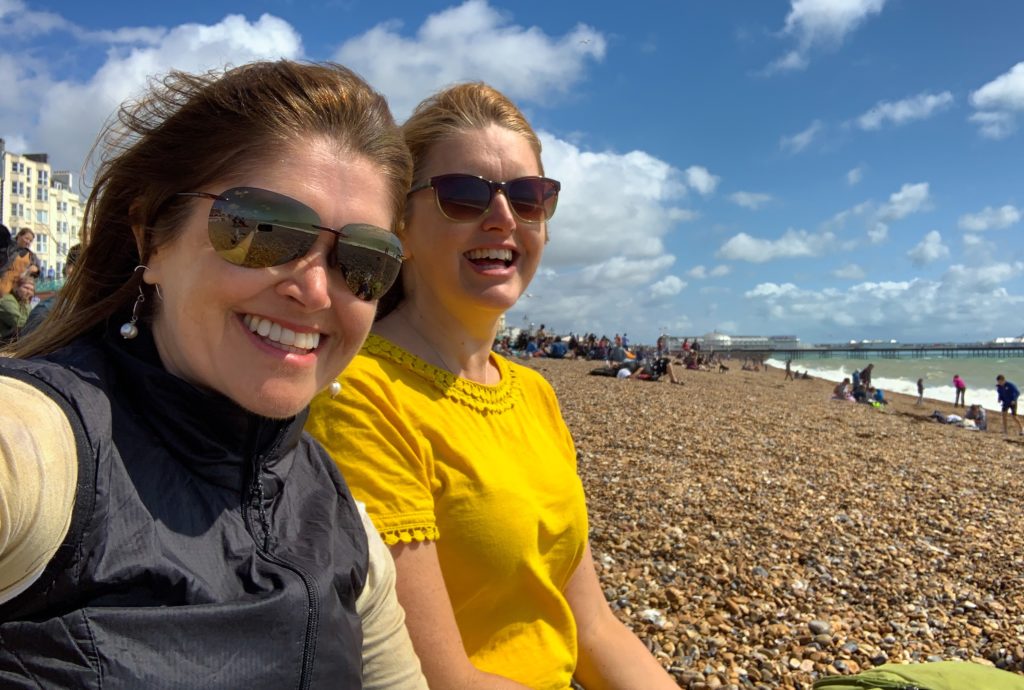
Sunday rolled around so quickly, and Helen and I ran around Brighton doing a few tasks and shopping. We managed to grab a quick lunch on the beach before heading back home, so I could pack and enjoy a final cup of tea before we headed to the airport.
A pair of wind blown sisters on the beach
The flight was a little late leaving, which meant travelling back to camp through Zurich was going to be challenging. Thankfully Switzerland has Uber in force, and for a reasonable price a lovely young Kenyan man drove me back to camp by 10.30pm…lovely to be reunited back with Mr A again and to be back on our travels.
Location: Wangan im Allgäu, and Lottstetten, Germany, The Rhine Falls, Switzerland
Monday morning brought stormy skies and cool temperatures – struggling to reach 14°C by lunchtime. We farewelled Ottobeuren and drove west through Germany, heading to a town called Wangan. We parked up on a stellplatz (the German version of a parking area dedicated for motor homes, with electricity and services provided for self-contained vehicles) beside the river leading into town.
By early afternoon the rain had stopped so we ventured out for an explore. Wangan is an old medieval town with several well preserved buildings and some remains of the wall and towers which marked the entry points.
The River Argen is very full after the heavy rain, In the background, St Martin’s church which rings out the hour…
Clearly English speaking guests are a rarity in these parts, as the information centre, packed with leaflets, maps and posters was able to hand me only one single booklet in English, detailing a historical walk through the town. I asked about cycling but the response was vague and a German language map book with rides was handed to me, and two routes pointed out as suitable as day rides.
Mark and I had a wander around town, finding a few of the old buildings before heading back to camp before the next storm arrived.
The streets of the old town are all cobbledPart of a lovely sculpture – St Anthony’s Fountain – named after the patron saint of domestic animals, sitting on the site where the weekly pig market was held for hundreds of yearsThe town hall – or Rathaus (I find this quite comical that it directly translates as the rat house!) dates back to the 1500s and incorporates the first fortificationsHistory is everywhere if we could only read the signs!Coats of arms outside old pubs date back to times when few could read and pictures communicated who the publican wasClaimed to be ‘one of the most scenically attractive streets in South Germany’ murals cover the front of many buildings, dating back to the 1700sThe Women’s Gate – dating back to before 1472Everywhere a colourful array of flowersCheck shirts are mandatory apparently…A music shop selling dodgy Australian road signs and didgeridoos…surprising!
Tuesday was overcast but dry, so I used Google to try and plot out a circuit route using the map I’d been given. Our route ended up being 60km, so by the time we got back to camp we were starving. Other than the medieval town of Isny, the ride was unremarkable, following mostly quiet roads through farmland and bike paths parallel to busy lorry routes. I think the grey skies helped to dull our enthusiasm for the gently rolling hills and fields of crops.
Isny im Allgäu, another pretty medieval town with a lot of history Is this how you make warm water…?Heading off on our ride
Wednesday: We were woken at 7am by the chiming of the local church bells, and packed up and on our way within a couple of hours, having enjoyed fresh bread delivered to the stellplatz by a local baker for breakfast. Before long we were passing through into Switzerland, completely unplanned, having failed to purchase a vignette for the motorways! We exited the motorway as fast as possible and quickly bought one at a local garage, hoping we wouldn’t be penalised for those few kilometres we had driven without paying.
This is the downside of being able to easily pass from country to country – each border crossing comes with its own rules, with Switzerland joining Austria and Slovenia in their requirement for all vehicles to travel with a prepaid vignette attached to their windscreen. Of course Switzerland was the most expensive, at 40 Swiss Francs, around AU$61 (£34). At that price we will have to ensure we make use of it!
Our destination for the day was actually in Germany again, about 40 minutes drive north of Zurich, just across the Rhine River.
Lottstetten is a quiet little village with a handily located stellplatz an easy cycle away from the magnificent waterfalls on the Rhine.
The River Rhine near our camp
We found a cycleway and followed signs to Neuhaisen am Rhinefall, the location of the falls, actually back in Switzerland, just across the border. We weaved our way through paths along fields and railways passing through quiet villages….
Peaceful country lanes, the village of Lottstetten in the backgroundA little ginger kitten calls us over to give him strokes on our cycle past
The falls were created after the last ice age, and have huge volumes of water thundering over them. Today we were advised there are 479,000 litres per second moving past…we wouldn’t fancy white water rafting over them right now!
479 thousand litres per second roar over this drop on the Rhine RiverLook carefully and you will see tiny tourists on the rock in the middle of the falls, and to the left…and of course the boat beneath the falls. Laufen Castle behind us on the Zurich side of the river, dates back to the year 878
It turns out we were not the only people there to see the spectacle!
For the first time since Krka National Park in Croatia we saw rows of coaches, full car parks and crowds of people lining up for toilets, ice creams and boat trips. It was not really our scene, so we stopped for a few minutes to admire the magnificent falls (and really, the photos do not do them justice), the castle overlooking them and wondered at the sheer power of the river before heading back.
And so to our final night in Germany this evening, as tomorrow we will head into Switzerland again, making it officially our tenth country this year.
What we love about travelling in Europe is the the ability to amend our plans on the fly, make decisions at short notice and even change countries – all a great challenge in Australia, where at busy times of the year campgrounds must be booked well in advance (restricting any spontaneity) and as for changing countries…well, that takes both funds and planning, and it would be very hard to take a vehicle.
It was a message from our friend Stefanie pointing out we were only a couple of hours away from her in Bavaria that prompted us into pointing Truffy’s nose north upon leaving Innsbruck and head into Germany. It was a spectacular drive, through mountains and following rivers, through alpine tunnels and past countless castles and fortifications.
Yet another fine view out of our windscreen as we wind through the Zugspitze – part of the Northern Limestone Alps
The language, food and scenery sounded and looked very similar to Austria, but in just over an hour’s driving we arrived in the town of Pfronten.
I would love to say it was some secret knowledge that brought us to this village en route to see Stefanie, but it wasn’t, just a site written up on an app with good reviews – and we really hit the jackpot in terms of location. It turned out that a tavern had added motorhome parking to its car park – thereby increasing customer numbers and earning a side income. It was so much cheaper than we had experienced of late too, a total of €14 (AU$23/£13) for the night including drinking water and electricity.
I sat down with Google maps and plotted out what I hoped might be a good circuit cycle ride, taking in a few sights on the way. The region is literally riddled with cycle and hiking paths, and we had spotted a few castles and lakes on our drive through.
The paths started right at our campground, car-free tracks heading across the countryside, amazing views in all directions.
Five minutes ride from camp and we cannot see another human
Our first point of interest was the castle of Eisenberg, built in 1313. It has been owned by Germans and Austrians, attacked by peasants, built up, renovated and raised to the ground again in its 706 years lifespan.
Castle Eisenberg A commanding position…ensuring peasants all around can be reminded who is in chargeLooking back towards the main castleEnjoying the lookout from the tower
In the 1980s there was significant restoration of the buildings and interesting finds have been stored in a museum in the nearby village of Zell (open at weekends only).
Setting off on another typical pathway towards another amazing view…not too busy either!
We set off next towards Hopfensee, a large lake surrounded by villages and walking tracks, skirting the edge of the lake through the village of Füssen towards another lake, Weissensee. All tracks were off road, cutting through woodland, old farm tracks along fields, or purpose built alongside the busier roads, but felt really safe at all times. There were plenty of other cyclists around, big smiles on their faces, enjoying the sunshine, perfect temperature and stunning scenery after several days of rain and cooler temperatures.
Weissensee Lake – popular for swimming, paddle boarding and fishingLooking over to the lakeside village of OberriedDo these birds appreciate their view? Looking down Weissensee lake from Oberkirch
Our 40km circuit ride finished back at our local tavern for a refreshing beverage. Other than potatoes and vegetables there was nothing on the menu that was dairy-free, so we settled for a beer and glass of Riesling before heading back to Truffy for showers and to cook dinner. An awesome day.
After the quiet of the past few days it surprised us how busy the traffic was this morning in the Zillertal Valley, the sounds of lorries, motorbikes and cars echoing loudly from the early hours. After a cup of tea, we set up the bikes and headed off for the day.
We picked up things for a picnic from a nearby supermarket and followed the valley until we reached the Inn River. This is the river which gives Innsbruck its name (brücke means bridge in German). It may not look so in the photos, but the river is known as ‘the green river’ due to the particles of limestone which reflect the light from the sun.
Fields of sweet corn line the pathway, overlooked by mountains
Alongside the river is the Inn River Cycleway which runs 520km from the river’s source in Swizerland, through the Tirol region of Austria and finishing up in Germany. We were doing a short section of the river ride to make up a 65km return trip from camp.
The first castle of our morning, Schloss Matzen, looking like a fairytale palace
Our destination for the day was Austria’s smallest town, the medieval settlement of Rattenberg. The town has just 400 permanent residents but that is substantially bolstered by visitors – long distance cyclists, people on day rides like us and day trippers. It’s famous for its well preserved medieval buildings as well as the craft of glass blowing – there are several shops there.
The ride was just lovely – the river route is set up for ebikers and manual cyclists alike, with several break areas offering charging facilities, picnic tables, water, and inner-tube vending machines. The route is very gently undulating – we barely moved off the ‘eco’ setting on our bikes all day.
It’s an interesting route too, with little chapels, castles and villages dotting the landscape as we rode, giving the opportunity for a change of scenery or a break at any stage.
Rattenberg sits in the shadow of Rat Mountain and receives no sunlight for much of the winterMr A riding along an apple tree lined pathwayCrossing the fast moving waters of the Inn River
We rode through the cobbled streets of Rattenberg, evidence of its medieval history evident on every corner.
Colourful houses with coats of armsUnknown story told in art on a street corner
We saw a steep lane way leading up to the castle and powered on up for a look.
The castle these days is used as an outdoor theatre
The views from the castle ruins are fabulous. This building dates back to the 10th century and only one tower remains today.
Looking out over the town towards the river and mountainsThe one remaining building, the Bienerturm Tower – named after Chancellor Biener who was beheaded thereA couple of happy cyclists
We enjoyed a drink in a cafe in the town square, before heading back to camp. Well worth a look around if you’re in the area, especially if you’re on two wheels!
Thursday: Our journey out of Salzburg took us past lovely views of the castle, gleaming in the sunshine after yesterday’s torrential rain. Before long we were heading out of Austria and into Germany for about 20 kilometres, before returning to Austria, upping our 2019 country count to nine (if tiptoeing across a little corner counts!).
Farewell to Salzburg View from our windscreen as we cross the country
Our destination was a little campground close to the village of Hochfilzen. The drive across was gorgeous, as rocky peaks revealed themselves, the land around us seemingly lifting up above our heads with incredible scenery. In the winter, this region is full of skiers with several resorts servicing the slopes, but as was evident as we drove in, summer is all about cycling. Our first impression as we drove the final few kilometres of our journey was that there are way more bicycles here than cars – fantastic!
We’re on a great campsite, surrounded by the mountains, hiking and biking paths starting right on our doorstep (and apparently in winter, the cross country skiing starts right here too). There are only about 20 sites on this family run campground, and it’s very friendly.
We had just finished lunch with my friend Maayke arrived. She’s another friend I have made through the support group I run for people with rare breathing disease idiopathic subglottic stenosis (iSGS). We had a brief catch up before all jumping on our ebikes for a tour of the area
Most of the routes we took are shared paths…Having lived in relatively flat Australia the past 20 years we’re blown away by the majesty of these mountainsReally enjoying this!Hard to stop smiling – Maayke tour guide extraordinaire and I at the start of our ride
And what a tour she gave us! Originally from the Netherlands, she has lived here in Austria for fifteen years and knows the cycling and hiking trails like the back of her hand. She and her husband are extremely active, as always making the curse of developing iSGS all the more painful. Thankfully Maayke found an excellent surgeon in Vienna who has hopefully removed the stenosis, and so far she’s doing really well and is back to a high level of fitness.
It was hard not to constantly stop our ride to take photographs, the scenery so stunning. After about 15km we reached the village of Waidring and Erika Schmid‘s cafe. It is famous among locals for its delicious and huge slices of cake and giant cups of tea. Everything in the cafe is home made, and upon hearing I was dairy free and hence unable to sample the cake, Erika whipped me up a fresh raspberry sorbet – delicious!
Takes some muscles to lift these cups of tea!And as for that slice of cake!! (Maayke helped Mr A out a little)
After that feast, and given it was still such a beautiful evening, we decided to continue our cycle making it a just over 50km circuit.
Temperatures dropping a little as the day progressesMore photos as the sun starts to dropThe sun setting over the Lofer Range – 2,510 metres (8,238 ft) of rugged alpine mountainsThe fields look unreal with the long afternoon shadowsAmazing skies as the sun sinks low
We toasted the end of our ride with a glass of Italian Rosata before retiring for the day.
Friday: It was a slightly disturbed night as a thunder storm roared over us in the early hours, echoing around the mountains and the rain sounding loud on Truffy’s roof just half a metre above our heads.
Maayke arrived just after 9am to take us on our next cycle tour, the scenery very different post-storm.
Mark and Maayke cycle off towards the mountainsVillages with viewsAn ever changing scene with the clouds hanging low
Friday morning is market day in the village of St Johann in Tirol, so we jumped on the bikes again to ride the 22km over there. We had purchased fresh bread from the baker delivering to our campground, so bought some additional ingredients at the market – an heirloom tomato, some freshly made dips, smoked fish, and added a cucumber from Maayke’s garden and we had ourselves a picnic. We enjoyed that in a nearby park, before continuing our exploration.
The endless search for sheep cheeseSmoked fish – a Mr A dream come true!Mr A and I have honed our picnicking skills over the years – can prepare food on any surface!
Before long, the sky was darkening and our mountain views were rapidly disappearing. We decided it might not be wise to be cycling when the storm hit, and so rode to the nearby train station. As tourists, on arrival we were presented with personalised tickets allowing us (and our bikes) free travel on all buses and trains in the area – fabulous.
The train stopped a couple of kilometres from our campground, so it was a short ride back to camp for a cup of tea and showers.
Maayke was back again at 6pm, this time in her car, to take us to dinner. She took us to a local favourite, Gasthof Adolari in St Ulrich am Pillersee, beside a fifteenth century church and overlooking Lake Pillersee.
The 1404 St Adolari church is on a pilgrimage routeAn ornate interiorFrescoes coat the walls and portraits of archbishops overlook the alter
We tried some delicious local dishes we probably wouldn’t have tried by ourselves, including a dessert – Kaiserschmarren, which was like a baked broken up pancake with apple sauce – made dairy-free especially so I could try it.
Delicious food and wine…as you can tell by our empty glasses!Dessert unlike any we have tried before – Kaiserschmarren
A fabulous evening….we’re really enjoying getting to see Austria from a local perspective.
Location: Moosham Castle, Unternberg and Altenmarkt im Pongau, Austria
As we departed from Murau the cloud dropped, hiding all the views we had enjoyed over the past couple of days. Along with the cloud, the rain soon started, and instead of temperatures in the mid 20s, the day struggled to top out at 18°C. This is the coolest weather we have had since the east coast of Italy, back in May.
We drove east about 40 minutes, pulling up at a castle I had read about – Castle Moosham (Schloss Moosham).
Looking grand up on the hillsideBuilt in the 1100s, Castle Moosham sits high up on a hillTruffy’s first visit to a castle
The castle had exchanged hands many times over its 900 year lifespan, and was purchased by Count Hans Nepomuk Wilczek in 1886. He was a great collector of antiques, and made it his life’s work to restore the building and to furnish it as a museum. He was an important figure in Austrian history, a researcher funding expeditions to the North Pole among other achievements. He built another castle near Vienna, Kreuzenstein Castle, in order to house his art collection in the 1800s.
His grandson Alexander was the tour guide for my visit (which I enjoyed while Mark chilled out with a cuppa soup and a good book!). His father (Count Hans Heinrich Wilczek) spent much of his childhood growing up in this castle, and now owns this and the castle near Vienna. Our guide lives in another castle nearby…hah we have our camper, who needs a castle?
I was not allowed to take photos inside, which was full of antiques, artwork and collectables from as far back as the 15th century. Alexander was particularly proud of portraits of famous Austrians such as Mozart, as well as extensive collections of suits of armour, weapons, prints and ancient texts in a library.
A fifty metre deep well is the centrepiece to the castle courtyard
This castle has featured in a number of documentaries, boasting to be one of the most haunted castles in all of Europe. It certainly has a gruesome history to go with it.
The history dates back to Roman settlement, where a fort was built at this location. There are a few relics left from Roman times – bits of pillar here and there, stones reused in walls, a tombstone encompassed into a wall.
During a period of 228 years ( between 1534 and 1762) , this castle was the location of 66 executions, of which 44 were attributed to persons accused of sorcery and witchcraft. The dungeons were cold and dark, and full of torture implements – collected from the world over as well as Austrian.
You can almost imagine having to await trial in these cages, terrified for your fate
Tour over, I rejoined Mr A and we continued to our next destination, Altenmarkt im Pongau. About 70km south of Salzburg, it was a random selection on the map, with somewhere to camp which had space! There are many places we have been recommended, but with overflowing campgrounds, bad reviews, and a minimum of three or four nights’ booking, we chose to avoid them this time. The issue with travelling in peak season, I guess.
The rain closed in, and we bunkered down for the afternoon, enjoying the cooler temperatures and an excuse to not do anything for once!
Monday morning dawned drizzling and grey, so we set about trying to find some storage for Truffy between November and March when we’ll be heading to Australia. It seems every single place in the south-east of England (we’re talking Brighton to Milton Keynes here, so quite a big chunk of country!) is fully booked out! One place said they had one space for us, but we would have to start paying the monthly fee immediately to secure it.
Feeling dejected, we put on our rain coats and decided to walk into town for some fresh air.
The cloud hanging low over the hills…it’s hard to believe this is a ski resort!
We got into town at midday, just as most of the shops were closing for a two plus hour break! The town was busy with people walking around, trying door handles, clearly with money burning a hole in their pockets, but unable to spend it.
The Roman Catholic Church, Maria Gebert can be seen for miles, particularly the golden cross on top of the spireCloisters opposite the church offer a peaceful respite from the rain
We enjoyed a hot chocolate in a local cafe, before having an amble around some of the shops which opened earlier than others. The early bird catches the worm as they say, and those shops which decided not to close, or opened sooner than others got our valuable euros.
The town predominantly lives for the winter season, servicing the Ski Amade ski area. Many of the shops sell hiking and skiing gear – Mr A’s favourite stores – he left with two tee-shirts and a pair of shorts. A successful visit!