Author: Mrs A
Location: Cania Gorge National Park, Queensland, Australia
We were woken up in Moura at 4.30am by the idling engines of four wheel drives as the resident mining community headed off to work. We had already had a somewhat disturbed night with the caravan park’s pool constantly gurgling and making unpleasant suction noises as the water level was too low. We couldn’t wait to hit the road and see Moura in our rear view mirror.
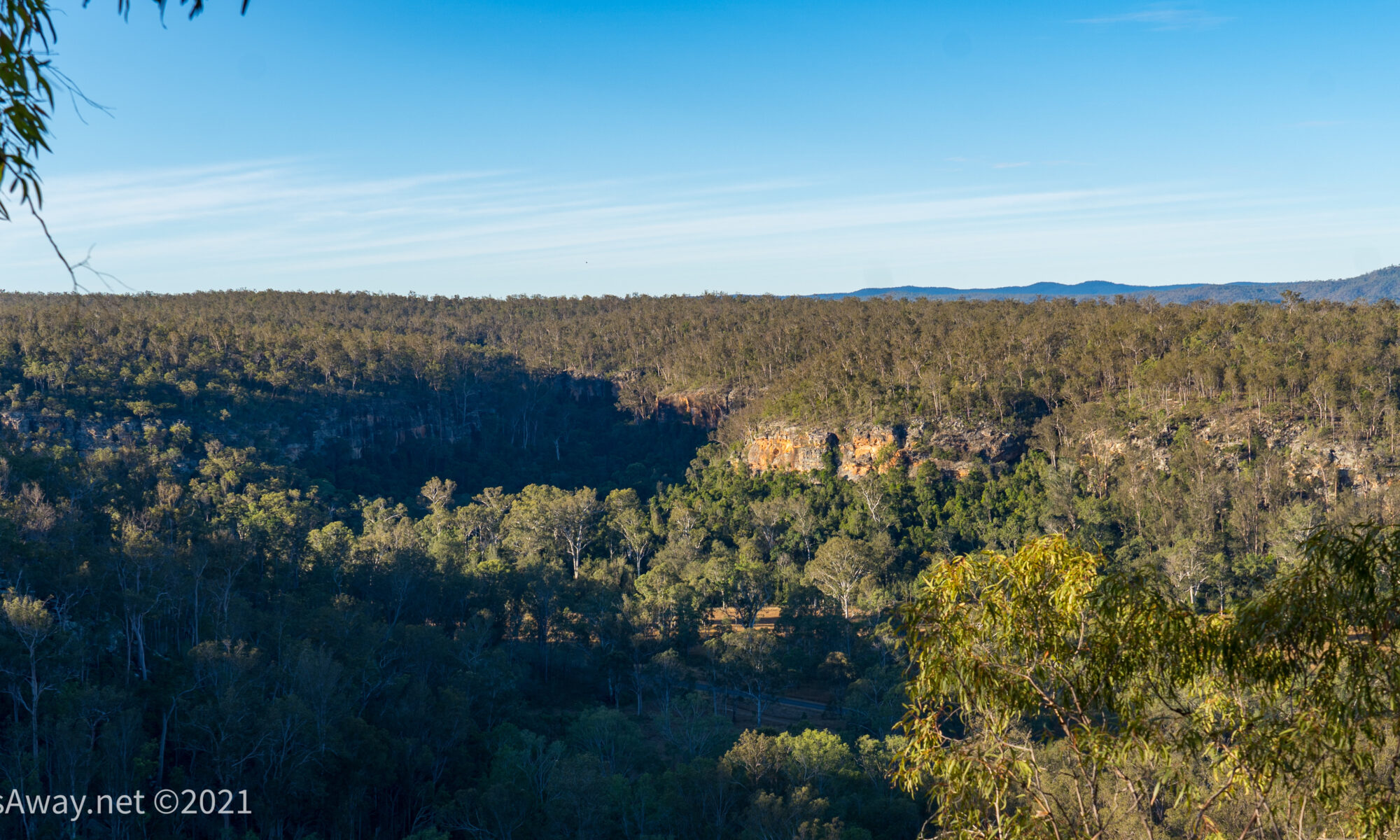
Within two hours we were pulling into our little piece of paradise for the next three nights, Cania Gorge National Park. We were staying on the edge of the National Park, surrounded by red sandstone walls, tall forest and many birds at Cania Gorge Tourist Retreat. The park is actually for sale, if anyone fancies a project and has $1.5 million to spare. It needs some upgrading, but is in an unbeatable location.
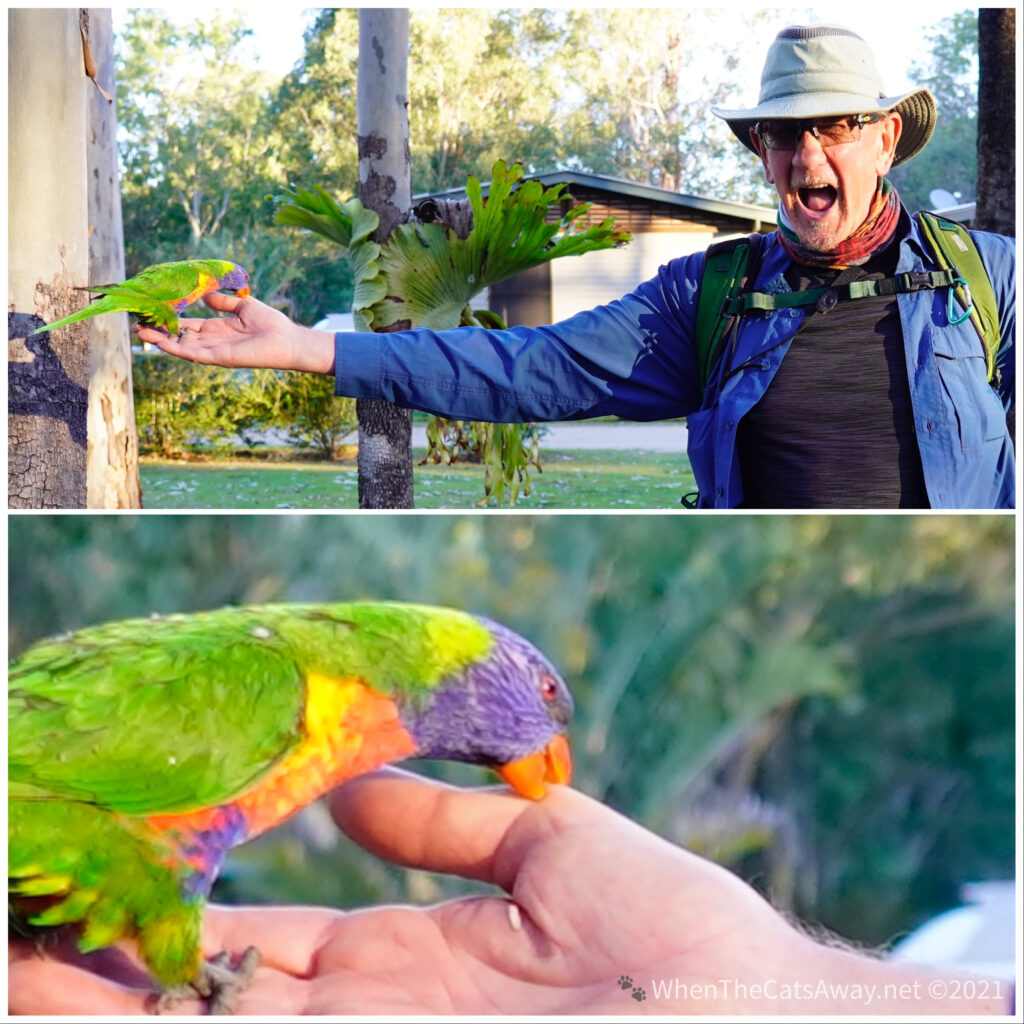
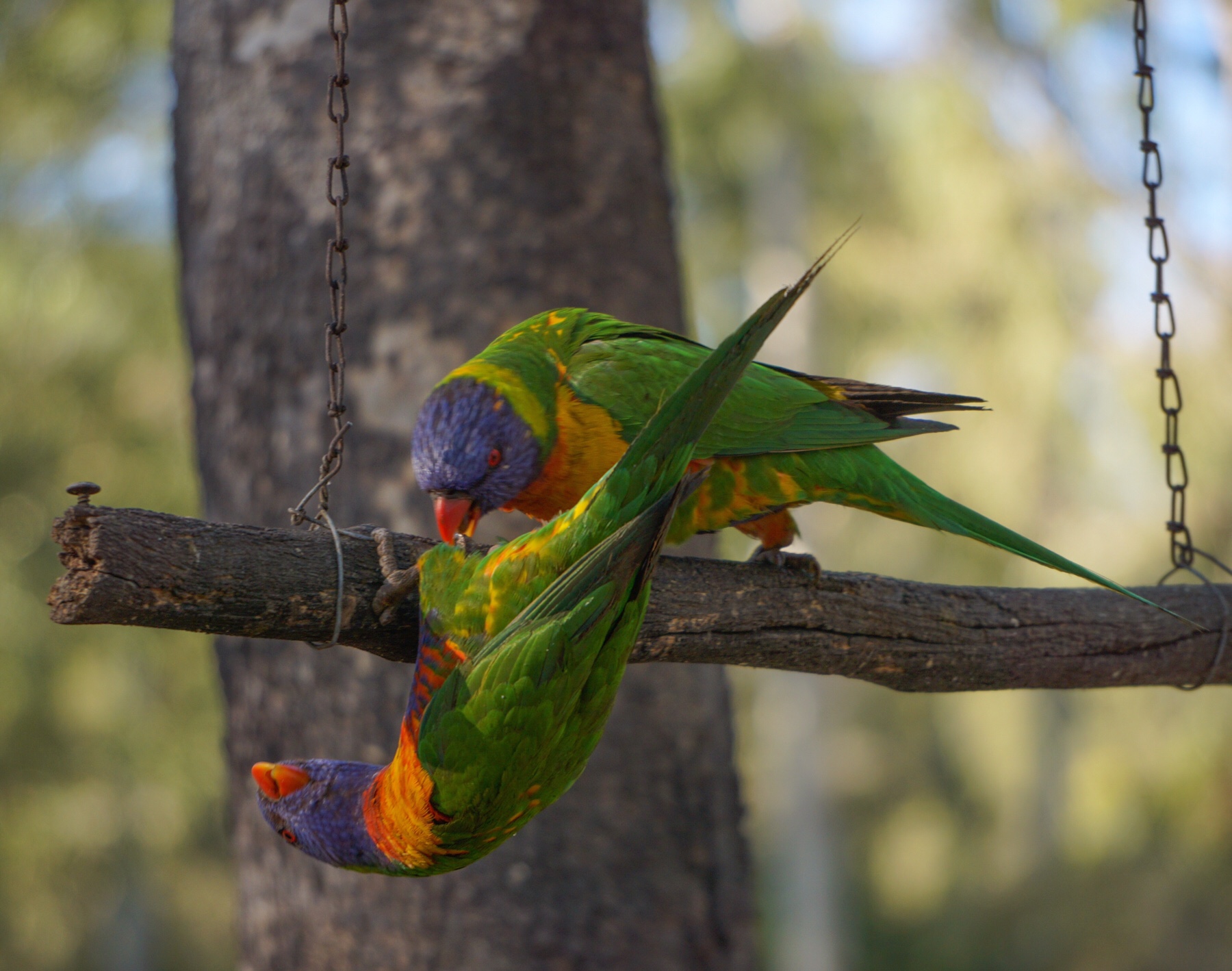
Every afternoon at the retreat is bird feeding time, and while we disagree with feeding wild birds in principle, it certainly brings the inaccessible birdlife down to meet the average person. We were given some sunflower seeds and held our our hands to see which birds were hungry.
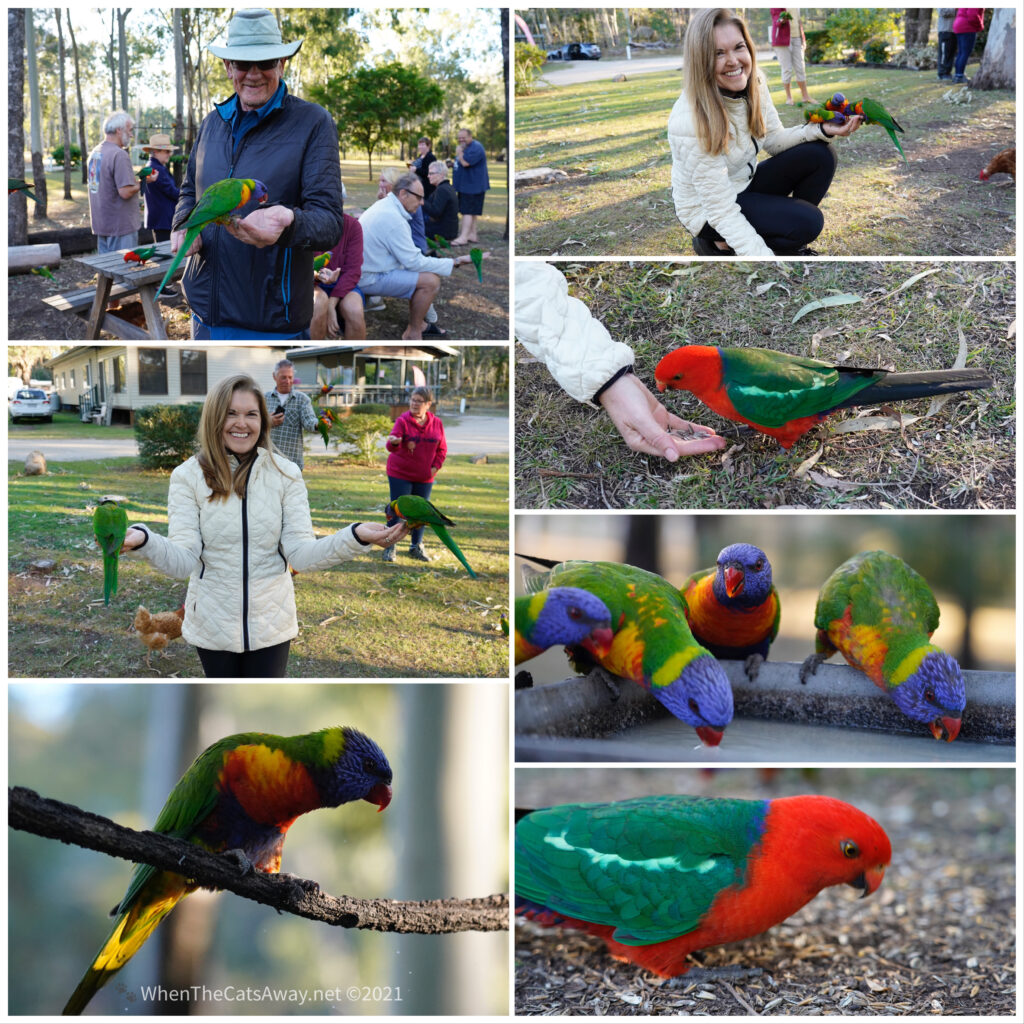
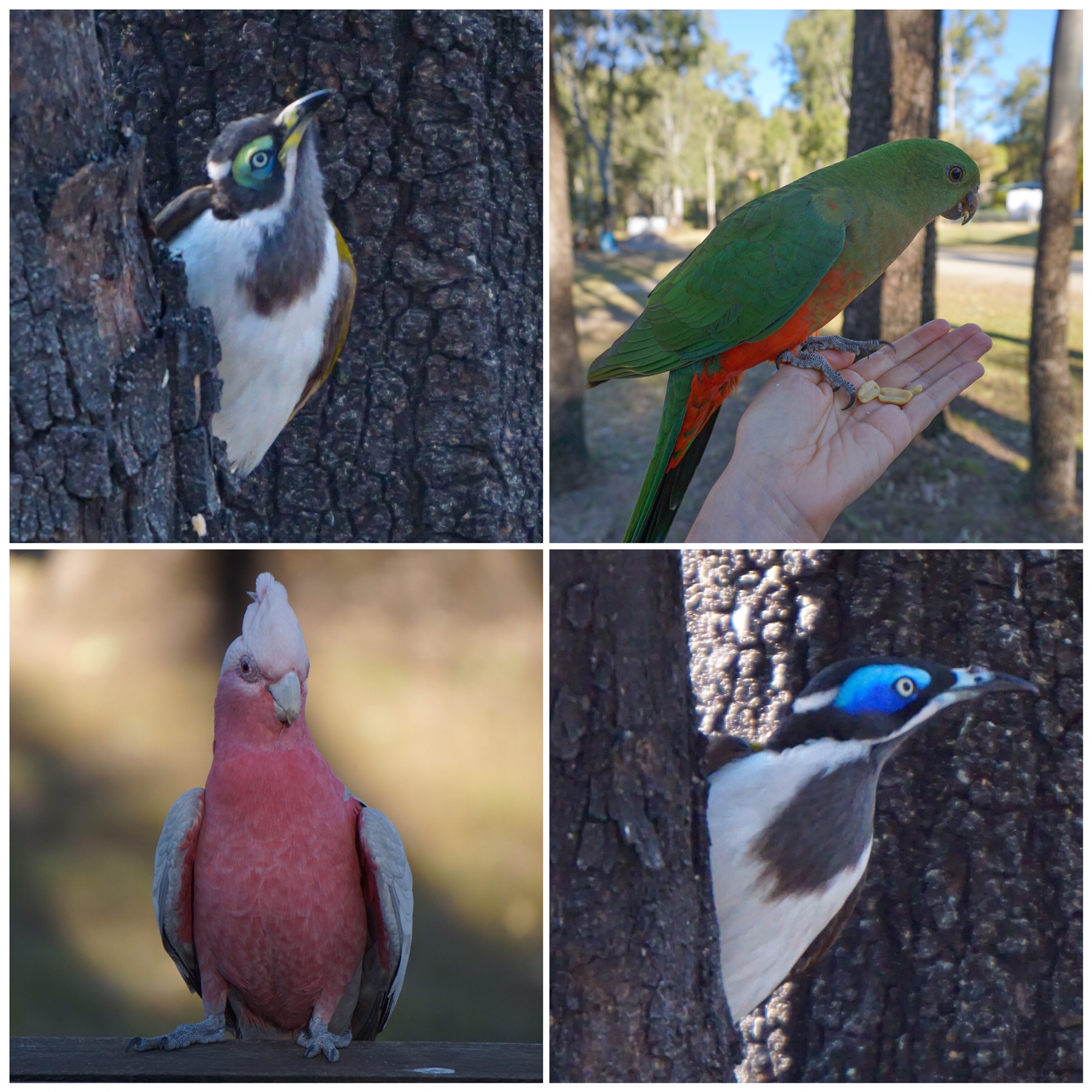
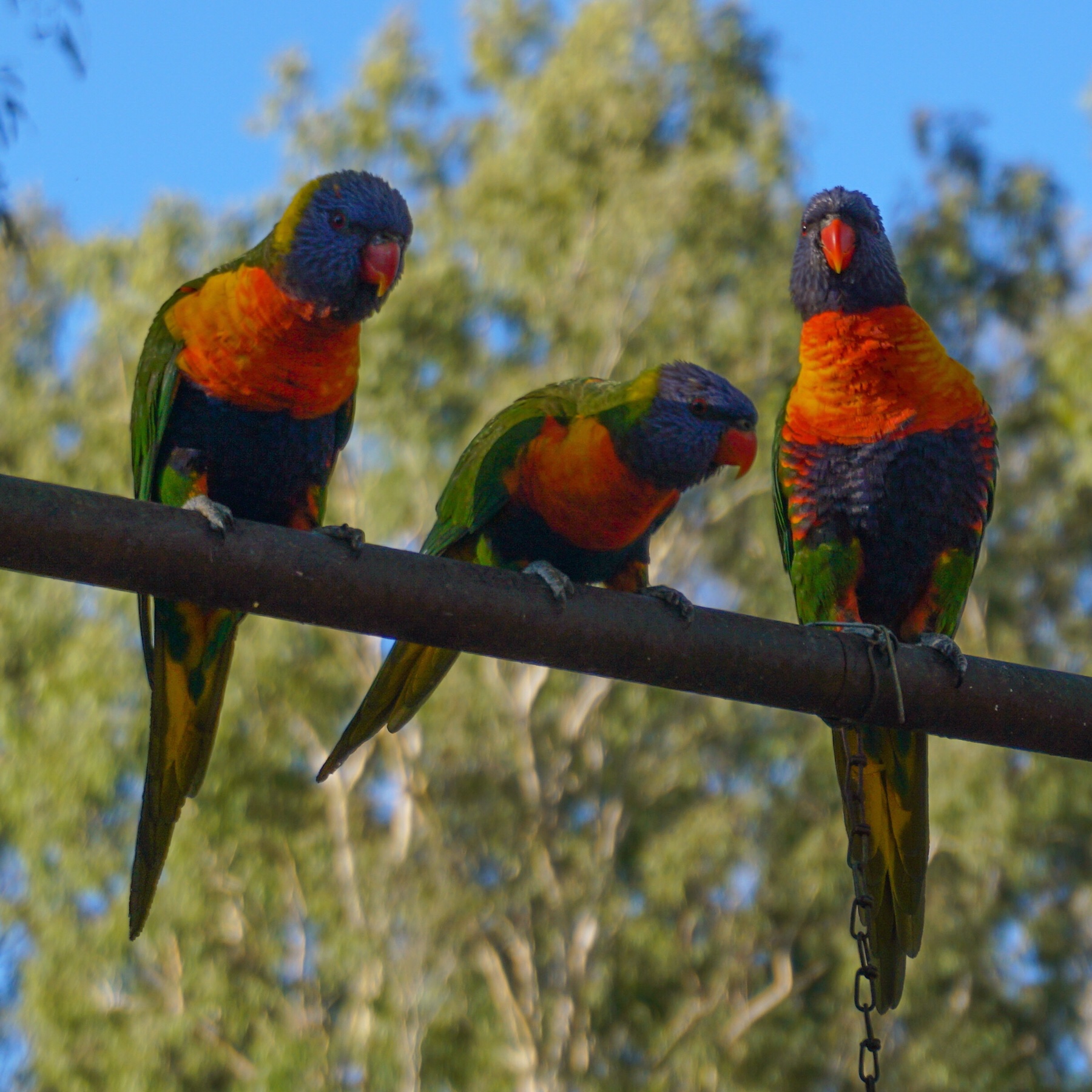
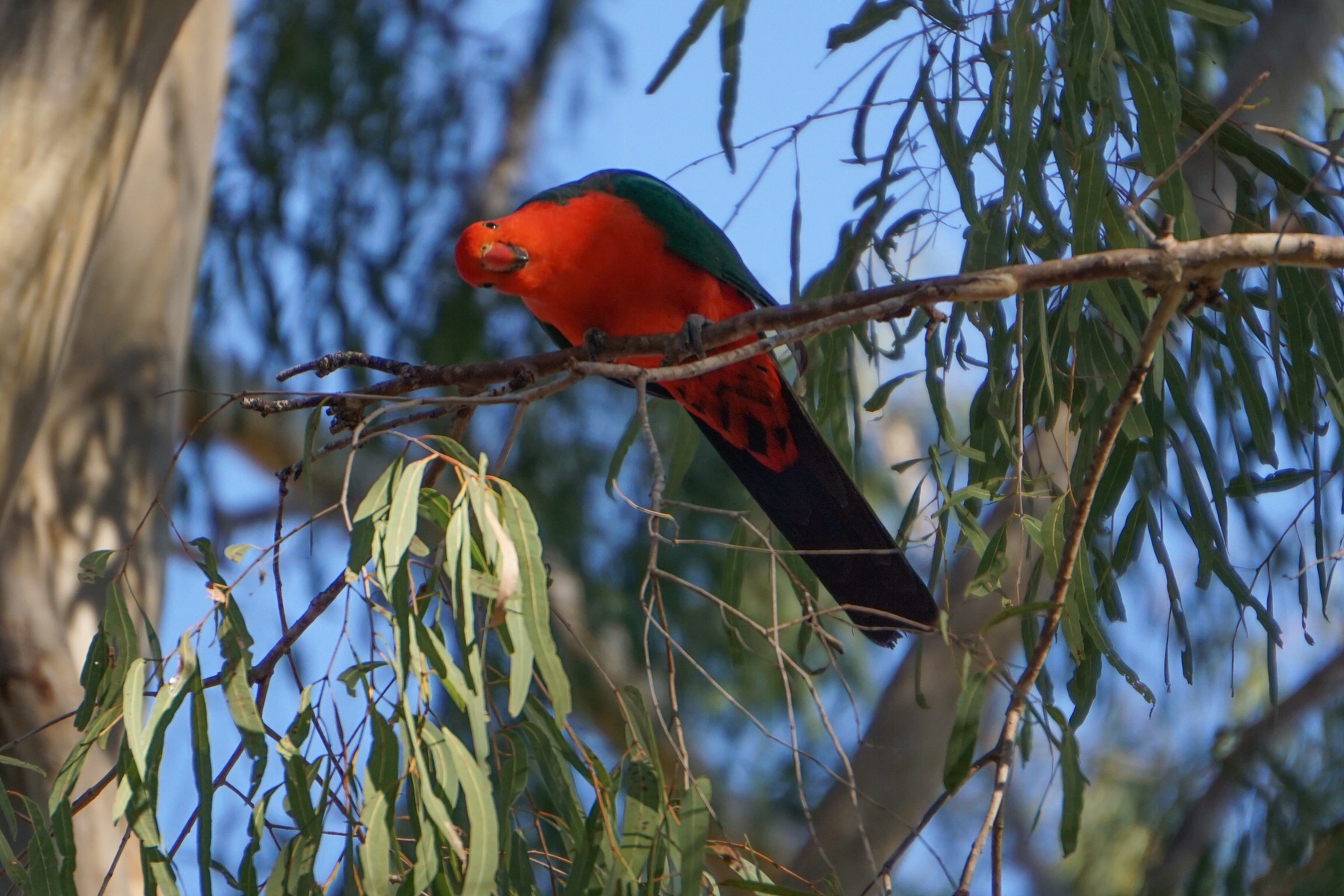
The brightly coloured and gregarious Rainbow Lorikeets flocked to the site, their screeching almost deafening as they squabbled to get to their free feed. Beautiful King Parrots (red and green) were also there, but a little more cautious in their approach. In the trees surrounding us (but not game to come down to the people) were pink and grey Galahs, Laughing Kookaburras, and Sulphur Crested Cockatoos calling from the highest treetops, excitedly.
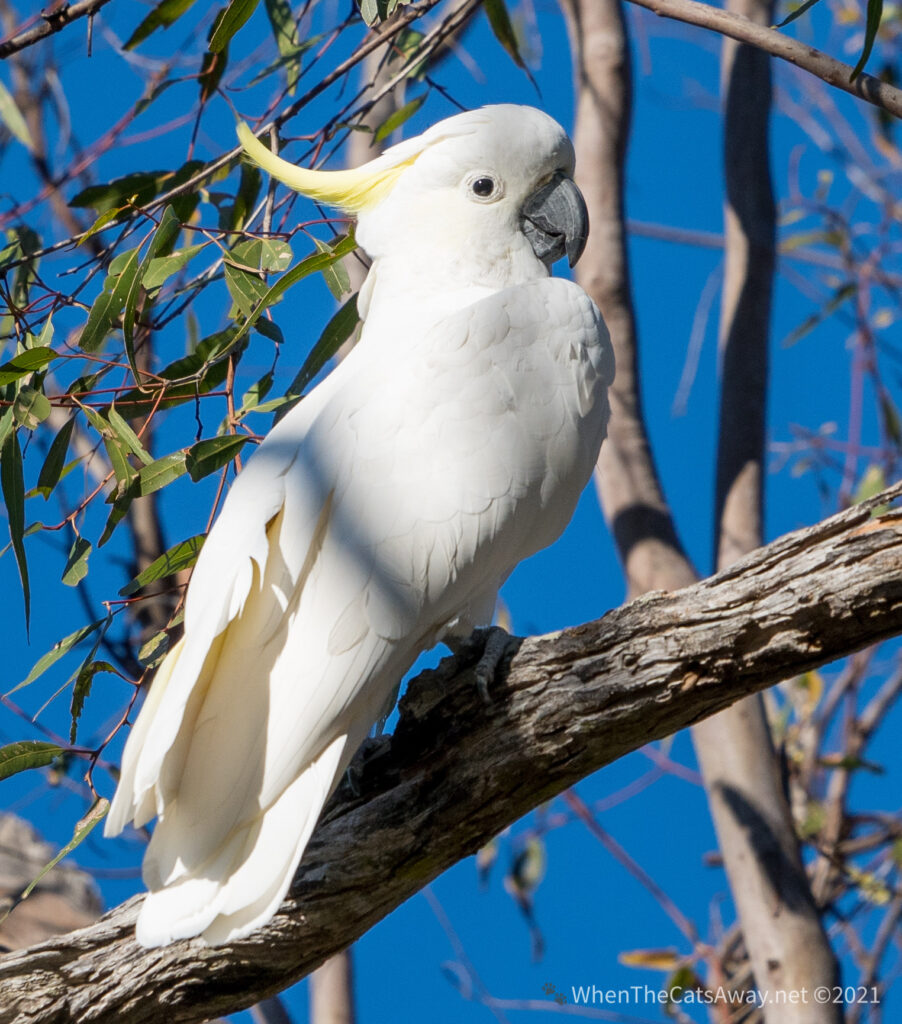
We had a wander around after the feeding, to see what other birdlife was around.
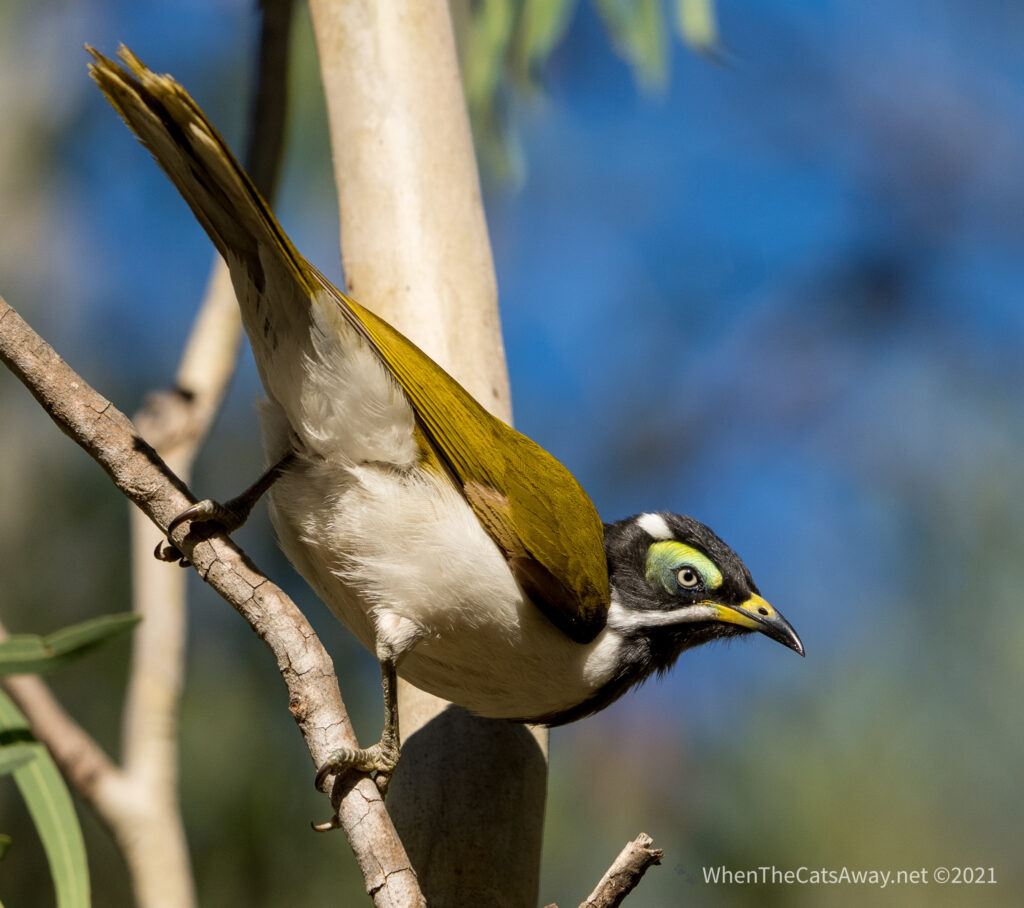
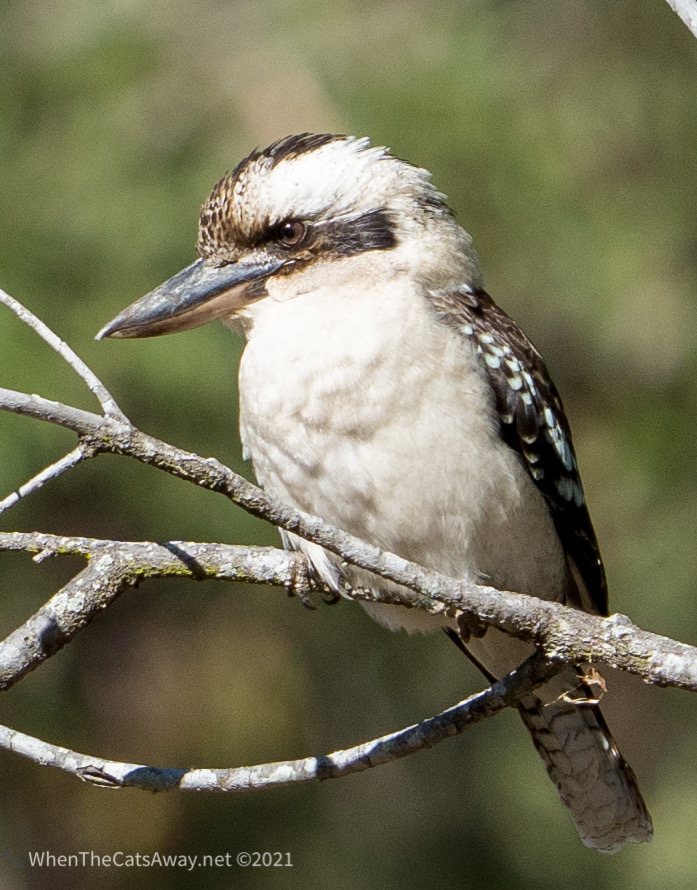
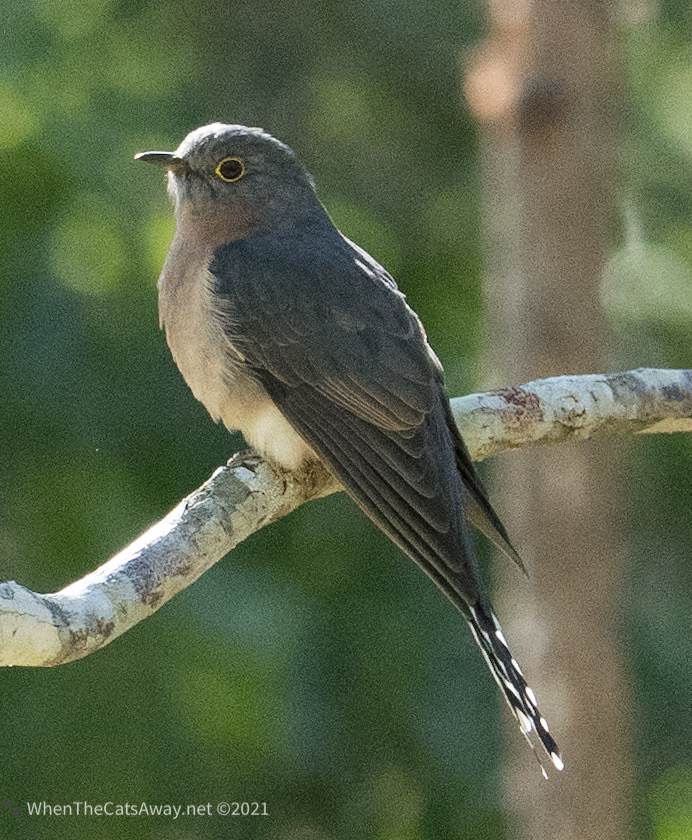
Cania Gorge has a First Nations history dating back at least 19,000 years, (to the height of the last ice age) with many examples of freehand artwork in the park, but none of the nine art sites accessible to the public. The Gooreng Gooreng people were the custodians of this land, their territory stretching from here all the way to the coast (200+km away). When white settlers arrived in the area, the Gooreng Gooreng, like many other tribes during the 18 and 1900s, were murdered, starved or sent off to settlements such as Woorabinda, Cherbourg and Palm Island (making for very grim reading).
In good news (it is hard to find any!), in the mid 1990s a bunch of academics worked with a Gooreng Gooreng elder in order to save the language from extinction (90% of Aboriginal languages are extinct), and produced an English/Gooreng – Gooreng/English dictionary to teach the next generations. This is so important – Indigenous history is a living thing, handed down and carried on by language via spoken word and the story telling. More than 40,000 years of knowledge about Australia’s flora, fauna, how to cook, how and where to travel, when to harvest particular foods is shared in this way. When a language disappears, so does all this knowledge. We often wonder what we are only now learning that our First Nations people may well have known for centuries.
We acknowledge and thank the Gooreng Gooreng people, present and ancestral, as the traditional custodians of the land we visited.
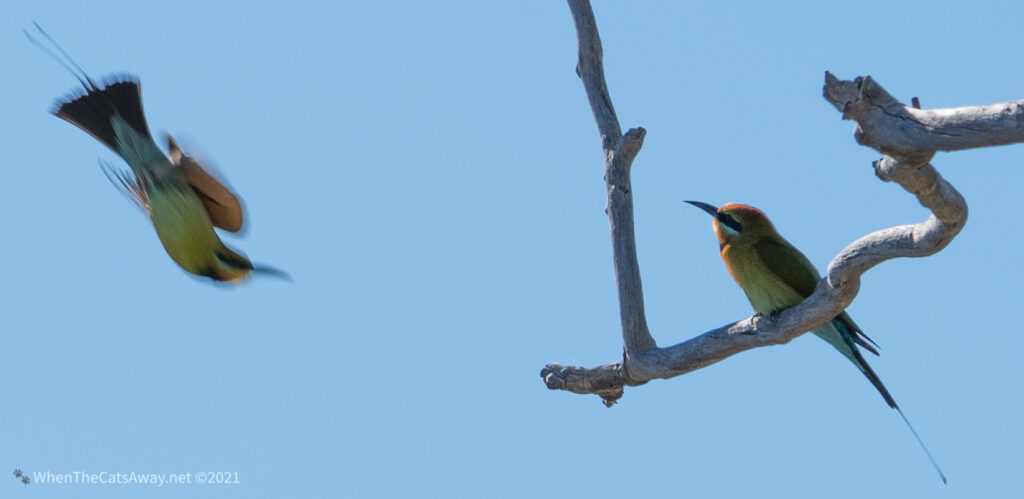
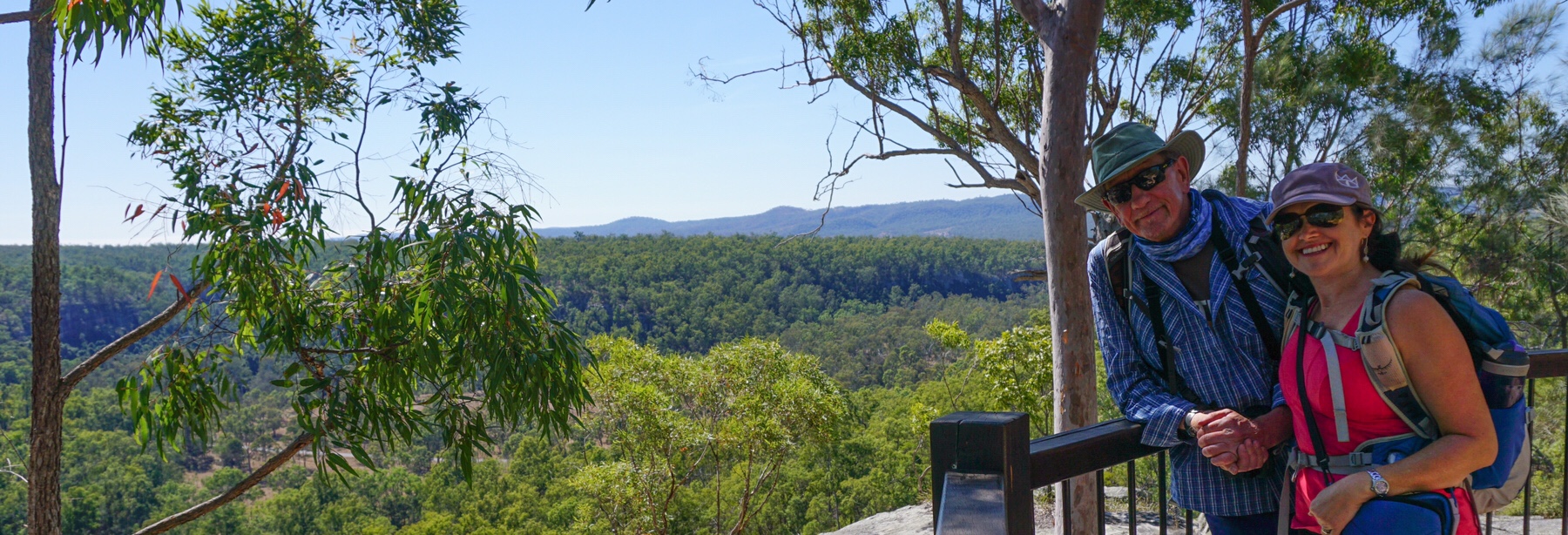
We did a early morning short walk looking for birdlife, just relishing the refreshing temperatures and clear blue skies. Following various birdcalls, we found ourselves climbing up to the Giant’s Chair Lookout, where a pair of Rainbow Bee-eaters were swooping acrobatically through the sky, chasing insects.
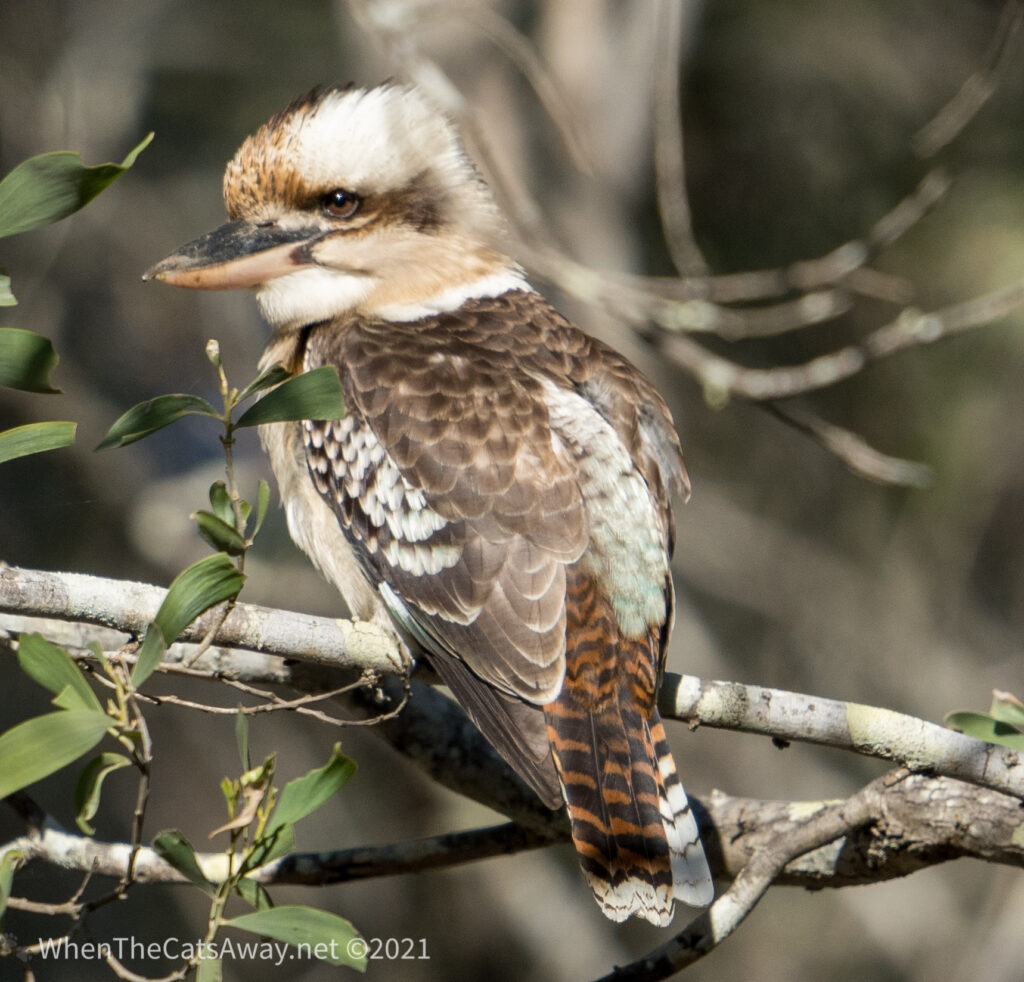
We breathed in the oxygen from the surrounding forest, finding peace in the greens and blues and just taking the time to stop and be amongst nature. Without realising it, we have really missed the variety of vegetation on our travels the last few weeks.
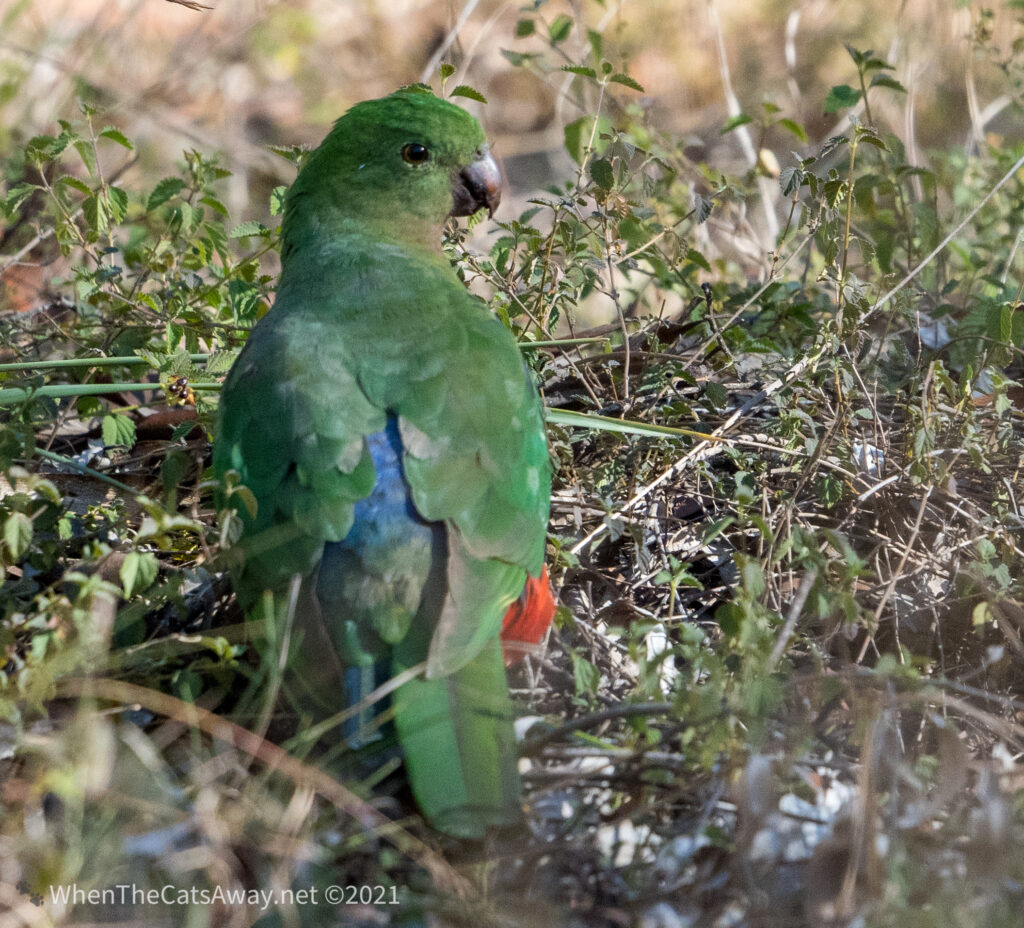
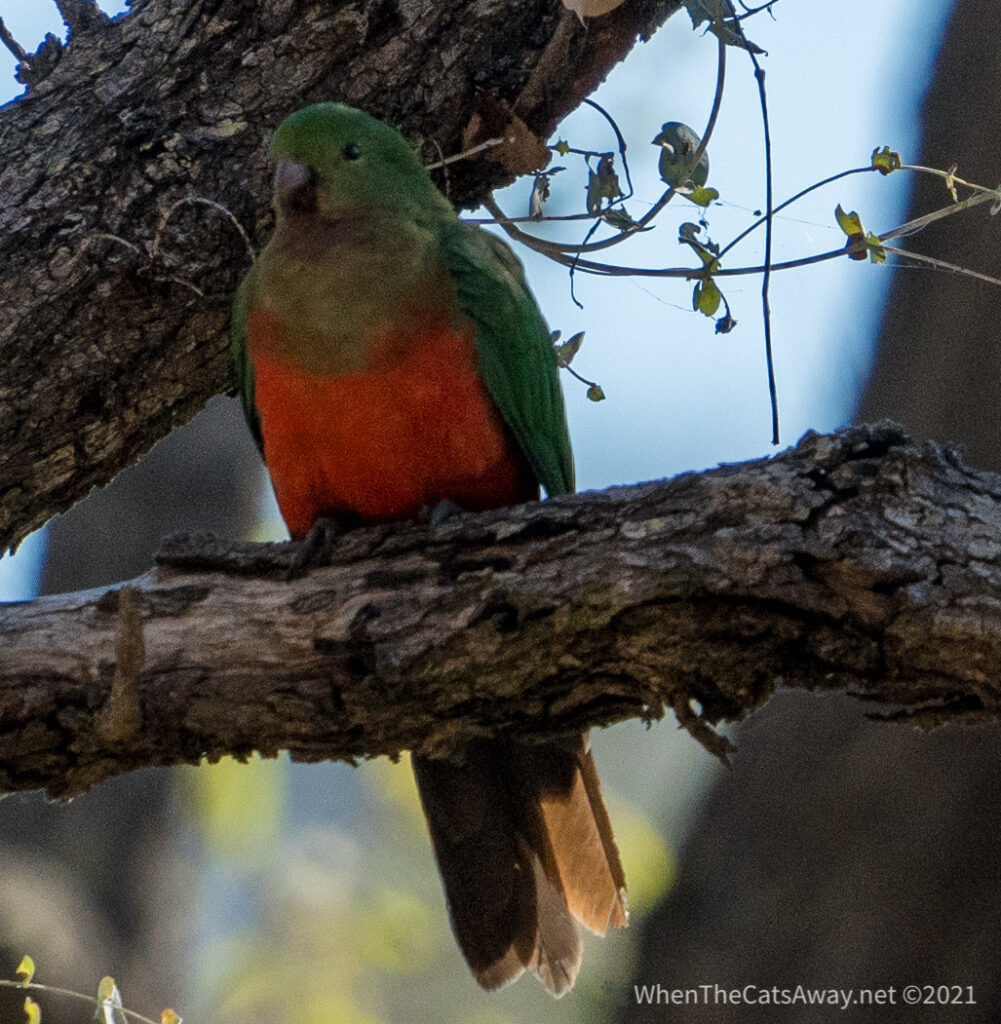
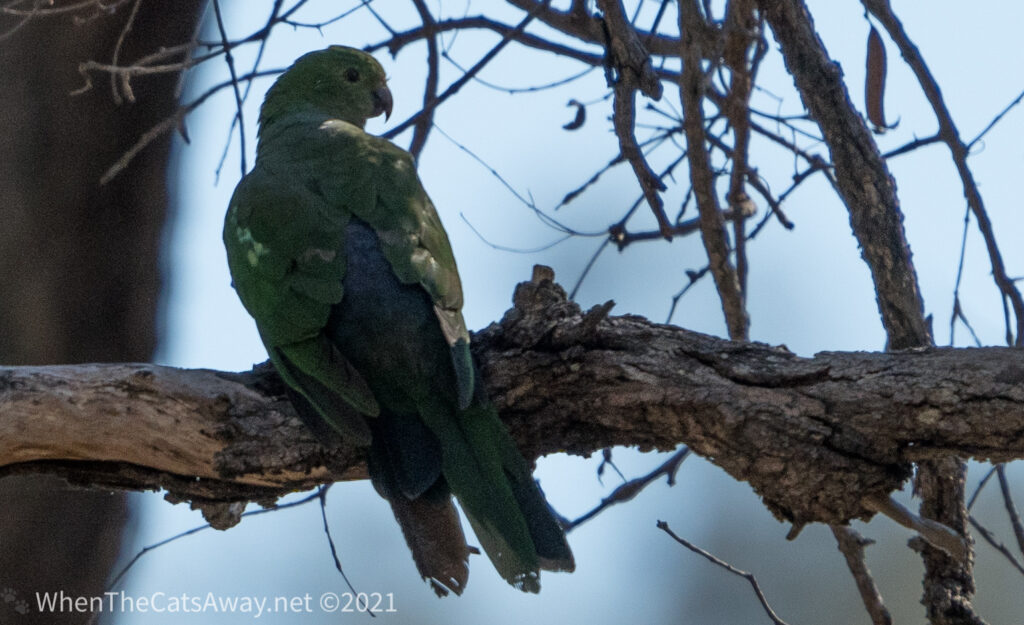
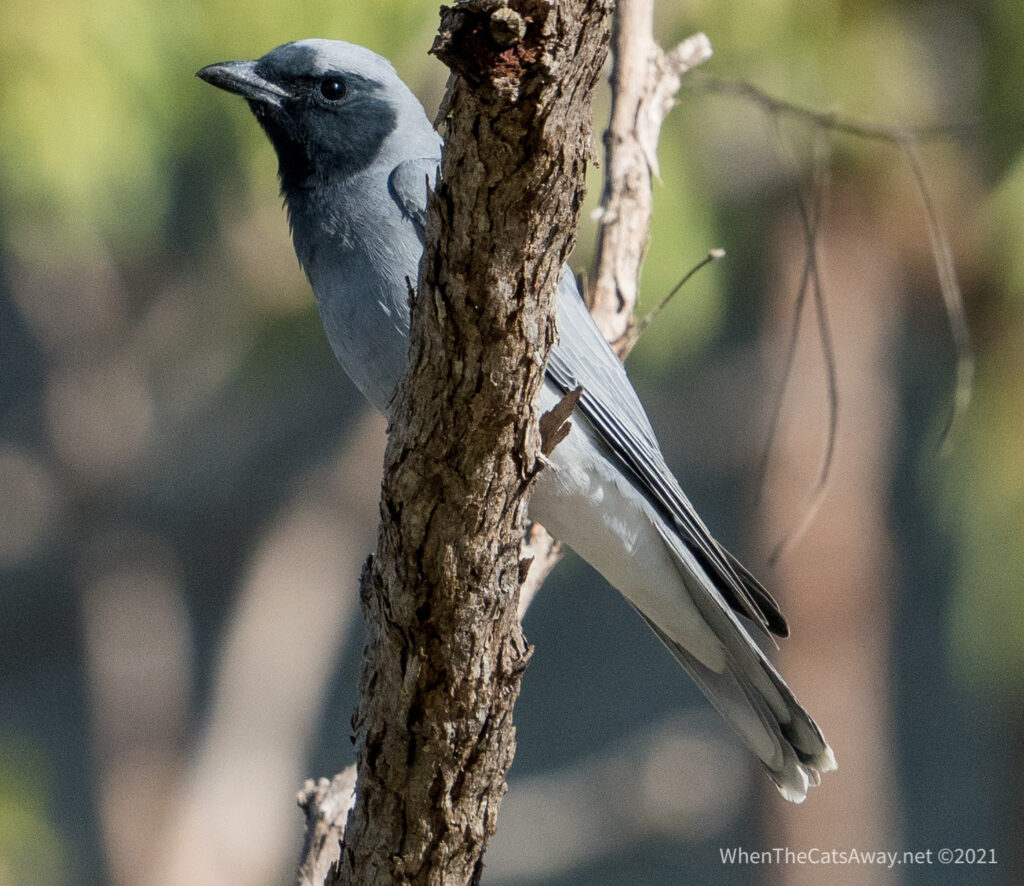
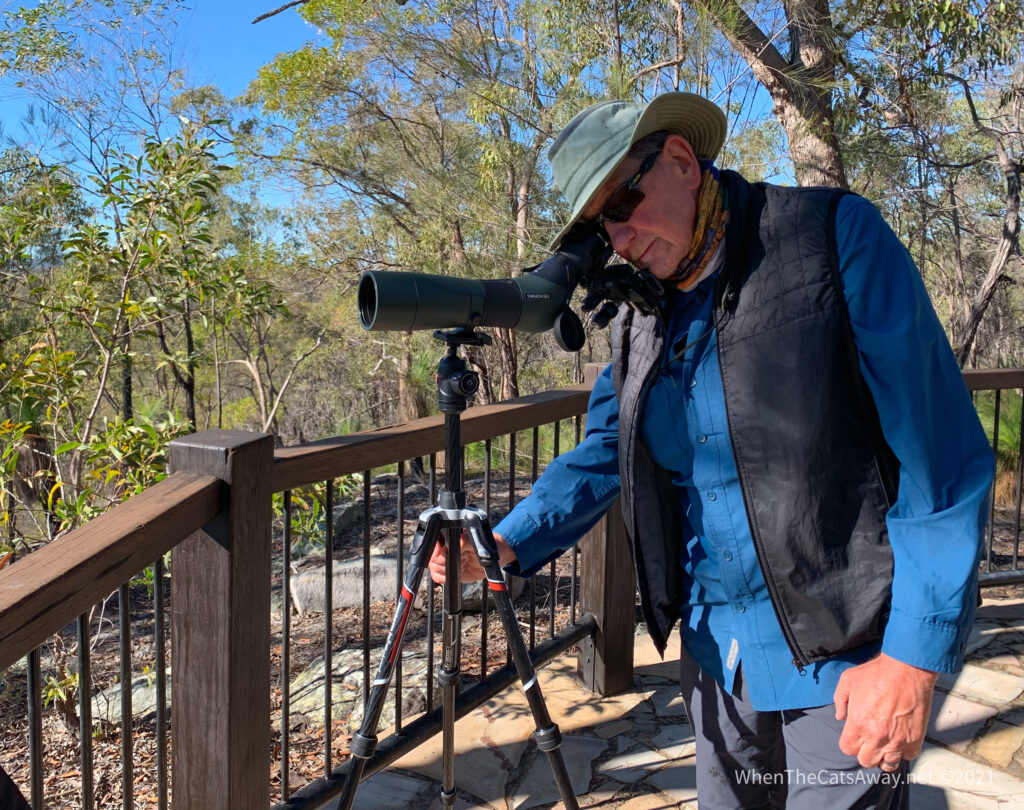
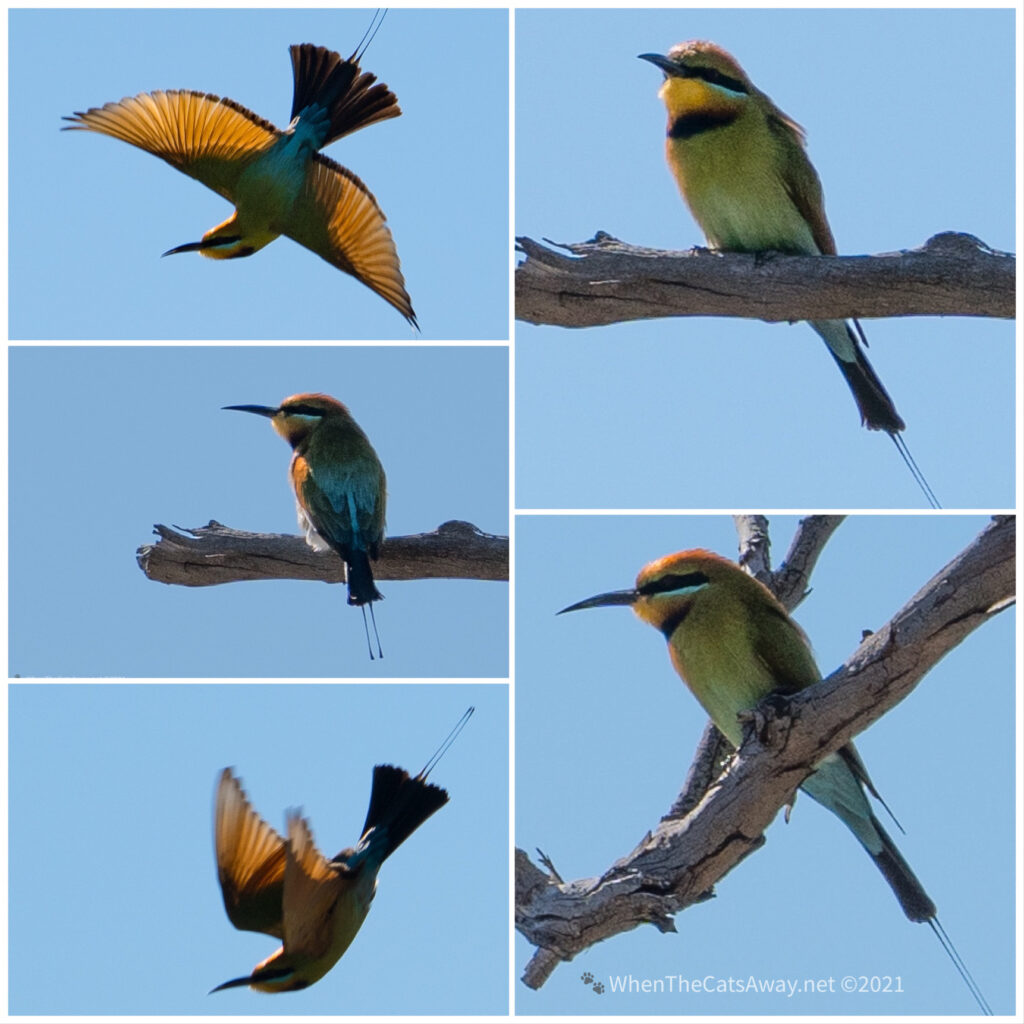
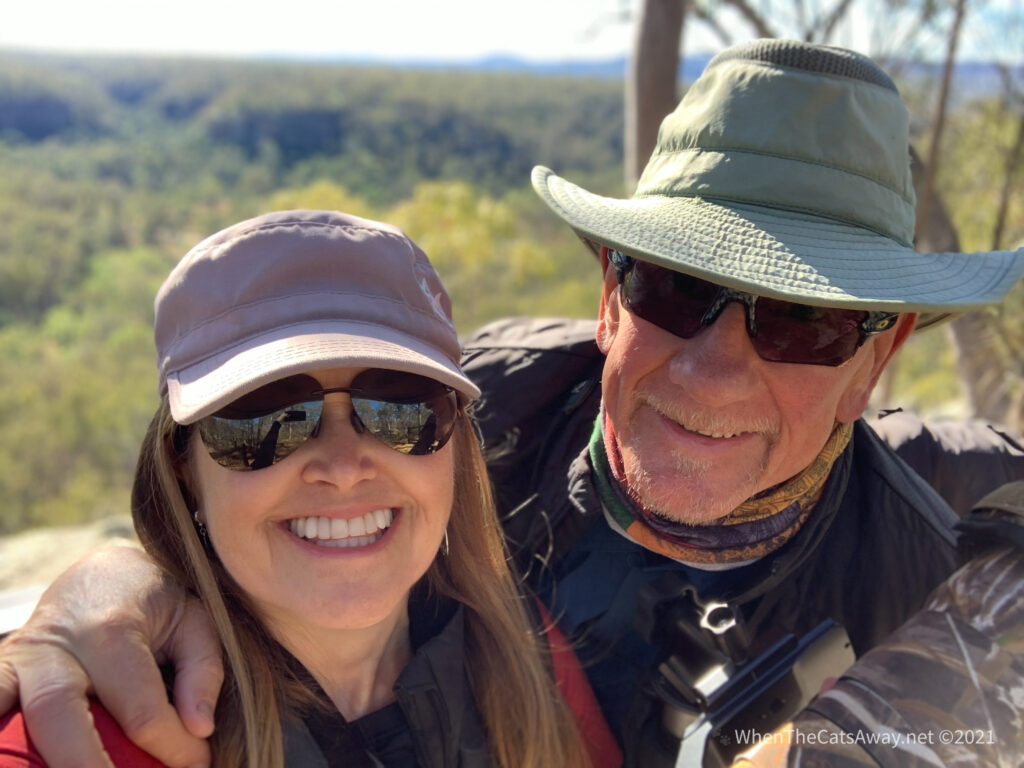
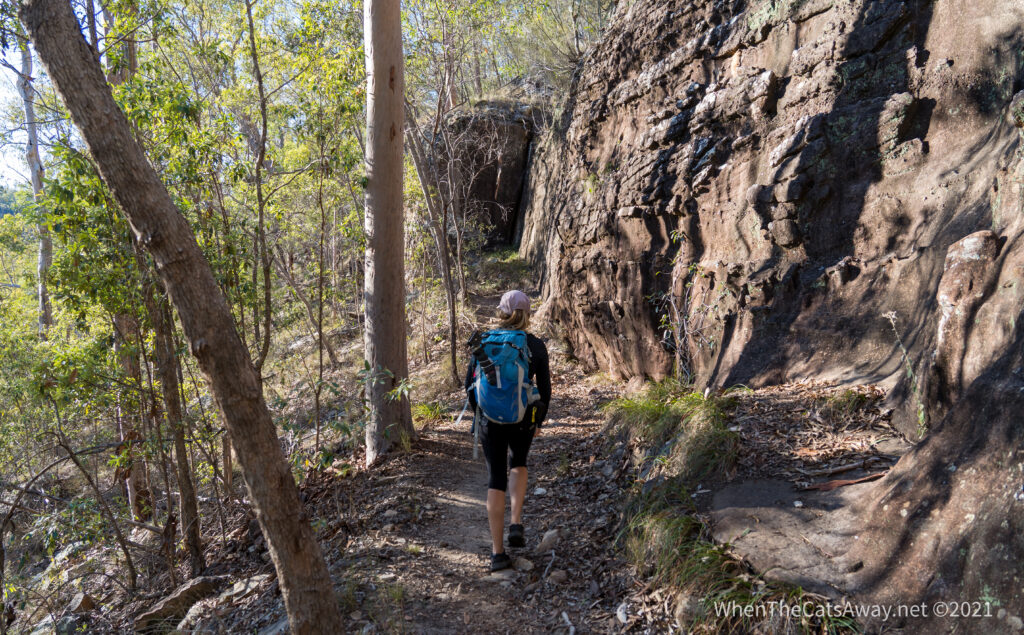
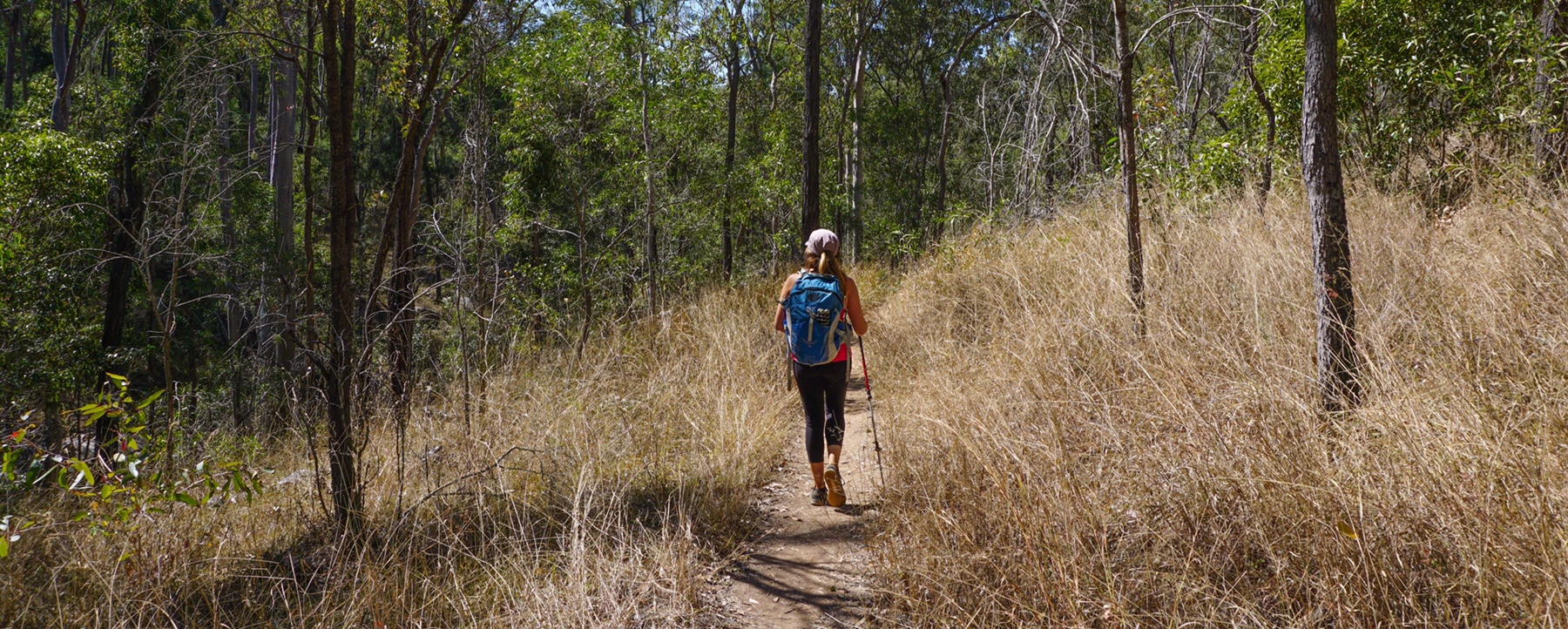
Later in the day we decided to tackle a longer hike, heading up along a dry creek bed to Ferntree Pool, a location we hoped would attract some of the harder to see forest birds. It was a bit of a workout for Mr A as he carried my heavy camera lens on the 7km circuit as well as his spotting scope, but it was worth it.
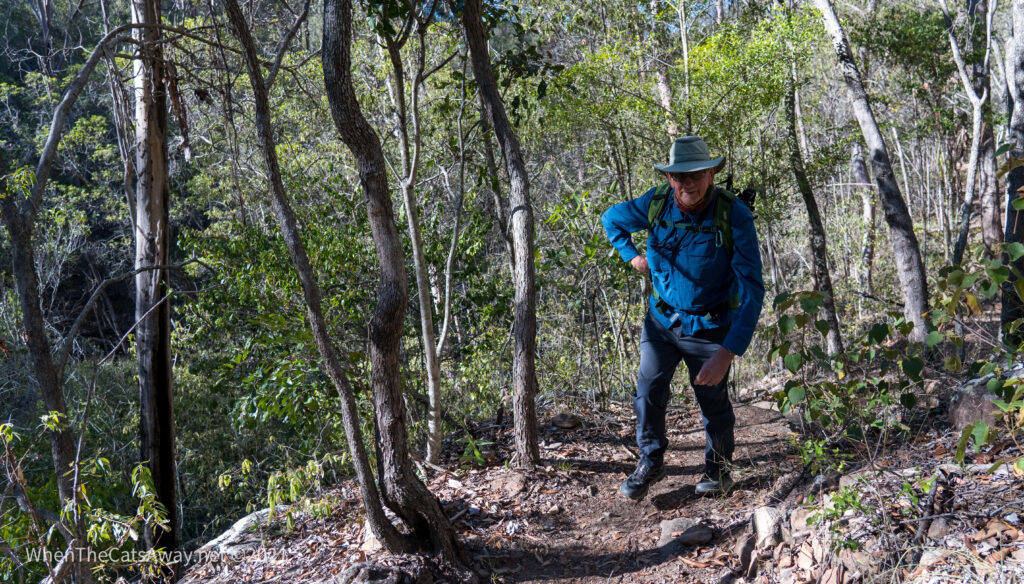
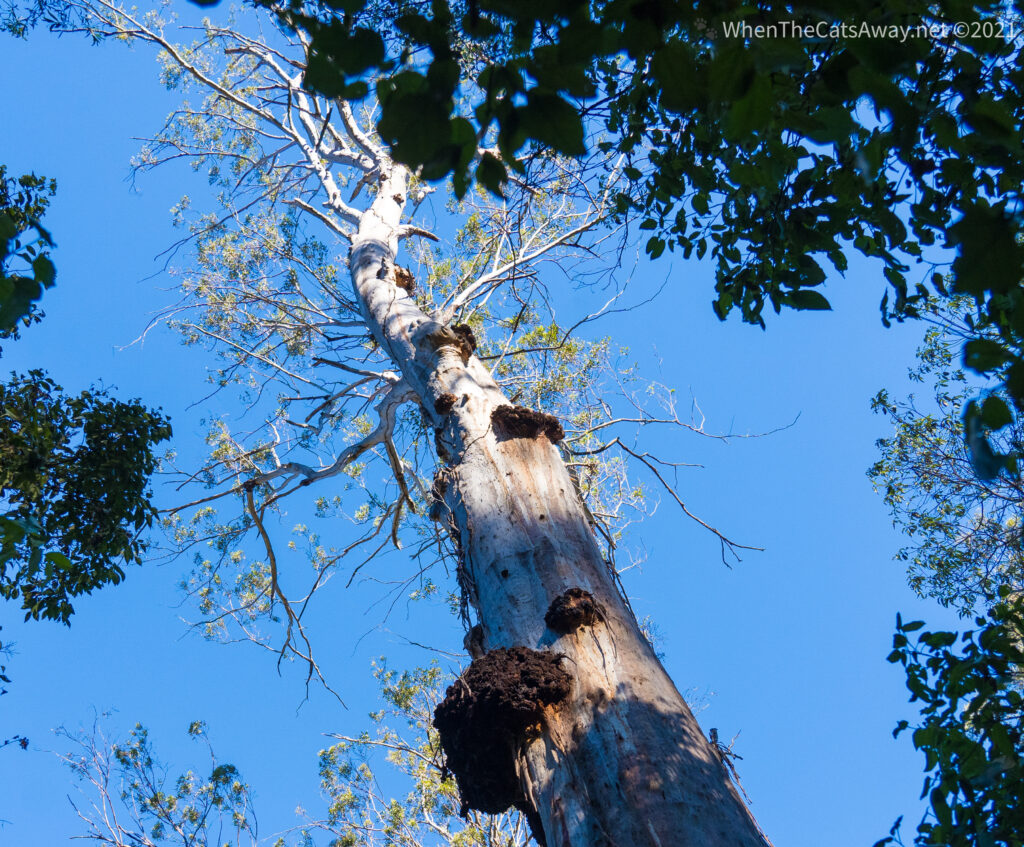
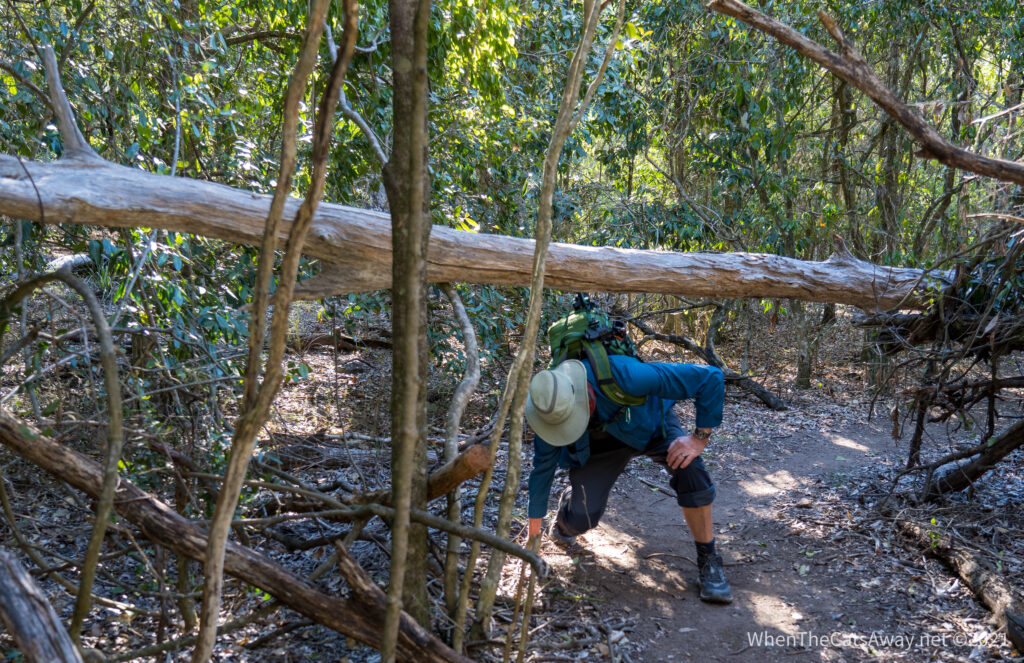
We almost couldn’t believe it when we saw water in the pool, a precious resource for the native birds and wildlife here. We stopped and sat quietly at the water’s edge, enjoying an apple and watching quietly to see who would turn up.
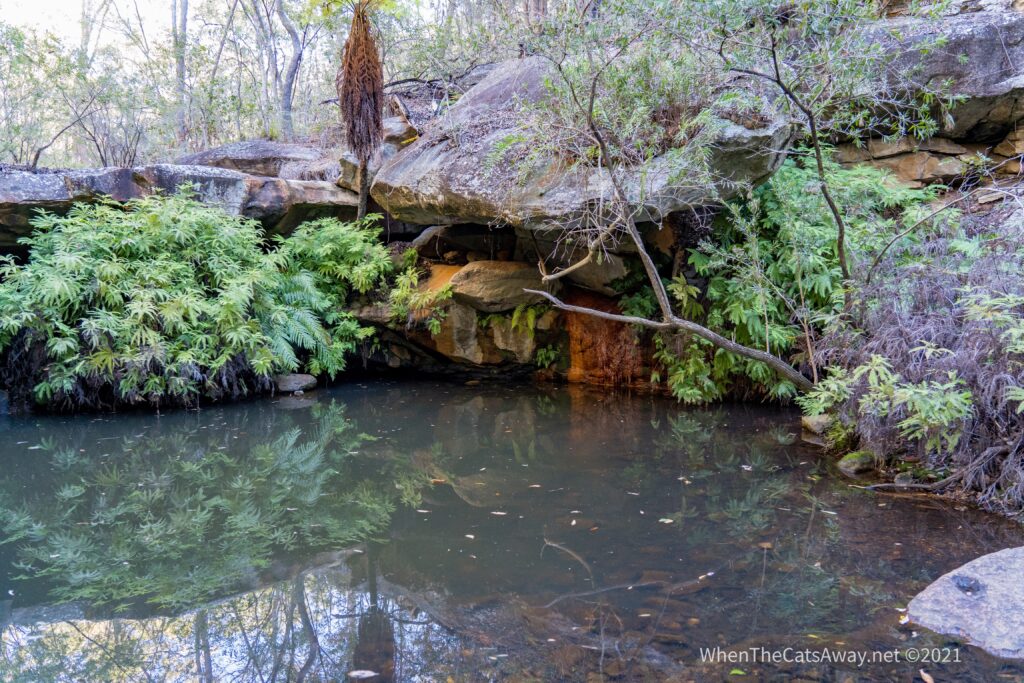
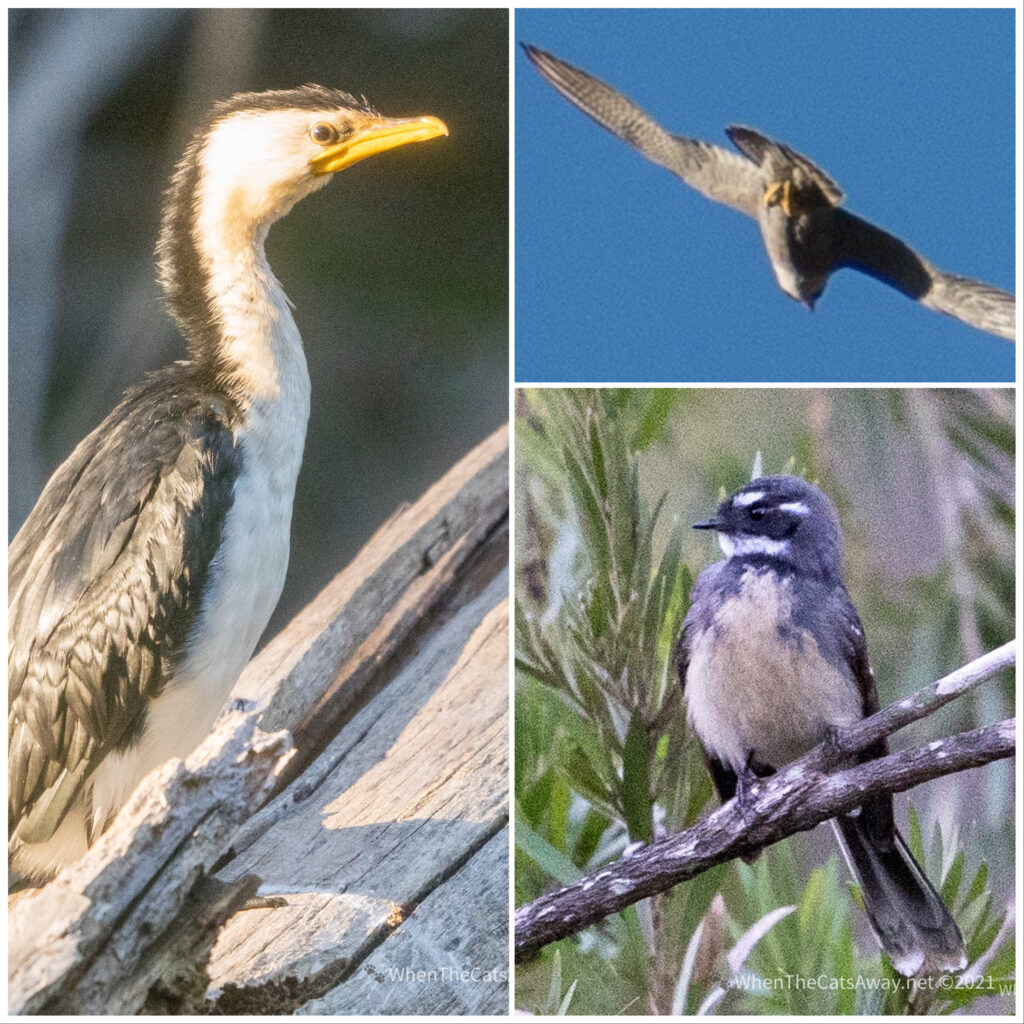
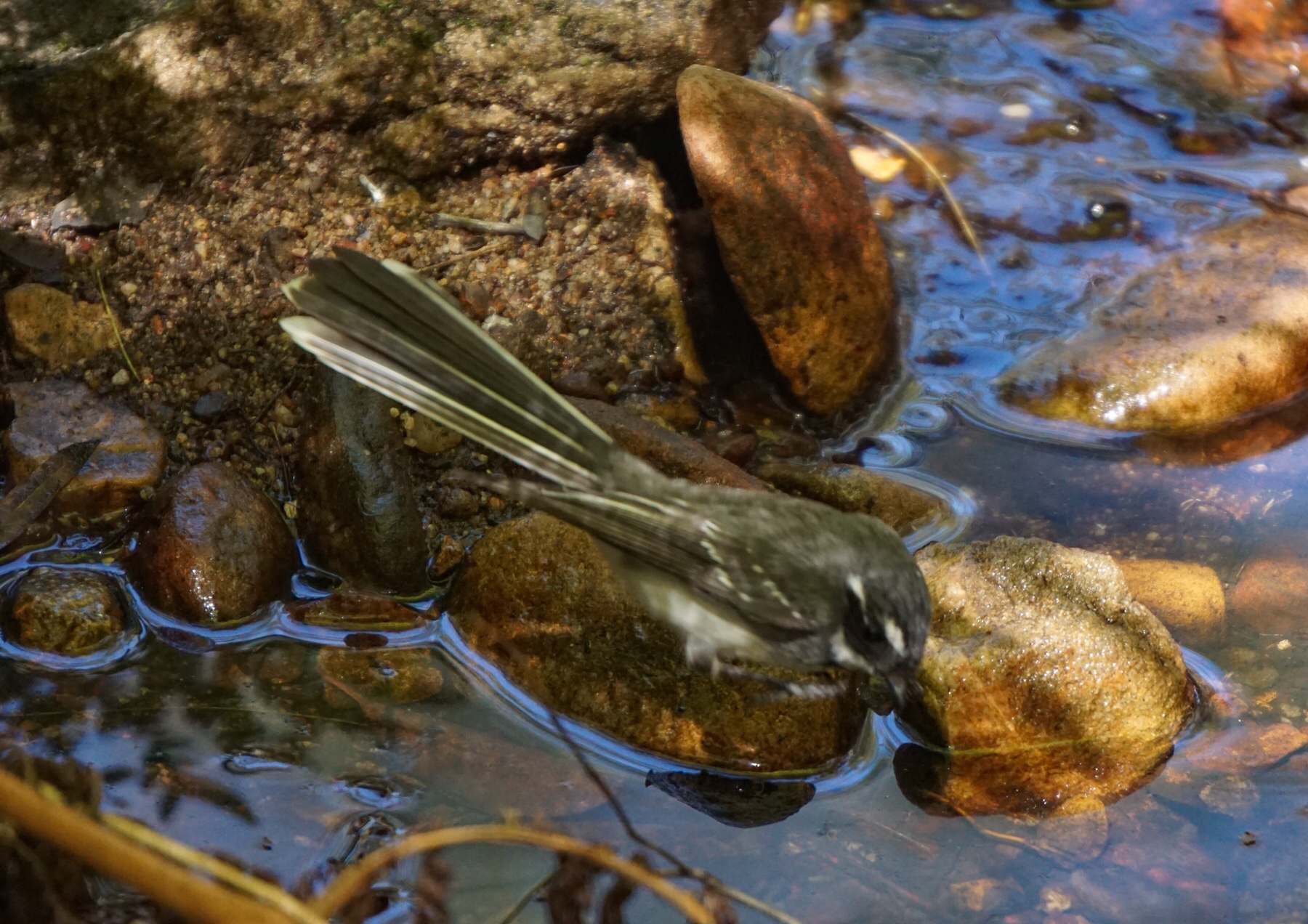
First to arrive was a Grey Fantail. She flitted around catching insects, before finding herself a quiet edge of the water for a bath.
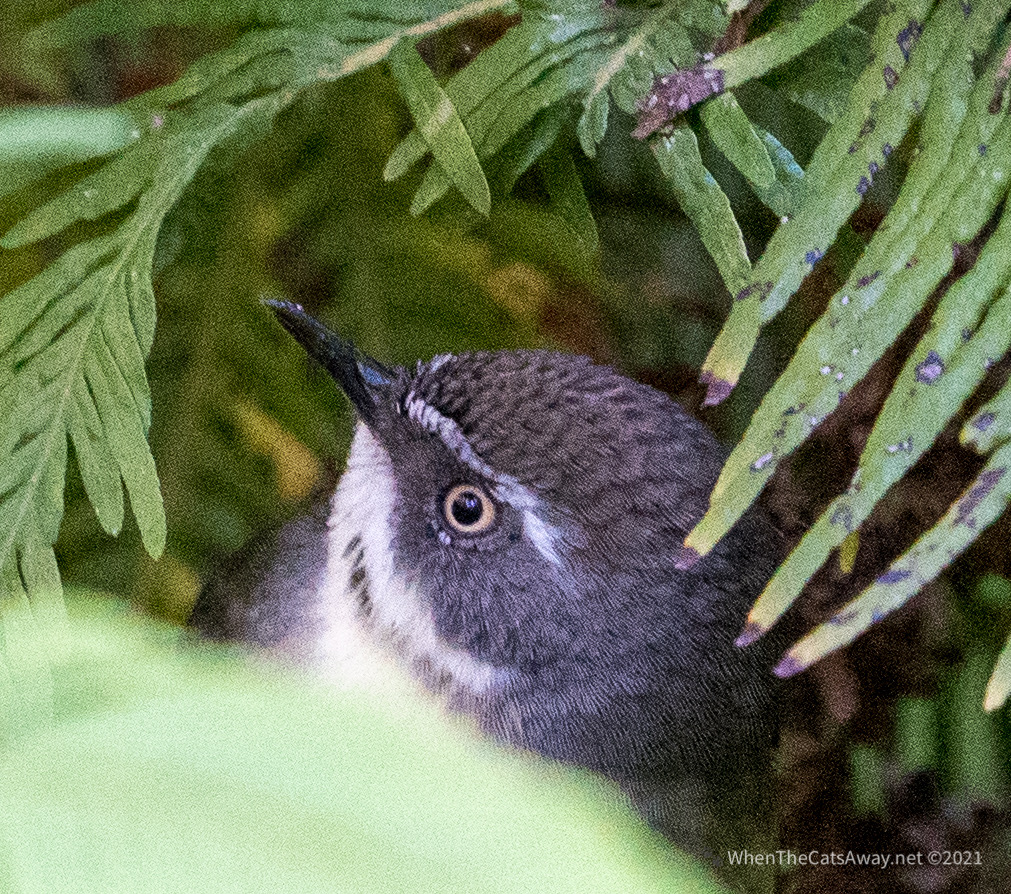
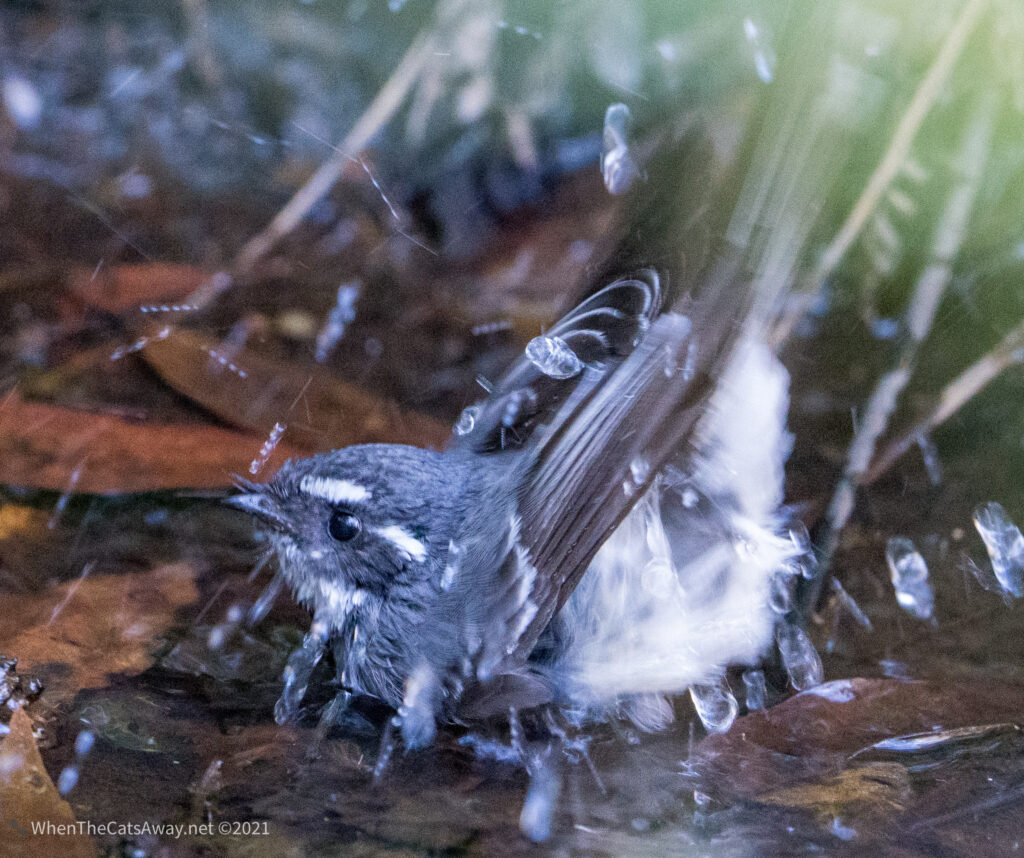
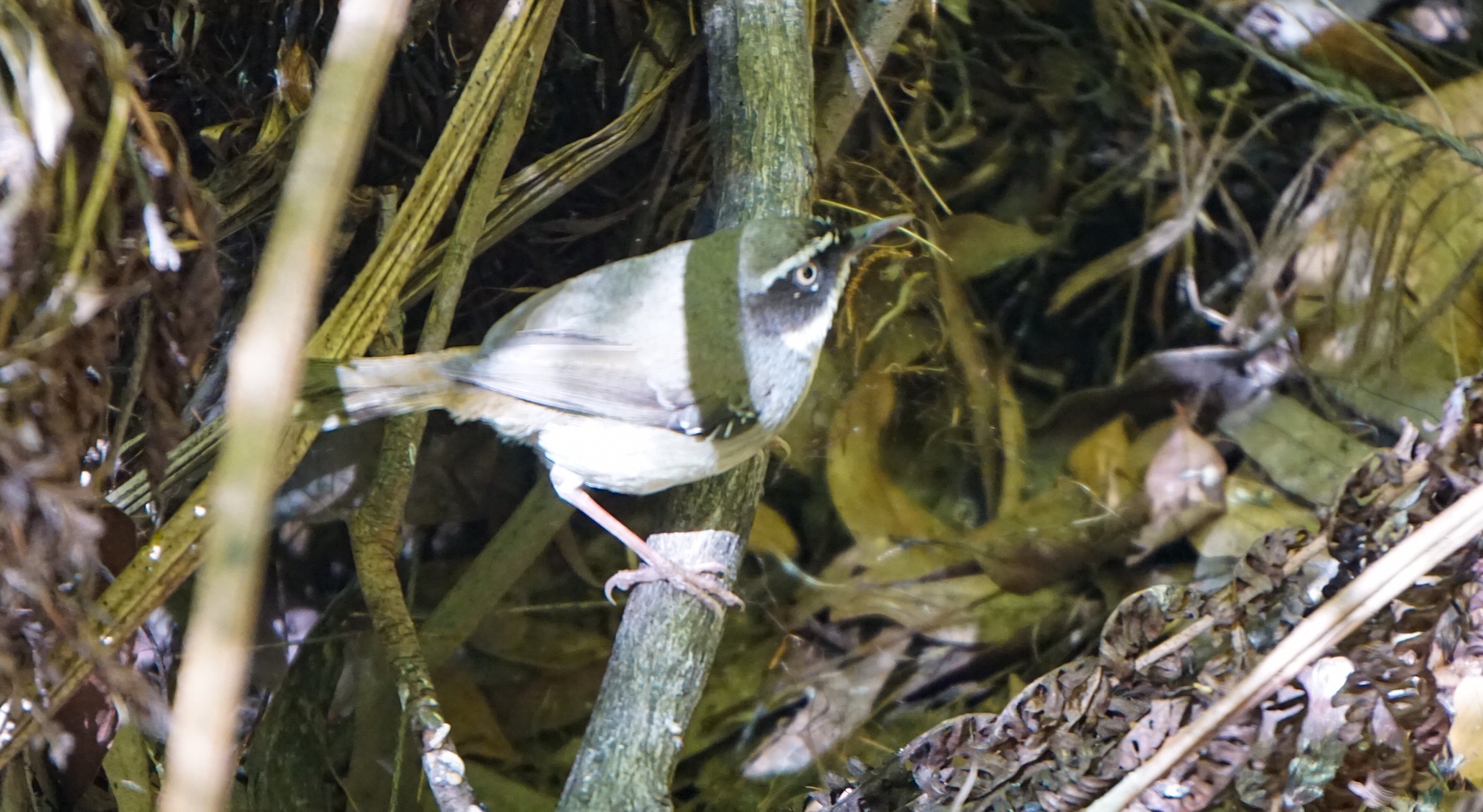
Then we gasped as a little flash of red, black and white appeared, then another and another – a small flock of tiny honeyeaters flew down to the ferns, dipping down for a quick drink of water, then up to the safety of the undergrowth. It was so hard to capture them, but we later learned they are Scarlet Myzonelas. They are rarely seen as they feed high up in the canopy, usually identified by their calls.
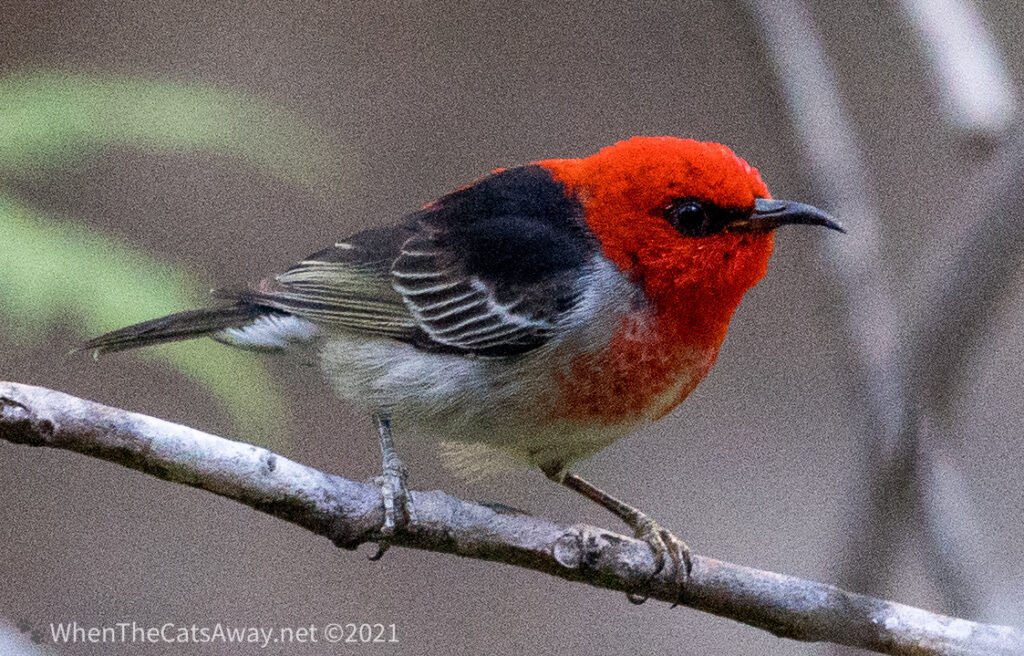
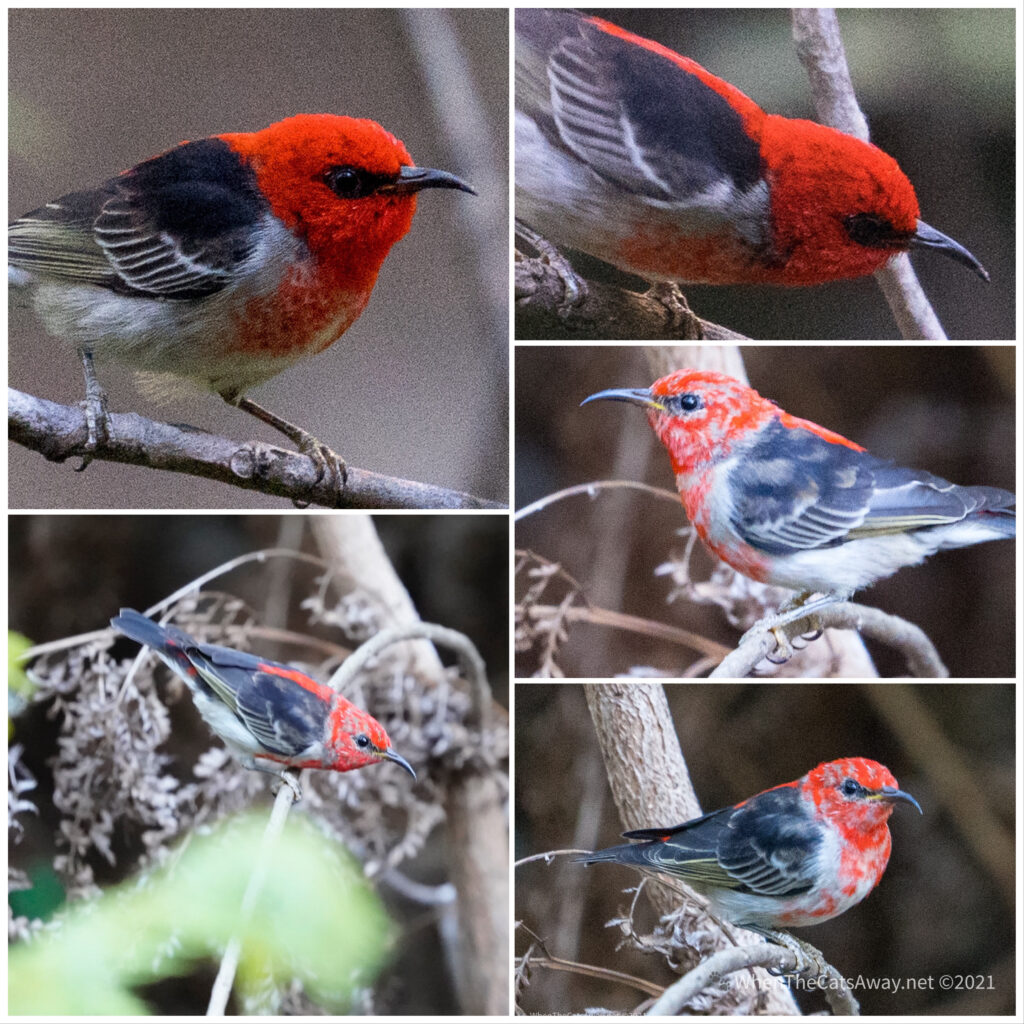
We watched them for a while before continuing on our way, climbing back up on to the ridge and returning back via the Giant’s Chair Lookout.
When we returned to the campground we had missed the evening bird feeding, but I persuaded Mr A to hold out his hand and see whether a bird would come down…the answer was yes….but he would be swiftly punished with a Lorikeet nip for not having any snacks in his hand! Oops!
Before long it was our final day at Cania Gorge and still there were many walks we hadn’t done – we really could have stayed here a week, but already had a booking at a site on the coast we didn’t want to lose (things are getting busier now as the wave of travellers heads north from South Australia, Victoria and NSW for the winter).
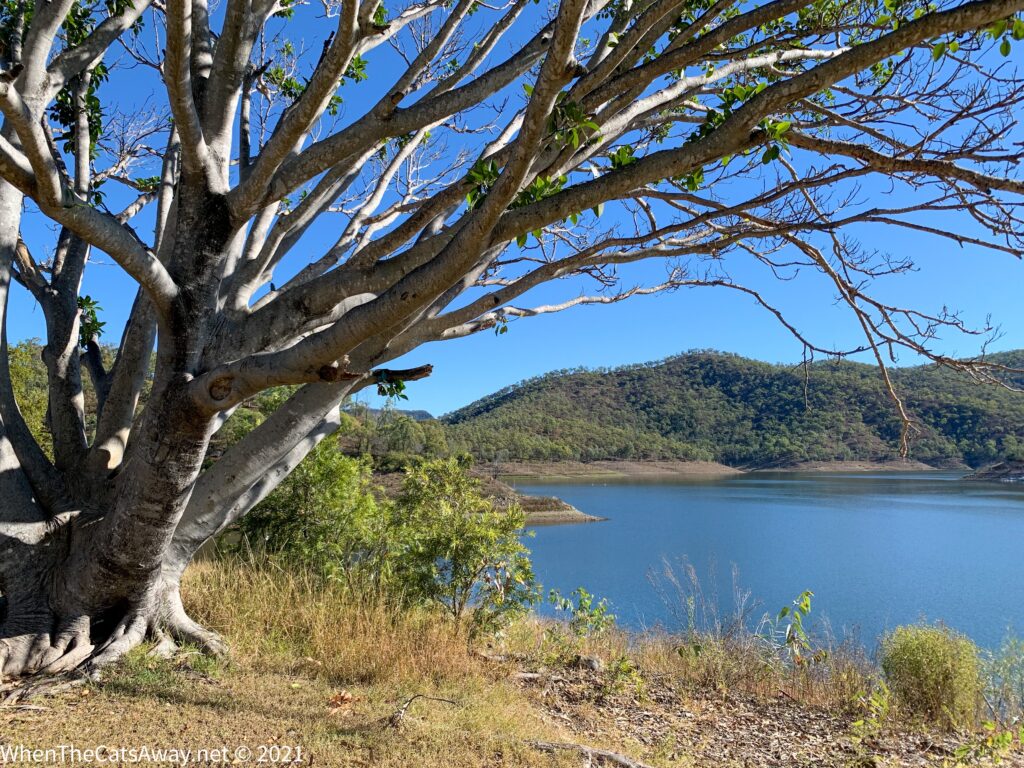
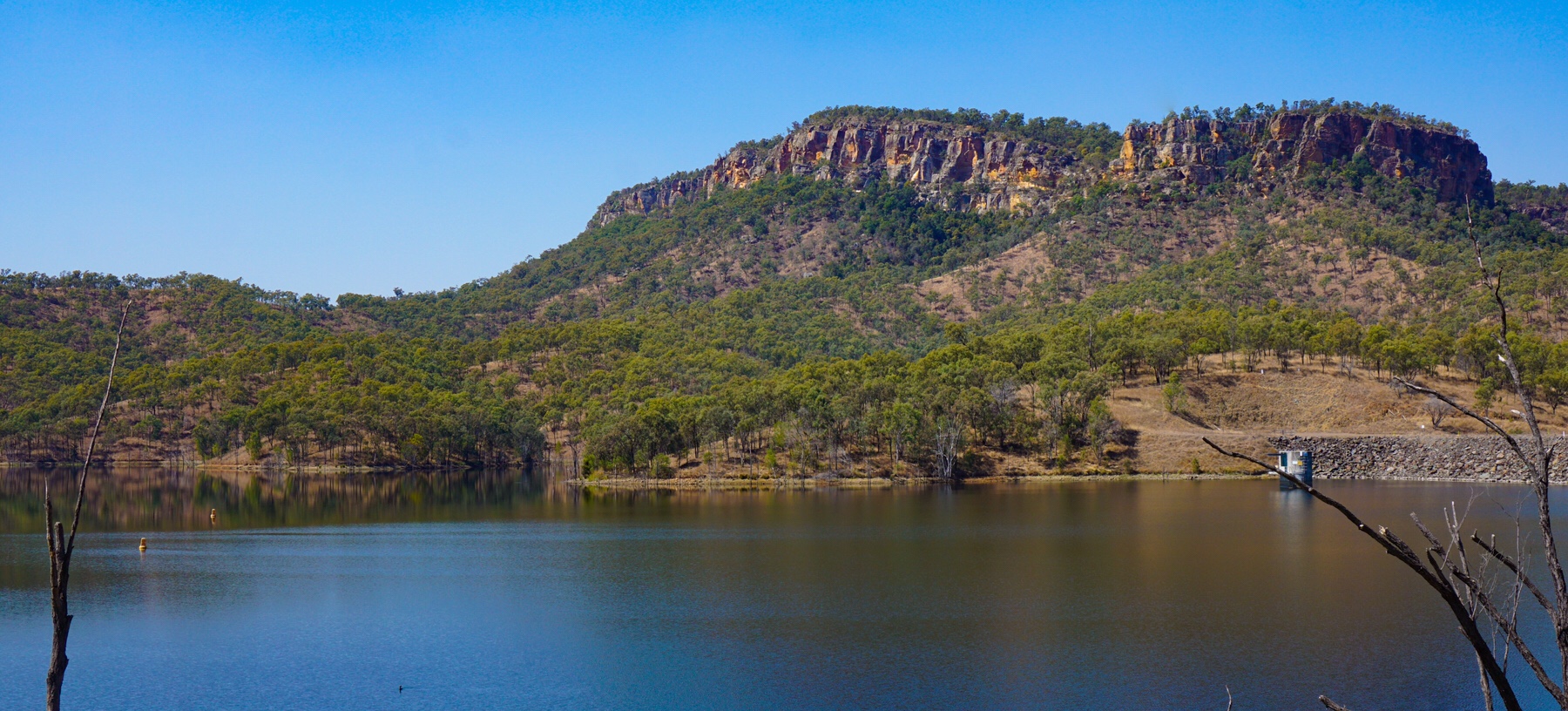
A short drive took us up to Cania Lake, a large reservoir at the end of the valley, and likely the reason for there being so many dry Creeks in the area. Other than some Pelicans and Little Black Cormorants there was little evidence of water birds.
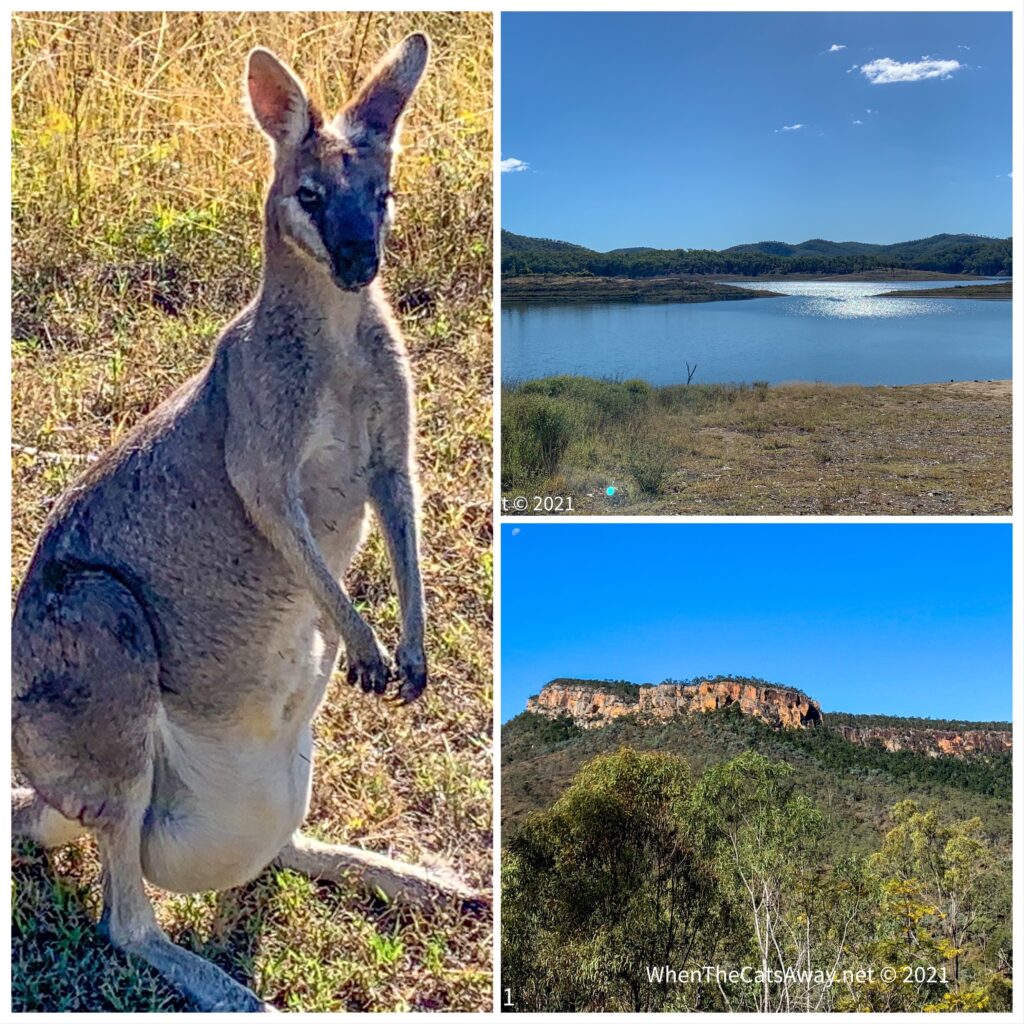
We decided to try our luck at finding some new birdlife down at Three Moon Creek – one of the few waterways with water in it.
It was a good choice. We immediately saw Peregrine Falcons soaring up at the top of the sandstone cliffs, and a frenzy of birds flitting along through the undergrowth. We found ourselves some quiet spots and waited to see what would come to us once we were no longer seen as a threat.
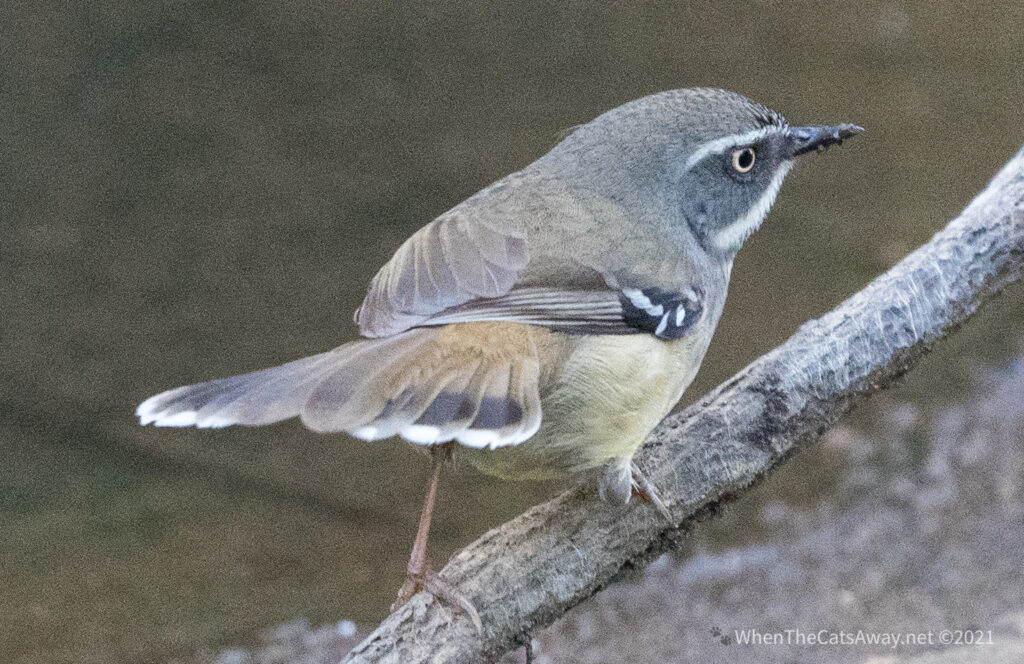
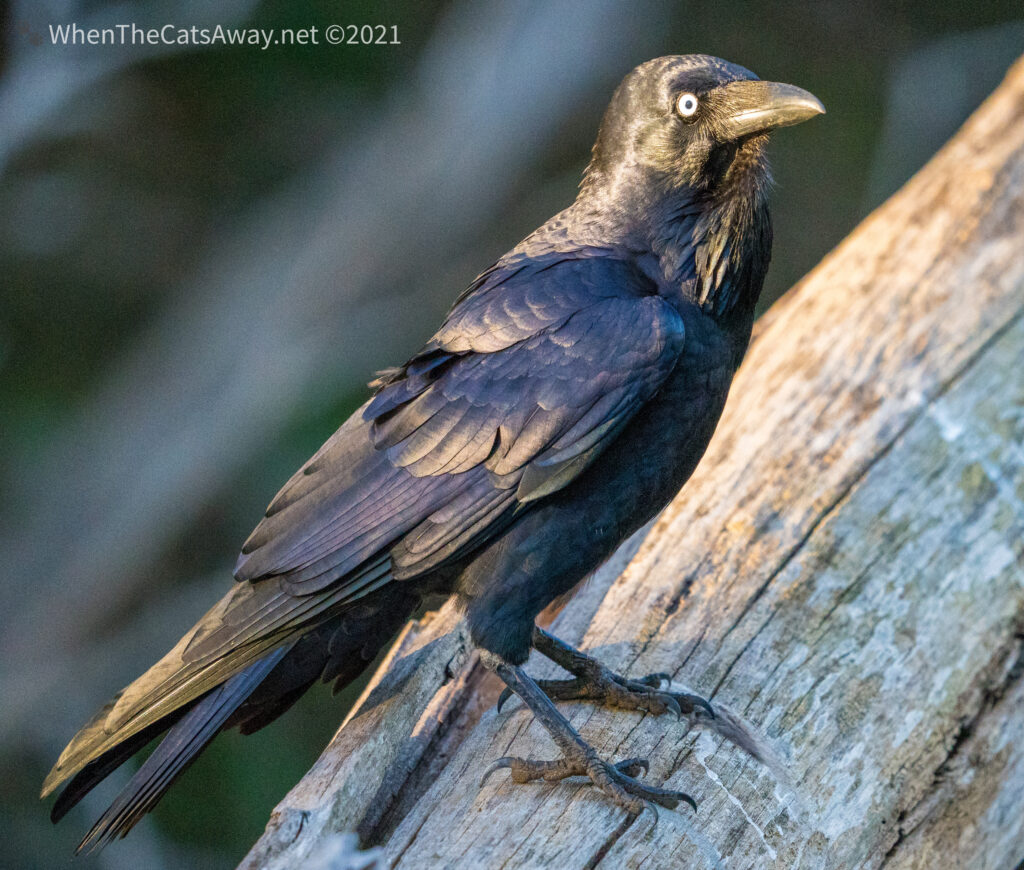
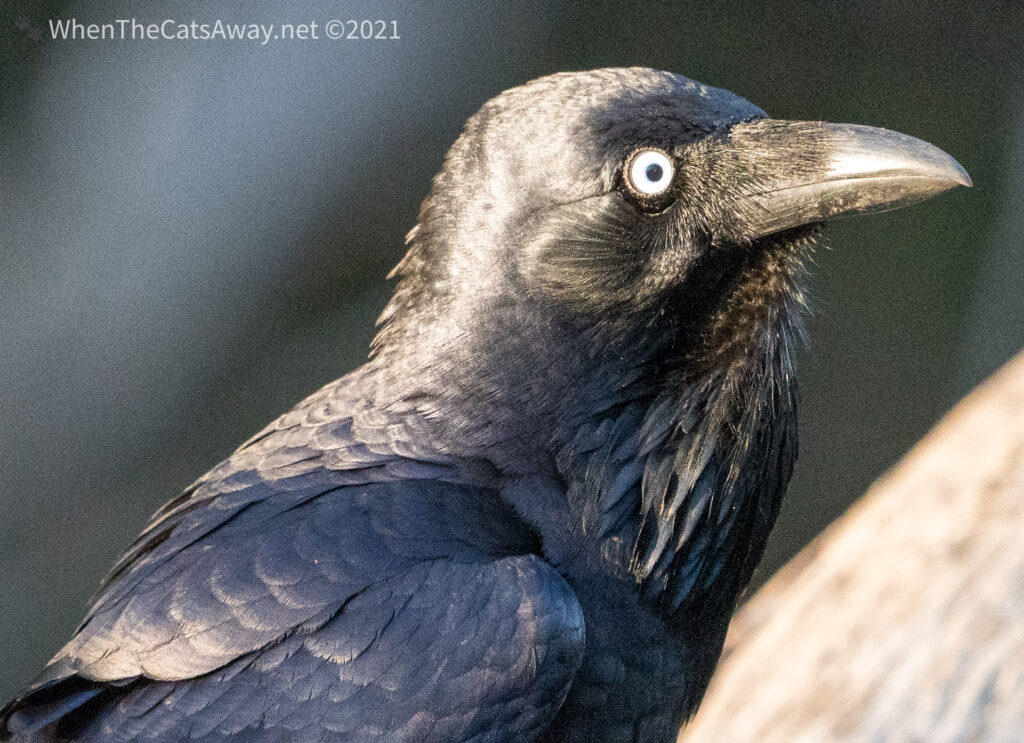
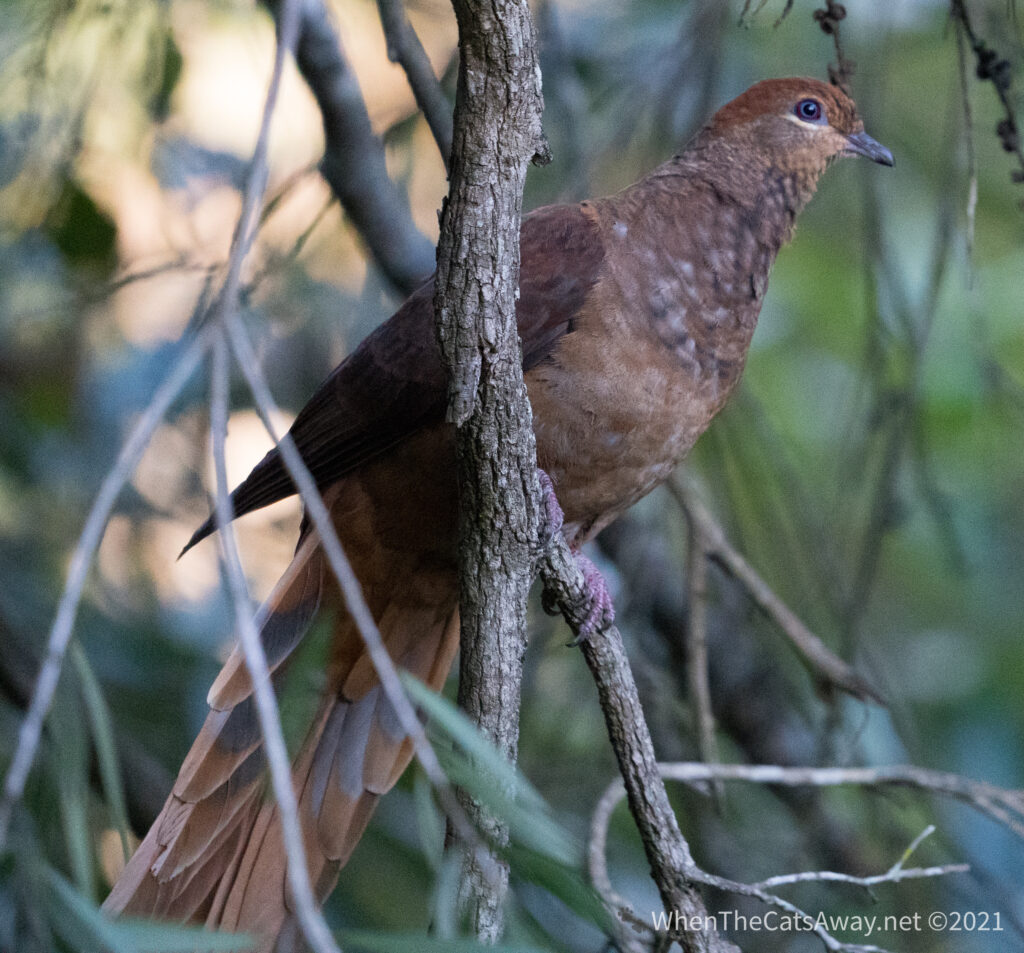
We spent a good hour there, seeing some interesting birdlife, many we had never seen before (thank goodness for the Merlin bird ID app in helping us work out what we’d spotted!).
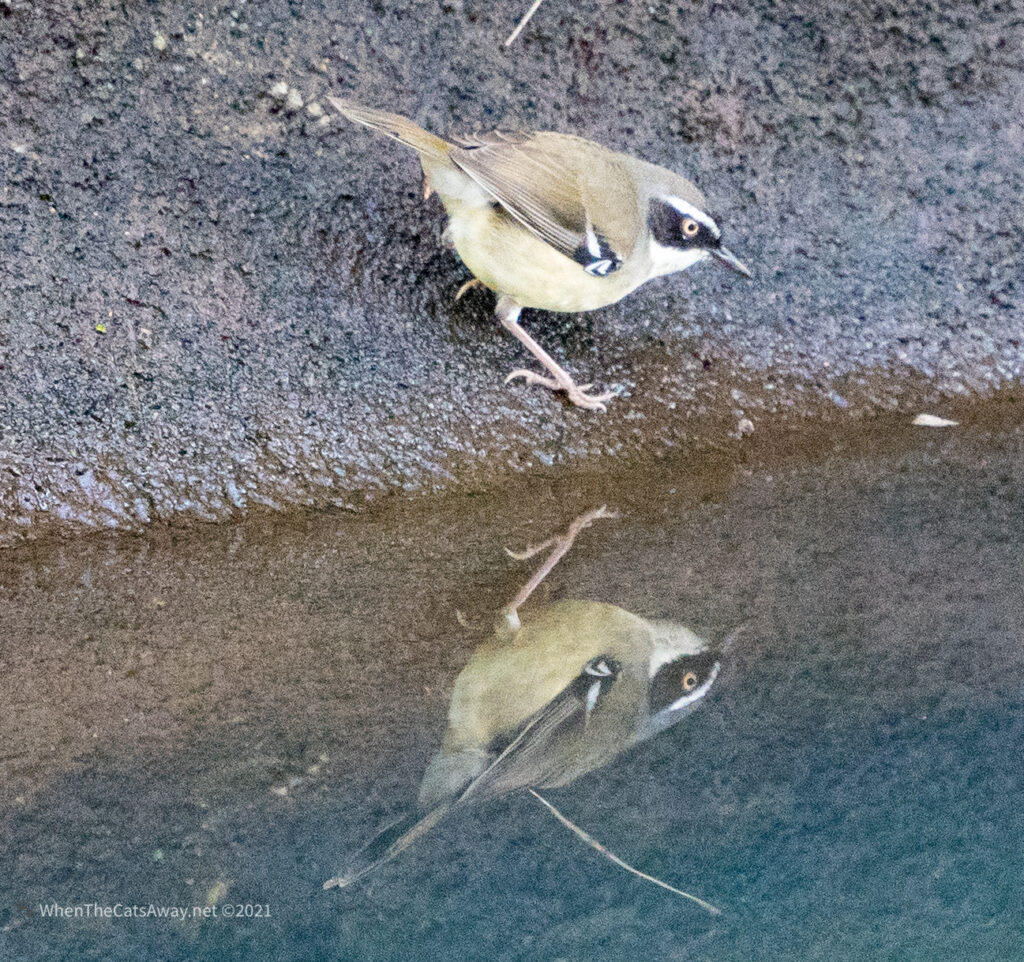
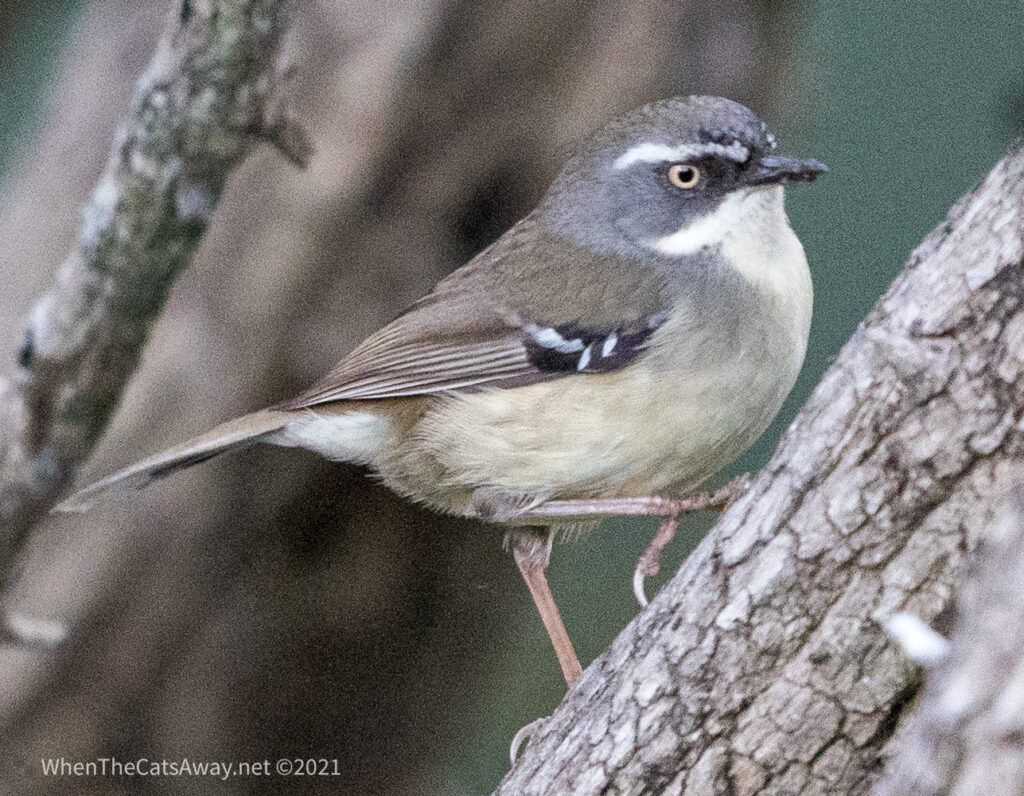
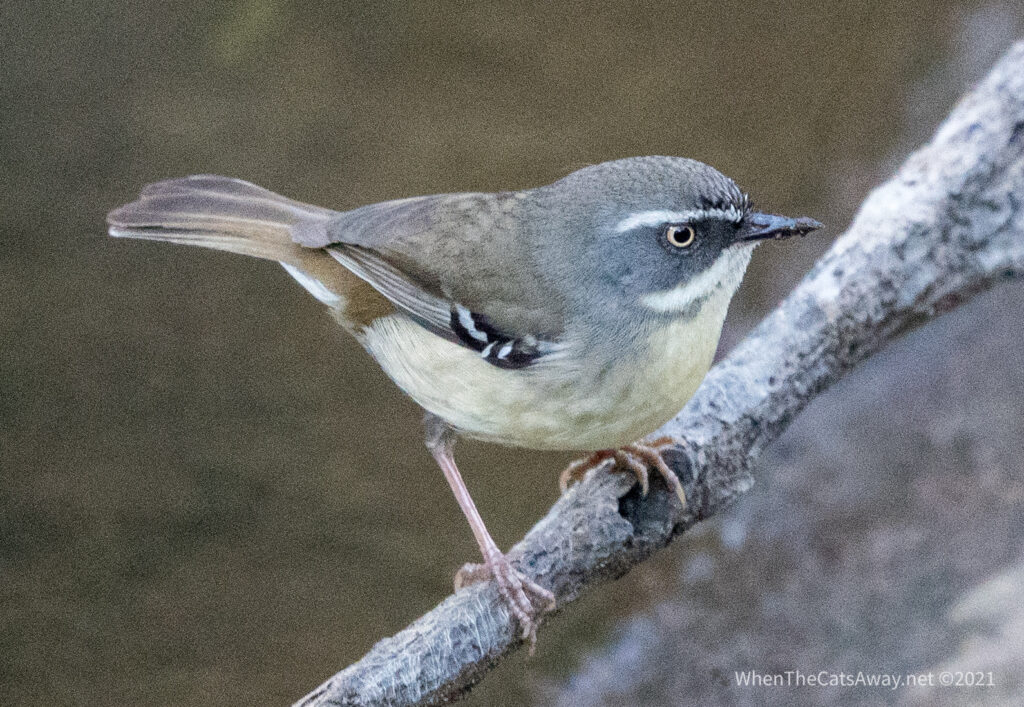
We had a great couple of days here, but it was time to move on. We’re finally going to reach the coast again after six weeks of being land-bound, and are quite excited about it!
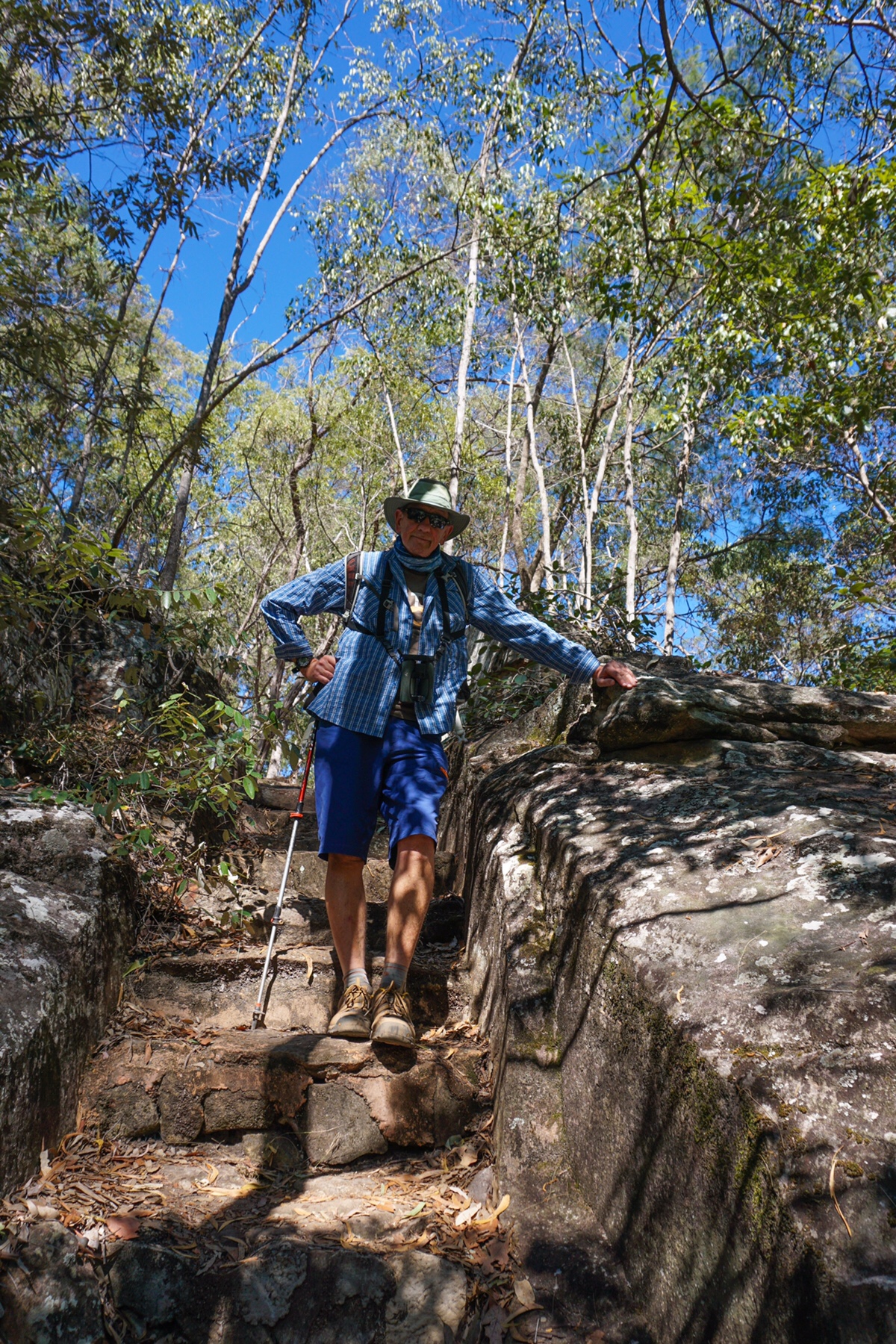
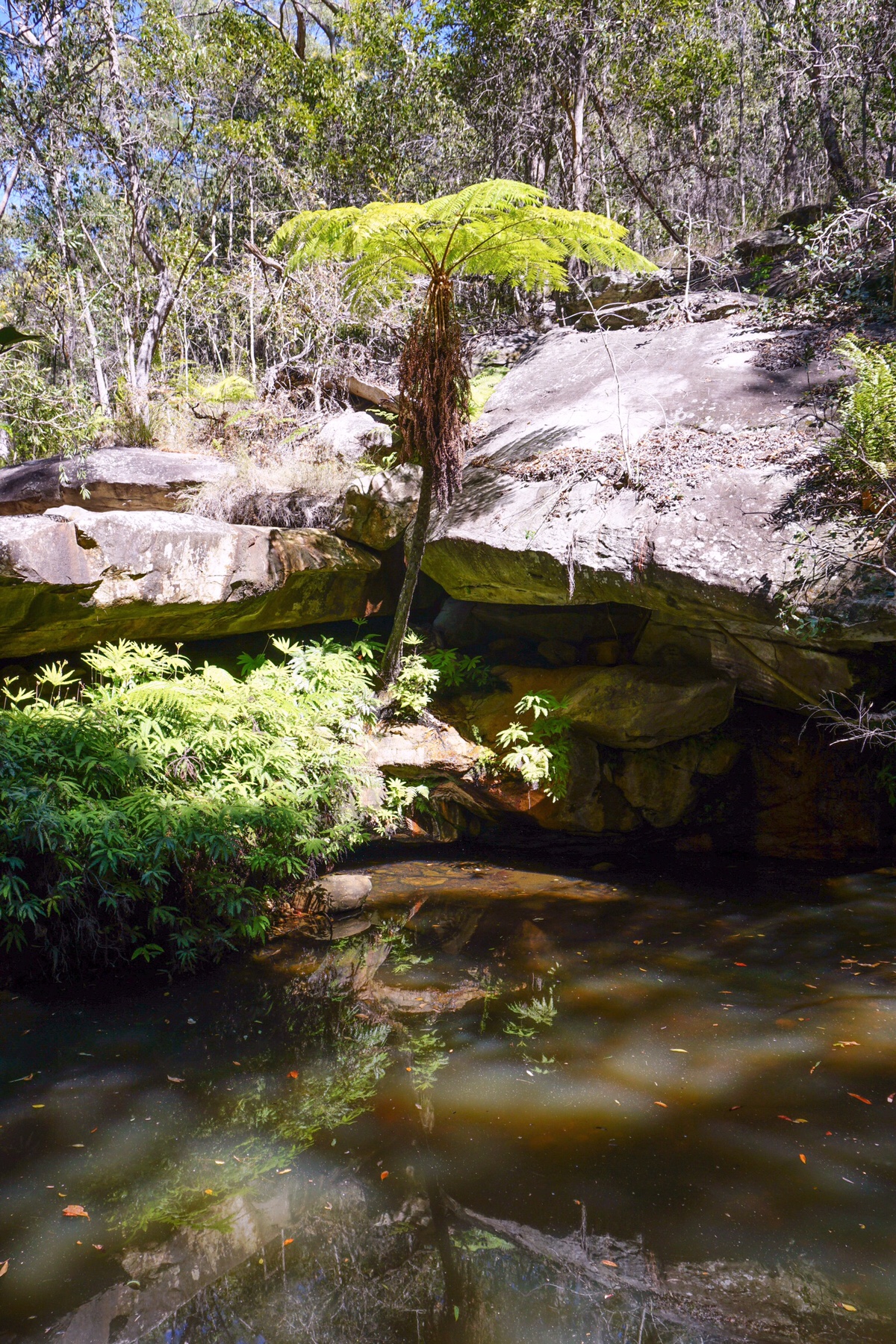
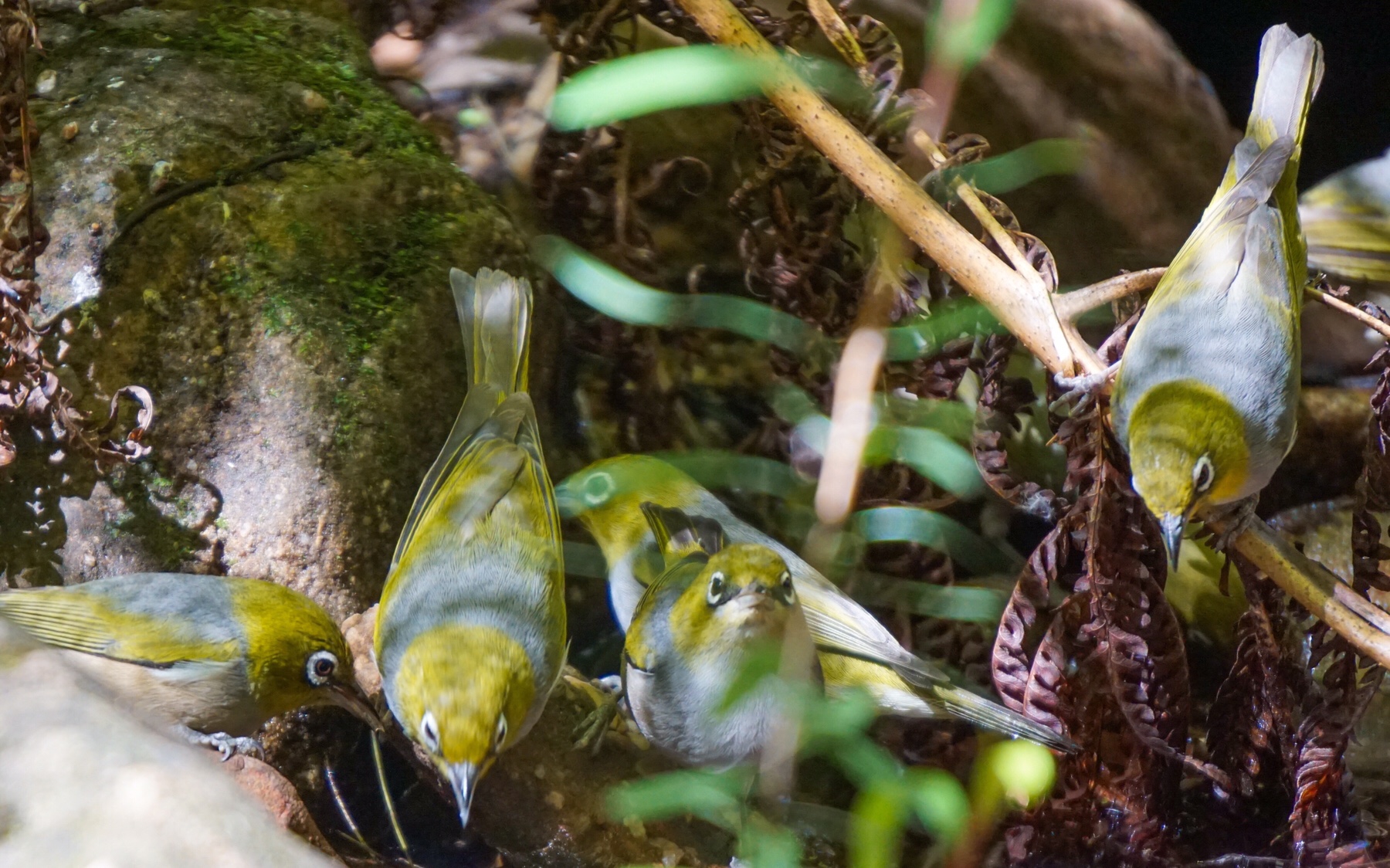
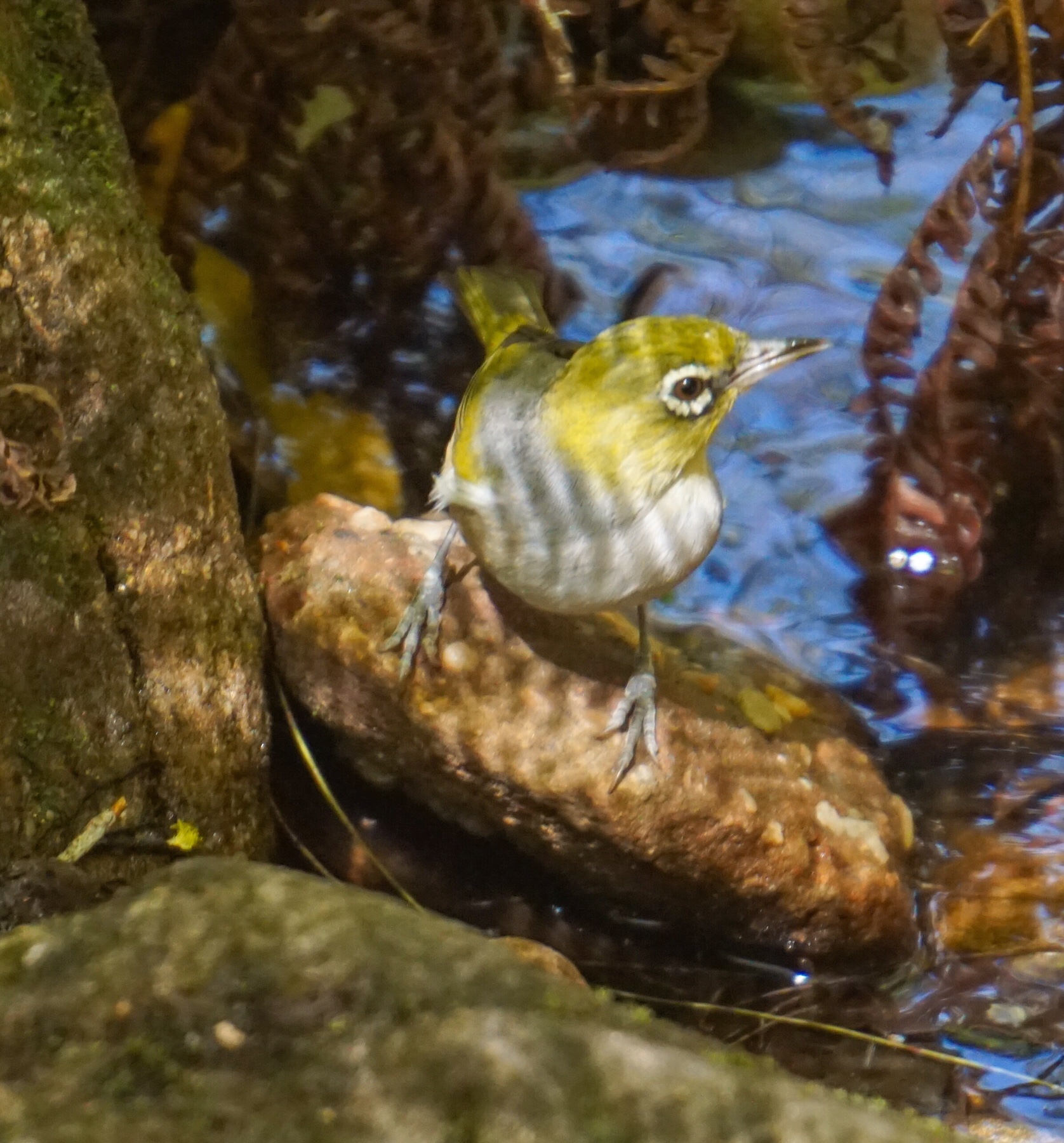
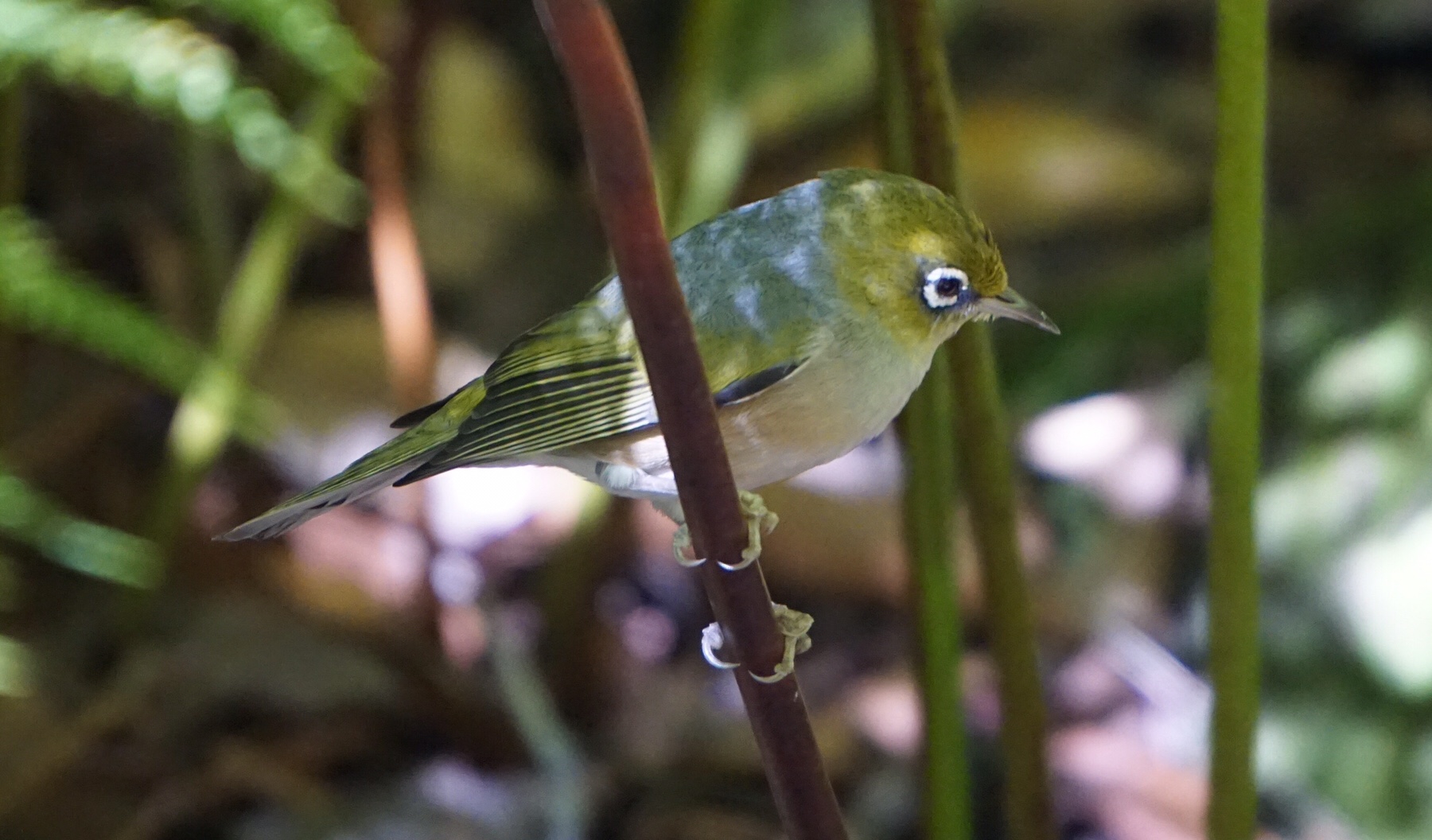
 Queensland is very dry currently, not having had rain in this area for a couple of months. This is very evident in the sheer numbers of birds flocking to this little water source, particularly grey fantails and flocks of silvereyes, so gorgeous.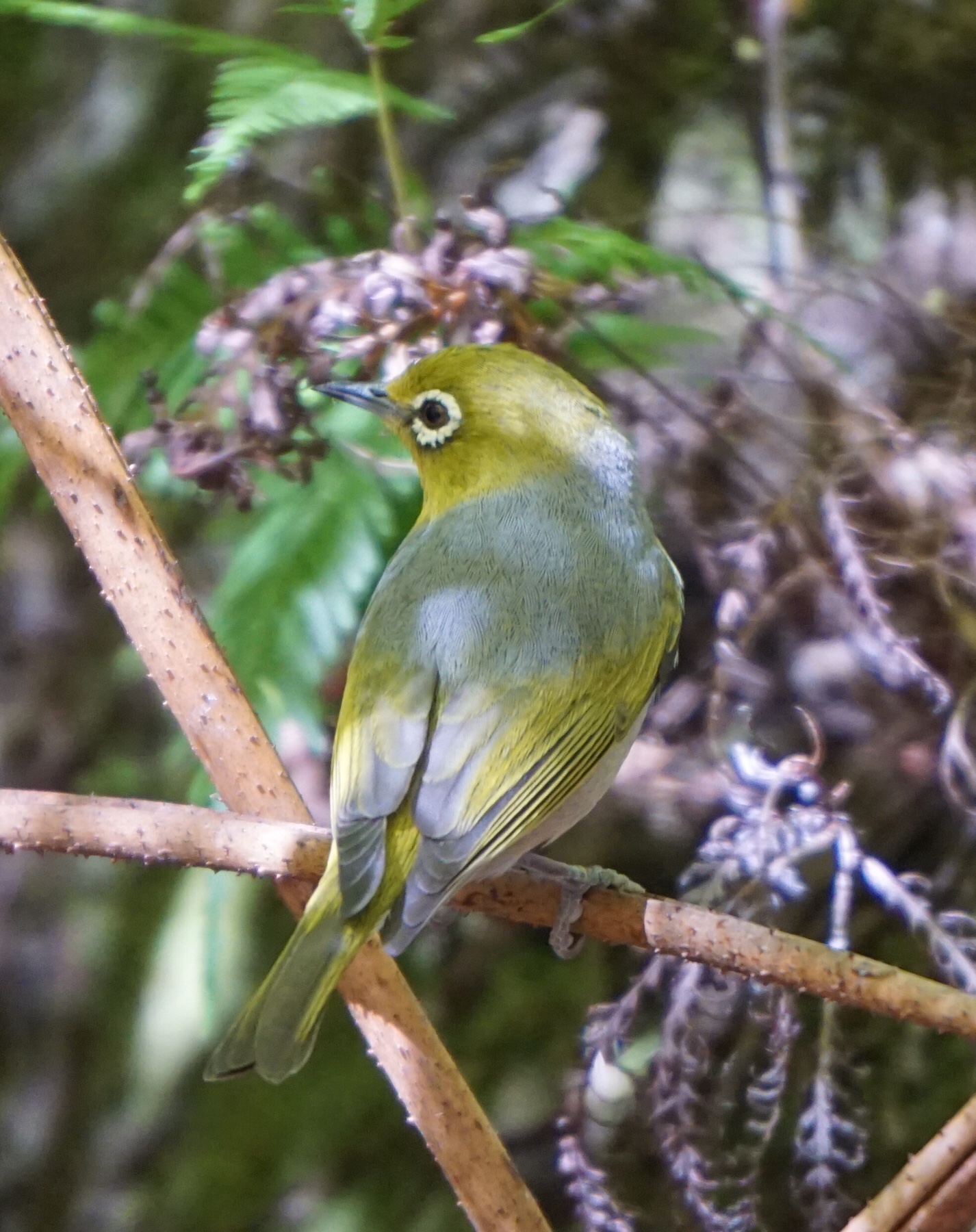
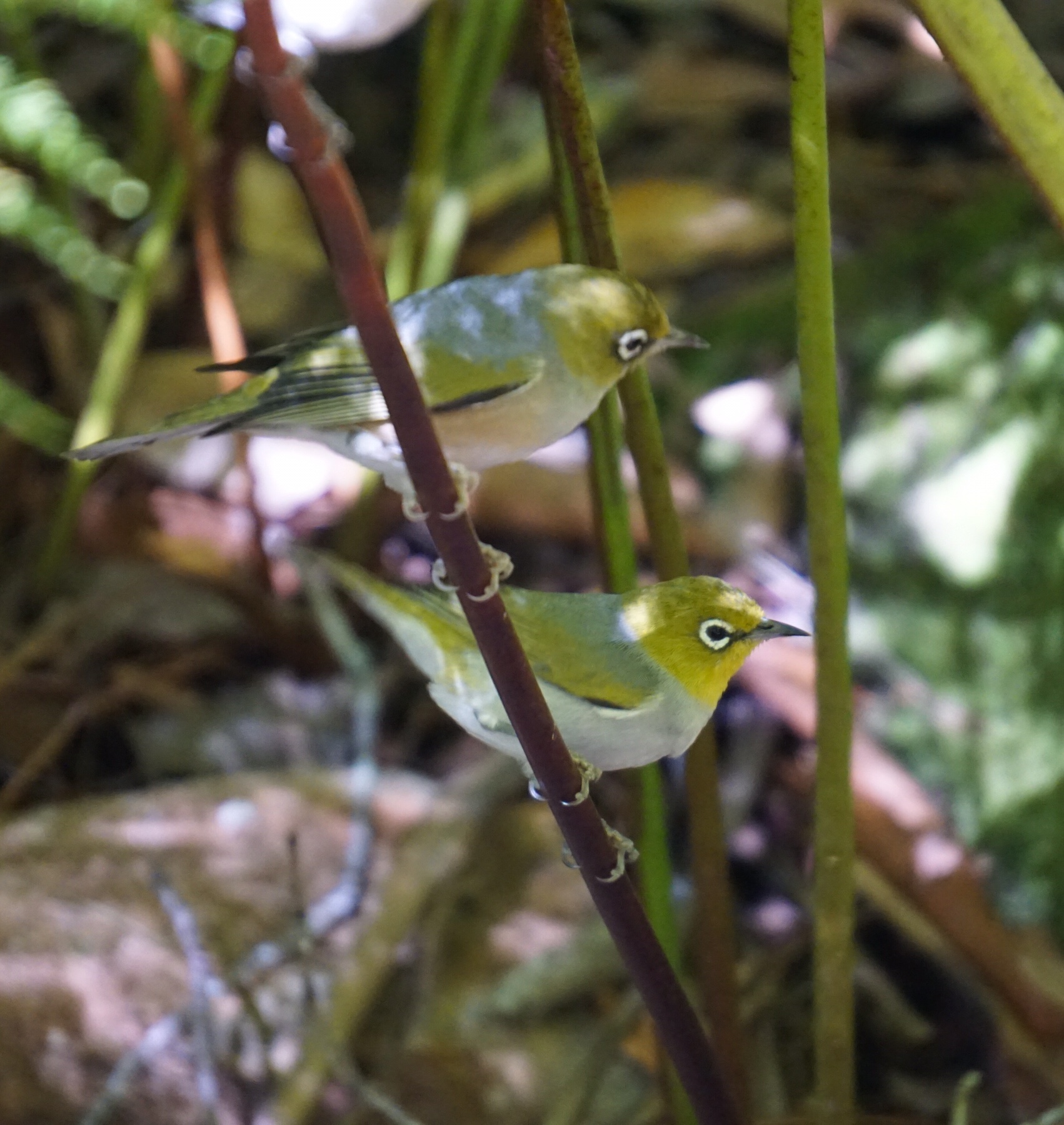
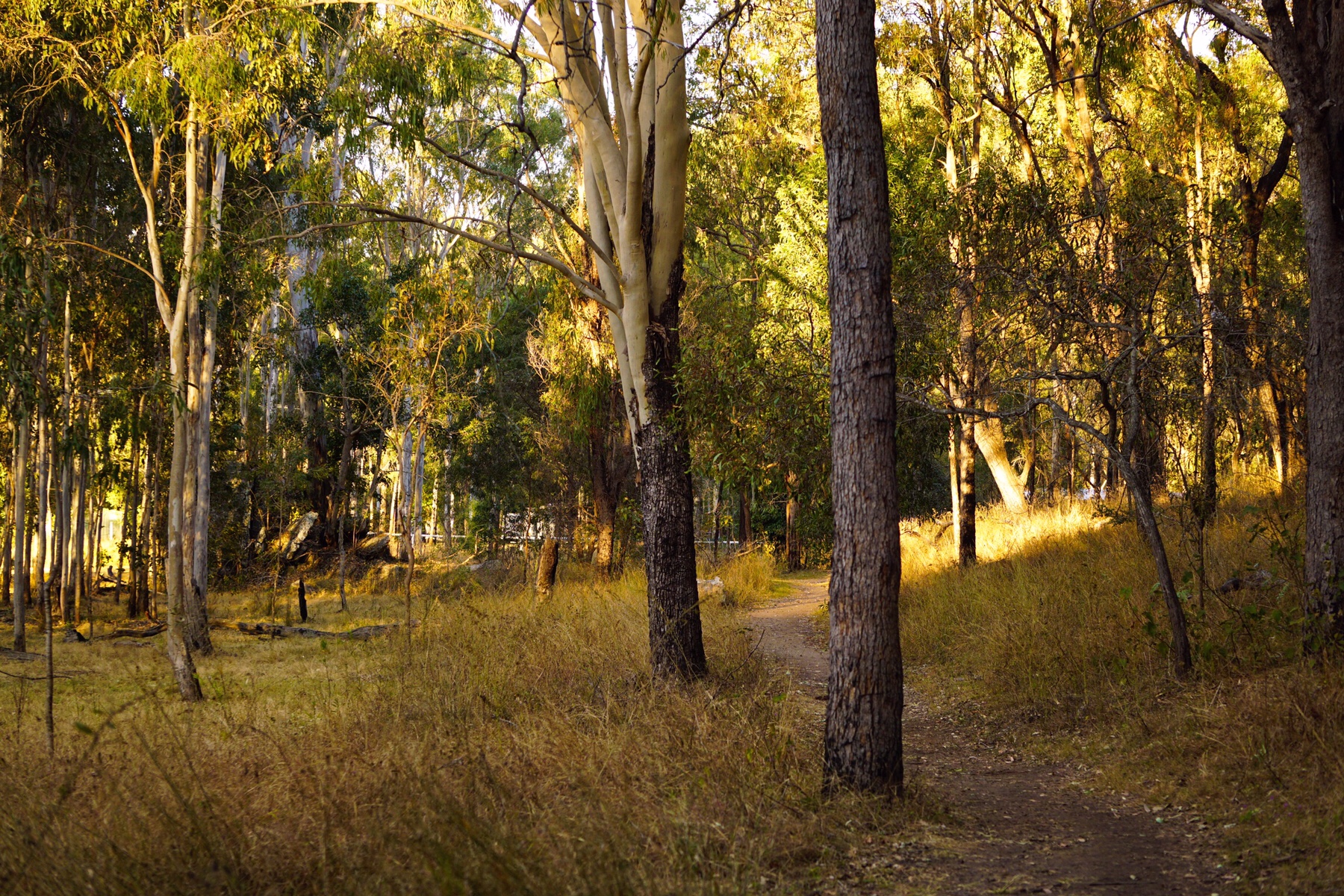
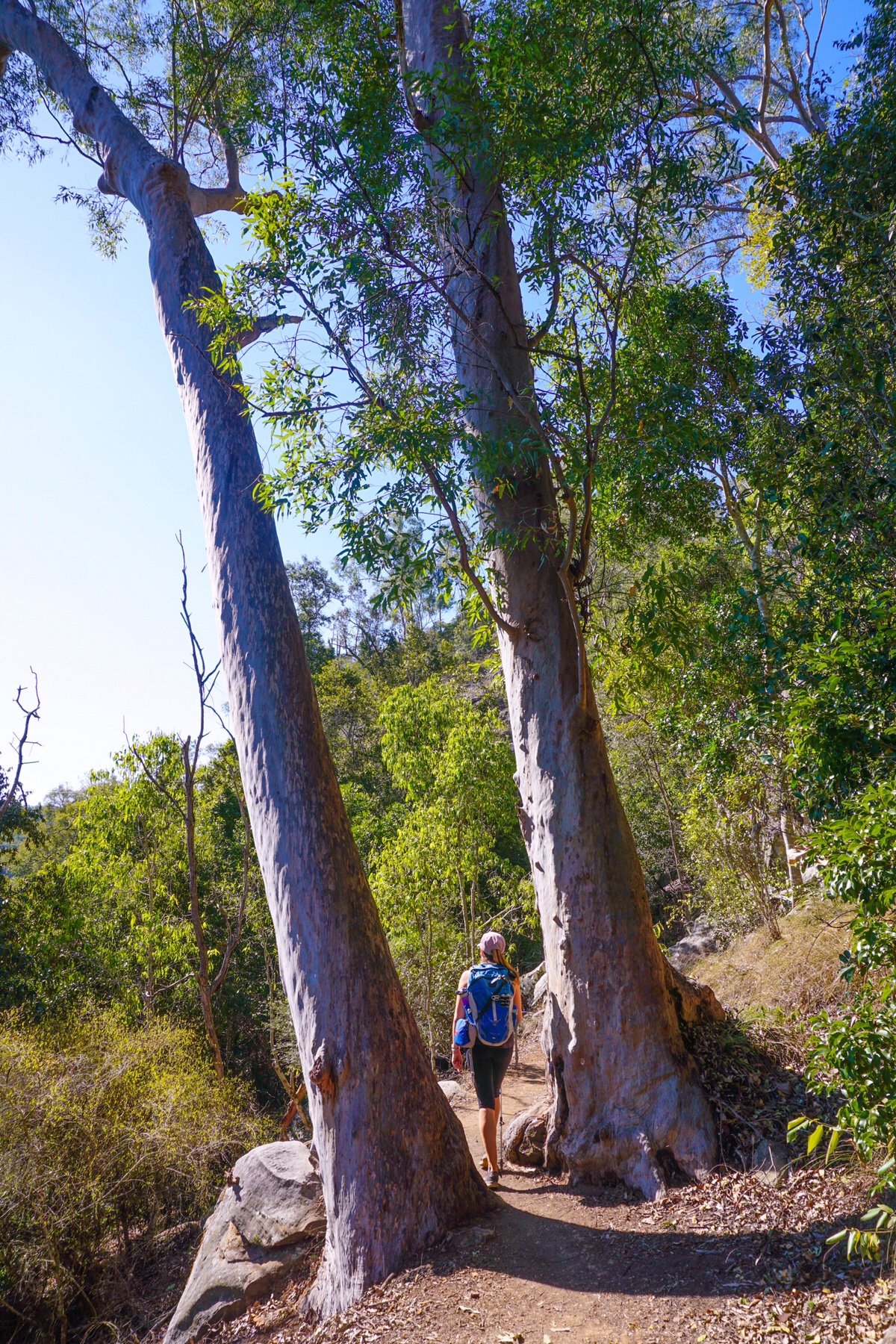
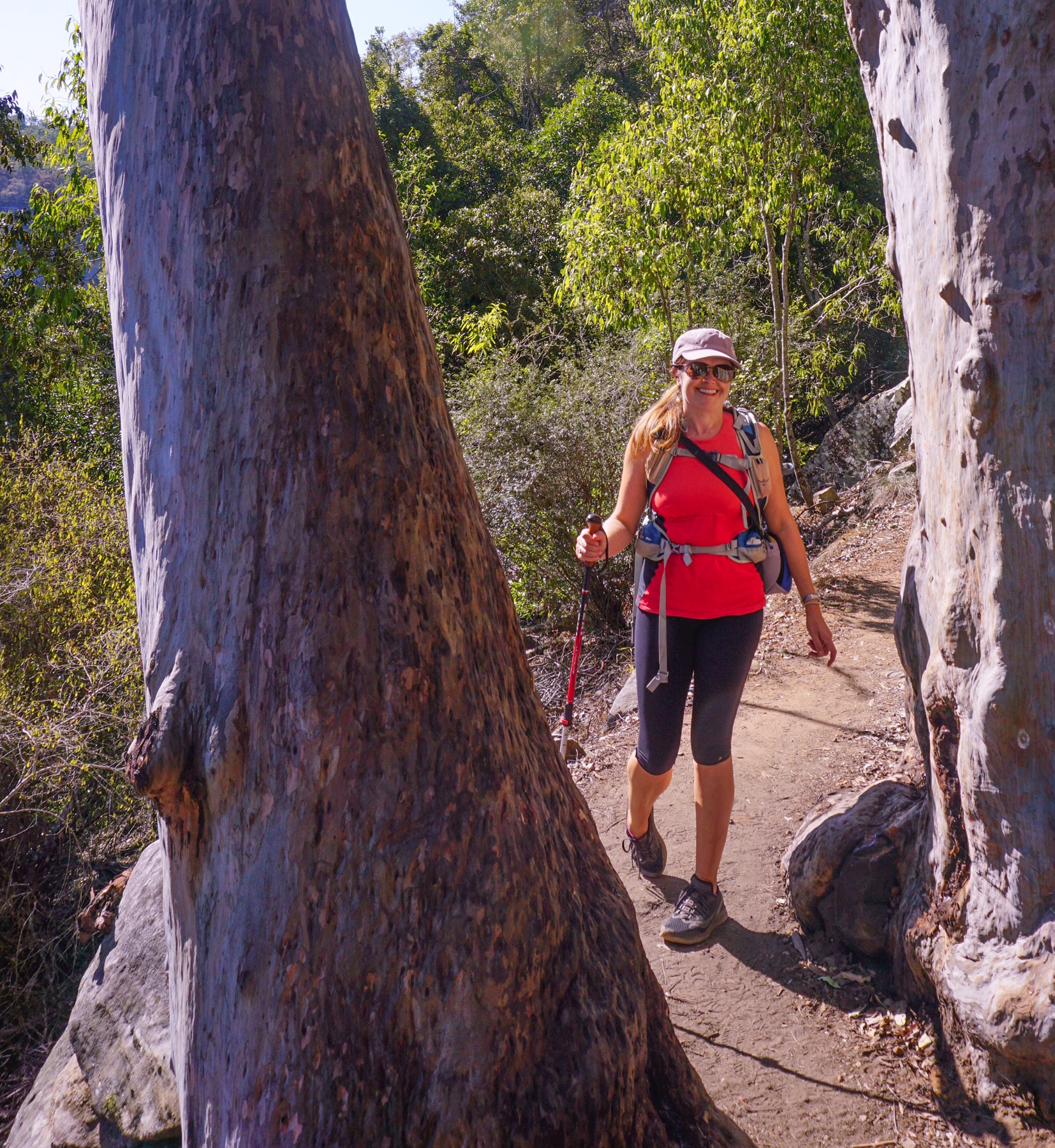
 Six kilometres later we were back at camp for a relax. This is one of the nicest places we have parked our mobile apartment in a long while, surrounded by tall gum trees, dappled sunlight and high sandstone walls providing a picturesque backdrop. As we sat outside with a cup of tea a couple we had seen on our walk strolled past, the American man inviting Mark to join him on a cycle up to the dam later on in the afternoon. Mark accepted his invitation, and jumped on his bike for a ride.I meanwhile finished baking an orange and almond cake, and left that to cool while I went off on another 6km walk.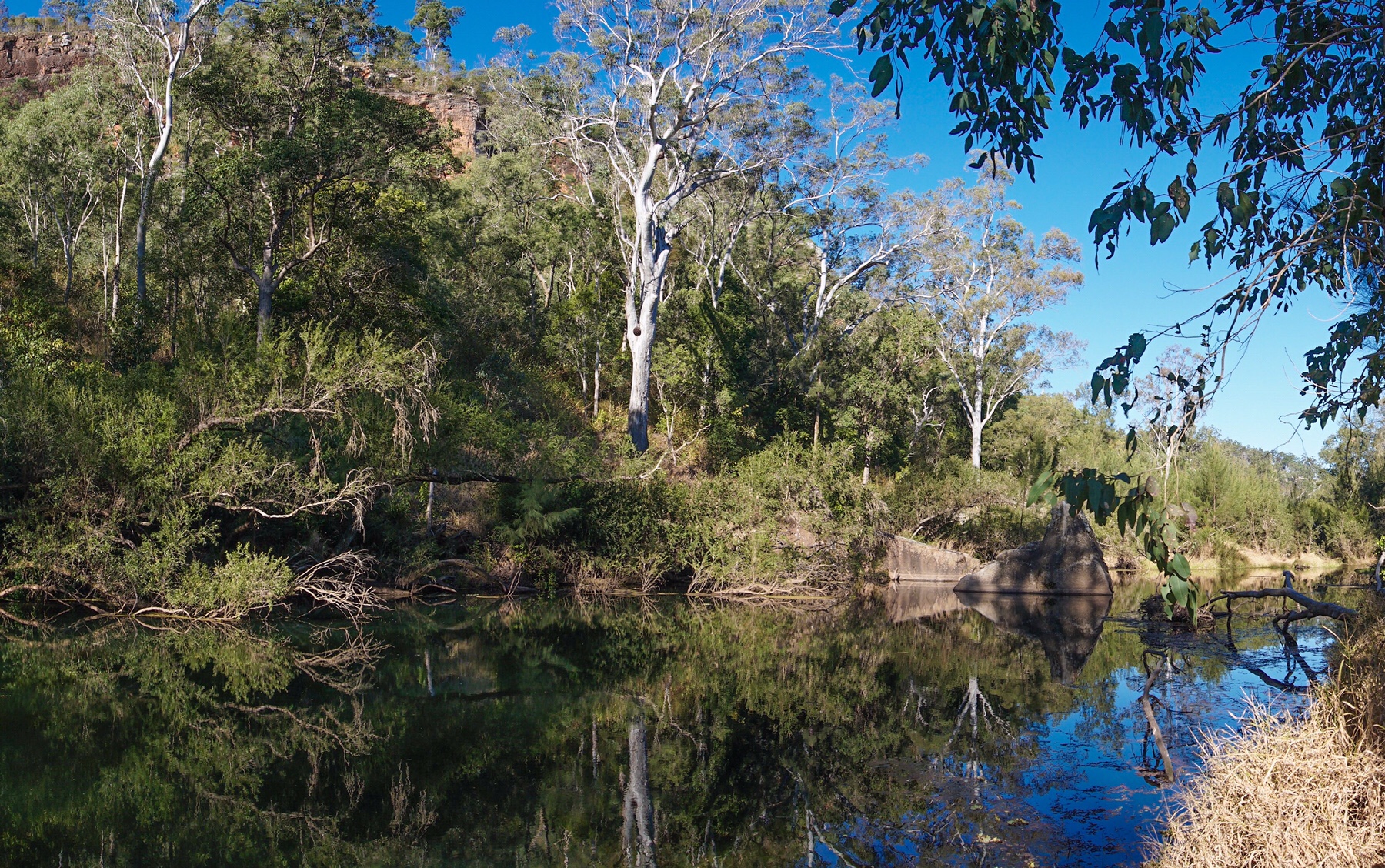
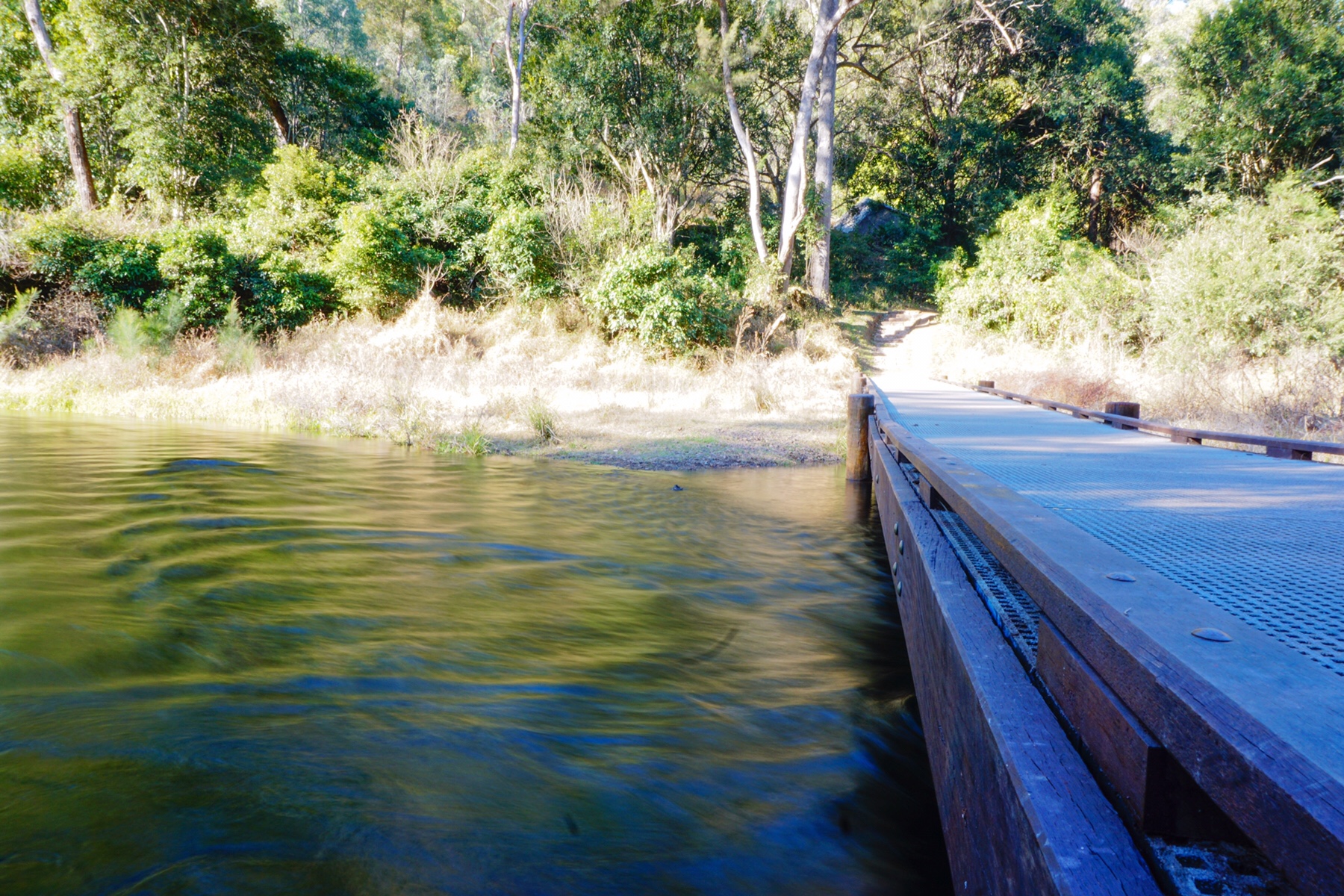
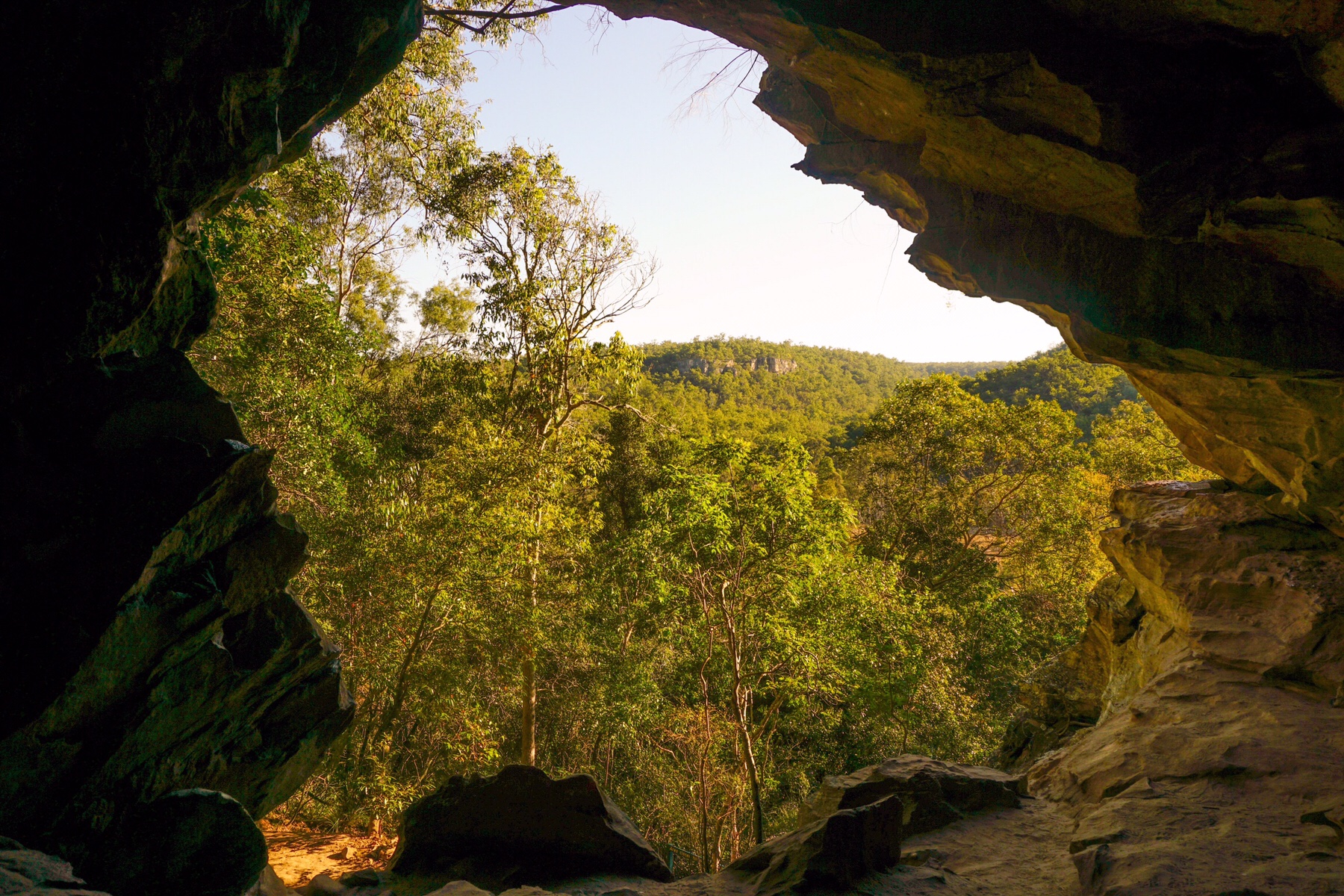
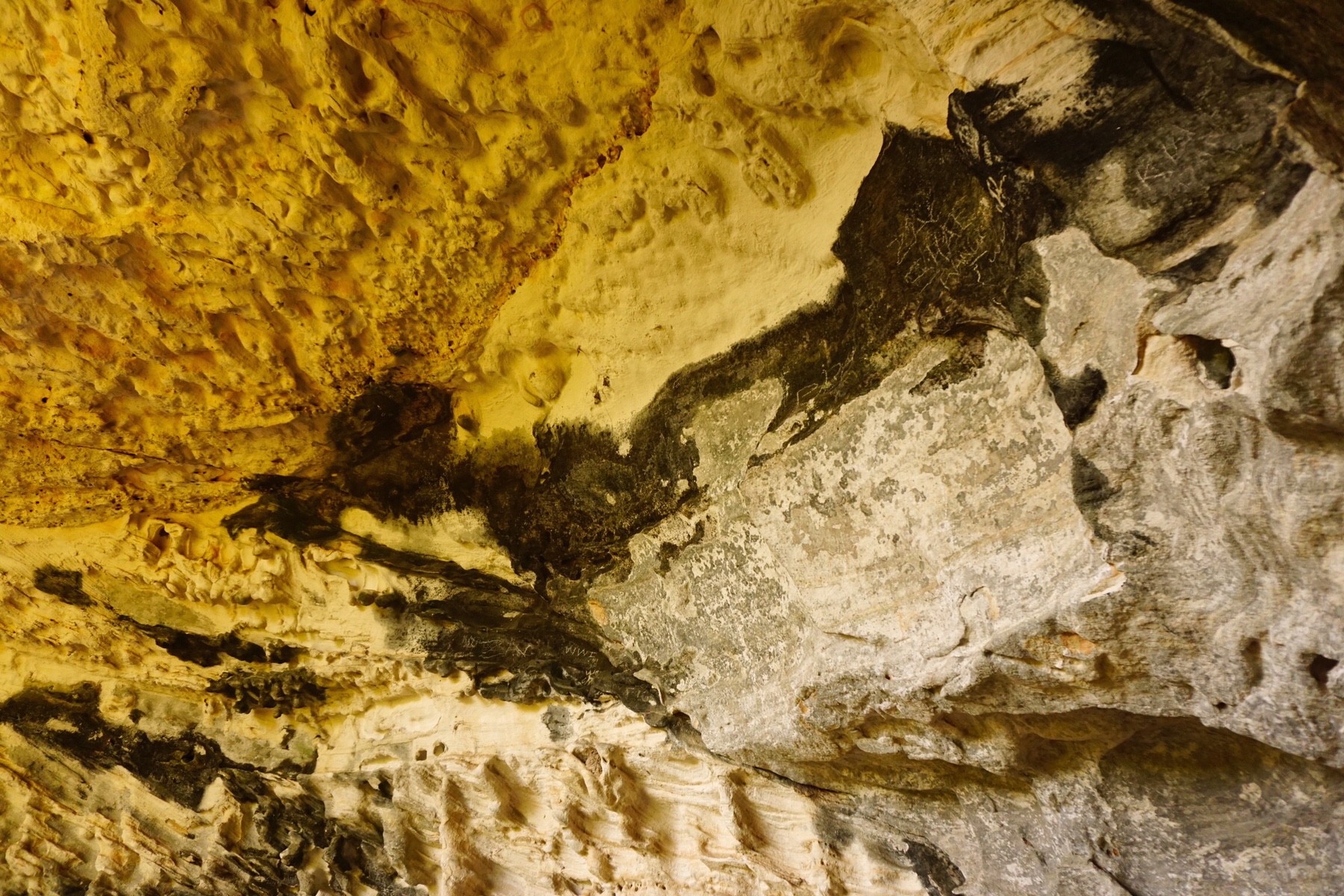
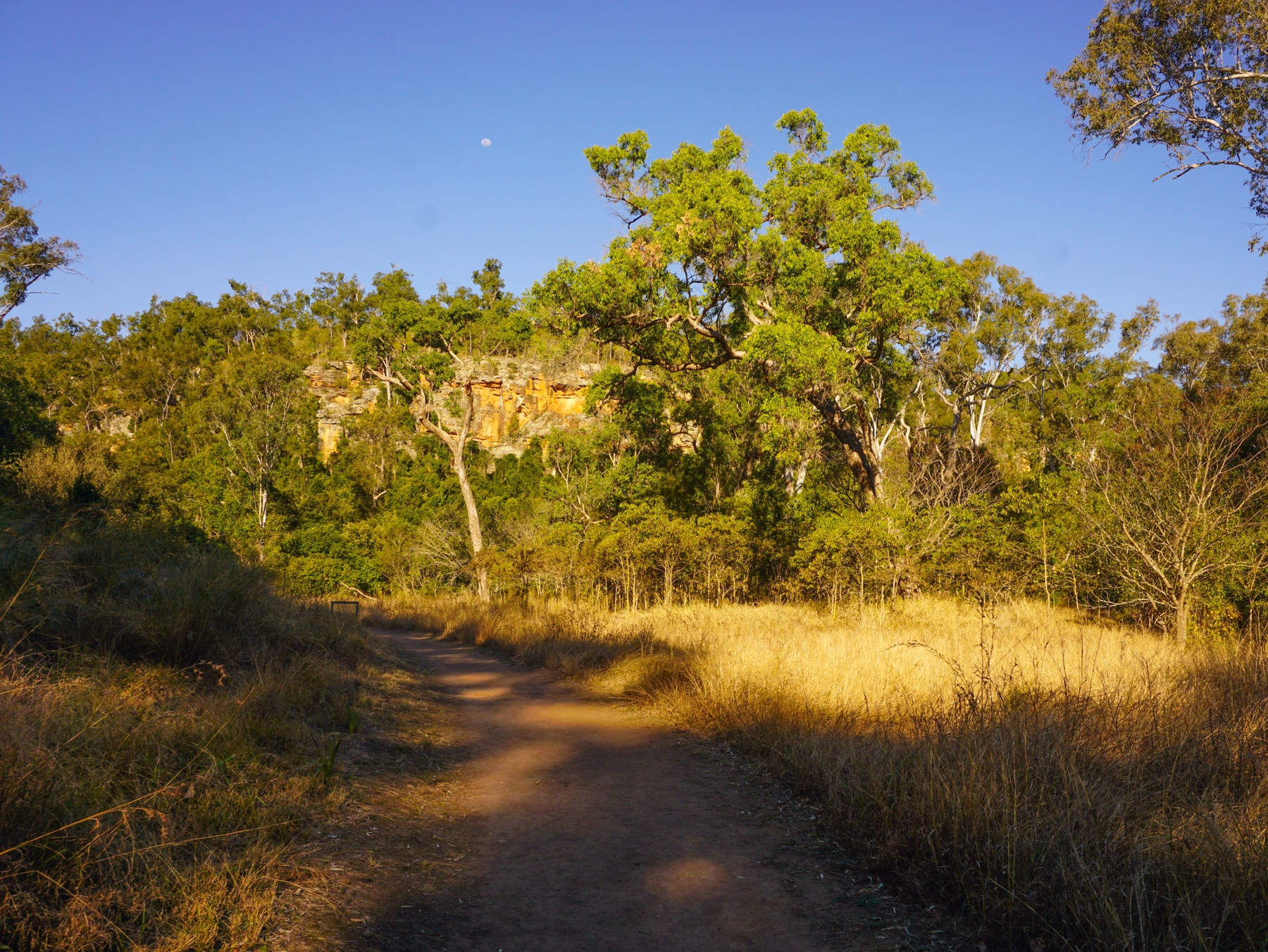 From there, I walked up to Dragon Cave, so named for the black ‘mural’ of a dragon up on the wall in there…with a little imagination. Generally I just enjoyed the clean fresh air, the sound of the birds and just being outdoors in the warm light of the late afternoon.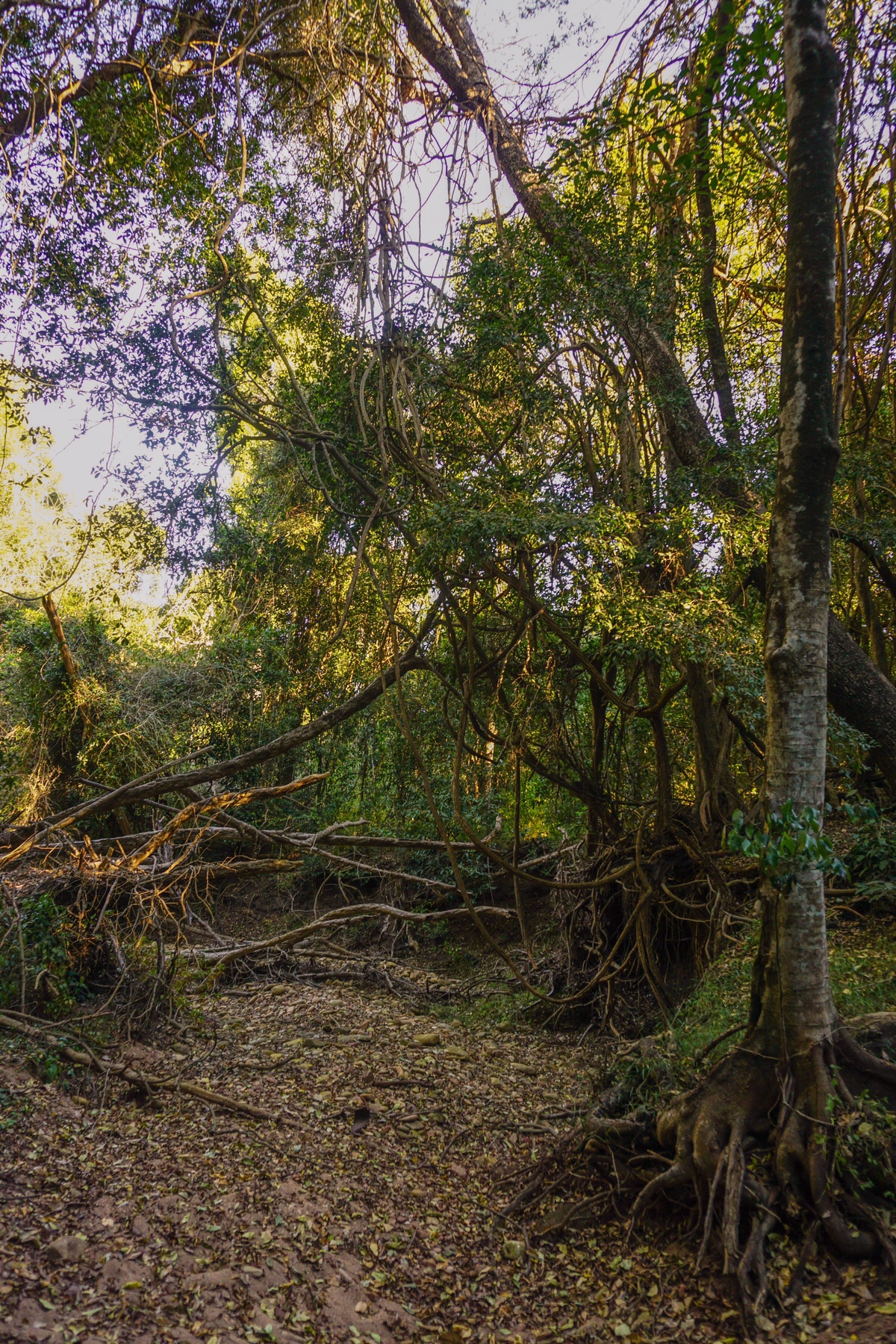
 I reached camp just as the sun was setting, and Mr A was already sipping a glass of French red wine with his cycling partner and some other neighbours. It turns out the cyclist, Ben, works with mutual friends in Sydney. What a small world!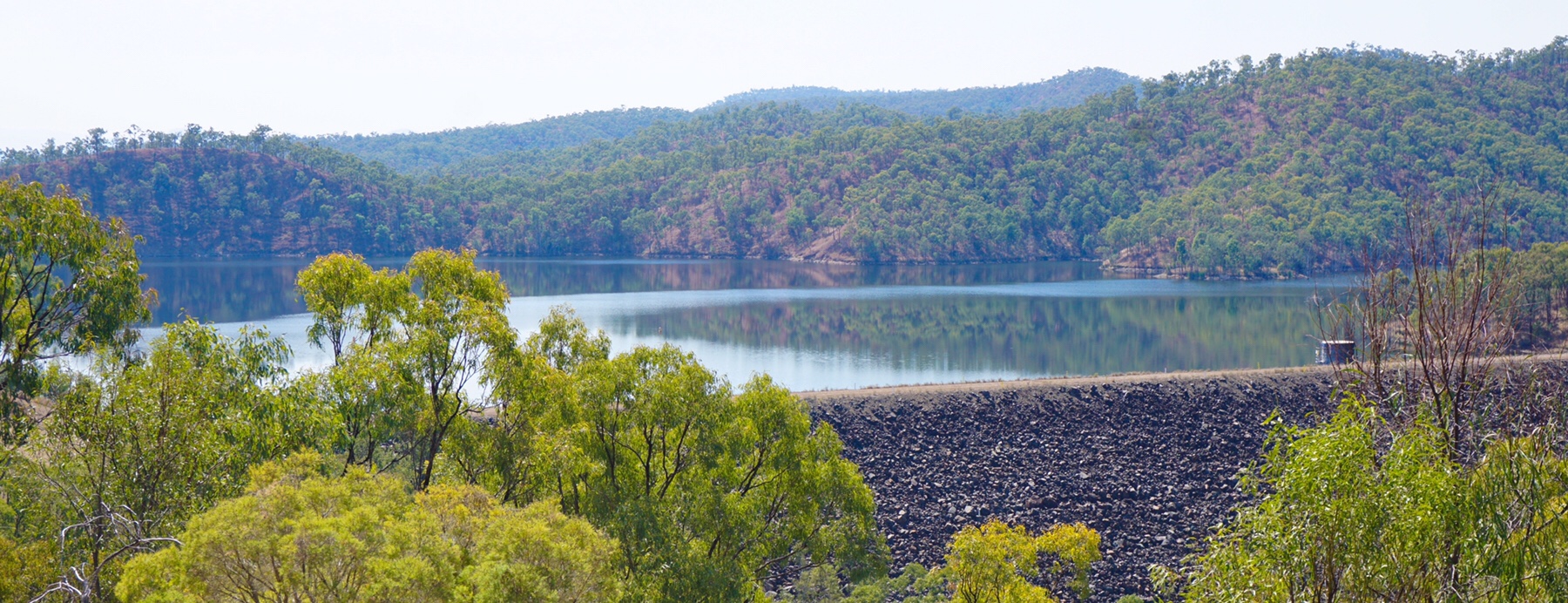
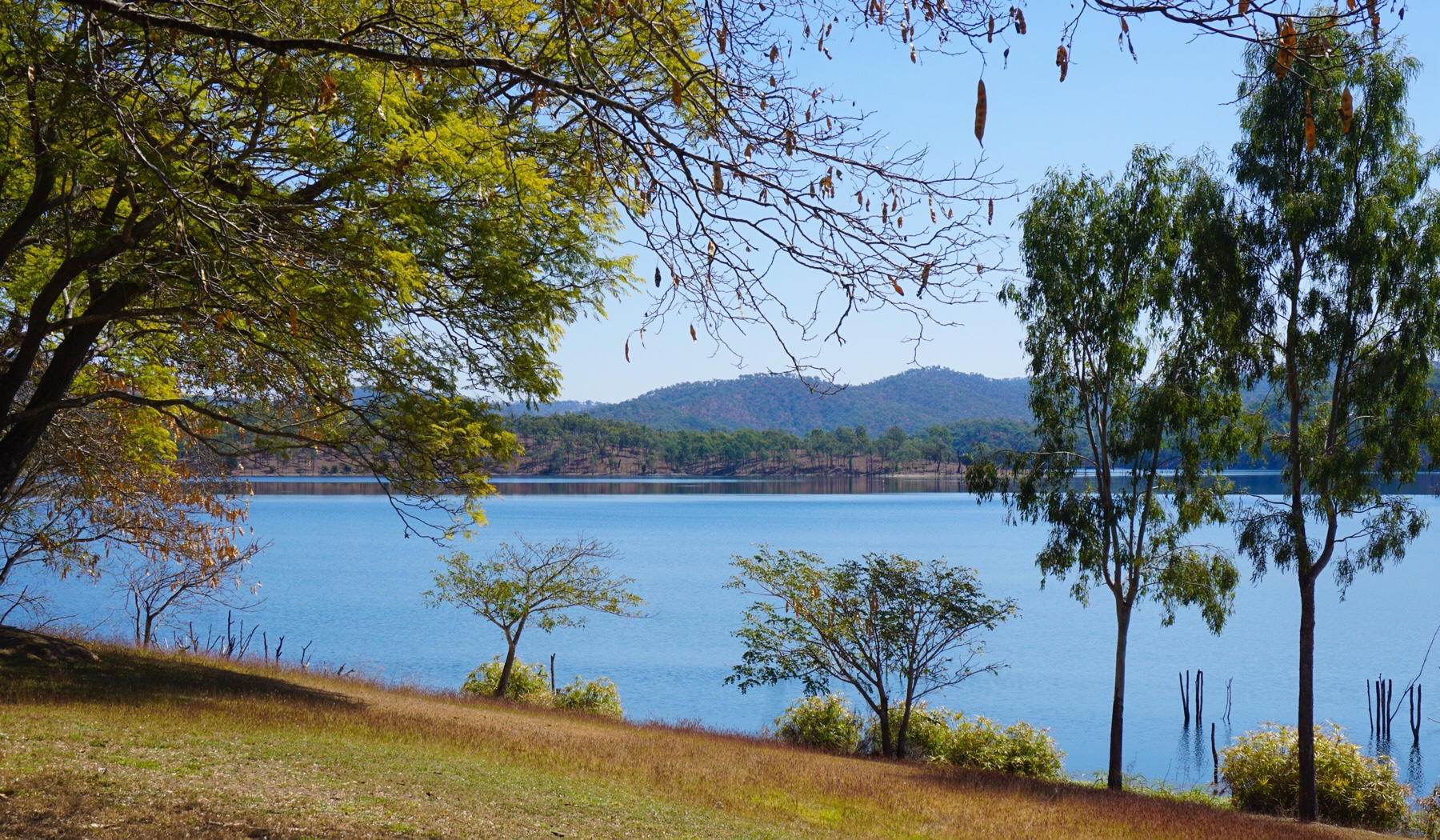 Cania Gorge had a gold rush in the 1870s, and the remnants were visible on a short walk. There was little gold here, with 183.5 tons of rock yielding only around 4.3kg of gold – a lot of work for little reward under gruelling conditions. Today felt pretty warm at about 25 degrees centigrade in the middle of winter. We had a wander around, then headed off to do another, longer walk.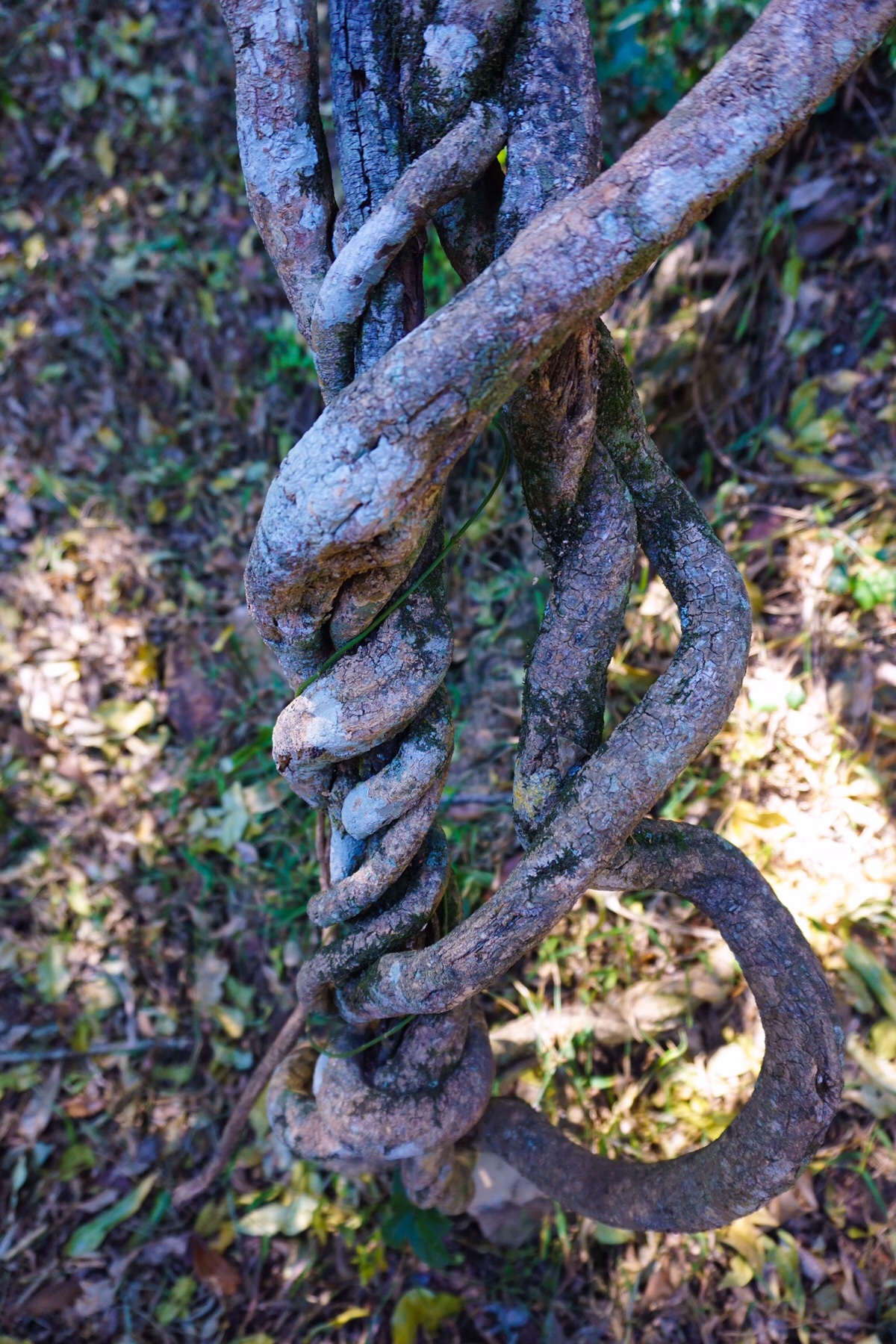
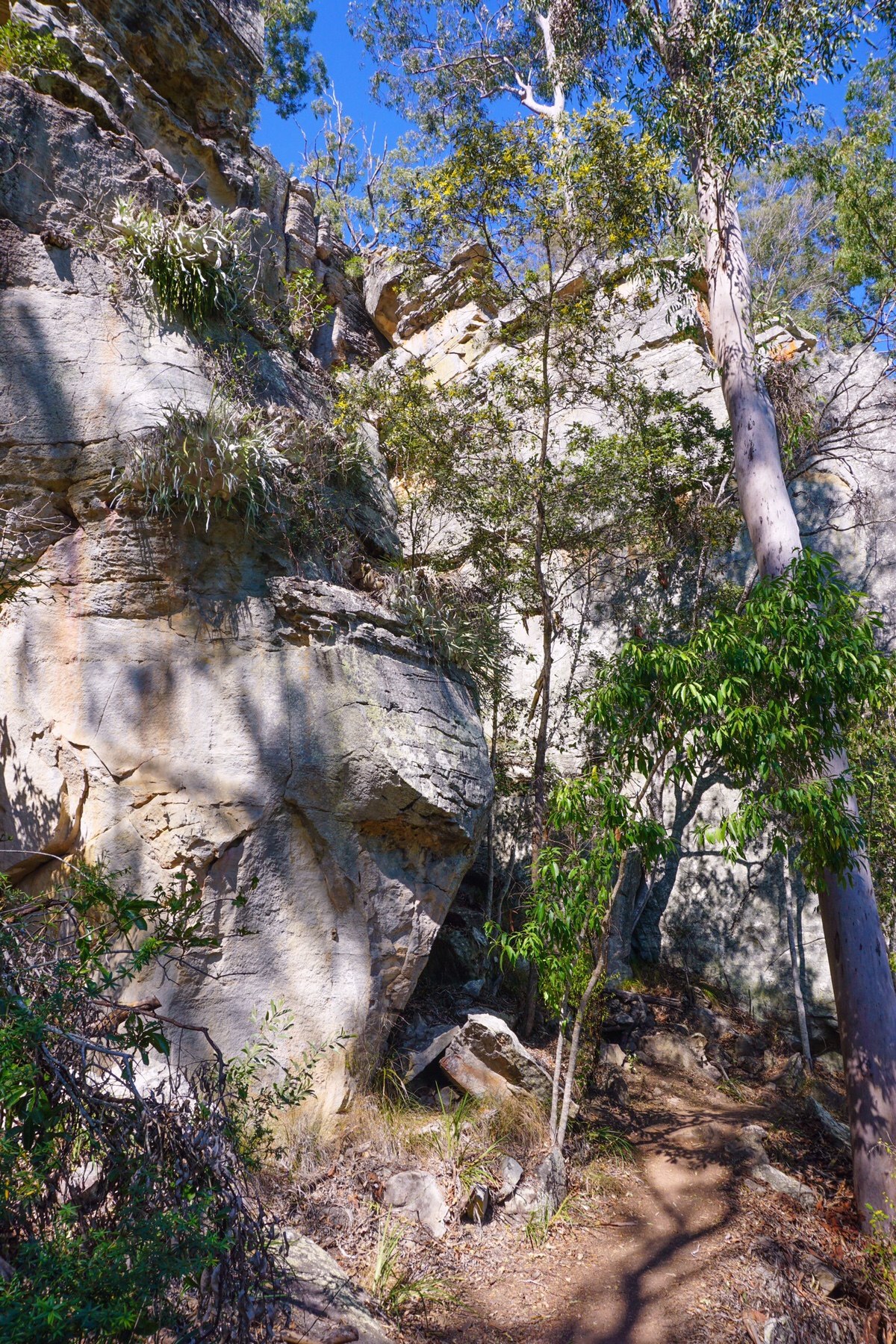
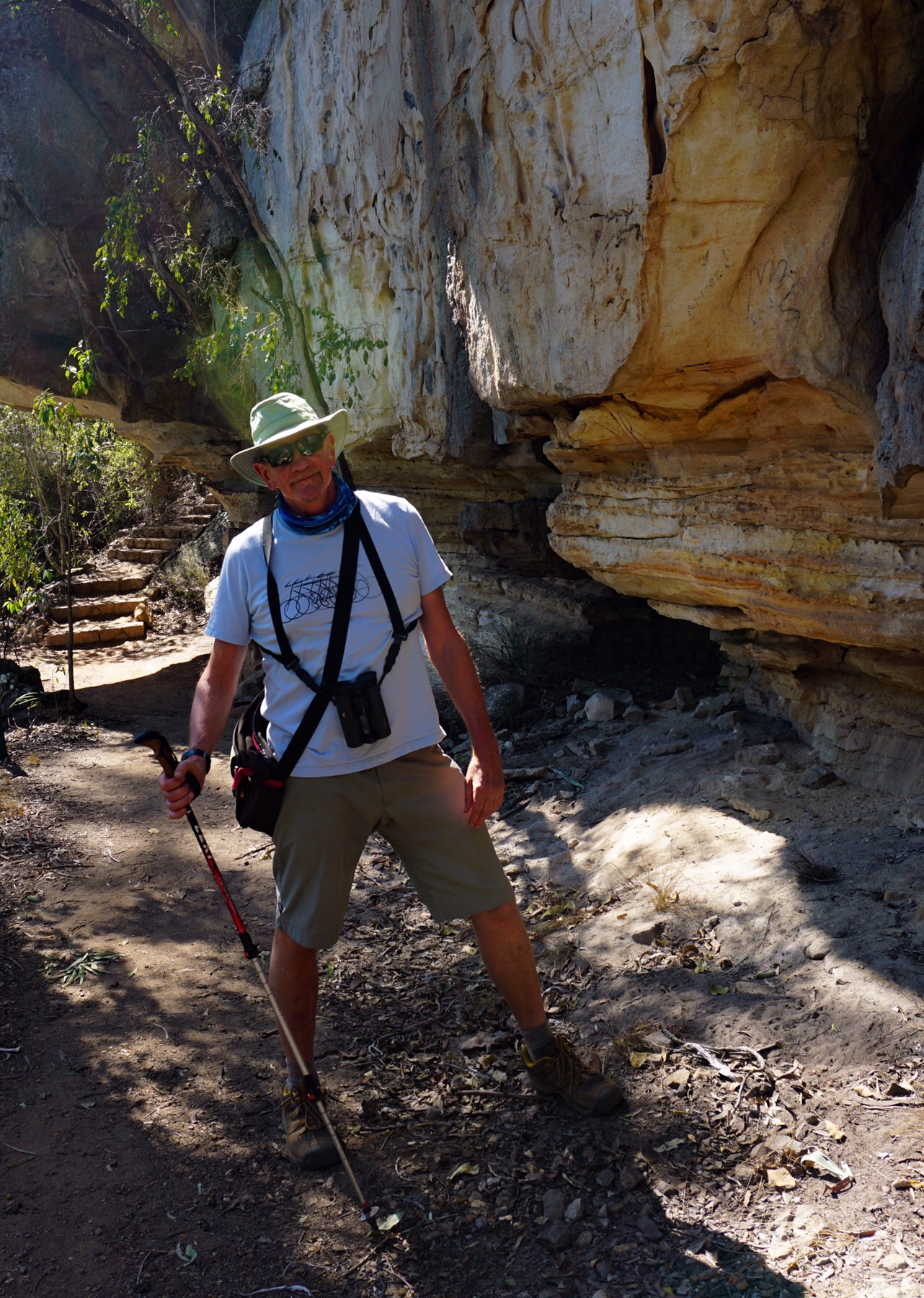
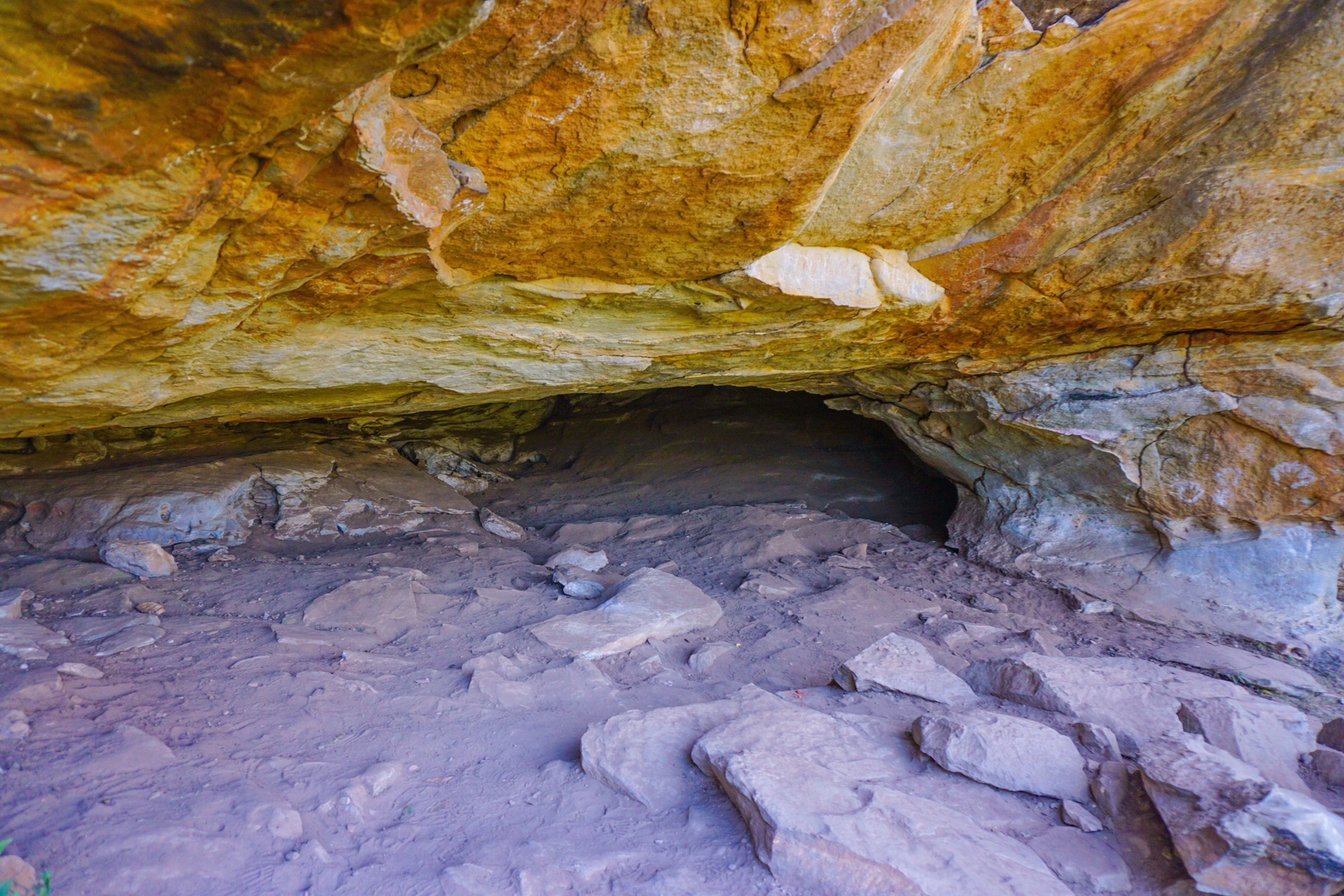
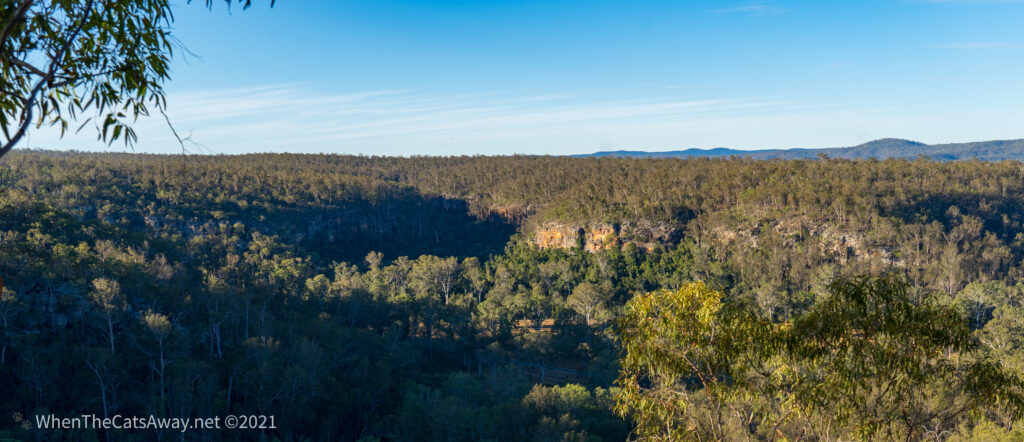
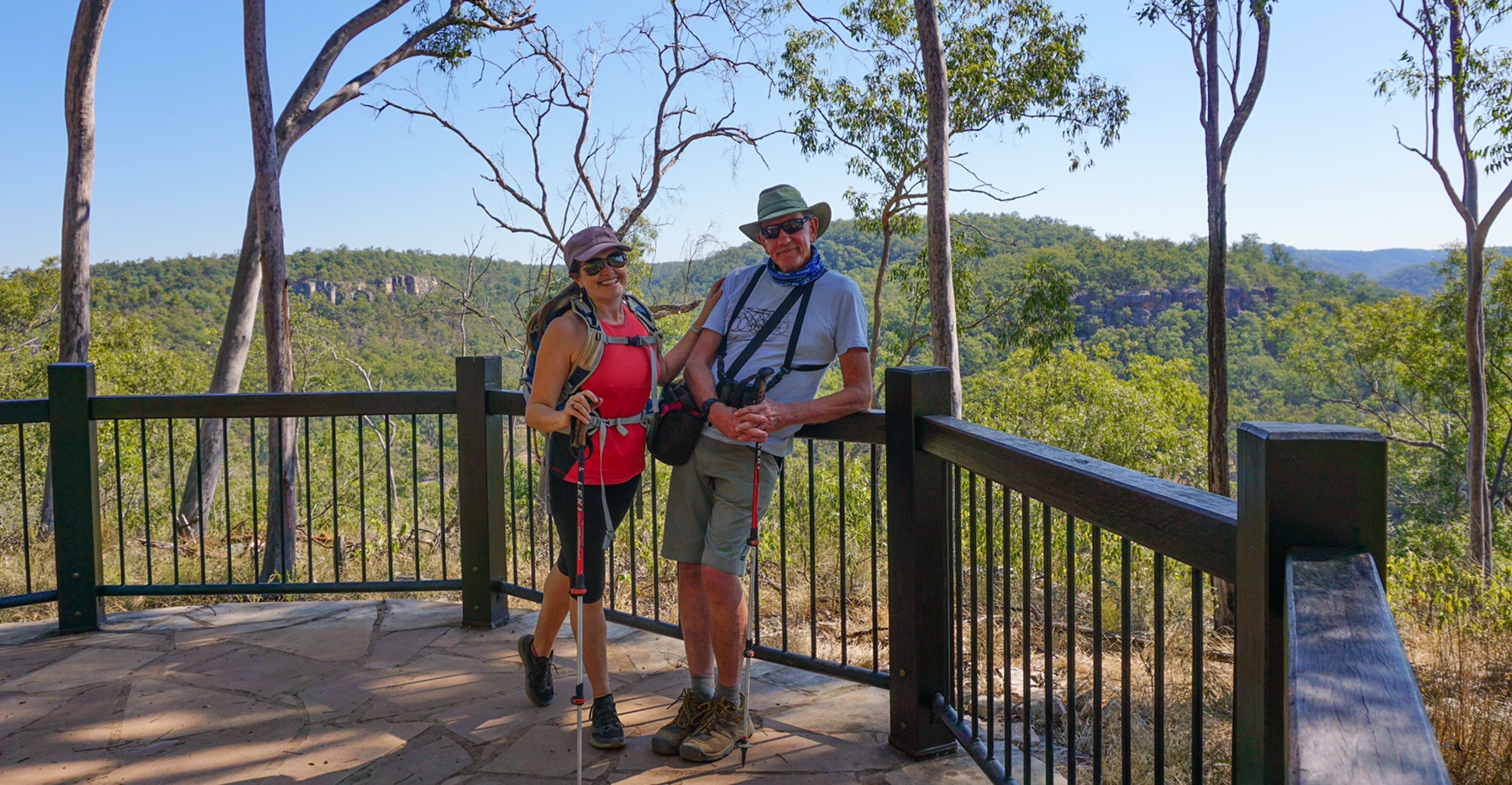
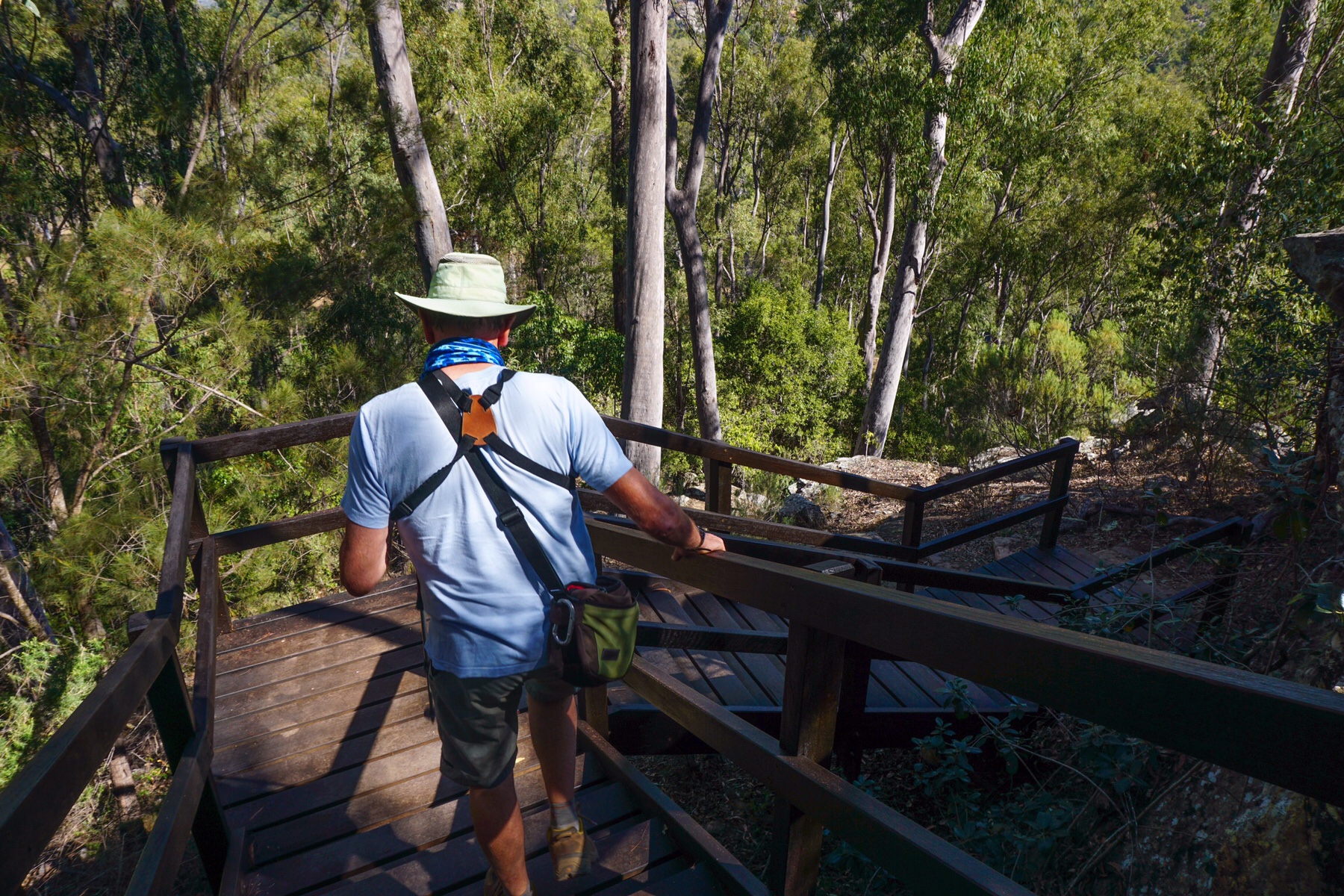
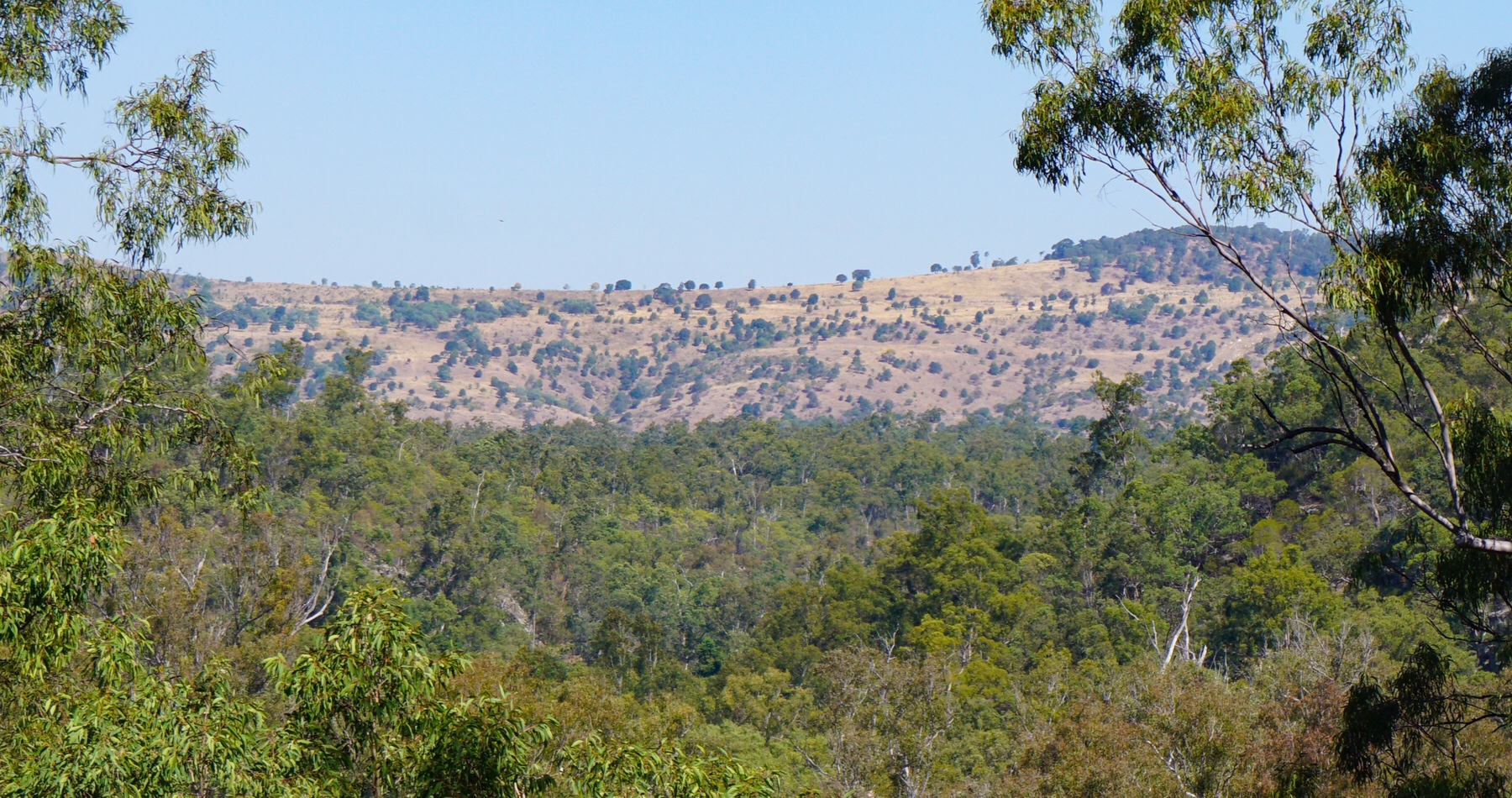 We hiked up to a lookout giving us a fabulous view across this little National Park, before returning to camp.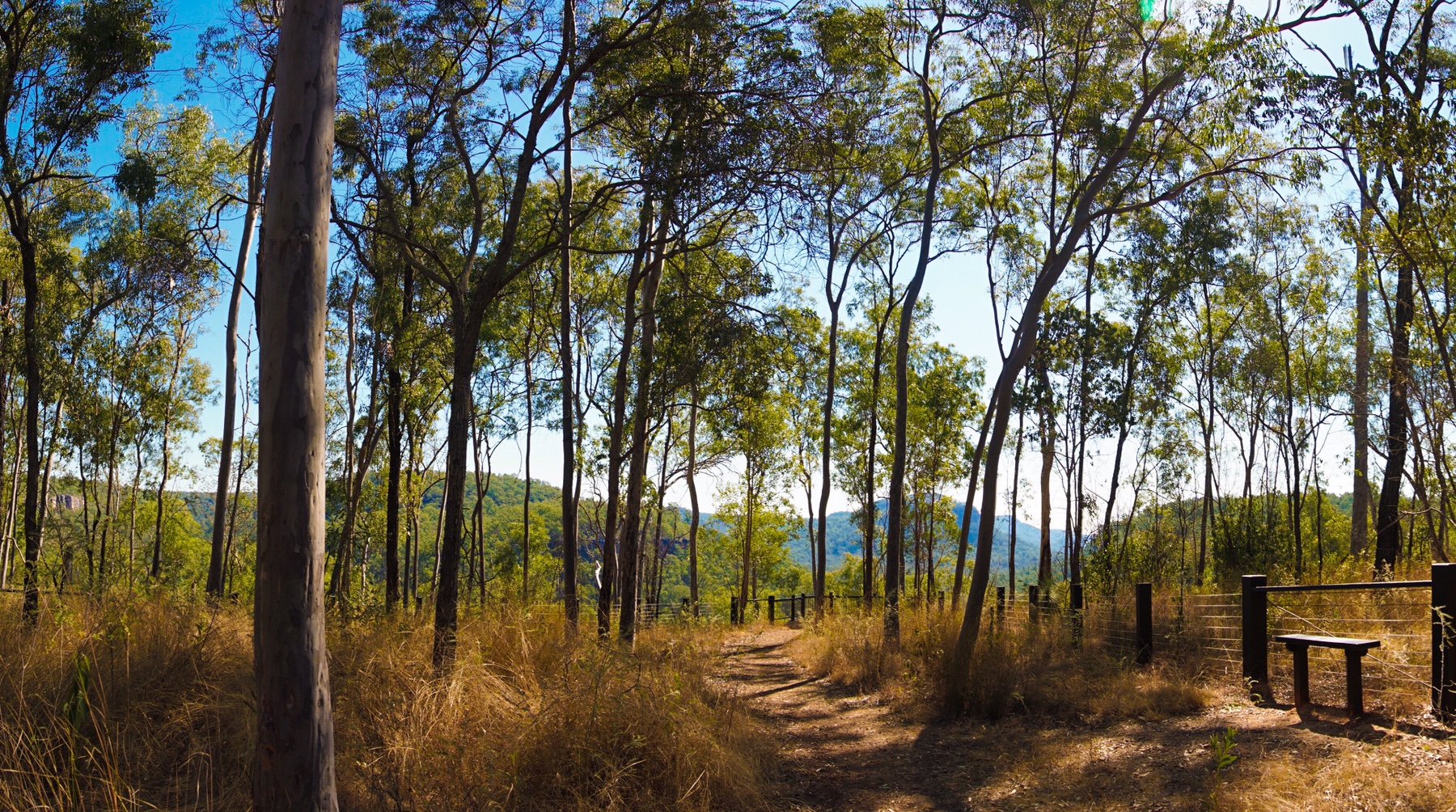
 Before long we were seeing signs for Rubyvale and Sapphire, and finally our destination for the evening in Emerald. Yes, you guessed it, we are in the gemfields, but not having a go at fossicking this time. That would involve attention to detail and patience, not Mr A’s strengths!
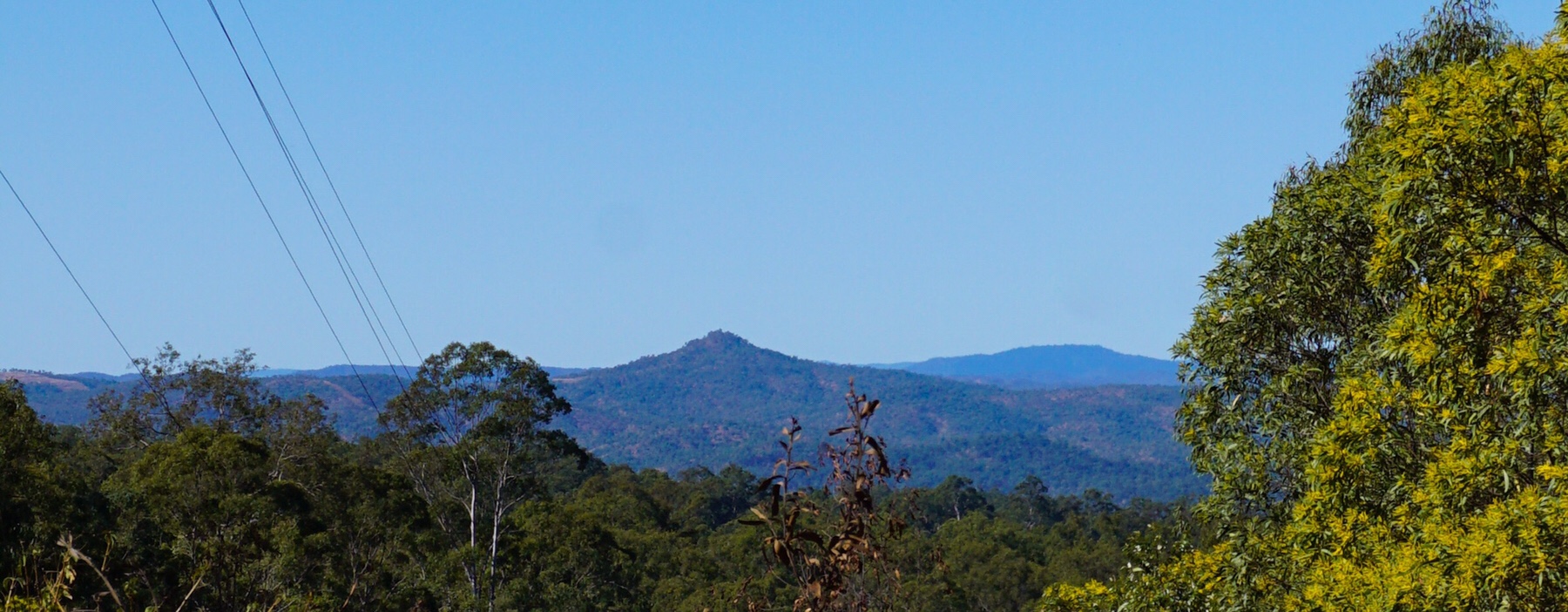 Looking at the map, it would be easy to miss little Cania Gorge. It sits about 150km from the coast inland from Gladstone, and like Carnarvon National Park has deep sandstone gorges and apparently a healthy population of platypus. We had been recommended this location by two separate friends who are or have been in the past local to this area, so thought it would be crazy to miss it.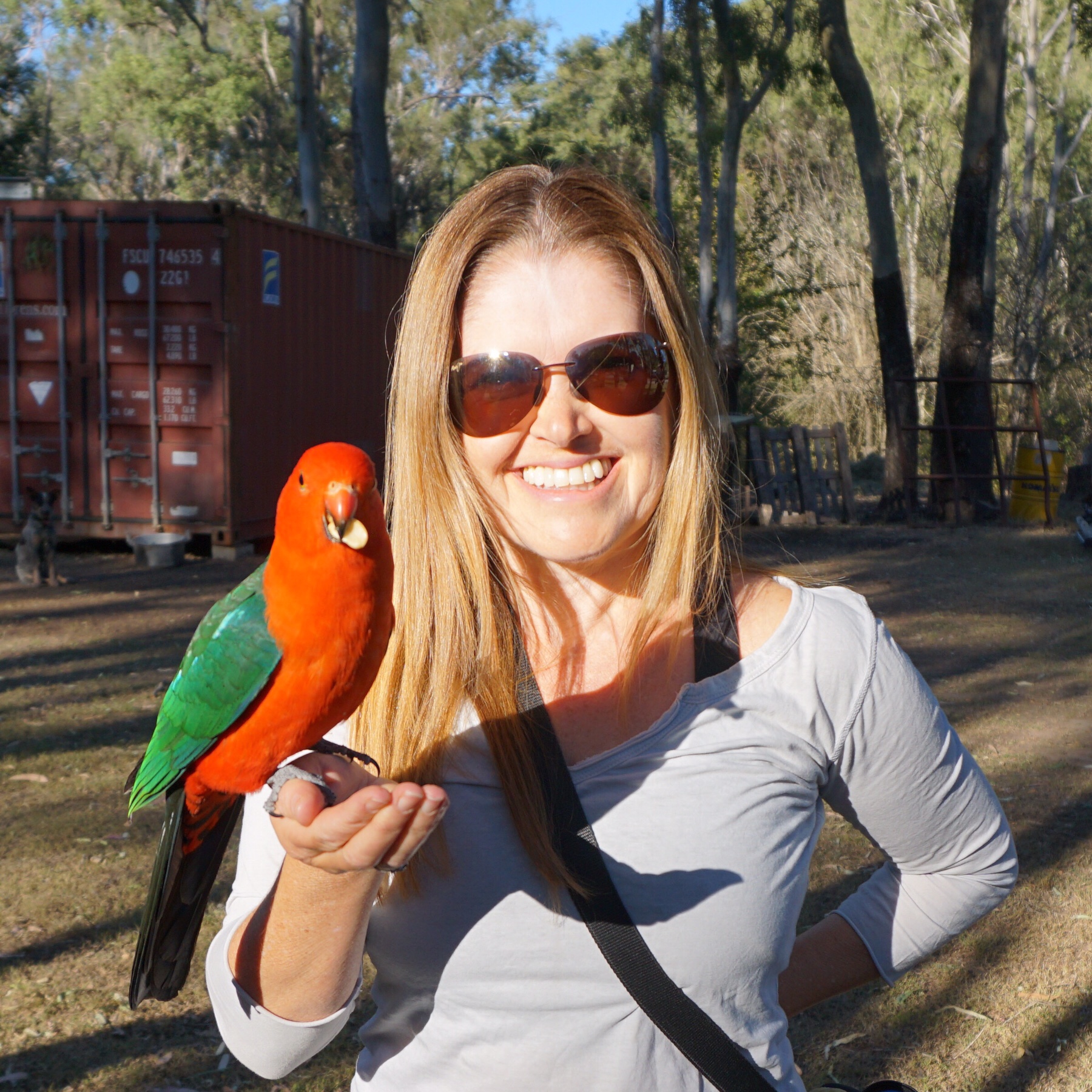
 A short cycle along the road allowed us to learn more about the multitude of wild creatures living here, many rare and endangered, and the evidence of 19,000 years of Aboriginal habitation in the gorge. Incredible. Already it feels like a very special place.