Author: Mrs A
Location: Balranald
Distance paddled: 5.5km Cycled: 3km Walked: 3km
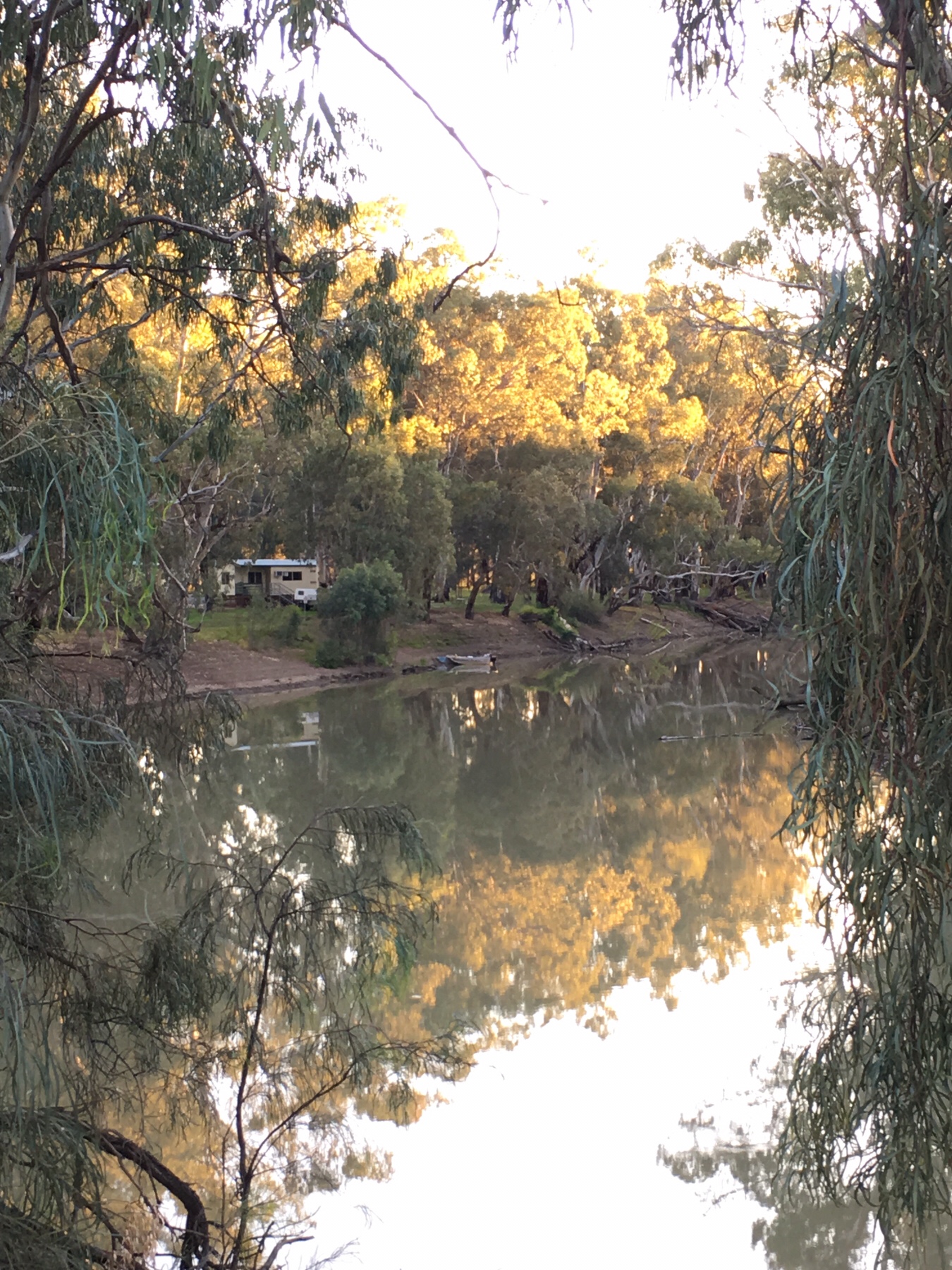
The morning dawned warm and wind free, finally ideal to get the pack rafts out for a paddle on the Murrumbidgee River (known locally as The ‘Bidgee, of course).We launched the boats from just below where we are camped and set off up stream. The current was hardly moving at all, so it was extremely easy going. Two small motorised tinnies launched from the campground around the same time as us, four retiree friends heading off for a fish. They headed the same way as us, and passed us slowly and carefully so as not to tip us over with their wake – complete contrast to yesterday’s cycling experience!
The river is surrounded by ancient forest – huge eucalyptus trees which must be 400 years old or more, and filled with birdlife. Our paddle was serenaded with the sounds of birdsong from a kookaburras, turquoise parrots, rainbow bee-eaters, fly catchers, honey eaters and more. High up in the sky on thermals soared glossy ibis, and across the treetops flew whistling kites.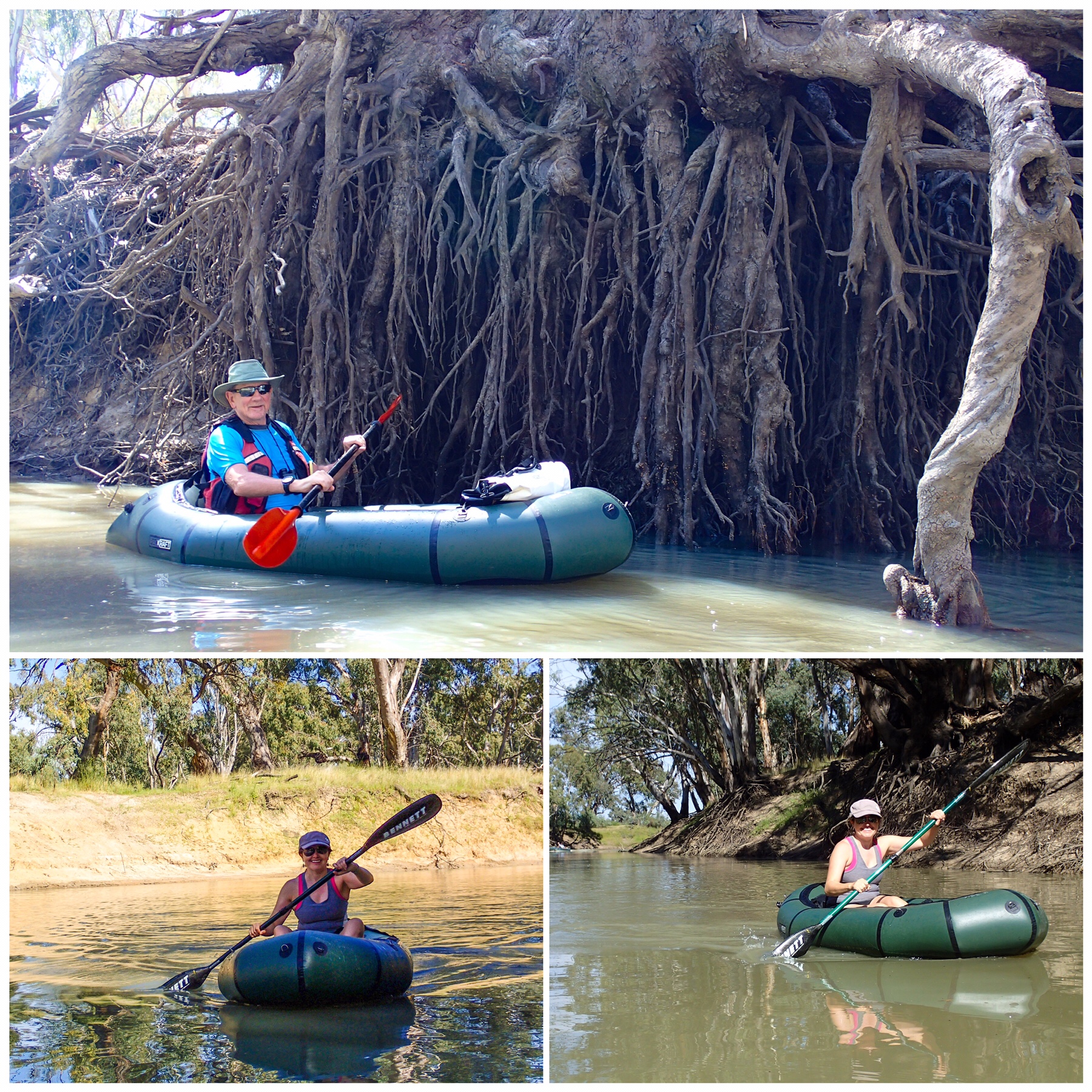 The river is an ever changing environment with flood and drought adjusting the river’s path all the time. The tree roots from the towering red gums were like incredible sculptures along the rivers edge, their solid ground long gone.
We chatted to the fishermen on our return trip, and found a couple of them had lived near this river for most of their lives. They can recall a time when the river ran clear and you wouldn’t hesitate to drink it. Today it is murky and muddy, the sediment due to the introduced fish, carp.
Of course, being a geek, I had to find out more about these carp. Apparently there are several varieties which were originally introduced in the 1800s. It wasn’t until the past 40-50 years though, that they have become a massive problem in our waterways. They are considered the rabbits of the rivers. A real pest, they grow quickly and have no predators. They also live a long while and breed prolifically. A female can live to 15 years of age and in her lifetime give birth to up to 1.5 million young! As bottom feeders, the stir up the mud and create brown rivers which are a challenge for native fish to breed in and are perfect for the growth of poisonous red algae.
I also discovered that a solution has been found, but not yet put into action. A fast spreading virus (related to herpes) has been found to kill only carp – absolutely safe for goldfish, other native fish, birdlife and even humans, but not these water rabbits. The plan is to slowly release it and kill off 70-90% of the population. Care is needed to ensure it doesn’t work too fast, otherwise the whole ecosystem will collapse – too few fish and the oxygen levels will drop, killing all native fish too. Thought needs to be given also to the clean up – millions of dying fish on Australia’s waterways will not only stink, but attract flies and disease. Hopefully it’ll be done during the cooler months with adequate warning! I don’t fancy paddling through floating fish bodies…
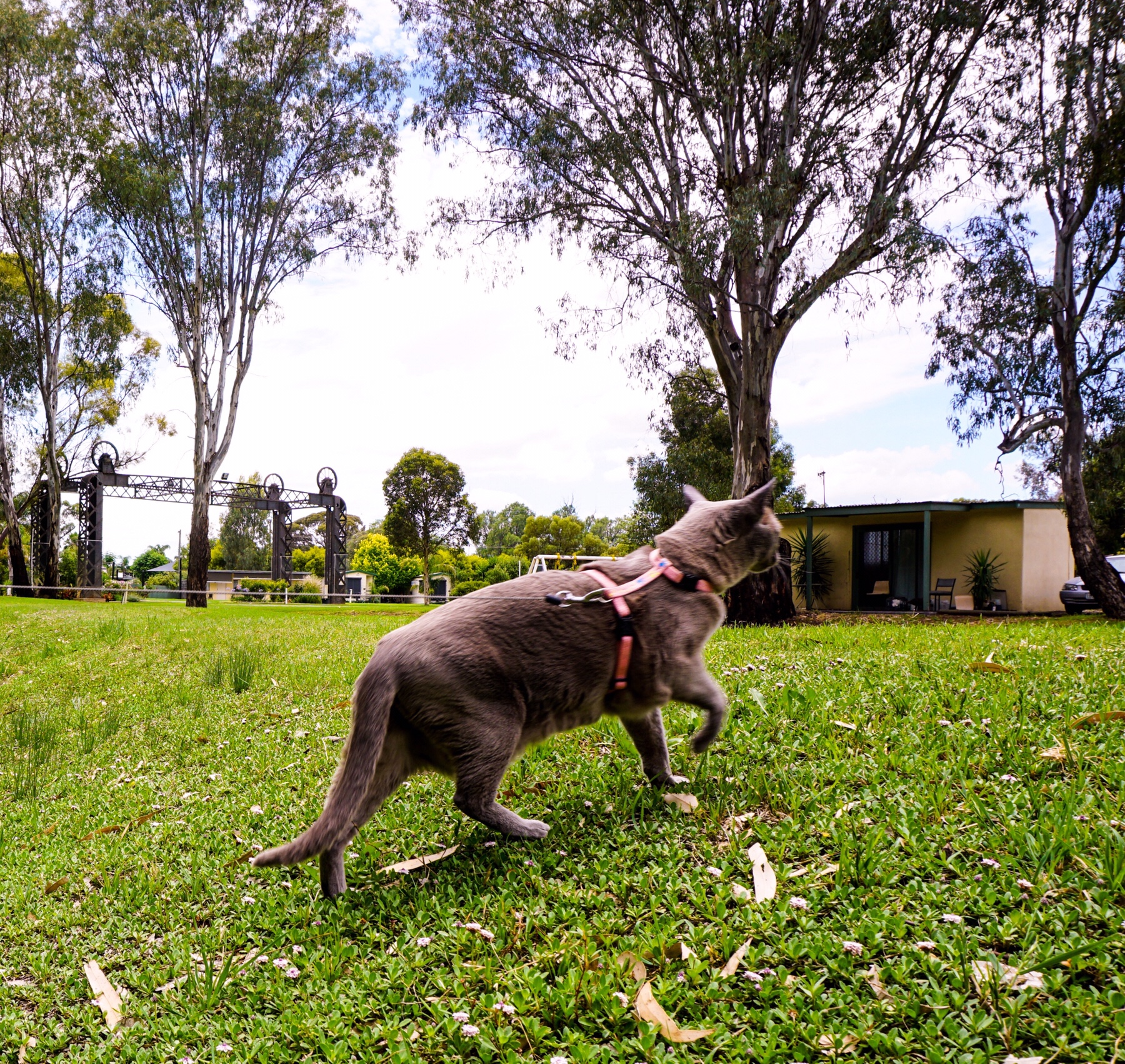 We returned to camp and cleaned up our things, dried the boats and took Princess Tassie out for another walk. She feels very adventurous here and is absolutely fascinated by the river.
After a bite for lunch we cycled into Balranald and to the information centre to pick up some information to help plan our next few days. We enthusiastically told the assistant about our bike ride yesterday to the Woolshed and encouraged her to spread the word to other interested cyclists. She told us not may people ask about bike rides. Shame, but not surprising.We picked a few veggies up at the local IGA and then returned to camp.
We finished our afternoon with a stroll around the nearby nature walk. The sun was low in the sky and the walk was full of birds. We sat on a bench in the sunshine and contemplated how fortunate we are to be able to do this. What a lovely location.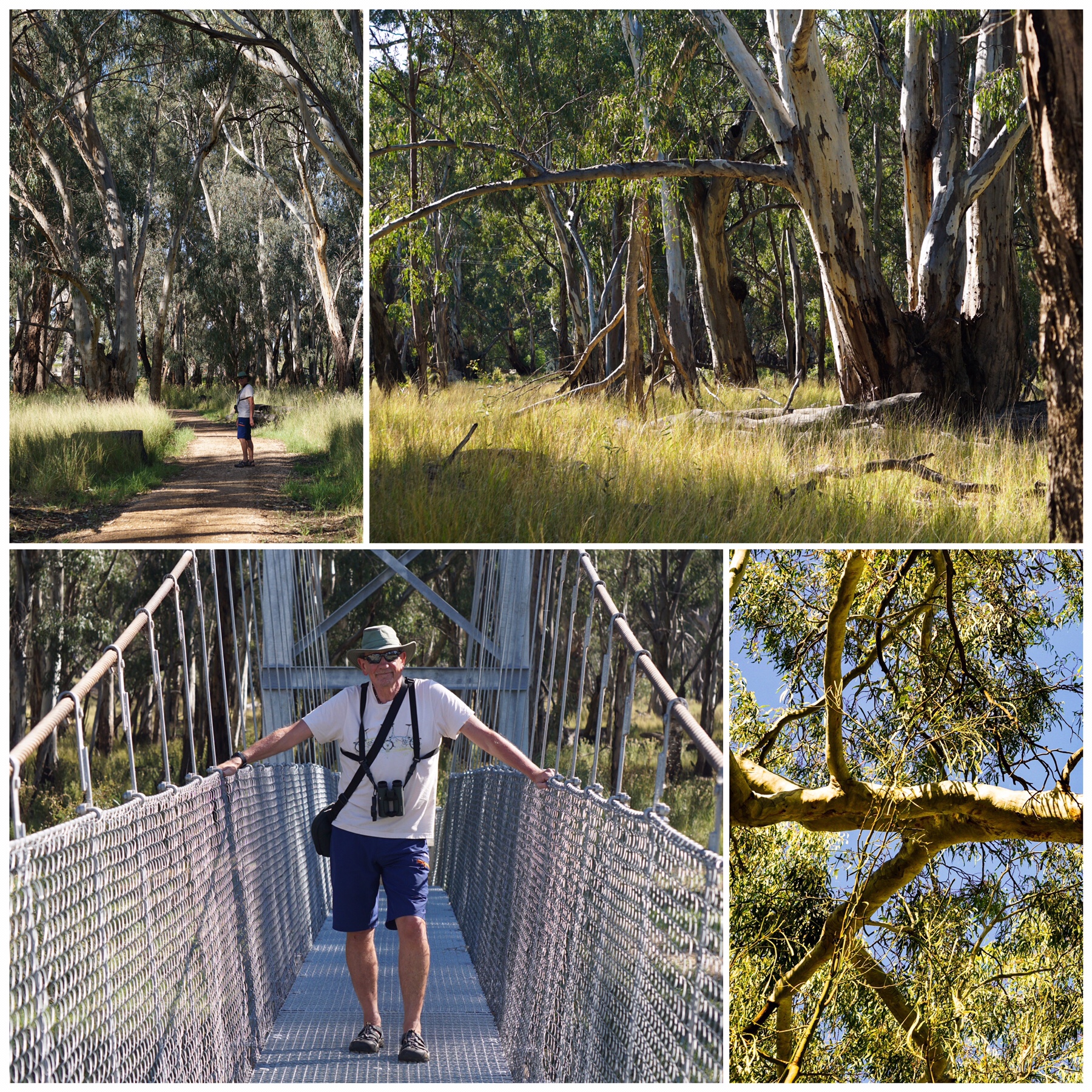 A home cooked meal completed the day, eaten outside in the warm evening – it stays light until way past 9pm these days. We had a chat with some friends, making plans for Christmas. As much as we are enjoying our travels, we are quite excited about catching up with our Sydney ‘family’ again. Being apart has made us appreciate them all the more.
 Tomorrow we hit the road again, heading off to adventures new. I wonder what the next camp will bring…?
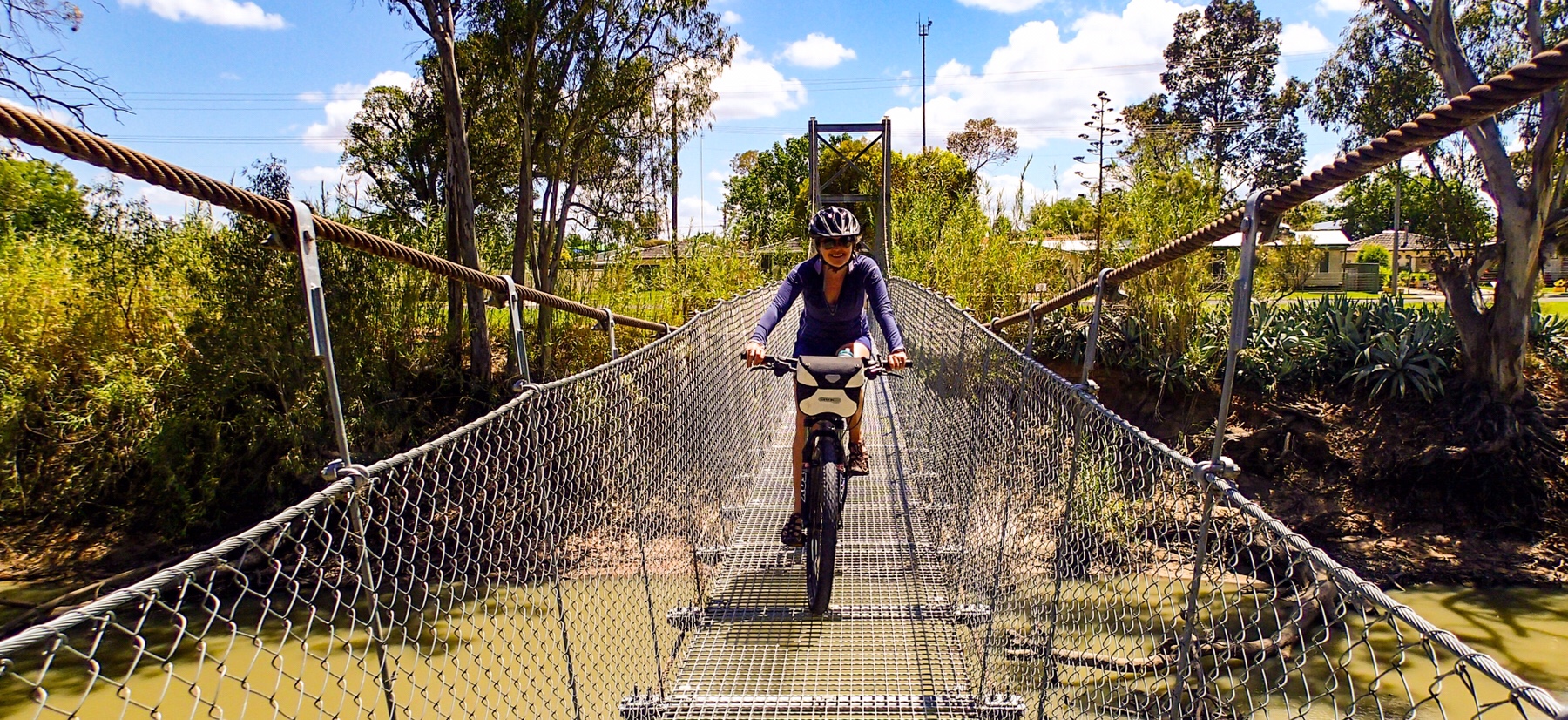
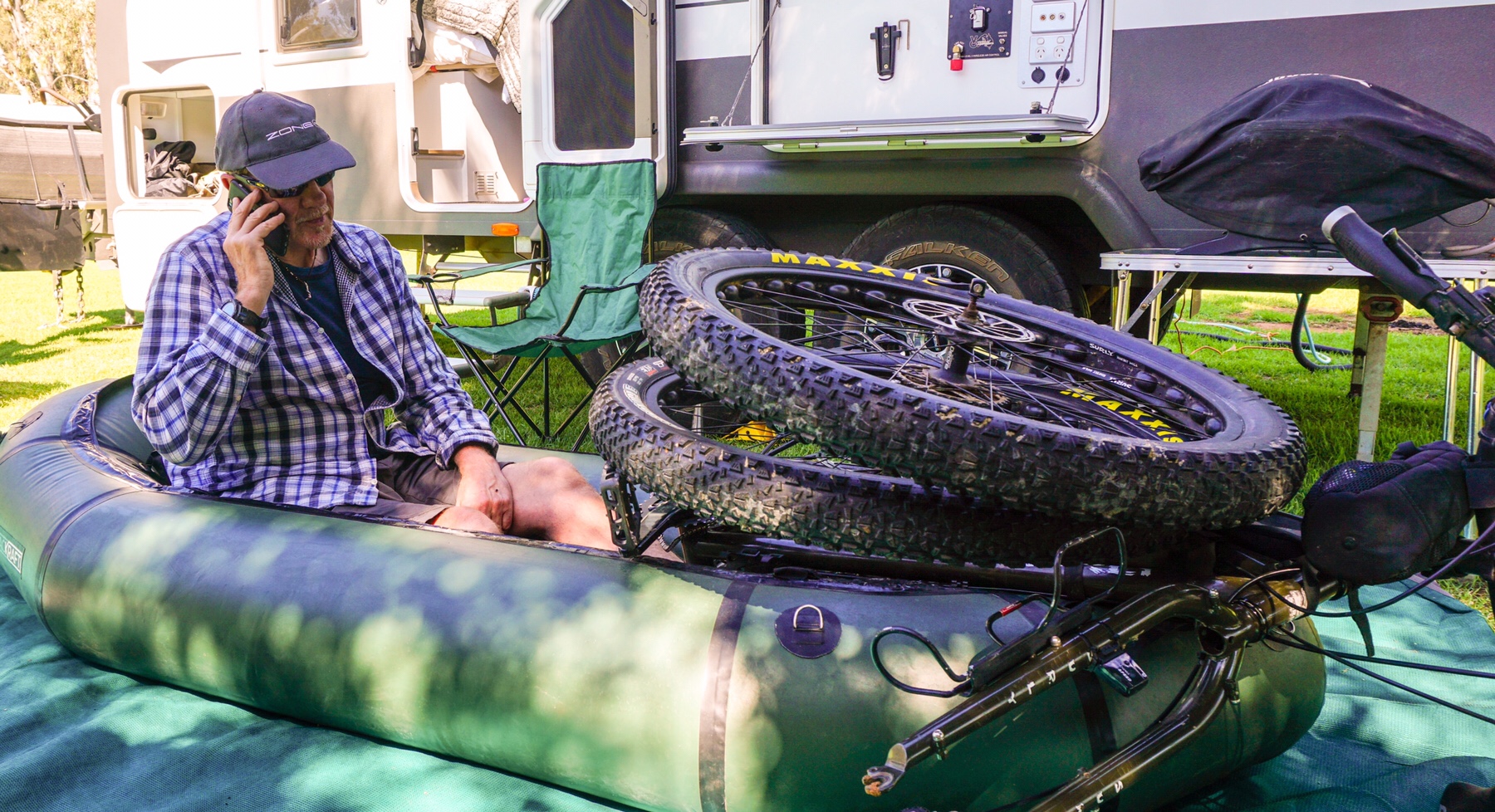 Let me explain in my defence, I had been wondering, in idle movements (of which there had been a few), if I could get my bike on the packraft, thereby opening up more route possibilities. I’m not convinced yet.
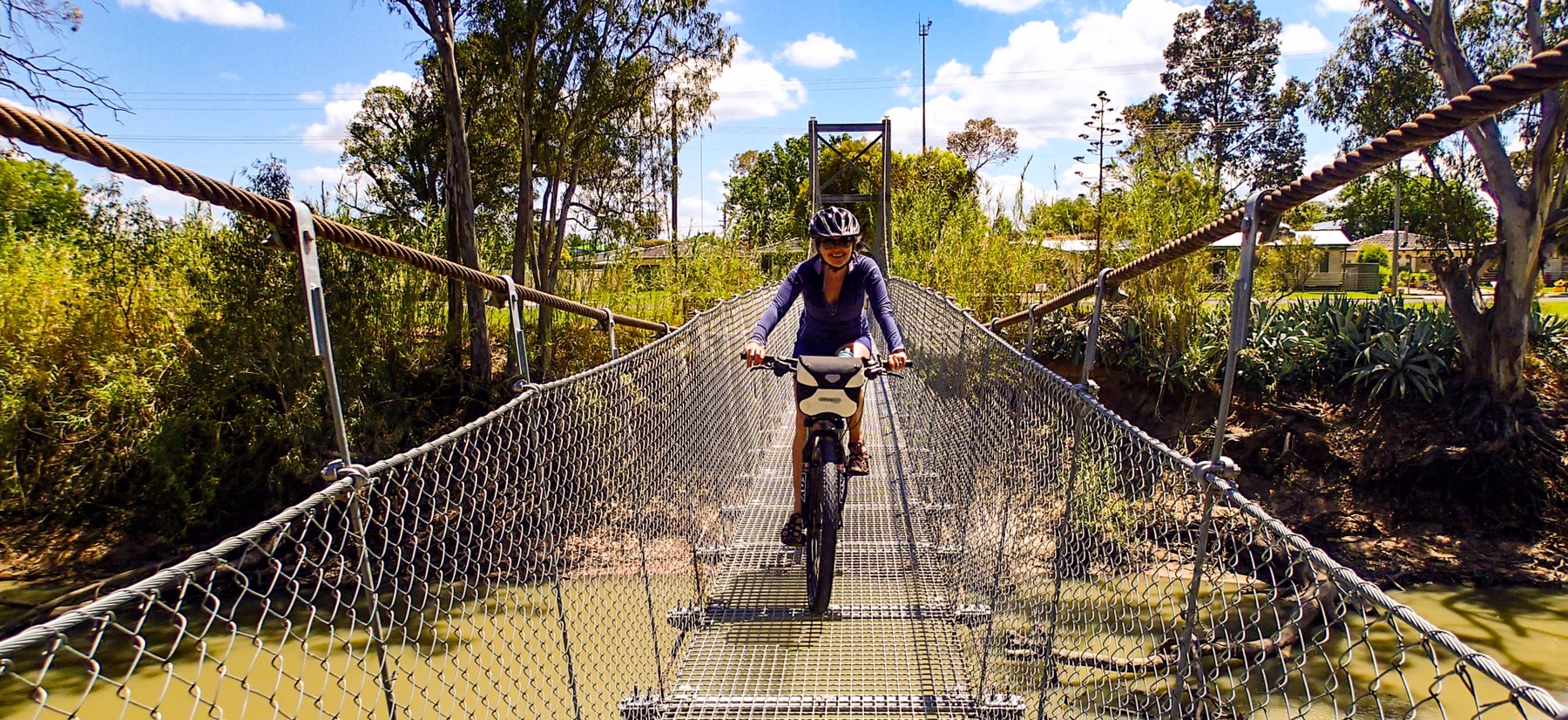 We were immediately immersed in the forest, towering river red gums dominated the landscape. Small flocks of parrots scattered as we rode through this magnificent scenery. We were heading into Yanga National Park to see a historic woolshed, and had a short bit of deserted tarmac to ride down on the way.
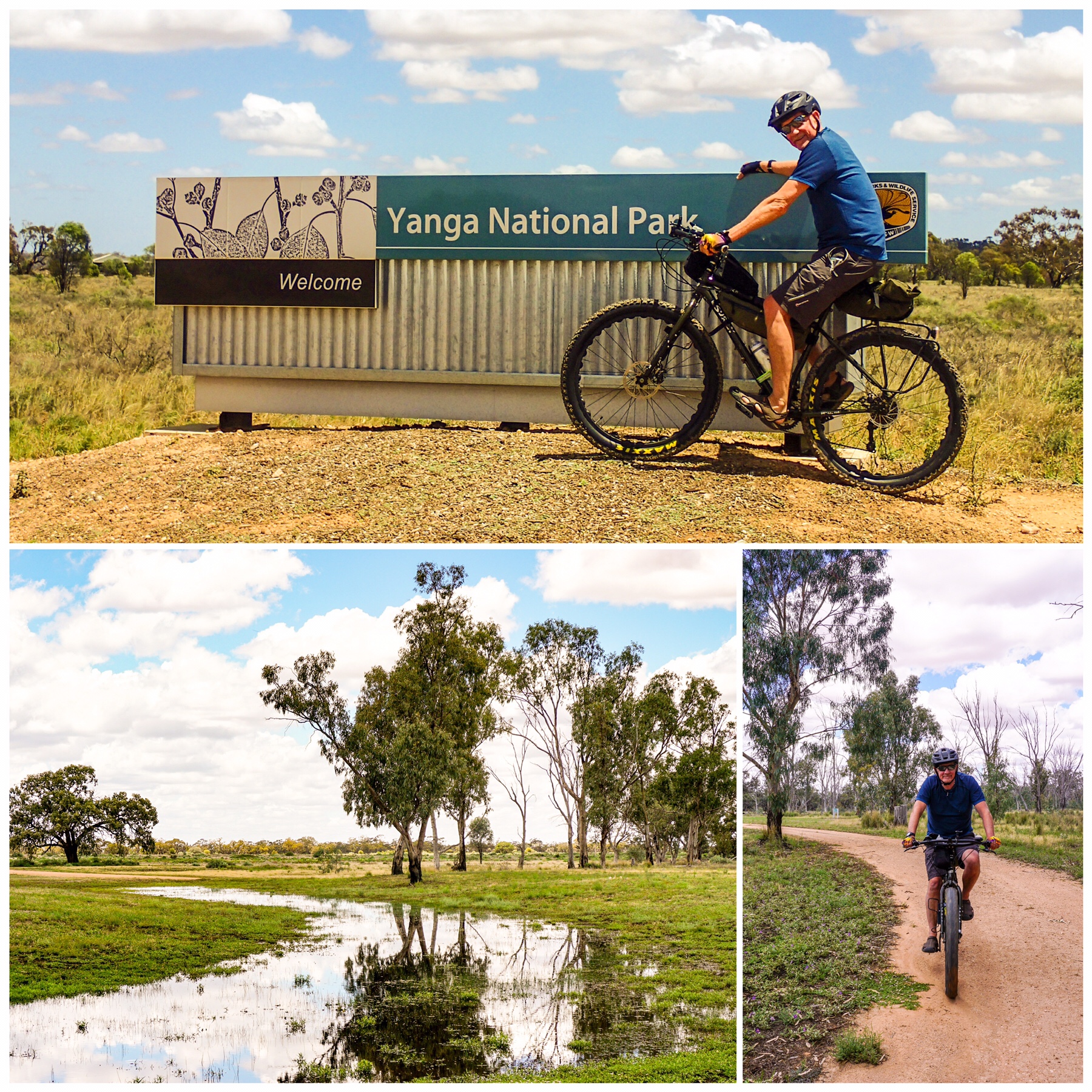 We explored the woolshed buildings which operated until 2005 and are now a museum. These buildings hosted a number of B&S balls in their time (bachelor and spinster parties), and employed numerous locals involved in shearing the 5,000 sheep here three weeks each year.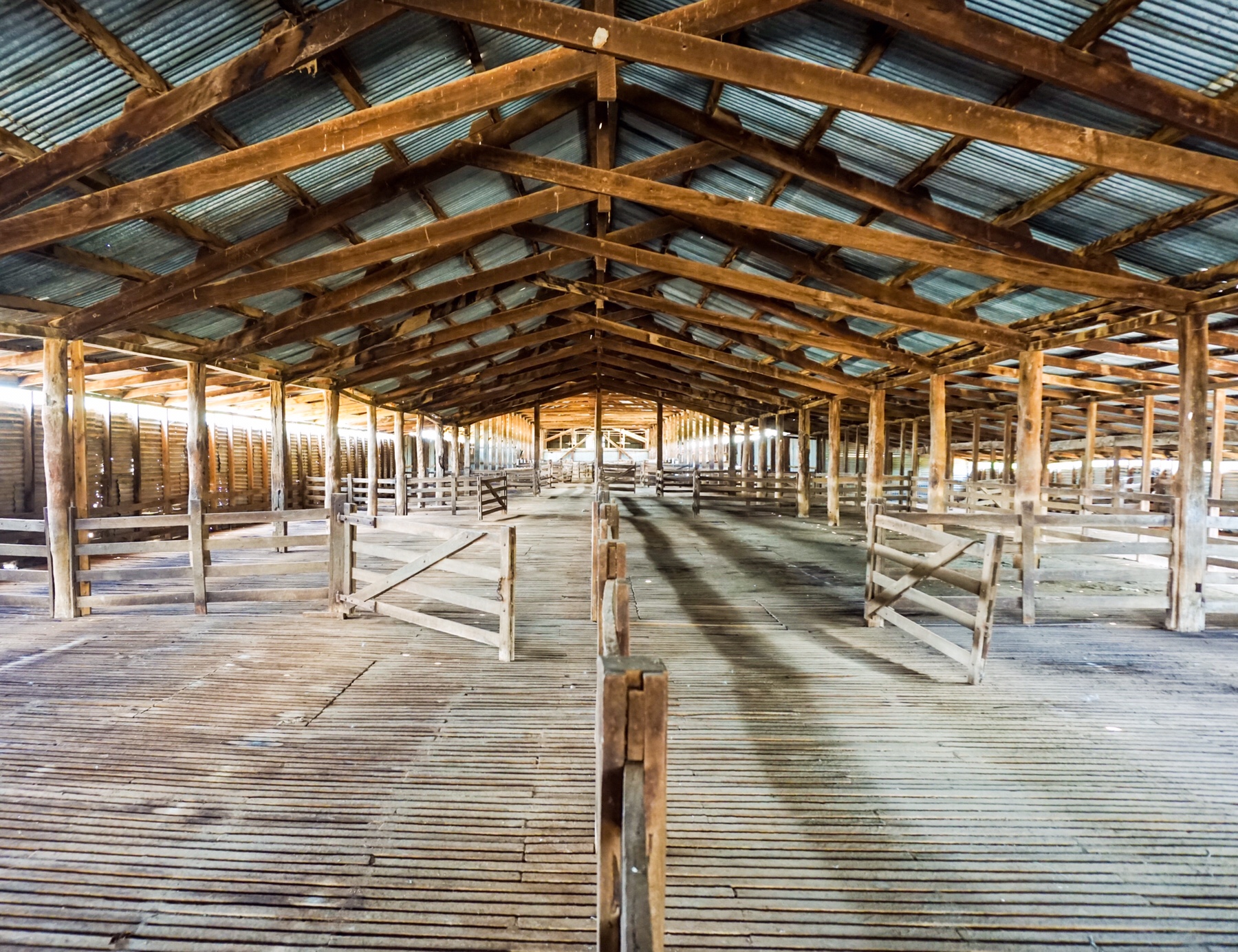
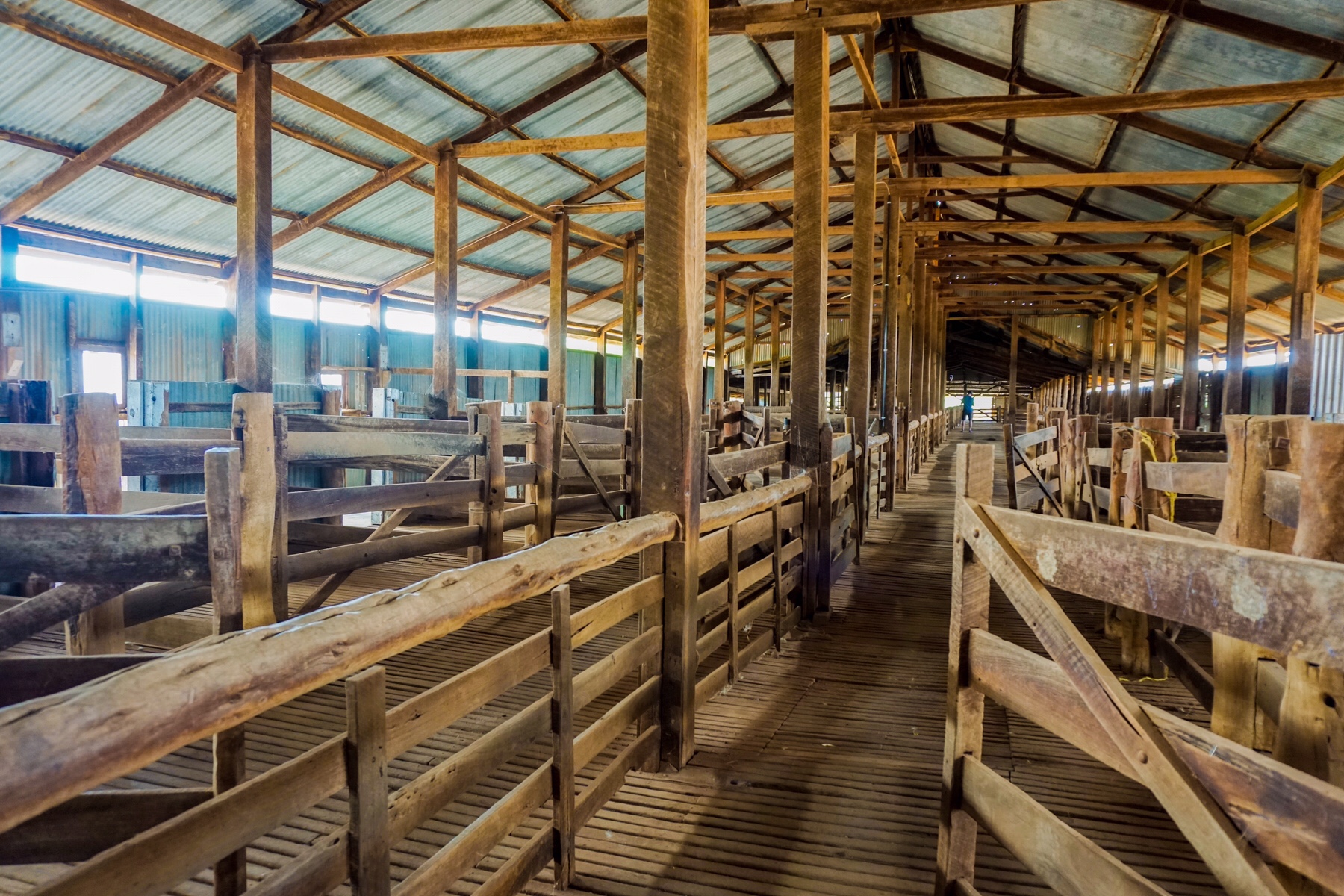 I was particularly intrigued by the explanation of how Balranold was at the heart of such an extensive river transport network reaching right across the southern part of Australia. Apparently 5,300km of navigable river was utilised when the water was up.
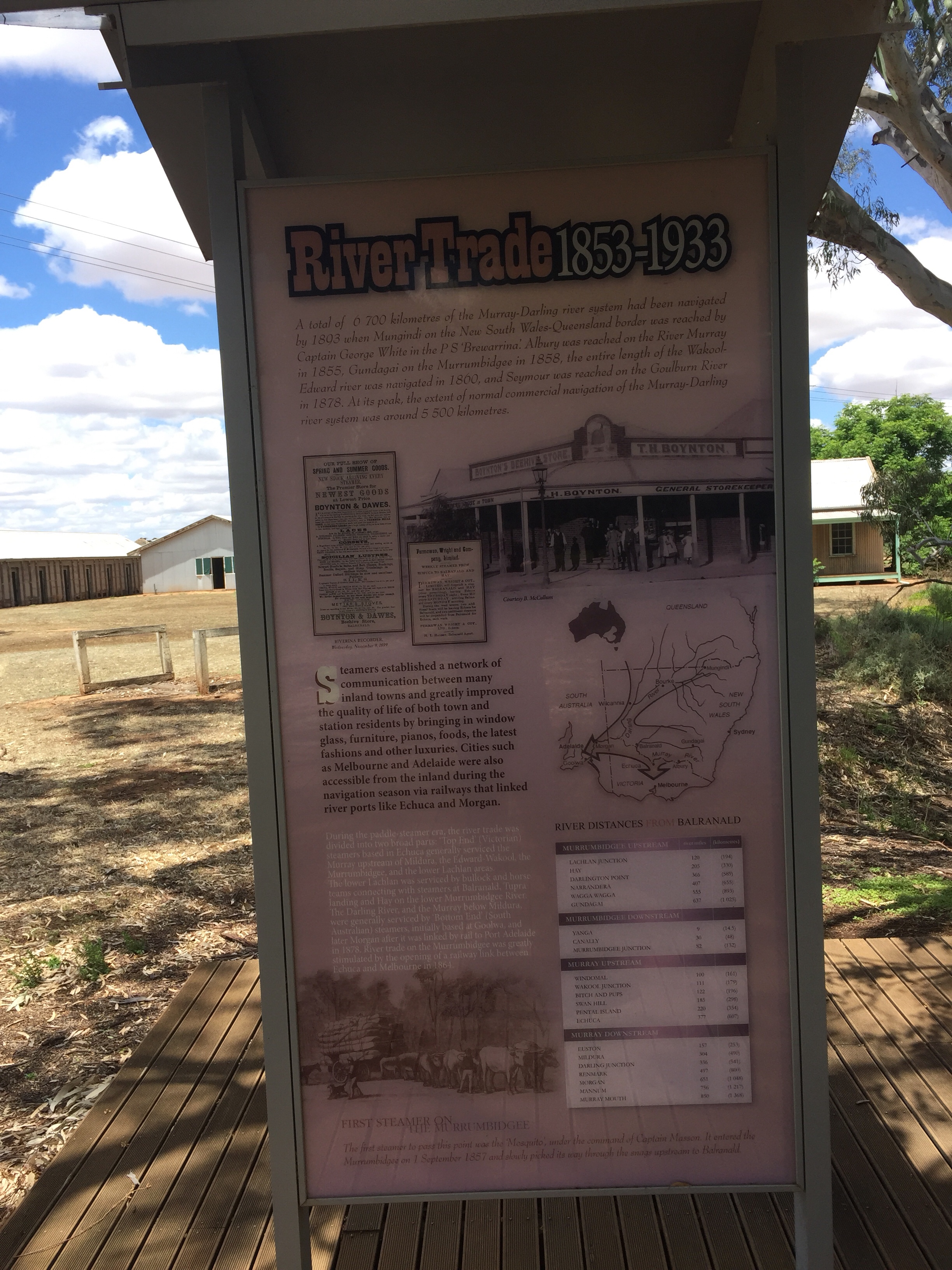 Now the rivers are so quiet, in four days camped by the Murray we saw three tinnies and a houseboat.
 We arrived back at camp to find Miss Tasmania enjoying the sun and ready for another sniff around the campsite. She had a big walk this morning with Catherine again. It just makes me smile every day to see how willing she is to explore the bushier camps like this one.
 I’m loving a book by a Dutch historian Rutger Brekman, who we had heard on a podcast and both really enjoyed. He has collected together a bunch of research on social experiments that were tried in the US, Canada and the UK to see what would happen if we just gave money to the poor (with no strings attached) rather than set up an elaborate system of welfare with all the costs that go with overseeing and managing that bureaucracy. It’s fascinating and counter intuitive in some ways. All of the initiatives paid for themselves because when given money, and left to their own devices, the “poor” didn’t just quit work and spend it on booze and gambling, as many on the political right would think, but instead mostly carried on working, but changed jobs to follow their passion, spent more time with their kids, and generally made better decisions about their lives. Their health improved, their children’s educational success increased, crime went down, these social experiments showed incredible ROI.
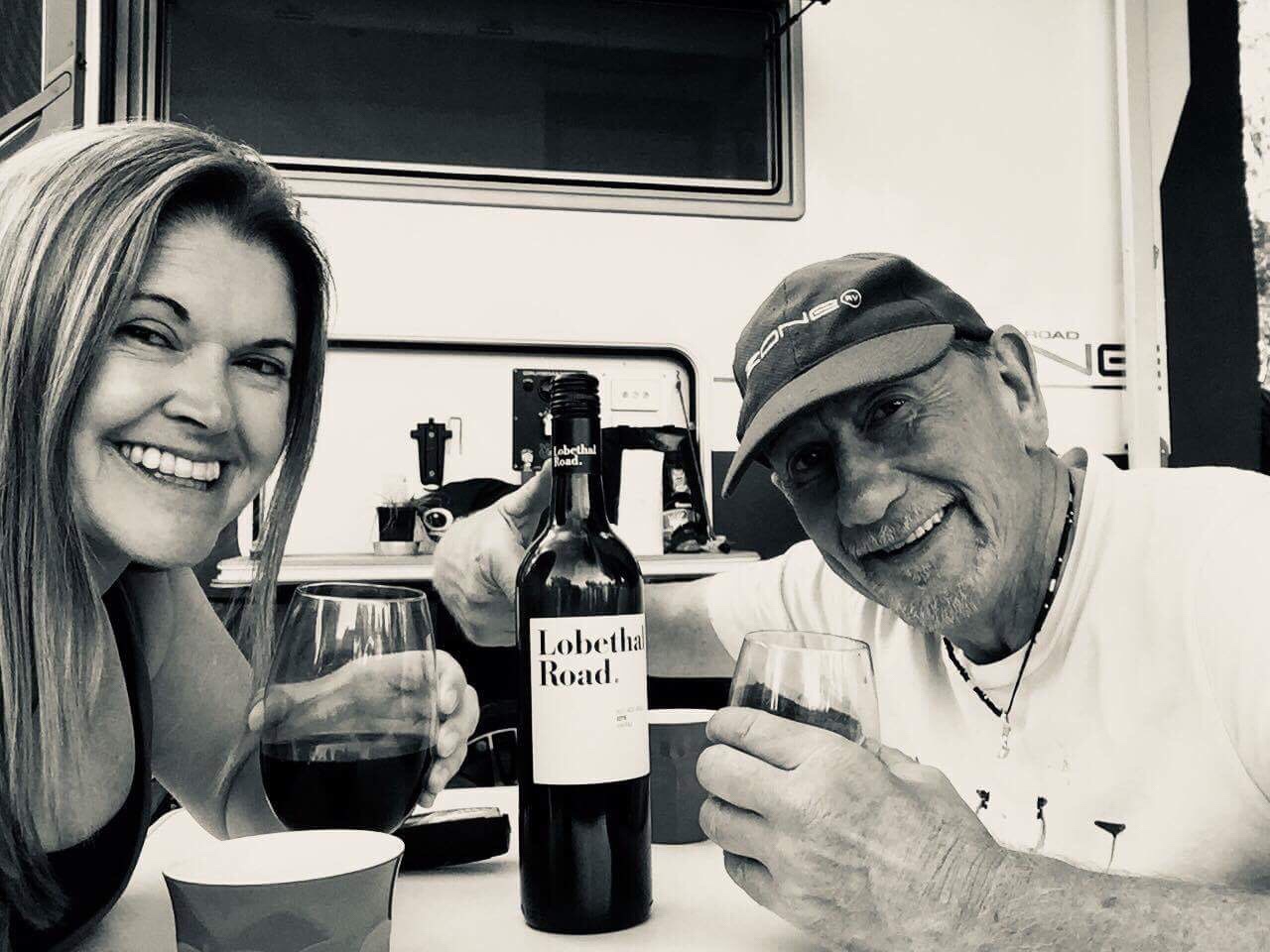
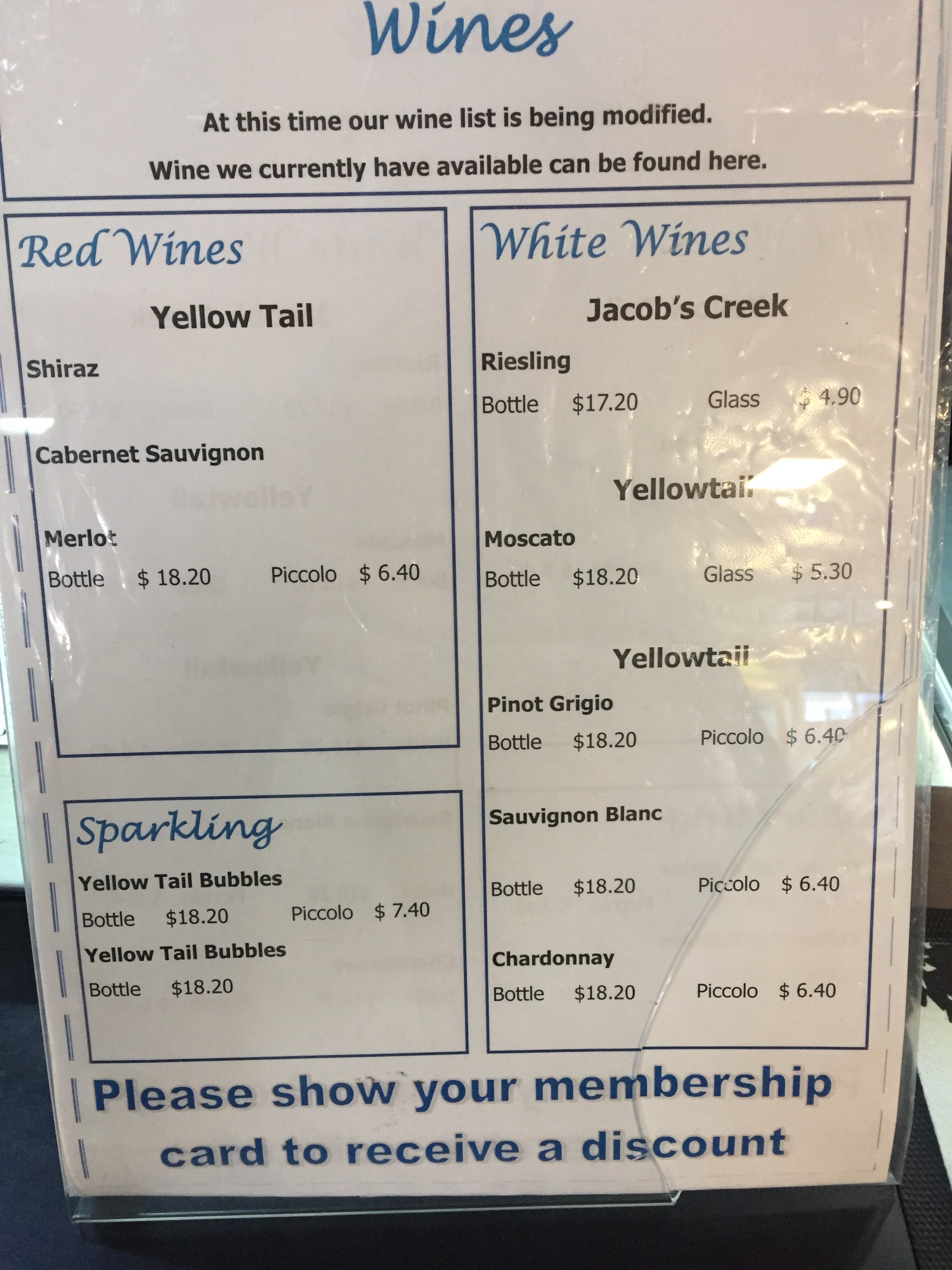 Now…we are in the middle of the Riverina, one of the great wine producing regions of Australia. But apparently “the locals” don’t bother with wine much. Interestingly though, out of the four tables having dinner in the restaurant tonight, three were drinking wine. So don’t they really want a choice of good wine? Or is it that someone can’t be bothered to offer it?