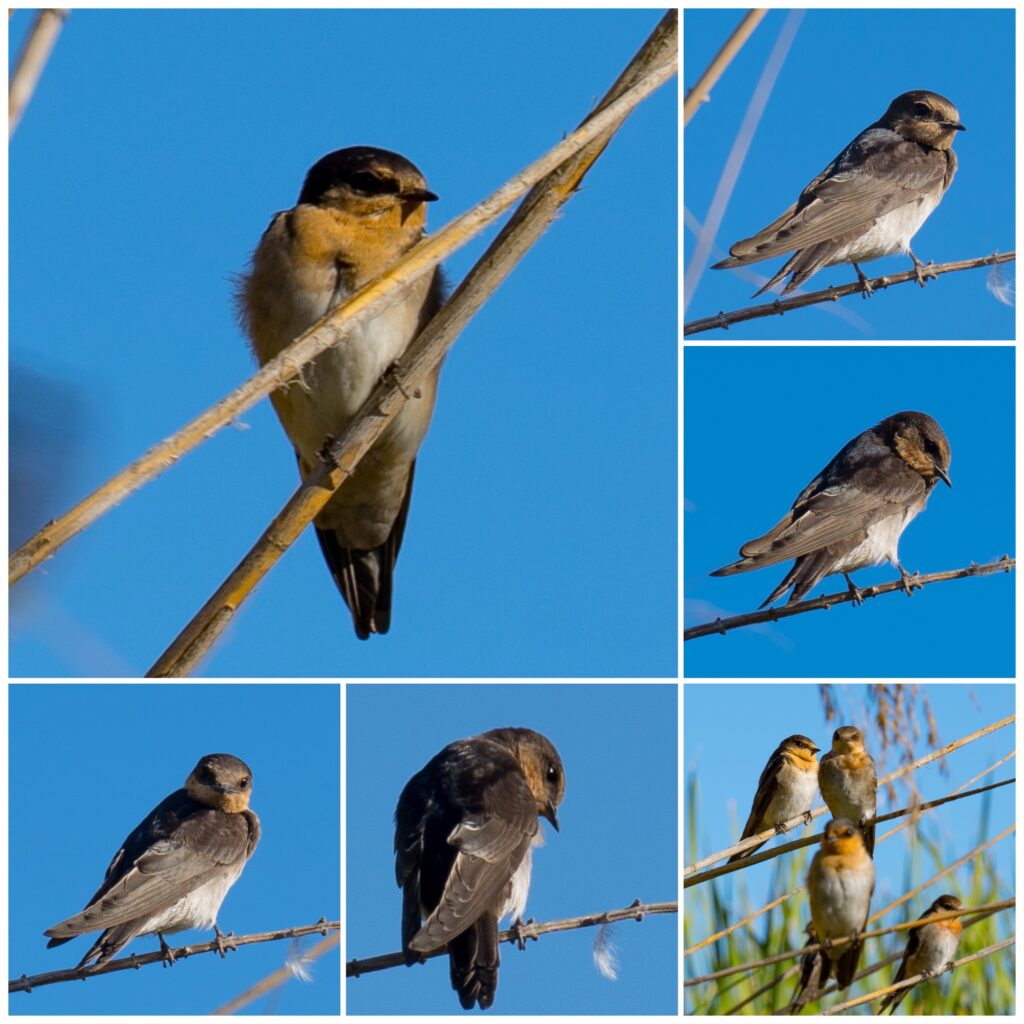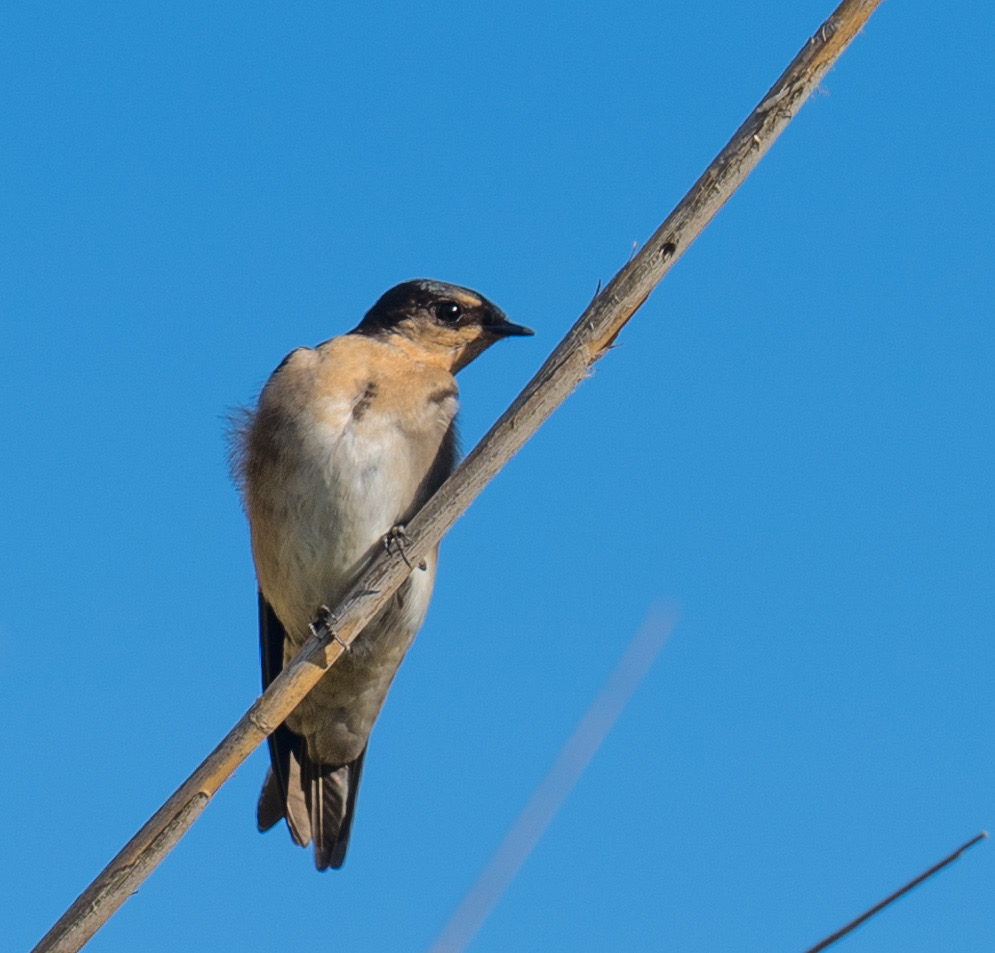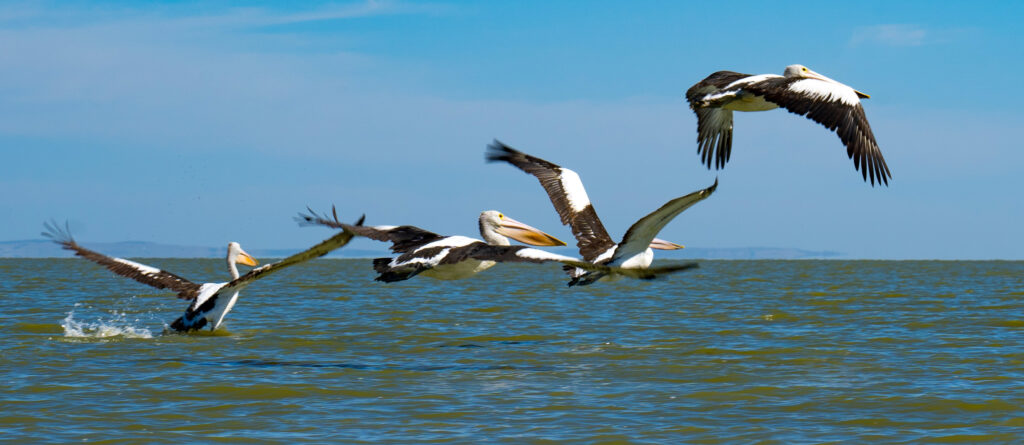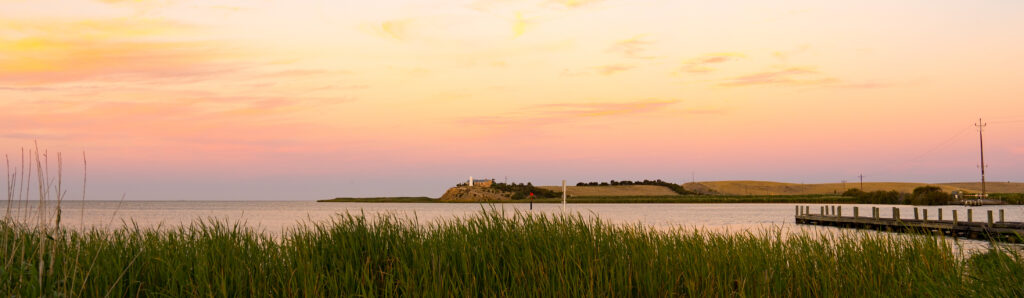
9-11 March – Leaving civilisation and heading to the NSW outback

Author: Mrs A

Location: Mungo National Park and Pooncarie, NSW, Australia

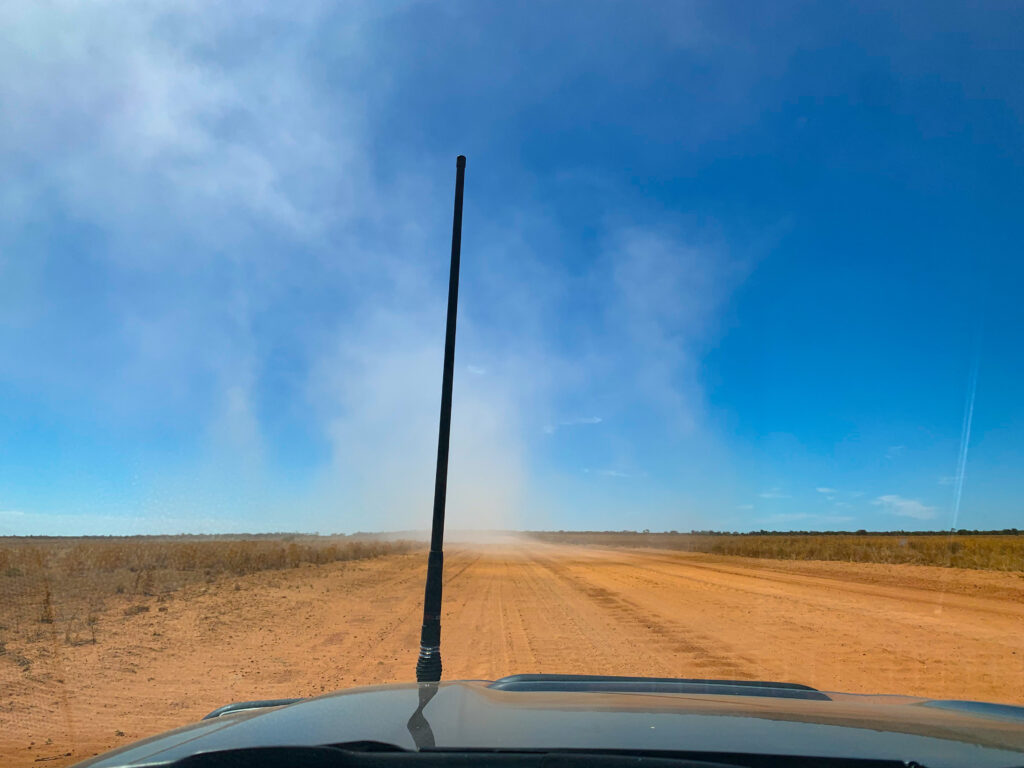
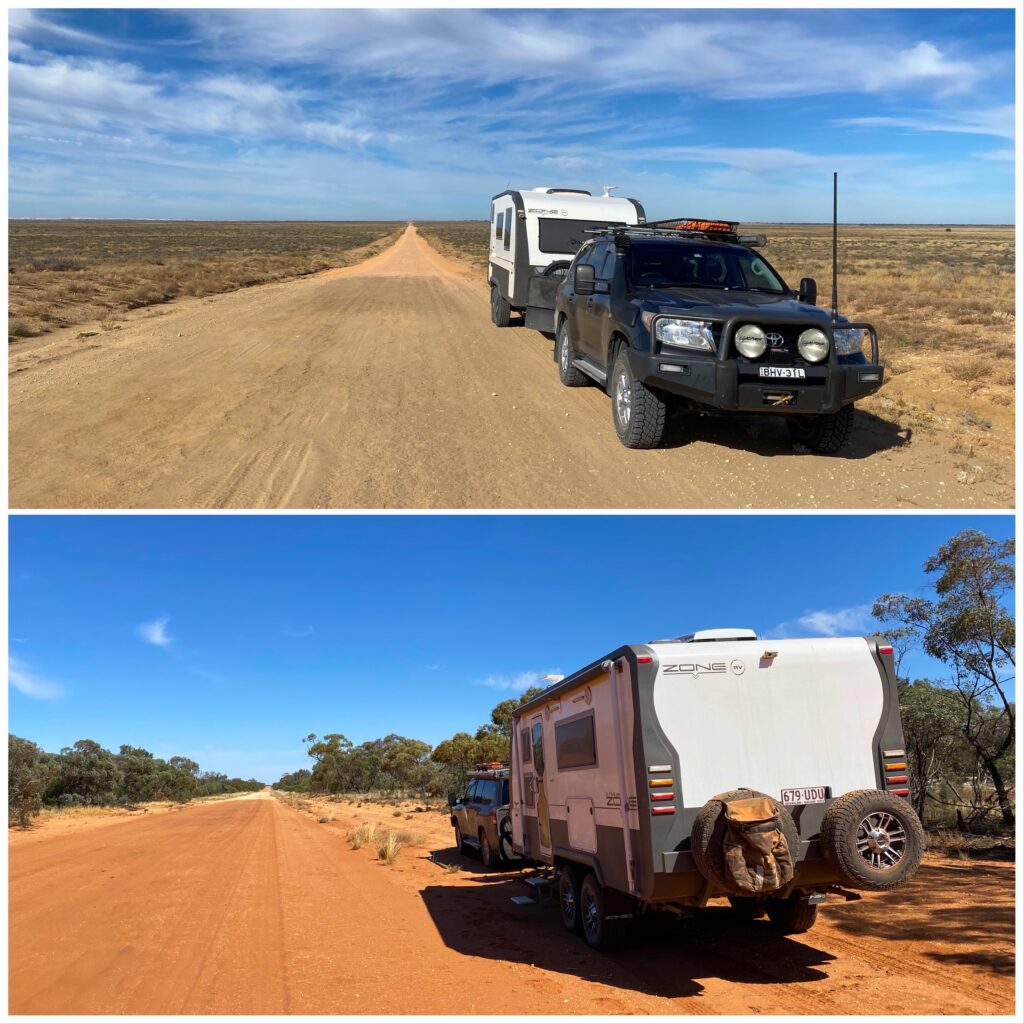
We farewelled Jenny who took off early into town to get her windscreen replaced, and did a final shop before making our way out of town. We had a couple of hours’ driving ahead of us on dusty and corrugated single track roads, and there were not going to any shops in our immediate future.

A willie-willie approaching us on the dusty road…this is a dust whirlwind….

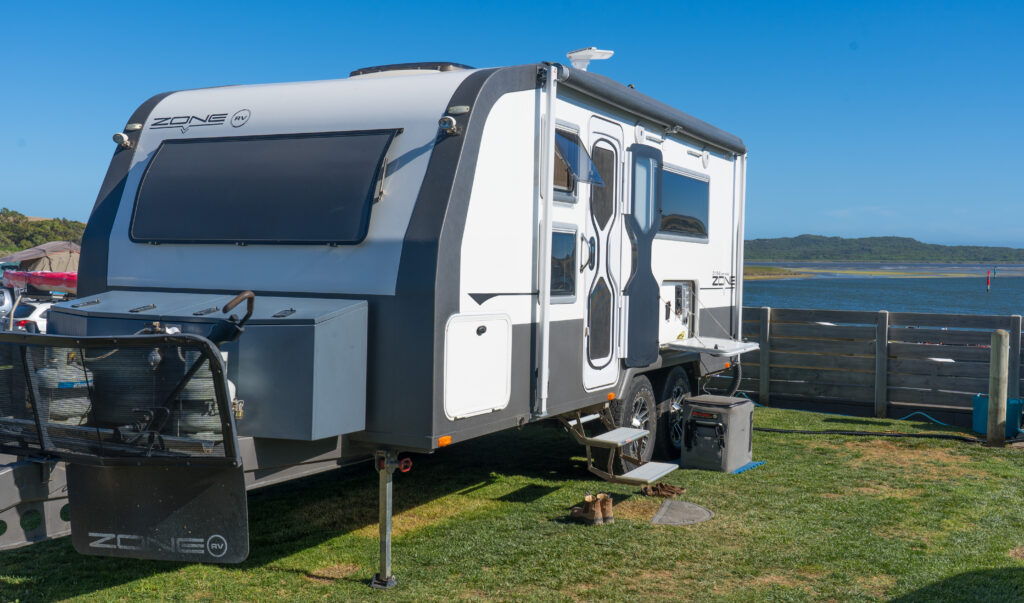
It’s been a while since we have travelled on such surfaces, and when we stopped for lunch we were reminded of the impact of the dust. Our Zone caravan is predominantly dust proof, but a week earlier we had discovered a catch on our front door was missing, meaning we couldnt securely close the outer glass. We’d forgotten to tape it closed on departing, and so everything was covered in orange dust. Ugh. A good 15 minutes of cleaning later and at least the kitchen was usable. We remembered the tape before we set off again.

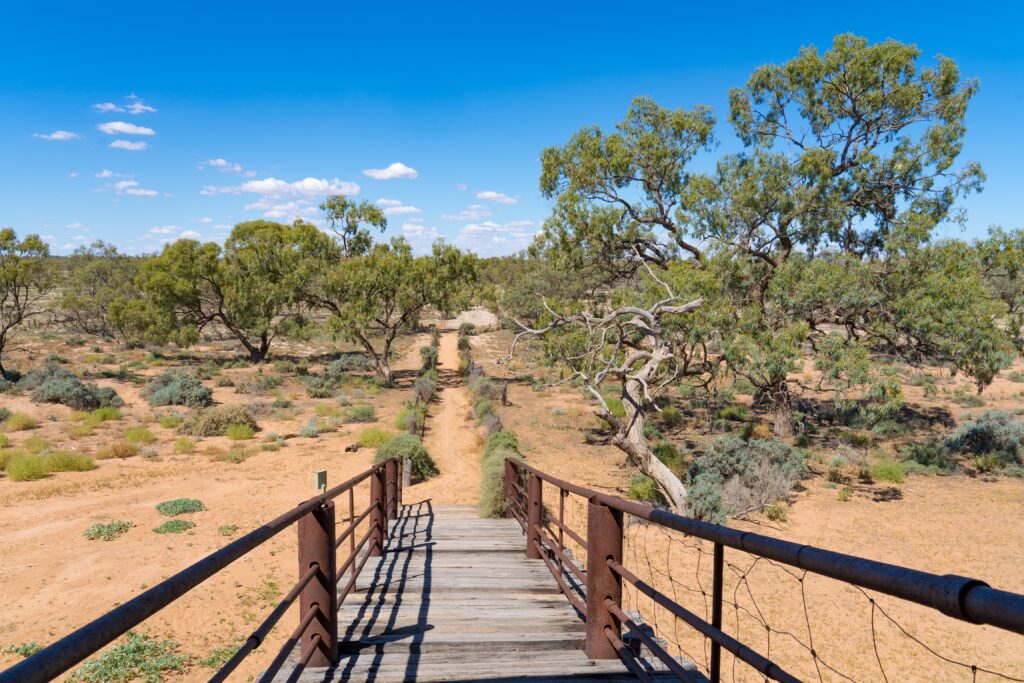
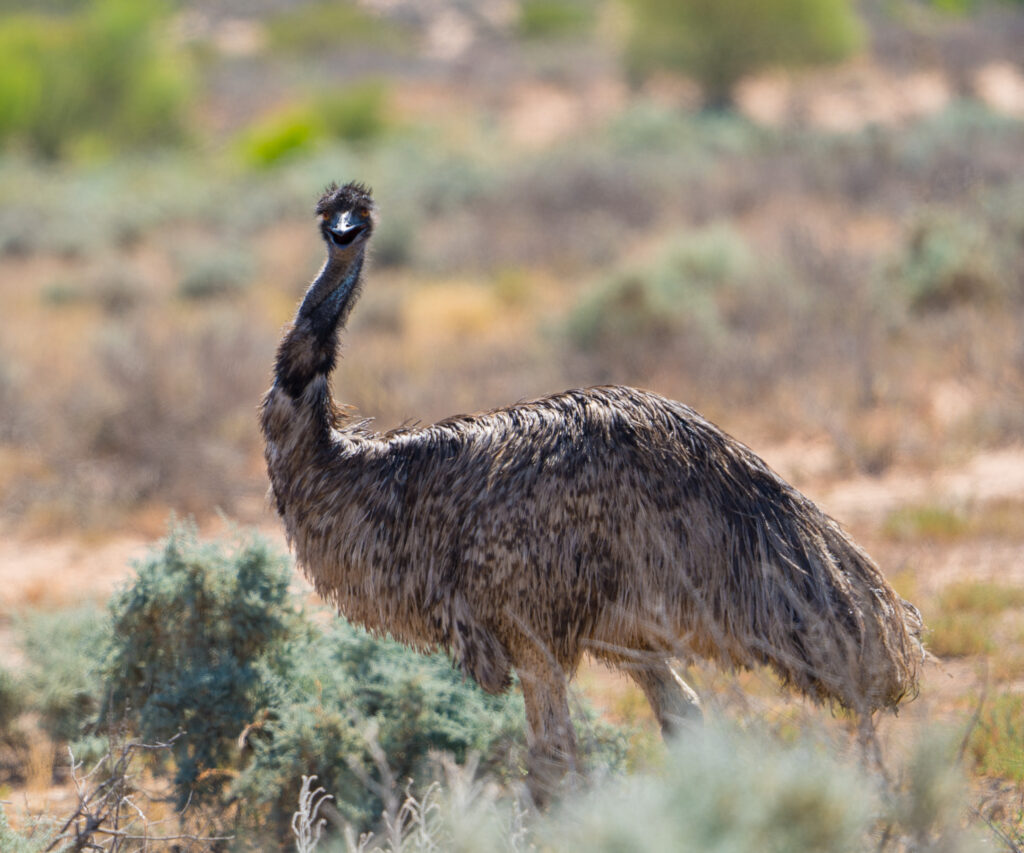
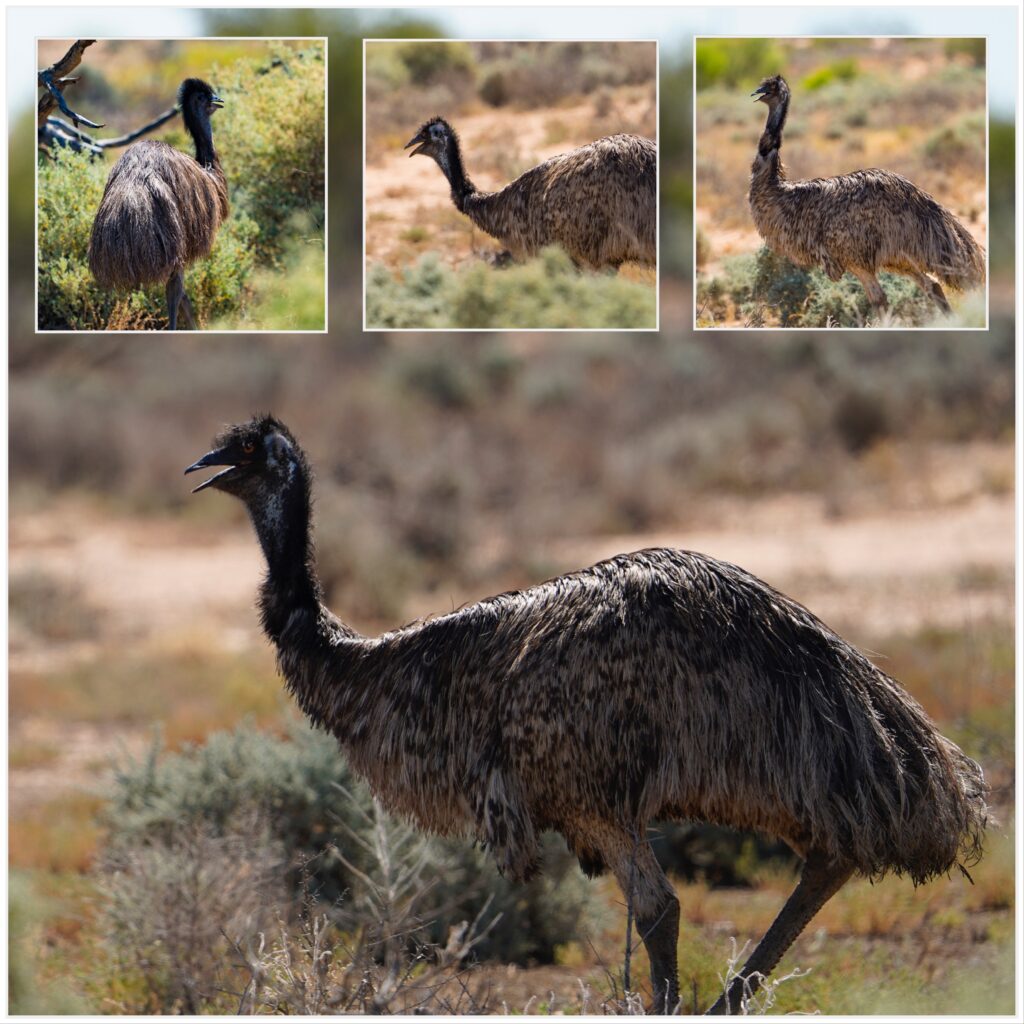
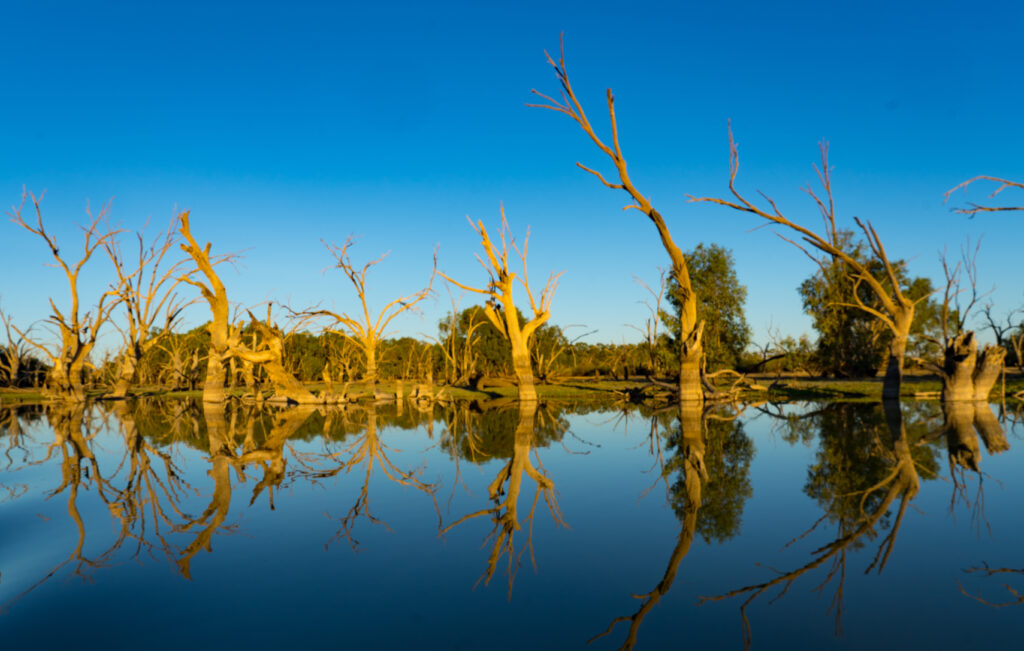
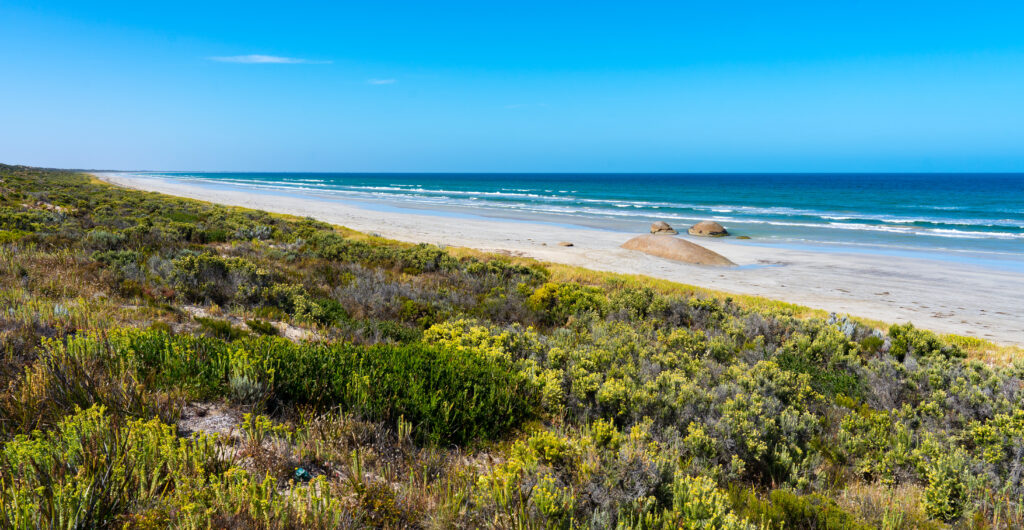
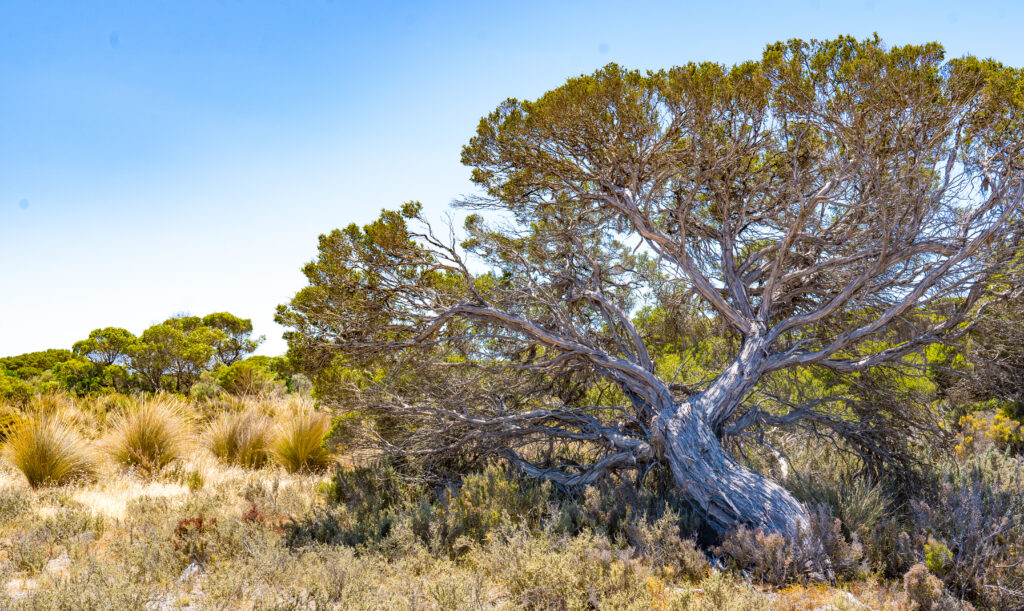
The landscape is dry and flat, with a surprisingly large number of drought tolerant bushes, grasses and shrubs across it. In a ‘I-wouldnt-like-to-live-here’ way it is extremely beautiful, and you have to admire the multitude of creatures that survive in this harsh environment.

It has become standard practice in Australia to use what is called ‘An Acknowledgment of Country” when speaking about a place, and we have decided to include this in our posts from now on. For our non-Australian readers who may be unfamiliar with this phrase, it is a way to recognise the traditional owners and custodians of this country, and their long and continuing relationship with the land.

So why haven’t we being doing it to date? Often when we see this acknowledgment written or hear it spoken, it appears to be an insincere tick of a box, with the following material displaying no further recognition, understanding or respect for the culture and achievements of the people who have made this land home for thousands of years. Mr A has taken a particular interest in researching and learning about this history since we started travelling around Australia, so we feel we have something to say that would make an Acknowledgment of Country more meaningful, and not just being politically correct. 

We also think it would be a useful reminder to our readers that Australia has a long and rich history before Europeans started showing up in the early part of the 18th century, and the British first unloaded their convicts in January 1788. For 60,000 years Australia had already been settled, farmed, irrigated, mapped, its resources carefully managed and many world firsts achieved in the process. The world’s first known example of open ocean navigation, the first bakers, the first aquaculture, and the list goes on as we learn more about our Australia’s First Peoples.

We respectfully acknowledge, in hindsight, all the First People of Australia whose country has given us such a wonderful home , so many adventures, and still so many surprises as we learn about the achievements of its traditional owners. 

Our destination on this occasion was Mungo National Park. We would like to acknowledge the Traditional Owners of the land we visited- the Barkandji/Paakantyi, Mutthi Mutthi and Ngiyampaa people. We would also like to pay our respects to Elders past and present.

The national park is famous for its huge dry lake bed, alongside which in the 1970s were found the ancient Aboriginal remains of Mungo Man and Mungo Woman, buried there an estimated 42,000 years ago – during the last Ice Age.

This location represented a game-changer in understanding of the human occupation of Australia – at the time of its discovery, this was some of the earliest evidence of humans outside of Africa and some of the most powerful evidence of continuous occupation of a region by a population – more than 2,000 generations. Mungo lady represents the oldest known ritual cremation of a human…though what is being learned changes all the time.

The next find was relatively recent. In 2003, fossilised human footprints from Willandra people made 20,000 years ago were uncovered under shifting sands. This was equally as important, representing the only Pleistocene footprints in Australia and the most numerous yet found anywhere in the world. They show an adult and child walking barefoot around the edge of the lake. The actual prints are not accessible to the public, but there are 3D replicas of the footprints in concrete in a display area on the lake. You can literally walk in and on the footsteps of Aboriginal ancestors.

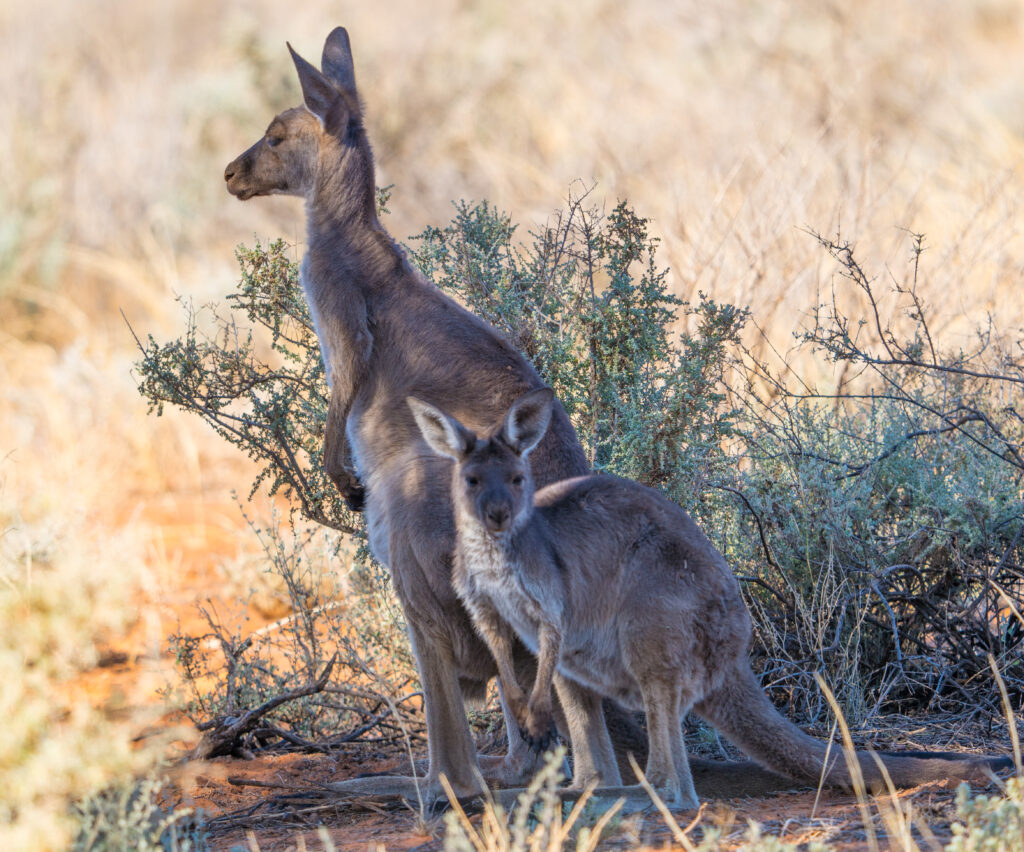
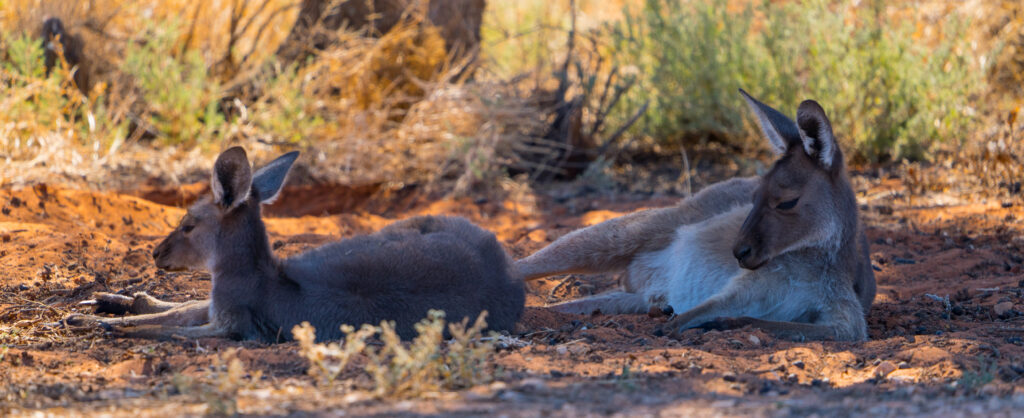
We set up at Main Camp, a bushy setting with widely spaced sites surrounded by shady trees, birds flitting everywhere and kangaroos lazily glancing up from the shade. A perfect place to start really trying out my new camera lens.

Our nearest neighbours
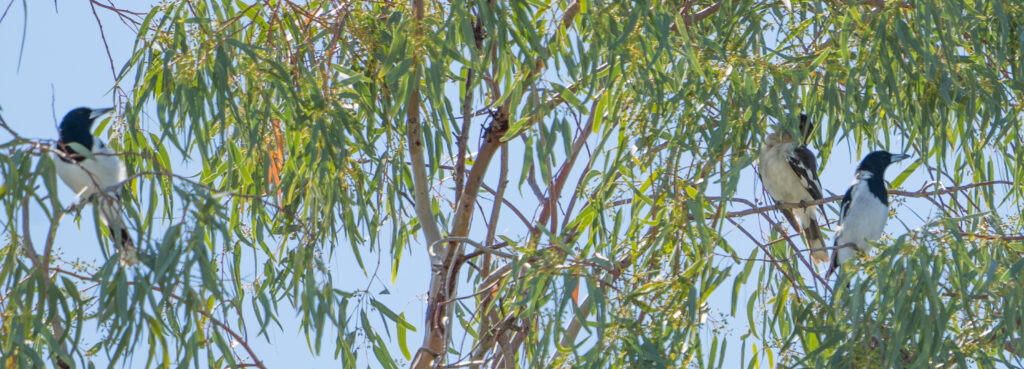
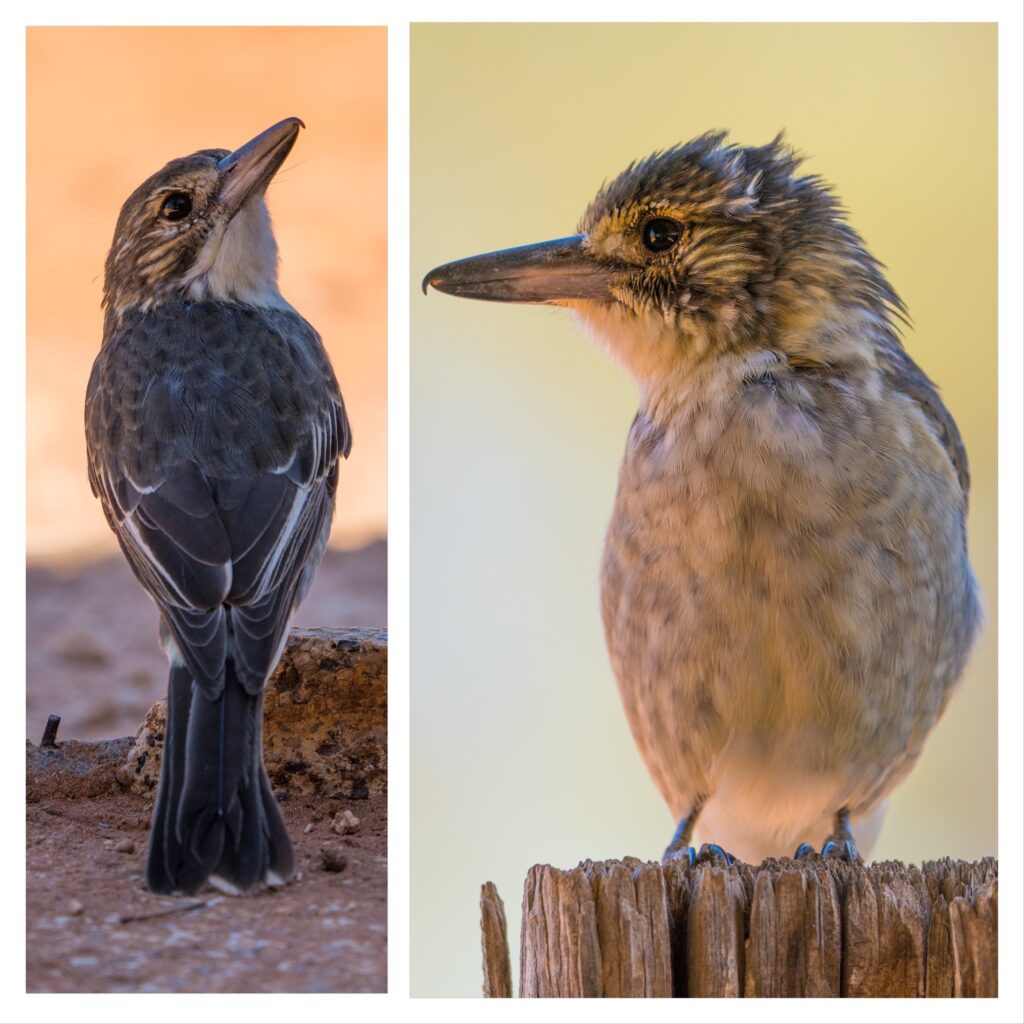
Possibly a young Grey Butcherbird? Happy to be corrected!
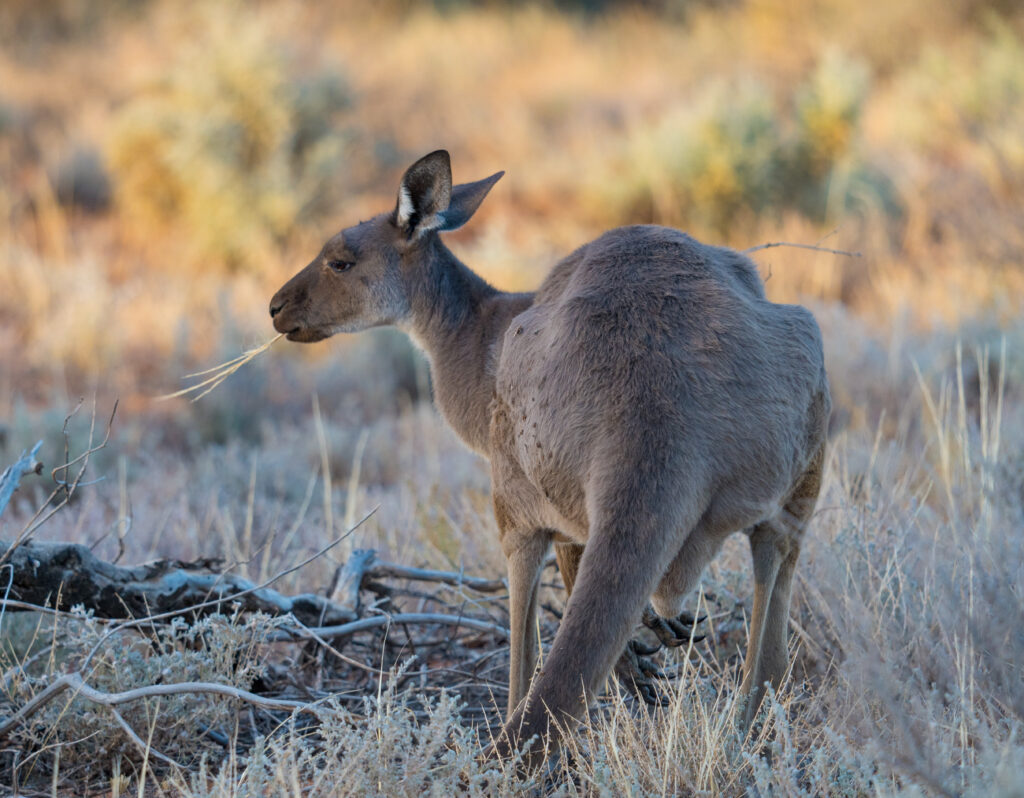
One very chilled out Grey Kangaroo

Mark and I had visited this area about 18 years ago, spending a night here as the only campers in our tent on a dusty site. It was a lot more civilised this time in our caravan, and also much busier with several other people staying.

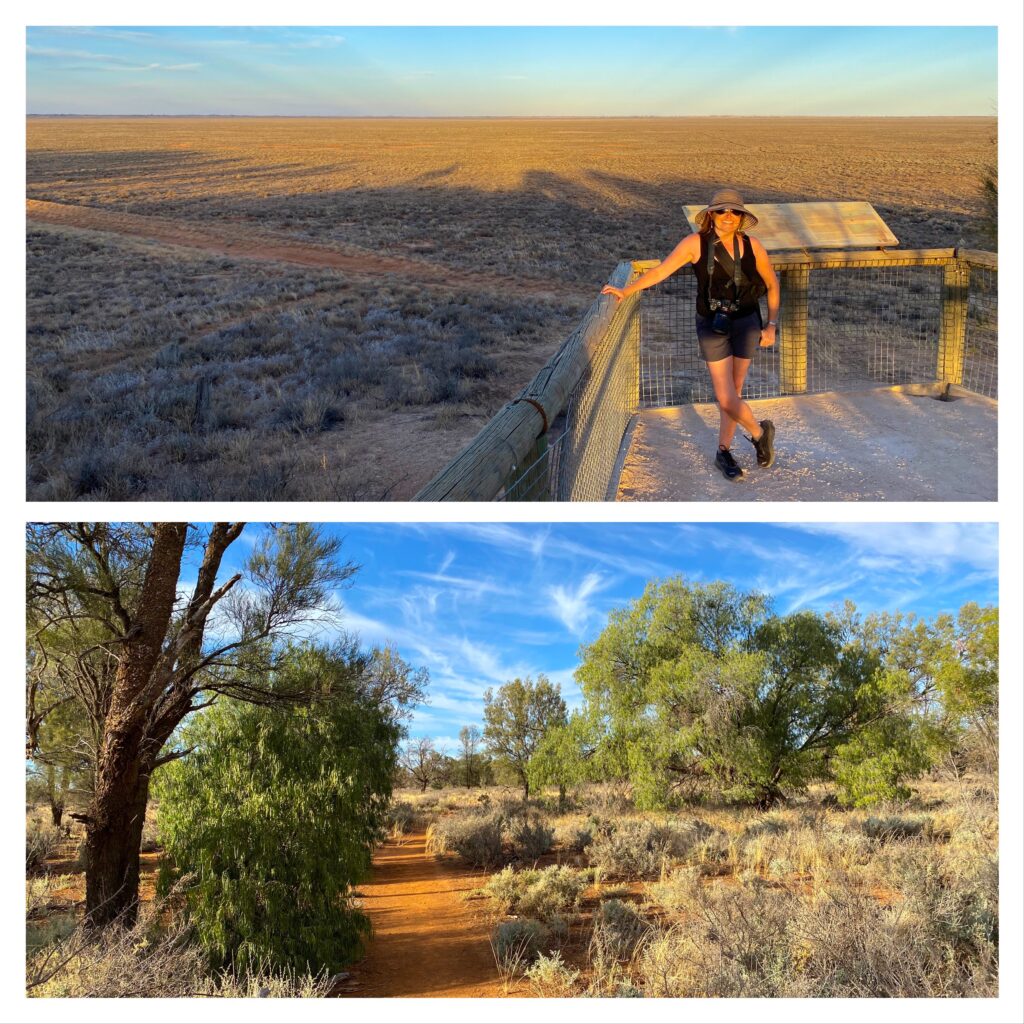
We had a great afternoon exploring the nature walks and lookouts, opting to not go on the nearby lodge’s sunset tour which for $110 would involve a tag-along drive to the other side of the lake with a talk covering the pastoral history. Apparently the National Parks Ranger organises an Aboriginal tour ‘most days’ which sounded much more interesting, but sadly it wasn’t on during our visit.

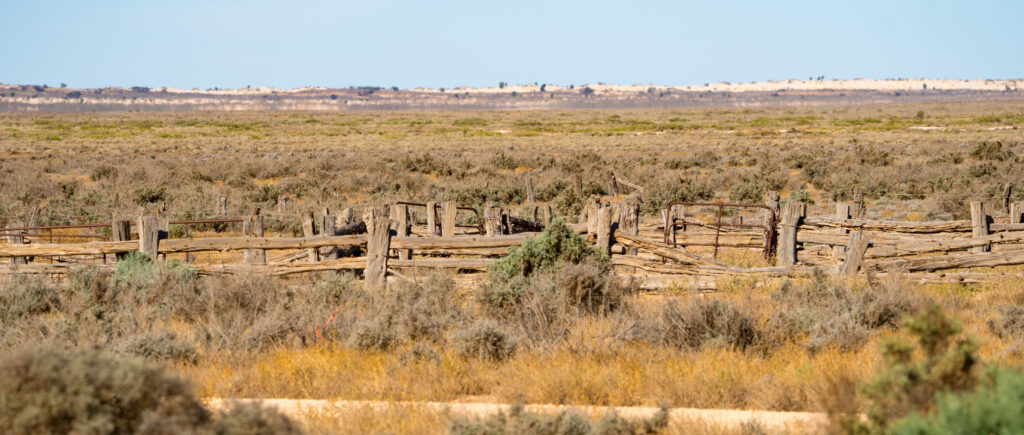
Grazing animals were released into this region in the 1880s, and those combined with the introduction of rabbits (wasn’t that a great plan – what could possibly go wrong?) followed by foxes (another bright plan that didnt work so well) contributed to the extinction of at least 10 small mammals in the area and an unknown but huge number of plants and grasses. The land was designated a World Heritage Site in the 1970s after the archaeological finds, but the land still has not recovered and it is suspected never will.

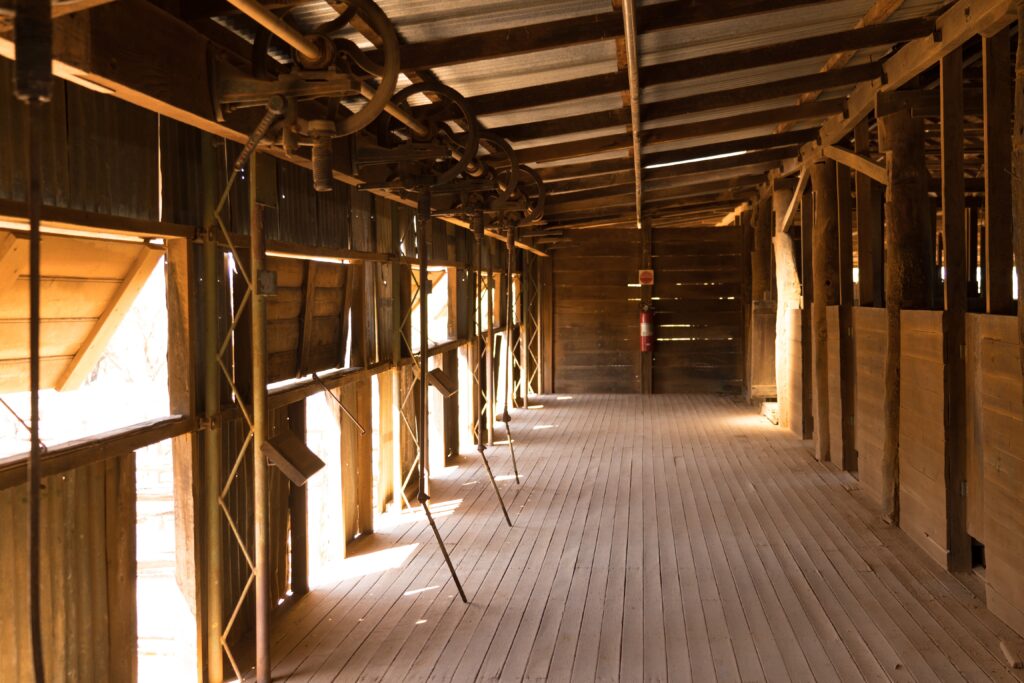
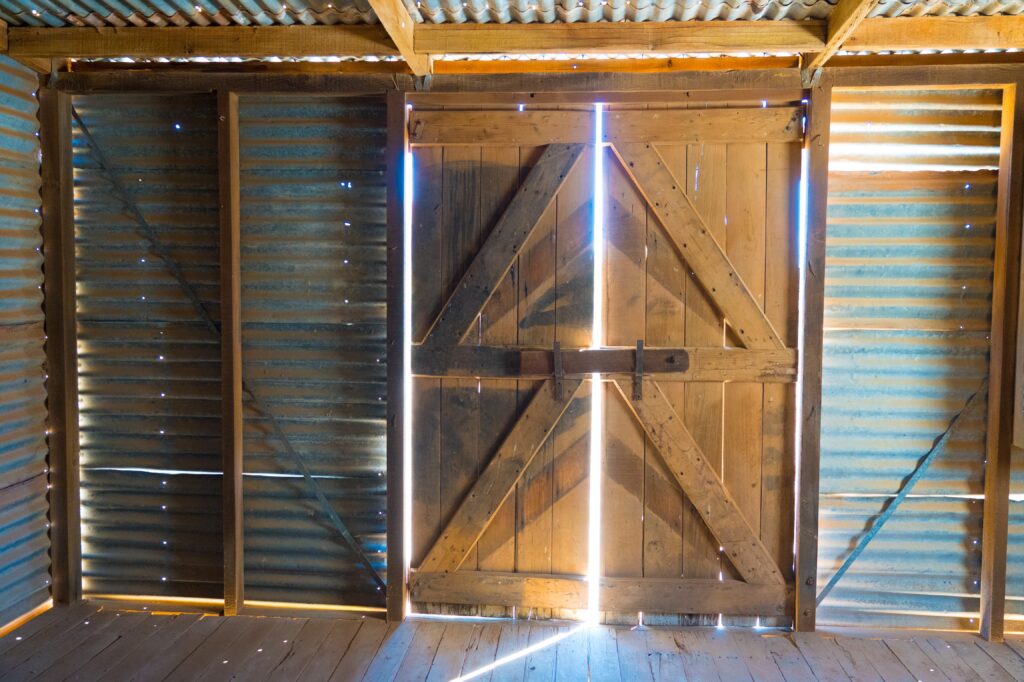
Remnants of the pastoral history of the area

The lake is a vast and desolate area, stretching away to the horizon. The total size is 200,000 square kilometres, and it last had reliable but salty water in it around 18,000 years ago. As we stood together at the lookout admiring the unique landscape, it wasn’t hard to understand why this is such a sacred area to the Aboriginal communities.

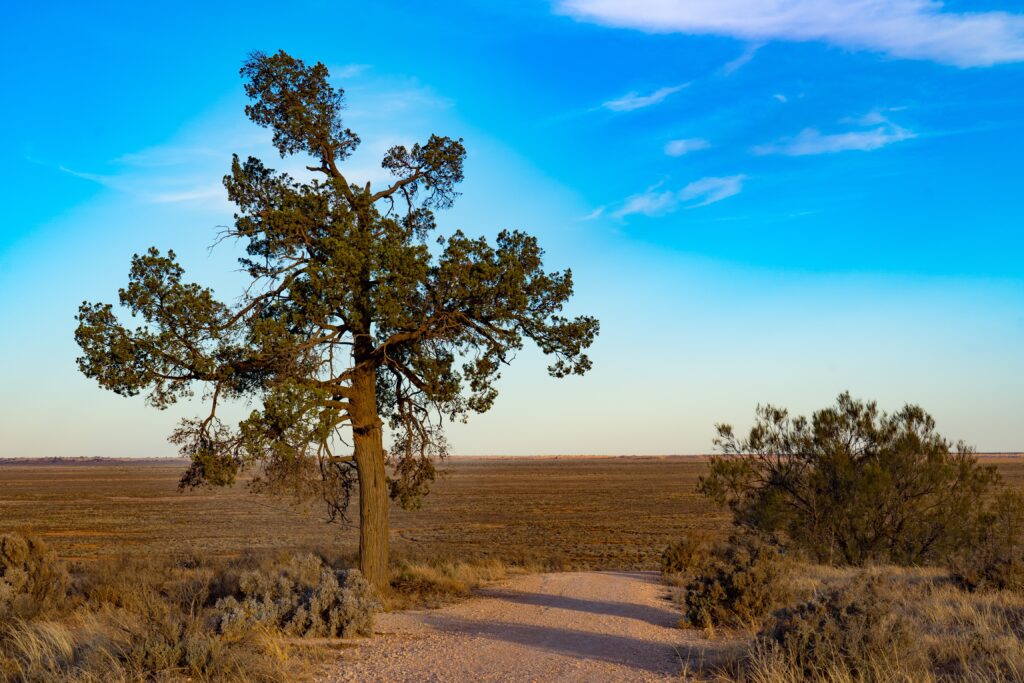
A lone tree overlooks the lake
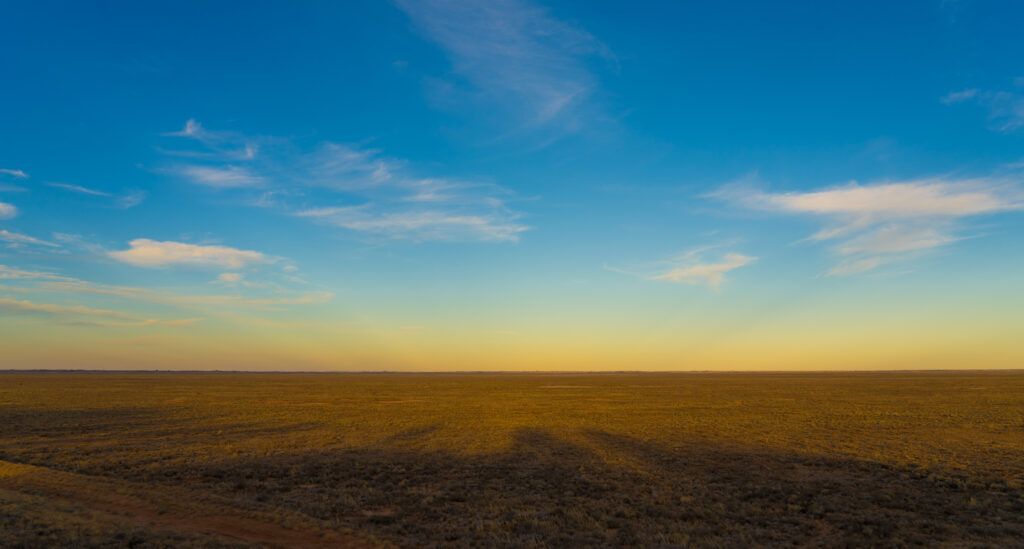
The sun casts a mysterious light over the dry lake as it dips low in the sky
Beautiful colours
Casinova reads poetry to his beau
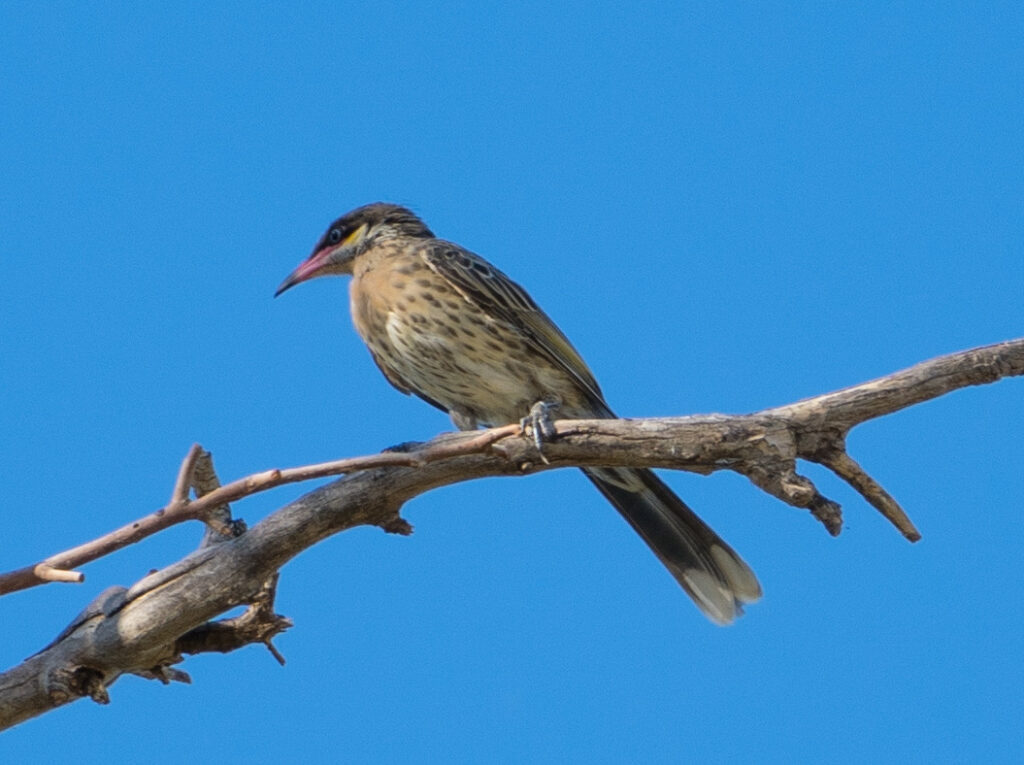
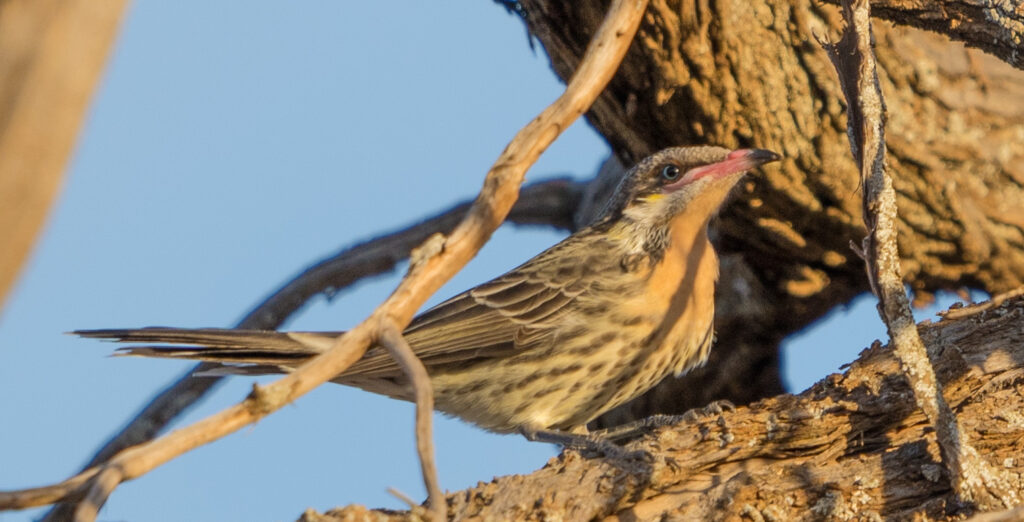
A Spiny-Cheeked Honeyeater flits musically through the trees hunting for insects
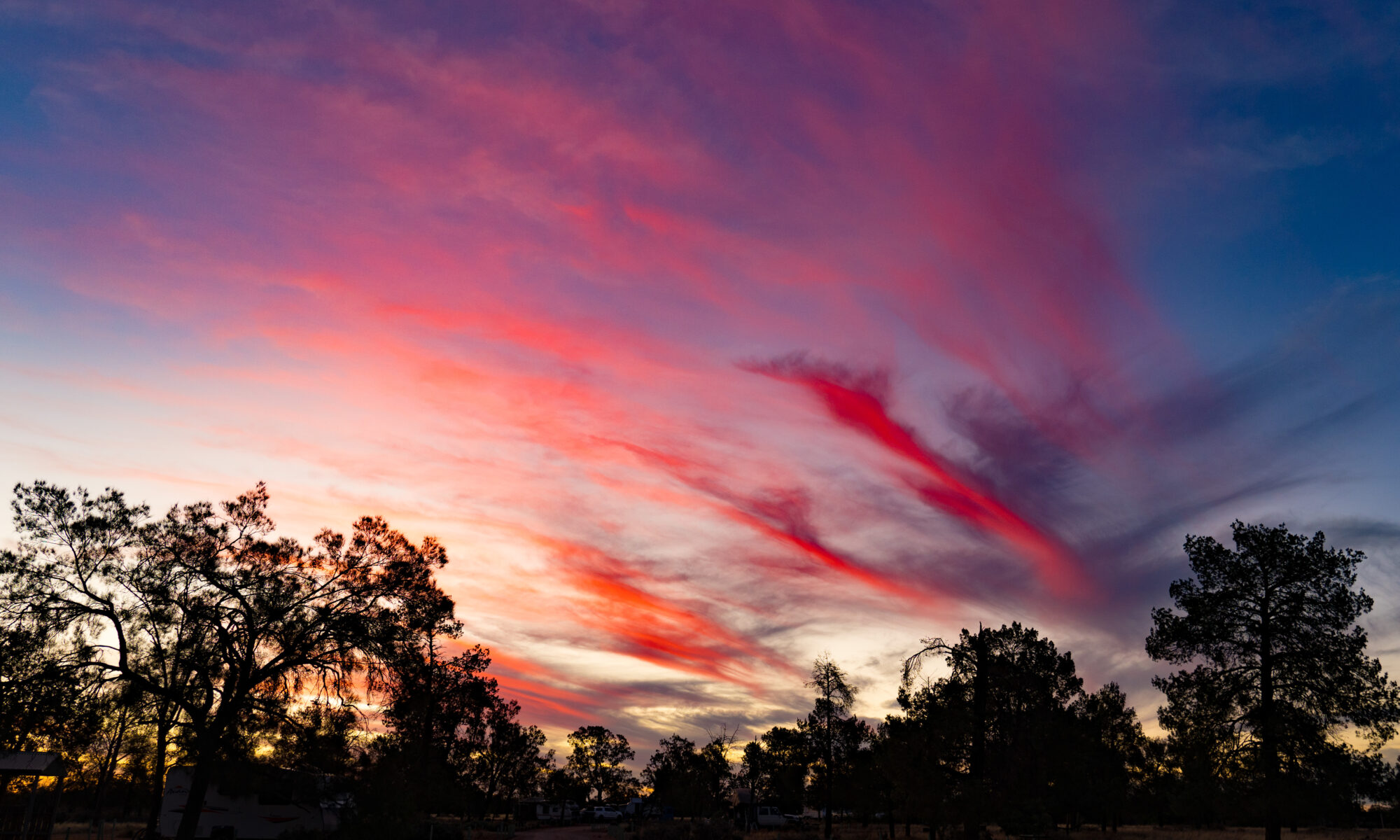
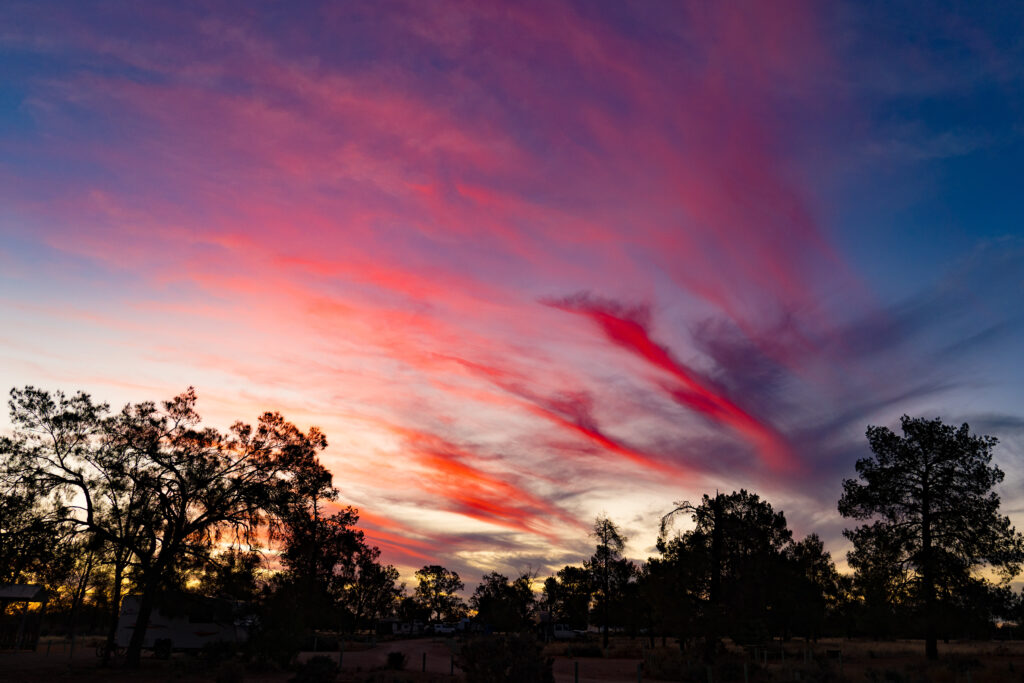
Sunset over Mungo National Park

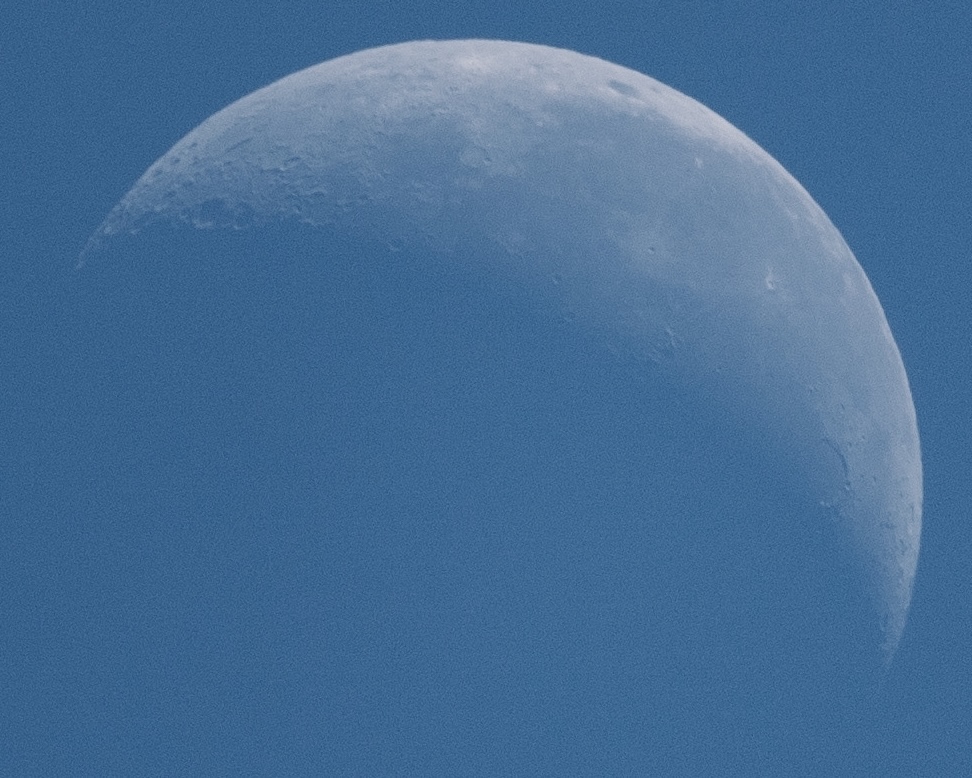
After the activity and sleepless nights of Mildura, it was absolute bliss to enjoy the peace and dark of Mungo. The stars stretched on forever. I’ve not yet got the hang of star photography with my new lens so there’s none of that to share, but I did get a good shot of the moon.

Can you spot the craters?

The following morning we departed, driving across more huge dry lake beds, bizarrely showing up as blue on Google Maps, heading to the tiny settlement of Pooncarie, home to 40 people.

Long straight dusty empty roads common on our journey

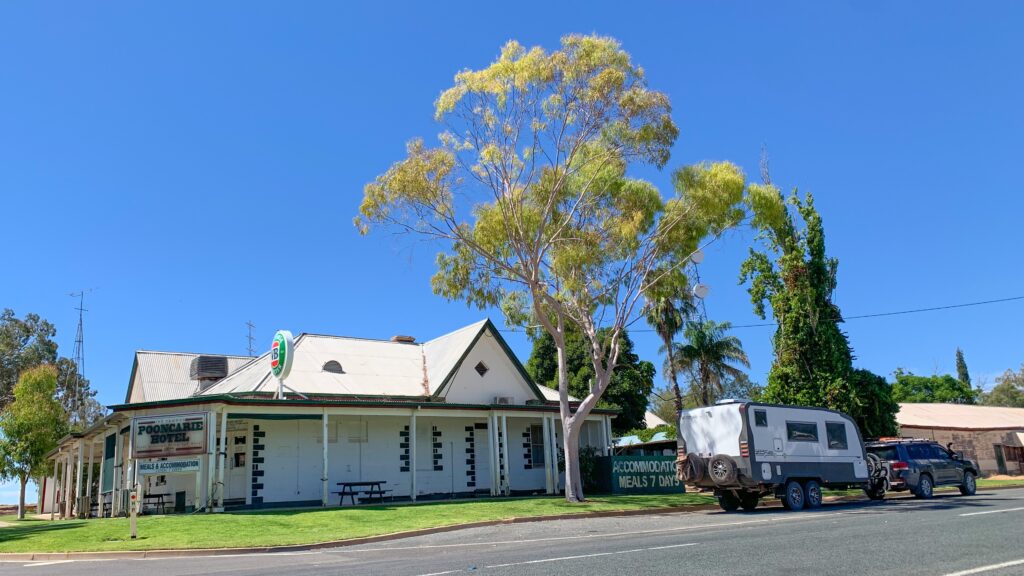
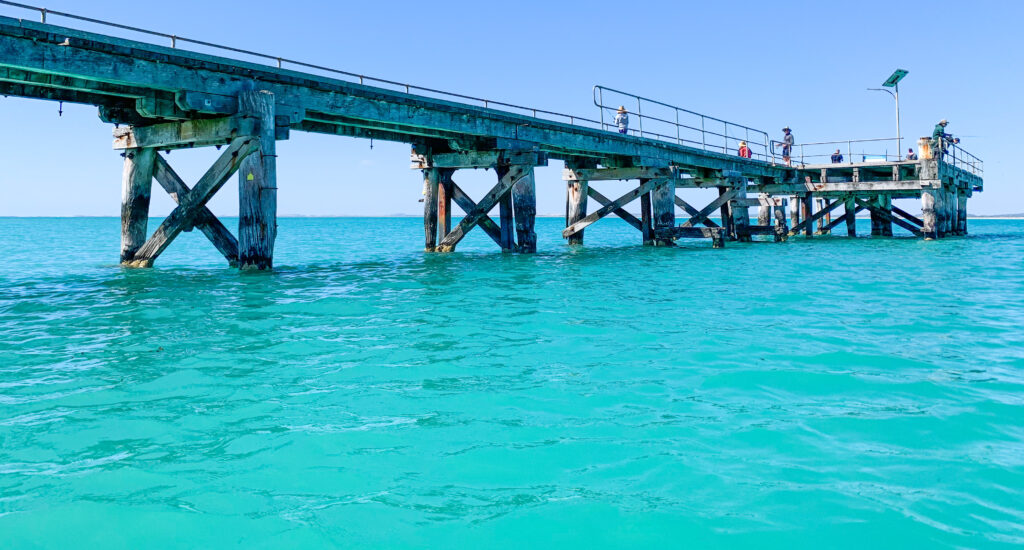
Pooncarie is tiny now, but in the mid 1800s was an important river port, settled on the banks of the Darling River and serving all the sheep and cattle stations in the region. There is still a wharf there, with a cafe and craft shop. Somehow the village is also able to sustain a pub, where we called in and paid our $10 to camp for the night in a serviced riverside area. The Pooncarie area is inhabited by the Barkandji Aboriginal people who have been in the area for at least 40,000 years.

The Pooncarie Hotel
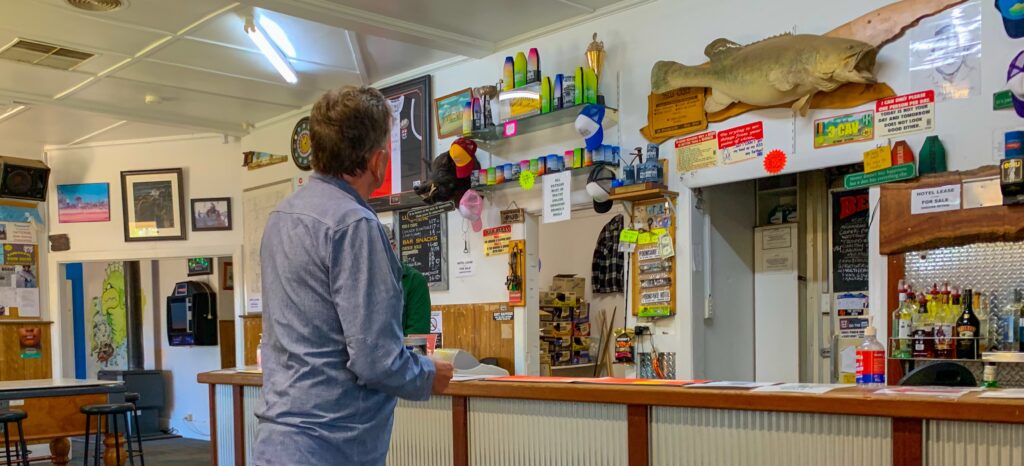
The bar is dedicated largely to fishing memorabilia

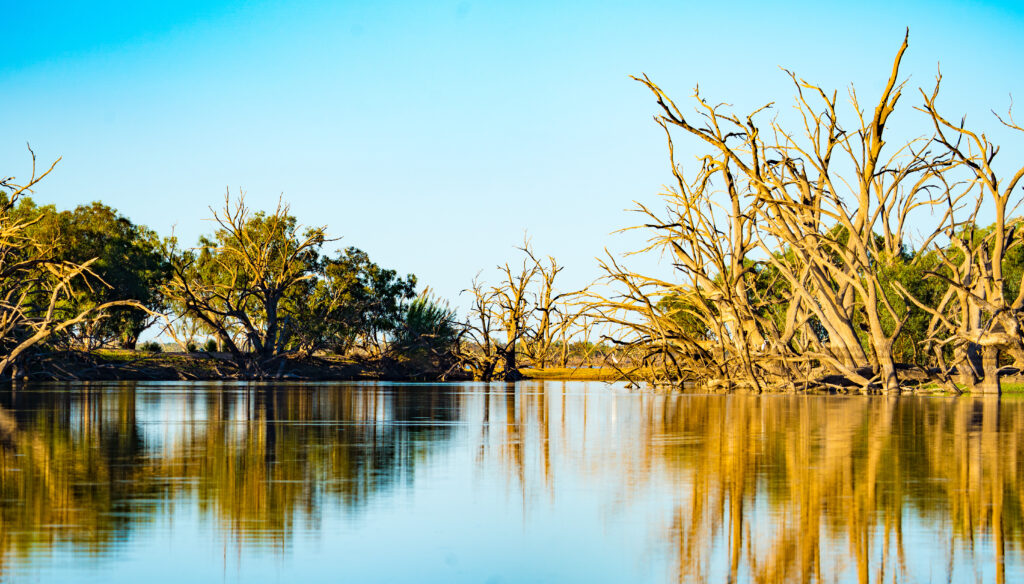
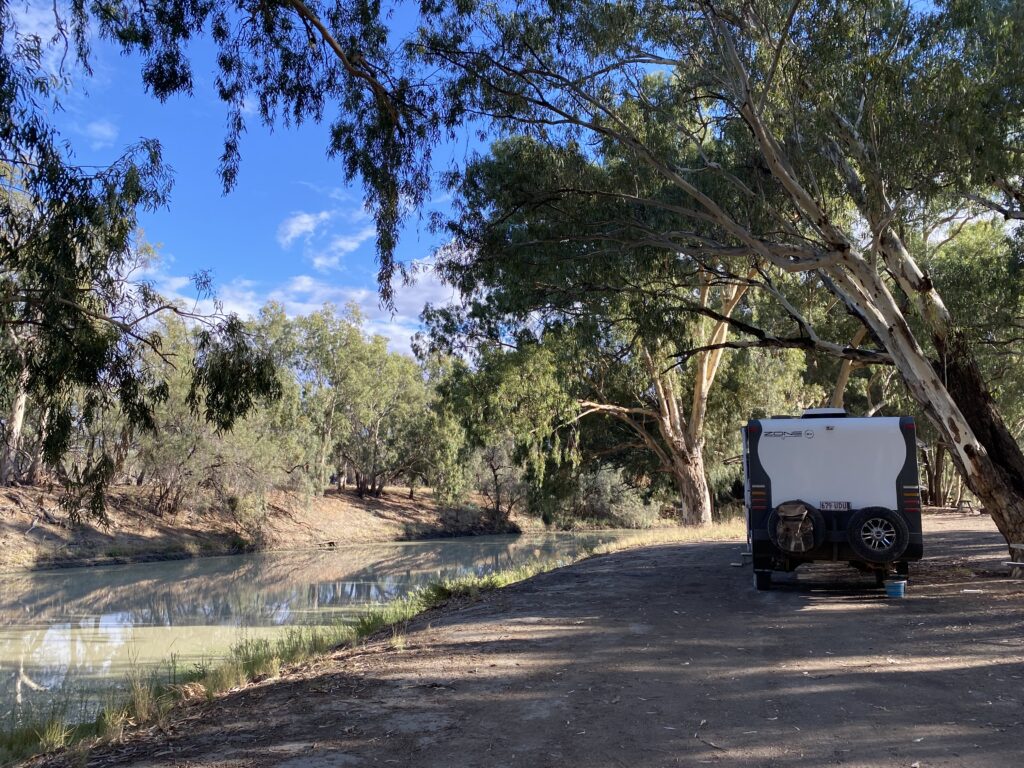
What a beautiful spot – an absolute haven after several hours of driving dusty, straight and corrugated roads. It was a hot afternoon, easily reaching the early 30s in the shade, and unbearable in the sun, but with a breeze blowing off the water it was lovely. We set out our chairs and enjoyed the ambience.

Our home for the night beside the Darling River, Pooncarie
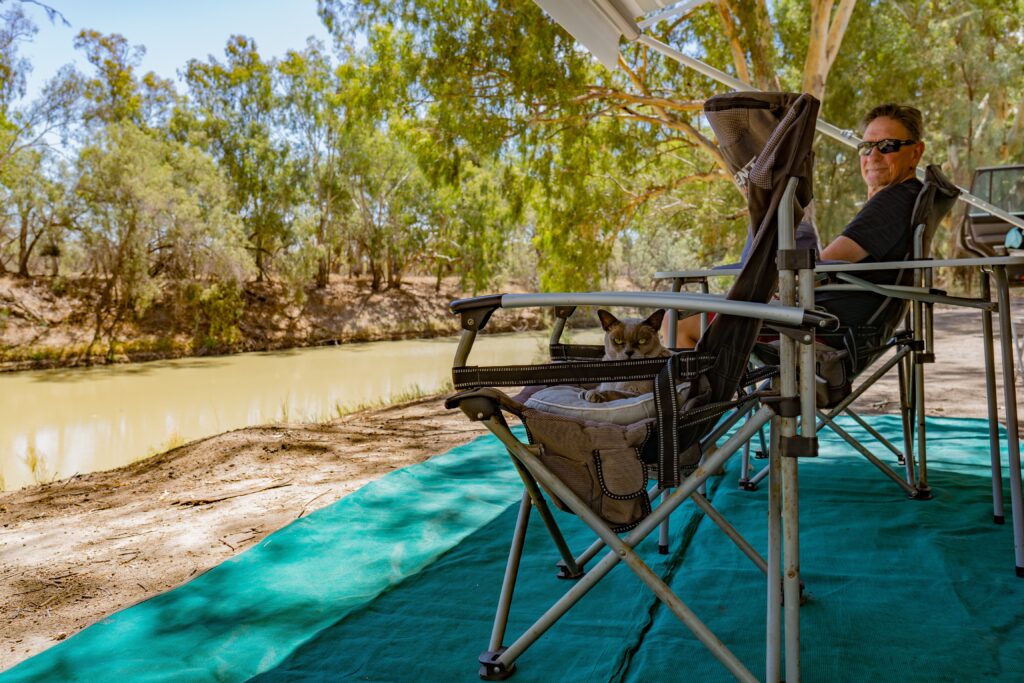
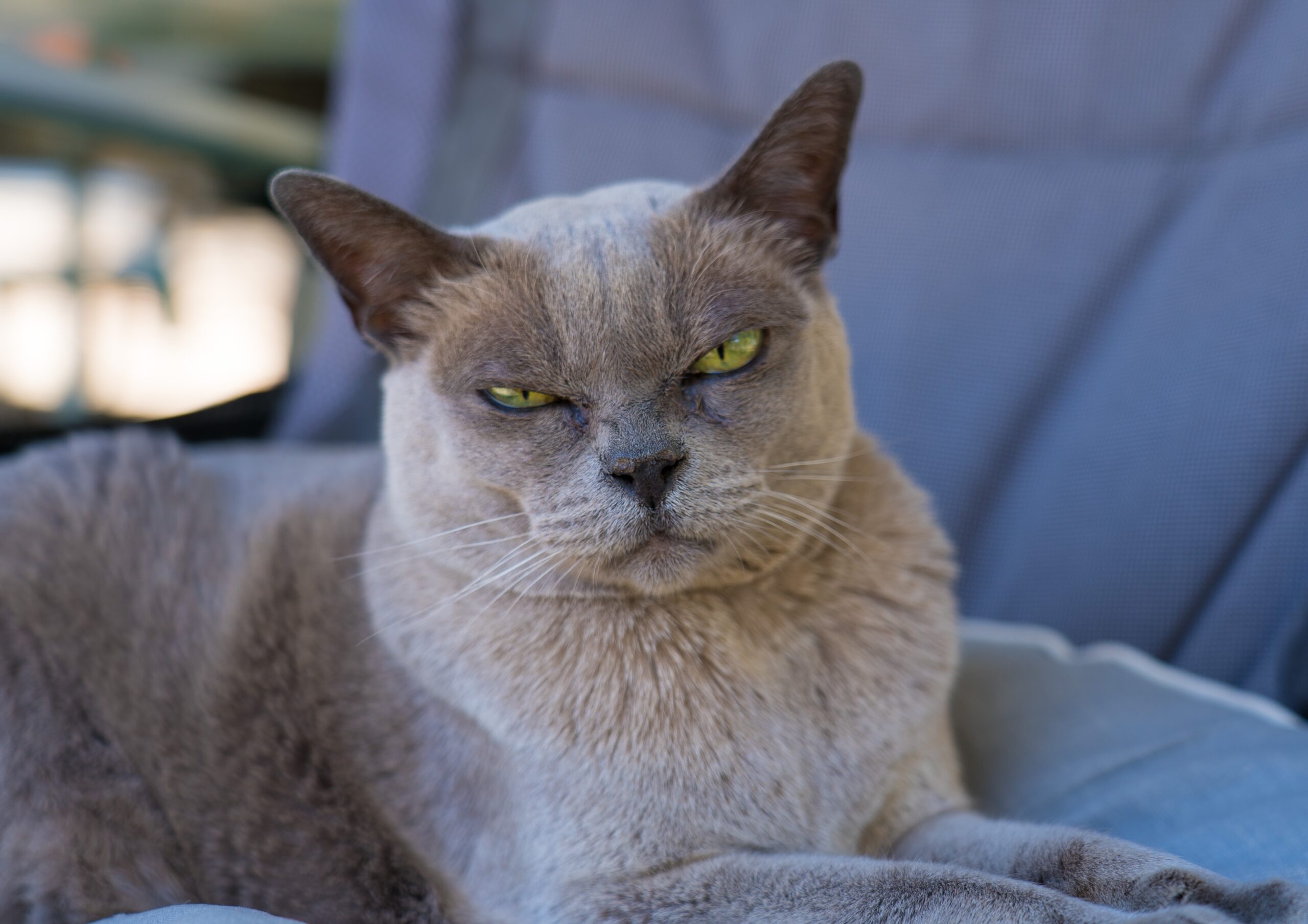
One chair for Mr A and one chair for Princess Tassie…seems to be something missing here…
One happy cat

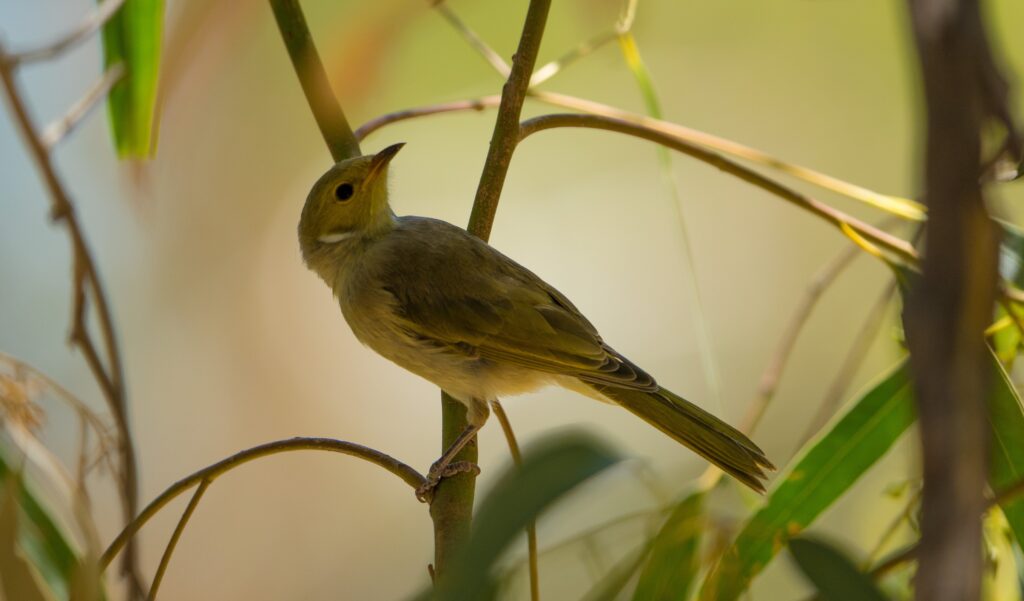
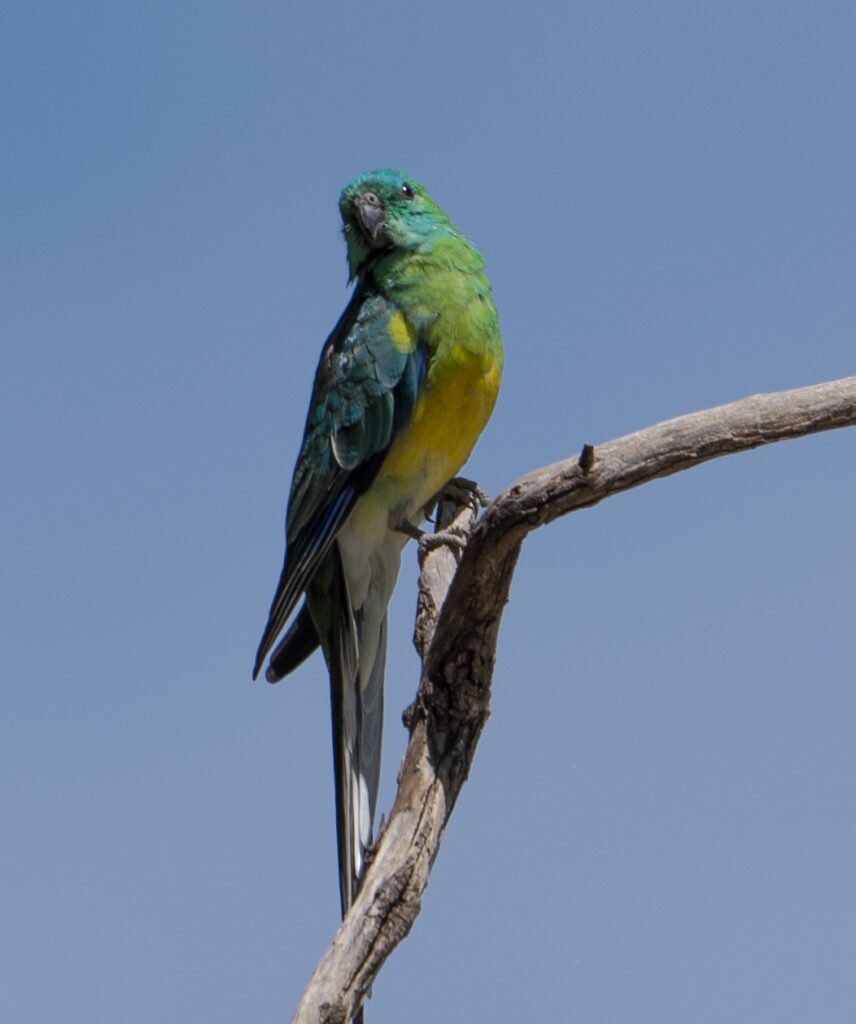
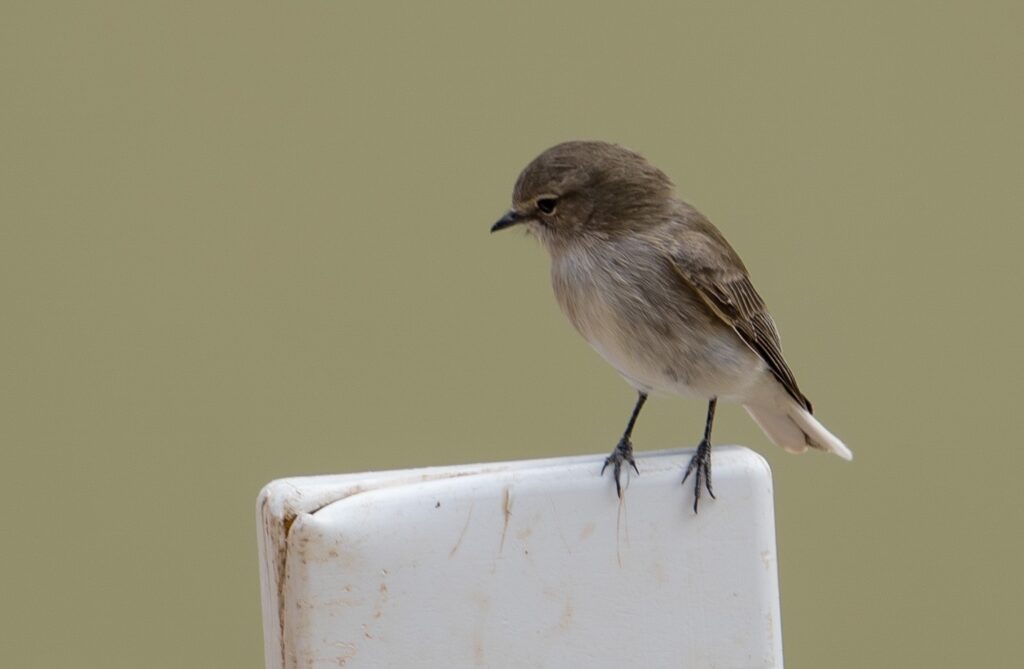
It was not only us that enjoyed this relatively cool riverside shade, there were plenty of birds who were obliging enough to occasionally stop still and land in unobstructed locations for a photo.

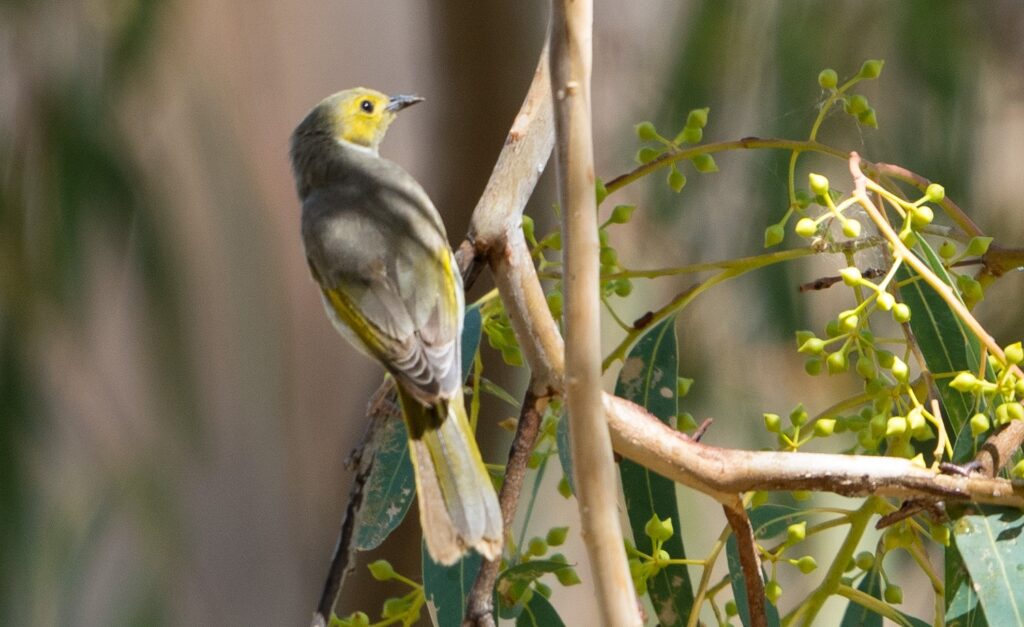
White-plumed Honeyeater
Red-rumped Parrot
Female Flame Robin
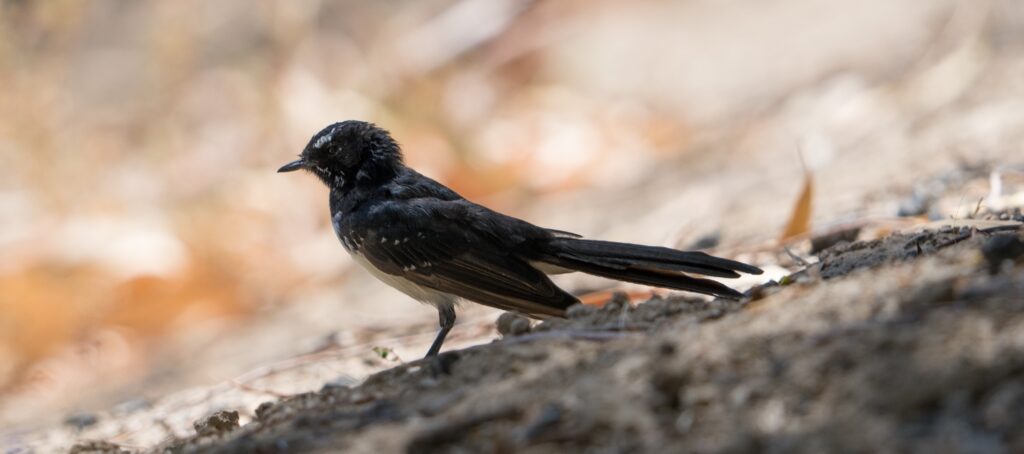
Willie Wagtail
White-plumed Honeyeater

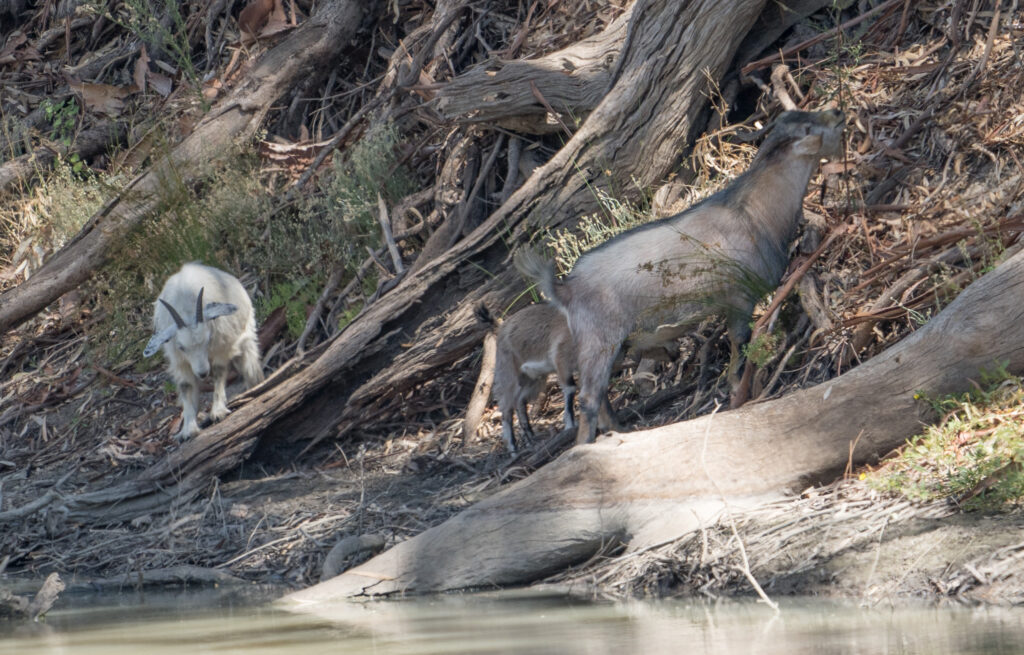
We also saw a family of goats picking their way alongside the river. These are strictly speaking feral – generations of these have been born and grown up in the wild, descended from goats that have escaped from un-fenced farms in the 1800s. They do a lot of damage to the plants, munching up young seedlings and changing the landscape with their hooves. But, it seems, they have now been accepted as a source of potential money, with Australia now being the world’s largest exporter of goat meat – mostly to the USA. Of course they don’t call them feral goats in their marketing – these are known as ‘rangeland goat meat’. There have even been thoroughbred Bauer goats released into the wild to help improve the meat quality through inter-breeding.

’Rangeland’ goats pick their way along the river bank

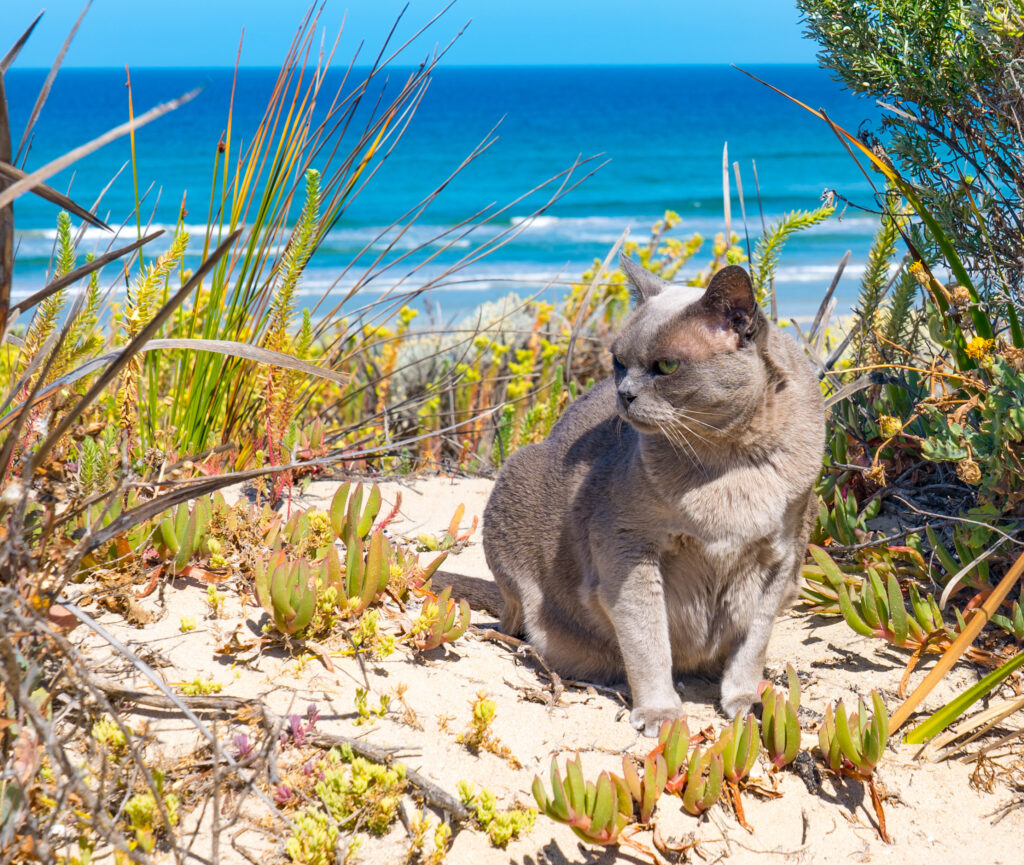
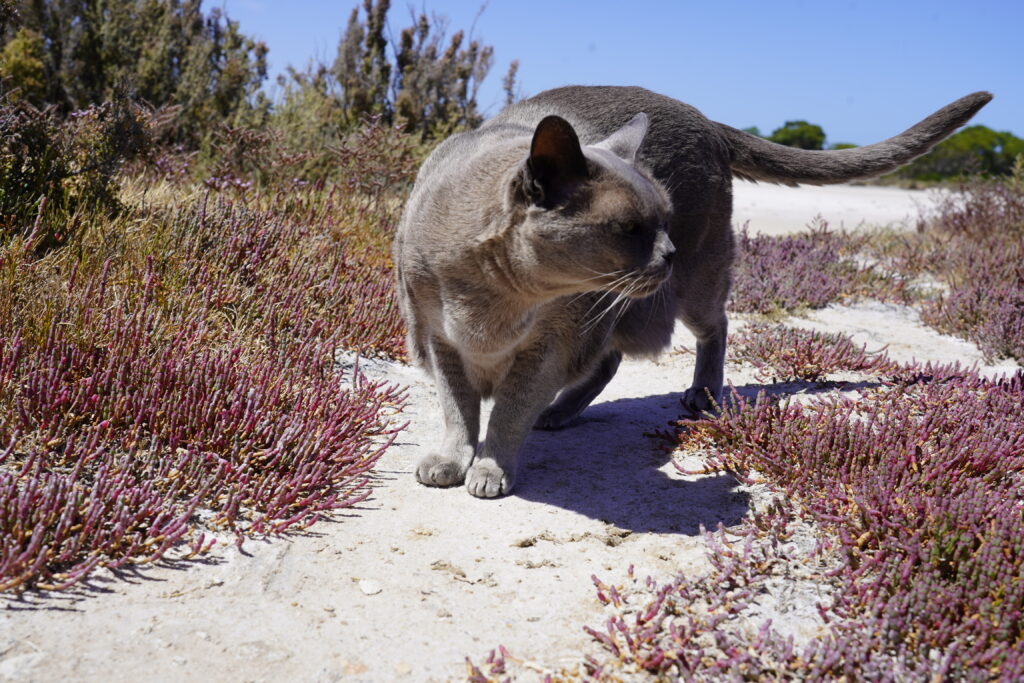
It was a lovely overnight stay, and Tassie enjoyed a final explore around the area before we took off the next morning, again farewelling the life giving river and travelling the red dusty roads towards Menindie.

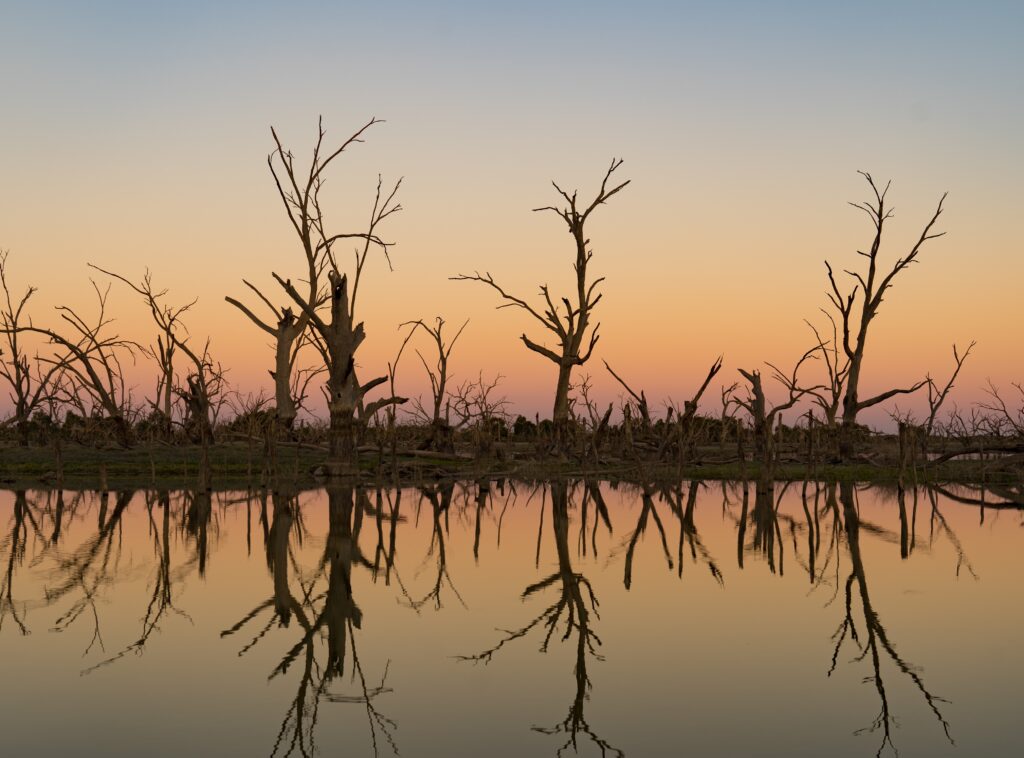
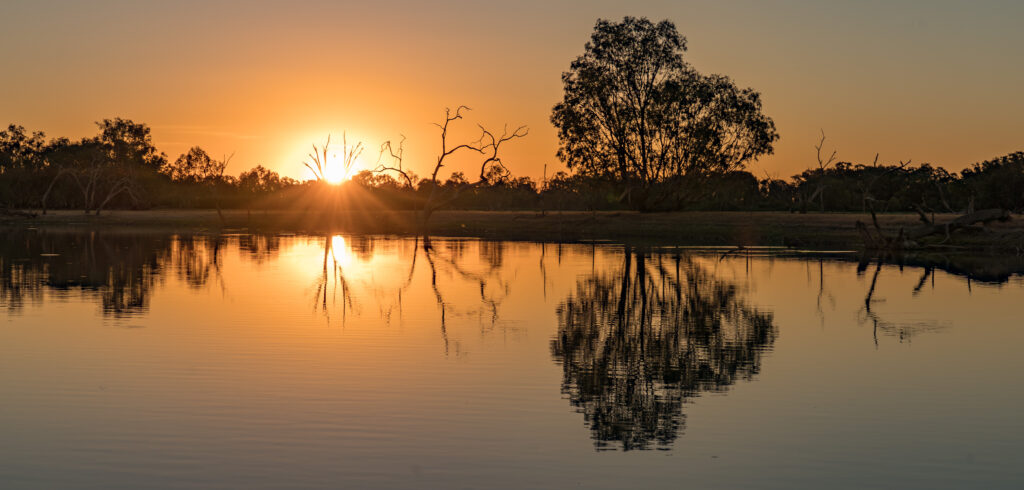
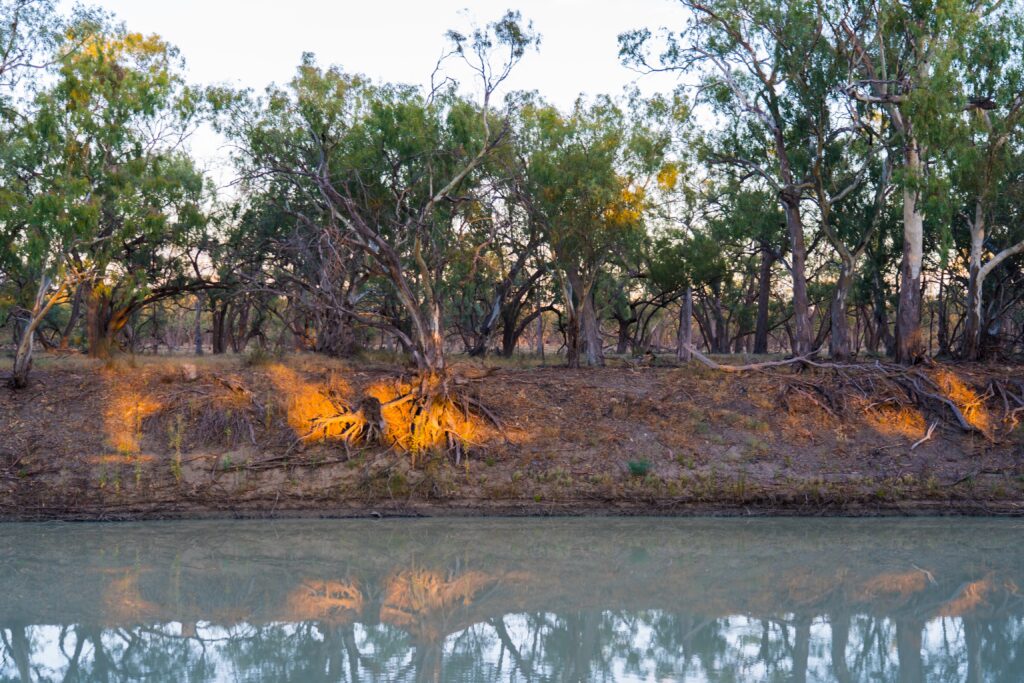
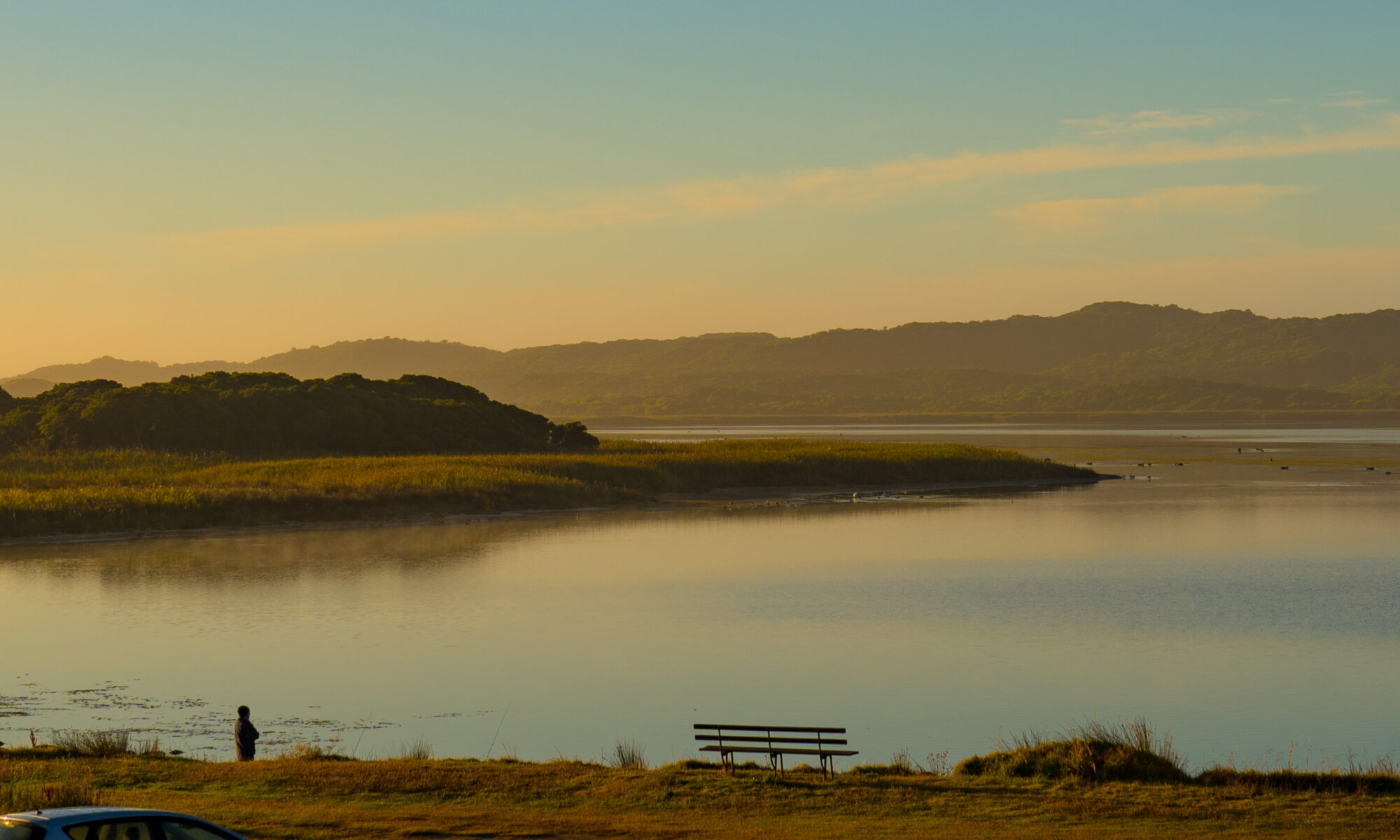
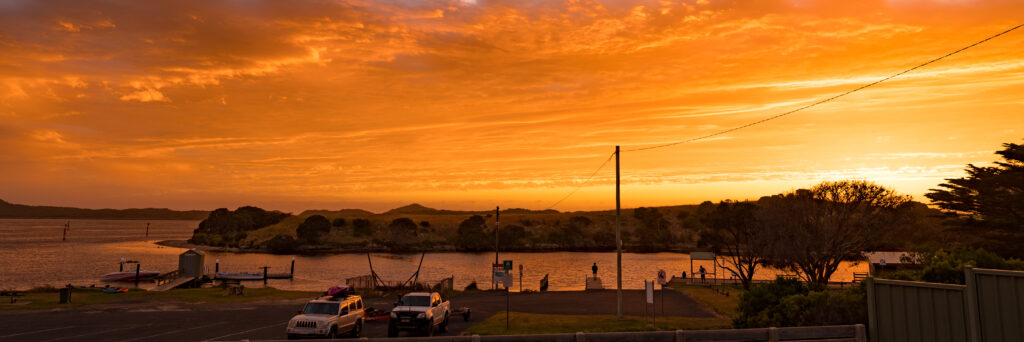
Our sunrise view across the river

4-9 March: Mrs A has a particularly memorable birthday weekend

Author: Mr A

Location: Mildura, NSW-Victoria border, Australia

One of the major downsides of our itinerant lifestyle, is the risk of losing contact with the nearest and dearest to us. With a birthday coming up for Mrs A, I thought it would be a good excuse to set up a few surprise calls for her with some family and friends scattered around the world. That was proceeding well, when our friends Jenny and David decided they wanted a road trip down from Sydney to come and spend the weekend. Jenny suggested Mildura – just a hair over 1,000km from their home! So with a bit of secret squirrelling I managed to get us booked into a park there and a chalet sorted for the two of them just a few metres away from us.

Now, I knew nothing about Mildura but when I started my research to plan the weekend, I discovered it is actually quite well endowed with restaurants. So a frenzied few days later of disappearing off to make phone calls (remember we are never really apart in the confines of a caravan), I had it all mapped out. It was in fact, I learnt, a long weekend so things were pretty booked up, so some flexibility was required.

The Thursday before Catherine’s birthday, we left our camp in Cobdogla and I finally had to tell her where we were going as it was loaded into my Google maps for navigation. Now Mildura is never going to release the same “ooh’s” and “wow’s” as say Venice, but she went with the flow. I knew she was going to be wowed when Jenny and David strolled in.
We checked into our campsite, and I cast an eye over at the cabin I had booked for Jenny and David. I could barely contain my excitement. I told Mrs A that I had to take a booking that night for her birthday dinner as places were full on Friday. Actually it was because Jenny and David were going to have to leave at 4am the next morning and wouldn’t be in shape to head out for dinner on the Friday. These are two people who both run their own businesses and are super busy. What a thing to do. Amazing.

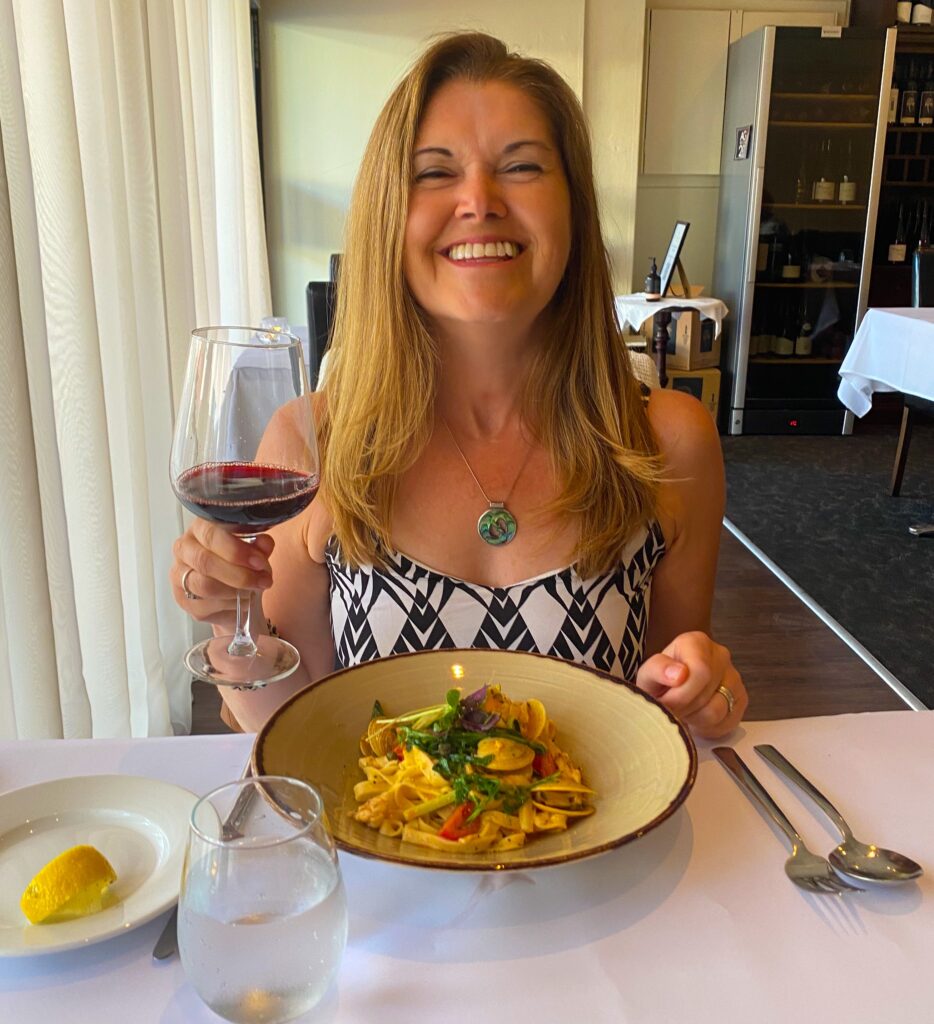
I had booked one of Mildura’s finest for that night, an Italian called The Province. We had a great meal and headed back.

Fine dining in unexpected places – fresh pasta with Morton Bay Bugs

I struggled to sleep, not only because of the next day’s events, but also the trucks thundering down the Stuart Highway just next to our campsite. Australians are very keen, it seems, to build their campsites right next to our main roads. Its not like we don’t have the space! Perhaps it is the cheapest land?

The morning finally dawned, and her first surprise of the day was… no presents. We had been talking about a telephoto lens to help with wildlife photography, and we had nailed it down to a particular model. Then, as far as Catherine was concerned, it all went quiet. In the background meanwhile, there was more frenzied activity trying to source the model, finally I found one in Sydney, in a shop down the road from Jenny and David! It was meant to be, I thought. I had it express couriered to Jenny’s business, an art framing studio in Rose Bay. (Note anyone who needs top notch framing work its called Framing and Art Matters).

Catherine was polite enough to say nothing, and I quickly distracted her with a phone call to some of her family in friends in the UK, and one who joined from Provence. Then a call with my daughters and another couple of friends. That all worked well. It was going to plan.

I then had to make an excuse to disappear into town for “half an hour”. I had to go shopping for some fresh treats for dinner, oysters included of course, pick up her dairy- free birthday cake, and source some extra fine wine for our weekend’s festivities. Woolworths had almost run out of oysters and the fish counter assistant disappeared for so long out the back I thought he had gone to collect some more from the coast 500km away! The bloke in the cake shop was on his own and apparently everyone in Mildura buys cake on a Friday morning. Then Dan Murphys, source of decent wine, had such an amazing selection that I got a bit carried away choosing. So two hours later I arrived back after leaving madam alone doing the washing on her birthday morning. She’s…Ok…I smile a lot and take her to lunch.

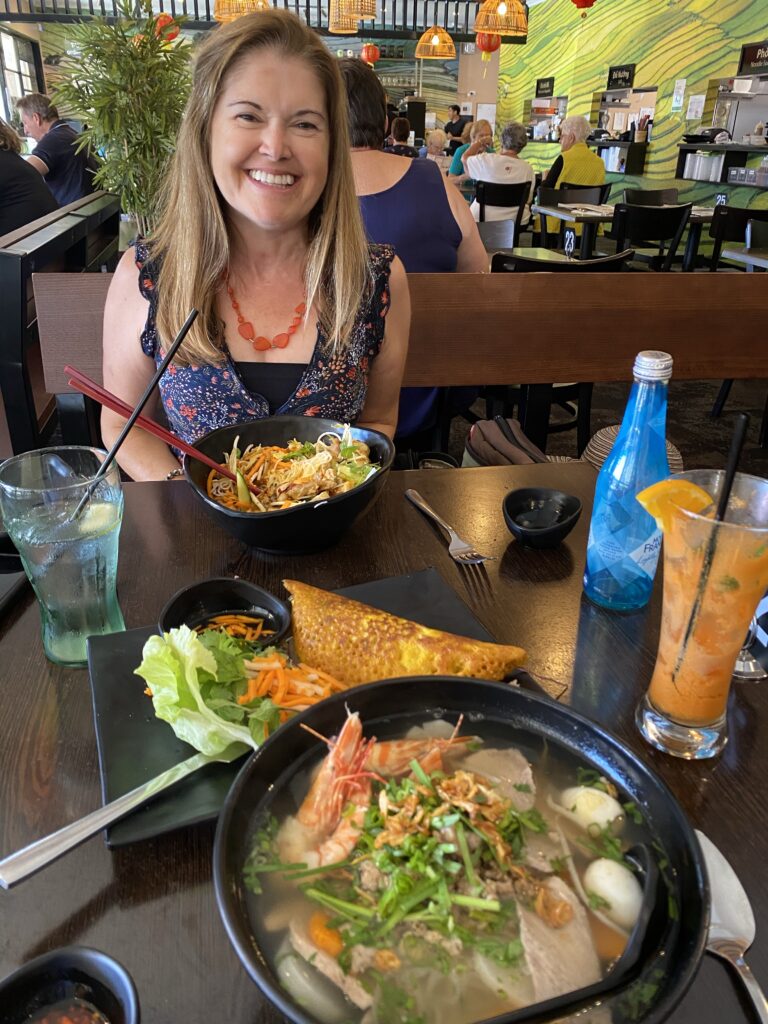
Now lunch was at a Vietnamese cafe that if you ever find yourself in Mildura you have to go to. Fabulous food. Mr Bun Mi. Wow. Madam is smiling now as well.
A real feast of fresh and delicious food

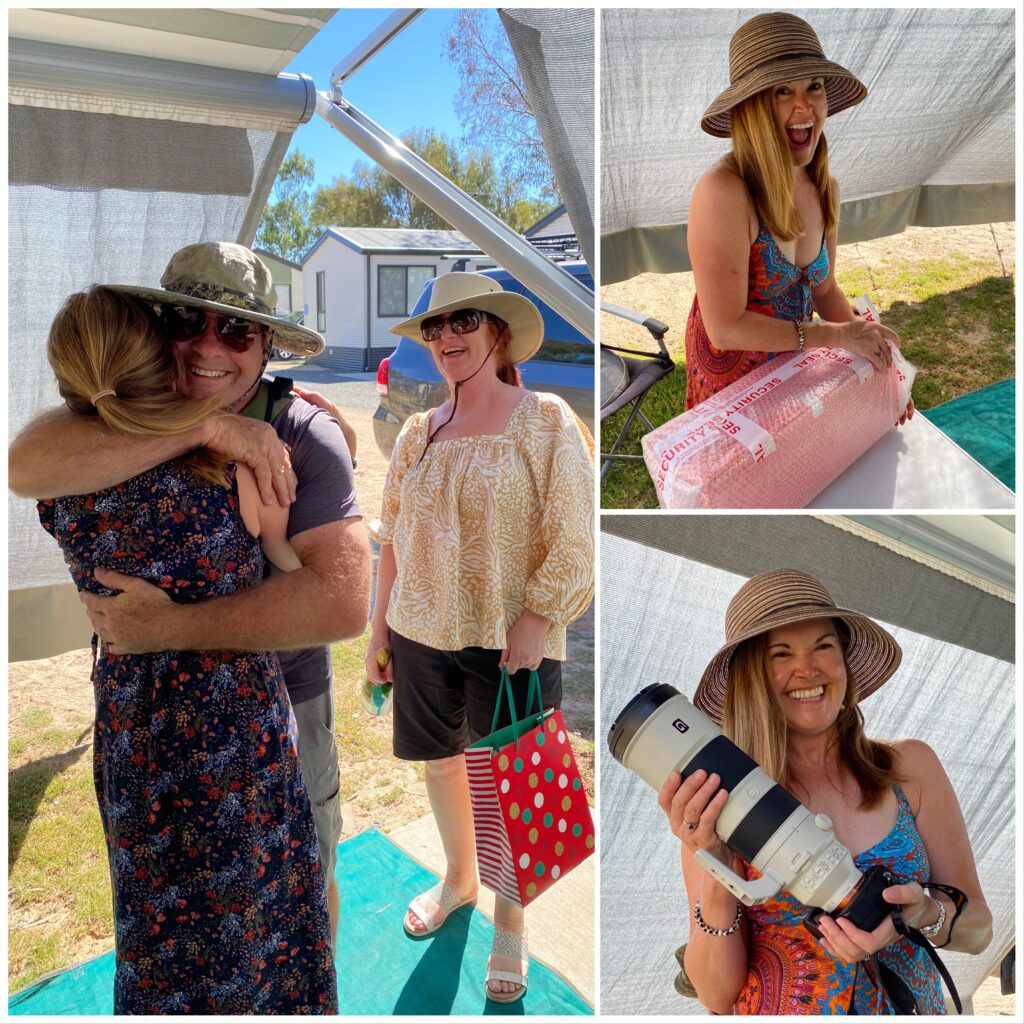
We staggered back to the caravan park and time ticked past slowly. I kept discreetly (I think) checking in on Jenny and David’s progress. All was going well – no mishaps. So finally I got a message – they’ve arrived. At precisely the moment they turn up, Catherine had decided to take a shower. There’s a knock at the caravan door. I mumble something about her needing to get dressed, and there they are.

A HUGE surprise visit bringing gifts

Plenty of hugs and a few moist eyes later, we have a glass of bubbly in our hand and the world is a wonderful place. I give Catherine her present, and she is a bit gob smacked. Firstly, it was a giant box, so apparently her first thought was “Whatever it is, where the heck will we put it?” Living in a caravan can constrain one somewhat 🙂 I will always remember that ear-to-ear grin when she unwrapped it.

Then it’s time for her next surprise, I’ve lined up an online call with a bunch of friends in Australia. Thanks to Chris for helping with the Zoom arrangements, and a jolly old natter it was. We then settled in with Jenny and David for a long catch up. Friendship is just such a wonderful thing. To think two people have gone to that effort to come for the weekend, it really floored us. I then explained to Catherine what I have planned for the Saturday. Jenny and David were in on the secret. I had seen there was a well-rated winery just up the river called Trentham Estate. I had called them and booked in wine tasting and lunch. But how to get there? I posed the question and was told it was possible to hire a pontoon boat in Mildura and cruise up. I called up and booked the last boat. So it was a day on the Murray River with a fine lunch and wines to break the trip.

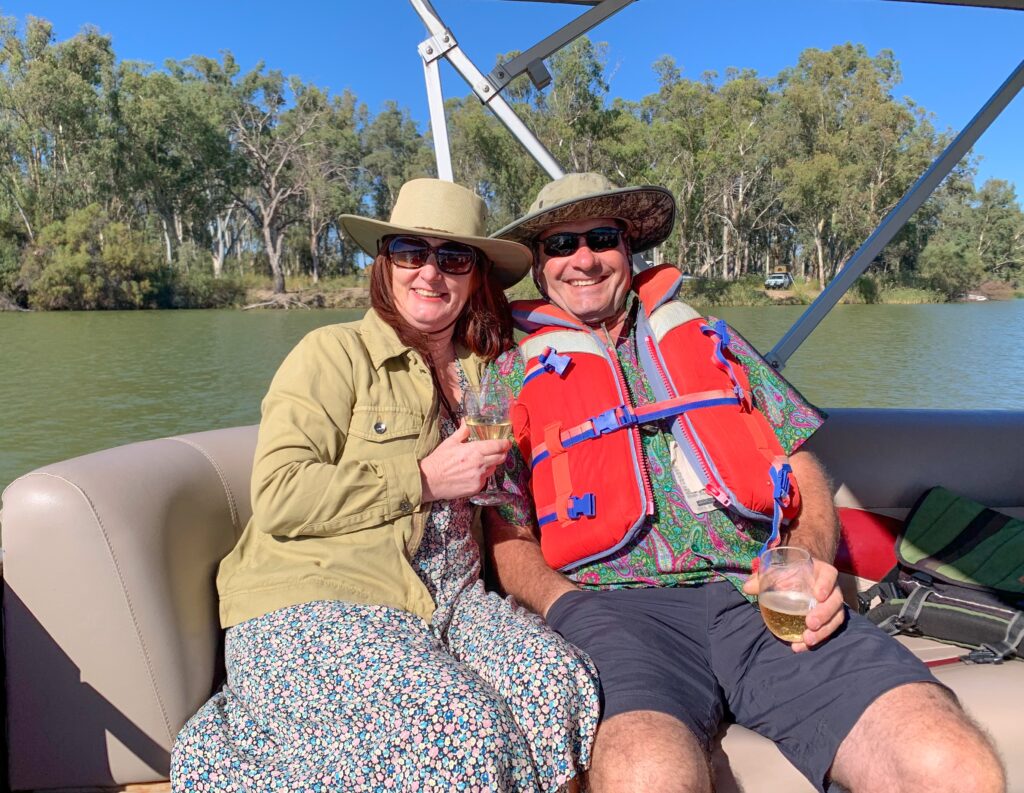
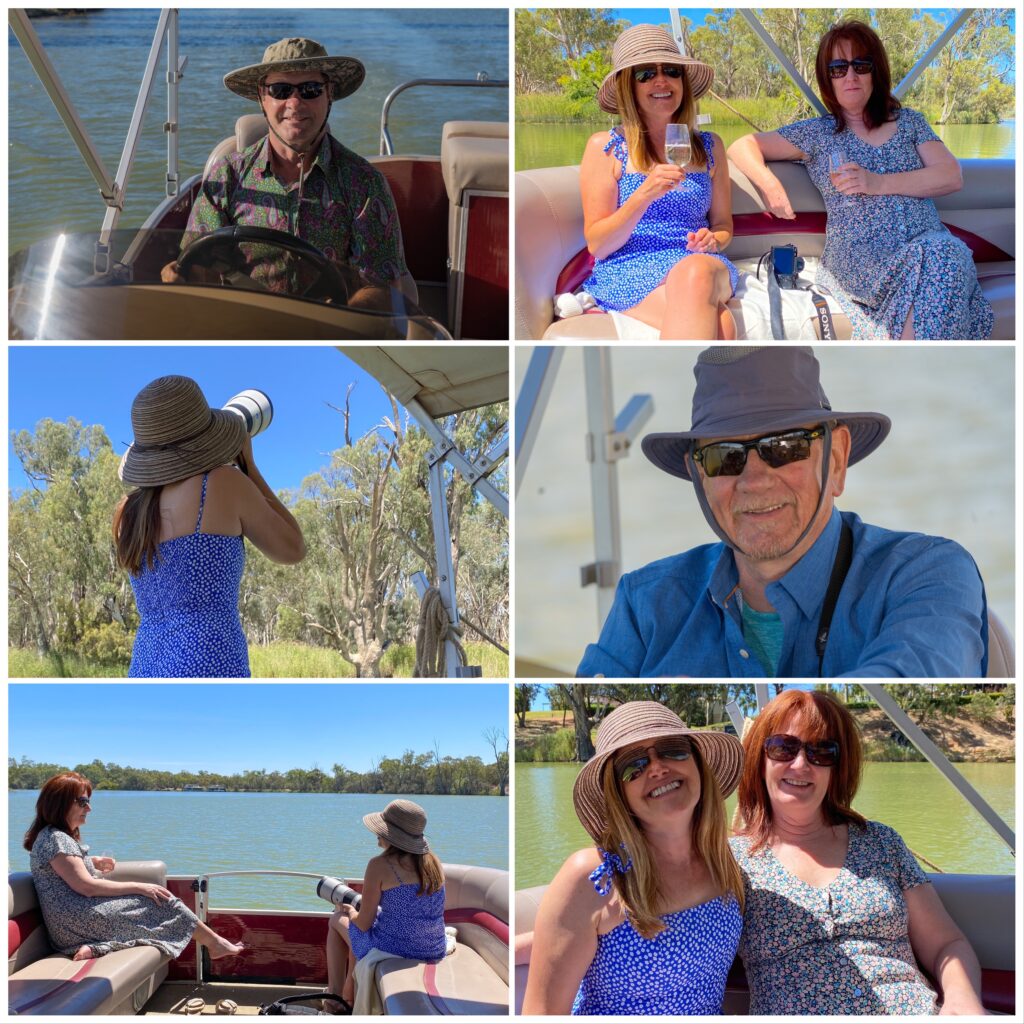
The morning dawned quite crisp after another sleepless night listening to the trucks, and we headed off to the marina down the road. It was a fine looking boat, and off we went down the river. It was about then we realised just how cold it was. David had a short sleeved shirt and the girls not exactly kitted out for a windchill of what had to be in single figures. David and I took turns to drive the boat and lose all feeling in our hands, he even wore one of the life vests at one point to try and warm up!

Life jacket? No this is just a red waistcoat!

Meanwhile Catherine was there in her sundress turning blue 🙂 Finally the power of the sun made its presence felt, as we arrived. We had cracked a bottle of something bubbly and French on the way, and finally we could relax in the growing warmth of the sun after our nearly two hour dash up the river.

Laughs and conversation flows

Trentham Estate had a fabulous tasting room, and Janine who ran our tasting was one of the most professional and engaging hosts we have experienced anywhere round the world. We methodically worked our way though sparkling, dry whites, some fuller chardonnays , Italian varietals in reds and finally some bigger Shiraz. What a brilliant selection of wines, and such value for money.

Lunch was equally well done, with the locally caught Murray Cod for three of us and steak for David. Janine even brought us an extra tasting to try with lunch, and we already had purchased a full bottle. So the trip back was pretty…relaxed.

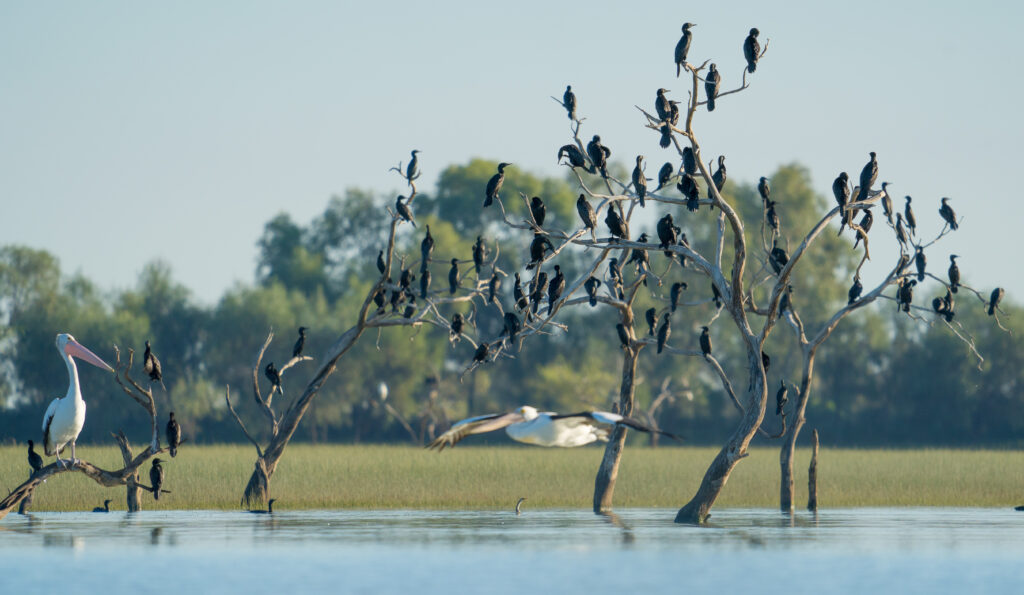
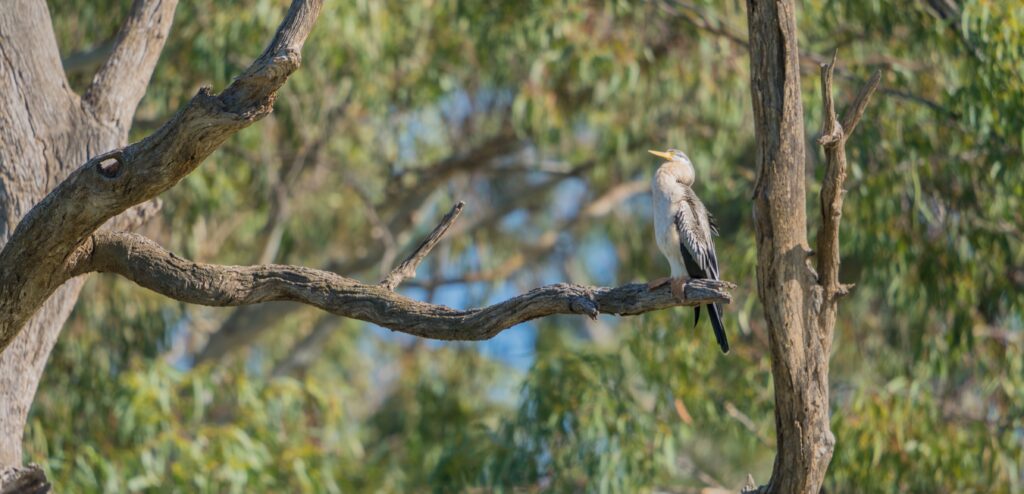
Pied Cormorants are a familiar sight along the river

Arriving back at our campsite was when the weekend went a bit curly. David noticed a crack in their windscreen. It had chipped on the way down and the heat had turned that into a full on large crack. Some frenzied calls to NRMA Insurance and O’Brians Windscreen Repairs led us to the conclusion no one would be touching this window until the following Tuesday. It was a long weekend remember, and when O’Brians says they offer “24×7 service”, what they actually mean is they have someone in a call centre who answers the phone, not that they repair windscreens 24×7. So David was booked on a flight back to Sydney early Monday morning, and Jenny got her window fixed by 11am Tuesday, driving back solo with a stopover in Wagga, before arriving back on Wednesday. Not quite to plan, but of course being them they took it in their stride.

Catherine took her camera out on a few walks to try out her new lens. This will be a long journey of discovery I think. We see so many fabulous birds and animals, it will be great to get more up close and personal.

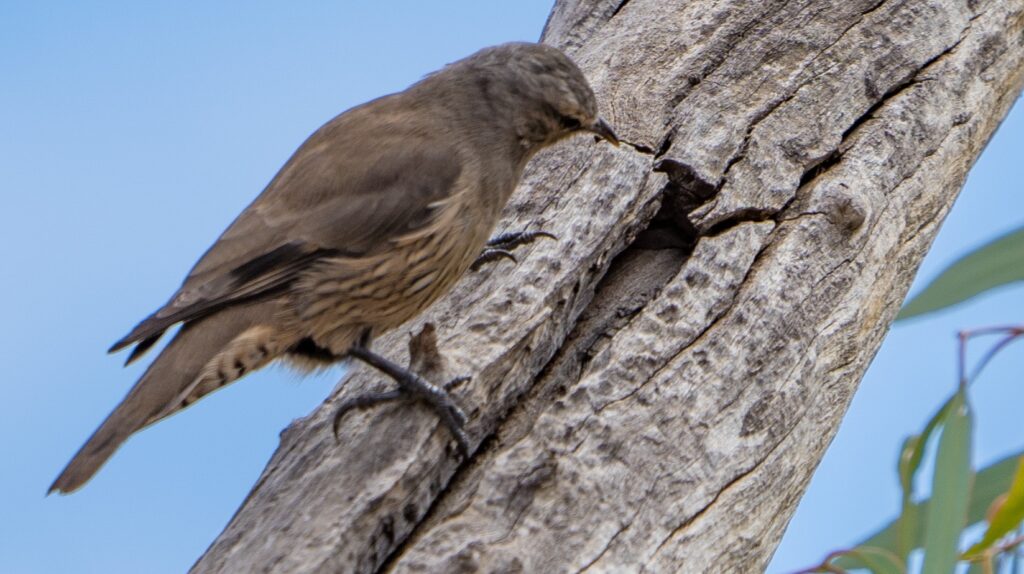
A Brown Treecreaper
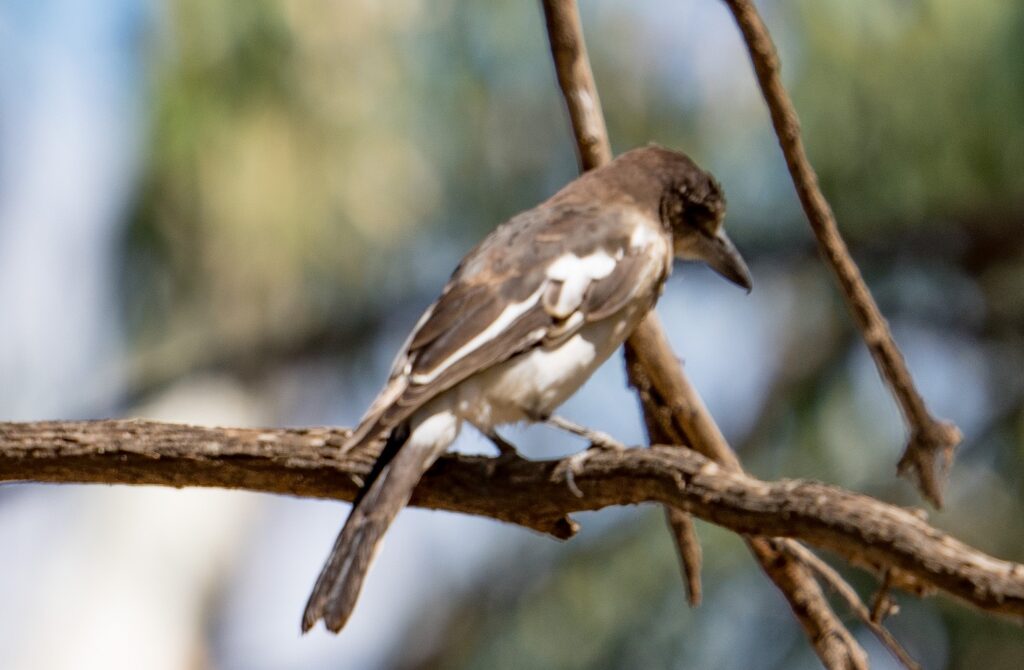
A young Pied Butcherbird
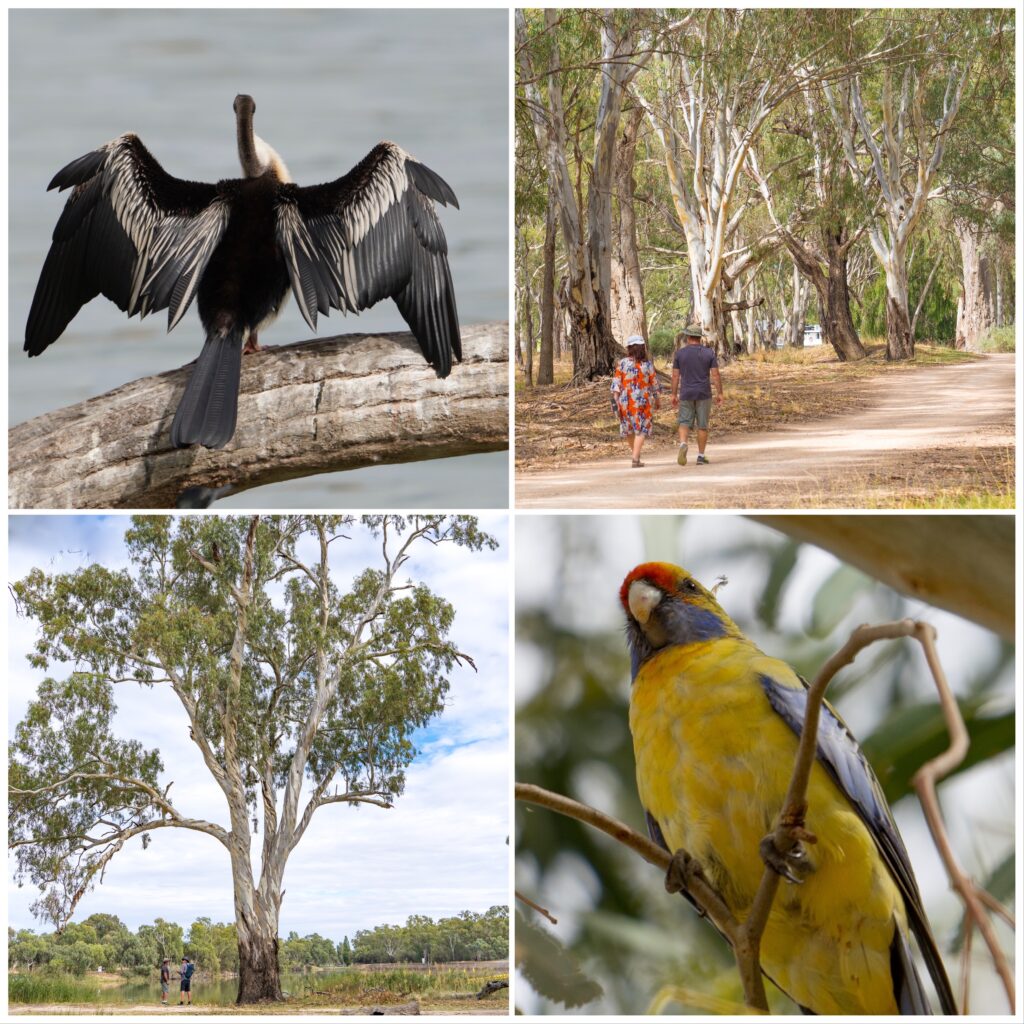
Walks around the camp at Mildura – Australian Darter, Red Rumped Parrot
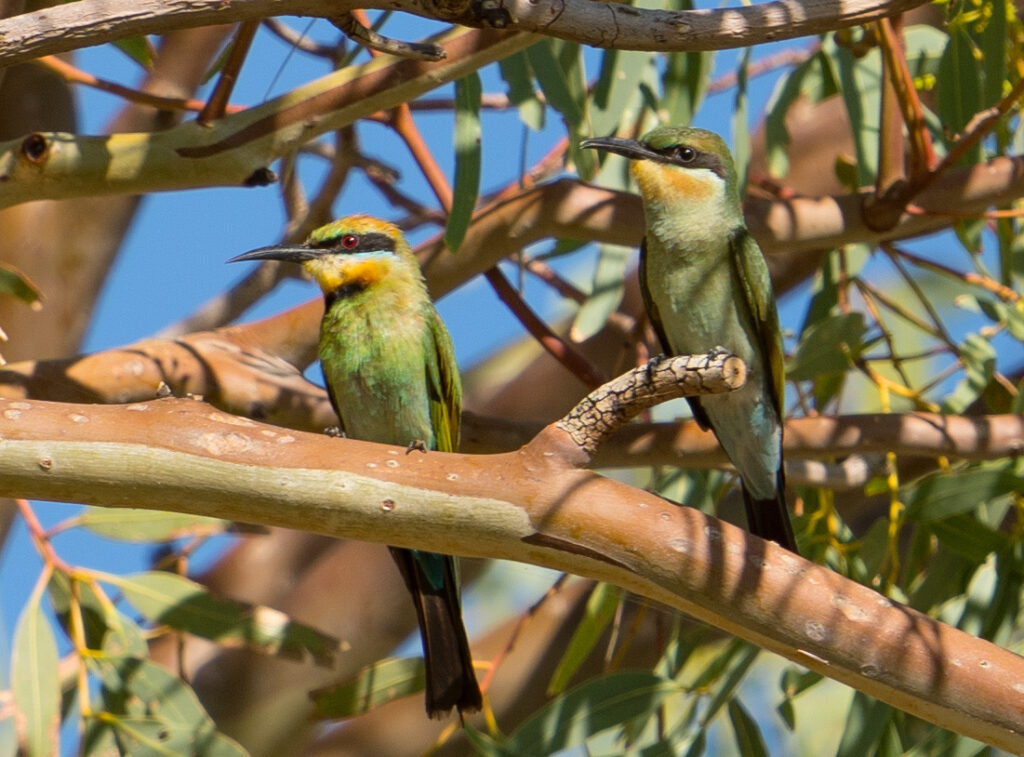
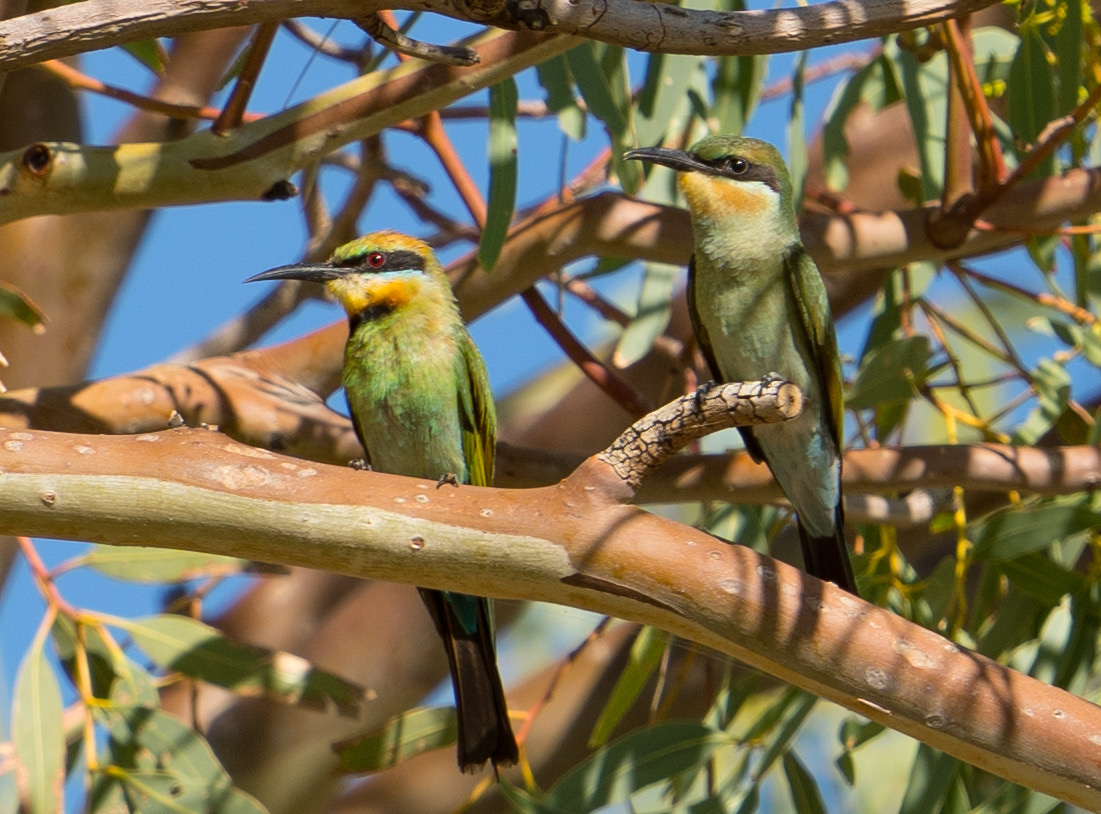
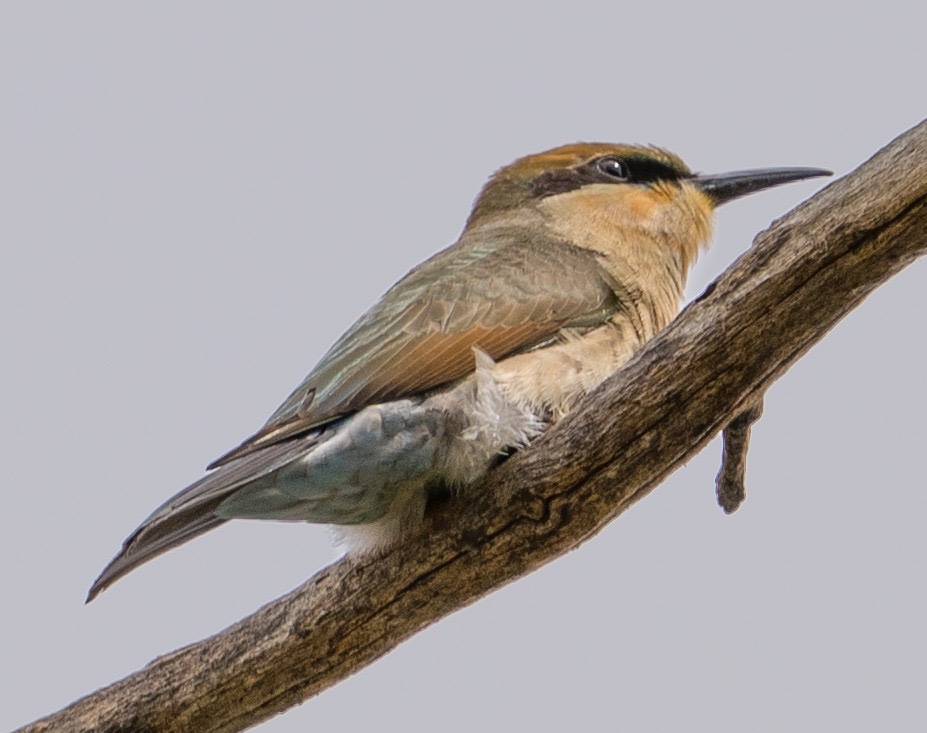
Possibly a Rainbow Bee-Eater (without the rainbow?)
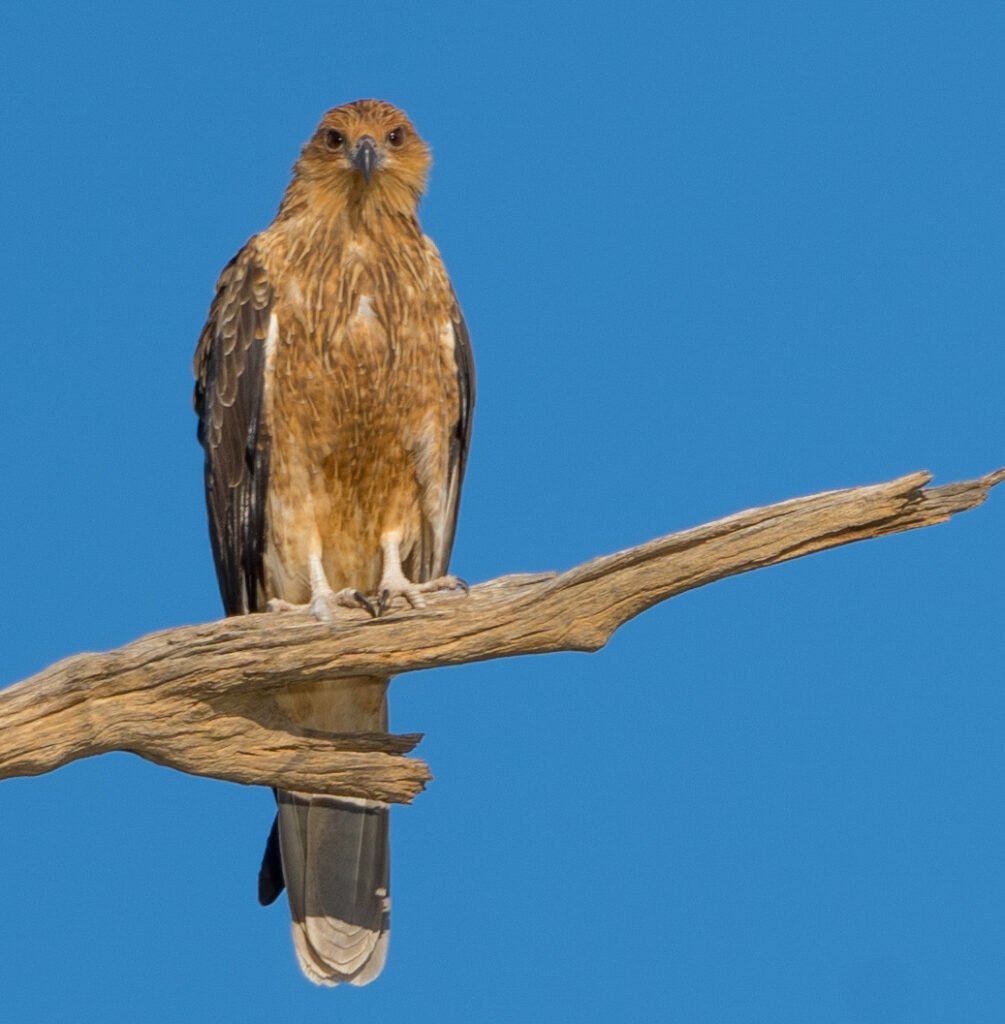
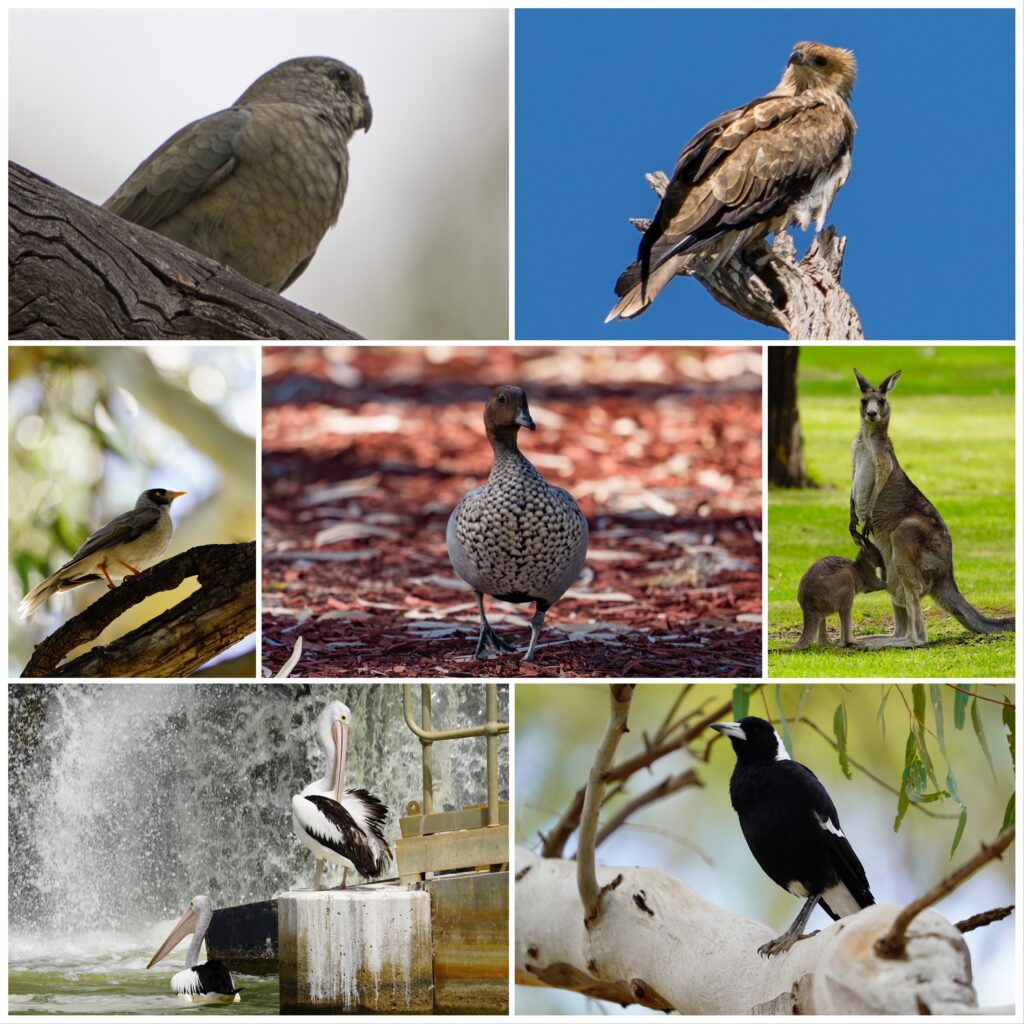
L-R: Female Red Rumped Parrot, Whistling Kite, Noisy Miner, Australian Wood Duck, Kangaroos, Australian Pelican, Australian Magpie
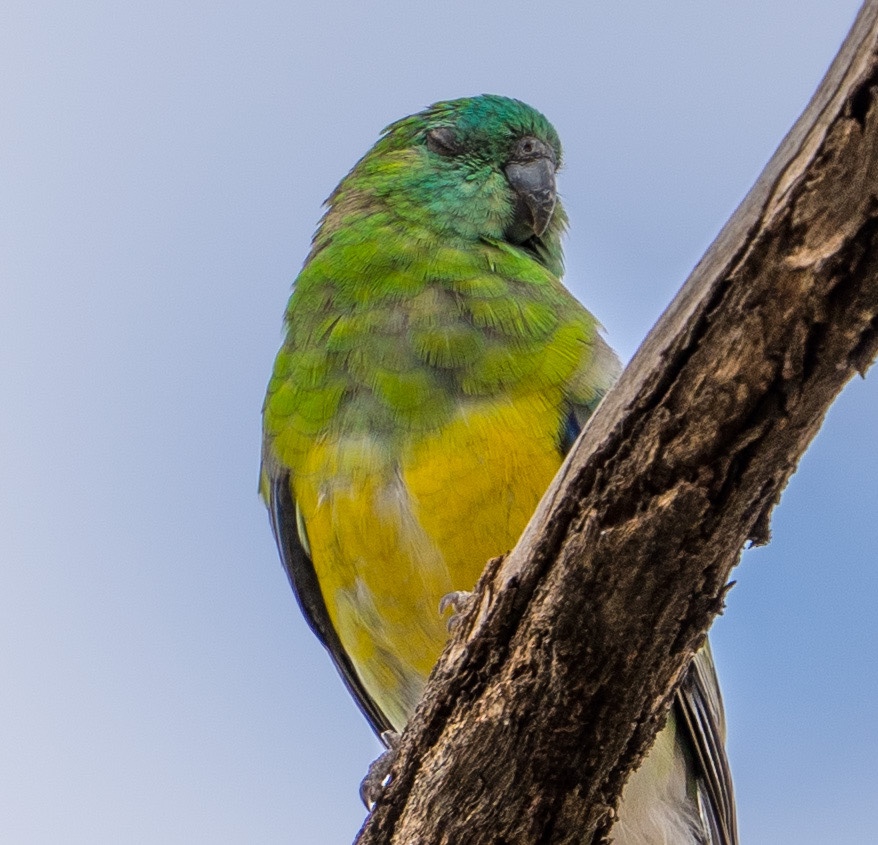
A Red Rumped Parrot having a doze

So that was the birthday weekend. I’m going to declare it a victory, despite the windscreen incident. A weekend I think we will both remember as a highlight of our time together.

21-22 January: South Australia hots up

Author: Mrs A

Location: Wellington, South Australia

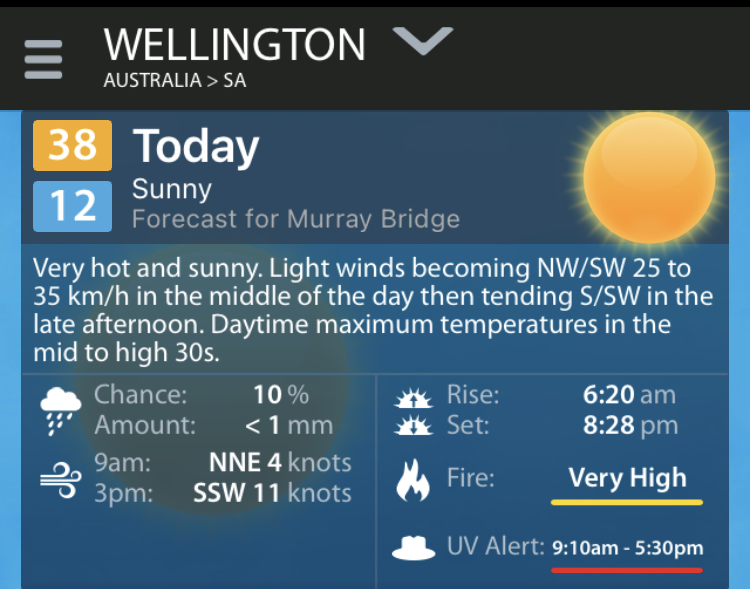
We have had it really easy since we arrived back in Australia – temperate days, cool nights, fine weather for whatever activity we choose – cycling, hiking, kayaking…but today all that has changed.

We left our free camp on the edge of Lake Alexandrina, seeing the upcoming weather forecast. Temperatures up to 38°C today, going up into the mid 40s over the weekend mean that none of our favourite activities would be possible without heatstroke, and we couldn’t leave Miss Tassie in a hot caravan without air conditioning. So we drove 1.5 hours up the lake and parked up with power in a tiny village called Wellington on the banks of the River Murray, plugged in and set the aircon for a comfortable 25 degrees.

Travelling full time means we have to accept there will be days like this. In the UK, it was two days confined to our motorhome on top of a cliff in Wales, while gale force winds and rain lashed us, here it is the extreme temperatures and high fire risk.

By 5pm the wind was strong enough to add a little cooling, so we did a short walk around the three or four streets that make up the town, finishing our exploration at The Wellington – the local pub, affectionately known as ‘The Welly’.

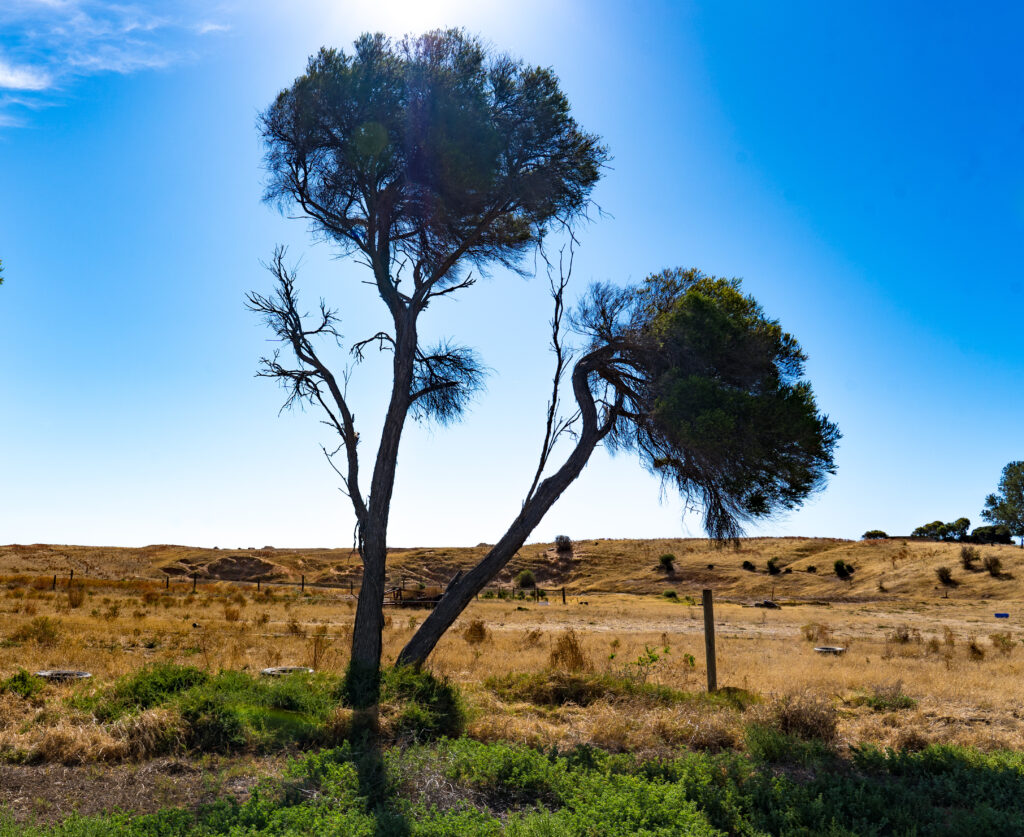
Away from the river the landscape is incredibly dry – the combined effect of the sun and wind whipping away any moisture
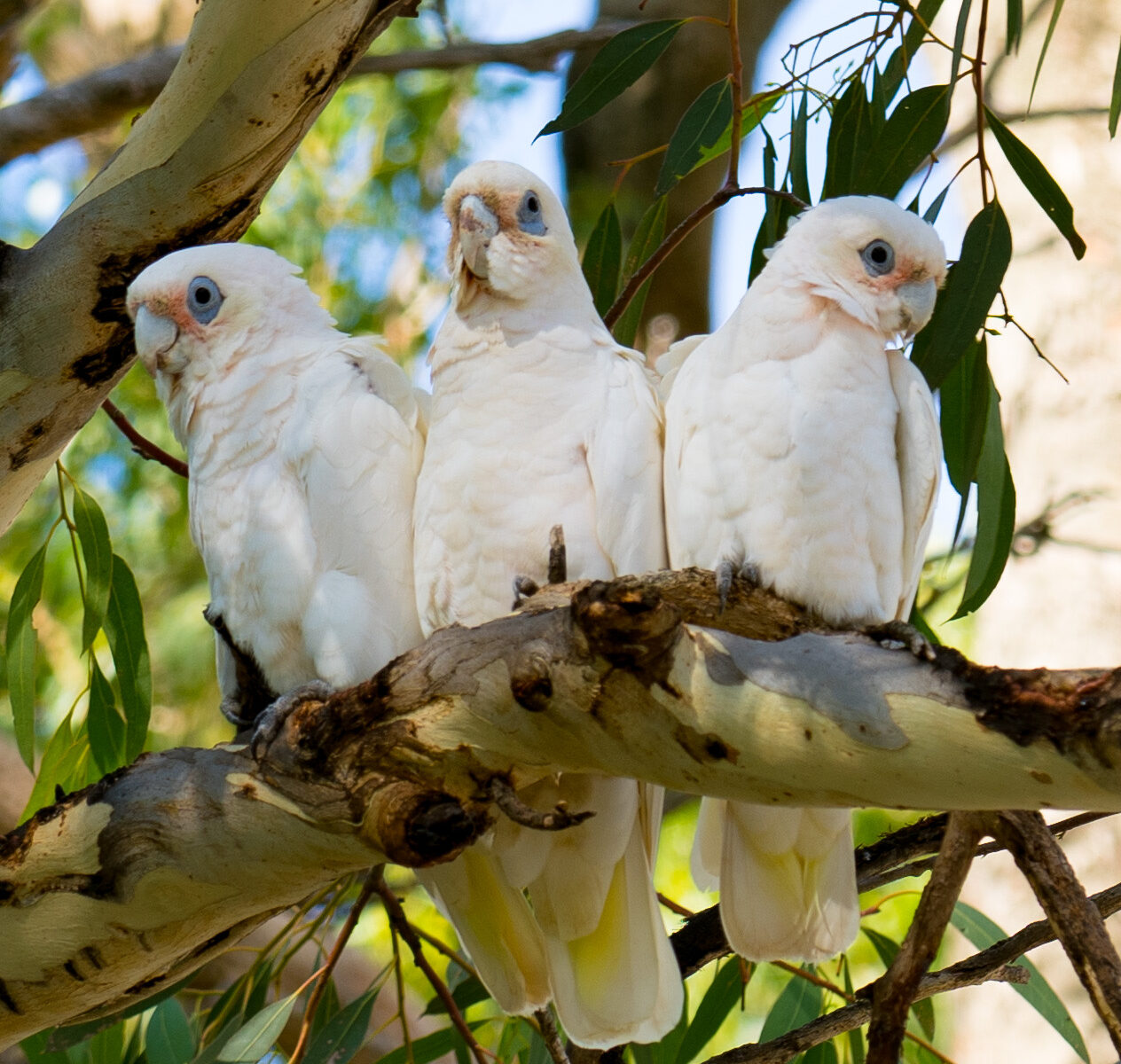
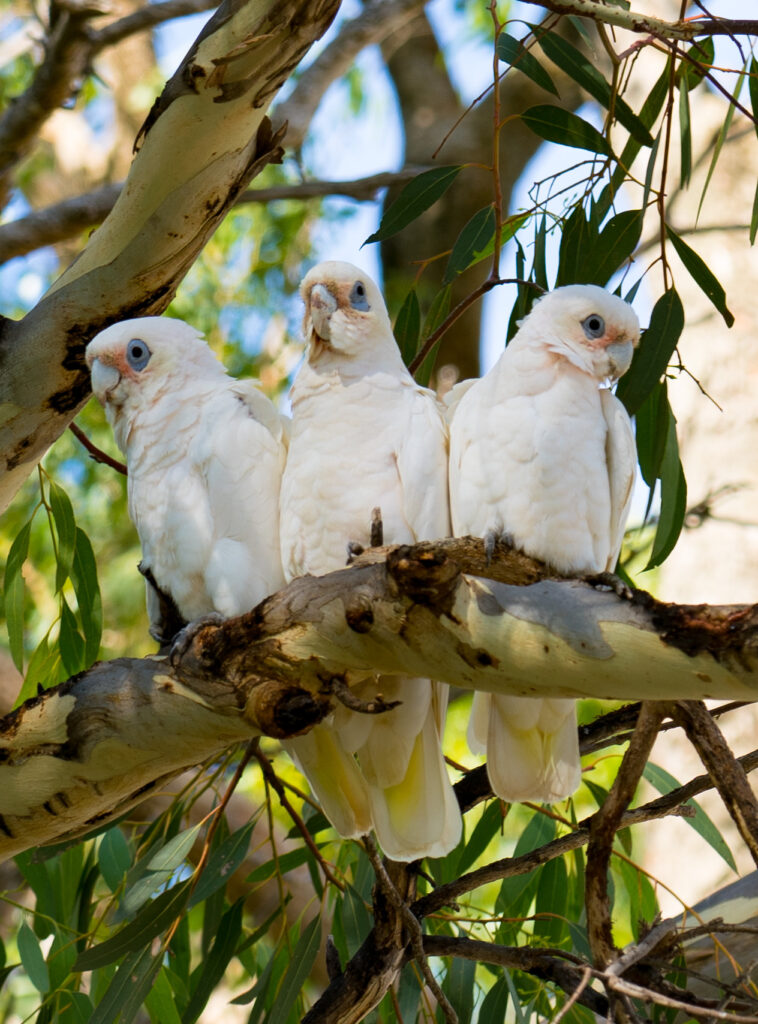
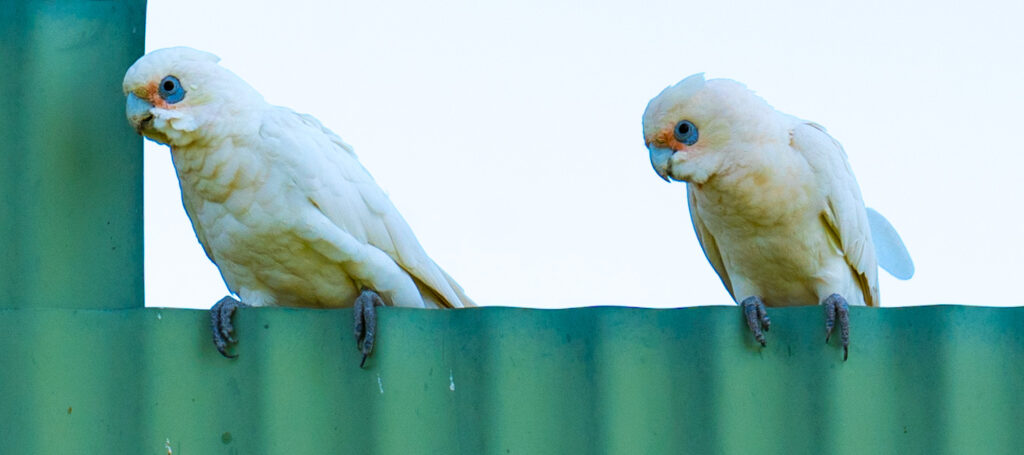
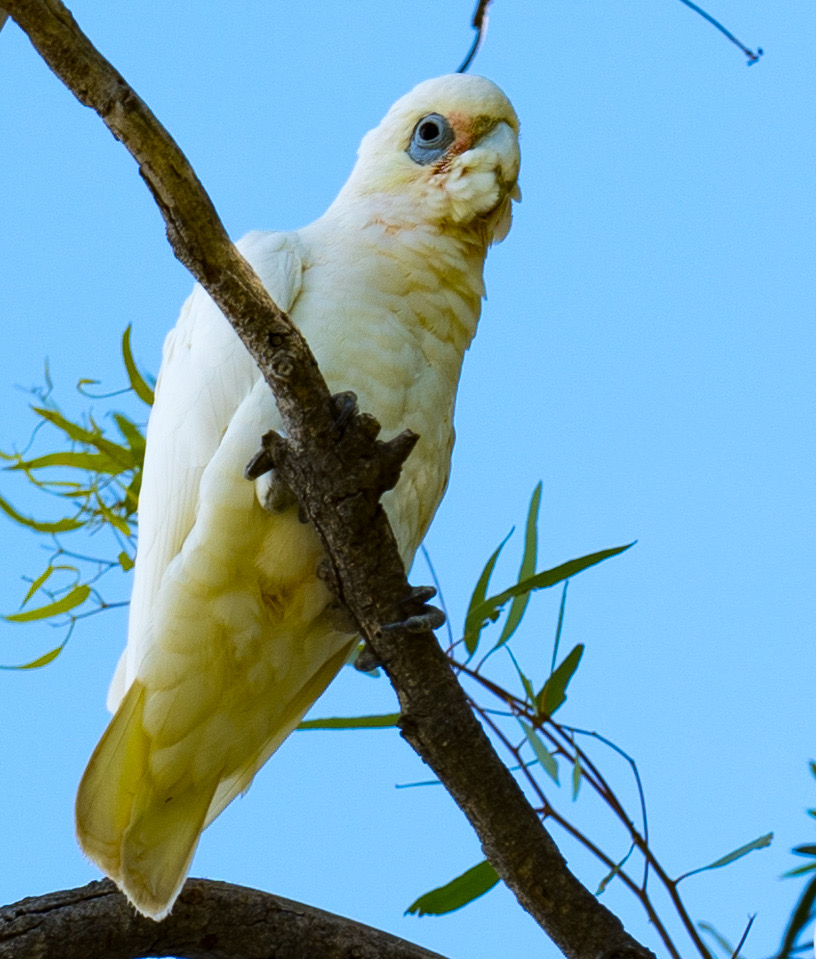
The trees around Wellington are full of Little Corellas – acrobatic and noisy birds
As we walked they were swooping around the streets, starting to find somewhere to roost
Apparently the local council did a cull of the birds last year. They can cause damage to trees and property as well as being quite disruptive with their loud calls and squarks en mass..

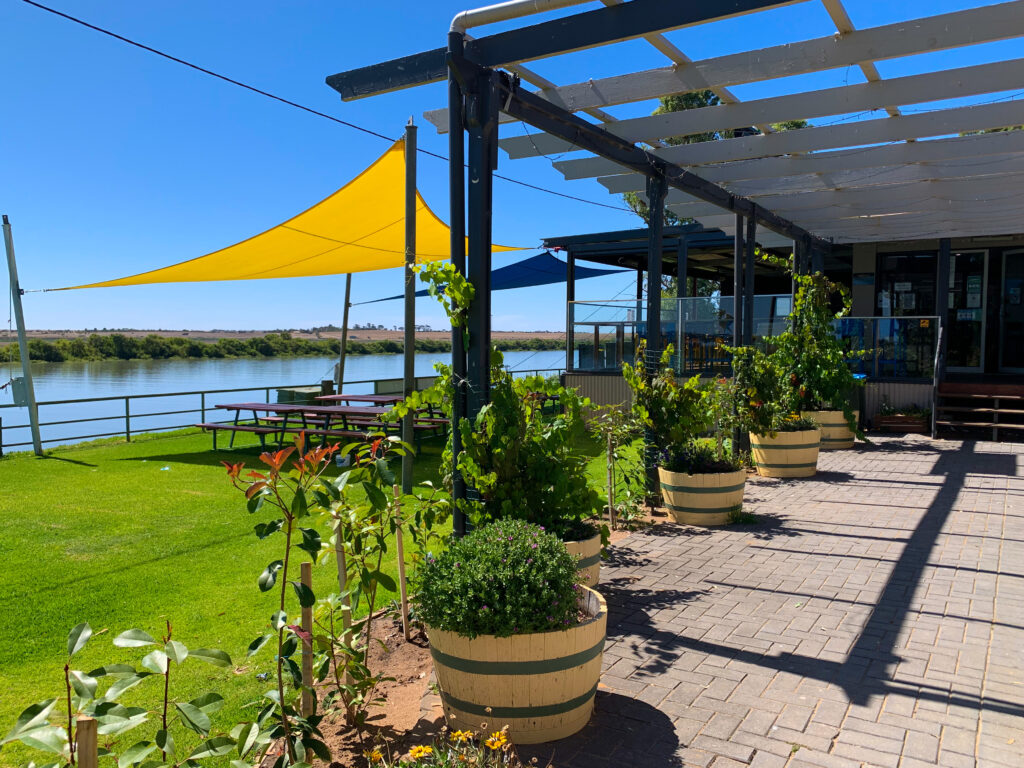
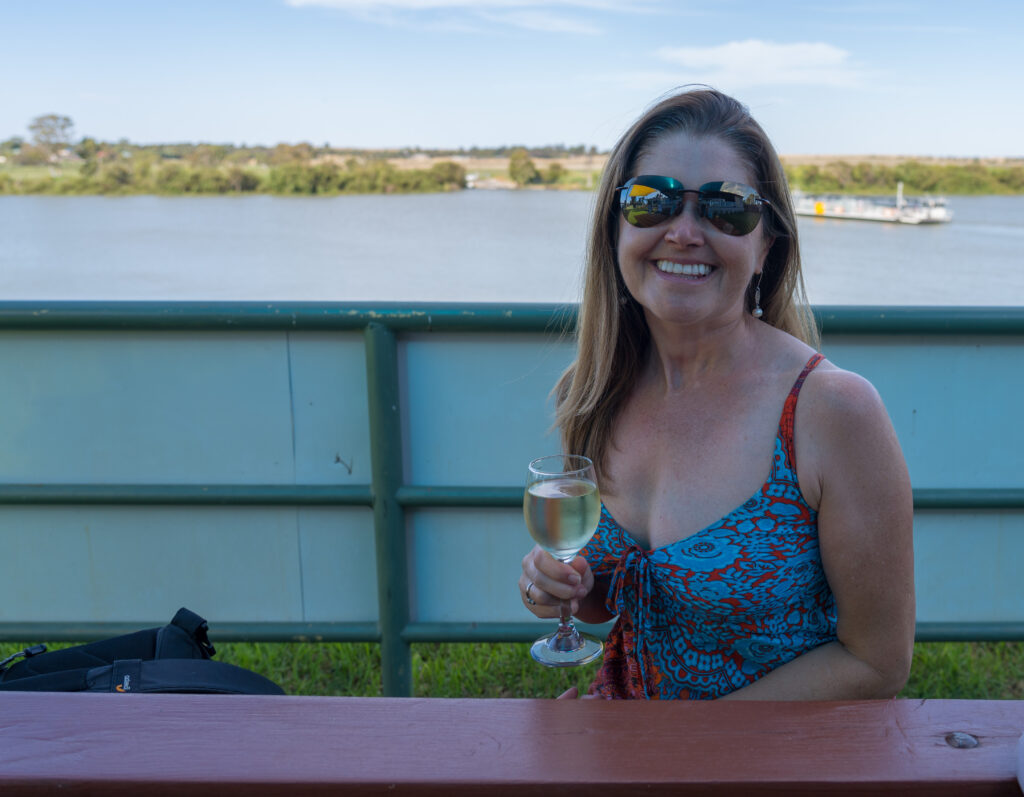
Overlooking the free car-ferry across the Murray River, the pub has an extensive outdoor area, lush and green. We found a bench with a water view and ordered two portions of garfish and chips, washed down with a bottle of Clare Valley Chardonnay.

The entrance to The Welly
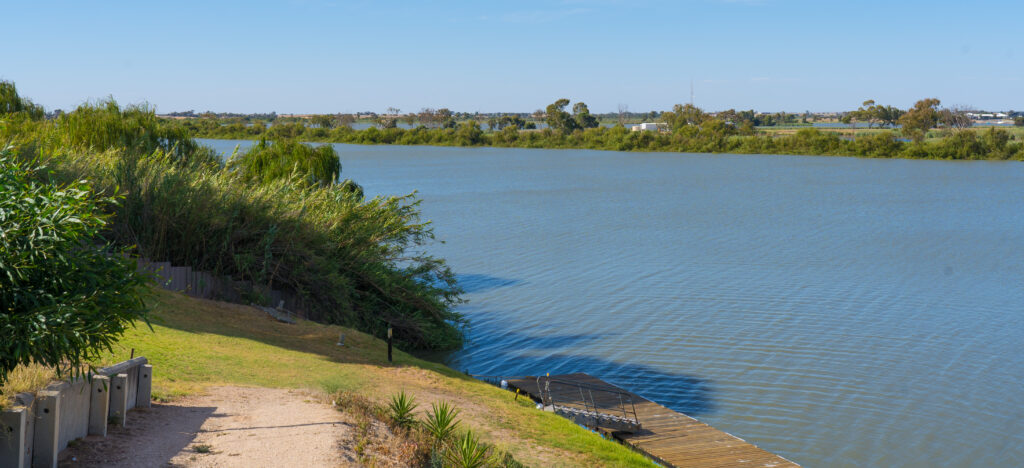
Water access
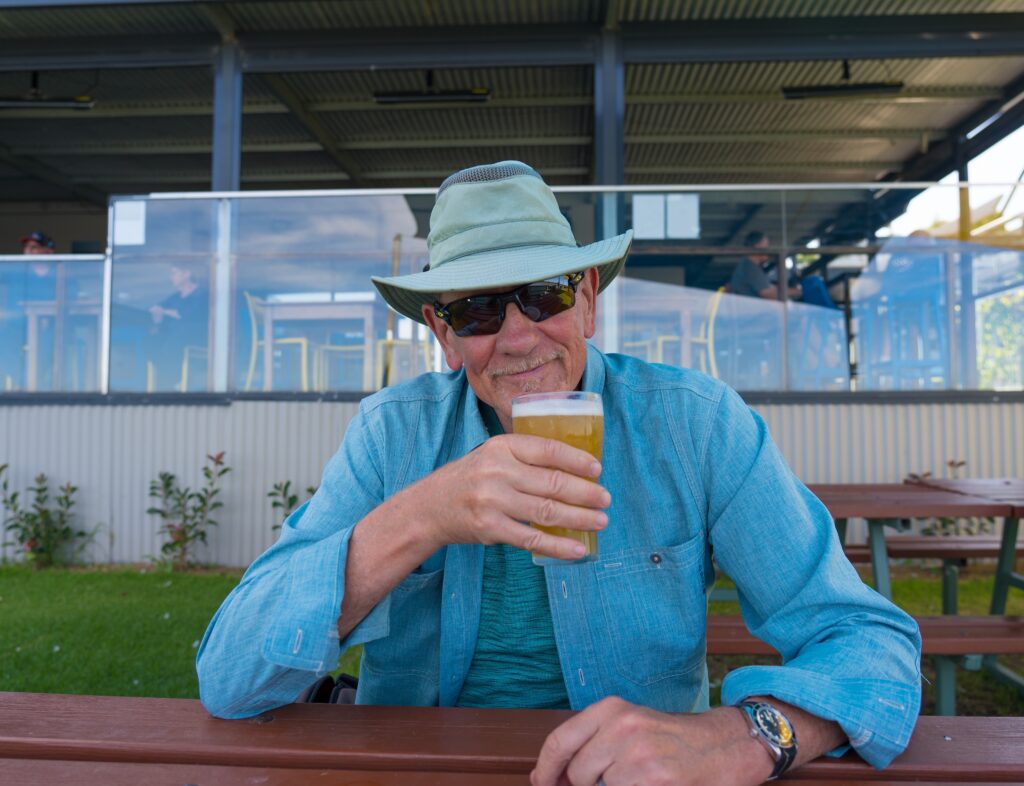
Definitely a day for a cold drink
Cheers!

We had a lovely peaceful night before departing this morning, heading towards Tanunda in the Barossa Valley. We’re pitching up at a friend’s house on their driveway for the upcoming long weekend, where the temperatures are threatening to be even hotter. More cold drinks could be on the agenda!

19-20 January: The Coorong

Author: Mr A

Location: Narrung, Coorong Country, South Australia

Despite living in Australia for nearly 25 years, Catherine and I keep stumbling across fragments of iconic history that we have missed. For instance, if you grew up in Australia then apparently there’s a good chance you would have read the book by Colin Thiele “The Storm Boy”, and/or seen the original movie when it came out in the 70’s, or at least watched the recent remake with Geoffrey Rush. All news to us. Must have been in Europe when the remake came out and just missed it, because we would have definitely wanted to watch it.

The story is set in the globally unique wilderness of the salt water lagoon eco-system of the Coorong in South Australia. We drove through in a rush in 2012 after hearing that my father was seriously ill and we needed to head back to Sydney. So this time we took the chance this time to meander up this remarkable bit of coastline. Home for thousands of years to the Ngarrindjeri people, Coorong in their language means “narrow neck”, referring to the geographical shape of the narrow lagoon system that runs for 140km down this wild coast.

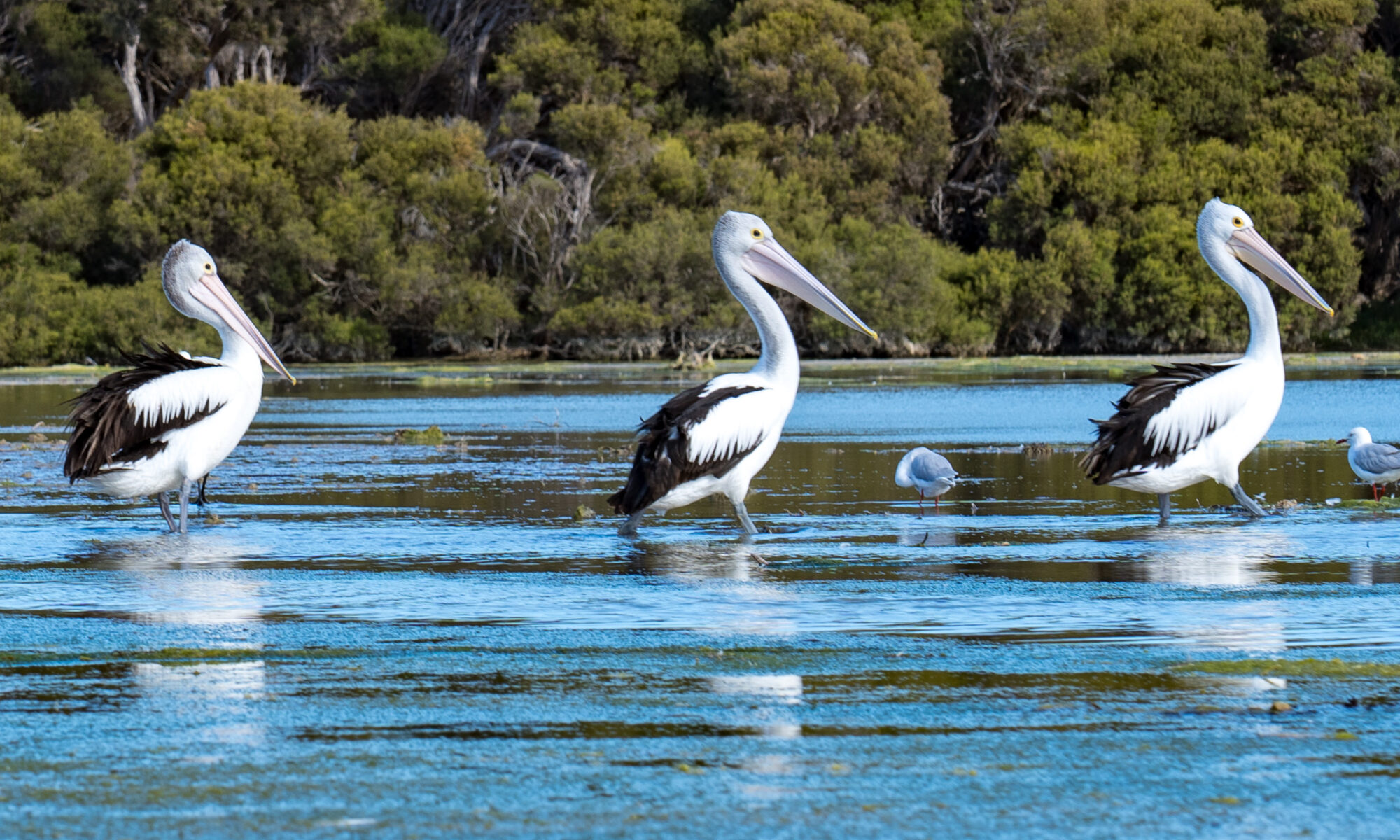
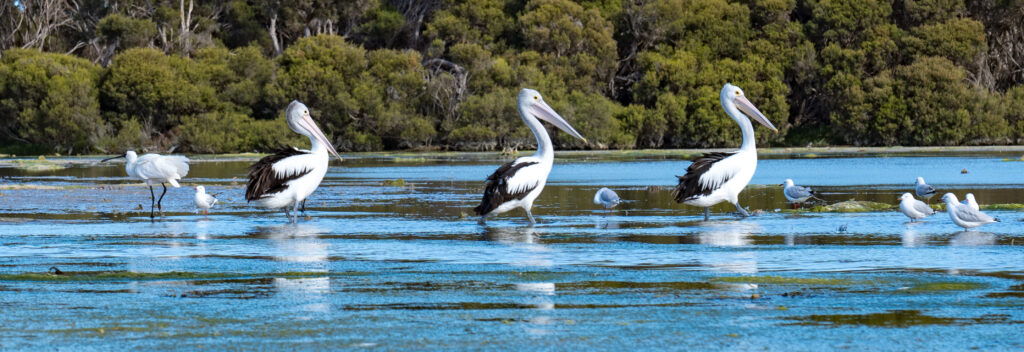
Pelicans abound on this wild coastline
The Granites – rock formations emerge from the beach at the southern end of the Coorong
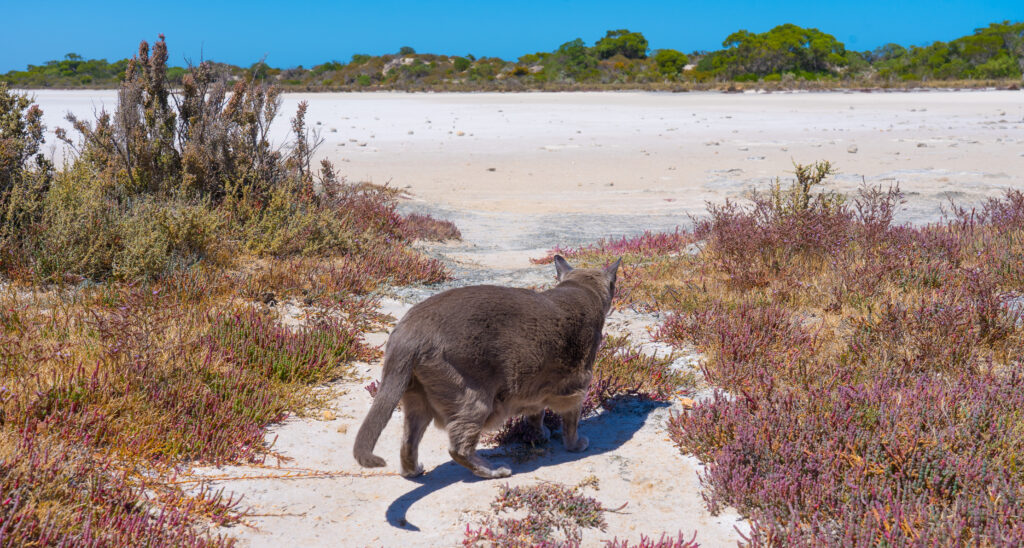
Princess Tassie has an explore in the sand dunes, taking it all in her stride

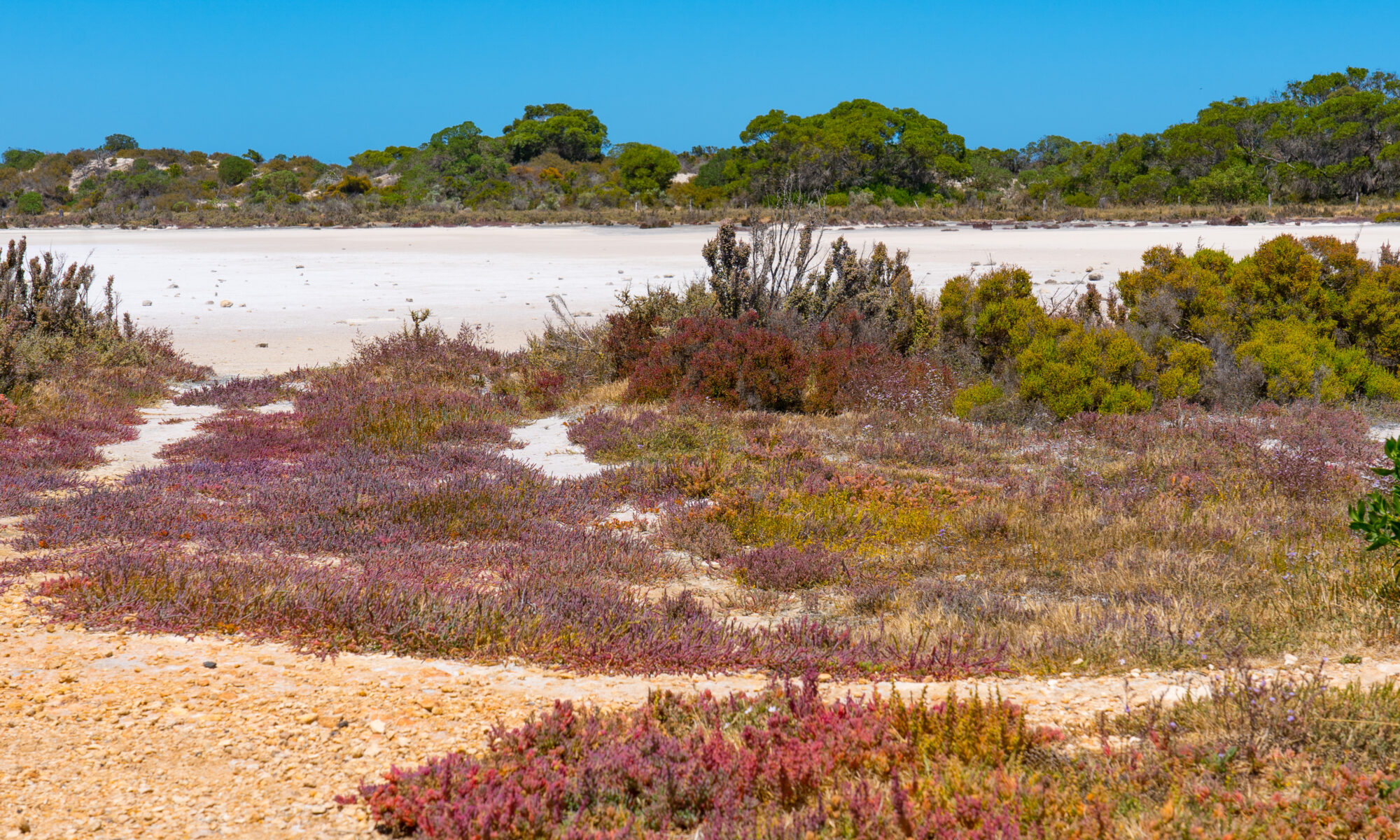
We drove from the southern part of the park and rounded a corner to be hit in the eyes with a vast white expanse of salt lake that shimmered and blazed. We pulled up for lunch beside one of these “hyper saline” geographical oddities. The wind whipped at the sparse vegetation. We really have to see what the movie makers did with this scenery, and they filmed in winter!

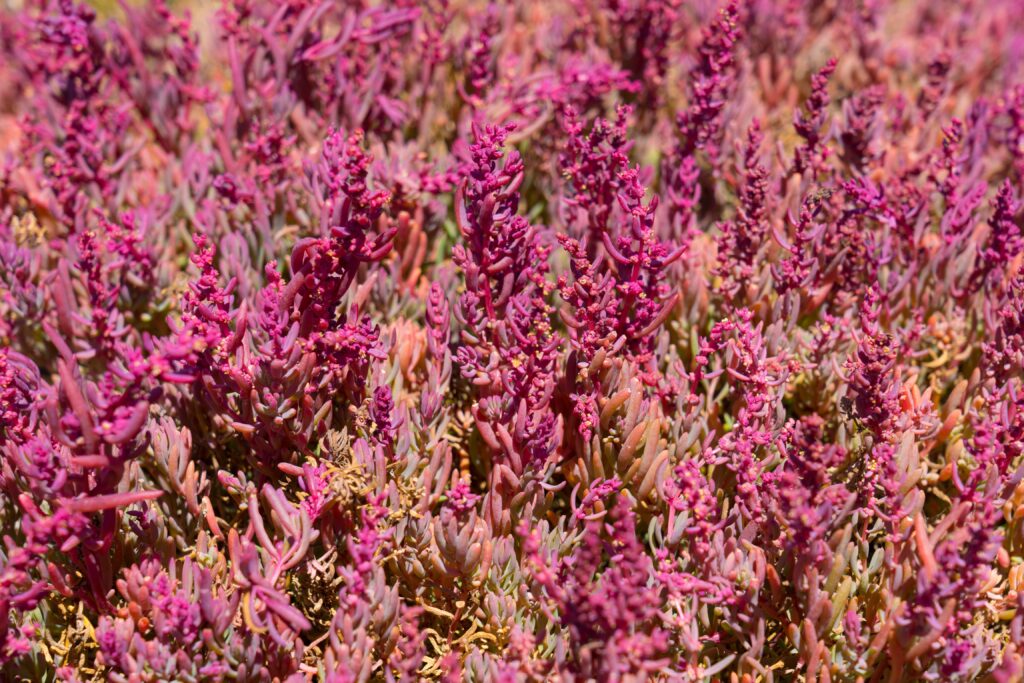
This dry, salty landscape is home to hardy vegetation
The plant life has to be very drought hardy, and succulents abound
A wonderful array of colours
Shallow lakes dry up leaving salt encrusted mud
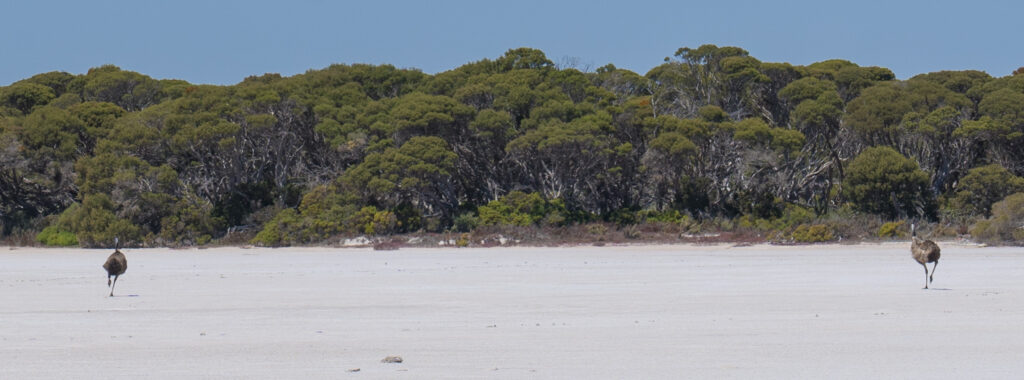
A pair of emus dash away after spotting us
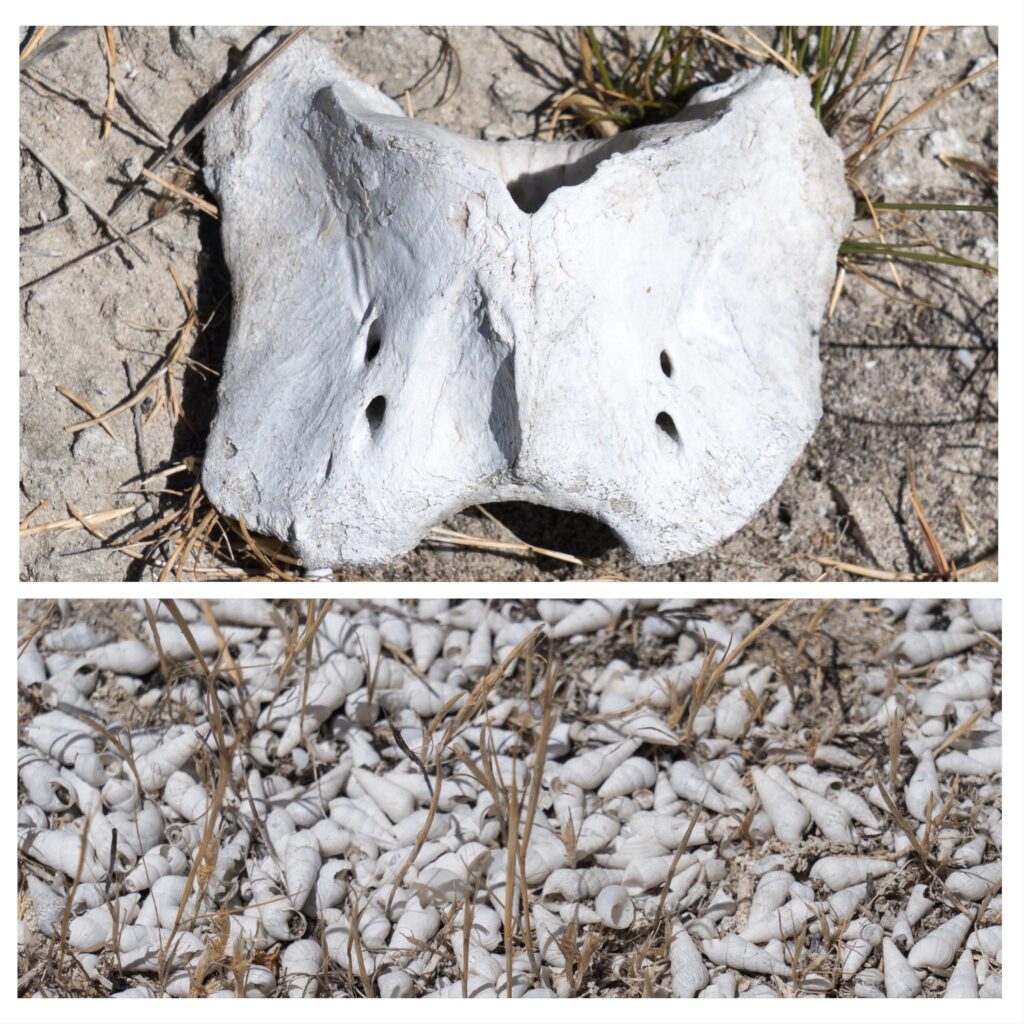
Bleached bones and shells remind us of the challenging environment

Home for the night is a free camp right beside the little ferry that runs across the narrow strip of water that separates the enormous freshwater Lake Alexandrina and the smaller Lake Albert.

A water’s edge location for a couple of nights will suit us fine!

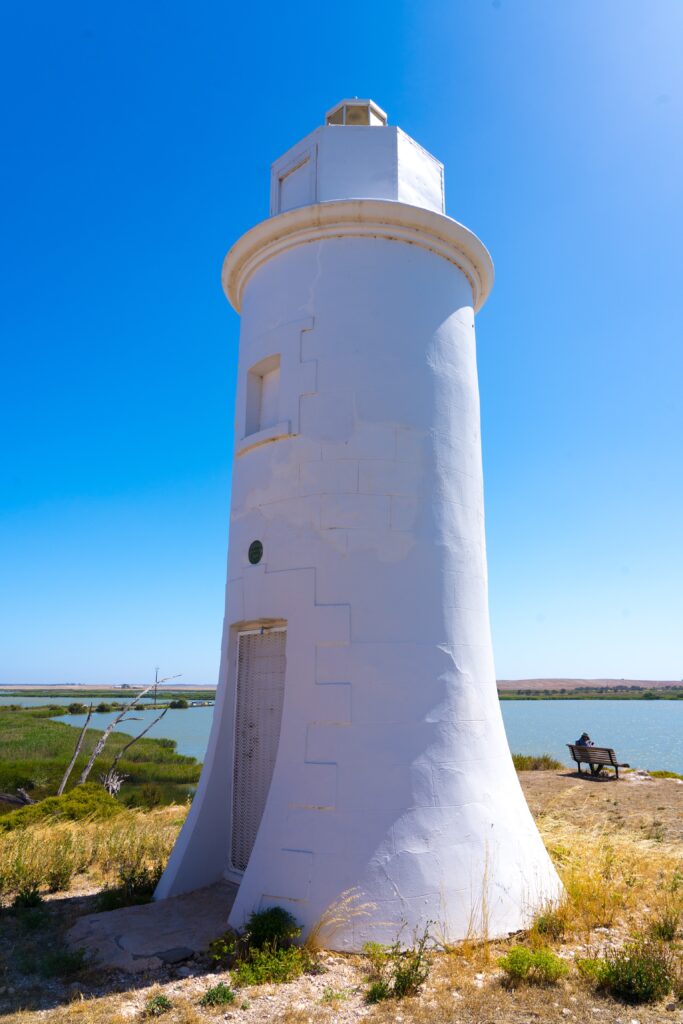
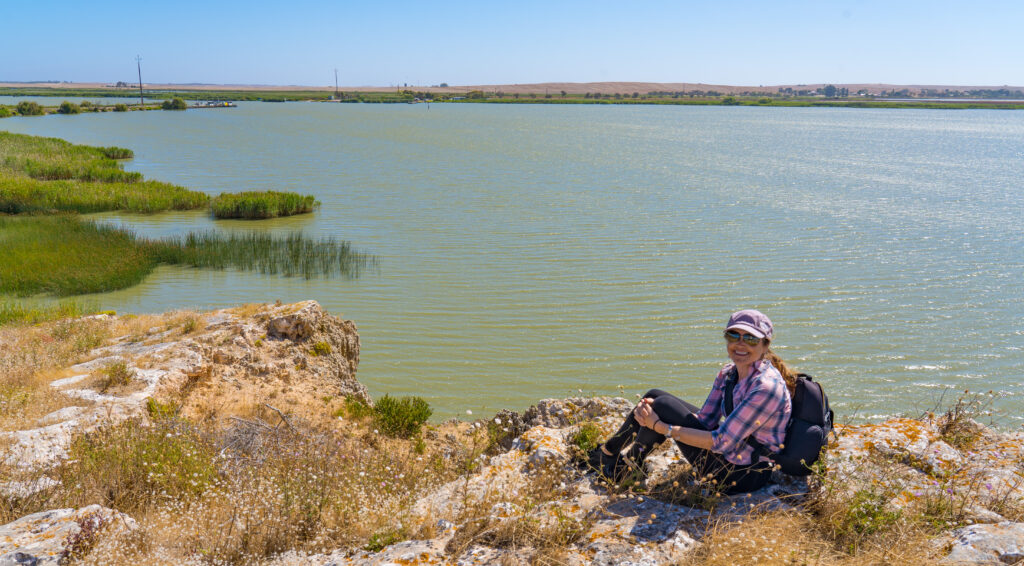
Wandering up the ferry just to have a look, we were beckoned on board by the driver (captain?), and made the 5 minute trip, for free. Thank you South Australia! A short walk up to the lighthouse (a first for us, a lighthouse on a lake!) and we were rewarded by a view across this massive expanse of water (649 sq kilometres, or 13 times the size of Sydney Harbour). It’s fed by a number of rivers, but by far the biggest contributor being the longest river in Australia, the Murray.

The lighthouse – only 3 metres above the lake, still served its purpose in its time. Today preserved by the National Trust
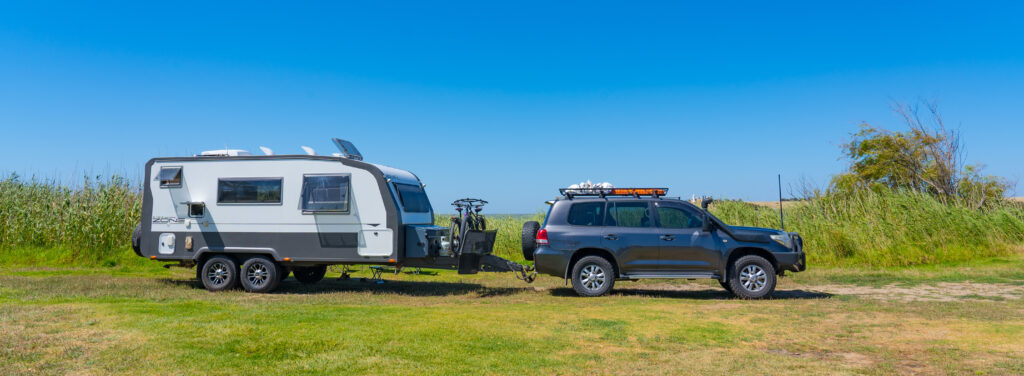
If you zoom in, you might be able to spot our car and caravan on the other side of the lake

Its sobering to think this area was once a bustling hive of activity, with settlements all around the lake and all manner of shipping plying across it. Now, not so much. With relief we note the complete absence of power boats and jetskis, in fact all we have seen is a few kayaks getting blown around. Wonderful. The only sound other than the twittering reed warblers is the intermittent clank of the ferry plying back and forwards.

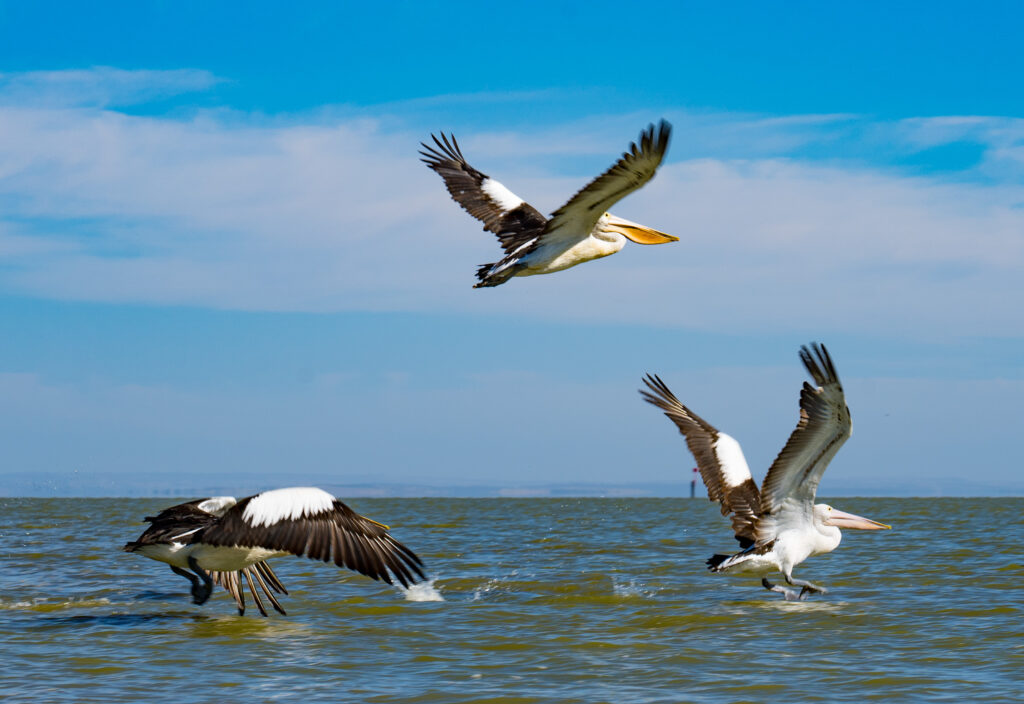
The morning dawned with a bright blue sky and we were out on the water before the wind picked up too much. Plenty of pelicans around, I look at them with a new found interest after hearing how they responded to training in the Storm Boy movie and bonded with the actors, rubbing up against their legs when they came to film every morning. Pretty smart birds.

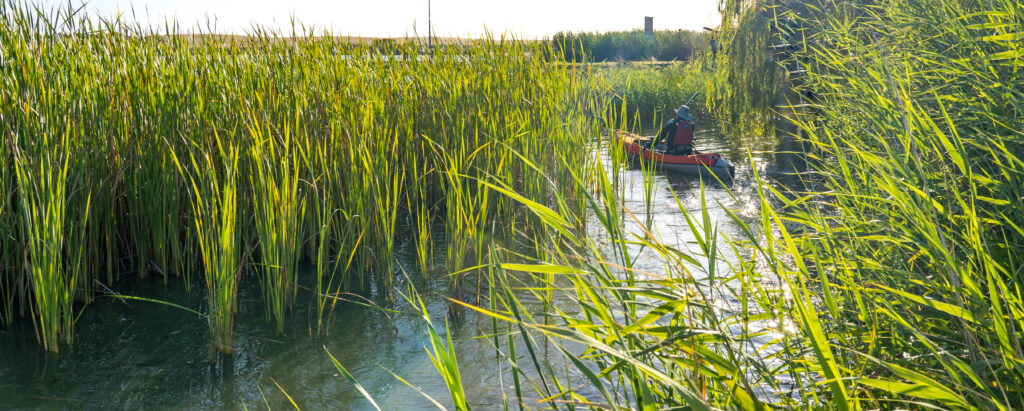
Paddling off from camp through the reeds
The reeds are also a great resting place for the swallows that constantly swoop over the water catching insects
Looking out for the next meal
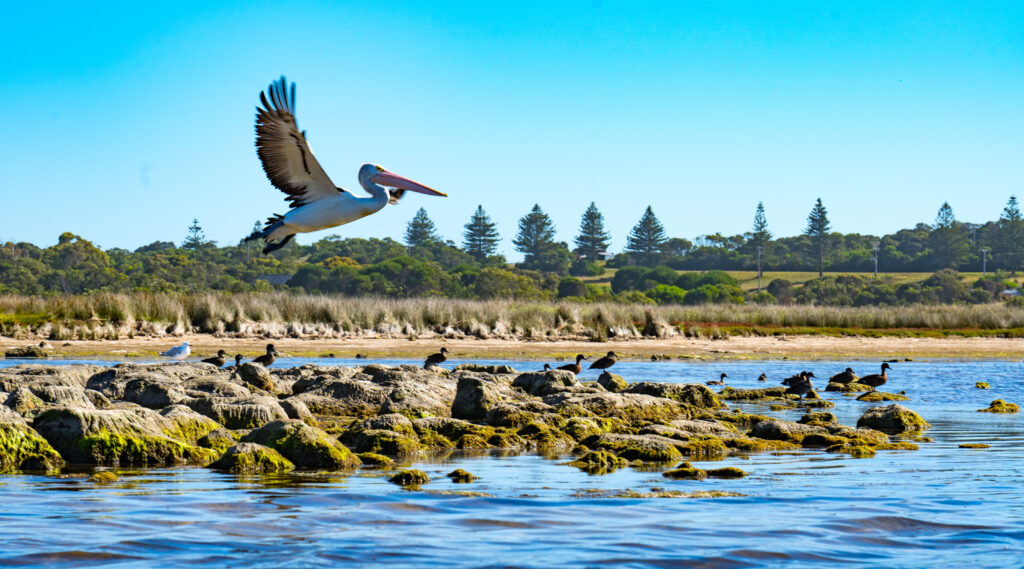
More pelicans take off across the lake

The site is starting to fill up as we approach the long weekend, so we’ll be moving on tomorrow. This free stay has reinforced for us that there is little correlation between spending money and having a good time.
It’s only when you check the news, particularly from the UK, that we are reminded how privileged we are to be in Australia right now.
A final sunset view from our kitchen window brings an end to this stay on the lake

16-18 January: Getting civilised in Robe

Author: Mrs A

Location: Robe, South Australia

We have just spent three nights in a fishing town called Robe.
Broadly speaking, Australian town names are inspired by one of three things – somewhere in the UK that the original settlers harked over (think Clovelly, Hastings, Rye), the Aboriginal word for an area (or the European interpretation of it), or surnames of the pioneer governors, important politicians or their wives. In this situation, Robe was named after a South Australian Governor, Frederick Holt Robe back in 1846.

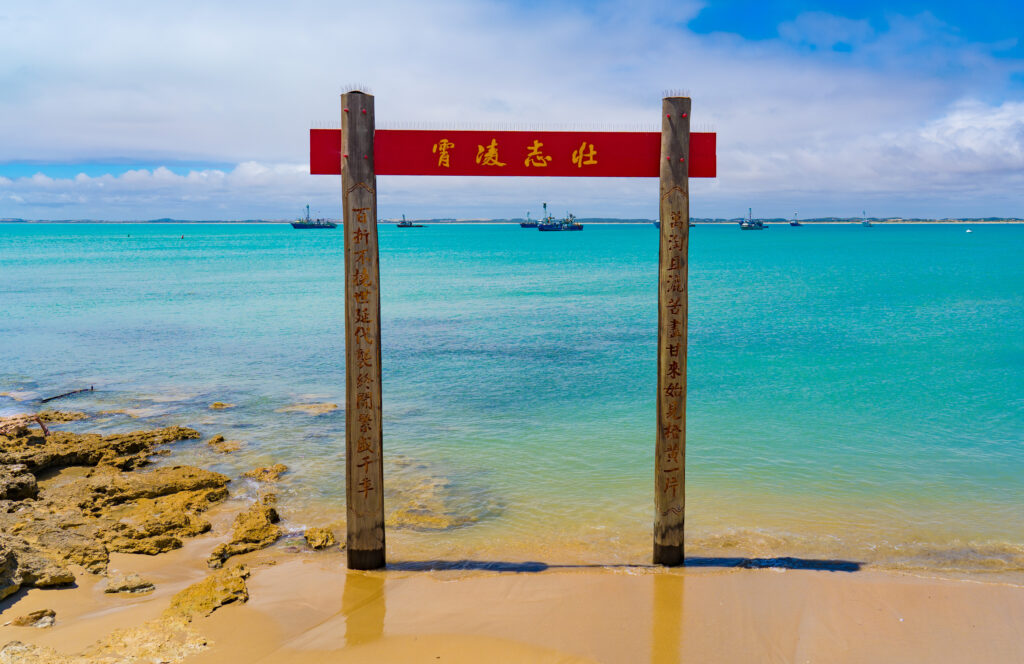
In the mid 1800s it was an important port, sending out wool from the South Australian farms. It also became a dropping off point for thousands of Chinese miners heading to the Victorian goldfields to try their luck and finding some of the rare metal. The Victorian government had a £10 landing tax (about $10,000 in today’s money) so they jumped off in Robe free of charge and tackled the 600 mile hike on foot, often finding low paid work on their journey. The cellar door at Bellwether (115km away) in the Coonawarra was built by transient Chinese workers who had walked from Robe, originally as a shearing shed. Many fortunes were made in Robe serving these migrant workers, something that is recognised in a Chinese memorial along the waterfront.

In recognition of the thousands of Chinese who passed through Robe before heading on their journey

After a period of decline in the late 1800s and early 1900s, lobster fishing took off, and coupled with the town reinventing as a holiday destination, Robe’s prosperity returned. Now tourism is a big part of the town’s success, with more than 9.4 million visitors per year, primarily Australians, and the seasonal lobster fishing remains big business.

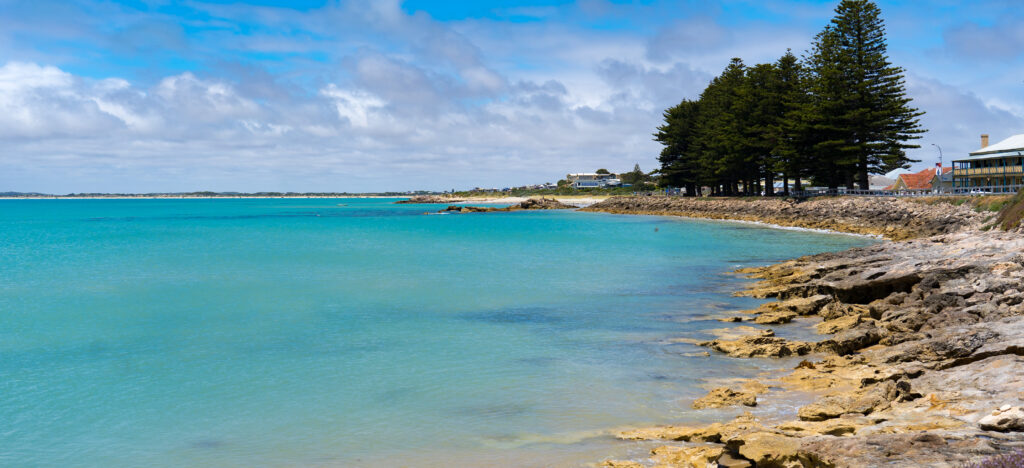
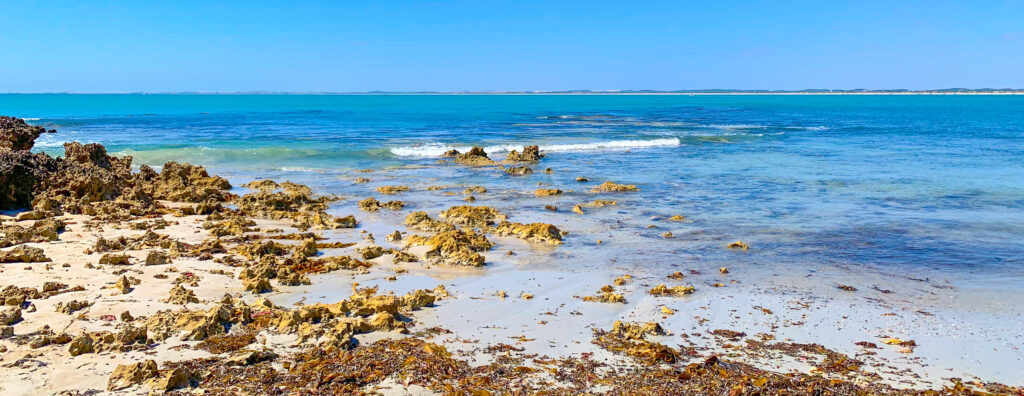
Guichen Bay with its lovely turquoise waters
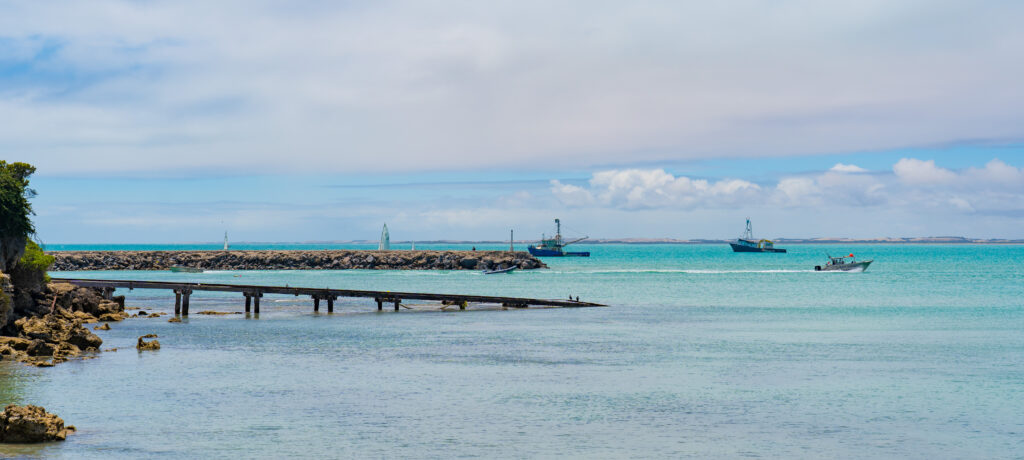
Boats emerging from the harbour off fishing

We first visited on a Christmas holiday trip back in 2012, and had always remembered our time fondly. One of the biggest changes we noticed since our last visit is the emergence of a stronger wine industry in the area. Eight years ago there was a tasting room showcasing the wines of the Coonawarra, this time there were more independent representatives of the emerging Limestone Coast region wineries.

We decided to check out one located on the outskirts of town after reading a glowing review in an online magazine, and jumped on our bikes.

Aunt Alice is a truly tiny boutique winery, with only four wines produced, two of which they were already sold out of when we arrived. Alice’s school teacher and artist husband was manning the cellar door and record player, and welcomed us in and offered us a tasting of their Pinot Noir and Shiraz.

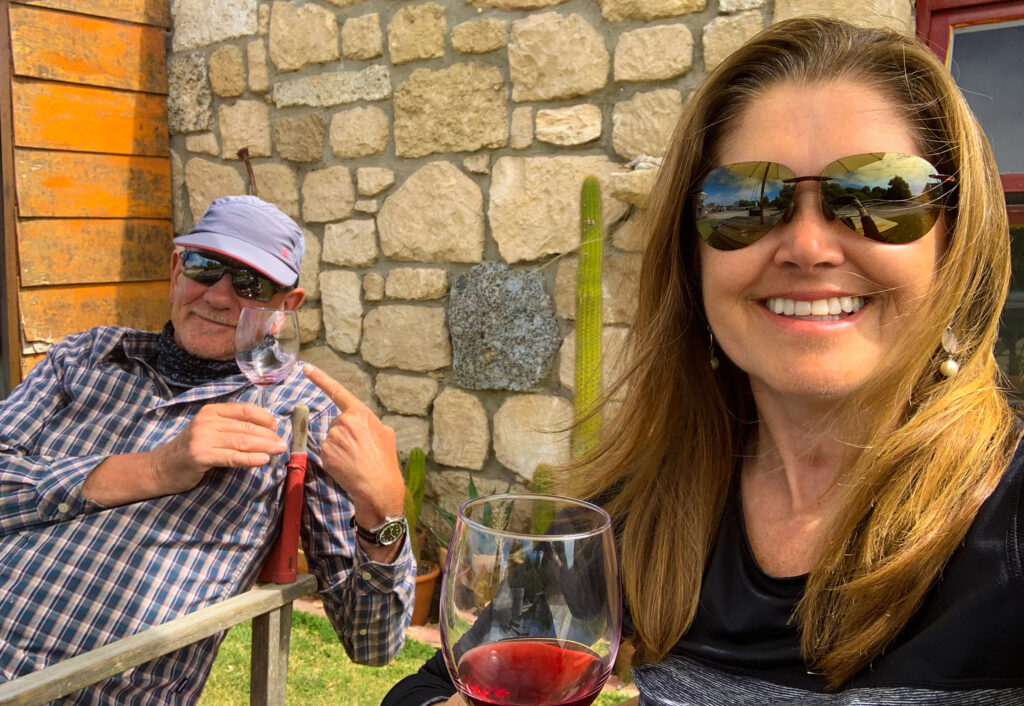
We are a tough audience when it comes to Pinot Noir, preferring the barnyard complexity of wines from Central Otago in New Zealand to the lighter wines generally served in Australia. There are of course exceptions and we were surprised to find that this was one. We are out of space for buying more wine in our caravan cellar, but we found time to buy a glass and savour it in the afternoon sunshine. Well done Alice Baker, superb wine. We also tasted a very approachable Shiraz.

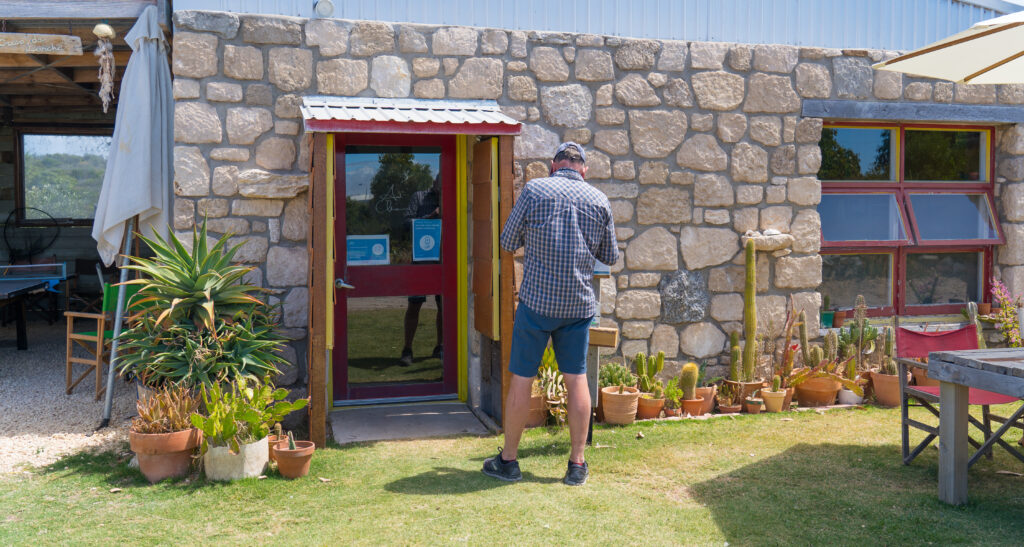
Aunt Alice Winery cellar door – an eclectic location with chickens roaming around and a large collection of cacti
Aunt Alice Pinot Noir – a lovely drop

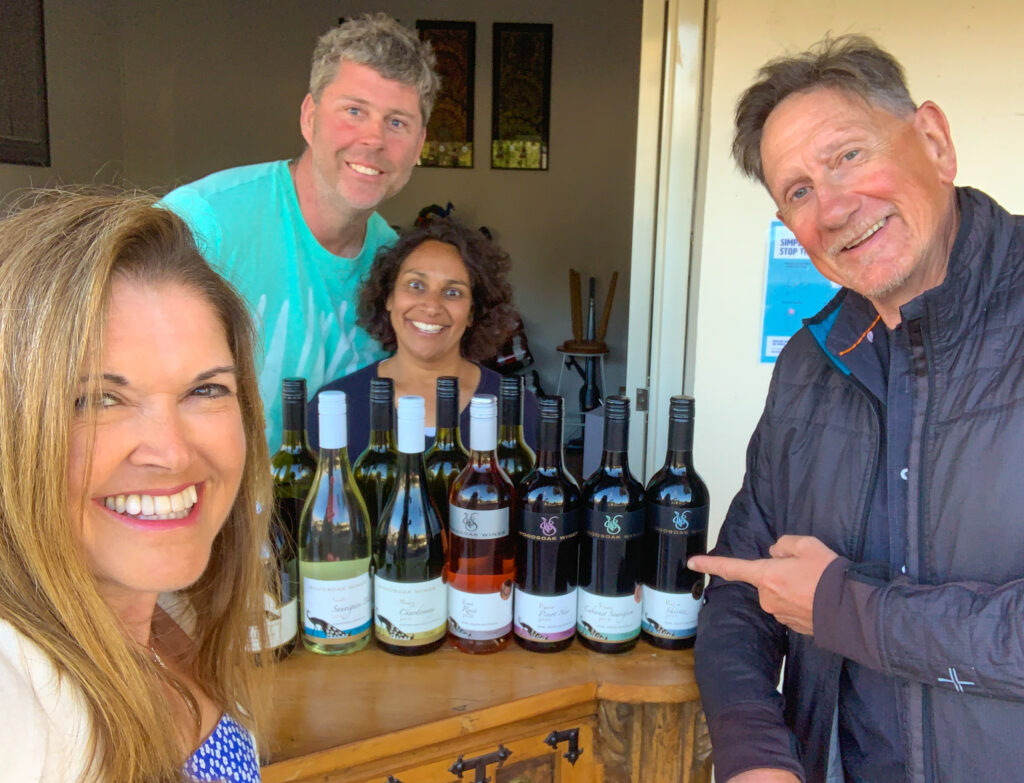
Later that same day we found ourselves sampling more wine, this time from Woodsoak Wines on Robe’s high street. We caught a taxi into town and were dropped beside an outdoor tasting room hosted by Sonia and Will. The grapes are grown on Will’s family farm and until about 10 years ago were predominantly sold to other wineries. Their own wines are delicious – a sparkling white worthy of some of the bubbles we tasted in Champagne two years ago and many more tasty drops. It turned out that Alice Baker of Aunt Alice made some of their wine, as did Sue Bell of Coonawarra’s Bellwether Wines – it is such a small world!

There was nothing we did not like…if only our cellar was not so full! Fortunately they do sell online and deliver Australia-wide – so we’re storing that in the mind-bank for future reference.

A brilliant tasting experience with Sonia and Will – we will be future customers!

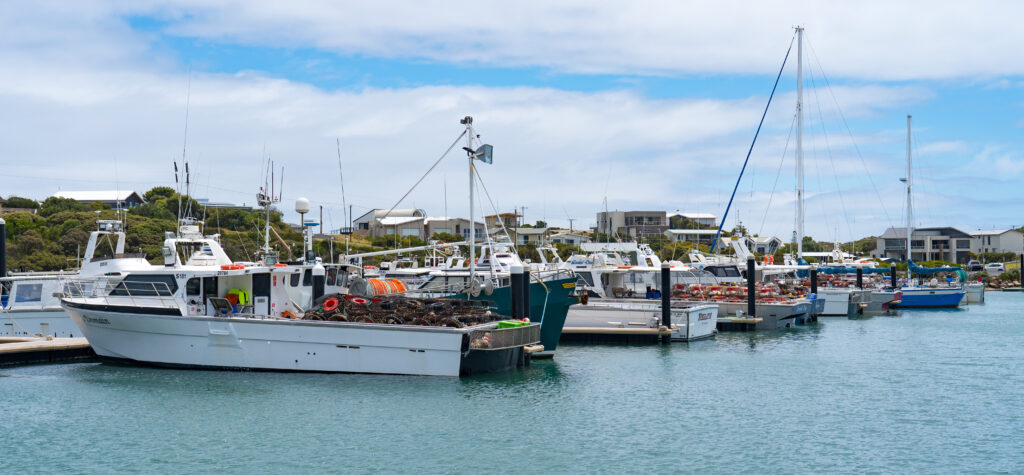
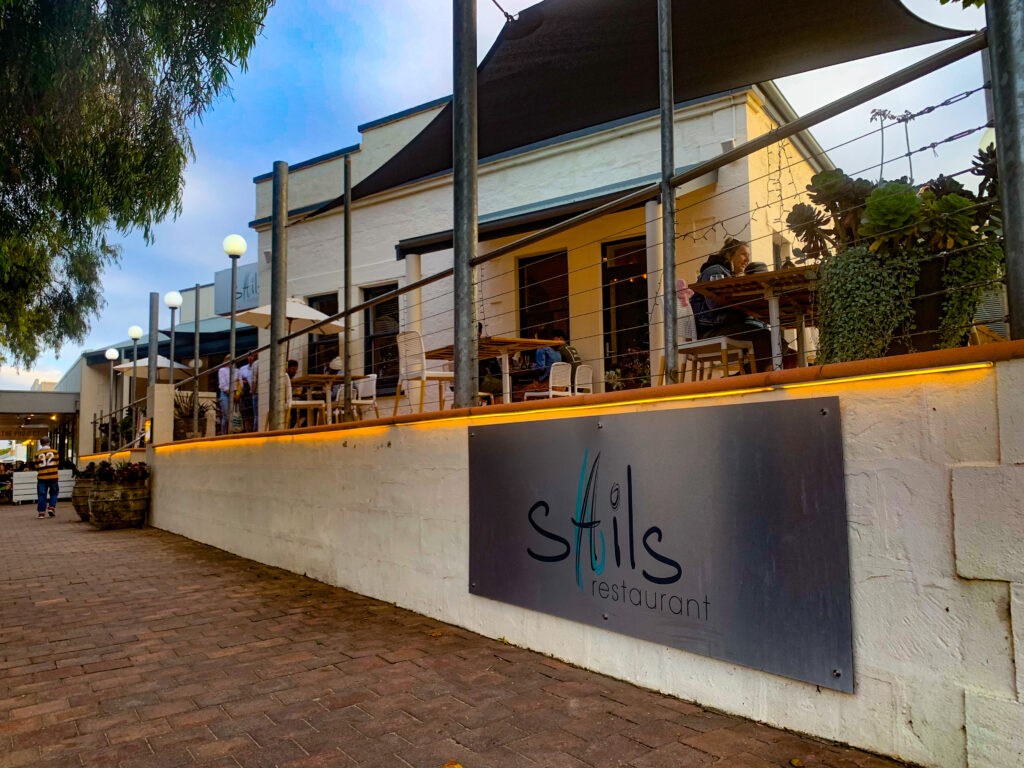
There are several lobster fishing boats in the marina which are busy in season (October to May). We were determined to try some, so booked a table at a local restaurant, Sails, and pre-ordered one for dinner.

The lobster fishing boats in the marina
Sails Restaurant

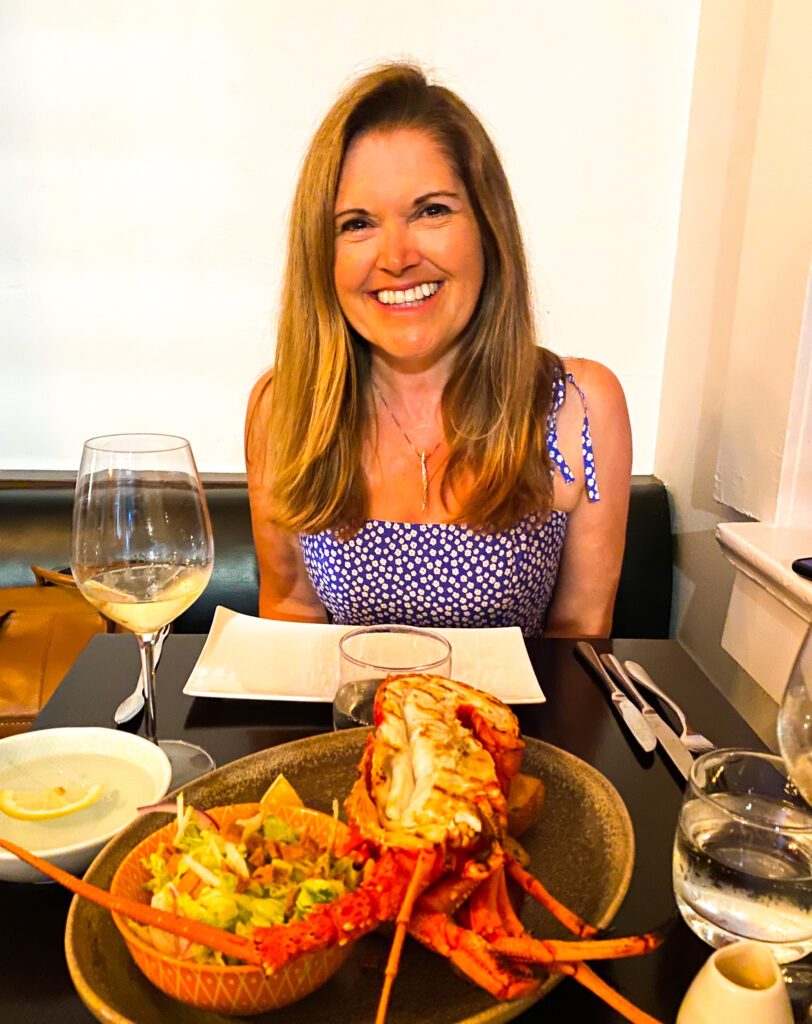
We were not disappointed. We enjoyed a light entree before our chargrilled lobster was presented – an absolutely delicious, melt in the mouth treat. This camping lark is not too shabby!

Our feast is served – garlic butter on the side for Mr A

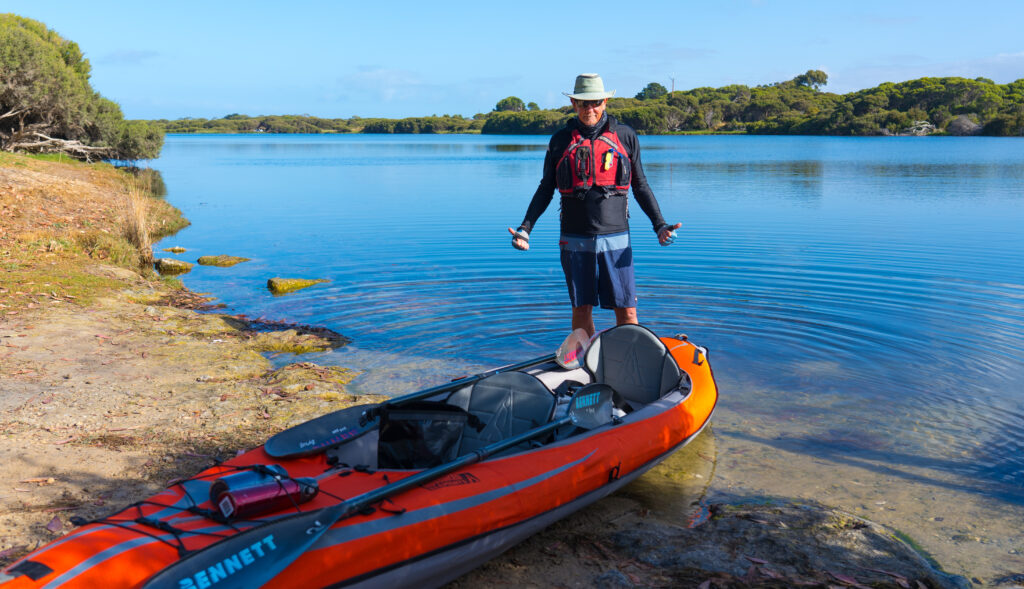
After all that wining and dining, we thought it best that we do a little exercise, and so Sunday morning saw us up bright and early to do a short paddle on the nearby lakes. Robe is quite a windy location, so not always ideal for kayaking, but fortunately we stumbled upon a calm day.

Our new kayak inflated and ready to go
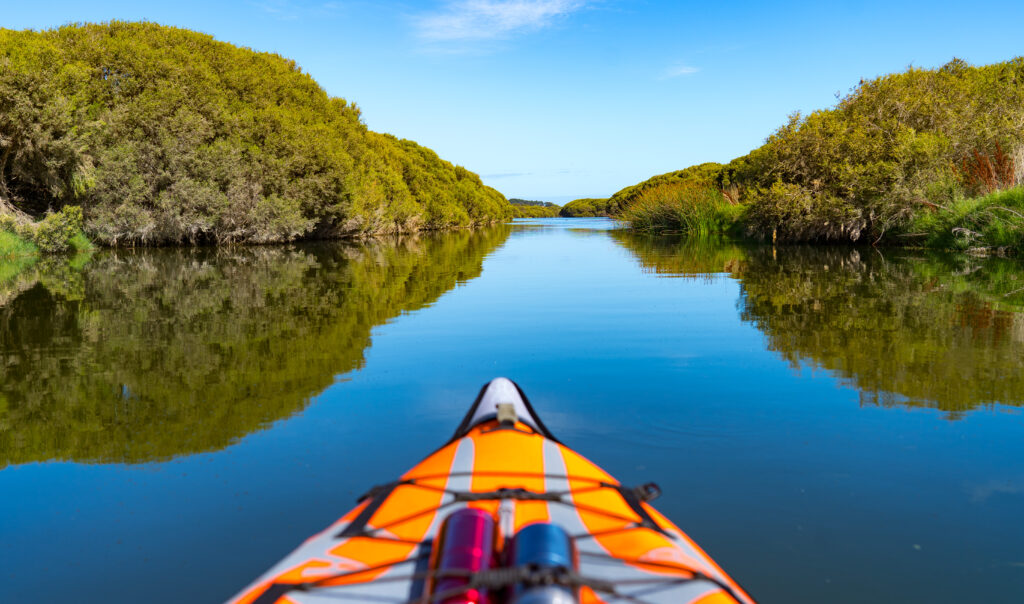
A stunningly calm morning on the network of lakes on the outskirts of Robe (paddle map)
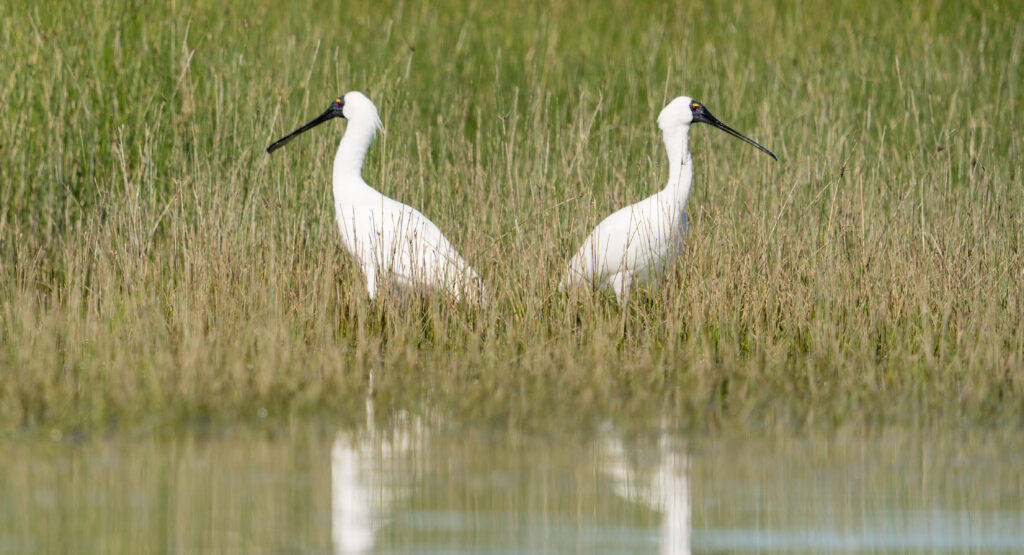
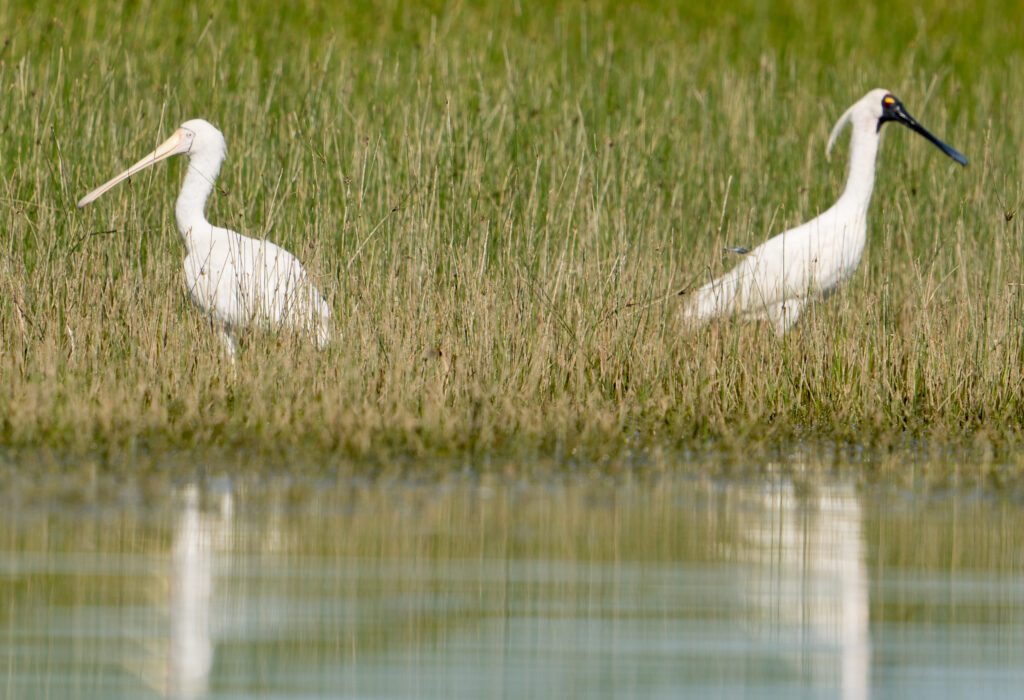
Pelicans, spoonbills and gulls in the shallows

We travelled as far as we could, before the retreating tide in the lakes meant there was more walking than paddling and we decided to turn back. After lunch we decided to have a go at kayaking in the bay.

The water temperature in Robe’s Guichen Bay is about 17°C (only 2 degrees warmer than the chilly summer water in Cornwall, England) and the famous south-easterly breeze was blowing as well, which kept the temperatures right down. There were not too many people getting wet in the water down there when we launched.

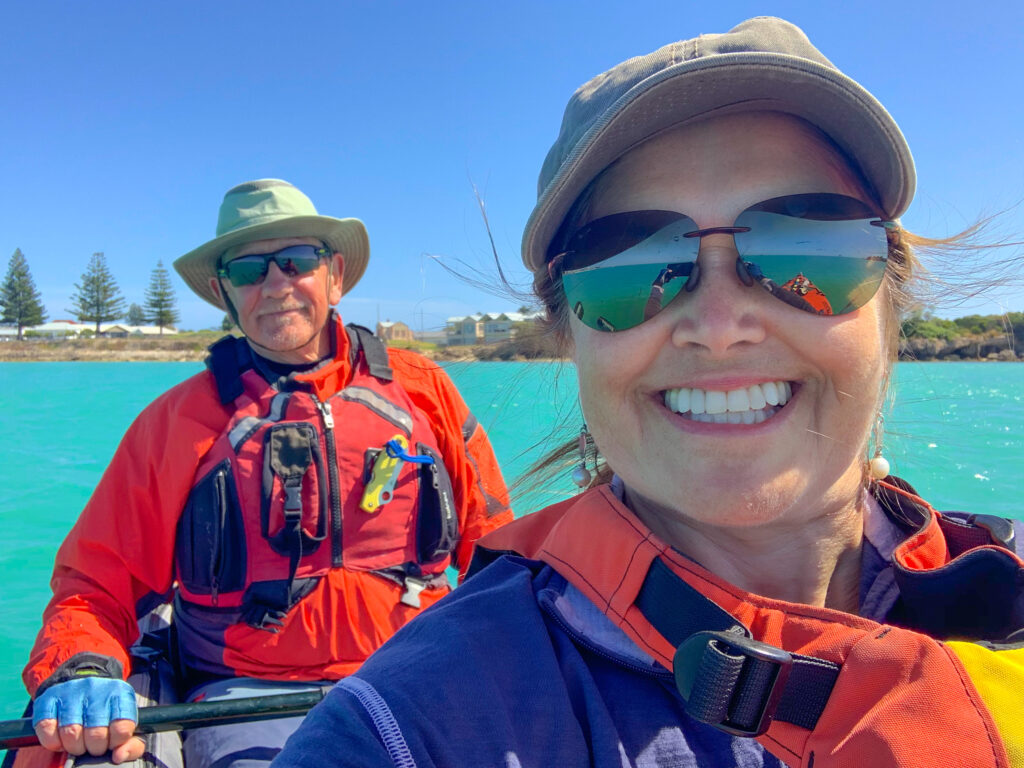
Regardless of the wind, the kayak paddled really well, nothing like our inflatable packrafts, which are great in calm conditions, but are a struggle to manage in a stiff breeze. We powered across the bay towards the jetty, and enjoyed an easy ride back with the wind behind us (paddle map).

A sheltered corner of the beach to launch from
Amazing water colour here – looking a little wind blown
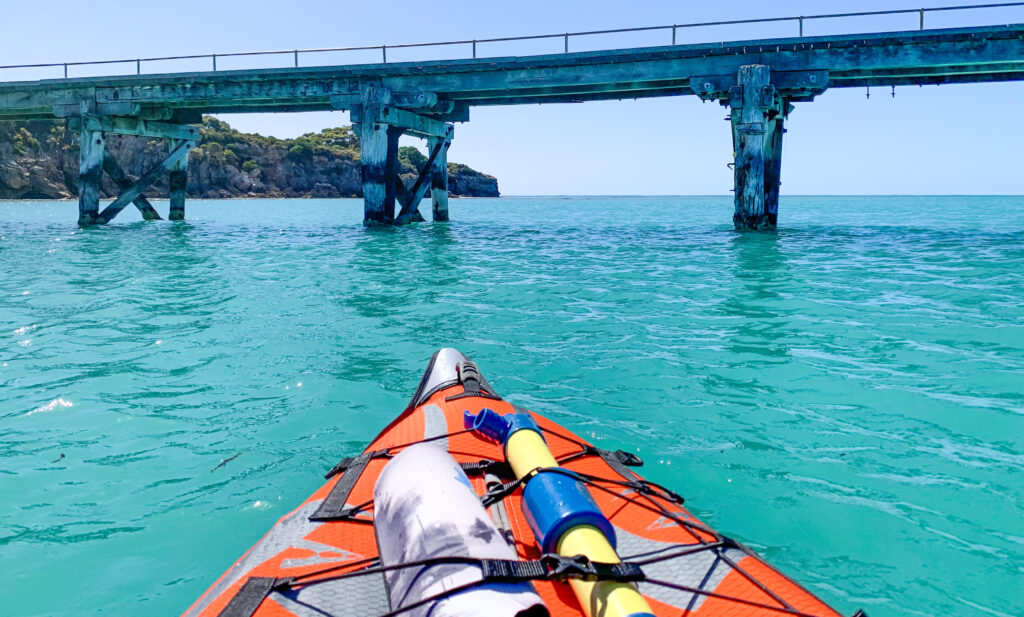
Paddling under the jetty
A few folk fishing here

A successful day’s kayaking ticked off.

Our final day was cloudy and cool, so we spent a morning doing sheet and towel washing (always a joy) and drove up to the next little village of Cape Jaffa for a look around. Not much to see there – more fishing, more four wheel driving on the beach, and very quiet. We had a quick look around before returning for the evening.

The jetty at Port Jaffa

We move on tomorrow, making our way towards the Barossa Valley for the weekend. I sense more wine in our future! 🍷

8-11 January: Down to the border…

Author: Mr A

Location: Nelson, Victoria, Australia

“Full timing” is what the Brits call folk like us who are travelling for extended periods in their home on wheels. Its been a lifestyle choice for us for three years and the last few weeks have just reminded us of all the up sides of doing that in Australia. Our UK trip last year, and Europe the year before, was fantastic, but our time last year in Australia was marred by the bushfires., then we got sick, then had a couple of accidents whilst towing. It was challenging.

This trip since we left Sydney in early December has just reset the dial. The weather has been kind, not too hot, (although that has just changed), El Nina blessed us in the southern states with some much needed rain in manageable doses (unlike in Northern NSW and Queensland where it has been floods). The campsites have not been too crowded, perhaps a fall out from the uncertainty of border openings with the virus outbreak in South Australia then NSW. The car and the van have been mostly behaving themselves, with only a fly screen failing so far. The roads have been pretty empty once leaving the crowded coast. Its been absolutely delightful. Just like the lifestyle ads for caravans would have you believe! .

So our home for the last four days has been right on the border between the States of Victoria and South Australia, where the tiny settlement of Nelson sits nestled at the mouth of the Glenelg River. We had visited this area briefly in 2012 when we were both working, and had marked it as one we wanted to explore further when we had more time, and now we do!

The Glenelg River is really the main draw card, winding as it does for over 100km though sandstone and limestone gorge country. A long distance footpath, the Great South West Walk (GSWW) also follows the river for much of its distance. We have got our new inflatable kayak wet a number of times as well as explored a little of the path. It’s an area that we would thouroughly recommend. Enough off the beaten track with 350km separating it from Melbourne and 400km from Adelaide, it still preserves that quintessential Australian coastal charm, with pristine (largely deserted) white sand beaches, with eucalyptus and melaleuca forest stretching down to azure blue waters.

We had quite a job getting into our pitch on the campsite, described by one of the rather abrasive camps site managers as “one of our biggest sites”. Fifteen minutes later and her husband was still trying to get us squeezed in, winding around another caravan’s tow bar with about two centimetres to spare. He apologetically brought a couple of cold beers round after he had! We had amazing views over the mouth of the river, and were treated to several amazing sunrises and ets. A top spot.

Our brilliant (little) campsite with a great view of the estuary
Glenelg River at dawn
Glorious colours of sunset over the local farmland
Sun set over the estuary
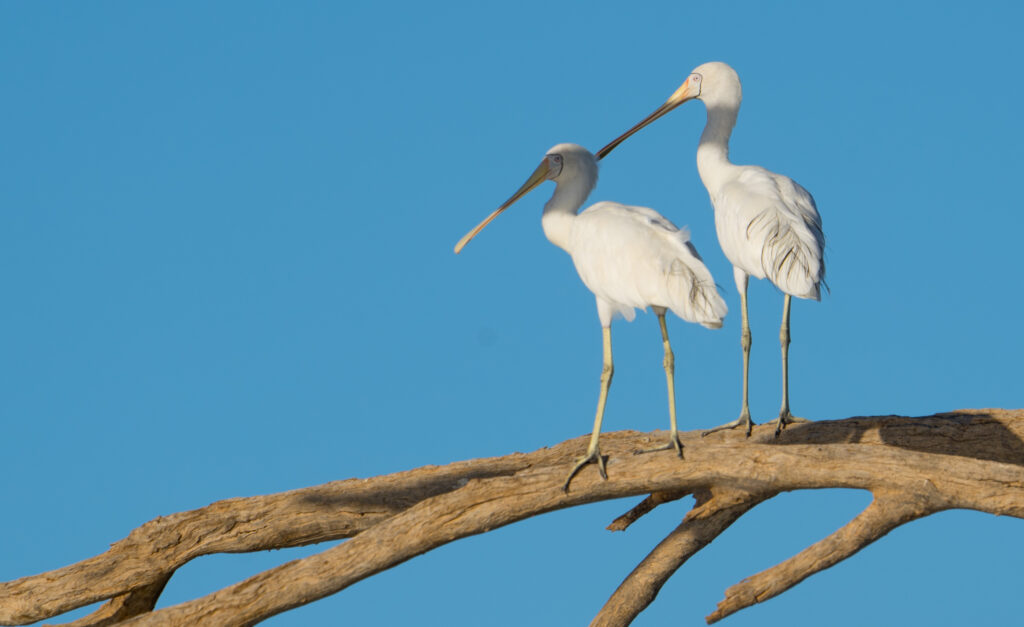
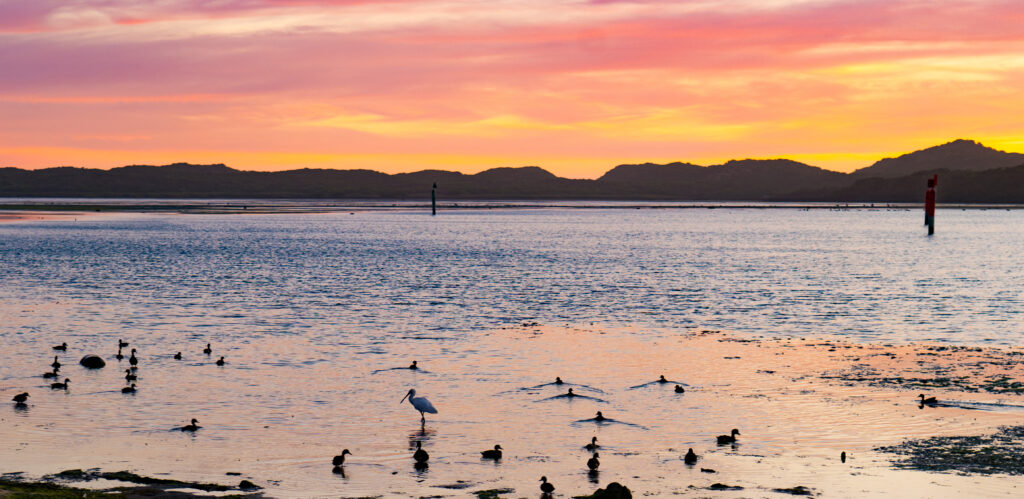
Roosting water birds at sunset – spot the spoonbill…
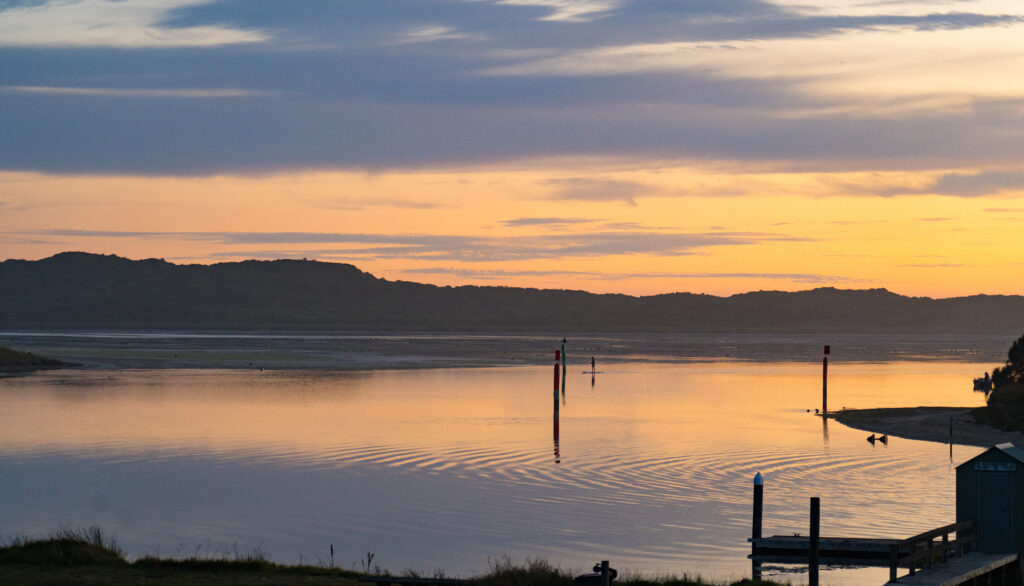
Glenelg River at dusk – can you see the paddle boarder?
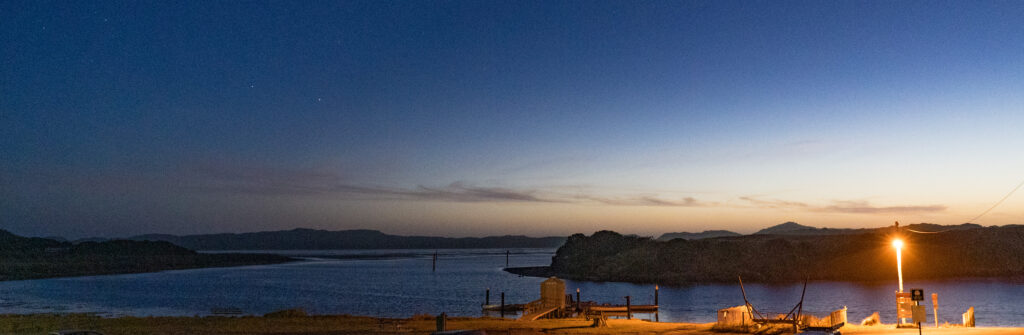
Glenelg River at night

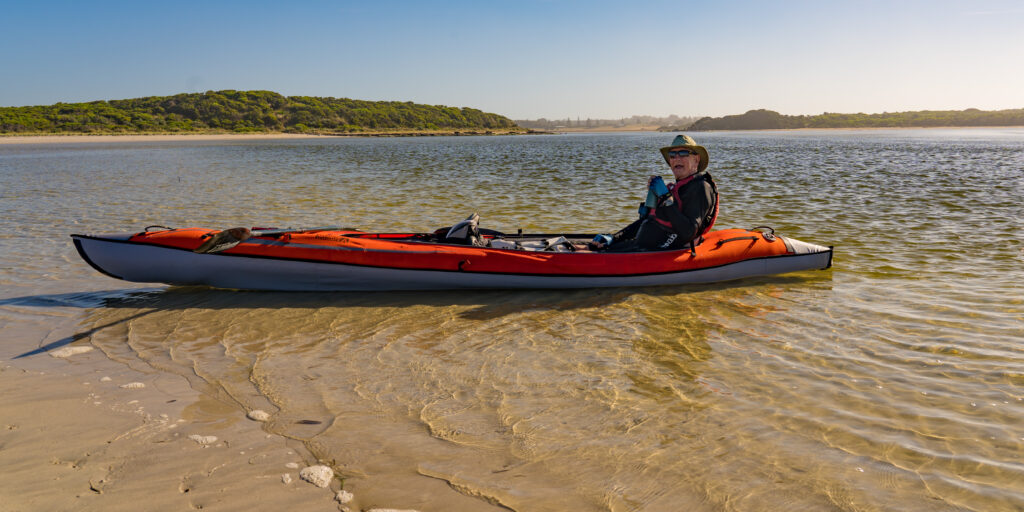
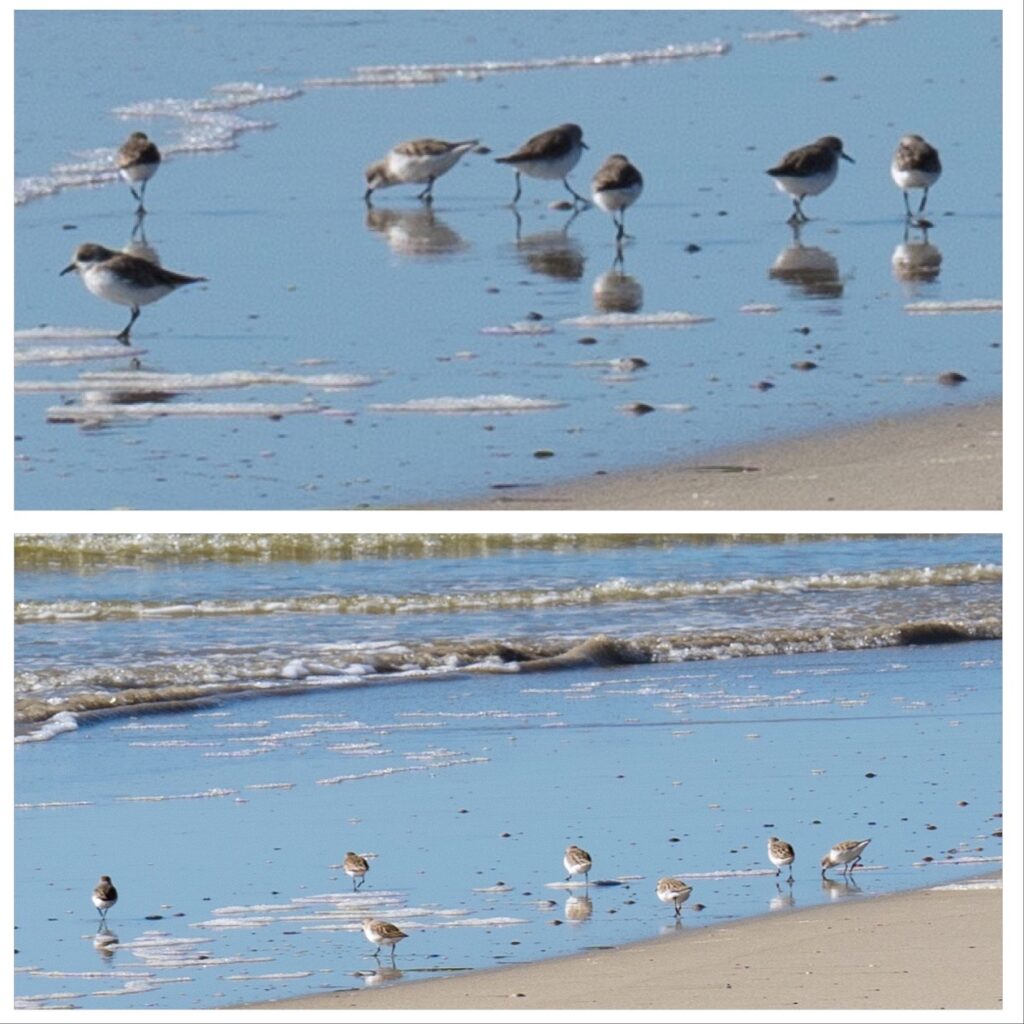
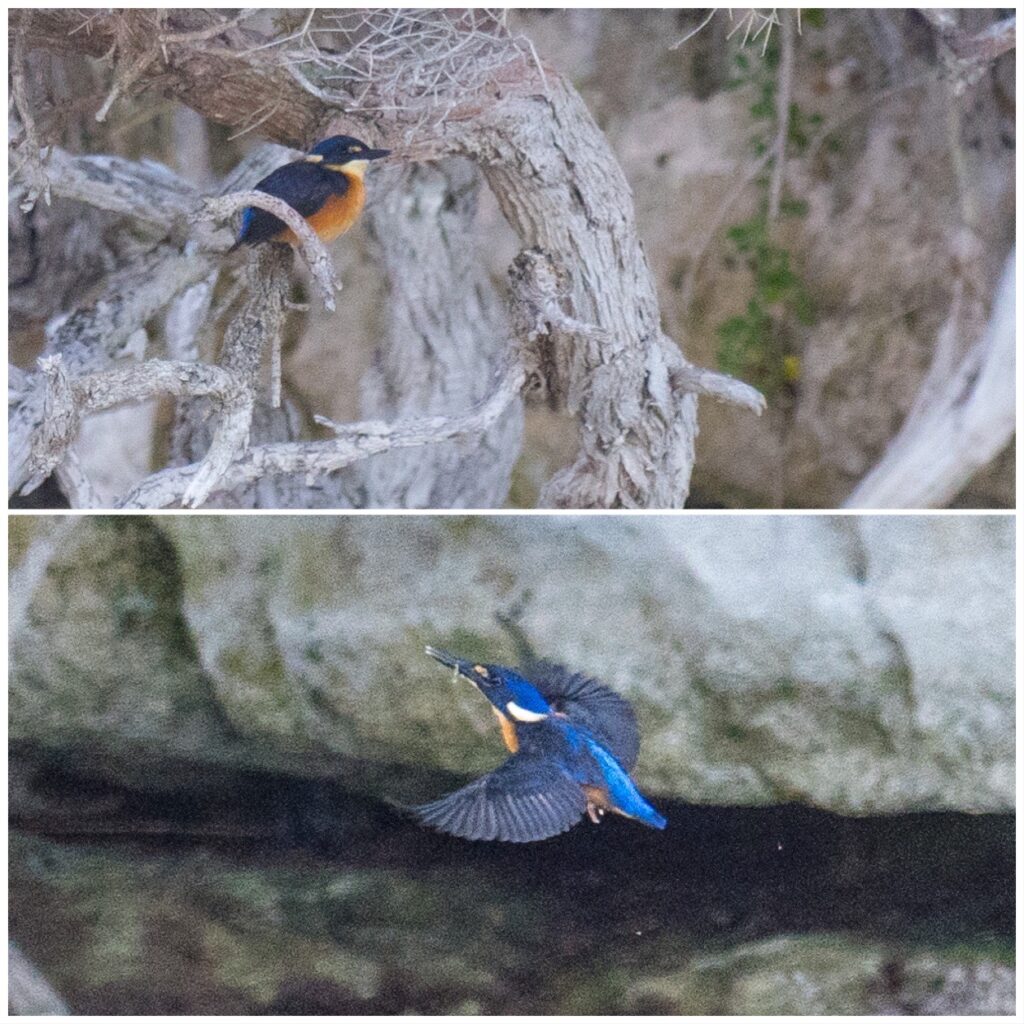
The new kayak is proving to be a great purchase, and we have had it out on the water for several trips. One trip (paddling map) across the estuary gave us top bird spotting opportunities with the range of water birds present. These included spoonbills, pelicans, nankeen night herons, white faced herons, black swans, musk ducks, sandpipers, terns, kingfishers and many more.

First human footprints (of the day) near the river mouth
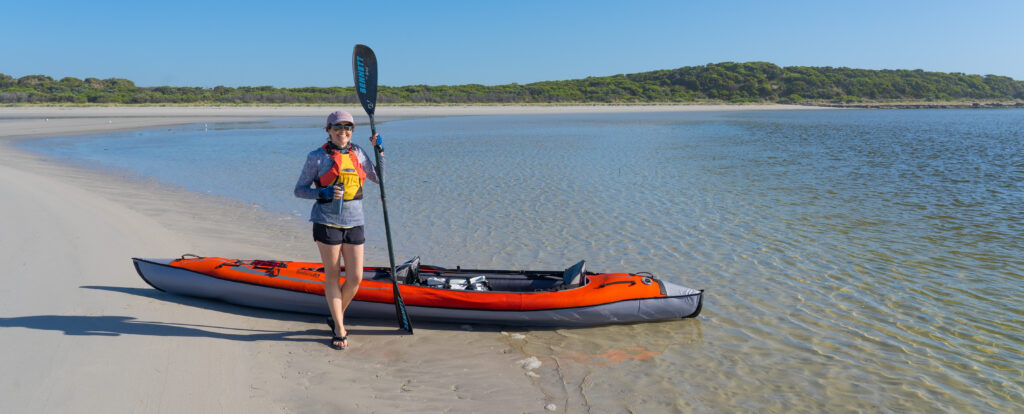
Our new tangerine transport
A pelican takes off as we approach
Sandpipers at the water’s edge
An Azure Kingfisher hunting for baitfish at the water’s edge

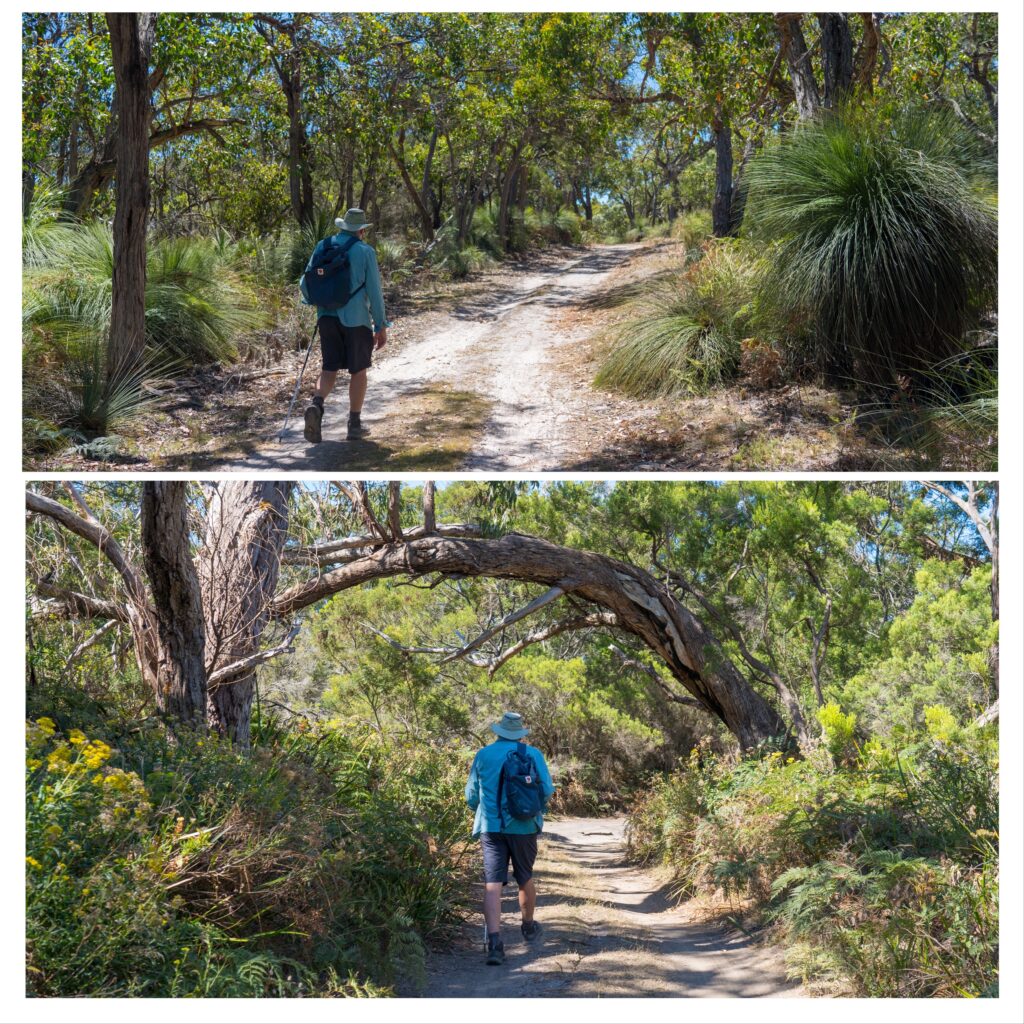
That afternoon we thought we had better give our legs a turn at exercise rather than the arms, so headed out to have a look at the long distance path mentioned above that runs through Nelson (walk map).

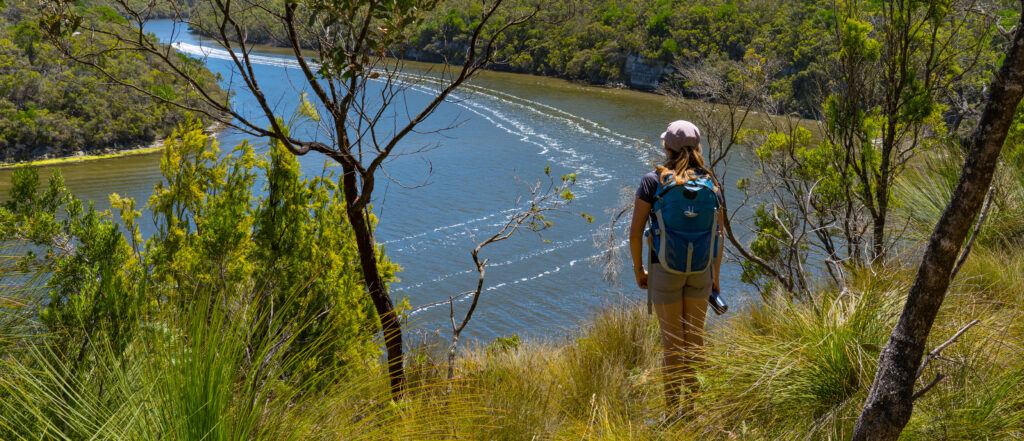
Some of the prettier parts of the walk
A view point over the river – speedboats and waterskiing is permitted in this area
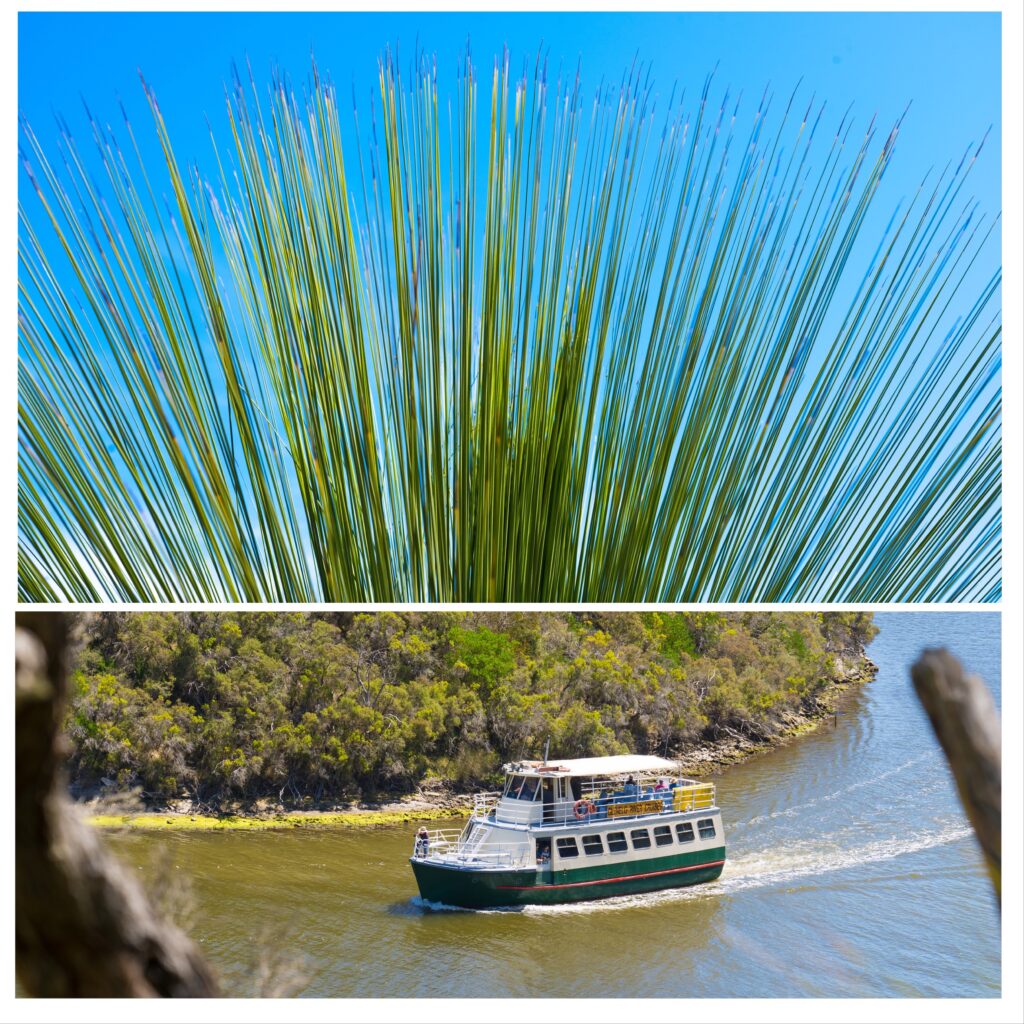
Bottom: A tour boat takes visitors up to Margaret Rose Caves – currently closed due to Covid-19 restrictions. Top: the mesmerising fronds of a grass tree
We even crossed the border into South Australia without a permit…and back…

The GSWW follows a circular route (unusually) of over 260km along both the Southern Ocean and the Glenelg River, with 14 bush camps provided en route. We didn’t find the first section we did that inspiring to be honest, trudging along a four wheel drive track, with the odd vehicle skidding round sandy corners forcing us to jump into the bushes. Given the size of this country, to have a walking path share space with vehicles just seems downright mean.

The next day, we took ourselves back on the water for another paddle, launching a short way up in the Lower Glenelg National Park.

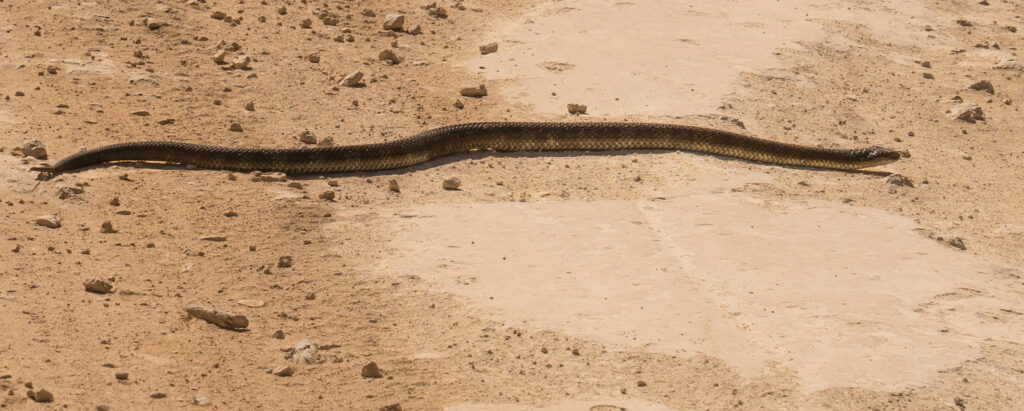
A dangerously venomous Tiger Snake crossed our path on the way to our boat launching spot….we stayed well clear…
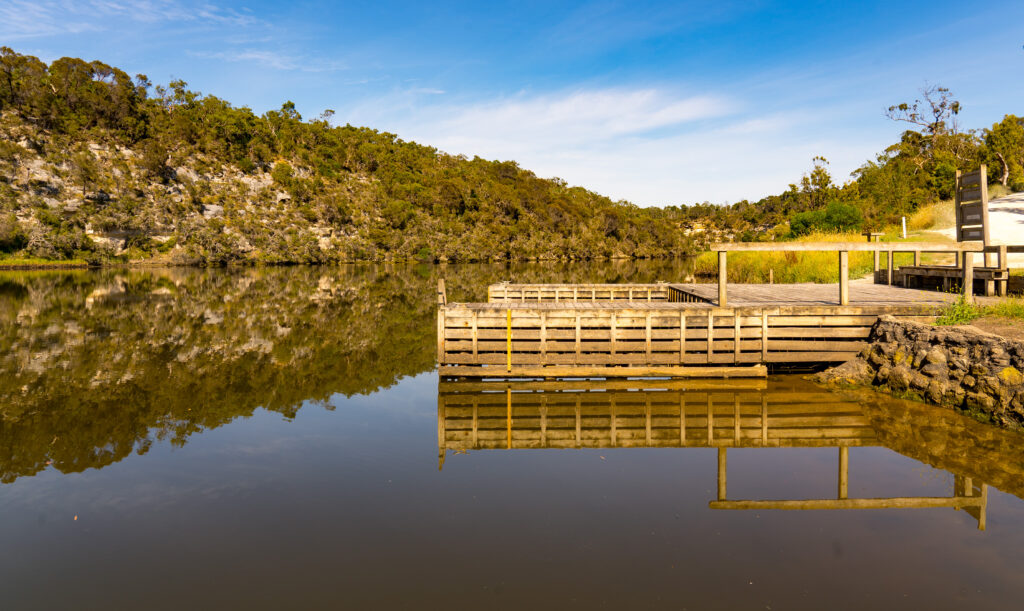
The perfectly still waters at Sandy Waterholes…not much sand to be seen though

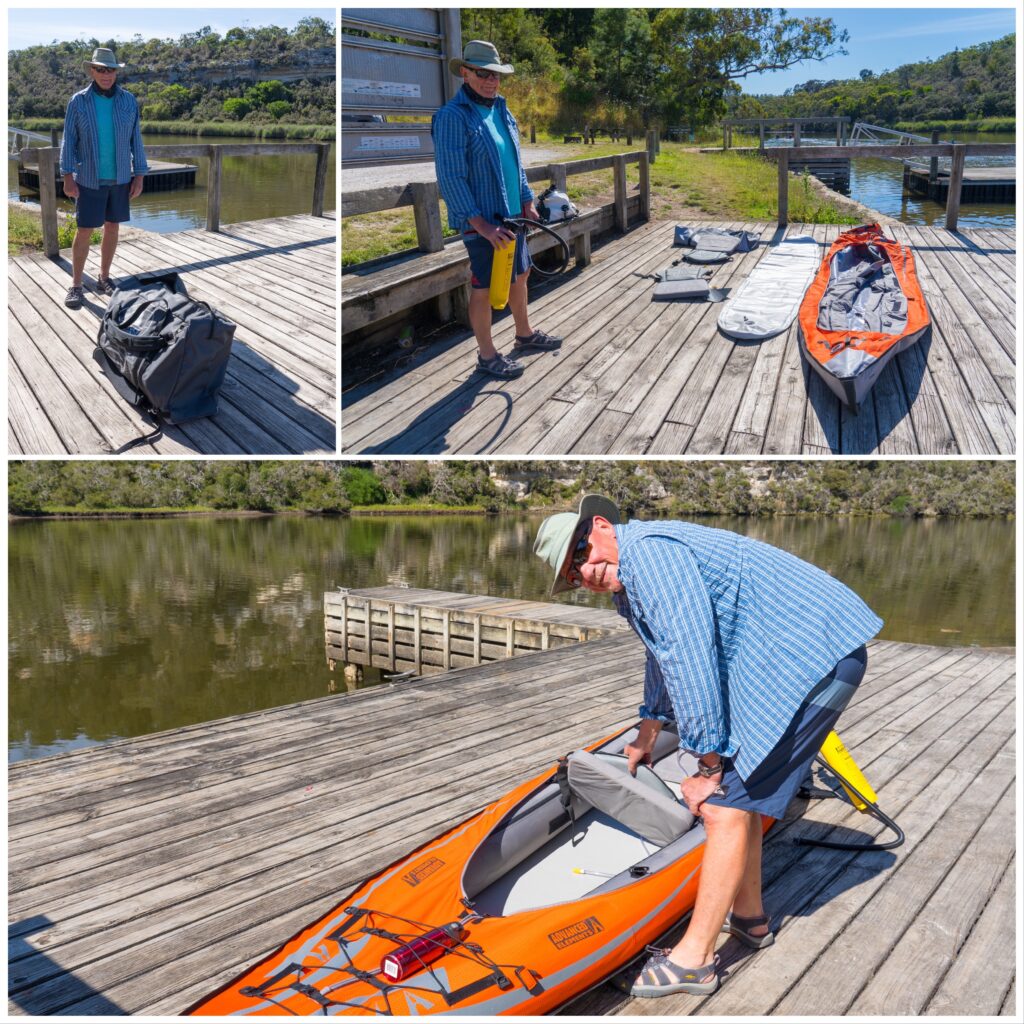
We soon had the kayak pumped up. Each time we learn something new and it gets a bit easier and quicker.

From bag to boat with only a few pumps of air

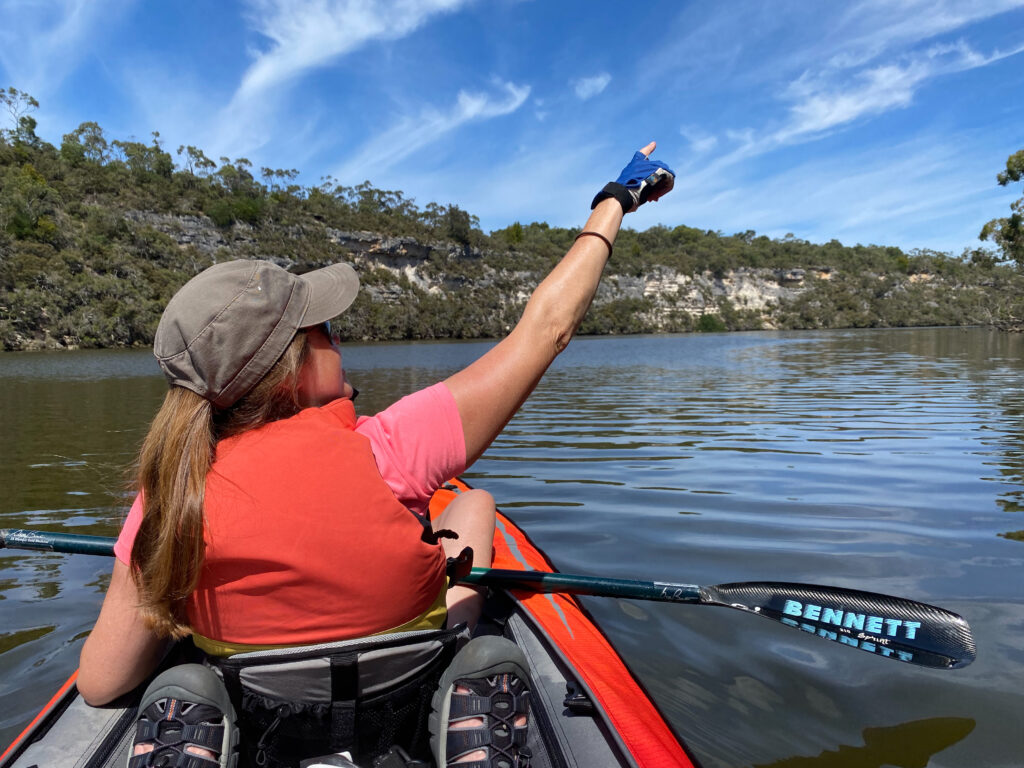
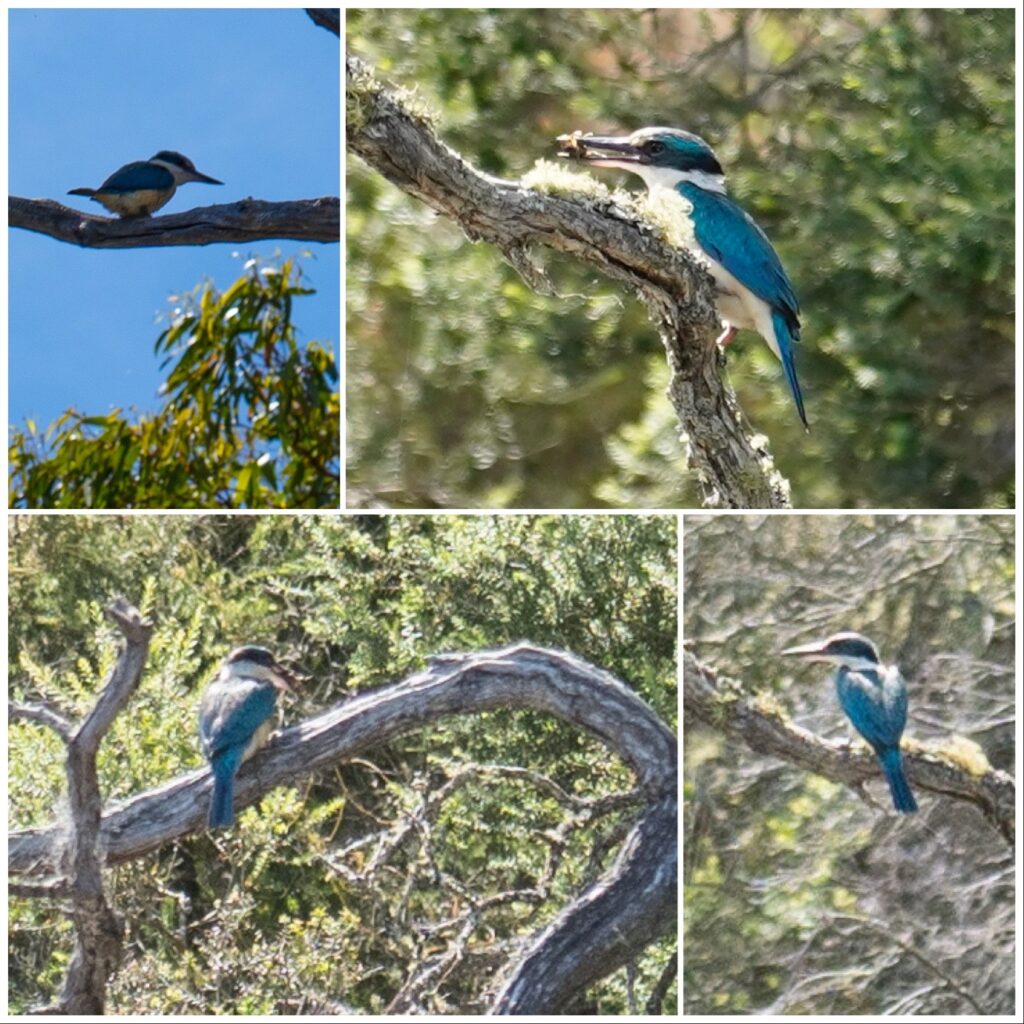
A short way along the river we soon saw to our delight a kingfisher darting amongst the trees. These little guys don’t stay still long and don’t come close, so Catherine found it a challenge to catch one in focus.

Mrs A points out a kingfisher in the trees
This is a Sacred Kingfisher – she was feeding a chick up in the trees – mostly with insects rather than fish

The heat soon forced us though to retreat back to the car, as it was 33 degrees with no shade on the river. We had really left it too late to get out, as it was nearly 11am before we launched. With boiling brains we headed back to camp and a few cold drinks.

Our final day at Nelson was even hotter at 38 degrees with 40kph winds making it feel like you were constantly having a hair dryer pointed at you. The washing didn‘t take long to dry though!

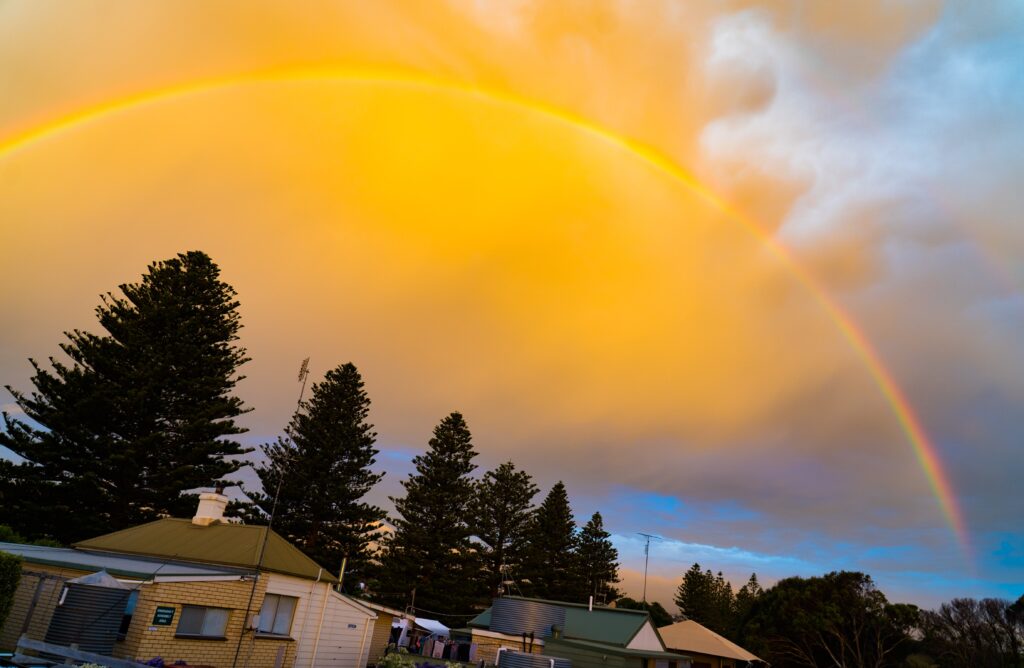
The southerly arrived finally to cool us down
Just in time to give us a farewell sunset

3-5 February: Finding cooler temperatures amongst the Great Lakes

Author: Mrs A

Location: Forster-Tuncurry, NSW, Australia

Monday: It was a hot day when we departed from Yamba, with temperatures climbing up in to the late 30s. We enjoyed the air conditioning in the car as we travelled, and we soon abandoned thoughts of breaking the trip down to Forster with a bush camp, choosing instead to call ahead and book an extra night at the campground.

We’d only been settled in about half an hour when the ‘southerly-buster’ hit. This change in the wind direction brought a dramatic thunder storm, some brief but heavy rain, and all importantly, a massive drop in temperature down to more comfortable early 20s. We slept the best in weeks!

Tuesday: The cooler temperatures hung around for the next morning, so we carried our kayak down the water for a paddle.

Our new location is a campground on the estuary of the Wollamba River, near where it meets up with the Coolongolock River and the waters of Wallis Lake. It’s the northern most end of the Great Lakes council area. The waters around here are absolutely riddled with oyster farms, the crystal clear water ideal for growing Sydney rock oysters. Wallis Island is one of many islands around the area and is home to an exclusive château worth $20 million, but now on sale for a mere $5 million if you’re interested? You’ll need a boat and perhaps a helicopter too though… Bargain…

Pelicans hang around the campground in anticipation of fish scraps
Stormy skies over some of the less expensive waterside properties in the area
Enjoying the cooler temperatures on this grey morning with a cup of tea
Oyster farms dot the shallow waters – to our right a farmer’s workplace

Later on, we jumped on our bikes to cycle into Forster-Tuncurry. These small twin towns are adjacent sides of a bridge and the estuary. Forster was named after the secretary for lands in the late 1860s, while Tuncurry is said to mean ‘plenty of fish’ in the local Aboriginal dialect. The area is popular with fisher people, so the interpretation of the name appears to be right.

After ticking off a few tasks we continued our ride out to a trading estate on the edge of town. There we pulled up at a rather closed looking factory. Within seconds a roller door opened and a gentleman with a light Durham accent (town in the north of England) invited us in.

On checking into the campground I had spotted a flyer for a local micro-brewery, The Coastal Brewing Company. Generally only open Friday to Sunday, Mr A had emailed to ask whether we could try a tasting – the prompt response letting us know we were welcome.

We opted to share a $10 tasting paddle of four of the beers on tap, with a couple of bonus tastings thrown in for good measure.

David pulls another tasting

The brewery is still in its first year of operation and is a labour of love for David and his wife Helen. David had a longtime career with international accounting firm Deloitte in Sydney, but decided to turn his hobby and passion for beer making into a business. At least there are no fears in ensuring the numbers add up, but it sounds like they are both learning a lot as they go. As for the beer? All delicious – I’m not a major beer drinker, but my sips were very agreeable and Mr A was very positive about the ones he tried. We returned later with the car to purchase some selections to share with friends later on in the week. Coastal Brewing sell through bottle shops around NSW, so if you enjoy a good craft beer, I’d check out their website to find a stockist near you.

Our cycle back to camp took us past a large oyster shed, so of course we had to call in and pick up a dozen for a late afternoon snack.

Fresh from Wallis Lake – delicious!
Percival Pelican looks disappointed in our lack of fish

Wednesday: We are finding ourselves switching into our transition mindset as we enjoy our last few days in the caravan until our next return to Australia in mid November. Food stocks are being run down and clothes organised to ensure we know what we need to take back for a rather wintry March in Europe.

After a morning of washing and organising, we decided we ought to get out to stretch the legs, so drove over to Cape Hawke Lookout in Booti Booti National Park. The fly catchers were out in abundance, and we soon realised why – the mosquito population is rather healthy out here! We drowned ourselves in repellant, but it seemed to only serve to alert the little bugs as to where we were, and our climb up to the top of the hill and the tower on top was accompanied by the constant high pitch whine of little wings as they jostled for a drink of our blood.

‘Give blood’ they urge….oh, we did…!

Our stay at the top of the lookout was rather brief, before we bounded back down the hill to the safety of the car and drove off.

Looking out to the nearly 12km of Tuncurry Beach in the distance

More rain is expected from midnight tonight and, with the highest possible water restrictions in force here, everyone is hoping it arrives. We’re anticipating a wet pack up in the morning as we up-sticks and head to the Hunter Valley for tomorrow night, hopefully bringing the rain with us to the vineyards.

28 January- 2 February: Northern NSW coasting, and Yamba casts a spell…

Author: Mr A

Location: Tweed Heads and Yamba, New South Wales, Australia

We left our friends in Noosa with heavy hearts. This roaming lifestyle means we have no clue when we will see them again. Good friendships survive distance, but are renewed with proximity. It has been a fantastic week but now we its time to head south towards Sydney.

Firstly though we needed to collect our home away from home from the manufacturer, Zone RV in Coolum, where they had serviced it. It was all ready and waiting for us, well, until they noticed our solar power wasn’t working. They immediately threw a sparky at the problem, found the fault, fixed it, and we were on our way. Great service from Zone RV. It’s a good feeling to see a company that has worked so hard to bring innovation into this traditional industry survive the ups and downs of a highly competitive and crowded market.

Our destination for the night was a riverside camping park at the small town of Tweed Heads. We really didn’t see much of it. By the time we had unpacked all of our gear from a week‘s stay, cleaned and reorganised the van it was late afternoon, and, as we found out when we went for a walk along the river bank, mosquito o’clock!

A pair of rainbow lorikeets nesting in a tree hollow beside the river

We returned indoors to relish our first air conditioned sleep since before Christmas. Lovely…

Our next stop was the coastal settlement of Yamba, famous for its prawns, delivered to the docks almost daily by the local trawlers. We arrived in time for lunch and followed the advice of a friend who grew up here and headed to Beechwood Cafe, just around the corner from our campsite.

Chilli Yamba Prawn salad and fresh sardines

Local sardines and prawns were accompanied by super fresh salad sourced from Grafton. Expensive for lunch, we felt, at $65 for the two of us, but it was great quality.

Enjoying the shade and fresh breeze at this little Turkish cafe

Times will be tough for businesses like these, with bookings to Australia from international visitors already down 10% on last year as a direct result of the bushfires. That’s an estimated $4.5bn loss to tourism related businesses. Even the local oyster farmer had suffered financially from the fires, his oyster beds having been damaged by burnt trees falling and sweeping his beds away. Small businesses like these need our support – and we we’re happy to oblige with an order for two dozen!

Two dozen oysters coming up….

We loved Yamba so much our planned two night stay turned into five! There’s so much to do here, with stunning surf beaches, meandering, sheltered waterways for boating, great cycling paths, and…the Best-Fish-and-Chips-in-Australia. I know…not a big call given the mediocre standard of most, but these from Yamba’s Fisho (suitably Australian name) were truly sensational. Washed down with a new favourite white grape of ours, Alvarinho, from a winery we visited in Rutherglen (Stanton and Colleen). We have found it to be a perfect partner for seafood.

At the end of the Yamba Breakwall
Sitting on the rocks watching the Terns diving for fish
Looking back towards the town along the break wall
Turners Beach, quiet at the end of the day
Walking over Clarence Head
Yamba Lighthouse (also called the Clarence River Light) built 1955
Admiring the estuary from Pilot Hill
The view across Yamba Beach from the Pacific Hotel
Mrs & Mr A outside the pub post Friday afternoon beverage

Unfortunately we have both caught colds, again, that’s right – just after we’ve recovered from the flu. It’s been a bit of an ordinary trip this time from a catching-every-virus-going perspective. Anyway, after some restful days with short walks in the relative cool of the later afternoon (anything less than 30°C is a bonus it seems nowadays!), we decided to venture out on the water for a paddle. What a great day we had.

Seeking out the shallow, quiet waters away from the jet skis and fishing boats
Beautiful reflections in the still waters alongside Sleeper Island
Finding a private beach for lunch on Freeburn Island

While the Clarence river stretches for a bend short of 400km, we managed to cover 4% of those..so many more to explore one of these days. We saw several sea eagles and kites cruising what seem to be a healthy waterway, judging by their success rate at finding fish snacks.

When we took a ferry over to the small settlement of Iluka on the other side of the river mouth, dolphins were doing their jumpy thing right alongside the boat, busy hunting fish of their own.

A bottle nose dolphin dives for dinner right beside us
Another pair chasing their lunch
Riding through the Iluka Nature Reserve – a protected area of native rainforest
Rushing to outrun the hungry mosquitoes
The pristine perfection of Bluff Beach
Waves crashing over Iluka Bluff

We stayeded in Iluka for a few hours, riding though some rain forest, chased by mossies, then emerging on this fabulous beach. It would be hard to run out of things to do here over a holiday. But Sydney calls and we must finally drag ourselves away from this watery paradise.

Awaiting our ferry home
Our ferry approaching…and off back to Yamba….and on to pastures new…

17-28 January: North to where the air is clean

Author: Mrs A

Location: Sydney, Newcastle and New Italy, NSW to Noosa, Queensland

Our last post left off while I was having more steroid injections in my neck. Regular followers may recall I had some bad news 6 weeks previously, with my airway closing by about 40%. Well, the good news from this appointment was abundant. Not only had the injections worked to reverse the scarring, but my airway was about 90% open. Even my doctor could hardly believe the results. We drove away from Sydney in torrential rain literally breathing a sigh of relief knowing we could enjoy the next few weeks touring without worrying.

Our first stop was Newcastle, a couple of hours north of Sydney, where we spent a fun evening catching up over beers, wine and curry with our friends Chris and Karen in their new-to-them home. Saturday morning saw us pull away early and start heading north, a roadside rest area in a tiny settlement called New Italy our destination for the night.

Feeling pleased we’re in a four wheel drive as we drive through floods in northern NSW

The rain brought with it some slightly cooler temperatures, and we enjoyed a peaceful night’s sleep in our comfortable Zone, sheltered from the weather and all outside.

We continued our journey up into Queensland, switching our watches back an hour as we crossed the border and headed to Twin Waters where we pulled up outside the home of some fellow Zone owners, Peter and Mary. They kindly invited the three of us into their air conditioned home – Tassie wasted no time settling in and after a tour around the premises looking for geckos relaxed for a nap on their bed.

Fine overnight parking in Twin Waters just south of Coolum Beach

Monday morning we dropped off the caravan at the Zone factory for a service in Coolum, and continued in the car up to Noosaville to stay with our friends Wendy and Ray.

Our friends are about to trade in their waterfront apartment for one with broader sweeping views of lake, river and bush, so we made the most of the Noosa River views for the last time. Their landlord has put the apartment up for sale in all its original 1970s glory. It needs substantial renovations and upgrading – the owner wants a couple of million dollars for it, if you have some spare cash…

We were treated to a fabulous sunset on our first night…

A very special sunset

And on our second night a very dramatic storm which we watched roll in from the west:

Glimmers of the setting sun just visible under the storm front as it looms over
Drama in the skies
Hundreds of lighting strikes

During the days, Mark and I made use of being surrounded by water to get out on the kayak, exploring the river and lake, investigating some of the sand islands and inlets in the Noosa River mouth. The water really is the best place to be at this time of year, with the humidity at 70% and upwards with days over 30 degrees centigrade.

We saw giant sea eagles and a pair of curious chestnut winged brahminy kites hunting along the waterways, stingrays and spotted leopard rays cruising along the shallow waters looking for food.

Interesting mangrove lined waterways, rich in bird life and many rays
Beautiful beaches and warm waters for swimming – no that’s not a beer – a cup of herbal tea!

A showery morning saw us heading out to the national park for a walk, the rain quite refreshing as we hiked through 12km of beautiful scenery.

Rainforest looking its tropical best in this weather, with a strangler fig winding its way down its host tree and scribbly bark trees shining white
Our loop walk tools us back into Noosa via the coast
A well disguised koala dozes high up in a eucalyptus tree

We enjoyed many delicious meals at home with the multi million dollar view, but also went out one evening to Parkridge, near Ray and Wendy’s soon to be new home, at a restaurant called Fish. We had great seafood accompanied by a very tasty riesling.

Cheers! Gorgeous meal and company

On Saturday evening Mark and I were met at the private jetty by our friends Brian and Caroline (former Sydneysiders who moved up here several years ago), who wizzed us out via motorboat to their houseboat on the river. There we enjoyed a glass of wine and a BBQ as the sun went down across the water. Life’s not too bad, is it?

Caroline and I catching up on news
Hamish and Hannah help Brian bring the boat in after a run back to shore to get the all essential matches for the BBQ!
A fine view from the back of the boat

We finished off our week with Ray and Wendy, enjoying a fine Australia Day with a visit to Noosa farmer’s markets in the morning, a jump in the surf at Sunshine Beach, delicious lunch and a sunset dinner on the balcony.

We never tired of this dinner view
Enjoying an end of day beer
A glass of rosé for me
And another fine sunset to see in the new week

What an incredible few days we have had. We feel so privileged by the kindness shown to us – not only by longtime friends, but by generous strangers who welcomed us into their home simply because we made the same choice of caravan. It must be something in the Zoner water.

It’s been hot and humid in Queensland, which was as we expected, but not completely unbearable (as long as you can escape into some air conditioning!). We’ve still had an amazing time, explored on foot and by water, seen some wonderful sunsets, birds and wildlife. It’s one hard area to leave, but now it’s time to start heading south, back towards Sydney. Goodbye Noosaville, I’m sure we’ll be back.

We’re sure Miss Tassie will miss this view too…

25 December – 1 January: Oh what a year! Reflecting on 2019 as we enter a new decade

Author: Mrs A

Location: Sydney, Australia

The past week has been full of friends, colour and laughter, starting with a Christmas day feast, lunch catch up in the city, and finishing the year with a bollywood inspired new year’s eve fancy dress party.

Christmas and new year’s fun with friends in Sydney, Australia

Coming to the end of the year, it’s a great time to reflect on all the amazing things we have seen and done – even we pinch ourselves when we recall all the adventures we have had.

The year started in New Zealand, spending time in Omokoroa, a stunning quiet harbour side area in the North Island near Tauranga. We did some incredible walks, met up with lovely friends and spent some quality time with my dad and his wife Sue.

January 2019 in New Zealand

From there, we returned to Australia and spent a couple of months touring Victoria, catching up with friends new and old, a little wine tasting, paddling and cycling thrown in for good measure.

February-March 2019 – Victoria, Australia

At the end of March it was time for our long awaited Europe adventure. We flew to the UK, arriving on what should have theoretically been Brexit Day. Of course it didnt happen, which suited us fine, allowing us free reign to explore Europe without deadlines. We picked up a new-to-us motorhome, which we named Truffy (all motorhomes have a name apparently!), and set about making him comfortable while we caught up with friends and family, Mr A becoming expert in piloting a left-hand-drive vehicle.

Our first month with Truffy, touring friends and family

In May we set off for France, taking a ferry across the channel. We joined friends at a gite in the Champagne region and learned a lot about sparkly bubbles. In Provence, there were more friends to see, beautiful scenery and amazing weather.

Champagne and Provence, France

Leaving there, we headed off to the Italian Riviera and Tuscany, falling in love with the beautiful towns, friendly people and delicious food and wine.

The stunning Italian Riviera

We travelled across the middle of Italy over to Le Marche, where we spent a week with more friends, touring the stunning villages, vineyards and mountains of the area.

Fun with friends in Le Marche, Italy

Croatia was our next stop, with some time in Dubrovnic before a cycle-cruise with friends up through the islands. Sparkling clear waters, peaceful sleepy villages and friendly smiles on the islands, a little edgier on the mainland, busy with tourists flocking to the pebbly beaches for the summer. From there we worked our way up through the country to Slovenia.

Amazing sunsets and turquoise waters greeted us in Croatia

Slovenia, we really loved. From spectacular art, delicious wine, amazing cycling opportunities, safe, friendly cities and the most beautiful lakes of Bled and Bohinj. To say nothing of enjoying the novelty of cycling into Italy and back, just because we could.

Picturesque Slovenia

We drove through the Karawanks Alpine Range to Austria next, a country chock full of stunning views, colourful houses, and a cyclist’s dream with hundreds of kilometers of paths away from traffic or through quiet villages.

Awestruck in Austria

A brief interlude with Bavaria in Germany caught us up with some old friends while visiting lakes, waterfalls, castles and more cycle adventures.

Beers and bikes in Bavaria, Germany

Our 10th country of the year was Switzerland, where a pulled pork sandwich is a cool $42 at the airport. Mr A spent some time by bike exploring Zurich while I flew to the UK for a hospital visit, and once I was back we moved on to cheaper regions back in France.

Cycling and river swimming in Swizerland

We spent a few weeks in France, did some big day walks, explored Brittany and Normandy and wallowed in the Anglo-French history, learning lots about everything from medieval times through to the second world war. We did some cycling and wine tasting the Loire Valley, and decided we were not so keen on French oysters when we parked for the night on a farm.

A final jaunt across France

Back in the UK we spent some time with family and explored areas we had not seen much of before. We visited Derbyshire, Yorkshire, County Durham and the Lake District, but the absolute highlight was Scotland. After a few days in Edinburgh, we set off for the Outer Hebrides, visiting Skye, Harris and Lewis, and the highlands. Being off peak, the weather was rather fresh, but the scenery spectacular and unlike anything else.

Previously unexplored corners of the UK

We finished off our time in the UK with visits with friends in Chester and Nottinghamshire, before putting Truffy into storage for a few months and jetting off on what should have been the next Brexit Day (but wasn’t) to the warmth of Australia.

A final fling visiting friends and family before we jet off around the world

Back in Australia we had a brief catch up with friends in Sydney, before picking up our Zone (caravan) and heading south. We went back into Victoria, exploring some more wine regions and attending a Zone-muster.

Beautiful Victoria before the fires

We were fortunate to be invited to house sit for a good friend for six weeks over the Christmas period – a time we generally try to avoid travelling due to the busy school summer holidays. It has really made us appreciate being settled in a home for a few weeks, a chance to unpack, take stock and enjoy the city life from a location that is quiet and bushy.

Many of the areas we visited in November have now been burnt beyond recognition, the tarmac melted and warped, trees down across roads, properties and lives lost. It is so sad, but we feel privileged to have visited the regions in safety before all this happened.

There is enough in the press about the fires through Australia so I won’t dwell on that, only that like the rest of the country we are hoping for relief sooner than later – sadly no rain forecast at least until the end of January. Mark and I have donated to the Salvation Army Bushfire Appeal – please click on the link if you’re able to help too – any sum of money is appreciated to help those families who have lost everything.

Thank you to everyone who was a part of our year and helped make it so special. The kindness of friends and strangers (who became friends!) has really made our travels so memorable.

Thank you too to everyone who regularly follows our posts, we really appreciate it! If you’re not yet a subscriber and would like to make sure you don’t miss an update from us, you can subscribe here. We have an exciting year ahead planned, with more travel in Australia, Singapore, the UK, Austria, Spain, France and Scandinavia.

We would like to take this opportunity to wish you a very happy, healthy and safe year ahead, may 2020 bring you adventures and maybe we’ll meet you on the road somewhere?

Keep in touch, we LOVE hearing from you!

PS If you were part of our year and we’ve not included a photo of you in our montages its only because we are so limited in how many to include – I am certain there is likely a photo of you on this blog somewhere! Thank you!